Slideshow · Viral
Fascinating Superstitions About Witches You Didn't know
From witch bottles and iron horseshoes to hag stones and bell ringing, explore the bizarre charms used to ward off sorcery.
By Most Viral Today
30 Oct 2026

Fascinating Superstitions About Witches You Didn't know 
20. Hanging Iron Horseshoes Over Doors 
19. Concealing Witch Bottles In Hearths 
18. Laying Brooms Across The Threshold - AdvertisementSwipe or tap ▶ to continue countdown

17. Planting Rowan Trees Beside Homes 
16. Sea Storms And Weather Witchcraft 
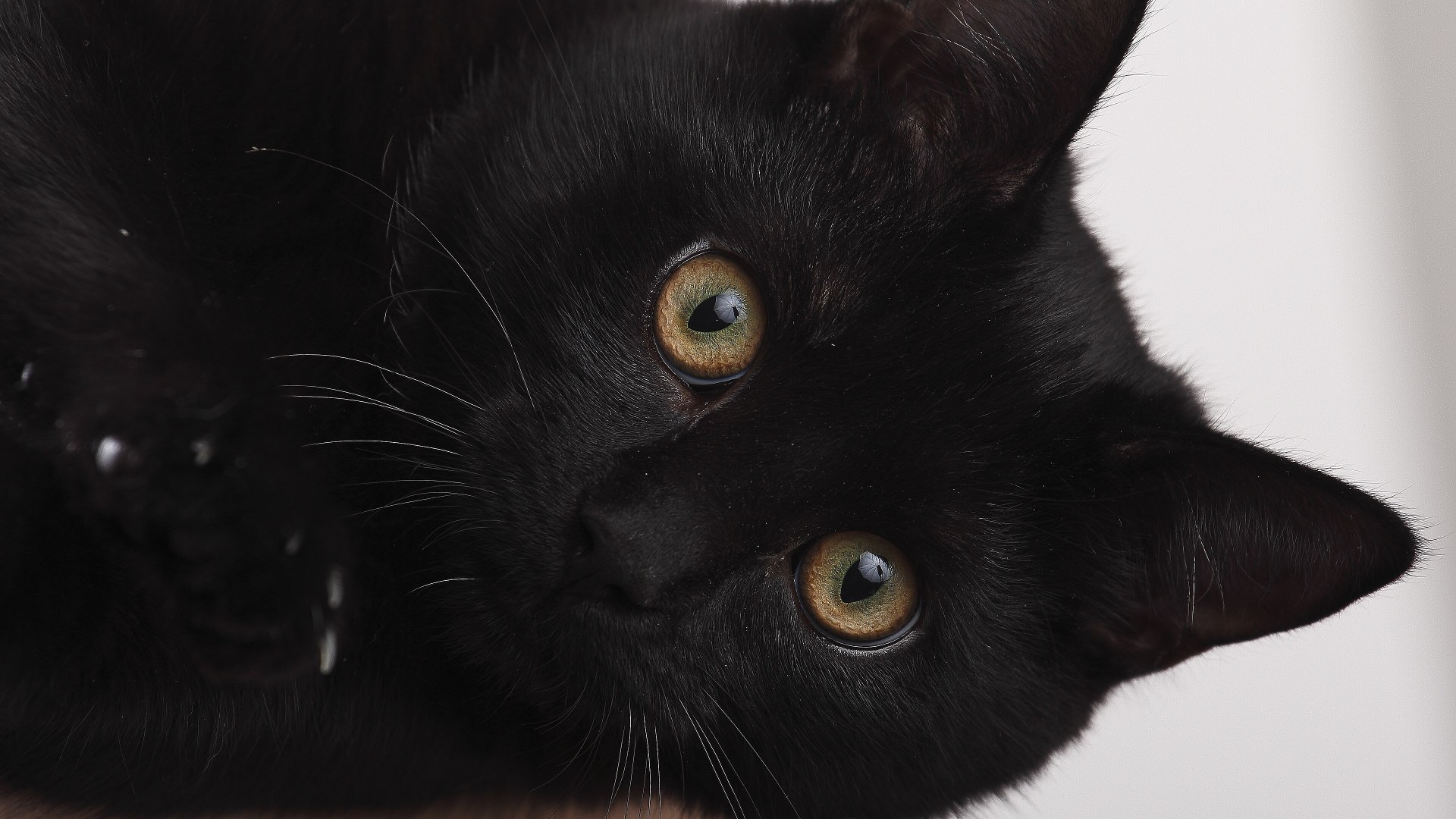
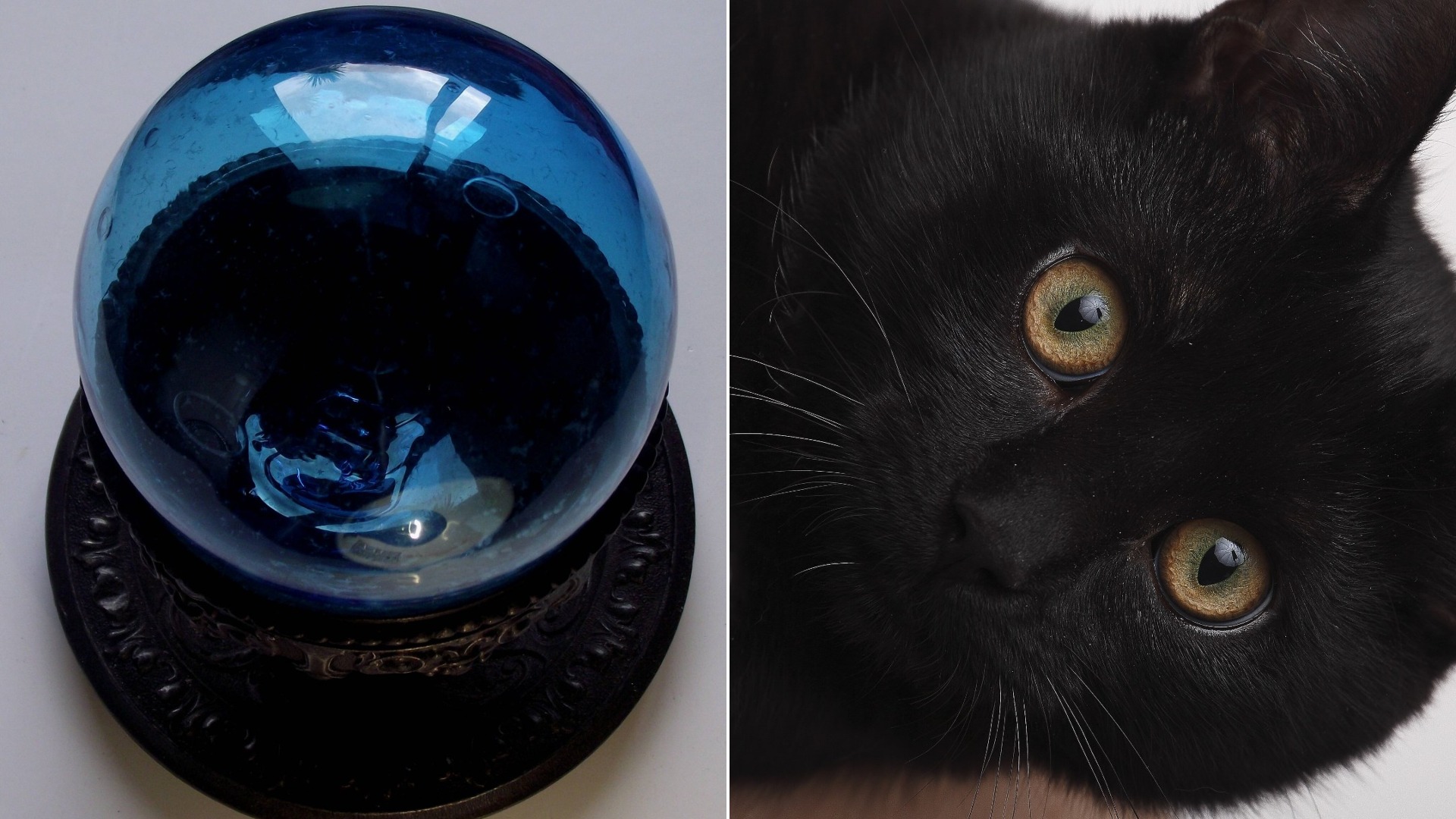
15. Black Cats As Supernatural Familiars 
14. Tossing Spilled Salt Over The Shoulder - AdvertisementSwipe or tap ▶ to continue countdown

13. Dropping Silver Into Milk Churns 
12. The Water Ducking And Floating Test 
11. The Taboo Of Burning Elder Wood 
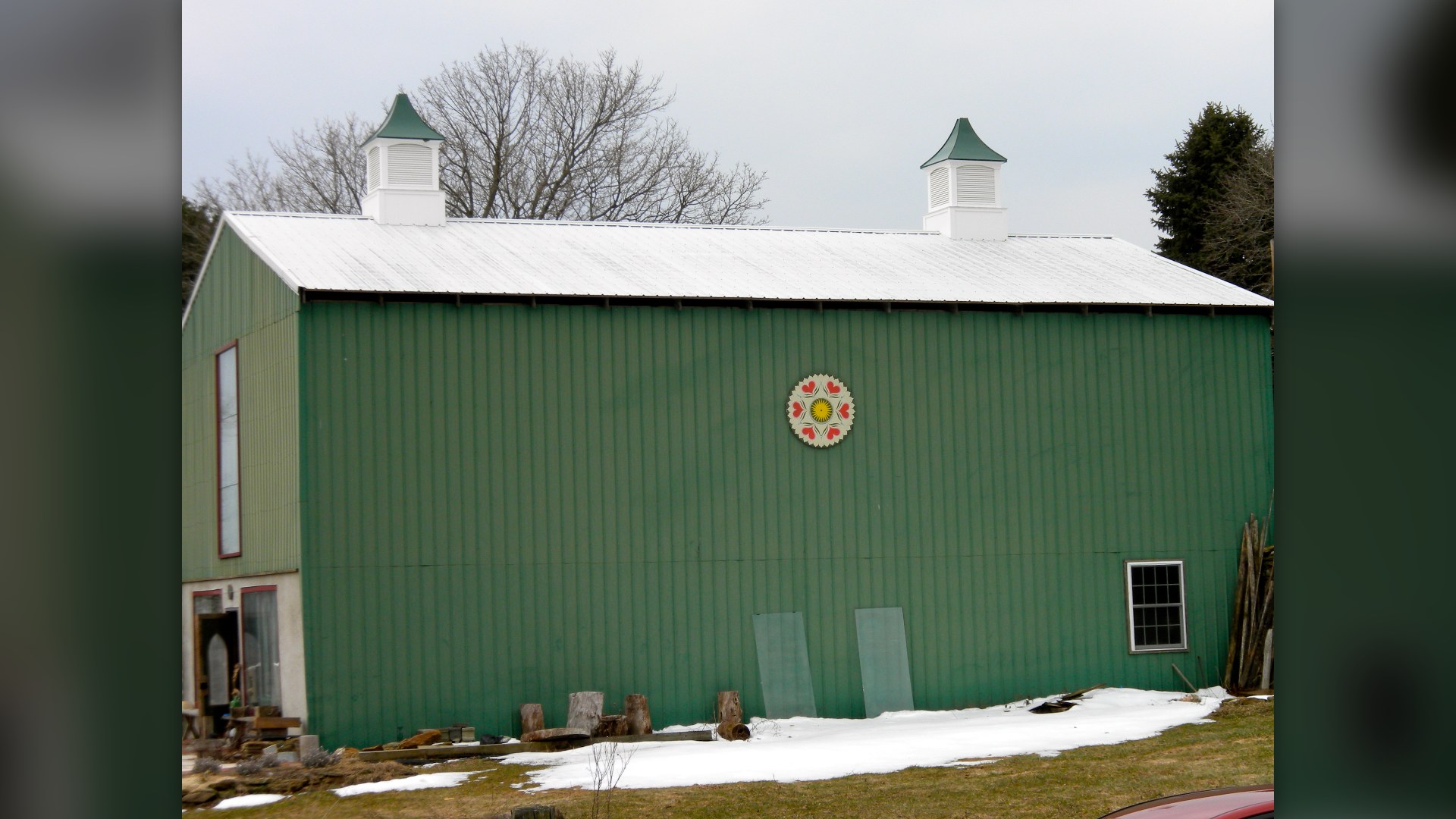
10. Painting Hex Signs On Barns - AdvertisementSwipe or tap ▶ to continue countdown

9. Carrying Perforated Hag Stones 
8. Concealing Worn Shoes In House Walls 
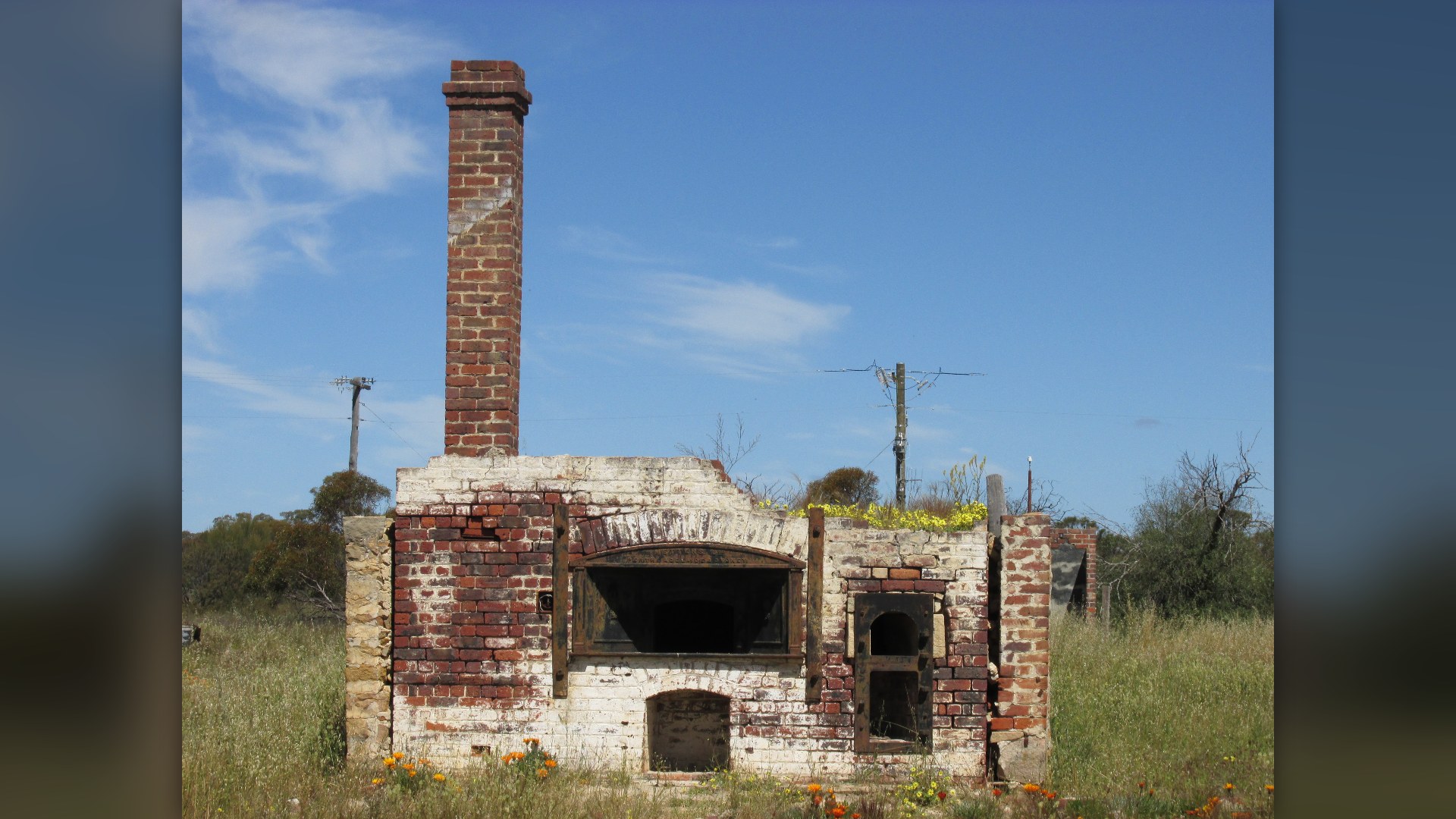
7. Chimney Hooks And Soot Traps 
6. Church Bells Disrupting Hexes - AdvertisementSwipe or tap ▶ to continue countdown

5. Scattering Poppy Seeds On Thresholds 
4. Hanging Mistletoe Protection 
3. Lancashire And Pendle Witch Folklore 
2. Walpurgis Night Fires And Gatherings - AdvertisementSwipe or tap ▶ to continue countdown

1. Witch Balls Hanging In Sunlit Windows - Advertisement🔥 UP NEXT IN THIS SERIES◫ 21 Slides

20 Iconic Historical Photos and the Archive Clues Behind Them
Contact sheets, cracked glass plates, and NASA mission logs preserve the hidden steps behind 20 famous photographs. Drawing on records from the Library of Congress, the National Archives, NASA, and the Smithsonian, this countdown traces how cropping, camera setups, and double exposures shaped each frame.
For centuries, communities across Europe and colonial America relied on protective charms, domestic rituals, and household talismans to guard their homes against witchcraft.
Swipe or tap ▶ to begin the countdown
©Wikimedia / Wikimedia & Wikimedia / Dmitry Makeev
20. Hanging Iron Horseshoes Over Doors
Early Europeans believed cold iron possessed supernatural purity capable of warding off witches. Mounting a blacksmith-forged horseshoe above the front doorway ensured dark spells could never cross into the home.
©Wikimedia / Nesnad
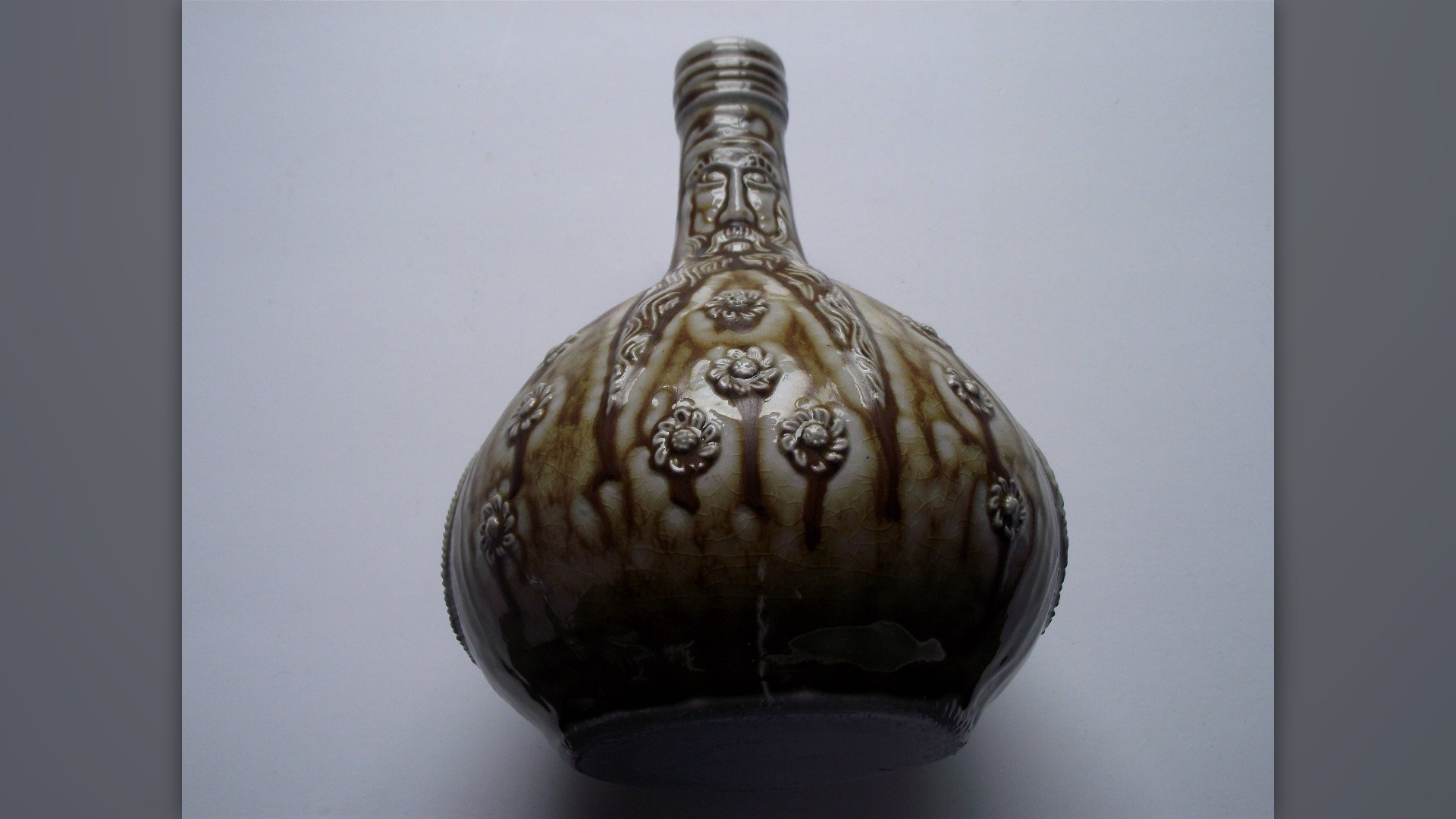
19. Concealing Witch Bottles In Hearths
During the 16th and 17th centuries, households buried stoneware jugs beneath hearths and doorsteps. Filled with bent pins, salt, and urine, these vessels were designed to deflect curses back upon the caster.
©Wikimedia / Malcolm Lidbury
18. Laying Brooms Across The Threshold
Superstition held that witches could not cross over a fallen broom without pausing to count every individual straw. Laying a broom flat across entryways created an insurmountable physical barrier before dawn.
©Wikimedia / Paisley Scotland
Advertisement
Swipe or tap ▶ to resume the countdown.
17. Planting Rowan Trees Beside Homes
Celtic and British traditions revered the rowan tree for its protective vitality and bright scarlet fruit. Families planted rowan saplings beside gates and carved rowan crosses to safeguard livestock from witchcraft.
©Wikimedia / George Chernilevsky
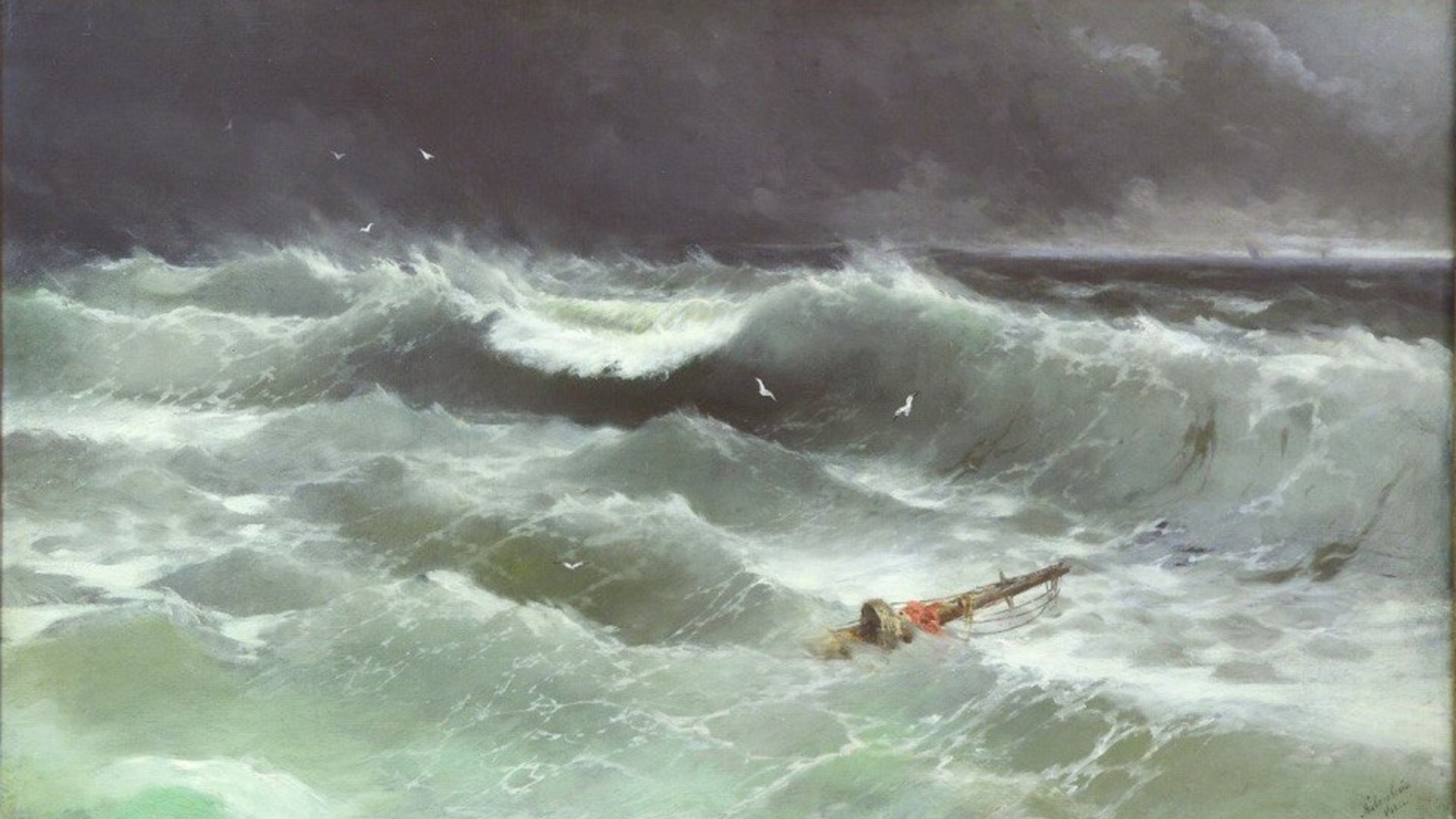
16. Sea Storms And Weather Witchcraft
Maritime folklore held that witches held dominion over coastal tempests and rogue squalls. Mariners frequently blamed unexpected disasters at sea on malevolent spellcraft, keeping charms onboard to calm the wind.
©Wikimedia / Ivan Aivazovsky
15. Black Cats As Supernatural Familiars
During early modern witch trials, interrogators argued that malevolent spirits took the physical guise of nocturnal black cats. Crossing paths with one became an enduring omen of supernatural misfortune.
©Wikimedia / Dmitry Makeev
14. Tossing Spilled Salt Over The Shoulder
Because salt represented incorruptibility and preservation, spilling it was considered an invitation to demonic interference. Tossing a pinch backward over the left side cast protective mineral warding into the unseen realm.
©Wikimedia / Paul Goyette
Advertisement
Swipe or tap ▶ to resume the countdown.
13. Dropping Silver Into Milk Churns
When cream refused to turn into butter, rural communities suspected a witch had cursed their dairy herd. Placing a sterling silver sixpence into the churn was believed to instantly purify the cream and break the hex.
©Wikimedia / Gpkp
12. The Water Ducking And Floating Test
Under the floating trial, an accused person was bound and lowered into deep water. Superstition claimed that because water was pure, it would reject a witch and force them to float, whereas innocence sank beneath the surface.
©Wikimedia / Auckland Museum
11. The Taboo Of Burning Elder Wood
Folklore across England and Scandinavia claimed elder bushes were home to protective wood spirits or even transformed witches. Bringing elder branches indoors to burn was thought to bring devastation upon the hearth.
©Wikimedia / David Lally
10. Painting Hex Signs On Barns
Pennsylvania Dutch communities decorated barn gables with intricate, brightly painted star motifs. Known colloquially as hex signs, these geometric talismans were popularized as shields against lightning and bewitched herds.
©Wikimedia / Smallbones
Advertisement
Swipe or tap ▶ to resume the countdown.
9. Carrying Perforated Hag Stones
Known as adder stones or hag stones, pebbles with naturally bored holes were prized as potent talismans. Peering through the opening was believed to strip away magical illusions and unveil witches in their true form.
©Wikimedia / Ansgar Koreng
8. Concealing Worn Shoes In House Walls
Worn leather shoes carry the unique physical impression and personal scent of their wearer. Builders immured old shoes near entryways and chimney flues to act as decoys, confusing witches and capturing lingering curses.
©Wikimedia / Edmund Patrick
7. Chimney Hooks And Soot Traps
Because chimneys remained open to the sky, folklore branded them vulnerable access points for witches riding the night air. Families hung iron pot hooks and dried herbs in the flue to block aerial intruders.
©Wikimedia / Orderinchaos
6. Church Bells Disrupting Hexes
In medieval Europe, church bells were consecrated with holy water to drive away airborne demons. Communities rang the heavy bells vigorously during storms to dissipate dark atmospheric sorcery.
©Wikimedia / W.carter
Advertisement
Swipe or tap ▶ to resume the countdown.
5. Scattering Poppy Seeds On Thresholds
A persistent European folk superstition claimed witches possessed an uncontrollable urge to count small granular objects. Throwing poppy seeds across paths kept them occupied until daybreak dissolved their power.
©Wikimedia / Jeremy Keith
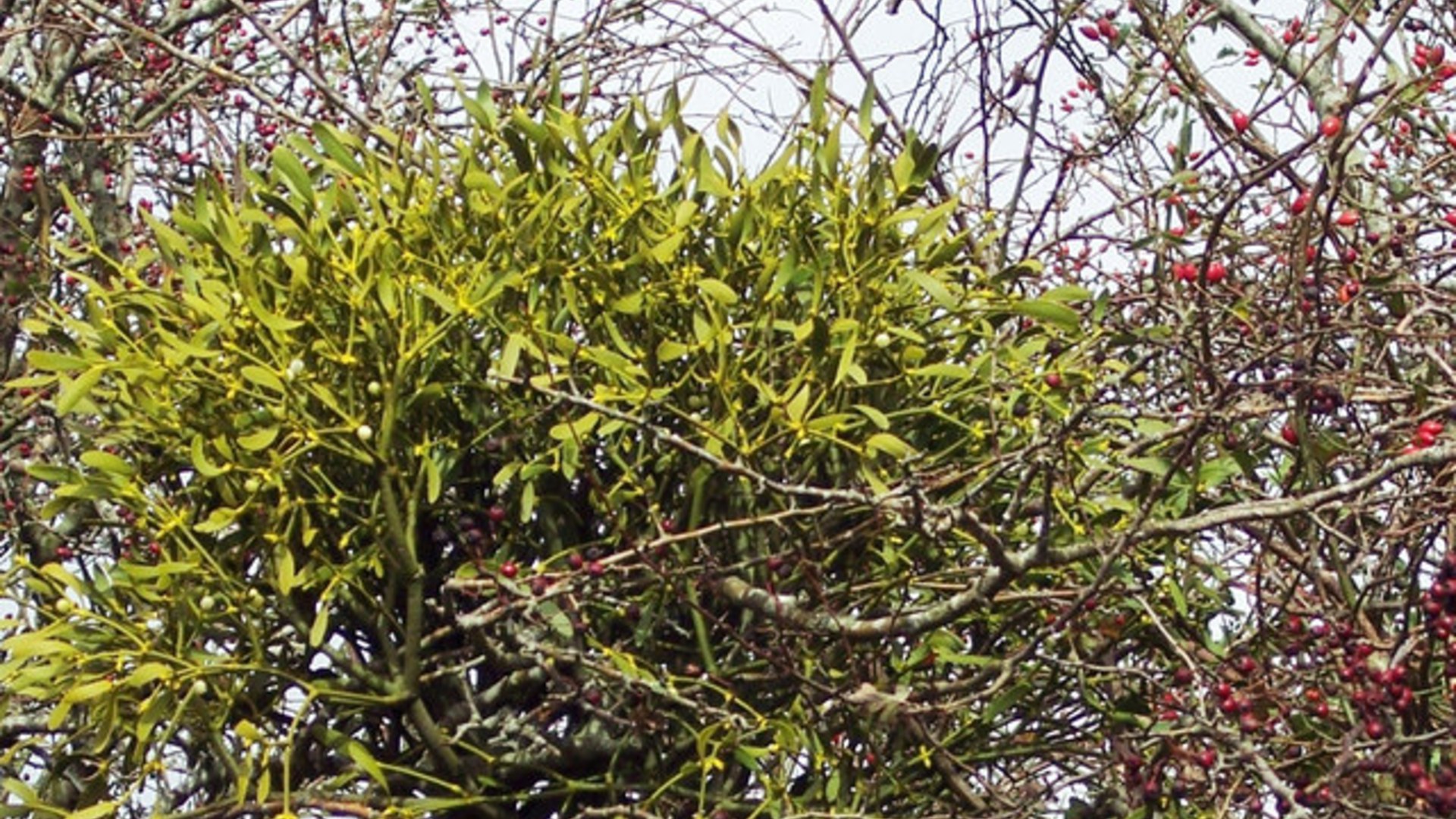
4. Hanging Mistletoe Protection
Suspended in mid-air without touching common soil, mistletoe was viewed as a heavenly talisman. Villagers hung freshly harvested bunches over stable doors to stop witches from hexing farm animals.
©Wikimedia / Trish Steel
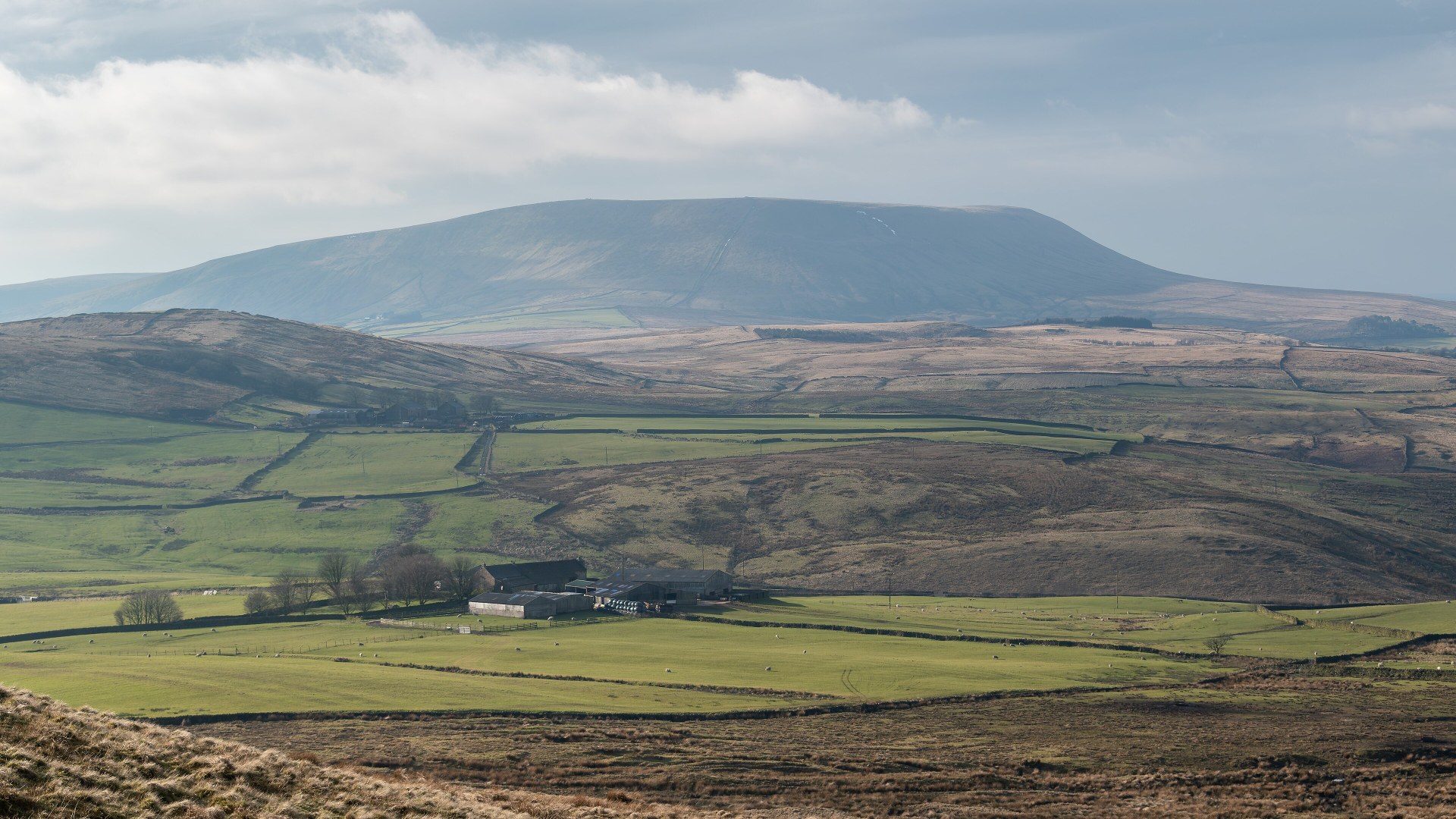
3. Lancashire And Pendle Witch Folklore
In 1612, twelve people living near Pendle Hill were accused of using clay figurines and curses to injure neighbors. The landmark trial cemented regional superstitions about covens meeting upon barren hilltops.
©Wikimedia / Dominic Nelson
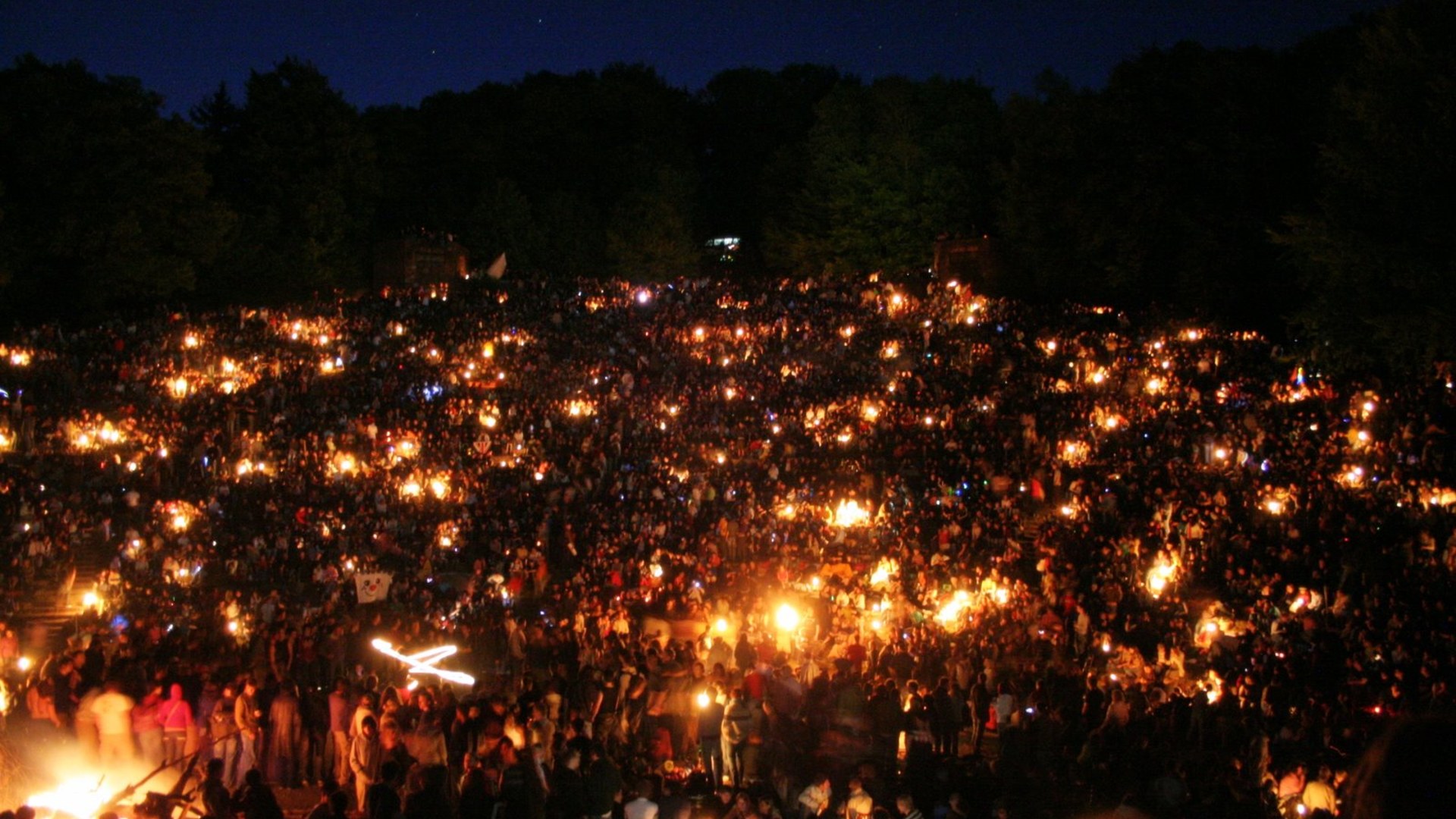
2. Walpurgis Night Fires And Gatherings
Germanic folklore held that on the eve of May Day, witches gathered upon high peaks such as the Brocken. Townsfolk built roaring fires and cracked bullwhips in the air to drive sinister entities far away from farmland.
©Wikimedia / Heiko Barth
Advertisement
Swipe or tap ▶ to resume the countdown.
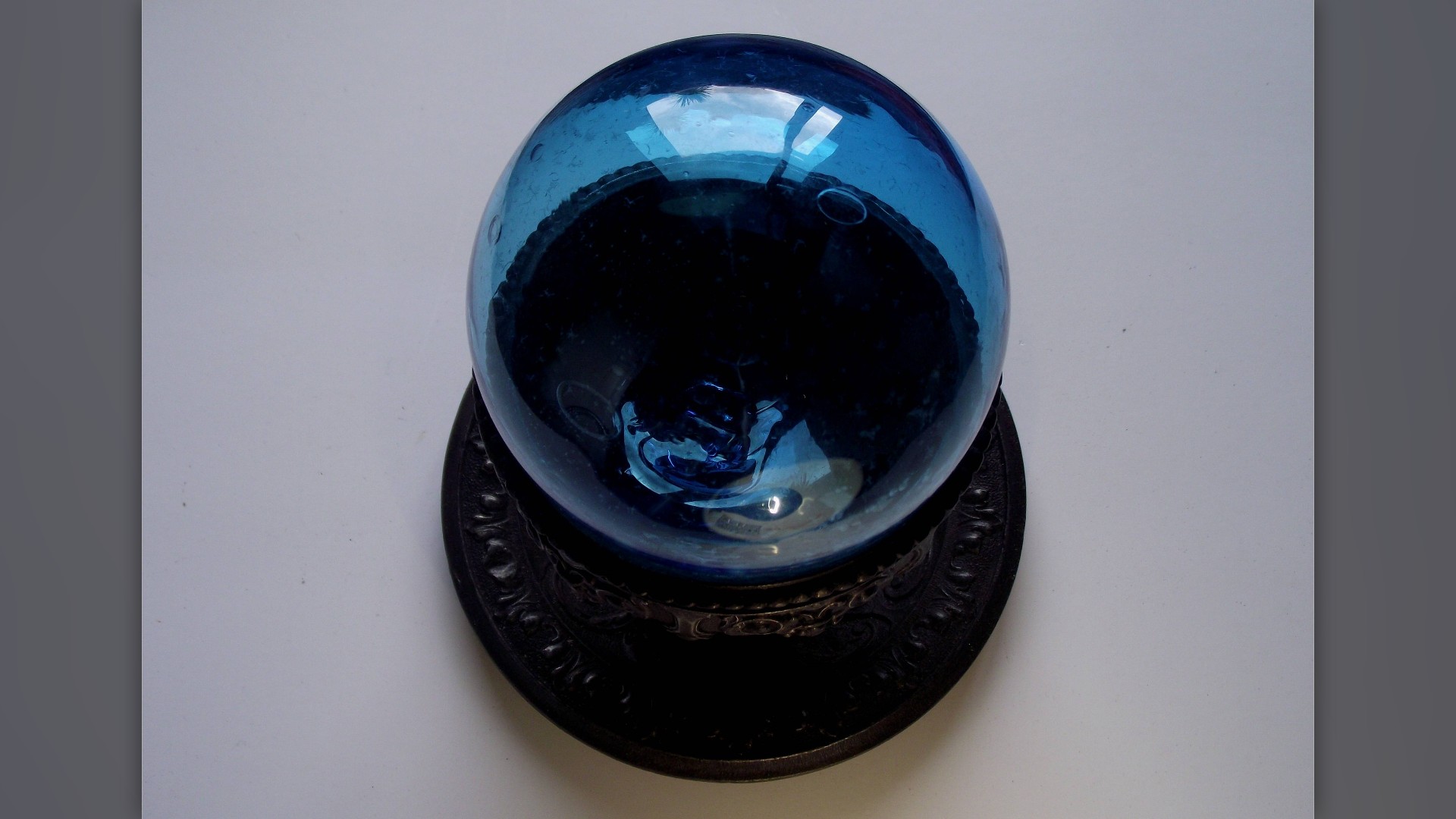
1. Witch Balls Hanging In Sunlit Windows
Originating in 18th-century coastal England, hollow glass witch balls featured bright colors to mesmerize visiting spirits. Folk belief maintained the glossy orb trapped negative energy inside its intricate glass strands.

©Wikimedia /Wikimedia
Advertisement
You've reached the end of the story. Thanks for reading!

20 Iconic Historical Photos and the Archive Clues Behind Them
Contact sheets, cracked glass plates, and NASA mission logs preserve the hidden steps behind 20 famous photographs. Drawing on records from the Library of Congress, the National Archives, NASA, and the Smithsonian, this countdown traces how cropping, camera setups, and double exposures shaped each frame.
All 20 Entries in this Story
1. Hanging Iron Horseshoes Over Doors
Early Europeans believed cold iron possessed supernatural purity capable of warding off witches. Mounting a blacksmith-forged horseshoe above the front doorway ensured dark spells could never cross into the home.

2. Concealing Witch Bottles In Hearths
During the 16th and 17th centuries, households buried stoneware jugs beneath hearths and doorsteps. Filled with bent pins, salt, and urine, these vessels were designed to deflect curses back upon the caster.

3. Laying Brooms Across The Threshold
Superstition held that witches could not cross over a fallen broom without pausing to count every individual straw. Laying a broom flat across entryways created an insurmountable physical barrier before dawn.

4. Planting Rowan Trees Beside Homes
Celtic and British traditions revered the rowan tree for its protective vitality and bright scarlet fruit. Families planted rowan saplings beside gates and carved rowan crosses to safeguard livestock from witchcraft.

5. Sea Storms And Weather Witchcraft
Maritime folklore held that witches held dominion over coastal tempests and rogue squalls. Mariners frequently blamed unexpected disasters at sea on malevolent spellcraft, keeping charms onboard to calm the wind.

6. Black Cats As Supernatural Familiars
During early modern witch trials, interrogators argued that malevolent spirits took the physical guise of nocturnal black cats. Crossing paths with one became an enduring omen of supernatural misfortune.

7. Tossing Spilled Salt Over The Shoulder
Because salt represented incorruptibility and preservation, spilling it was considered an invitation to demonic interference. Tossing a pinch backward over the left side cast protective mineral warding into the unseen realm.

8. Dropping Silver Into Milk Churns
When cream refused to turn into butter, rural communities suspected a witch had cursed their dairy herd. Placing a sterling silver sixpence into the churn was believed to instantly purify the cream and break the hex.

9. The Water Ducking And Floating Test
Under the floating trial, an accused person was bound and lowered into deep water. Superstition claimed that because water was pure, it would reject a witch and force them to float, whereas innocence sank beneath the surface.

10. The Taboo Of Burning Elder Wood
Folklore across England and Scandinavia claimed elder bushes were home to protective wood spirits or even transformed witches. Bringing elder branches indoors to burn was thought to bring devastation upon the hearth.

11. Painting Hex Signs On Barns
Pennsylvania Dutch communities decorated barn gables with intricate, brightly painted star motifs. Known colloquially as hex signs, these geometric talismans were popularized as shields against lightning and bewitched herds.

12. Carrying Perforated Hag Stones
Known as adder stones or hag stones, pebbles with naturally bored holes were prized as potent talismans. Peering through the opening was believed to strip away magical illusions and unveil witches in their true form.

13. Concealing Worn Shoes In House Walls
Worn leather shoes carry the unique physical impression and personal scent of their wearer. Builders immured old shoes near entryways and chimney flues to act as decoys, confusing witches and capturing lingering curses.

14. Chimney Hooks And Soot Traps
Because chimneys remained open to the sky, folklore branded them vulnerable access points for witches riding the night air. Families hung iron pot hooks and dried herbs in the flue to block aerial intruders.

15. Church Bells Disrupting Hexes
In medieval Europe, church bells were consecrated with holy water to drive away airborne demons. Communities rang the heavy bells vigorously during storms to dissipate dark atmospheric sorcery.

16. Scattering Poppy Seeds On Thresholds
A persistent European folk superstition claimed witches possessed an uncontrollable urge to count small granular objects. Throwing poppy seeds across paths kept them occupied until daybreak dissolved their power.

17. Hanging Mistletoe Protection
Suspended in mid-air without touching common soil, mistletoe was viewed as a heavenly talisman. Villagers hung freshly harvested bunches over stable doors to stop witches from hexing farm animals.

18. Lancashire And Pendle Witch Folklore
In 1612, twelve people living near Pendle Hill were accused of using clay figurines and curses to injure neighbors. The landmark trial cemented regional superstitions about covens meeting upon barren hilltops.

19. Walpurgis Night Fires And Gatherings
Germanic folklore held that on the eve of May Day, witches gathered upon high peaks such as the Brocken. Townsfolk built roaring fires and cracked bullwhips in the air to drive sinister entities far away from farmland.

20. Witch Balls Hanging In Sunlit Windows
Originating in 18th-century coastal England, hollow glass witch balls featured bright colors to mesmerize visiting spirits. Folk belief maintained the glossy orb trapped negative energy inside its intricate glass strands.