Slideshow · Animals
20 Smallest Animals in the World Ranked by Size
By Most Viral Today
22 Oct 2026

20 Smallest Animals in the World Ranked by Size 
20. Fairyfly: 0.14 Mm 
19. Paedophryne Amauensis: 7.7 Mm 
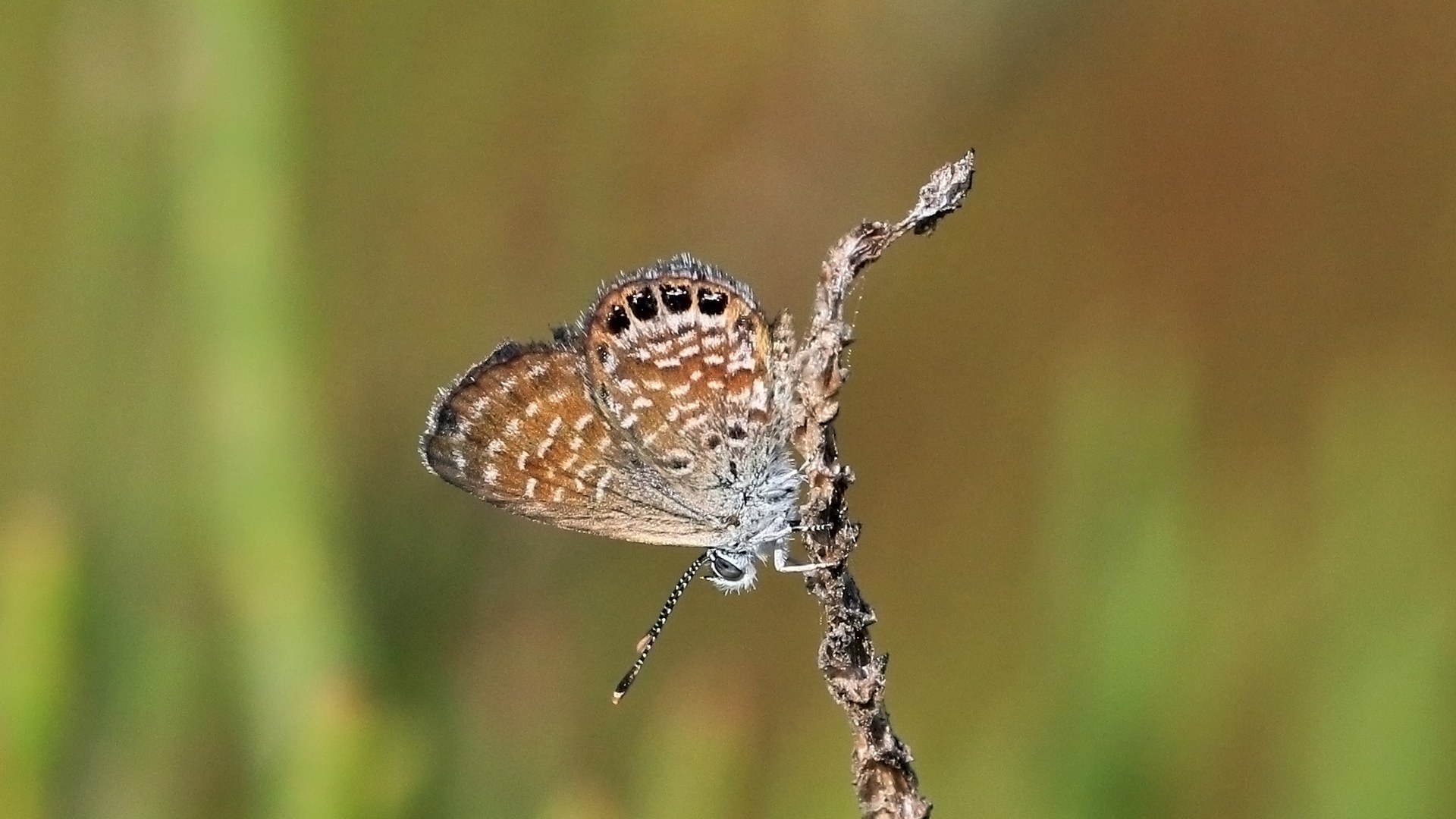
18. Western Pygmy Blue: 12 Mm - AdvertisementSwipe or tap ▶ to continue countdown

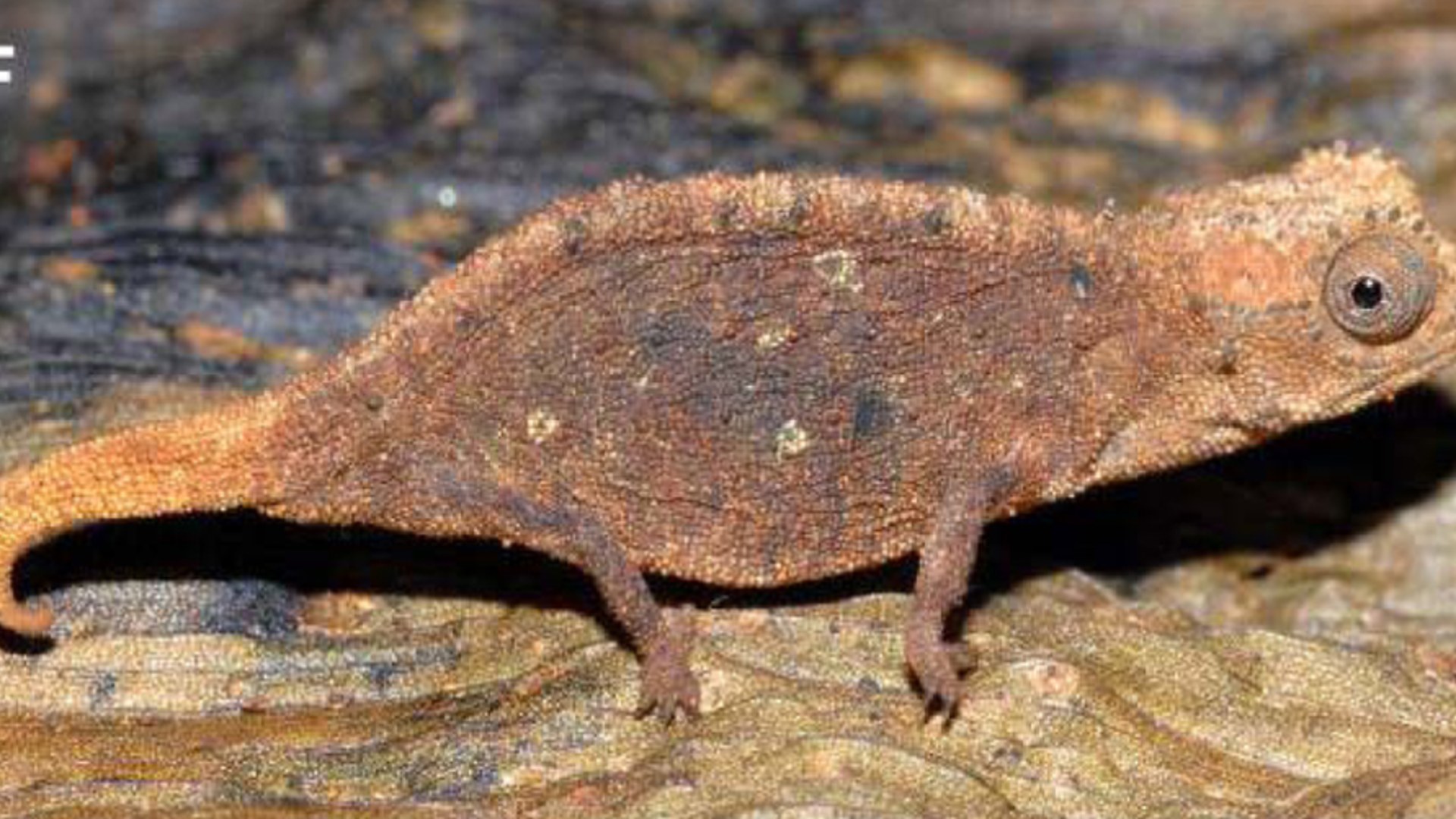
17. Brookesia Micra: 16 Mm 
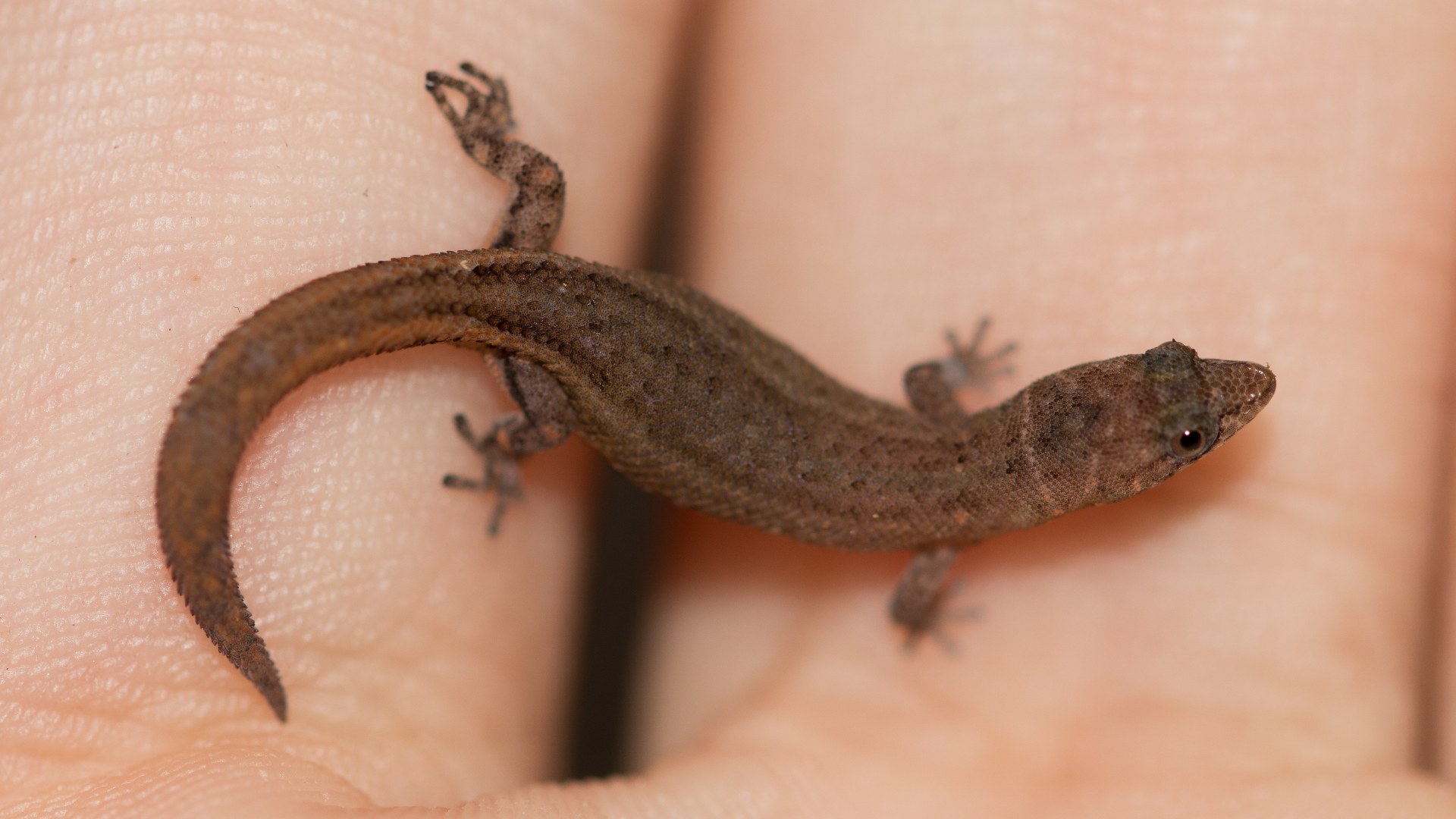
16. Jaragua Dwarf Gecko: 16 Mm 
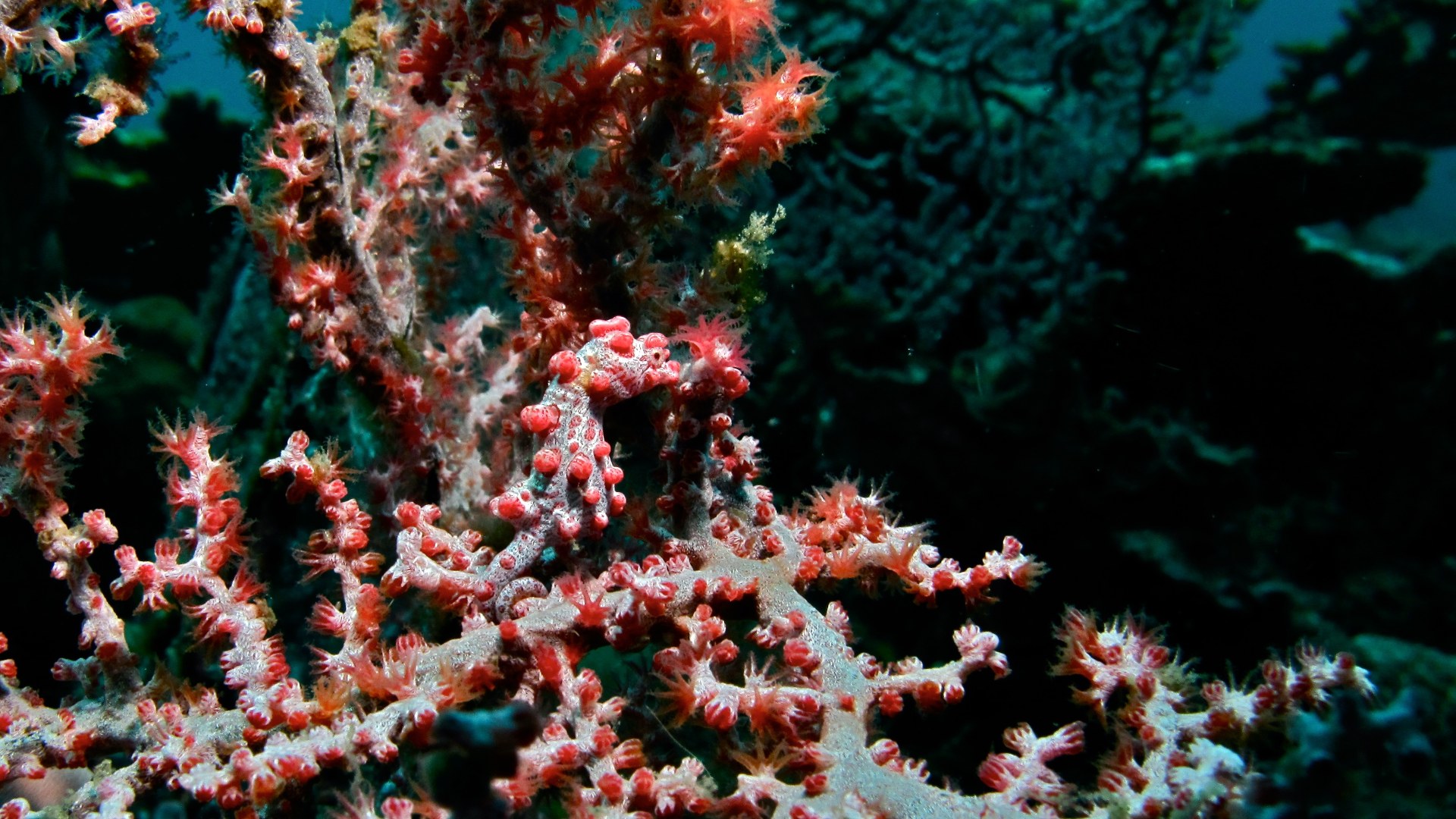
15. Pygmy Seahorse: 20 Mm 
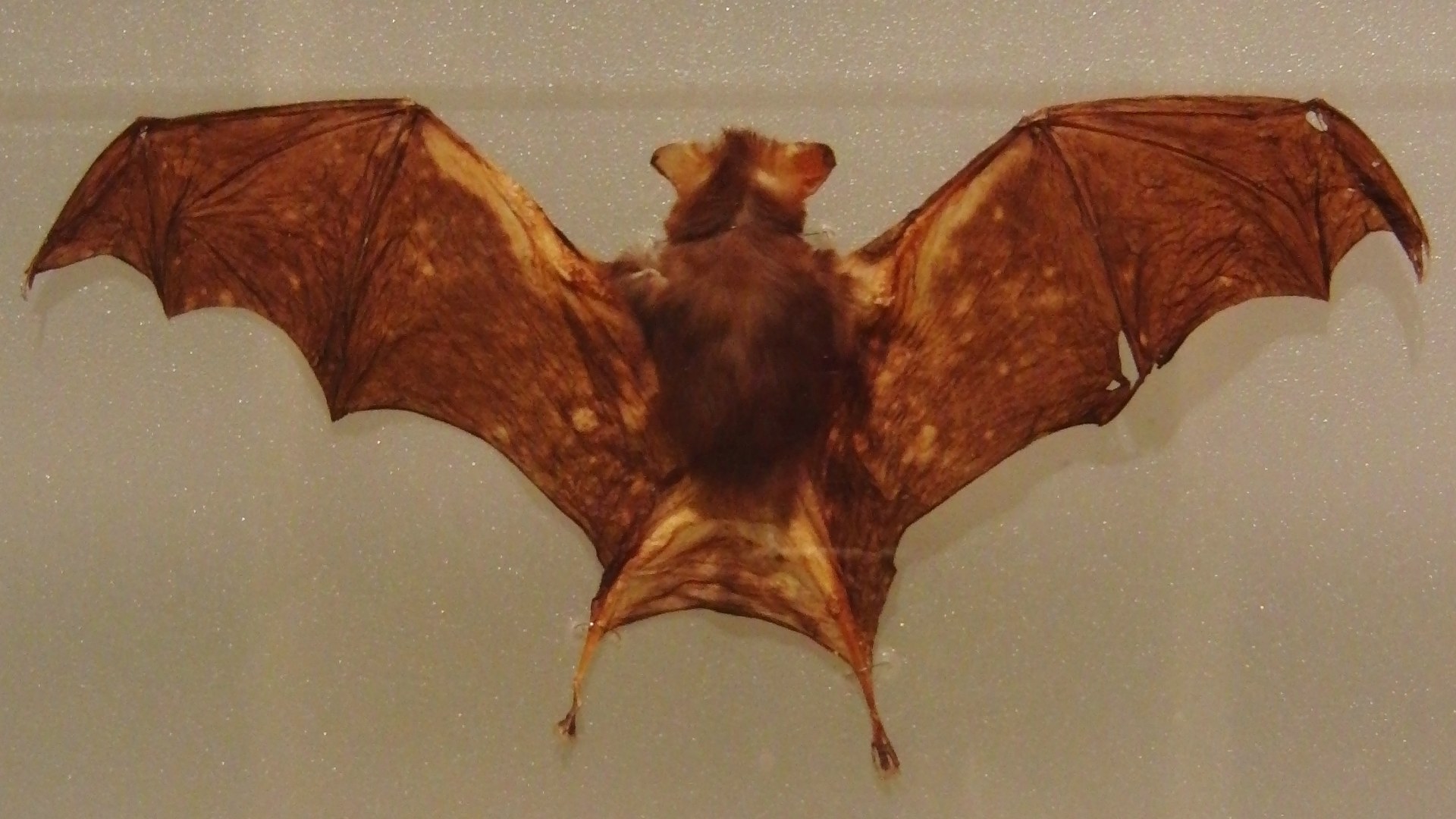
14. Bumblebee Bat: 30 Mm - AdvertisementSwipe or tap ▶ to continue countdown

13. Etruscan Shrew: 35 Mm 
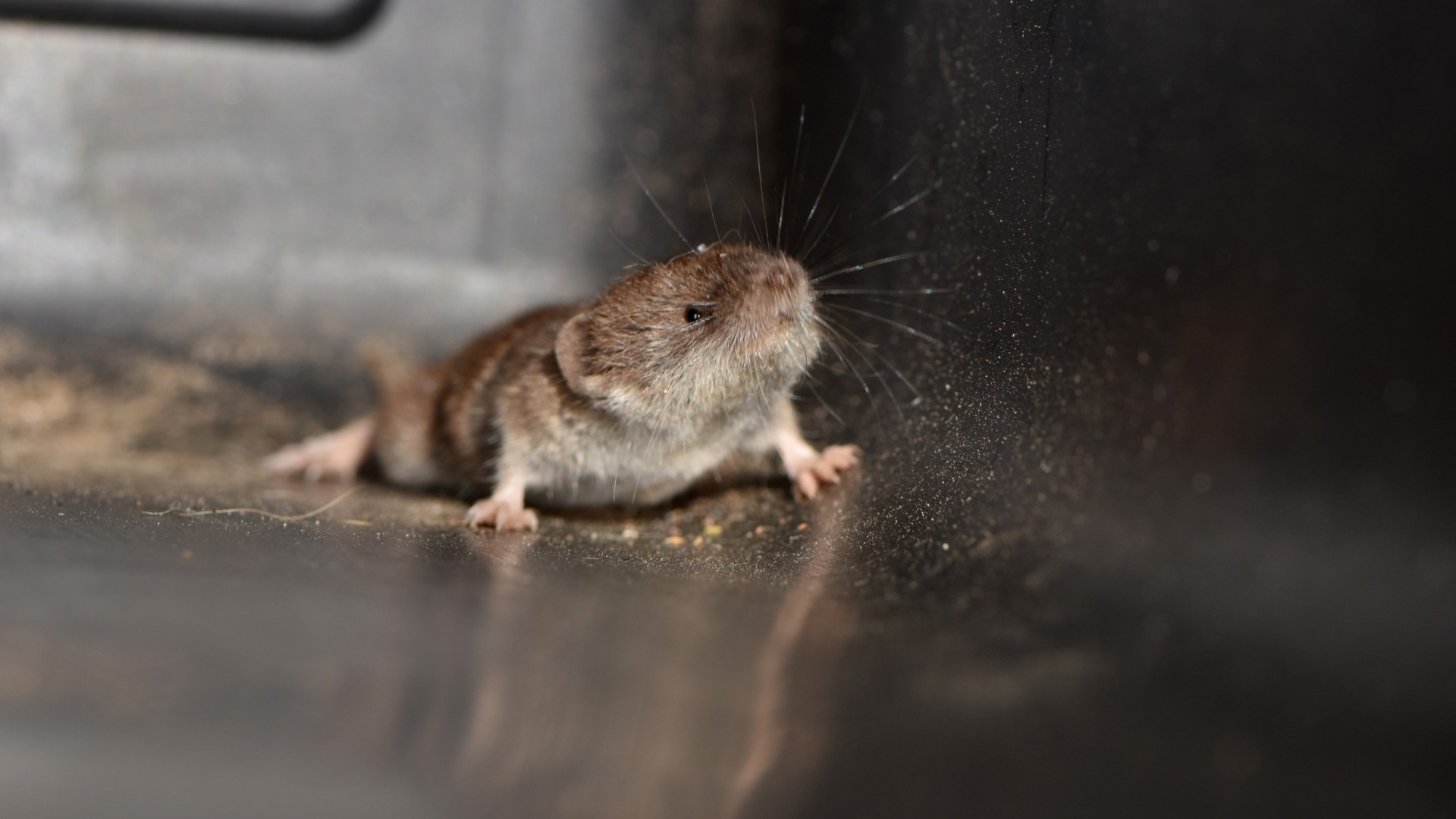
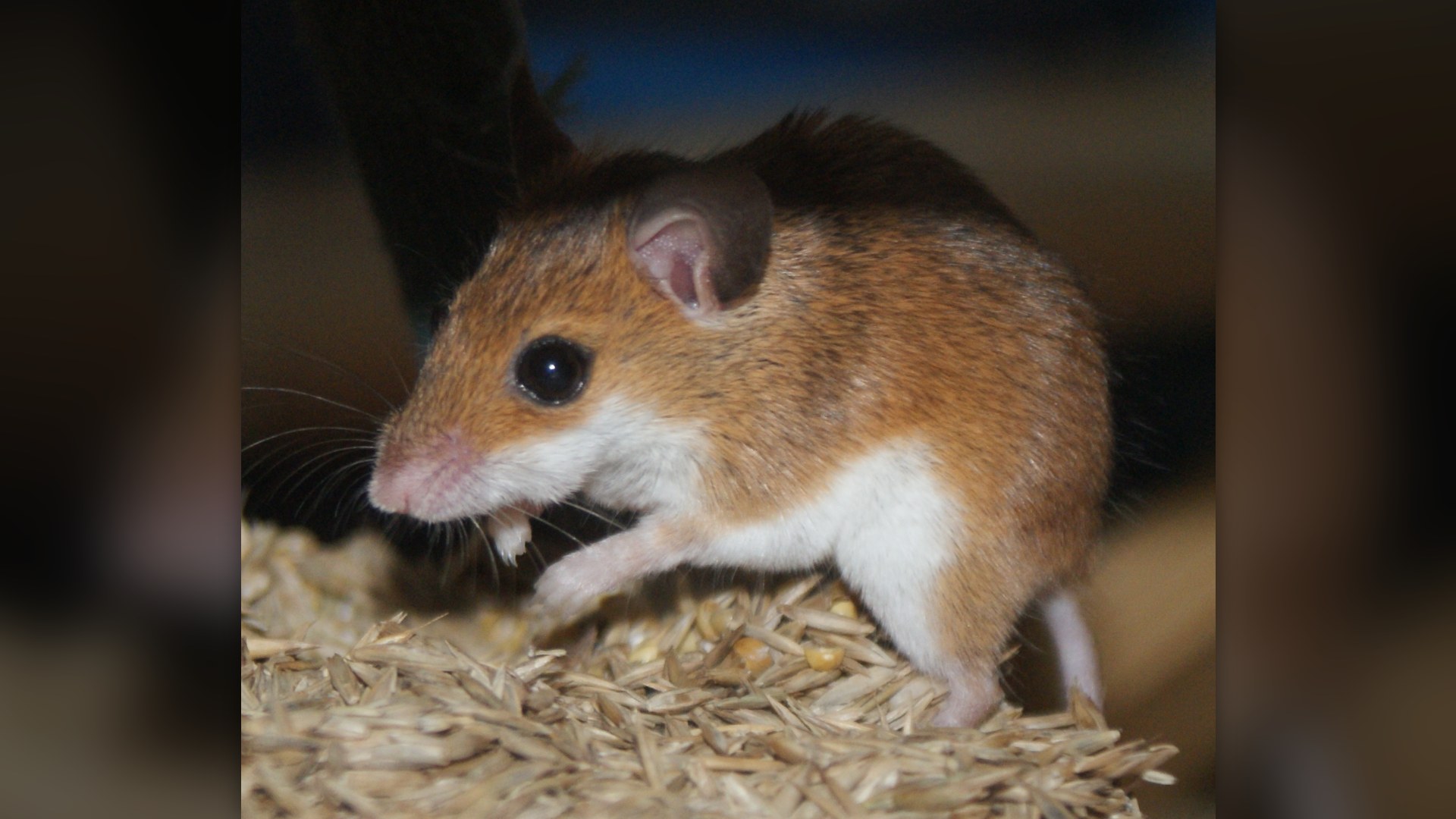
12. African Pygmy Mouse: 45 Mm 
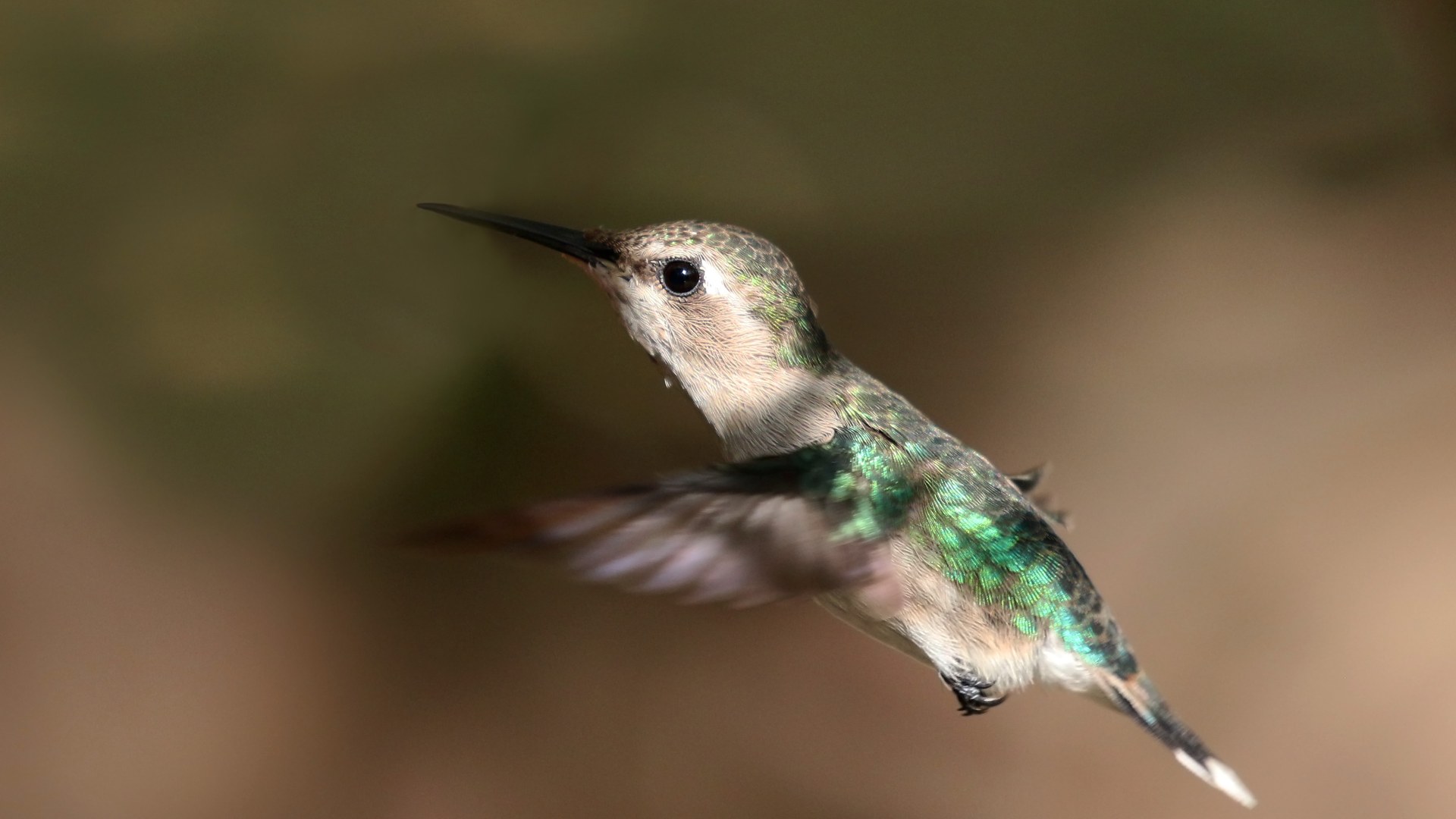
11. Bee Hummingbird: 55 Mm 
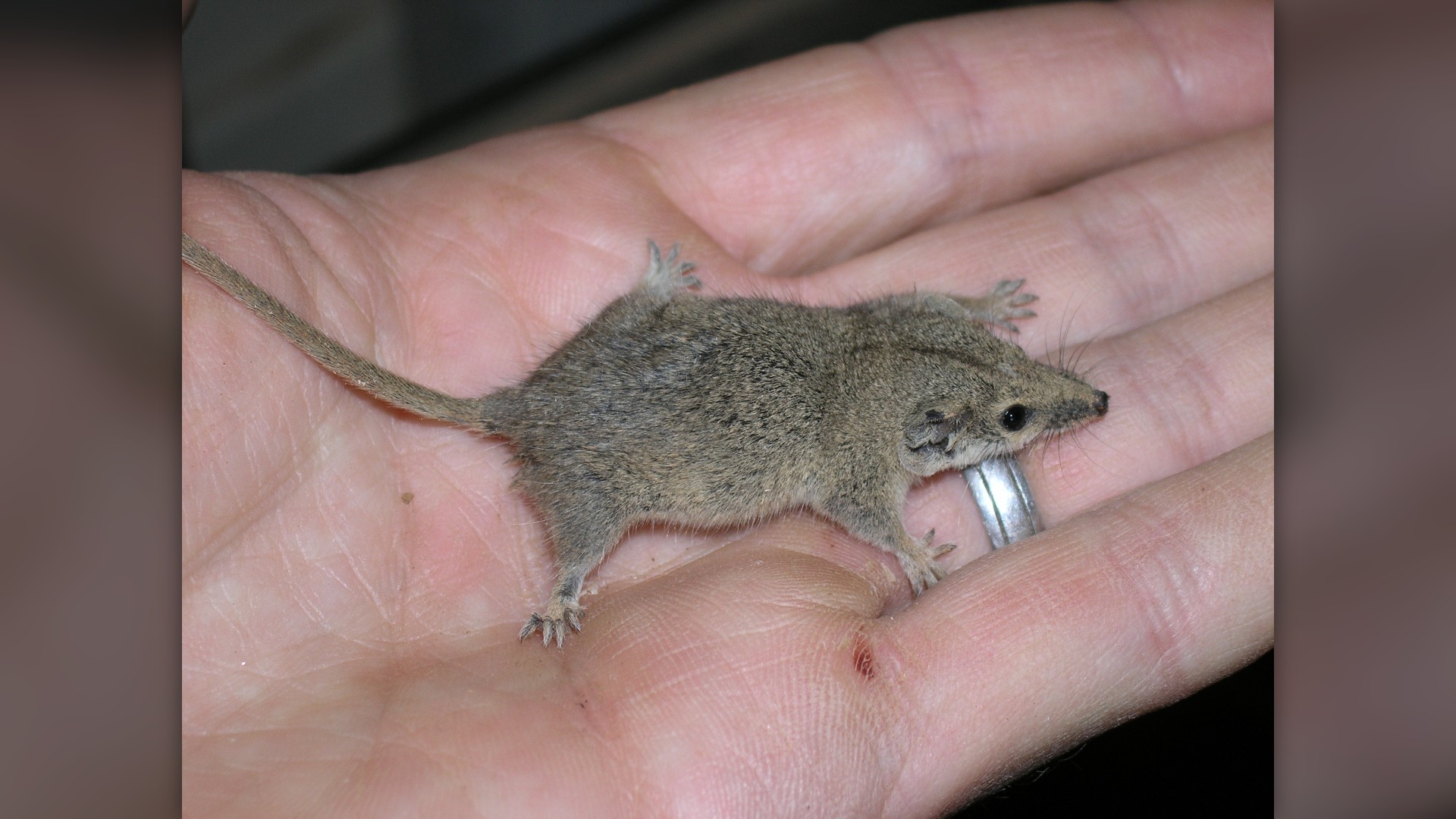
10. Long Tailed Planigale: 55 Mm - AdvertisementSwipe or tap ▶ to continue countdown

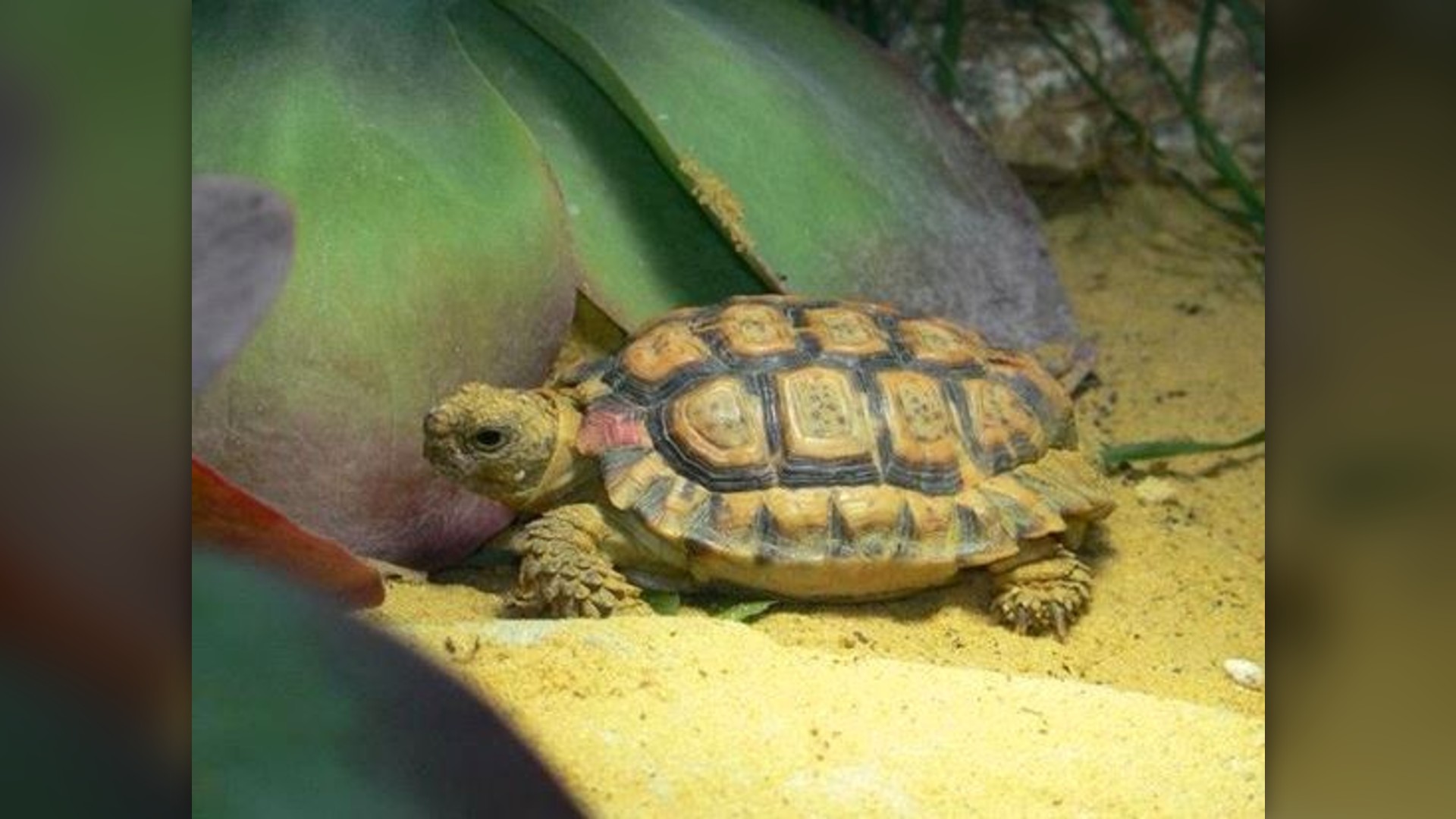
9. Speckled Padloper Tortoise: 75 Mm 
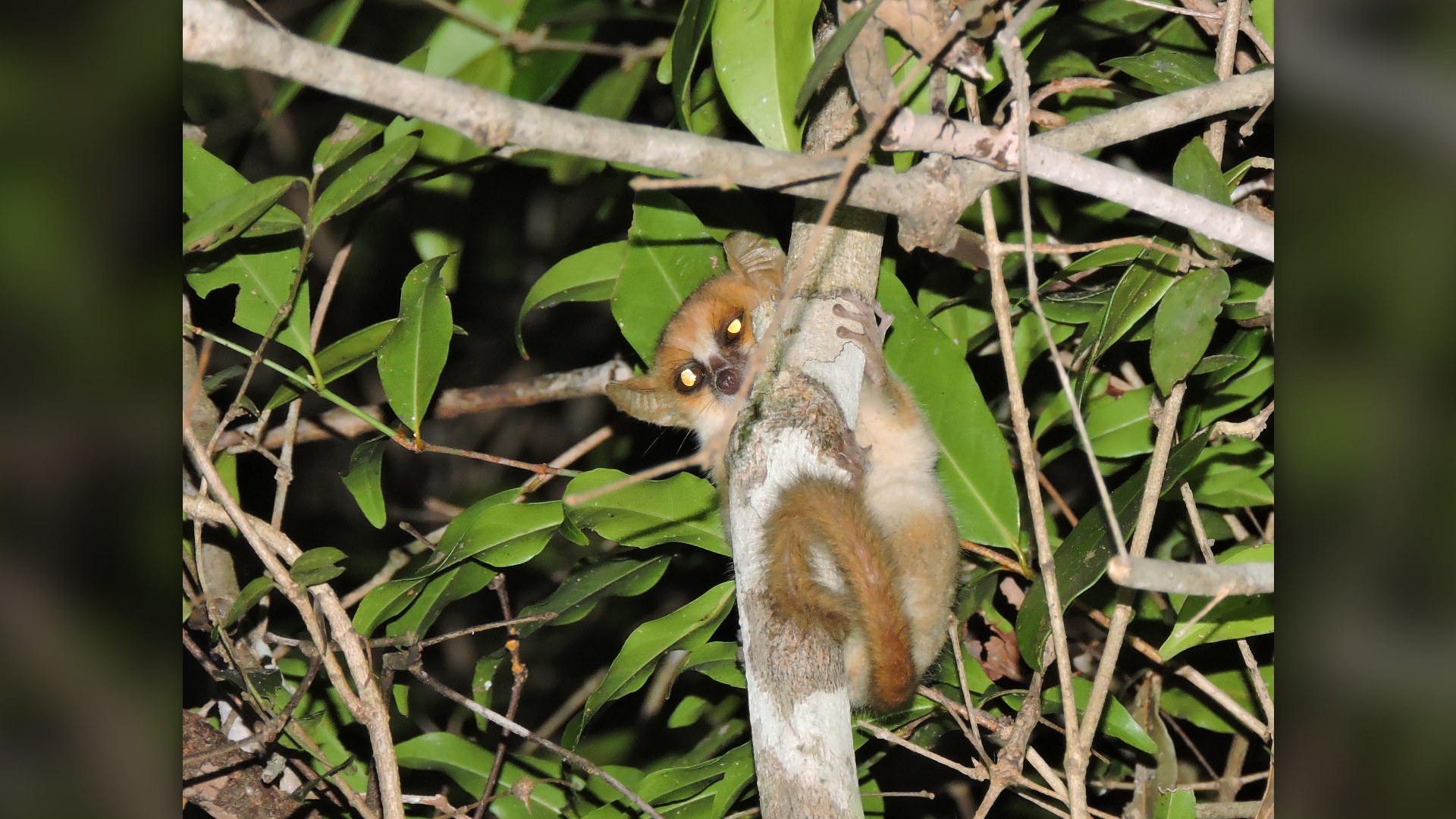
8. Madame Berthe's Mouse Lemur: 92 Mm 
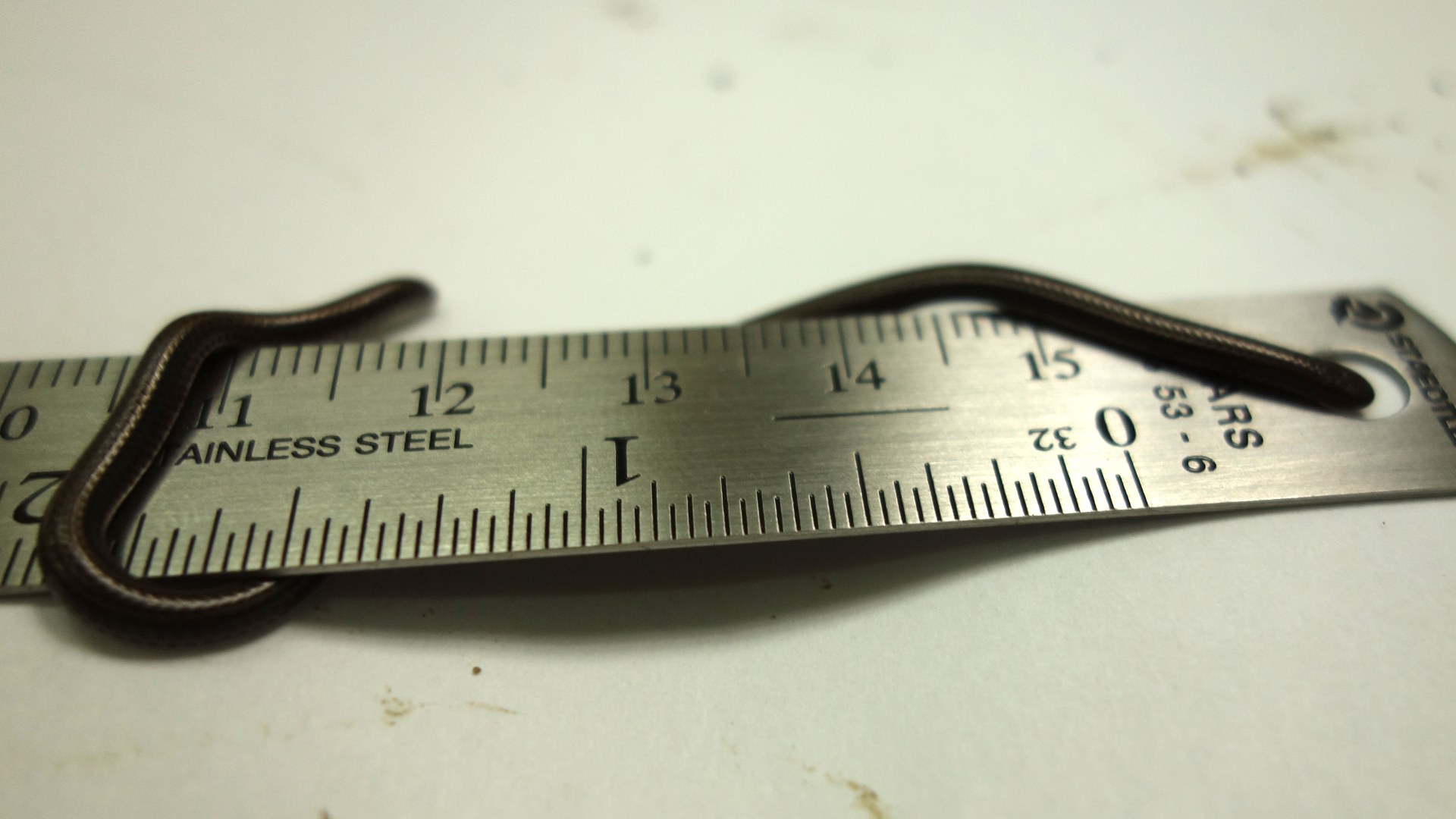
7. Barbados Threadsnake: 100 Mm 
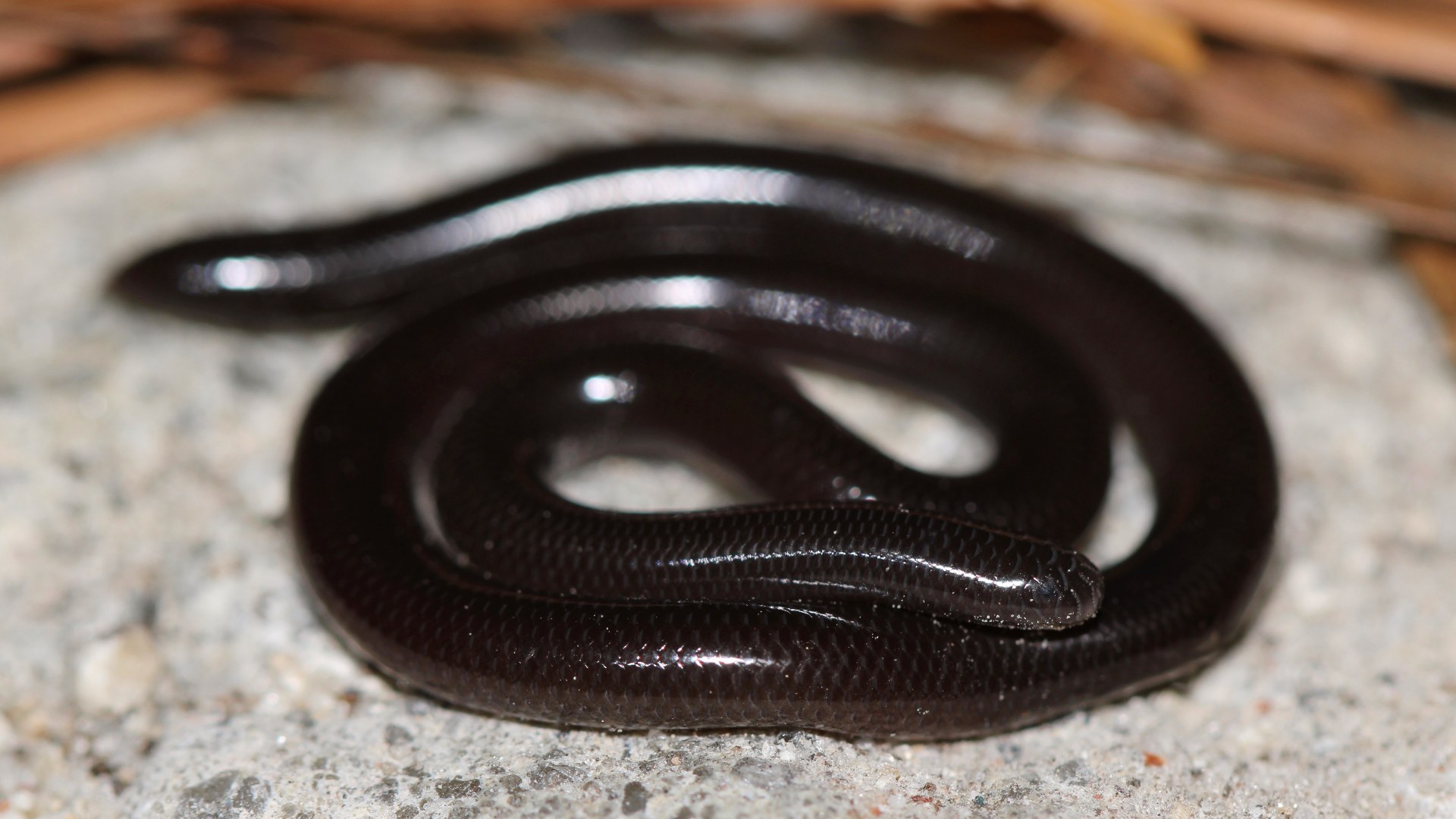
6. Brahminy Blind Snake: 110 Mm - AdvertisementSwipe or tap ▶ to continue countdown

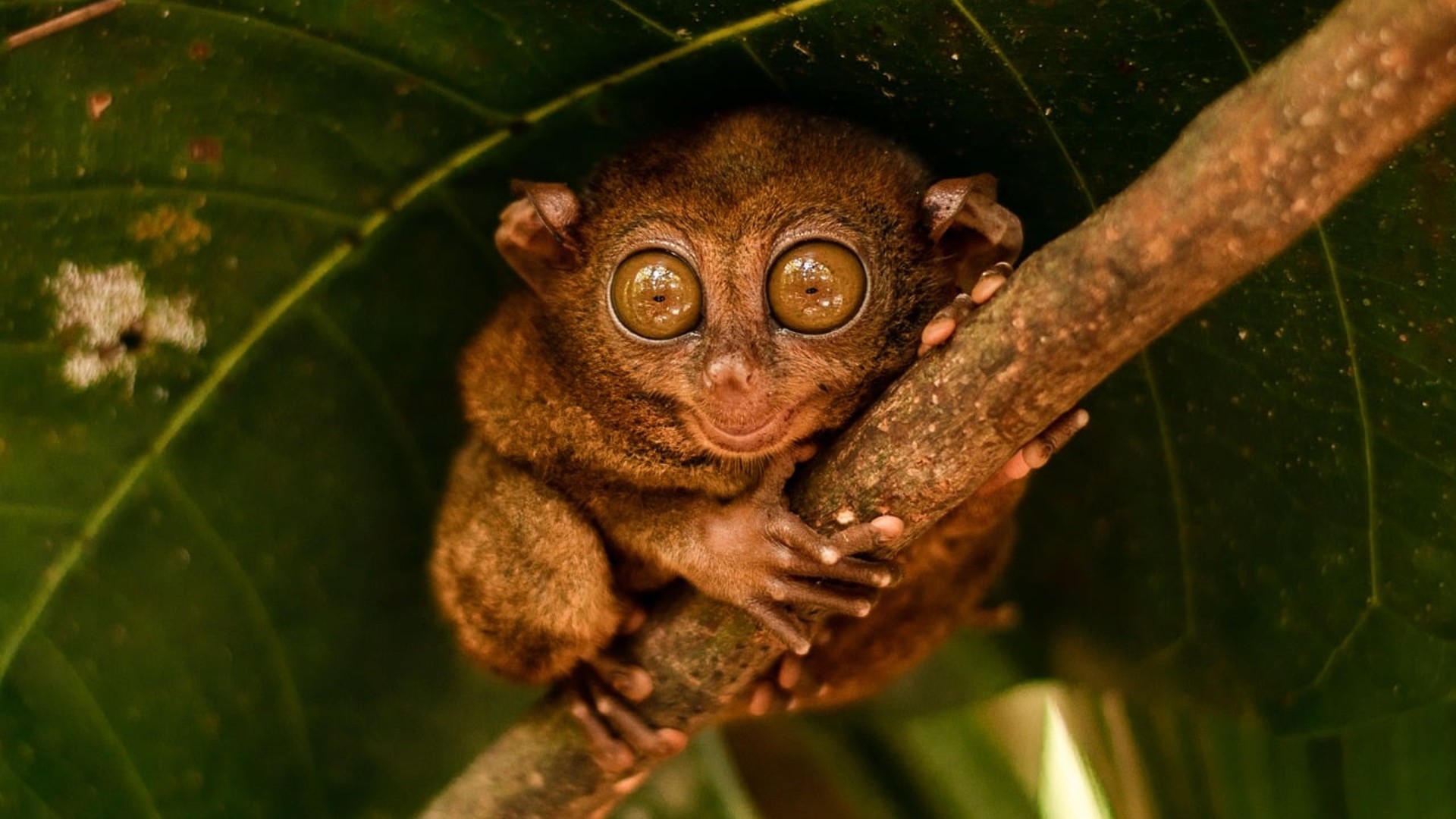
5. Philippine Tarsier: 120 Mm 
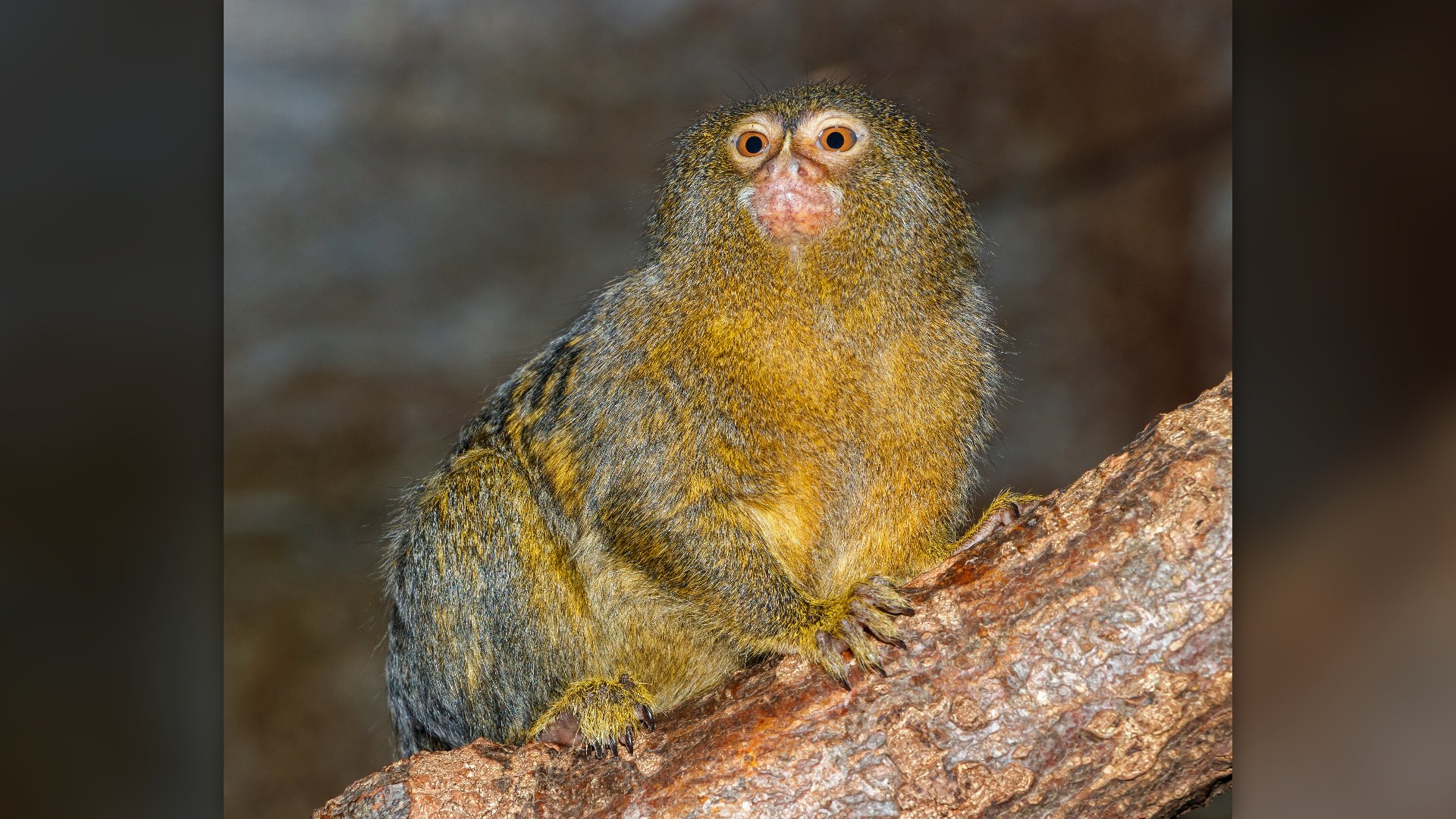
4. Pygmy Marmoset: 130 Mm 
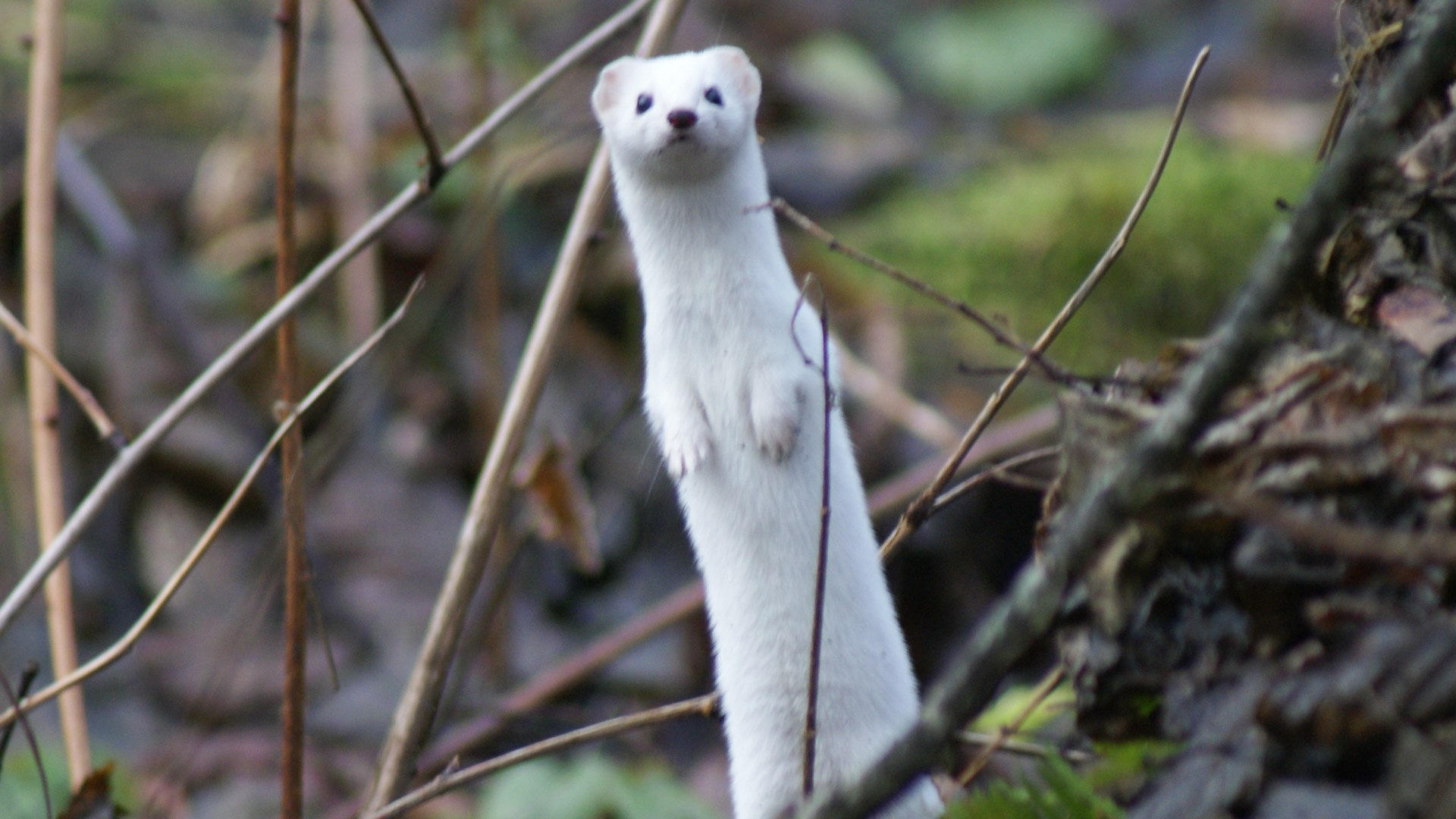
3. Least Weasel: 170 Mm 
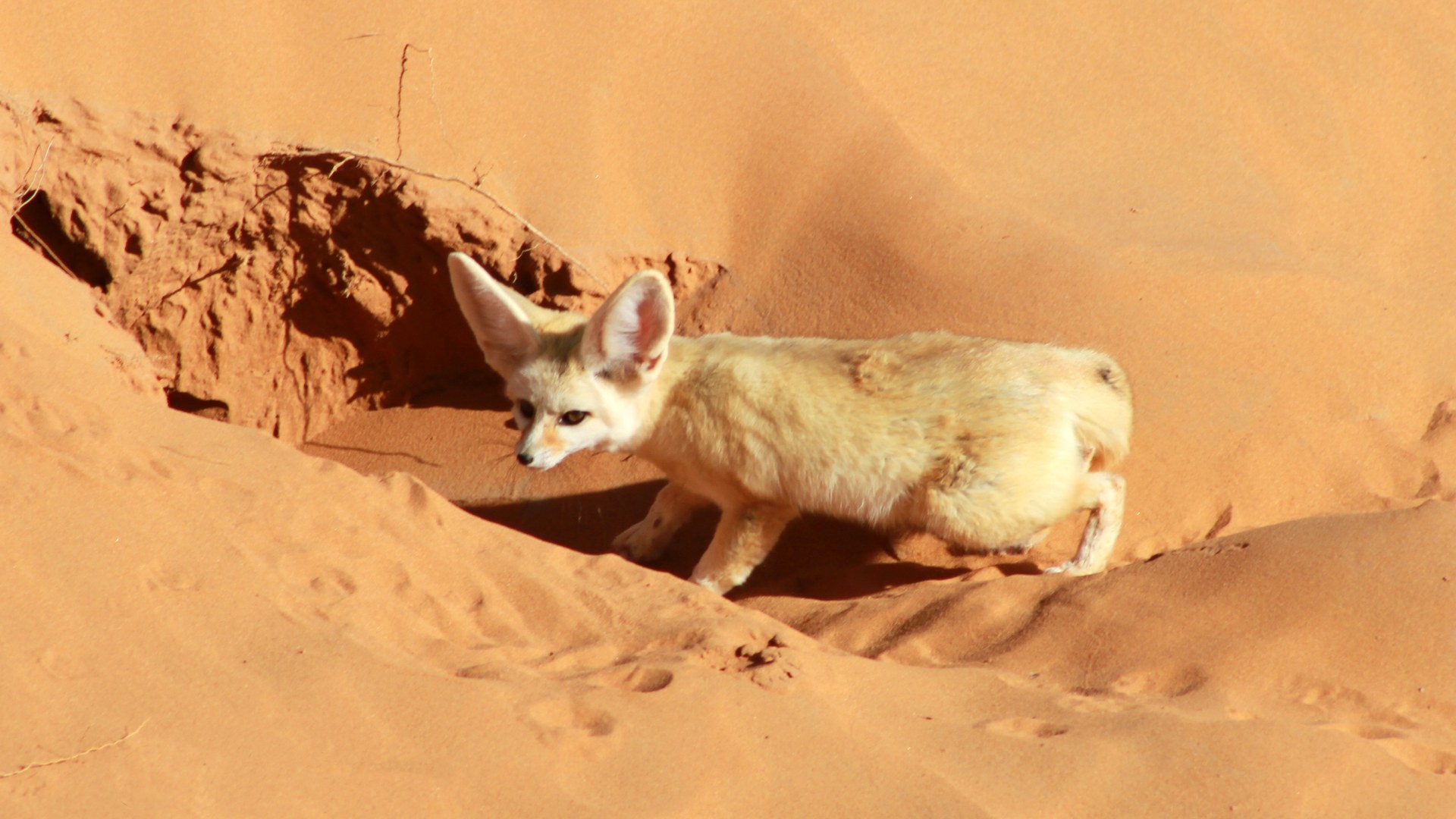
2. Fennec Fox: 200 Mm - AdvertisementSwipe or tap ▶ to continue countdown

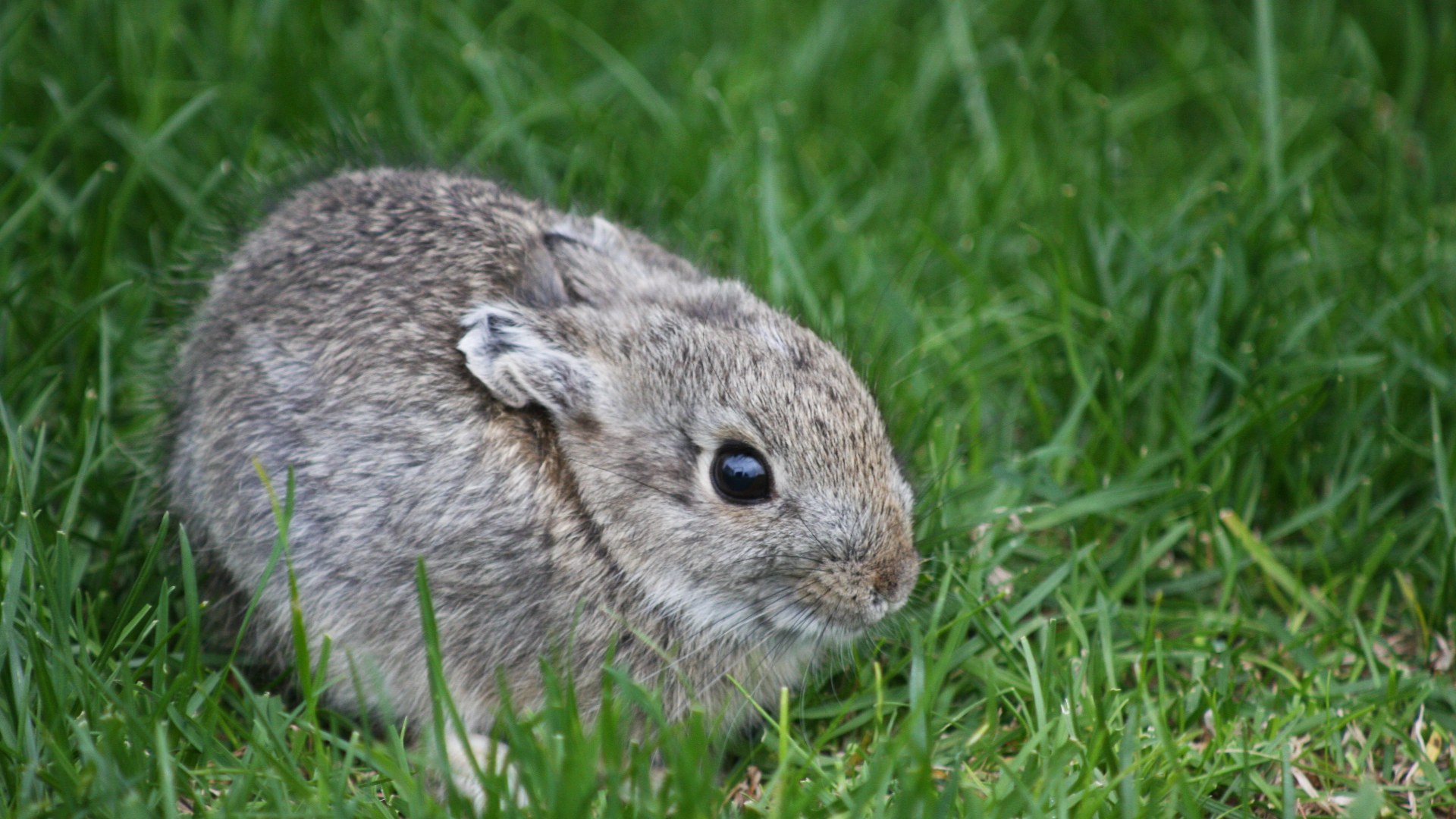
1. Pygmy Rabbit: 240 Mm - Advertisement🔥 UP NEXT IN THIS SERIES◫ 22 Slides

How Long Do Hippos Live? 20 Other Facts About Hippos
From sixty-year lifespans to whale cousins, discover secrets of river giants
20 Smallest Animals in the World Ranked by Size
Swipe or tap ▶ to begin the countdown
©Wikimedia / Charles J. Sharp & Rittmeyer EN, Allison A
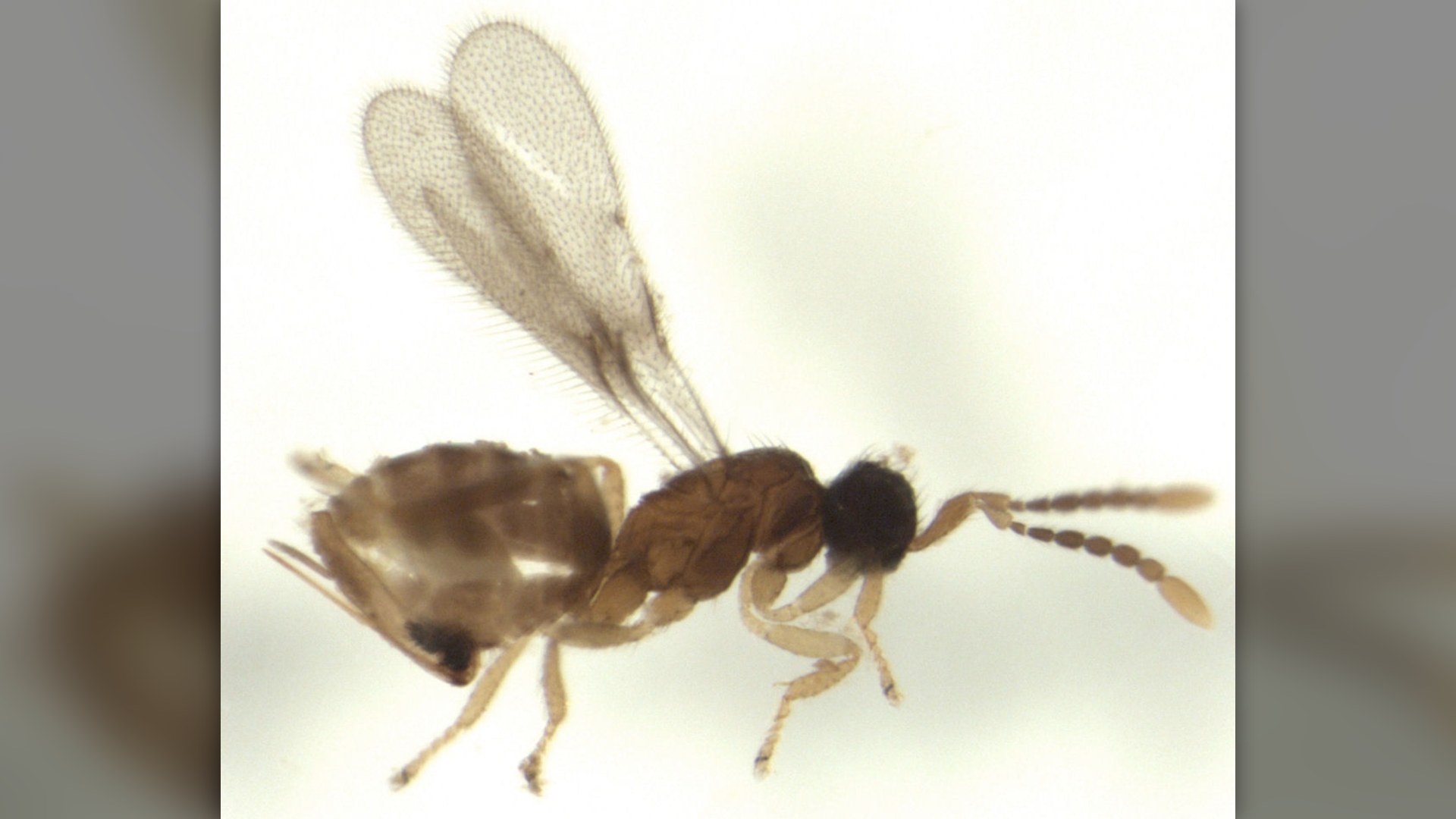
20. Fairyfly: 0.14 Mm
Measuring as tiny as 0.139 mm, Dicopomorpha echmepterygis and related fairyfly wasps are the smallest known insects and animals on Earth. Invisible to the naked human eye, these micro-wasps survive by parasitizing the eggs of other insects.
©Wikimedia / S.E. Thorpe
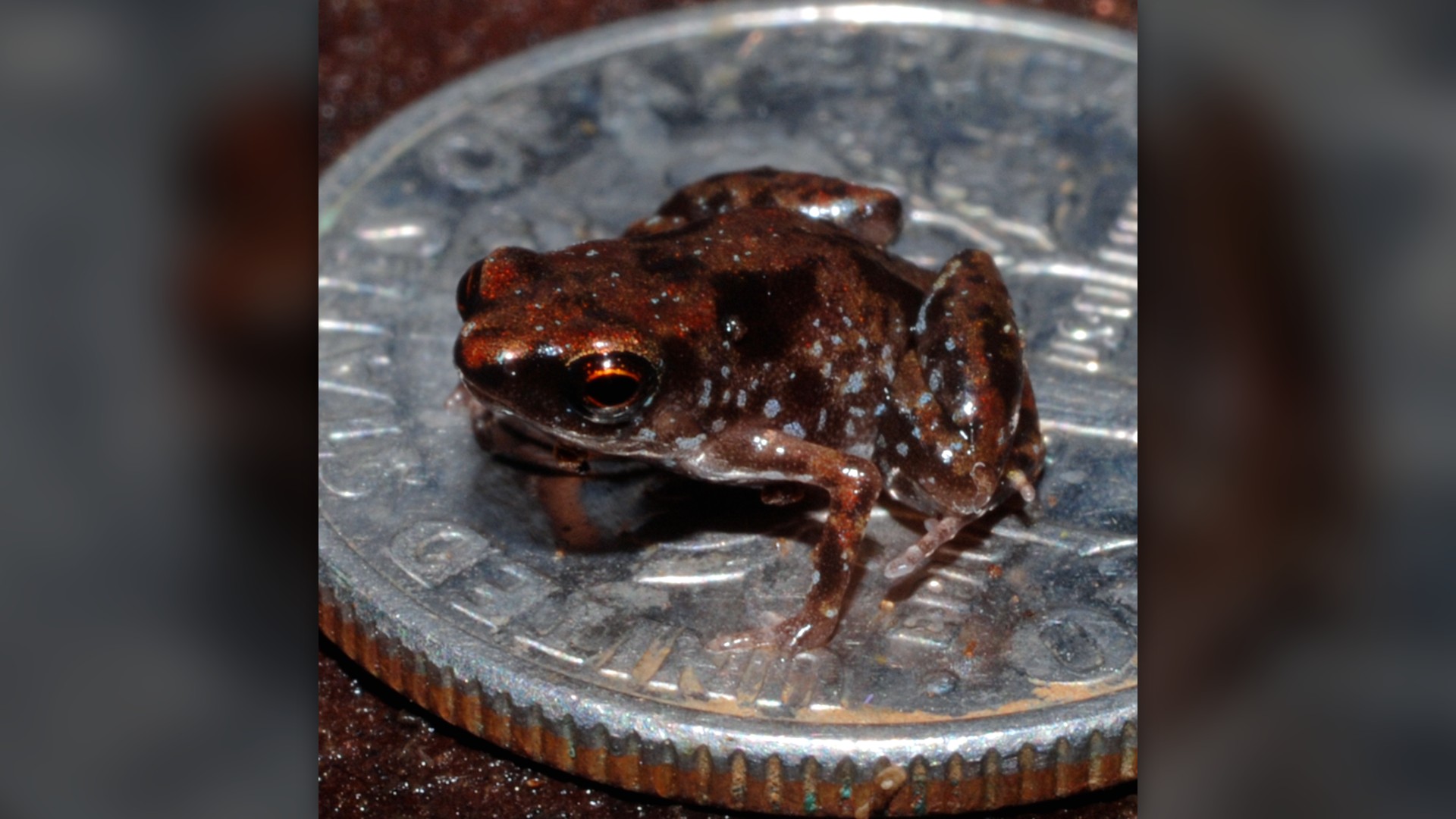
19. Paedophryne Amauensis: 7.7 Mm
Discovered among leaf litter in Papua New Guinea in 2009, Paedophryne amauensis averages an astounding 7.7 mm in length. Holding the Guinness World Record for the smallest vertebrate, it easily perches on a dime with room to spare.
©Wikimedia / Rittmeyer EN, Allison A, Gründler MC
18. Western Pygmy Blue: 12 Mm
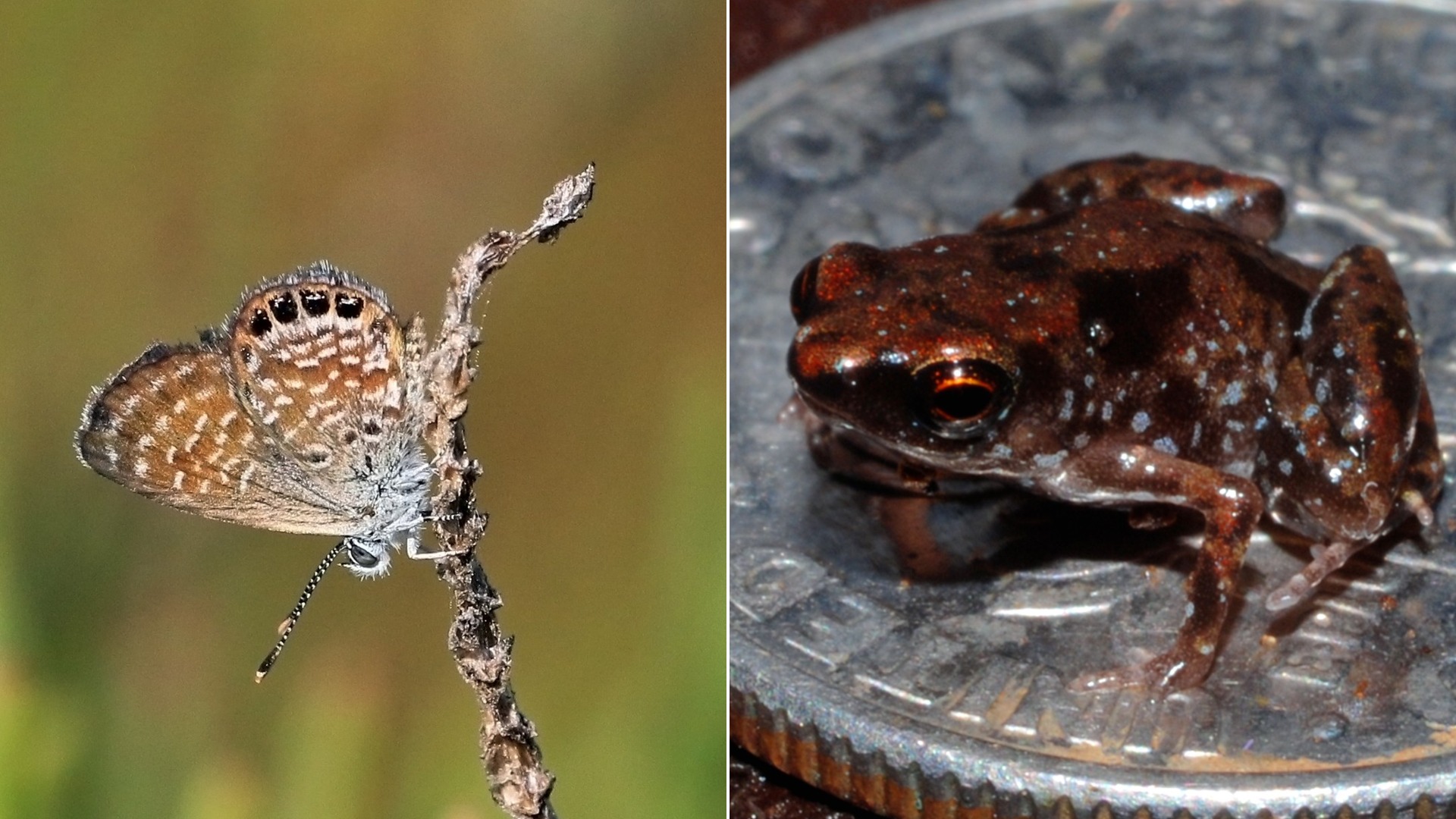
The Western Pygmy Blue (Brephidium exilis) has a wingspan of only 12 millimeters, making it the smallest butterfly species on the planet. Found across deserts and coastal marshes, its copper-brown wings feature tiny metallic blue spots.
©Wikimedia / Charles J. Sharp
Advertisement
Swipe or tap ▶ to resume the countdown.
17. Brookesia Micra: 16 Mm
Reaching just 16 mm as full-grown adults, Brookesia micra chameleons dwell beneath fallen leaves on the rocky limestone islet of Nosy Hara. They represent one of the most extreme cases of island dwarfism in the animal kingdom.
©Wikimedia / Frank Glaw et al.
16. Jaragua Dwarf Gecko: 16 Mm
Native to Jaragua National Park in the Dominican Republic, Sphaerodactylus ariasae measures just 16 to 18 millimeters. Easily curling onto a small coin, this micro-gecko survives under dry limestone leaf litter in tropical forests.
©Wikimedia / Marcos Rodríguez Bobadilla
15. Pygmy Seahorse: 20 Mm
Reaching a maximum adult length of just 20 to 24 mm, Bargibant's pygmy seahorse (Hippocampus bargibanti) lives exclusively on Muricella gorgonian sea fans. Its flesh is covered in bulbous tubercles that mimic coral polyps precisely.
©Wikimedia / Bernard DUPONT
14. Bumblebee Bat: 30 Mm
Endemic to limestone river caves in western Thailand and Myanmar, Kitti's hog-nosed bat (Craseonycteris thonglongyai) measures about 30 mm and weighs roughly 2 grams, scarcely more than a dime. It hunts insects via high-frequency echolocation.
©Wikimedia / Momotarou2012
Advertisement
Swipe or tap ▶ to resume the countdown.
13. Etruscan Shrew: 35 Mm
The Etruscan shrew (Suncus etruscus) is the lightest known mammal, averaging just 1.8 grams with a body length of 35 mm. To power its furious metabolism, its heart beats up to 1,500 times per minute, requiring it to eat twice its body weight daily.
©Wikimedia / Lies Van Rompaey on iNaturalist
12. African Pygmy Mouse: 45 Mm
Mus minutoides is sub-Saharan Africa's smallest rodent, measuring roughly 45 mm and weighing between 2.5 and 5 grams. Ingeniously adapted to arid regions, it piles small pebbles at its burrow entrance to collect morning dew for drinking.
©Wikimedia / AleXXw
11. Bee Hummingbird: 55 Mm
Mellisuga helenae is the undisputed smallest bird alive, measuring 55 mm and weighing a featherlight 1.95 grams. Flapping its iridescent wings up to 80 times per second, it hovers seamlessly to sip nectar from tropical floral blooms.
©Wikimedia / Charles J. Sharp
10. Long Tailed Planigale: 55 Mm
Inhabiting the claypans and grasslands of northern Australia, the long-tailed planigale (Planigale ingrami) measures about 55 mm. Its remarkably flattened skull allows it to squeeze into razor-thin soil fissures to hunt insects and spiders.
©Wikimedia / David M Watson
Advertisement
Swipe or tap ▶ to resume the countdown.
9. Speckled Padloper Tortoise: 75 Mm
Native to the arid Little Karoo of South Africa, the speckled padloper tortoise (Chersobius signatus) measures just 60 to 80 mm and weighs 100 grams. Its flattened, speckled shell allows it to hide under rocky ledges to evade predatory hawks.
©Wikimedia / Abu Shawka
8. Madame Berthe's Mouse Lemur: 92 Mm
Madame Berthe's mouse lemur (Microcebus berthae) has an average head-body length of 92 mm and weighs about 30 grams. Solitary and nocturnal, this endangered forest dweller navigates tangled dry vines using keen binocular vision.
©Wikimedia / FC Casuario
7. Barbados Threadsnake: 100 Mm
Discovered on the Caribbean island of Barbados, Tetracheilostoma carlae reaches an adult length of approximately 100 mm. Eating primarily ant larvae and termites, it coils completely within the boundaries of a standard US quarter.
©Wikimedia / Velatrix
6. Brahminy Blind Snake: 110 Mm
Indotyphlops braminus measures between 100 and 150 mm, featuring vestigial eyes covered by translucent head scales. Nicknamed the flowerpot snake, it reproduces through obligate parthenogenesis, with all individuals being female.
©Wikimedia / MH Herpetology
Advertisement
Swipe or tap ▶ to resume the countdown.
5. Philippine Tarsier: 120 Mm
Measuring roughly 120 mm, Carlito syrichta has disproportionately immense optical globes and elongated tarsus bones. It can leap up to 40 times its body length between jungle branches and rotate its head nearly 180 degrees.
©Pixabay / thewildprimate
4. Pygmy Marmoset: 130 Mm
Adult pygmy marmosets (Cebuella pygmaea) measure 120 to 150 mm and weigh barely 100 grams. Residing in Amazonian river basin rainforests, they use specialized incisor teeth to gouge tree bark and feast on sticky plant sap.
©Wikimedia / H. Zell
3. Least Weasel: 170 Mm
Mustela nivalis is the world's smallest carnivorous mammal, with slender adult bodies averaging 170 mm. A hyper-active and fearless hunter, it pursues rodents down narrow underground burrows and takes on prey several times its size.
©Wikimedia / Stormbringer76
2. Fennec Fox: 200 Mm
Weighing only 1.5 kg with a shoulder height of 200 mm, Vulpes zerda is the smallest canid on Earth. Adapted to the scorching sands of the Sahara, its oversized ears radiate heat away while pinpointing underground burrowing prey.
©Wikimedia / Merzougaloisirs
Advertisement
Swipe or tap ▶ to resume the countdown.
1. Pygmy Rabbit: 240 Mm
Brachylagus idahoensis is the world's smallest rabbit, measuring between 235 and 295 mm and weighing roughly 400 grams. Highly specialized, it lives almost exclusively among dense sagebrush stands in the Great Basin region.

©Wikimedia / U.S. National Park Service
Advertisement
You've reached the end of the story. Thanks for reading!

How Long Do Hippos Live? 20 Other Facts About Hippos
From sixty-year lifespans to whale cousins, discover secrets of river giants
All 20 Entries in this Story
1. Fairyfly: 0.14 Mm
Measuring as tiny as 0.139 mm, Dicopomorpha echmepterygis and related fairyfly wasps are the smallest known insects and animals on Earth. Invisible to the naked human eye, these micro-wasps survive by parasitizing the eggs of other insects.

2. Paedophryne Amauensis: 7.7 Mm
Discovered among leaf litter in Papua New Guinea in 2009, Paedophryne amauensis averages an astounding 7.7 mm in length. Holding the Guinness World Record for the smallest vertebrate, it easily perches on a dime with room to spare.

3. Western Pygmy Blue: 12 Mm
The Western Pygmy Blue (Brephidium exilis) has a wingspan of only 12 millimeters, making it the smallest butterfly species on the planet. Found across deserts and coastal marshes, its copper-brown wings feature tiny metallic blue spots.

4. Brookesia Micra: 16 Mm
Reaching just 16 mm as full-grown adults, Brookesia micra chameleons dwell beneath fallen leaves on the rocky limestone islet of Nosy Hara. They represent one of the most extreme cases of island dwarfism in the animal kingdom.

5. Jaragua Dwarf Gecko: 16 Mm
Native to Jaragua National Park in the Dominican Republic, Sphaerodactylus ariasae measures just 16 to 18 millimeters. Easily curling onto a small coin, this micro-gecko survives under dry limestone leaf litter in tropical forests.

6. Pygmy Seahorse: 20 Mm
Reaching a maximum adult length of just 20 to 24 mm, Bargibant's pygmy seahorse (Hippocampus bargibanti) lives exclusively on Muricella gorgonian sea fans. Its flesh is covered in bulbous tubercles that mimic coral polyps precisely.

7. Bumblebee Bat: 30 Mm
Endemic to limestone river caves in western Thailand and Myanmar, Kitti's hog-nosed bat (Craseonycteris thonglongyai) measures about 30 mm and weighs roughly 2 grams, scarcely more than a dime. It hunts insects via high-frequency echolocation.

8. Etruscan Shrew: 35 Mm
The Etruscan shrew (Suncus etruscus) is the lightest known mammal, averaging just 1.8 grams with a body length of 35 mm. To power its furious metabolism, its heart beats up to 1,500 times per minute, requiring it to eat twice its body weight daily.

9. African Pygmy Mouse: 45 Mm
Mus minutoides is sub-Saharan Africa's smallest rodent, measuring roughly 45 mm and weighing between 2.5 and 5 grams. Ingeniously adapted to arid regions, it piles small pebbles at its burrow entrance to collect morning dew for drinking.

10. Bee Hummingbird: 55 Mm
Mellisuga helenae is the undisputed smallest bird alive, measuring 55 mm and weighing a featherlight 1.95 grams. Flapping its iridescent wings up to 80 times per second, it hovers seamlessly to sip nectar from tropical floral blooms.

11. Long Tailed Planigale: 55 Mm
Inhabiting the claypans and grasslands of northern Australia, the long-tailed planigale (Planigale ingrami) measures about 55 mm. Its remarkably flattened skull allows it to squeeze into razor-thin soil fissures to hunt insects and spiders.

12. Speckled Padloper Tortoise: 75 Mm
Native to the arid Little Karoo of South Africa, the speckled padloper tortoise (Chersobius signatus) measures just 60 to 80 mm and weighs 100 grams. Its flattened, speckled shell allows it to hide under rocky ledges to evade predatory hawks.

13. Madame Berthe's Mouse Lemur: 92 Mm
Madame Berthe's mouse lemur (Microcebus berthae) has an average head-body length of 92 mm and weighs about 30 grams. Solitary and nocturnal, this endangered forest dweller navigates tangled dry vines using keen binocular vision.

14. Barbados Threadsnake: 100 Mm
Discovered on the Caribbean island of Barbados, Tetracheilostoma carlae reaches an adult length of approximately 100 mm. Eating primarily ant larvae and termites, it coils completely within the boundaries of a standard US quarter.

15. Brahminy Blind Snake: 110 Mm
Indotyphlops braminus measures between 100 and 150 mm, featuring vestigial eyes covered by translucent head scales. Nicknamed the flowerpot snake, it reproduces through obligate parthenogenesis, with all individuals being female.

16. Philippine Tarsier: 120 Mm
Measuring roughly 120 mm, Carlito syrichta has disproportionately immense optical globes and elongated tarsus bones. It can leap up to 40 times its body length between jungle branches and rotate its head nearly 180 degrees.

17. Pygmy Marmoset: 130 Mm
Adult pygmy marmosets (Cebuella pygmaea) measure 120 to 150 mm and weigh barely 100 grams. Residing in Amazonian river basin rainforests, they use specialized incisor teeth to gouge tree bark and feast on sticky plant sap.

18. Least Weasel: 170 Mm
Mustela nivalis is the world's smallest carnivorous mammal, with slender adult bodies averaging 170 mm. A hyper-active and fearless hunter, it pursues rodents down narrow underground burrows and takes on prey several times its size.

19. Fennec Fox: 200 Mm
Weighing only 1.5 kg with a shoulder height of 200 mm, Vulpes zerda is the smallest canid on Earth. Adapted to the scorching sands of the Sahara, its oversized ears radiate heat away while pinpointing underground burrowing prey.

20. Pygmy Rabbit: 240 Mm
Brachylagus idahoensis is the world's smallest rabbit, measuring between 235 and 295 mm and weighing roughly 400 grams. Highly specialized, it lives almost exclusively among dense sagebrush stands in the Great Basin region.