Slideshow · Viral
Is there life beyond Earth? What scientists think
Are we truly alone in the cosmos? Astrobiologists and planetary scientists are no longer asking if extraterrestrial life exists, but where we will discover it first.

All 16 Entries in this Story
16. The Drake Equation
Pioneered by astronomer Frank Drake, this mathematical framework balances star formation, habitable planets, and civilization lifespans to calculate cosmic intelligence.
15. TRAPPIST-1 Habitable Worlds
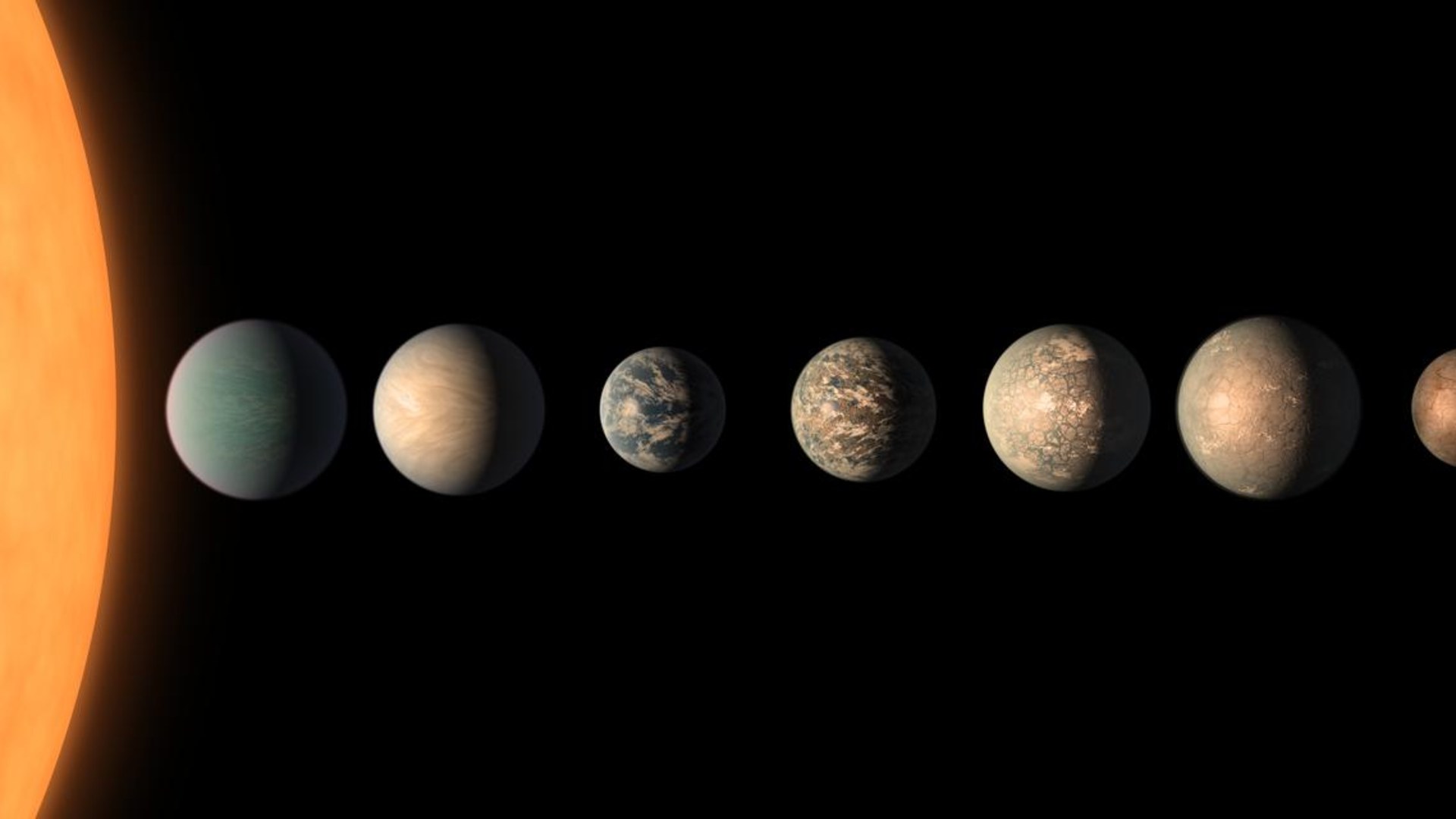
Discovered in 2017, three TRAPPIST-1 planets sit comfortably in the habitable zone where liquid surface water could sustain biological life.
14. Ganymede's Hidden Ocean
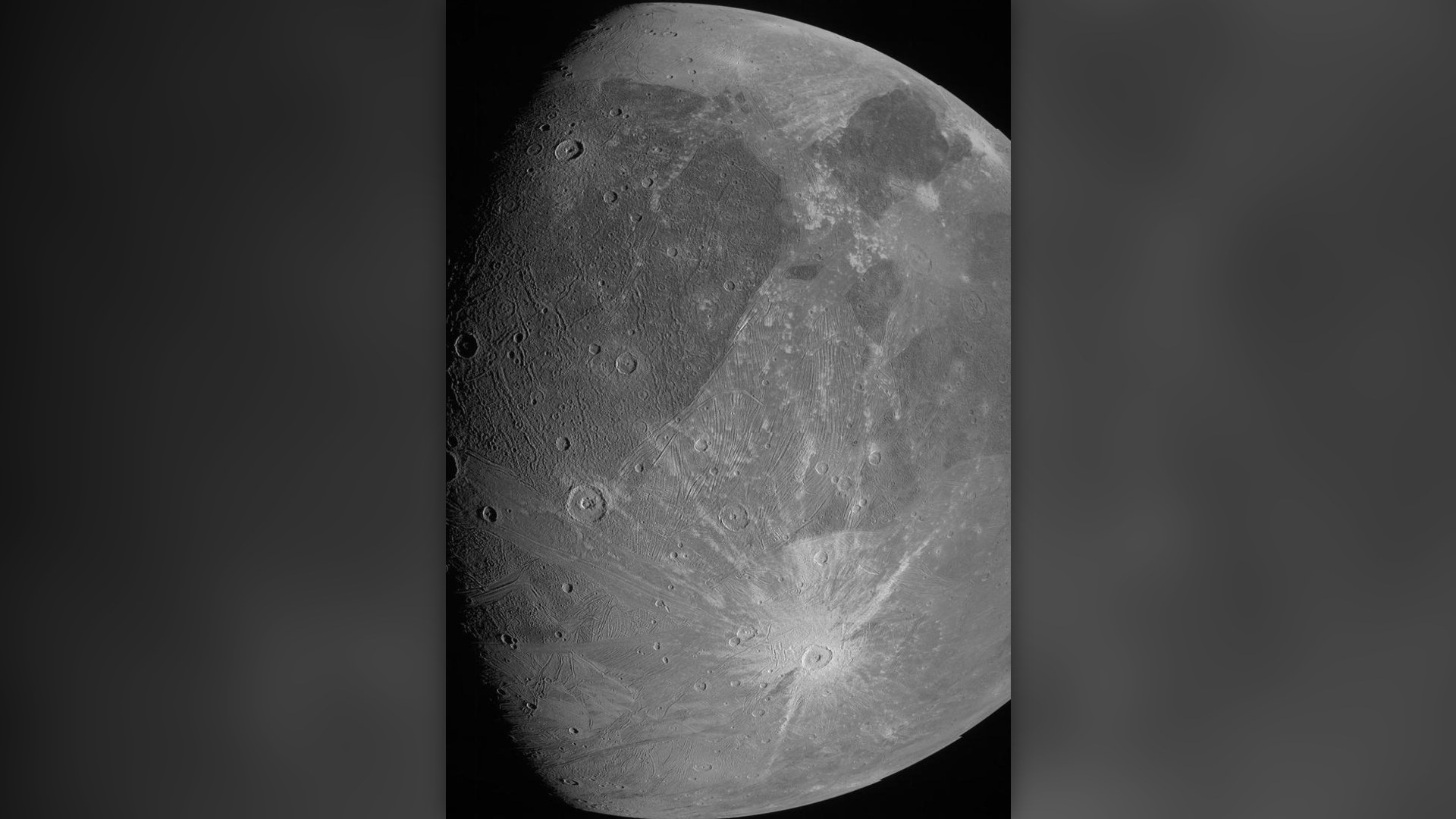
NASA's Juno spacecraft and Hubble aurora observations confirmed a massive saltwater ocean buried beneath 95 miles of rock and ice crust.
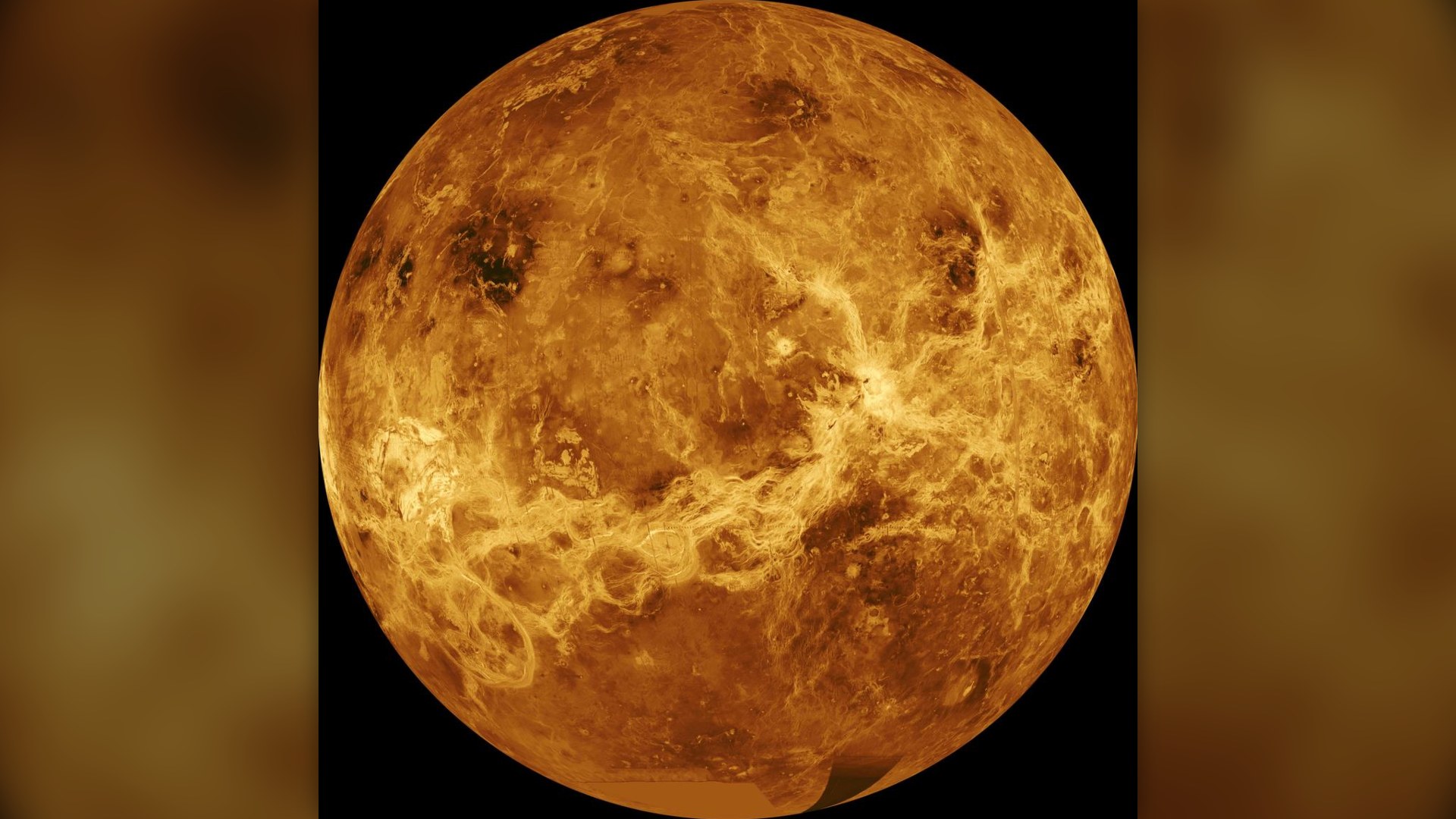
13. Venusian Cloud Decks
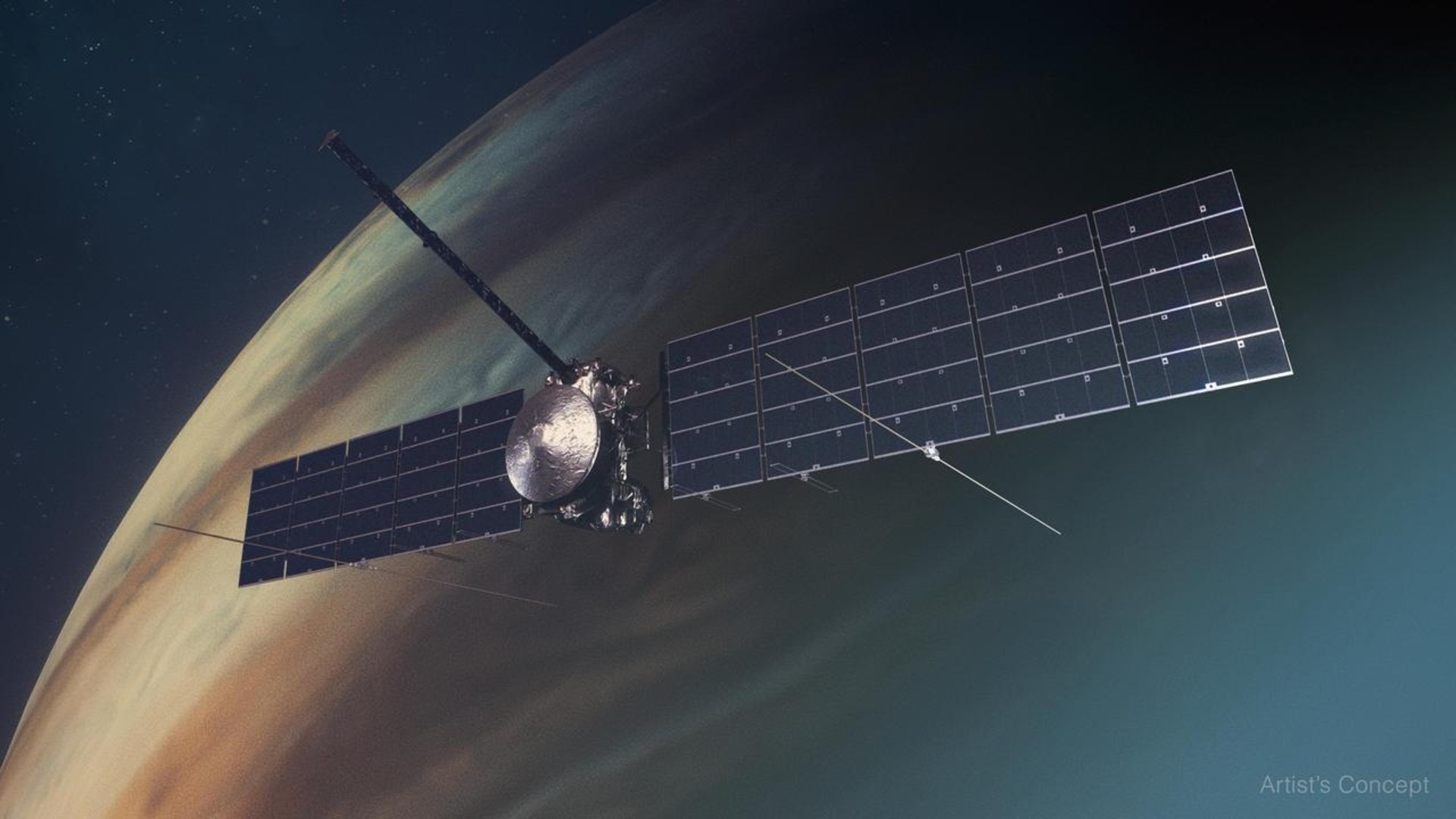
While the Venusian surface melts lead, its cloud deck offers Earth-like pressure and temperatures where controversial phosphine hints at biological activity.
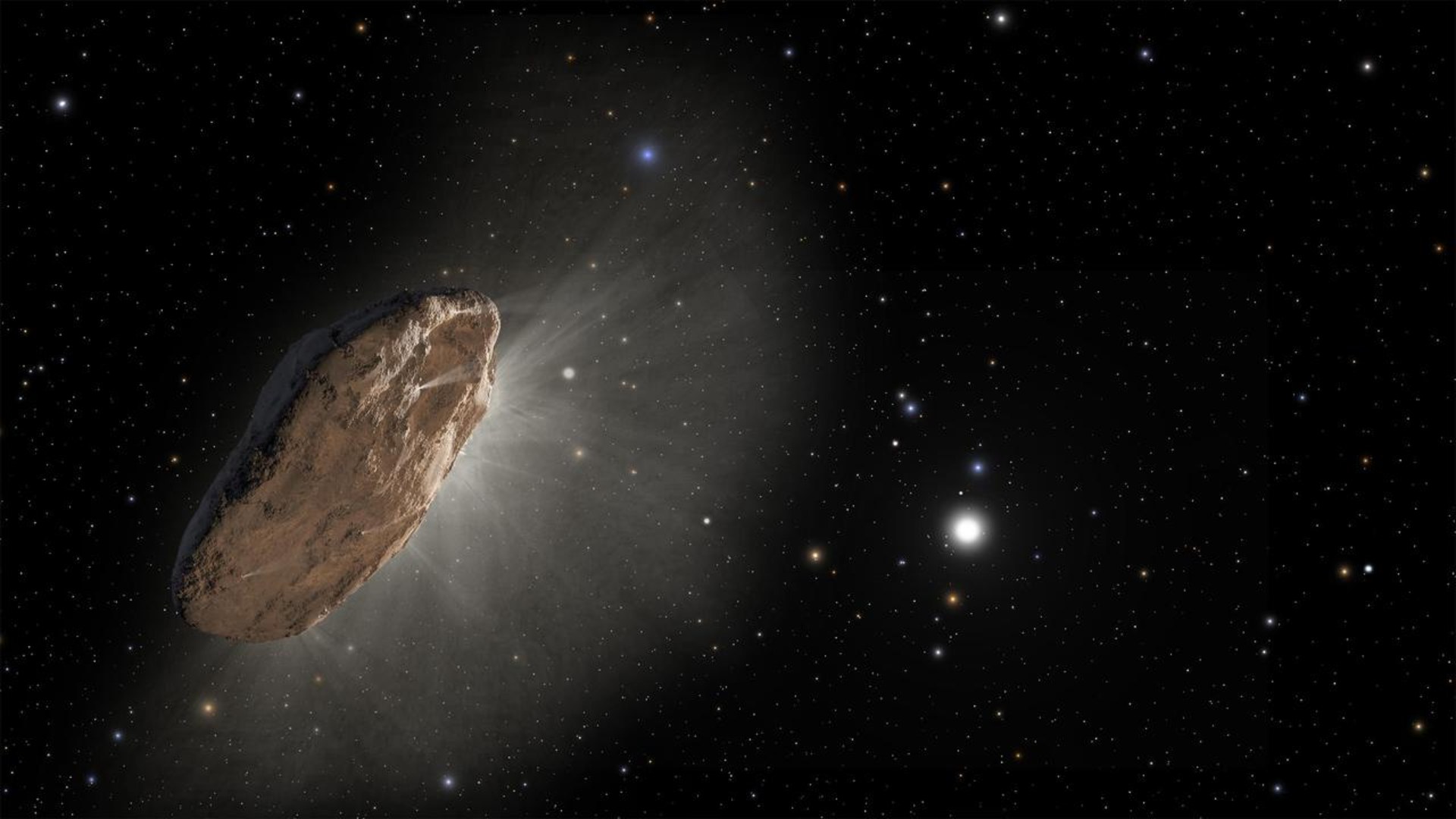
12. Interstellar Visitors
Interstellar comets traversing our solar system demonstrate that water ice, carbon molecules, and the building blocks of life are exchanged across galaxy-wide distances.
11. Hydrothermal Vent Analogs
Chemosynthetic ecosystems around terrestrial hydrothermal vents serve as the gold standard model for how life could evolve in dark extraterrestrial oceans.
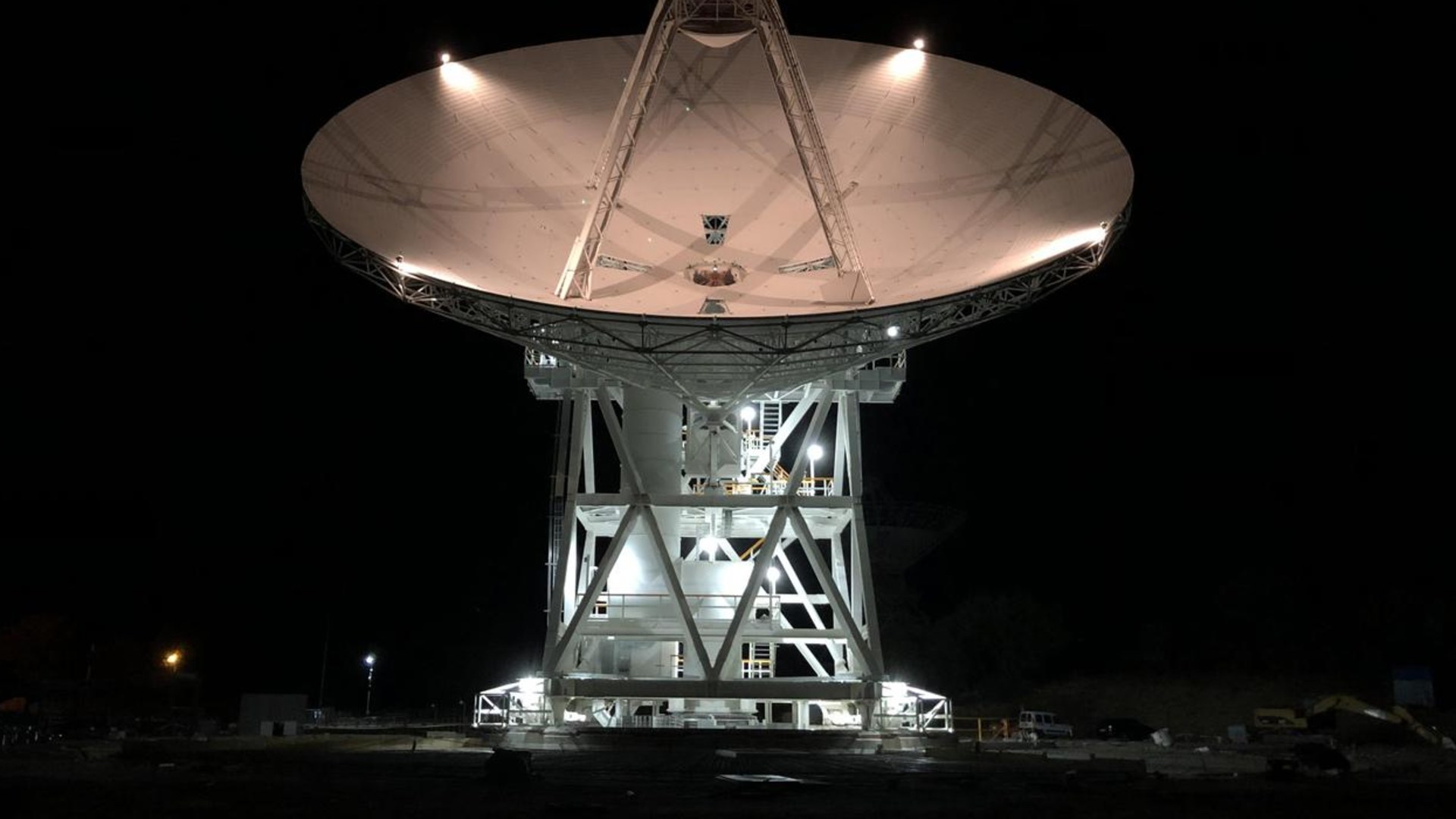
10. Technosignatures And SETI
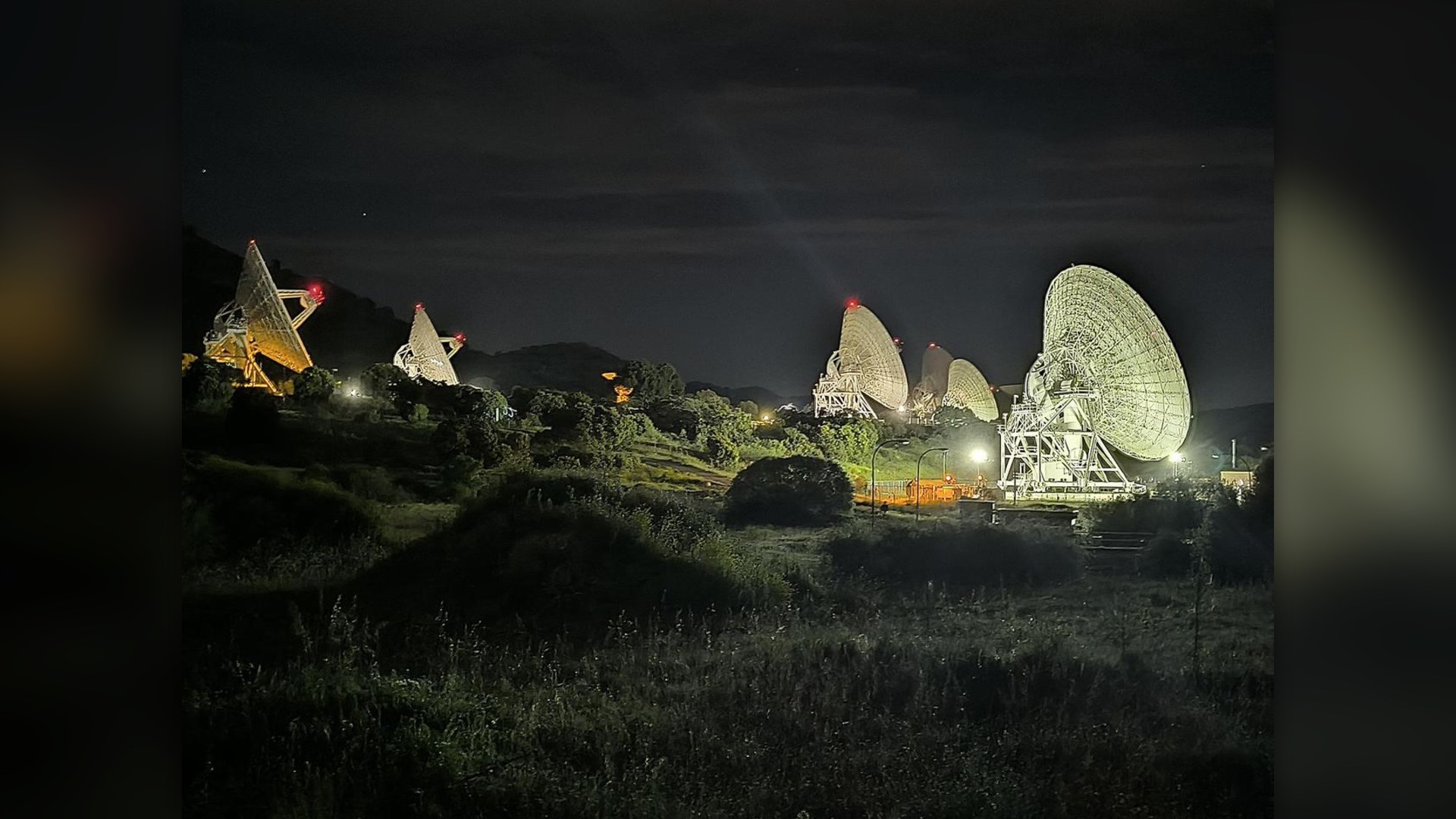
Modern SETI searches look beyond narrowband radio waves, scanning stellar light curves for Dyson spheres, orbital megastructures, and industrial pollutants.
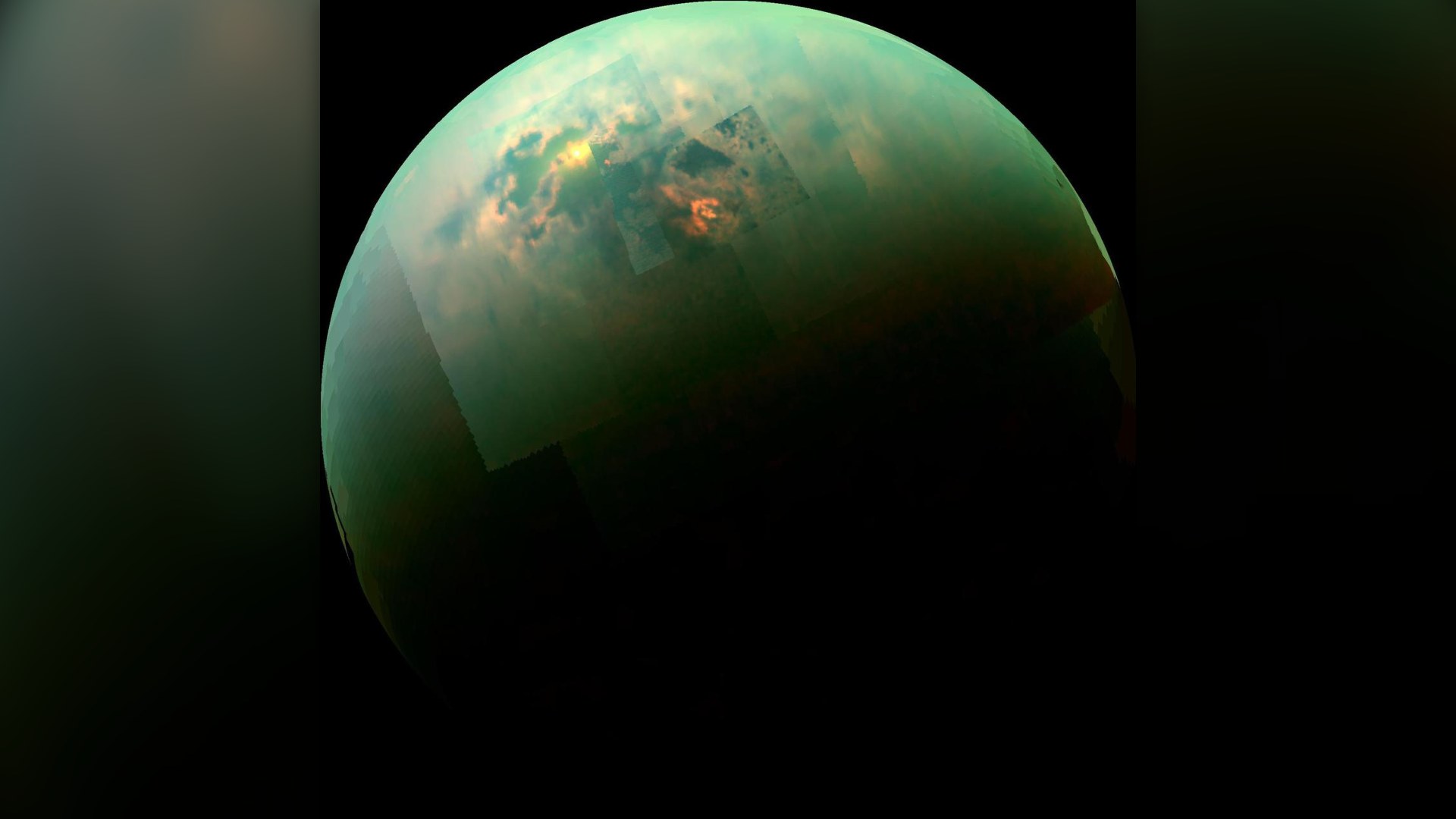
9. Titan's Methane Seas
Titan represents a natural planetary laboratory rich in prebiotic organic chemistry, where scientists suspect bizarre non-water-based biochemistry could exist.
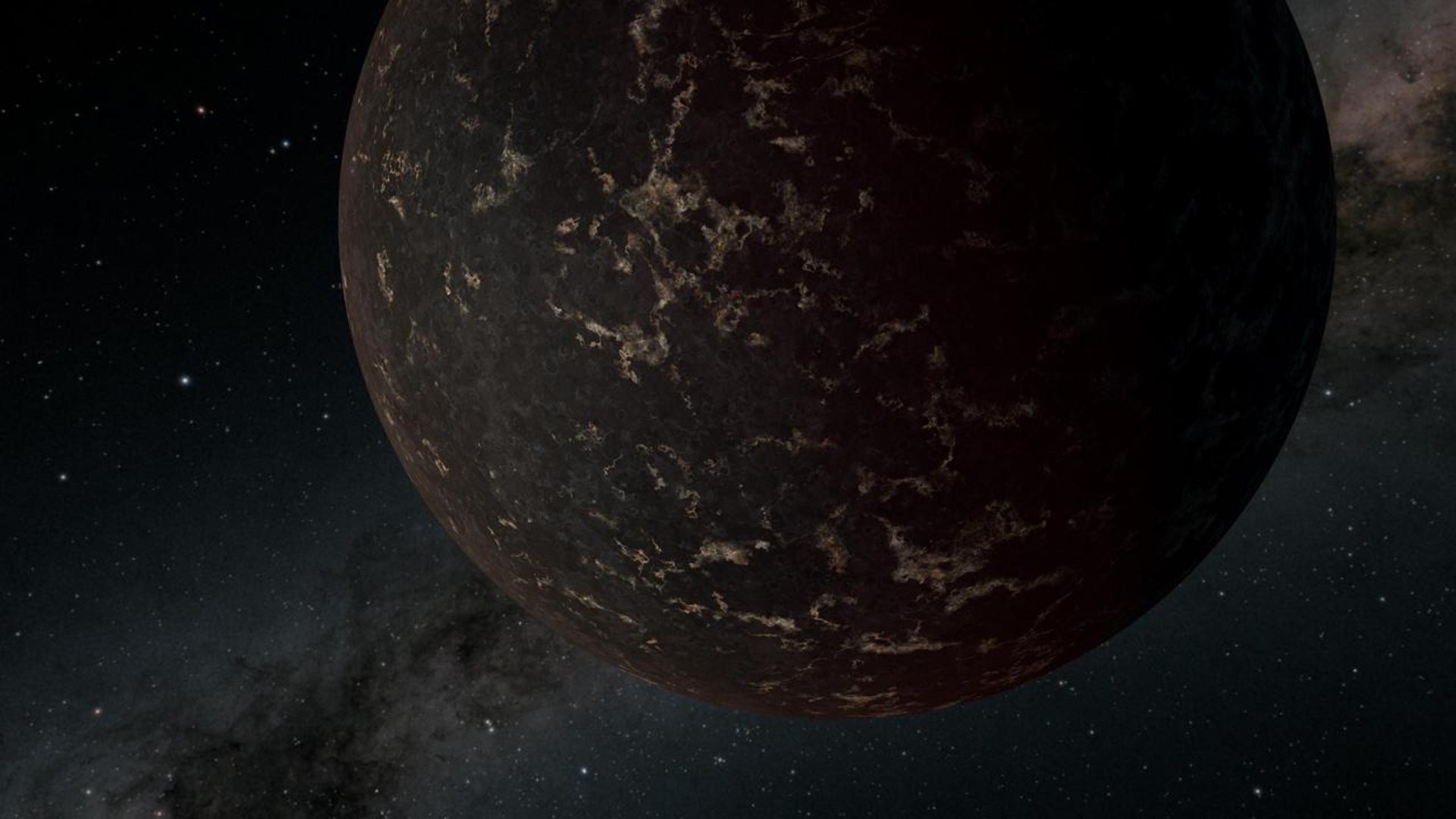
8. Exoplanet Biosignatures
By measuring absorption spectra of exoplanets like LHS 3844b and K2-18b, telescopes can identify atmospheric water vapor, methane, ozone, and potential biosignatures.
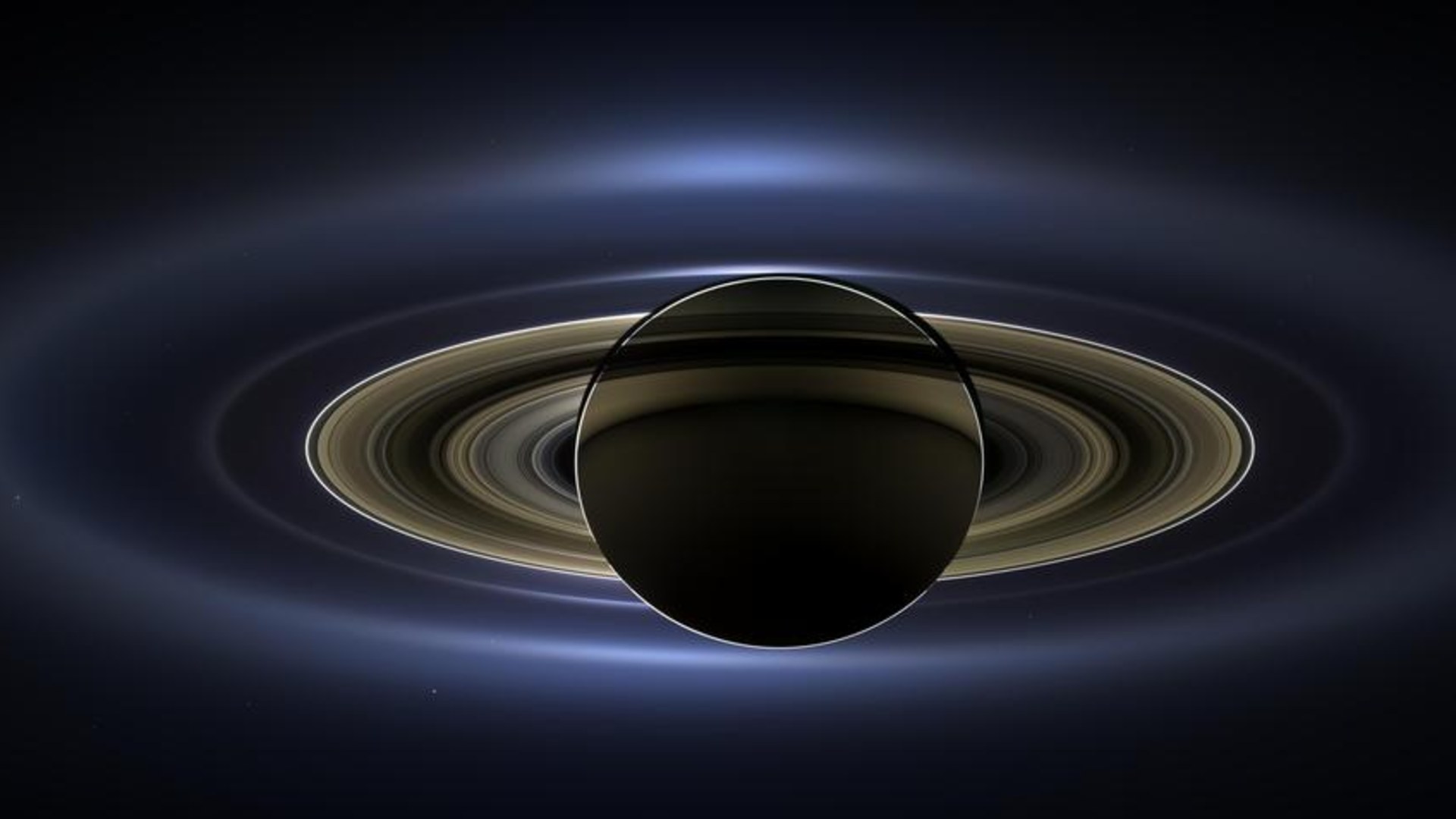
7. Enceladus Hydrothermal Plumes
Cassini flew directly through Enceladus's plumes, sampling water vapor, molecular hydrogen, salts, and carbon compounds venting from a warm hydrothermal ocean floor.
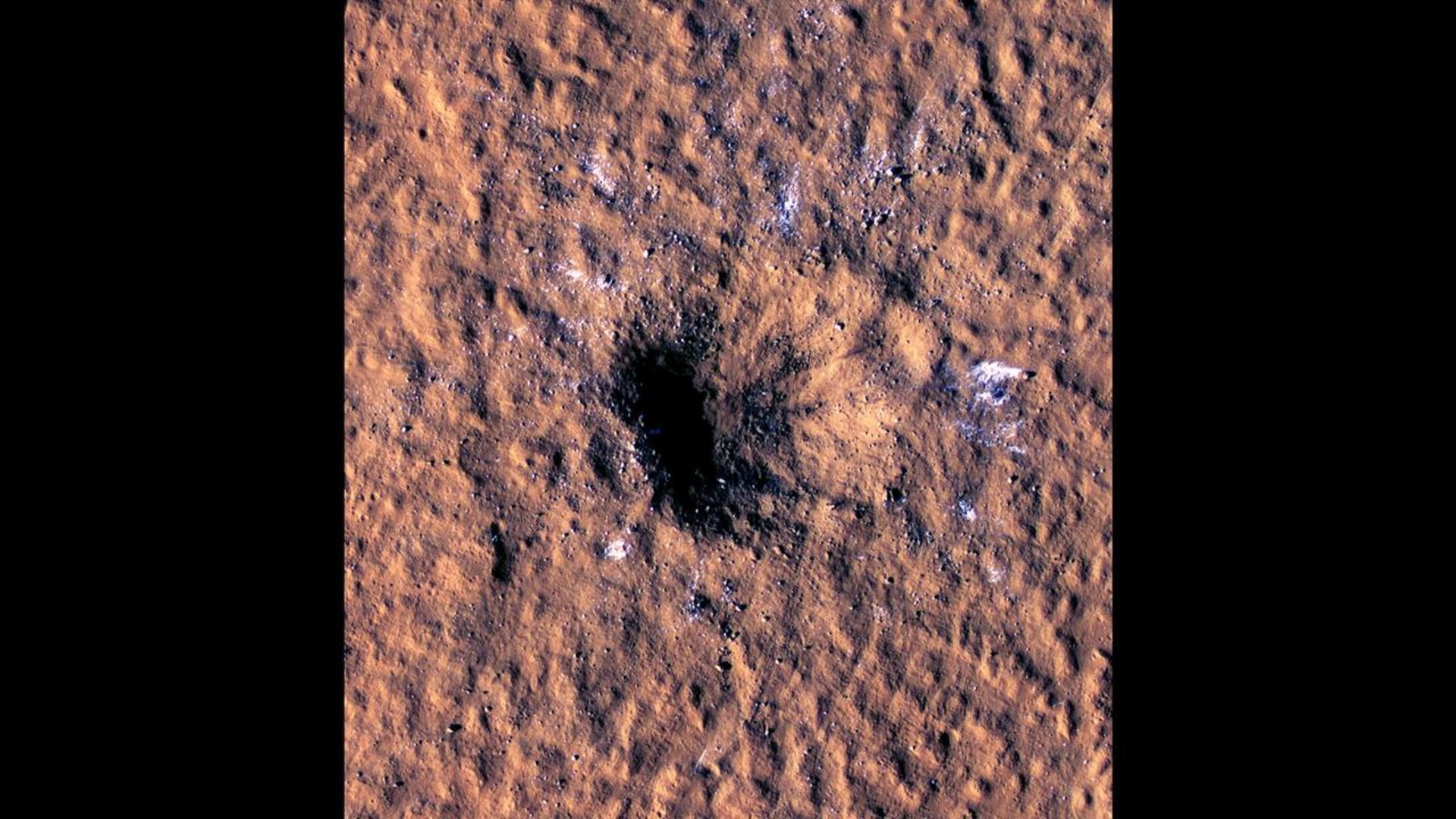
6. Subsurface Martian Ice And Brines
While the Martian surface is sterilized by ultraviolet radiation, deep underground aquifers and frozen glaciers provide stable, radiation-shielded habitats.
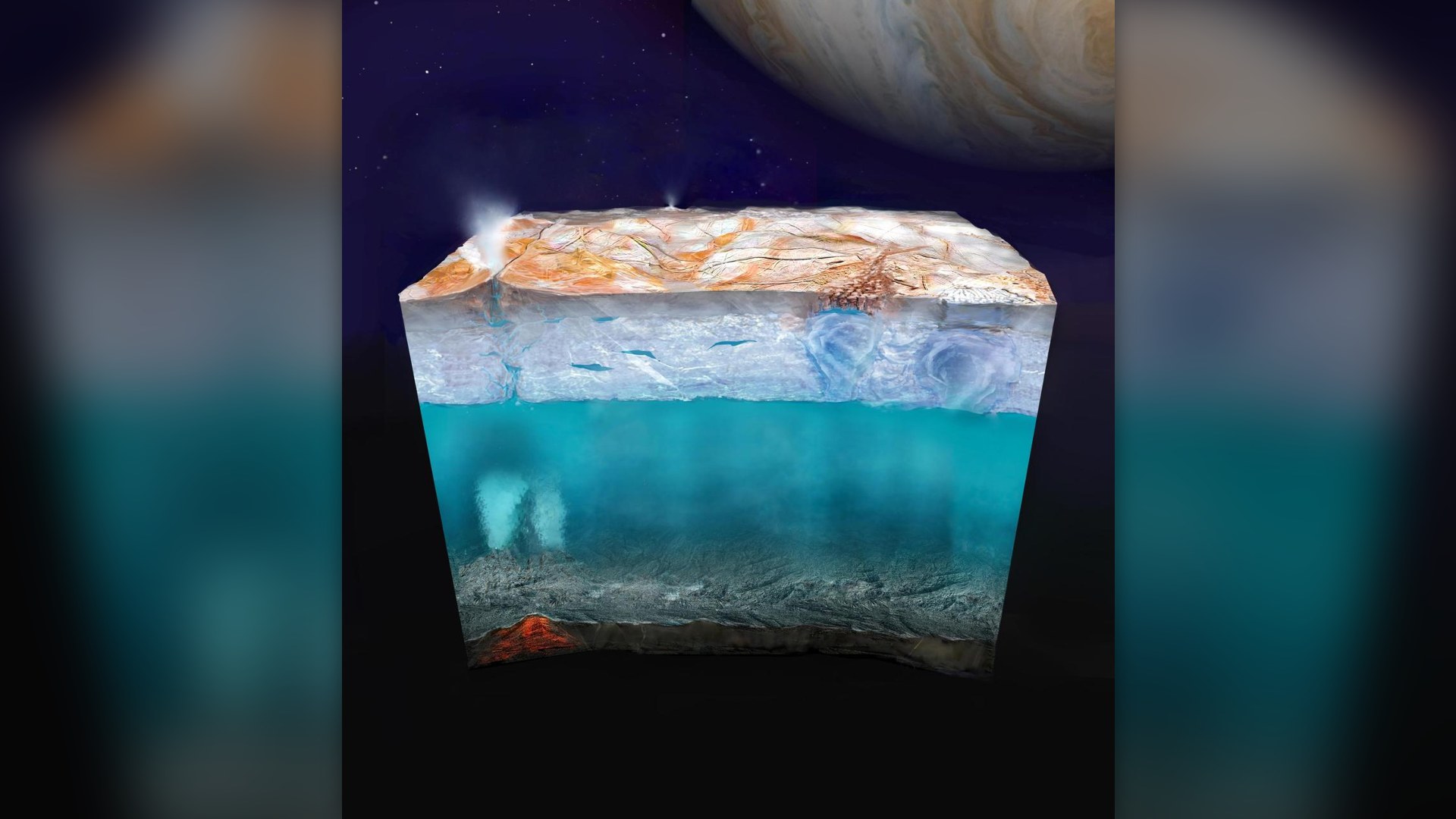
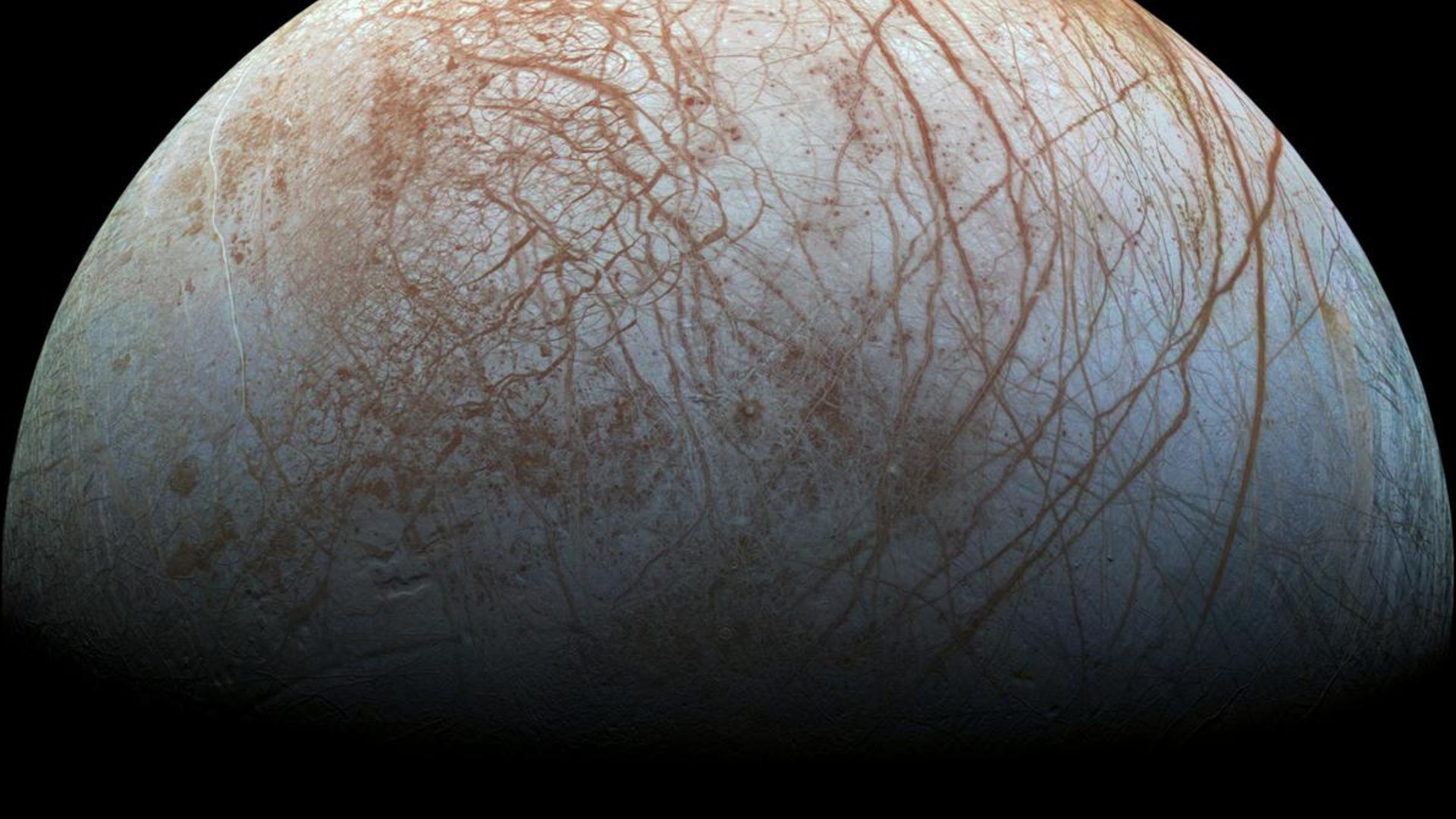
5. Europa's Subsurface Global Ocean
Europa's fractured icy crust covers a deep saltwater ocean in direct contact with a rocky seafloor, creating the solar system's top candidate for living biology.
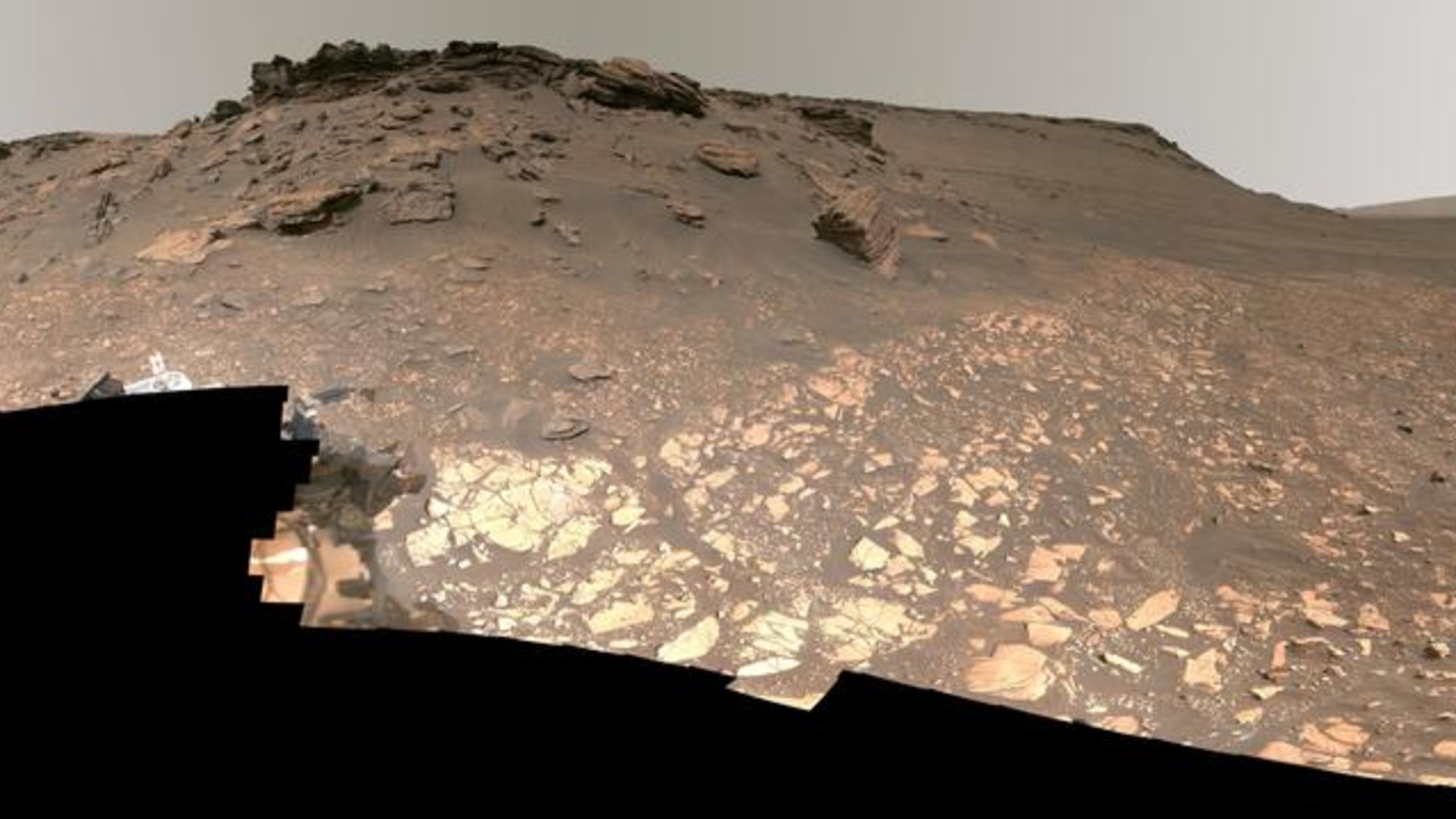
4. Jezero Crater Ancient River Delta
Billions of years ago, Jezero Crater was flooded with liquid water. Mudstones and delta sandstones collected here preserve ideal conditions for fossilized biosignatures.
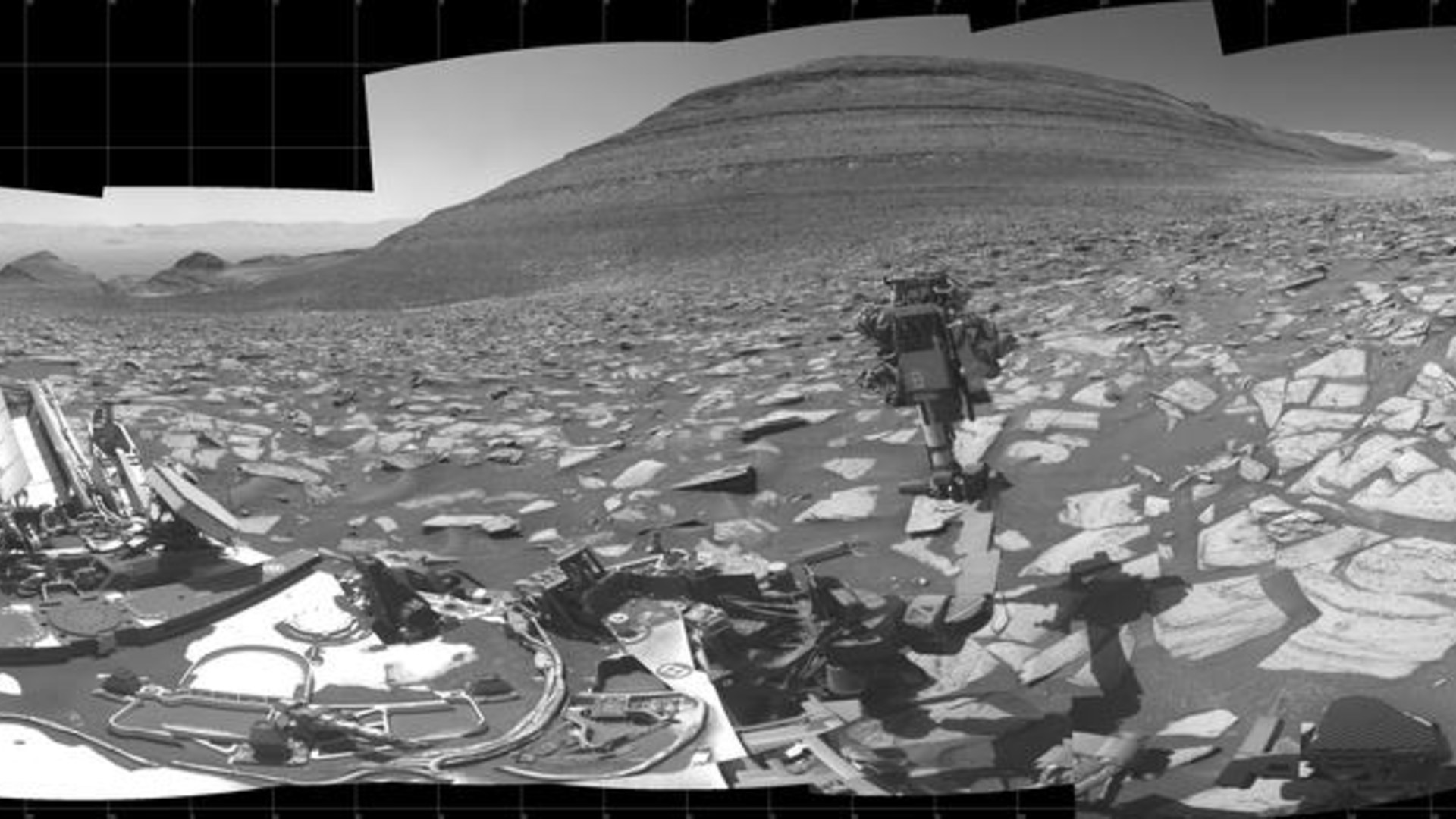
3. Organic Molecules In Martian Rocks
Perseverance's SHERLOC spectrometer detected complex carbon rings inside rock targets, confirming Mars once possessed abundant building blocks for living organisms.
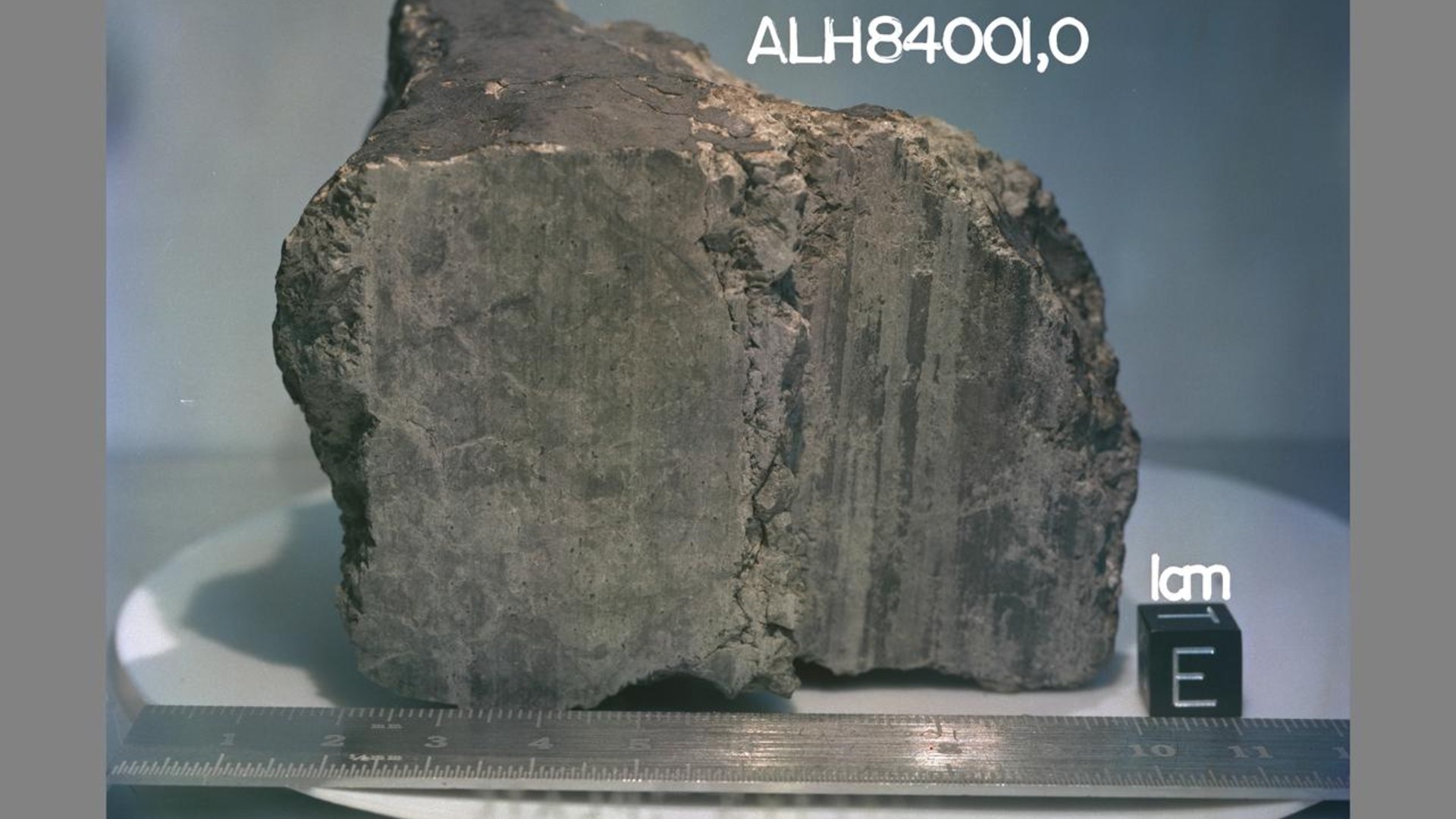
2. Martian Meteorite Microfossils
Found in Antarctica in 1984, this 4-billion-year-old rock from Mars revealed microscopic carbonate globules and magnetite crystals remarkably similar to terrestrial bacteria.
1. Cosmic Microbial Inevitability
Because the organic ingredients and liquid water exist everywhere in the cosmos, astrophysicists widely conclude that simple single-celled life is common across the universe.