Slideshow · Animals
How Much Weight Animals Gain During Pregnancy, Ranked
From tiny ounces to 500 pounds, see what pregnant animals gain.
By Most Viral Today
29 Oct 2026

From tiny ounces to 500 pounds, see what pregnant animals gain. 

20. Giant Panda 
19. Red Kangaroo 
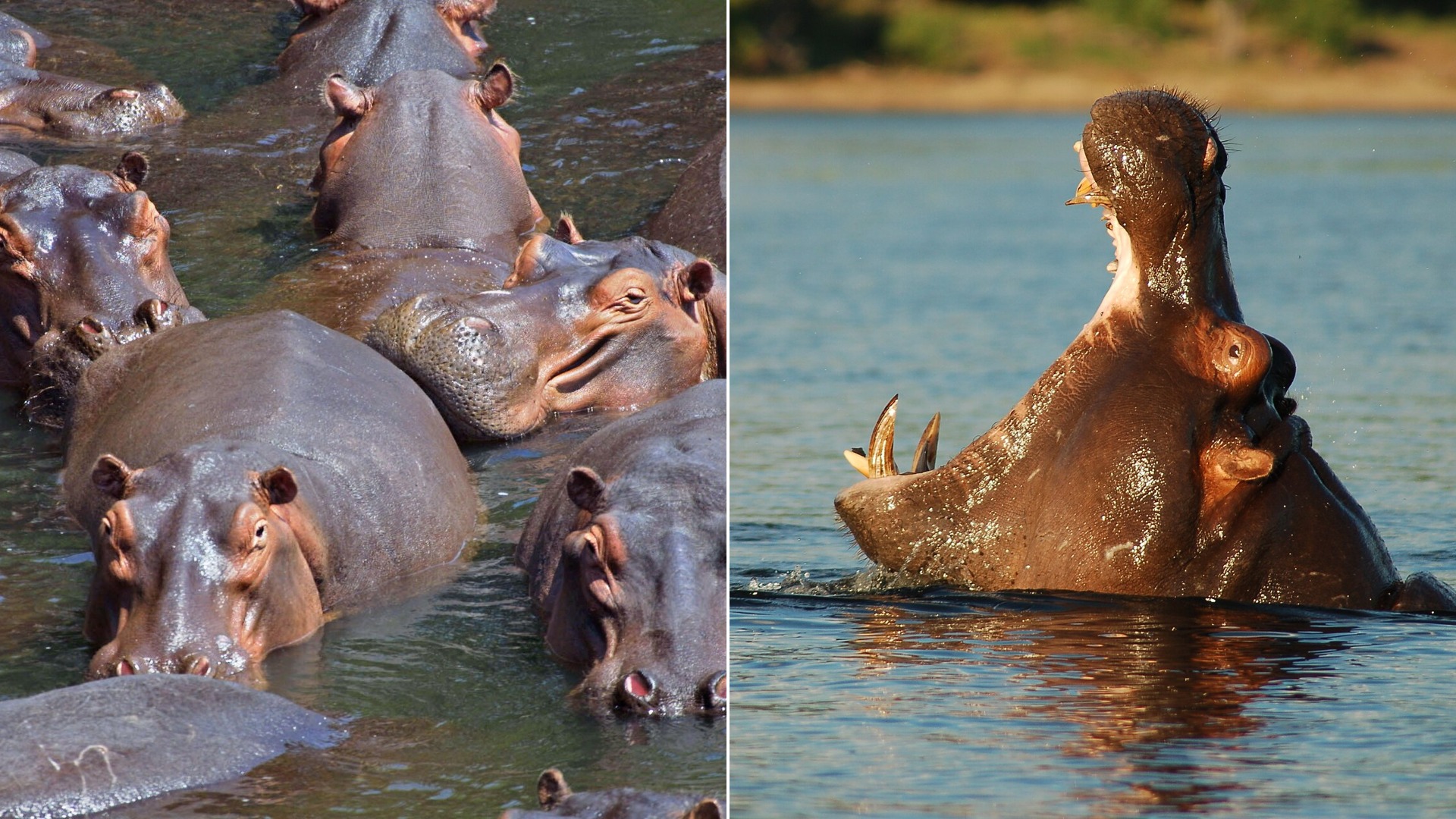
18. Hippopotamus - AdvertisementSwipe or tap ▶ to continue countdown

17. African Elephant 
16. Giraffe 
15. Bottlenose Dolphin 
14. Horse - AdvertisementSwipe or tap ▶ to continue countdown

13. Blue Whale 
12. Domestic Cow 
11. Domestic Goat 
10. Domestic Sheep - AdvertisementSwipe or tap ▶ to continue countdown

9. Domestic Dog 
8. Domestic Cat 
7. Domestic Pig 
6. Domestic Rabbit - AdvertisementSwipe or tap ▶ to continue countdown

5. Southern Elephant Seal 
4. Big Brown Bat 
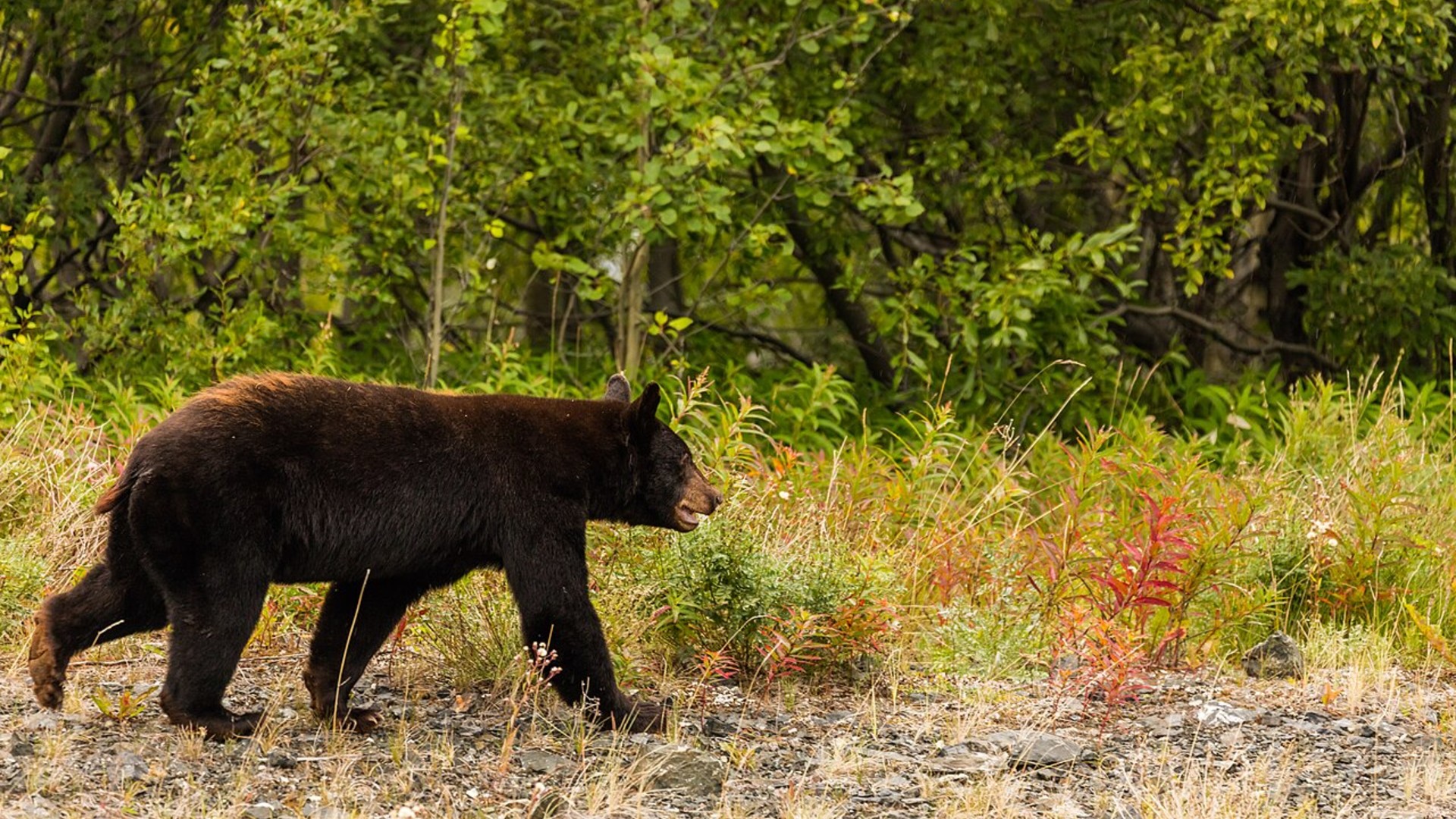
3. Black Bear 
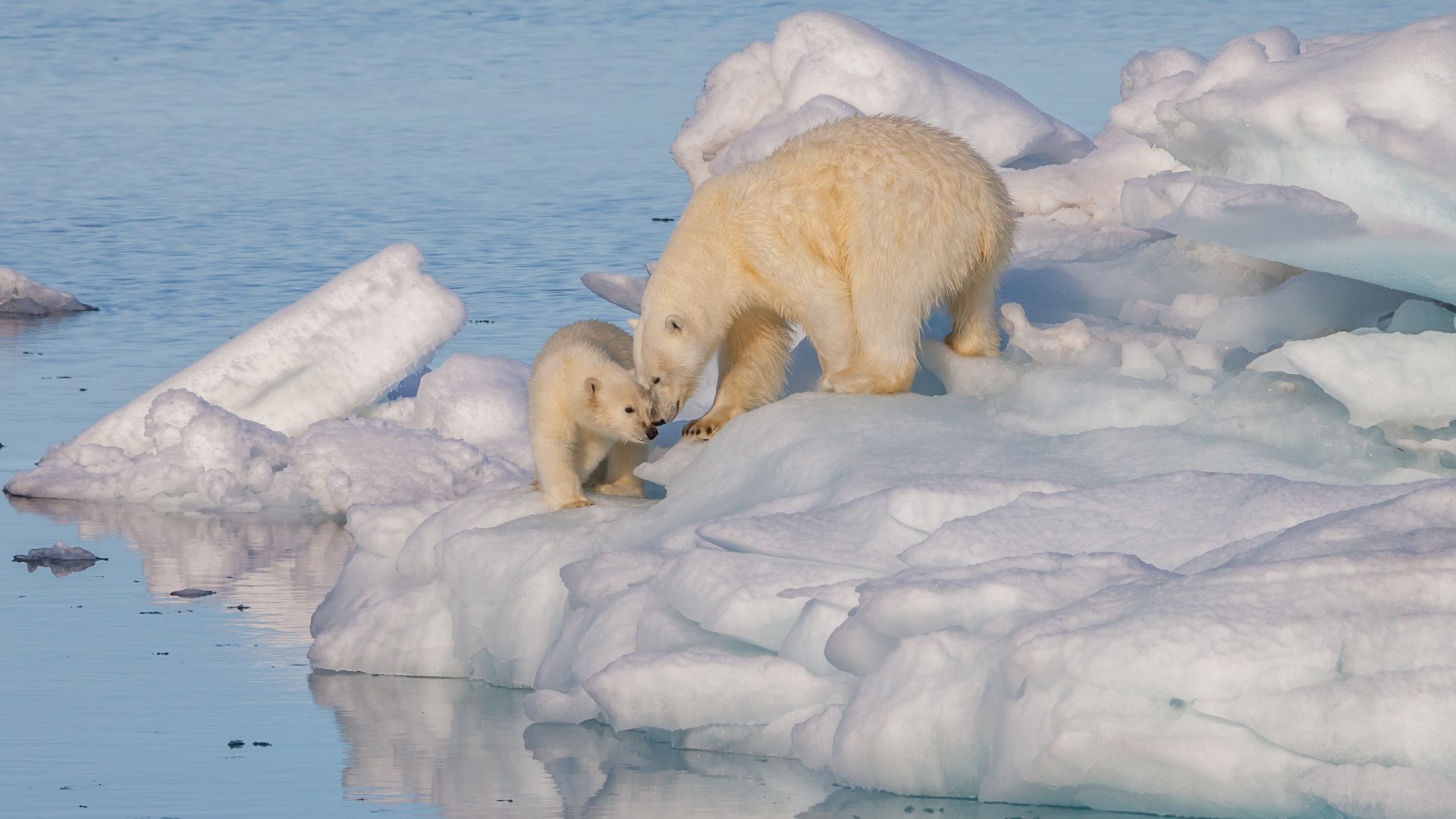
2. Polar Bear - AdvertisementSwipe or tap ▶ to continue countdown

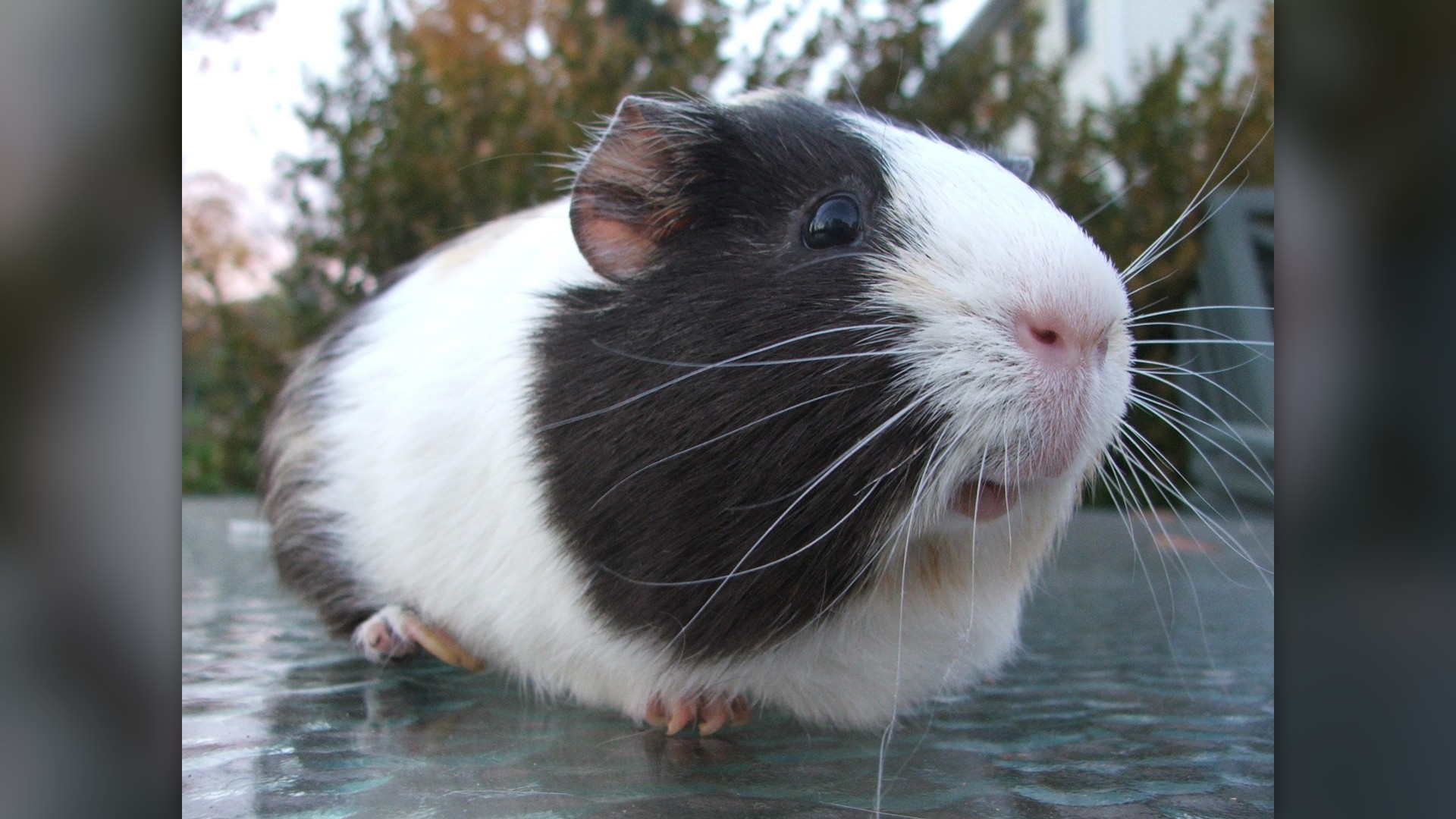
1. Guinea Pig - Advertisement🔥 UP NEXT IN THIS SERIES◫ 22 Slides

How Long Do Hippos Live? 20 Other Facts About Hippos
From sixty-year lifespans to whale cousins, discover secrets of river giants
Across the animal kingdom, gestational weight gain ranges from barely a fraction of an ounce to mothers literally doubling their body weight. Here is how much weight 20 different animals gain during pregnancy, ranked from the smallest relative gains to the most extreme biological feats.
Swipe or tap ▶ to begin the countdown
©Wikimedia / Peter.shaman & Wikimedia / AWeith
20. Giant Panda
A newborn giant panda is roughly the size of a stick of butter, weighing just three to five ounces. Because the cub is 1/900th the size of its mother, a 200-pound pregnant panda experiences almost no measurable weight gain beyond standard seasonal appetite fluctuations.
©Wikimedia / KQuhen
19. Red Kangaroo
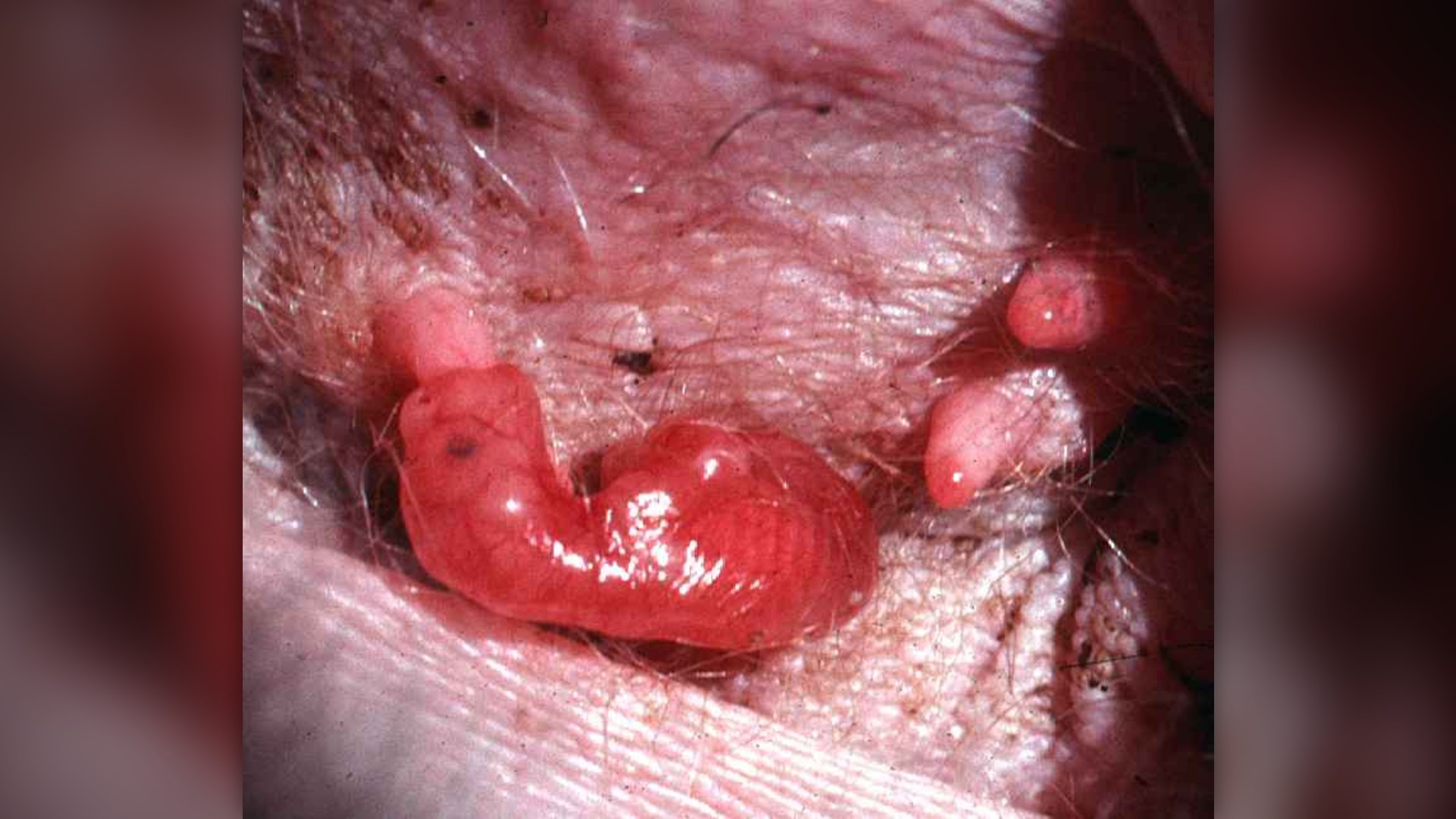
Marsupial gestation is extraordinarily brief. After just 33 days inside the womb, a female red kangaroo gives birth to a blind, hairless newborn weighing less than a single gram. All significant physical growth and maternal energy investment happen later inside the protective pouch.
©Wikimedia / Geoff Shaw
18. Hippopotamus
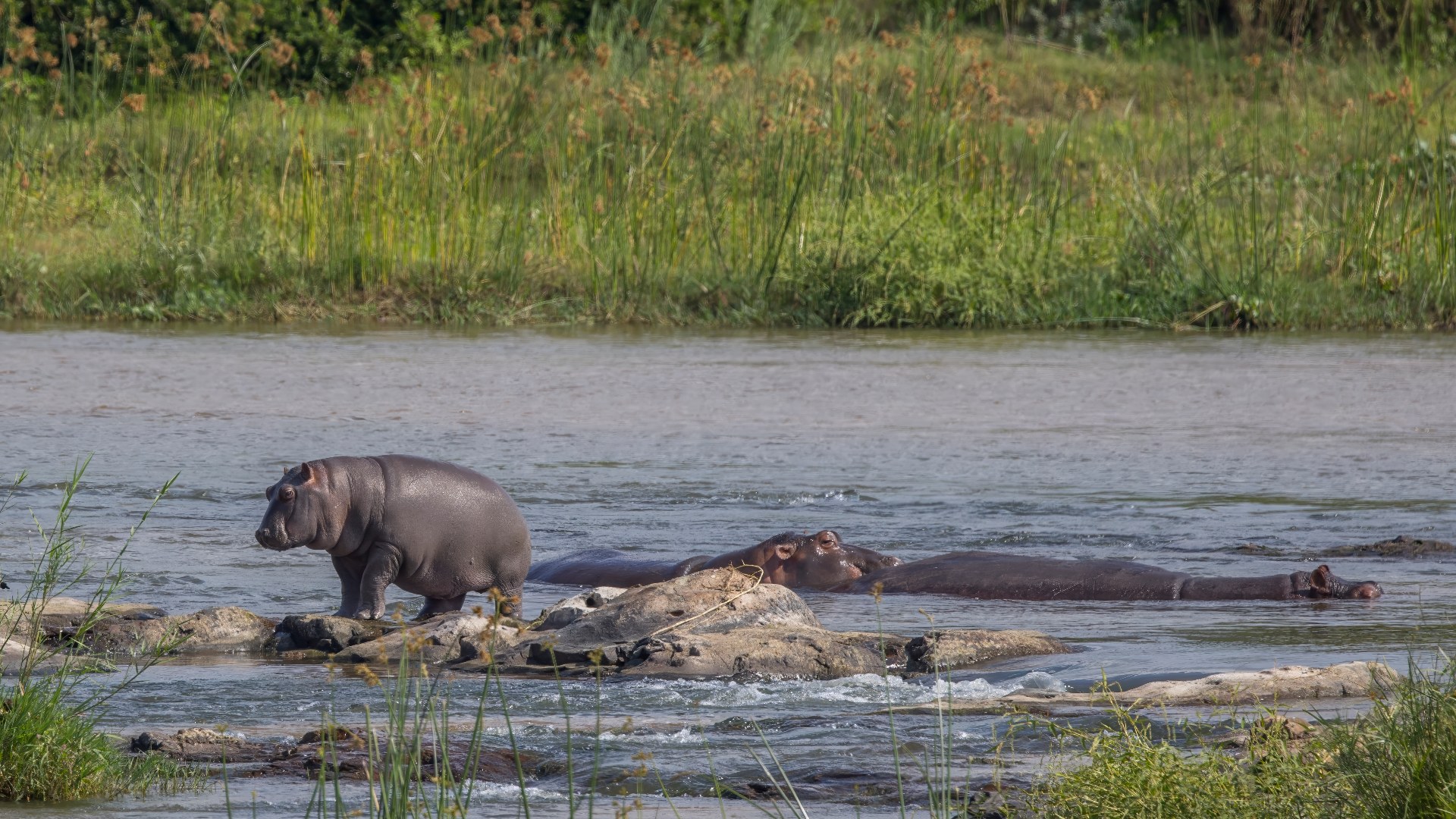
Female hippos spend their eight-month gestation submerged in rivers and lakes, where water buoyancy relieves stress on their joints. Despite their massive 3,000-pound frame, pregnant hippos gain roughly 150 to 250 pounds, with the newborn calf weighing about 50 to 100 pounds at birth.
©Wikimedia / Charles J. Sharp
Advertisement
Swipe or tap ▶ to resume the countdown.
17. African Elephant
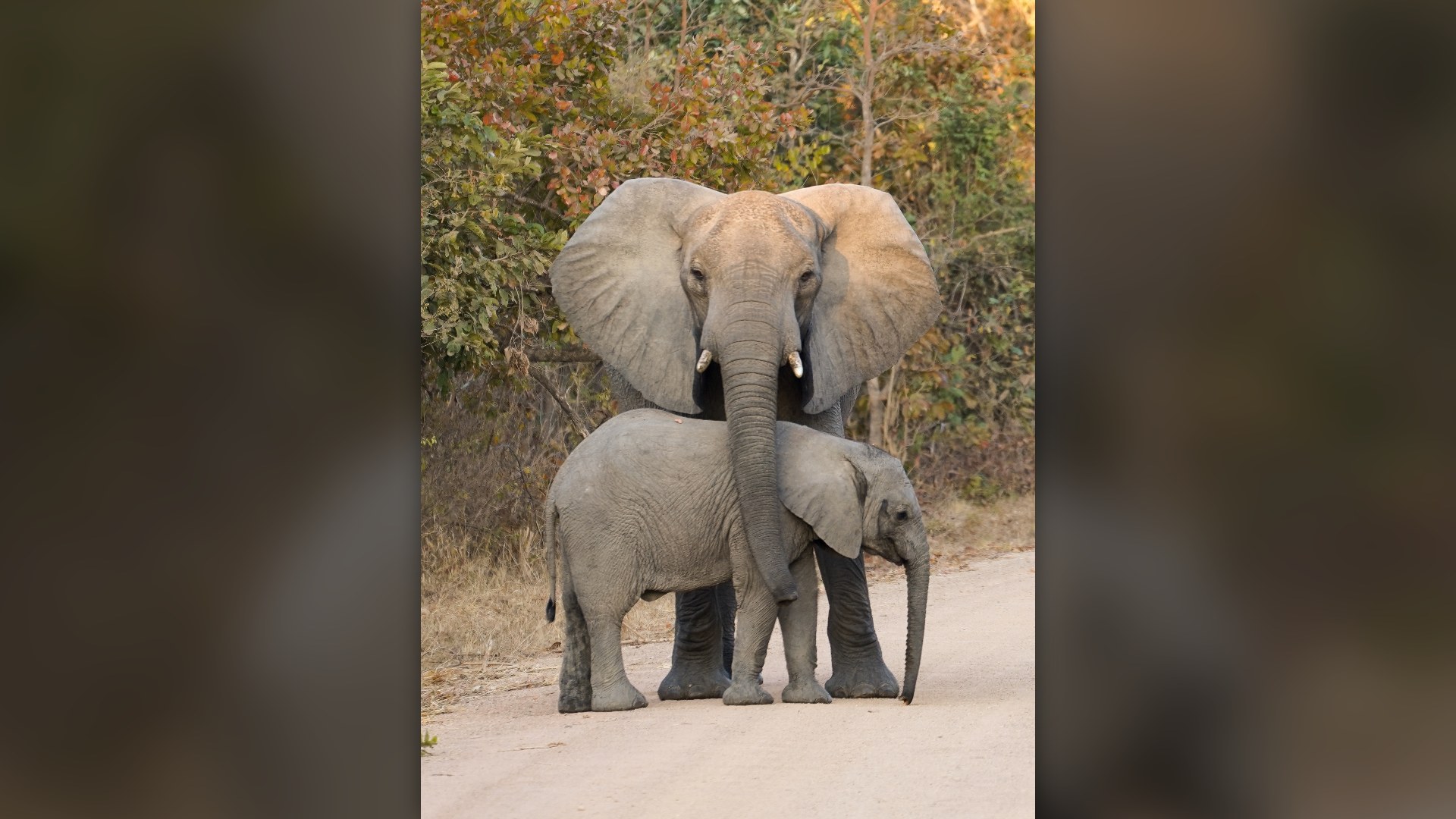
Enduring the longest gestation of any land mammal at 22 months, female African elephants gain up to 1,000 pounds. The single calf accounts for 200 to 260 pounds of that total, with the remainder consisting of amniotic fluid, supportive tissues, and vital fat reserves for nursing.
©Wikimedia / Timothy A. Gonsalves
16. Giraffe
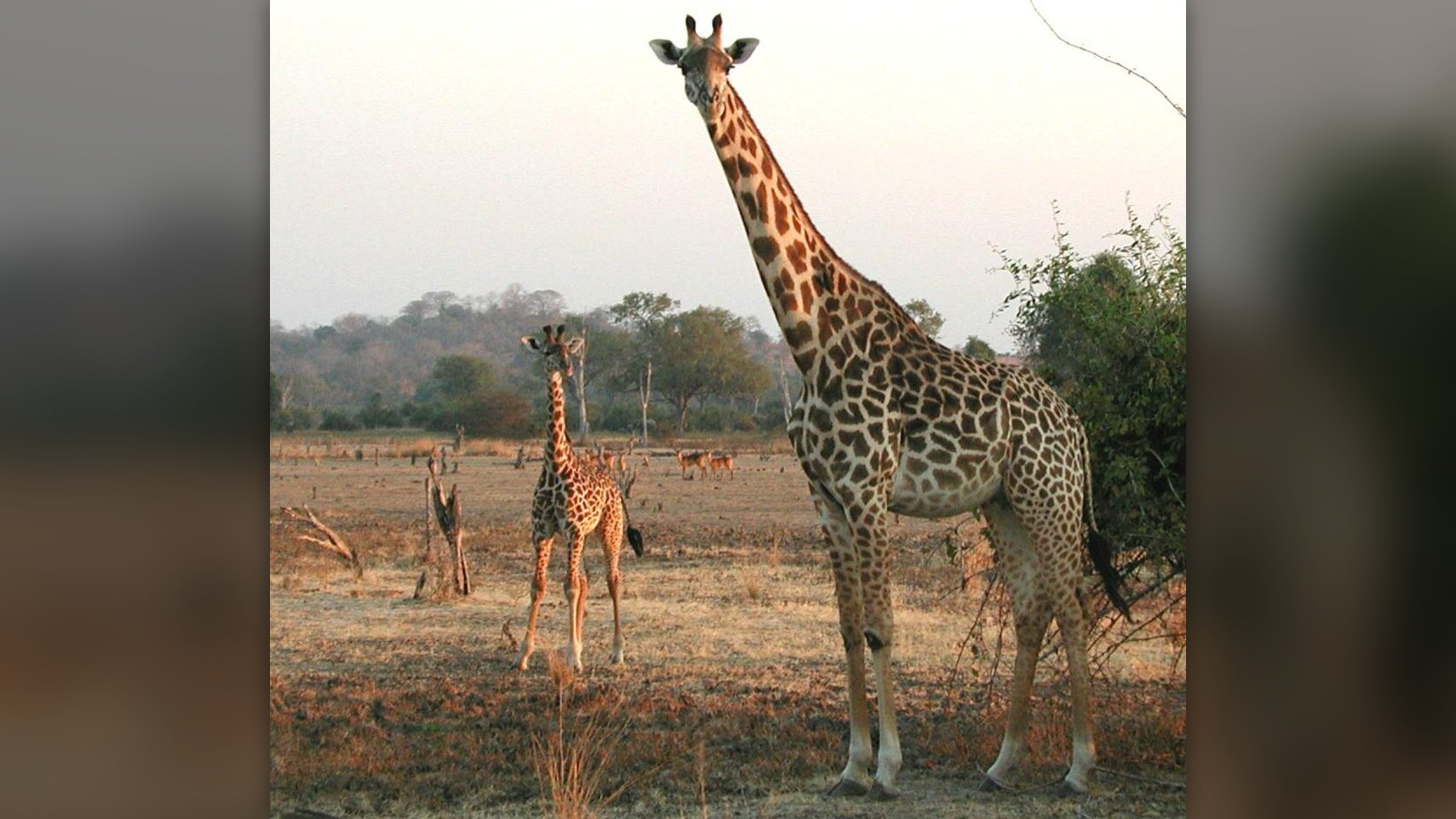
Giraffe mothers carry their young for 15 months before giving birth standing up. The newborn calf arrives already measuring six feet tall and weighing up to 150 pounds. Supportive uterine fluids and maternal tissue expansion push total gestational weight gain past 200 pounds.
©Wikimedia / Chiswick Chap
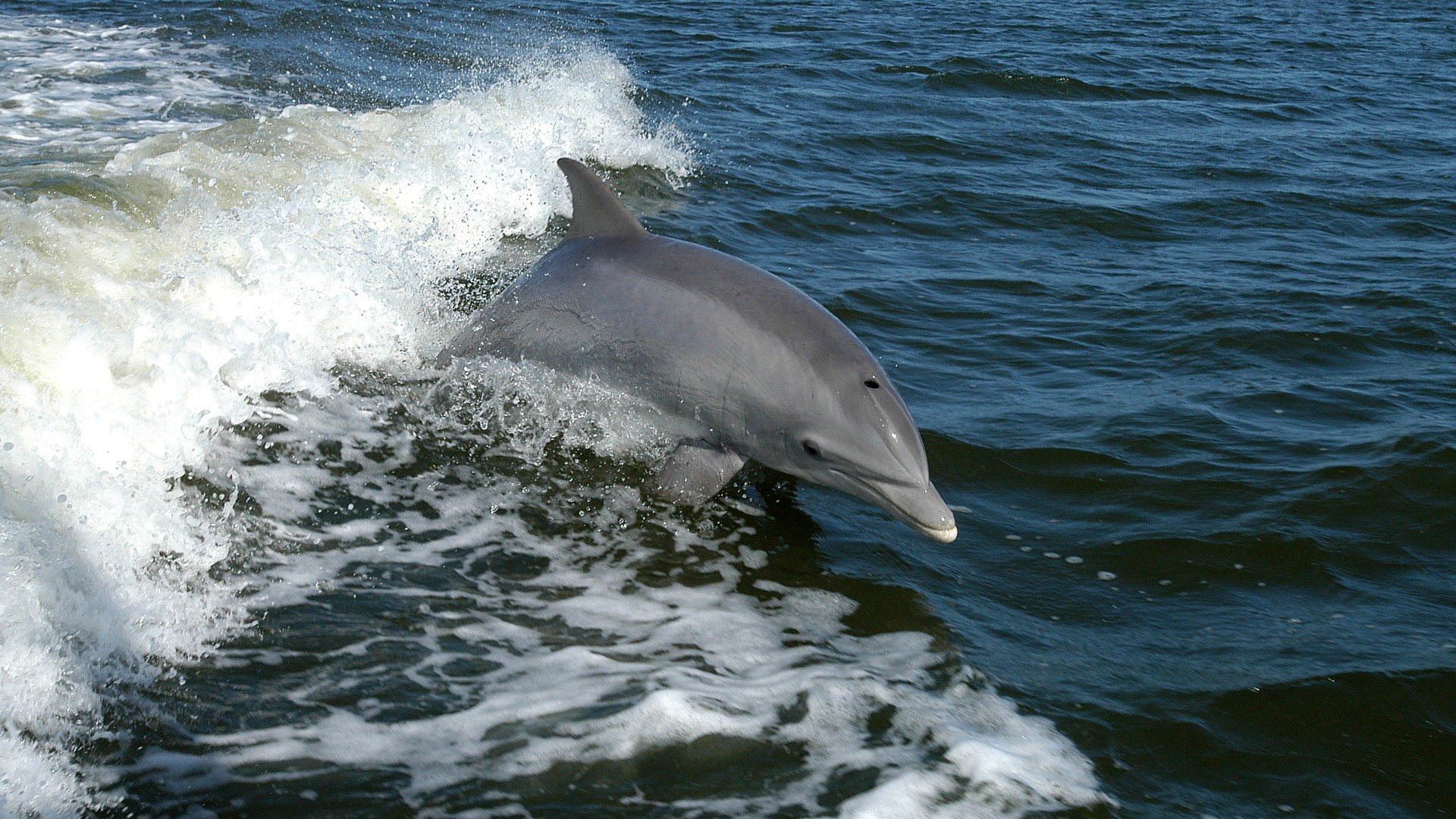
15. Bottlenose Dolphin
Pregnant dolphins must balance necessary weight gain with hydrodynamic efficiency in the open ocean. Over their 12-month gestation, females gain 40 to 60 pounds, accommodating a 30-pound calf along with extra blubber to power high-fat milk production during early calfhood.
©Wikimedia / Bottlenose dolphin
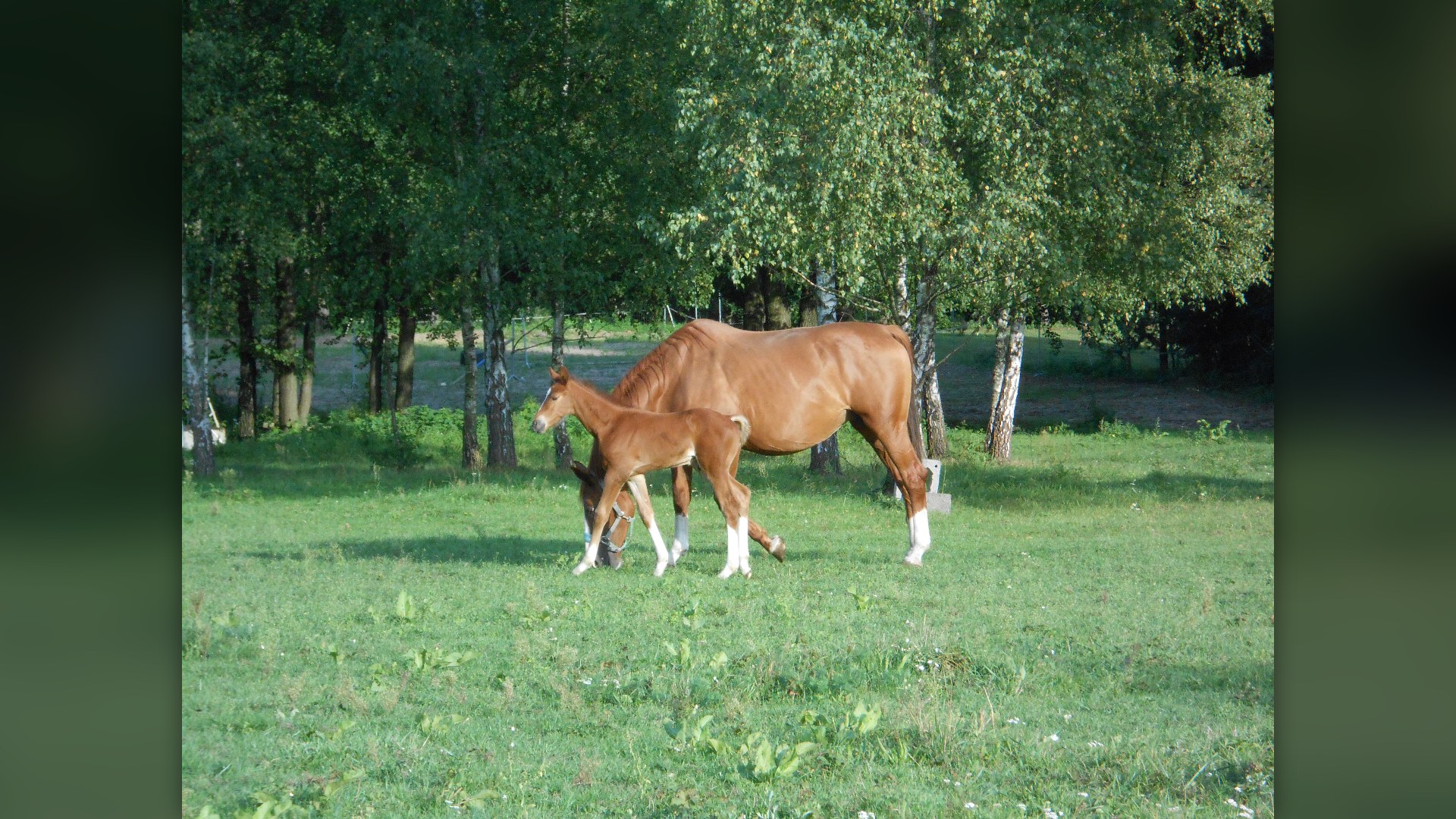
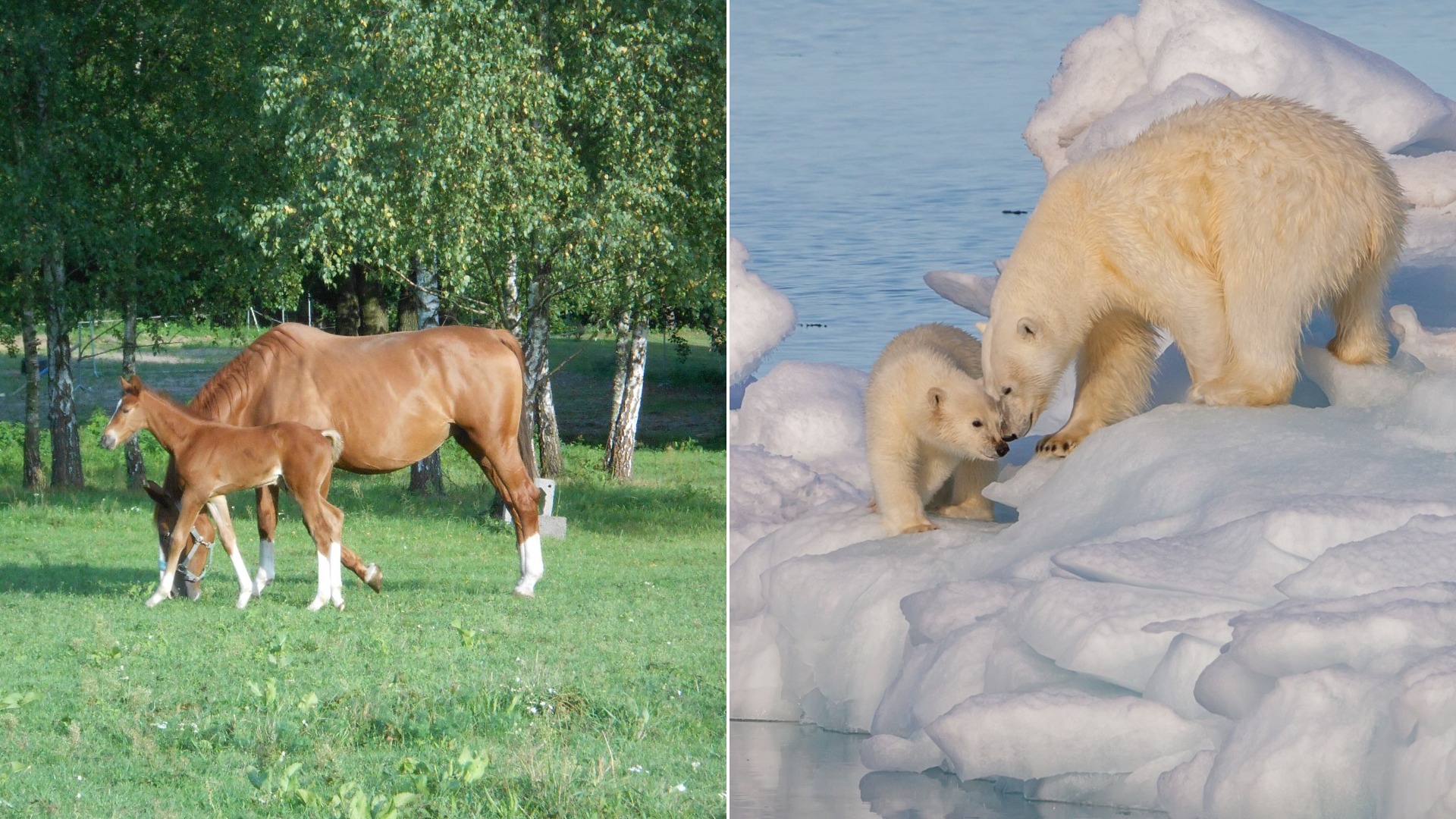
14. Horse
A pregnant mare experiences little weight change during her first seven months. Rapid fetal development during the final 90 days accounts for most of her 150-pound gain. The newborn foal weighs about 100 pounds, while placenta and fluids make up the remaining 50 pounds.
©Wikimedia / Peter.shaman
Advertisement
Swipe or tap ▶ to resume the countdown.
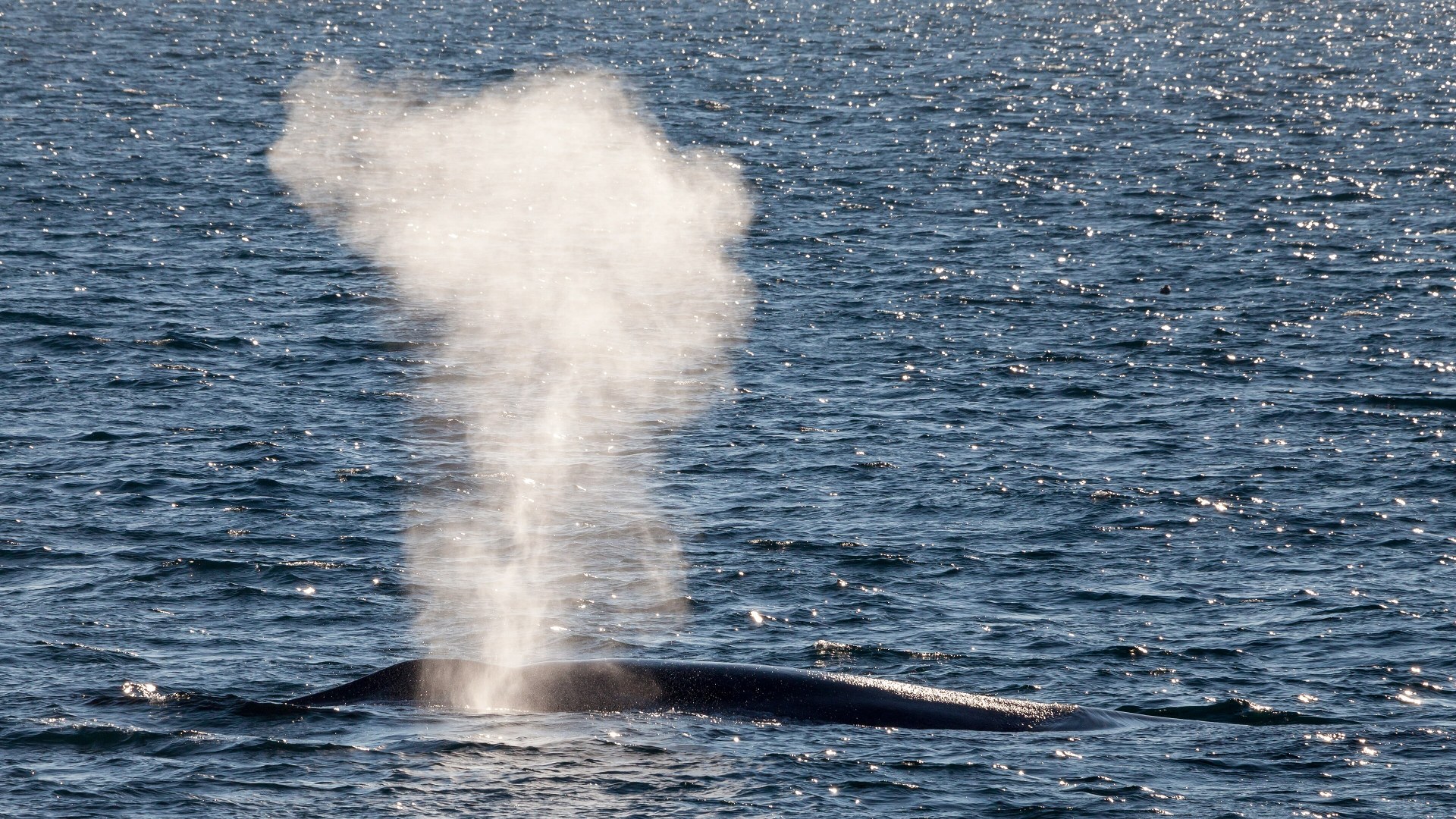
13. Blue Whale
While modest in percentage, the blue whale holds the record for absolute weight gained. Pregnant females gorge on krill in polar waters to pack on up to 30 tons of blubber. They then migrate to tropical breeding grounds where they fast for months while delivering a three-ton calf.
©Wikimedia / AWeith
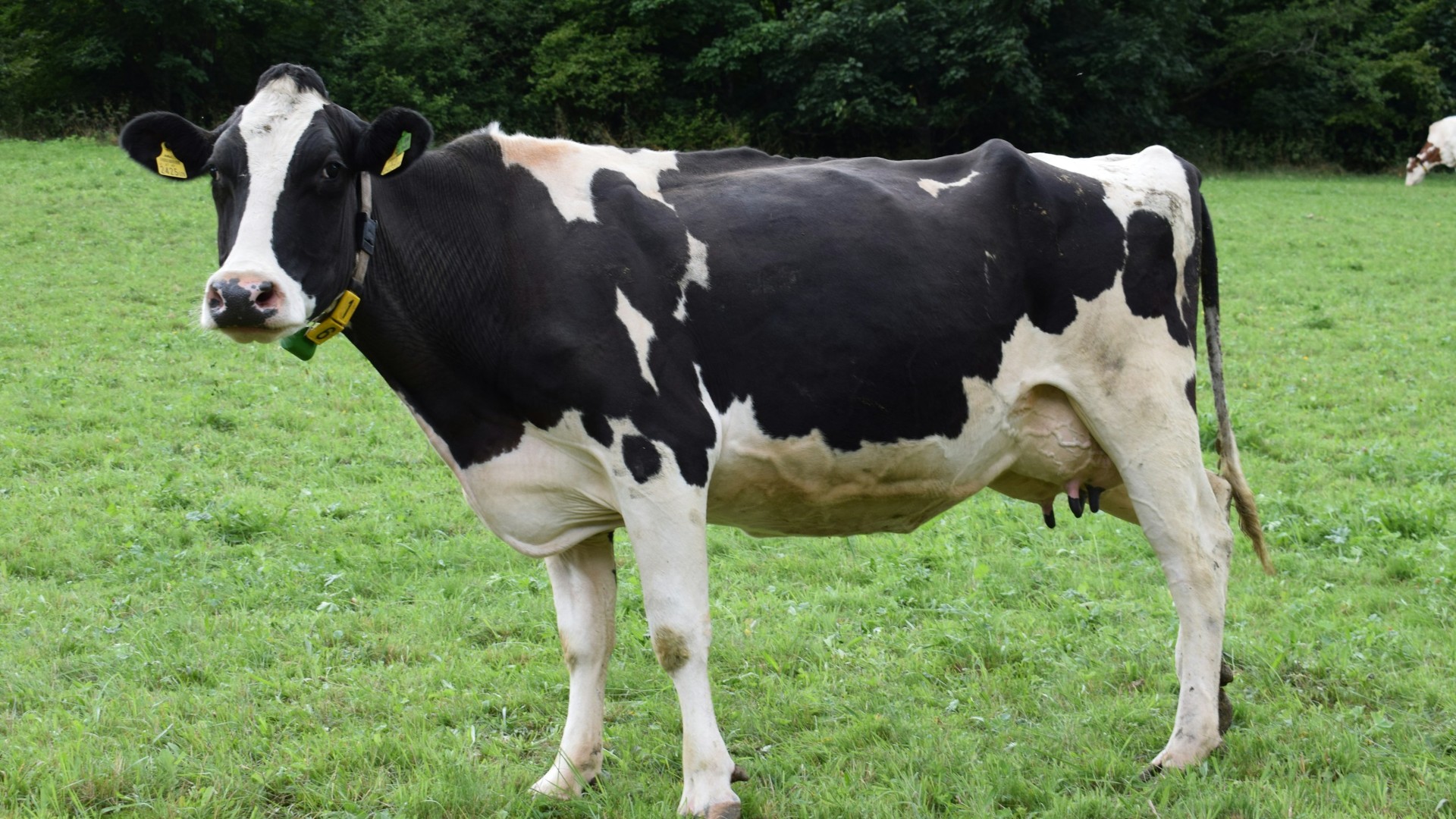
12. Domestic Cow
Over a nine-month gestation, a pregnant cow gains between 150 and 220 pounds. The newborn calf weighs between 70 and 100 pounds, with the placenta, uterine fluids, and mammary enlargement accounting for the rest. Proper maternal nutrition prevents dangerous birthing complications.
© Photo by Screenroad on Unsplash
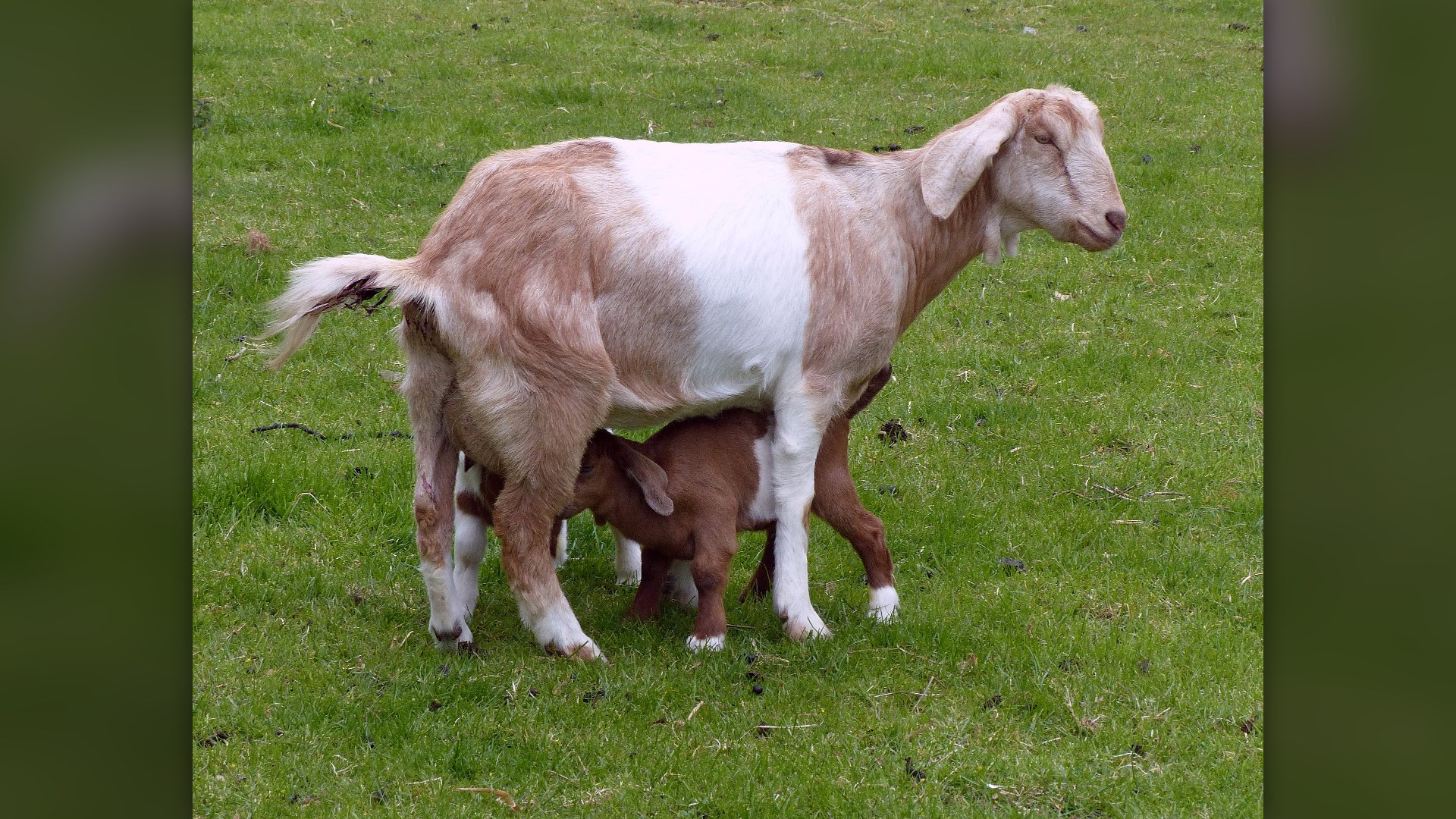
11. Domestic Goat
Goats routinely deliver multiples, with twins and triplets common across dairy and meat breeds. During their five-month gestation, does gain 20 to 35 pounds. In the final weeks, the swollen uterus occupies so much abdominal space that mothers require calorie-dense feed.
©Wikimedia / Adrian Pingstone
10. Domestic Sheep
A pregnant ewe carrying twins or triplets can easily gain up to 25% of her starting body weight. Because expanding lambs compress her rumen in late pregnancy, farmers must carefully monitor her diet to prevent pregnancy toxemia, a metabolic crisis triggered by energy deficiency.
©Wikimedia / Neil Theasby
Advertisement
Swipe or tap ▶ to resume the countdown.
9. Domestic Dog
Canine pregnancy lasts about 63 days, with almost no weight gain occurring during the first five weeks. Between day 42 and delivery, puppies undergo 75% of their total growth, causing the mother's weight to surge by up to a quarter of her normal body mass.
©Wikimedia / Basile Morin
8. Domestic Cat
Unlike dogs, pregnant cats begin depositing maternal fat reserves early in their nine-week gestation. A queen carrying a standard litter of four to six kittens gains between two and four pounds, serving as an essential metabolic fuel reserve for round-the-clock lactation.
©Wikimedia / Aiban-03
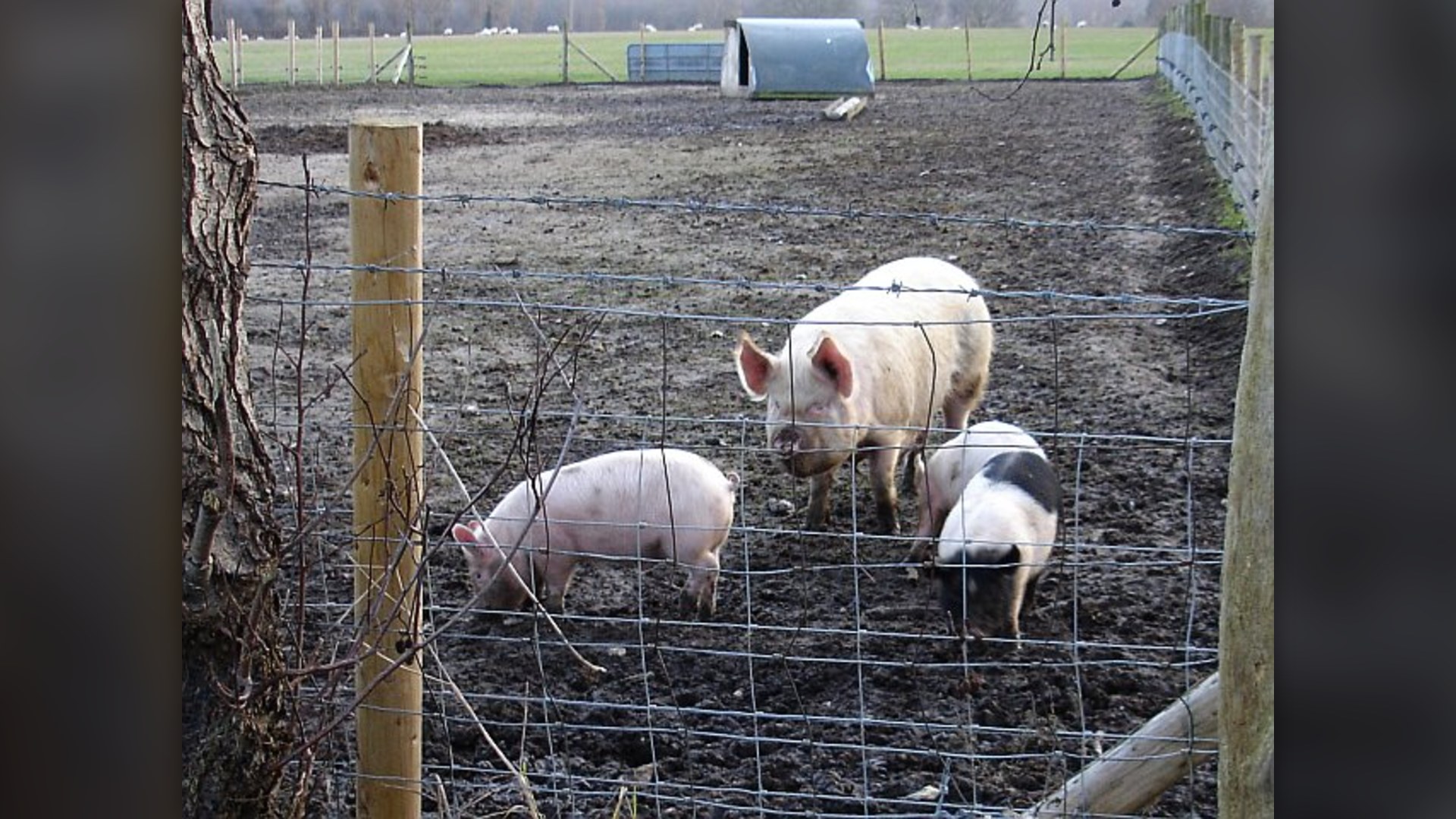
7. Domestic Pig
With modern commercial sows routinely farrowing litters of a dozen or more piglets, maternal weight gain is significant. Over their three-month, three-week, and three-day gestation, pregnant sows put on 80 to 120 pounds of combined fetal weight, fluid, and maternal body condition.
©Wikimedia / Penny Mayes
6. Domestic Rabbit
Rabbit reproduction is famous for speed and efficiency. In just 31 days, a female doe produces a litter of six to ten kits. She gains up to 35% of her pre-pregnancy body weight, undergoing remarkable abdominal expansion before pulling chest fur to line her nesting box.
©Wikimedia / Shankar S.
Advertisement
Swipe or tap ▶ to resume the countdown.
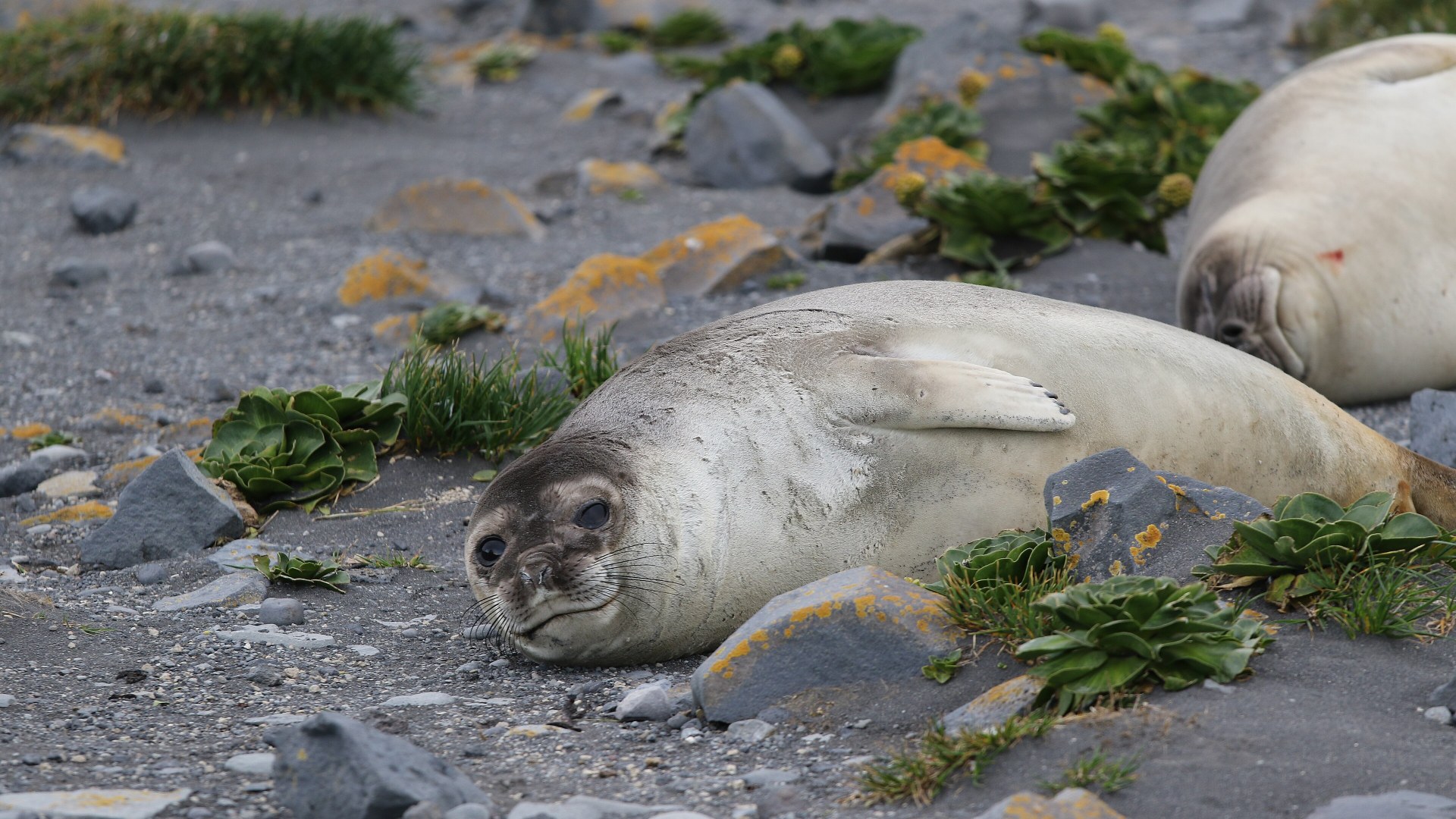
5. Southern Elephant Seal
Pregnant elephant seal cows spend months feeding in Antarctic waters to pack on massive blubber reserves. By the time they haul out onto subantarctic beaches to pup, they have gained hundreds of pounds, supplying rich 50% fat milk while fasting entirely on land for a month.
©Wikimedia / laikolosse
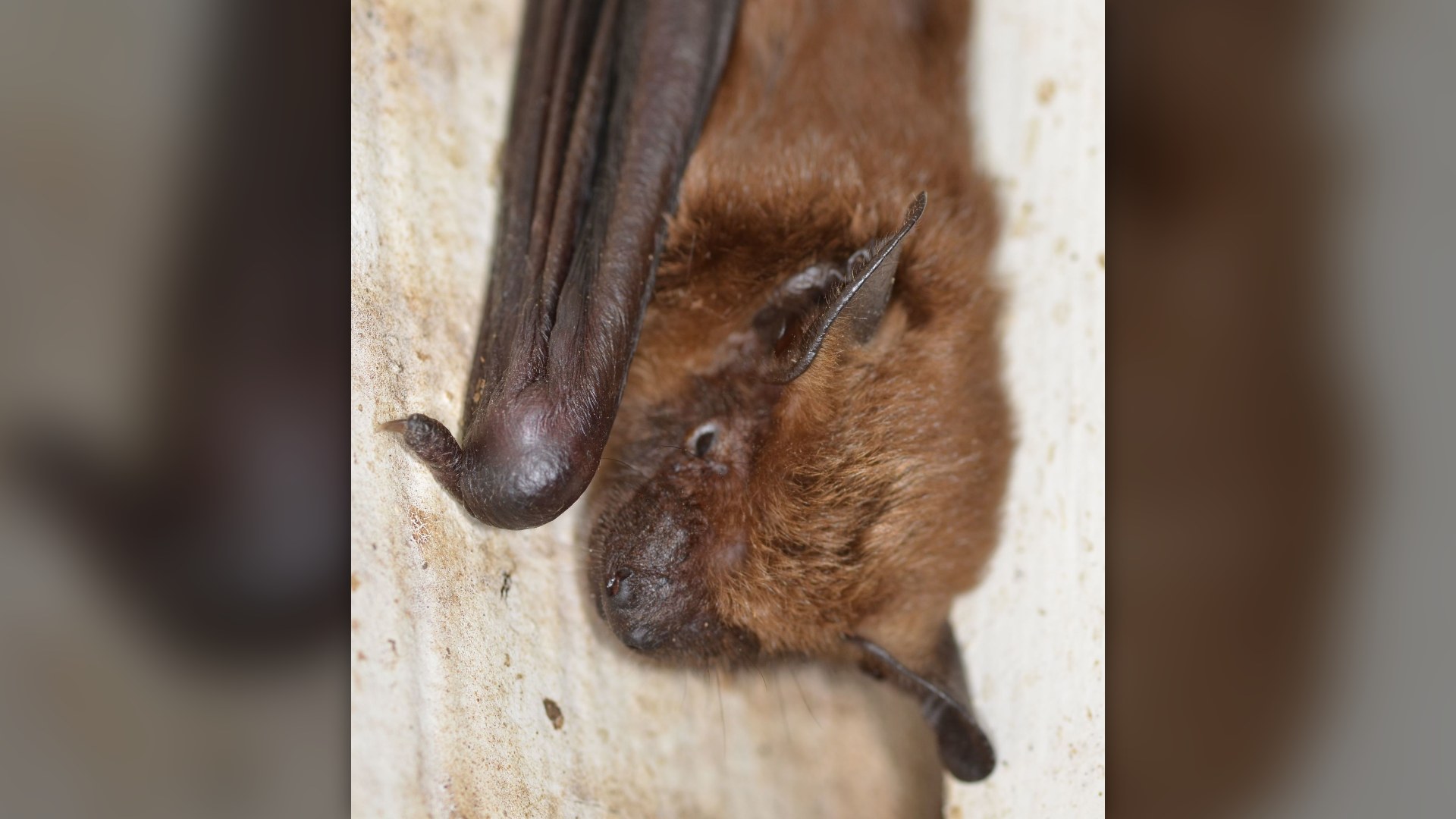
4. Big Brown Bat
Flying while pregnant presents severe aerodynamic challenges. Female bats gain up to 40% of their body weight in fetal mass and fluids. Despite the drag and extra load, mothers must continue nightly aerial hunting until giving birth to a pup that weighs a third of their adult size.
©Wikimedia / Don Loarie
3. Black Bear
Black bears utilize delayed implantation, where fertilized eggs only implant if the mother accumulates sufficient fat. During autumn hyperphagia, pregnant females consume up to 20,000 calories daily to gain 150 pounds of fat, sustaining both winter hibernation and newborn cub nursing.
©Wikimedia / Diego Delso
2. Polar Bear
A pregnant polar bear must literally double her body mass before entering a maternity snow den. In late spring and summer, she feeds heavily on ringed seal blubber to gain up to 500 pounds. This fat sustains her through up to eight months of fasting while birthing and nursing twin cubs.
©Wikimedia / AWeith
Advertisement
Swipe or tap ▶ to resume the countdown.
1. Guinea Pig
The guinea pig holds the title for the most extreme pregnancy weight gain among mammals. Unlike helpless mice, guinea pig pups are born fully furred with eyes open and teeth erupted. Carrying three to six massive pups frequently doubles the mother's body weight, turning her into a living sphere.

©Wikimedia / Guinea pig
Advertisement
You've reached the end of the story. Thanks for reading!

How Long Do Hippos Live? 20 Other Facts About Hippos
From sixty-year lifespans to whale cousins, discover secrets of river giants
All 20 Entries in this Story
20. Giant Panda
A newborn giant panda is roughly the size of a stick of butter, weighing just three to five ounces. Because the cub is 1/900th the size of its mother, a 200-pound pregnant panda experiences almost no measurable weight gain beyond standard seasonal appetite fluctuations.

19. Red Kangaroo
Marsupial gestation is extraordinarily brief. After just 33 days inside the womb, a female red kangaroo gives birth to a blind, hairless newborn weighing less than a single gram. All significant physical growth and maternal energy investment happen later inside the protective pouch.

18. Hippopotamus
Female hippos spend their eight-month gestation submerged in rivers and lakes, where water buoyancy relieves stress on their joints. Despite their massive 3,000-pound frame, pregnant hippos gain roughly 150 to 250 pounds, with the newborn calf weighing about 50 to 100 pounds at birth.

17. African Elephant
Enduring the longest gestation of any land mammal at 22 months, female African elephants gain up to 1,000 pounds. The single calf accounts for 200 to 260 pounds of that total, with the remainder consisting of amniotic fluid, supportive tissues, and vital fat reserves for nursing.

16. Giraffe
Giraffe mothers carry their young for 15 months before giving birth standing up. The newborn calf arrives already measuring six feet tall and weighing up to 150 pounds. Supportive uterine fluids and maternal tissue expansion push total gestational weight gain past 200 pounds.

15. Bottlenose Dolphin
Pregnant dolphins must balance necessary weight gain with hydrodynamic efficiency in the open ocean. Over their 12-month gestation, females gain 40 to 60 pounds, accommodating a 30-pound calf along with extra blubber to power high-fat milk production during early calfhood.

14. Horse
A pregnant mare experiences little weight change during her first seven months. Rapid fetal development during the final 90 days accounts for most of her 150-pound gain. The newborn foal weighs about 100 pounds, while placenta and fluids make up the remaining 50 pounds.

13. Blue Whale
While modest in percentage, the blue whale holds the record for absolute weight gained. Pregnant females gorge on krill in polar waters to pack on up to 30 tons of blubber. They then migrate to tropical breeding grounds where they fast for months while delivering a three-ton calf.

12. Domestic Cow
Over a nine-month gestation, a pregnant cow gains between 150 and 220 pounds. The newborn calf weighs between 70 and 100 pounds, with the placenta, uterine fluids, and mammary enlargement accounting for the rest. Proper maternal nutrition prevents dangerous birthing complications.

11. Domestic Goat
Goats routinely deliver multiples, with twins and triplets common across dairy and meat breeds. During their five-month gestation, does gain 20 to 35 pounds. In the final weeks, the swollen uterus occupies so much abdominal space that mothers require calorie-dense feed.

10. Domestic Sheep
A pregnant ewe carrying twins or triplets can easily gain up to 25% of her starting body weight. Because expanding lambs compress her rumen in late pregnancy, farmers must carefully monitor her diet to prevent pregnancy toxemia, a metabolic crisis triggered by energy deficiency.

9. Domestic Dog
Canine pregnancy lasts about 63 days, with almost no weight gain occurring during the first five weeks. Between day 42 and delivery, puppies undergo 75% of their total growth, causing the mother's weight to surge by up to a quarter of her normal body mass.

8. Domestic Cat
Unlike dogs, pregnant cats begin depositing maternal fat reserves early in their nine-week gestation. A queen carrying a standard litter of four to six kittens gains between two and four pounds, serving as an essential metabolic fuel reserve for round-the-clock lactation.

7. Domestic Pig
With modern commercial sows routinely farrowing litters of a dozen or more piglets, maternal weight gain is significant. Over their three-month, three-week, and three-day gestation, pregnant sows put on 80 to 120 pounds of combined fetal weight, fluid, and maternal body condition.

6. Domestic Rabbit
Rabbit reproduction is famous for speed and efficiency. In just 31 days, a female doe produces a litter of six to ten kits. She gains up to 35% of her pre-pregnancy body weight, undergoing remarkable abdominal expansion before pulling chest fur to line her nesting box.

5. Southern Elephant Seal
Pregnant elephant seal cows spend months feeding in Antarctic waters to pack on massive blubber reserves. By the time they haul out onto subantarctic beaches to pup, they have gained hundreds of pounds, supplying rich 50% fat milk while fasting entirely on land for a month.

4. Big Brown Bat
Flying while pregnant presents severe aerodynamic challenges. Female bats gain up to 40% of their body weight in fetal mass and fluids. Despite the drag and extra load, mothers must continue nightly aerial hunting until giving birth to a pup that weighs a third of their adult size.

3. Black Bear
Black bears utilize delayed implantation, where fertilized eggs only implant if the mother accumulates sufficient fat. During autumn hyperphagia, pregnant females consume up to 20,000 calories daily to gain 150 pounds of fat, sustaining both winter hibernation and newborn cub nursing.

2. Polar Bear
A pregnant polar bear must literally double her body mass before entering a maternity snow den. In late spring and summer, she feeds heavily on ringed seal blubber to gain up to 500 pounds. This fat sustains her through up to eight months of fasting while birthing and nursing twin cubs.

1. Guinea Pig
The guinea pig holds the title for the most extreme pregnancy weight gain among mammals. Unlike helpless mice, guinea pig pups are born fully furred with eyes open and teeth erupted. Carrying three to six massive pups frequently doubles the mother's body weight, turning her into a living sphere.