Slideshow · Animals
Halloween Animals With Surprisingly Spooky Looks
By Most Viral Today
29 Oct 2026

Twenty Bizarre Creatures Built For The Shadows That Look Like Living Nightmares 
20. Black Widow Spider 
19. Death's-Head Hawkmoth 
18. Whip Scorpion Vinegaroon - AdvertisementSwipe or tap ▶ to continue countdown

17. Ghost Bat 
16. Barn Owl 
15. Great Potoo 
14. Common Vampire Bat - AdvertisementSwipe or tap ▶ to continue countdown

13. Satanic Leaf-Tailed Gecko 
12. Thorny Devil 
11. California Condor 
10. Aye-Aye Lemur - AdvertisementSwipe or tap ▶ to continue countdown

9. Mata Mata Turtle 
8. Shoebill Stork 
7. Sea Lamprey 
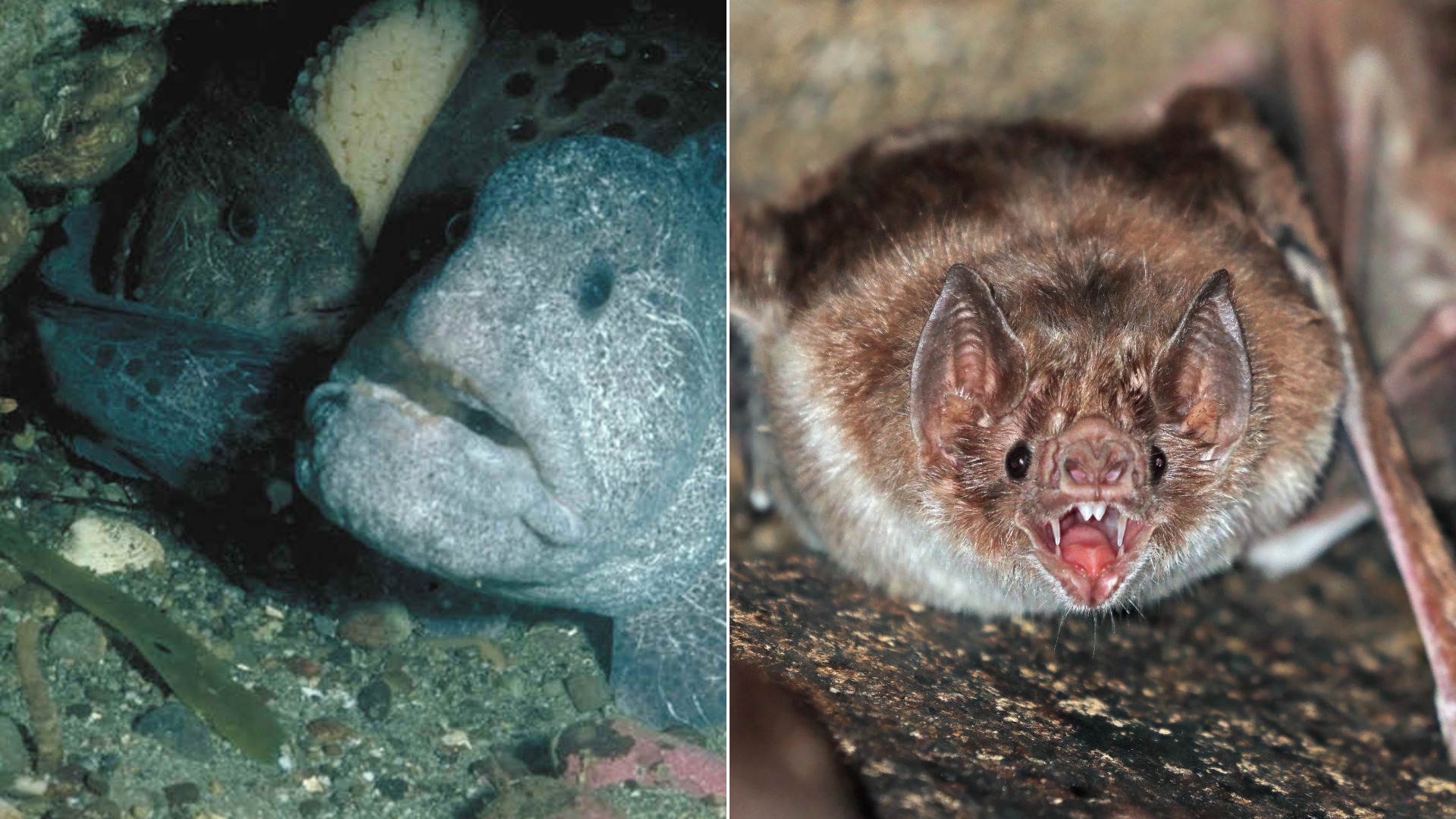
6. Wolf Eel - AdvertisementSwipe or tap ▶ to continue countdown

5. Goblin Shark 
4. Vampire Squid 
3. Star-Nosed Mole 
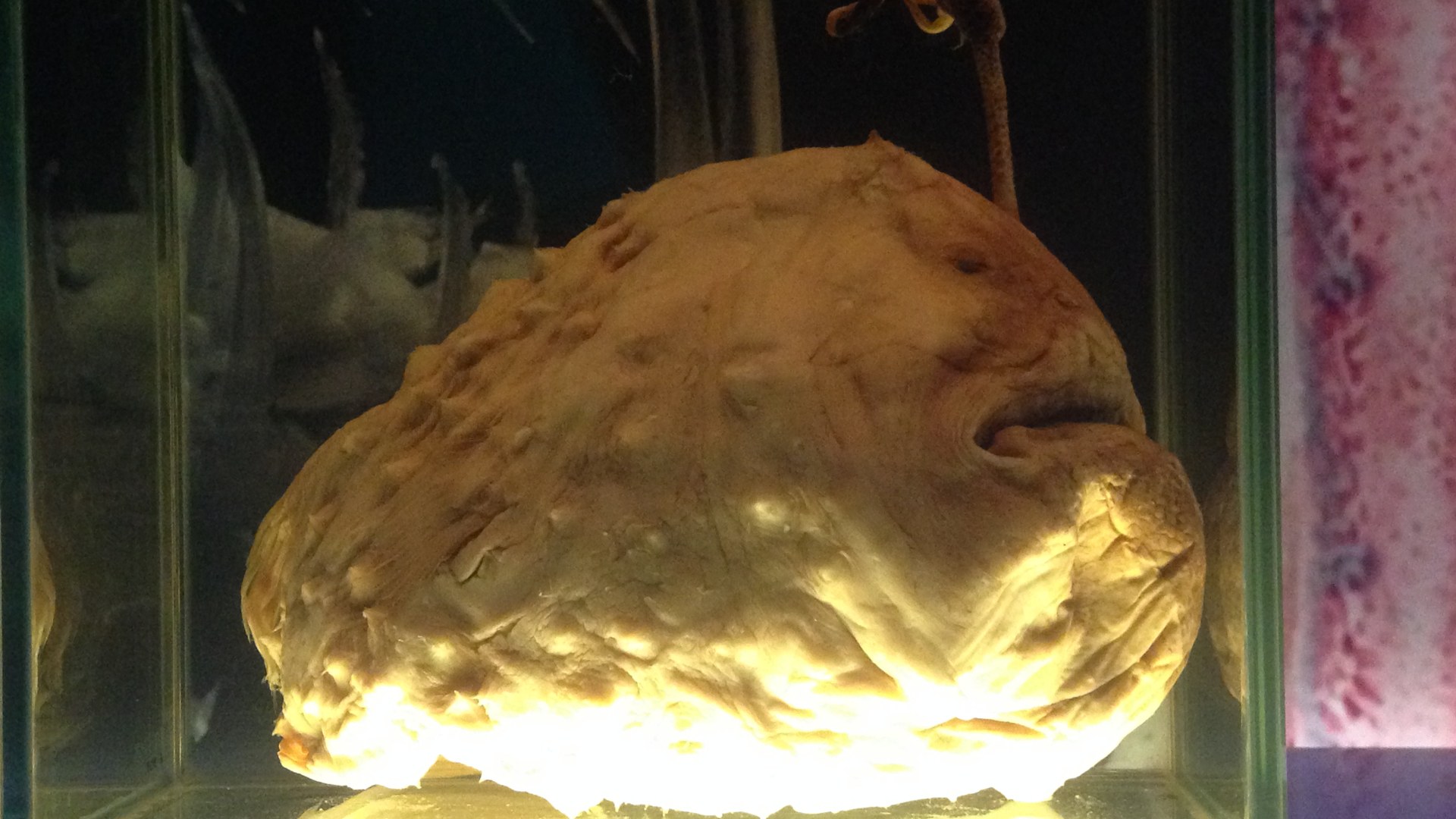
2. Deep Sea Anglerfish - AdvertisementSwipe or tap ▶ to continue countdown

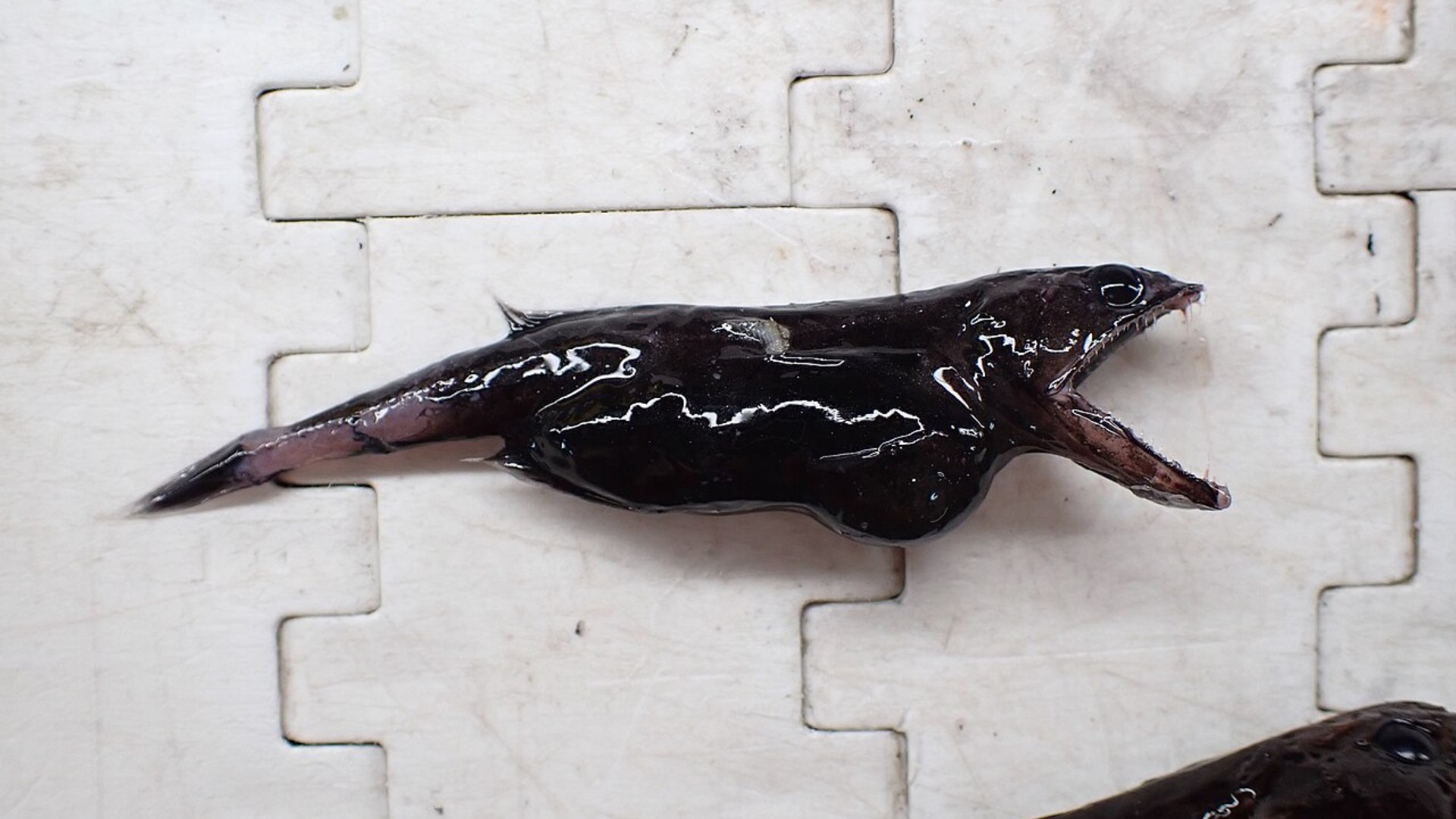
1. Black Swallower - Advertisement🔥 UP NEXT IN THIS SERIES◫ 22 Slides

How Long Do Hippos Live? 20 Other Facts About Hippos
From sixty-year lifespans to whale cousins, discover secrets of river giants
From glowing deep-sea fangs and blood-red eyes to bone-white barn owls and skeletal phantoms, nature produces real-life monsters that rival any horror movie. Swipe through twenty creatures whose natural biology is pure Halloween.
Swipe or tap ▶ to begin the countdown
©Wikimedia / Alaska Fisheries & wikimedia / Charles J. Sharp
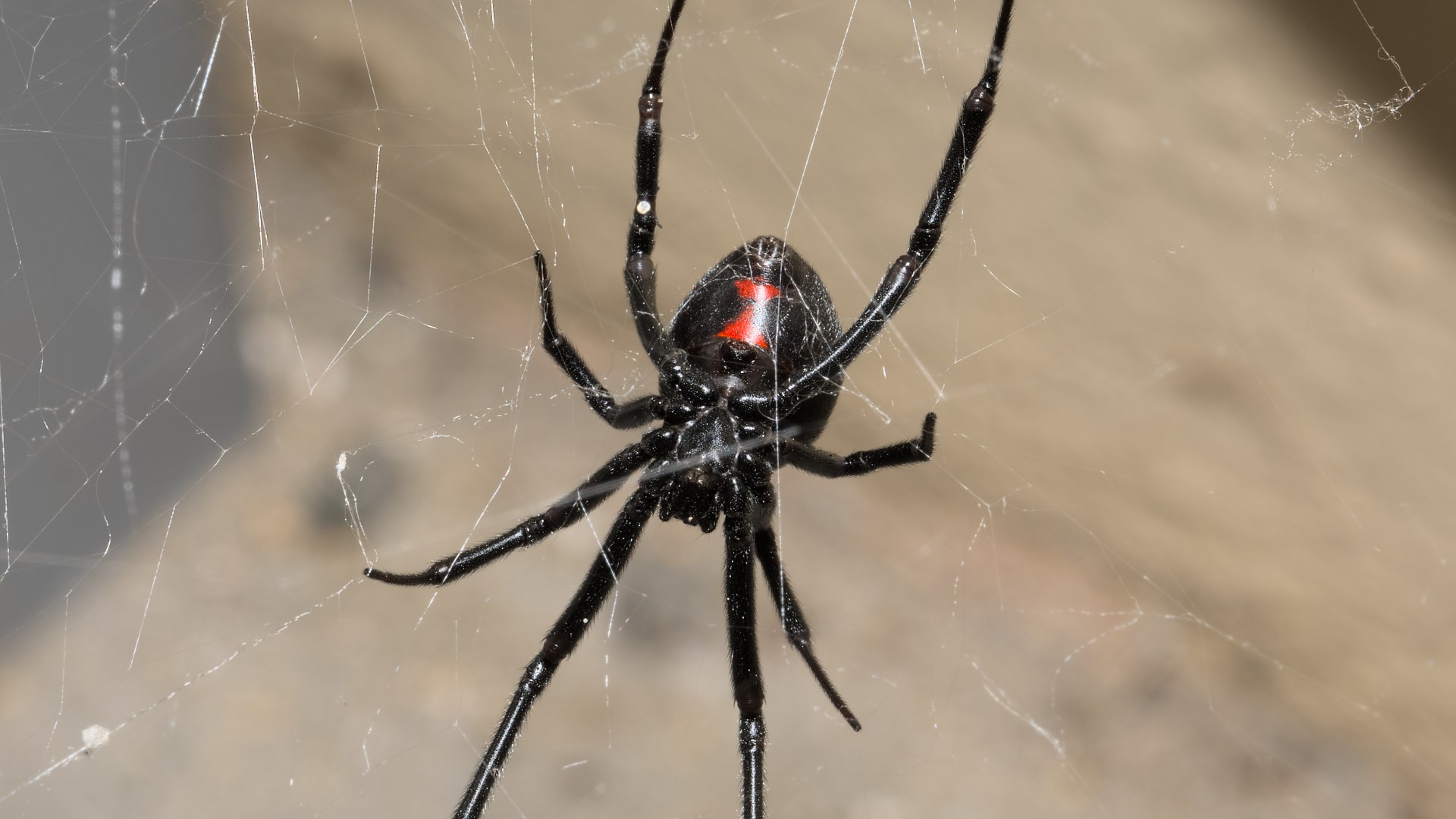
20. Black Widow Spider
Dwelling in dark corners and hollow stumps, the female black widow is iconic for the crimson hourglass on her abdomen. Her potent latrotoxin venom is fifteen times stronger than that of a rattlesnake, disrupting nerve signals to immobilize prey trapped in her tangled cobwebs.
©Wikimedia / Dllu
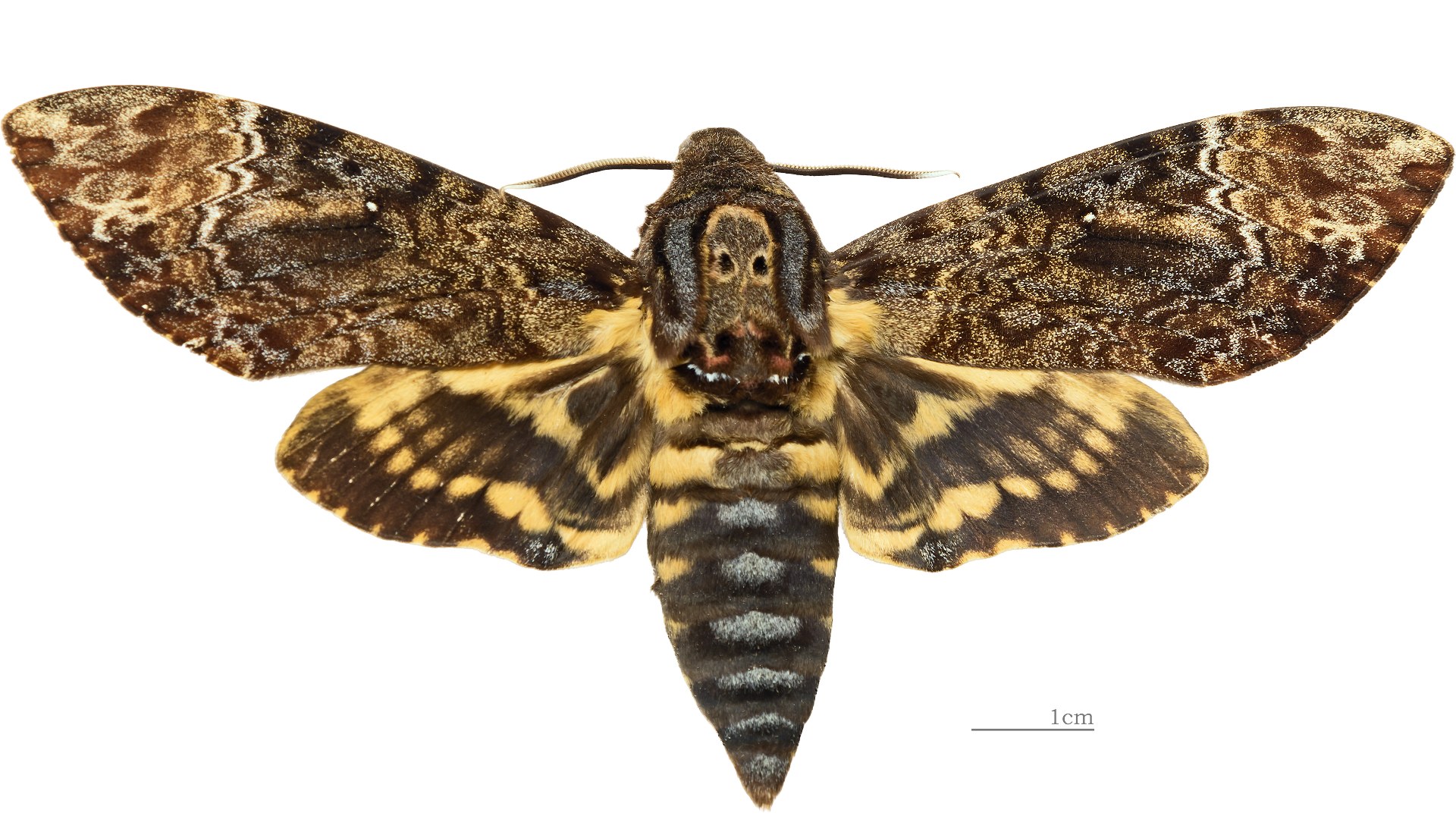
19. Death's-Head Hawkmoth
Famous for the human skull marking on its back, the death's-head hawkmoth has inspired chilling superstitions for centuries. When threatened, this nocturnal pollinator emits an audible, shrill squeak by forcing air through its pharynx to startle predators.
©Wikimedia / Didier Descouens
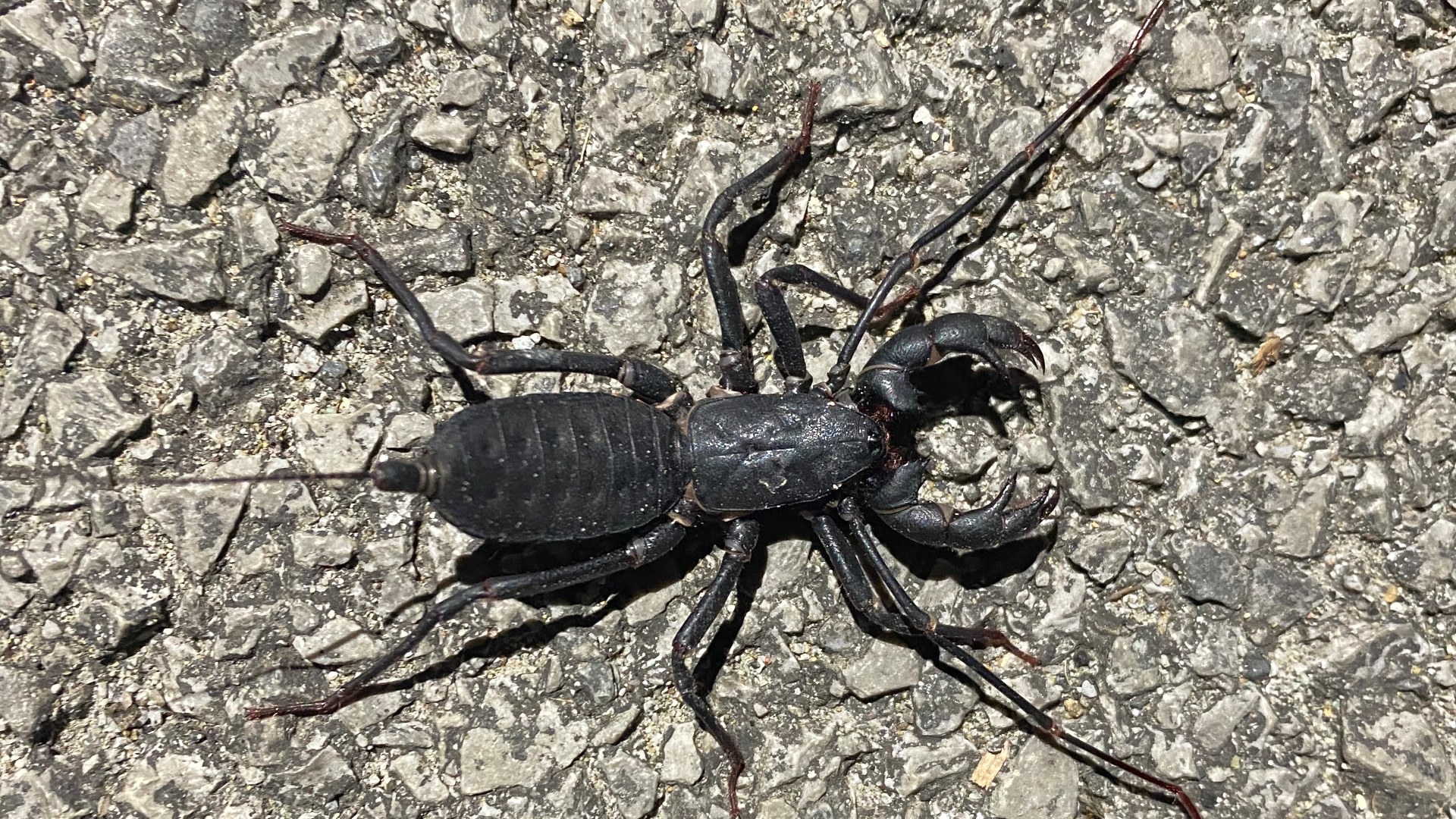
18. Whip Scorpion Vinegaroon
Looking like a cross between a scorpion and a nightmare, the vinegaroon is completely non-venomous. To ward off danger, this nocturnal hunter sprays a concentrated mist of acetic acid from the base of its whip tail that smells like pungent vinegar.
©Wikimedia / Btibbets
Advertisement
Swipe or tap ▶ to resume the countdown.
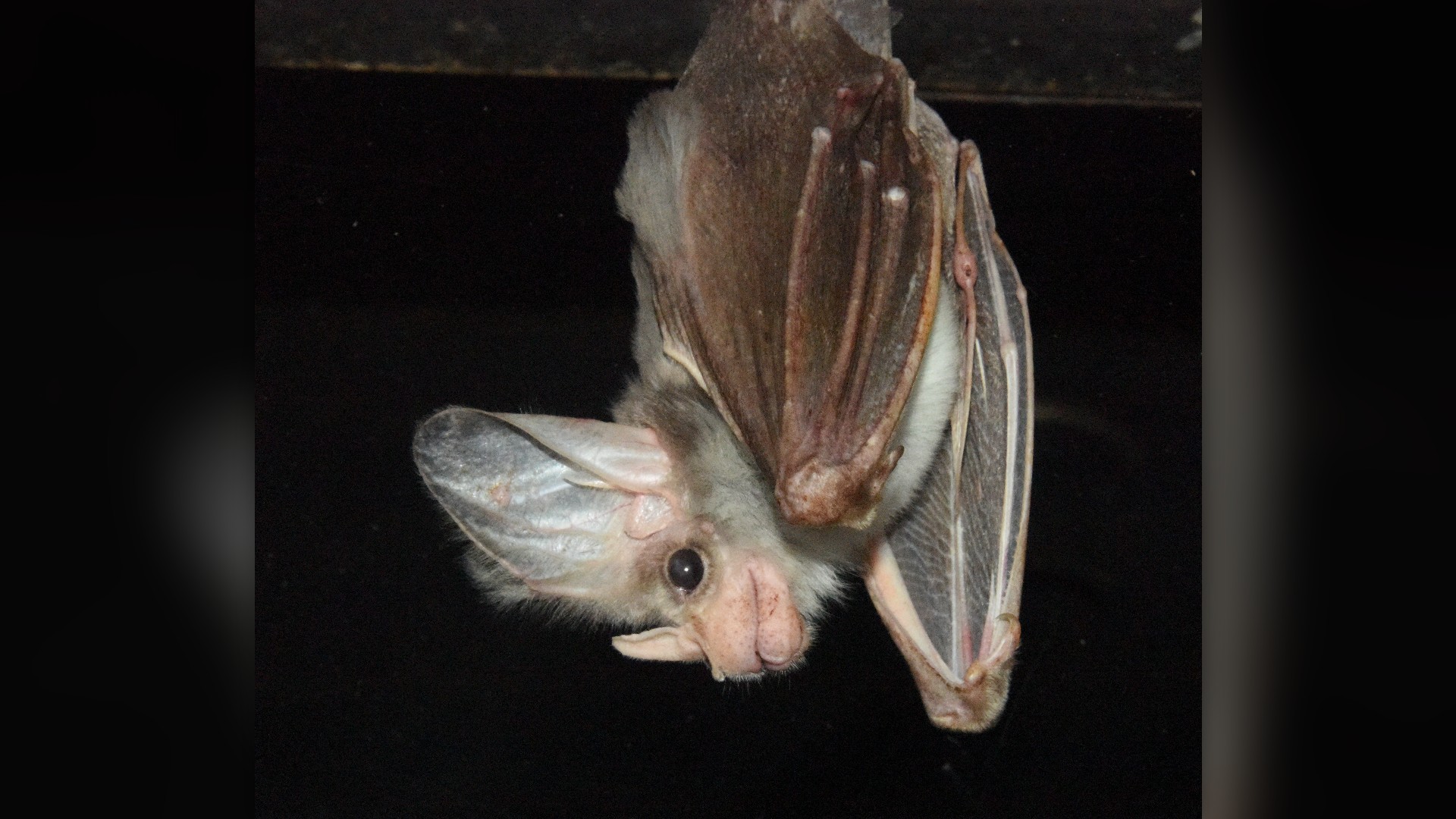
17. Ghost Bat
Australia's only carnivorous bat earned its ghostly moniker from its pale, ash-grey fur and nearly transparent wing membranes. Flying silently through night skies, it drops onto mice, frogs, and smaller bats, killing them with powerful jaw bites.
©Wikimedia / Ghost bat
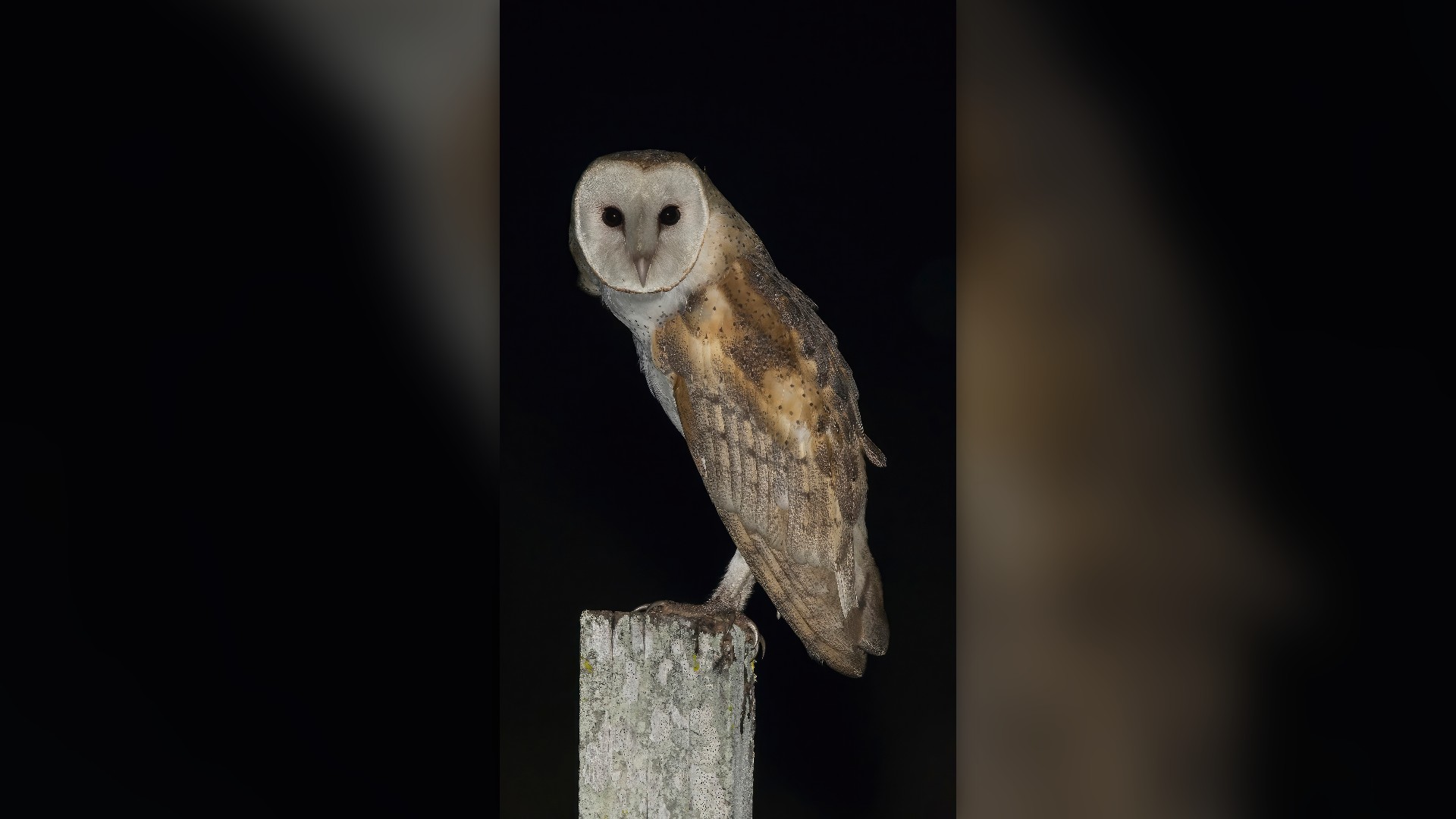
16. Barn Owl
Silently quartering moonlit fields, the barn owl looks like a floating phantom. Unlike the gentle hoot of other owls, this spectral raptor lets out an ear-piercing, raspy hiss that has startled nighttime travelers across global folklore for generations.
©Wikimedia / Barn owl
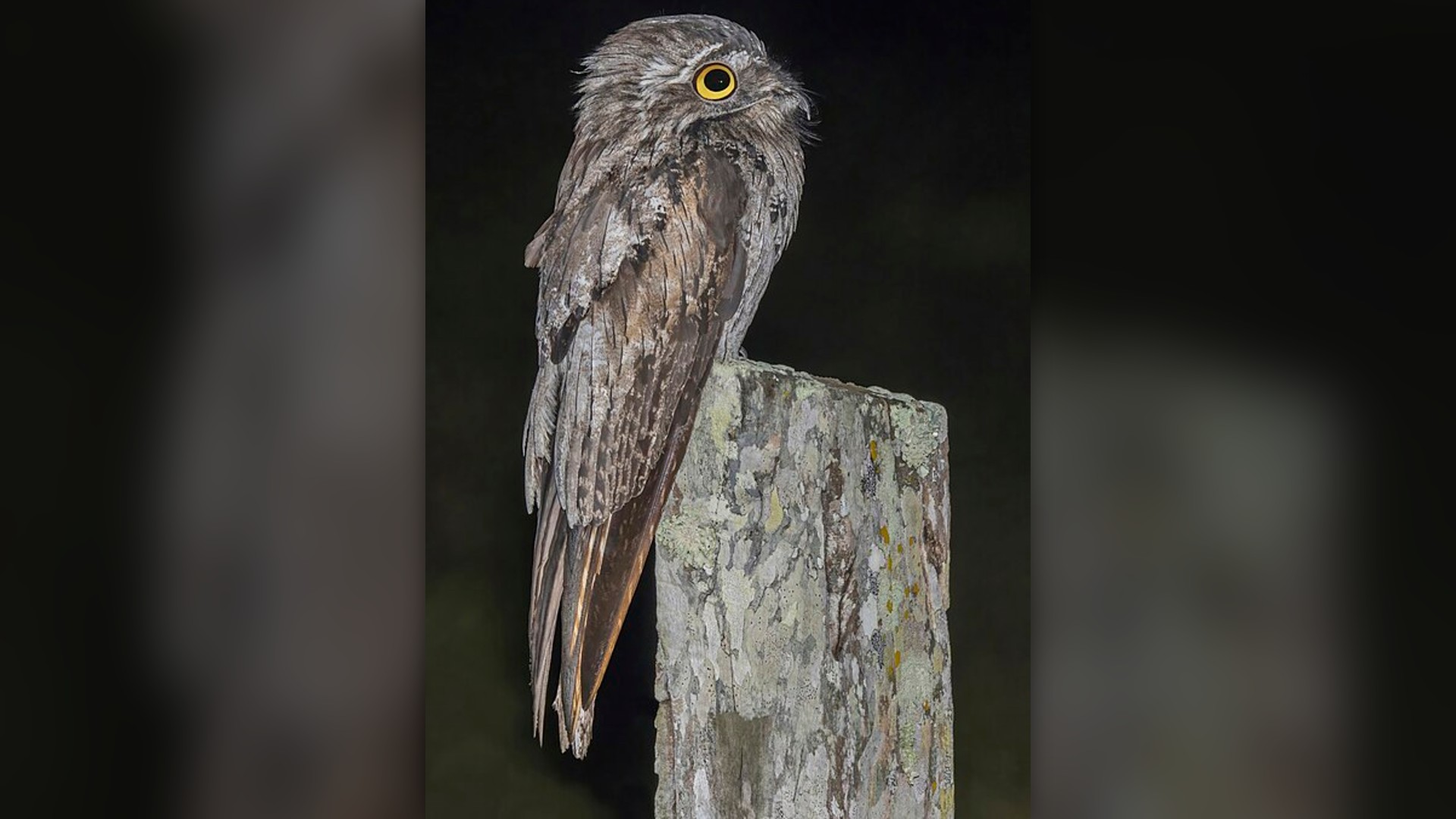
15. Great Potoo
Camouflaged as a broken tree stump during the day, the Central American potoo comes alive at twilight. Its gigantic mouth stretches wide across its face to scoop up flying beetles, while its haunting, mournful wail sounds eerily human across dark rainforests.
©Wikimedia / lwolfartist
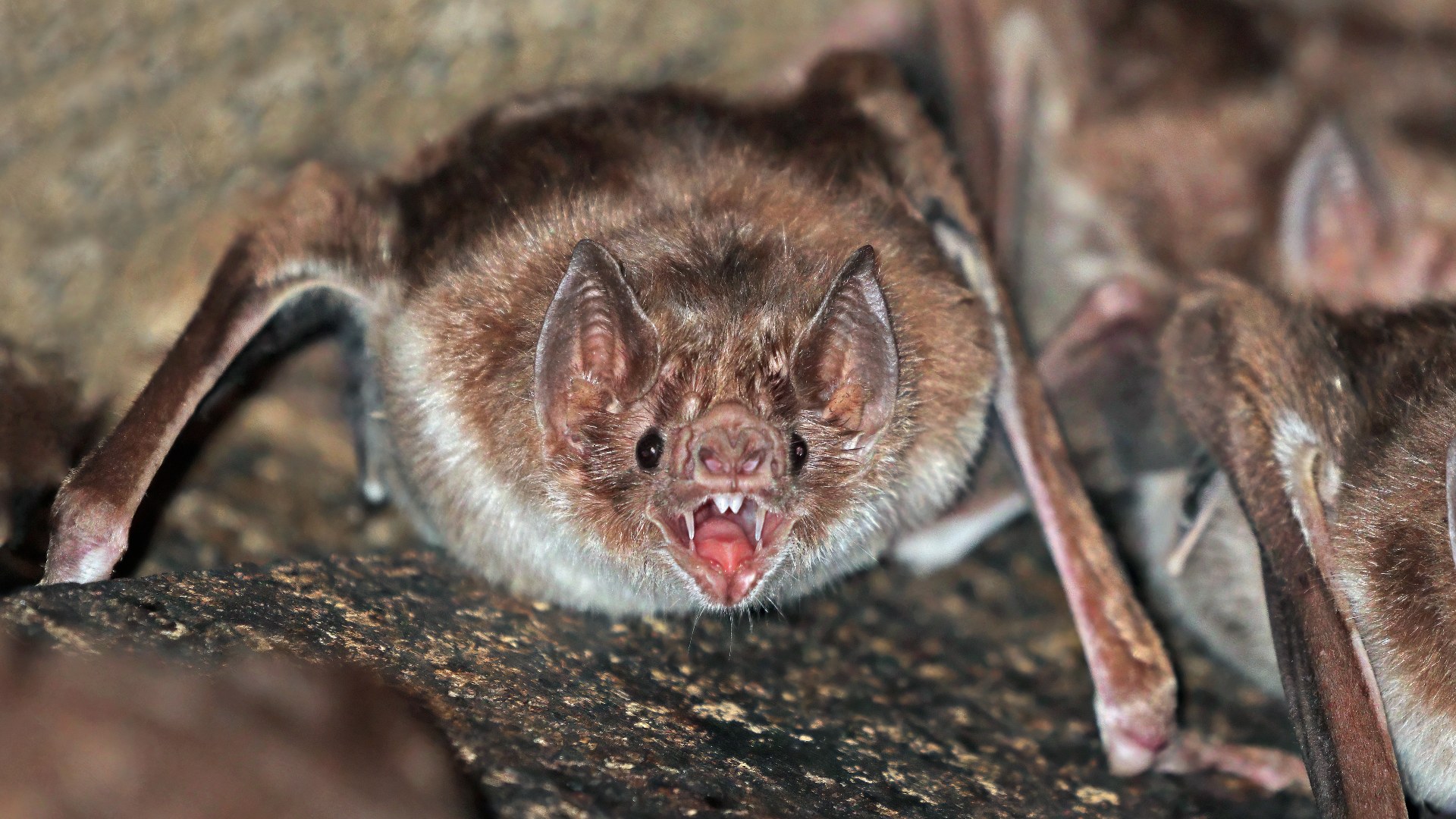
14. Common Vampire Bat
Emerging in complete darkness, vampire bats stealthily stalk sleeping cattle and horses across Latin America. Infrared heat sensors on their snouts locate warm capillaries beneath the skin, allowing them to make a tiny incision and lap blood using grooved tongues.
©Wikimedia / Charles J. Sharp
Advertisement
Swipe or tap ▶ to resume the countdown.
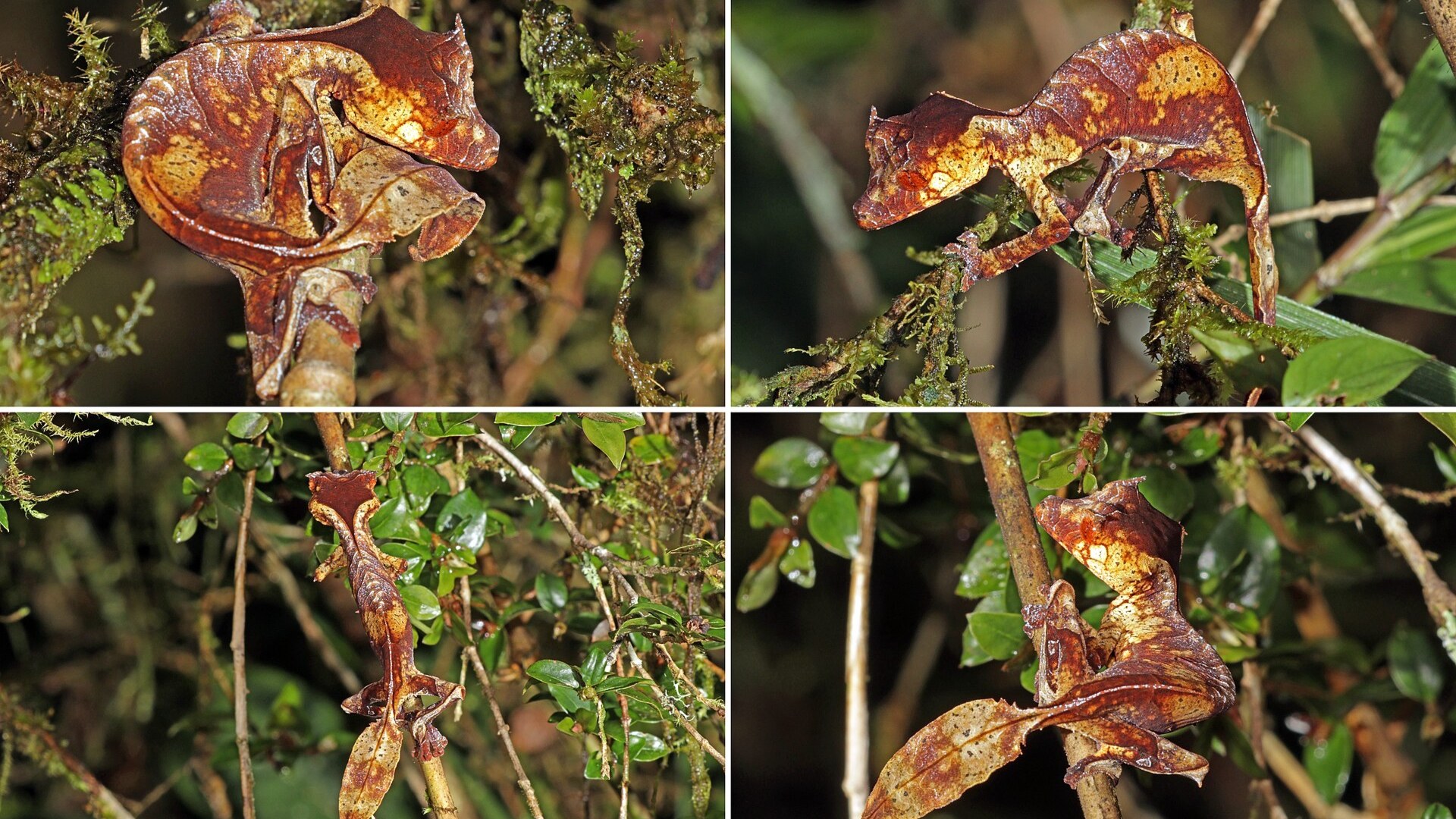
13. Satanic Leaf-Tailed Gecko
Native to the rainforest canopies of Madagascar, this bizarre lizard mimics dead rotting leaves with notched tail edges and mottled skin. Tiny horn projections over its eyes and blood-red pupils complete an appearance that earned it a demonic scientific name.
©Wikimedia / Charles J. Sharp
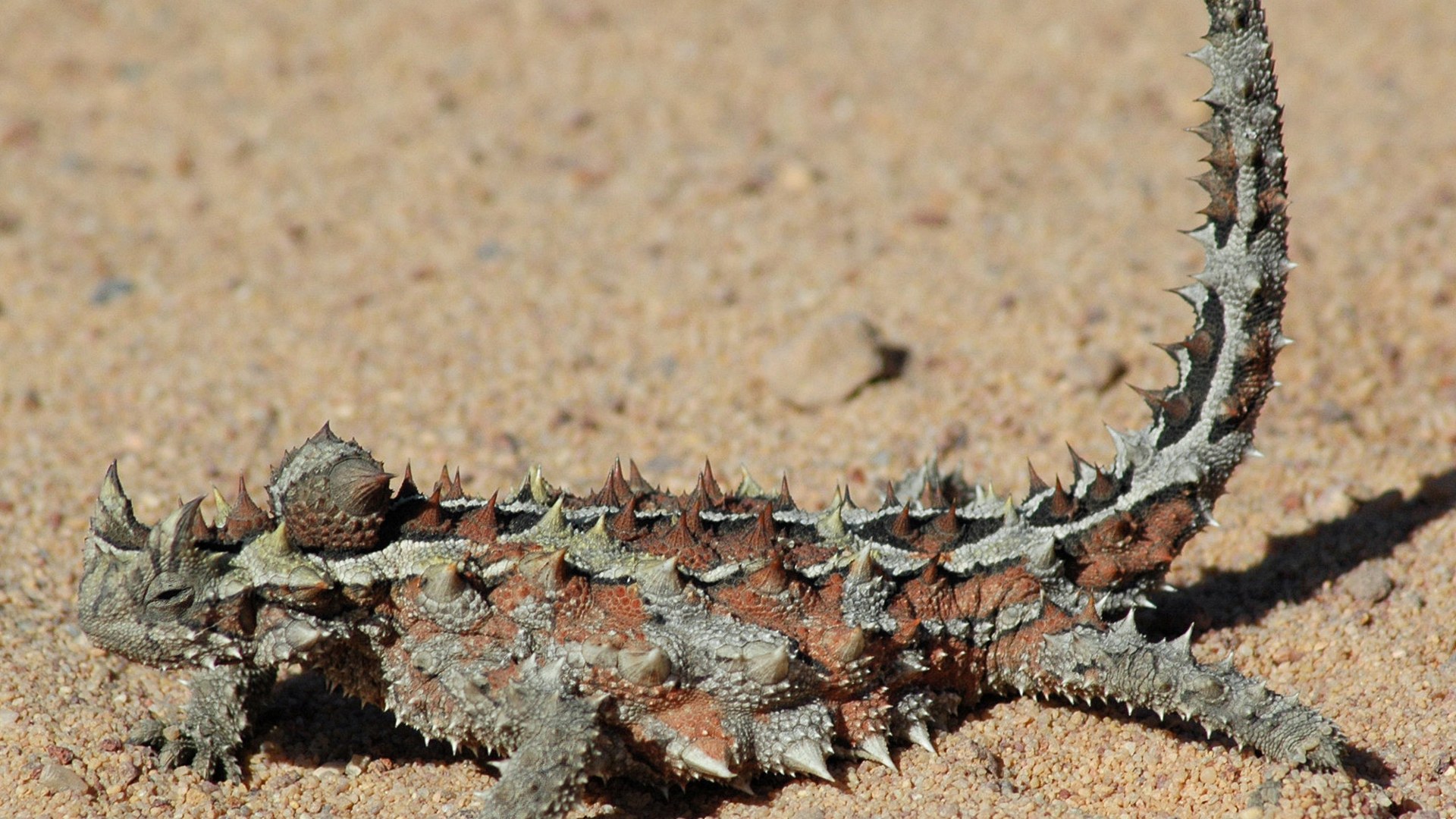
12. Thorny Devil
Roam the arid Australian Outback and you may spot this spiky reptile resembling a tiny mythological monster. In addition to threatening horn armor, it sports a false head knob on the back of its neck that it presents to confusing hungry predators.
©Wikimedia / KeresH
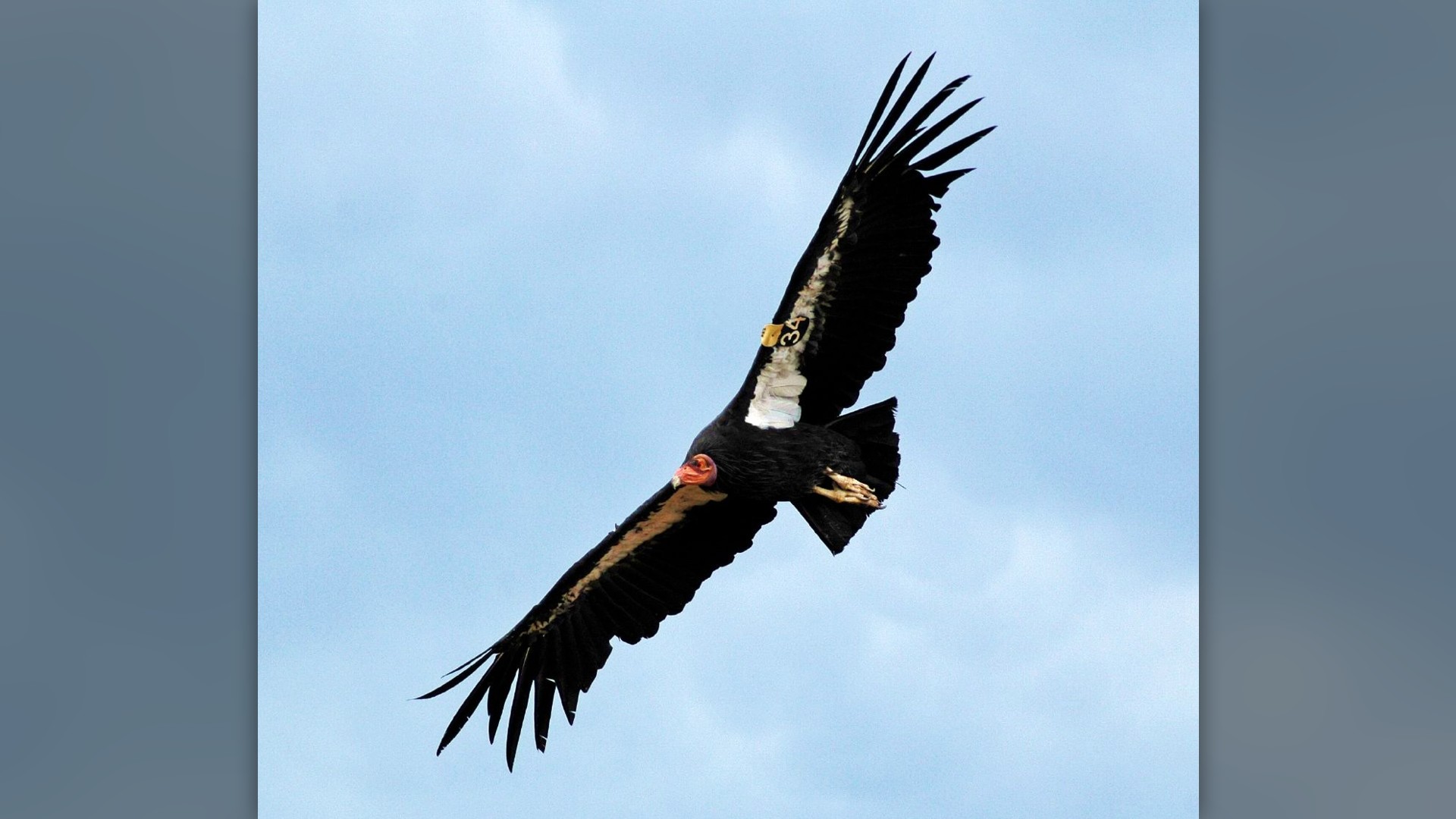
11. California Condor
Spanning nearly ten feet from wingtip to wingtip, North America's largest bird looks straight out of a gothic cemetery. Its featherless pinkish-orange head stays clean while feeding on carrion, blushing deep red whenever the condor becomes agitated or excited.
©Wikimedia / California condor
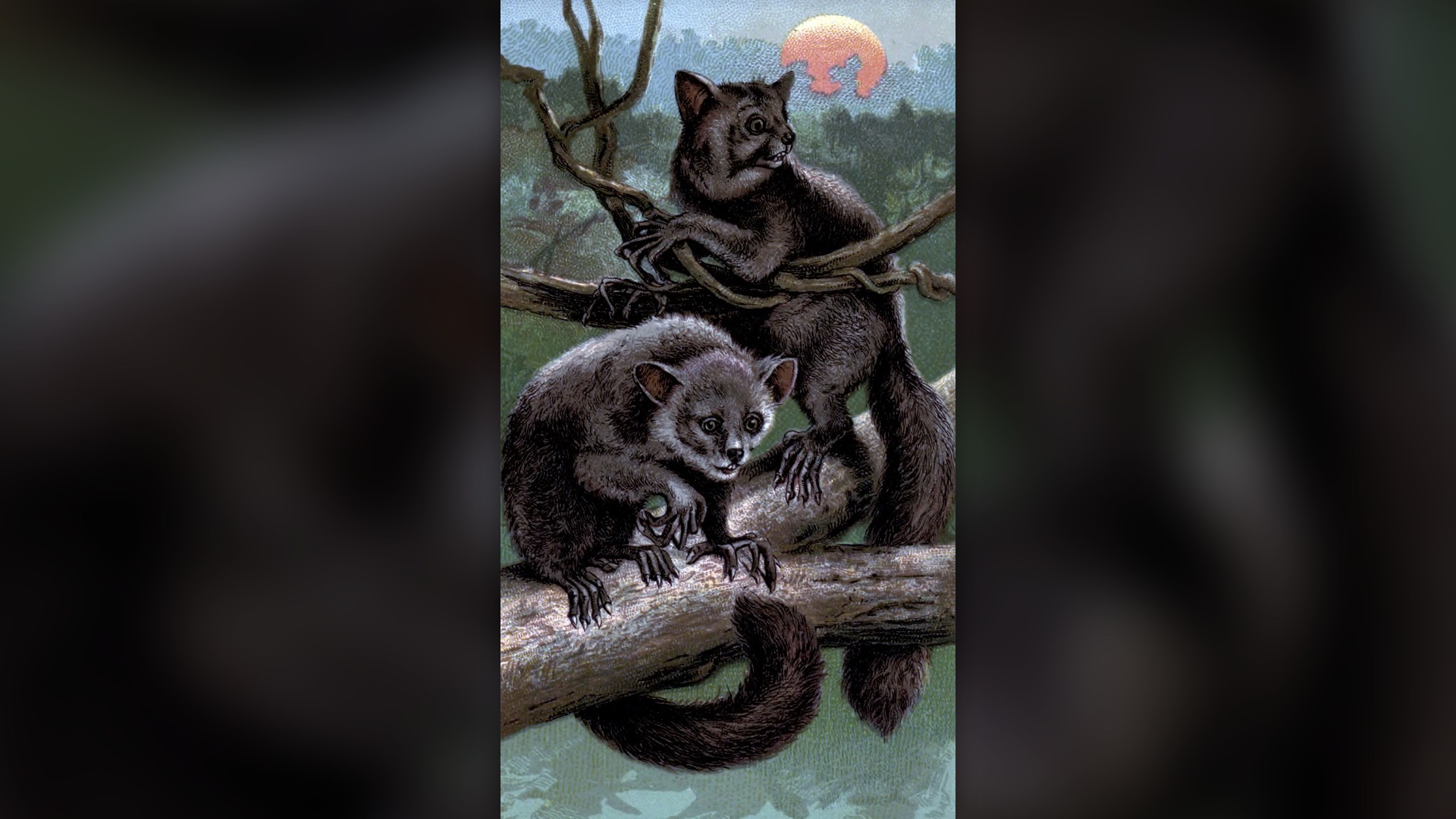
10. Aye-Aye Lemur
This nocturnal Madagascar primate uses an elongated, bony third finger to tap tree bark up to eight times per second. By listening for hollow chambers, it pinpoints wood-boring grubs and extracts them with its rodent-like teeth through excavated holes.
©Wikimedia / Alfred H. Miles
Advertisement
Swipe or tap ▶ to resume the countdown.
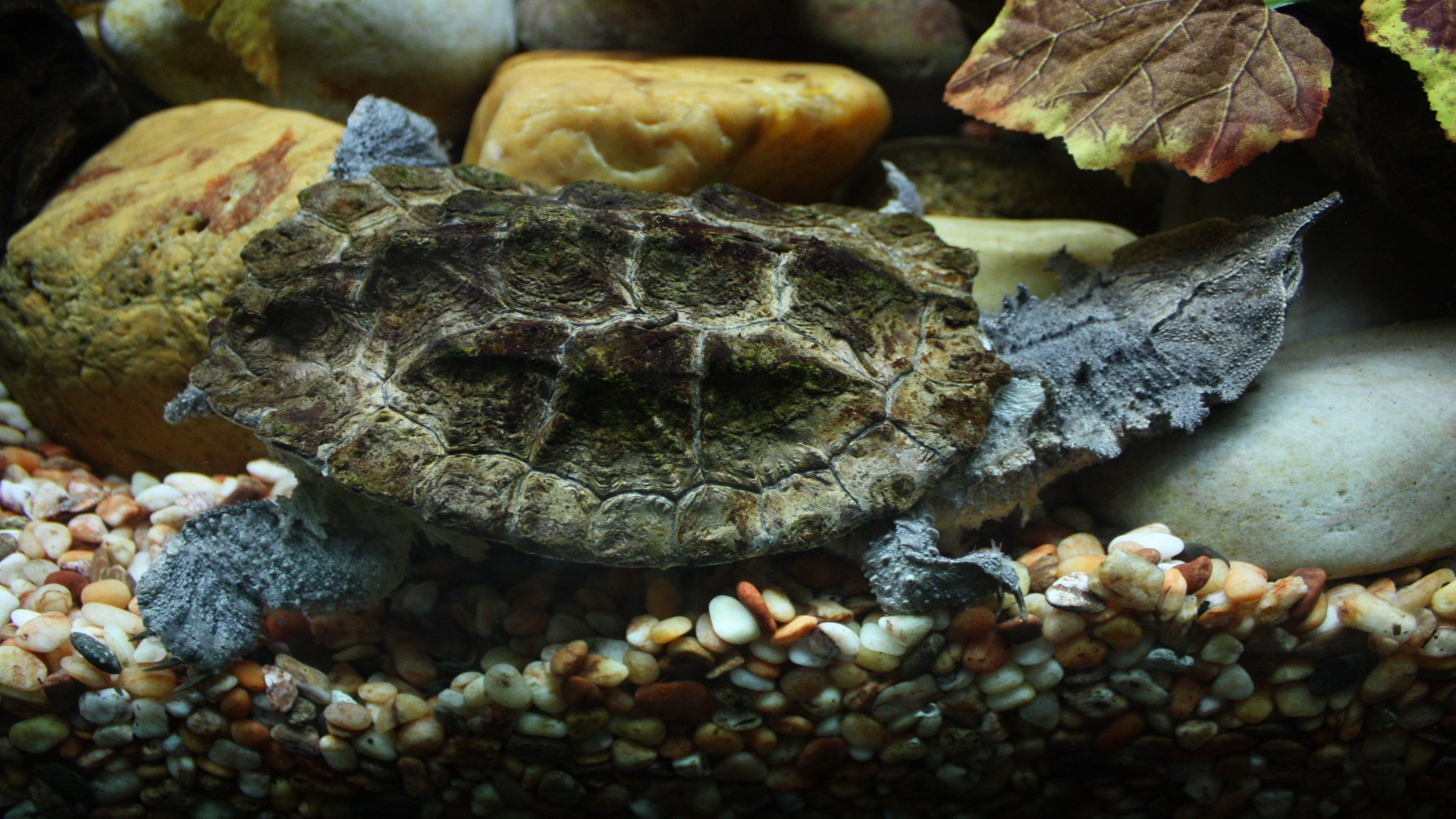
9. Mata Mata Turtle
Residing in sluggish Amazonian rivers, the mata mata turtle resembles a heap of decaying leaf litter. When an unsuspecting fish swims close, the turtle expands its massive throat cavity, creating a vacuum that sucks the prey whole into its mouth.
©Wikimedia / J. Patrick Fischer
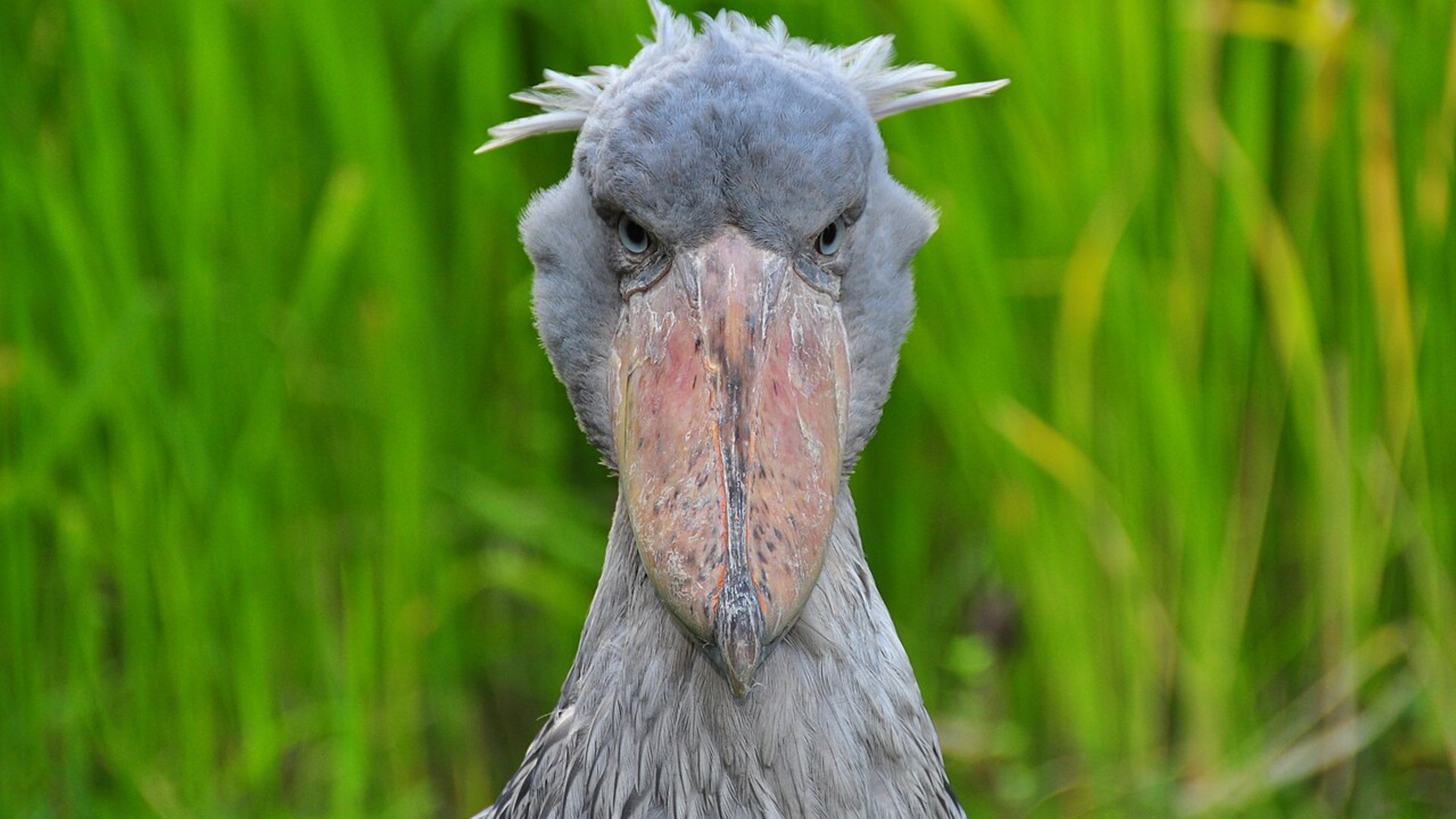
8. Shoebill Stork
Standing motionless for hours in Central African marshes, the shoebill stork wields a massive, razor-edged bill tipped with a sharp hook. To communicate and establish territory, it clatters its bill rapidly, generating sounds identical to heavy machine gunfire.
©Wikimedia / Olaf Oliviero Riemer
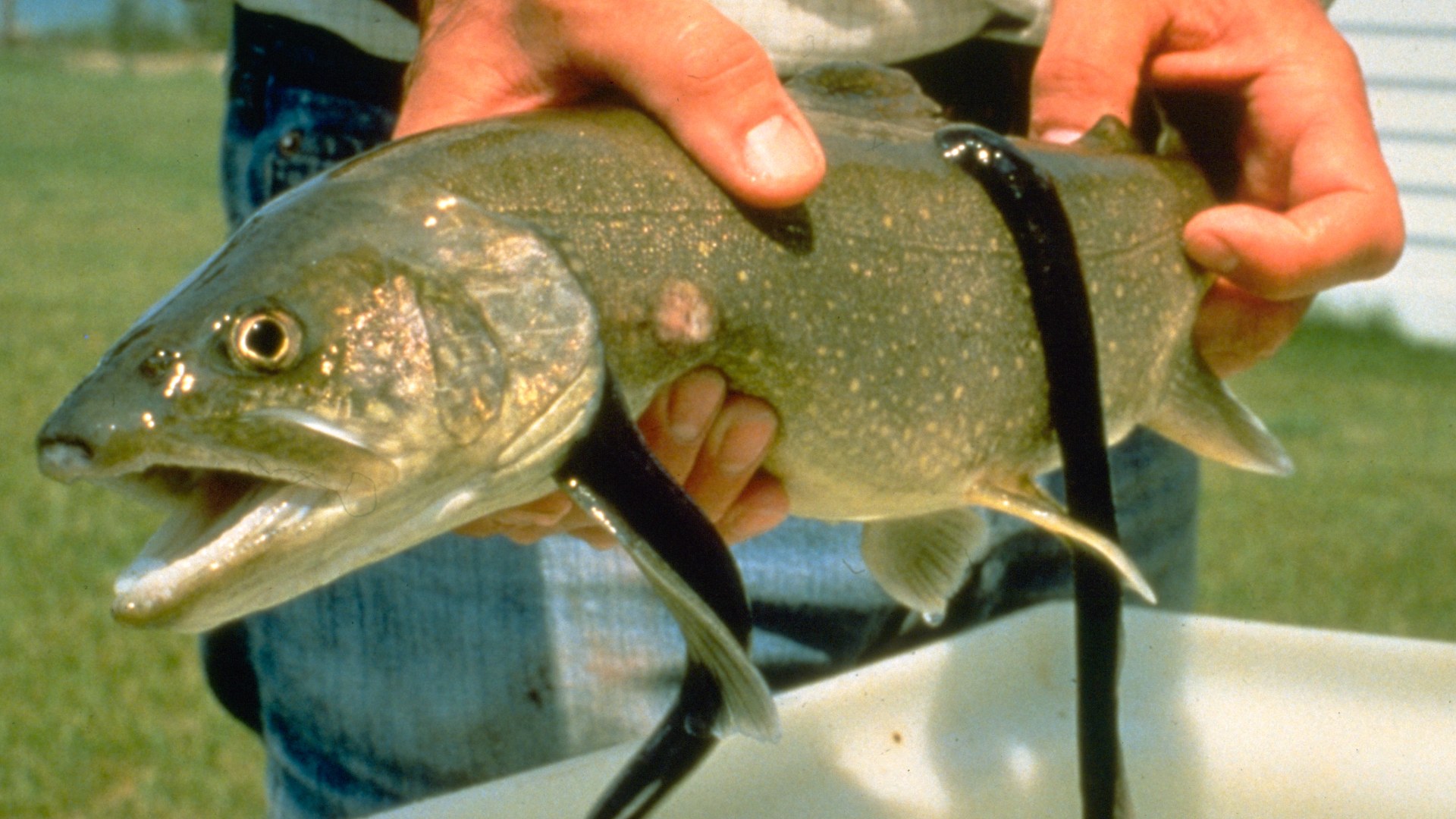
7. Sea Lamprey
Often called living fossils, sea lampreys possess an eel-like body and a suction-cup oral disc lined with sharp hooked teeth. Latching onto the flanks of trout and salmon, the lamprey rasps away flesh and secretes an anticoagulant to feed on host fluids.
©Wikimedia / Photo Credit: Great Lakes Fishery Commission
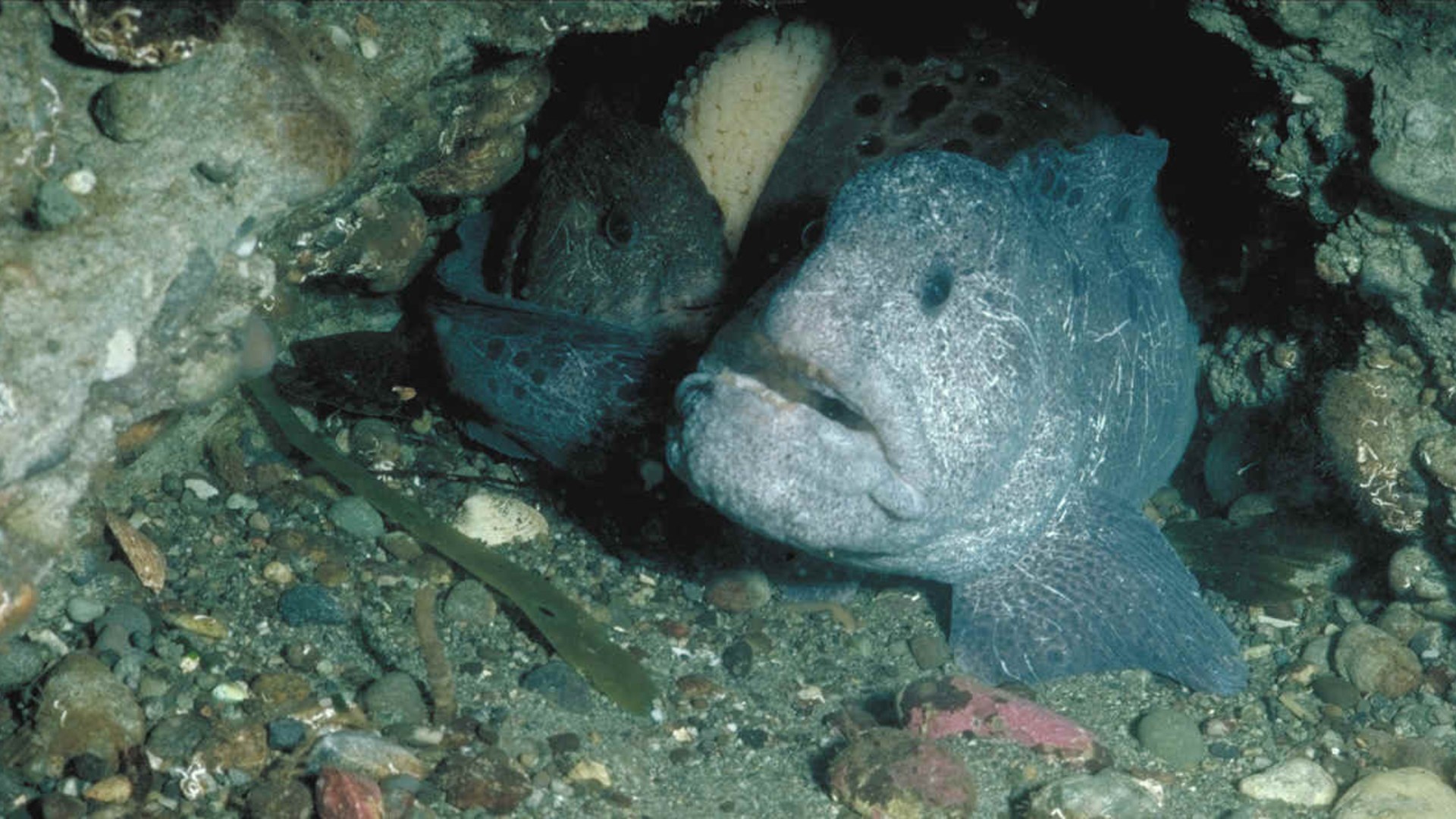
6. Wolf Eel
Prowling rocky Pacific reefs, the wolf eel looks like an underwater gargoyle. Behind its wrinkled, toothy grin lies tremendous crushing jaw power designed to shatter hard urchin spines, whole crabs, and mollusks with effortless ease.
©Wikimedia / Alaska Fisheries Science Center
Advertisement
Swipe or tap ▶ to resume the countdown.
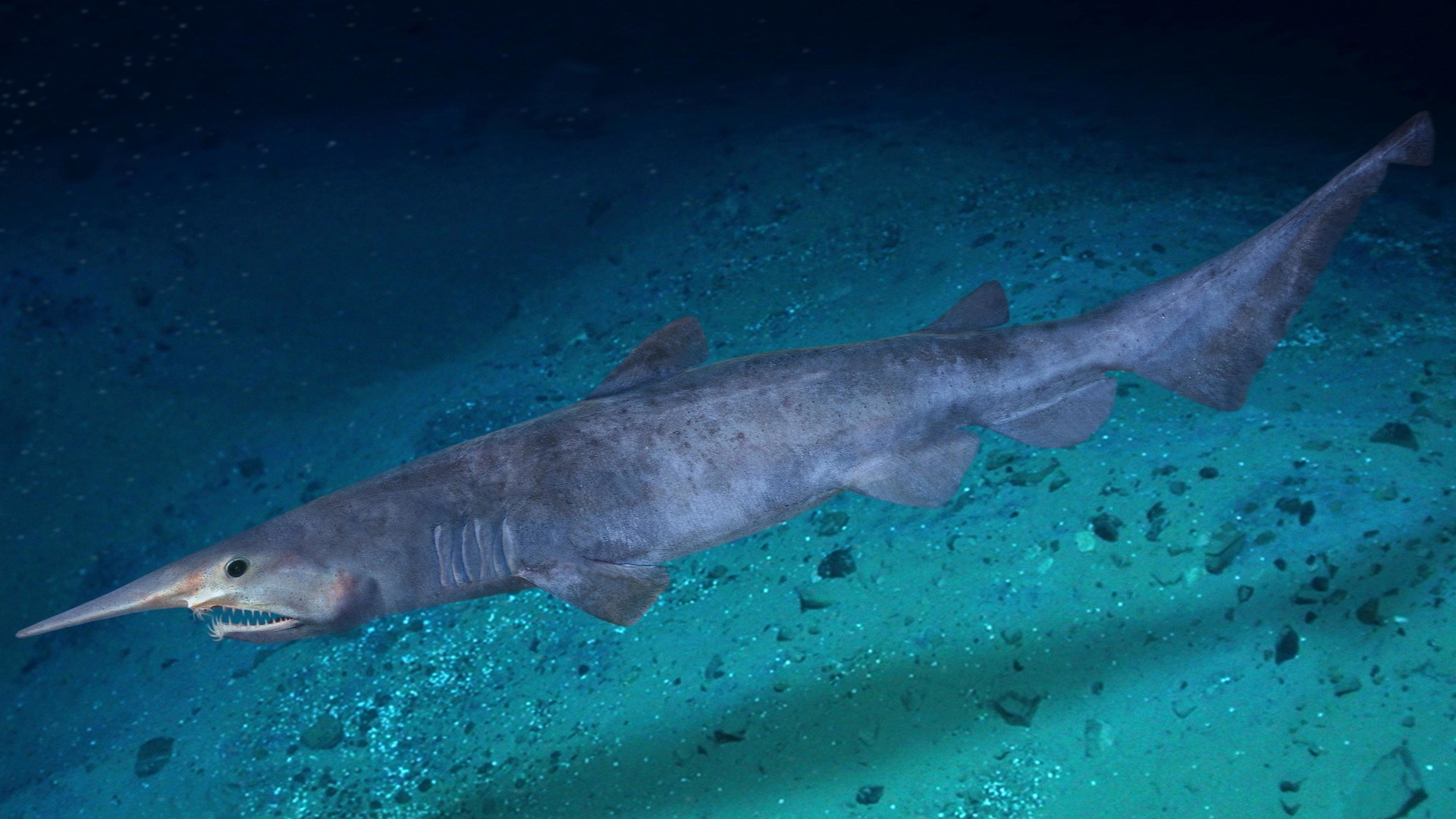
5. Goblin Shark
Inhabiting deep oceanic trenches, the goblin shark possesses a prominent trowel-like snout packed with electrical sensors. When it detects prey, specialized elastic ligaments snap its needle-lined jaws forward several inches to snag squid in complete darkness.
©Wikimedia / Michigan State University/USFWS
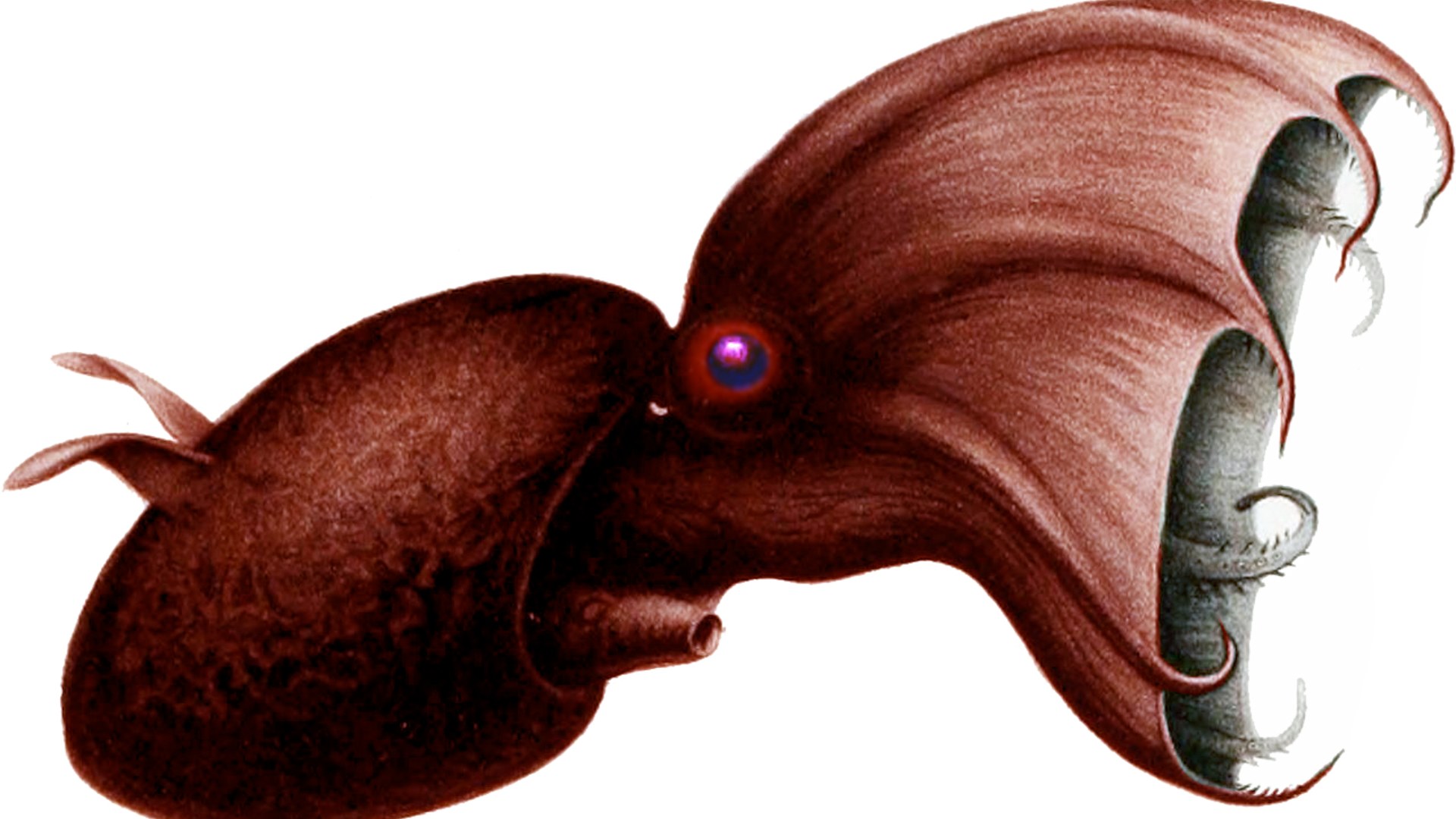
4. Vampire Squid
Gliding through the oxygen minimum zone thousands of feet down, this cephalopod has glowing red eyes and webbing that resembles a Dracula cape. Instead of hunting live fish, it unfurls sticky sensory filaments to harvest drifting organic detritus called marine snow.
©Wikimedia / Carl Chun
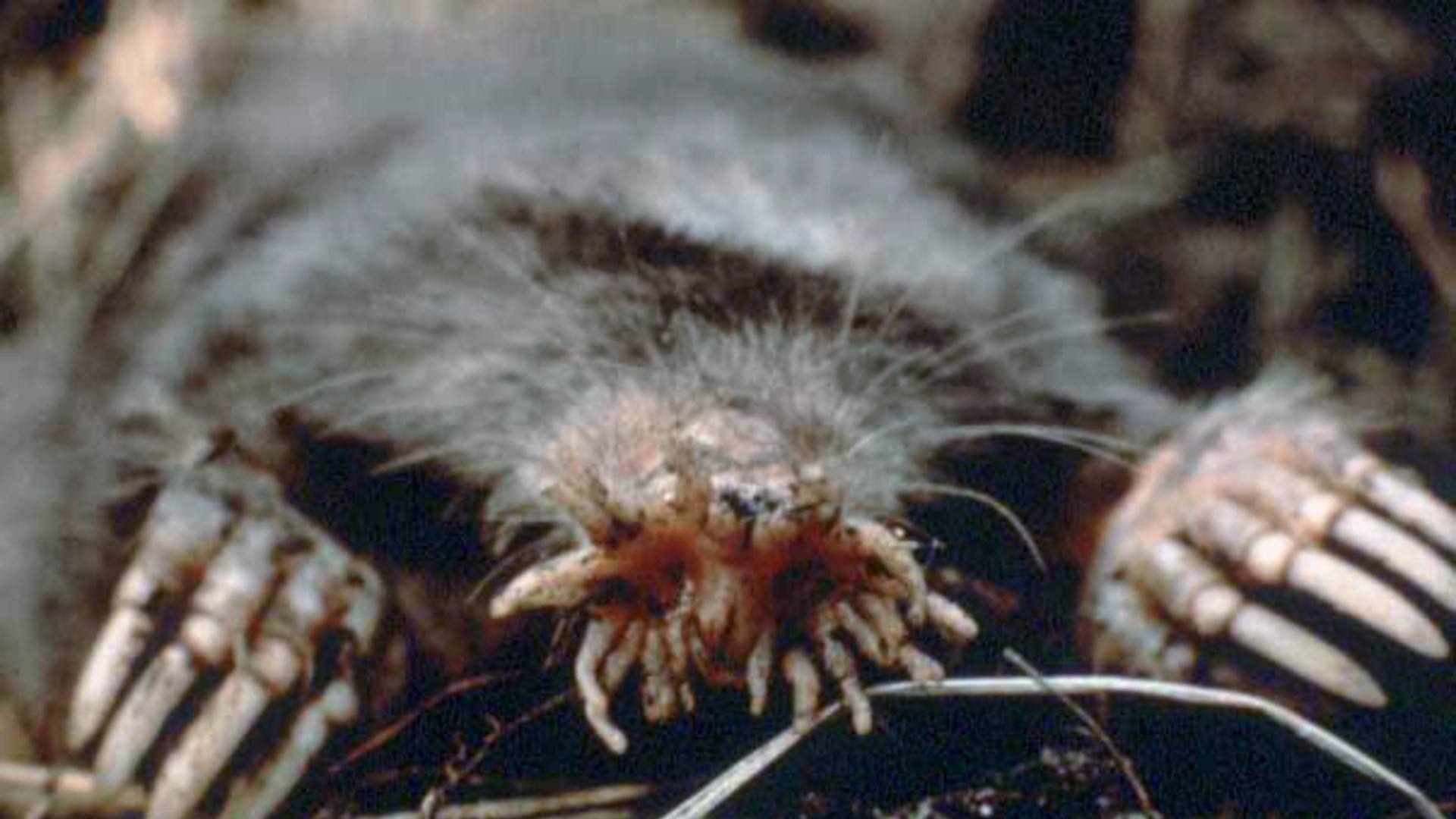
3. Star-Nosed Mole
Subterranean tunnels in eastern North America harbor one of Earth's weirdest mammals. Its snout is ringed with twenty-two fleshy rays containing over twenty-five thousand sensory receptors, allowing it to identify and consume insects in less than a quarter of a second.
©Wikimedia / Star-nosed mole
2. Deep Sea Anglerfish
Surviving in the eternal midnight of the bathypelagic abyss, the female anglerfish dangles a glowing bacterial lure from her head. Lured by the gentle blue light, small fish swim directly into an expandable jaw crammed with curved, needle-sharp teeth.
©Wikimedia / Canley
Advertisement
Swipe or tap ▶ to resume the countdown.
1. Black Swallower
Dwelling up to nine thousand feet deep, this small oceanic terror possesses an extraordinarily elastic stomach. It can swallow bony fish twice its length and ten times its mass whole, coiled inside its transparent belly like an alien monster.

©Wikimedia / HulloThere
Advertisement
You've reached the end of the story. Thanks for reading!

How Long Do Hippos Live? 20 Other Facts About Hippos
From sixty-year lifespans to whale cousins, discover secrets of river giants
All 20 Entries in this Story
1. Black Widow Spider
Dwelling in dark corners and hollow stumps, the female black widow is iconic for the crimson hourglass on her abdomen. Her potent latrotoxin venom is fifteen times stronger than that of a rattlesnake, disrupting nerve signals to immobilize prey trapped in her tangled cobwebs.

2. Death's-Head Hawkmoth
Famous for the human skull marking on its back, the death's-head hawkmoth has inspired chilling superstitions for centuries. When threatened, this nocturnal pollinator emits an audible, shrill squeak by forcing air through its pharynx to startle predators.

3. Whip Scorpion Vinegaroon
Looking like a cross between a scorpion and a nightmare, the vinegaroon is completely non-venomous. To ward off danger, this nocturnal hunter sprays a concentrated mist of acetic acid from the base of its whip tail that smells like pungent vinegar.

4. Ghost Bat
Australia's only carnivorous bat earned its ghostly moniker from its pale, ash-grey fur and nearly transparent wing membranes. Flying silently through night skies, it drops onto mice, frogs, and smaller bats, killing them with powerful jaw bites.

5. Barn Owl
Silently quartering moonlit fields, the barn owl looks like a floating phantom. Unlike the gentle hoot of other owls, this spectral raptor lets out an ear-piercing, raspy hiss that has startled nighttime travelers across global folklore for generations.

6. Great Potoo
Camouflaged as a broken tree stump during the day, the Central American potoo comes alive at twilight. Its gigantic mouth stretches wide across its face to scoop up flying beetles, while its haunting, mournful wail sounds eerily human across dark rainforests.

7. Common Vampire Bat
Emerging in complete darkness, vampire bats stealthily stalk sleeping cattle and horses across Latin America. Infrared heat sensors on their snouts locate warm capillaries beneath the skin, allowing them to make a tiny incision and lap blood using grooved tongues.

8. Satanic Leaf-Tailed Gecko
Native to the rainforest canopies of Madagascar, this bizarre lizard mimics dead rotting leaves with notched tail edges and mottled skin. Tiny horn projections over its eyes and blood-red pupils complete an appearance that earned it a demonic scientific name.

9. Thorny Devil
Roam the arid Australian Outback and you may spot this spiky reptile resembling a tiny mythological monster. In addition to threatening horn armor, it sports a false head knob on the back of its neck that it presents to confusing hungry predators.

10. California Condor
Spanning nearly ten feet from wingtip to wingtip, North America's largest bird looks straight out of a gothic cemetery. Its featherless pinkish-orange head stays clean while feeding on carrion, blushing deep red whenever the condor becomes agitated or excited.

11. Aye-Aye Lemur
This nocturnal Madagascar primate uses an elongated, bony third finger to tap tree bark up to eight times per second. By listening for hollow chambers, it pinpoints wood-boring grubs and extracts them with its rodent-like teeth through excavated holes.

12. Mata Mata Turtle
Residing in sluggish Amazonian rivers, the mata mata turtle resembles a heap of decaying leaf litter. When an unsuspecting fish swims close, the turtle expands its massive throat cavity, creating a vacuum that sucks the prey whole into its mouth.

13. Shoebill Stork
Standing motionless for hours in Central African marshes, the shoebill stork wields a massive, razor-edged bill tipped with a sharp hook. To communicate and establish territory, it clatters its bill rapidly, generating sounds identical to heavy machine gunfire.

14. Sea Lamprey
Often called living fossils, sea lampreys possess an eel-like body and a suction-cup oral disc lined with sharp hooked teeth. Latching onto the flanks of trout and salmon, the lamprey rasps away flesh and secretes an anticoagulant to feed on host fluids.

15. Wolf Eel
Prowling rocky Pacific reefs, the wolf eel looks like an underwater gargoyle. Behind its wrinkled, toothy grin lies tremendous crushing jaw power designed to shatter hard urchin spines, whole crabs, and mollusks with effortless ease.

16. Goblin Shark
Inhabiting deep oceanic trenches, the goblin shark possesses a prominent trowel-like snout packed with electrical sensors. When it detects prey, specialized elastic ligaments snap its needle-lined jaws forward several inches to snag squid in complete darkness.

17. Vampire Squid
Gliding through the oxygen minimum zone thousands of feet down, this cephalopod has glowing red eyes and webbing that resembles a Dracula cape. Instead of hunting live fish, it unfurls sticky sensory filaments to harvest drifting organic detritus called marine snow.

18. Star-Nosed Mole
Subterranean tunnels in eastern North America harbor one of Earth's weirdest mammals. Its snout is ringed with twenty-two fleshy rays containing over twenty-five thousand sensory receptors, allowing it to identify and consume insects in less than a quarter of a second.

19. Deep Sea Anglerfish
Surviving in the eternal midnight of the bathypelagic abyss, the female anglerfish dangles a glowing bacterial lure from her head. Lured by the gentle blue light, small fish swim directly into an expandable jaw crammed with curved, needle-sharp teeth.

20. Black Swallower
Dwelling up to nine thousand feet deep, this small oceanic terror possesses an extraordinarily elastic stomach. It can swallow bony fish twice its length and ten times its mass whole, coiled inside its transparent belly like an alien monster.