Slideshow · Science
Haunted Refrigerator Night and Foods Hiding in Your Fridge
By Most Viral Today
30 Oct 2026

Twenty Forgotten Items Lurking In Your Refrigerator That Need Fast Attention 
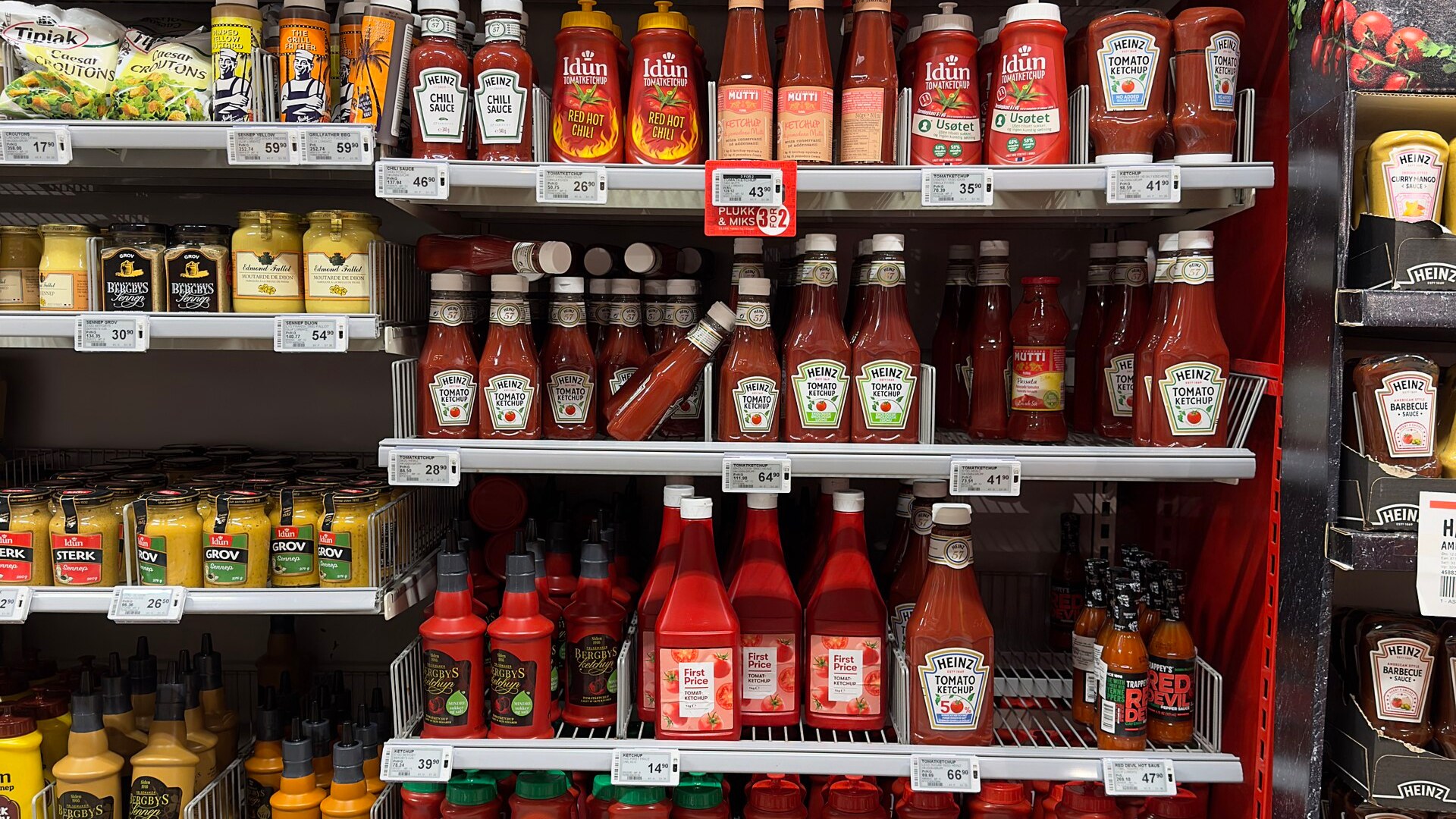
20. Crusty Condiment Bottle Caps 
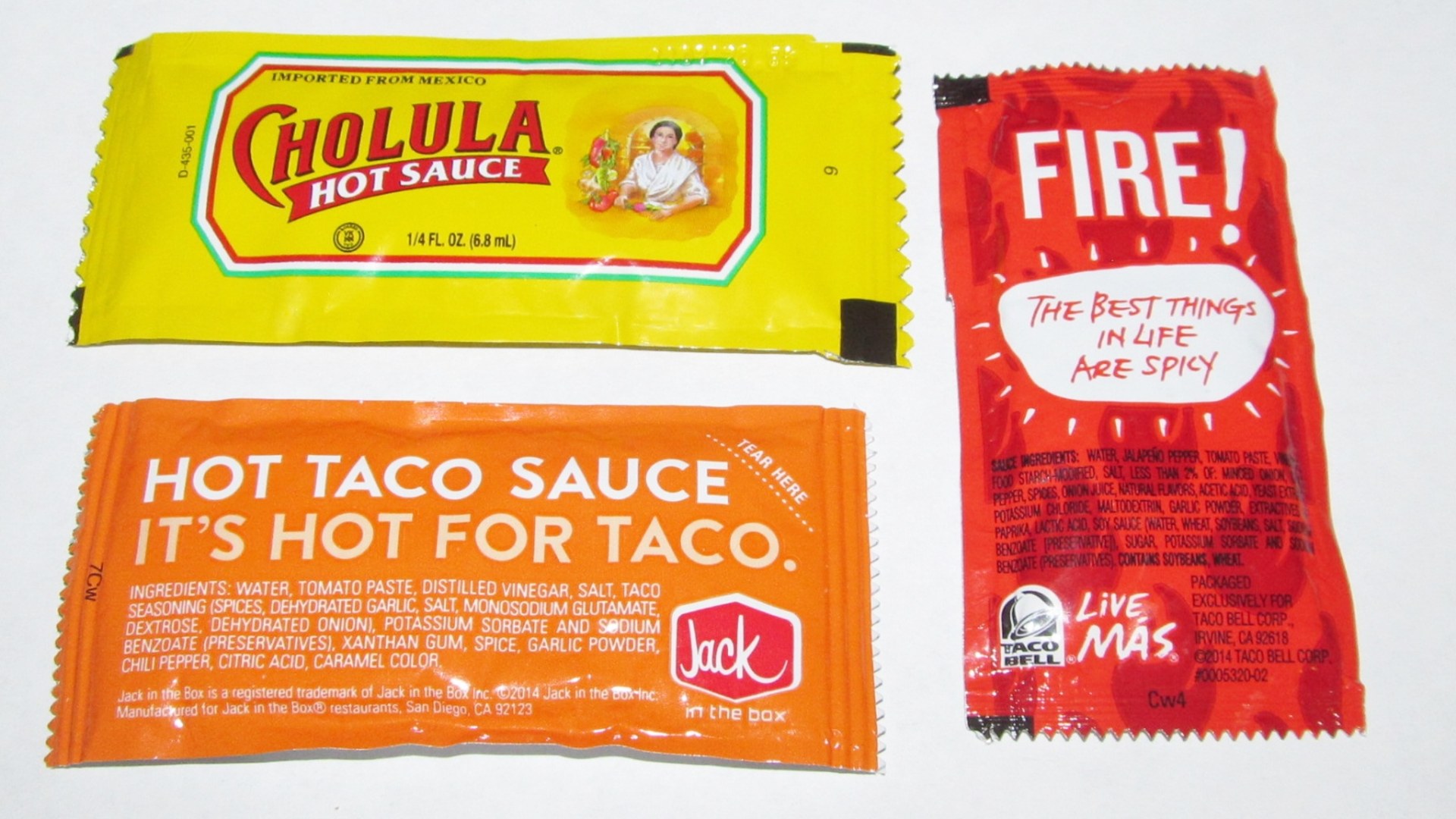
19. Crushed Takeout Sauce Packets 
18. Open Cans Of Tomato Paste And Soup - AdvertisementSwipe or tap ▶ to continue countdown

17. Shriveled Garlic And Sprouting Ginger 
16. Slimy Bagged Salad Greens 
15. Overripe Berries Growing Spores 
14. Softened Browning Cucumbers - AdvertisementSwipe or tap ▶ to continue countdown

13. Mold Creeping On Bread And Tortillas 
12. Forgotten Jars Of Mayonnaise 
11. Separated And Sour Dairy Cream 
10. Bloated Yogurt Containers - AdvertisementSwipe or tap ▶ to continue countdown

9. Fuzzy Surface Mold On Soft Cheeses 
8. Sticky Slime On Sliced Deli Meats 
7. Mystery Leftovers In Opaque Containers 
6. Expired Cooked Seafood And Fish - AdvertisementSwipe or tap ▶ to continue countdown

5. Raw Poultry Dripping On Lower Shelves 
4. Sticky Pools Beneath Crisper Bins 
3. Black Mold In Rubber Door Seals 
2. Blocked Cold Air Circulation Vents - AdvertisementSwipe or tap ▶ to continue countdown

1. Overdue Water Dispenser Filters - Advertisement🔥 UP NEXT IN THIS SERIES◫ 23 Slides

22 Most Secret World War II Aircraft Tested Behind Closed Doors
Between 1939 and 1945, Allied and Axis engineers built jets, flying wings and rocket interceptors in deep wartime secrecy. Ranked from 22 to 1 by historical secrecy and technical leap, this countdown draws on archival records from the Smithsonian, U.S. Air Force Museum, RAF Museum and German Federal Archives.
From crusty condiment lids and wilting greens to fuzzy cheeses and hidden spills, your refrigerator often conceals forgotten food hazards. Swipe through twenty common items hiding on the shelves that require immediate kitchen attention.
Swipe or tap ▶ to begin the countdown
©Wikimedia / Seafood & Maurizio Pesce from Milan, Italia
20. Crusty Condiment Bottle Caps
Condiment nozzles collect dried layers of ketchup, barbecue sauce, and mustard. When exposed to repeated temperature shifts and ambient kitchen air, dried sugar and vinegar crust become breeding grounds for surface yeast and fungal spores.
©Wikimedia / Wolfmann
19. Crushed Takeout Sauce Packets
Drawers and door shelves frequently hoard forgotten fast-food sauce packets. Acidic dips and soy sauces slowly degrade thin plastic packaging over months, leading to leaks, sticky shelf residue, and oxidized contents.
©Wikimedia / Willis Lam
18. Open Cans Of Tomato Paste And Soup
Never store opened metal cans in the refrigerator. When exposed to air, the inner tin and steel lining reacts with acidic foods like tomato paste or pineapple, transferring metallic flavors and trace tin into your meal.
©Wikimedia / Cjp24
Advertisement
Swipe or tap ▶ to resume the countdown.
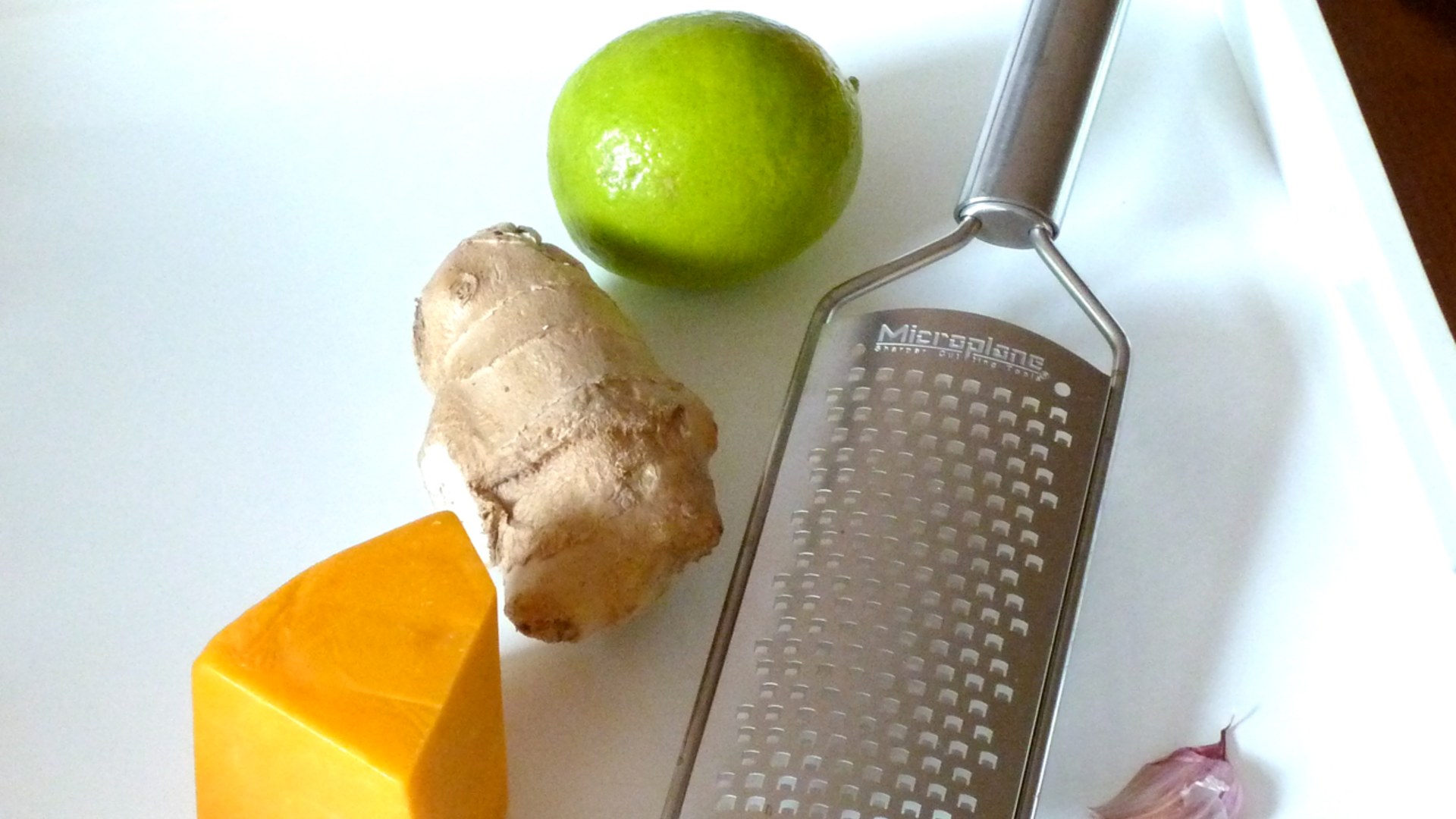
17. Shriveled Garlic And Sprouting Ginger
Whole garlic bulbs and ginger roots thrive best in cool, dark pantries. Inside humid refrigerator bins, trapped moisture encourages green bitter sprouts and hidden black mold rot between individual cloves.
©Wikimedia / Denkhenk
16. Slimy Bagged Salad Greens
Pre-washed spinach, arugula, and salad mixes release moisture that collects inside plastic packaging. Anaerobic bacteria quickly break down delicate leaf walls into dark, pungent slime that must be discarded immediately.
©Wikimedia / Alabama Extension
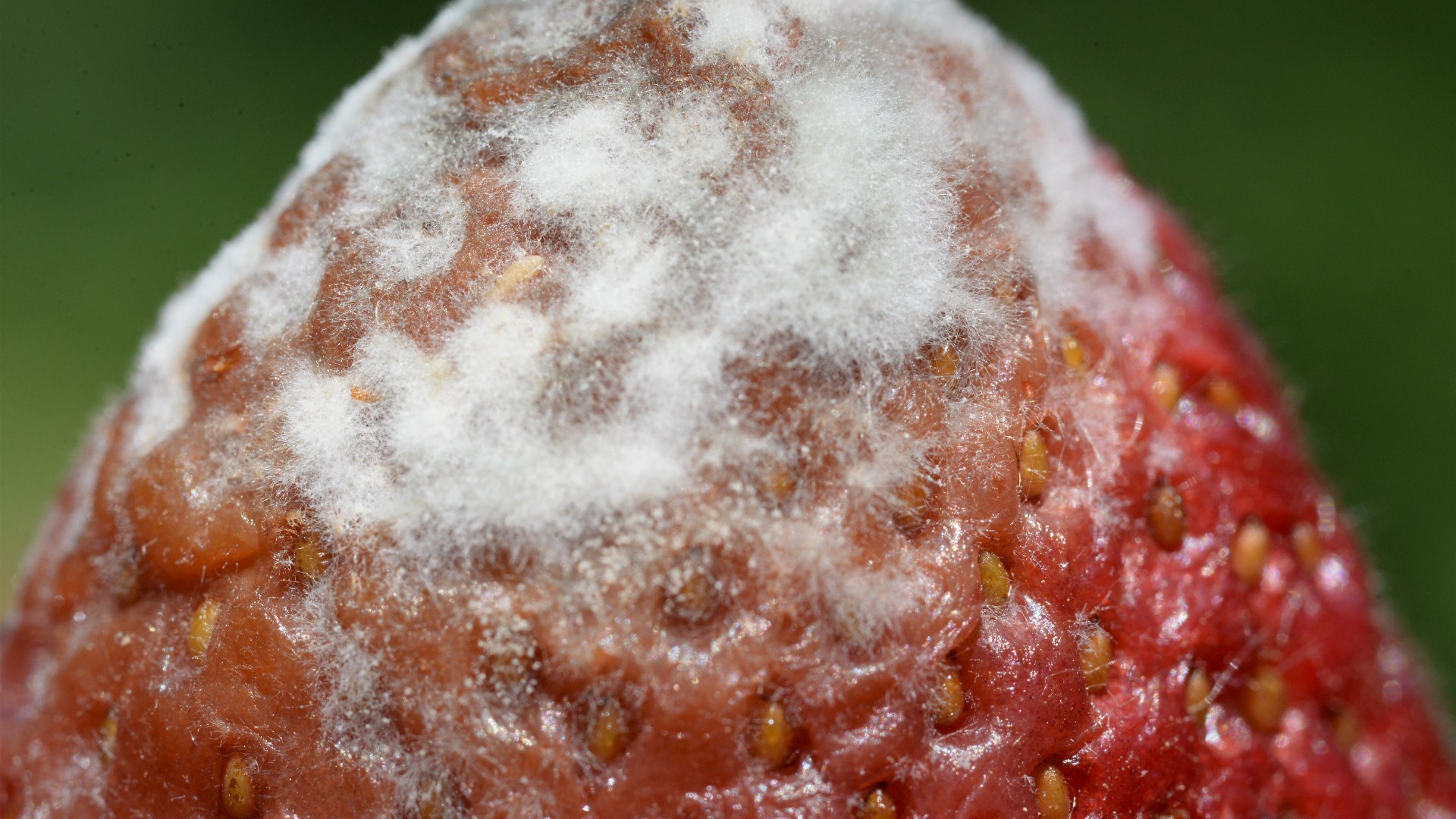
15. Overripe Berries Growing Spores
Berries are delicate sponges for microscopic fungal spores. Once a single strawberry or raspberry begins growing grey fuzz, the mold rapidly colonizes adjoining fruit throughout the container via airborne spores.
©Wikimedia / Shuntaro Kawasaki
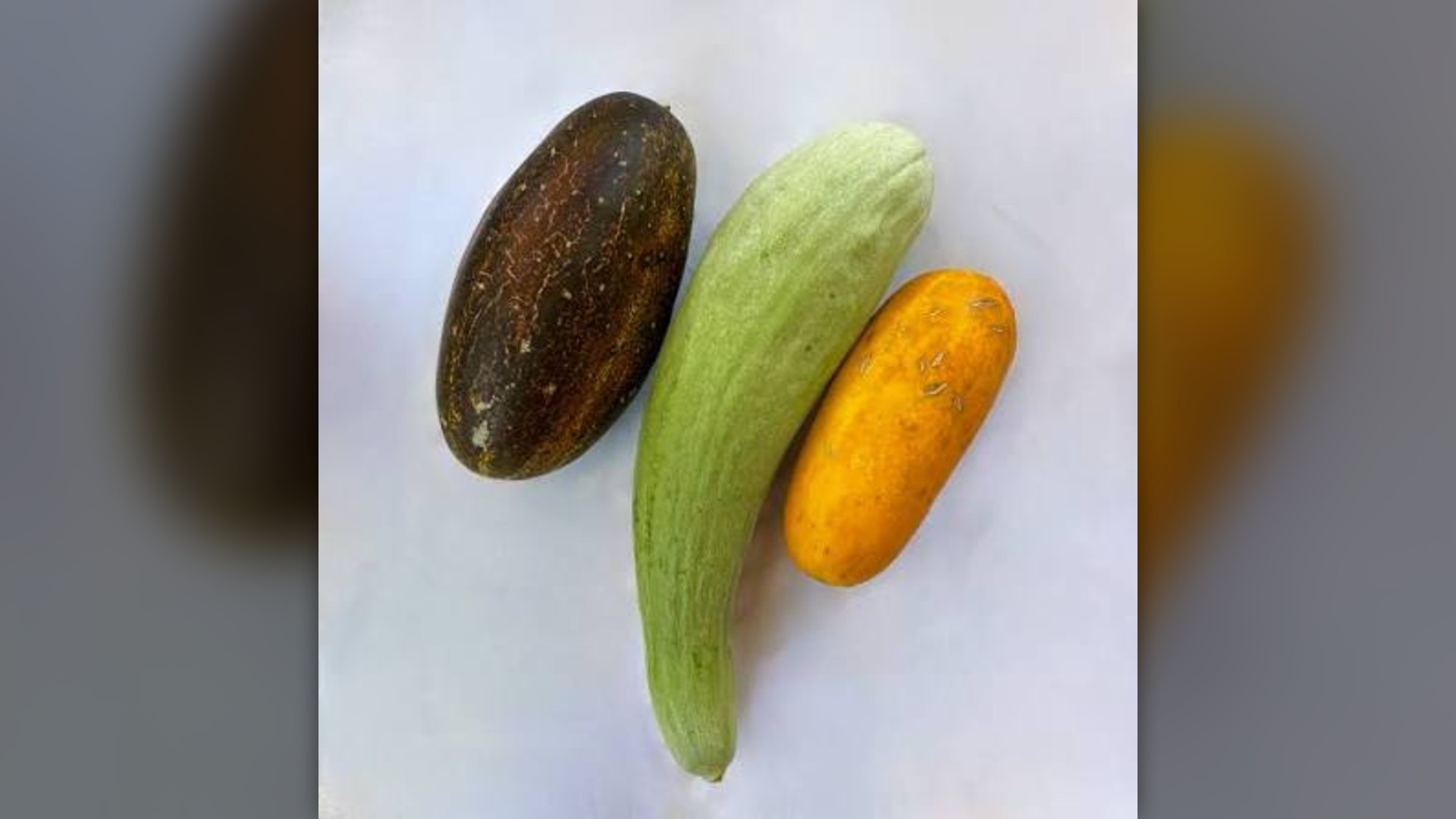
14. Softened Browning Cucumbers
Cucumbers suffer chilling injury when kept in the coldest zones of the fridge. Below forty degrees Fahrenheit, cell membranes collapse, turning crisp flesh into a watery, hollow, and rapidly decomposing cylinder.
©Wikipedia / Wikipedia
Advertisement
Swipe or tap ▶ to resume the countdown.
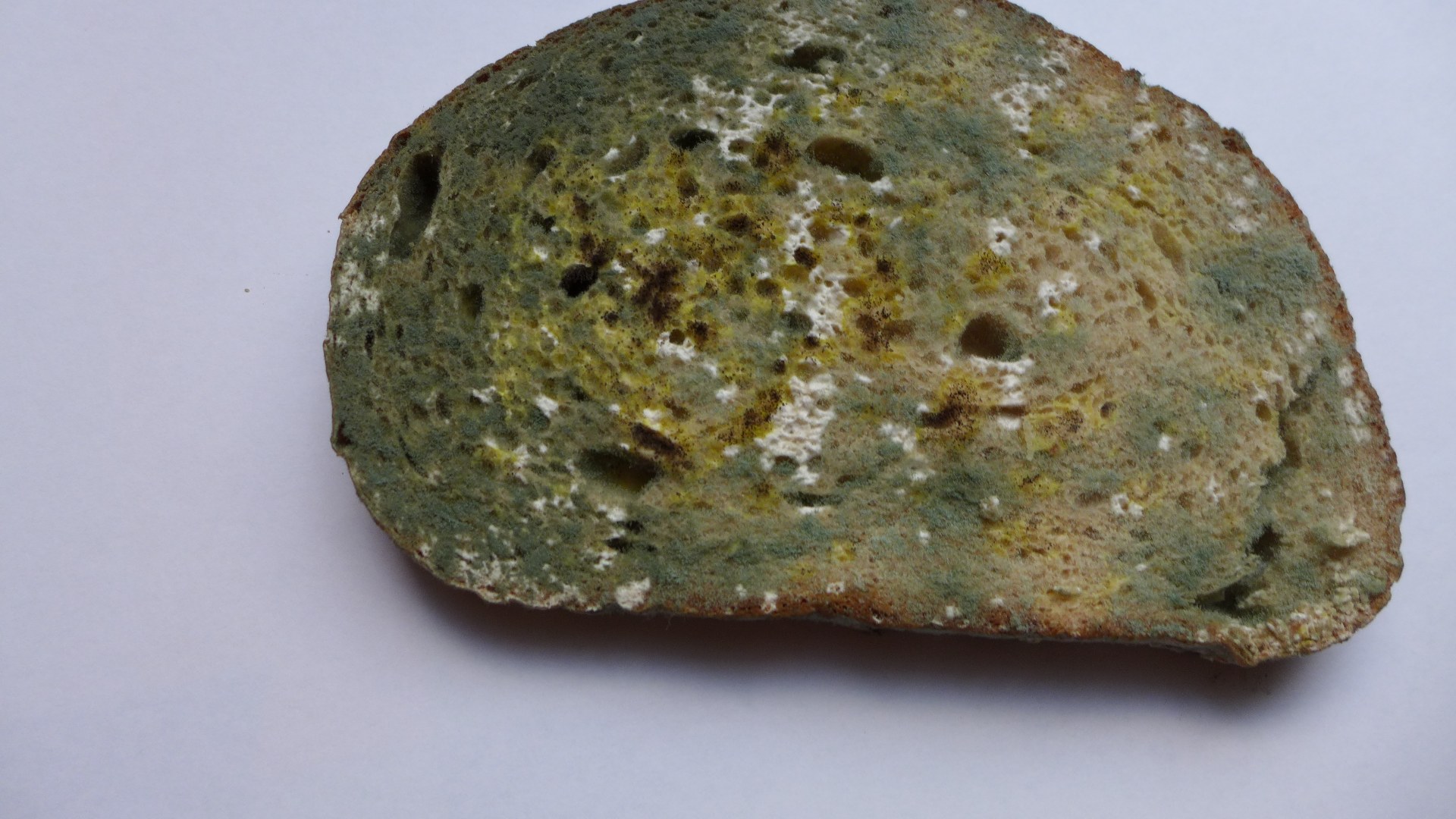
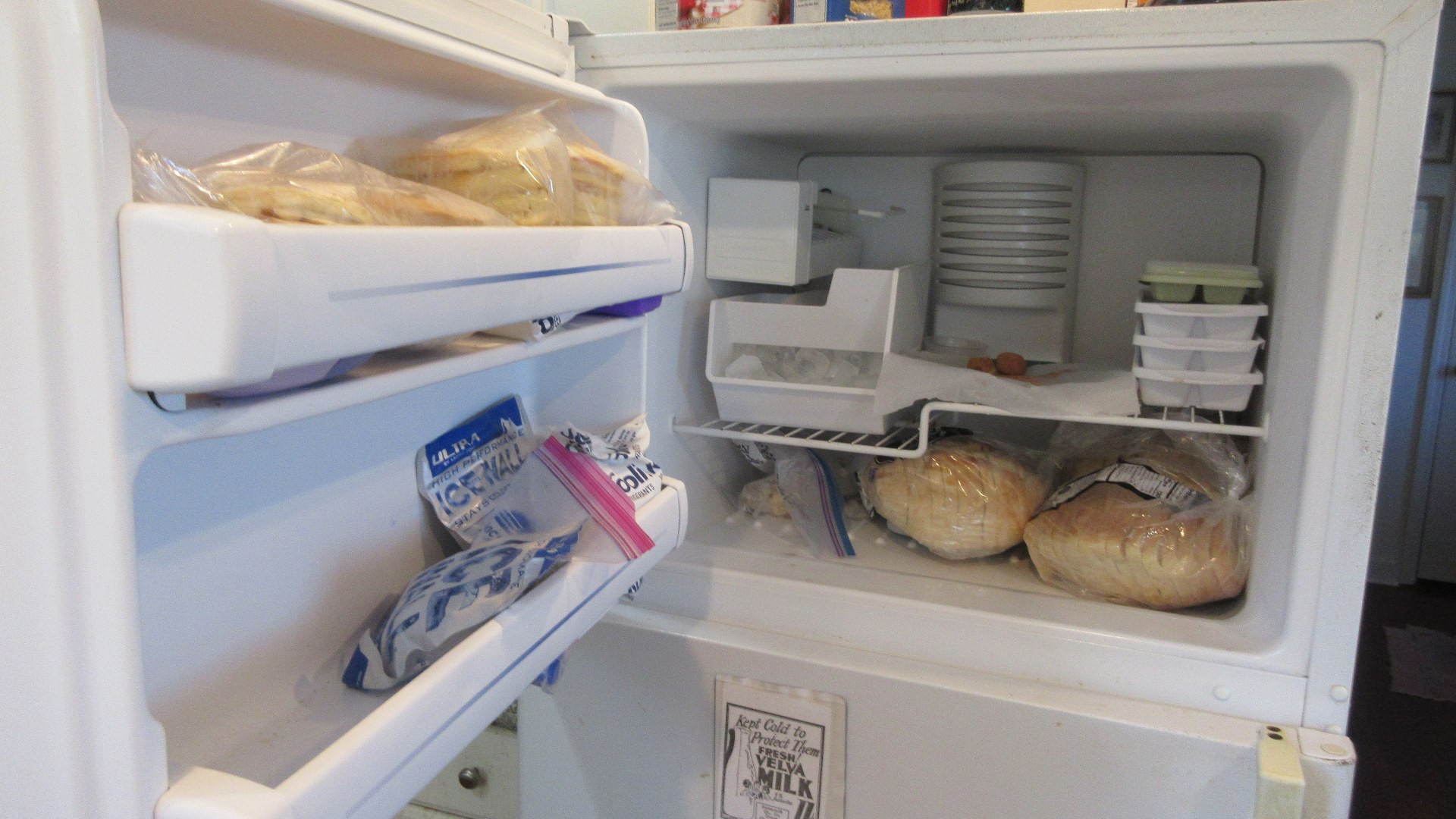
13. Mold Creeping On Bread And Tortillas
Storing bakery bread or tortillas in the fridge accelerates retrogradation, making starch turn stale faster. Once condensation forms inside plastic bread bags, fuzzy Penicillium mold blooms across the crust.
©Wikimedia / Jan Myšák
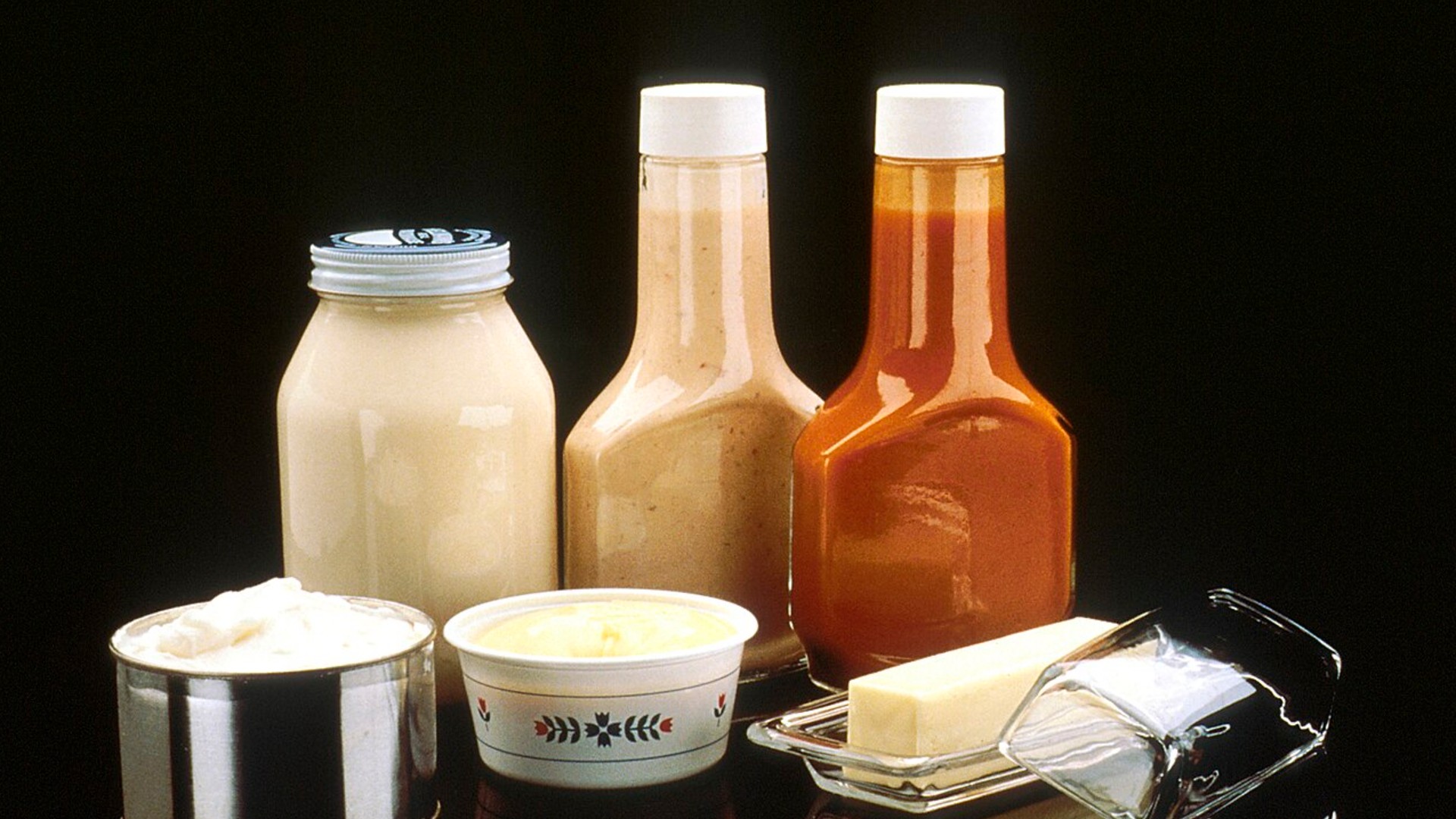
12. Forgotten Jars Of Mayonnaise
While commercial mayonnaise contains protective acids, dipping used utensils introduces organic crumbs and moisture. Over two months, separated oil layers and microbial contaminants pose digestive risks.
©Wikimedia / Bill Branson (photographer)
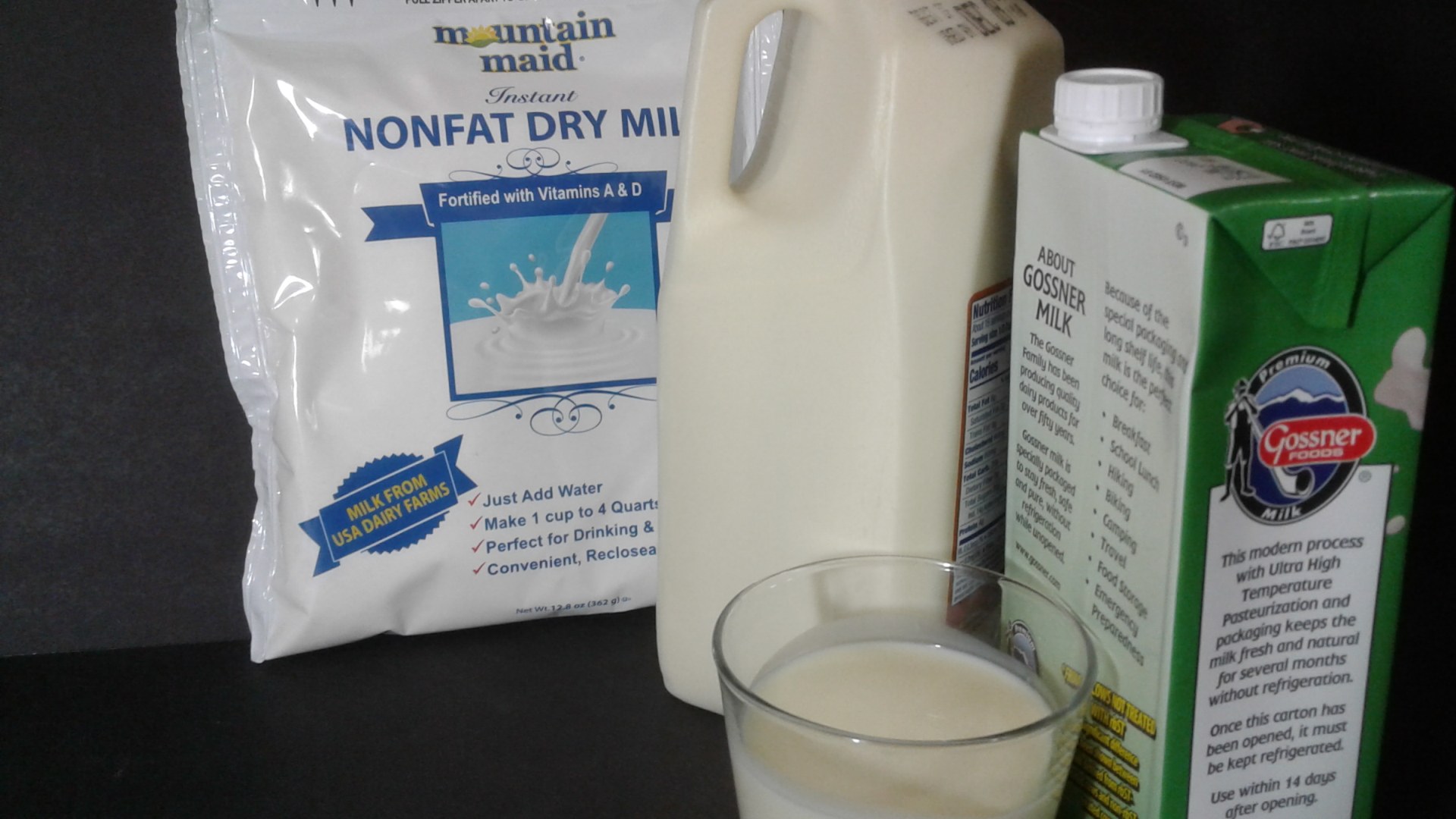
11. Separated And Sour Dairy Cream
Open cartons of heavy cream and sour cream absorb surrounding food odors and support lactic acid bacteria. When liquid yellow whey separates from curdled solids, the dairy product is past safe usage.
©Wikimedia / Platonk
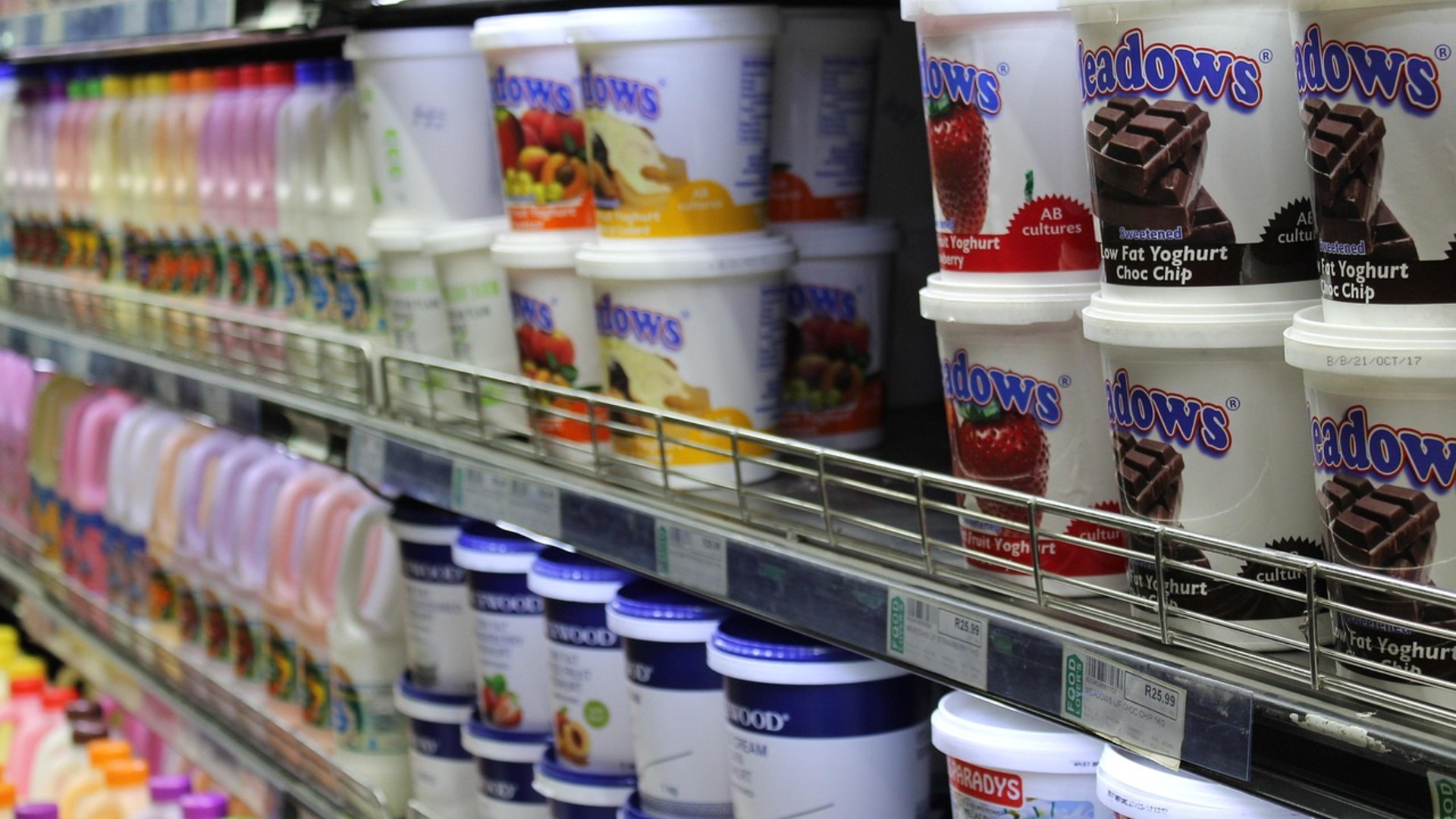
10. Bloated Yogurt Containers
If a sealed or previously opened yogurt tub displays a dome-shaped, puffed-up foil lid, do not consume it. Yeast or gas-producing bacteria have begun fermenting the sugars inside, generating internal pressure.
©Pixabay / AlbanyColley
Advertisement
Swipe or tap ▶ to resume the countdown.
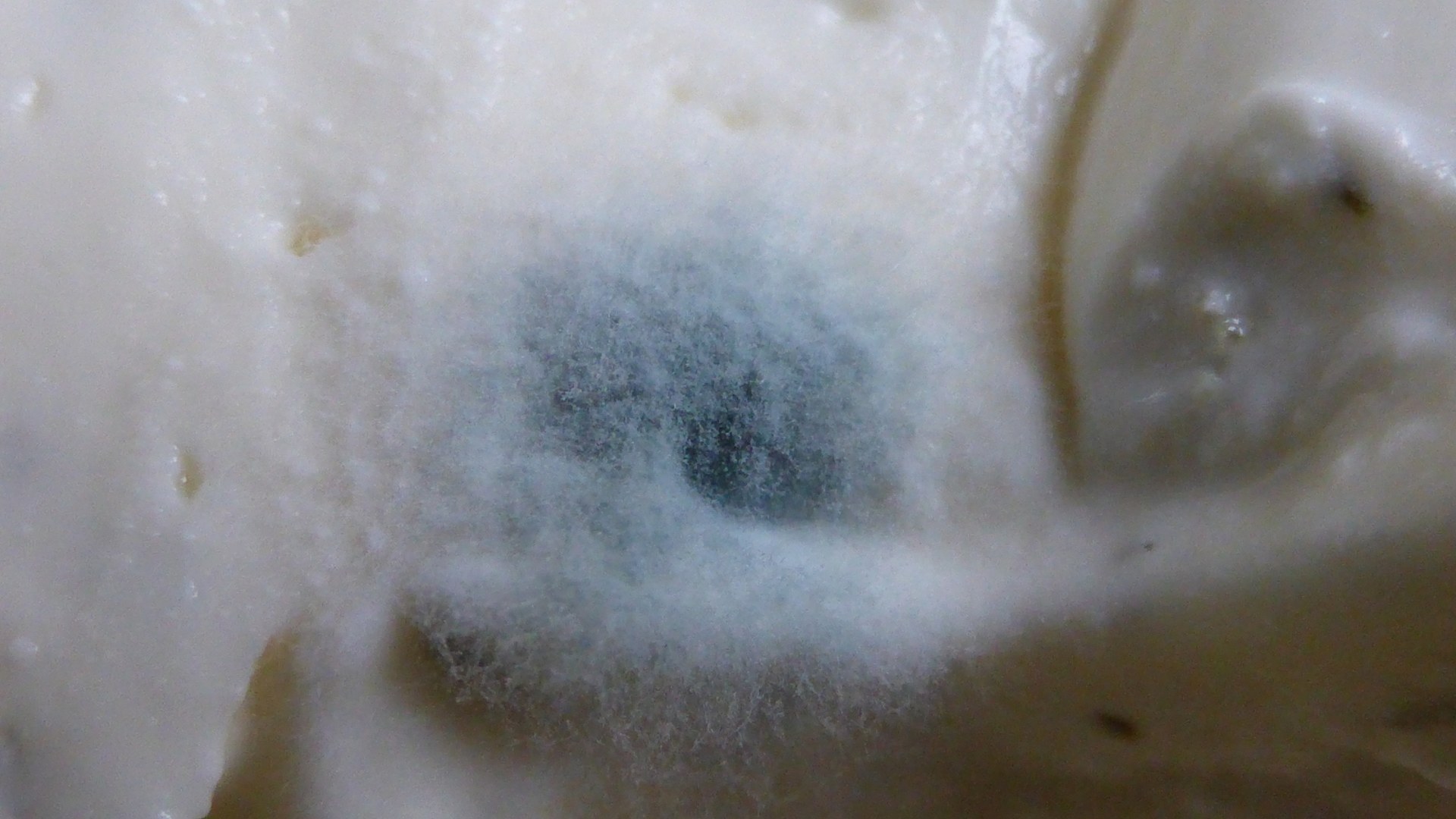
9. Fuzzy Surface Mold On Soft Cheeses
While you can safely carve mold off hard cheddar, soft cheeses like ricotta, cream cheese, and shredded mozzarella must be discarded. Invisible fungal roots and harmful mycotoxins spread throughout soft dairy moisture.
©Wikimedia / MartinThoma
8. Sticky Slime On Sliced Deli Meats
Deli meats should be consumed within three to five days of opening. A slick, iridescent, or slimy sheen on sliced turkey or ham signals cold-tolerant bacteria, including dangerous Listeria monocytogenes.
©Wikimedia / Tomás Castelazo
7. Mystery Leftovers In Opaque Containers
Cooked dishes tucked into the back corners of refrigerator shelves lose safety after three to four days. Pathogenic bacteria like Bacillus cereus multiply without changing food aroma or visible appearance.
©Wikimedia / W.carter
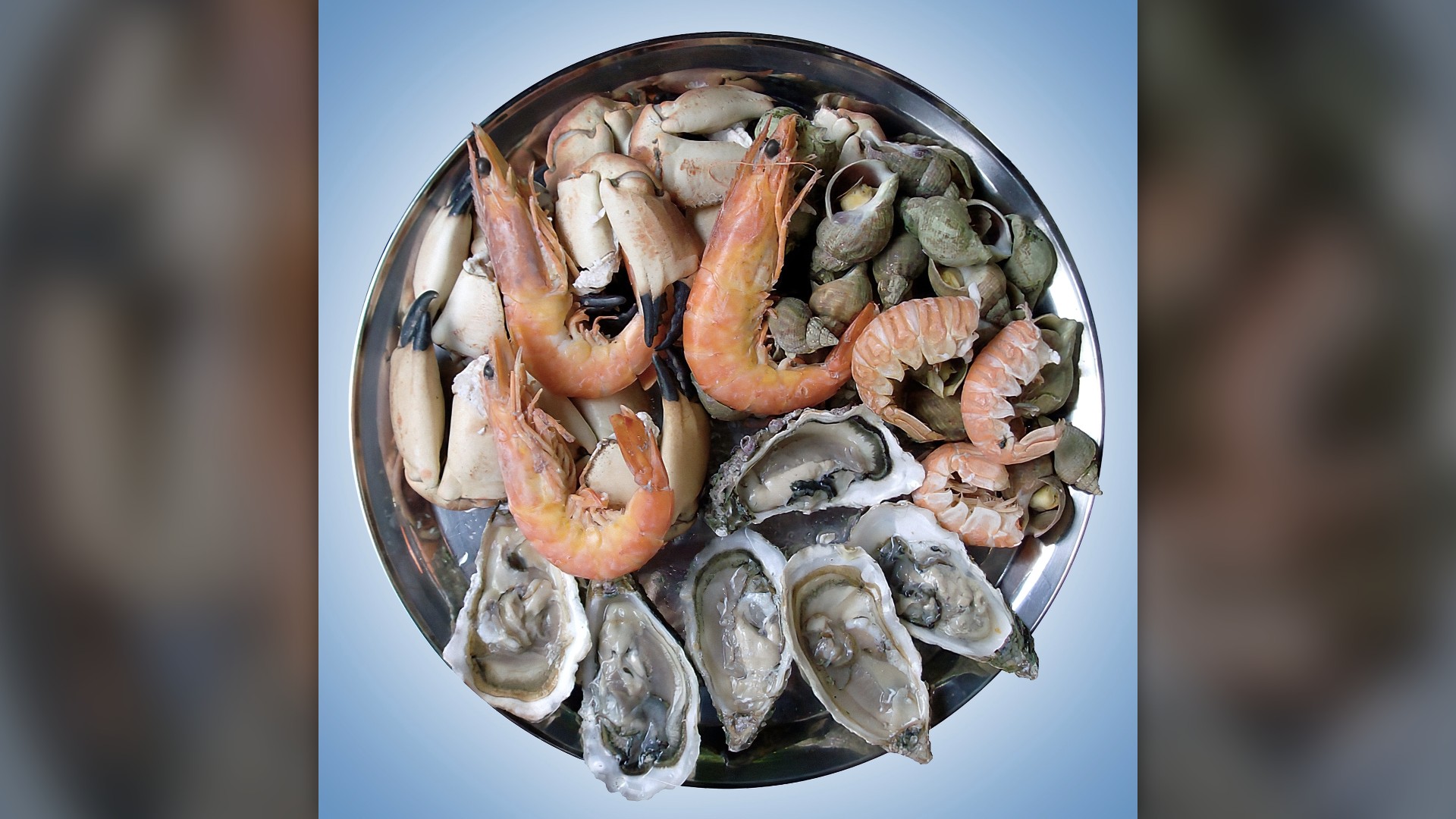
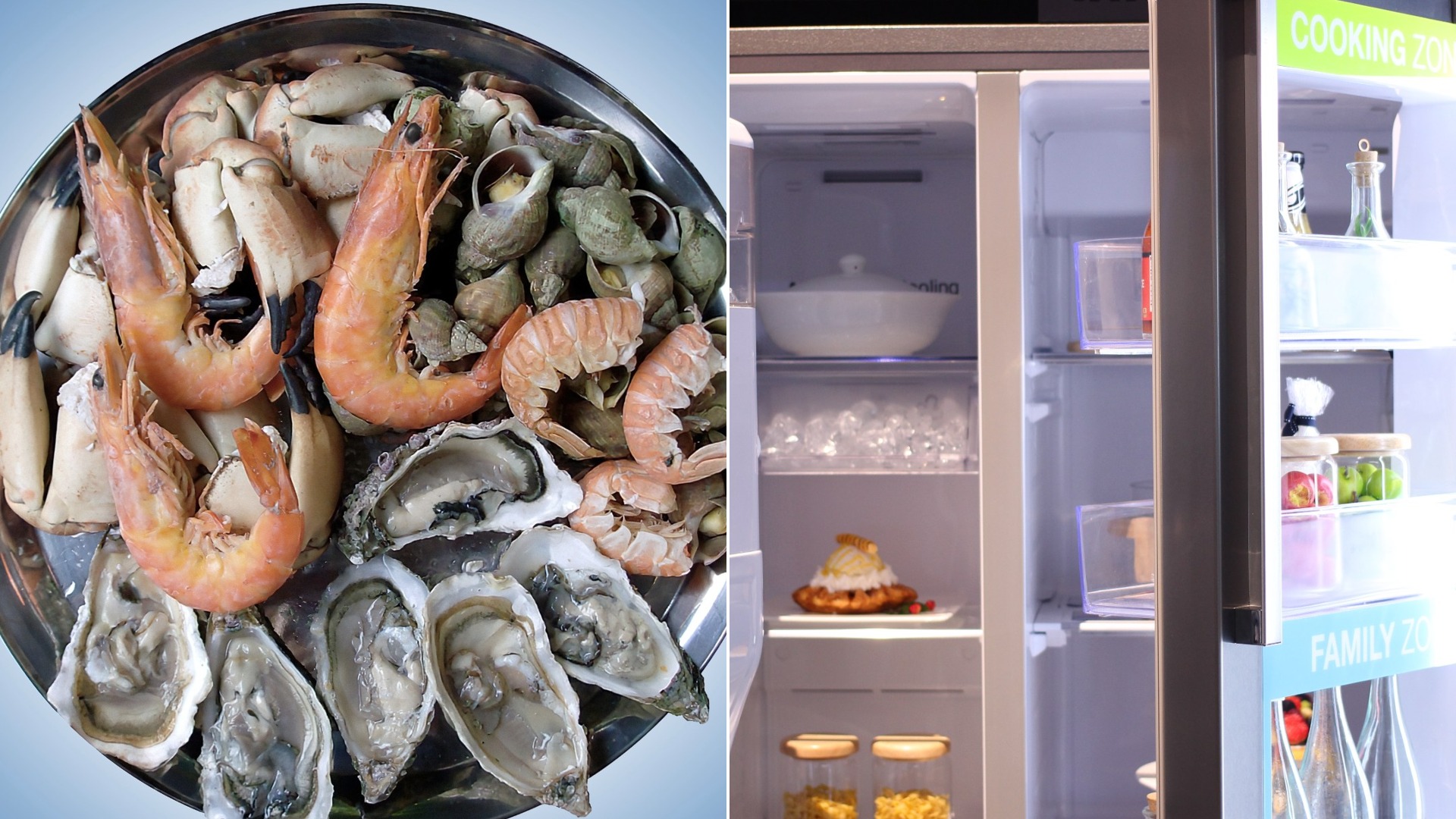
6. Expired Cooked Seafood And Fish
Cooked fish and shellfish spoil faster than any other leftover, lasting only one to two days. As bacteria break down fish protein, histamine accumulates, causing severe scombroid poisoning if eaten.
©Wikimedia / Seafood
Advertisement
Swipe or tap ▶ to resume the countdown.
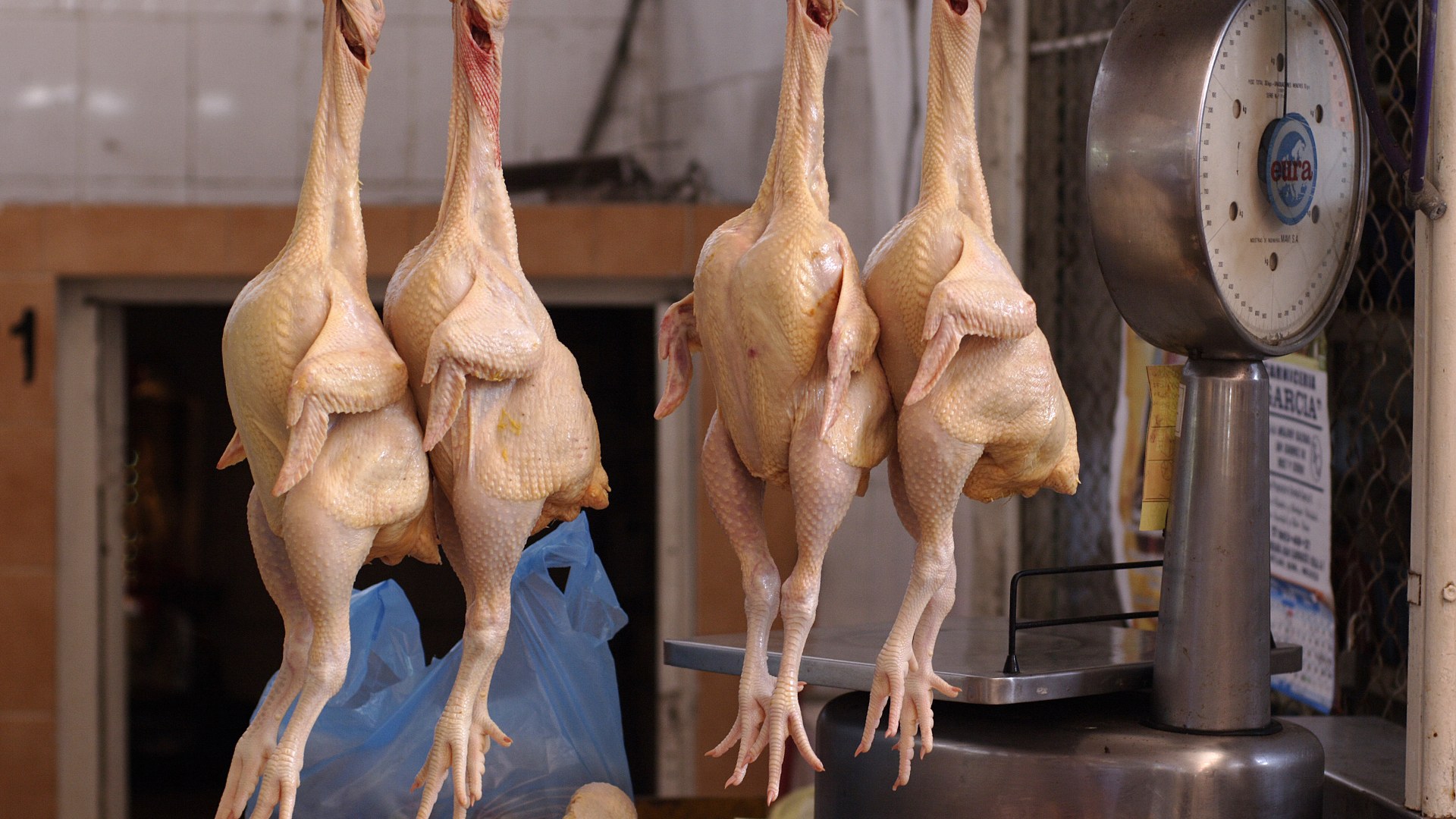
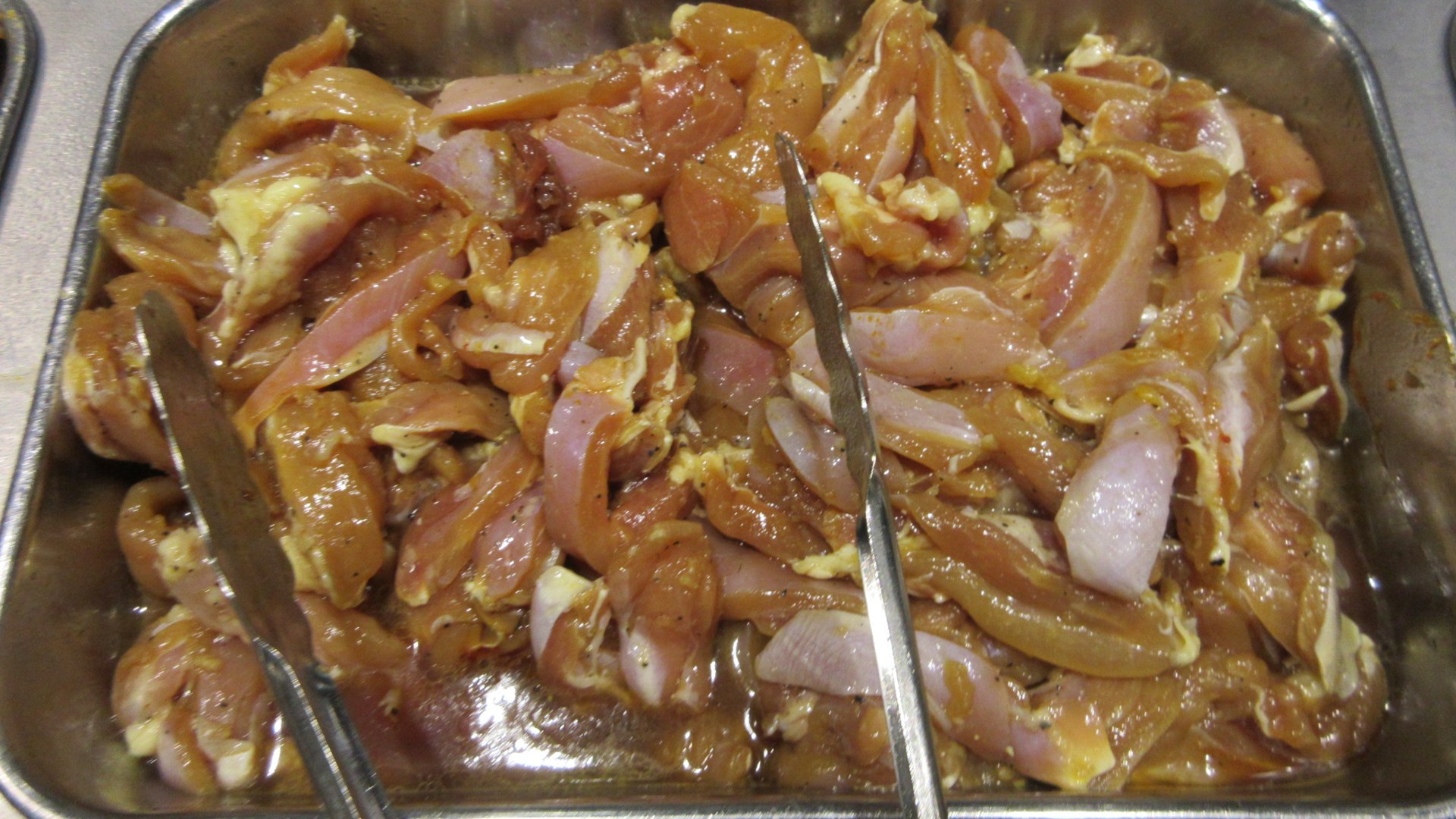
5. Raw Poultry Dripping On Lower Shelves
Storing raw chicken or ground beef on upper shelves risks meat juices dripping onto fresh produce below. Always place raw poultry inside sealed trays on the bottom shelf to eliminate cross-contamination.
©Wikimedia / Kowk Shiuamlams
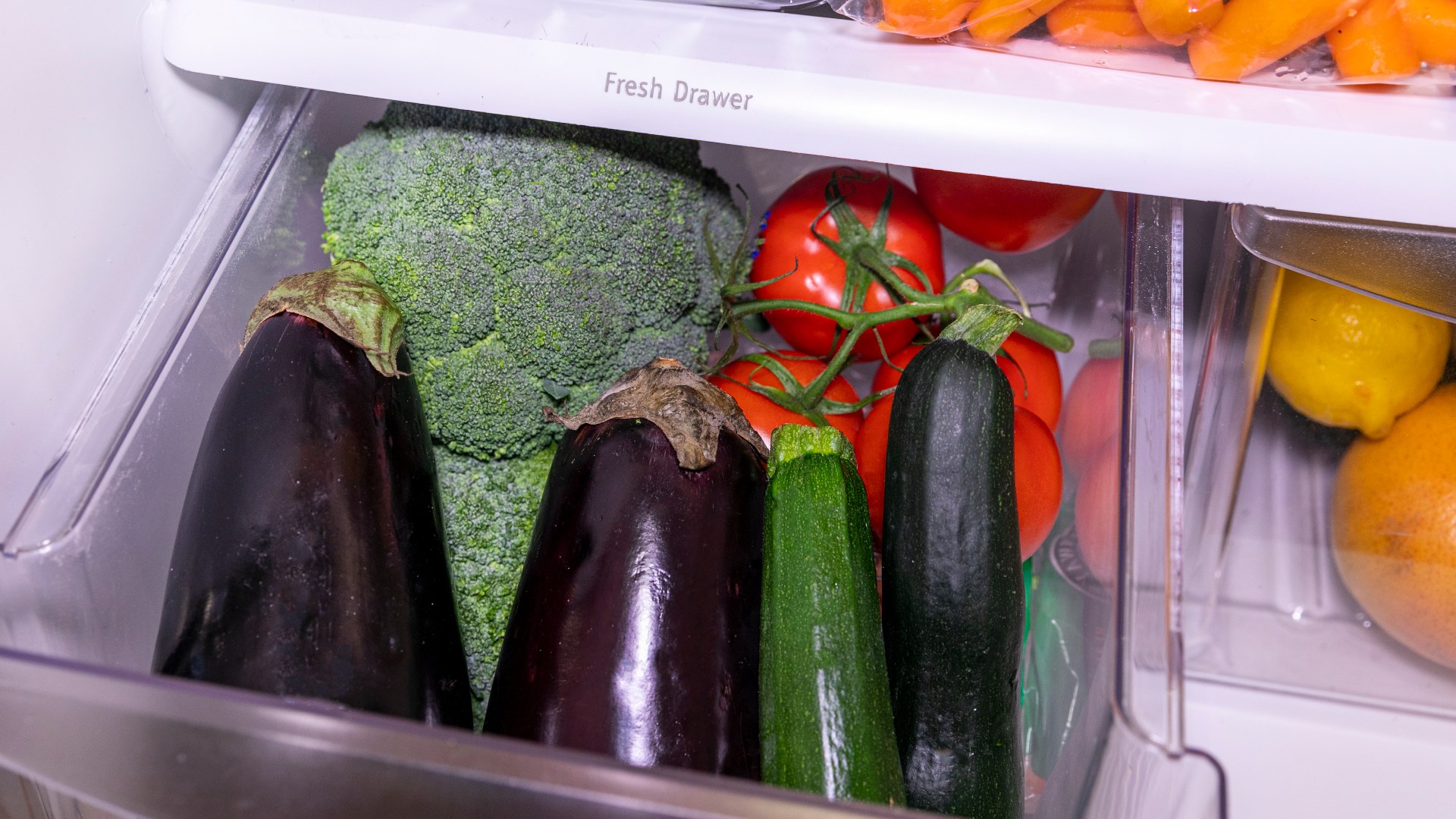
4. Sticky Pools Beneath Crisper Bins
Removing the bottom crisper drawers frequently reveals congealed rings of spilled sauces, liquid vegetable decay, and meat condensation. This hidden dark reservoir breeds offensive odors and stubborn bacteria.
©Wikimedia / Maurizio Pesce from Milan, Italia
3. Black Mold In Rubber Door Seals
The folds of rubber refrigerator door gaskets trap food crumbs and room condensation. Over time, black Cladosporium mold colonizes the rubber folds, discharging spores whenever the door opens.
©Wikimedia / Infrogmation of New Orleans
2. Blocked Cold Air Circulation Vents
Piling large boxes directly against internal cold air vents starves bottom shelves of cooling. Warm zones above forty degrees Fahrenheit allow pathogens to multiply rapidly while other sections freeze solid.
©Wikimedia / Donald Trung
Advertisement
Swipe or tap ▶ to resume the countdown.
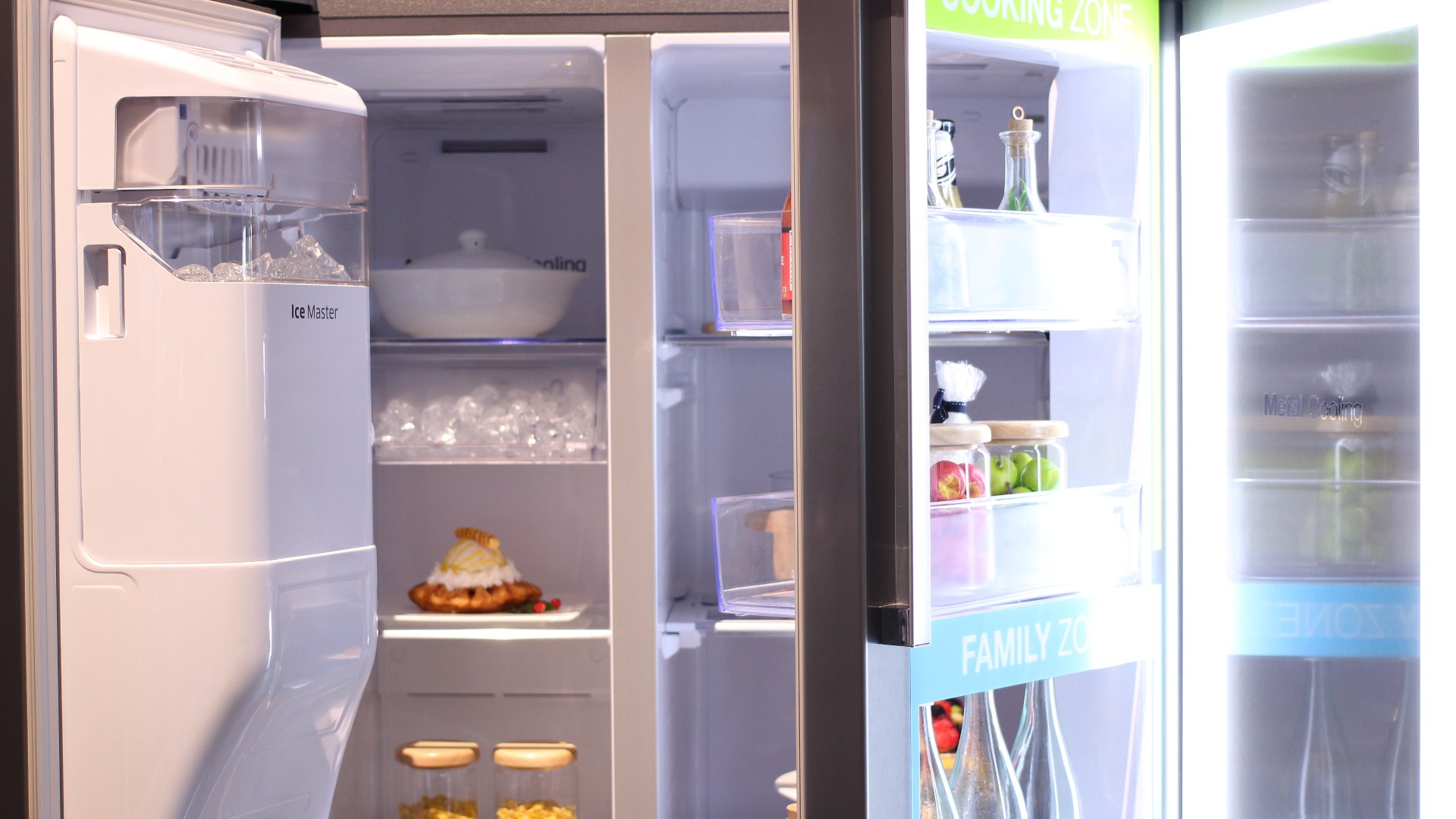
1. Overdue Water Dispenser Filters
Refrigerator water filters must be replaced every six months. Once saturated carbon media loses its filtration capability, warm interior dispenser lines accumulate bacterial biofilm, tainting drinking water and ice cubes.

©Wikipedia / Wikipedia
Advertisement
You've reached the end of the story. Thanks for reading!

22 Most Secret World War II Aircraft Tested Behind Closed Doors
Between 1939 and 1945, Allied and Axis engineers built jets, flying wings and rocket interceptors in deep wartime secrecy. Ranked from 22 to 1 by historical secrecy and technical leap, this countdown draws on archival records from the Smithsonian, U.S. Air Force Museum, RAF Museum and German Federal Archives.
All 20 Entries in this Story
1. Crusty Condiment Bottle Caps
Condiment nozzles collect dried layers of ketchup, barbecue sauce, and mustard. When exposed to repeated temperature shifts and ambient kitchen air, dried sugar and vinegar crust become breeding grounds for surface yeast and fungal spores.

2. Crushed Takeout Sauce Packets
Drawers and door shelves frequently hoard forgotten fast-food sauce packets. Acidic dips and soy sauces slowly degrade thin plastic packaging over months, leading to leaks, sticky shelf residue, and oxidized contents.

3. Open Cans Of Tomato Paste And Soup
Never store opened metal cans in the refrigerator. When exposed to air, the inner tin and steel lining reacts with acidic foods like tomato paste or pineapple, transferring metallic flavors and trace tin into your meal.

4. Shriveled Garlic And Sprouting Ginger
Whole garlic bulbs and ginger roots thrive best in cool, dark pantries. Inside humid refrigerator bins, trapped moisture encourages green bitter sprouts and hidden black mold rot between individual cloves.

5. Slimy Bagged Salad Greens
Pre-washed spinach, arugula, and salad mixes release moisture that collects inside plastic packaging. Anaerobic bacteria quickly break down delicate leaf walls into dark, pungent slime that must be discarded immediately.

6. Overripe Berries Growing Spores
Berries are delicate sponges for microscopic fungal spores. Once a single strawberry or raspberry begins growing grey fuzz, the mold rapidly colonizes adjoining fruit throughout the container via airborne spores.

7. Softened Browning Cucumbers
Cucumbers suffer chilling injury when kept in the coldest zones of the fridge. Below forty degrees Fahrenheit, cell membranes collapse, turning crisp flesh into a watery, hollow, and rapidly decomposing cylinder.

8. Mold Creeping On Bread And Tortillas
Storing bakery bread or tortillas in the fridge accelerates retrogradation, making starch turn stale faster. Once condensation forms inside plastic bread bags, fuzzy Penicillium mold blooms across the crust.

9. Forgotten Jars Of Mayonnaise
While commercial mayonnaise contains protective acids, dipping used utensils introduces organic crumbs and moisture. Over two months, separated oil layers and microbial contaminants pose digestive risks.

10. Separated And Sour Dairy Cream
Open cartons of heavy cream and sour cream absorb surrounding food odors and support lactic acid bacteria. When liquid yellow whey separates from curdled solids, the dairy product is past safe usage.

11. Bloated Yogurt Containers
If a sealed or previously opened yogurt tub displays a dome-shaped, puffed-up foil lid, do not consume it. Yeast or gas-producing bacteria have begun fermenting the sugars inside, generating internal pressure.

12. Fuzzy Surface Mold On Soft Cheeses
While you can safely carve mold off hard cheddar, soft cheeses like ricotta, cream cheese, and shredded mozzarella must be discarded. Invisible fungal roots and harmful mycotoxins spread throughout soft dairy moisture.

13. Sticky Slime On Sliced Deli Meats
Deli meats should be consumed within three to five days of opening. A slick, iridescent, or slimy sheen on sliced turkey or ham signals cold-tolerant bacteria, including dangerous Listeria monocytogenes.

14. Mystery Leftovers In Opaque Containers
Cooked dishes tucked into the back corners of refrigerator shelves lose safety after three to four days. Pathogenic bacteria like Bacillus cereus multiply without changing food aroma or visible appearance.

15. Expired Cooked Seafood And Fish
Cooked fish and shellfish spoil faster than any other leftover, lasting only one to two days. As bacteria break down fish protein, histamine accumulates, causing severe scombroid poisoning if eaten.

16. Raw Poultry Dripping On Lower Shelves
Storing raw chicken or ground beef on upper shelves risks meat juices dripping onto fresh produce below. Always place raw poultry inside sealed trays on the bottom shelf to eliminate cross-contamination.

17. Sticky Pools Beneath Crisper Bins
Removing the bottom crisper drawers frequently reveals congealed rings of spilled sauces, liquid vegetable decay, and meat condensation. This hidden dark reservoir breeds offensive odors and stubborn bacteria.

18. Black Mold In Rubber Door Seals
The folds of rubber refrigerator door gaskets trap food crumbs and room condensation. Over time, black Cladosporium mold colonizes the rubber folds, discharging spores whenever the door opens.

19. Blocked Cold Air Circulation Vents
Piling large boxes directly against internal cold air vents starves bottom shelves of cooling. Warm zones above forty degrees Fahrenheit allow pathogens to multiply rapidly while other sections freeze solid.

20. Overdue Water Dispenser Filters
Refrigerator water filters must be replaced every six months. Once saturated carbon media loses its filtration capability, warm interior dispenser lines accumulate bacterial biofilm, tainting drinking water and ice cubes.