Slideshow · Animals
12 Rare and Unusual Horse Coat Patterns Seen Around the World
From Dalmatian-like Appaloosas and hypnotic dapple grays to primitive zebra duns, discover nature's most stunning equine coat genetics.
By Most Viral Today
23 Oct 2026

12 Rare and Unusual Horse Coat Patterns Seen Around the World: Explore the Ful 
12. The Leopard Appaloosa 
11. The Blanket Appaloosa 
10. The Blue Roan - AdvertisementSwipe or tap ▶ to continue countdown

9. The Strawberry Roan 
8. The Dapple Gray 
7. The Tobiano Pinto 
6. The Frame Overo Paint - AdvertisementSwipe or tap ▶ to continue countdown

5. The Sabino Pattern 
4. The Splashed White 
3. The Cremello Double-Dilute 
2. The Zebra Dun - AdvertisementSwipe or tap ▶ to continue countdown

1. The Silver Dapple - Advertisement🔥 UP NEXT IN THIS SERIES◫ 22 Slides

How Long Do Hippos Live? 20 Other Facts About Hippos
From sixty-year lifespans to whale cousins, discover secrets of river giants
Equine coat patterns result from complex genetic interactions, producing some of the most striking and intricate visual wonders in the animal kingdom.
Swipe or tap ▶ to begin the countdown
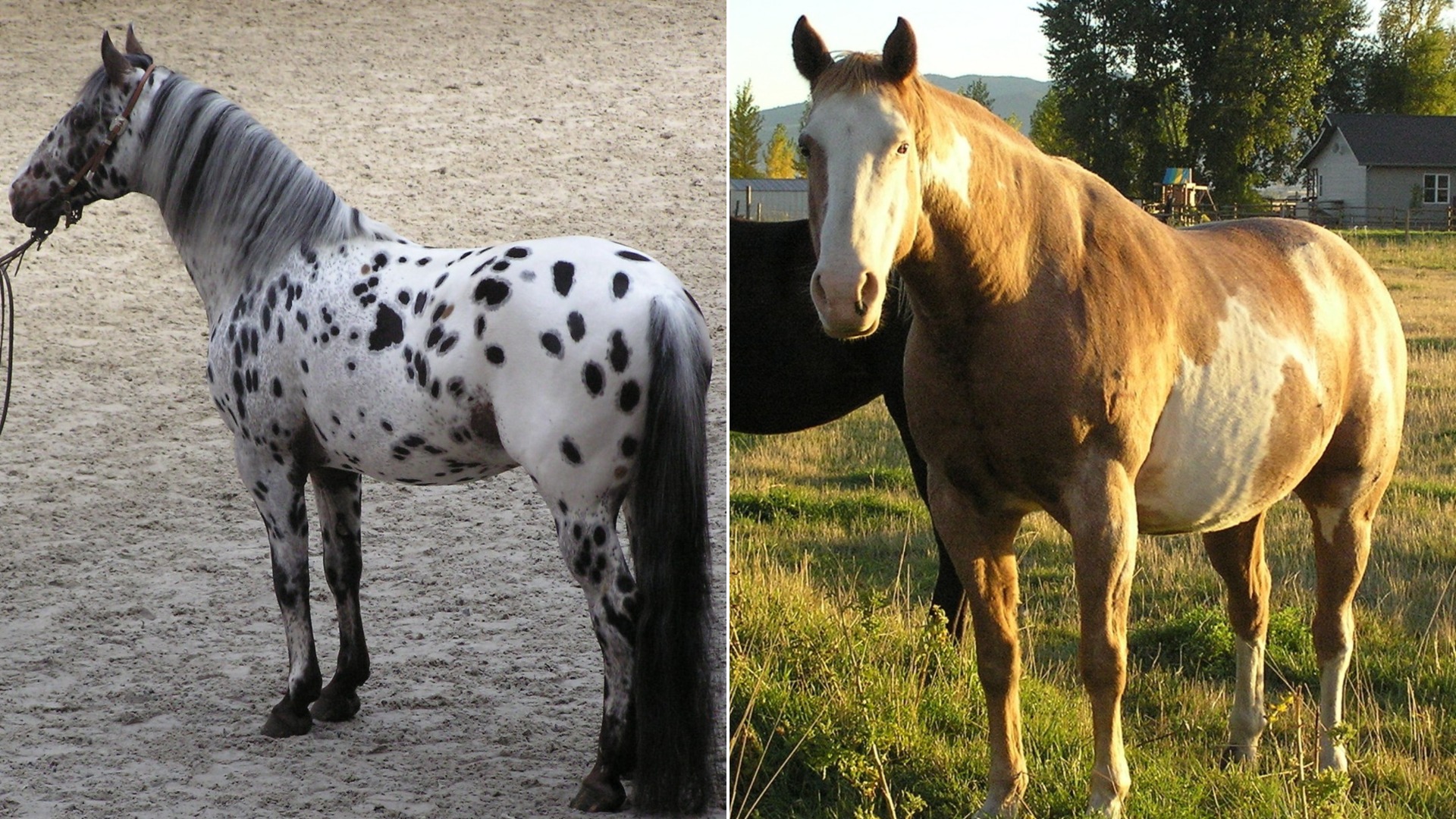
©Wikimedia / Karakal & Wikimedia / Montanabw
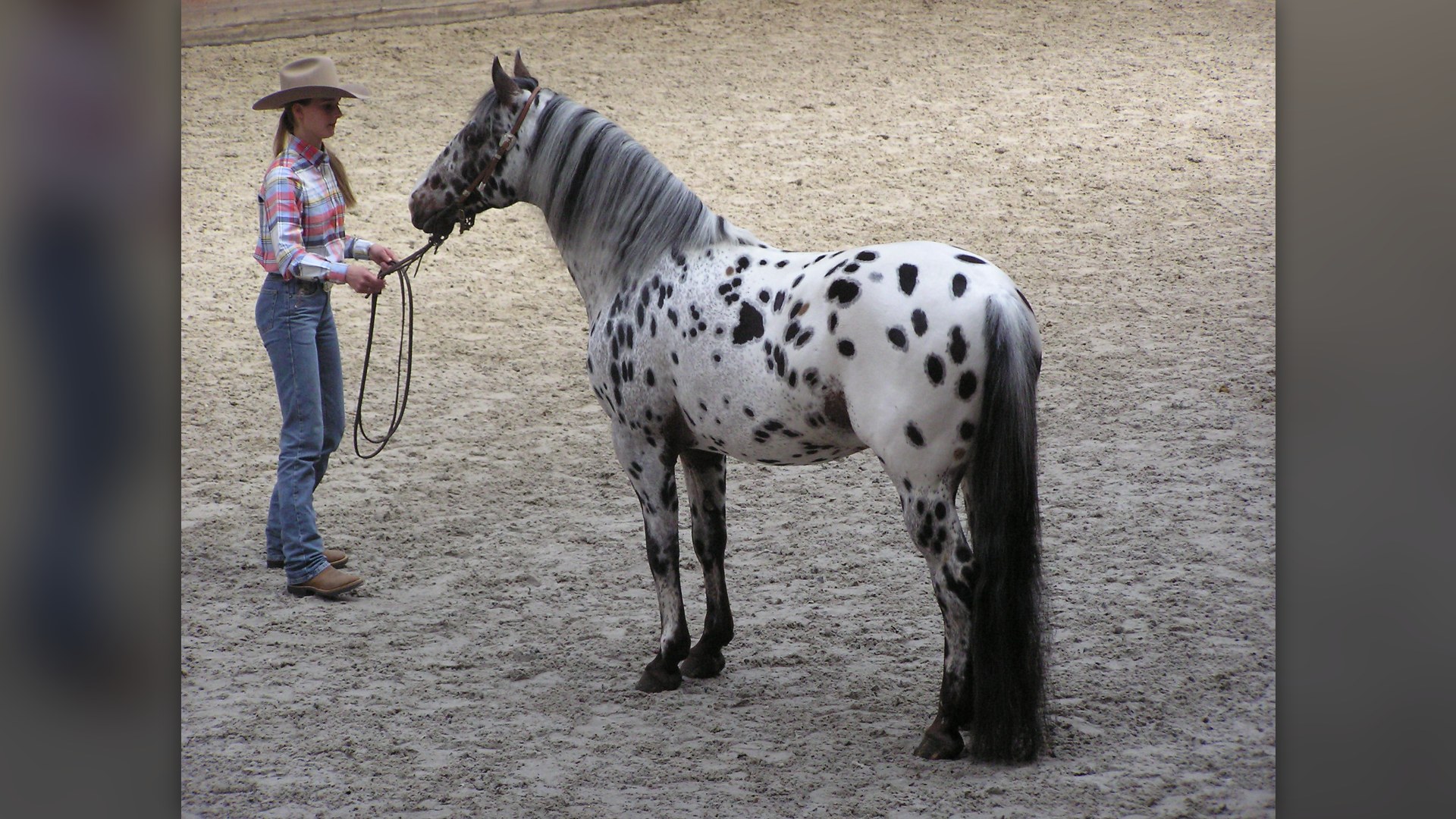
12. The Leopard Appaloosa
Governed by the Leopard complex gene (LP) and pattern modifier genes (PATN1), leopard horses carry striking spots across their entire body along with striped hooves and mottled skin.
©Wikimedia / Karakal
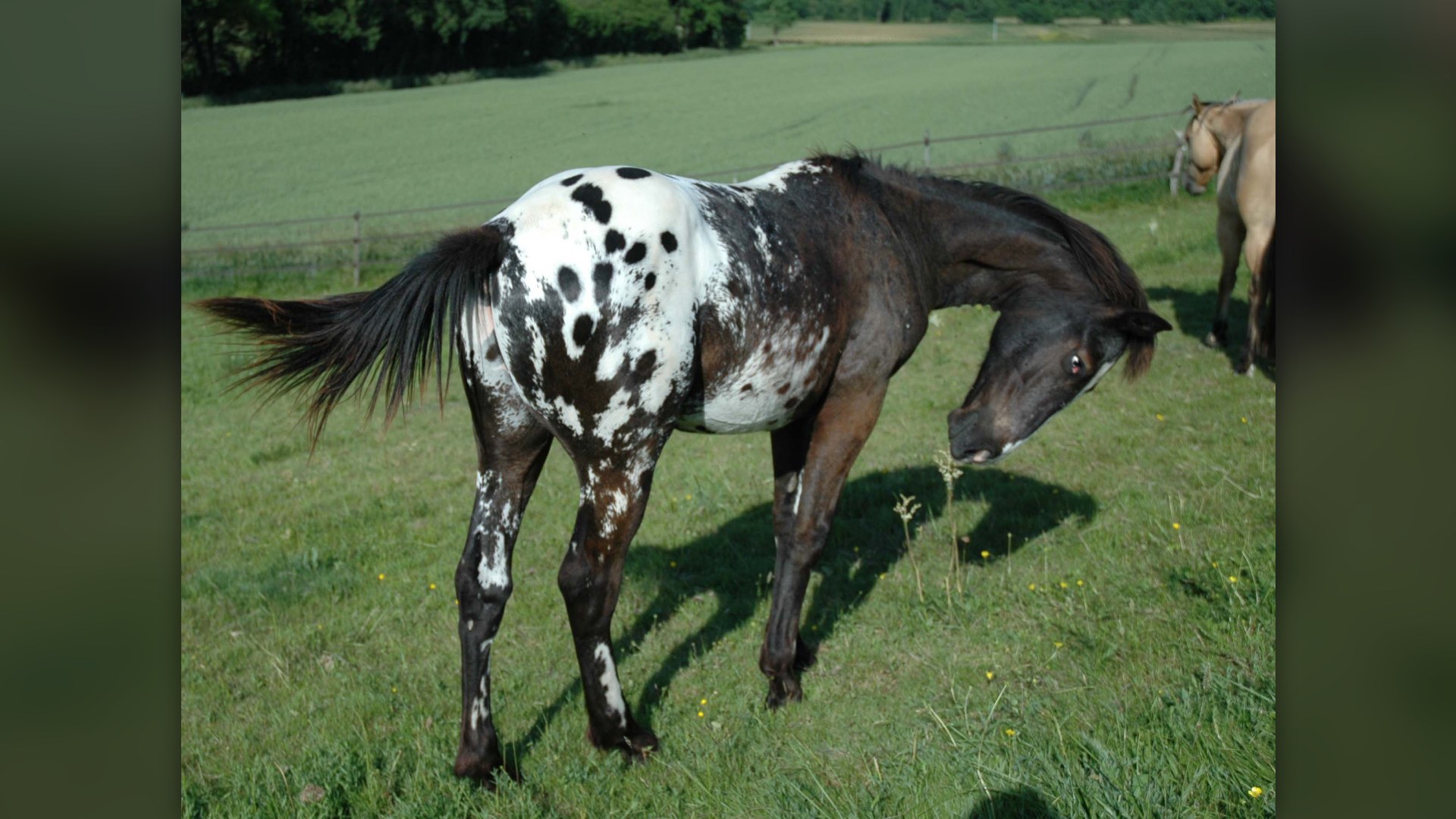
11. The Blanket Appaloosa
Blanket patterns occur when the leopard gene expresses primarily over the hindquarters, creating the dramatic visual appearance of a white sheet draped across the hips.
©Wikimedia / RL65
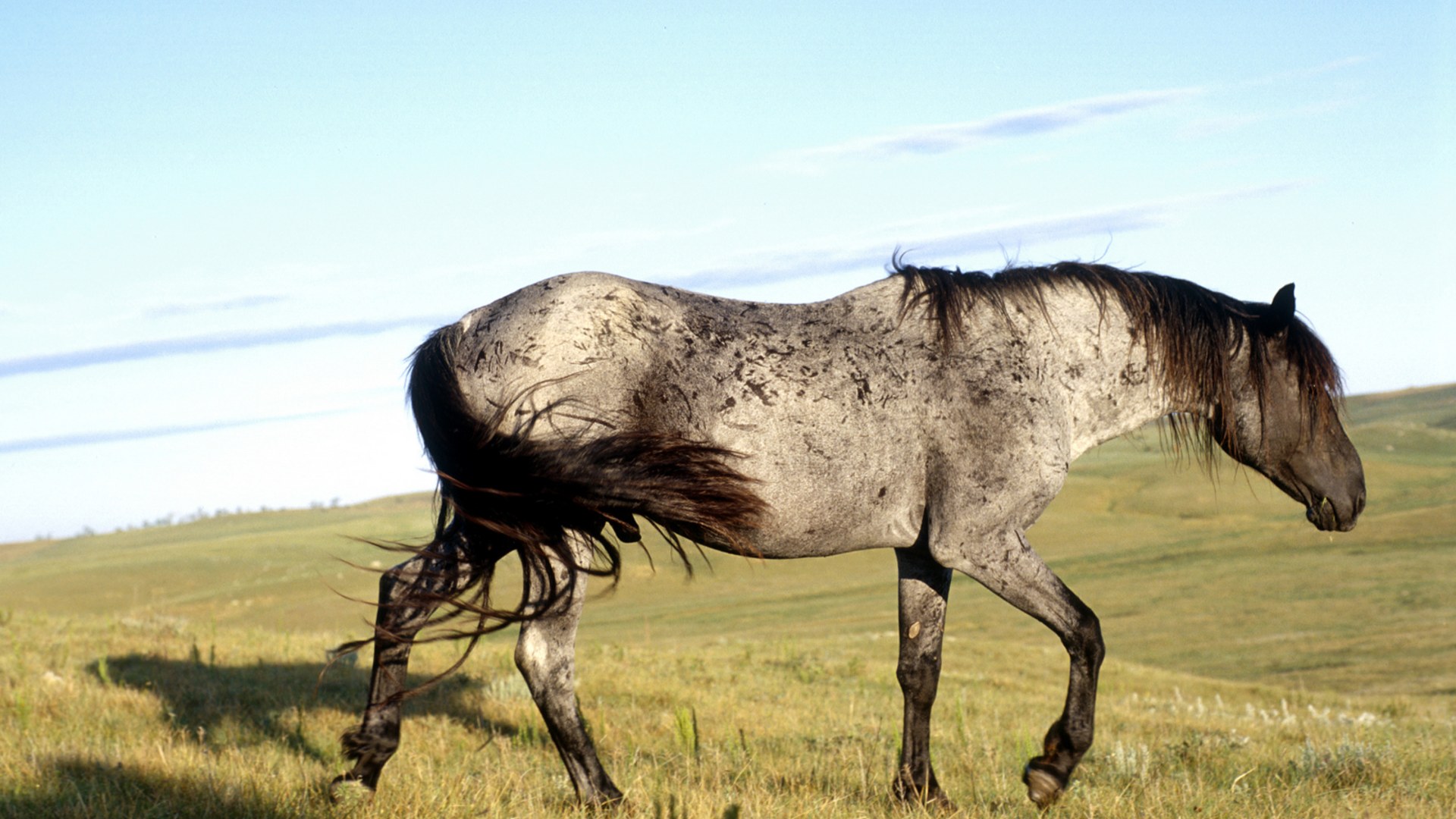
10. The Blue Roan
True roans have white hairs evenly intermixed with their black base coat while their face and lower legs remain solid jet black, giving them a distinct smoky blue sheen.
©Wikimedia / Seth Zeigler
Advertisement
Swipe or tap ▶ to resume the countdown.
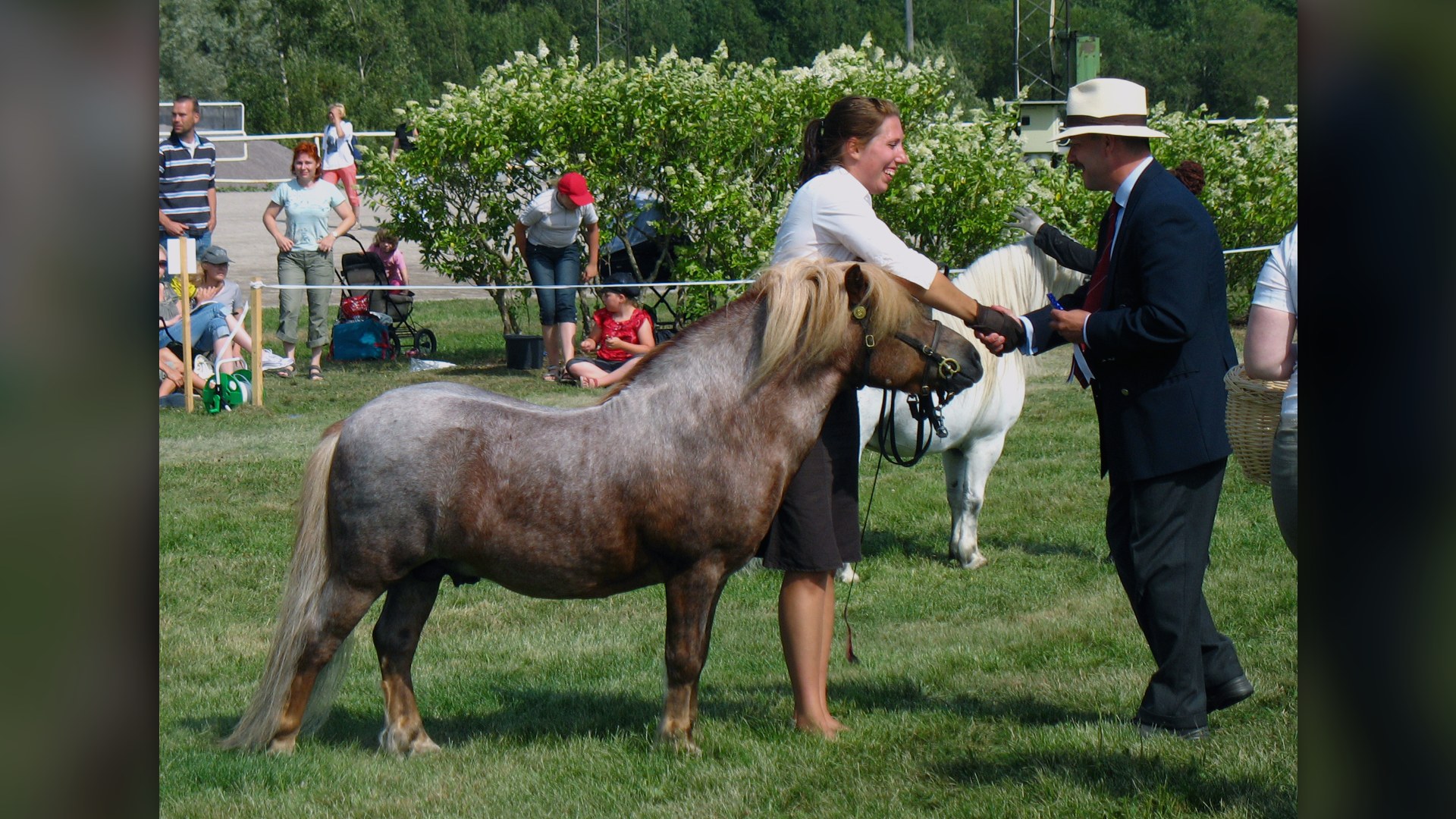
9. The Strawberry Roan
Also known as red roans, these horses inherit the dominant roan gene over a chestnut coat. The silver hairs create a frosted appearance that shifts shades across seasons.
©Wikimedia / Galant SWE
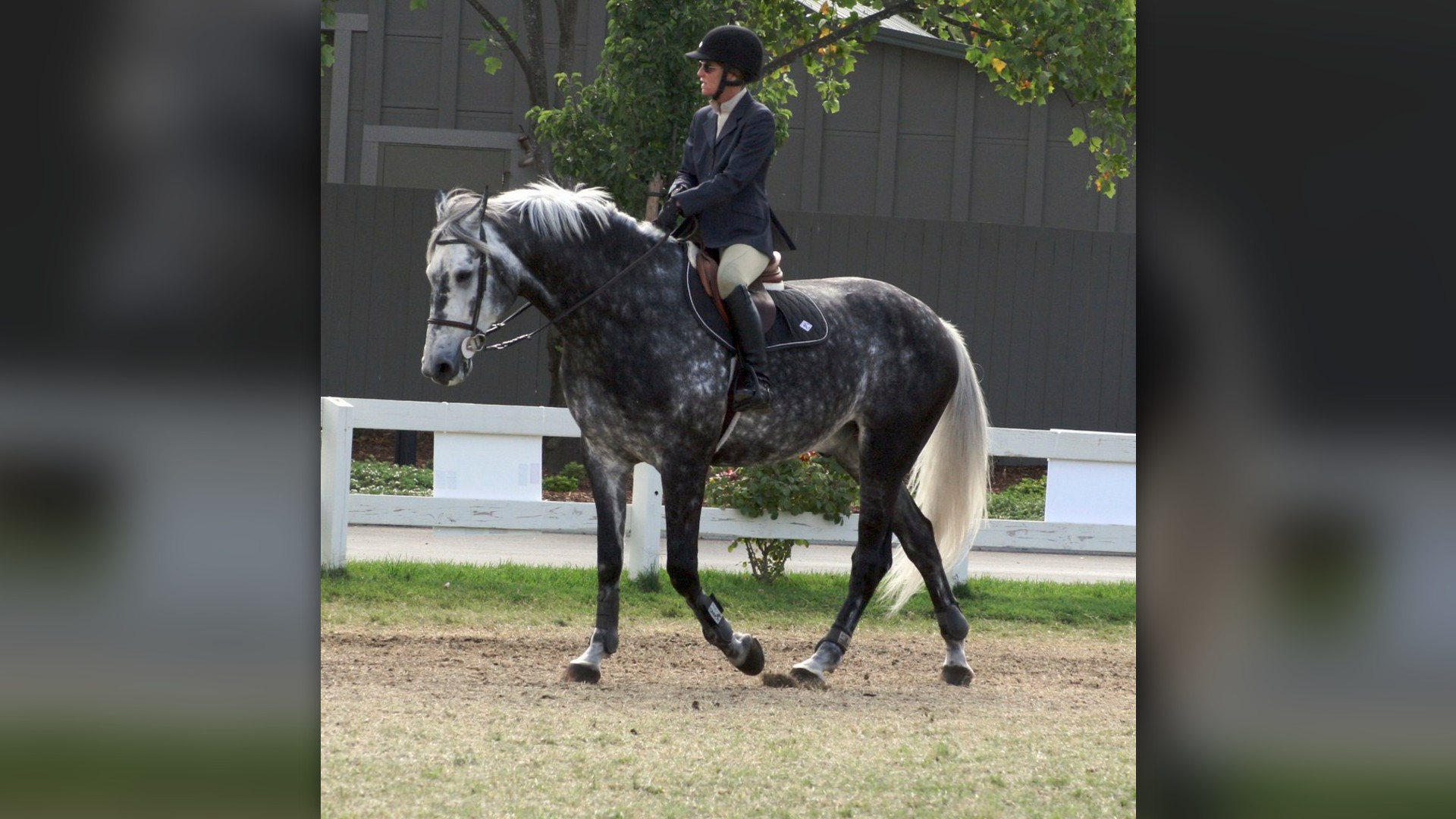
8. The Dapple Gray
Dappling is an intermediate stage in equine graying where dark circular pigmentation rings form across the barrel and hips before fading gradually to pure white over years.
©Openverse / Just chaos
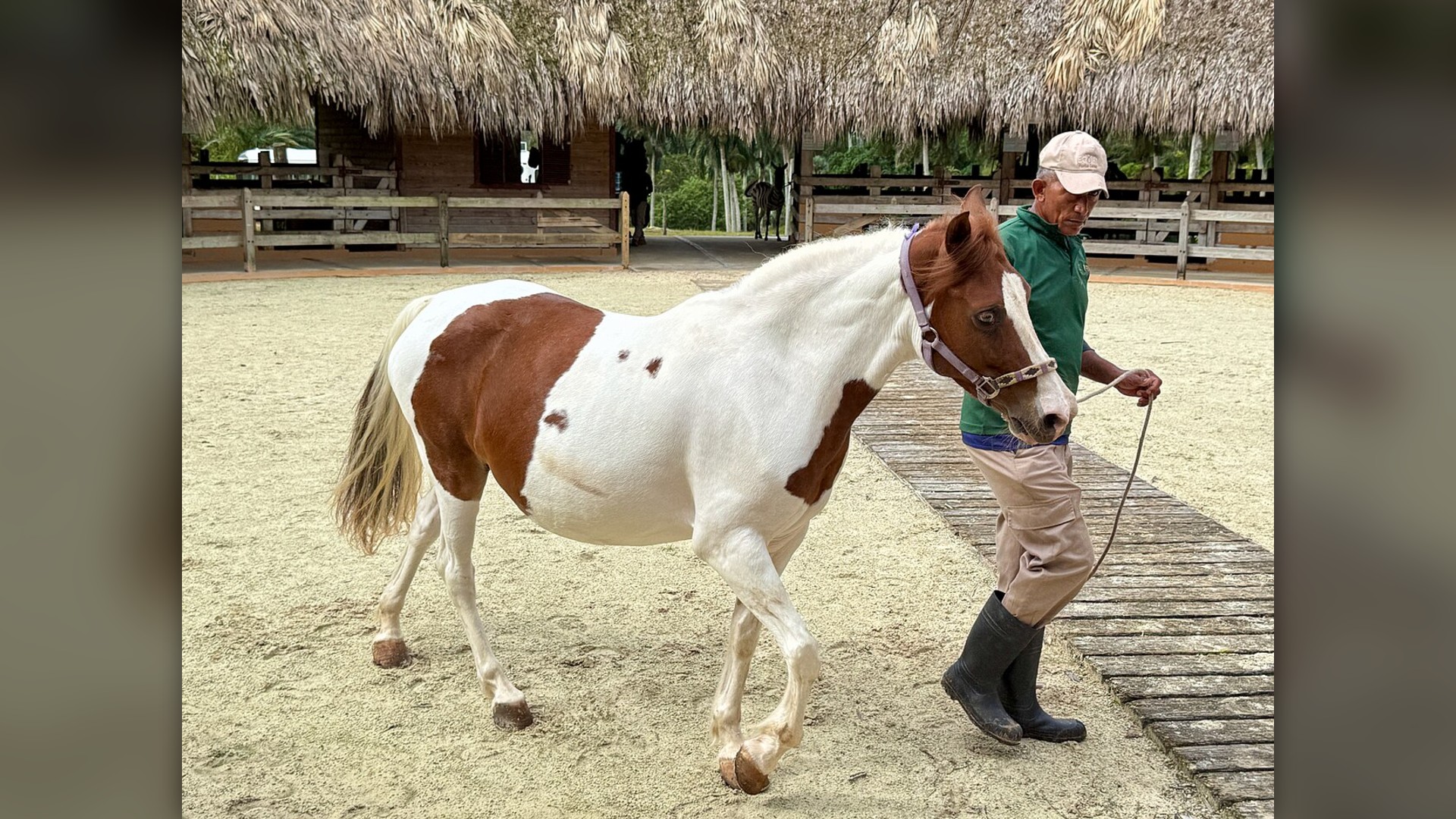
7. The Tobiano Pinto
The tobiano gene produces crisp, rounded white patches that cross the topline between the withers and tail, typically paired with white legs and dark facial markings.
©Wikimedia / Oleg Yunakov
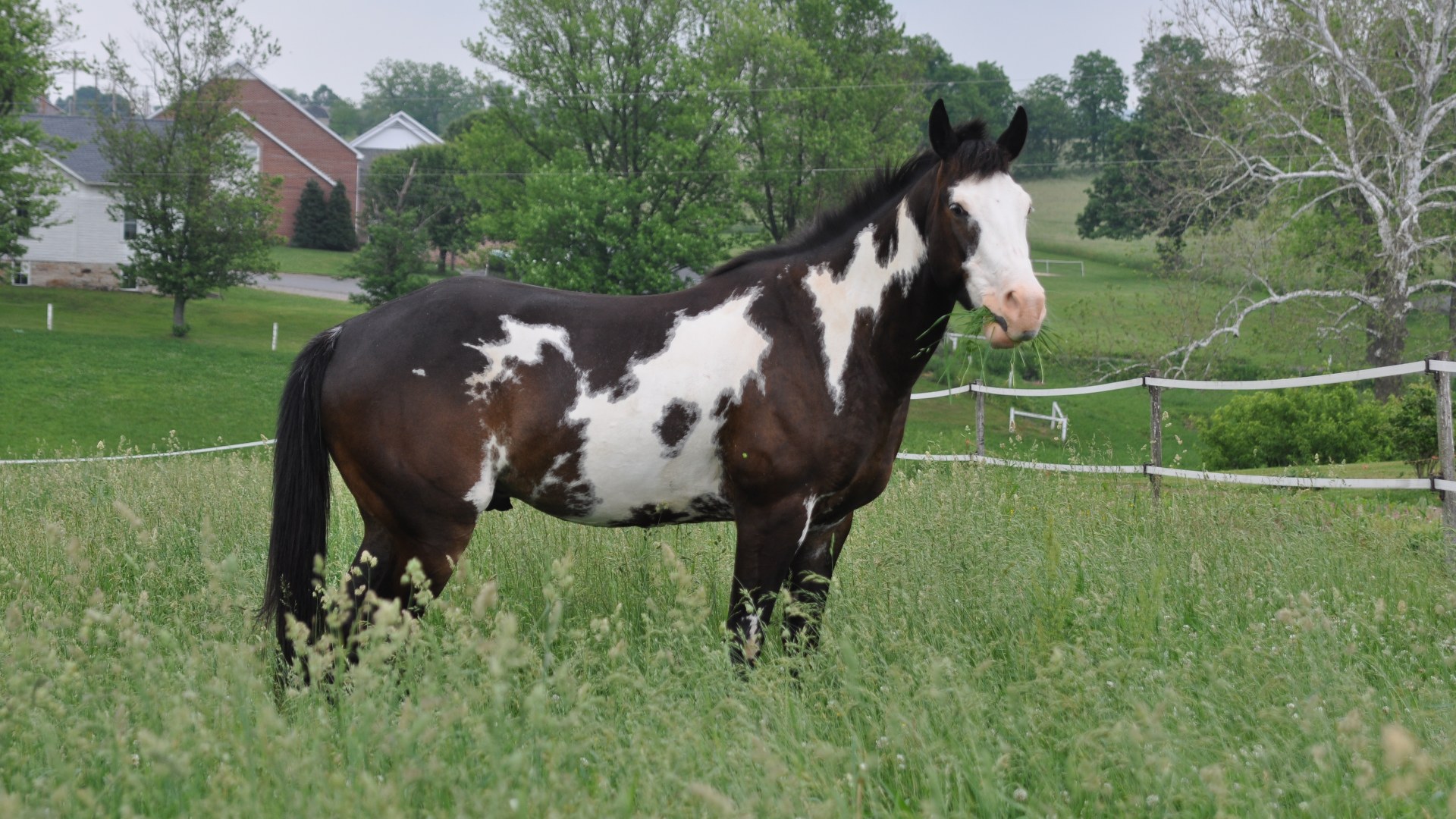
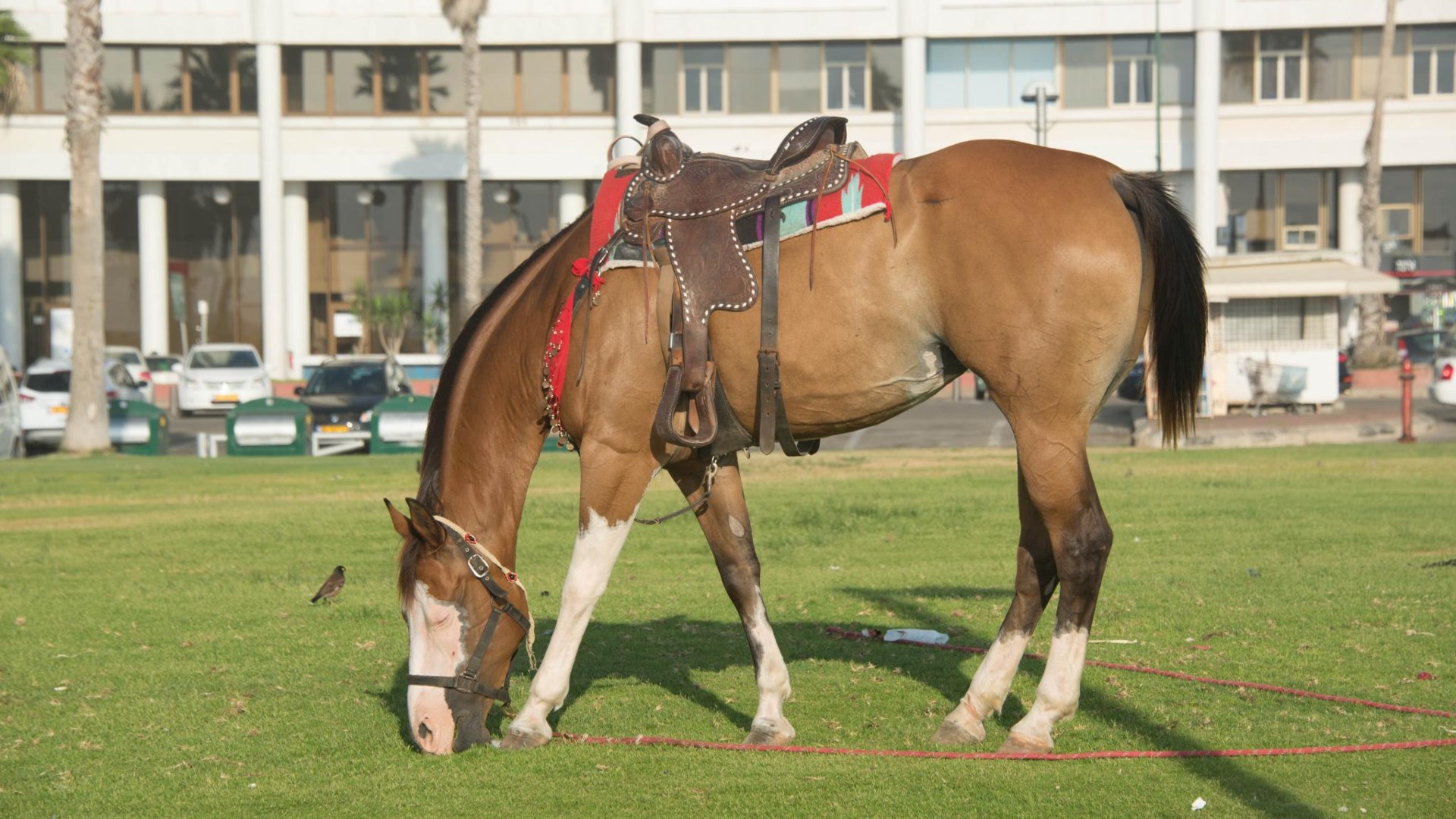
6. The Frame Overo Paint
Unlike tobianos, frame overos have jagged horizontal patches that rarely cross the dorsal midline. Viewed from the side, dark base color creates a picture frame around white markings.
©Wikimedia / Bonnie U. Gruenberg
Advertisement
Swipe or tap ▶ to resume the countdown.
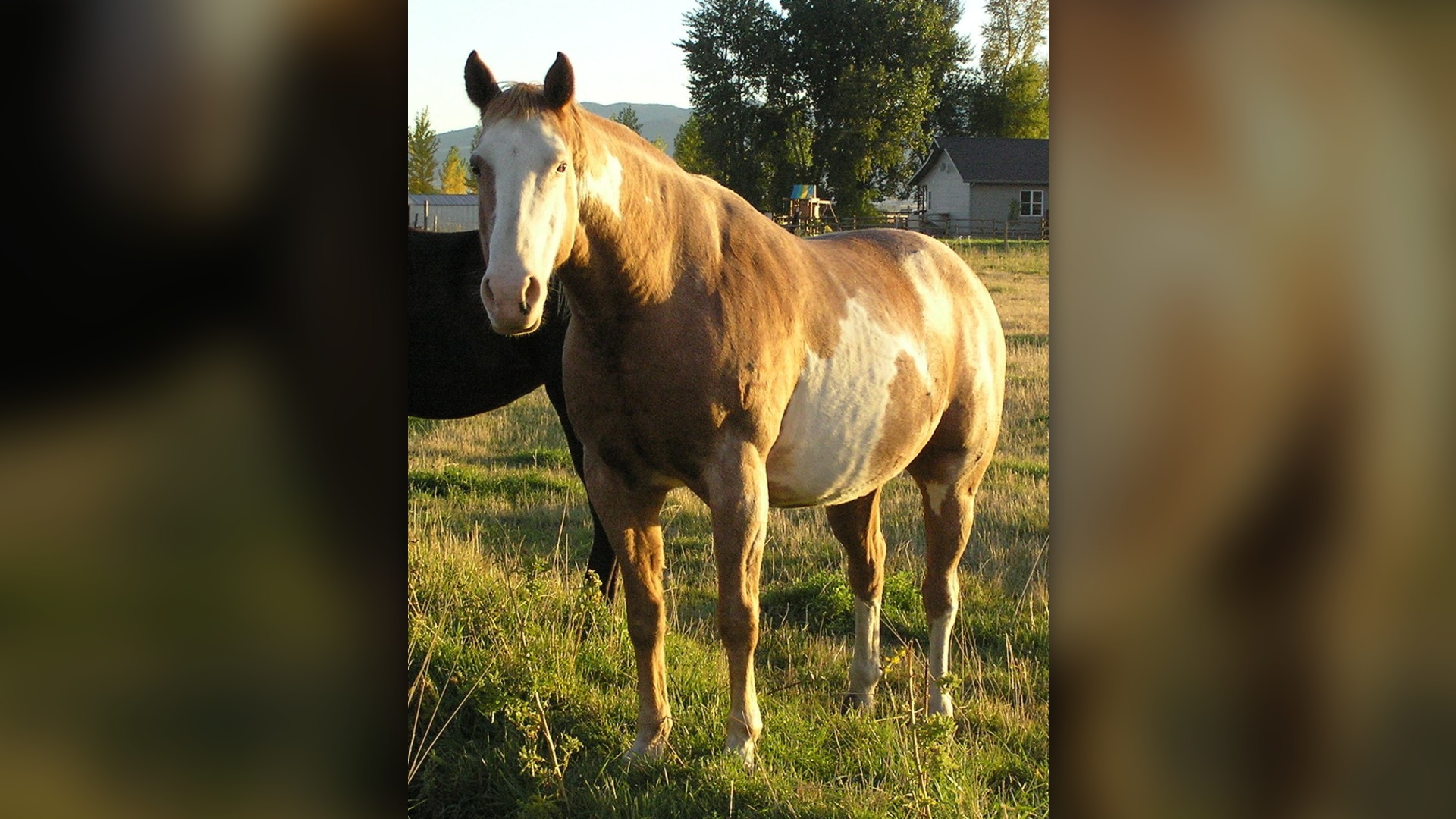
5. The Sabino Pattern
The Sabino 1 gene causes high stocking markings with feathered roaning edges creeping up the flanks, often accompanied by splashy white belly patches and wide blaze markings.
©Wikimedia / Montanabw
4. The Splashed White
Caused by mutations in the MITF and PAX3 genes, splashed white horses have horizontal white lower bodies, high white legs, white tail tips, and distinctive icy blue eyes.
©Wikimedia / xiquinhosilva
3. The Cremello Double-Dilute
When a chestnut horse inherits two copies of the cream dilution allele, its coat lightens to pale cream, manes and tails turn white, and eyes retain a striking clear blue.
©Wikimedia / Infrogmation
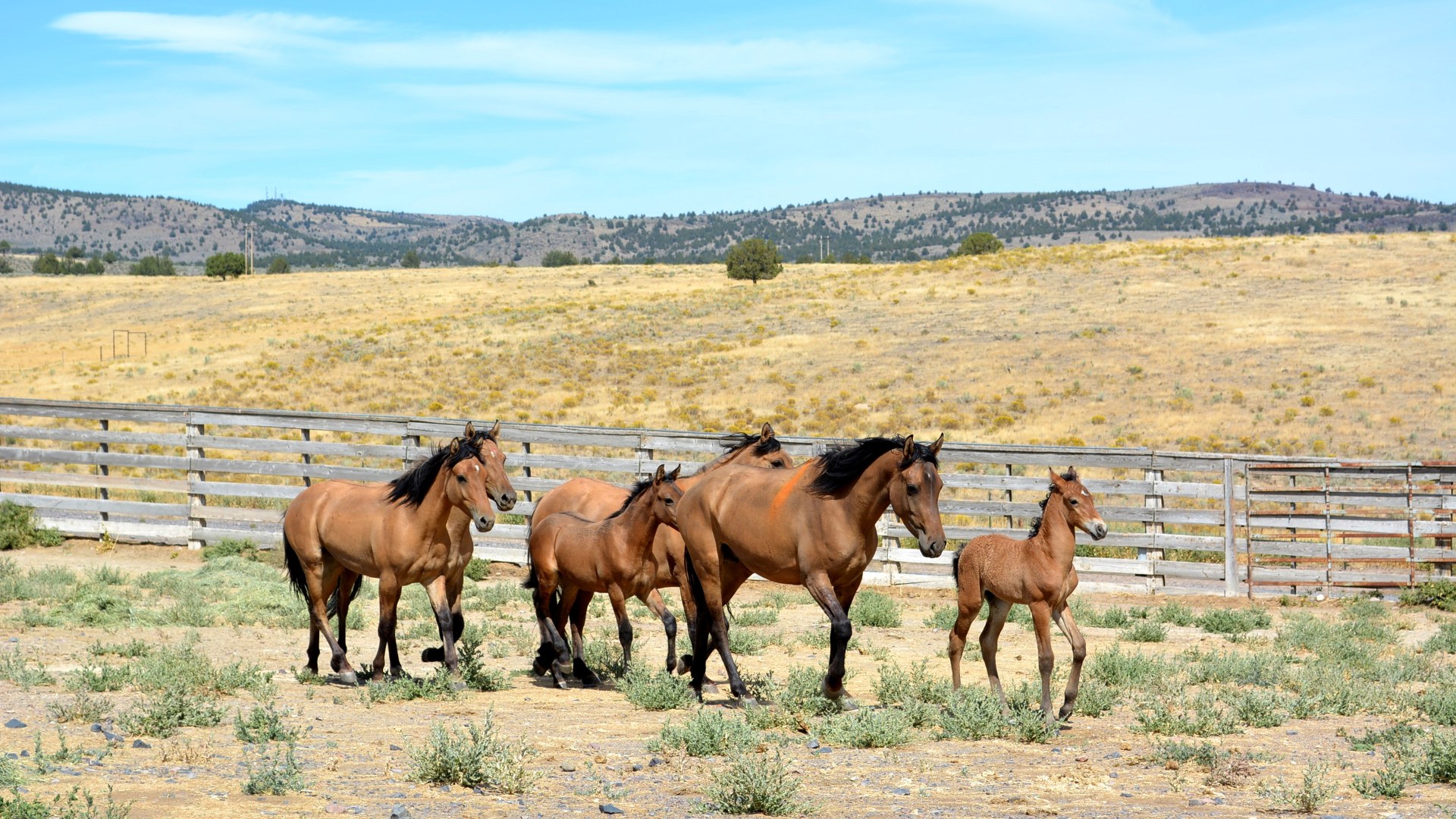
2. The Zebra Dun
The dun gene preserves ancient wild-type markings from prehistoric equines, featuring a dark spinal stripe, transverse shoulder shadows, and horizontal zebra striping on the hocks.
©Wikimedia / BLM Oregon
Advertisement
Swipe or tap ▶ to resume the countdown.
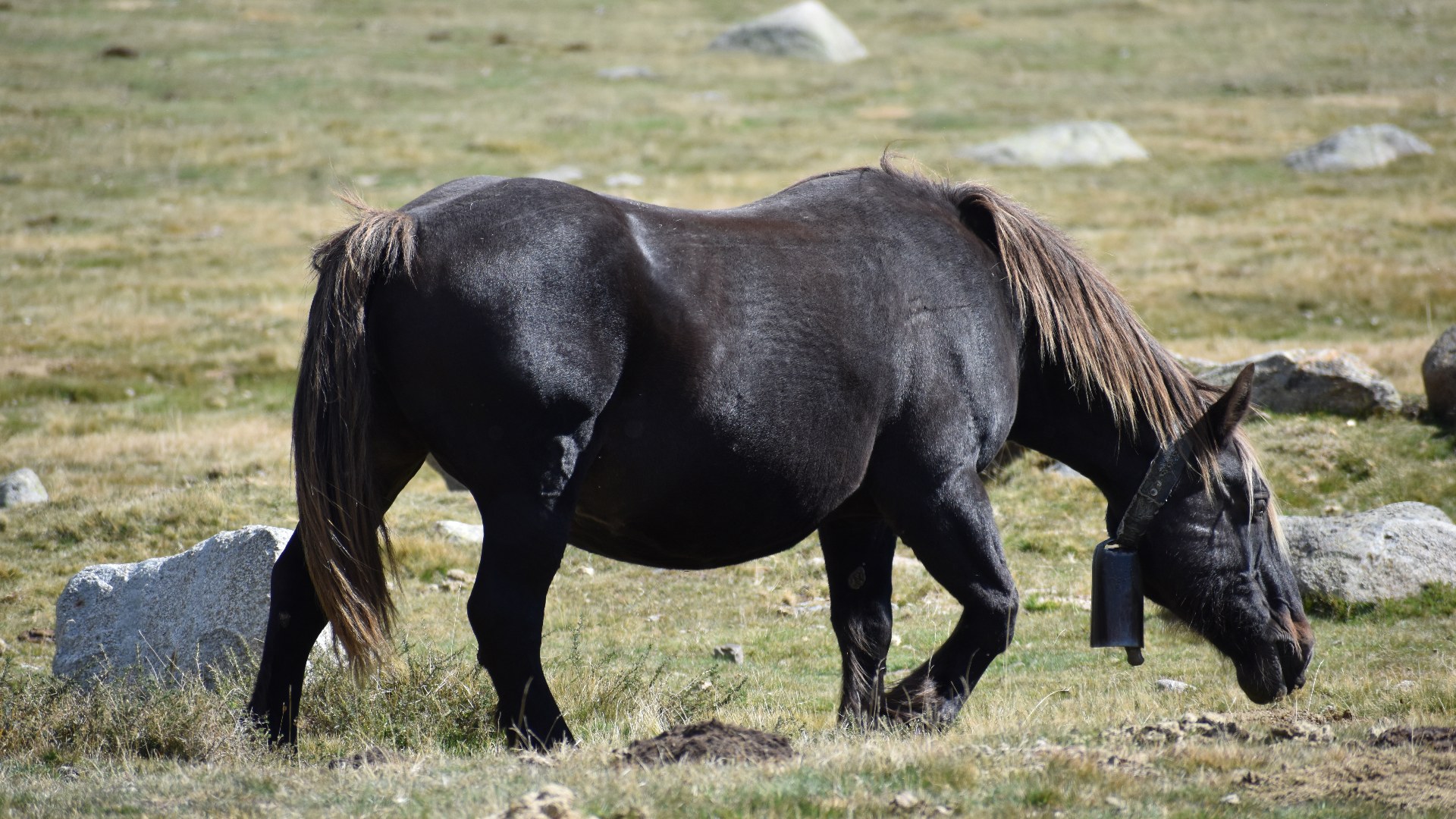
1. The Silver Dapple
The silver dapple gene dilutes black pigment into deep chocolate or charcoal tones while transforming the mane and tail into silvery white, creating one of nature's rarest equine looks.

©Wikimedia / Tylwyth Eldar
Advertisement
You've reached the end of the story. Thanks for reading!

How Long Do Hippos Live? 20 Other Facts About Hippos
From sixty-year lifespans to whale cousins, discover secrets of river giants
All 12 Entries in this Story
1. The Leopard Appaloosa
Governed by the Leopard complex gene (LP) and pattern modifier genes (PATN1), leopard horses carry striking spots across their entire body along with striped hooves and mottled skin.

2. The Blanket Appaloosa
Blanket patterns occur when the leopard gene expresses primarily over the hindquarters, creating the dramatic visual appearance of a white sheet draped across the hips.

3. The Blue Roan
True roans have white hairs evenly intermixed with their black base coat while their face and lower legs remain solid jet black, giving them a distinct smoky blue sheen.

4. The Strawberry Roan
Also known as red roans, these horses inherit the dominant roan gene over a chestnut coat. The silver hairs create a frosted appearance that shifts shades across seasons.

5. The Dapple Gray
Dappling is an intermediate stage in equine graying where dark circular pigmentation rings form across the barrel and hips before fading gradually to pure white over years.

6. The Tobiano Pinto
The tobiano gene produces crisp, rounded white patches that cross the topline between the withers and tail, typically paired with white legs and dark facial markings.

7. The Frame Overo Paint
Unlike tobianos, frame overos have jagged horizontal patches that rarely cross the dorsal midline. Viewed from the side, dark base color creates a picture frame around white markings.

8. The Sabino Pattern
The Sabino 1 gene causes high stocking markings with feathered roaning edges creeping up the flanks, often accompanied by splashy white belly patches and wide blaze markings.

9. The Splashed White
Caused by mutations in the MITF and PAX3 genes, splashed white horses have horizontal white lower bodies, high white legs, white tail tips, and distinctive icy blue eyes.

10. The Cremello Double-Dilute
When a chestnut horse inherits two copies of the cream dilution allele, its coat lightens to pale cream, manes and tails turn white, and eyes retain a striking clear blue.

11. The Zebra Dun
The dun gene preserves ancient wild-type markings from prehistoric equines, featuring a dark spinal stripe, transverse shoulder shadows, and horizontal zebra striping on the hocks.

12. The Silver Dapple
The silver dapple gene dilutes black pigment into deep chocolate or charcoal tones while transforming the mane and tail into silvery white, creating one of nature's rarest equine looks.