Slideshow · Animals
How a Baby Elephant Learns to Follow Its Mother
Elephant calves are born into vast African and Asian landscapes nearly blind and completely reliant on maternal guidance. Across their first years, calves develop extraordinary sensory instincts to st

All 15 Entries in this Story
1. Newborn Imprinting
Elephants enter the world with poor eyesight. To survive, a newborn imprints on the specific scent and gentle touch of its mother, creating an unbreakable bond that guides every step.
2. First Unsteady Steps
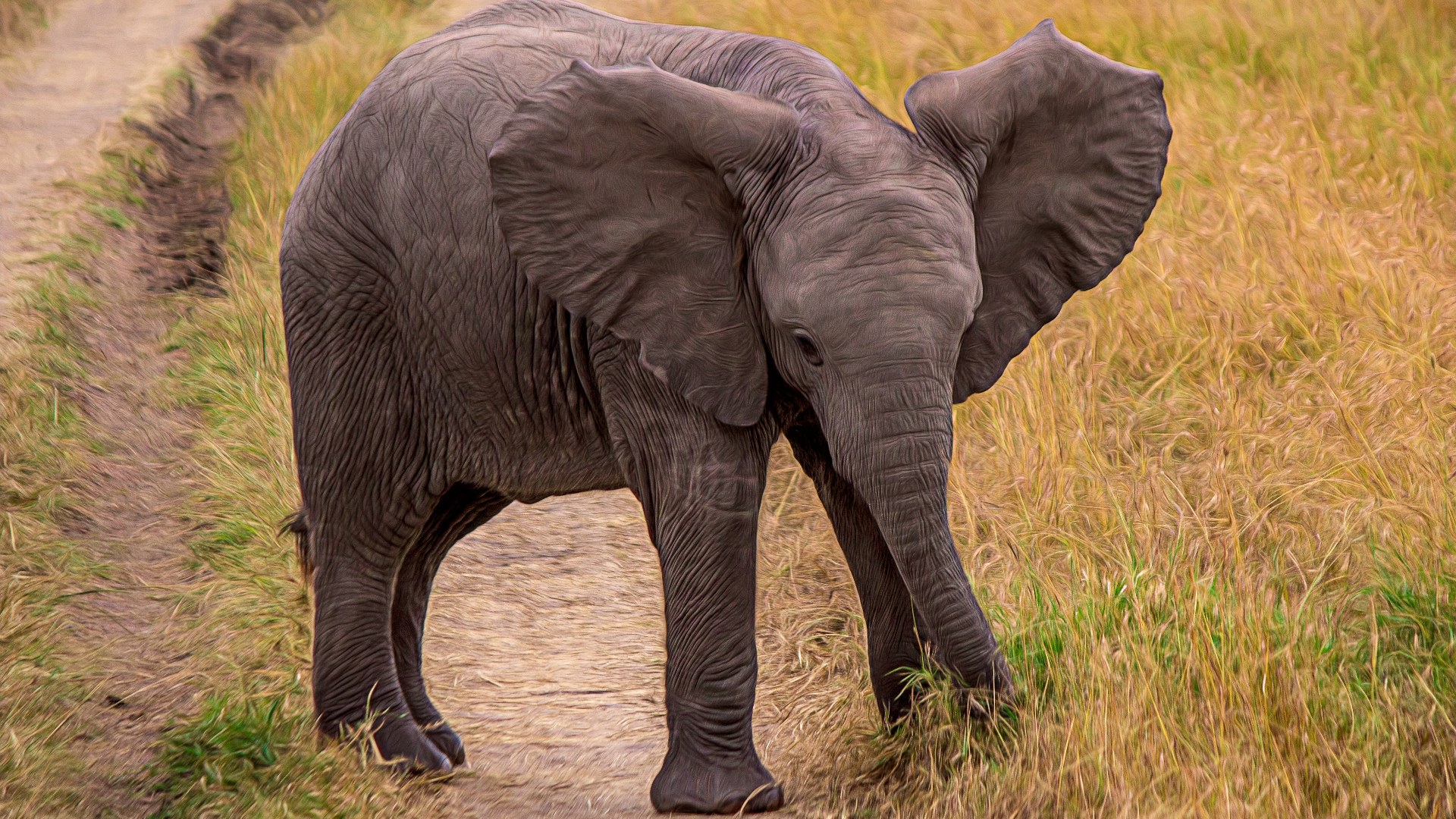
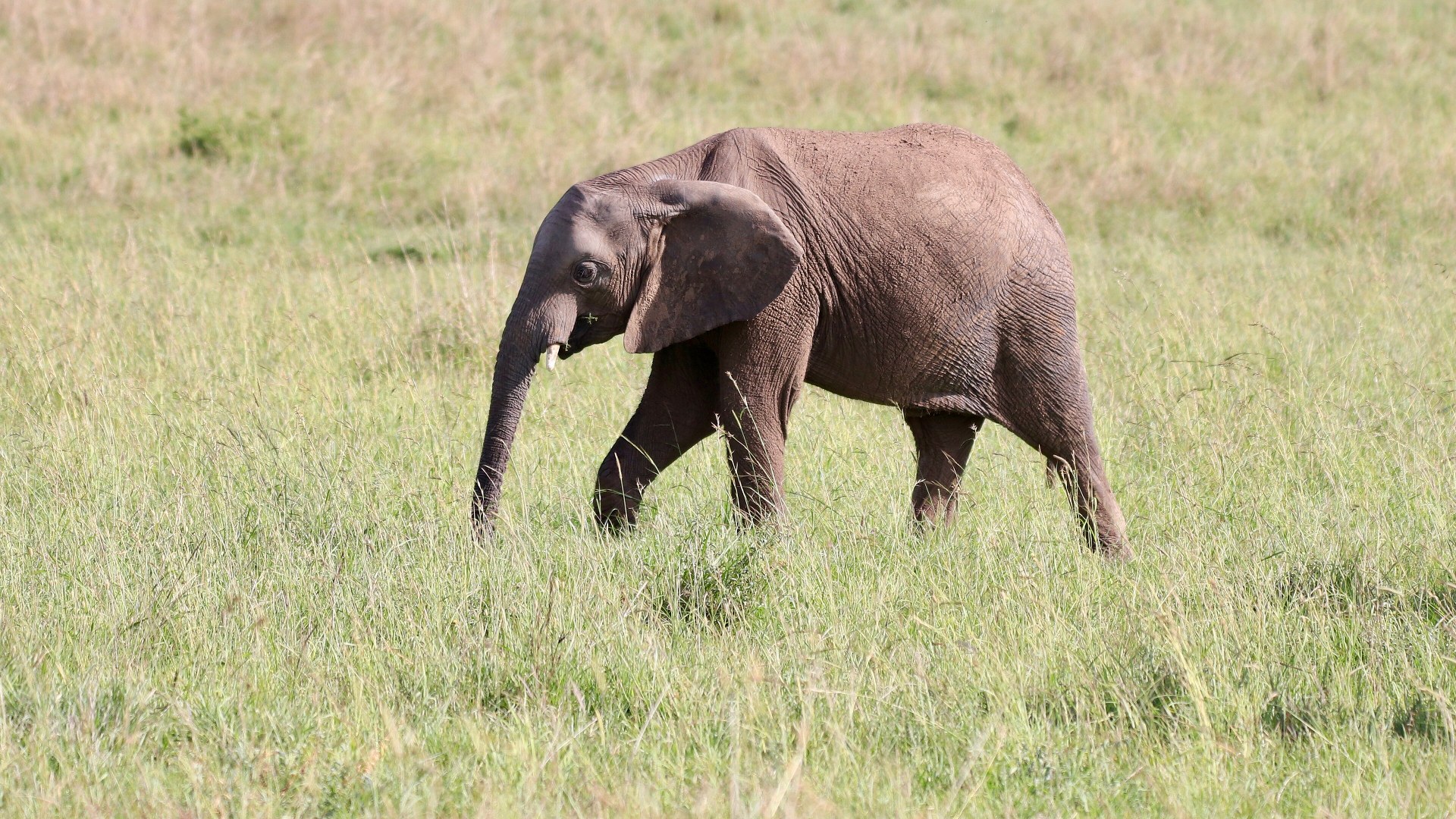
Weighing roughly 200 pounds, a newborn calf struggles against gravity. Encouraged by soft nudges from the mother trunk, it stands and begins learning how to walk alongside her legs.
3. Sheltering Under The Belly
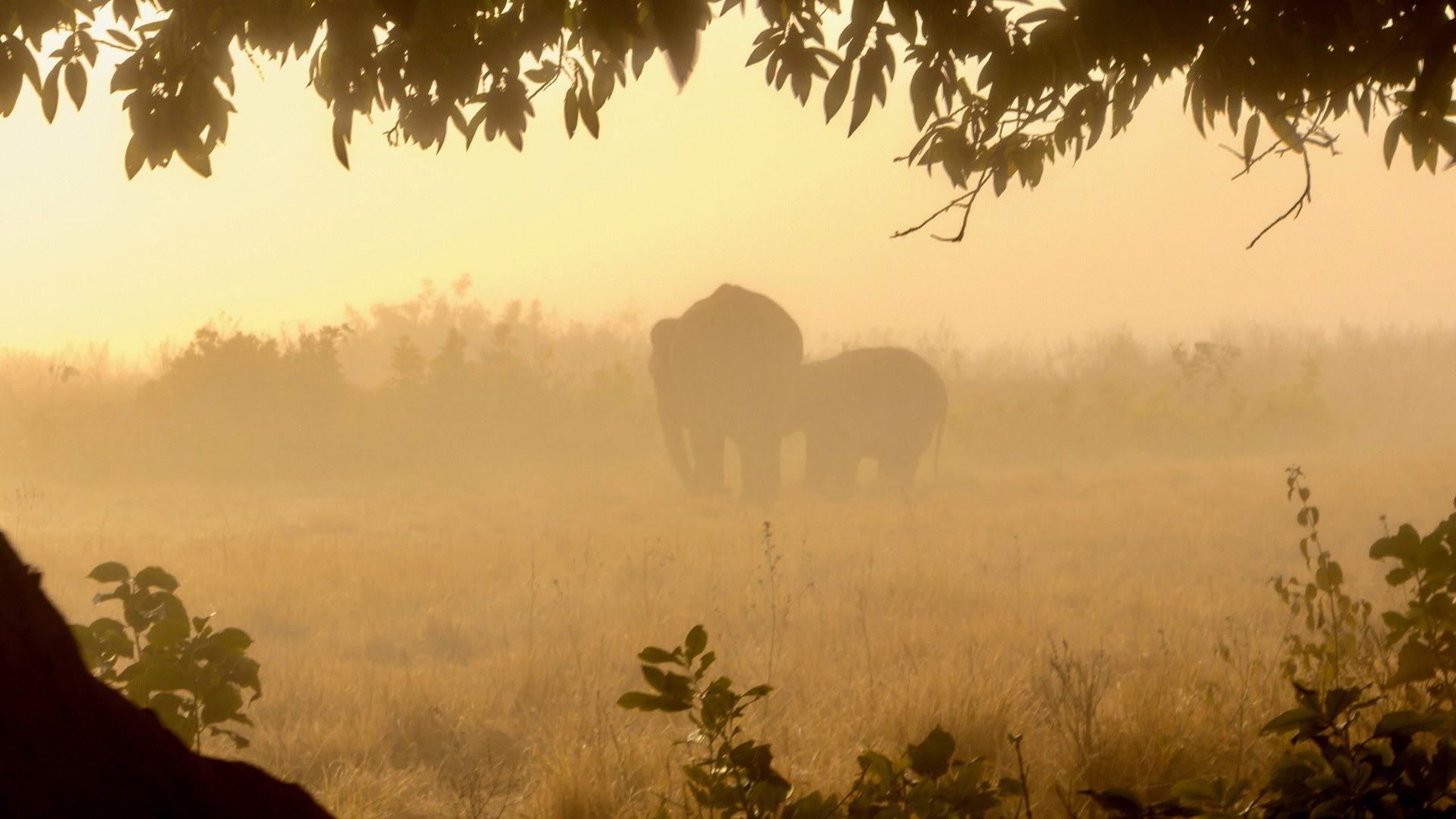
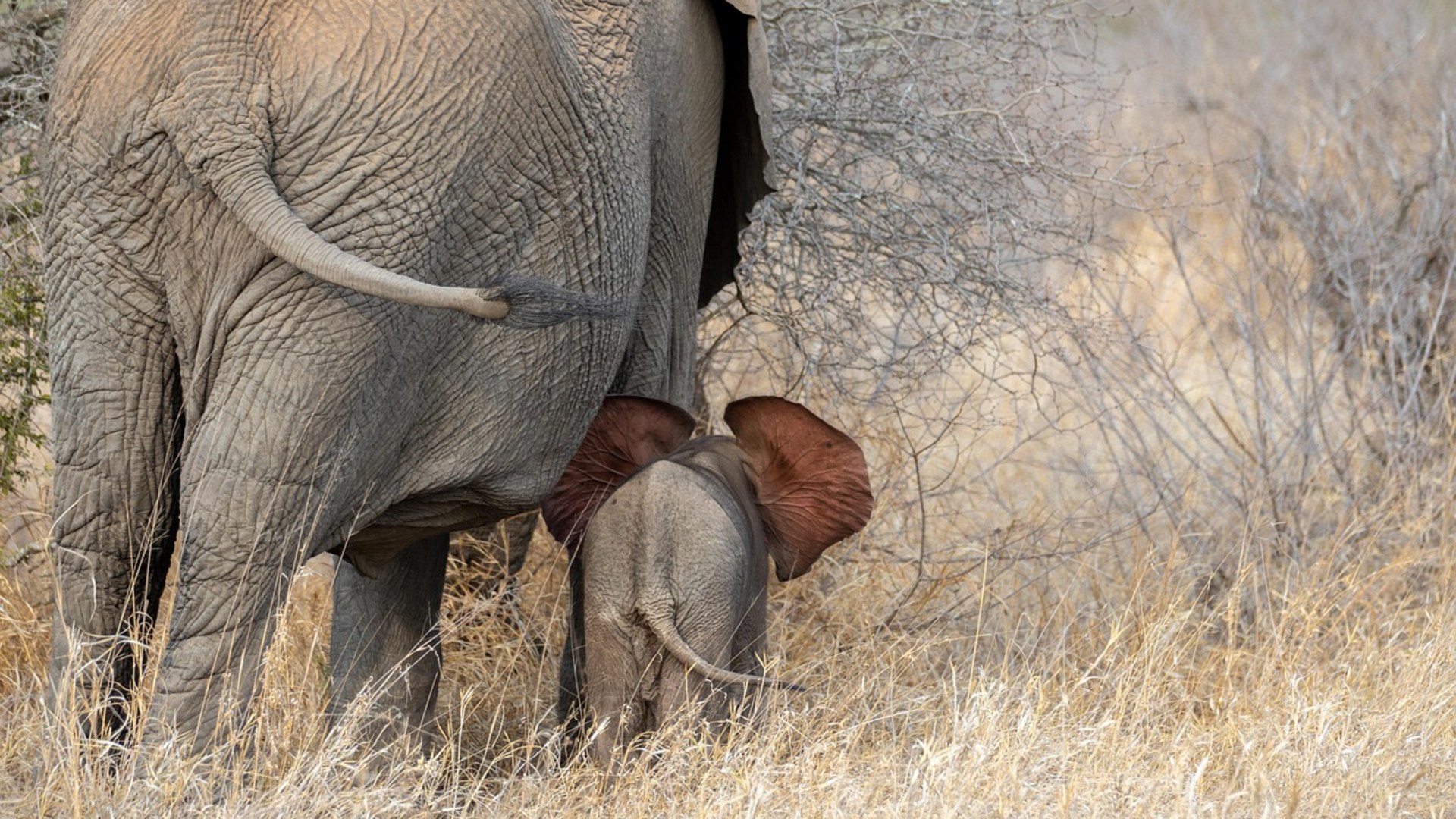
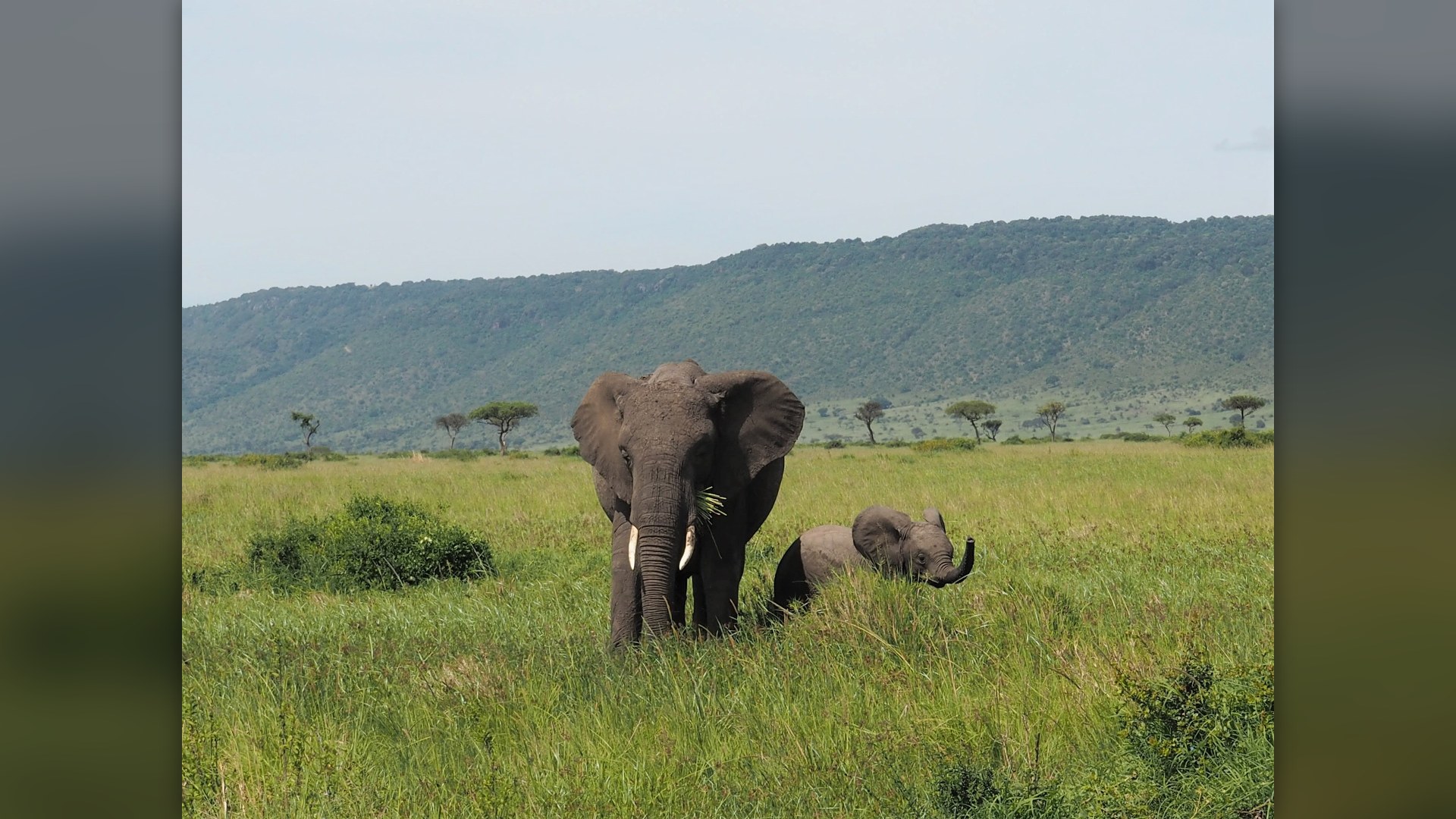
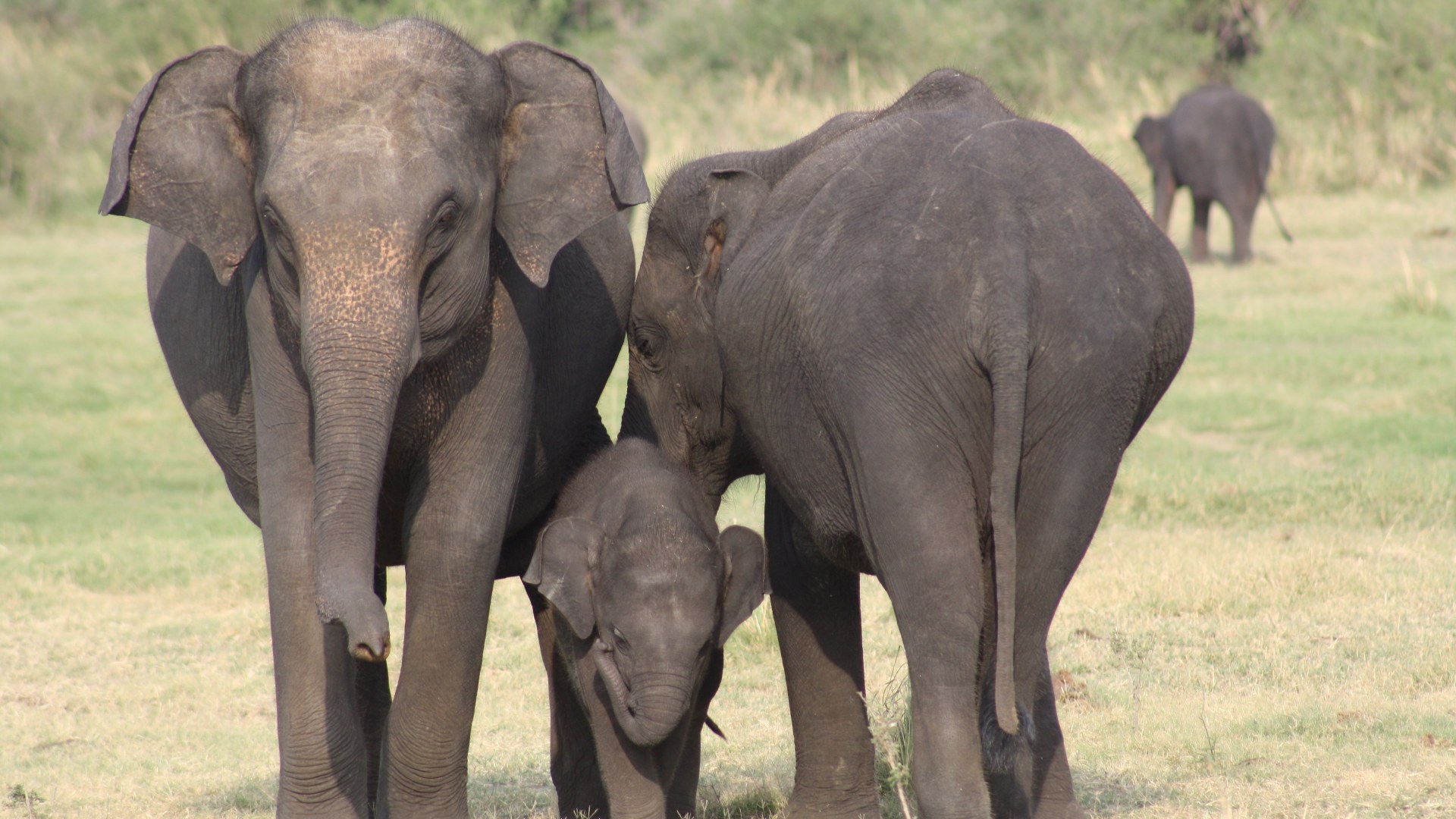
During early treks across sunny savannas, calves stay tucked directly beneath their mother belly. This position shields delicate skin from burning sun and deters lions and hyenas.
4. Scent Recognition
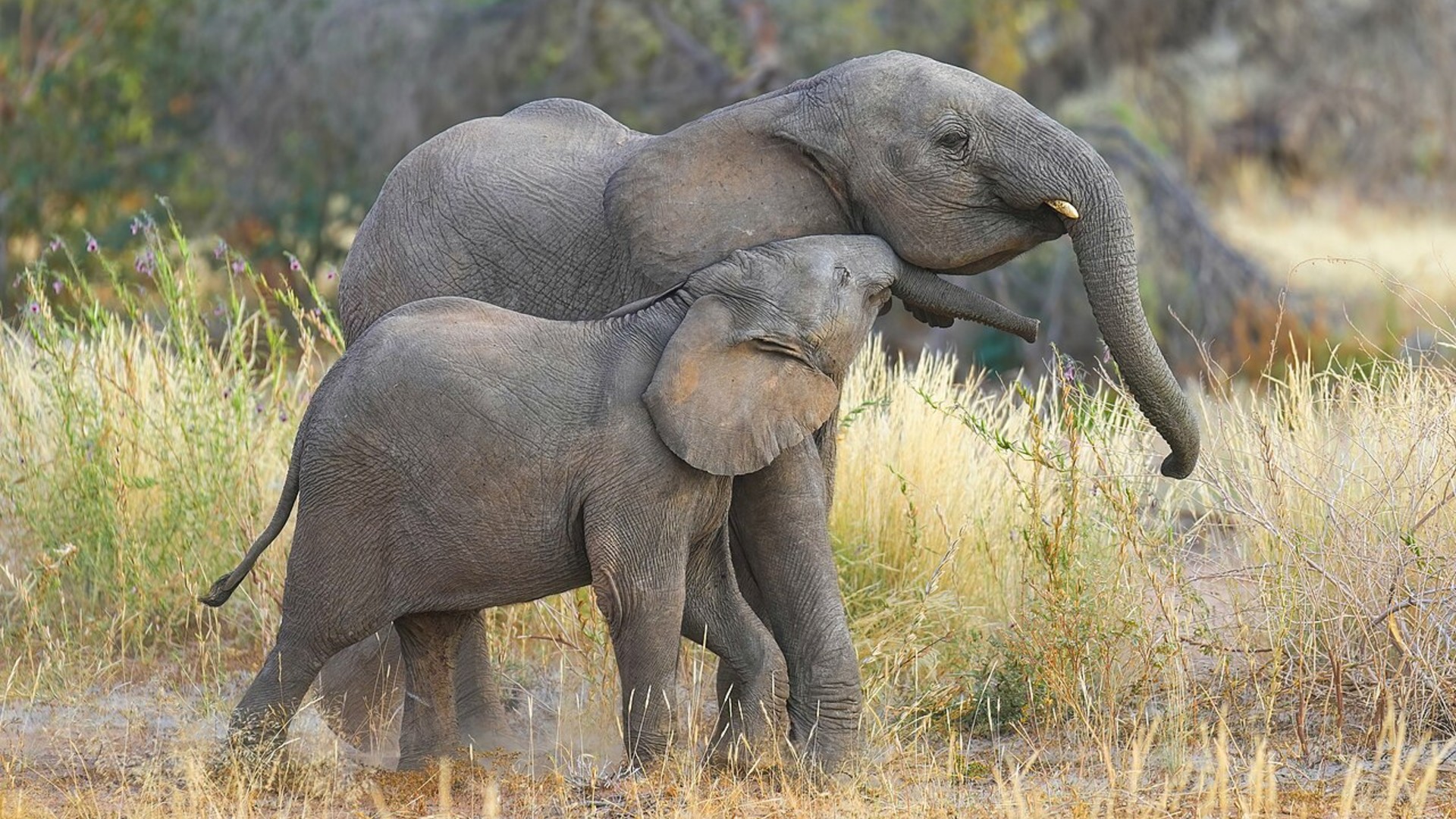
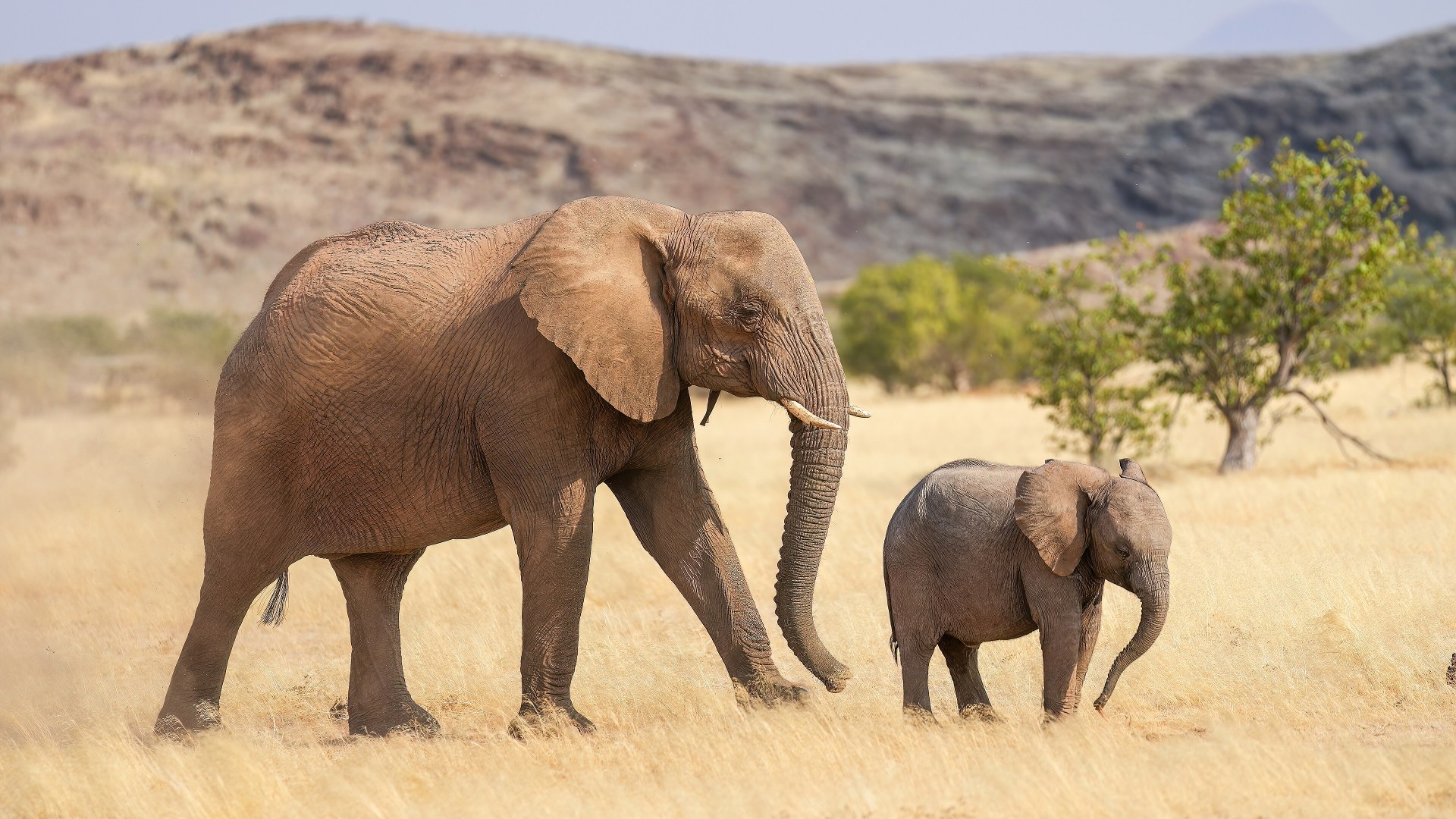
Mother and baby frequently intertwine trunks as they walk. The mother breathes into the calf mouth and sweeps her trunk over its body, reinforcing safety and mutual recognition.
5. Holding Mother Tail
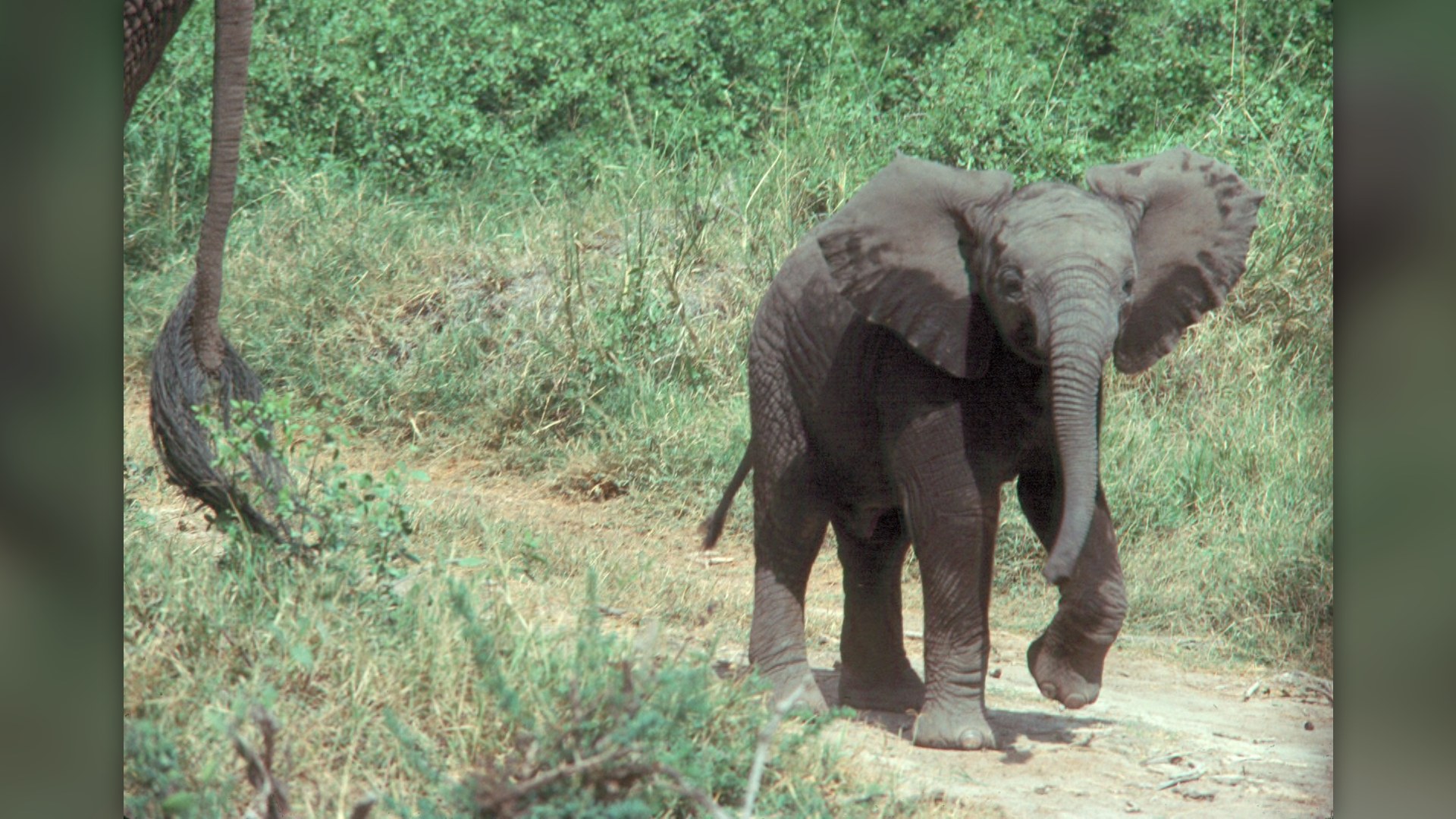
When traversing thick brush or tall grass, calves often loop their small trunks around their mother tail. This physical tether prevents separation while walking across uneven terrain.
6. Low Frequency Rumbles
Elephant mothers emit deep infrasonic rumbles that travel through air and soil for miles. Calves learn to recognize their mother voice, keeping them oriented even when out of sight.
7. Seismic Footstep Sensing
Pachyderm feet contain sensitive mechanoreceptors called Pacinian corpuscles. Young calves sense the rhythmic footfalls of their mother through the ground, following her vibrations.
8. Mastering Trunk Control
At birth, calves have little control over their trunks and often step on them. By watching their mothers, calves gradually master grasping branches, drinking, and exploratory sniffing.
9. Marching To Waterholes
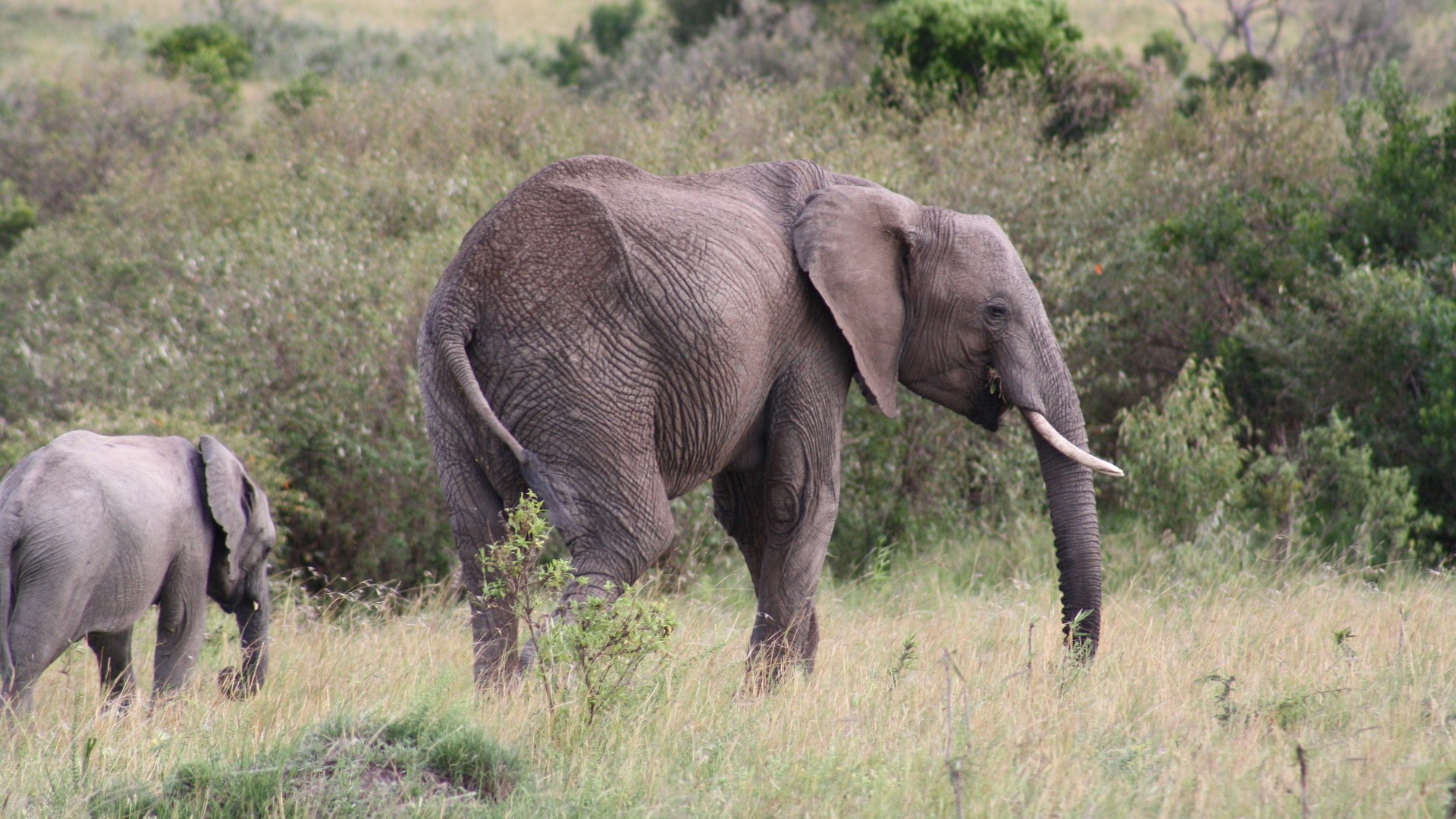
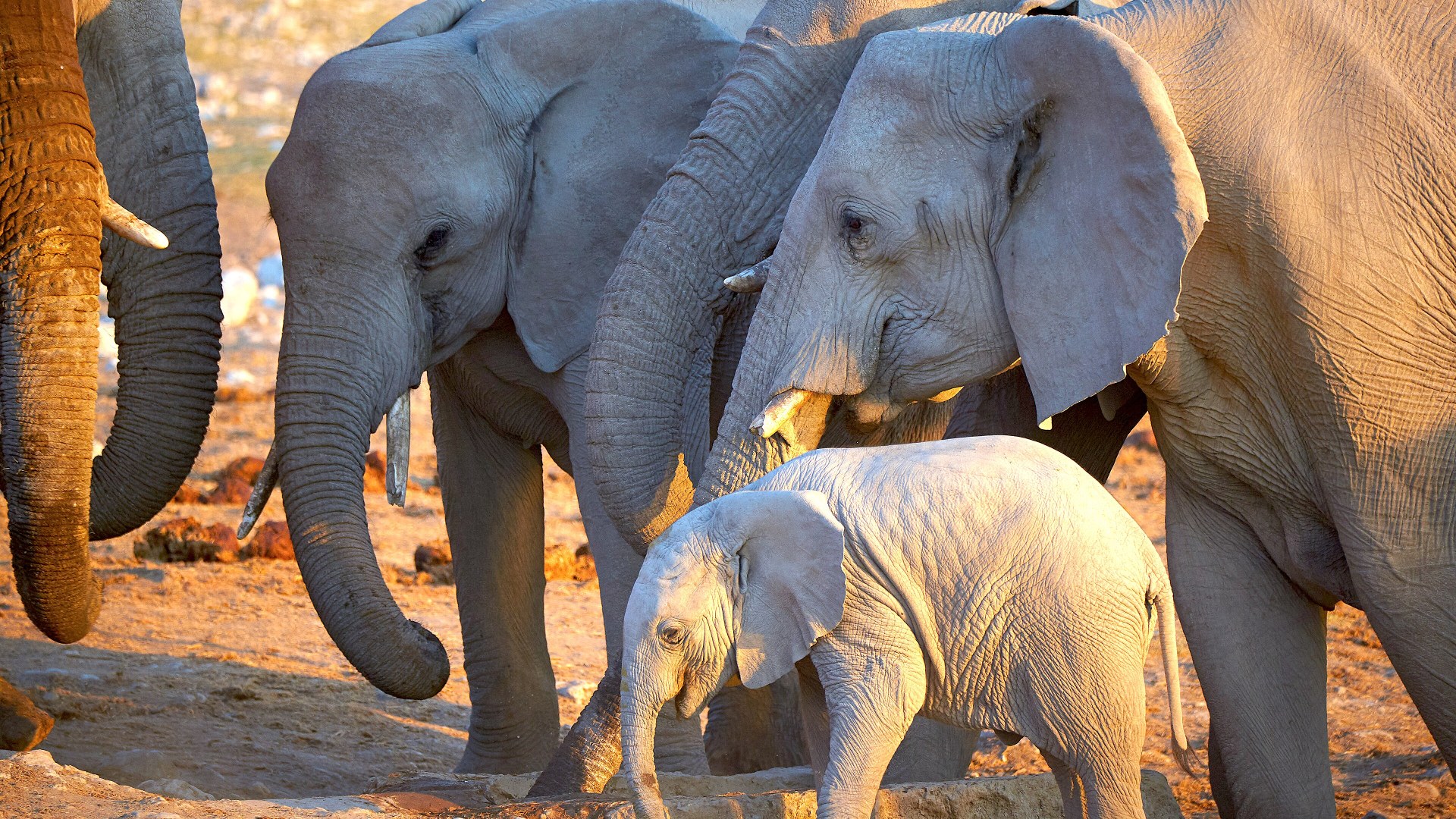
During dry spells, mothers lead calves across scorching plains to ancient watering holes. By following closely, the young calf memorizes vital migration maps passed down for centuries.
10. Protective Mud Baths
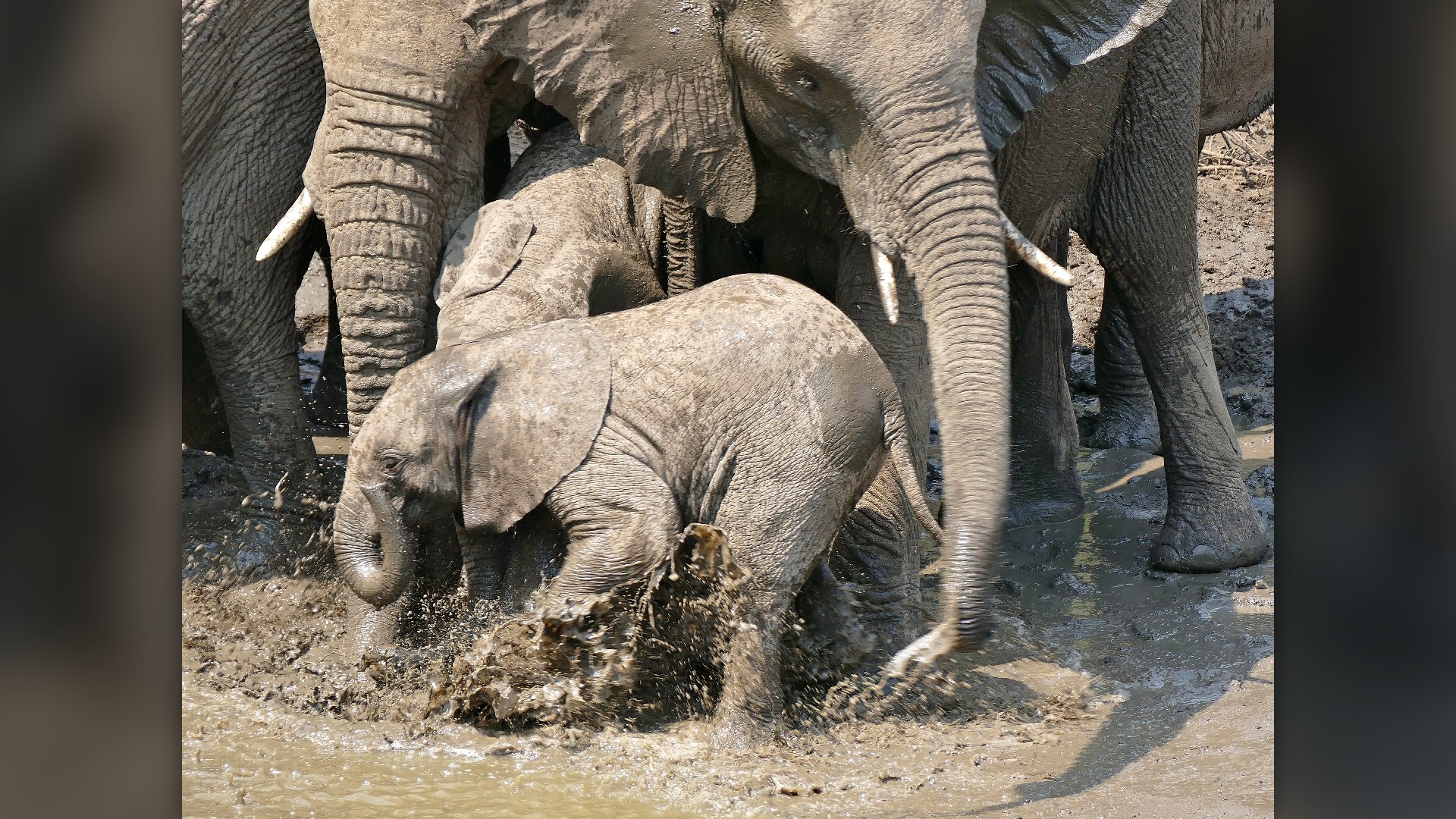
Elephant skin is sensitive to harsh sunlight and biting insects. Mothers teach their calves to roll in mud wallows, showing them how to plaster protective mineral layers over their bodies.
11. Conquering River Currents
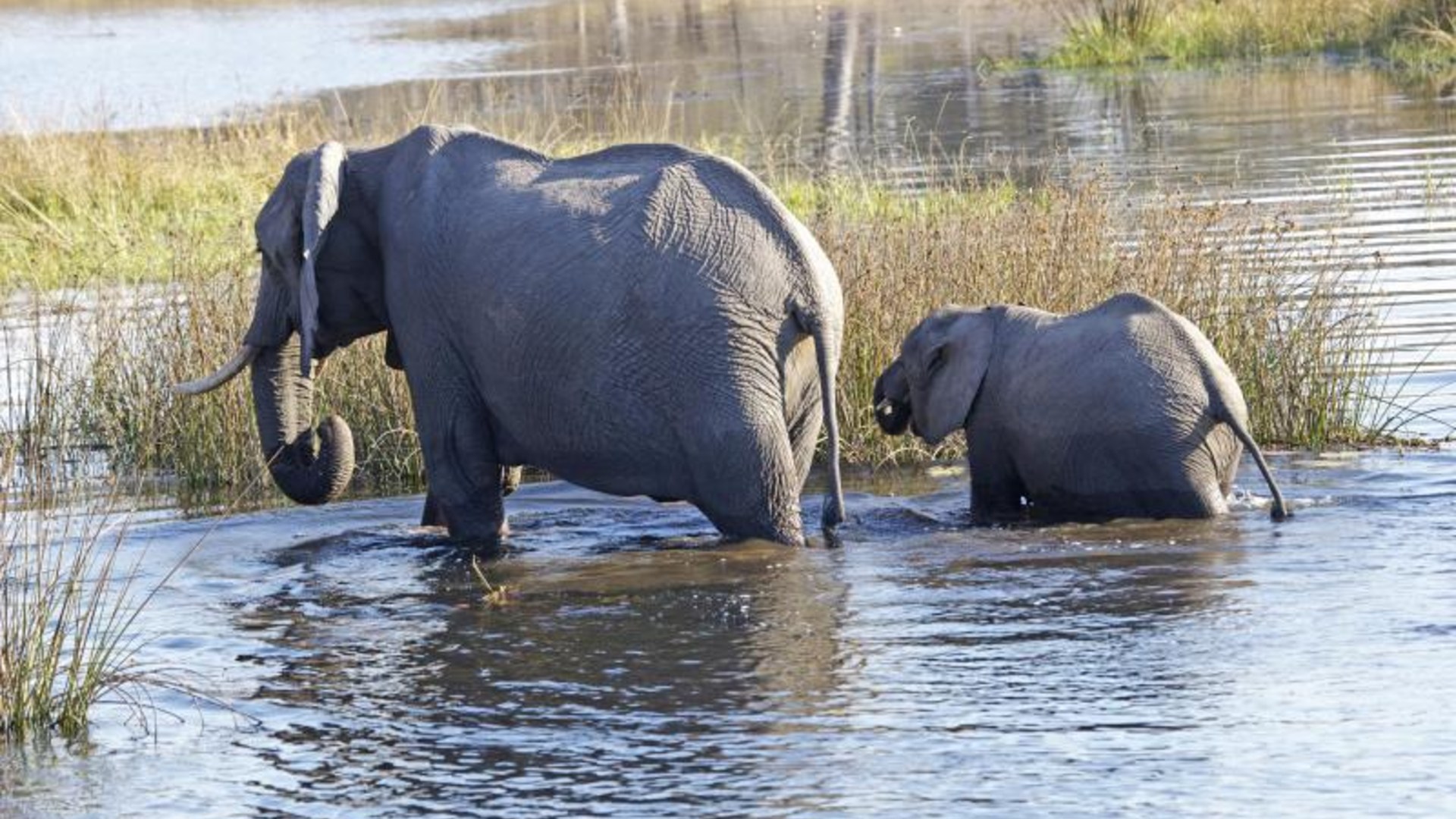
When crossing rivers, deep water can overwhelm a young calf. The mother walks on the downstream side or supports the calf with her trunk, guiding it safely across treacherous currents.
12. Learning Dust Bathing
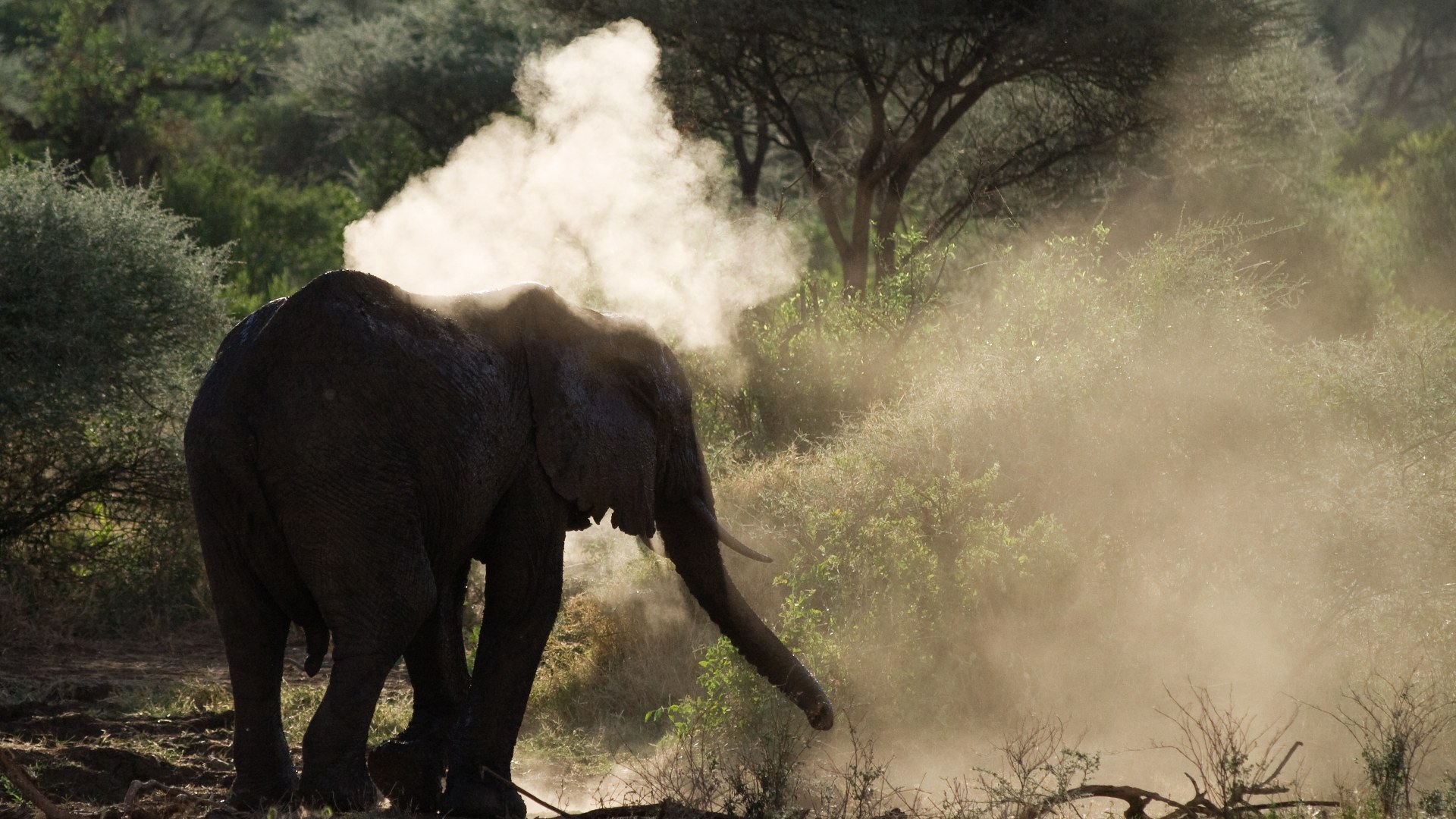
After bathing, calves copy their mother motion of scooping dry dirt with the trunk and blowing it across their shoulders, creating an insulating barrier against heat and pests.
13. Copying Grazing Choices
Elephants must learn which plants are nutritious and which are toxic. Calves smell and taste food scraps dropped by their mothers, discovering safe roots, barks, and grasses.
14. Support From Herd Aunts
Elephant herds practice allomothering, where aunts and older sisters help guide and protect the calf. This collective vigilance ensures the youngster never strays from the family cordon.
15. The Great Migration
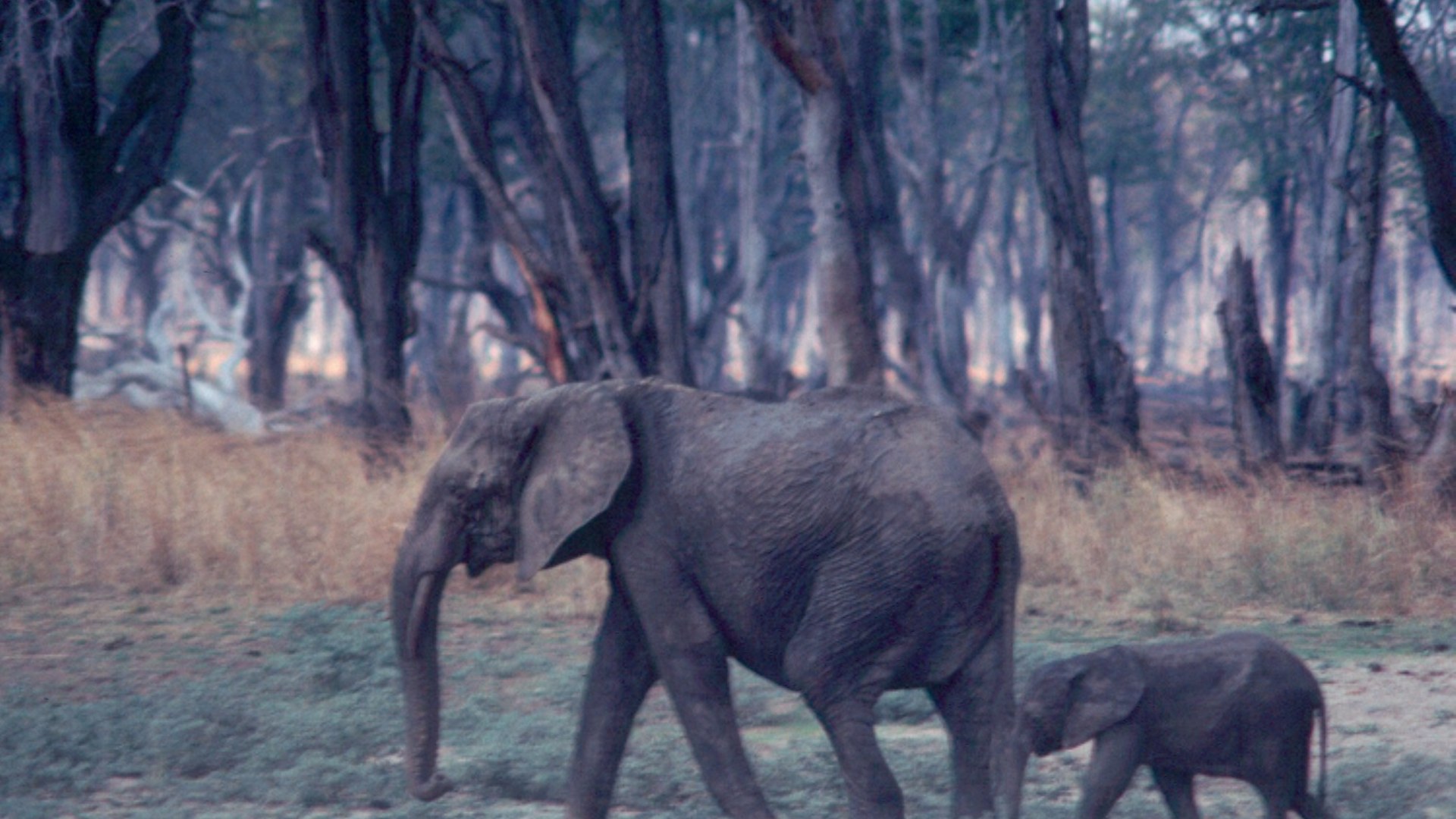
With maternal guidance ingrained into its senses, the young elephant matches the herd stride across hundreds of miles, ready to pass these sacred survival traditions to the next generation.