Slideshow · Animals
How Animal Mothers Teach Their Babies to Survive
From cheetah hunting practice and meerkat scorpion training to chimp toolmaking, animal mothers pass down vital survival skills across generations.
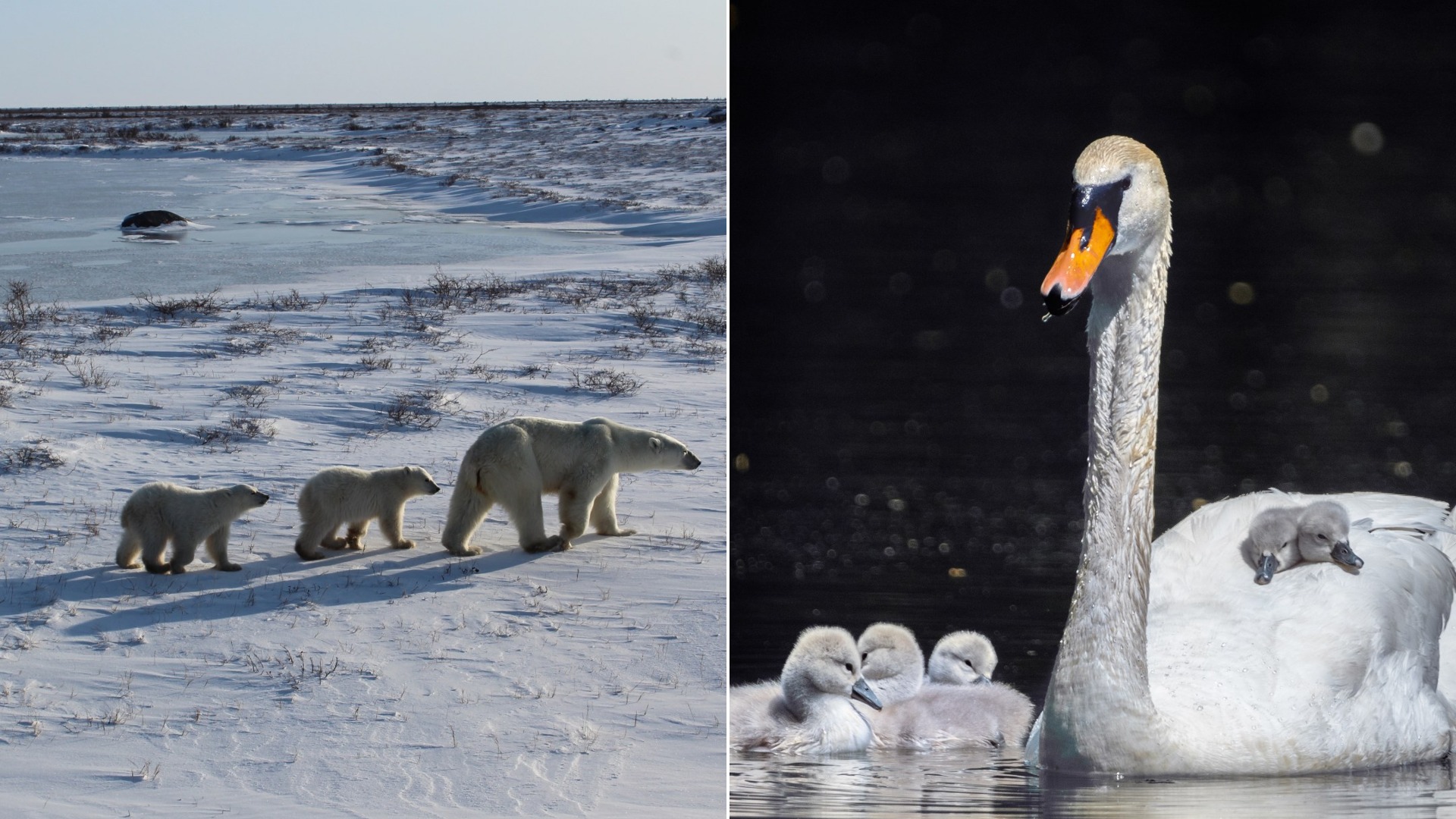
By Most Viral Today
26 Oct 2026

How Animal Mothers Teach Their Babies to Survive 
13. Cheetahs: Live Hunting Drills 
12. Orcas: Beach Stranding Tactics 
11. Sea Otters: Kelp Anchors And Rock Anvils - AdvertisementSwipe or tap ▶ to continue countdown

10. Meerkats: Graduated Scorpion Training 
9. Grizzly Bears: River Salmon Snatching 
8. Chimpanzees: Termite Fishing Probes 
7. African Elephants: Subterranean Well Digging - AdvertisementSwipe or tap ▶ to continue countdown

6. Wolf Spiders: Mobile Maternal Backpacking 
5. Polar Bears: Arctic Sea Ice Stalking 
4. Orangutans: Eight-Year Jungle Academy 
3. Mute Swans: Weed Dredging And Back Rides - AdvertisementSwipe or tap ▶ to continue countdown

2. Mallards: Coordinated Water Evacuation 
1. Lions: Flanking Ambush Formations - Advertisement🔥 UP NEXT IN THIS SERIES◫ 22 Slides

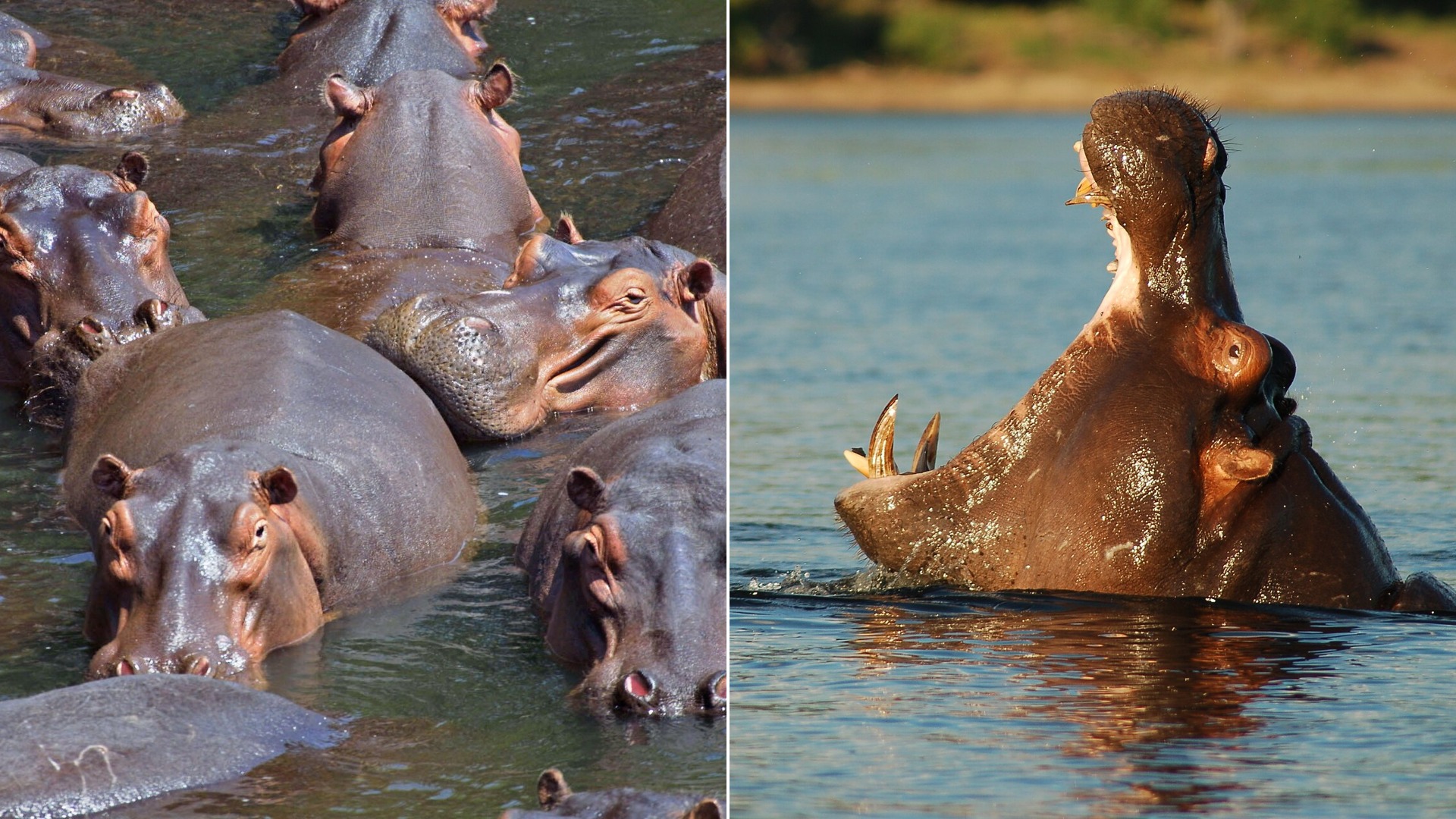
How Long Do Hippos Live? 20 Other Facts About Hippos
From sixty-year lifespans to whale cousins, discover secrets of river giants
Across the animal kingdom, survival is rarely instinct alone. Animal mothers run specialized academies, actively demonstrating how to hunt, navigate, and avoid danger.
Swipe or tap ▶ to begin the countdown
©Wikimedia / Candice M & Wikimedia / Meir Chaimowitz
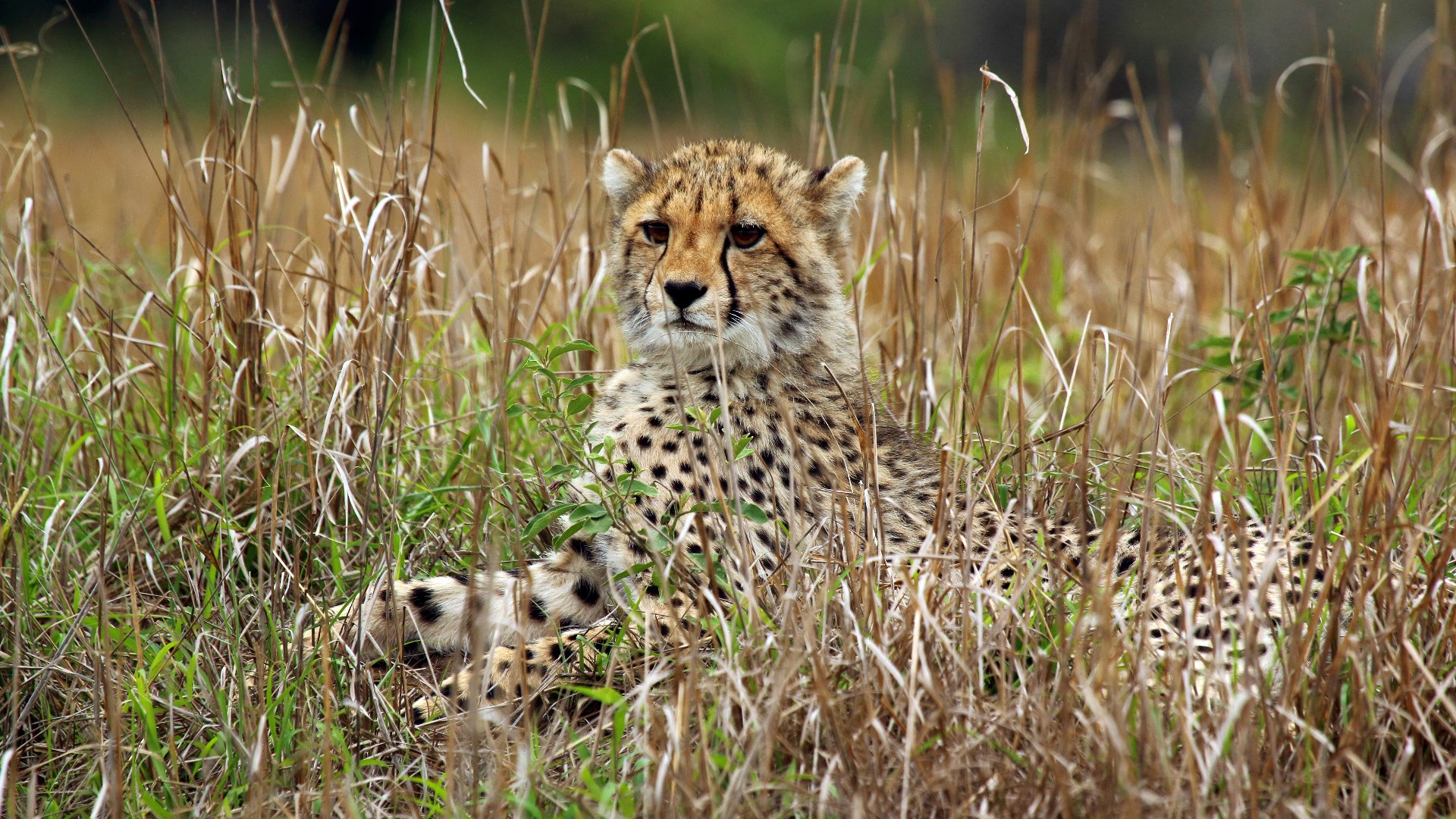
13. Cheetahs: Live Hunting Drills
When cubs reach four months old, mother cheetahs release small injured prey into open clearings. She watches closely as the young learn how to deliver the fatal throat suffocation bite.
©Wikimedia / Charles J. Sharp
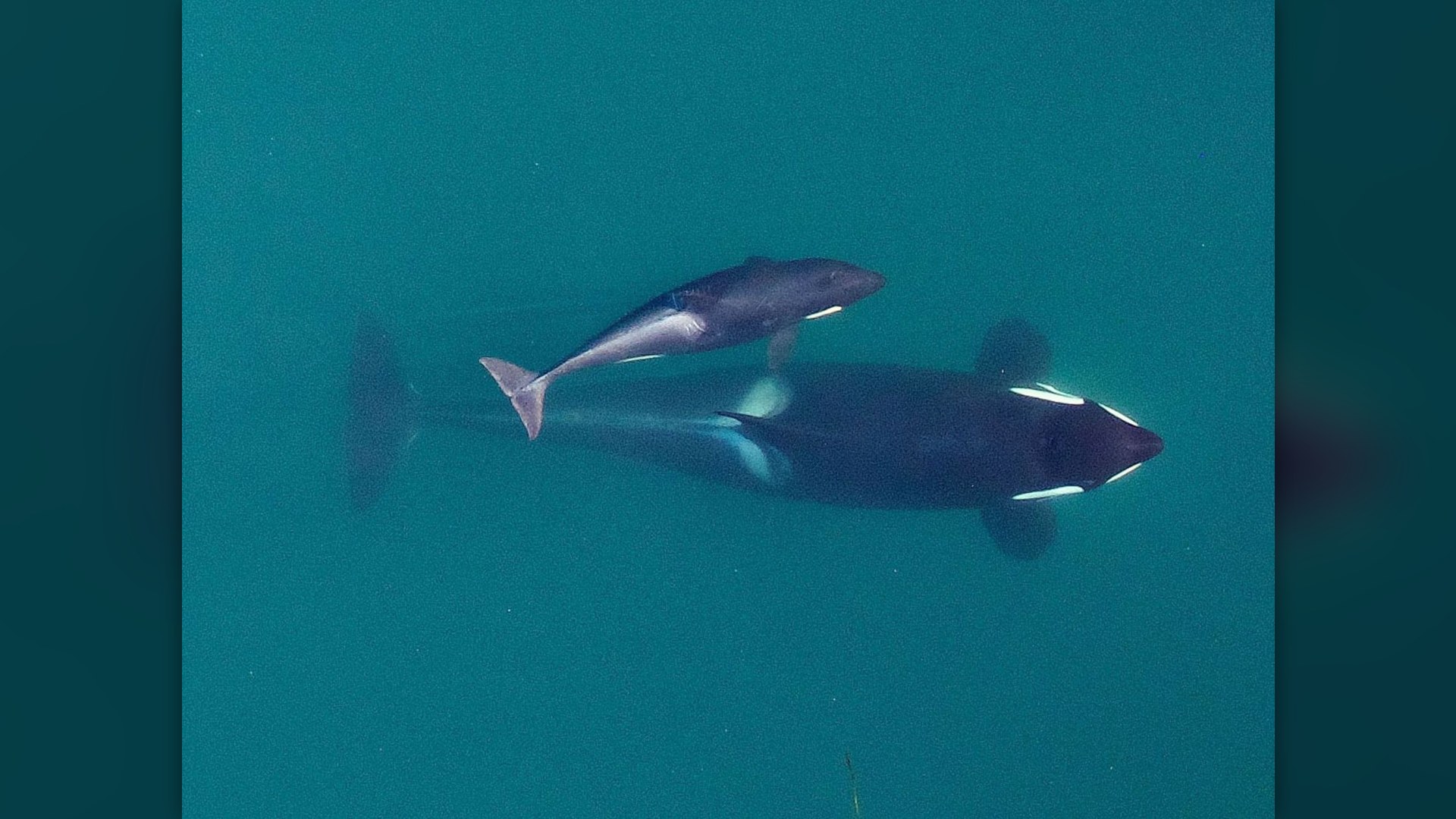
12. Orcas: Beach Stranding Tactics
In Patagonia, orca mothers push their young into shallow coastal breakers. If a calf gets stuck on the pebble beach, the mother wriggles ashore to push it back into deep water.
©Wikimedia / NOAA Fisheries
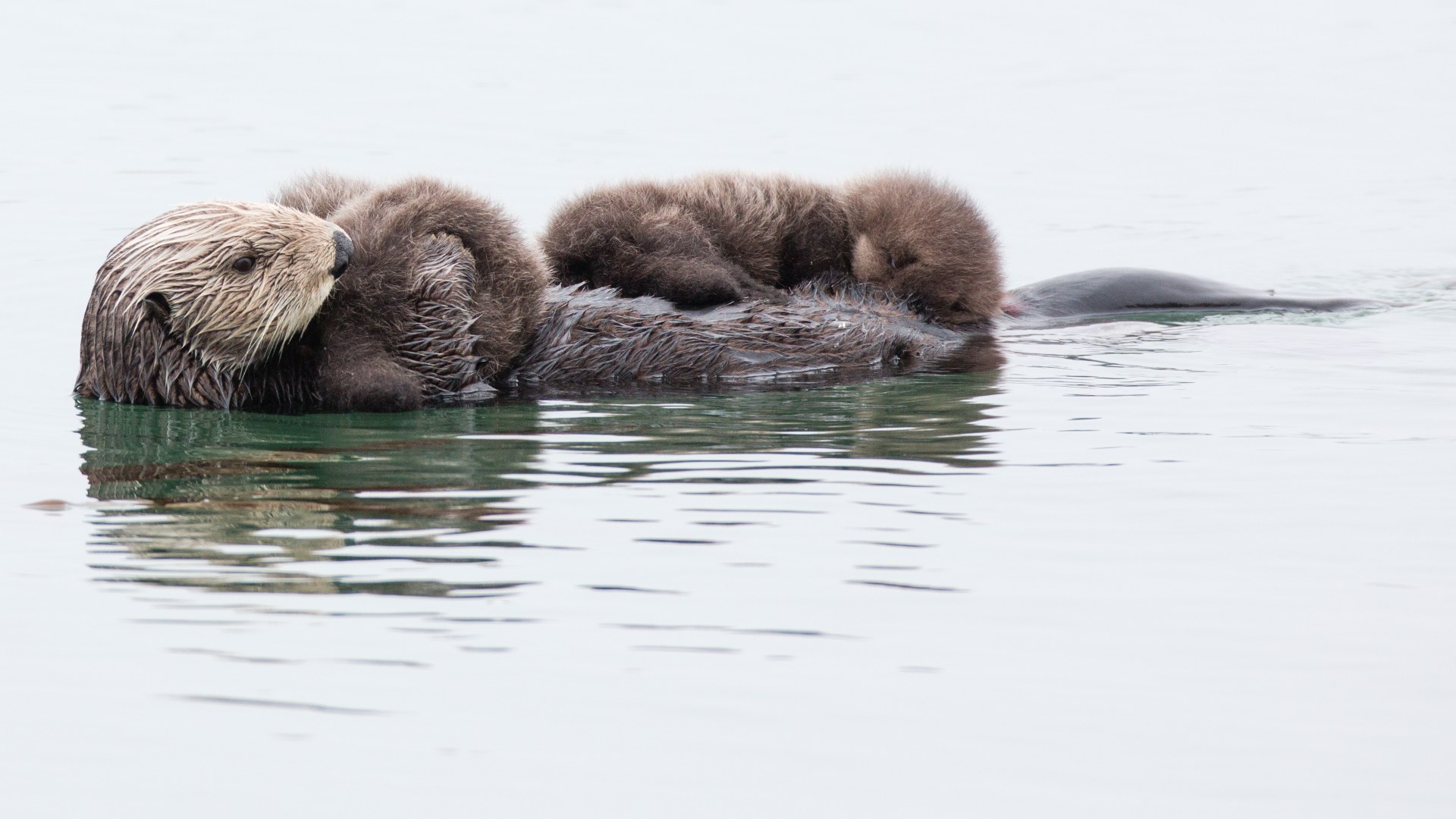
11. Sea Otters: Kelp Anchors And Rock Anvils
Sea otter mothers place flat stones on their chests, demonstrating to pups how to smash hard shells open. They also wrap young in kelp leaves so currents cannot sweep them away.
©Wikimedia / Mike Baird
Advertisement
Swipe or tap ▶ to resume the countdown.
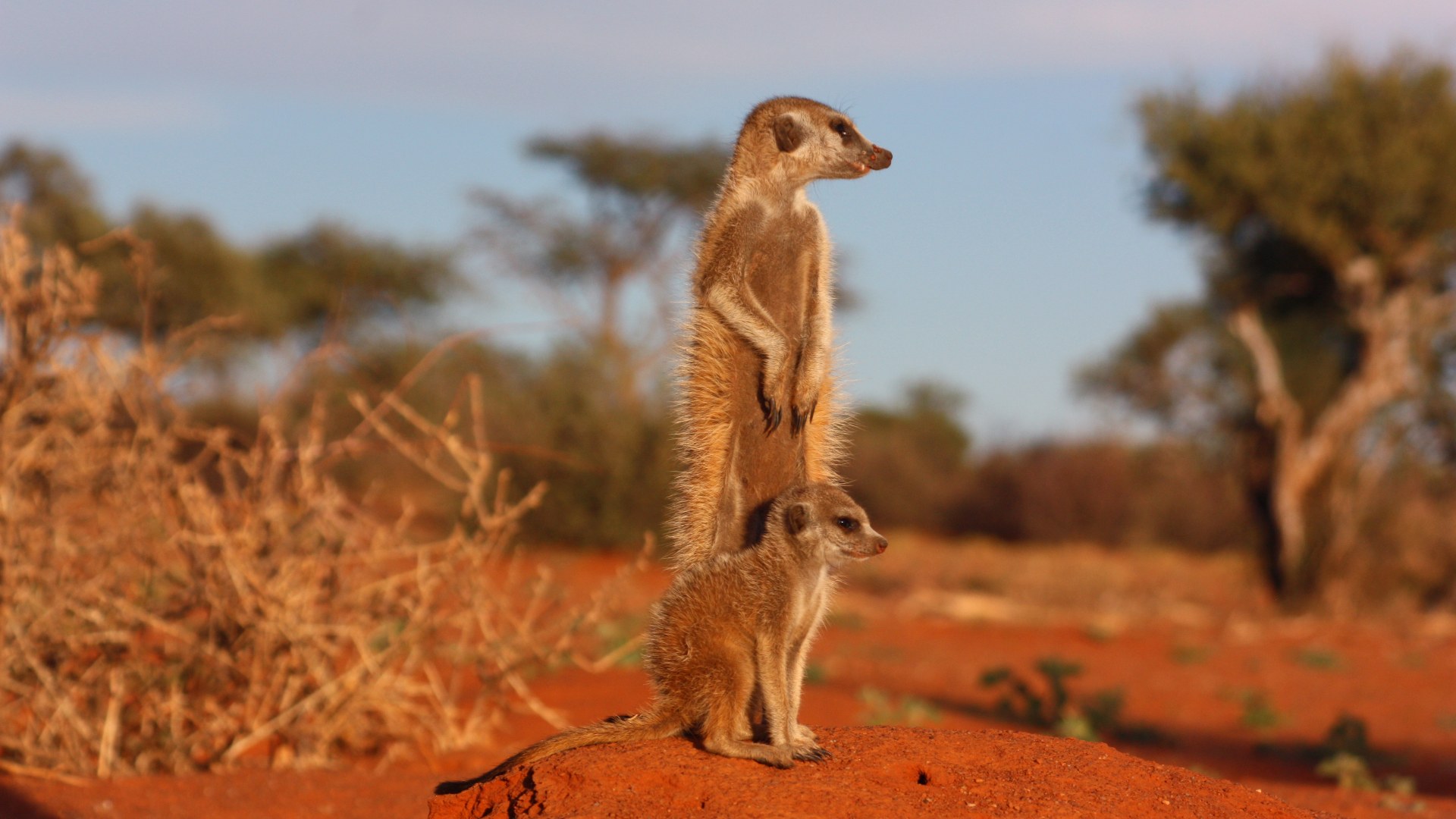
10. Meerkats: Graduated Scorpion Training
Meerkat mothers remove the venomous stinger from live scorpions to let pups practice catching them safely. As the young grow, mothers provide fully armed scorpions to test their speed.
©Wikimedia / Ltshears
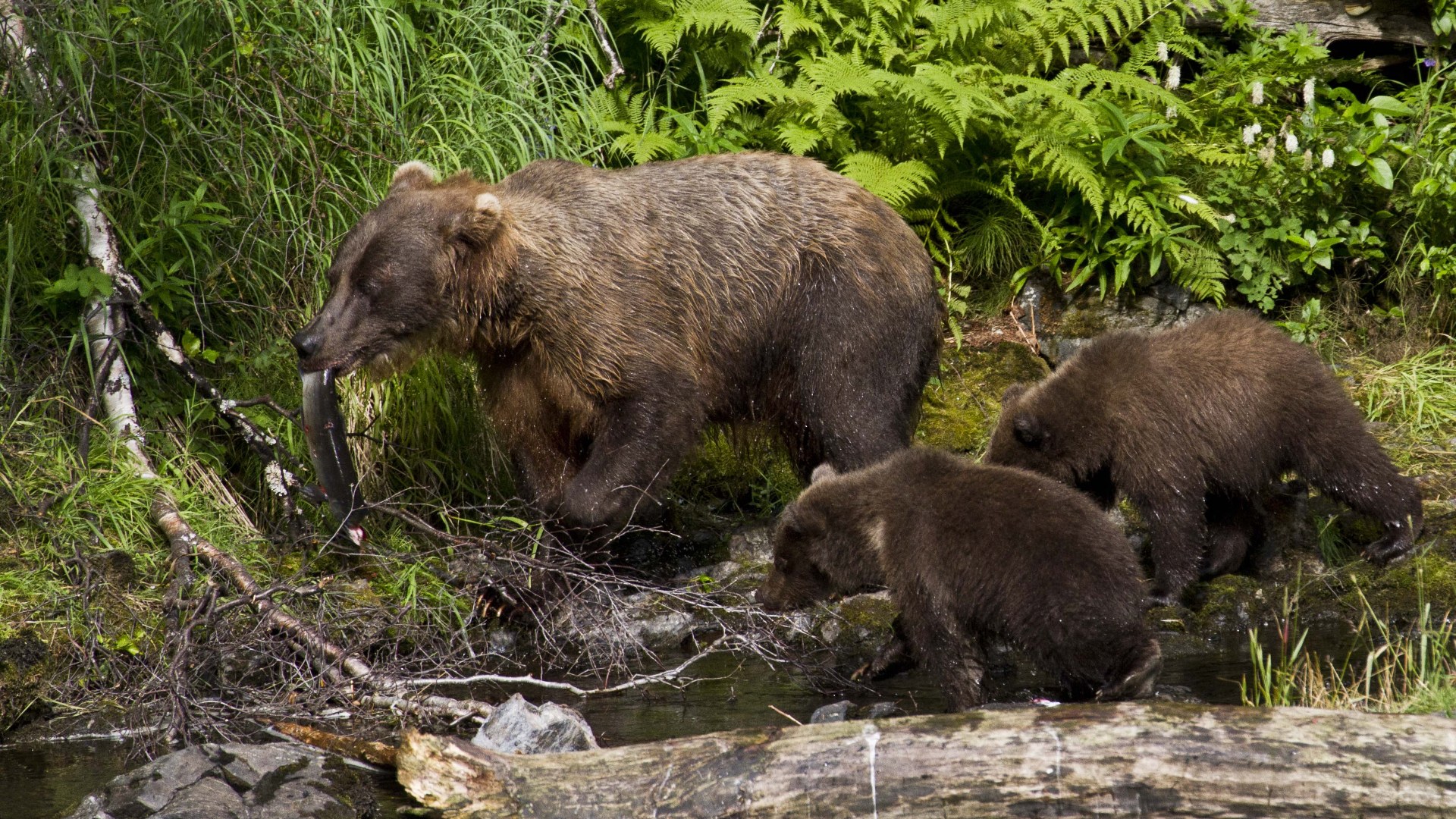
9. Grizzly Bears: River Salmon Snatching
Sows bring their cubs to Alaskan river falls, teaching them how to pin leaping sockeye salmon with their claws. Mothers also teach cubs to stay away from aggressive male bears.
©Wikimedia / US Fish and Wildlife Service
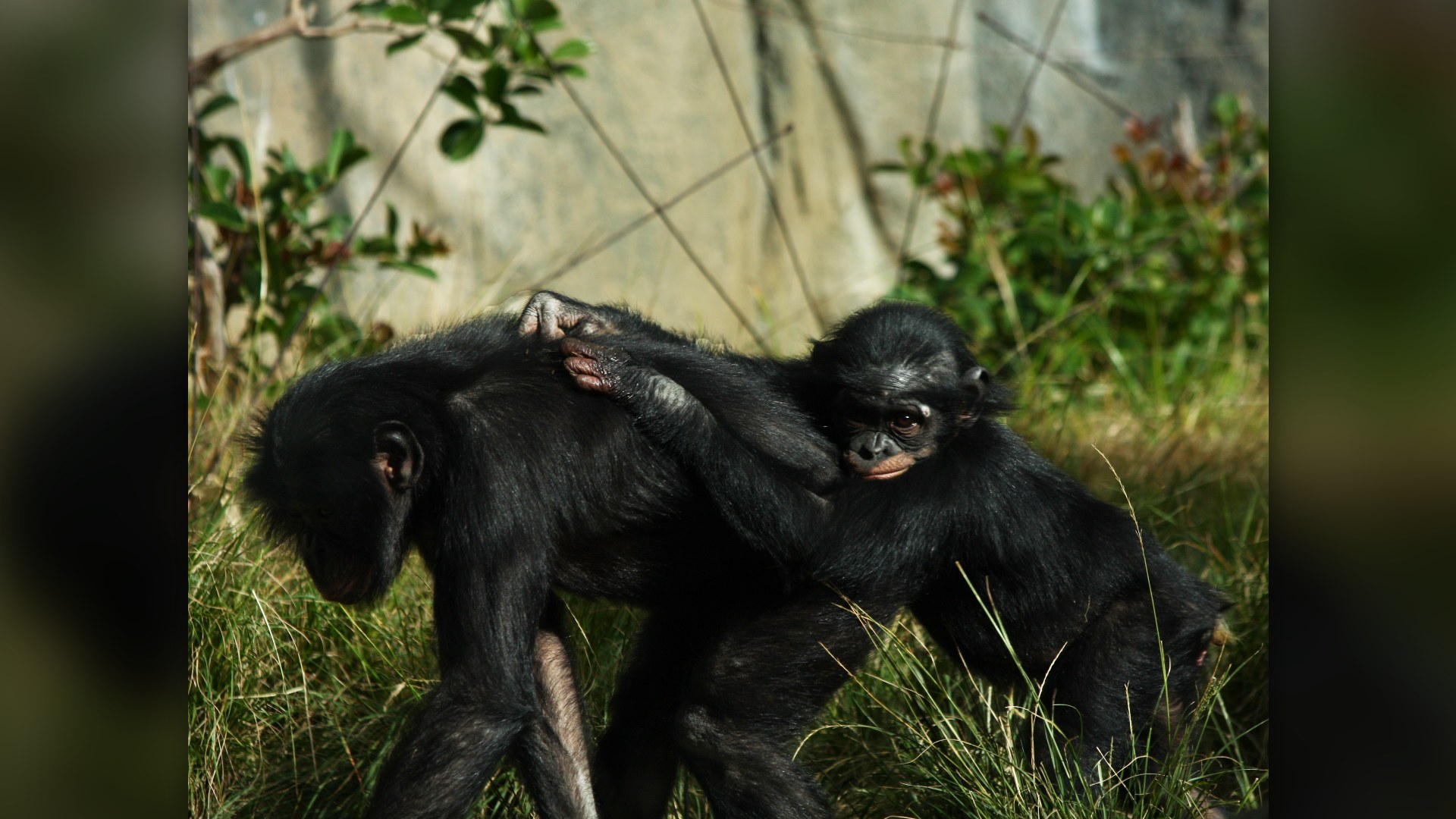
8. Chimpanzees: Termite Fishing Probes
Young chimpanzees observe their mothers for up to five years, learning how to select flexible stems, strip off leaves, and carefully probe narrow holes inside termite mounds.
©Wikimedia / Rennett Stowe
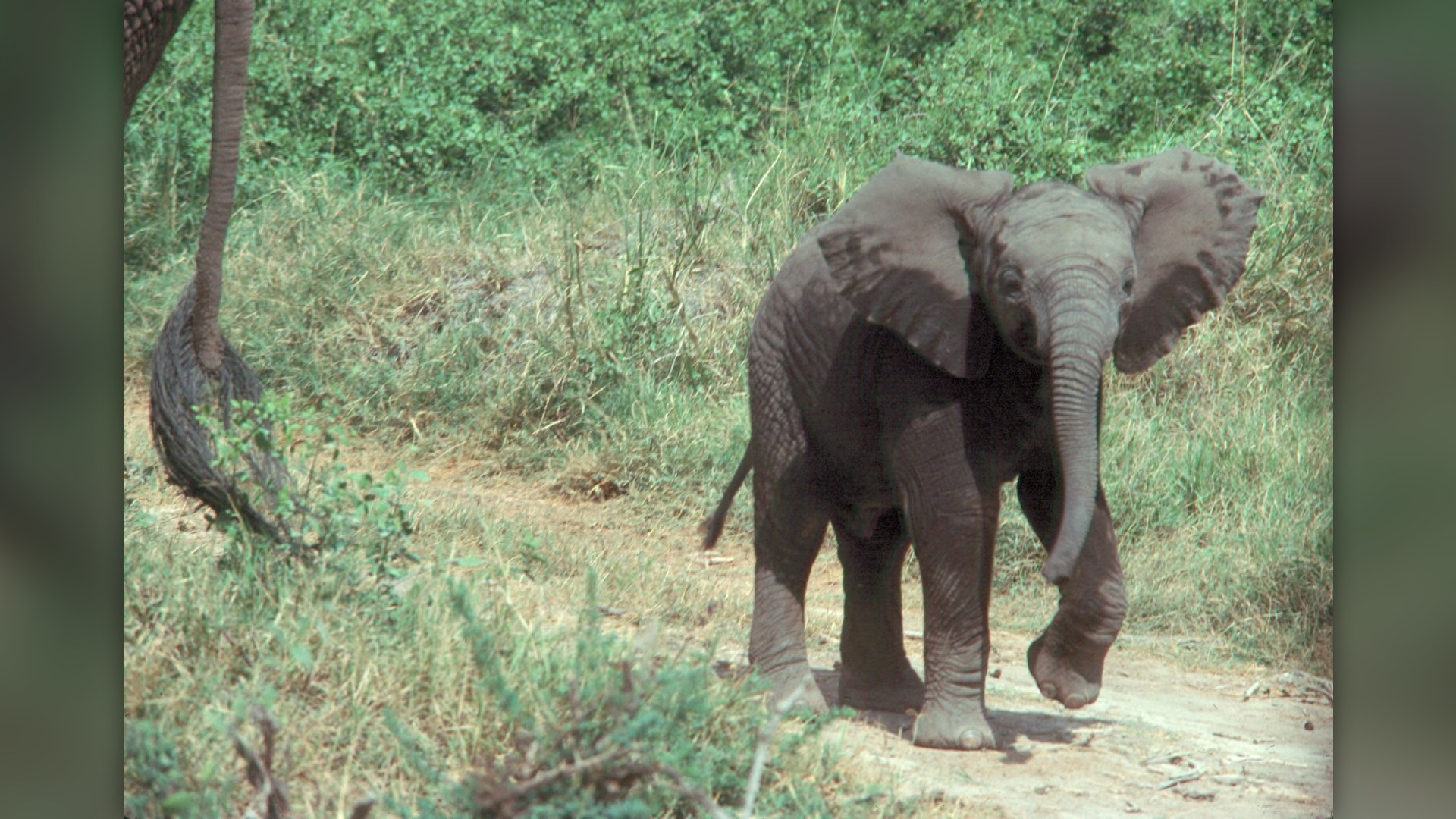
7. African Elephants: Subterranean Well Digging
During seasonal droughts, elephant mothers use tusks and front feet to excavate dry river sand until water seeps through. Calves watch and practice coordinating their 40000 trunk muscles.
©Wikimedia / Warren Garst
Advertisement
Swipe or tap ▶ to resume the countdown.
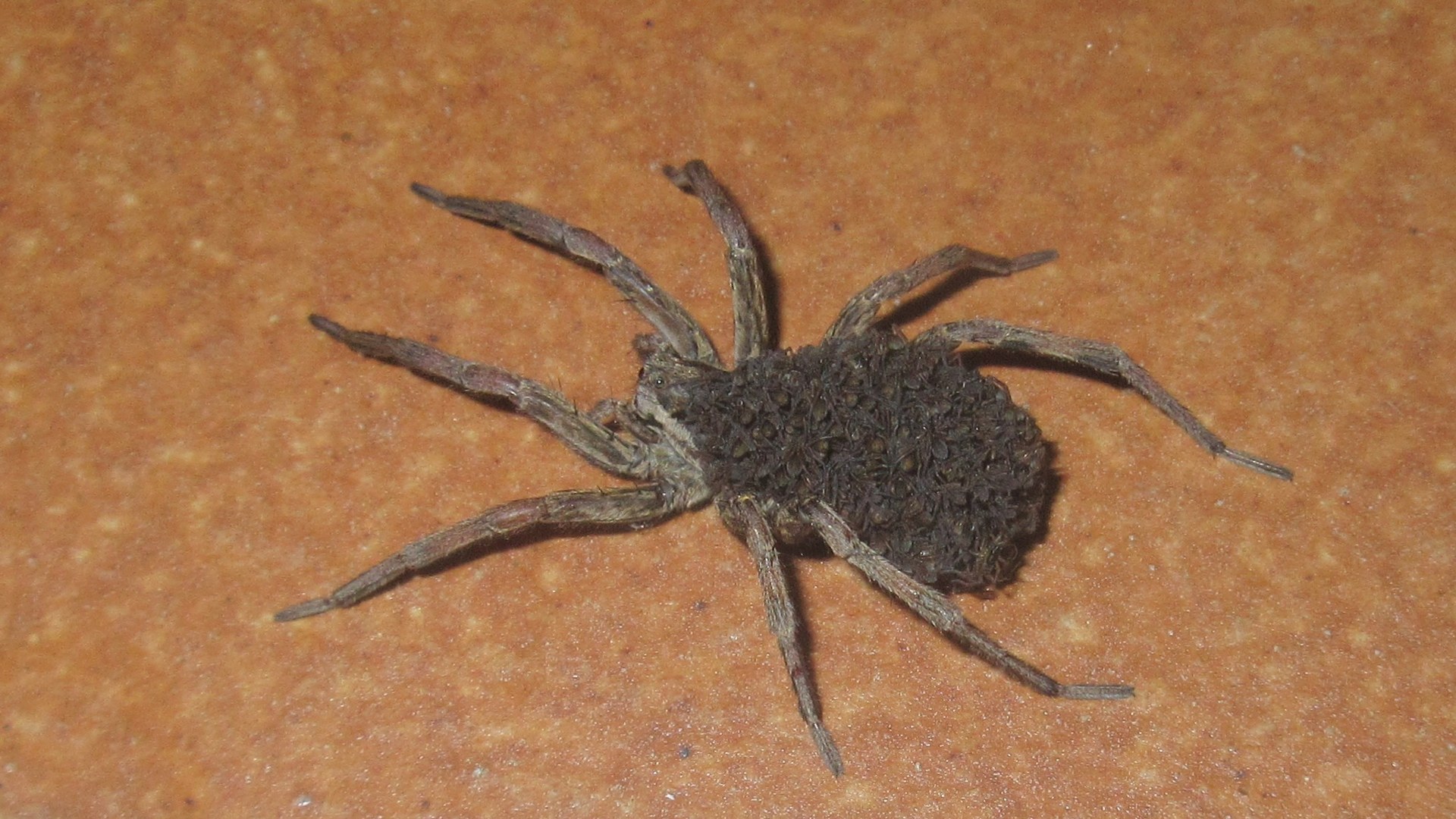
6. Wolf Spiders: Mobile Maternal Backpacking
After eggs hatch, up to three hundred tiny spiderlings climb aboard the mother abdomen. She carries them across vegetation for two weeks, protecting them from predatory ground beetles.
©Wikimedia / Vibraison
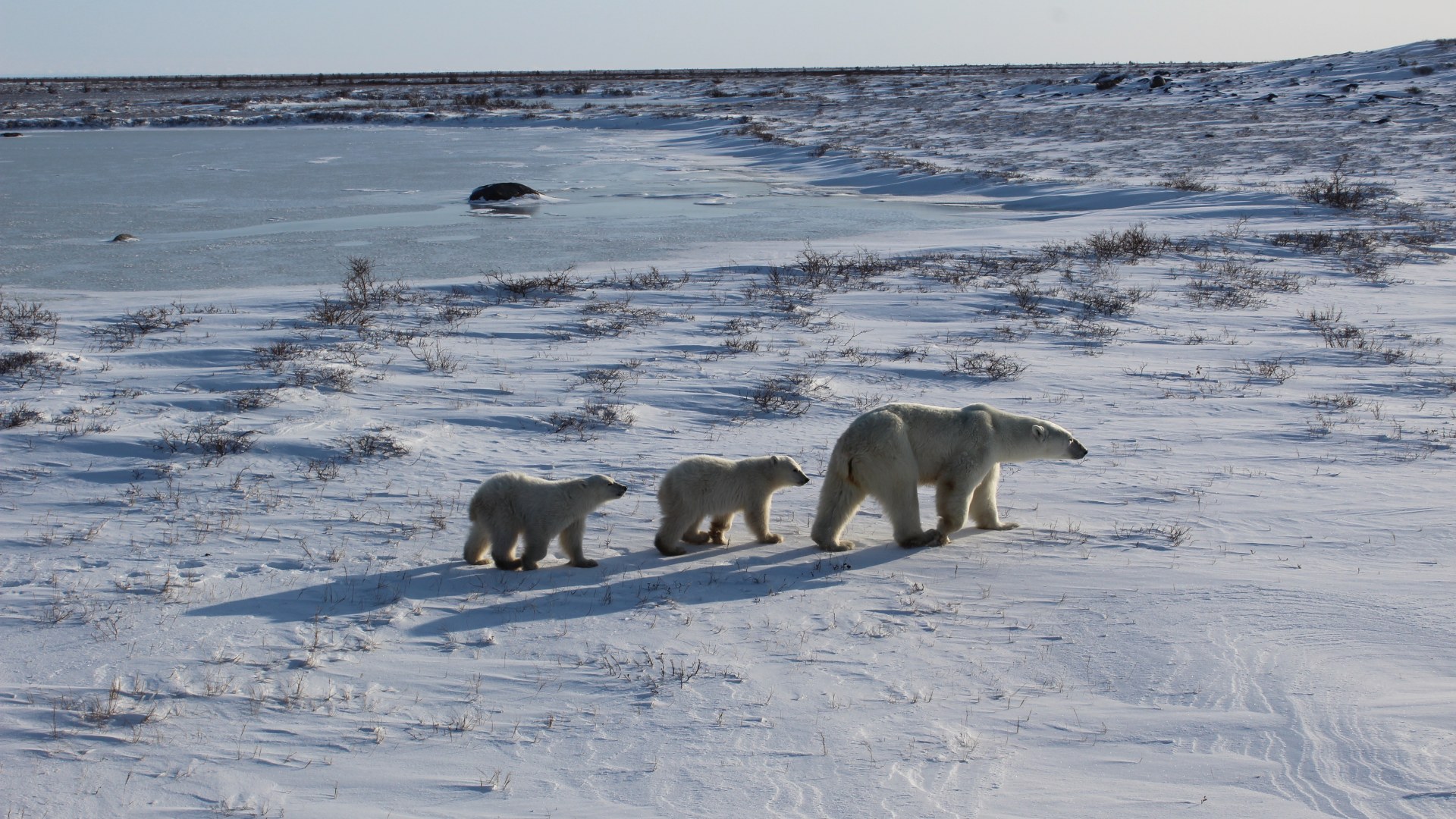
5. Polar Bears: Arctic Sea Ice Stalking
Polar bear mothers lead cubs across shifting sea ice fields, demonstrating still hunting techniques. Cubs learn to keep completely silent for hours until a seal surfaces for air.
©Wikimedia / Candice M
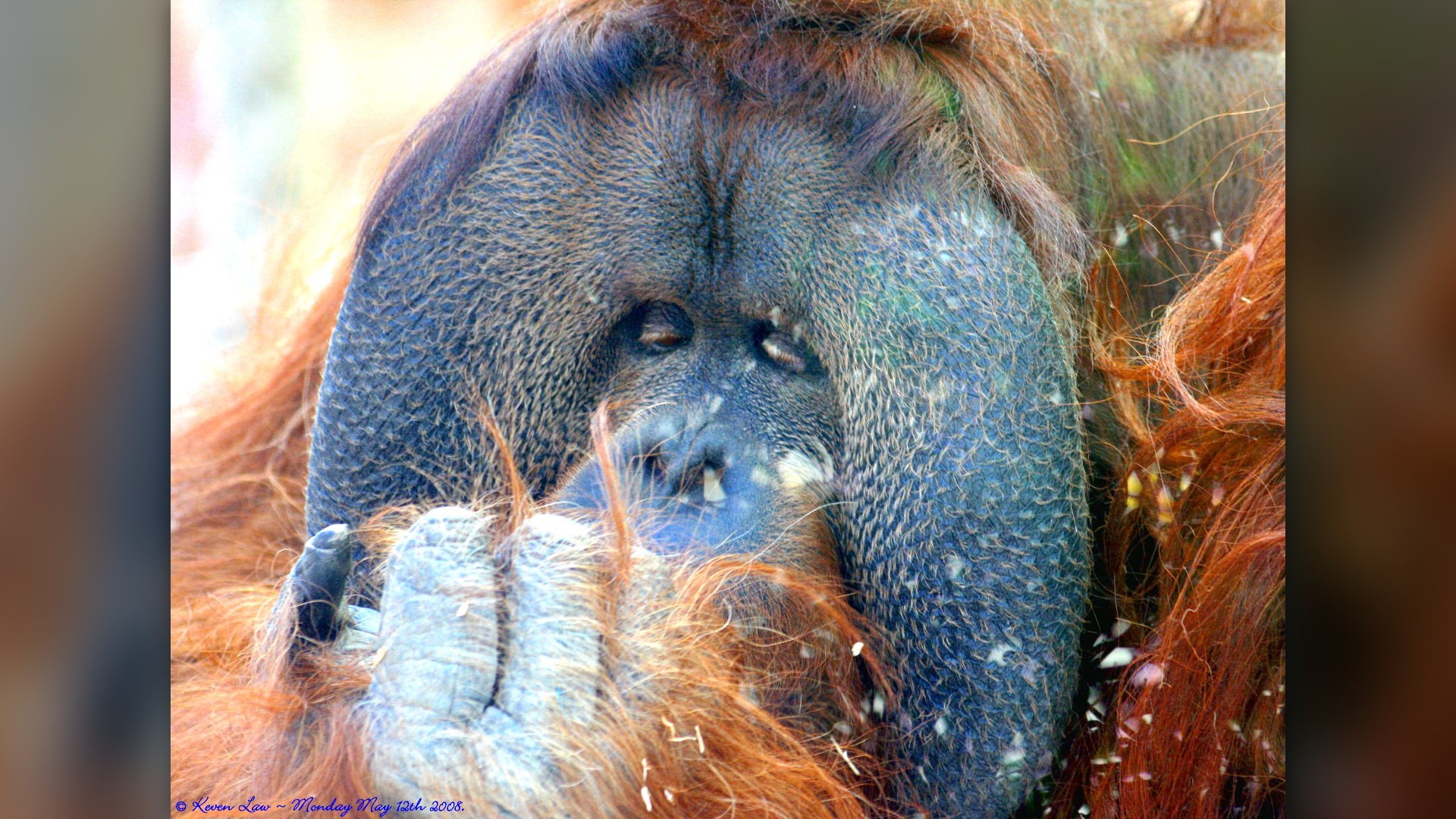
4. Orangutans: Eight-Year Jungle Academy
Young orangutans learn how to identify over three hundred edible rainforest fruits, test toxic plants, and weave branches into fresh, rainproof sleeping nests every single night.
©Wikimedia / Keven Law
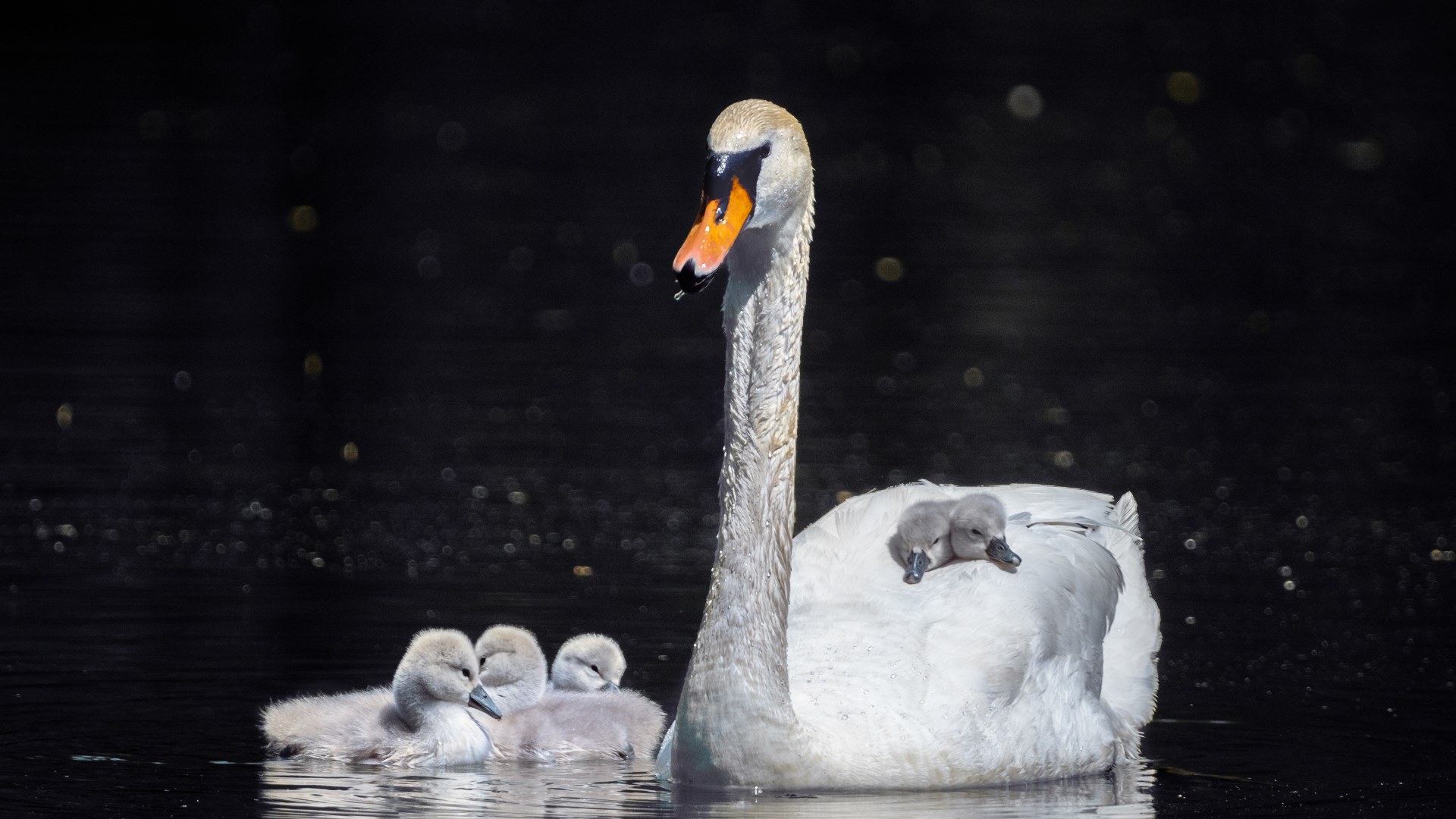
3. Mute Swans: Weed Dredging And Back Rides
When young cygnets grow cold, the mother tucks them between her wings as she paddles. She tips her neck underwater to stir up submerged pond weeds for the young to feed on.
©Wikimedia / Meir Chaimowitz
Advertisement
Swipe or tap ▶ to resume the countdown.
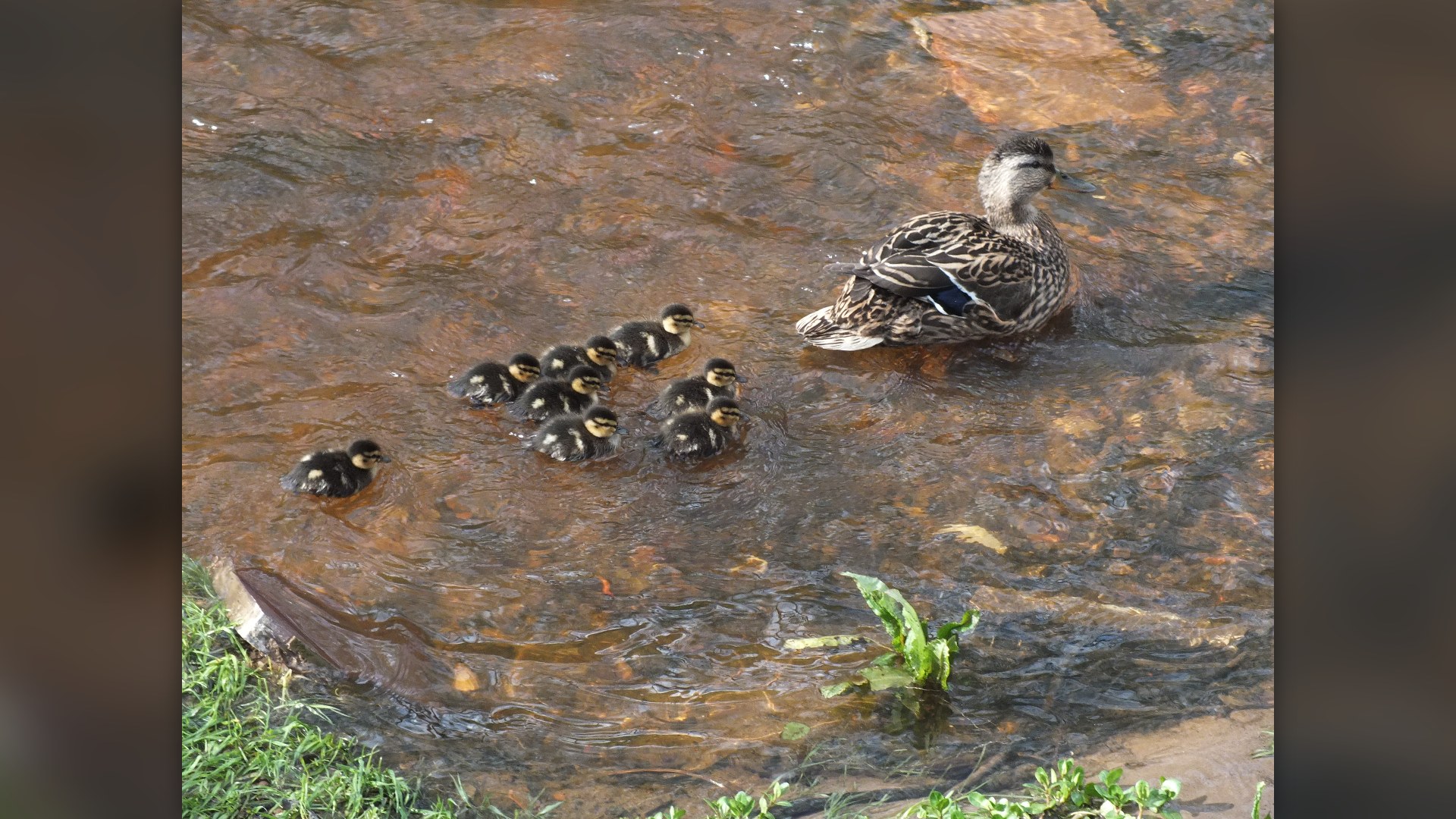
2. Mallards: Coordinated Water Evacuation
Mother mallards teach day-old ducklings how to swim in tight single-file formations. She emits low frequency clucking calls to quickly gather the brood whenever predatory pike or hawks appear.
©Wikimedia / Roger Griffith
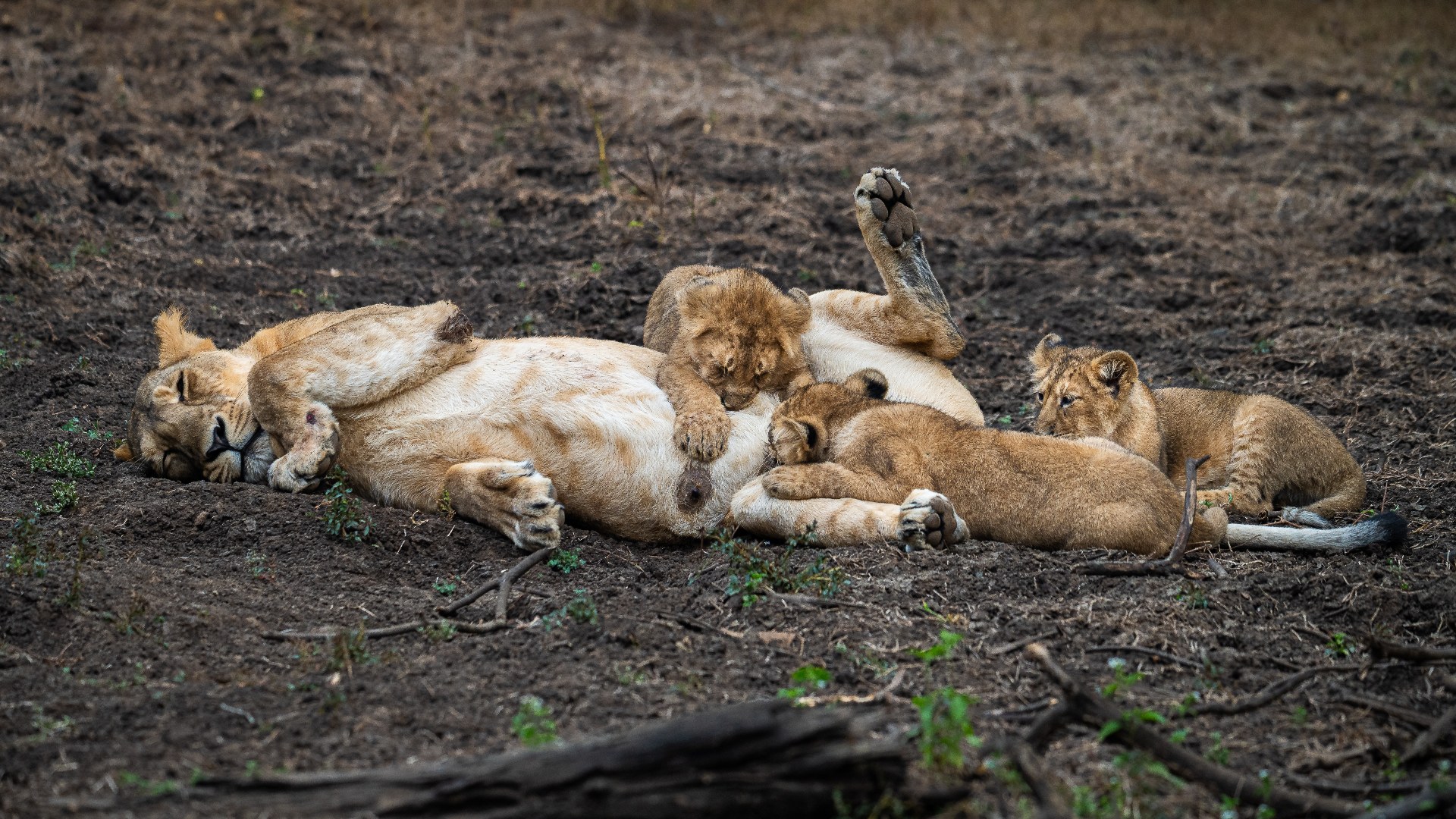
1. Lions: Flanking Ambush Formations
During nighttime hunts, lionesses assign older cubs to the perimeter. Cubs observe how adult females fan out in coordinated pincer movements to encircle herds of zebra and buffalo.

©Wikimedia / Dineshkumar P. Keraliya
Advertisement
You've reached the end of the story. Thanks for reading!

How Long Do Hippos Live? 20 Other Facts About Hippos
From sixty-year lifespans to whale cousins, discover secrets of river giants
All 13 Entries in this Story
1. Cheetahs: Live Hunting Drills
When cubs reach four months old, mother cheetahs release small injured prey into open clearings. She watches closely as the young learn how to deliver the fatal throat suffocation bite.

2. Orcas: Beach Stranding Tactics
In Patagonia, orca mothers push their young into shallow coastal breakers. If a calf gets stuck on the pebble beach, the mother wriggles ashore to push it back into deep water.

3. Sea Otters: Kelp Anchors And Rock Anvils
Sea otter mothers place flat stones on their chests, demonstrating to pups how to smash hard shells open. They also wrap young in kelp leaves so currents cannot sweep them away.

4. Meerkats: Graduated Scorpion Training
Meerkat mothers remove the venomous stinger from live scorpions to let pups practice catching them safely. As the young grow, mothers provide fully armed scorpions to test their speed.

5. Grizzly Bears: River Salmon Snatching
Sows bring their cubs to Alaskan river falls, teaching them how to pin leaping sockeye salmon with their claws. Mothers also teach cubs to stay away from aggressive male bears.

6. Chimpanzees: Termite Fishing Probes
Young chimpanzees observe their mothers for up to five years, learning how to select flexible stems, strip off leaves, and carefully probe narrow holes inside termite mounds.

7. African Elephants: Subterranean Well Digging
During seasonal droughts, elephant mothers use tusks and front feet to excavate dry river sand until water seeps through. Calves watch and practice coordinating their 40000 trunk muscles.

8. Wolf Spiders: Mobile Maternal Backpacking
After eggs hatch, up to three hundred tiny spiderlings climb aboard the mother abdomen. She carries them across vegetation for two weeks, protecting them from predatory ground beetles.

9. Polar Bears: Arctic Sea Ice Stalking
Polar bear mothers lead cubs across shifting sea ice fields, demonstrating still hunting techniques. Cubs learn to keep completely silent for hours until a seal surfaces for air.

10. Orangutans: Eight-Year Jungle Academy
Young orangutans learn how to identify over three hundred edible rainforest fruits, test toxic plants, and weave branches into fresh, rainproof sleeping nests every single night.

11. Mute Swans: Weed Dredging And Back Rides
When young cygnets grow cold, the mother tucks them between her wings as she paddles. She tips her neck underwater to stir up submerged pond weeds for the young to feed on.

12. Mallards: Coordinated Water Evacuation
Mother mallards teach day-old ducklings how to swim in tight single-file formations. She emits low frequency clucking calls to quickly gather the brood whenever predatory pike or hawks appear.

13. Lions: Flanking Ambush Formations
During nighttime hunts, lionesses assign older cubs to the perimeter. Cubs observe how adult females fan out in coordinated pincer movements to encircle herds of zebra and buffalo.