Slideshow · Animals
How Bees Organize Their Busy Daily Lives
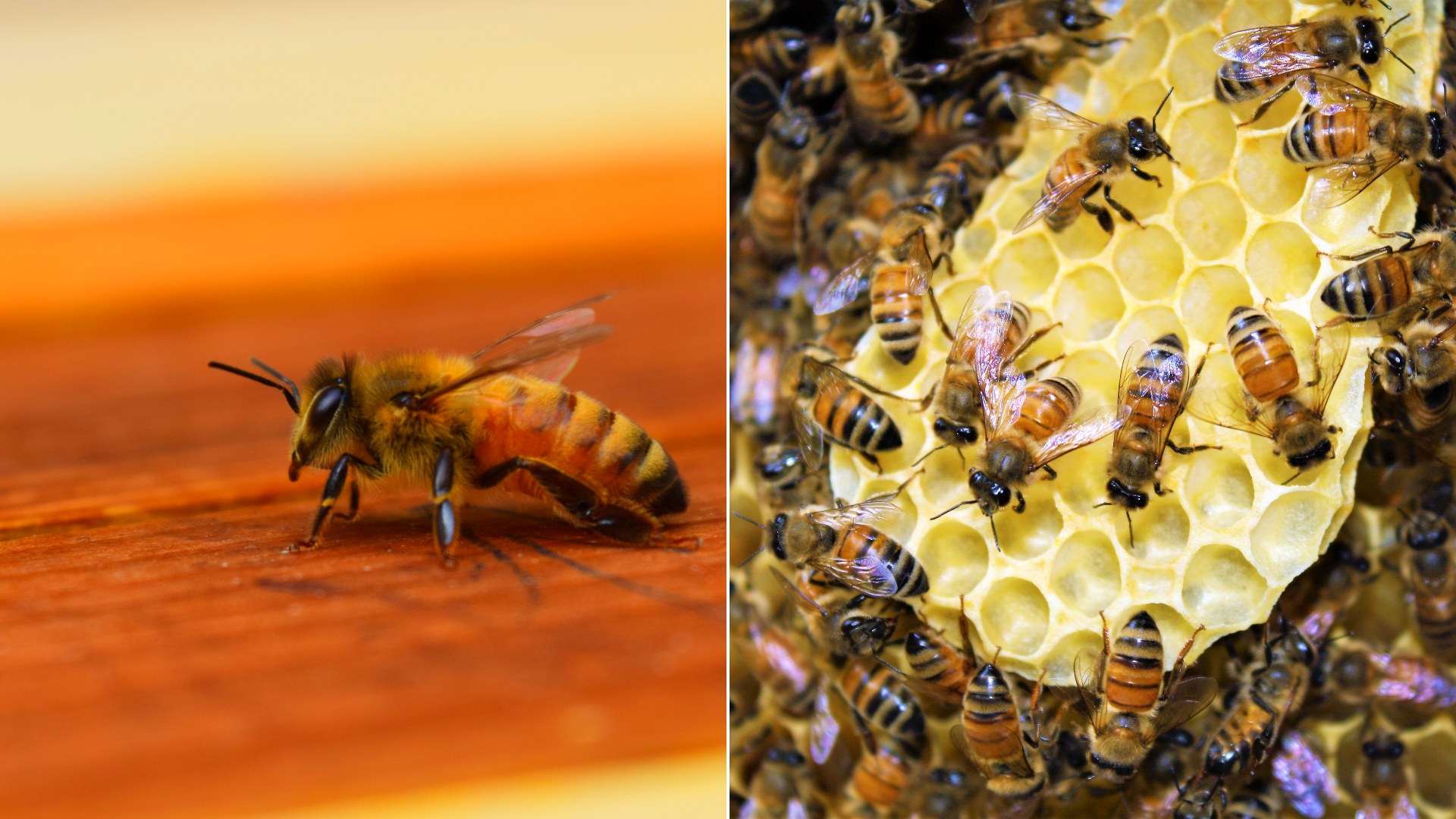
From nursery care and comb architecture to flight scouting and waggle dancing, how honeybees coordinate colony life by age.
By Most Viral Today
27 Oct 2026

How Bees Organize Their Busy Daily Lives 
18. Day One: Emergence From The Brood Cell 
17. Days One To Three: Cell Cleaning Duties 
16. Days Four To Six: Feeding Older Larvae - AdvertisementSwipe or tap ▶ to continue countdown

15. Days Six To Twelve Attending The Queen 
14. Days Twelve To Fifteen: Wax Comb Construction 
13. Days Thirteen To Seventeen: Food Trophallaxis 
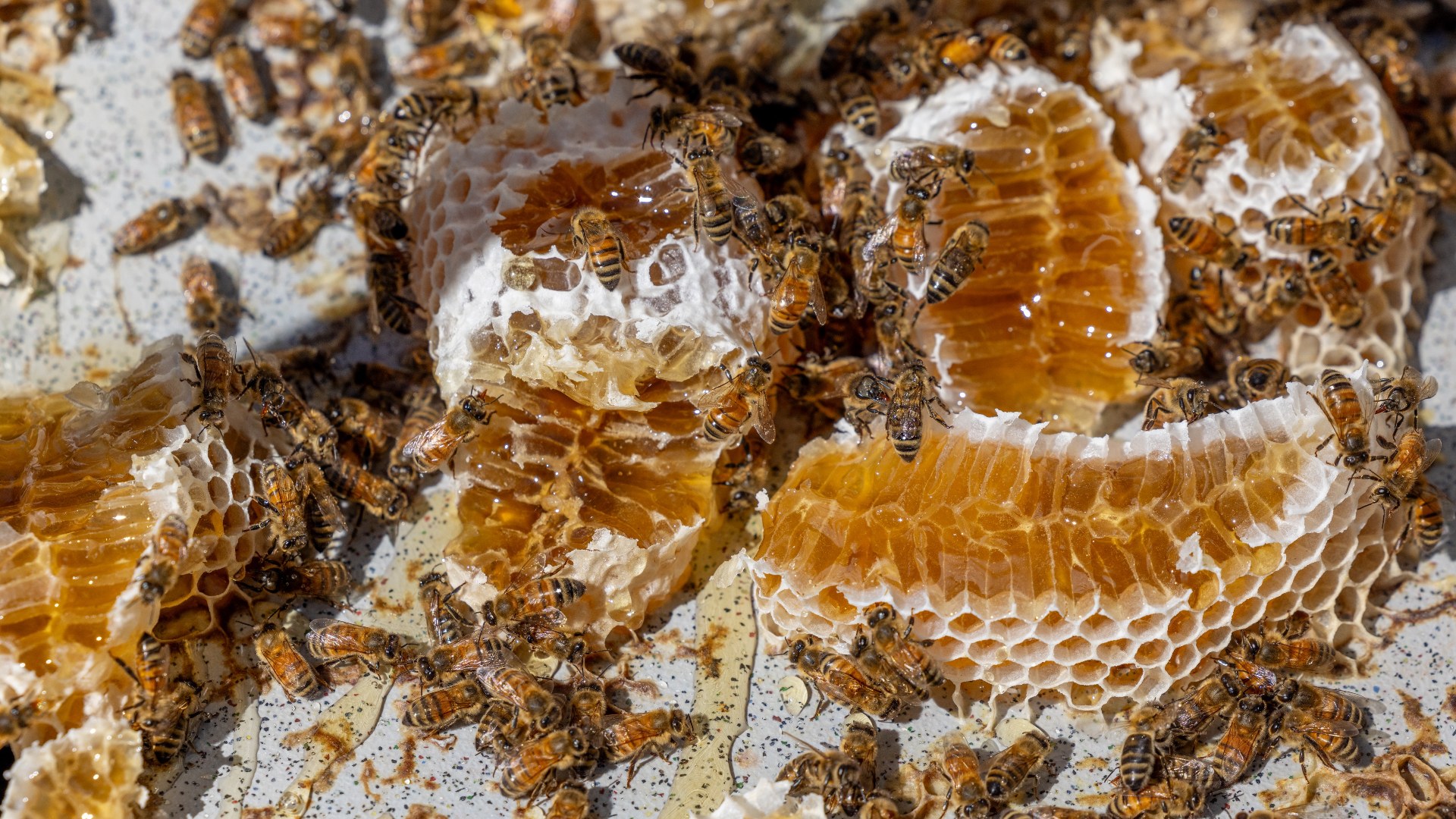
12. Days Fourteen To Eighteen: Ripening Honey - AdvertisementSwipe or tap ▶ to continue countdown

11. Days Fifteen To Nineteen: Capping Honeycomb 
10. Days Fifteen To Twenty: Climate Ventilation 
9. Days Sixteen To Twenty: Undertaker Duties 
8. Days Eighteen To Twenty-One: Guarding The Hive - AdvertisementSwipe or tap ▶ to continue countdown

7. Day Twenty-One: Orientation Flights At Dawn 
6. Days Twenty-Two And Up Scout Missions 
5. Days Twenty-Two And Up The Waggle Dance 
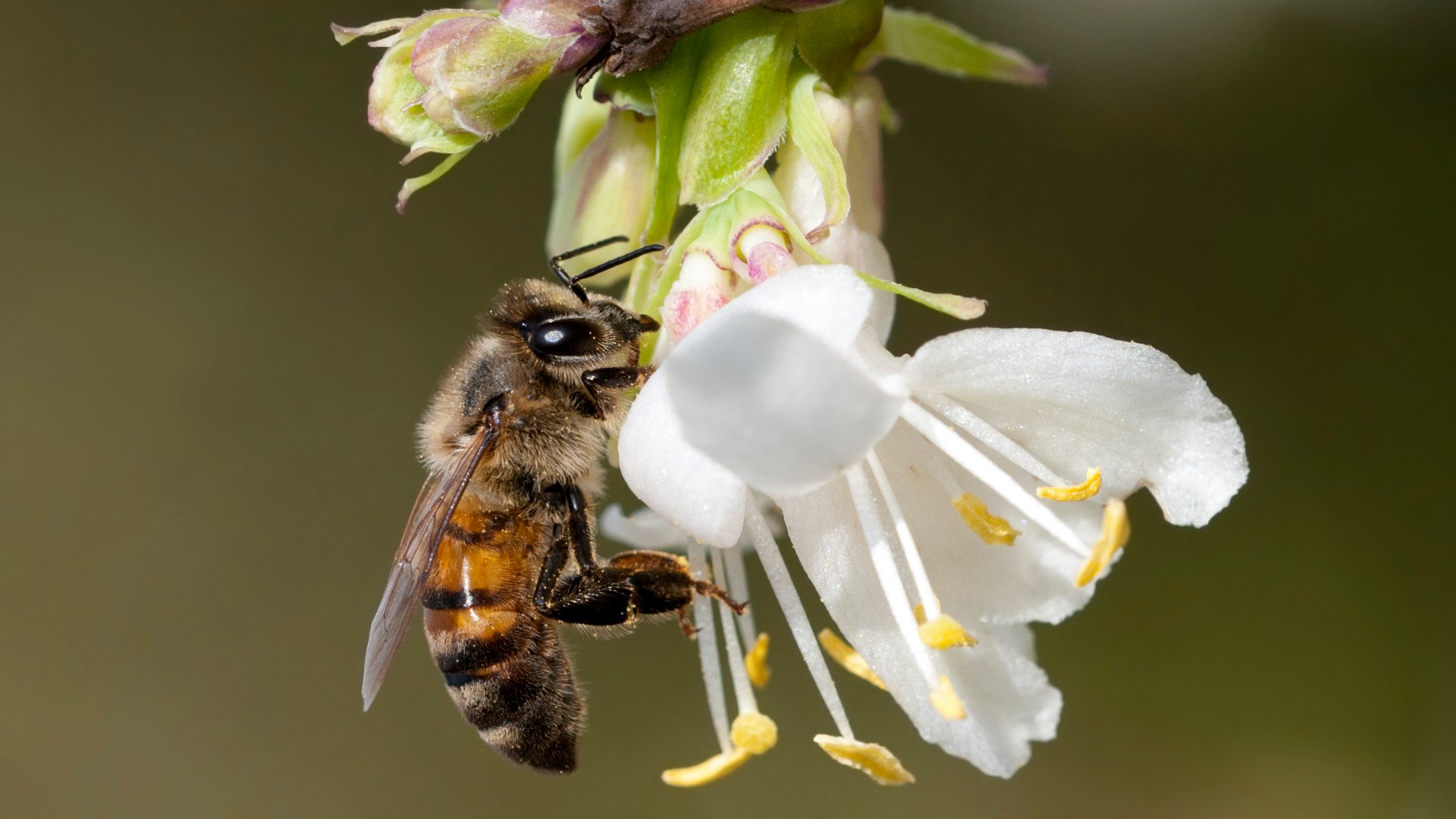
4. Days Twenty-Three And Up Nectar Foraging - AdvertisementSwipe or tap ▶ to continue countdown

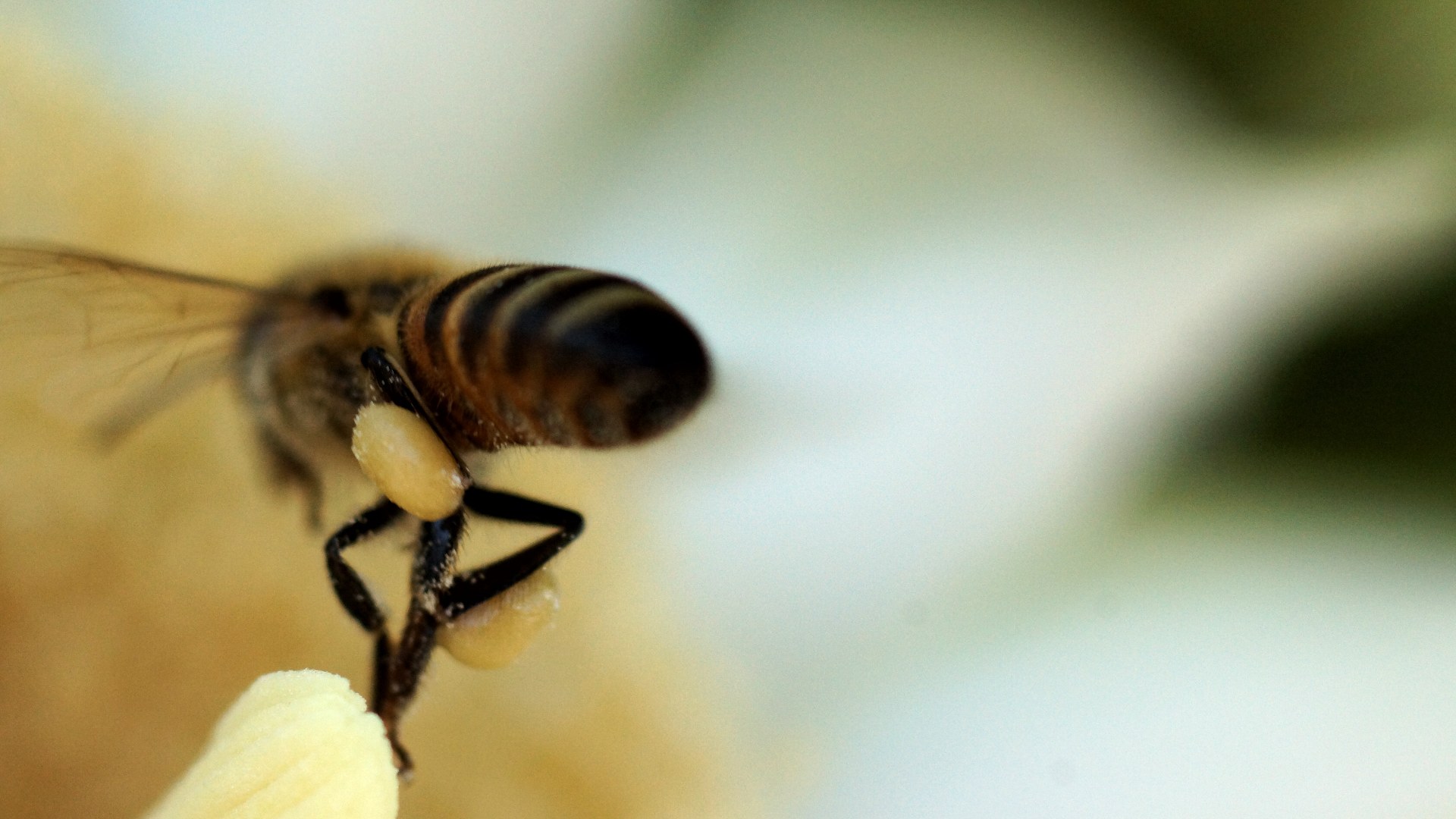
3. Days Twenty-Three And Up Packing Pollen 
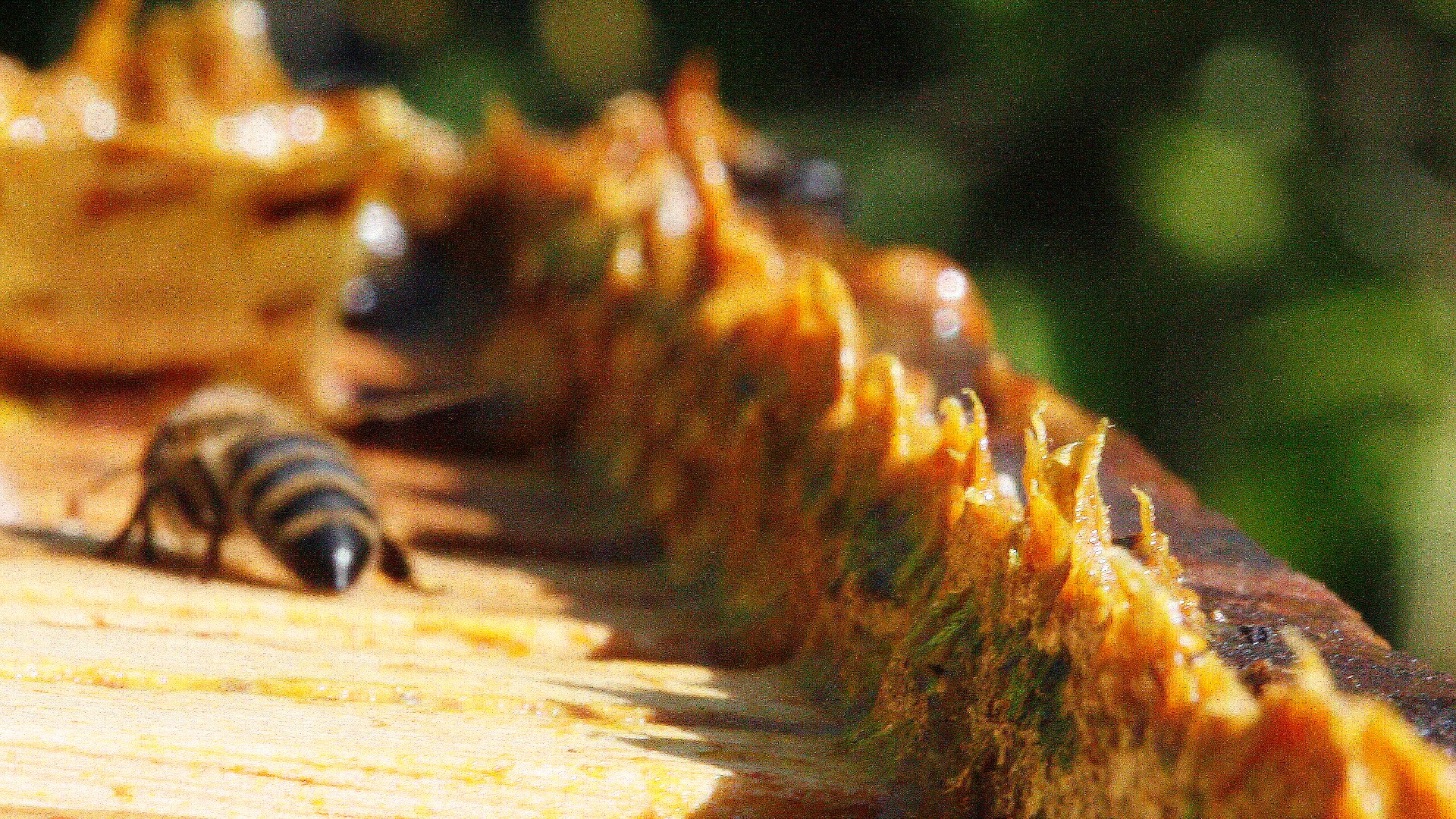
2. Days Twenty-Four And Up Propolis Gathering 
1. Daily Rest And Winter Thermal Clustering - Advertisement🔥 UP NEXT IN THIS SERIES◫ 22 Slides

How Long Do Hippos Live? 20 Other Facts About Hippos
From sixty-year lifespans to whale cousins, discover secrets of river giants
From nursery care and comb architecture to flight scouting and waggle dancing, how honeybees coordinate colony life by age.
Swipe or tap ▶ to begin the countdown
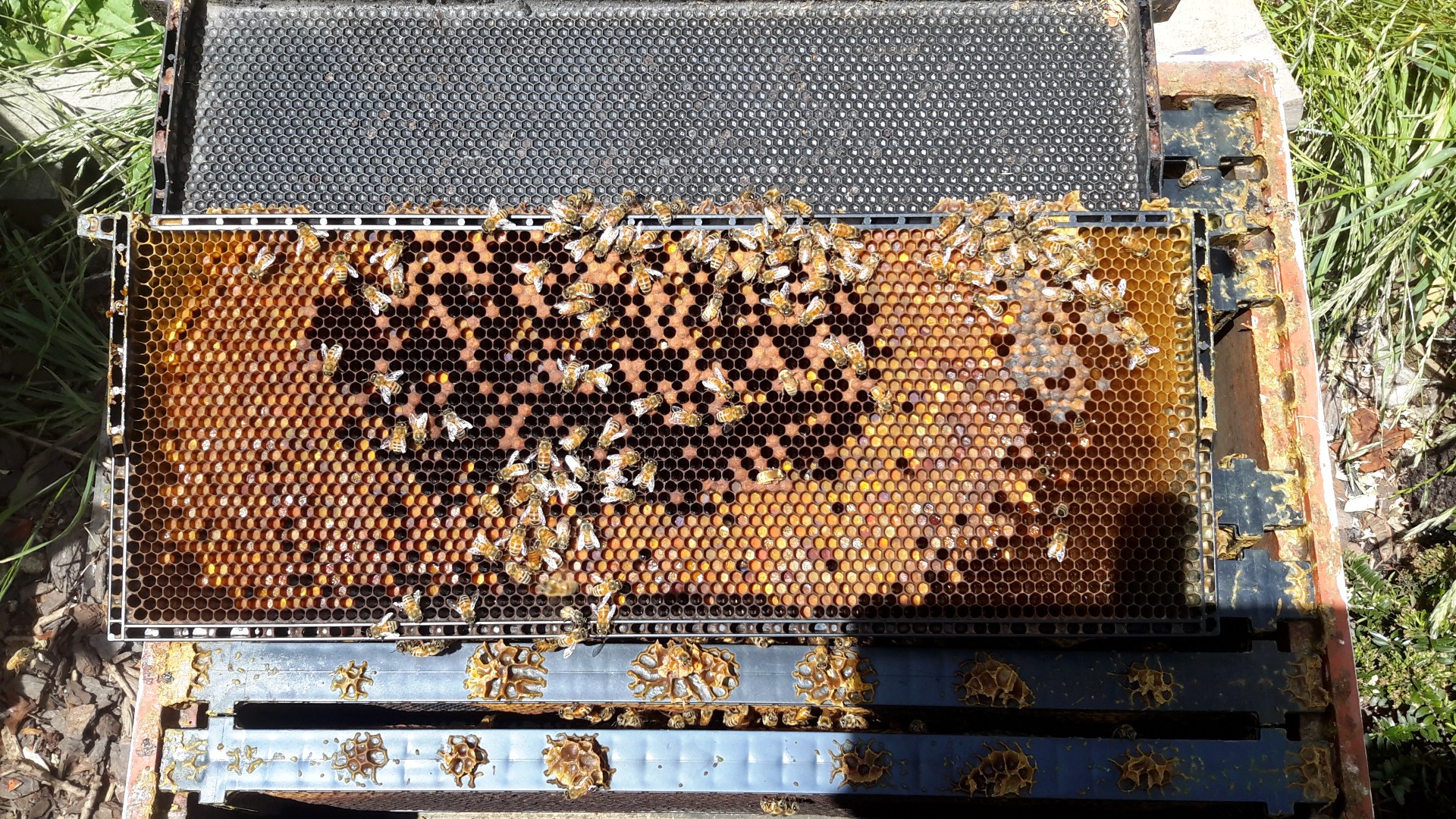
©Wikimedia / Honey bee and Alabama Extension
18. Day One: Emergence From The Brood Cell
A worker bee begins adult life by chewing through the protective wax capping of her brood cell. Surrounded by thousands of sisters, she immediately grooms her antennae and wings before starting indoor duties.
©Wikimedia / John Pons
17. Days One To Three: Cell Cleaning Duties
During their initial days as adults, bees serve as the colony cleaning crew. They scrub discarded pupal casings, remove debris, and polish cell walls with secretions, ensuring sanitized chambers for the queen next batch of eggs.
©Wikimedia / Alabama Extension
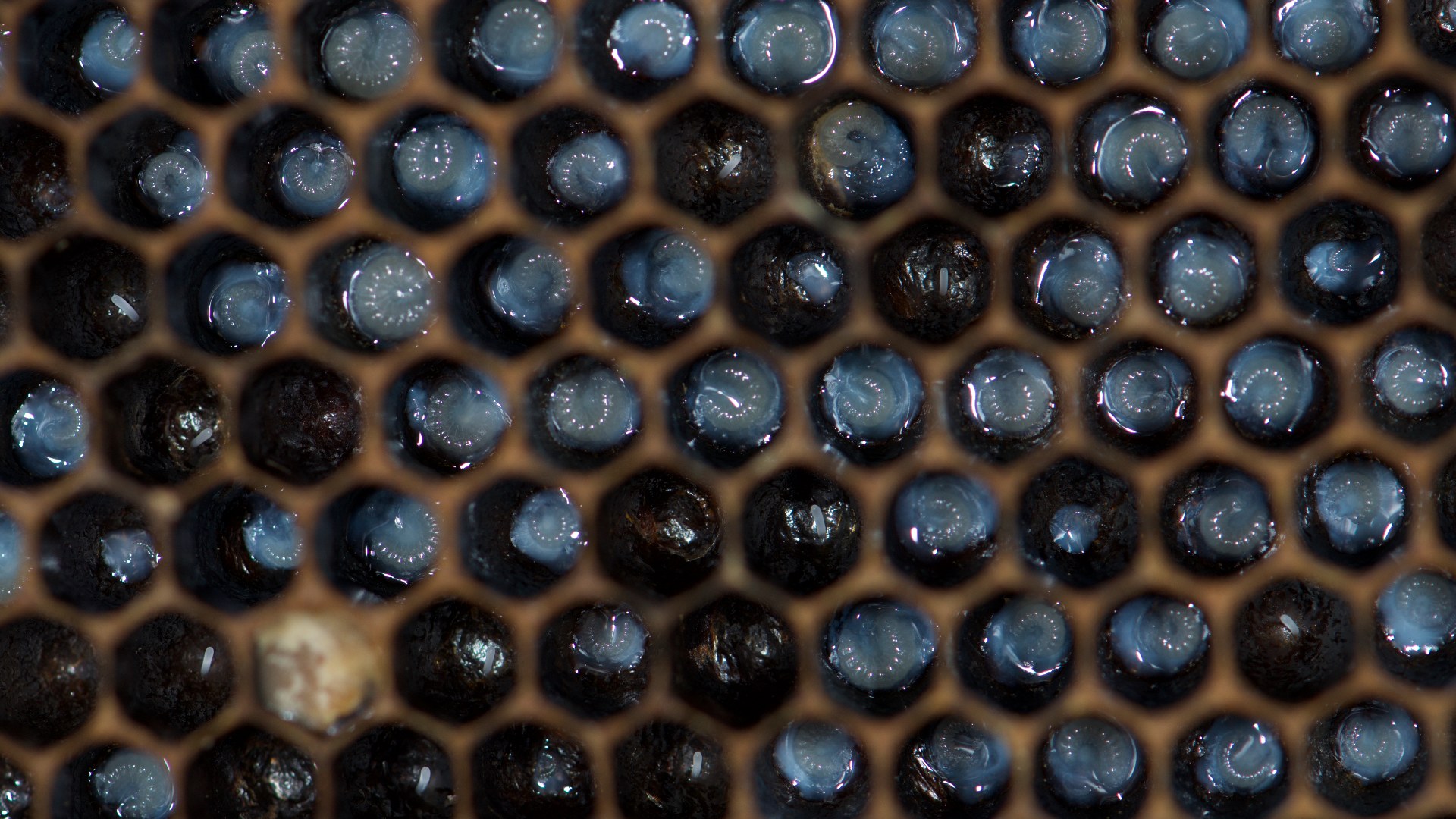
16. Days Four To Six: Feeding Older Larvae
Between days four and six, worker bees transition into nurse duties. Their internal brood-food glands begin producing nourishment, which they mix with nectar and bee bread to sustain rapidly growing older larvae inside open comb cells.
©Wikimedia / Piscisgate
Advertisement
Swipe or tap ▶ to resume the countdown.
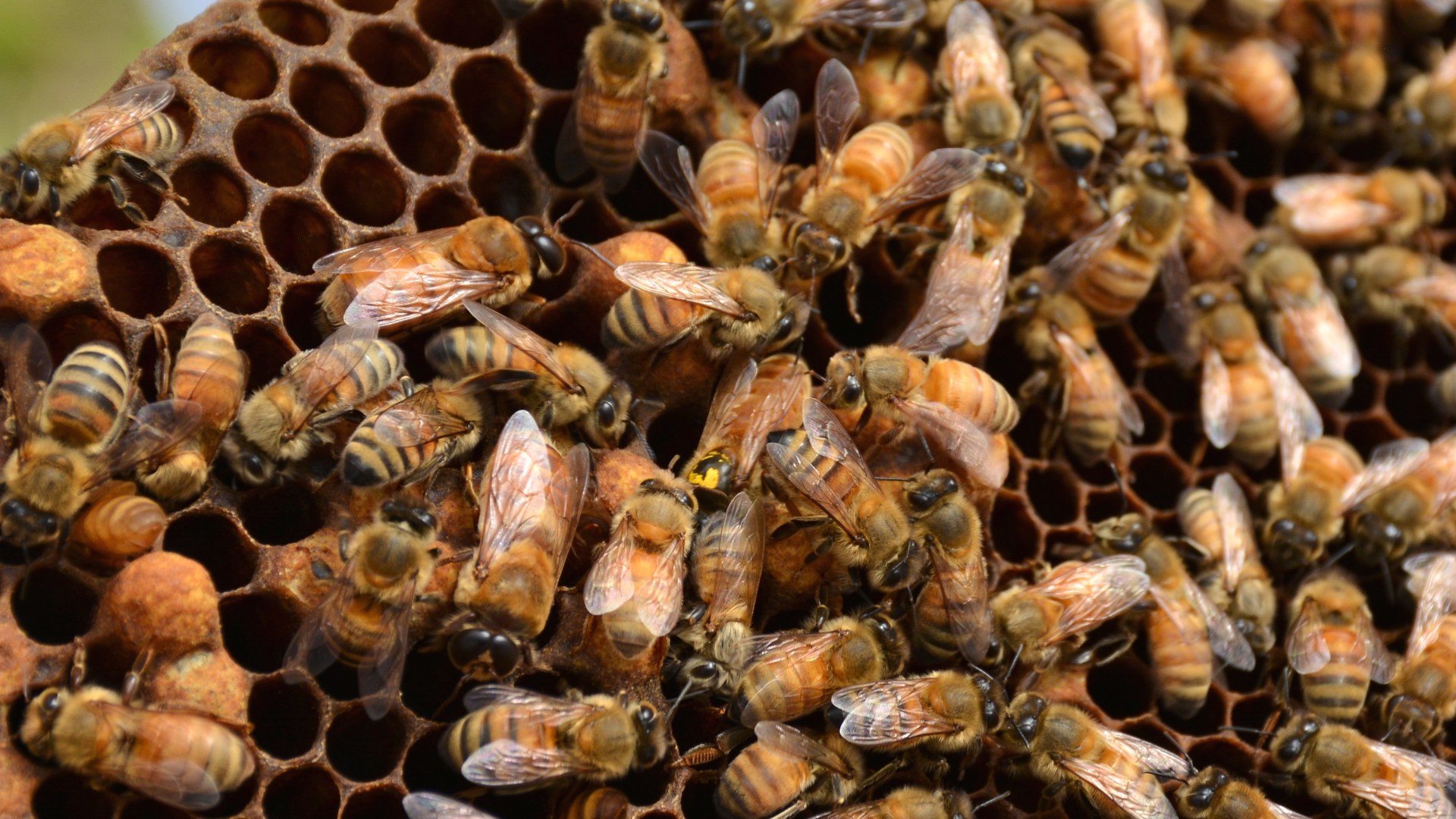
15. Days Six To Twelve Attending The Queen
From day six to twelve, nurses secrete protein-rich royal jelly. A dedicated circle of attendants continually feeds the queen, grooms her body, and spreads her mandibulary pheromone across the hive to maintain colony cohesion.
©Wikimedia / U.S. Geological Survey
14. Days Twelve To Fifteen: Wax Comb Construction
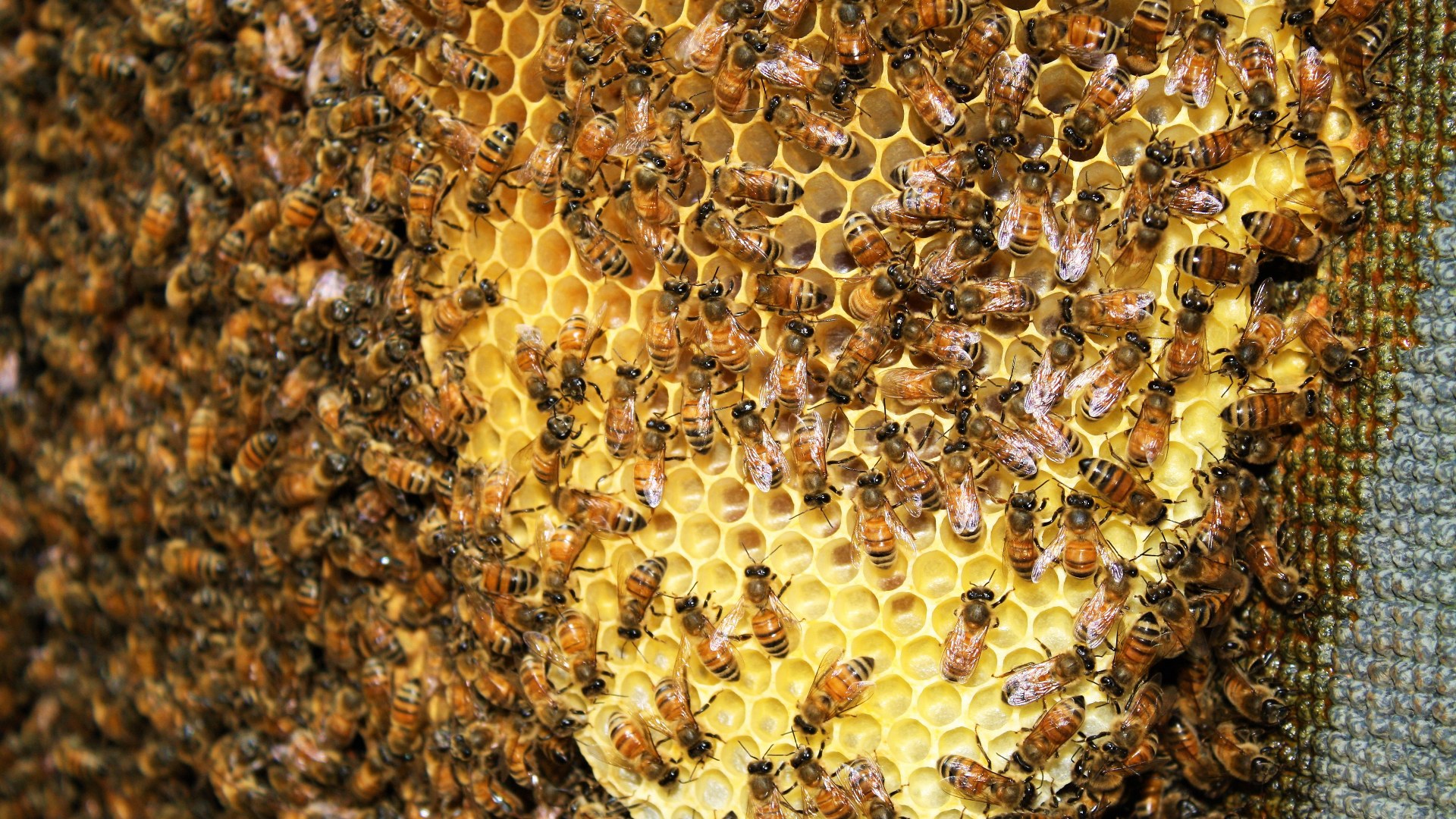
As nurse glands regress, abdominal wax glands reach maximum development. Workers exude delicate wax scales, chew them with enzymes to increase pliability, and meticulously build hexagonal combs that store honey and rear young.
©Wikimedia / Oshadhi Jayasena
13. Days Thirteen To Seventeen: Food Trophallaxis
Through a vital social sharing mechanism known as trophallaxis, receiver bees take incoming floral nectar directly from returning field foragers. This mouth-to-mouth transfer distributes food and communicates nutritional needs across the hive.
©Wikimedia / Alabama Extension
12. Days Fourteen To Eighteen: Ripening Honey
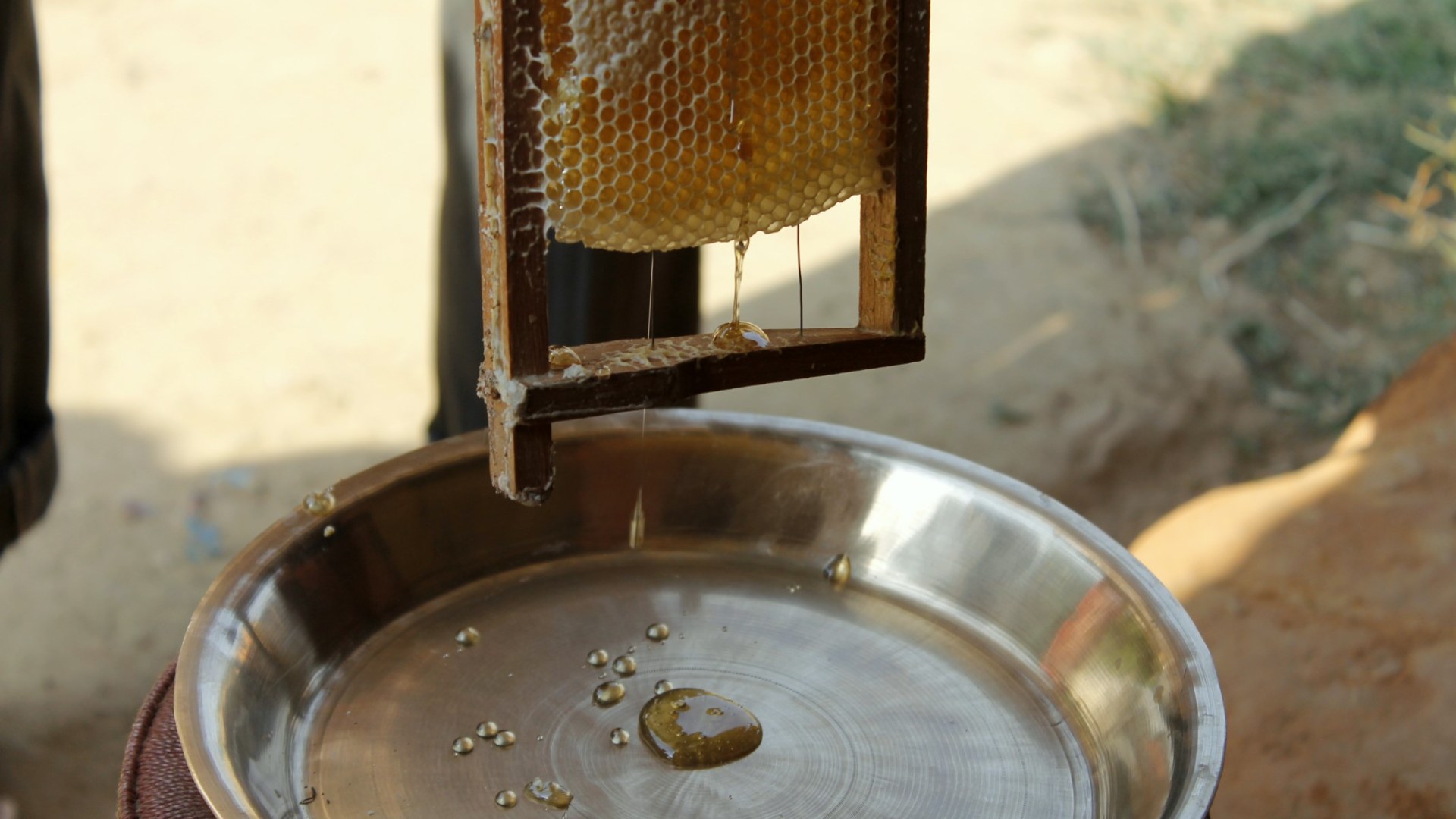
Processor bees add invertase enzymes to nectar, breaking complex sugars into glucose and fructose. They repeatedly regurgitate droplets over their tongues and fan warm air over open cells until moisture drops below eighteen percent.
©Wikimedia / Skrissh2013
Advertisement
Swipe or tap ▶ to resume the countdown.
11. Days Fifteen To Nineteen: Capping Honeycomb
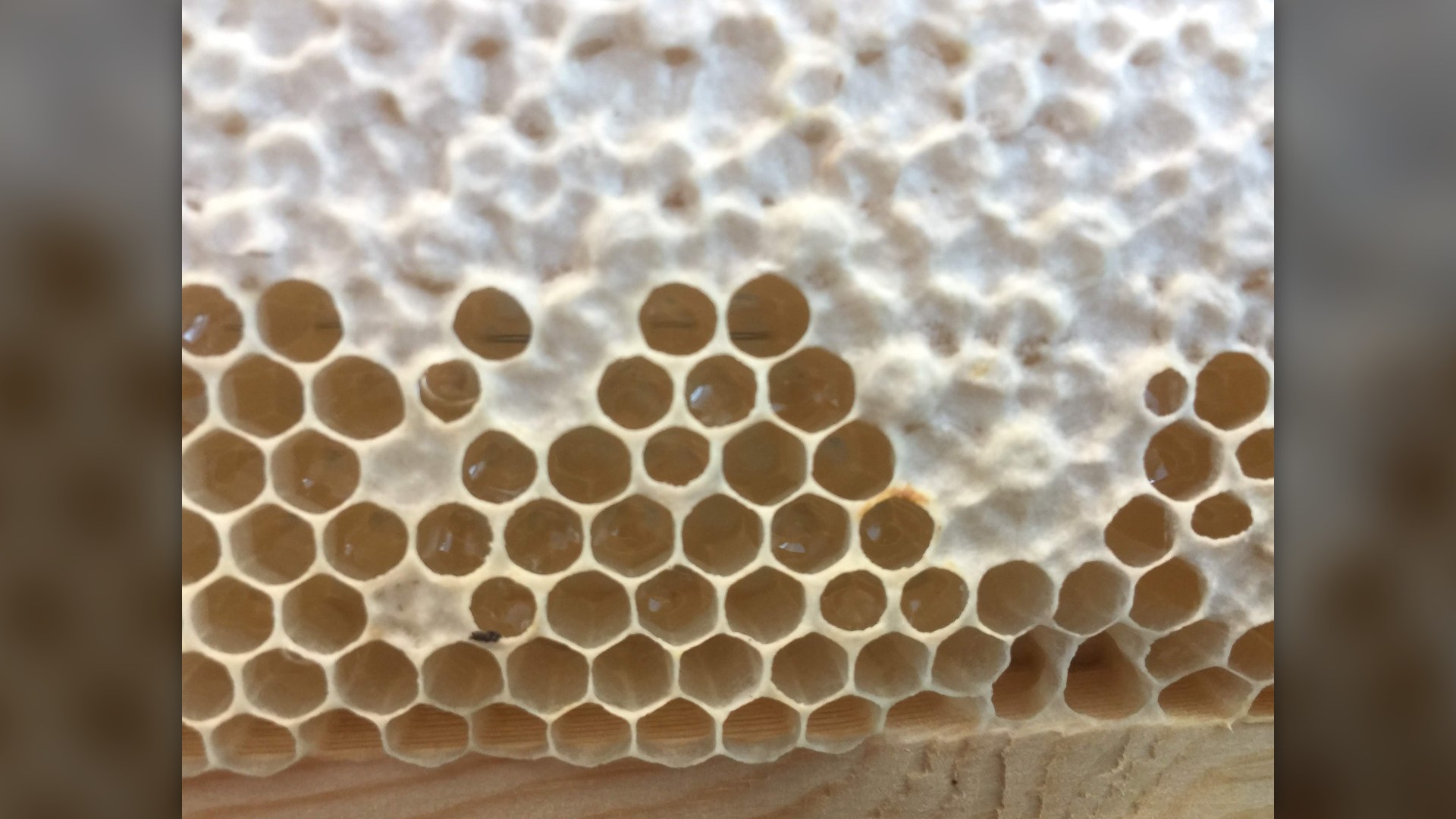
When moisture testing indicates honey will not ferment, builders seal the cell. The resulting white wax cap preserves the honey indefinitely, providing crucial carbohydrate reserves to power winter survival and brood rearing.
©Wikimedia / Einebillion
10. Days Fifteen To Twenty: Climate Ventilation
Brood nest development requires a strict temperature of ninety-five degrees Fahrenheit. Fanner bees position themselves along hive passages, beating wings to evacuate excess heat and circulate fresh oxygen throughout the structure.
©Wikimedia / Conall
9. Days Sixteen To Twenty: Undertaker Duties
Hygienic worker bees specialize in undertaker tasks to prevent pathogens from spreading. They identify deceased nestmates or infested brood by scent, carry them in flight, and drop them dozens of yards away from the colony.
©Wikimedia / rickpilot_2000
8. Days Eighteen To Twenty-One: Guarding The Hive
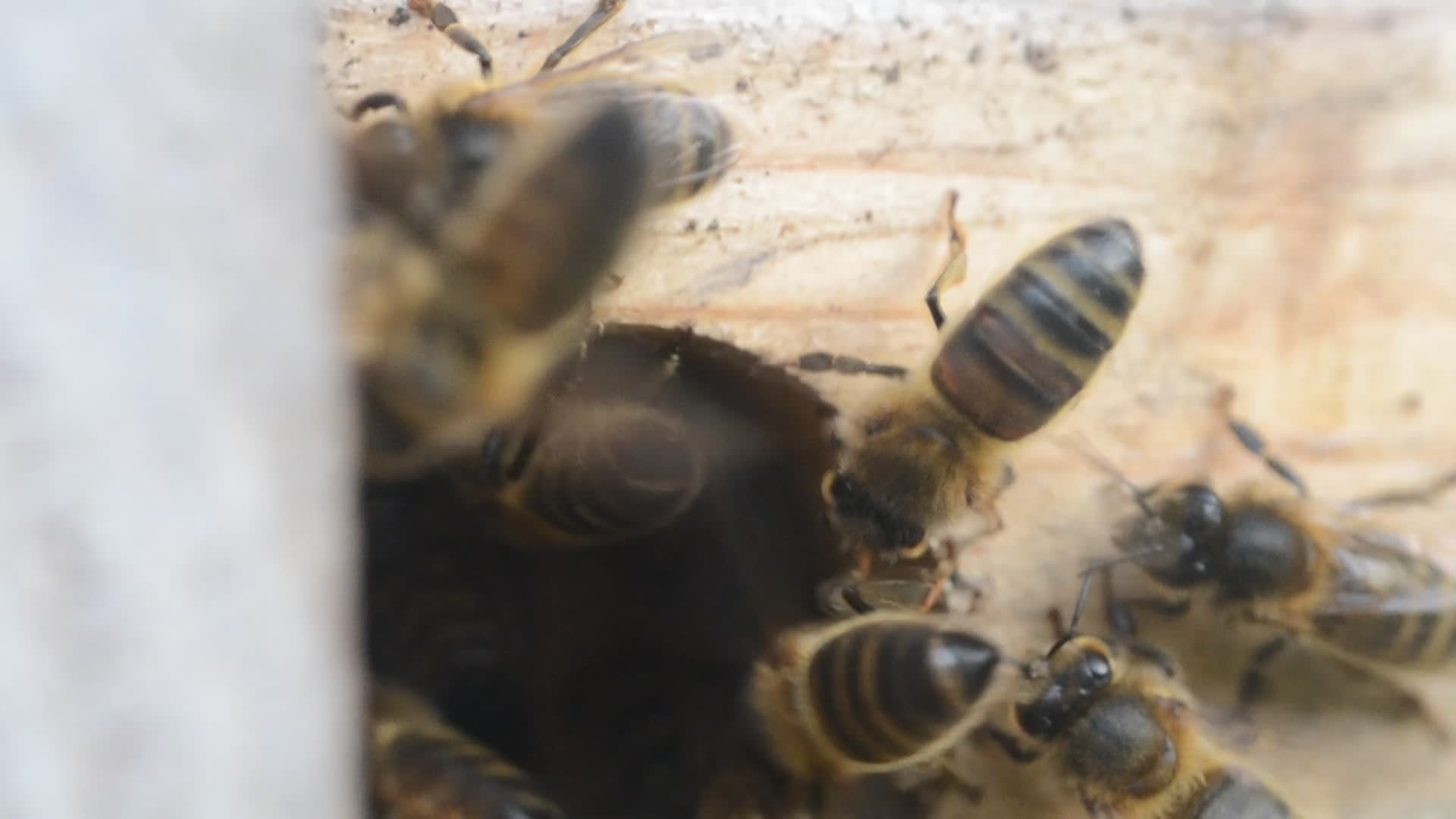
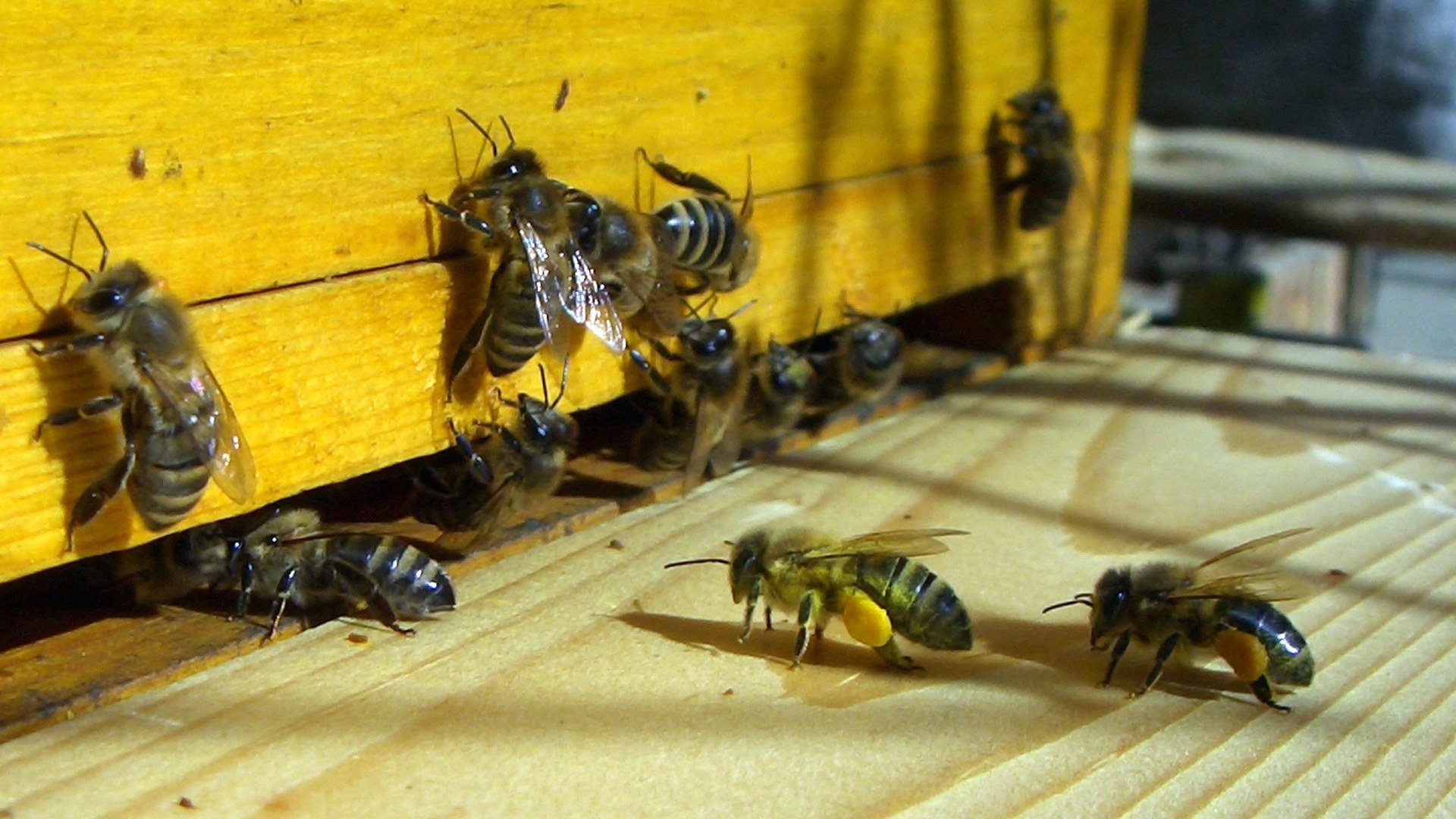
Before flying out into the world, workers spend several days defending the colony entrance. Guard bees smell arriving arrivals using antennal touch, instantly challenging strange bees from other colonies, predatory hornets, or mammals.
©Wikimedia / Zonki
Advertisement
Swipe or tap ▶ to resume the countdown.
7. Day Twenty-One: Orientation Flights At Dawn
Around three weeks of age, workers make their maiden flights. Circling in widening arcs above the hive entrance, they memorize local trees, buildings, and polarized light patterns, creating a mental map essential for safe navigation.
©Wikimedia / Ante Perkovic
6. Days Twenty-Two And Up Scout Missions
A small percentage of experienced foragers act as scout bees. Flying up to five miles from the apiary, they test nectar sweetness and pollen abundance, returning to rally teammates toward high-yield floral resources.
©Wikimedia / Muhammad Mahdi Karim
5. Days Twenty-Two And Up The Waggle Dance
Returning scouts share navigation coordinates on the dark dance floor of the comb. The angle of the waggle run relative to gravity indicates flight direction compared to the sun, while waggle duration precisely encodes flight distance.
©Wikimedia / E-square23
4. Days Twenty-Three And Up Nectar Foraging
Field bees make dozens of daily flights to drink raw floral nectar. Storing the sugar solution in their honey stomachs, foragers return to the apiary with loads weighing nearly half their own body weight to refuel the colony.
©Wikimedia / Zeynel Cebeci
Advertisement
Swipe or tap ▶ to resume the countdown.
3. Days Twenty-Three And Up Packing Pollen
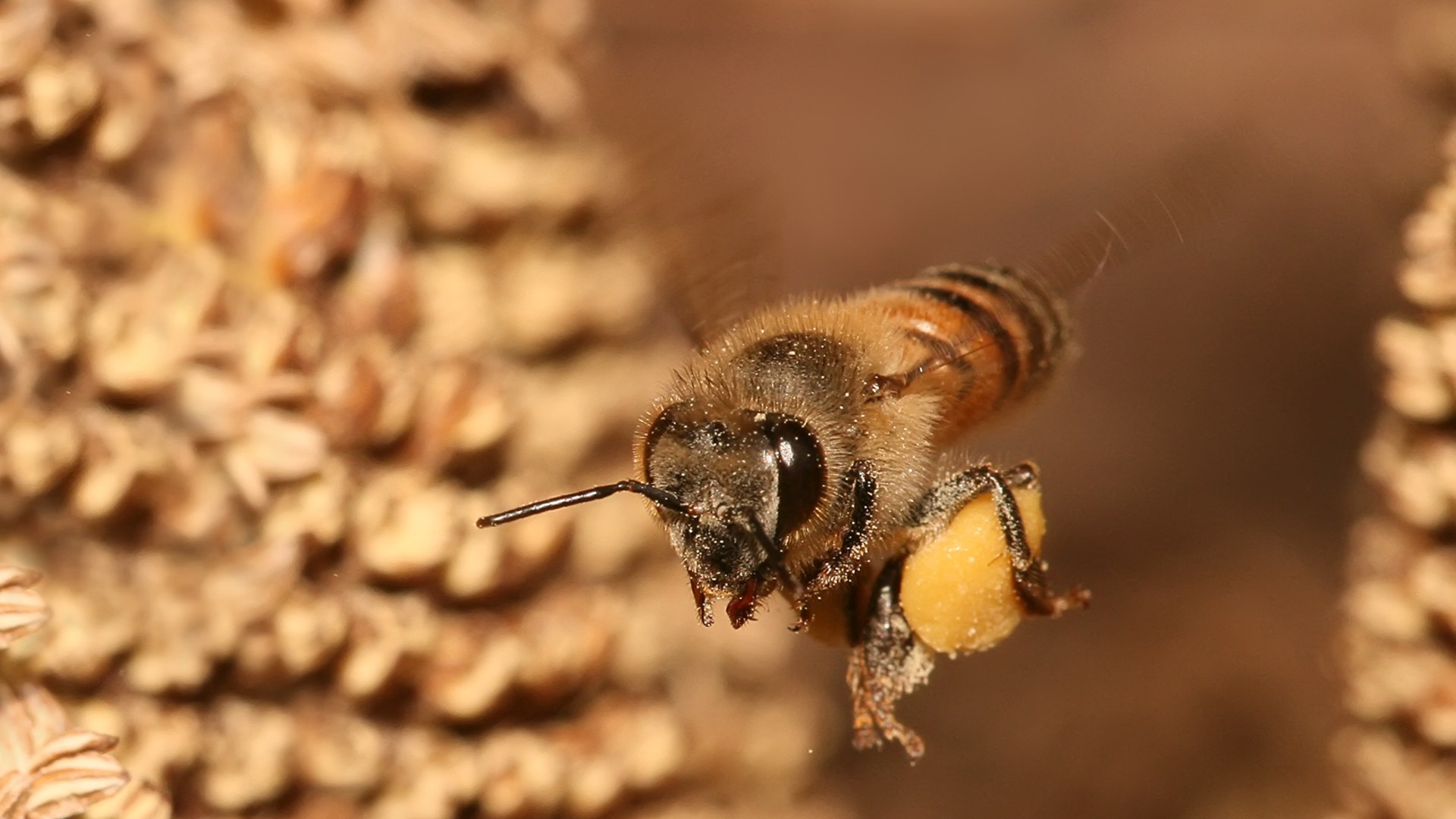
As bees visit blossoms, electrostatically charged branched hairs trap loose pollen. Using specialized stiff bristles on their legs, foragers rake the grains into moistened pellets secured in concave corbicula baskets on their hind legs.
©Wikimedia / William Herron
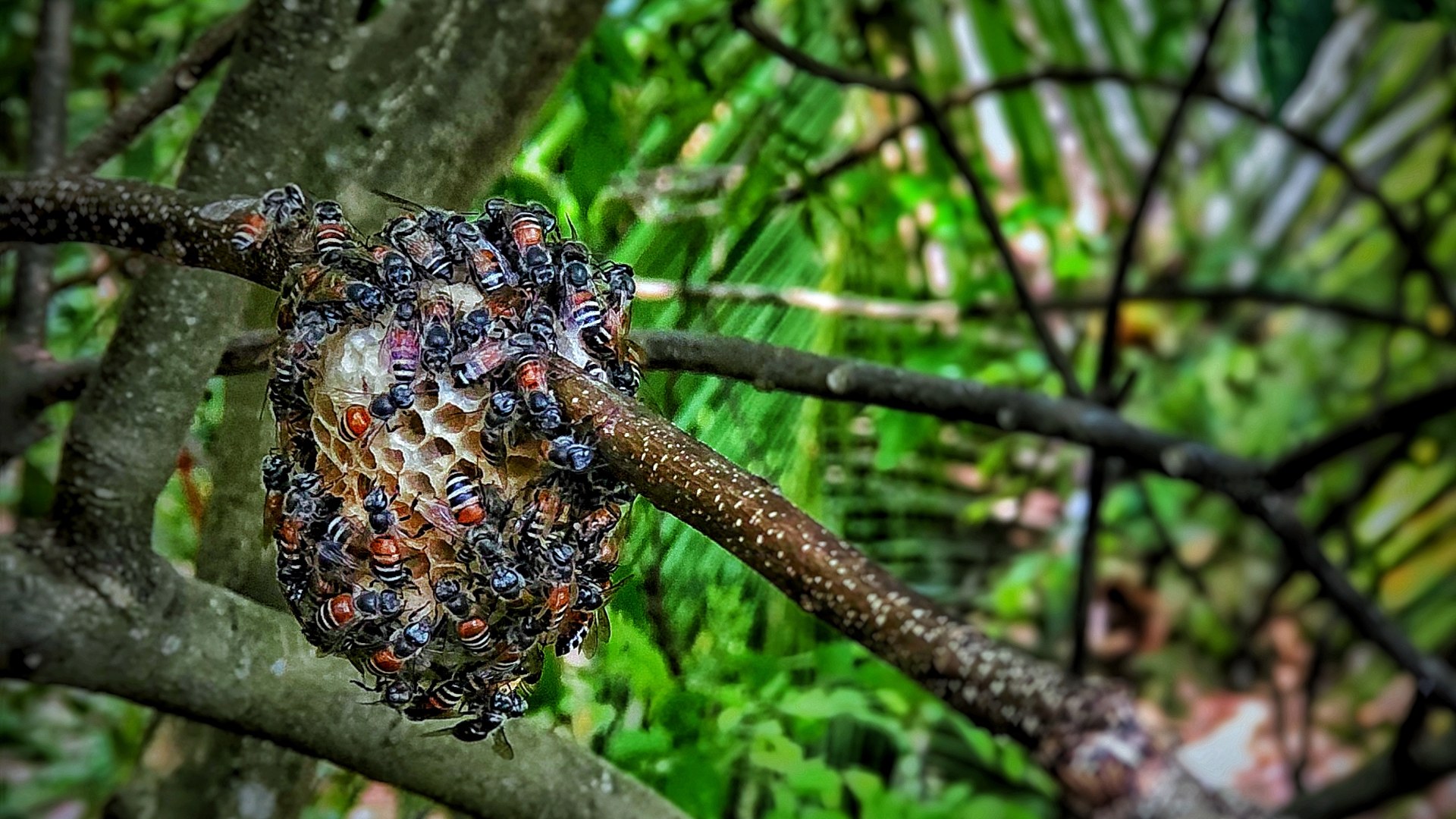
2. Days Twenty-Four And Up Propolis Gathering
A distinct group of veteran foragers collects aromatic tree resin from poplar and conifer buds. Inside the hive, workers blend this sticky sap with wax to create propolis, an antimicrobial sealant used to plug gaps and disinfect surfaces.
©Wikimedia / Abalg
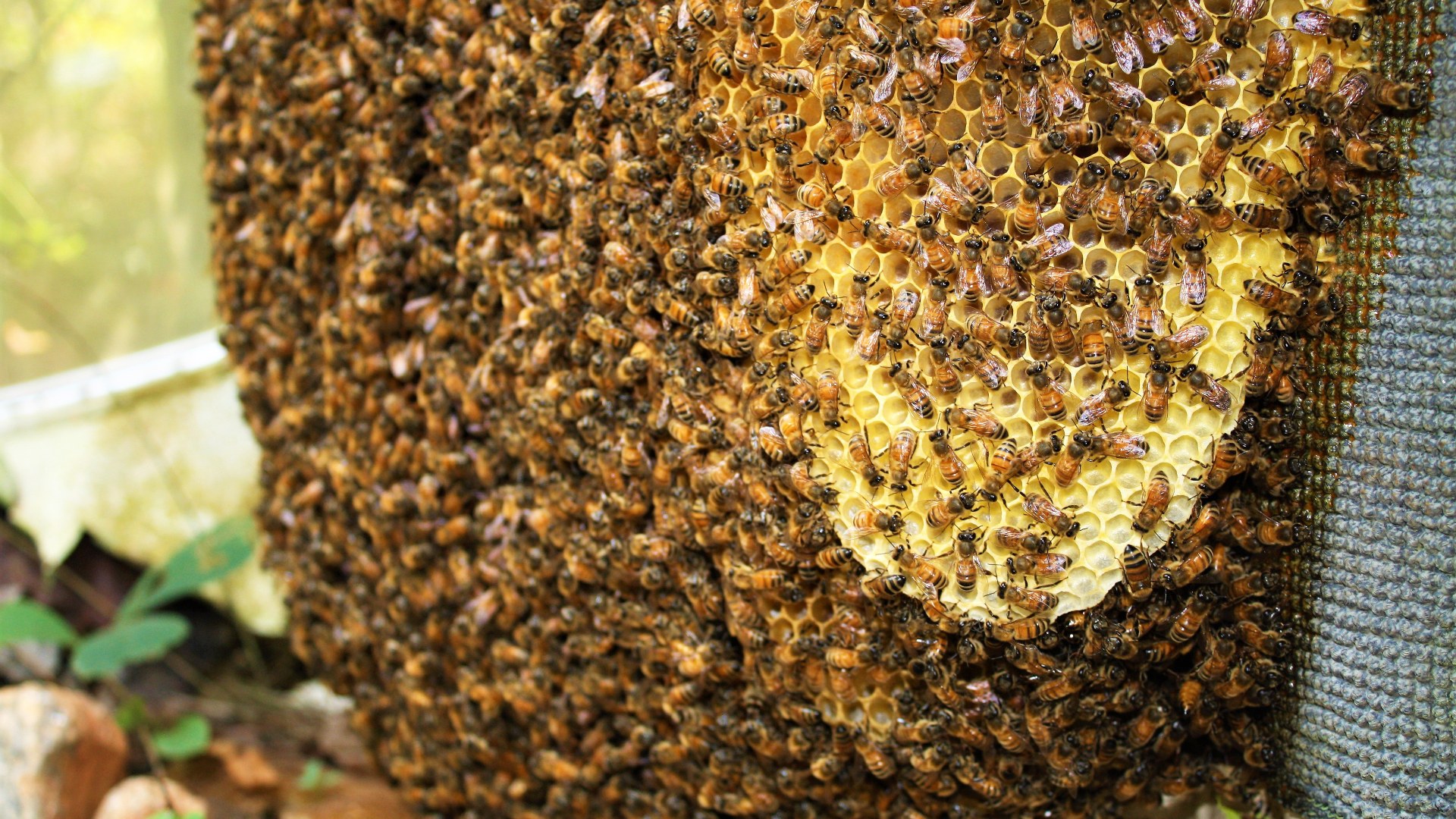
1. Daily Rest And Winter Thermal Clustering
Between tasks, workers exhibit clear circadian rest periods, staying motionless with drooping antennae. In winter, fifty thousand bees contract into a tight sphere, flexing flight muscles without moving wings to generate warmth for the queen.

©Wikimedia / Tasmanianbeekeepers
Advertisement
You've reached the end of the story. Thanks for reading!

How Long Do Hippos Live? 20 Other Facts About Hippos
From sixty-year lifespans to whale cousins, discover secrets of river giants
All 18 Entries in this Story
1. Day One: Emergence From The Brood Cell
A worker bee begins adult life by chewing through the protective wax capping of her brood cell. Surrounded by thousands of sisters, she immediately grooms her antennae and wings before starting indoor duties.

2. Days One To Three: Cell Cleaning Duties
During their initial days as adults, bees serve as the colony cleaning crew. They scrub discarded pupal casings, remove debris, and polish cell walls with secretions, ensuring sanitized chambers for the queen next batch of eggs.

3. Days Four To Six: Feeding Older Larvae
Between days four and six, worker bees transition into nurse duties. Their internal brood-food glands begin producing nourishment, which they mix with nectar and bee bread to sustain rapidly growing older larvae inside open comb cells.

4. Days Six To Twelve Attending The Queen
From day six to twelve, nurses secrete protein-rich royal jelly. A dedicated circle of attendants continually feeds the queen, grooms her body, and spreads her mandibulary pheromone across the hive to maintain colony cohesion.

5. Days Twelve To Fifteen: Wax Comb Construction
As nurse glands regress, abdominal wax glands reach maximum development. Workers exude delicate wax scales, chew them with enzymes to increase pliability, and meticulously build hexagonal combs that store honey and rear young.

6. Days Thirteen To Seventeen: Food Trophallaxis
Through a vital social sharing mechanism known as trophallaxis, receiver bees take incoming floral nectar directly from returning field foragers. This mouth-to-mouth transfer distributes food and communicates nutritional needs across the hive.

7. Days Fourteen To Eighteen: Ripening Honey
Processor bees add invertase enzymes to nectar, breaking complex sugars into glucose and fructose. They repeatedly regurgitate droplets over their tongues and fan warm air over open cells until moisture drops below eighteen percent.

8. Days Fifteen To Nineteen: Capping Honeycomb
When moisture testing indicates honey will not ferment, builders seal the cell. The resulting white wax cap preserves the honey indefinitely, providing crucial carbohydrate reserves to power winter survival and brood rearing.

9. Days Fifteen To Twenty: Climate Ventilation
Brood nest development requires a strict temperature of ninety-five degrees Fahrenheit. Fanner bees position themselves along hive passages, beating wings to evacuate excess heat and circulate fresh oxygen throughout the structure.

10. Days Sixteen To Twenty: Undertaker Duties
Hygienic worker bees specialize in undertaker tasks to prevent pathogens from spreading. They identify deceased nestmates or infested brood by scent, carry them in flight, and drop them dozens of yards away from the colony.

11. Days Eighteen To Twenty-One: Guarding The Hive
Before flying out into the world, workers spend several days defending the colony entrance. Guard bees smell arriving arrivals using antennal touch, instantly challenging strange bees from other colonies, predatory hornets, or mammals.

12. Day Twenty-One: Orientation Flights At Dawn
Around three weeks of age, workers make their maiden flights. Circling in widening arcs above the hive entrance, they memorize local trees, buildings, and polarized light patterns, creating a mental map essential for safe navigation.

13. Days Twenty-Two And Up Scout Missions
A small percentage of experienced foragers act as scout bees. Flying up to five miles from the apiary, they test nectar sweetness and pollen abundance, returning to rally teammates toward high-yield floral resources.

14. Days Twenty-Two And Up The Waggle Dance
Returning scouts share navigation coordinates on the dark dance floor of the comb. The angle of the waggle run relative to gravity indicates flight direction compared to the sun, while waggle duration precisely encodes flight distance.

15. Days Twenty-Three And Up Nectar Foraging
Field bees make dozens of daily flights to drink raw floral nectar. Storing the sugar solution in their honey stomachs, foragers return to the apiary with loads weighing nearly half their own body weight to refuel the colony.

16. Days Twenty-Three And Up Packing Pollen
As bees visit blossoms, electrostatically charged branched hairs trap loose pollen. Using specialized stiff bristles on their legs, foragers rake the grains into moistened pellets secured in concave corbicula baskets on their hind legs.

17. Days Twenty-Four And Up Propolis Gathering
A distinct group of veteran foragers collects aromatic tree resin from poplar and conifer buds. Inside the hive, workers blend this sticky sap with wax to create propolis, an antimicrobial sealant used to plug gaps and disinfect surfaces.

18. Daily Rest And Winter Thermal Clustering
Between tasks, workers exhibit clear circadian rest periods, staying motionless with drooping antennae. In winter, fifty thousand bees contract into a tight sphere, flexing flight muscles without moving wings to generate warmth for the queen.