Slideshow · Animals
How Dogs Know When Their Owners Are Coming Home
Dogs seem to have an uncanny sixth sense for when their humans return home. Science shows their remarkable anticipation relies on smell decay, subtle sounds, and daily routines.




All 12 Entries in this Story
Internal Circadian Clocks
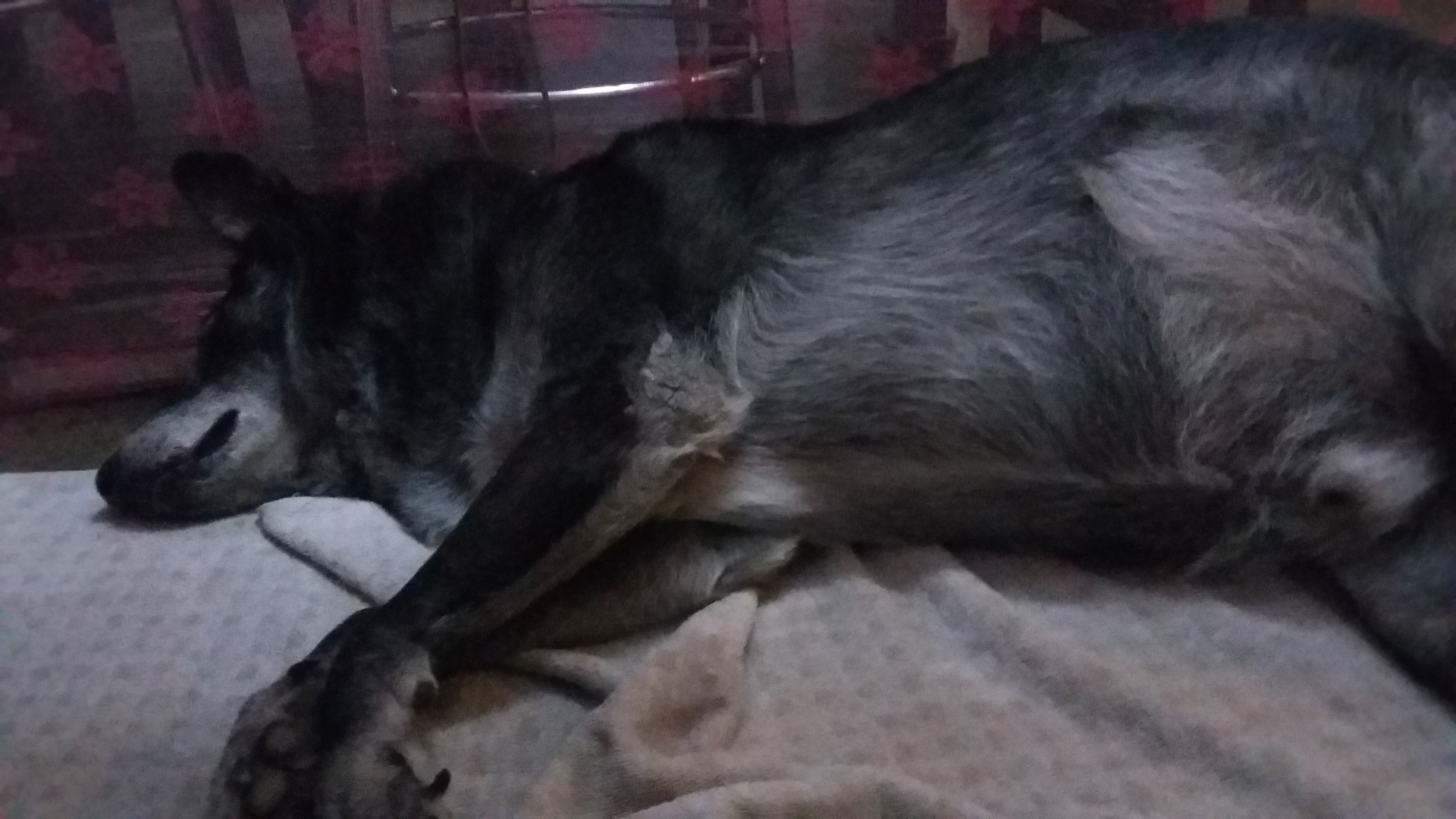
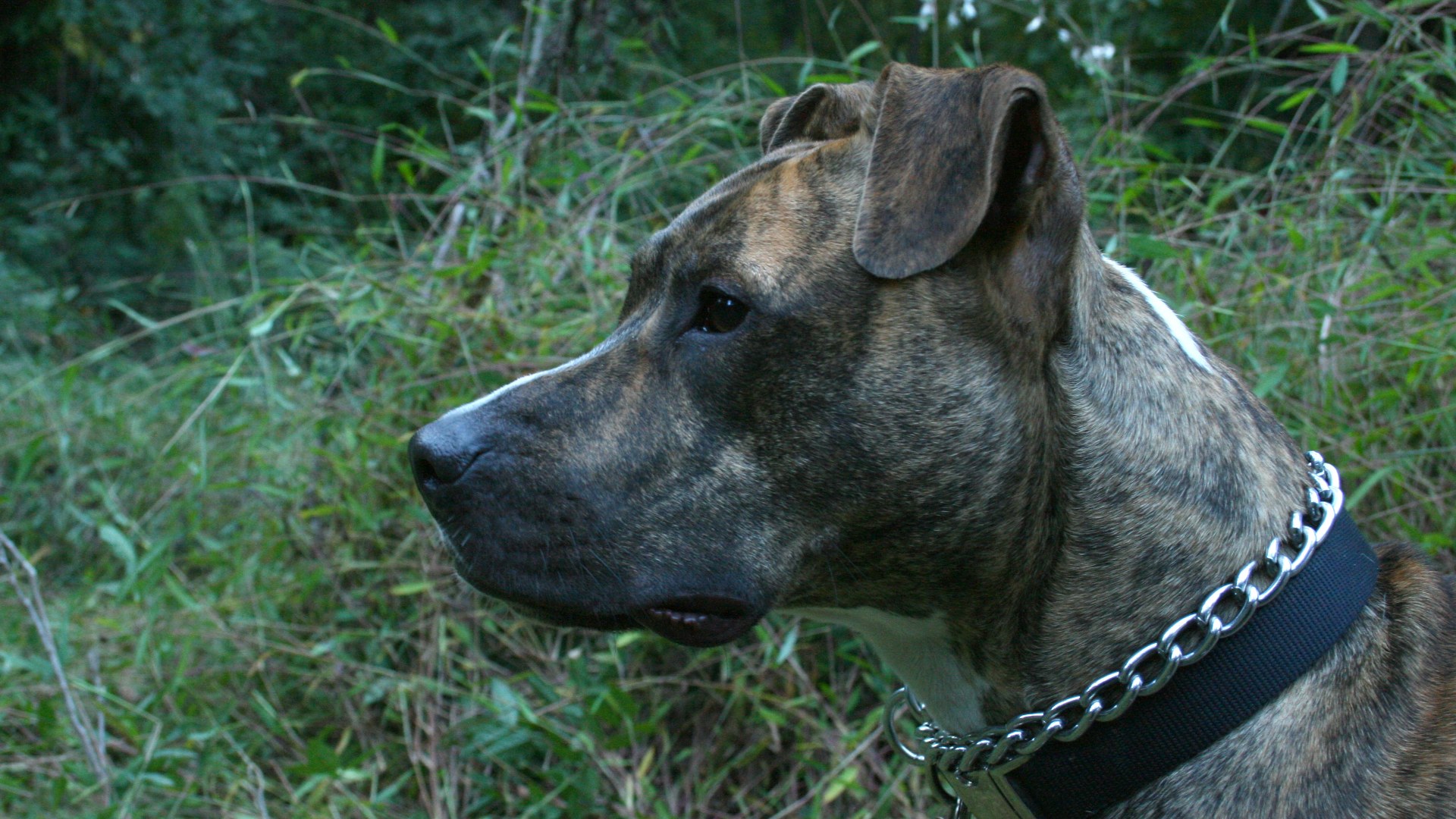
Dogs operate on strong internal circadian rhythms synchronized with household activity patterns. Their bodies anticipate daily meal schedules, bathroom breaks, and resting cycles, giving them a reliable internal clock that marks when hours have elapsed.
Tracking Shifts In Sunlight
Dogs notice light gradients moving across floors and walls. As shadows lengthen toward late afternoon, changes in room temperature and outdoor twilight give canines clear physical milestones that signal your return time is approaching.
The Olfactory Clock
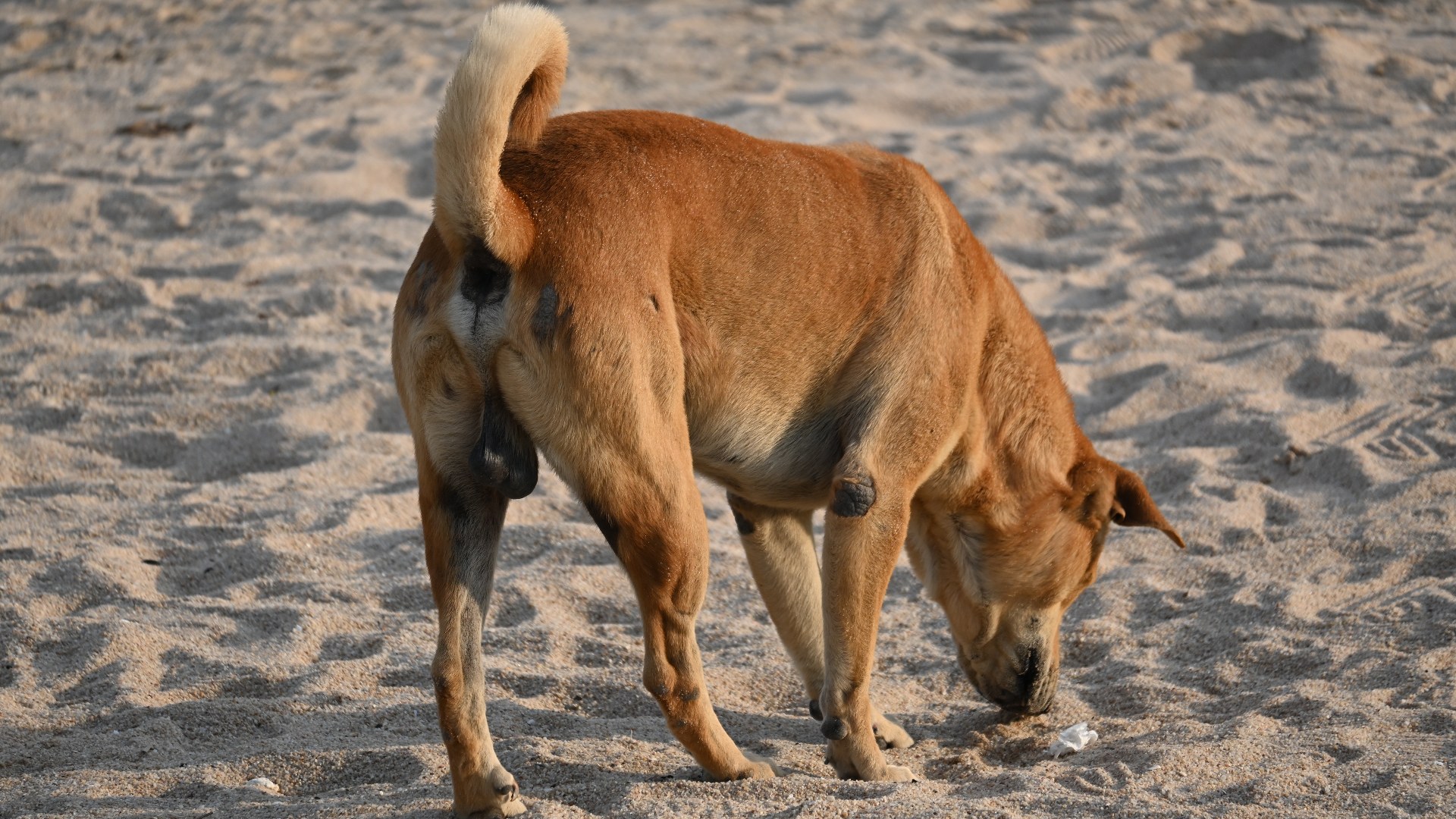
Cognitive researcher Alexandra Horowitz documented that your scent diminishes steadily after you leave the house. Dogs perceive this concentration drop like an hourglass. When your airborne scent fades to a specific threshold, they know you typically walk in.
Shifts In Indoor Drafts
A dog's whiskers and damp nasal passages detect tiny air currents. When a distant building entry opens or an automated garage gate lifts, pressure changes ripple through hallways, alerting your pet to incoming arrivals before human ears notice.
Ultrasonic Hearing Range
While human hearing cuts off around twenty kilohertz, dogs hear high-frequency acoustic waves up to forty-five kilohertz. Eighteen separate ear muscles rotate independently to pinpoint distant vibrations from streets away.
Isolating Engine Signatures
Tire tread hum, transmission whine, and engine idle create a unique sonic profile. Dogs easily separate your specific car rumble from dozens of neighborhood vehicles driving past, lifting their heads the moment you enter the street.
Recognizing Footstep Cadence
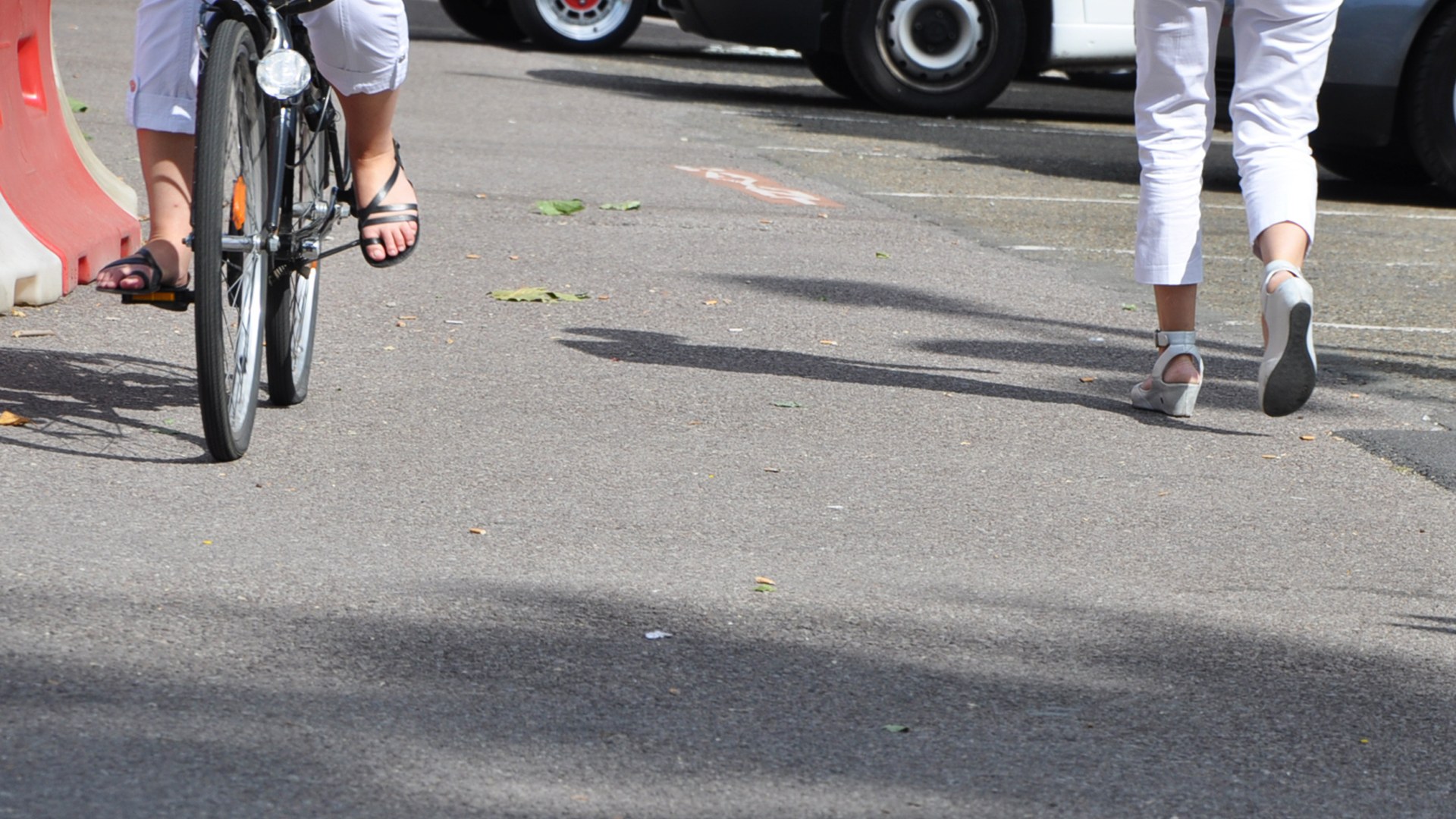
Every human walks with a distinct gait rhythm, ground strike velocity, and heel weight. Paired with the metallic jingle of house keys in your pocket, these acoustic cues tell a dog exactly who is ascending the porch steps.
Threshold Scent Detection
As you stand on the welcome mat, personal scent particles wash under the door frame via outside air displacement. Equipped with three hundred million olfactory receptors, your dog immediately verifies your personal scent signature.
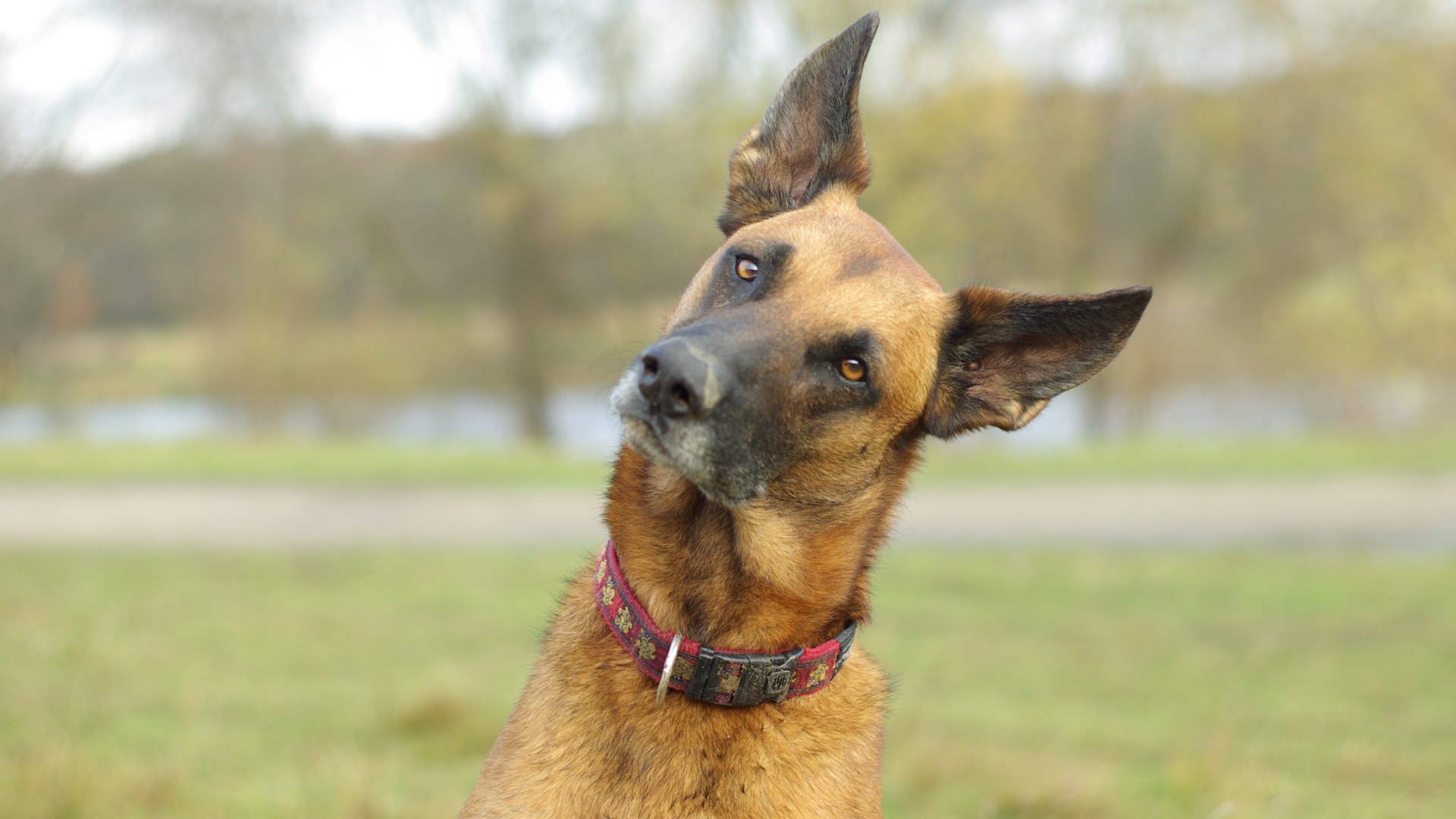
Head Tilting And Ear Alignment
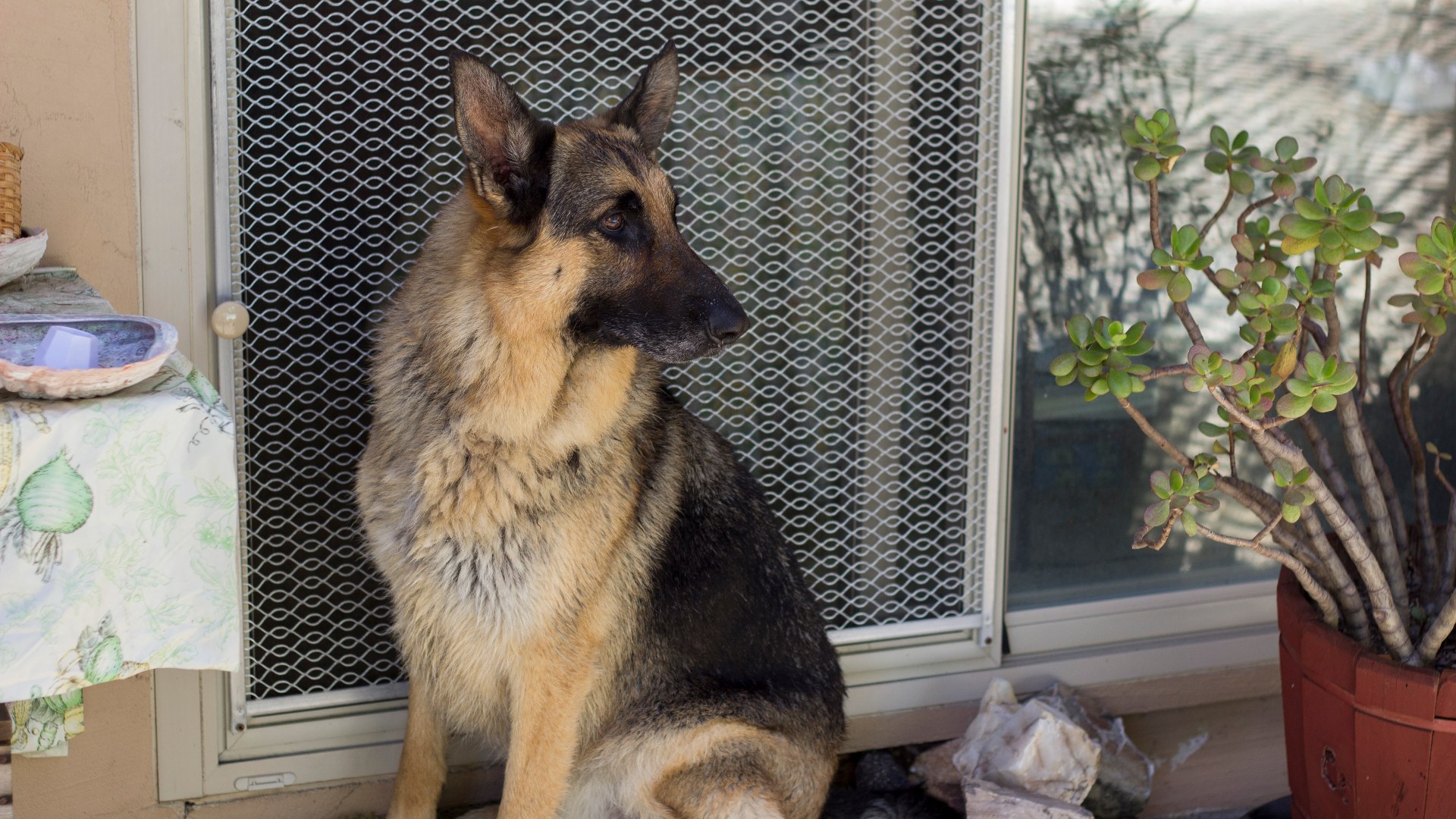
When dogs tilt their heads, they adjust the pinna angle to determine microsecond differences in when sound waves reach each ear. This calculation lets them locate your exact distance and heading through solid walls.
Visual Confirmation At Windows
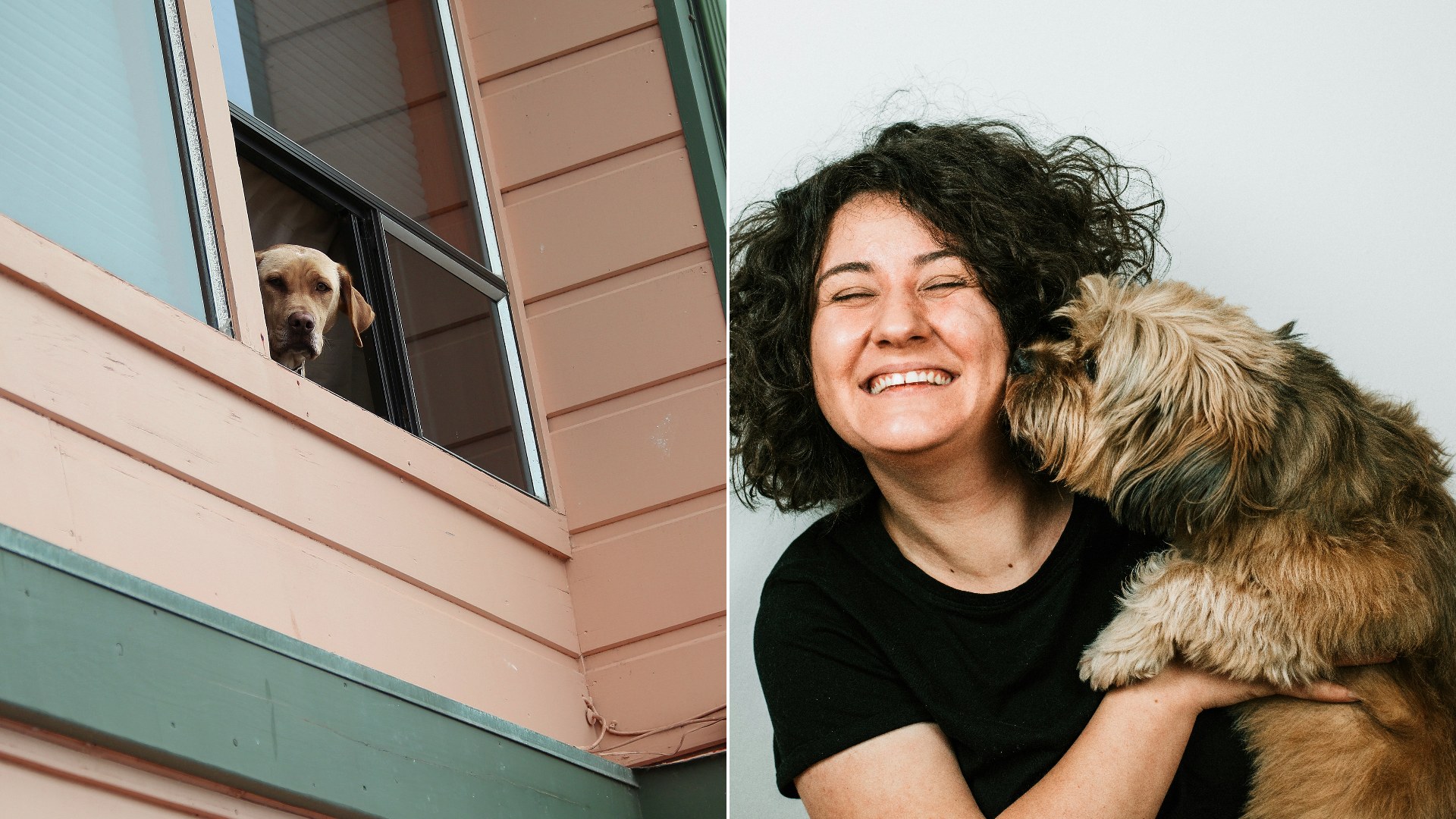
Many dogs station themselves at familiar window sills once initial auditory cues register. Even with moderate distance visual acuity, dogs excel at spotting motion and silhouette shapes, identifying your walk from yards away.
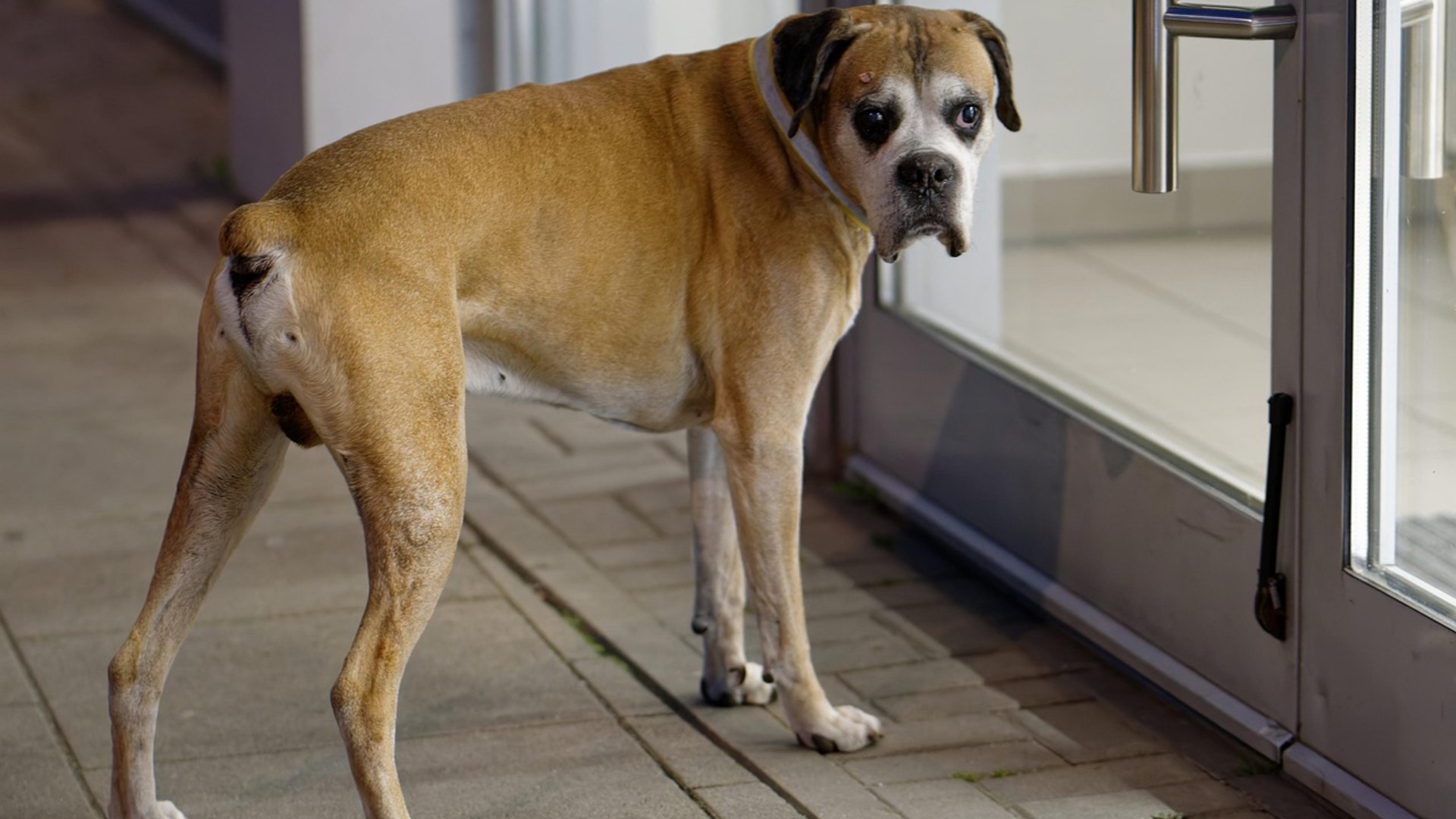
Anticipatory Doorway Vigils
As footsteps reach the threshold, anticipation peaks. Dogs frequently pace, pant softly, or sit upright facing the entrance latch. Their internal arousal mounts as they hear the key sliding into the lock cylinder.
The Joyful Greeting Surge
The moment the door swings open, both dog and owner experience an immediate surge in oxytocin and dopamine. Heart rates synchronize and stress levels drop, cementing the evolutionary bond between companions.