Slideshow · Viral
How Ilhan Omar Became a National Political Figure
From Somali refugee camp survivor to high-profile progressive lawmaker.
By Most Viral Today
26 Oct 2026

How Ilhan Omar Became a National Political Figure 
12. Childhood In Mogadishu And Flight From War 
11. Four Years In Kenyan Refugee Encampments 
10. Arrival And Resettlement In Minneapolis - AdvertisementSwipe or tap ▶ to continue countdown

9. Grassroots Community Organizing Roots 
8. Policy Aide In Minneapolis City Hall 
7. Historic Minnesota House Election Victory 
6. Legislative Impact At The State Capitol - AdvertisementSwipe or tap ▶ to continue countdown

5. The 2018 Historic Congressional Campaign 
4. Overturning The 181-Year House Headwear Ban 
3. The Formation Of The Squad 
2. Foreign Affairs Debates And National Scrutiny - AdvertisementSwipe or tap ▶ to continue countdown

1. Progressive Caucus Whip And Enduring Leadership - Advertisement🔥 UP NEXT IN THIS SERIES◫ 21 Slides

20 Iconic Historical Photos and the Archive Clues Behind Them
Contact sheets, cracked glass plates, and NASA mission logs preserve the hidden steps behind 20 famous photographs. Drawing on records from the Library of Congress, the National Archives, NASA, and the Smithsonian, this countdown traces how cropping, camera setups, and double exposures shaped each frame.
From fleeing the Somali civil war and surviving a Kenyan refugee camp to reshaping Congressional politics as part of The Squad, Ilhan Omar achieved one of the most unprecedented rises in modern American political history.
Swipe or tap ▶ to begin the countdown
©Wikimedia / Diliff (CC BY-SA 3.0) & Fibonacci (CC BY-SA 4.0)
12. Childhood In Mogadishu And Flight From War
Born in Mogadishu in 1982, Ilhan Omar was the youngest of seven siblings raised by her civil servant father and grandfather. When violent civil warfare erupted across Somalia in 1991, her family was forced to abandon their home under gunfire and flee the country.
©Wikimedia / Staff Sgt. Amy Picard (PD)
11. Four Years In Kenyan Refugee Encampments
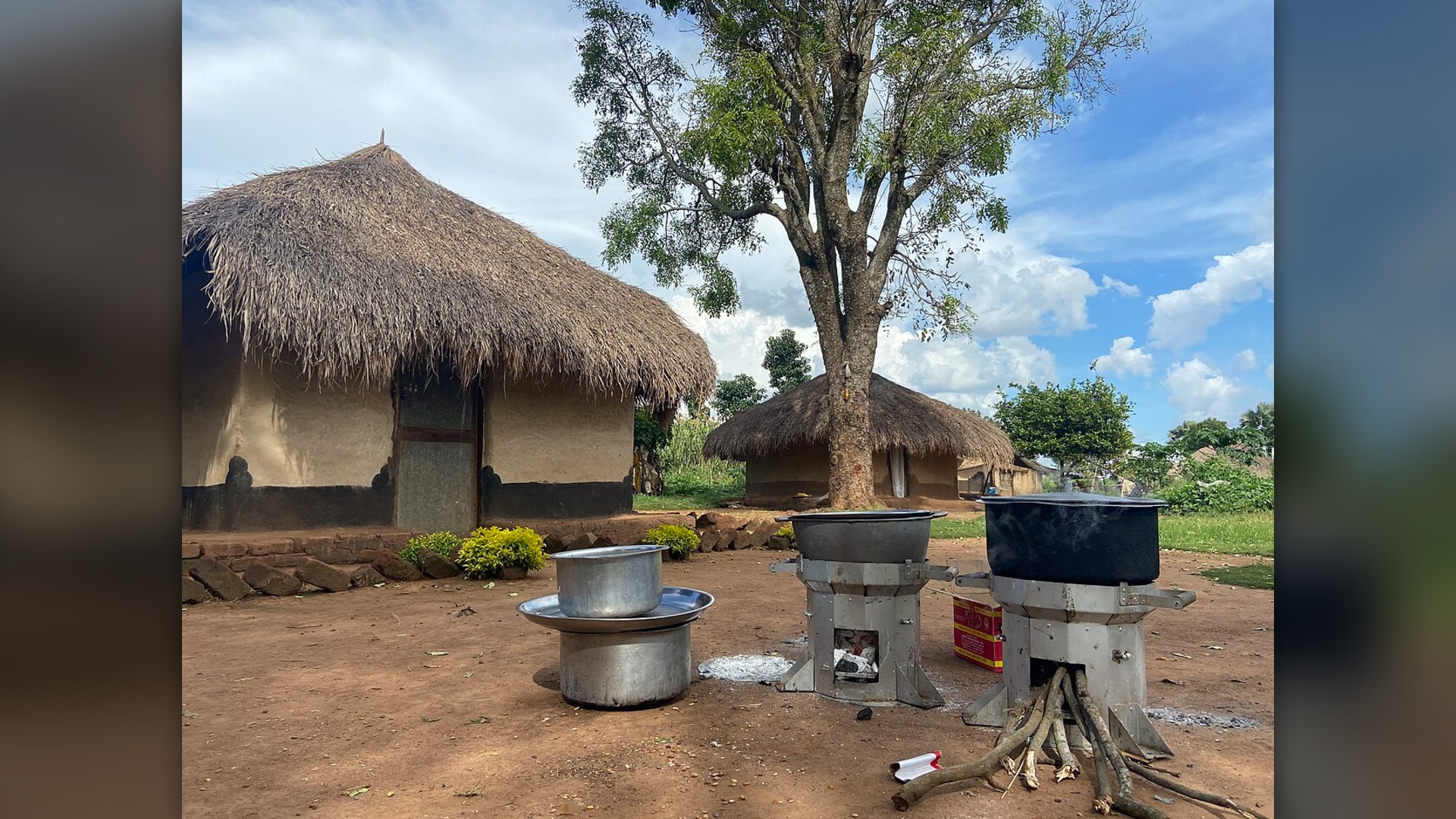
For nearly four formative years, Omar lived in Utange refugee camp near Mombasa, Kenya. Facing harsh conditions, malaria, and limited resources, she drew strength from community elders and began learning English, determined to pursue education despite displacement.
©Wikimedia / Laura Toledano
10. Arrival And Resettlement In Minneapolis
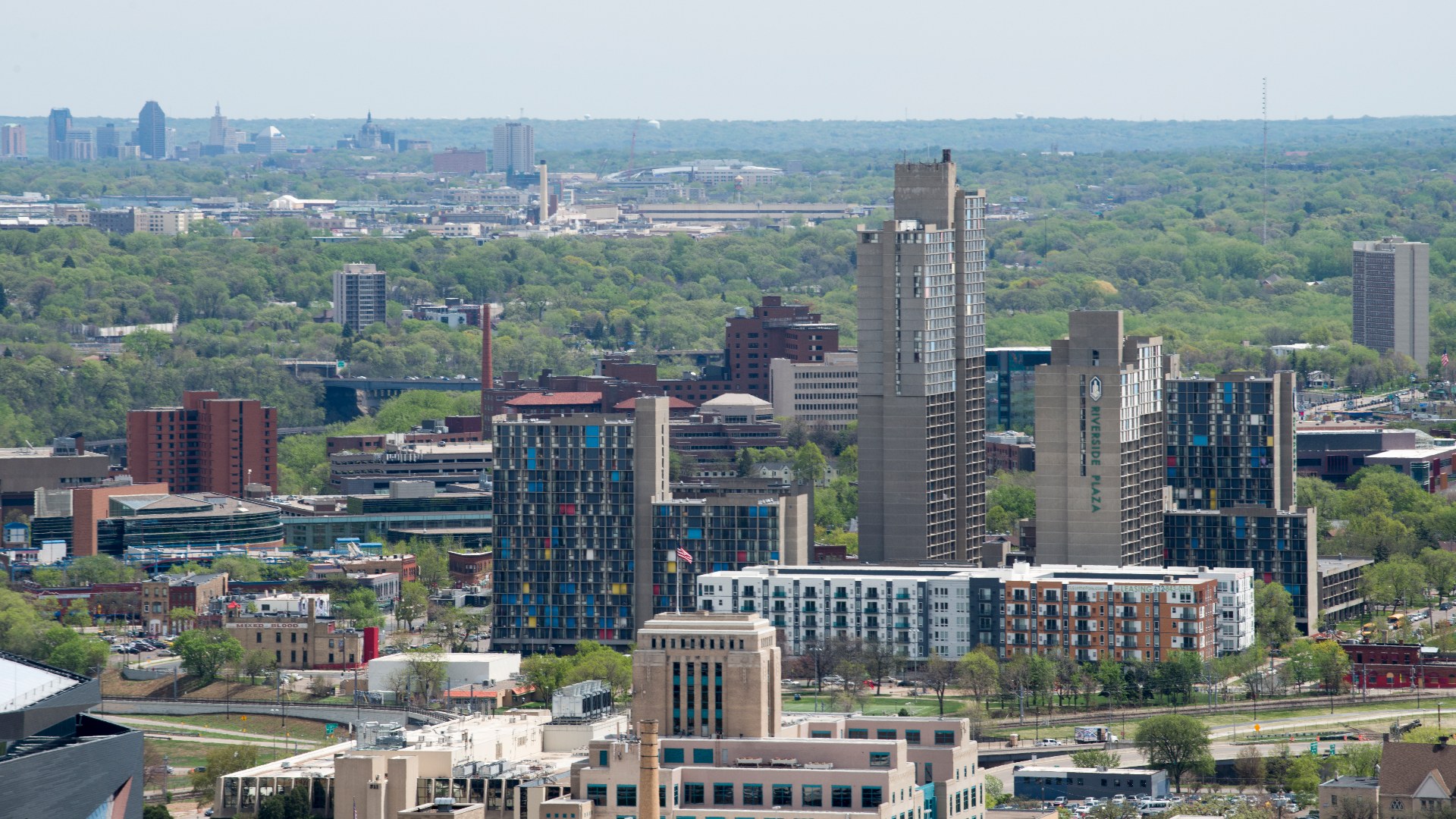
In 1995, her family secured refugee asylum in the United States, briefly staying in Virginia before relocating to the vibrant Cedar-Riverside neighborhood of Minneapolis in 1997. There, Omar immersed herself in local civic discussions alongside her grandfather.
©Wikimedia / Tony Webster (CC BY 2.0)
Advertisement
Swipe or tap ▶ to resume the countdown.
9. Grassroots Community Organizing Roots
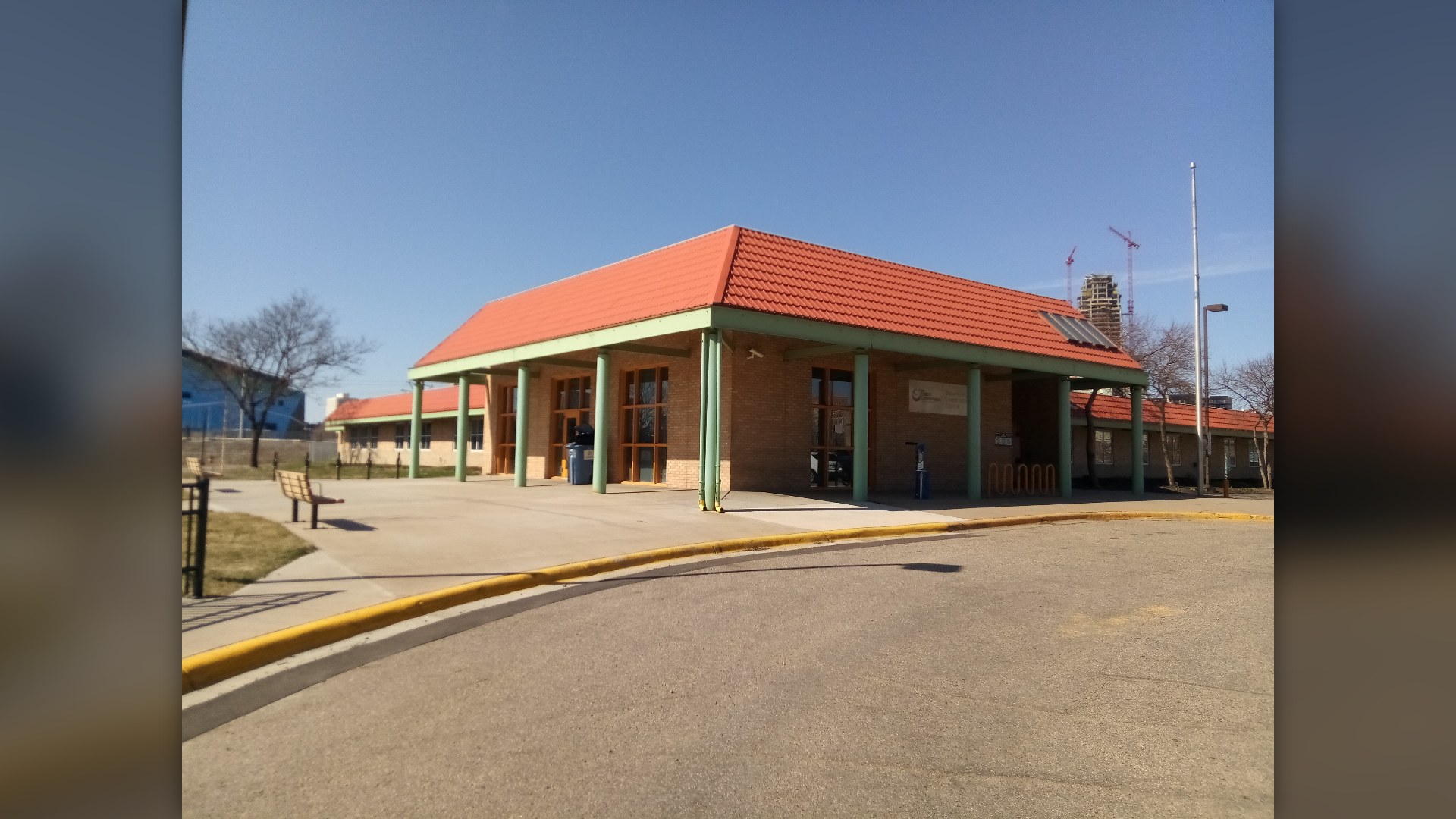
Starting as a community nutrition educator at the University of Minnesota, Omar became a core grassroots organizer centered at the Brian Coyle Community Center. She mobilized young immigrants, organized tenant protections, and managed regional DFL political campaigns.
©Wikimedia / Bobak Ha'Eri (CC BY 3.0)
8. Policy Aide In Minneapolis City Hall
Between 2013 and 2015, Omar served as Senior Policy Aide to Minneapolis City Council Member Andrew Johnson. Navigating municipal committees and city hall negotiations, she authored key tenant rights policies and gained indispensable governing experience.
©Wikimedia / Minneapolis Public Library (PD)
7. Historic Minnesota House Election Victory
In 2016, Omar launched a high-energy grassroots campaign for District 60B. Defeating a 44-year Democratic incumbent in the primary, she went on to win the general election, officially becoming the first Somali-American and first hijab-wearing Muslim state lawmaker in US history.
©Wikimedia / Lorie Shaull (CC BY-SA 2.0)
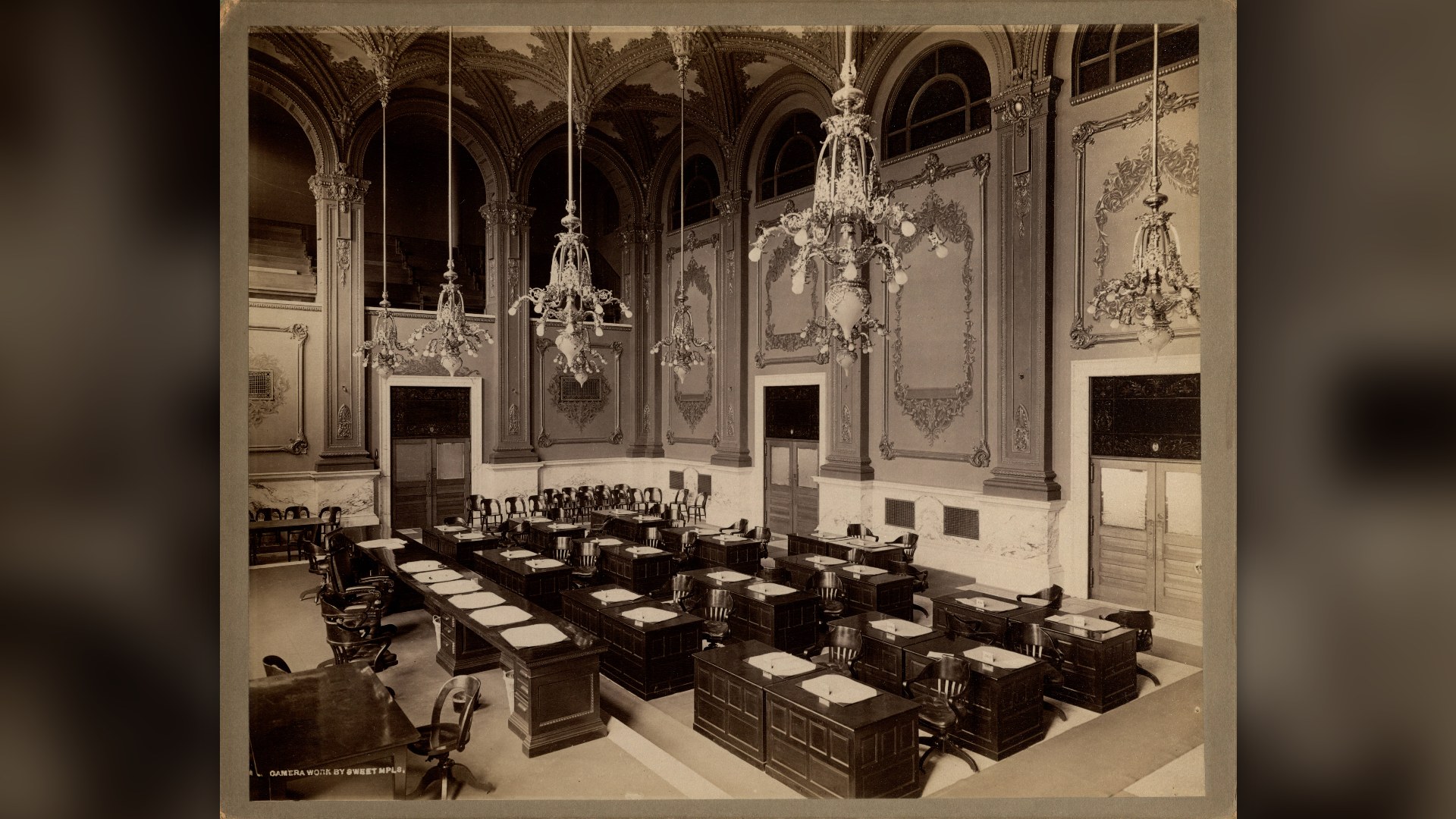
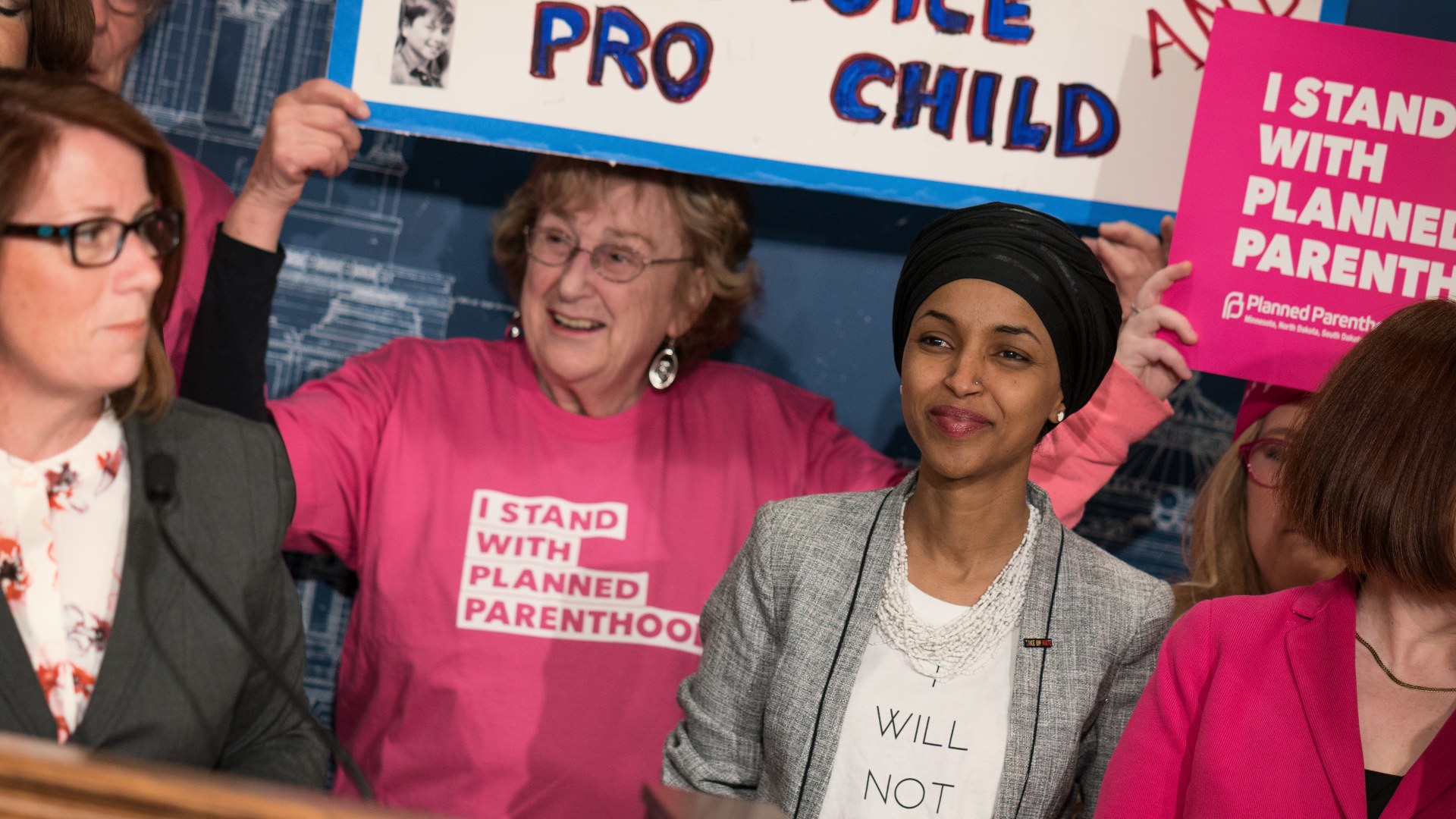
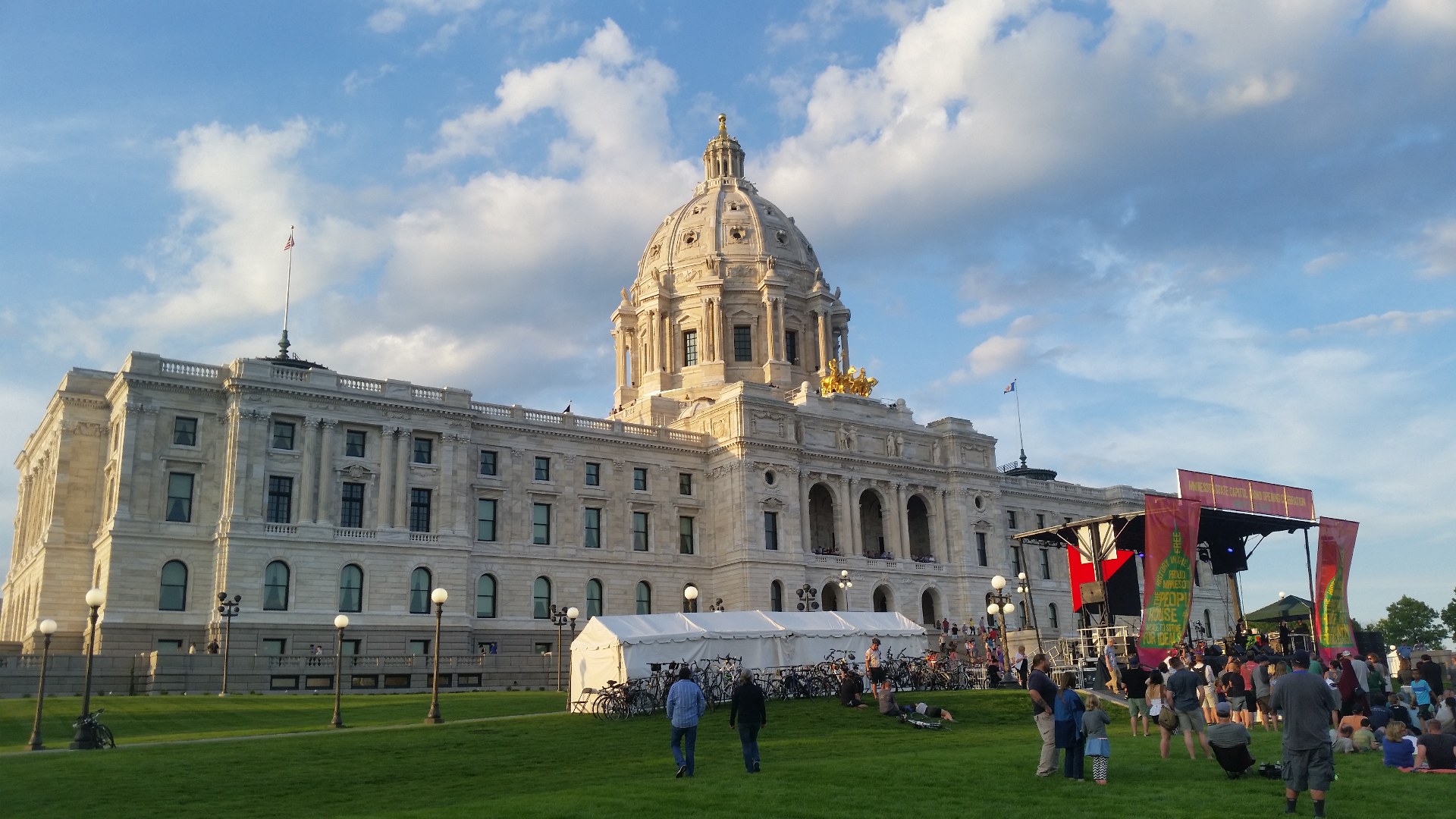
6. Legislative Impact At The State Capitol
Serving in the Minnesota House, Omar quickly emerged as an articulate progressive voice. She introduced legislation for tuition-free college for low-income students, pushed for judicial criminal sentencing reforms, and opposed discriminatory surveillance programs.
©Wikimedia / Fibonacci (CC BY-SA 4.0)
Advertisement
Swipe or tap ▶ to resume the countdown.
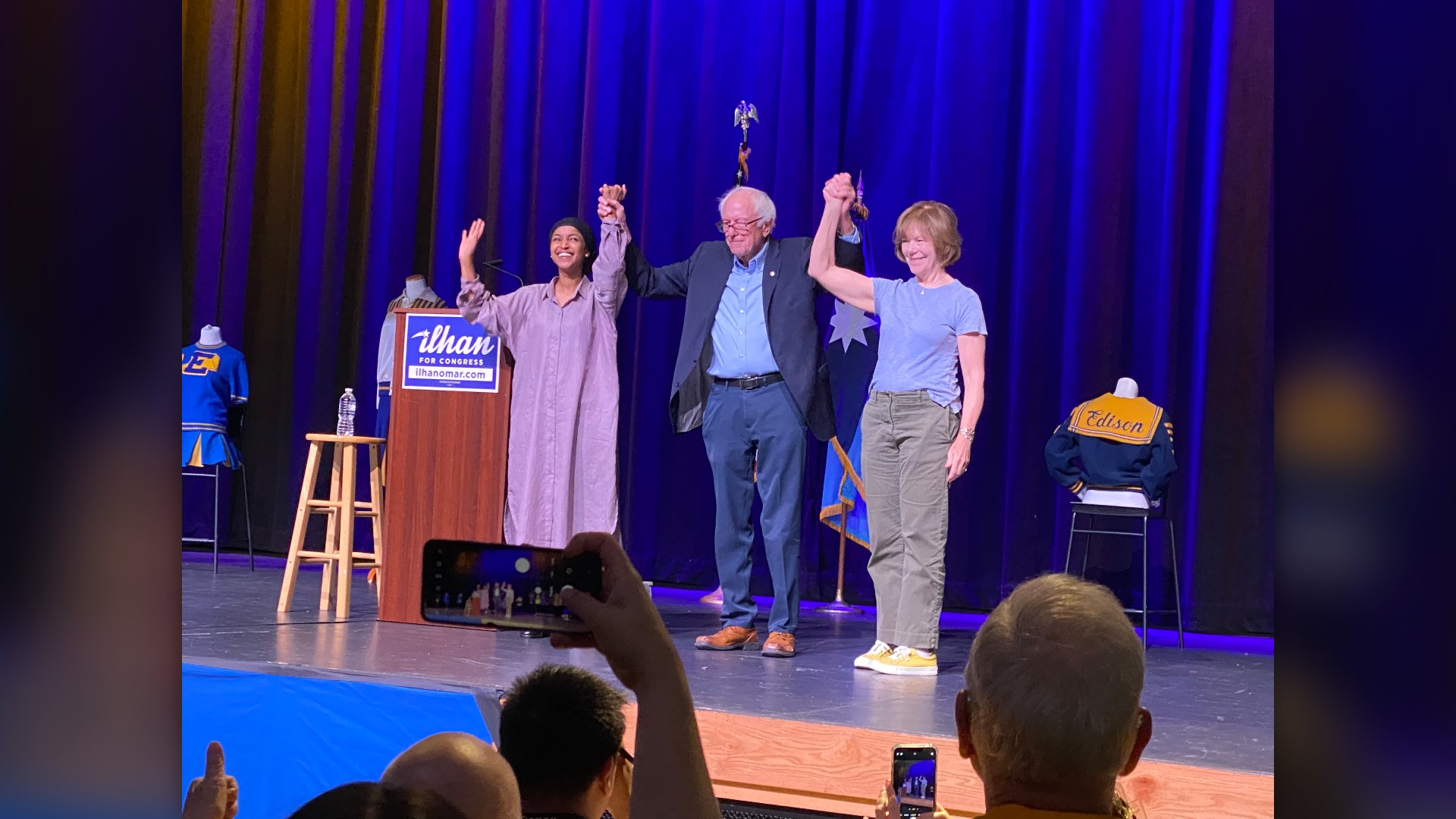
5. The 2018 Historic Congressional Campaign
When Keith Ellison stepped down to run for state Attorney General, Omar launched her bid for Minnesota's 5th Congressional District. Drawing national grassroots excitement and historic turnout, she won with 78 percent of the vote, heading to Capitol Hill as a trailblazer.
©Wikimedia / Fibonacci (CC BY-SA 4.0)
4. Overturning The 181-Year House Headwear Ban
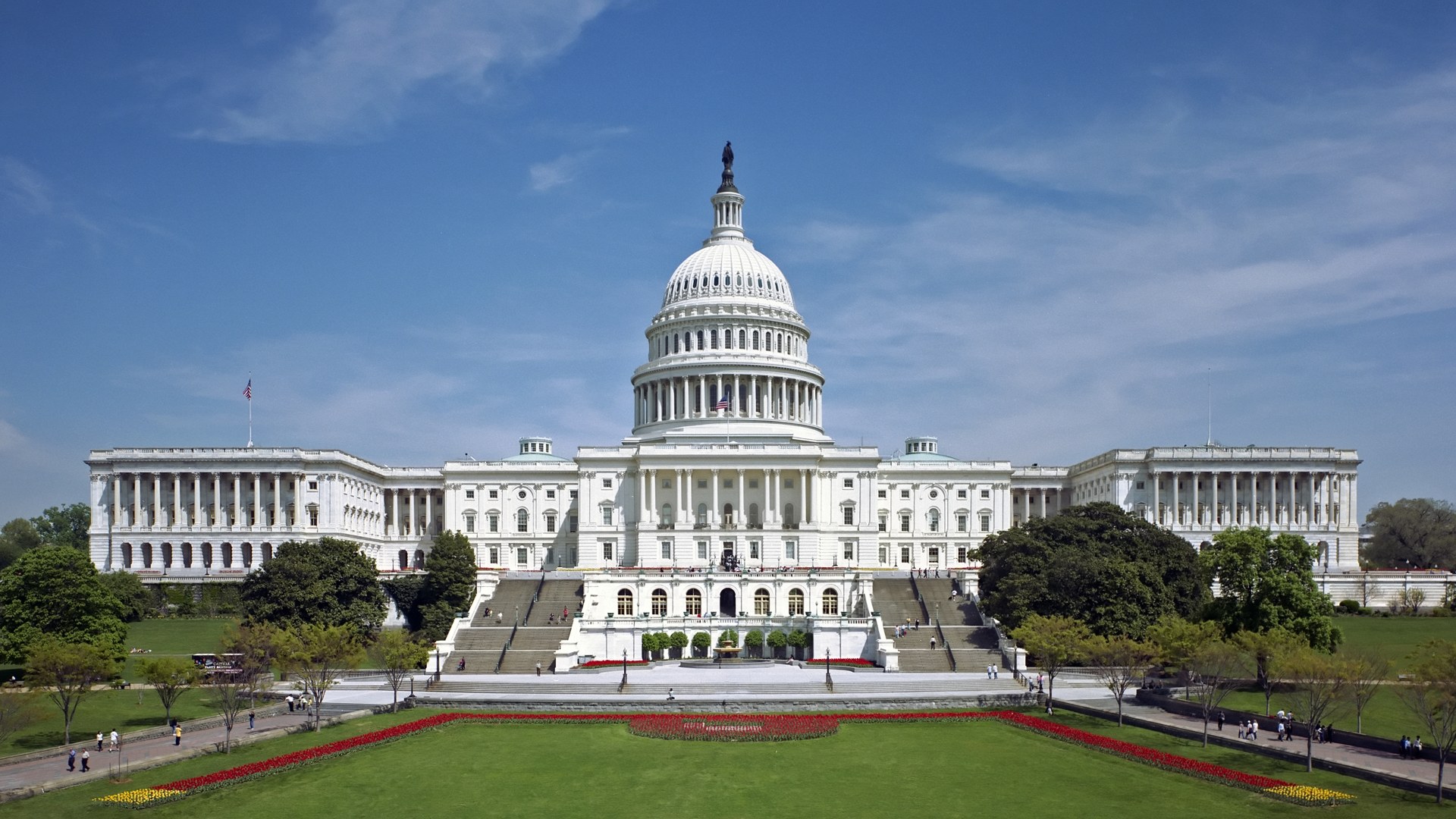
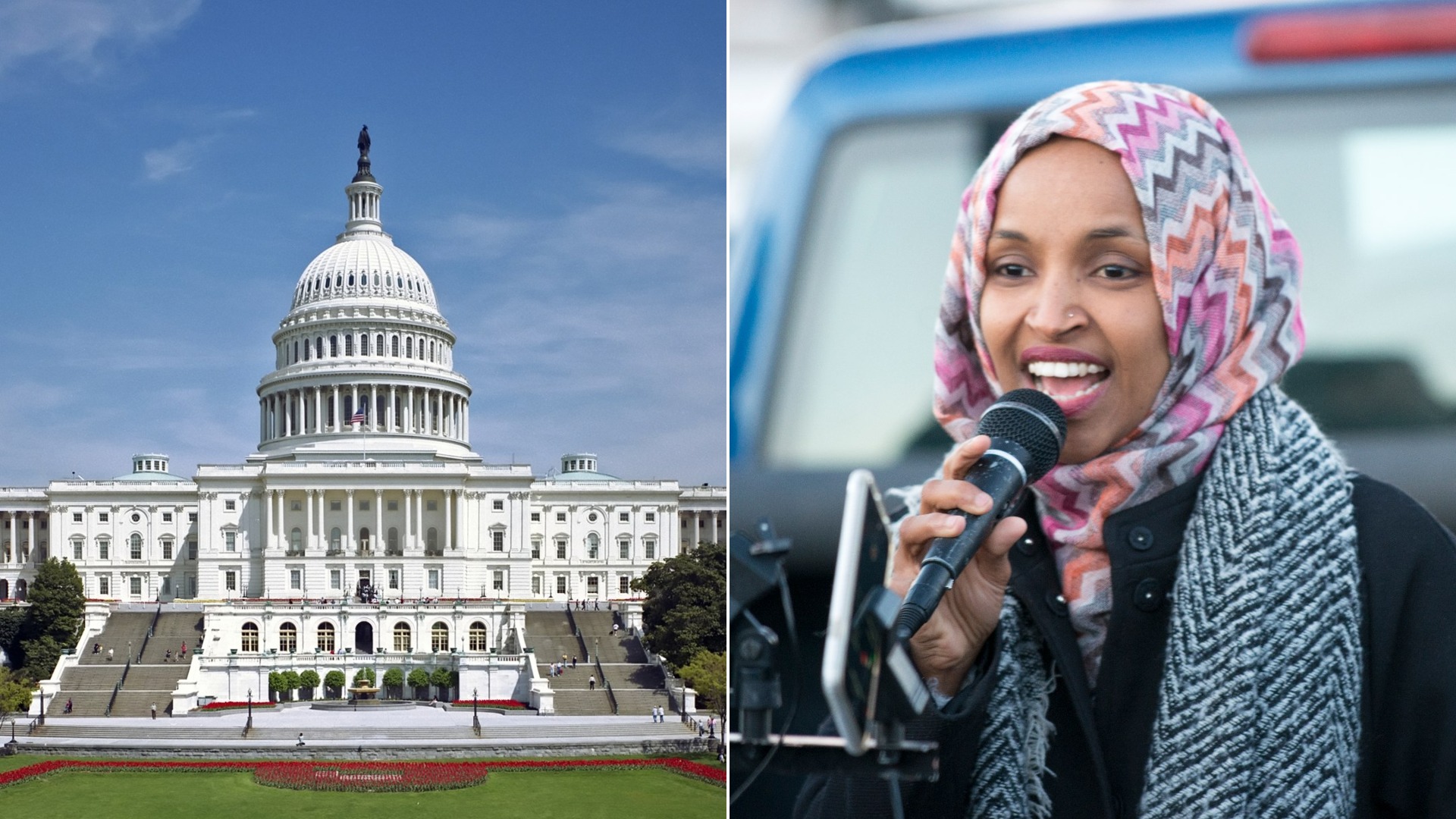
Upon taking office in January 2019, Omar successfully co-authored a revision overturning an 1837 rule banning head coverings on the House floor. She took her congressional oath of office wearing a hijab while holding her grandfather's personal Quran.
©Wikimedia / Diliff (CC BY-SA 3.0)
3. The Formation Of The Squad
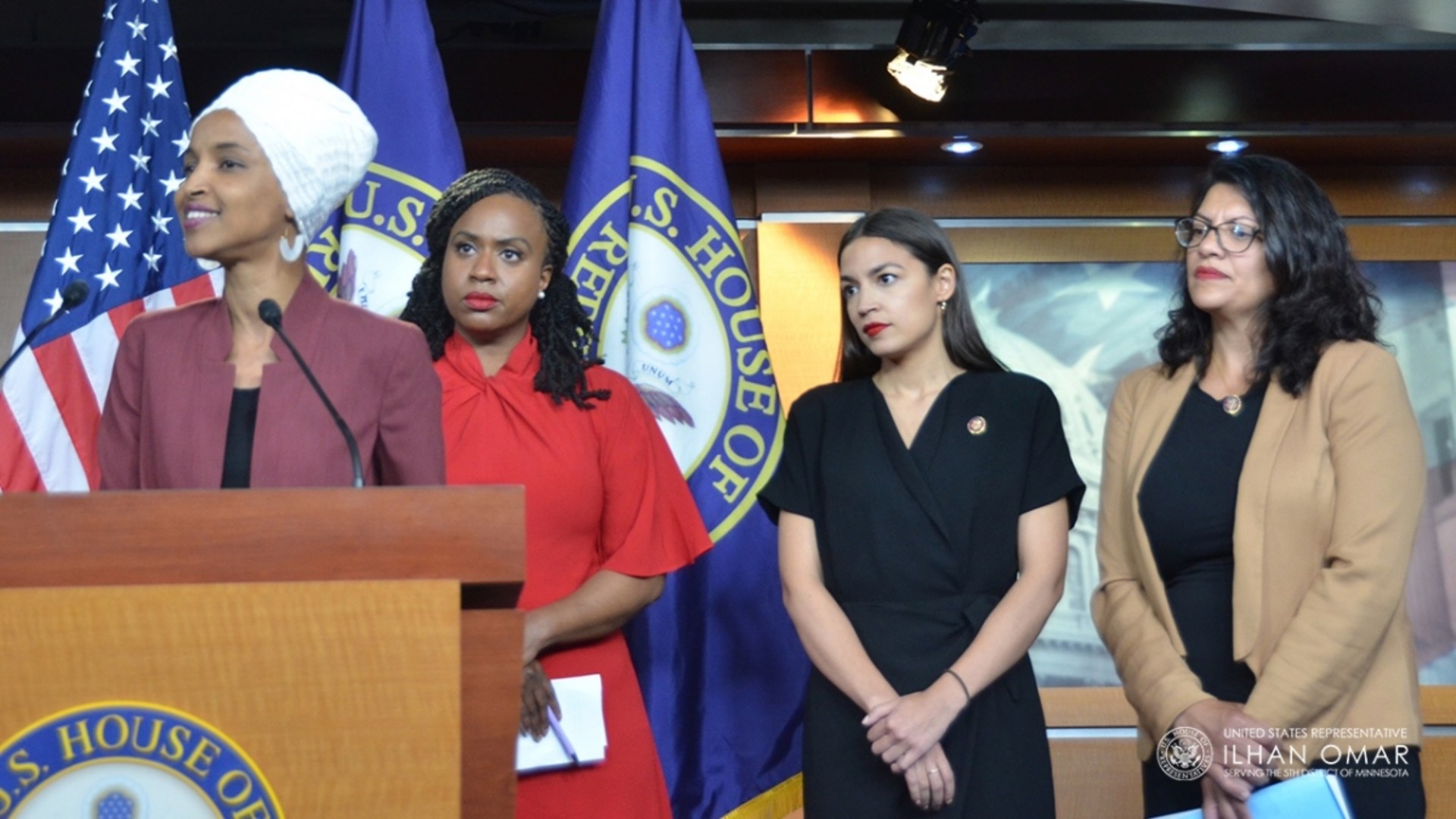
Together with Alexandria Ocasio-Cortez, Rashida Tlaib, and Ayanna Pressley, Omar formed 'The Squad.' This coalition challenged Democratic establishment orthodoxies, championed the Green New Deal, and quickly became one of the most prominent voting blocs in modern Congress.
©Wikimedia / Senate Democrats (PD)
2. Foreign Affairs Debates And National Scrutiny
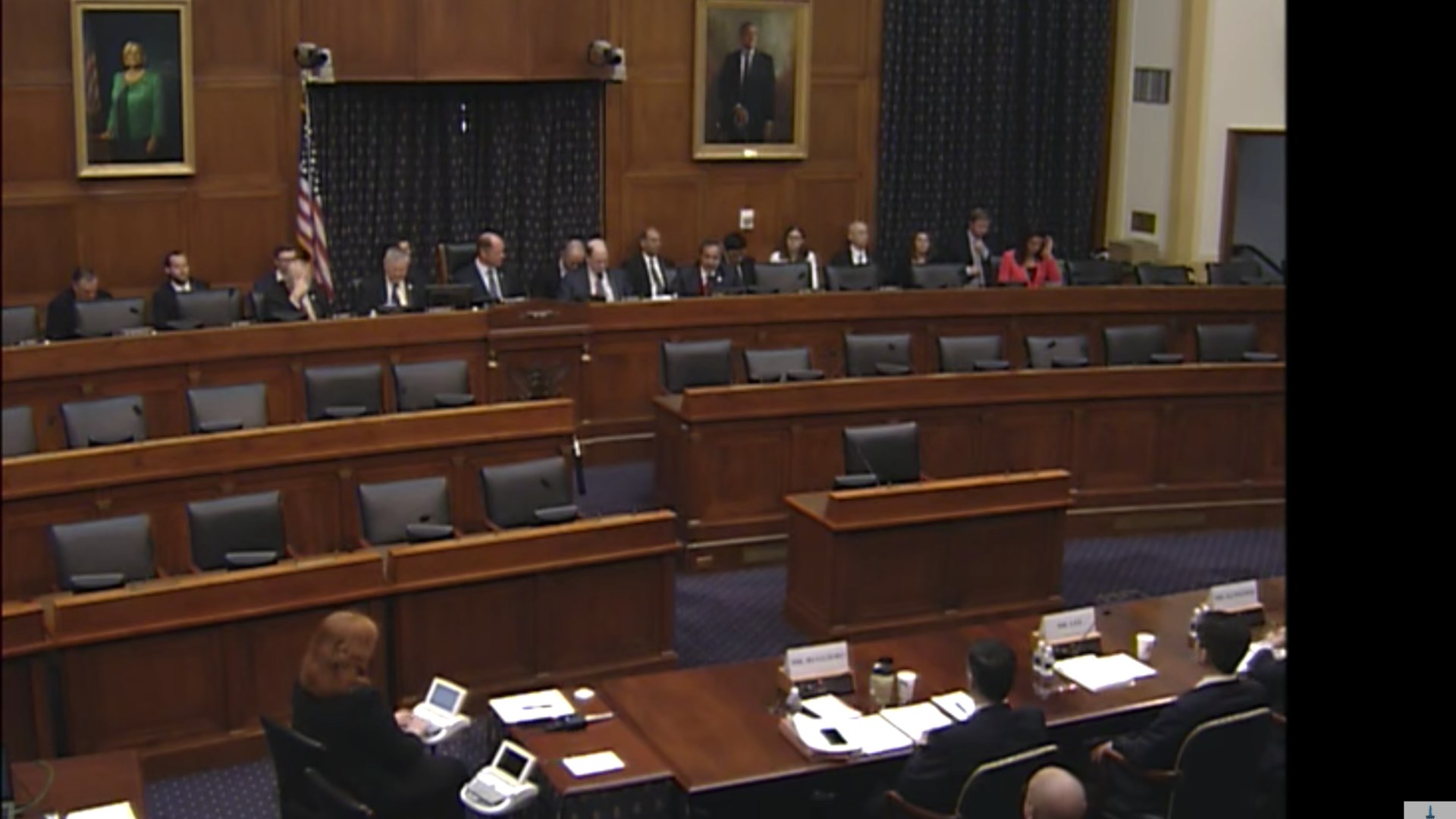
Appointed to the powerful House Foreign Affairs Committee, Omar challenged traditional bipartisan foreign policy dogmas, human rights inconsistencies, and defense spending. Her outspoken stances drew fierce national debates and made her a frequent target of partisan attacks.
©Wikimedia / US Congress (PD)
Advertisement
Swipe or tap ▶ to resume the countdown.
1. Progressive Caucus Whip And Enduring Leadership
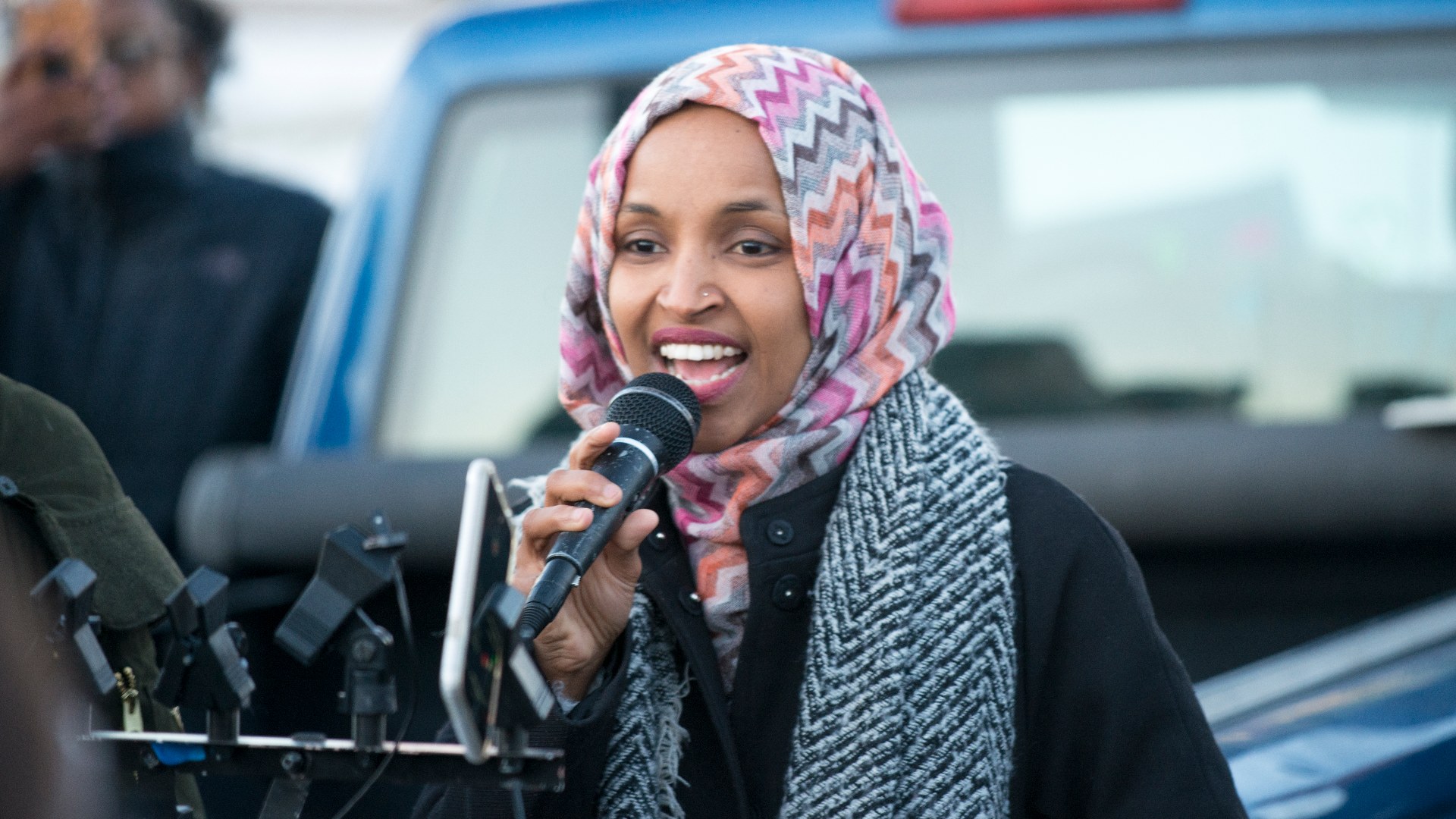
Elected Whip of the nearly 100-member Congressional Progressive Caucus, Omar has solidified her position as a central legislative dealmaker. Leading bills for student debt cancellation, school lunch funding, and labor rights, she remains a defining national political figure.

©Wikimedia / Fibonacci (CC BY-SA 4.0)
Advertisement
You've reached the end of the story. Thanks for reading!

20 Iconic Historical Photos and the Archive Clues Behind Them
Contact sheets, cracked glass plates, and NASA mission logs preserve the hidden steps behind 20 famous photographs. Drawing on records from the Library of Congress, the National Archives, NASA, and the Smithsonian, this countdown traces how cropping, camera setups, and double exposures shaped each frame.
All 12 Entries in this Story
1. Childhood In Mogadishu And Flight From War
Born in Mogadishu in 1982, Ilhan Omar was the youngest of seven siblings raised by her civil servant father and grandfather. When violent civil warfare erupted across Somalia in 1991, her family was forced to abandon their home under gunfire and flee the country.

2. Four Years In Kenyan Refugee Encampments
For nearly four formative years, Omar lived in Utange refugee camp near Mombasa, Kenya. Facing harsh conditions, malaria, and limited resources, she drew strength from community elders and began learning English, determined to pursue education despite displacement.

3. Arrival And Resettlement In Minneapolis
In 1995, her family secured refugee asylum in the United States, briefly staying in Virginia before relocating to the vibrant Cedar-Riverside neighborhood of Minneapolis in 1997. There, Omar immersed herself in local civic discussions alongside her grandfather.

4. Grassroots Community Organizing Roots
Starting as a community nutrition educator at the University of Minnesota, Omar became a core grassroots organizer centered at the Brian Coyle Community Center. She mobilized young immigrants, organized tenant protections, and managed regional DFL political campaigns.

5. Policy Aide In Minneapolis City Hall
Between 2013 and 2015, Omar served as Senior Policy Aide to Minneapolis City Council Member Andrew Johnson. Navigating municipal committees and city hall negotiations, she authored key tenant rights policies and gained indispensable governing experience.

6. Historic Minnesota House Election Victory
In 2016, Omar launched a high-energy grassroots campaign for District 60B. Defeating a 44-year Democratic incumbent in the primary, she went on to win the general election, officially becoming the first Somali-American and first hijab-wearing Muslim state lawmaker in US history.

7. Legislative Impact At The State Capitol
Serving in the Minnesota House, Omar quickly emerged as an articulate progressive voice. She introduced legislation for tuition-free college for low-income students, pushed for judicial criminal sentencing reforms, and opposed discriminatory surveillance programs.

8. The 2018 Historic Congressional Campaign
When Keith Ellison stepped down to run for state Attorney General, Omar launched her bid for Minnesota's 5th Congressional District. Drawing national grassroots excitement and historic turnout, she won with 78 percent of the vote, heading to Capitol Hill as a trailblazer.

9. Overturning The 181-Year House Headwear Ban
Upon taking office in January 2019, Omar successfully co-authored a revision overturning an 1837 rule banning head coverings on the House floor. She took her congressional oath of office wearing a hijab while holding her grandfather's personal Quran.

10. The Formation Of The Squad
Together with Alexandria Ocasio-Cortez, Rashida Tlaib, and Ayanna Pressley, Omar formed 'The Squad.' This coalition challenged Democratic establishment orthodoxies, championed the Green New Deal, and quickly became one of the most prominent voting blocs in modern Congress.

11. Foreign Affairs Debates And National Scrutiny
Appointed to the powerful House Foreign Affairs Committee, Omar challenged traditional bipartisan foreign policy dogmas, human rights inconsistencies, and defense spending. Her outspoken stances drew fierce national debates and made her a frequent target of partisan attacks.

12. Progressive Caucus Whip And Enduring Leadership
Elected Whip of the nearly 100-member Congressional Progressive Caucus, Omar has solidified her position as a central legislative dealmaker. Leading bills for student debt cancellation, school lunch funding, and labor rights, she remains a defining national political figure.