Slideshow · Viral
How Long Did Famous Landmarks Take to Build?
From modern skyscrapers raised in record time to ancient stone monuments that spanned millennia, human engineering feats carry astonishing construction histories. Here is how long 19 world-famous land
By Most Viral Today
28 Oct 2026

How Long Did Famous Landmarks Take to Build? 
19. The Empire State Building 
18. The Eiffel Tower 
17. The Colosseum - AdvertisementSwipe or tap ▶ to continue countdown

16. The Parthenon 
15. Christ The Redeemer 
14. The Statue Of Liberty 
13. The Forbidden City - AdvertisementSwipe or tap ▶ to continue countdown

12. Mount Rushmore 
11. Sydney Opera House 
10. The Taj Mahal 
9. Great Pyramid Of Giza - AdvertisementSwipe or tap ▶ to continue countdown

8. Angkor Wat 
7. St. Peter's Basilica 
6. Sagrada Familia 
5. Notre Dame Cathedral - AdvertisementSwipe or tap ▶ to continue countdown

4. Leaning Tower Of Pisa 
3. Cologne Cathedral 
2. Stonehenge 
1. The Great Wall Of China - Advertisement🔥 UP NEXT IN THIS SERIES◫ 21 Slides

20 Iconic Historical Photos and the Archive Clues Behind Them
Contact sheets, cracked glass plates, and NASA mission logs preserve the hidden steps behind 20 famous photographs. Drawing on records from the Library of Congress, the National Archives, NASA, and the Smithsonian, this countdown traces how cropping, camera setups, and double exposures shaped each frame.
From towering modern skyscrapers built in just over a year to ancient megaliths and stone walls that took centuries to construct, human history is defined by ambitious architecture. Here is how long 19 iconic landmarks took to complete.
Swipe or tap ▶ to begin the countdown
©Wikimedia / William Warby & wikimedia / Bernard Spragg
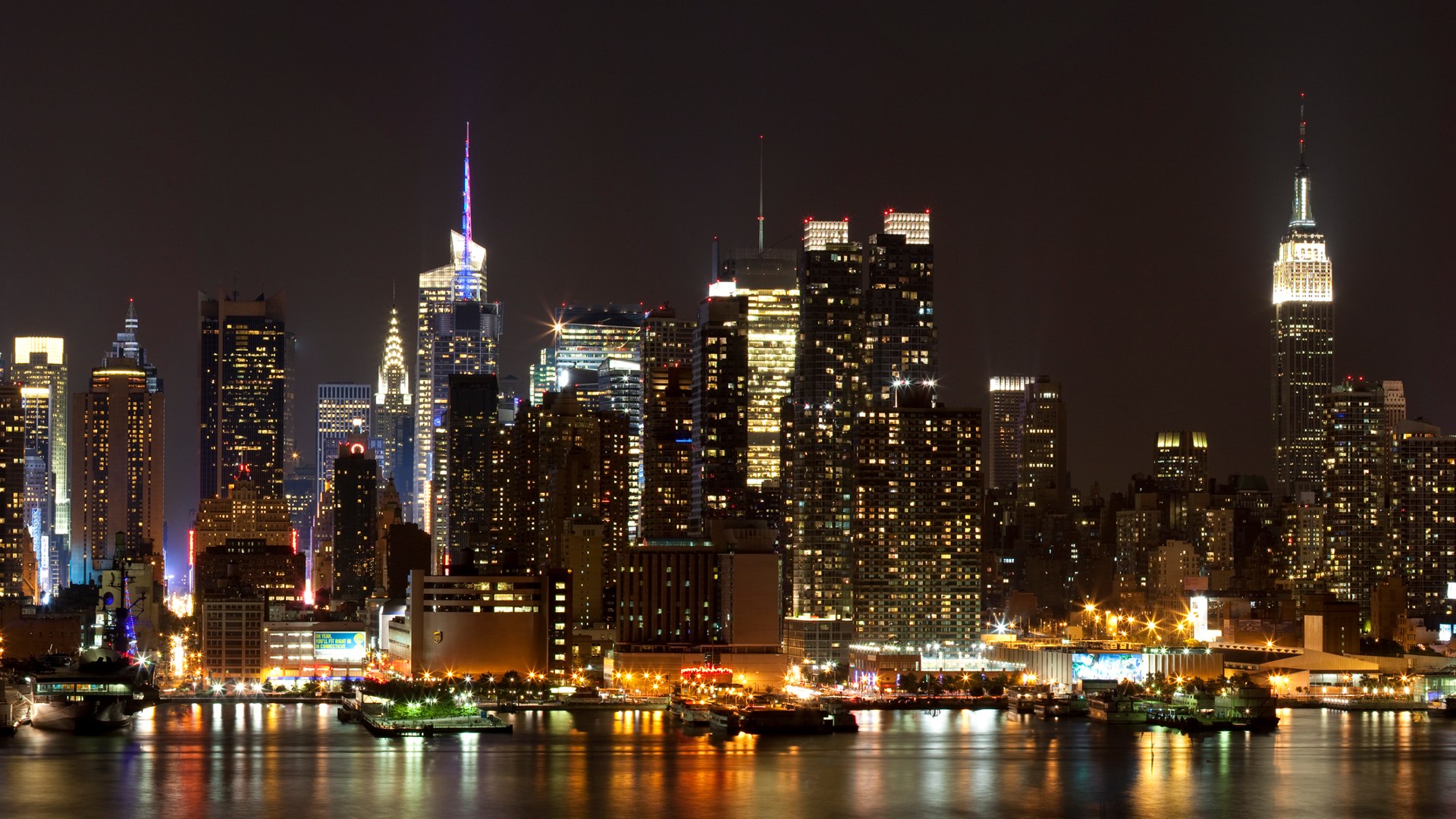
19. The Empire State Building
Rising during the Great Depression, the Empire State Building went from groundbreaking to grand opening in just 410 days. More than 3,400 workers assembled roughly four and a half floors each week, setting a speed record for twentieth-century skyscraper construction.
©Wikimedia Commons / Dmitry Avdeev
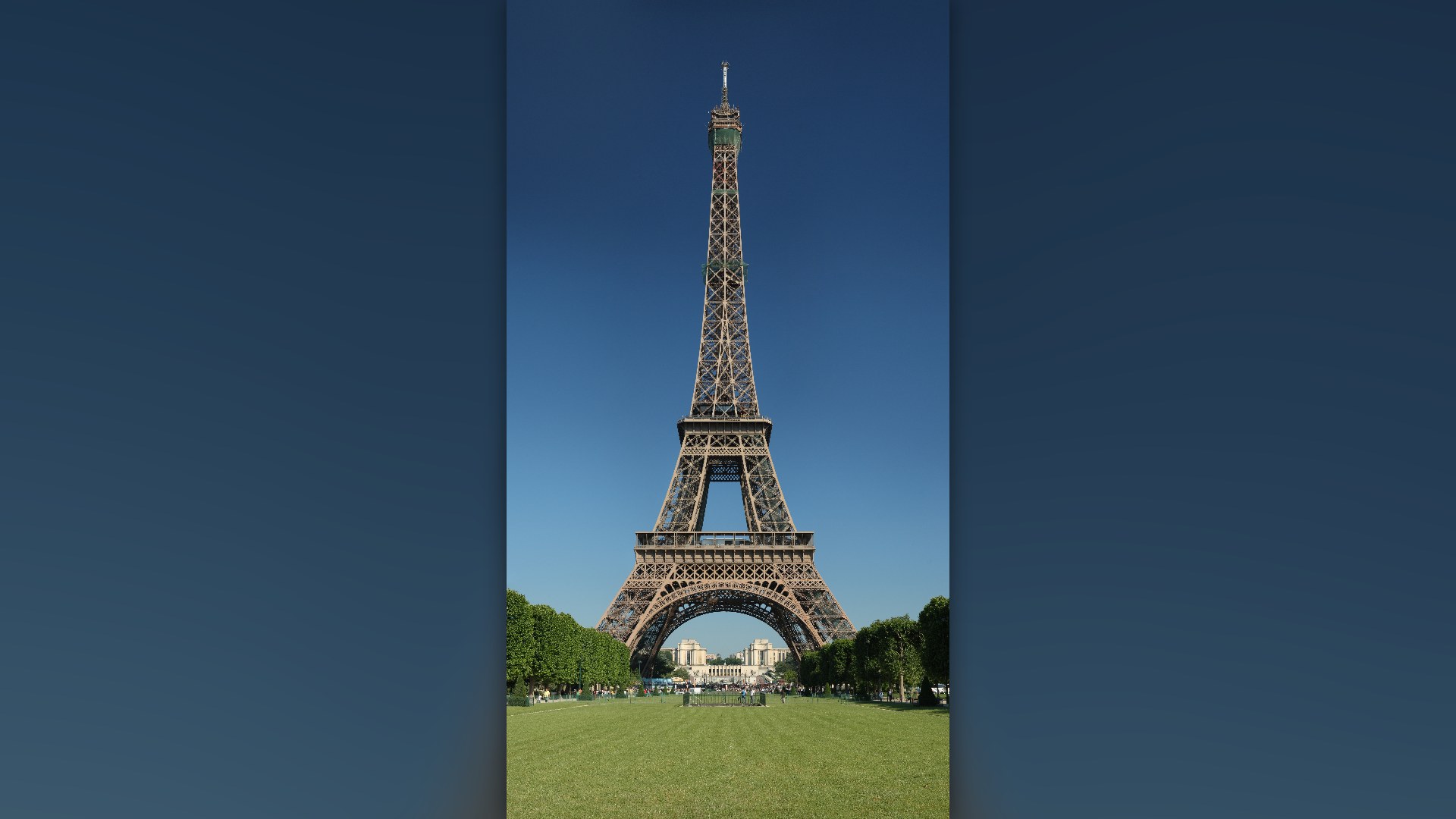
18. The Eiffel Tower
Built as the centerpiece for the 1889 Exposition Universelle, Gustave Eiffel's iron tower took two years, two months, and five days to finish. Engineered with 18,038 pieces of wrought iron, it held the title of the world's tallest human-made structure for four decades.
©Wikimedia Commons / Tristan Nitot
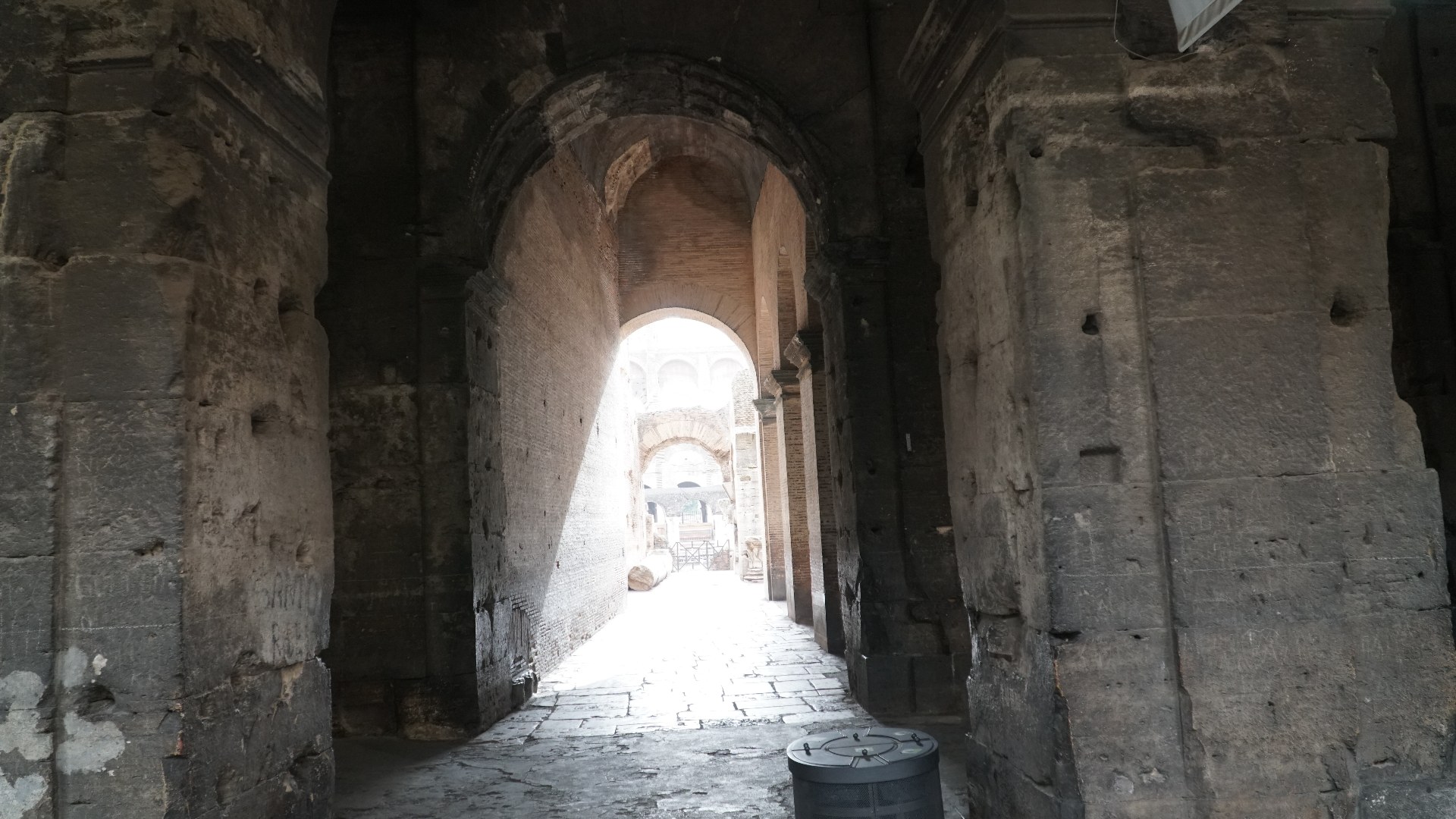
17. The Colosseum
Commissioned under Emperor Vespasian around 72 CE and completed under Titus in 80 CE, the Flavian Amphitheatre took eight years to finish. Capable of holding up to 80,000 spectators, it was engineered using volcanic tuff, concrete, and arches.
©Wikimedia Commons / Deb Nystrom
Advertisement
Swipe or tap ▶ to resume the countdown.
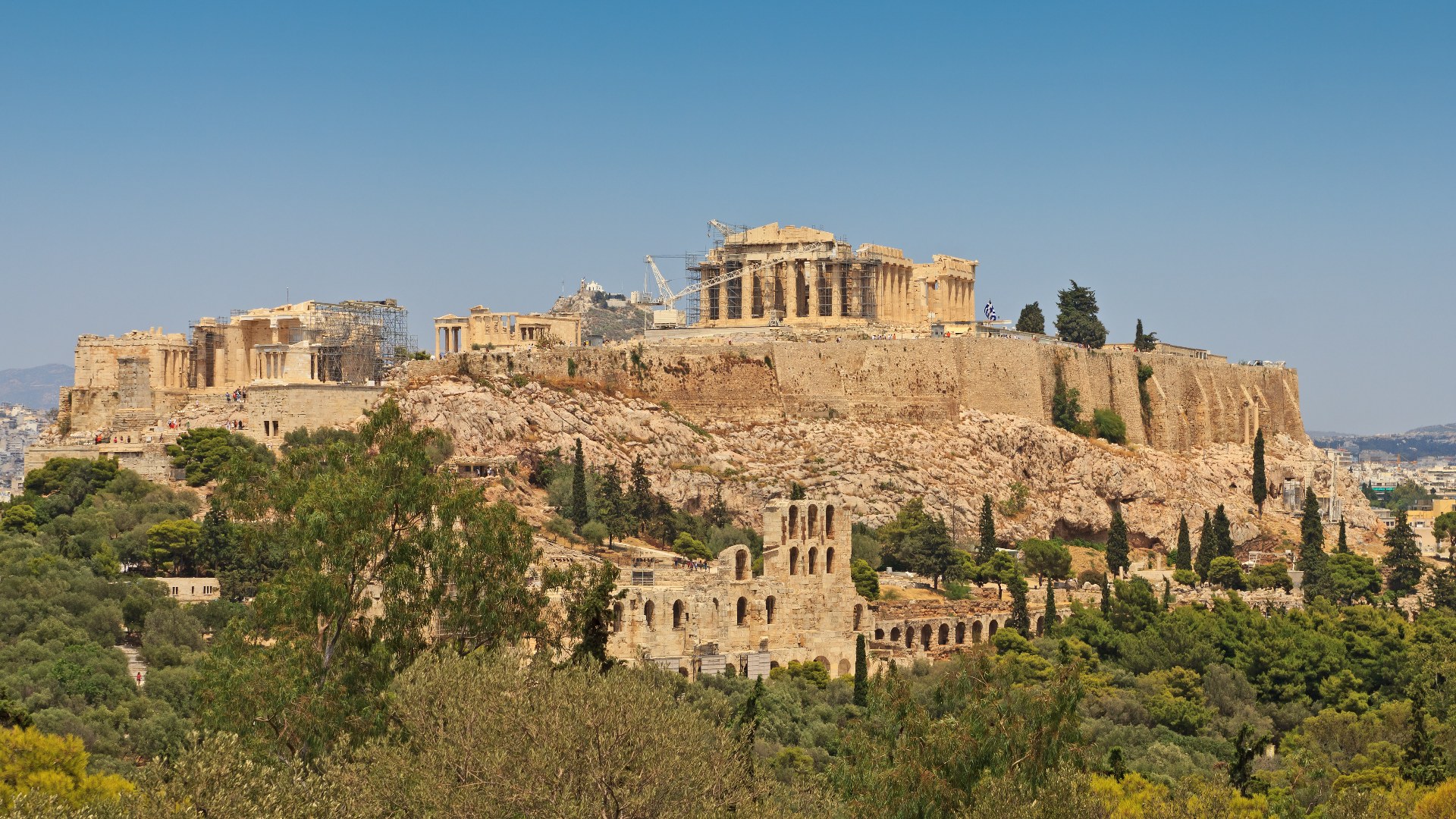
16. The Parthenon
Crowning the Acropolis of Athens, the Parthenon was built between 447 and 438 BCE under statesman Pericles. Master sculptors Phidias, Ictinus, and Callicrates directed the rapid extraction and placement of thousands of tons of local Pentelic marble.
©Wikimedia Commons / A.Savin
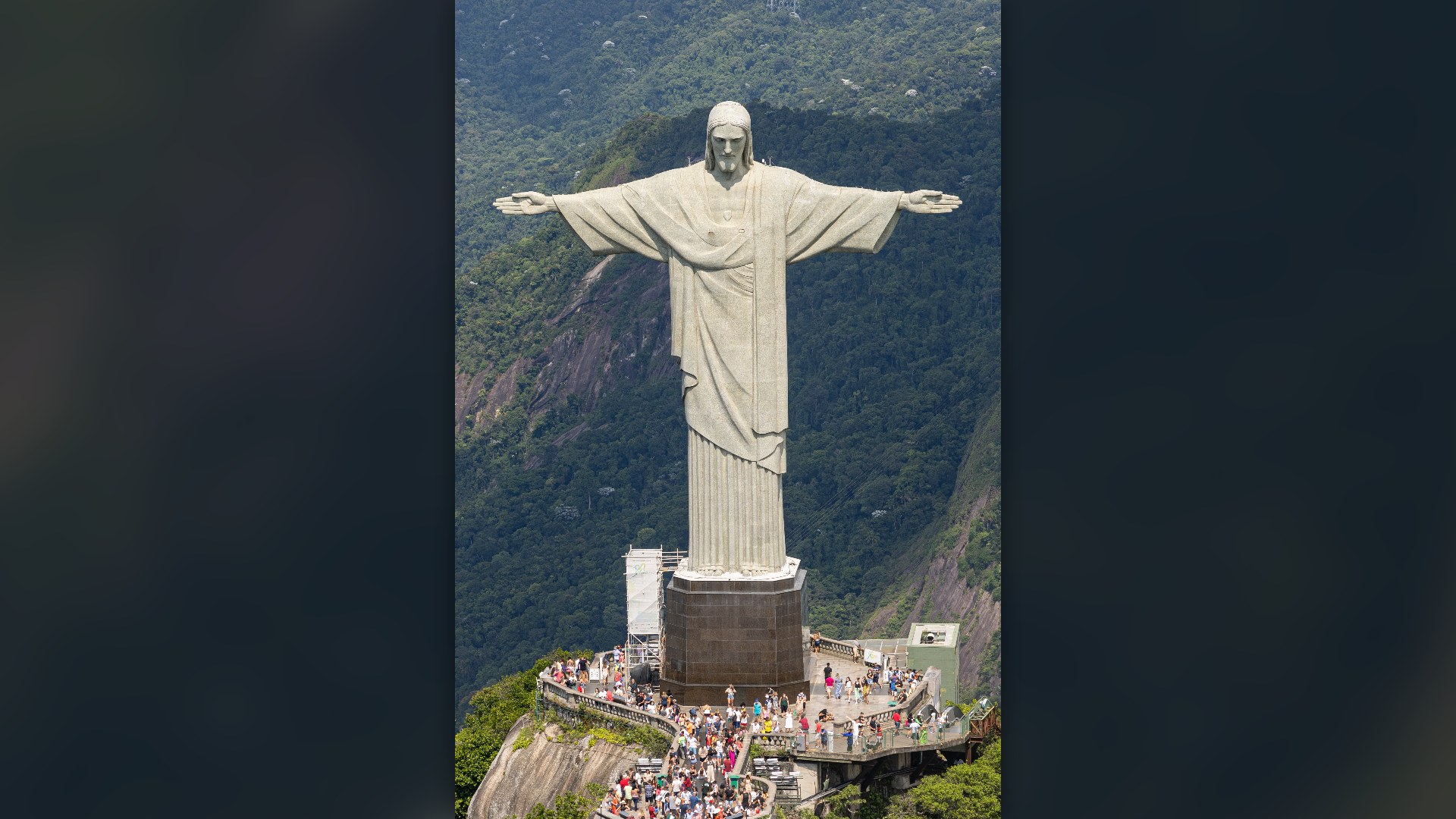
15. Christ The Redeemer
Standing 98 feet tall above Rio de Janeiro, this Art Deco monument was built between 1922 and 1931. Engineer Heitor da Silva Costa and sculptor Paul Landowski used reinforced concrete and soapstone mosaics transported up steep railway tracks.
©Wikimedia Commons / Arne Museler
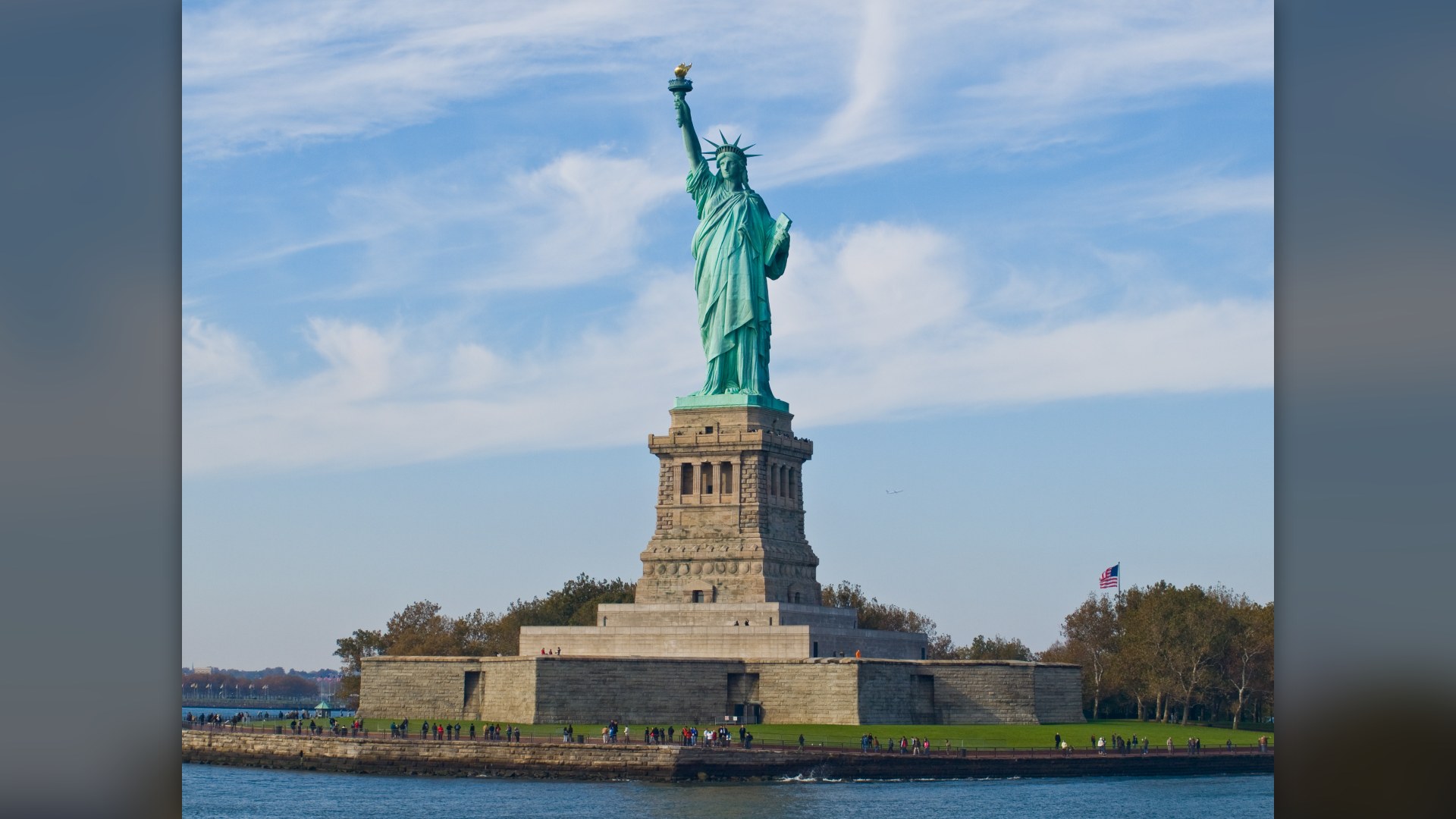
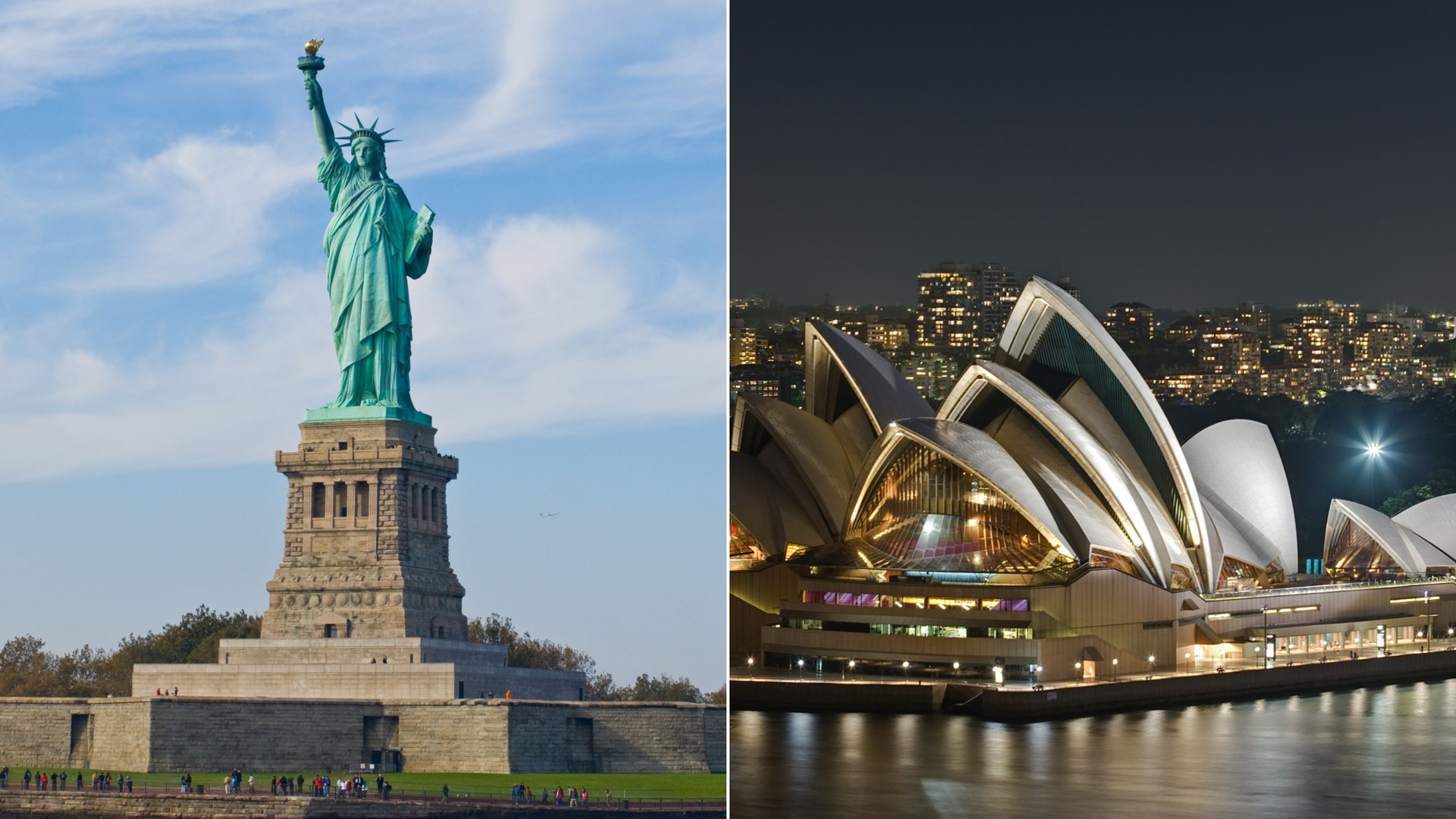
14. The Statue Of Liberty
Sculptor Frederic-Auguste Bartholdi began forging Lady Liberty in France around 1875, finishing the copper statue in Paris in 1884. Transported across the Atlantic in 214 crates, it was dedicated on its American island pedestal in October 1886.
©Wikimedia Commons / William Warby
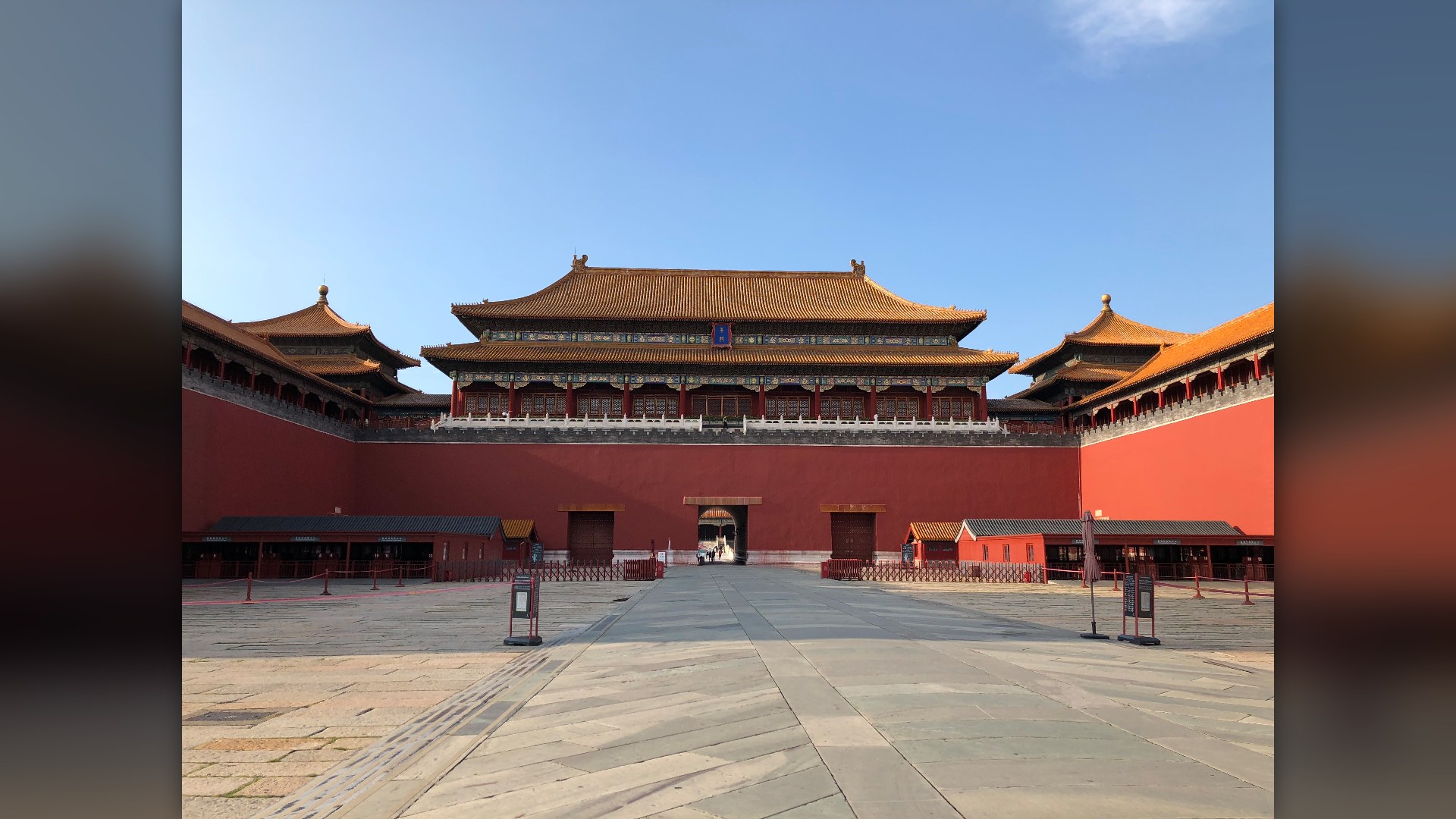
13. The Forbidden City
Commissioned by the Yongle Emperor of the Ming dynasty, construction of Beijing's Forbidden City ran from 1406 to 1420. Over one million workers used precious Phoebe zhennan logs and golden bricks to complete the 980-building palace compound.
©Wikimedia Commons / David290
Advertisement
Swipe or tap ▶ to resume the countdown.
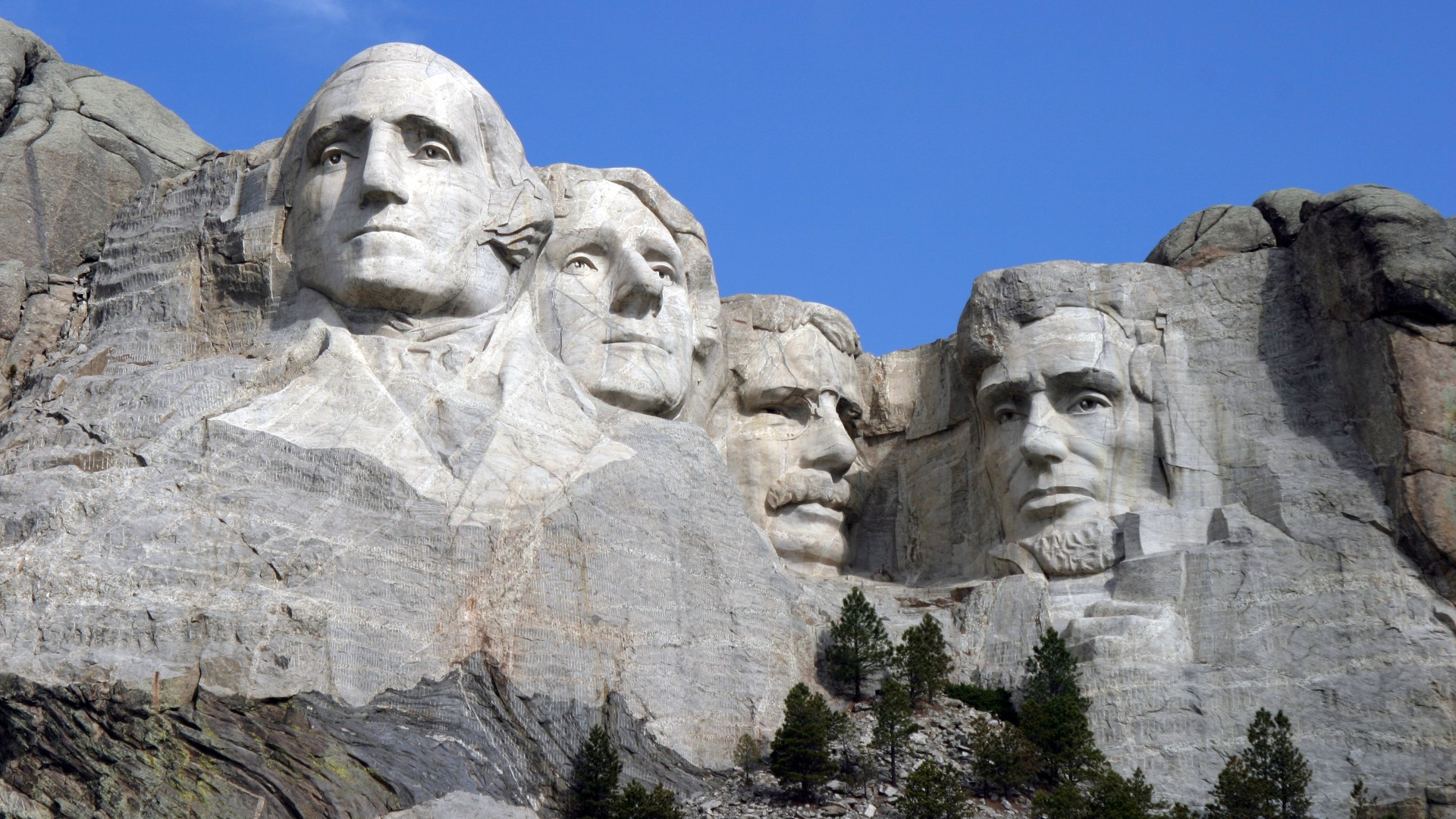
12. Mount Rushmore
Sculptor Gutzon Borglum led 400 workers in carving four American presidents into the granite of South Dakota between 1927 and 1941. Crews blasted roughly 450,000 tons of rock with dynamite before finishing the facial contours with pneumatic drills.
©Wikimedia Commons / Dean Franklin
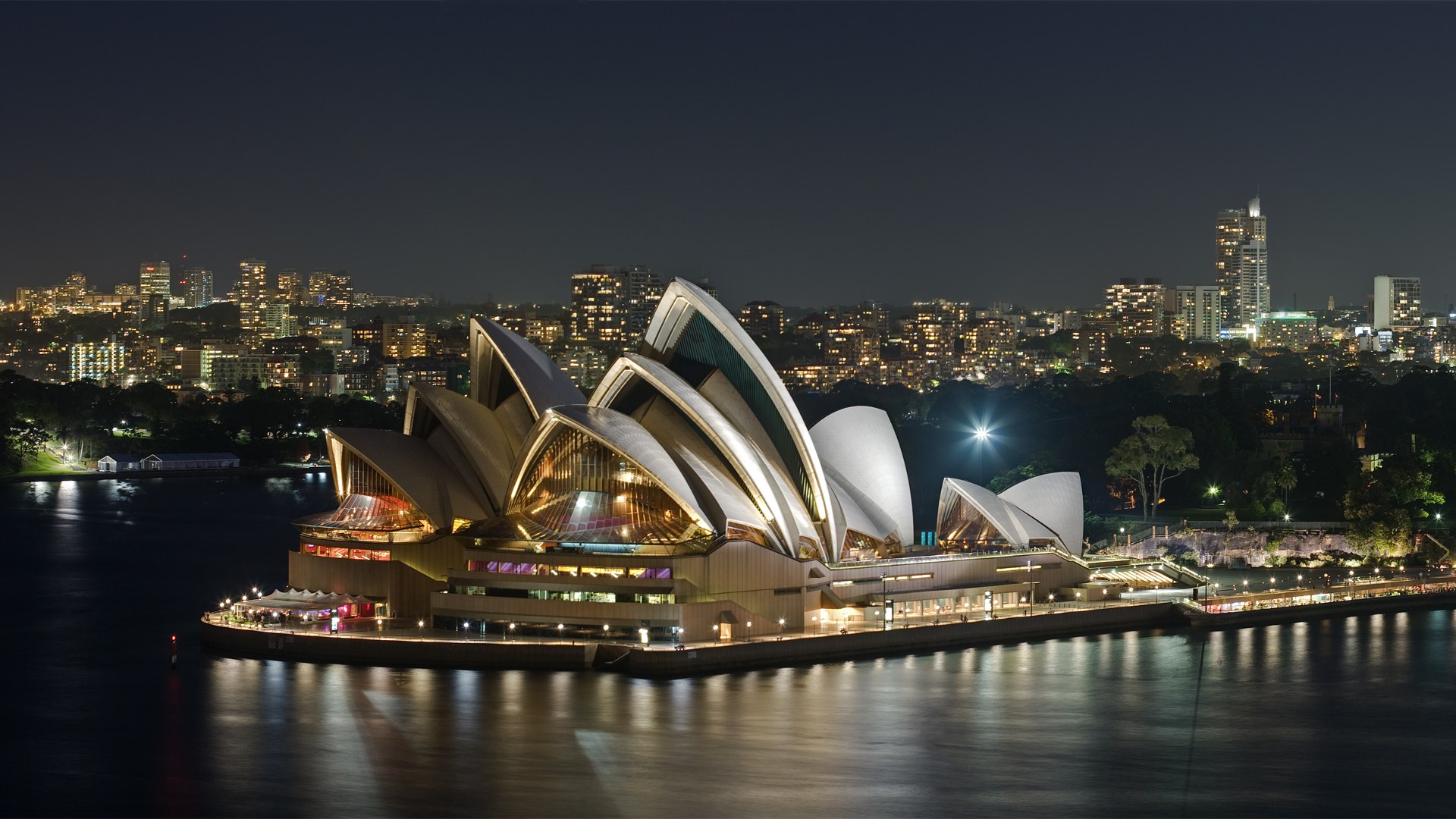
11. Sydney Opera House
Danish architect Jorn Utzon won the international design competition in 1957, with construction starting in 1959. Overcoming complex geometry to produce the arched roof sails took 14 years, with Queen Elizabeth II opening the landmark in 1973.
©Wikimedia Commons / Bernard Spragg
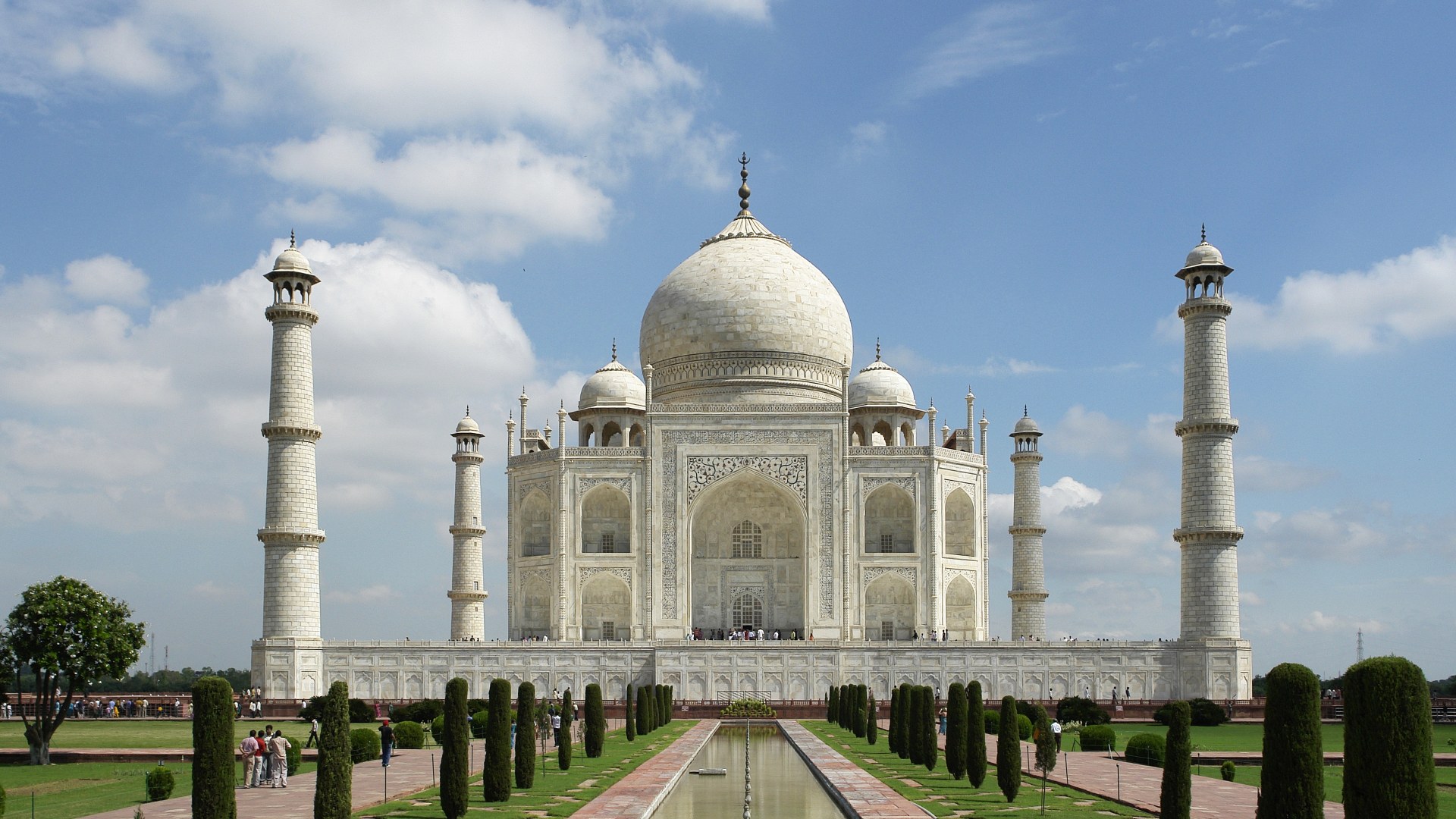
10. The Taj Mahal
Emperor Shah Jahan commissioned the white marble mausoleum along the Yamuna River in 1632 in memory of Mumtaz Mahal. Employing roughly 20,000 artisans and 1,000 elephants to transport marble from Makrana, the full complex concluded around 1653.
©Wikimedia Commons / Muhammad Mahdi Karim
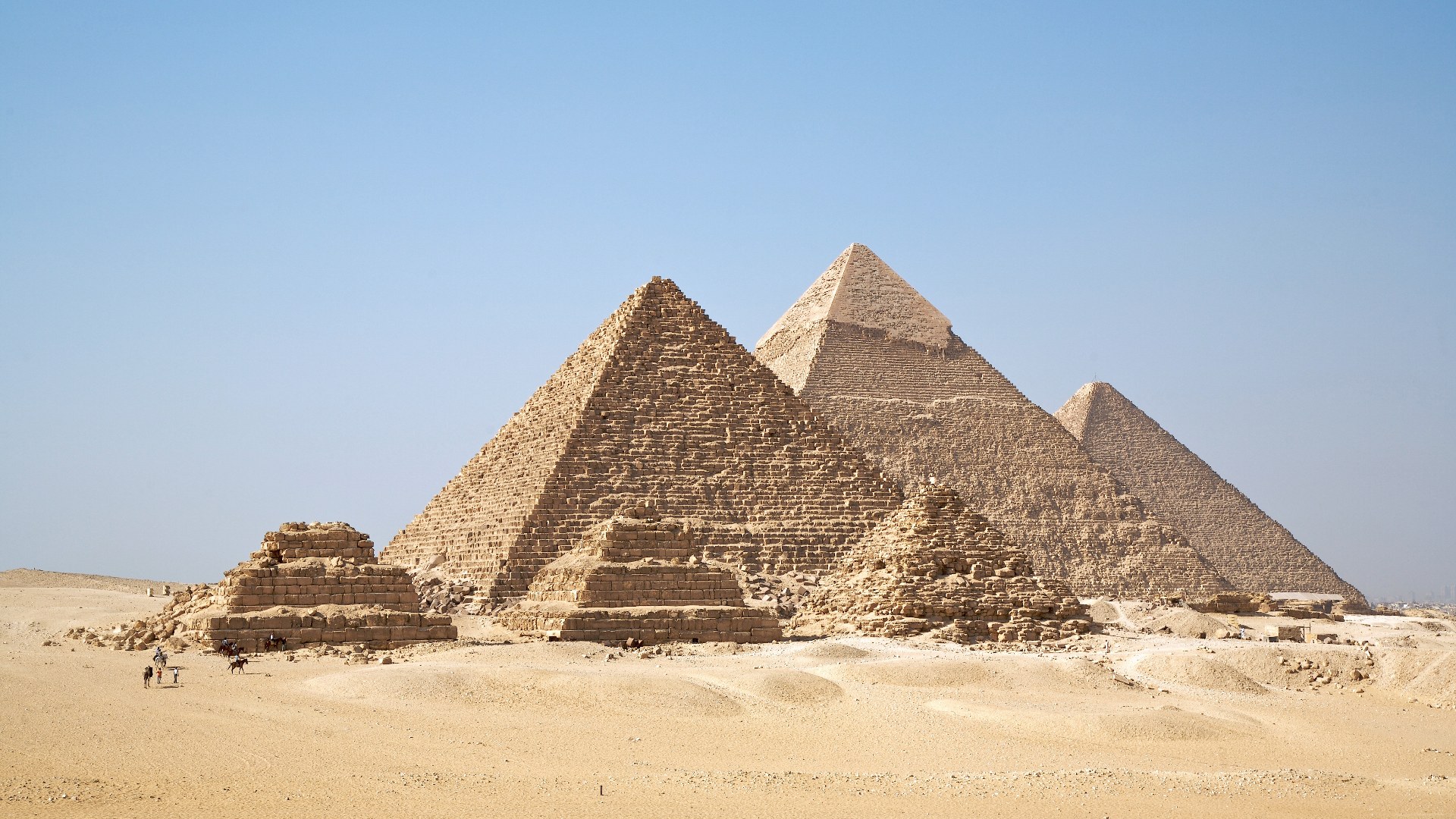
9. Great Pyramid Of Giza
Built during the reign of fourth-dynasty Pharaoh Khufu around 2570 BCE, the Great Pyramid required an estimated 2.3 million stone blocks. Recent archaeological discoveries at Wadi al-Jarf confirm harbor logistics and quarry operations took roughly 27 years.
©Wikimedia Commons / Ricardo Liberato
Advertisement
Swipe or tap ▶ to resume the countdown.
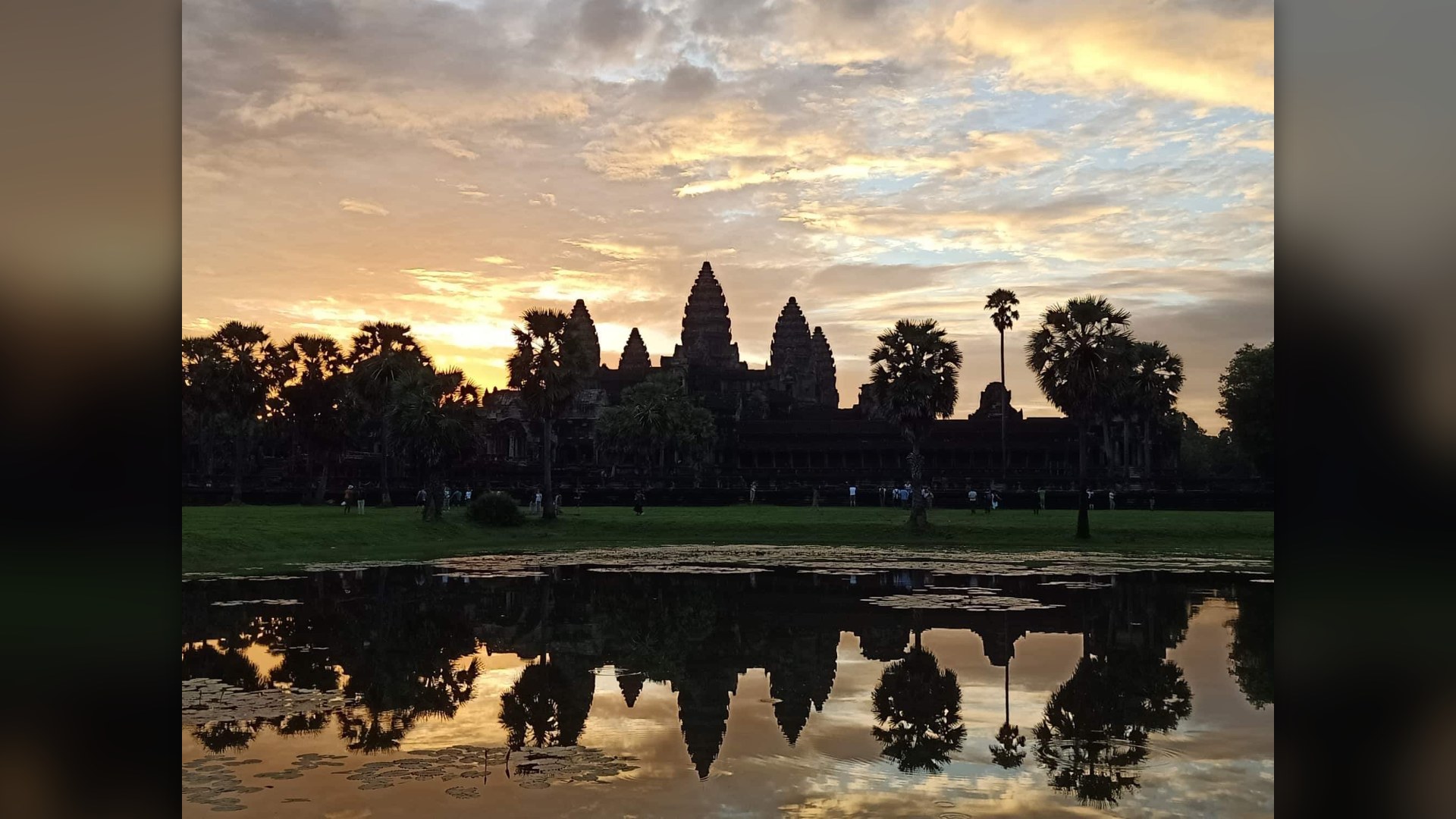
8. Angkor Wat
Commissioned by Khmer King Suryavarman II in the early twelfth century, Angkor Wat took approximately 30 years to build. Millions of sandstone blocks were moved along rivers on rafts, then carved with thousands of detailed bas-reliefs.
©Wikimedia Commons / shankar s.
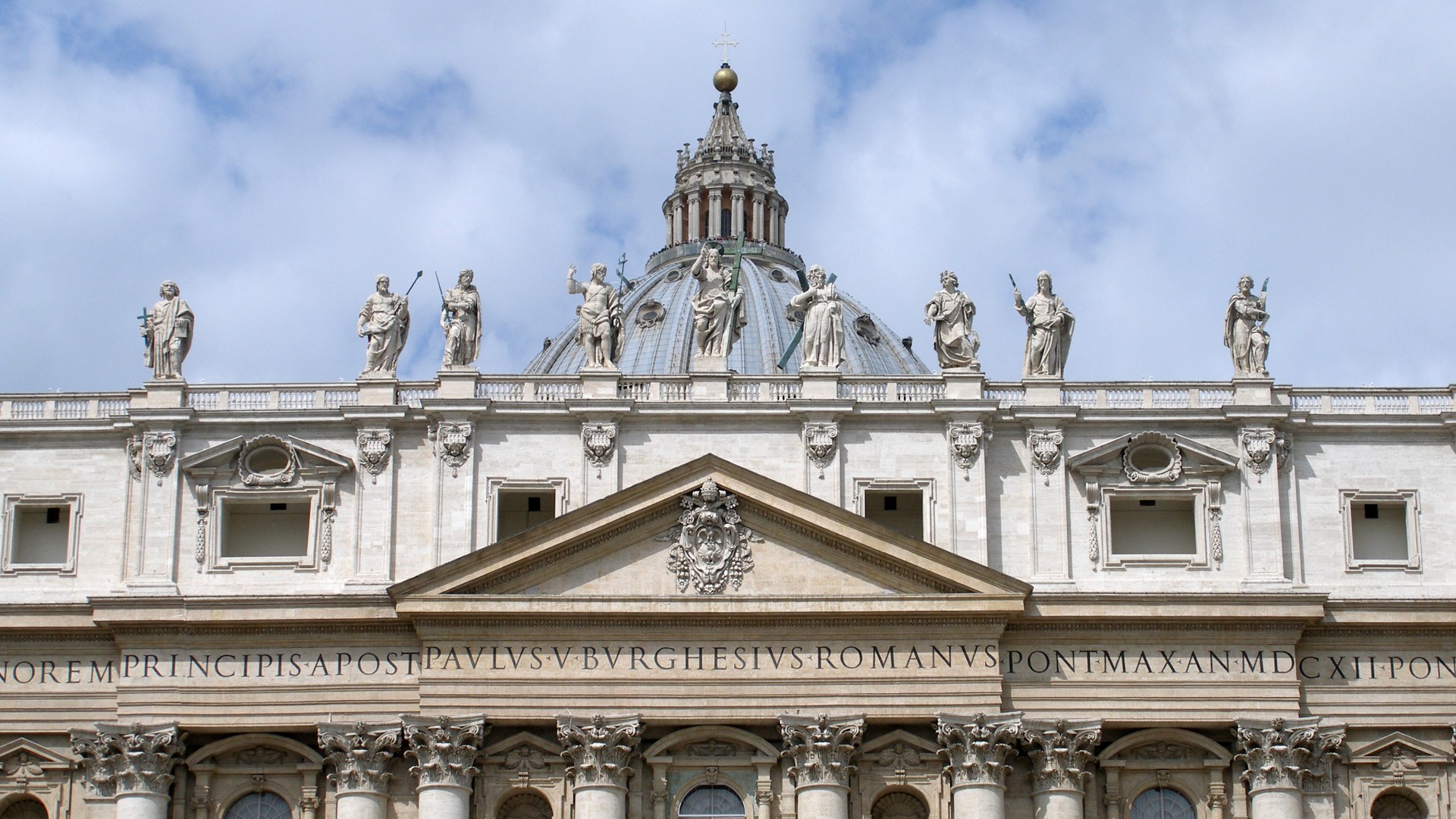
7. St. Peter's Basilica
Pope Julius II laid the foundation stone in 1506, but the massive Vatican basilica was not consecrated until 1626. The 120-year project involved master architects Bramante, Raphael, Michelangelo, and Maderno across multiple redesigns.
©Wikimedia Commons / Massimo Catarinella
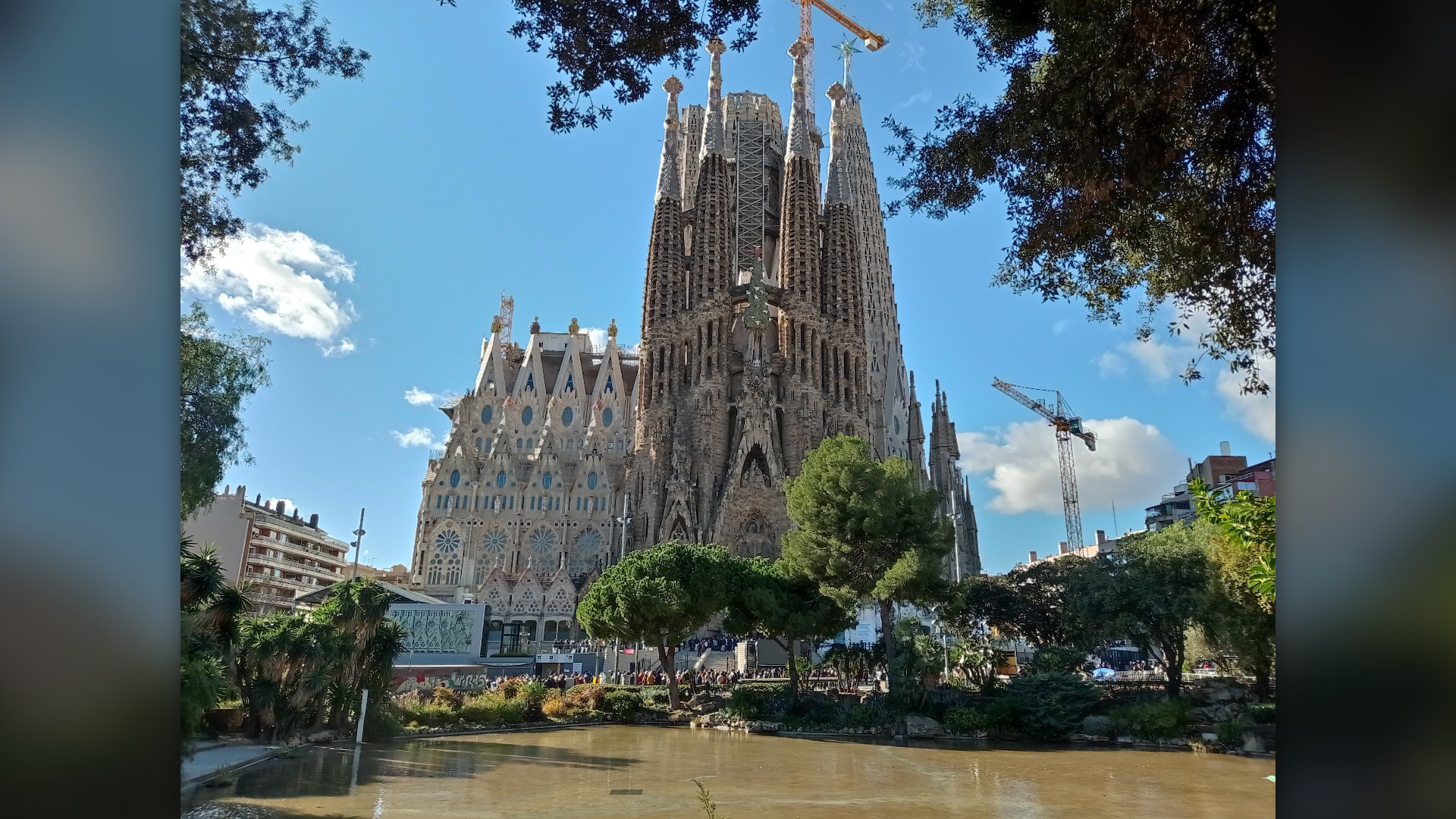
6. Sagrada Familia
Construction on Barcelona's basilica began in 1882 under Francisco de Paula del Villar before Antoni Gaudi took charge in 1883. Financed privately and disrupted by the Spanish Civil War, the main towers are scheduled for completion in 2026.
©Wikimedia Commons / Bernard Gagnon
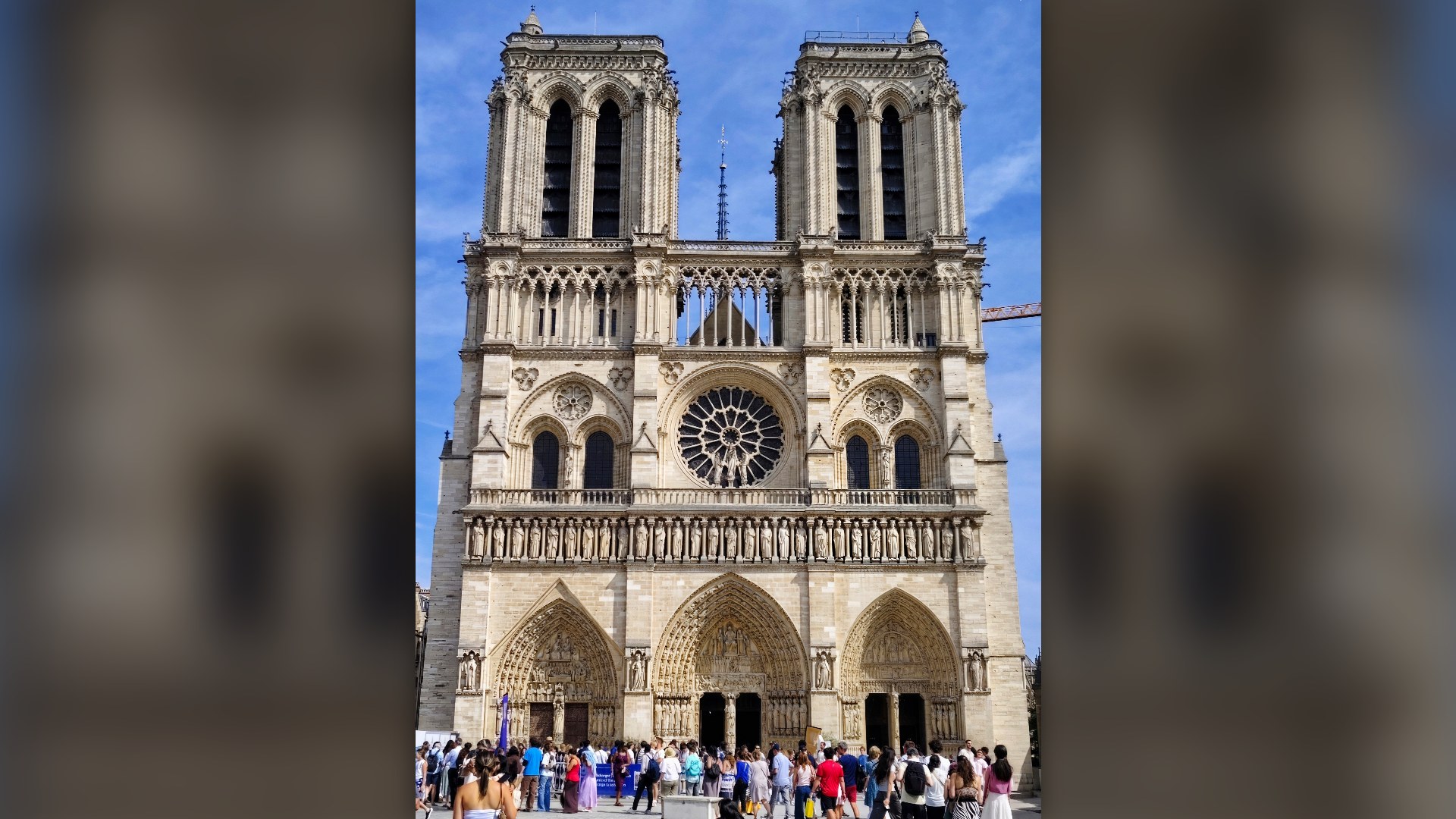
5. Notre Dame Cathedral
Bishop Maurice de Sully initiated work on Paris's Gothic masterpiece around 1163. Teams of stone masons and carpenters finished the choir, nave, towers, and flying buttresses through successive design evolutions, completing the cathedral in 1345.
©Wikimedia Commons / Aliva Sahoo
Advertisement
Swipe or tap ▶ to resume the countdown.
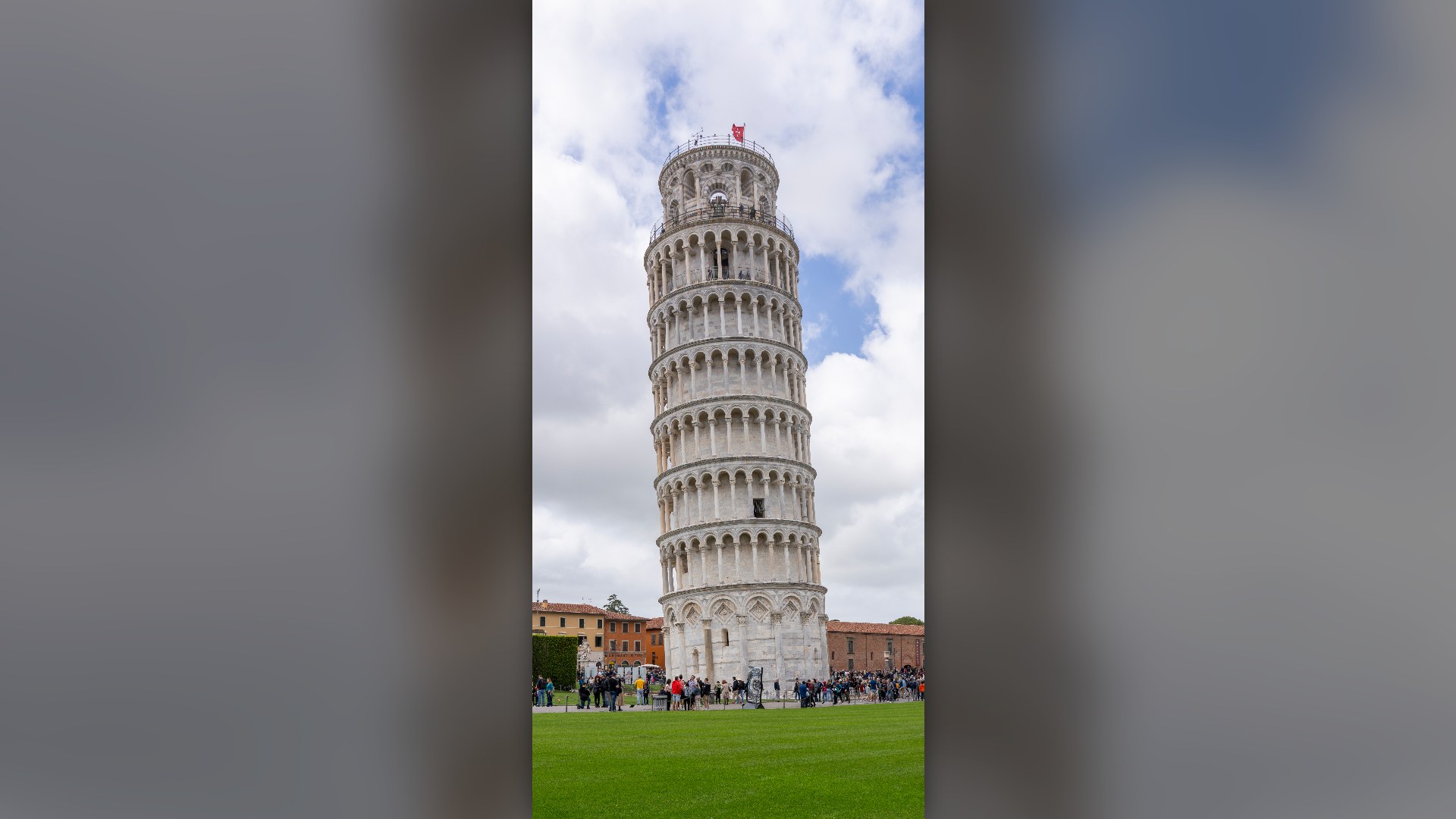
4. Leaning Tower Of Pisa
Ground broke on the freestanding bell tower in 1173. The structure began tilting by the third floor due to unstable clay and sand. Multiple wars paused construction for decades, allowing the ground to settle before builders completed the bell chamber in 1372.
©Wikimedia Commons / PaestumPaestum
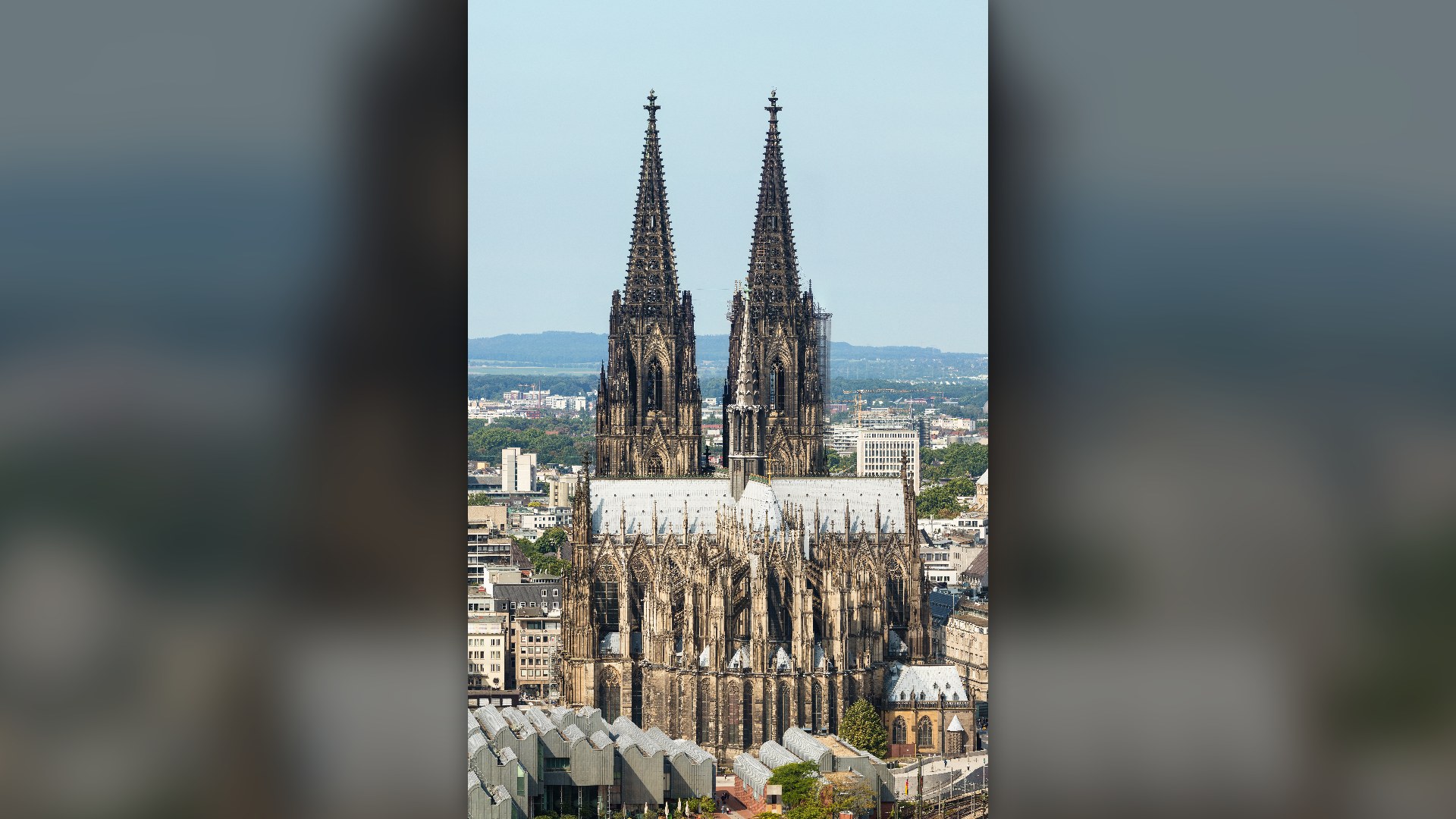
3. Cologne Cathedral
Construction of Germany's immense Gothic cathedral began in 1248 to house the Shrine of the Three Kings. Work stalled entirely in 1473 and remained dormant for nearly four centuries until nineteenth-century builders resumed the project using original plans, finishing in 1880.
©Wikimedia Commons / Thomas Wolf
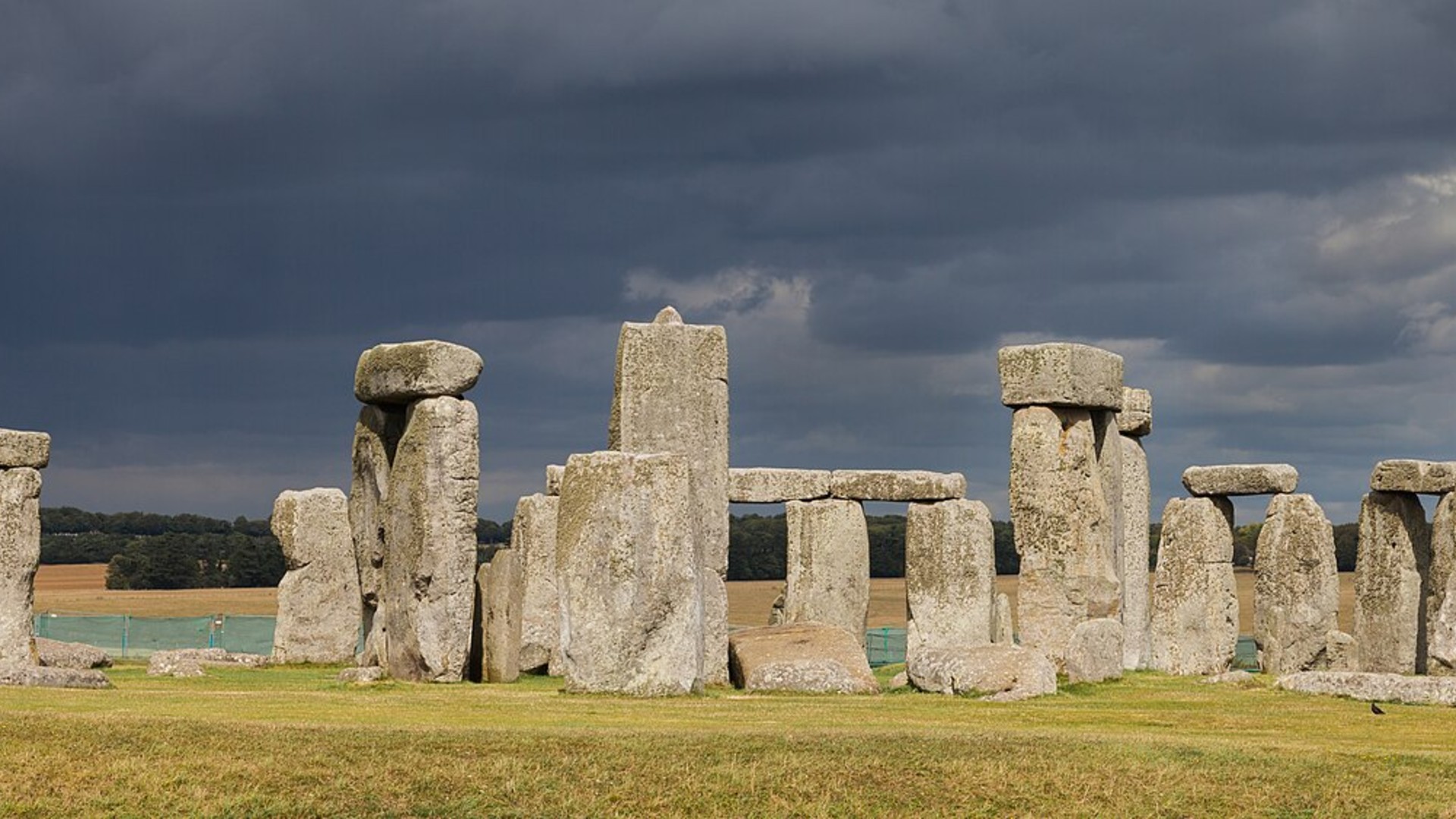
2. Stonehenge
Archaeological evidence shows the Wiltshire monument developed in distinct phases between 3000 and 1500 BCE. Prehistoric builders moved bluestones from Wales and thirty-ton sarsen stones from Marlborough Downs, reconfiguring the ditch and stone circles across generations.
©Wikimedia / Diego Delso
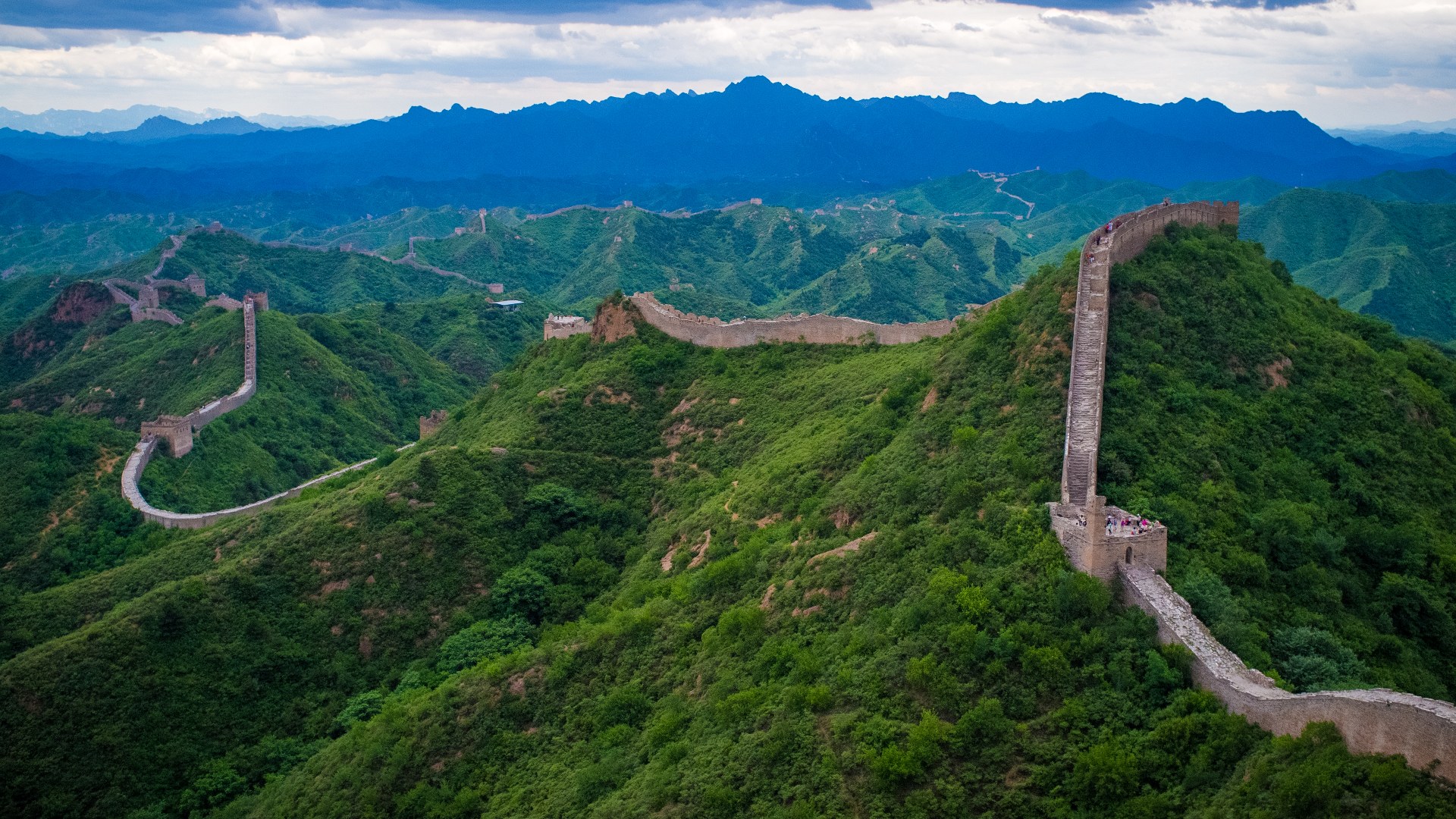
1. The Great Wall Of China
Early defensive walls date back to the 7th century BCE during the Spring and Autumn period. Qin Shi Huang linked regional fortifications in the 3rd century BCE, and the Ming dynasty rebuilt extensive stone and brick sections through the 17th century, creating a 13,000-mile defensive network.

©Wikimedia Commons / Vincent Ndaku
Advertisement
You've reached the end of the story. Thanks for reading!

20 Iconic Historical Photos and the Archive Clues Behind Them
Contact sheets, cracked glass plates, and NASA mission logs preserve the hidden steps behind 20 famous photographs. Drawing on records from the Library of Congress, the National Archives, NASA, and the Smithsonian, this countdown traces how cropping, camera setups, and double exposures shaped each frame.
All 19 Entries in this Story
19. The Empire State Building
Rising during the Great Depression, the Empire State Building went from groundbreaking to grand opening in just 410 days. More than 3,400 workers assembled roughly four and a half floors each week, setting a speed record for twentieth-century skyscraper construction.

18. The Eiffel Tower
Built as the centerpiece for the 1889 Exposition Universelle, Gustave Eiffel's iron tower took two years, two months, and five days to finish. Engineered with 18,038 pieces of wrought iron, it held the title of the world's tallest human-made structure for four decades.

17. The Colosseum
Commissioned under Emperor Vespasian around 72 CE and completed under Titus in 80 CE, the Flavian Amphitheatre took eight years to finish. Capable of holding up to 80,000 spectators, it was engineered using volcanic tuff, concrete, and arches.

16. The Parthenon
Crowning the Acropolis of Athens, the Parthenon was built between 447 and 438 BCE under statesman Pericles. Master sculptors Phidias, Ictinus, and Callicrates directed the rapid extraction and placement of thousands of tons of local Pentelic marble.

15. Christ The Redeemer
Standing 98 feet tall above Rio de Janeiro, this Art Deco monument was built between 1922 and 1931. Engineer Heitor da Silva Costa and sculptor Paul Landowski used reinforced concrete and soapstone mosaics transported up steep railway tracks.

14. The Statue Of Liberty
Sculptor Frederic-Auguste Bartholdi began forging Lady Liberty in France around 1875, finishing the copper statue in Paris in 1884. Transported across the Atlantic in 214 crates, it was dedicated on its American island pedestal in October 1886.

13. The Forbidden City
Commissioned by the Yongle Emperor of the Ming dynasty, construction of Beijing's Forbidden City ran from 1406 to 1420. Over one million workers used precious Phoebe zhennan logs and golden bricks to complete the 980-building palace compound.

12. Mount Rushmore
Sculptor Gutzon Borglum led 400 workers in carving four American presidents into the granite of South Dakota between 1927 and 1941. Crews blasted roughly 450,000 tons of rock with dynamite before finishing the facial contours with pneumatic drills.

11. Sydney Opera House
Danish architect Jorn Utzon won the international design competition in 1957, with construction starting in 1959. Overcoming complex geometry to produce the arched roof sails took 14 years, with Queen Elizabeth II opening the landmark in 1973.

10. The Taj Mahal
Emperor Shah Jahan commissioned the white marble mausoleum along the Yamuna River in 1632 in memory of Mumtaz Mahal. Employing roughly 20,000 artisans and 1,000 elephants to transport marble from Makrana, the full complex concluded around 1653.

9. Great Pyramid Of Giza
Built during the reign of fourth-dynasty Pharaoh Khufu around 2570 BCE, the Great Pyramid required an estimated 2.3 million stone blocks. Recent archaeological discoveries at Wadi al-Jarf confirm harbor logistics and quarry operations took roughly 27 years.

8. Angkor Wat
Commissioned by Khmer King Suryavarman II in the early twelfth century, Angkor Wat took approximately 30 years to build. Millions of sandstone blocks were moved along rivers on rafts, then carved with thousands of detailed bas-reliefs.

7. St. Peter's Basilica
Pope Julius II laid the foundation stone in 1506, but the massive Vatican basilica was not consecrated until 1626. The 120-year project involved master architects Bramante, Raphael, Michelangelo, and Maderno across multiple redesigns.

6. Sagrada Familia
Construction on Barcelona's basilica began in 1882 under Francisco de Paula del Villar before Antoni Gaudi took charge in 1883. Financed privately and disrupted by the Spanish Civil War, the main towers are scheduled for completion in 2026.

5. Notre Dame Cathedral
Bishop Maurice de Sully initiated work on Paris's Gothic masterpiece around 1163. Teams of stone masons and carpenters finished the choir, nave, towers, and flying buttresses through successive design evolutions, completing the cathedral in 1345.

4. Leaning Tower Of Pisa
Ground broke on the freestanding bell tower in 1173. The structure began tilting by the third floor due to unstable clay and sand. Multiple wars paused construction for decades, allowing the ground to settle before builders completed the bell chamber in 1372.

3. Cologne Cathedral
Construction of Germany's immense Gothic cathedral began in 1248 to house the Shrine of the Three Kings. Work stalled entirely in 1473 and remained dormant for nearly four centuries until nineteenth-century builders resumed the project using original plans, finishing in 1880.

2. Stonehenge
Archaeological evidence shows the Wiltshire monument developed in distinct phases between 3000 and 1500 BCE. Prehistoric builders moved bluestones from Wales and thirty-ton sarsen stones from Marlborough Downs, reconfiguring the ditch and stone circles across generations.

1. The Great Wall Of China
Early defensive walls date back to the 7th century BCE during the Spring and Autumn period. Qin Shi Huang linked regional fortifications in the 3rd century BCE, and the Ming dynasty rebuilt extensive stone and brick sections through the 17th century, creating a 13,000-mile defensive network.