Slideshow · Viral
How many hours sleep you need by age? How much do you get Comment below!
Here is how many hours of sleep your body needs at every stage of life.

By Most Viral Today
23 Oct 2026

How many hours sleep you need by age? How much do you get Comment below! 
19. Slide 2: Why Age Matters 
18. Slide 3: Newborns (0–3 Months) 
17. Slide 4: Infants (4–11 Months) - AdvertisementSwipe or tap ▶ to continue countdown

16. Slide 5: Toddlers (1–2 Years) 
15. Slide 6: Preschoolers (3–5 Years) 
14. Slide 7: School-Aged Children (6–13 Years) 
13. Slide 8: Teenagers (14–17 Years) - AdvertisementSwipe or tap ▶ to continue countdown

12. Slide 9: Young Adults (18–25 Years) 
11. Slide 10: Adults (26–64 Years) 
10. Slide 11: Older Adults (65+ Years) 
9. Slide 12: Quality Vs. Quantity - AdvertisementSwipe or tap ▶ to continue countdown

8. Slide 13: Signs Of Sleep Deprivation 
7. Slide 14: Immediate Brain Fog 
6. Slide 15: Weakened Immune System 
5. Slide 16: Weight Gain And Metabolism - AdvertisementSwipe or tap ▶ to continue countdown

4. Slide 17: Long-Term Cardiovascular Risks 
3. Slide 18: Emotional And Mental Strain 
2. Slide 19: Tips For Better Sleep 
1. Slide 20: Conclusion - Advertisement🔥 UP NEXT IN THIS SERIES◫ 21 Slides

20 Iconic Historical Photos and the Archive Clues Behind Them
Contact sheets, cracked glass plates, and NASA mission logs preserve the hidden steps behind 20 famous photographs. Drawing on records from the Library of Congress, the National Archives, NASA, and the Smithsonian, this countdown traces how cropping, camera setups, and double exposures shaped each frame.
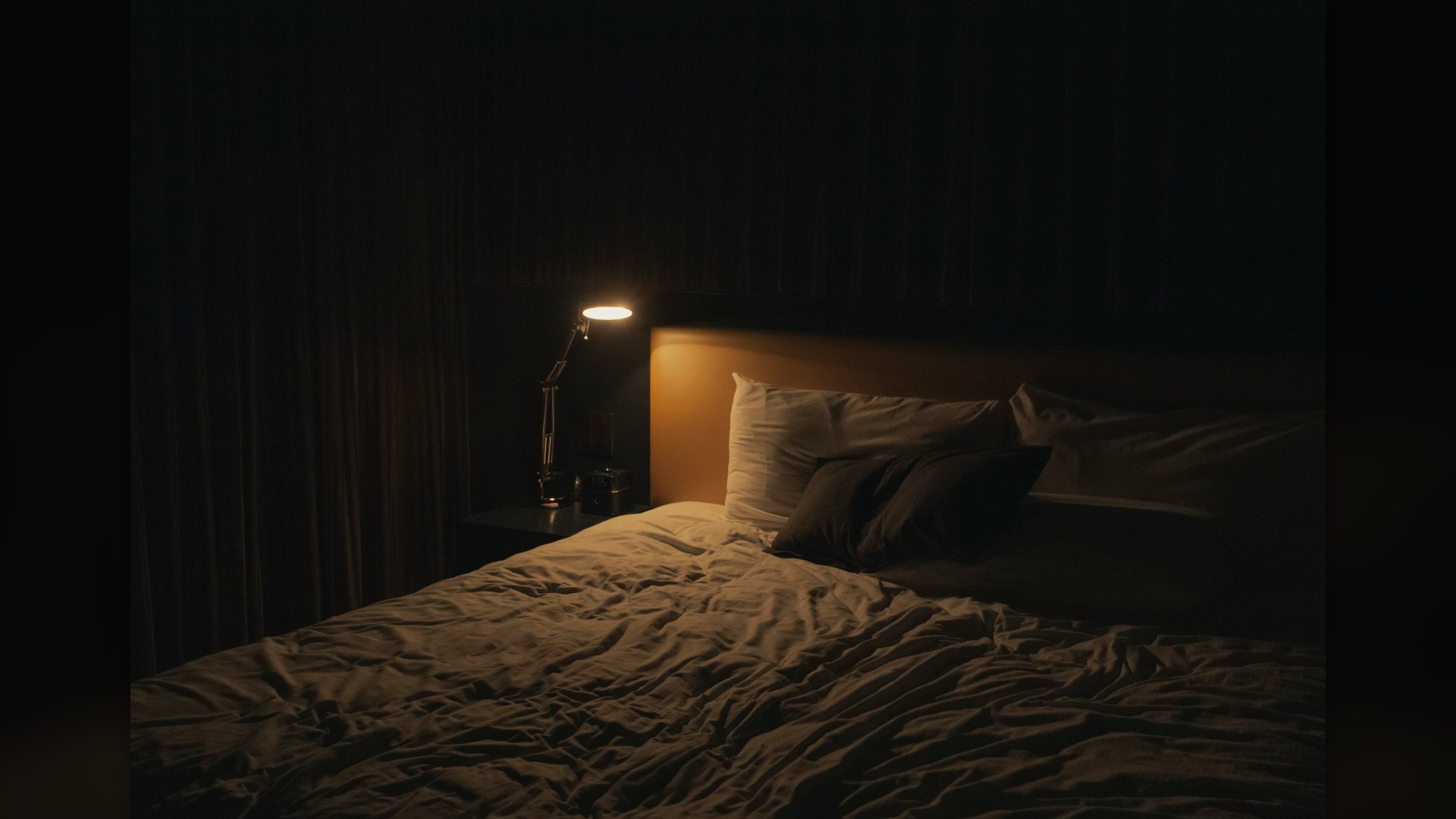
How many hours of sleep to get according to your age—from 14 to 17 hours for newborns to 7 to 8 hours for older adults, plus the hidden health costs of falling short.
Swipe or tap ▶ to begin the countdown
© Photo by Editorial / Contributor on Unsplash
19. Slide 2: Why Age Matters
Sleep needs change drastically as the brain and body grow and mature, shifting from rapid neural development in infancy to cellular maintenance in adulthood.
©Editorial / Contributor
18. Slide 3: Newborns (0–3 Months)
Newborns require 14 to 17 hours of daily sleep to support rapid brain development and early physical growth around the clock.
©Editorial / Contributor
17. Slide 4: Infants (4–11 Months)
Infants need 12 to 15 hours of sleep each day, typically split between consolidating nighttime rest and daytime naps.
©Editorial / Contributor
Advertisement
Swipe or tap ▶ to resume the countdown.
16. Slide 5: Toddlers (1–2 Years)
Toddlers thrive on 11 to 14 hours of daily rest to fuel their active physical growth, motor coordination, and language acquisition.
©Editorial / Contributor
15. Slide 6: Preschoolers (3–5 Years)
Children this age need 10 to 13 hours of sleep to support early learning, emotional regulation, and imaginative play.
©Openverse / amcdawes
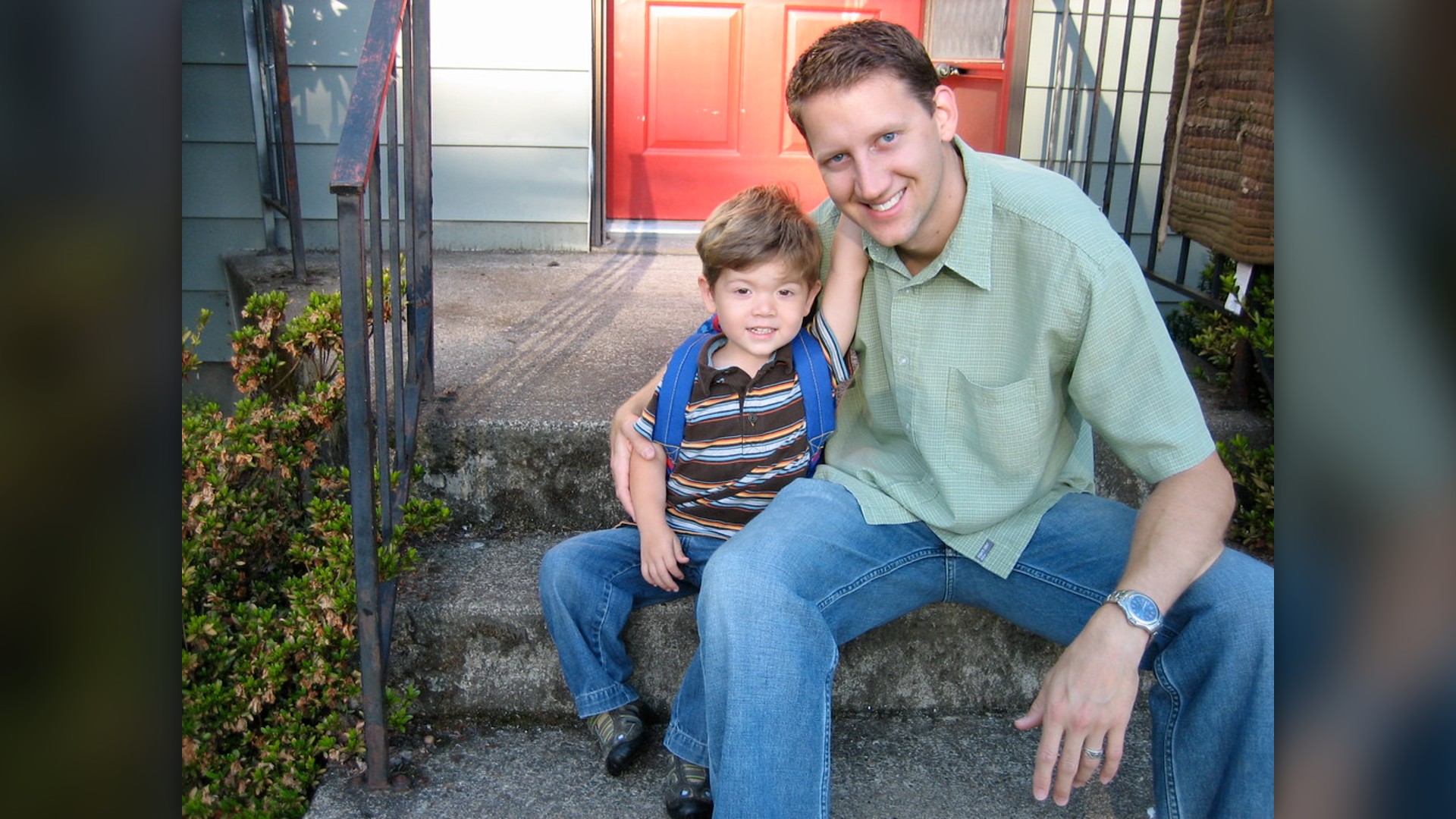
14. Slide 7: School-Aged Children (6–13 Years)
Growing kids require 9 to 11 hours of solid sleep for sustained classroom focus, physical stamina, and mental energy.
©Editorial / Contributor
13. Slide 8: Teenagers (14–17 Years)
Teens need 8 to 10 hours of rest to manage the hormonal shifts of puberty alongside heavy academic and social demands.
©Editorial / Contributor
Advertisement
Swipe or tap ▶ to resume the countdown.
12. Slide 9: Young Adults (18–25 Years)
Young adults require 7 to 9 hours of sleep to maintain optimal daily cognitive performance as the prefrontal cortex finishes maturing.
©Editorial / Contributor
11. Slide 10: Adults (26–64 Years)
Standard adulthood demands 7 to 9 hours of quality sleep every night to repair tissues and prevent chronic health risks.
©Editorial / Contributor
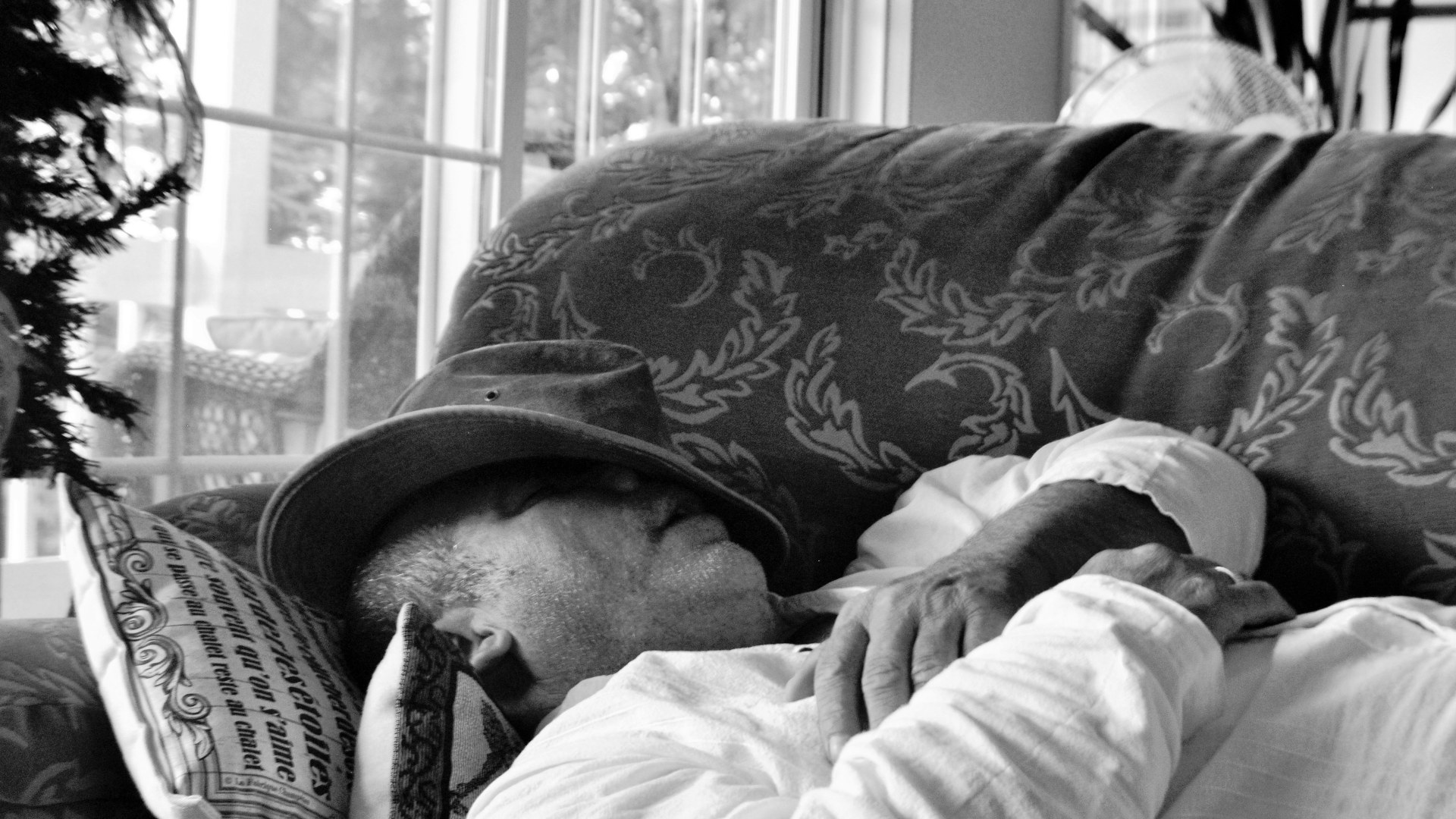
10. Slide 11: Older Adults (65+ Years)
Seniors still need 7 to 8 hours of rest daily, though their sleep architecture naturally becomes lighter and more fragmented.
©Editorial / Contributor
9. Slide 12: Quality Vs. Quantity
Total hours matter, but uninterrupted slow-wave and REM deep sleep cycles are equally critical for physical and neural recovery.
©Editorial / Contributor
Advertisement
Swipe or tap ▶ to resume the countdown.
8. Slide 13: Signs Of Sleep Deprivation
Daytime fatigue, sudden mood swings, and poor focus clearly indicate you are not meeting your biological target hours.
©Editorial / Contributor
7. Slide 14: Immediate Brain Fog
Missing your target sleep hours immediately impairs sustained attention, working memory retrieval, and complex decision-making skills.
©Editorial / Contributor
6. Slide 15: Weakened Immune System
Consistent lack of sleep reduces protective cytokines and virus-fighting antibodies, making you significantly more likely to get sick.
©Editorial / Contributor
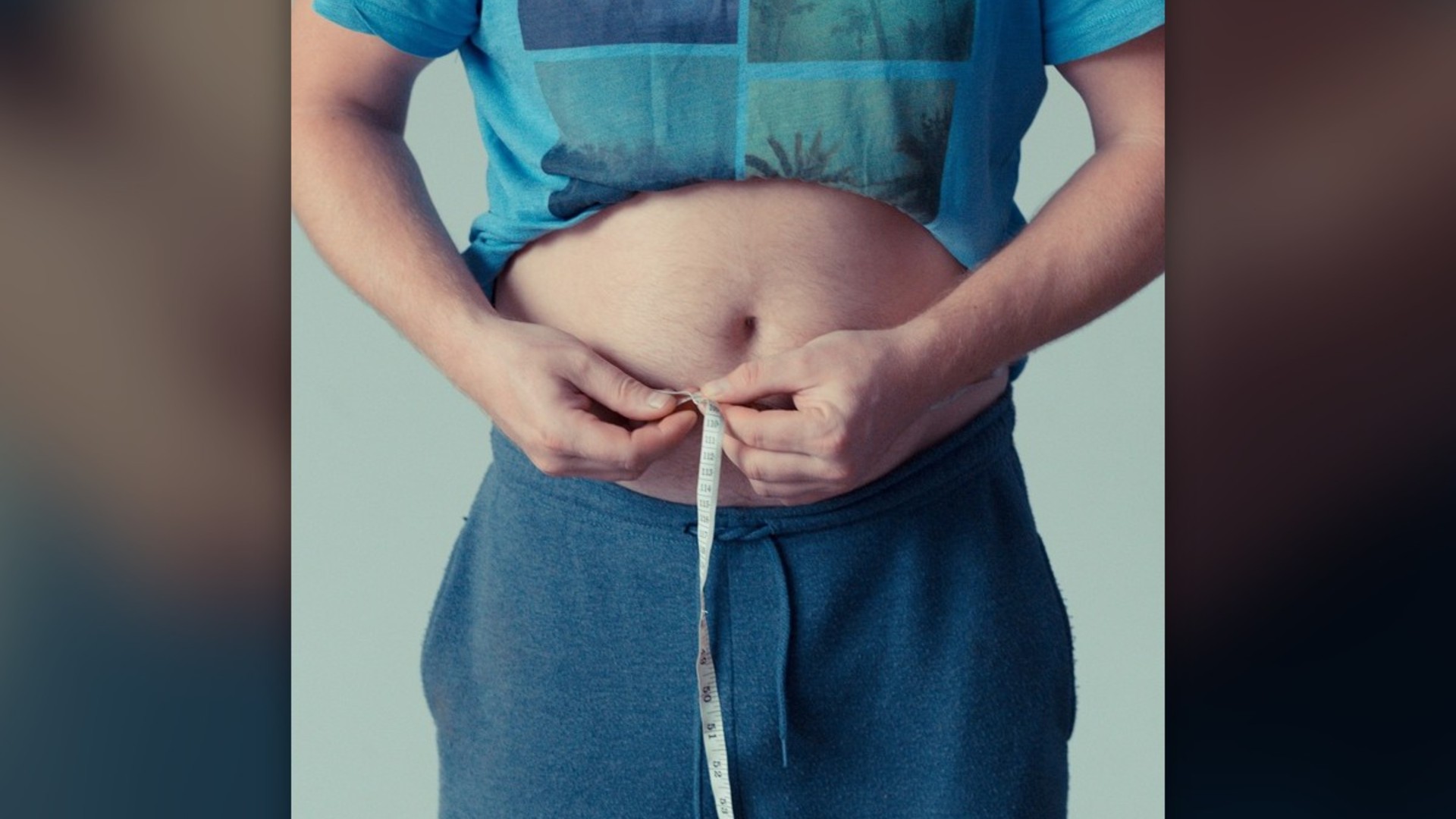
5. Slide 16: Weight Gain And Metabolism
Sleep deprivation disrupts ghrelin and leptin hunger hormones, causing intense cravings for high-calorie foods and a slower metabolism.
©Pixabay / jarmoluk
Advertisement
Swipe or tap ▶ to resume the countdown.
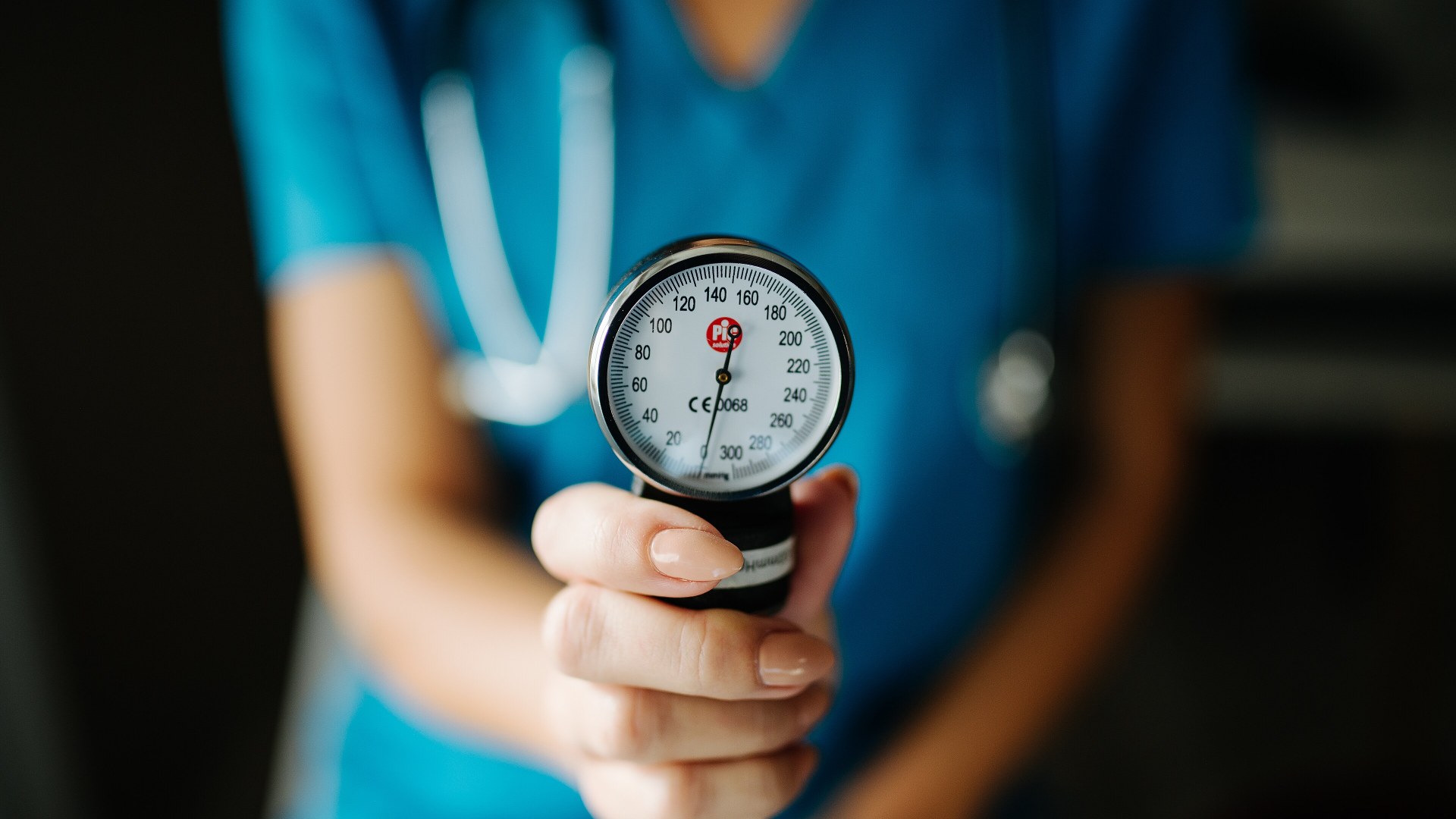
4. Slide 17: Long-Term Cardiovascular Risks
Chronic short sleep duration elevates your baseline blood pressure and dramatically increases the long-term risk of heart disease.
©Editorial / Contributor
3. Slide 18: Emotional And Mental Strain
Failing to complete your sleep hours causes high irritability, heightens anxiety, and doubles the risk of developing clinical depression.
©Editorial / Contributor
2. Slide 19: Tips For Better Sleep
Maintain a strict wake-and-sleep schedule, dim household lights early in the evening, and keep electronics out of bed.
©Editorial / Contributor
1. Slide 20: Conclusion
Listen to your biological clock and prioritize the exact sleep hours your age demands to protect your brain and body.

©Editorial / Contributor
Advertisement
You've reached the end of the story. Thanks for reading!

20 Iconic Historical Photos and the Archive Clues Behind Them
Contact sheets, cracked glass plates, and NASA mission logs preserve the hidden steps behind 20 famous photographs. Drawing on records from the Library of Congress, the National Archives, NASA, and the Smithsonian, this countdown traces how cropping, camera setups, and double exposures shaped each frame.
All 19 Entries in this Story
Slide 2: Why Age Matters
Sleep needs change drastically as the brain and body grow and mature, shifting from rapid neural development in infancy to cellular maintenance in adulthood.

Slide 3: Newborns (0–3 Months)
Newborns require 14 to 17 hours of daily sleep to support rapid brain development and early physical growth around the clock.

Slide 4: Infants (4–11 Months)
Infants need 12 to 15 hours of sleep each day, typically split between consolidating nighttime rest and daytime naps.

Slide 5: Toddlers (1–2 Years)
Toddlers thrive on 11 to 14 hours of daily rest to fuel their active physical growth, motor coordination, and language acquisition.

Slide 6: Preschoolers (3–5 Years)
Children this age need 10 to 13 hours of sleep to support early learning, emotional regulation, and imaginative play.

Slide 7: School-Aged Children (6–13 Years)
Growing kids require 9 to 11 hours of solid sleep for sustained classroom focus, physical stamina, and mental energy.

Slide 8: Teenagers (14–17 Years)
Teens need 8 to 10 hours of rest to manage the hormonal shifts of puberty alongside heavy academic and social demands.

Slide 9: Young Adults (18–25 Years)
Young adults require 7 to 9 hours of sleep to maintain optimal daily cognitive performance as the prefrontal cortex finishes maturing.

Slide 10: Adults (26–64 Years)
Standard adulthood demands 7 to 9 hours of quality sleep every night to repair tissues and prevent chronic health risks.

Slide 11: Older Adults (65+ Years)
Seniors still need 7 to 8 hours of rest daily, though their sleep architecture naturally becomes lighter and more fragmented.

Slide 12: Quality Vs. Quantity
Total hours matter, but uninterrupted slow-wave and REM deep sleep cycles are equally critical for physical and neural recovery.

Slide 13: Signs Of Sleep Deprivation
Daytime fatigue, sudden mood swings, and poor focus clearly indicate you are not meeting your biological target hours.

Slide 14: Immediate Brain Fog
Missing your target sleep hours immediately impairs sustained attention, working memory retrieval, and complex decision-making skills.

Slide 15: Weakened Immune System
Consistent lack of sleep reduces protective cytokines and virus-fighting antibodies, making you significantly more likely to get sick.

Slide 16: Weight Gain And Metabolism
Sleep deprivation disrupts ghrelin and leptin hunger hormones, causing intense cravings for high-calorie foods and a slower metabolism.

Slide 17: Long-Term Cardiovascular Risks
Chronic short sleep duration elevates your baseline blood pressure and dramatically increases the long-term risk of heart disease.

Slide 18: Emotional And Mental Strain
Failing to complete your sleep hours causes high irritability, heightens anxiety, and doubles the risk of developing clinical depression.

Slide 19: Tips For Better Sleep
Maintain a strict wake-and-sleep schedule, dim household lights early in the evening, and keep electronics out of bed.

Slide 20: Conclusion
Listen to your biological clock and prioritize the exact sleep hours your age demands to protect your brain and body.