Slideshow · Animals
How Mother Cats Care for Their Kittens in the First Weeks
Mother cats provide non-stop dedication to their litters during the earliest stages of life. From creating secure nests to teaching initial hunting skills, each week brings vital developmental milesto





All 12 Entries in this Story
Selecting A Protected Nest
Days before delivery, a pregnant queen's nesting instincts surge. She seeks out enclosed, dark, and warm microenvironments away from potential household threats, ensuring her helpless newborns arrive in an environment that protects fragile life.
Clearing Airways At Birth
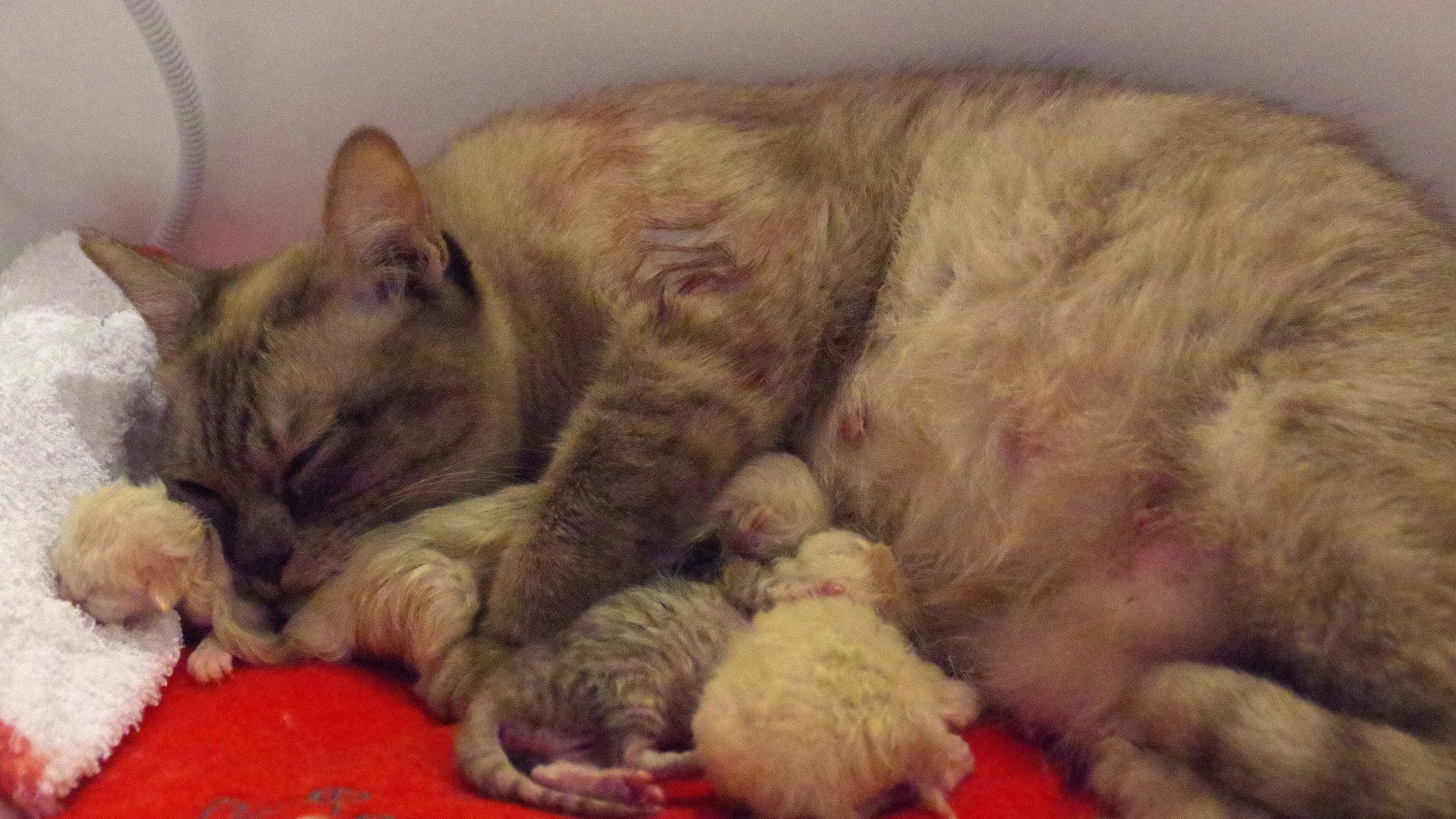
Seconds after each kitten emerges, the mother tears open the amniotic sac and severs the umbilical cord. Her coarse tongue scrubs fluid away from tiny nostrils and mouths while rhythmic chest pressure triggers the newborn's vital first intake of oxygen.
Delivering Essential Colostrum
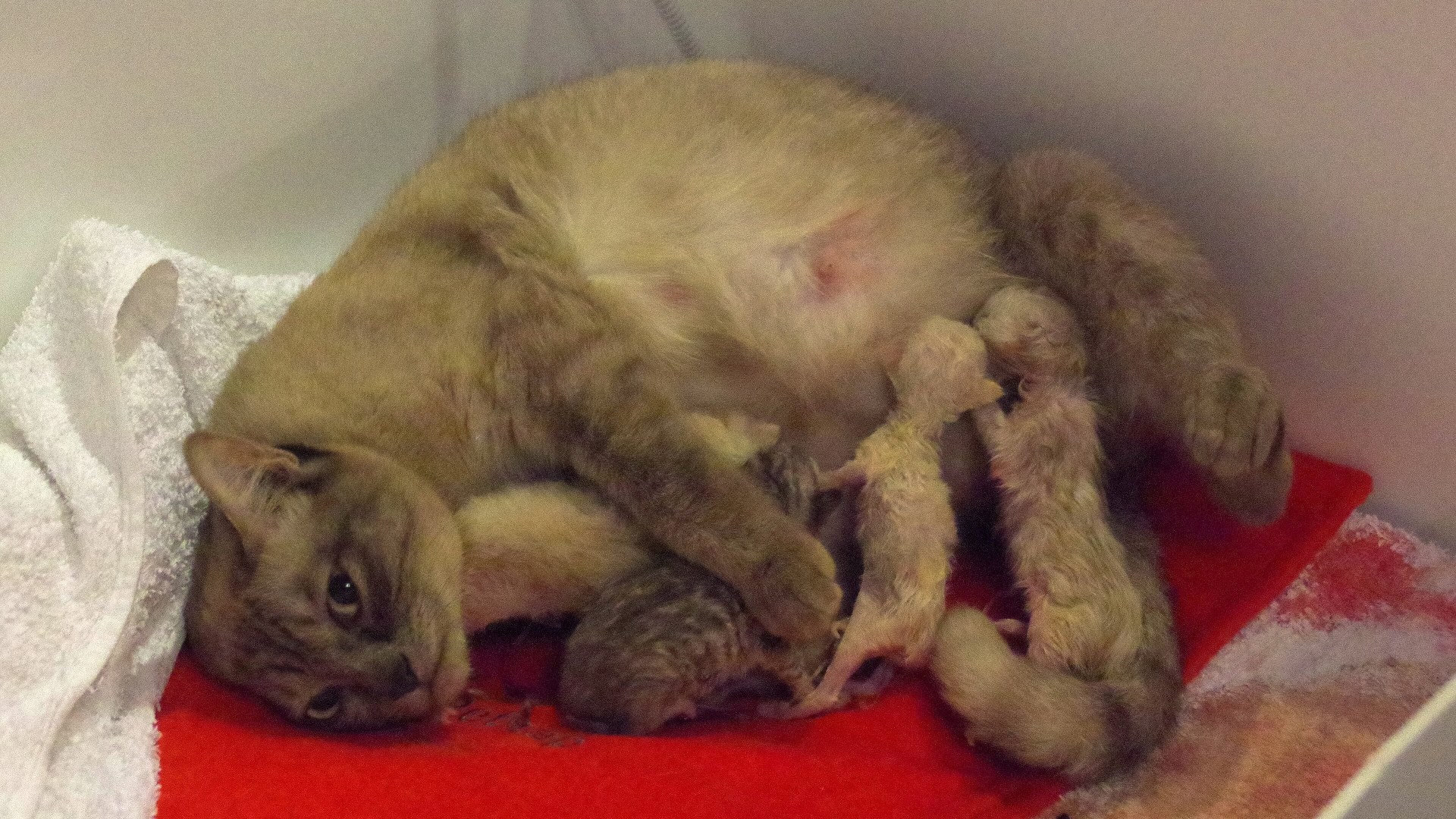
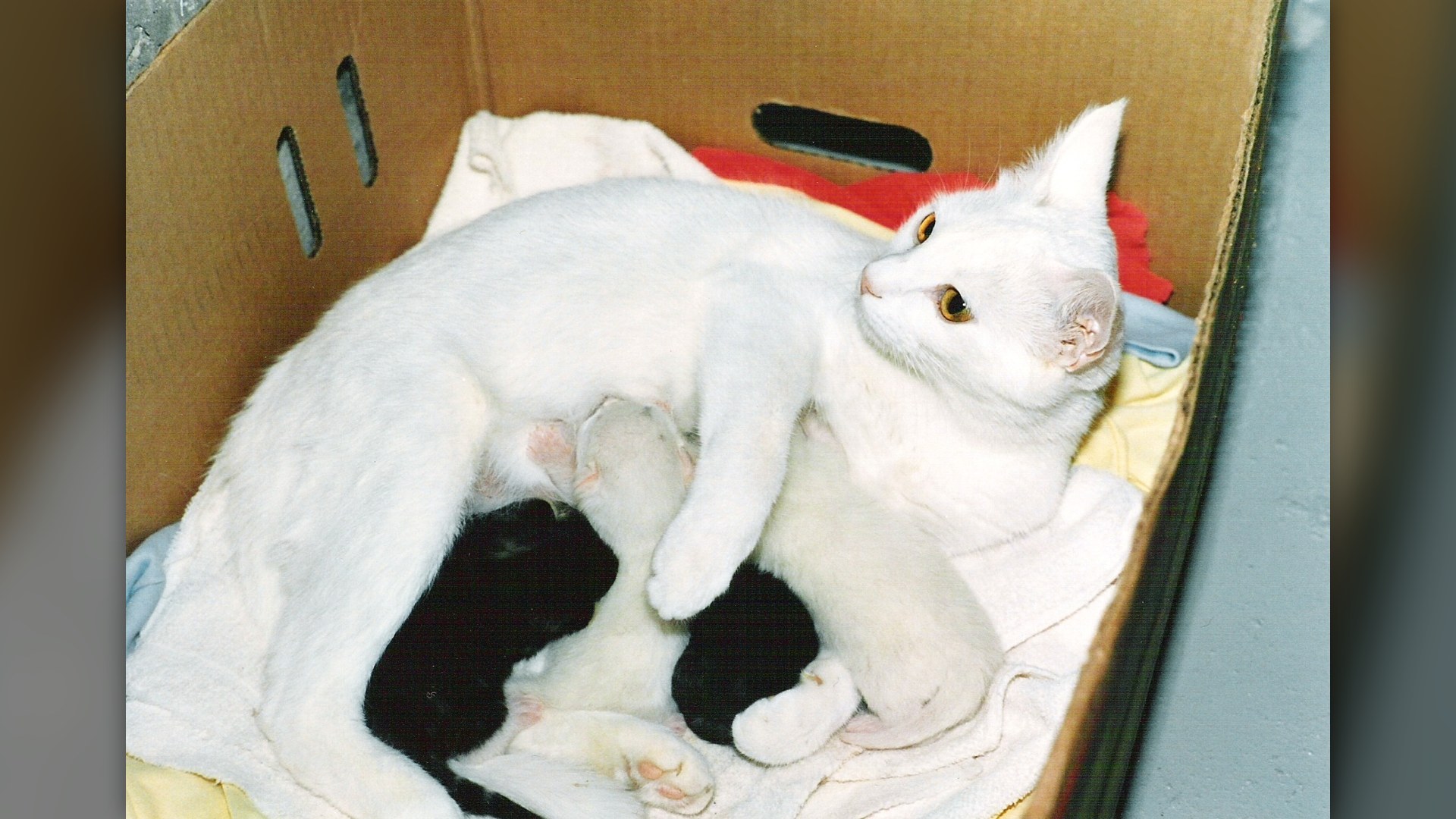
During the initial forty-eight hours, the queen produces colostrum rather than mature milk. This nutrient-dense fluid is packed with maternal immunoglobulins, transferring passive immunity directly through the kitten's permeable intestinal lining.
Providing Constant Body Heat
Neonatal kittens possess almost zero subcutaneous fat and lack autonomic shivering reflexes. The mother curls her entire body around the litter, using direct abdominal contact to maintain a warm microclimate of ninety-eight degrees Fahrenheit.
Stimulating Reflex Elimination
For the first three weeks, kittens cannot urinate or defecate voluntarily. The queen licks their abdominal and genital areas after every nursing session, prompting reflex elimination and ingesting the waste to keep the nest completely scent-free.
Relocating By The Scruff
If a nest becomes soiled or the queen senses disturbances, she moves her brood one by one. Grasping the loose skin on the scruff triggers the dorsal immobility reflex, causing the kitten to curl limply and stay quiet during transport.
Guiding The Initial Vision
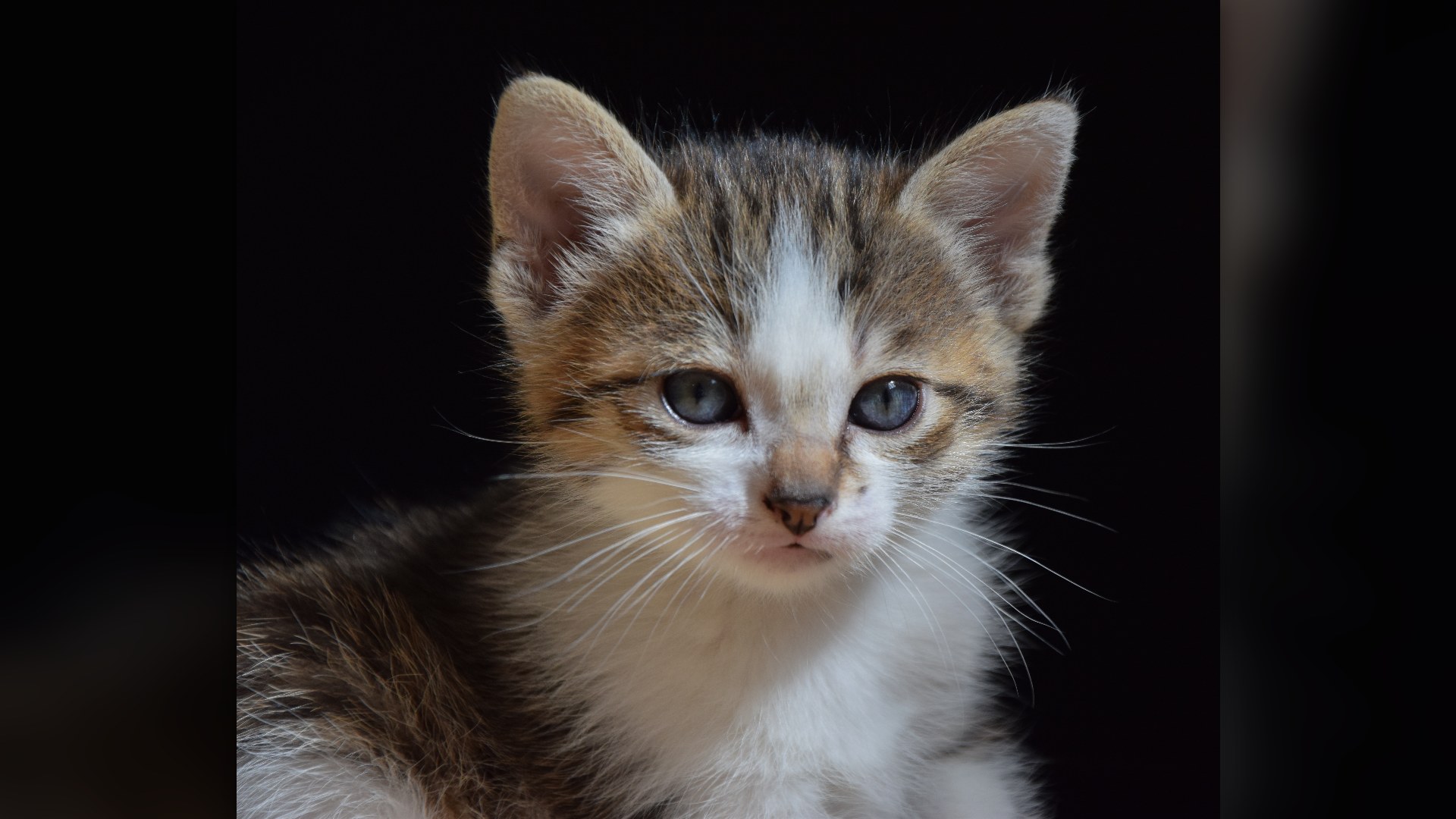
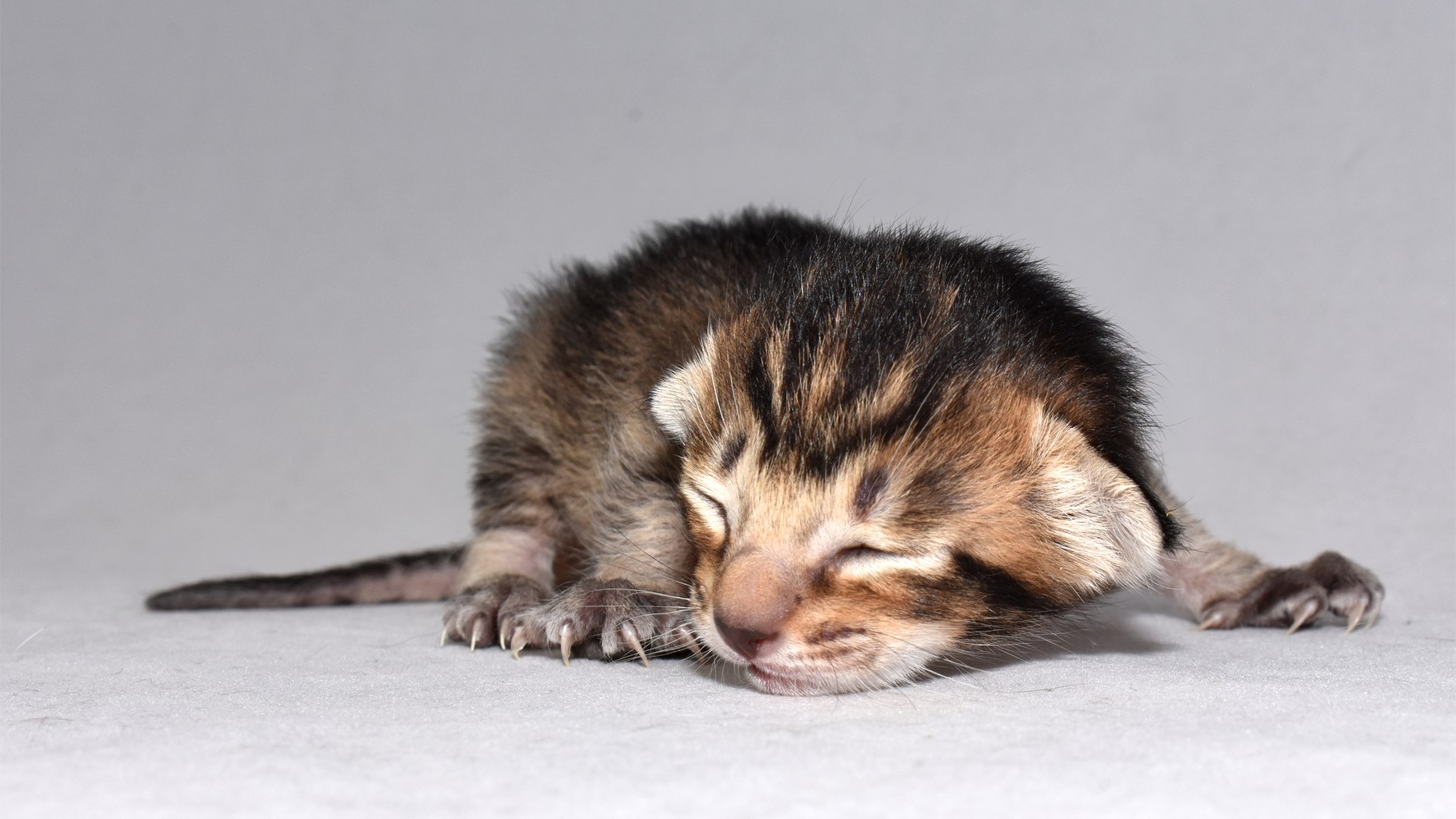
Between days seven and fourteen, kitten eyelids gradually unseal. Their vision starts out cloudy, limited to close-range light and motion. The mother stays within direct sight, providing a calming presence while optical pathways mature.
Teaching Auditory Cues
Ear canals unfurl around day ten to fourteen. The mother replaces silent nudges with characteristic trills, chirps, and purrs. These sound signatures teach kittens to identify her voice and instantly assemble when danger approaches.
Supervising The First Steps
By week three, balance improves and claws retract slightly. Kittens wobble out of their box on clumsy legs to inspect their immediate surroundings. The queen observes quietly from a few paces, intervening only when boundaries are breached.
Fostering Social Grooming
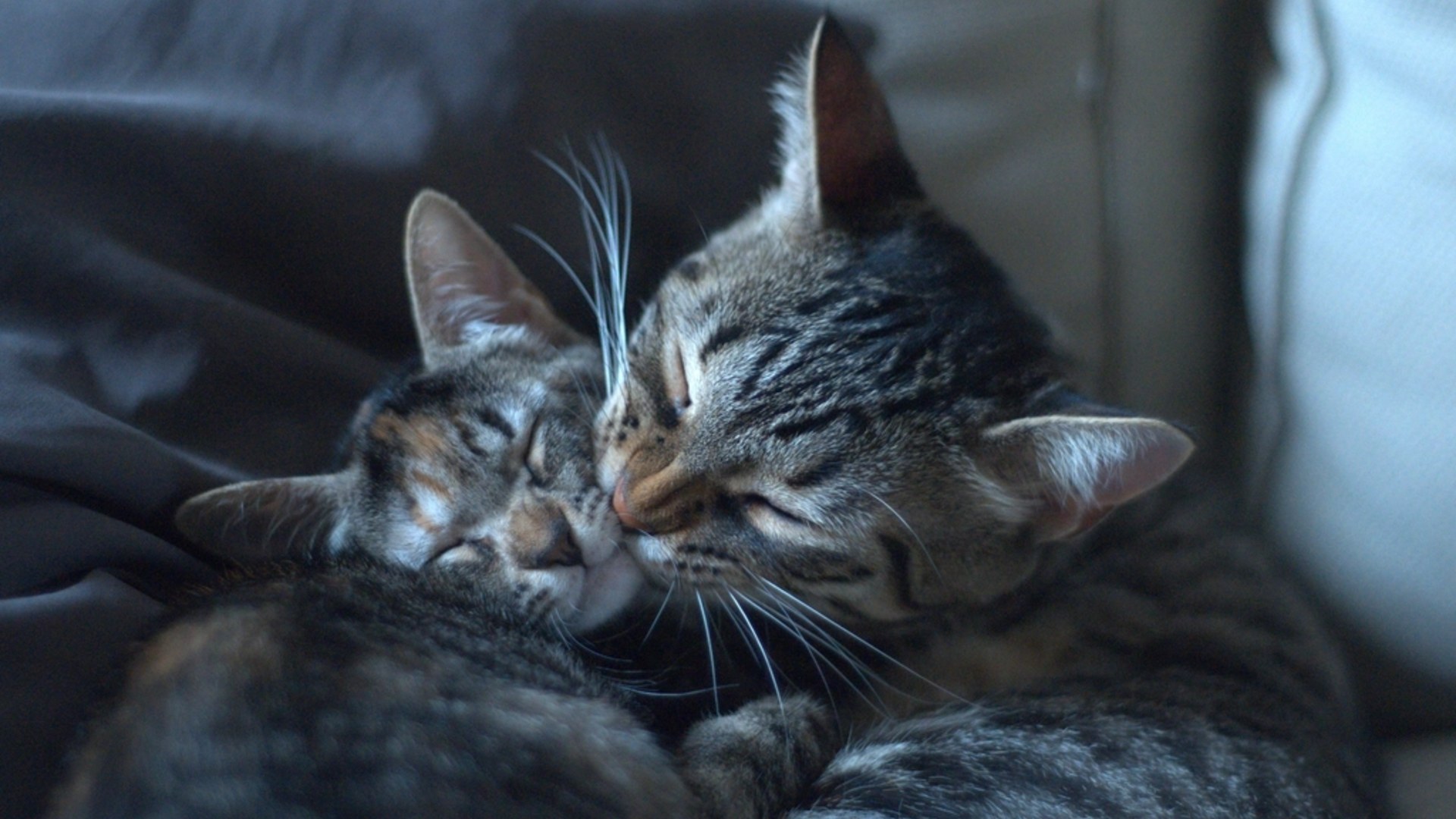
Mother cats transition from purely functional cleaning to communal grooming. By washing faces and forepaws, the mother distributes a communal colony scent and models the tongue-stroke mechanics kittens adopt to keep their own coats pristine.
Initiating The Weaning Process
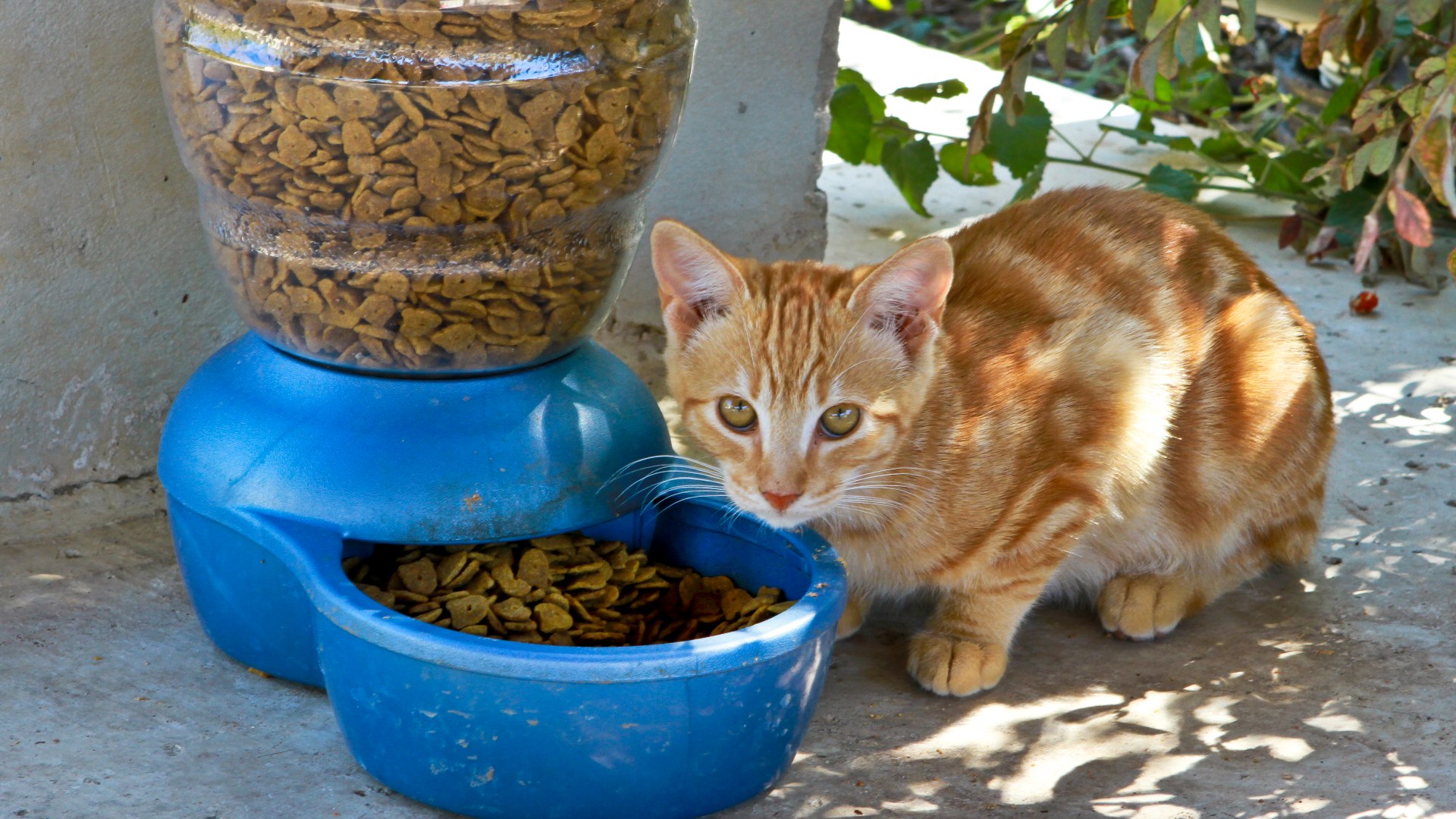
Around four weeks of age, sharp milk teeth emerge, making nursing uncomfortable. The queen spends longer intervals away from the nest, leading kittens toward food dishes and encouraging them to lap slurries alongside her.
Instilling Hunting Techniques
The mother flicks her tail tip to create an irresistible moving target. She engages in gentle mock brawls, teaching litters how to calibrate bite pressure, master sudden pounces, and develop social limits essential for adult life.