Slideshow · Viral
How People Traveled Before Cars and Planes
Before highways and jet planes shrank the globe, journeys required sheer grit, animal power, and the mercy of wind and steam. From ancient galloping chariots to towering wooden clipper ships, explore 10 epic ways humanity traversed continents and oceans before modern engines existed.
By Most Viral Today
29 Oct 2026

How People Traveled Before Cars and Planes 
10. The Stagecoach 
9. The Sedan Chair 
8. The Camel Caravan - AdvertisementSwipe or tap ▶ to continue countdown

7. Canal Packet Boats 
6. The Penny-Farthing 
5. Arctic Dog Sleds 
4. Tall Clipper Ships - AdvertisementSwipe or tap ▶ to continue countdown

3. Steam Locomotives 
2. Hot Air Balloons 
1. Galloping Chariots - Advertisement🔥 UP NEXT IN THIS SERIES◫ 21 Slides

20 Iconic Historical Photos and the Archive Clues Behind Them
Contact sheets, cracked glass plates, and NASA mission logs preserve the hidden steps behind 20 famous photographs. Drawing on records from the Library of Congress, the National Archives, NASA, and the Smithsonian, this countdown traces how cropping, camera setups, and double exposures shaped each frame.
Before highways and jet planes shrank the globe, journeys required sheer grit, animal power, and the mercy of wind and steam. From ancient galloping chariots to towering wooden clipper ships, explore 10 epic ways humanity traversed continents and oceans before modern engines existed.
Swipe or tap ▶ to begin the countdown
©Openverse / jl.cernadas
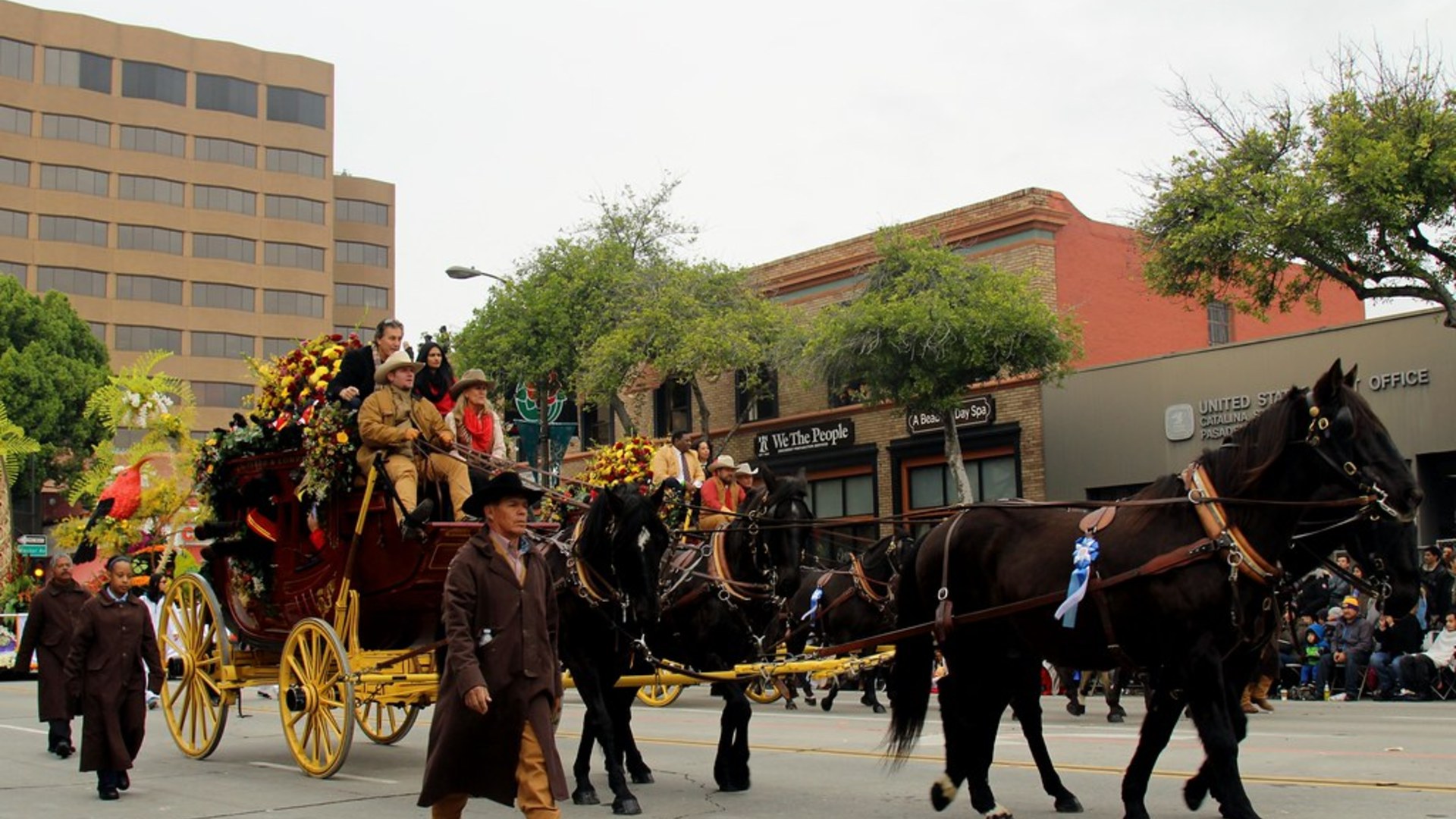
10. The Stagecoach
Before railroads linked settlements, the Concord stagecoach was the rugged lifeline of cross-country travel. Built with heavy curved wooden bodies resting on leather strap shock absorbers, these horse-drawn carriages rattled across unpaved trails day and night to deliver mail and weary passengers.
©Openverse / Prayitno
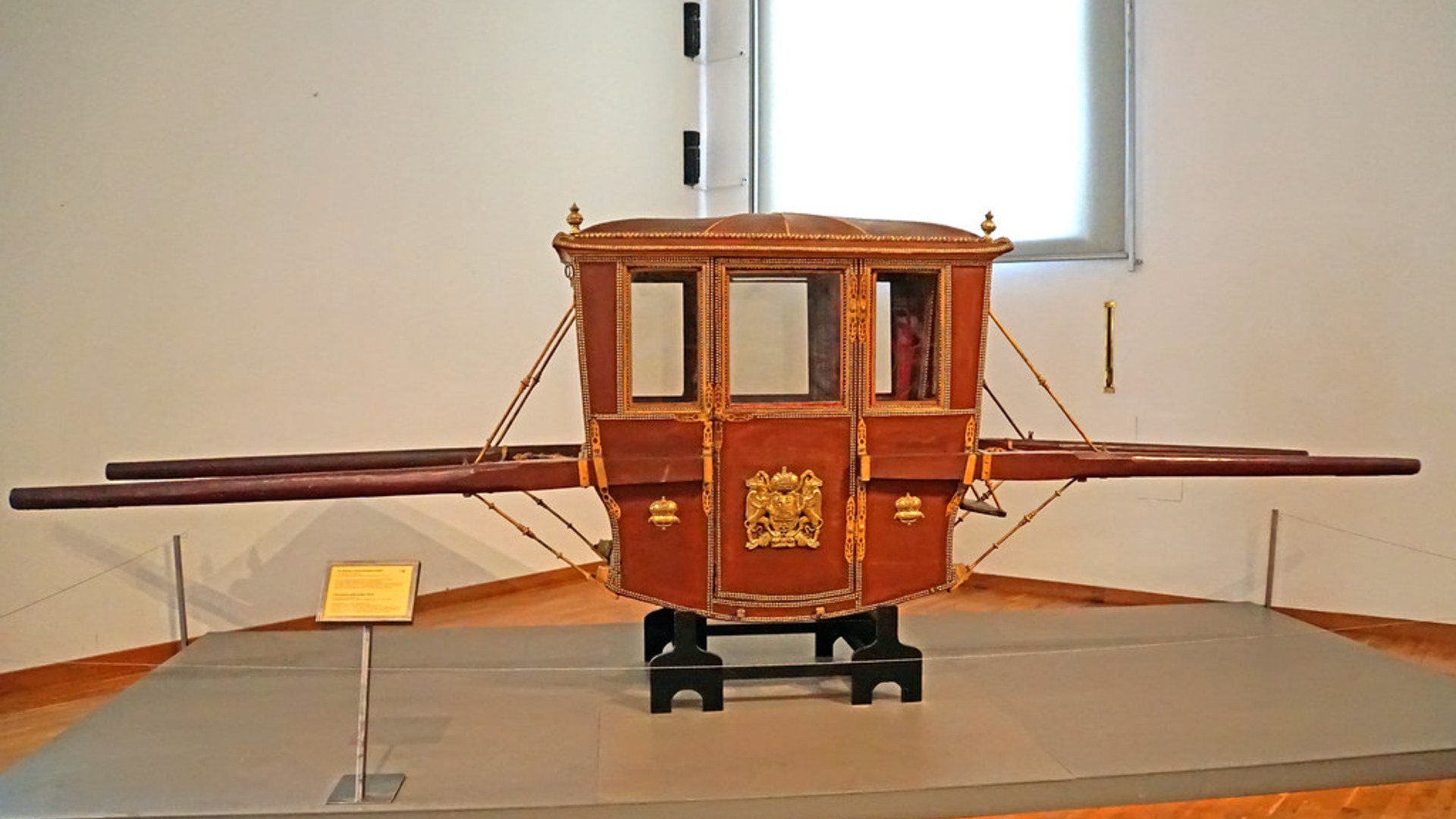
9. The Sedan Chair
Before paved roads, city streets in London, Paris, and Edo were notorious for ankle-deep mud, sewage, and horse traffic. The sedan chair functioned as an early private taxi, shielding aristocrats inside curtained, velvet-lined cabins carried smoothly through crowded alleys on footmen's shoulders.
©Openverse / archer10 (Dennis)
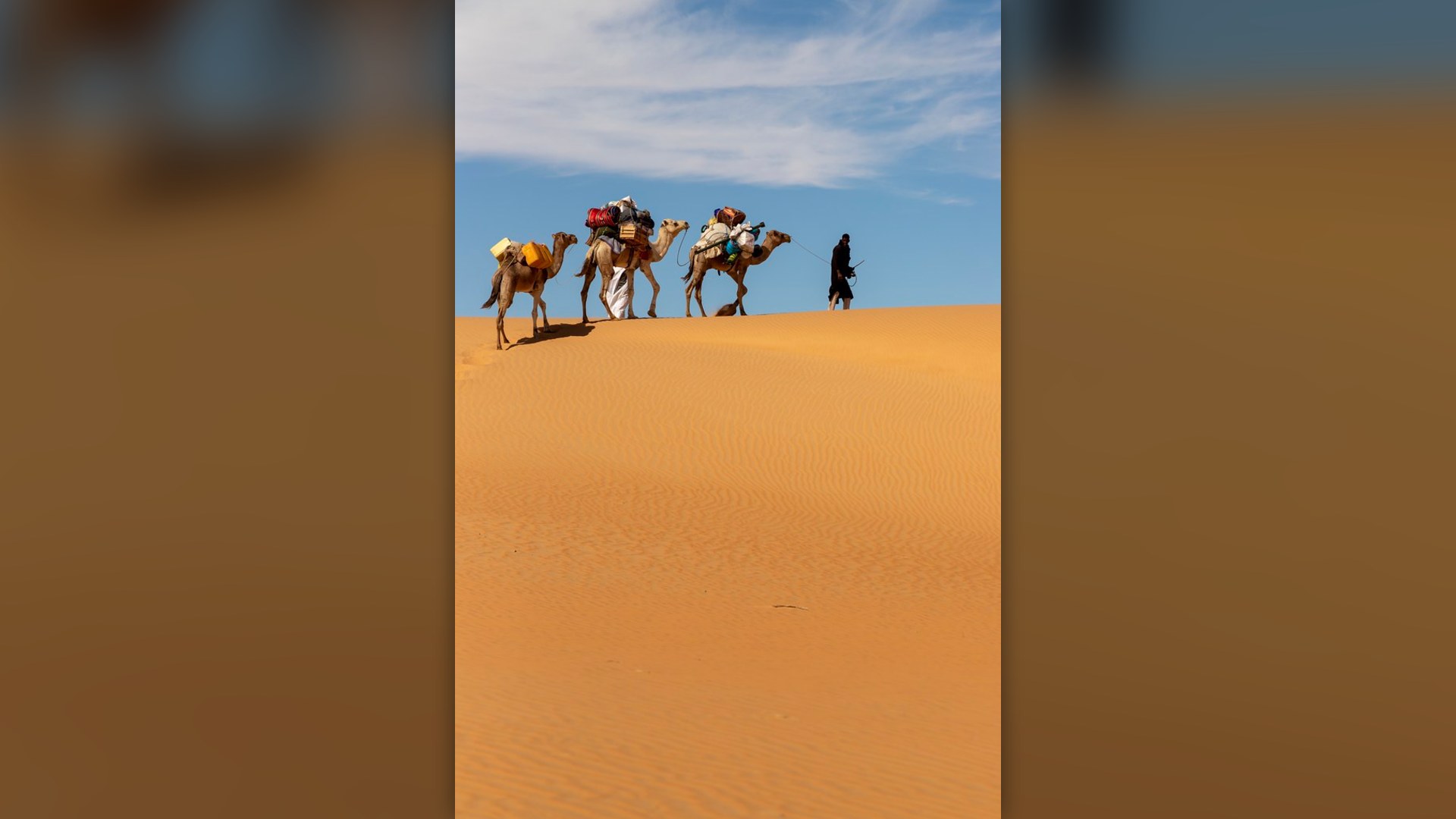
8. The Camel Caravan
For over two millennia, trans-desert trade and travel depended completely on the dromedary camel. Marching in disciplined single-file lines numbering from dozens to thousands of animals, caravans carried merchants, silk, and spices across waterless expanses that no wheeled vehicle could ever cross.
©Openverse / valerian.guillot
Advertisement
Swipe or tap ▶ to resume the countdown.
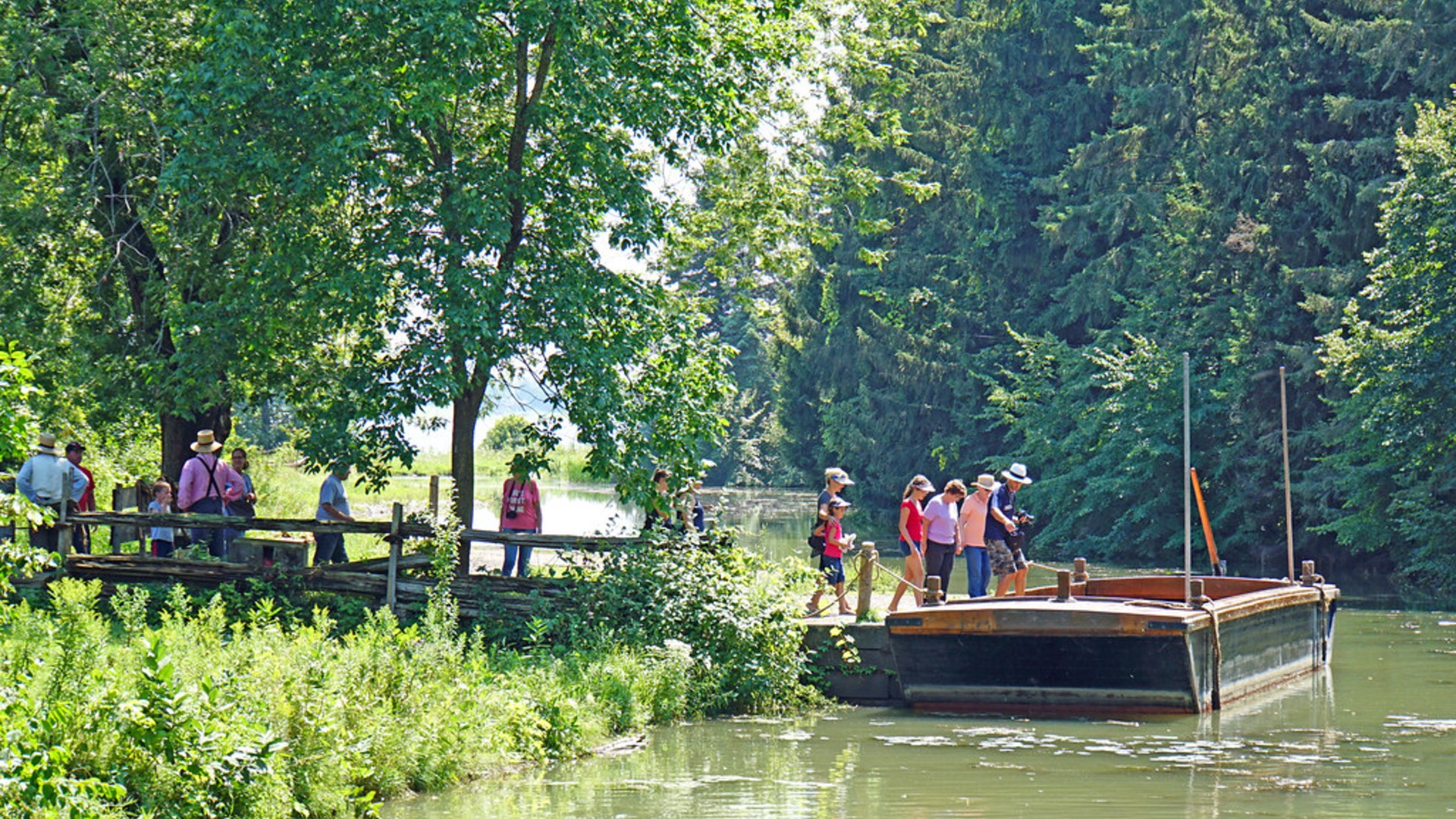
7. Canal Packet Boats
In the early 1800s before steam locomotives took over, man-made waterways like the Erie Canal served as the interstate highways of their day. Sleek passenger packet boats were pulled effortlessly by teams of mules or horses walking along towpaths, offering a smooth, bump-free alternative to rough roads.
©Openverse / archer10 (Dennis)
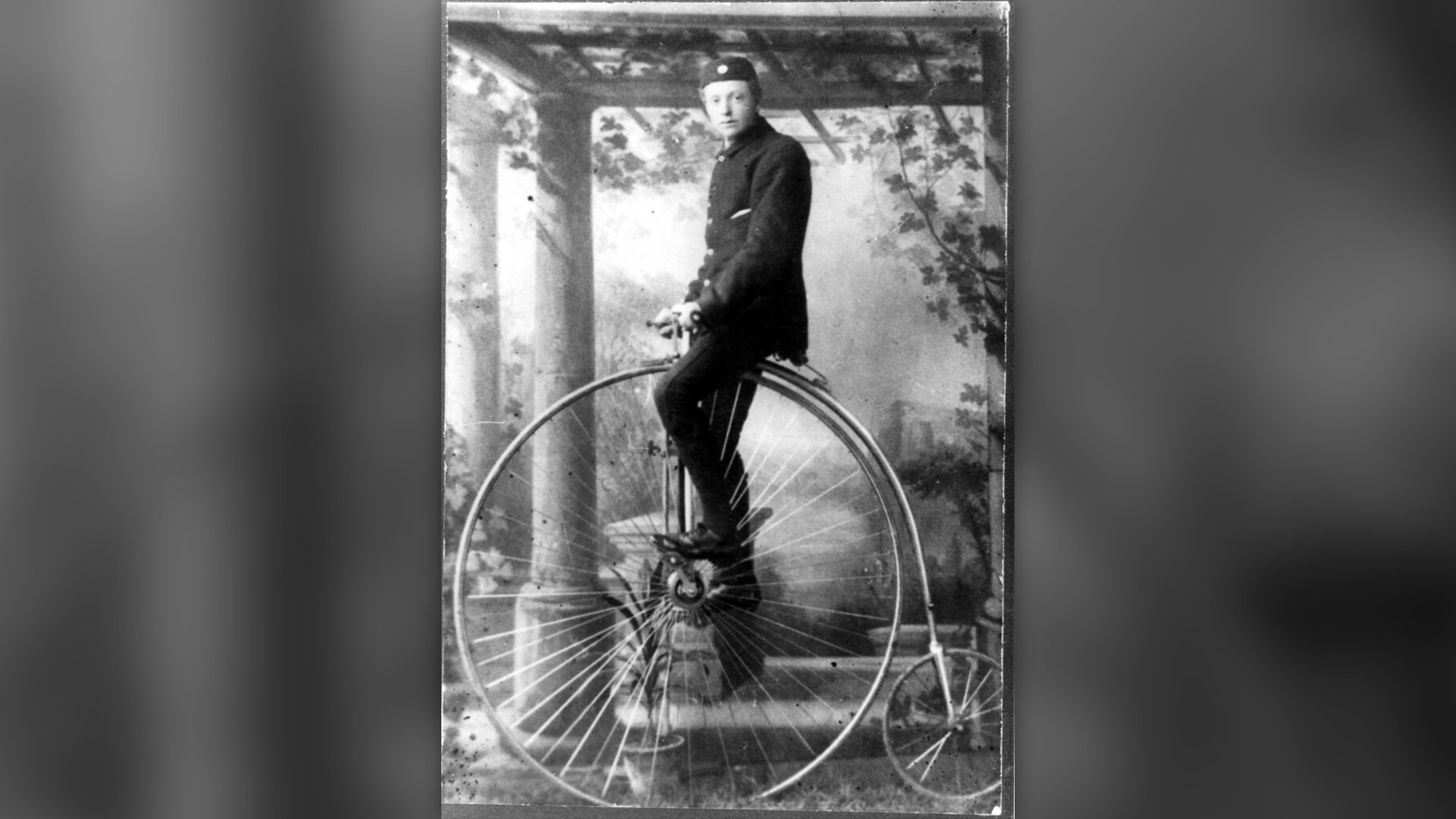
6. The Penny-Farthing
Before chains and gears existed, the only way to make a bicycle go faster was to enlarge the front drive wheel. The resulting 'ordinary' bicycle—popularly called the penny-farthing—let riders travel at brisk speeds, though mounting was perilous and hitting a rut meant flying head-first over the handlebars.
©Openverse / State Library of South Australia
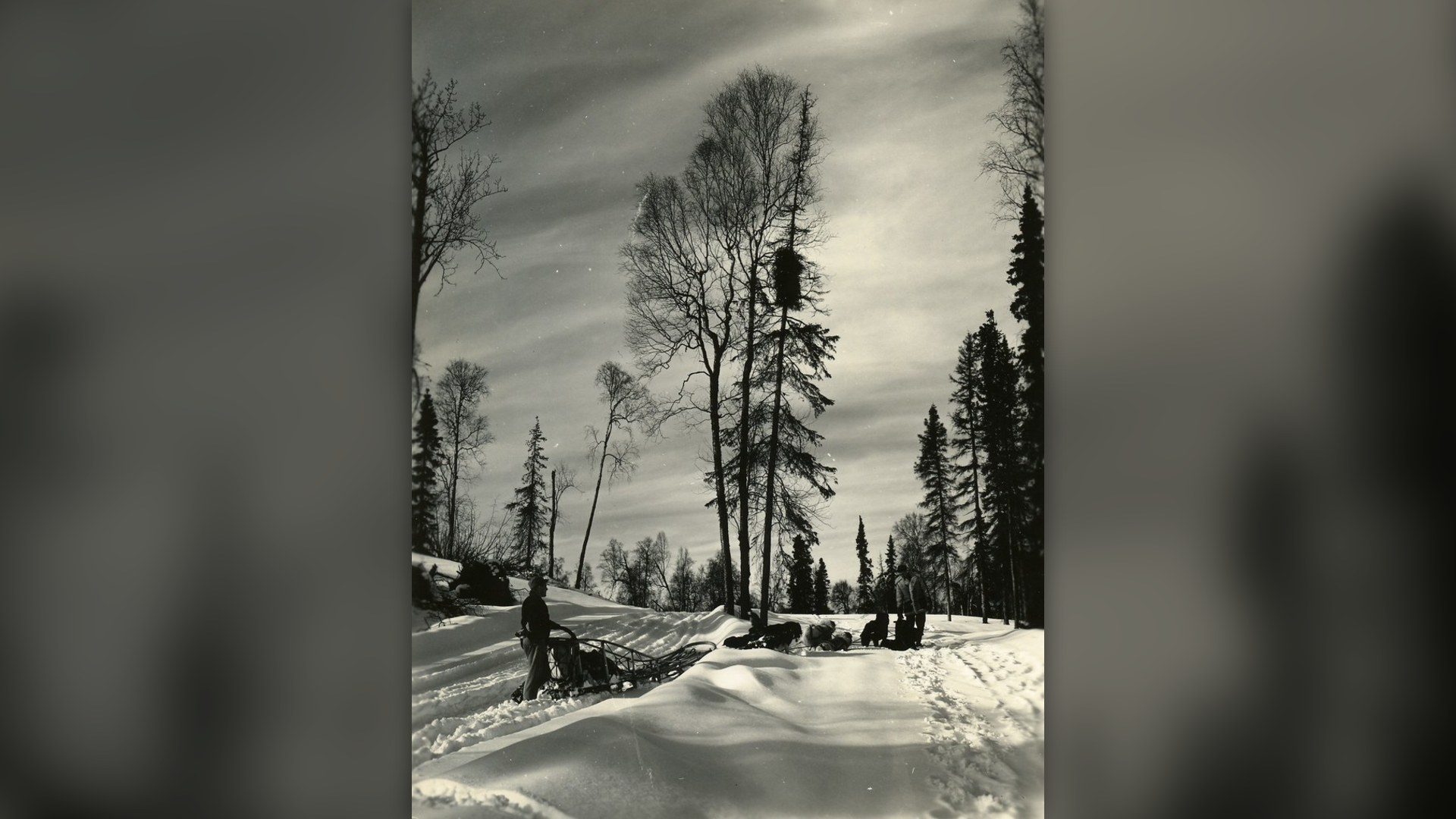
5. Arctic Dog Sleds
Developed by Indigenous Arctic peoples over 9,000 years ago, dog sledding provided the only dependable overland transit across snow and frozen pack ice. Teams of resilient huskies could cover up to 100 miles a day in blinding blizzards, surviving extreme conditions that immobilized all other transport.
©Openverse / born1945
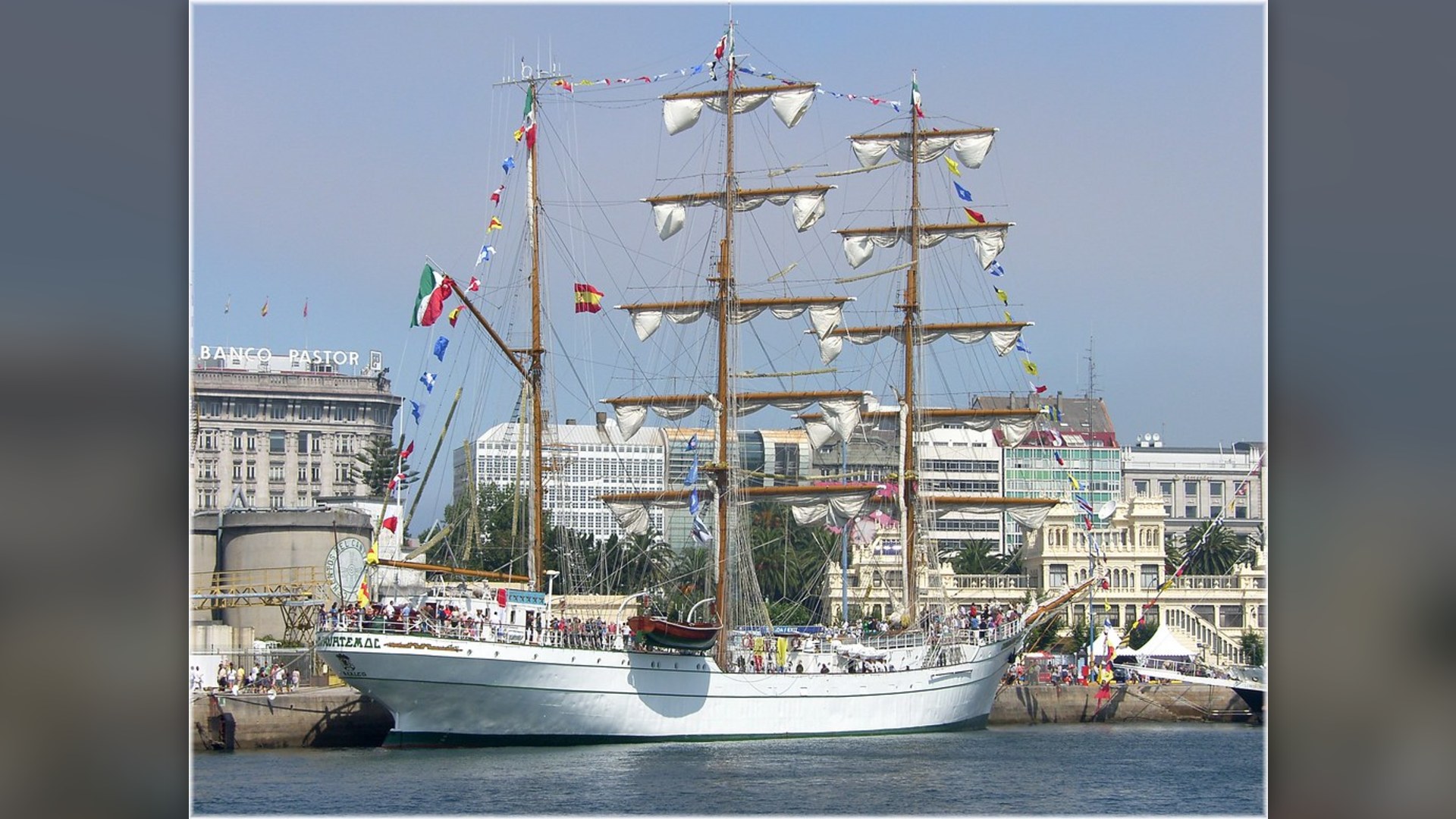
4. Tall Clipper Ships
Built for ultimate speed during the California Gold Rush and tea trade, wooden clipper ships were the greyhounds of maritime history. Their long, narrow hulls and massive cloud of sails allowed daring captains to slash journey times around treacherous Cape Horn from several months down to under 100 days.
©Openverse / archer10 (Dennis)
Advertisement
Swipe or tap ▶ to resume the countdown.
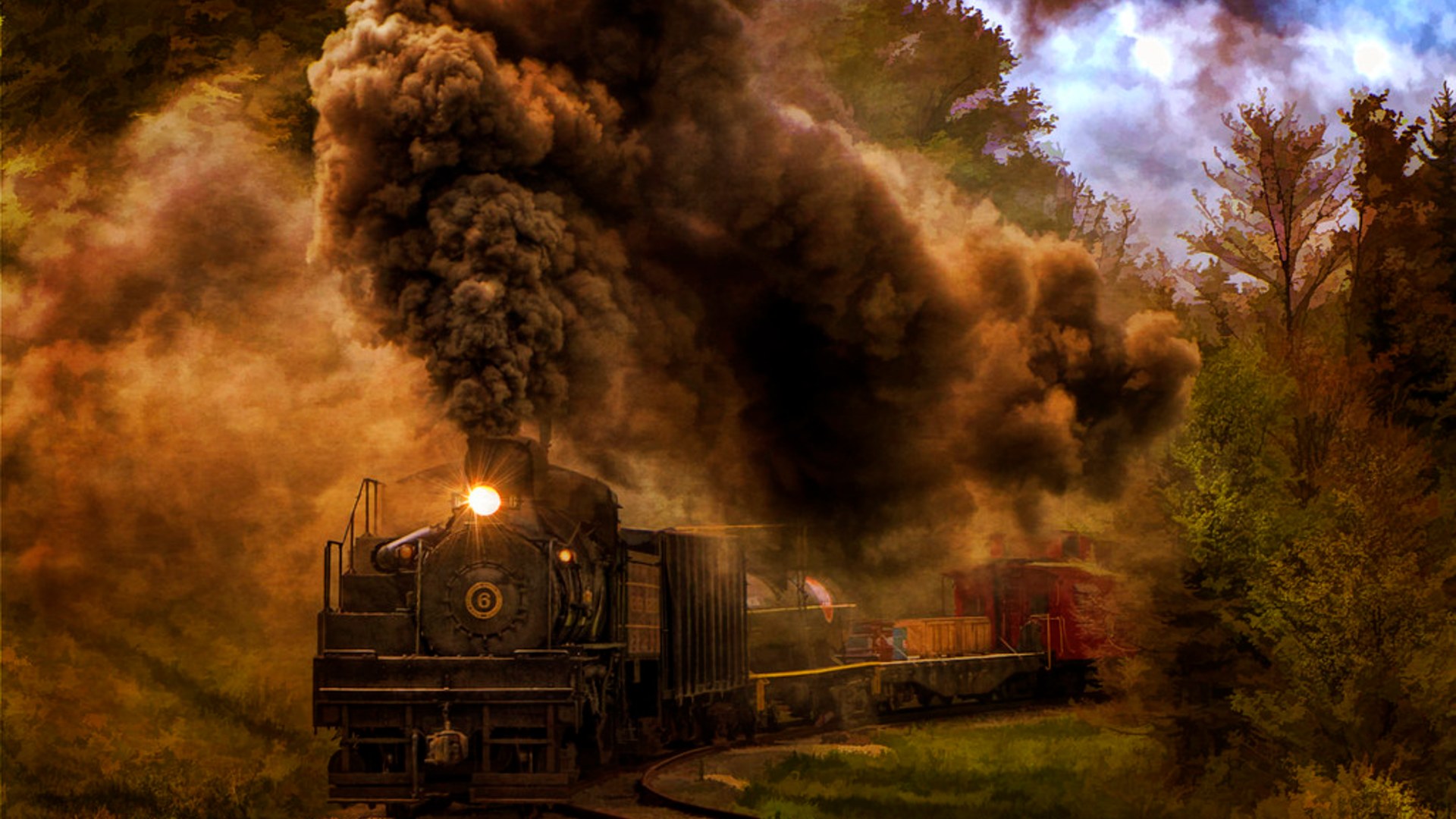
3. Steam Locomotives
The debut of passenger railways transformed human civilization more dramatically than any previous invention. In the 1860s, the transcontinental railroad replaced arduous cross-country journeys with fast, reliable travel, letting ordinary passengers cross entire continents in days rather than seasons.
©Openverse / dbnunley
2. Hot Air Balloons
Long before airplanes or engines existed, eighteenth-century inventors discovered that heated air could lift humans into the clouds. The pioneering balloon flights across Paris in 1783 marked humanity's first breathtaking escape from the ground, inspiring dreams of airborne travel across the globe.
©Openverse / metal-dog
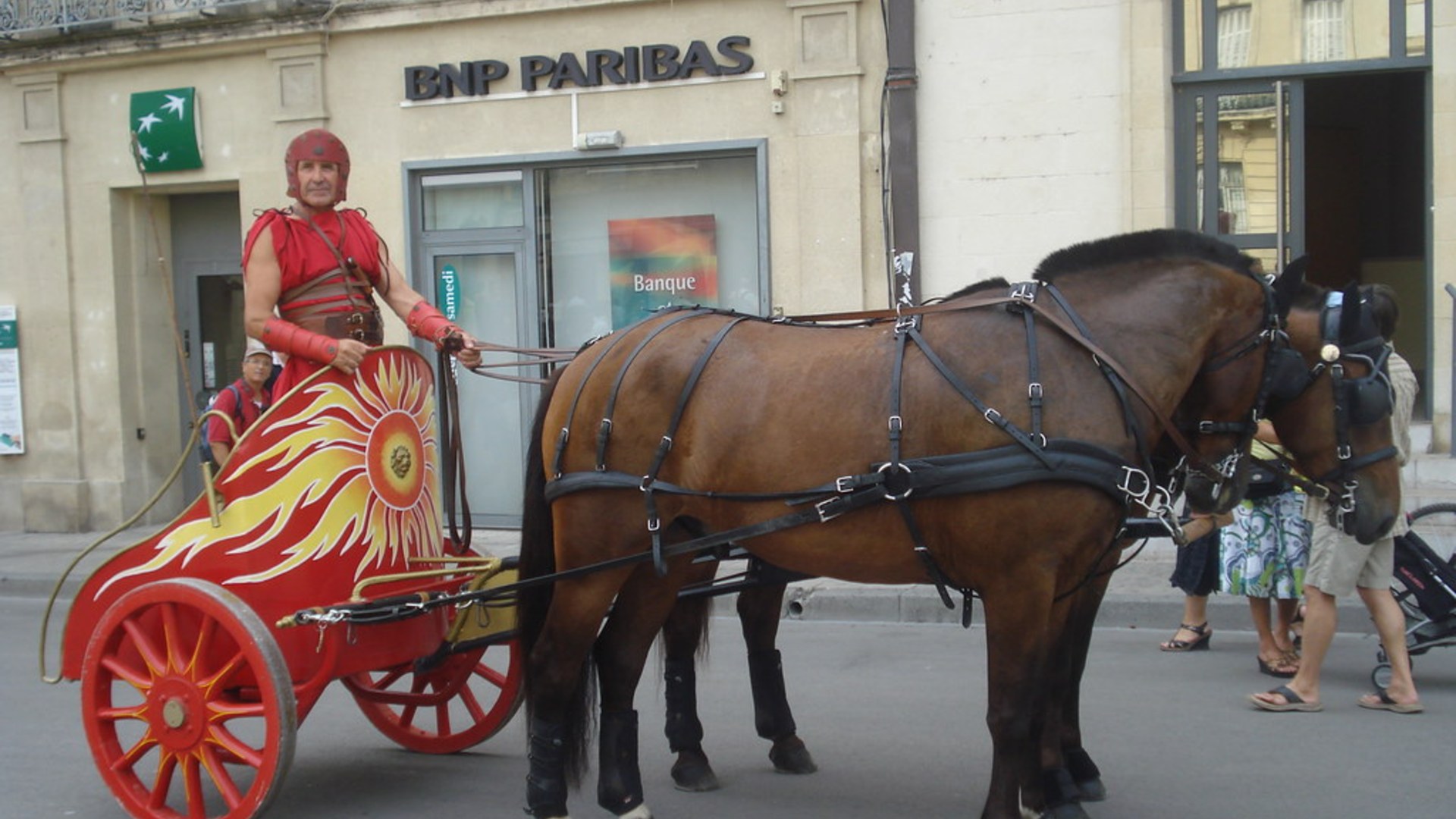
1. Galloping Chariots
Dating back more than 3,500 years to the Bronze Age, the chariot was the undisputed king of ancient speed and prestige. Engineered with lightweight spoked wheels and drawn by teams of fierce horses, these open carriages dominated battlefields and thrilled crowds in Rome's Circus Maximus millennia before cars.

©Openverse / julie gibbons
Advertisement
You've reached the end of the story. Thanks for reading!

20 Iconic Historical Photos and the Archive Clues Behind Them
Contact sheets, cracked glass plates, and NASA mission logs preserve the hidden steps behind 20 famous photographs. Drawing on records from the Library of Congress, the National Archives, NASA, and the Smithsonian, this countdown traces how cropping, camera setups, and double exposures shaped each frame.
All 10 Entries in this Story
10. The Stagecoach
Before railroads linked settlements, the Concord stagecoach was the rugged lifeline of cross-country travel. Built with heavy curved wooden bodies resting on leather strap shock absorbers, these horse-drawn carriages rattled across unpaved trails day and night to deliver mail and weary passengers.

9. The Sedan Chair
Before paved roads, city streets in London, Paris, and Edo were notorious for ankle-deep mud, sewage, and horse traffic. The sedan chair functioned as an early private taxi, shielding aristocrats inside curtained, velvet-lined cabins carried smoothly through crowded alleys on footmen's shoulders.

8. The Camel Caravan
For over two millennia, trans-desert trade and travel depended completely on the dromedary camel. Marching in disciplined single-file lines numbering from dozens to thousands of animals, caravans carried merchants, silk, and spices across waterless expanses that no wheeled vehicle could ever cross.

7. Canal Packet Boats
In the early 1800s before steam locomotives took over, man-made waterways like the Erie Canal served as the interstate highways of their day. Sleek passenger packet boats were pulled effortlessly by teams of mules or horses walking along towpaths, offering a smooth, bump-free alternative to rough roads.

6. The Penny-Farthing
Before chains and gears existed, the only way to make a bicycle go faster was to enlarge the front drive wheel. The resulting 'ordinary' bicycle—popularly called the penny-farthing—let riders travel at brisk speeds, though mounting was perilous and hitting a rut meant flying head-first over the handlebars.

5. Arctic Dog Sleds
Developed by Indigenous Arctic peoples over 9,000 years ago, dog sledding provided the only dependable overland transit across snow and frozen pack ice. Teams of resilient huskies could cover up to 100 miles a day in blinding blizzards, surviving extreme conditions that immobilized all other transport.

4. Tall Clipper Ships
Built for ultimate speed during the California Gold Rush and tea trade, wooden clipper ships were the greyhounds of maritime history. Their long, narrow hulls and massive cloud of sails allowed daring captains to slash journey times around treacherous Cape Horn from several months down to under 100 days.

3. Steam Locomotives
The debut of passenger railways transformed human civilization more dramatically than any previous invention. In the 1860s, the transcontinental railroad replaced arduous cross-country journeys with fast, reliable travel, letting ordinary passengers cross entire continents in days rather than seasons.

2. Hot Air Balloons
Long before airplanes or engines existed, eighteenth-century inventors discovered that heated air could lift humans into the clouds. The pioneering balloon flights across Paris in 1783 marked humanity's first breathtaking escape from the ground, inspiring dreams of airborne travel across the globe.

1. Galloping Chariots
Dating back more than 3,500 years to the Bronze Age, the chariot was the undisputed king of ancient speed and prestige. Engineered with lightweight spoked wheels and drawn by teams of fierce horses, these open carriages dominated battlefields and thrilled crowds in Rome's Circus Maximus millennia before cars.