Slideshow · Animals
How Wild Animals Use Their Ears to Detect Danger
From 180-degree swivels to 300 kHz biosonar, extreme hearing saves lives.
By Most Viral Today
26 Oct 2026

How Wild Animals Use Their Ears to Detect Danger 
12. White-Tailed Deer: Independent 180-Degree Swivel Pinnae 
11. Plains Zebra: Cooperative Herd Perimeter Radar 
10. Red Fox: Snow-Penetrating Acoustic Triangulation - AdvertisementSwipe or tap ▶ to continue countdown

9. African Elephant: Infrasonic And Seismic Funnels 
8. Caracal: 20-Muscle Aerial Antenna Tufts 
7. Serval: Parabolic Acoustic Radar Dishes 
6. Barn Owl: Asymmetrical Facial Disc 3D Mapping - AdvertisementSwipe or tap ▶ to continue countdown

5. Fennec Fox: Extreme Desert Sound Amplifiers 
4. Bat-Eared Fox: 5-Inch Subterranean Sound Funnels 
3. Brown Long-Eared Bat: Ultrasonic Echolocation Pinnae 
2. Greater Wax Moth: 300 kHz Ultrasound Warning Sensors - AdvertisementSwipe or tap ▶ to continue countdown

1. Bottlenose Dolphin: Acoustic Jawbone Fat Channels - Advertisement🔥 UP NEXT IN THIS SERIES◫ 22 Slides

How Long Do Hippos Live? 20 Other Facts About Hippos
From sixty-year lifespans to whale cousins, discover secrets of river giants
In the brutal wild, survival depends on hearing danger long before seeing it. From 180-degree swiveling pinnae to ultra-high frequency biosonar, nature has engineered extraordinary auditory defenses.
Swipe or tap ▶ to begin the countdown
©Wikimedia / Carlos Delgado & Derek Keats (CC BY 2.0)
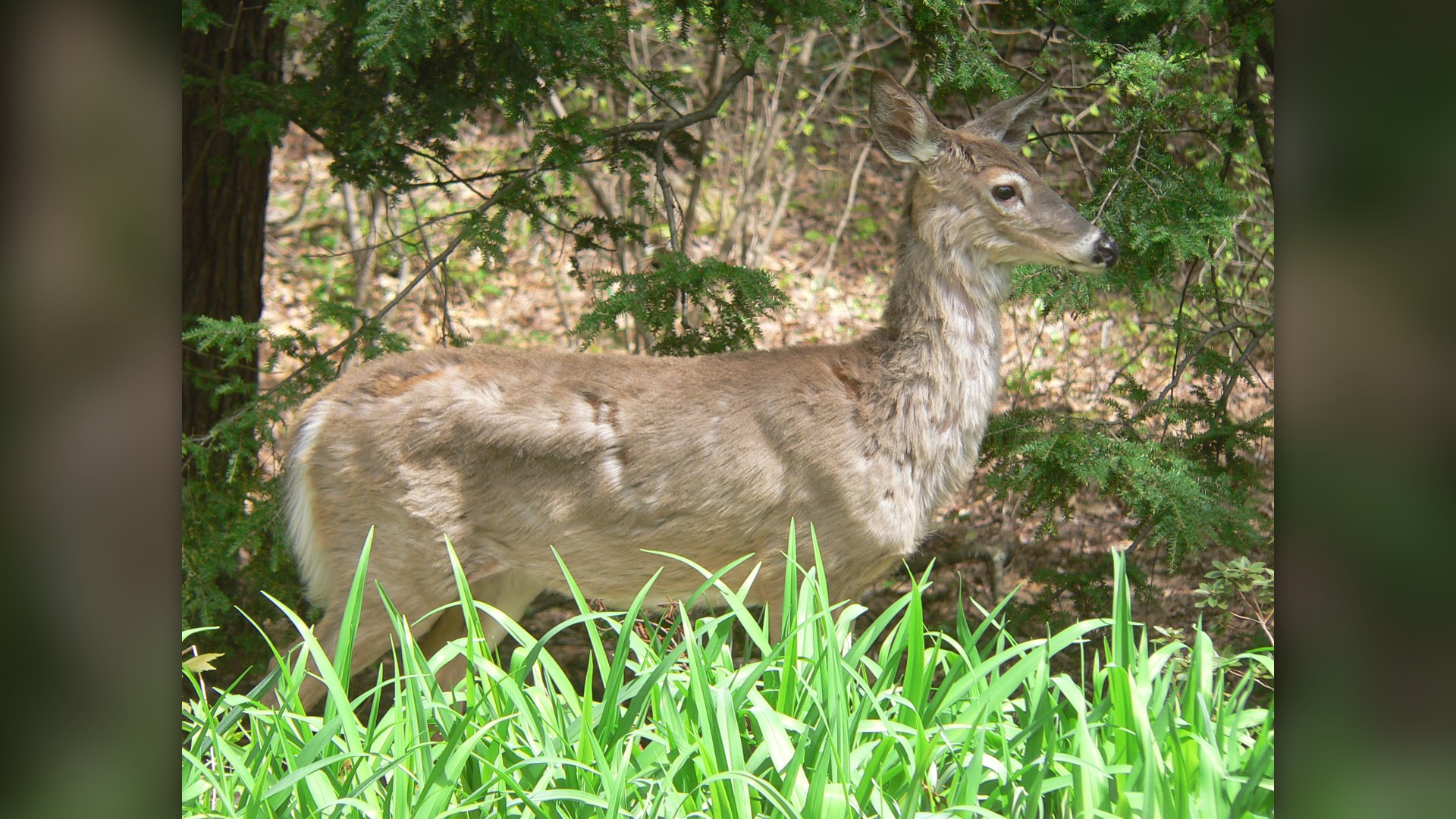
12. White-Tailed Deer: Independent 180-Degree Swivel Pinnae
White-tailed deer possess large, cup-shaped external ears controlled by more than ten specialized muscles. Each ear swivels independently up to 180 degrees, allowing deer to track predator footfalls from multiple directions simultaneously while grazing with their heads down.
©Wikimedia / D. Gordon E. Robertson (CC BY-SA 3.0)
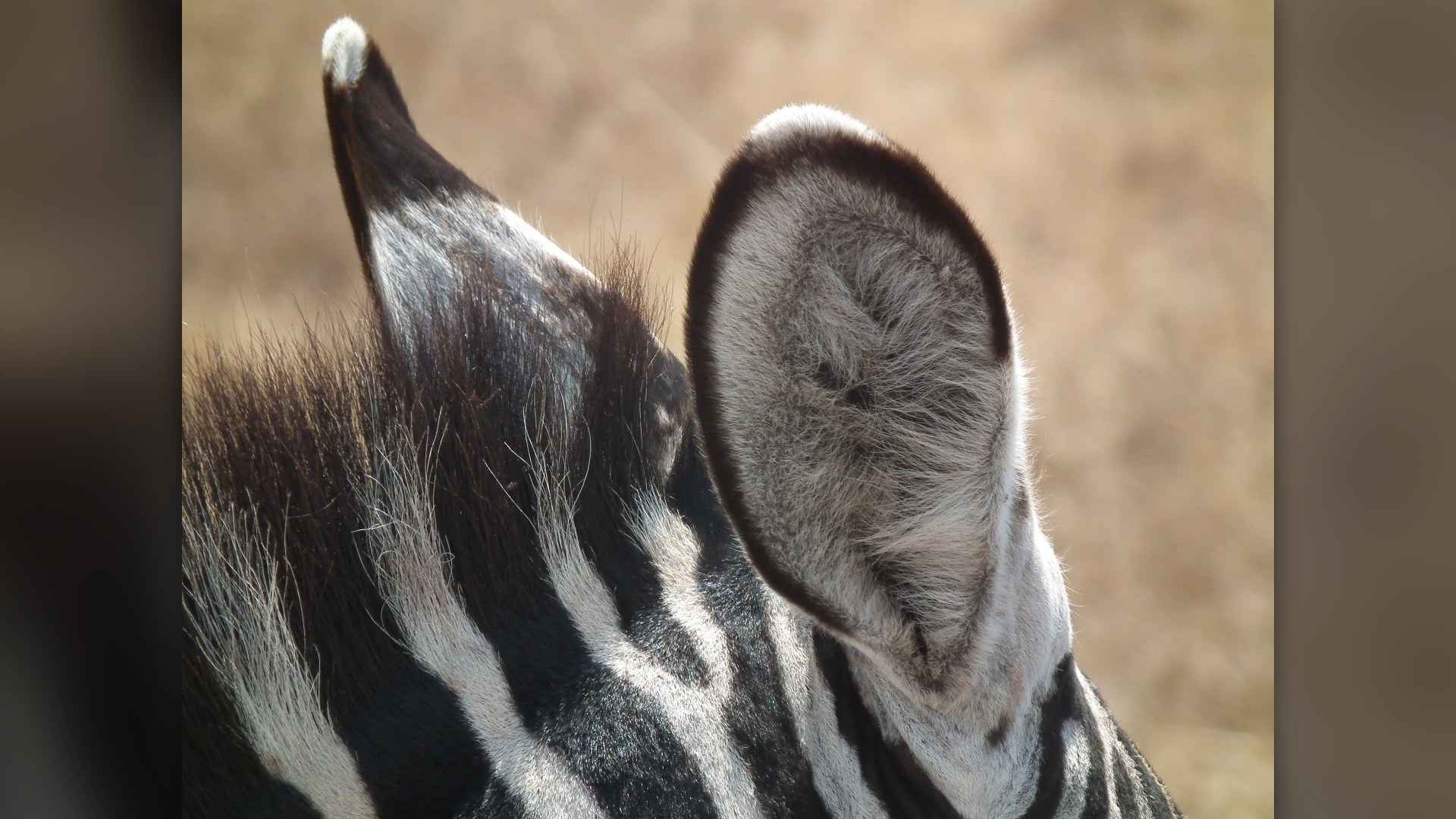
11. Plains Zebra: Cooperative Herd Perimeter Radar
Plains zebras turn herd grazing into a shared acoustic security network. While some animals feed, others point their ears backward and sideways across the savanna. A sudden flick or stiffening of one zebra's ear alerts the entire herd to a stalking lion or hyena clan.
©Wikimedia / Nevit Dilmen (CC BY-SA 3.0)
10. Red Fox: Snow-Penetrating Acoustic Triangulation
The red fox relies on highly sensitive, forward-facing triangular ears to locate sounds under deep snow. By tilting its head from side to side, the fox measures microsecond delays in sound arrival between both ears, calculating the exact coordinates of buried rodents before leaping.
©Wikimedia / Red fox
Advertisement
Swipe or tap ▶ to resume the countdown.
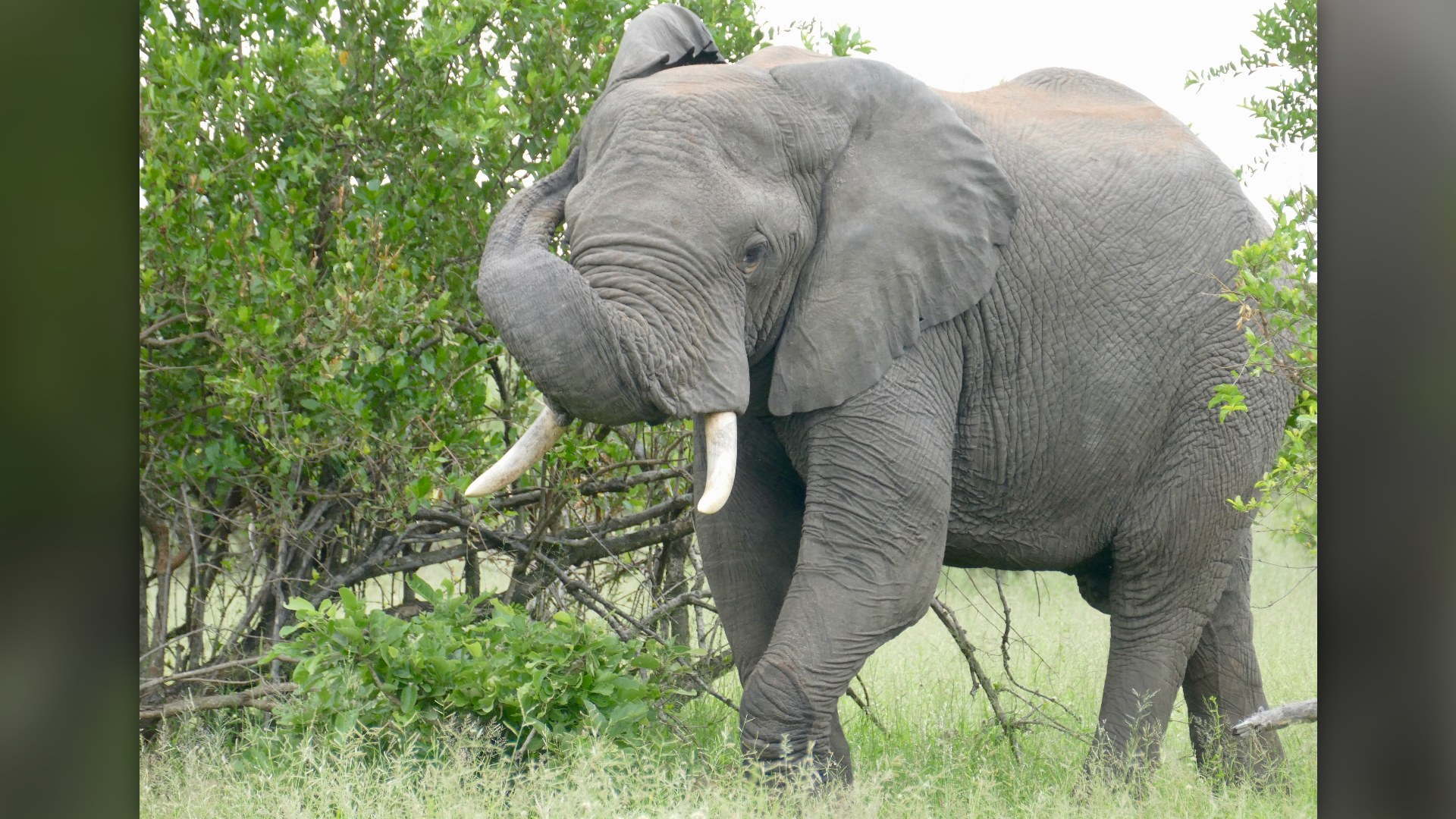
9. African Elephant: Infrasonic And Seismic Funnels
An African elephant's enormous ears are biological infrasound funnels. They pick up ultra-low-frequency rumbles below 20 Hertz that travel more than ten miles through the air and ground, warning family herds of approaching thunderstorms, distant gunshots, or rival herd movements.
©Wikimedia / Bernard DUPONT (CC BY-SA 2.0)
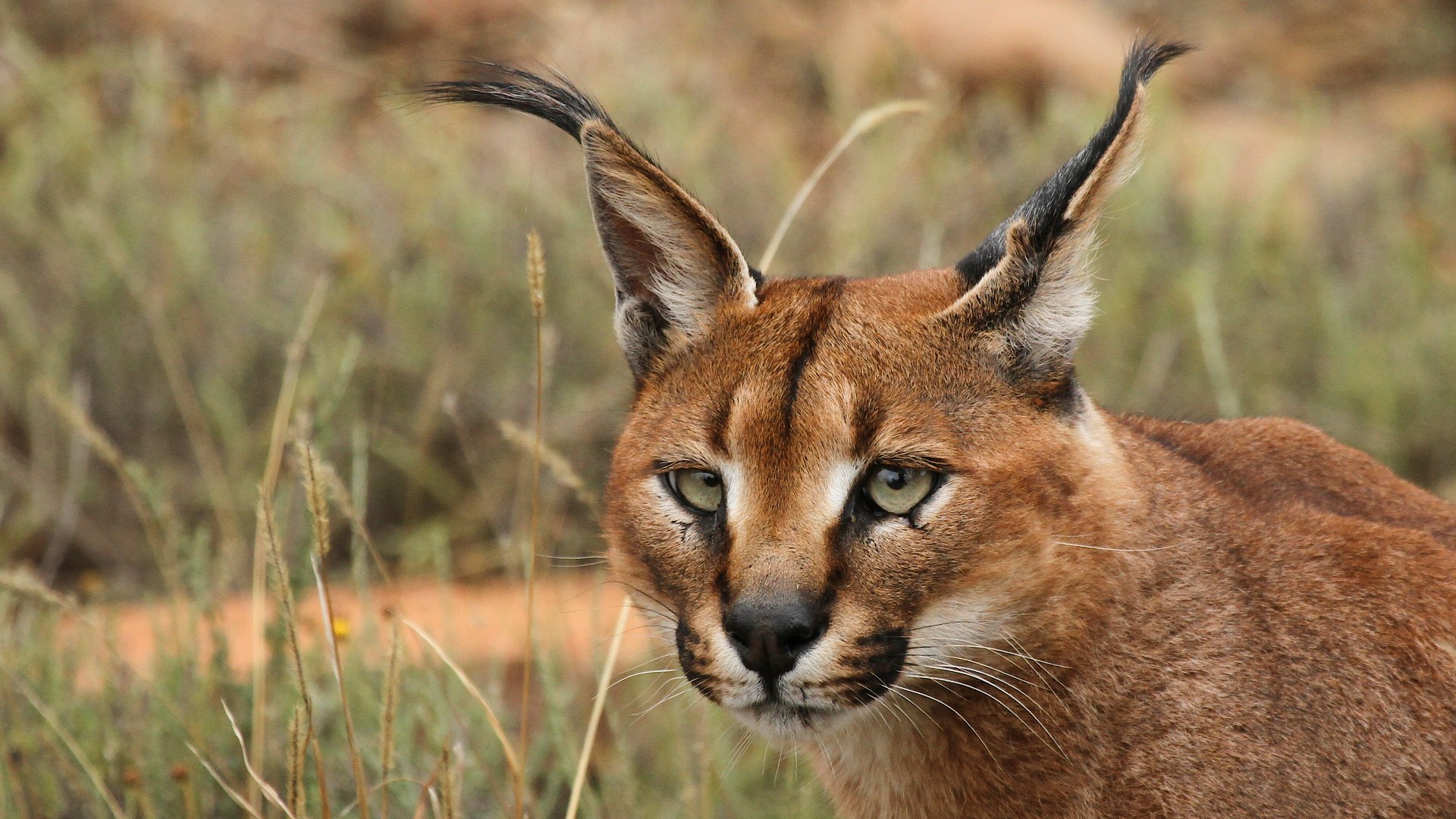
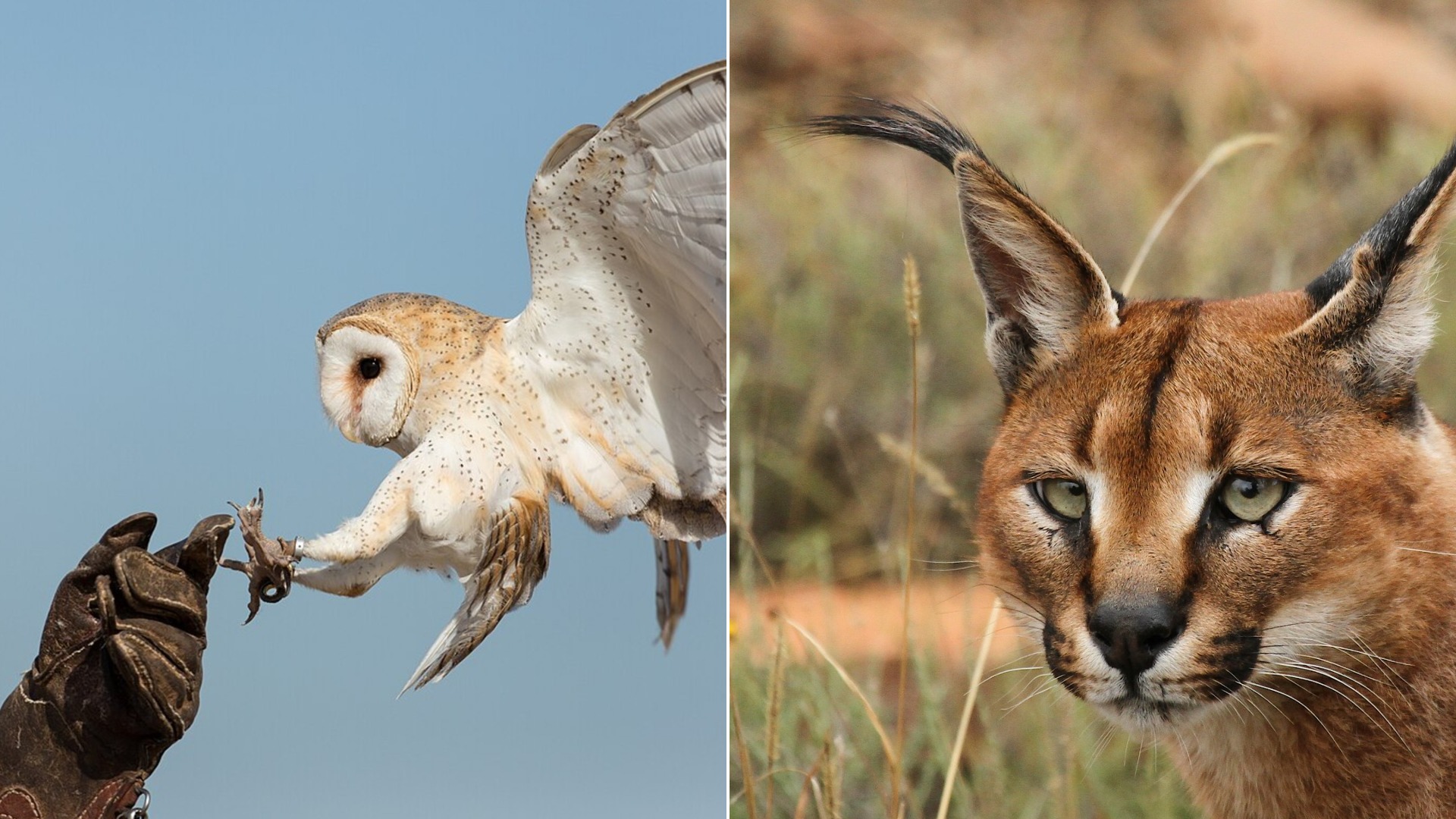
8. Caracal: 20-Muscle Aerial Antenna Tufts
The caracal boasts twenty distinct muscles controlling each ear, allowing agile, rapid adjustments. Topped with dense black tufts of hair, these ears function like acoustic antennae, channeling subtle airborne vibrations to detect swooping eagles and low-flying birds in mid-flight.
©Wikimedia / Derek Keats (CC BY 2.0)
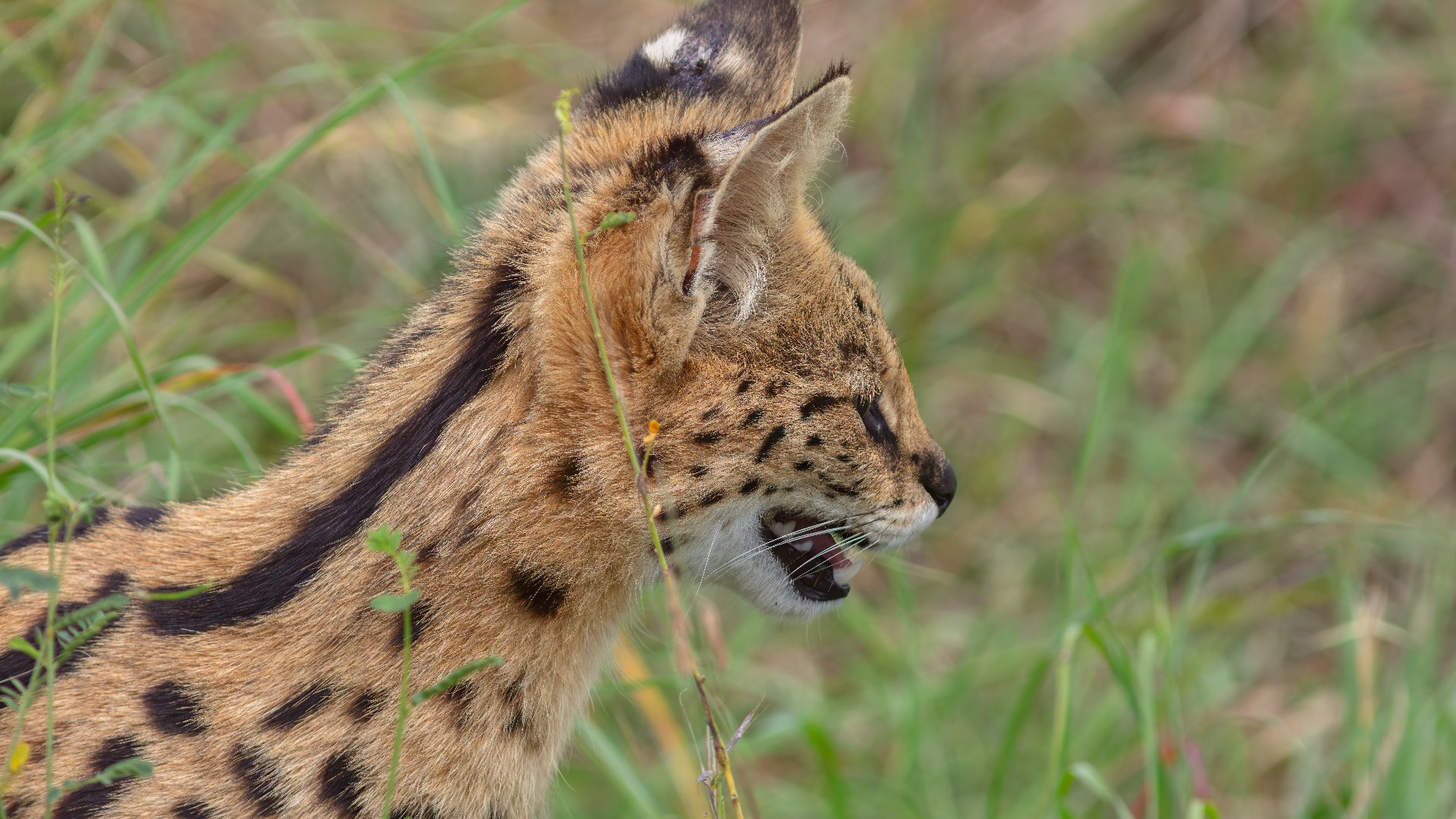
7. Serval: Parabolic Acoustic Radar Dishes
A serval's tall, parabolic ears act like satellite dishes designed for dense grassland. Packed with delicate auditory nerves, they hear high-frequency rodent chewing in underground burrows and detect stalking leopards through thick vegetation long before visual contact is made.
©Wikimedia / Diego Delso (CC BY-SA 4.0)
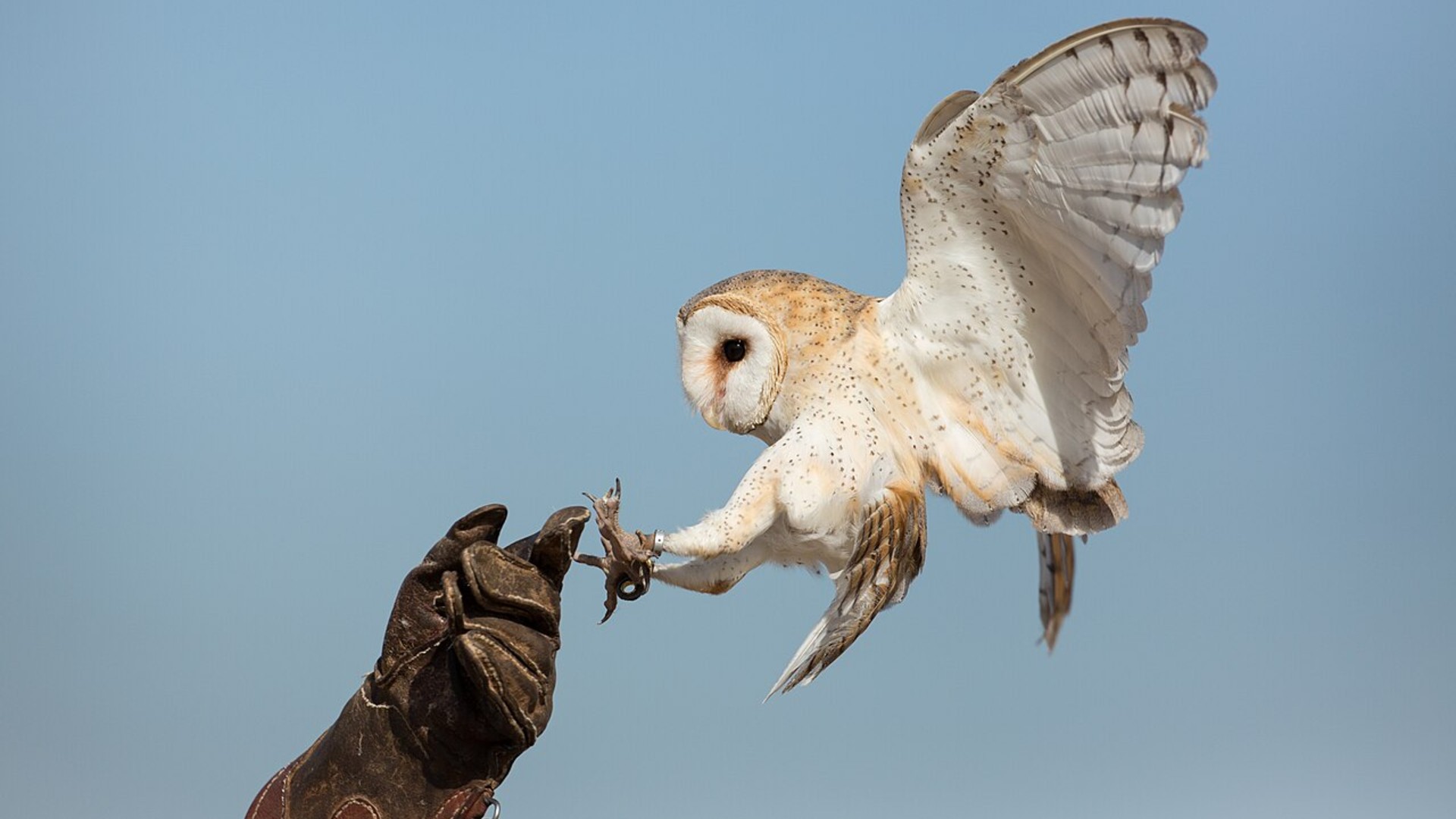
6. Barn Owl: Asymmetrical Facial Disc 3D Mapping
The barn owl possesses asymmetrical ear openings: its left ear is situated higher than its right. Channeled by a parabolic facial disc of stiff feathers, sounds reach each ear at fractions of a millisecond apart, giving the owl an unprecedented 3D elevation and azimuth map in total darkness.
©Wikimedia / Carlos Delgado
Advertisement
Swipe or tap ▶ to resume the countdown.
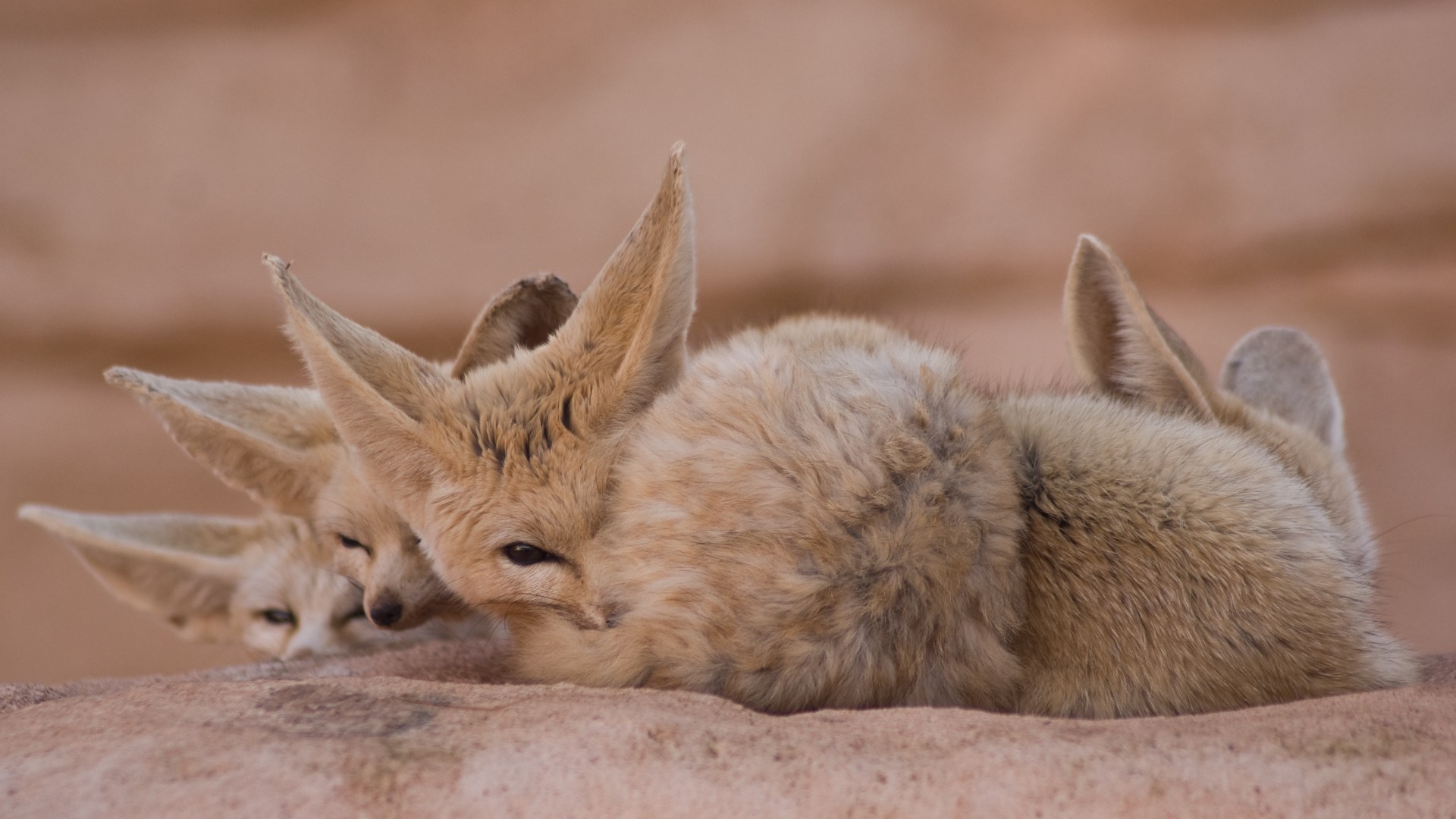
5. Fennec Fox: Extreme Desert Sound Amplifiers
Living in the Sahara, the tiny fennec fox sports massive six-inch ears that dissipate body heat while functioning as super-amplifiers. The fox can hear horned vipers slithering and scorpions digging beneath shifting sands, allowing it to flee dangerous desert predators instantly.
©Wikimedia / Drew Avery (CC BY 2.0)
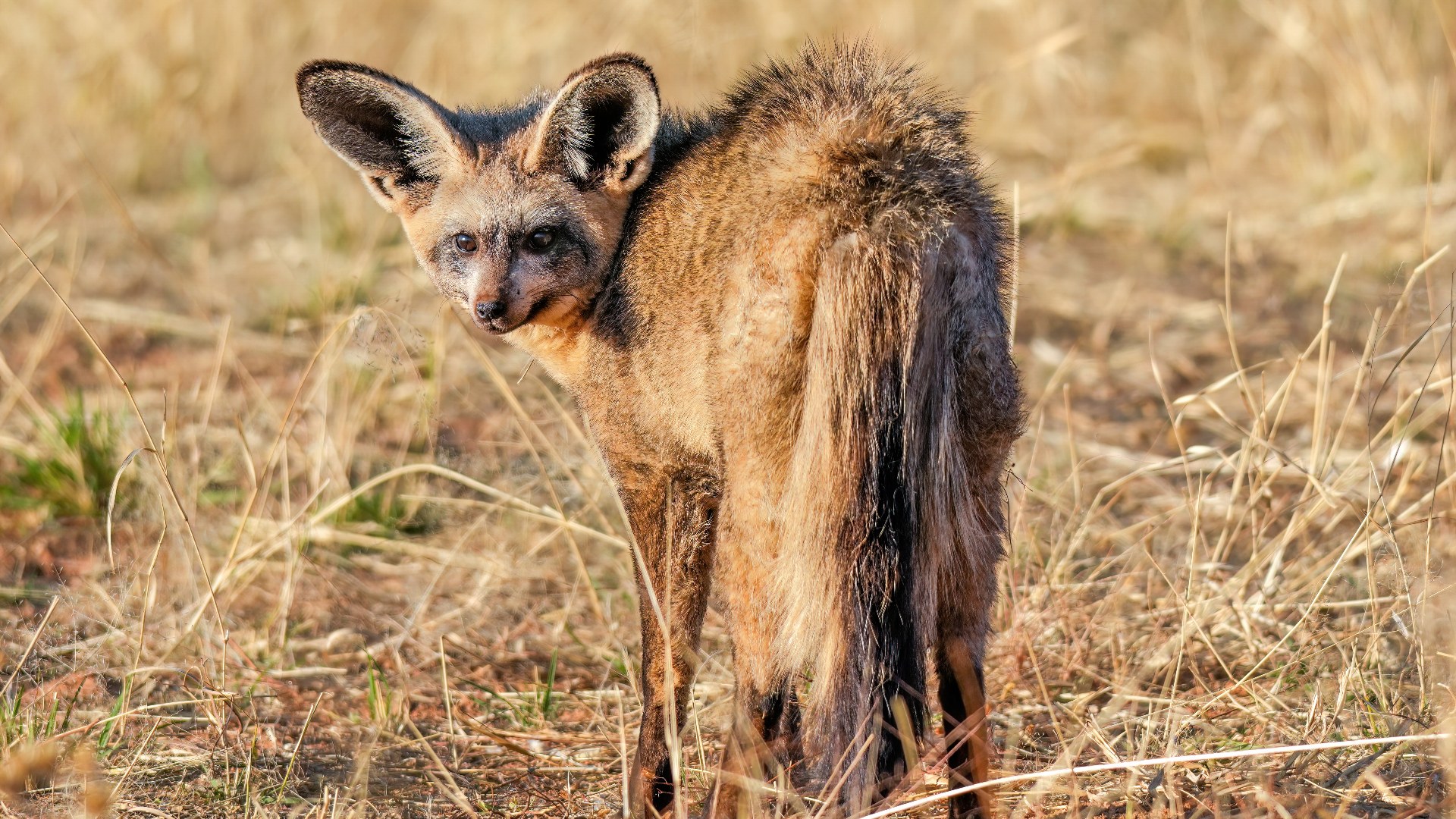
4. Bat-Eared Fox: 5-Inch Subterranean Sound Funnels
The African bat-eared fox features enormous rounded ears lined with dense auditory blood vessels. These natural acoustic scoops detect the faint gnawing of harvester termites and the rustle of stalking jackals, providing critical early escape warnings across open plains.
©Wikimedia / Giles Laurent (CC BY-SA 4.0)
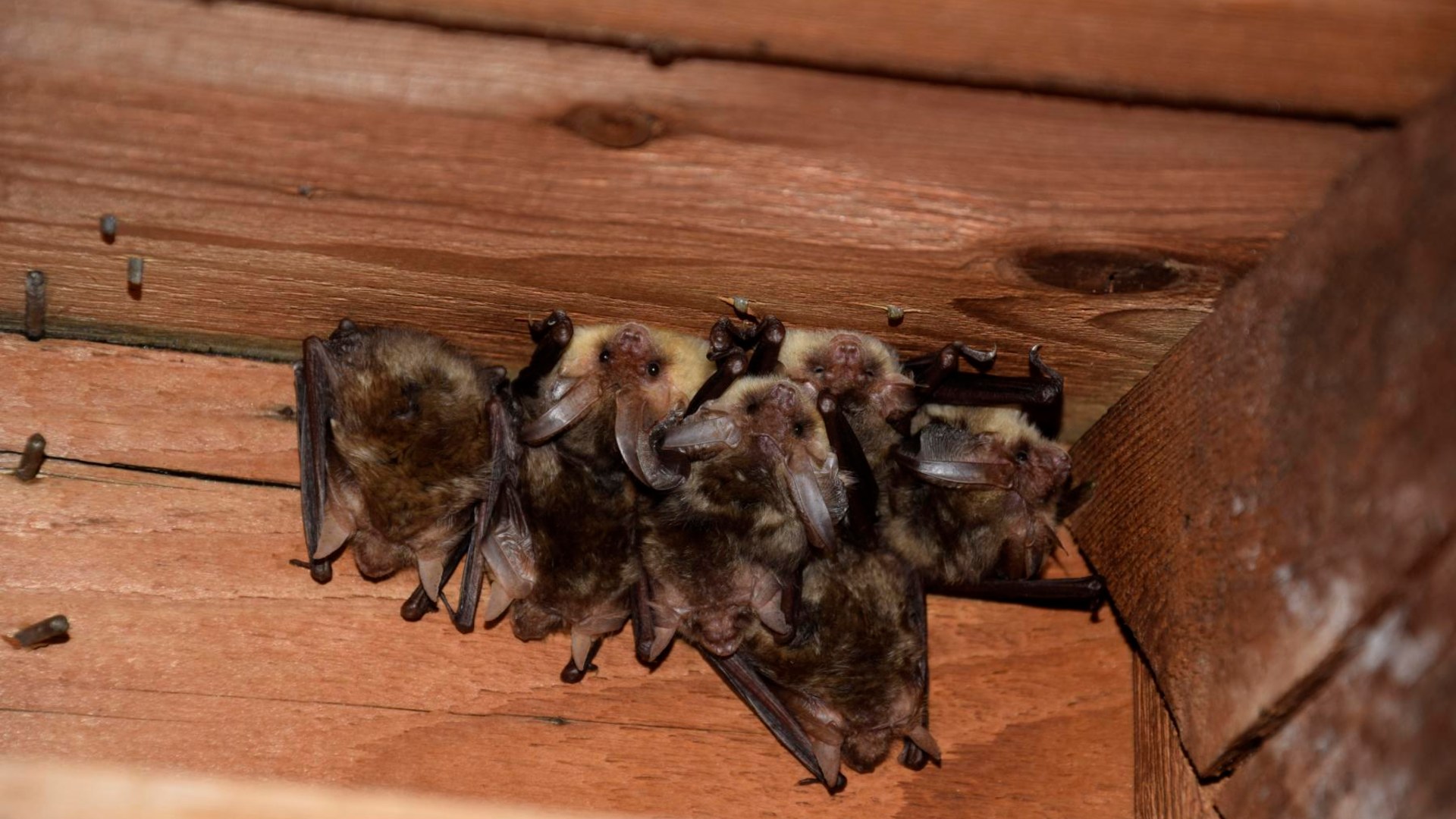
3. Brown Long-Eared Bat: Ultrasonic Echolocation Pinnae
The brown long-eared bat has ears nearly as long as its entire body. During roosting sleep, they curl backward under its wings, but in flight, they snap upright to decode subtle ultrasonic echoes up to 100 kHz, allowing the bat to navigate caves and evade predatory owls.
©Wikimedia / Christian Fischer (CC BY-SA 3.0)
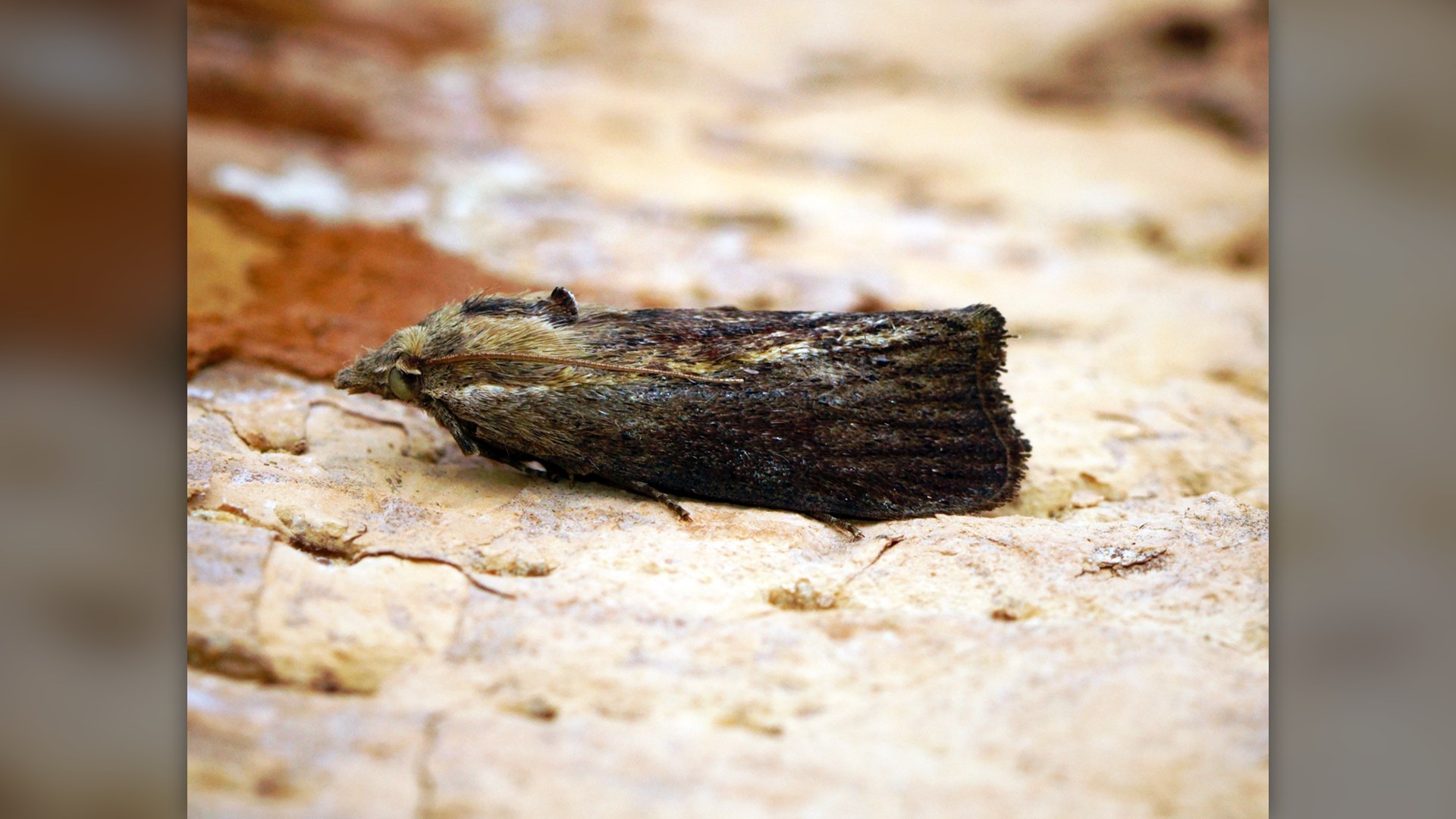
2. Greater Wax Moth: 300 kHz Ultrasound Warning Sensors
The greater wax moth possesses tympanal ears located on its thorax capable of hearing frequencies up to 300 kHz - the highest of any animal on Earth. When it intercepts a hunting bat's ultrasonic pulse, the moth initiates a sudden, erratic mid-air death-spiral to escape capture.
©Wikimedia / Donald Hobern (CC BY 2.0)
Advertisement
Swipe or tap ▶ to resume the countdown.
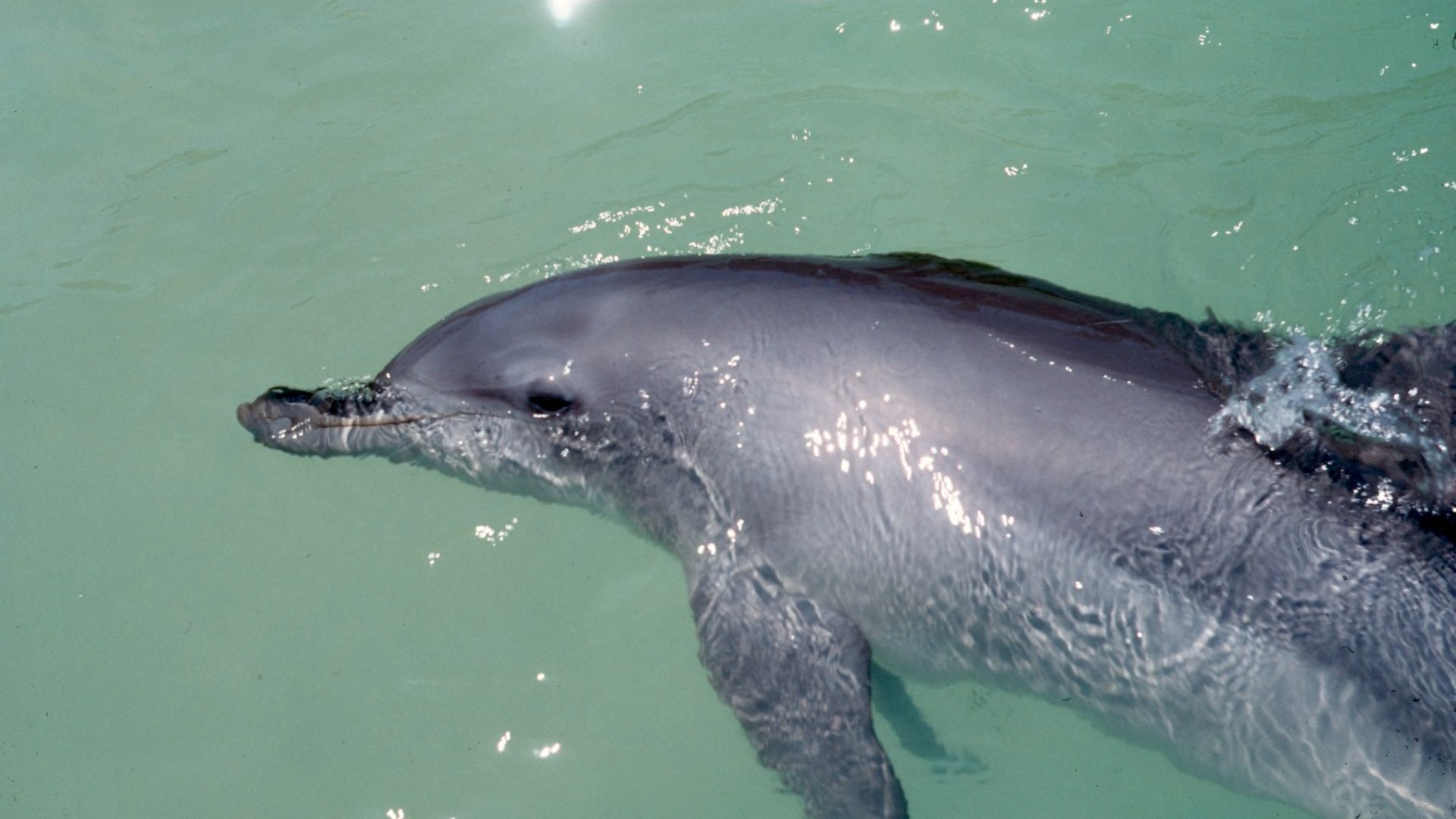
1. Bottlenose Dolphin: Acoustic Jawbone Fat Channels
Without external ear flaps, dolphins hear underwater through acoustic fat channels embedded in their lower jawbones. These lipid structures conduct ultrasonic echoes directly to the middle ear bones, enabling dolphins to map dark oceans and evade sharks from hundreds of meters away.

©Wikimedia / US Navy (Public Domain)
Advertisement
You've reached the end of the story. Thanks for reading!

How Long Do Hippos Live? 20 Other Facts About Hippos
From sixty-year lifespans to whale cousins, discover secrets of river giants
All 12 Entries in this Story
1. White-Tailed Deer: Independent 180-Degree Swivel Pinnae
White-tailed deer possess large, cup-shaped external ears controlled by more than ten specialized muscles. Each ear swivels independently up to 180 degrees, allowing deer to track predator footfalls from multiple directions simultaneously while grazing with their heads down.

2. Plains Zebra: Cooperative Herd Perimeter Radar
Plains zebras turn herd grazing into a shared acoustic security network. While some animals feed, others point their ears backward and sideways across the savanna. A sudden flick or stiffening of one zebra's ear alerts the entire herd to a stalking lion or hyena clan.

3. Red Fox: Snow-Penetrating Acoustic Triangulation
The red fox relies on highly sensitive, forward-facing triangular ears to locate sounds under deep snow. By tilting its head from side to side, the fox measures microsecond delays in sound arrival between both ears, calculating the exact coordinates of buried rodents before leaping.

4. African Elephant: Infrasonic And Seismic Funnels
An African elephant's enormous ears are biological infrasound funnels. They pick up ultra-low-frequency rumbles below 20 Hertz that travel more than ten miles through the air and ground, warning family herds of approaching thunderstorms, distant gunshots, or rival herd movements.

5. Caracal: 20-Muscle Aerial Antenna Tufts
The caracal boasts twenty distinct muscles controlling each ear, allowing agile, rapid adjustments. Topped with dense black tufts of hair, these ears function like acoustic antennae, channeling subtle airborne vibrations to detect swooping eagles and low-flying birds in mid-flight.

6. Serval: Parabolic Acoustic Radar Dishes
A serval's tall, parabolic ears act like satellite dishes designed for dense grassland. Packed with delicate auditory nerves, they hear high-frequency rodent chewing in underground burrows and detect stalking leopards through thick vegetation long before visual contact is made.

7. Barn Owl: Asymmetrical Facial Disc 3D Mapping
The barn owl possesses asymmetrical ear openings: its left ear is situated higher than its right. Channeled by a parabolic facial disc of stiff feathers, sounds reach each ear at fractions of a millisecond apart, giving the owl an unprecedented 3D elevation and azimuth map in total darkness.

8. Fennec Fox: Extreme Desert Sound Amplifiers
Living in the Sahara, the tiny fennec fox sports massive six-inch ears that dissipate body heat while functioning as super-amplifiers. The fox can hear horned vipers slithering and scorpions digging beneath shifting sands, allowing it to flee dangerous desert predators instantly.

9. Bat-Eared Fox: 5-Inch Subterranean Sound Funnels
The African bat-eared fox features enormous rounded ears lined with dense auditory blood vessels. These natural acoustic scoops detect the faint gnawing of harvester termites and the rustle of stalking jackals, providing critical early escape warnings across open plains.

10. Brown Long-Eared Bat: Ultrasonic Echolocation Pinnae
The brown long-eared bat has ears nearly as long as its entire body. During roosting sleep, they curl backward under its wings, but in flight, they snap upright to decode subtle ultrasonic echoes up to 100 kHz, allowing the bat to navigate caves and evade predatory owls.

11. Greater Wax Moth: 300 kHz Ultrasound Warning Sensors
The greater wax moth possesses tympanal ears located on its thorax capable of hearing frequencies up to 300 kHz - the highest of any animal on Earth. When it intercepts a hunting bat's ultrasonic pulse, the moth initiates a sudden, erratic mid-air death-spiral to escape capture.

12. Bottlenose Dolphin: Acoustic Jawbone Fat Channels
Without external ear flaps, dolphins hear underwater through acoustic fat channels embedded in their lower jawbones. These lipid structures conduct ultrasonic echoes directly to the middle ear bones, enabling dolphins to map dark oceans and evade sharks from hundreds of meters away.