Slideshow · Animals
Human Senses vs Animal Senses: Who Holds the Advantage?
From night vision to electric fields, see how nature outclasses human senses.





All 20 Entries in this Story
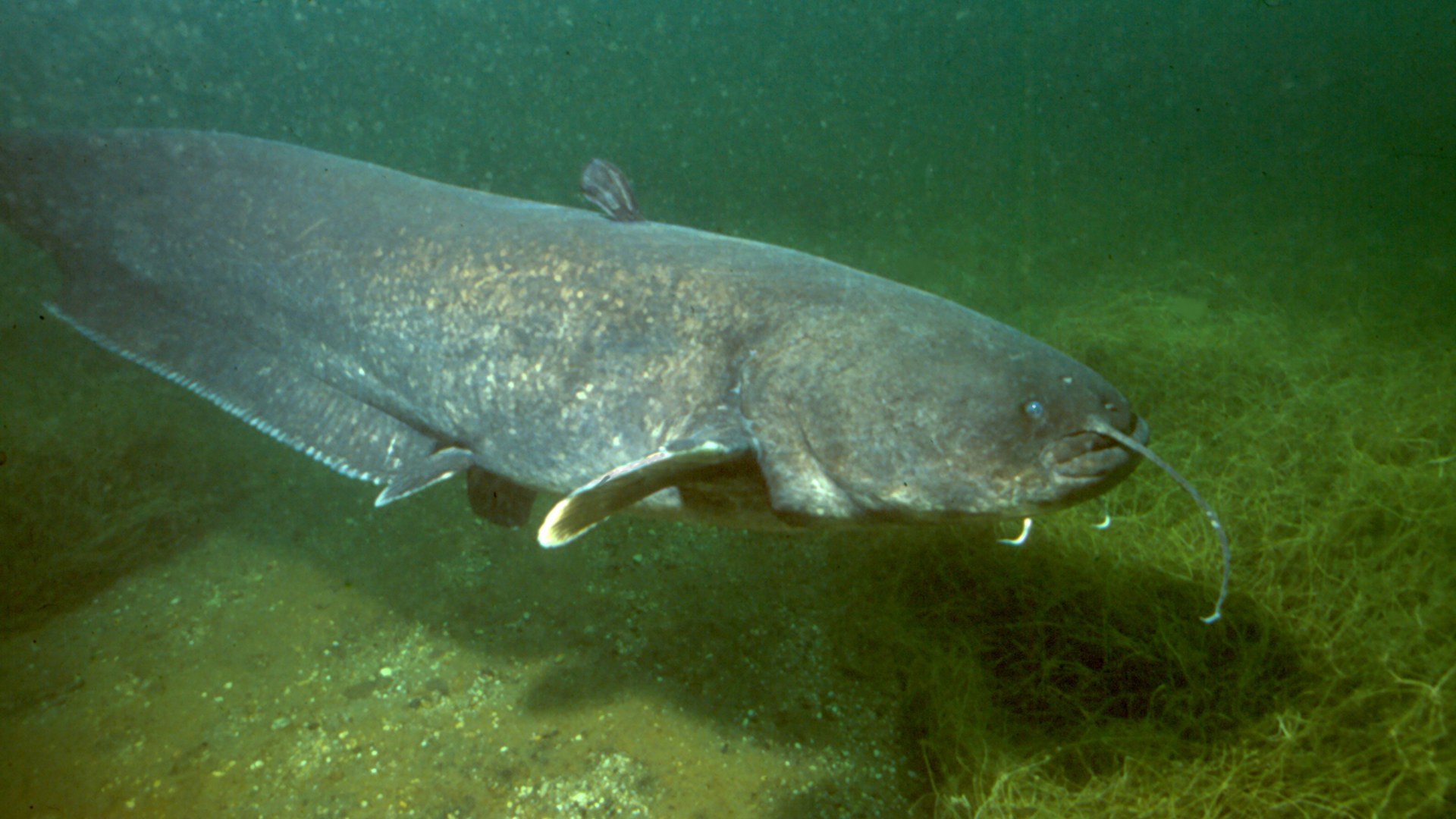
20. Catfish Taste Buds
Humans have roughly 10,000 taste buds confined to the mouth. Catfish possess more than 100,000 taste receptors covering their entire bodies, effectively turning their skin into an external tongue to detect prey in pitch black waters.
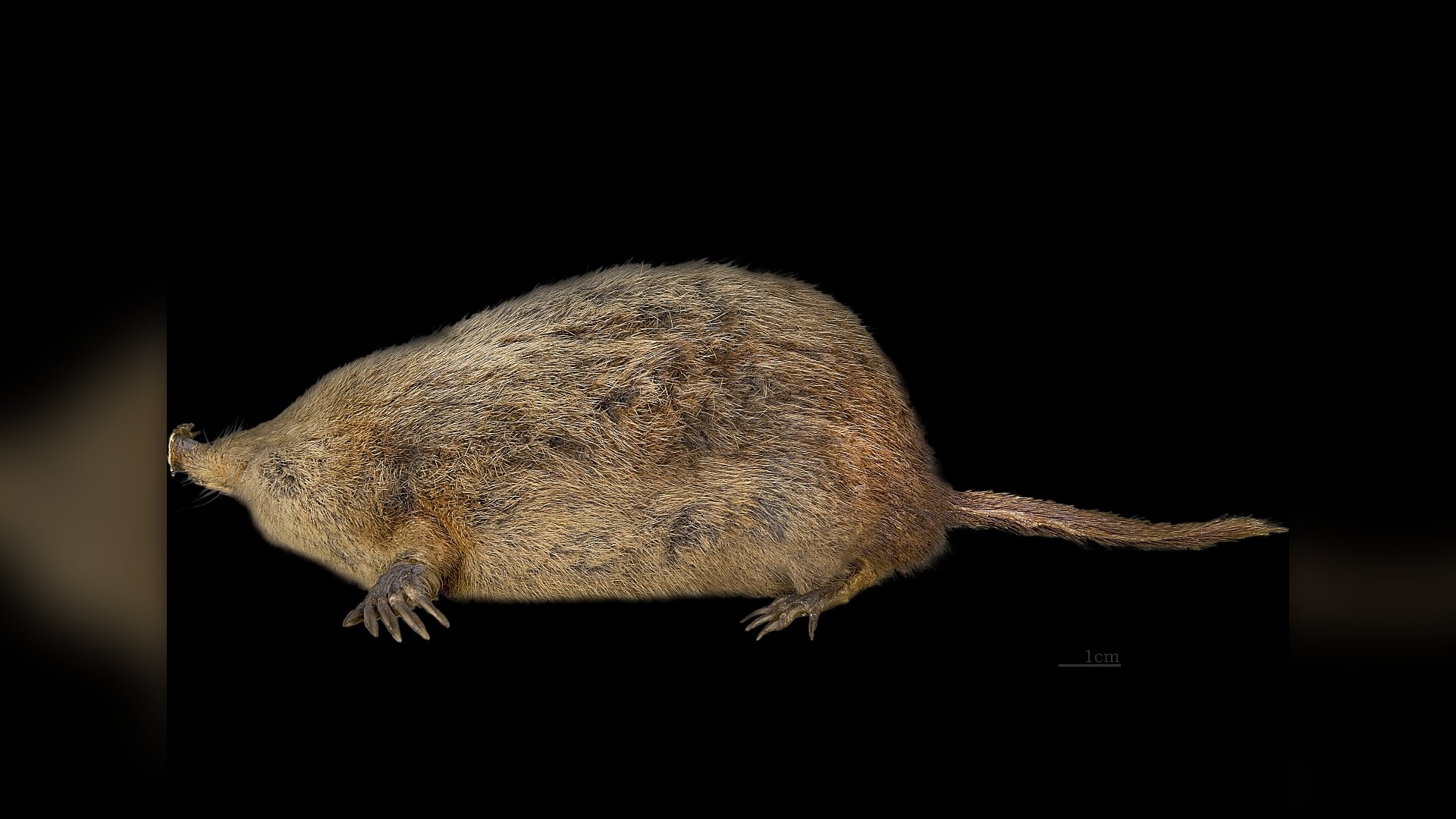
19. Star-Nosed Mole Touch
Human fingertips are among the most sensitive primate surfaces. The star-nosed mole surpasses human touch speed entirely, using 22 fleshy nasal rays packed with Eimer's organs to identify and consume insect prey faster than human visual reaction time.
18. Arctic Wolf Hearing
While humans have stationary outer ears and struggle to locate distant sounds, wolves rotate their ears through wide arcs. They register high frequencies up to 80 kHz and hear pack calls and prey rustling up to ten miles away under clear winter conditions.
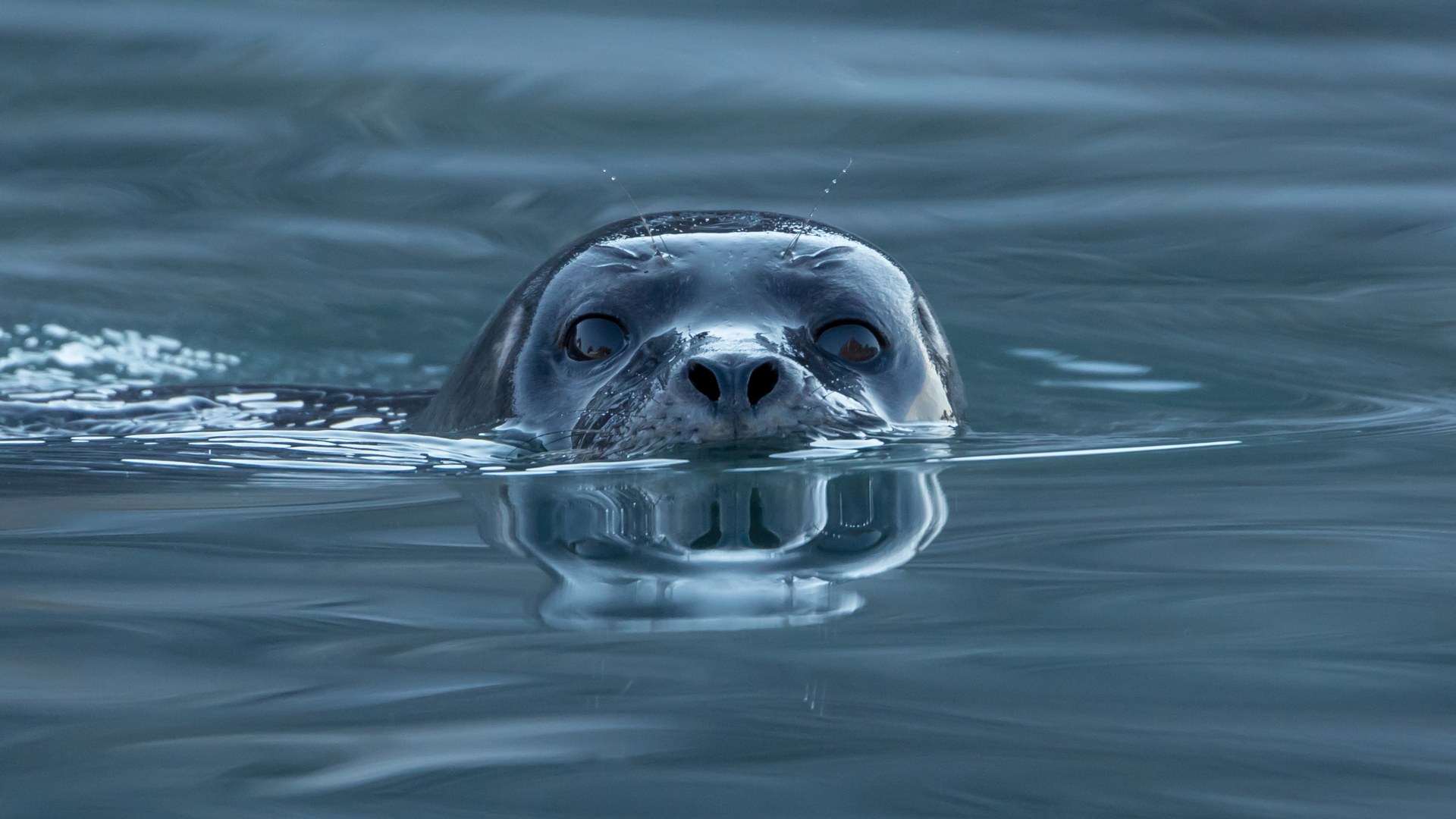
17. Harbor Seal Whiskers
Human skin cannot register micro-currents in water. Harbor seals possess specialized wavy whiskers that minimize drag vibration, enabling them to follow the vortex trails of escaping fish even in turbid water with their eyes closed.
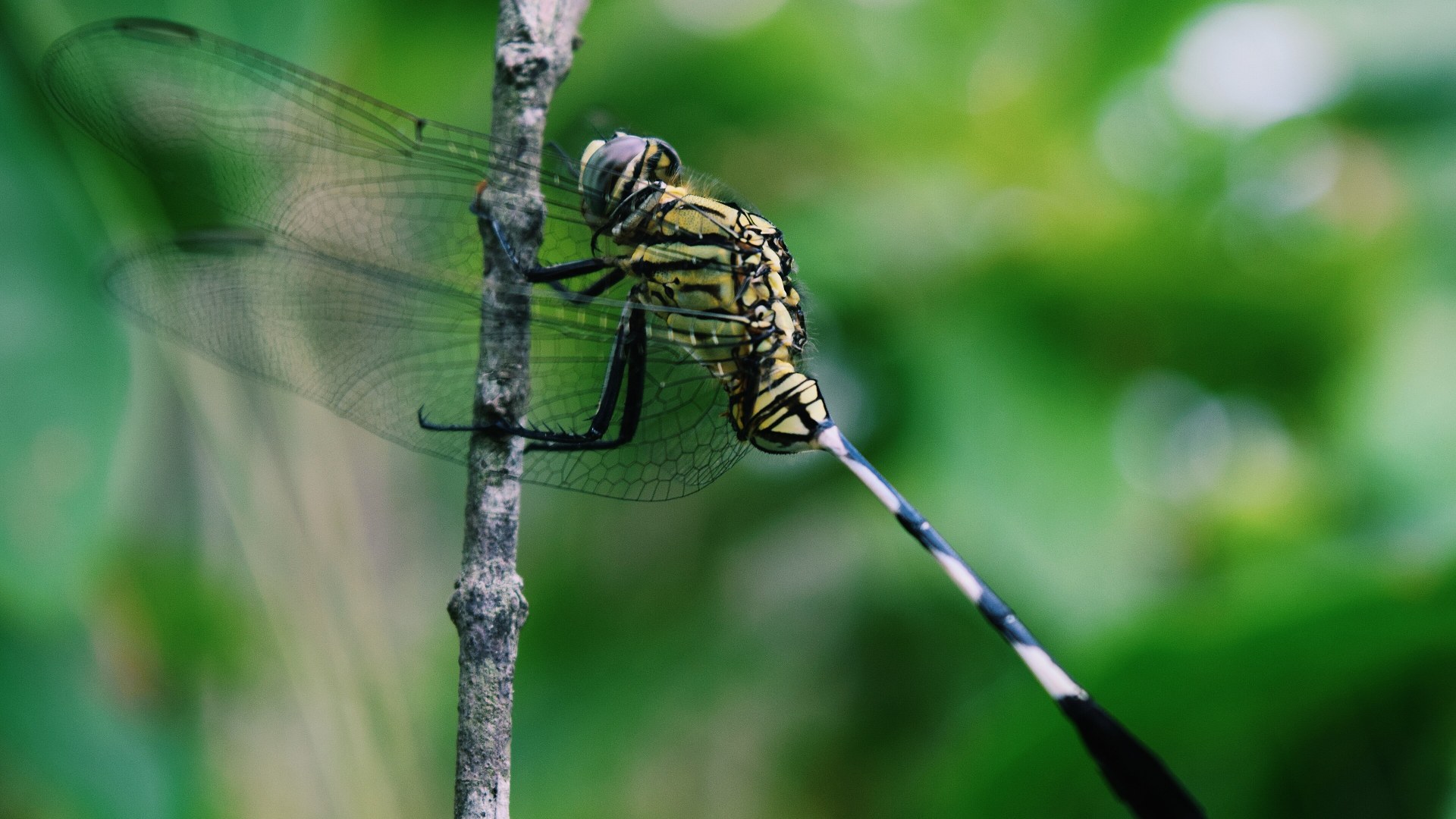
16. Dragonfly Visual Speed
Humans process visual information at approximately 60 frames per second. Dragonflies process up to 200 frames per second through compound eyes containing 30,000 lenses, allowing them to calculate intercept trajectories and capture prey in midair with 95% accuracy.
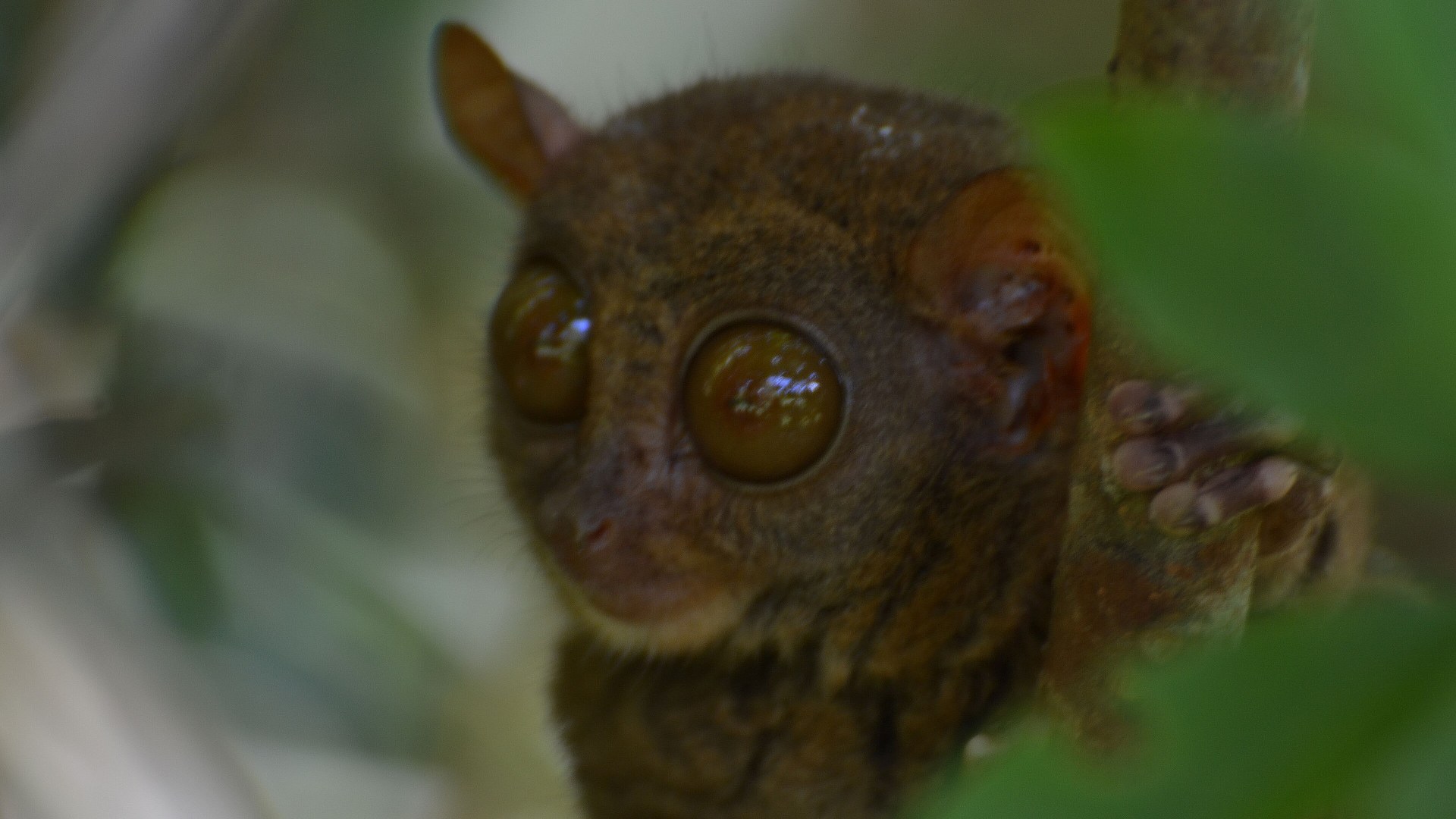
15. Tarsier Night Vision
Human night vision degrades rapidly without ambient light. The Philippine tarsier possesses disproportionately huge eyes that cannot rotate in their sockets, compensated by a 180-degree neck turn and massive corneas that pull in faint starlight to hunt nocturnal insects.
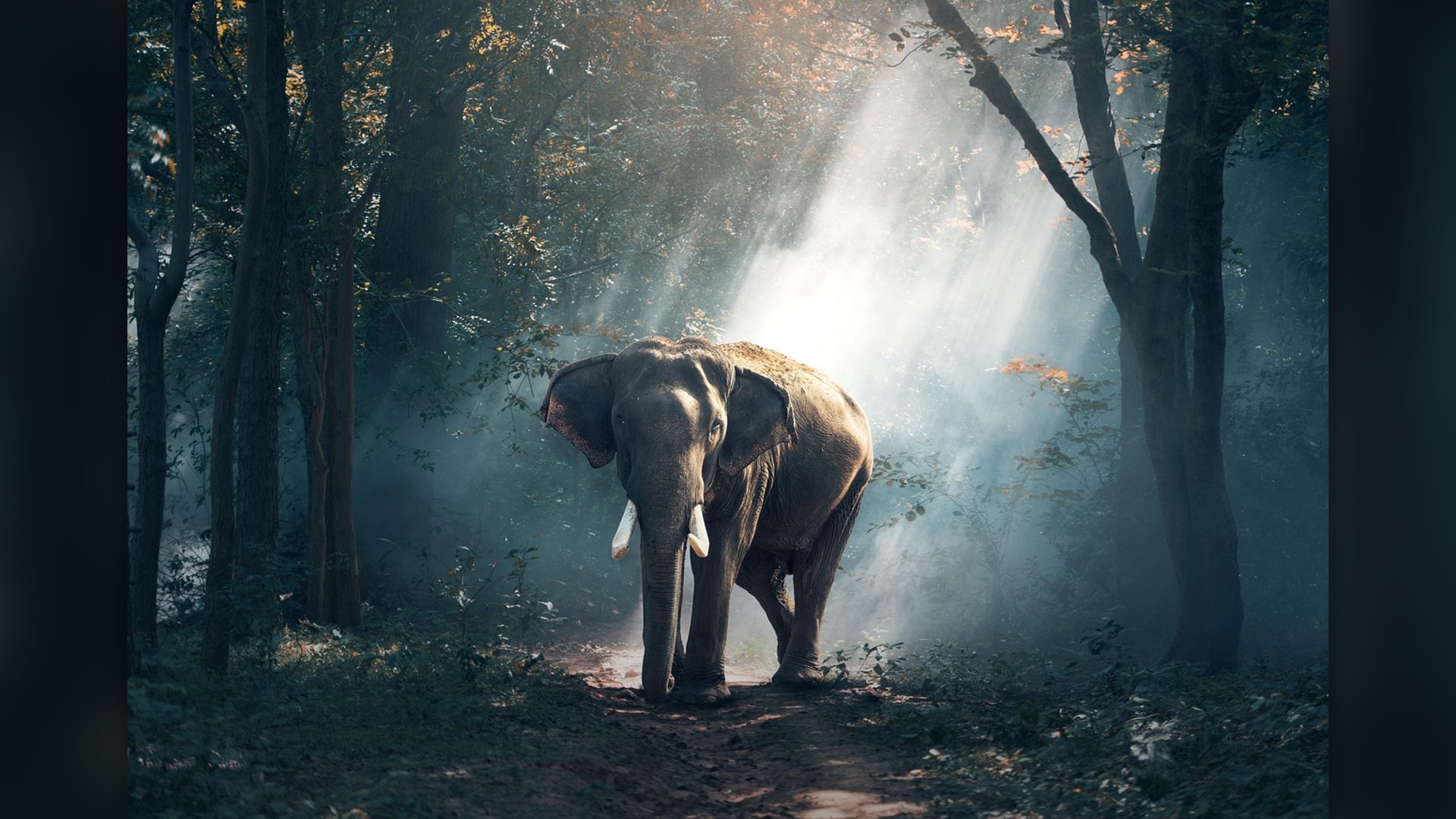
14. Elephant Infrasound
Human hearing cuts off below 20 hertz. African elephants emit low-frequency infrasound rumbles down to 14 hertz. These powerful seismic waves travel through the atmosphere and ground, picked up by sensitive mechanoreceptors in elephant foot pads up to twenty miles away.
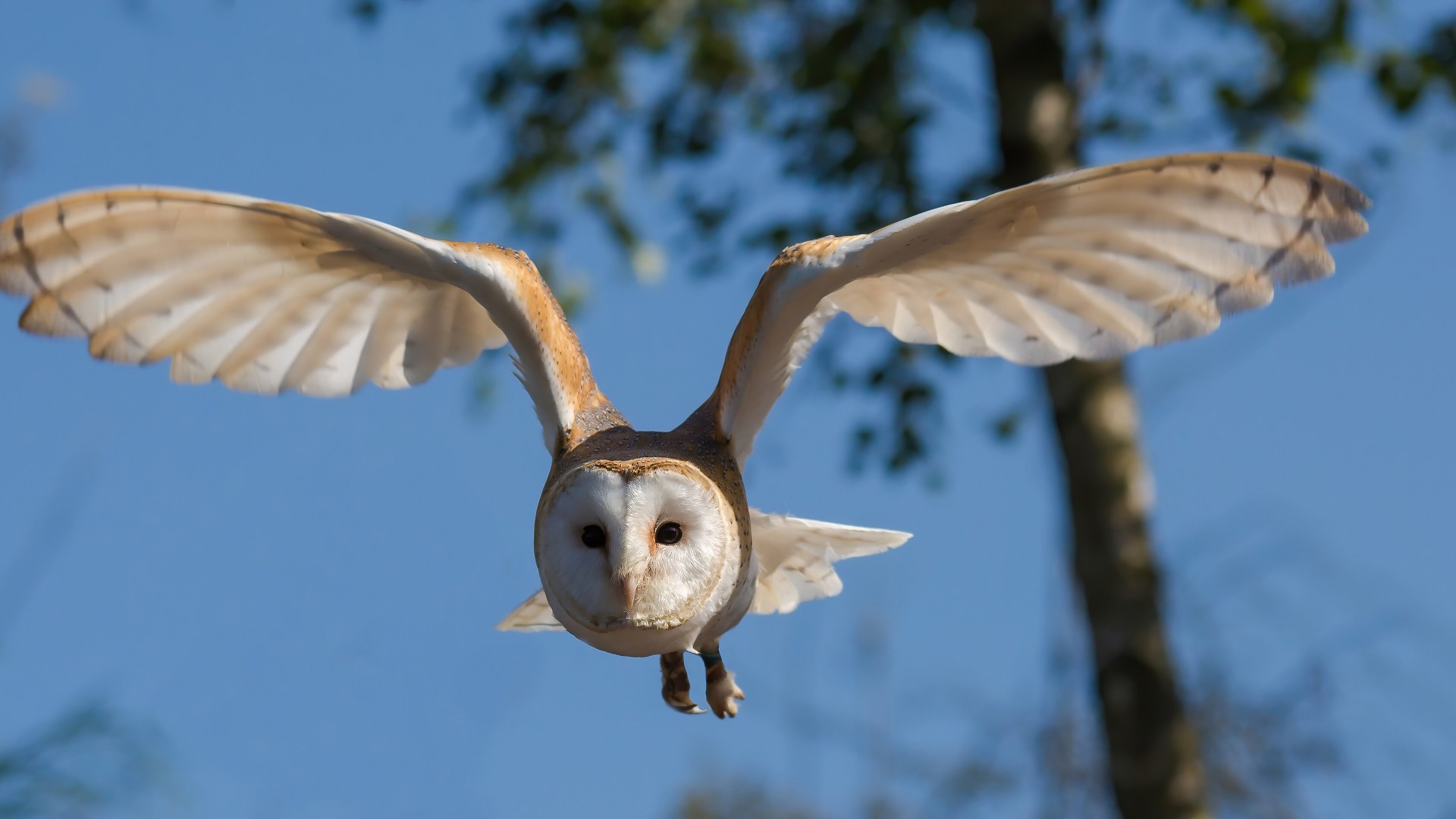
13. Barn Owl Acoustic Mapping
Human ears sit at equal height, limiting vertical sound localization. Barn owls feature asymmetrical ear canals and a parabolic facial disc of stiff feathers that channels high-frequency sounds, letting them strike prey hidden under grass or snow without seeing it.
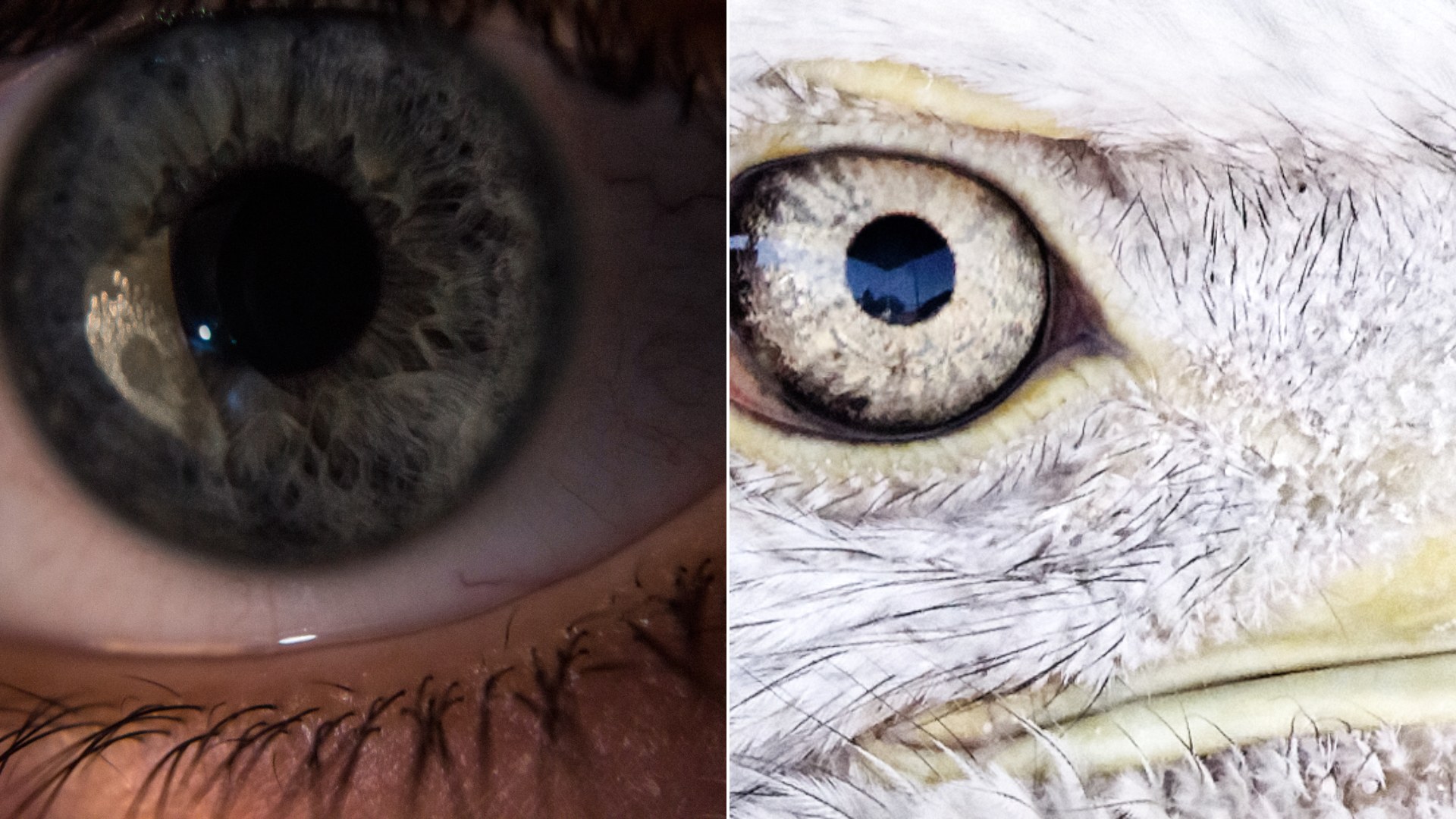
12. Bald Eagle Visual Acuity
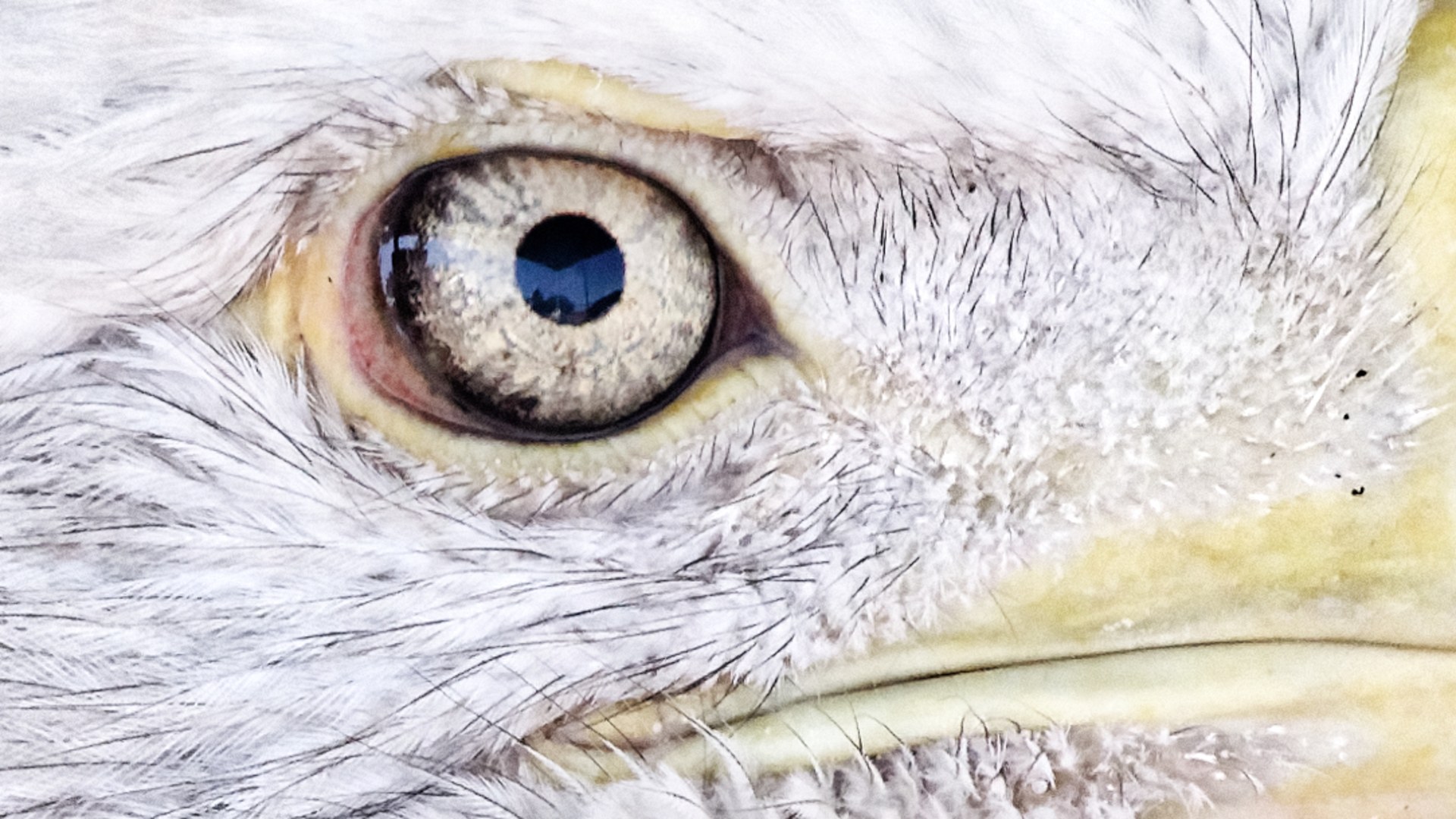
Human visual acuity maxes out at 20/20 vision with a single fovea per eye. Bald eagles possess dual foveas for both forward and peripheral focus, alongside eye pecten structures that resolve rabbits and fish from two miles away with telescopic clarity.
11. Peregrine Falcon Sight
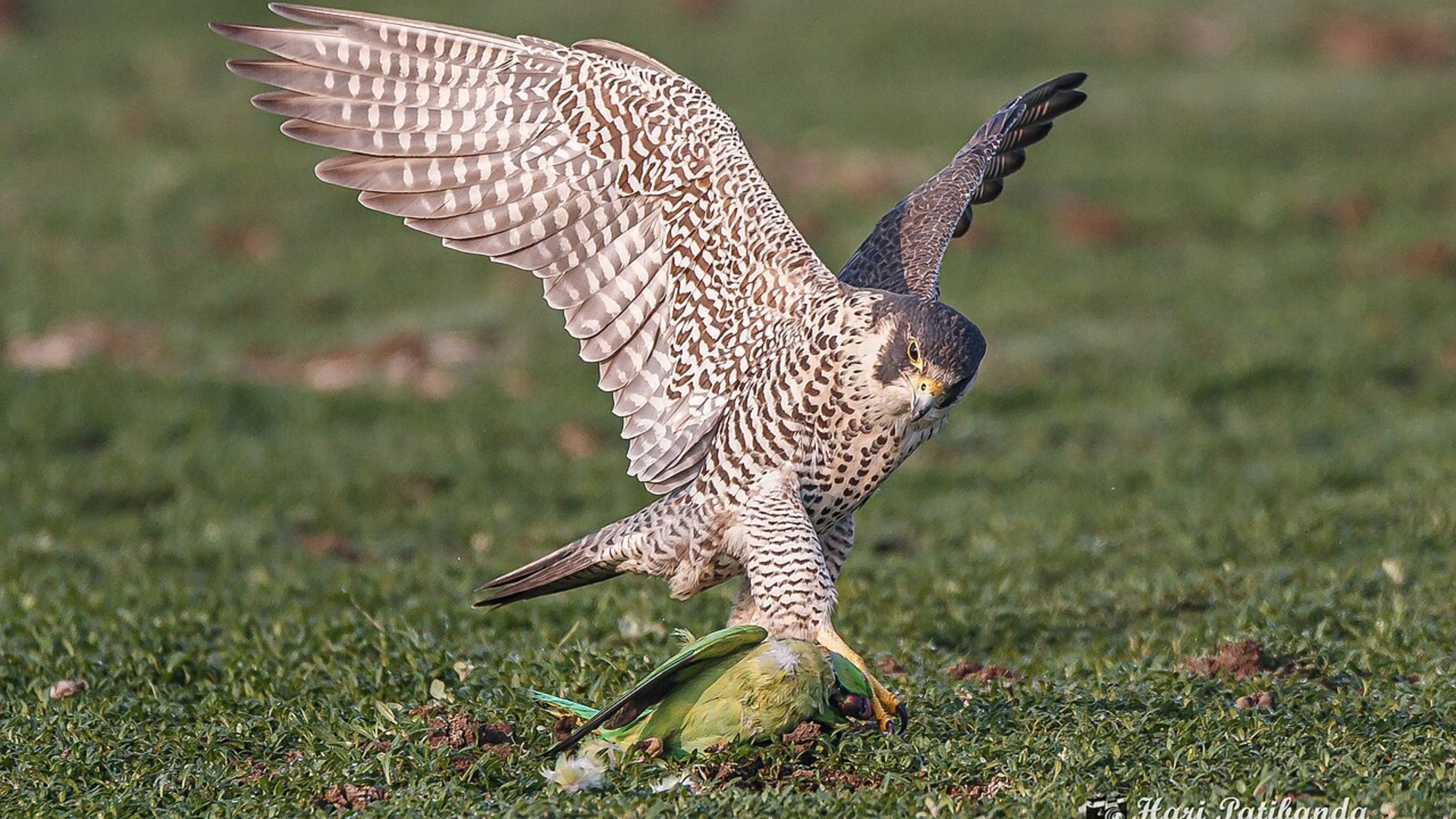
Rapid acceleration deforms human eyes and impairs vision. Peregrine falcons have bony sclerotic rings supporting their corneas and clear third eyelids that clear debris, maintaining binocular lock on target prey while diving at high velocities.
10. Bloodhound Olfaction
Humans possess around six million olfactory receptors covering a postage-stamp-sized area. Bloodhounds possess over 300 million receptors across a vast nasal surface, utilizing long drooping ears and folded skin to trap scented air particles near the nose.
9. Bat Ultrasonic Biosonar
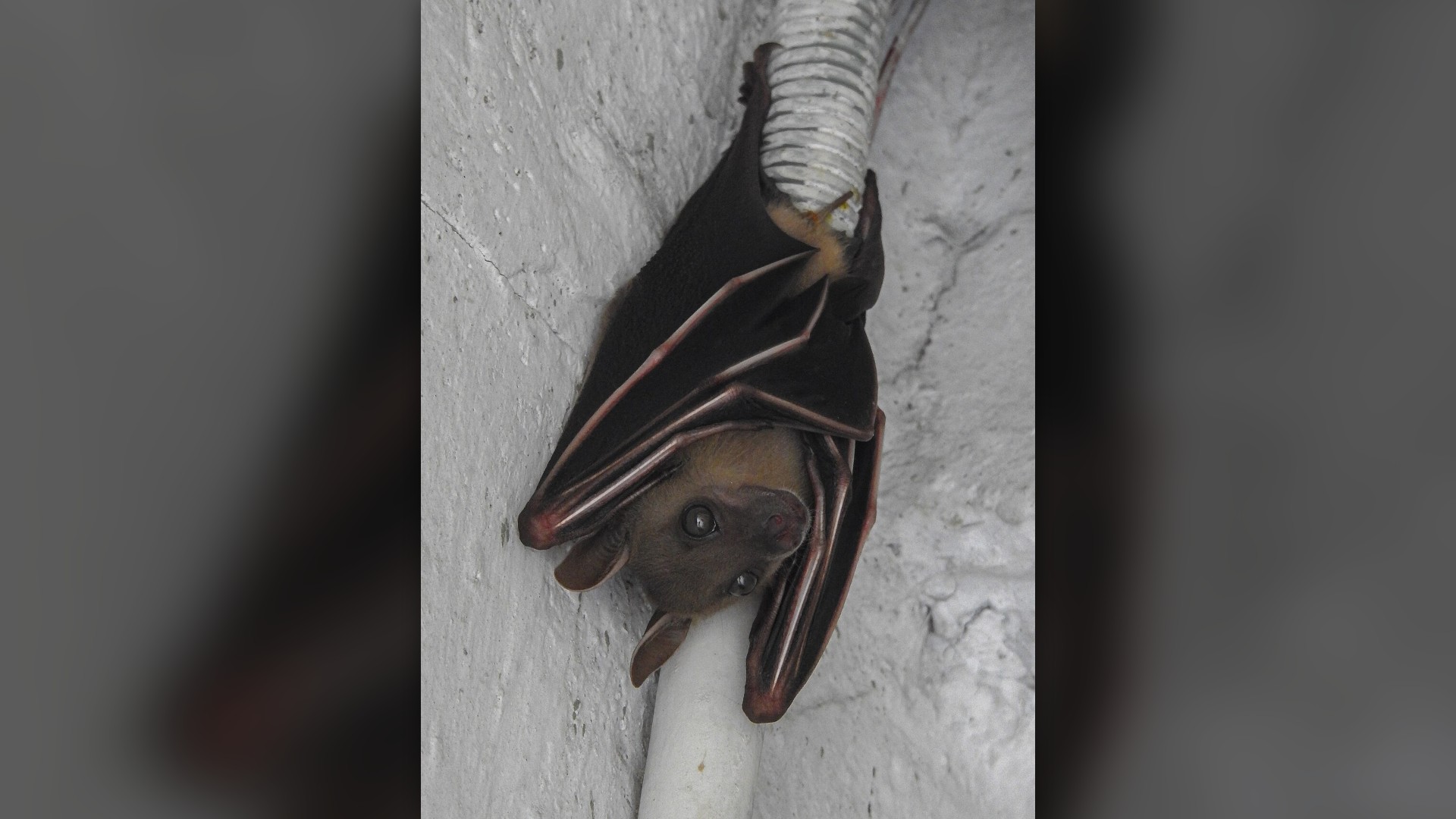
Humans are oblivious to ultrasonic frequencies above 20 kHz. Microbats emit rapid vocal pulses up to 100 kHz, calculating time delays and frequency shifts from returning echoes to track tiny midair mosquitoes with sub-millimeter precision in total darkness.
8. Dolphin Echolocation
Water attenuates human hearing and creates acoustic confusion. Bottlenose dolphins generate broadband ultrasonic clicks, focusing sound waves through a specialized forehead melon to penetrate mud and sand, rendering inner fish anatomy visible via sound reflections.
7. Great White Shark Volt Sense
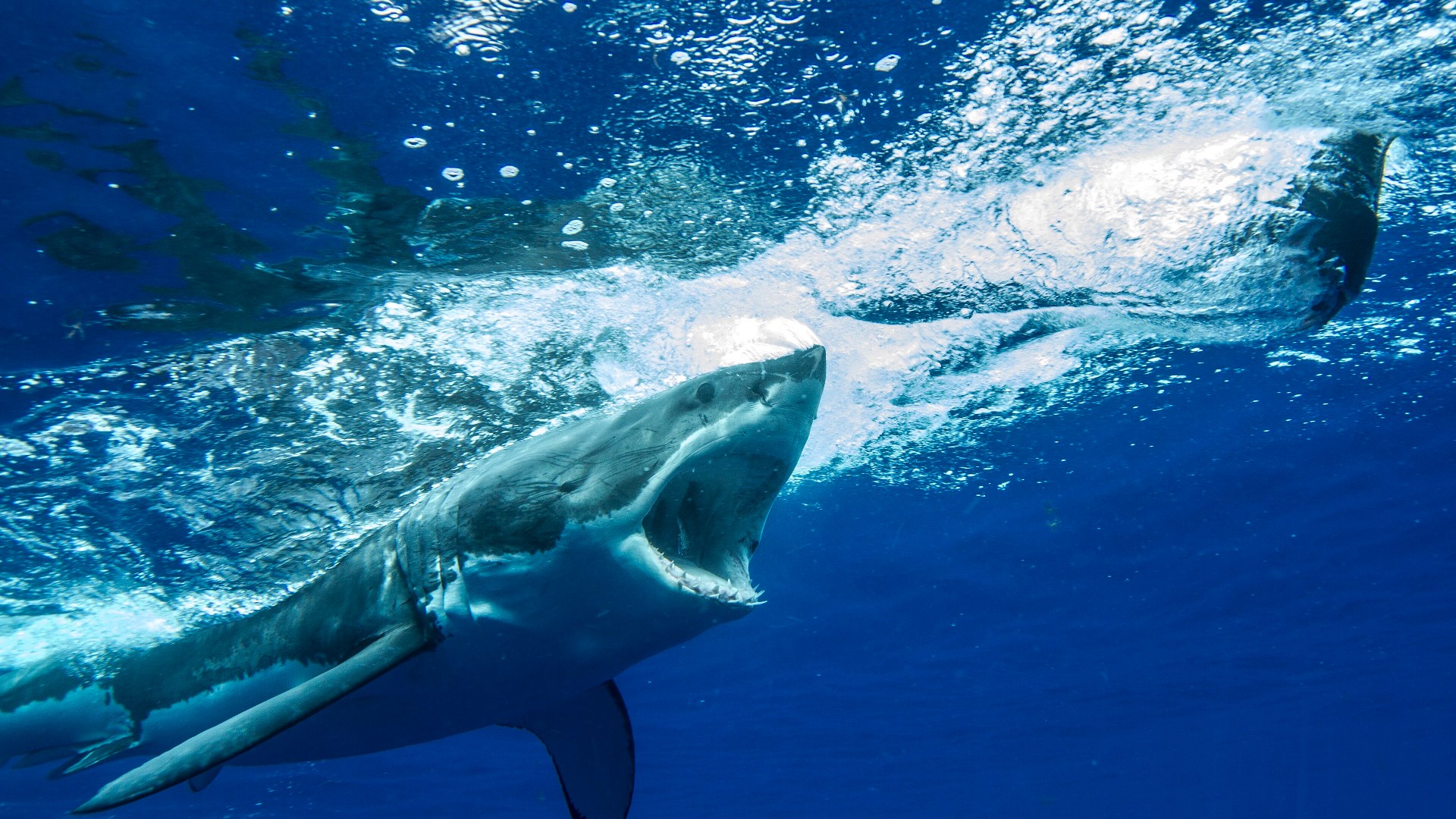
Humans possess no biological mechanism for sensing electricity. Great white sharks possess hundreds of electroreceptive pores known as the Ampullae of Lorenzini, allowing them to sense the microvolt electrical fields created by the muscle contractions and heartbeats of concealed prey.
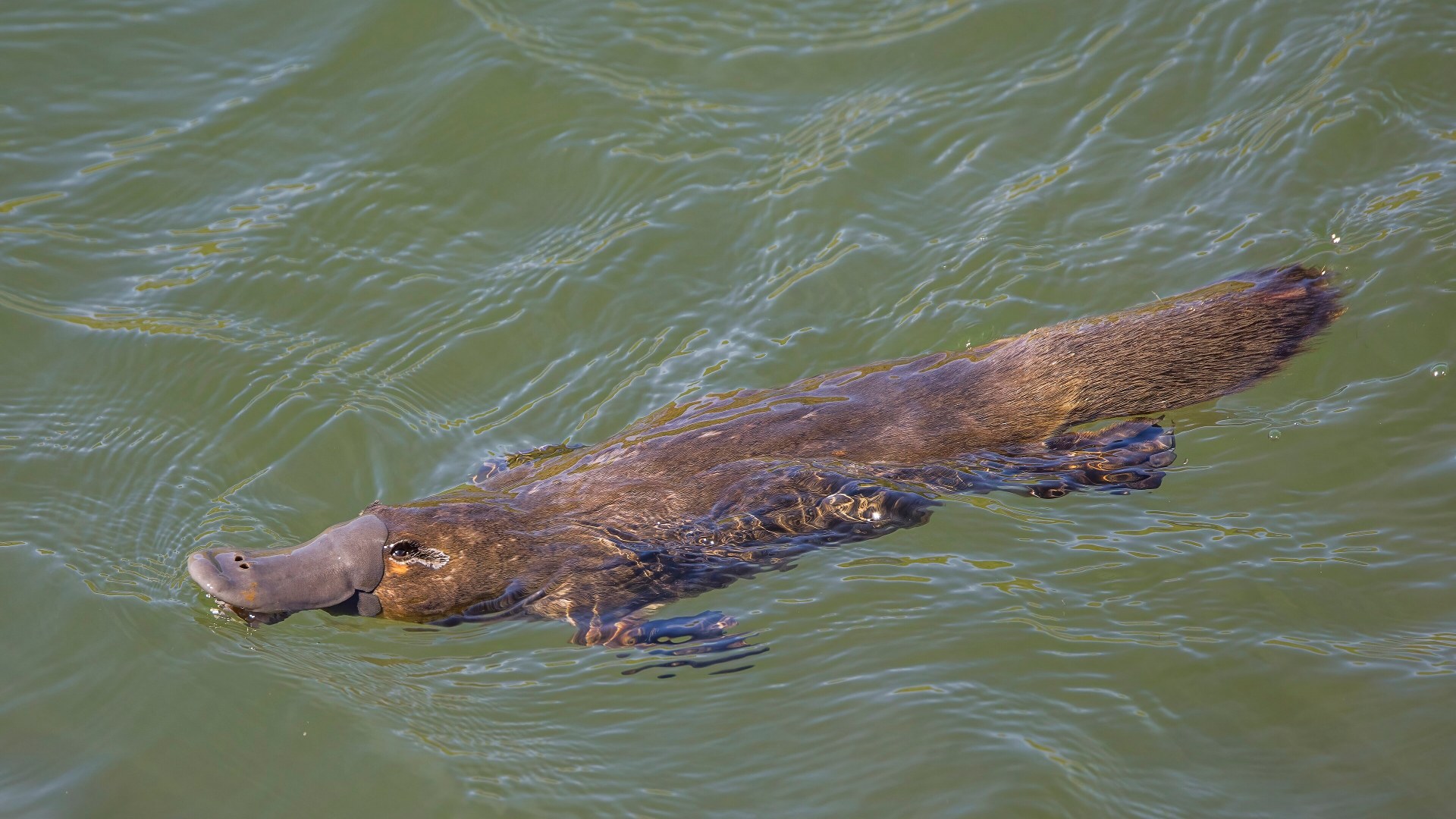
6. Platypus Electroreception
Mammals generally depend on vision and olfaction. The duck-billed platypus submerges completely blind and deaf, swinging its flexible bill in lateral arcs to register the subtle electric pulses discharged by riverbed shrimp and crayfish tail flicks.
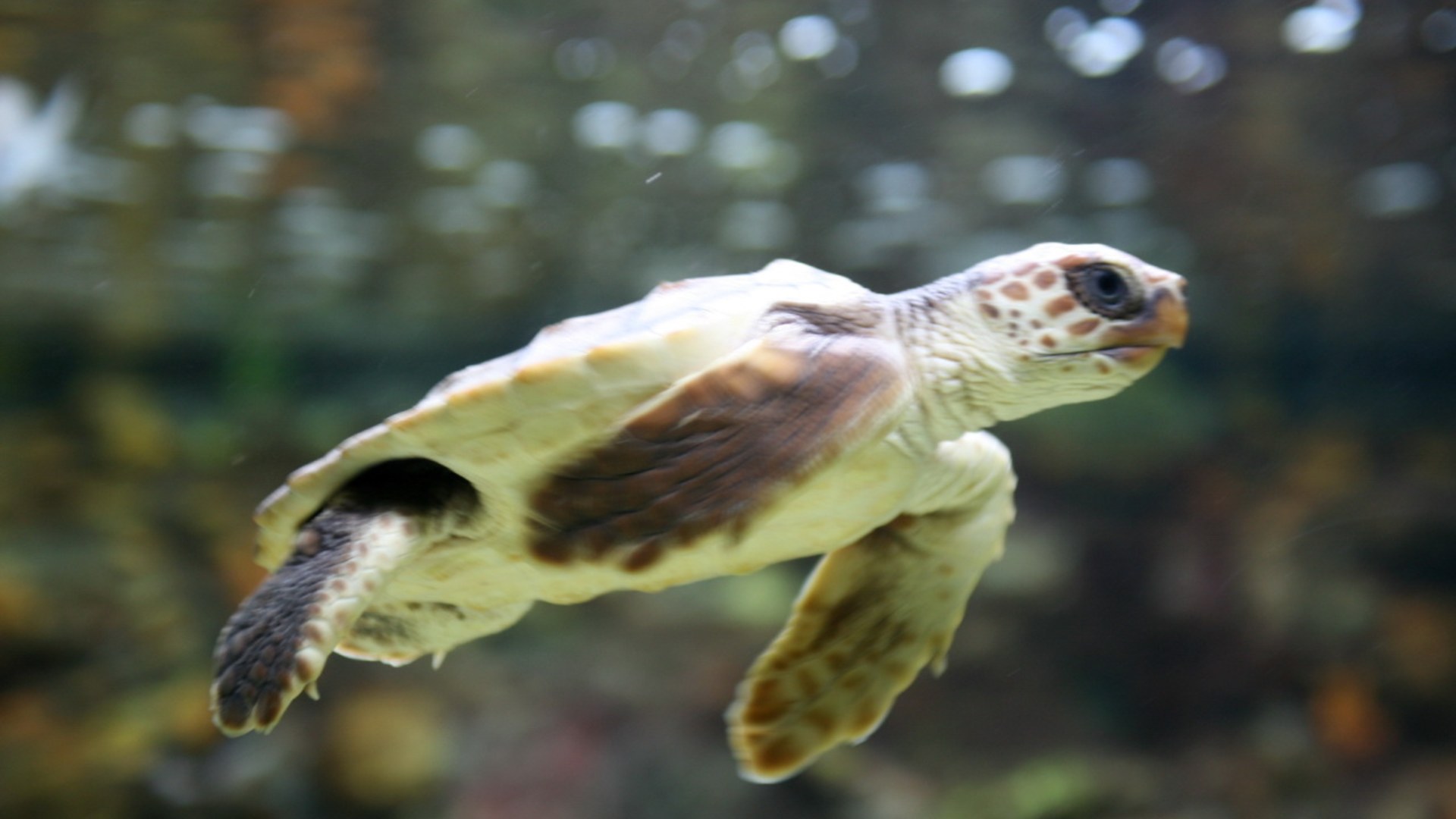
5. Sea Turtle Magnetoreception
Humans require GPS satellites and digital charts to cross open seas. Loggerhead hatchlings rely on tiny magnetite crystals in their heads, measuring the angle and intensity of Earth's geomagnetic lines to navigate entire transoceanic migration routes and return home.
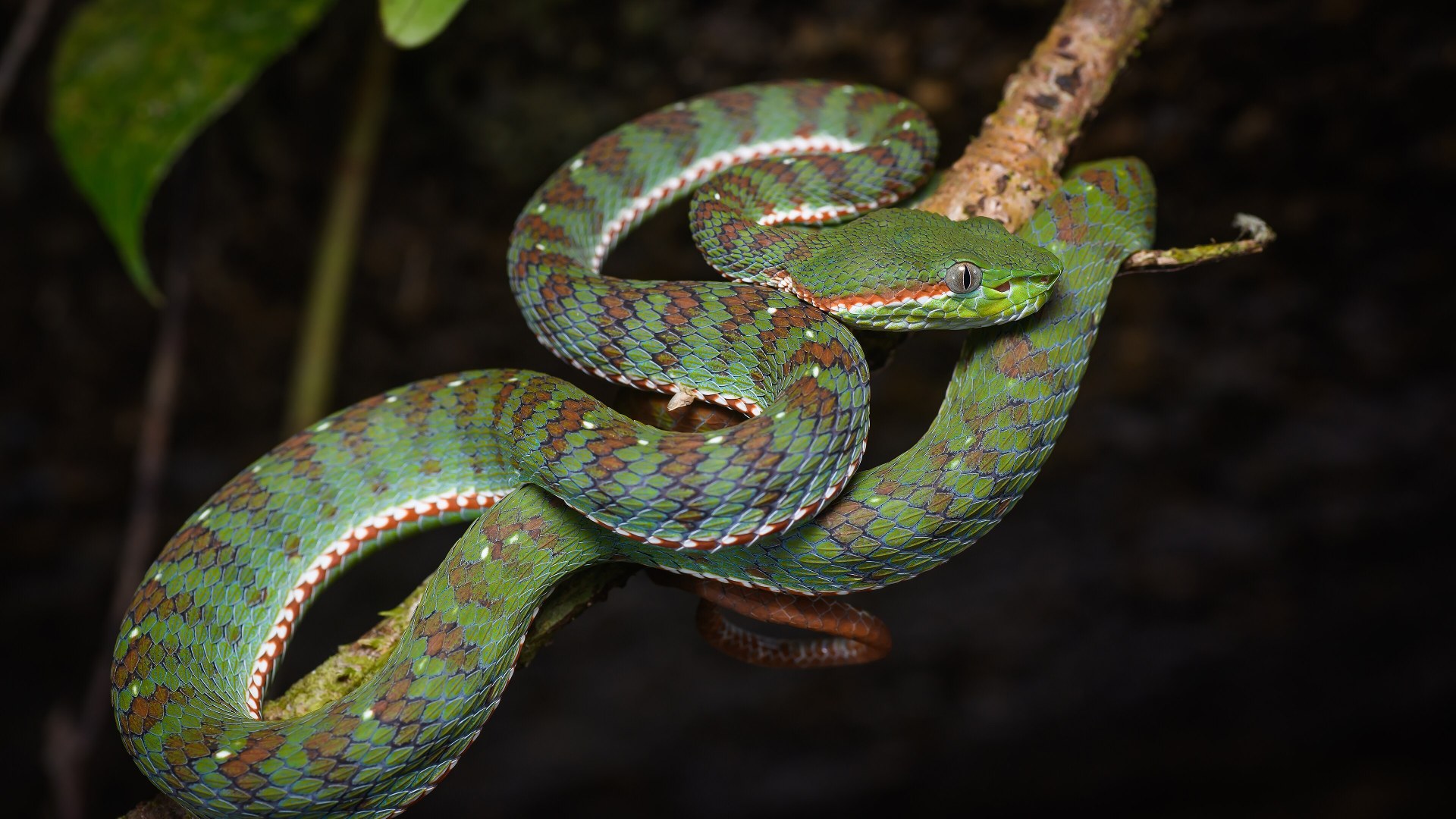
4. Pit Viper Thermal Infrared
Humans sense radiant heat only through tactile skin exposure. Pit vipers possess hollow facial cavities containing suspended nerve-dense membranes that detect invisible infrared radiation, projecting a thermal target image directly onto their optical tectum in blackness.
3. Bumblebee Electrostatic Sense
Humans cannot perceive weak electrostatic forces. Flowers generate negative electrical charges, while flying bumblebees accumulate positive charges through air friction. As a bee approaches, its charged body hairs bend toward the blossom, indicating floral freshness.
2. Honeybee Polarized UV Sight
Human eyes cannot detect light polarization or ultraviolet wavelengths. Honeybees use ommatidia across their upper compound eyes to read the e-vector polarization angle of sunlight scattered by the upper atmosphere, navigating with compass-like accuracy on overcast days.
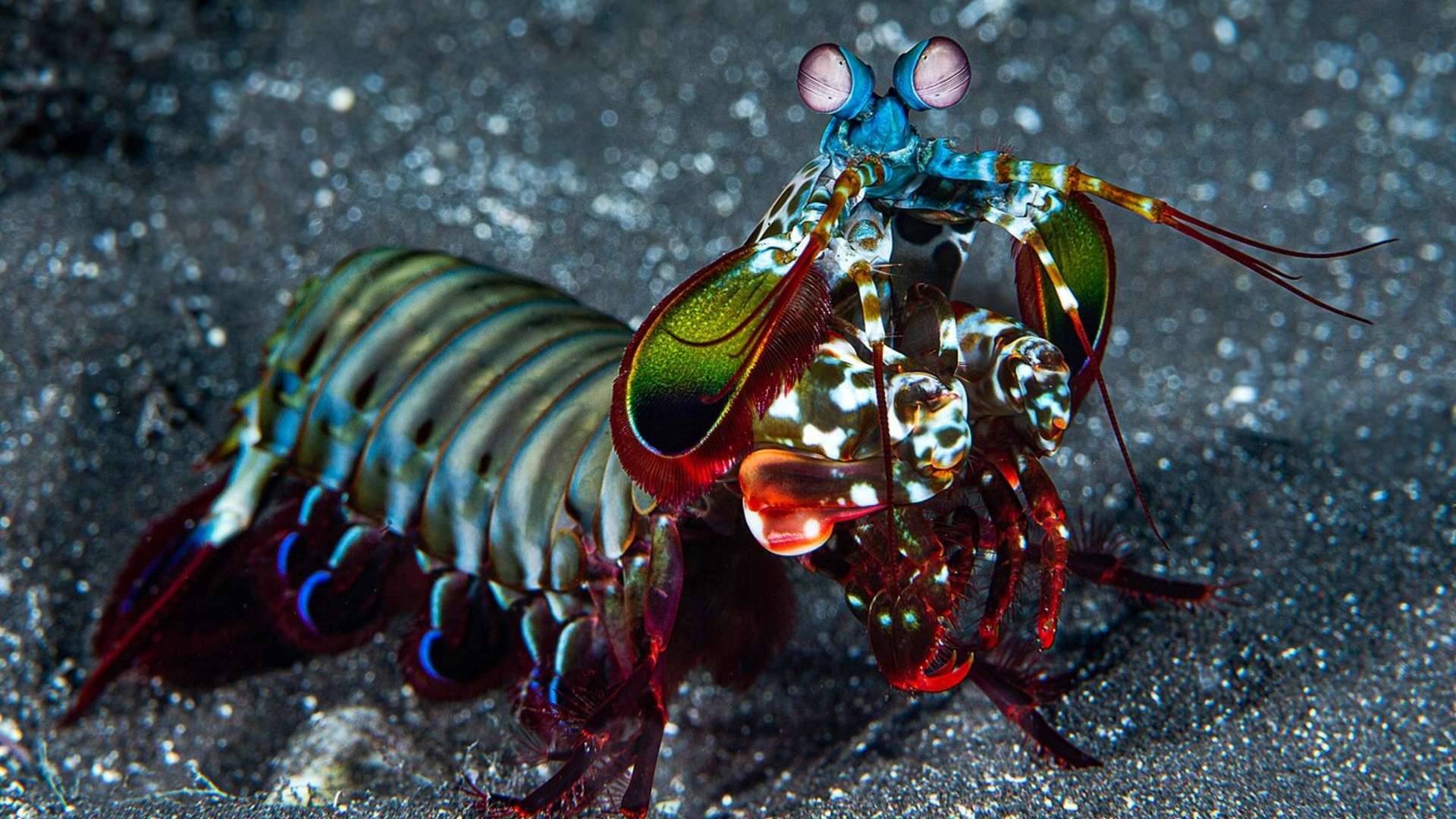
1. Mantis Shrimp Hyperspectral Eye
Humans construct the visible world using three color photoreceptors for red, green, and blue. Peacock mantis shrimp possess 16 distinct receptor types, including channels for linear polarization, circular polarization, and deep ultraviolet spectra far beyond human comprehension.