Slideshow · Viral
Inside Spain's Deadliest Train Crash and What Went Wrong
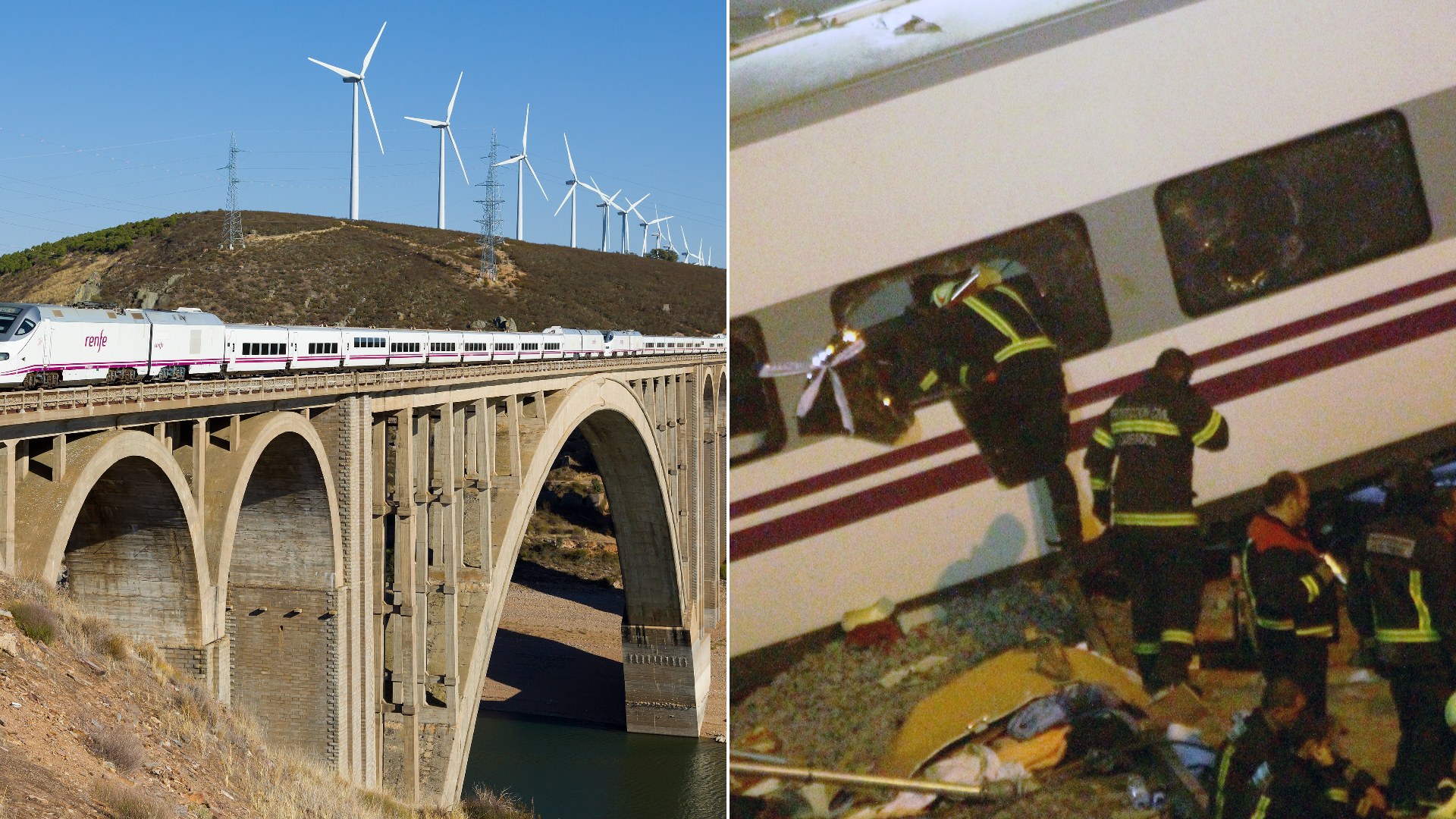
How human distraction and systemic signaling failures caused the catastrophic 2013 Santiago rail disaster.
By Most Viral Today
30 Oct 2026

Inside Spain's deadliest modern rail disaster at Santiago de Compostela. 
16. The Madrid Departure 
15. The Hybrid Train 
14. The High-Speed Route - AdvertisementSwipe or tap ▶ to continue countdown

13. The Dual Signaling Gap 
12. The Disconnected System 
11. The Approaching Curve 
10. The Fatal Distraction - AdvertisementSwipe or tap ▶ to continue countdown

9. Point Of Derailment 
8. Impact And Retaining Wall 
7. The Catastrophic Wreckage 
6. Emergency Response - AdvertisementSwipe or tap ▶ to continue countdown

5. Emergency Triage 
4. Fire Extinguishment And Recovery 
3. Cranes And Black Box Analysis 
2. Destination Never Reached - AdvertisementSwipe or tap ▶ to continue countdown

1. Memorial And Landmark Verdict - Advertisement🔥 UP NEXT IN THIS SERIES◫ 21 Slides

20 Iconic Historical Photos and the Archive Clues Behind Them
Contact sheets, cracked glass plates, and NASA mission logs preserve the hidden steps behind 20 famous photographs. Drawing on records from the Library of Congress, the National Archives, NASA, and the Smithsonian, this countdown traces how cropping, camera setups, and double exposures shaped each frame.
How human distraction and systemic signaling failures caused the catastrophic 2013 Santiago rail disaster.
Swipe or tap ▶ to begin the countdown
©Wikimedia / David Gubler and Contando Estrelas
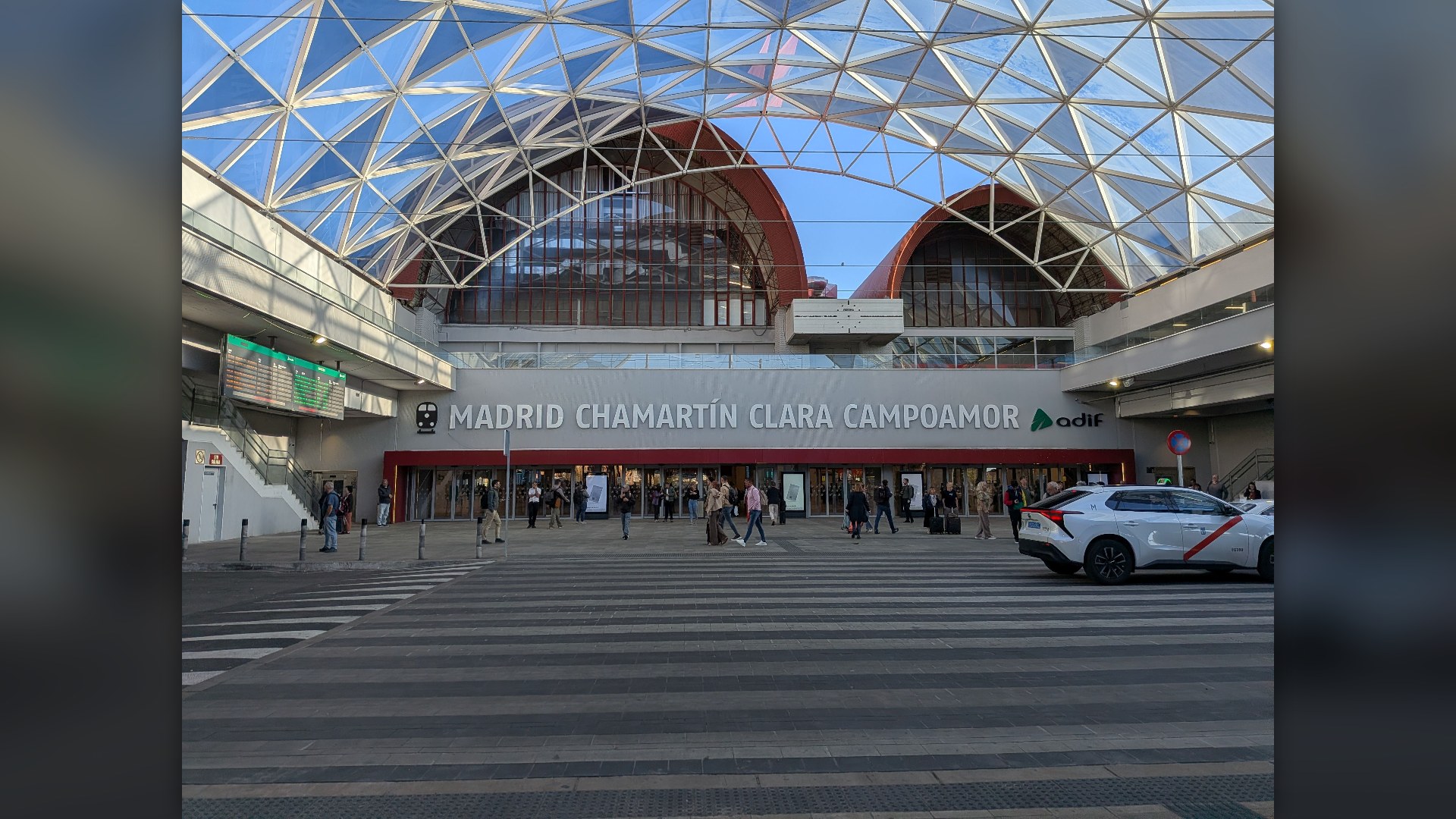
16. The Madrid Departure
On the eve of the historic Saint James festival, Renfe Alvia Train 04155 left Madrid Chamartin station carrying 218 passengers and crew. Bound for Ferrol in northwestern Spain, the modern high-speed service was filled with holidaymakers, pilgrims, and families returning home for regional celebrations.
©Wikimedia / Nenea hartia
15. The Hybrid Train
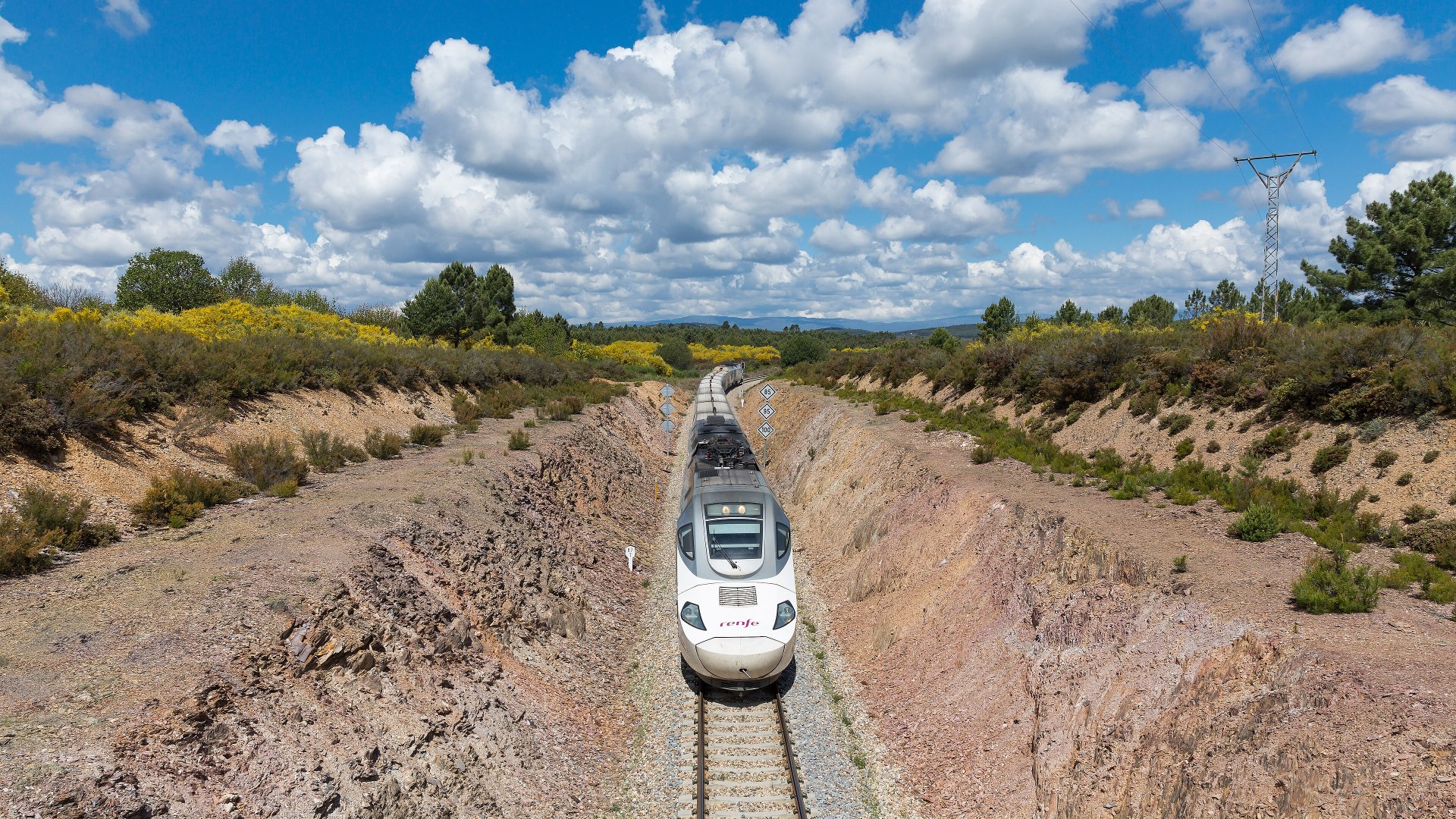
The train was an Alvia Class 730, a hybrid electro-diesel locomotive designed to run on both electrified high-speed tracks and standard non-electrified routes. Crucially, it carried two heavy nine-axle diesel generator wagons placed directly behind each power head, altering train weight dynamics.
©Wikimedia / David Gubler
14. The High-Speed Route
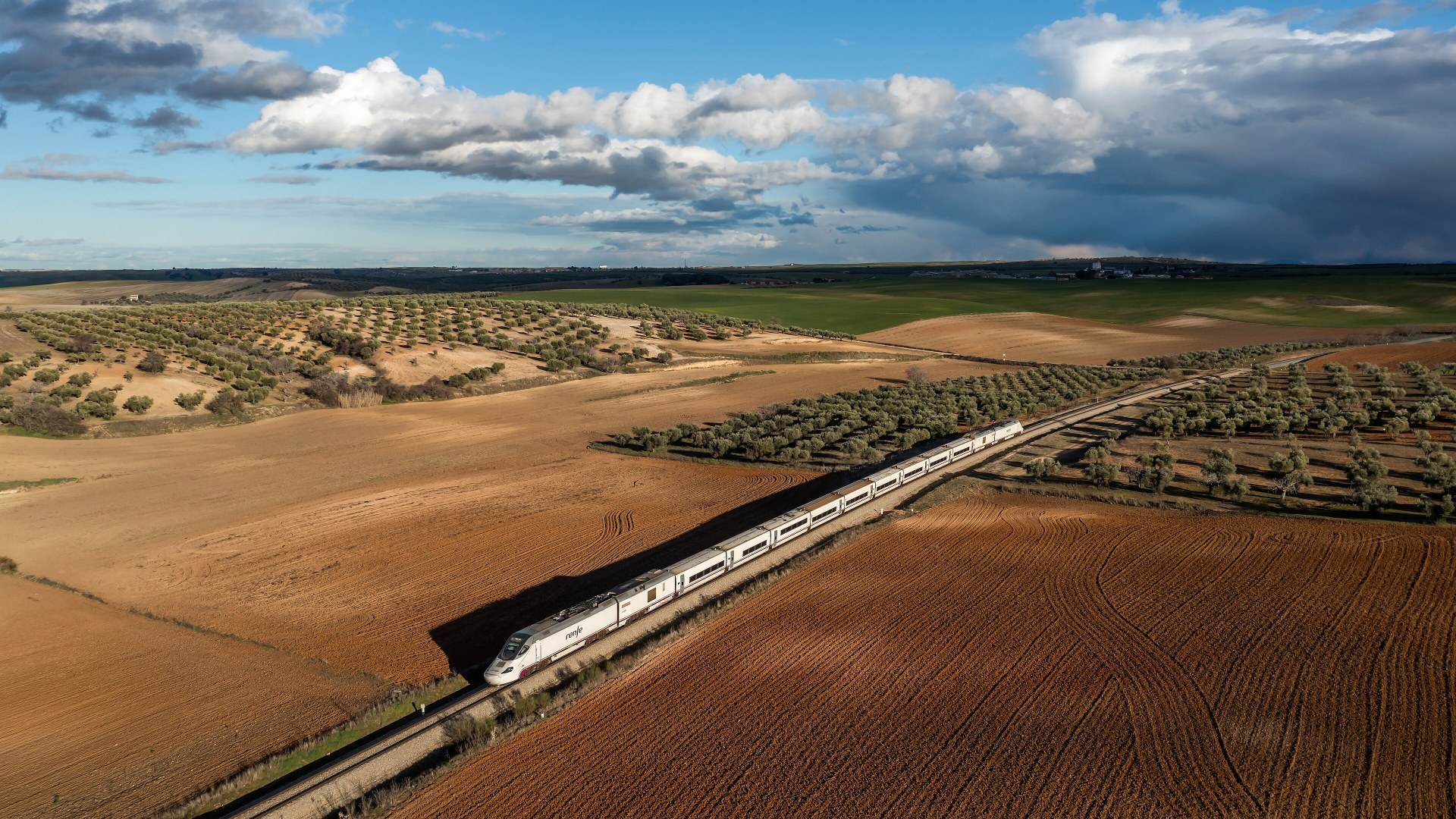
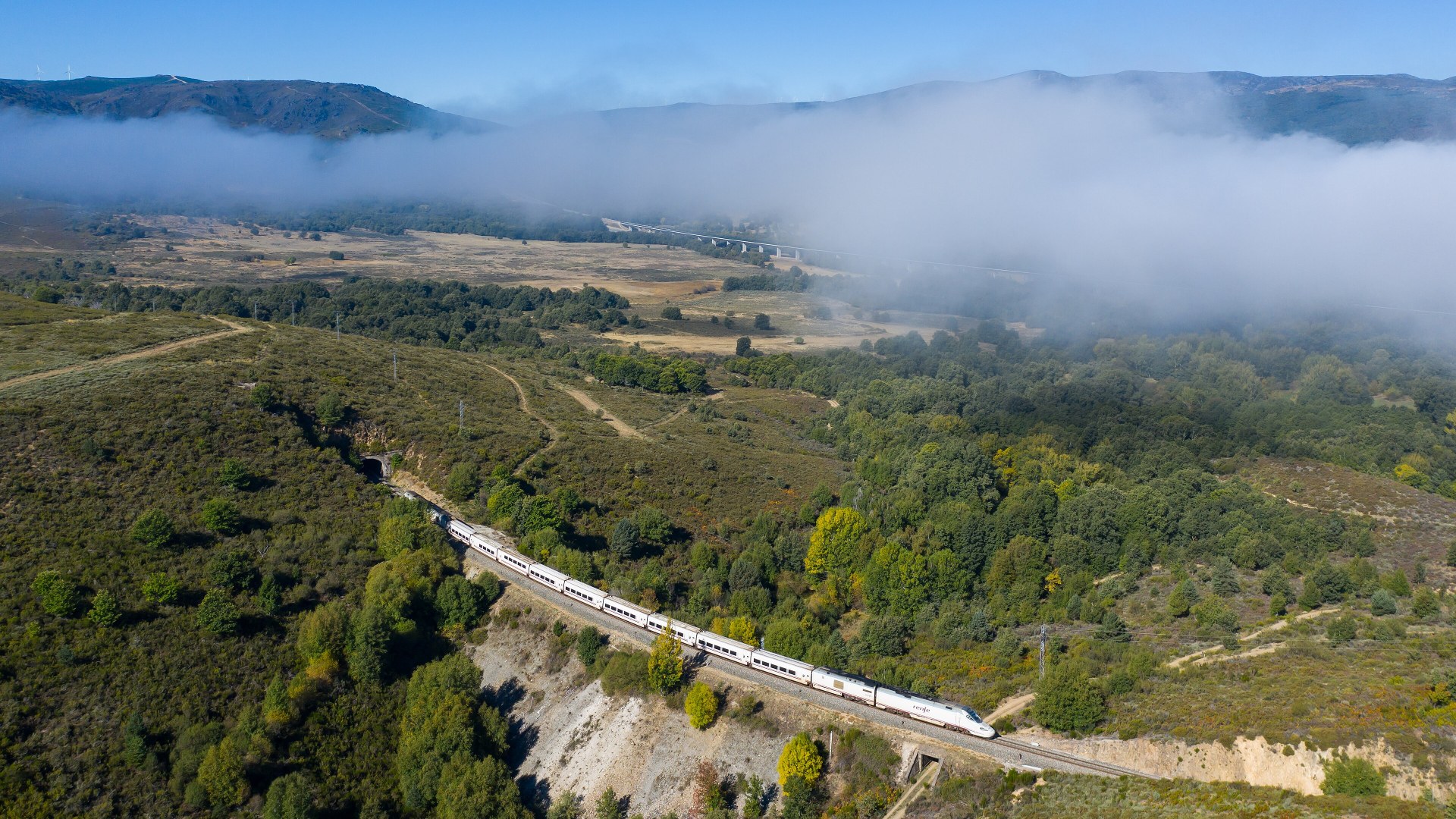
For hours, the Alvia service sped comfortably along the Olmedo to Zamora and Ourense high-speed line. Operating at speeds up to 200 km/h (124 mph), passengers enjoyed a smooth ride across northern Spain, unaware of the abrupt transition awaiting them just outside the station of Santiago de Compostela.
©Wikimedia / David Gubler
Advertisement
Swipe or tap ▶ to resume the countdown.
13. The Dual Signaling Gap
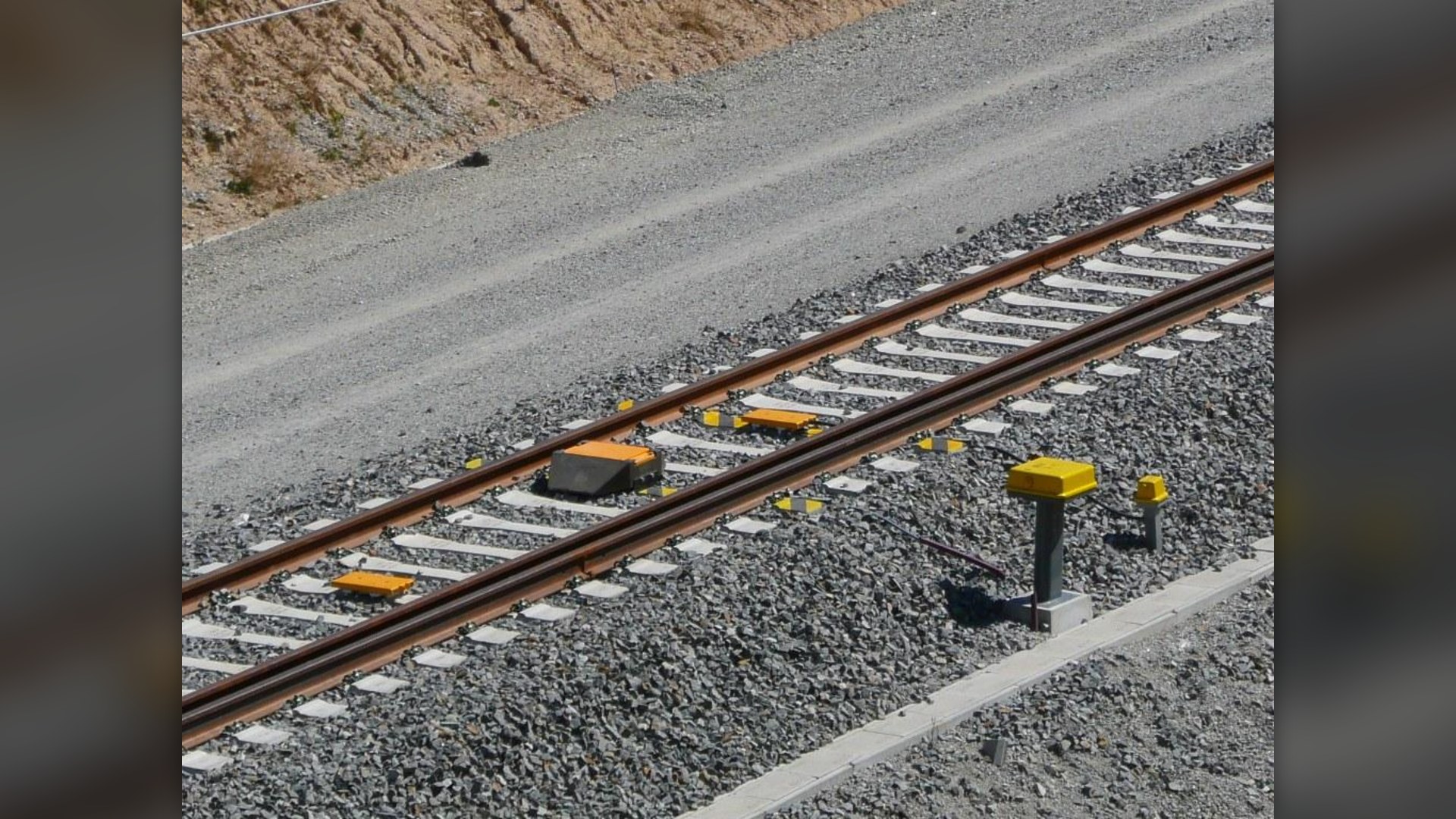
The critical vulnerability lay in the railway signaling design. European high-speed rail lines use ERTMS, which monitors train velocity continuously and forces an automatic stop if limits are exceeded. But Adif ended the ERTMS zone four kilometers before the Angrois curve, handing control to older ASFA beacons.
©Wikimedia / MZC
12. The Disconnected System
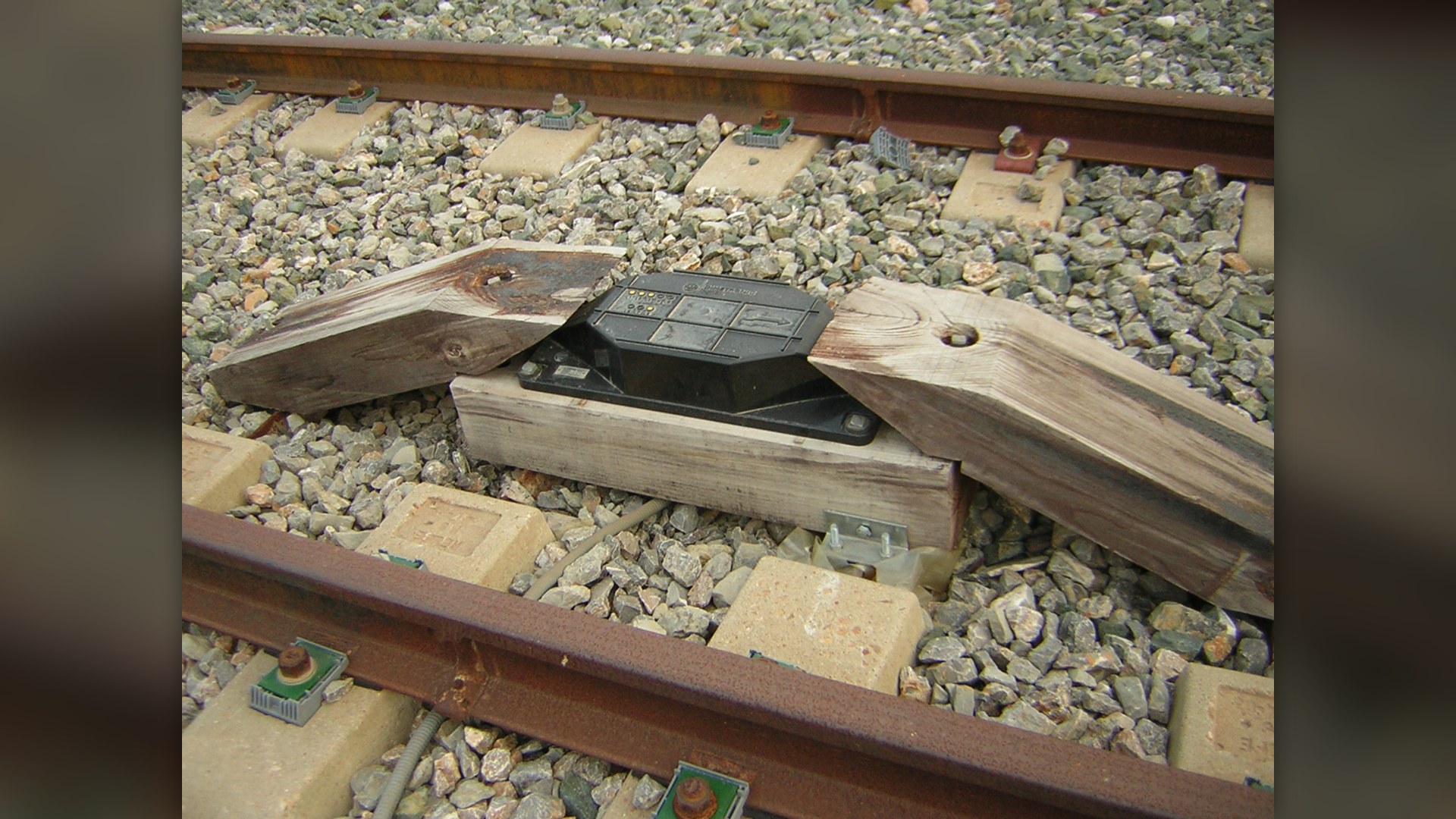
Making matters far worse, the train own onboard ERTMS equipment was switched off. Renfe had disconnected the system in June 2012 after software glitches caused sudden delays. Because Adif never resolved the issue, drivers were forced to operate solely under ASFA, with zero automated speed intervention before the curve.
©Wikimedia / Santiago Martínez Aznar
11. The Approaching Curve
Just before entering Santiago, the tracks approached A Grandeira curve in the parish of Angrois. This sharp bend required an immediate drop in velocity from 200 km/h to 80 km/h (50 mph). Because the line lacked speed-control balises on the approach, deceleration depended entirely on human memory and optical signals.
©Wikimedia / Contando Estrelas
10. The Fatal Distraction
At 20:39, just two minutes before the curve, driver Francisco Jose Garzon Amo received an internal call on the cab company mobile phone from the on-train conductor. The conversation regarding platform track alignments distracted Garzon Amo, causing him to lose spatial awareness of the route at 200 km/h.
©Wikimedia / David Gubler
Advertisement
Swipe or tap ▶ to resume the countdown.
9. Point Of Derailment
At 20:41, the Alvia train emerged from a tunnel and hurtled into the sharp left-hand A Grandeira bend at 179 km/h (111 mph). Realizing his catastrophic error, the driver applied the emergency brakes, but centrifugal force overcame the train, lifting the right-hand wheels off the rails and causing instant derailment.
©Wikimedia / Contando Estrelas
8. Impact And Retaining Wall
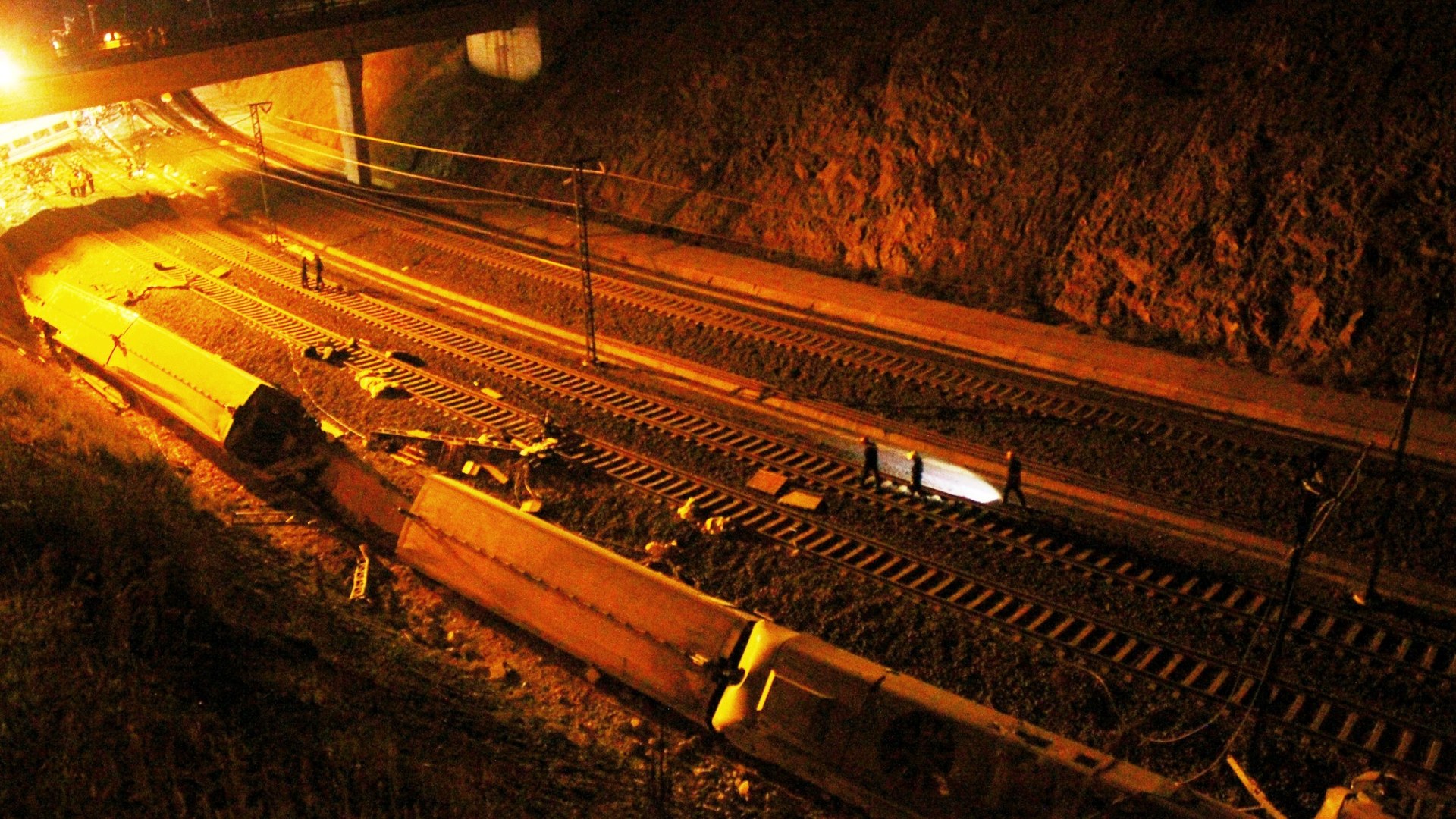
Security cameras recorded the horrifying sequence. The second vehicle, the heavy diesel technical car, jackknifed off the track bed, pulling subsequent passenger carriages with violent momentum into the solid concrete retaining wall, tearing open carriage bodies and shattering the steel chassis.
©Wikimedia / Contando Estrelas
7. The Catastrophic Wreckage
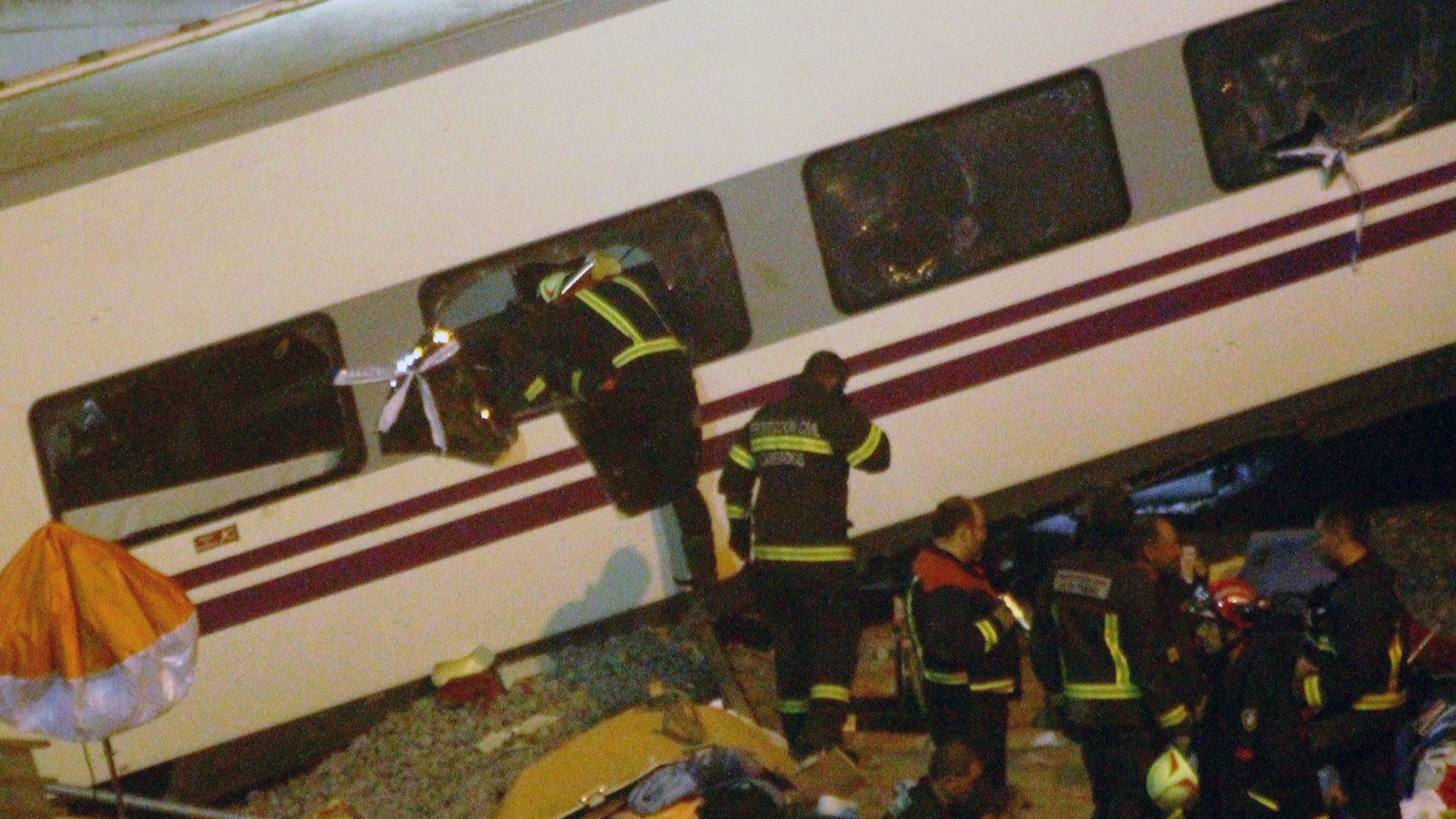
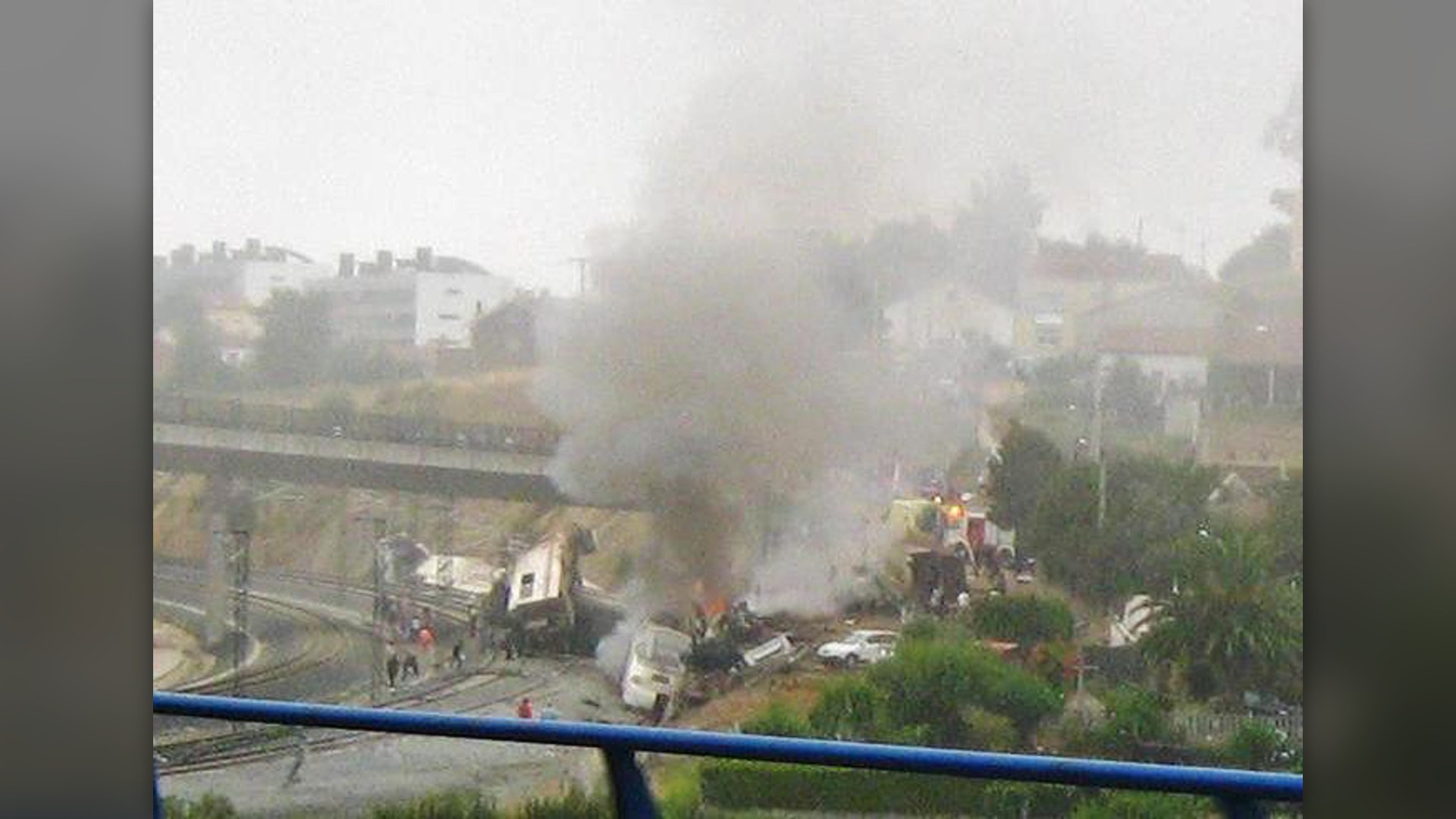
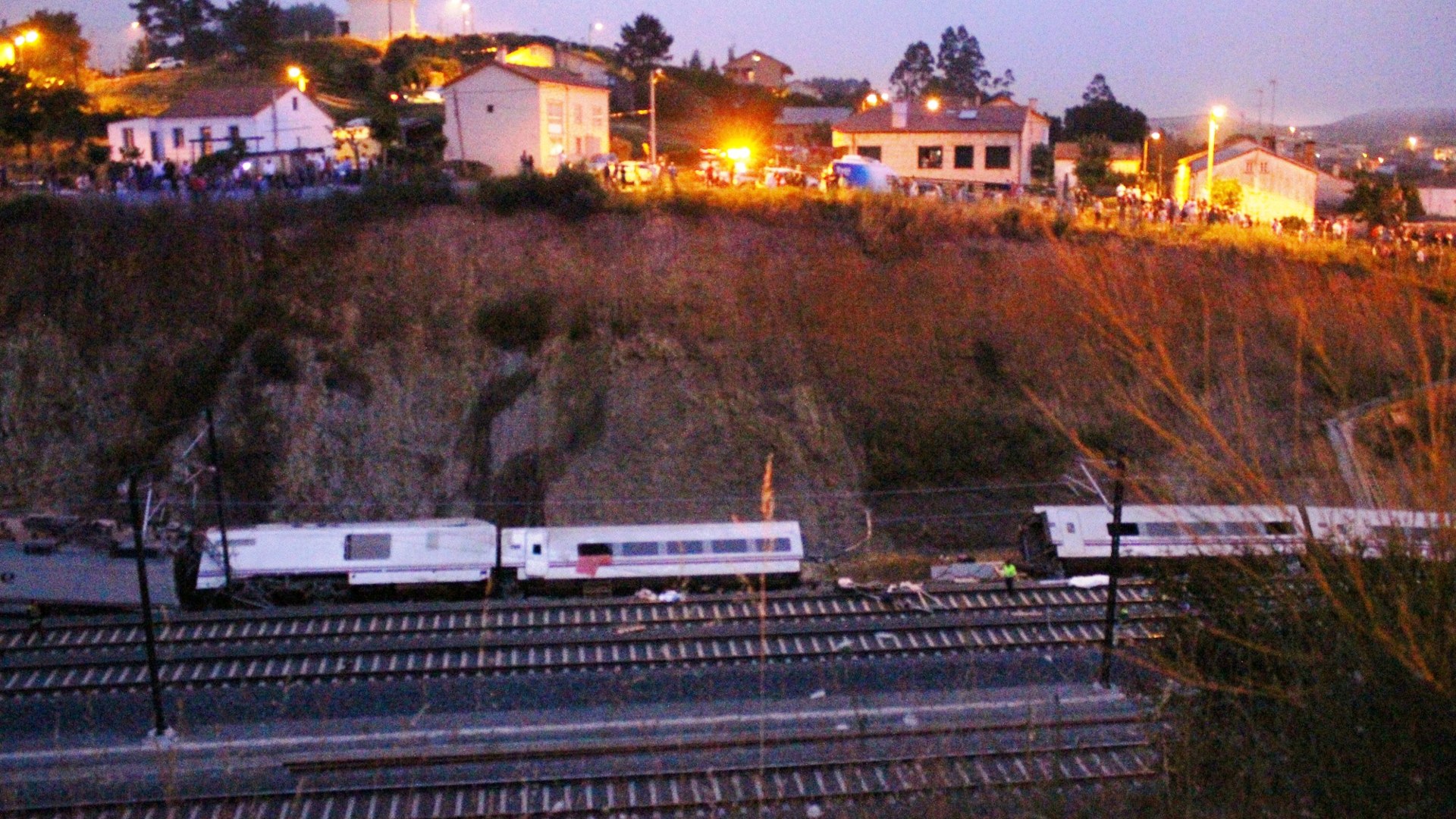
The kinetic energy destroyed the train. All thirteen vehicles derailed, with carriages piling onto each other in an accordion formation. One passenger carriage was launched four meters into the air over the perimeter wall onto the road above, while diesel fuel ignited fires amid twisted metal and shattered glass.
©Wikimedia / Xosema
6. Emergency Response
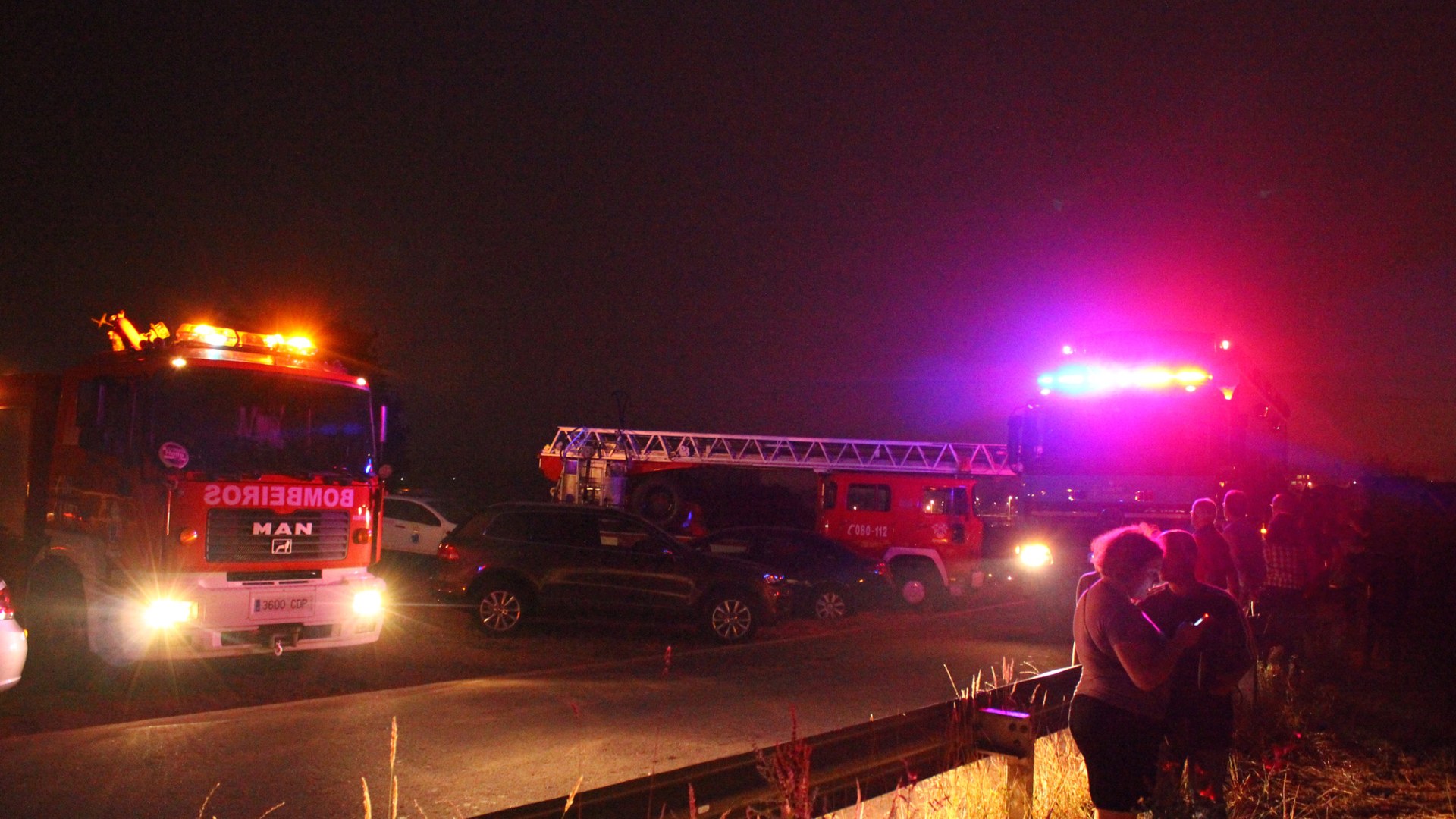
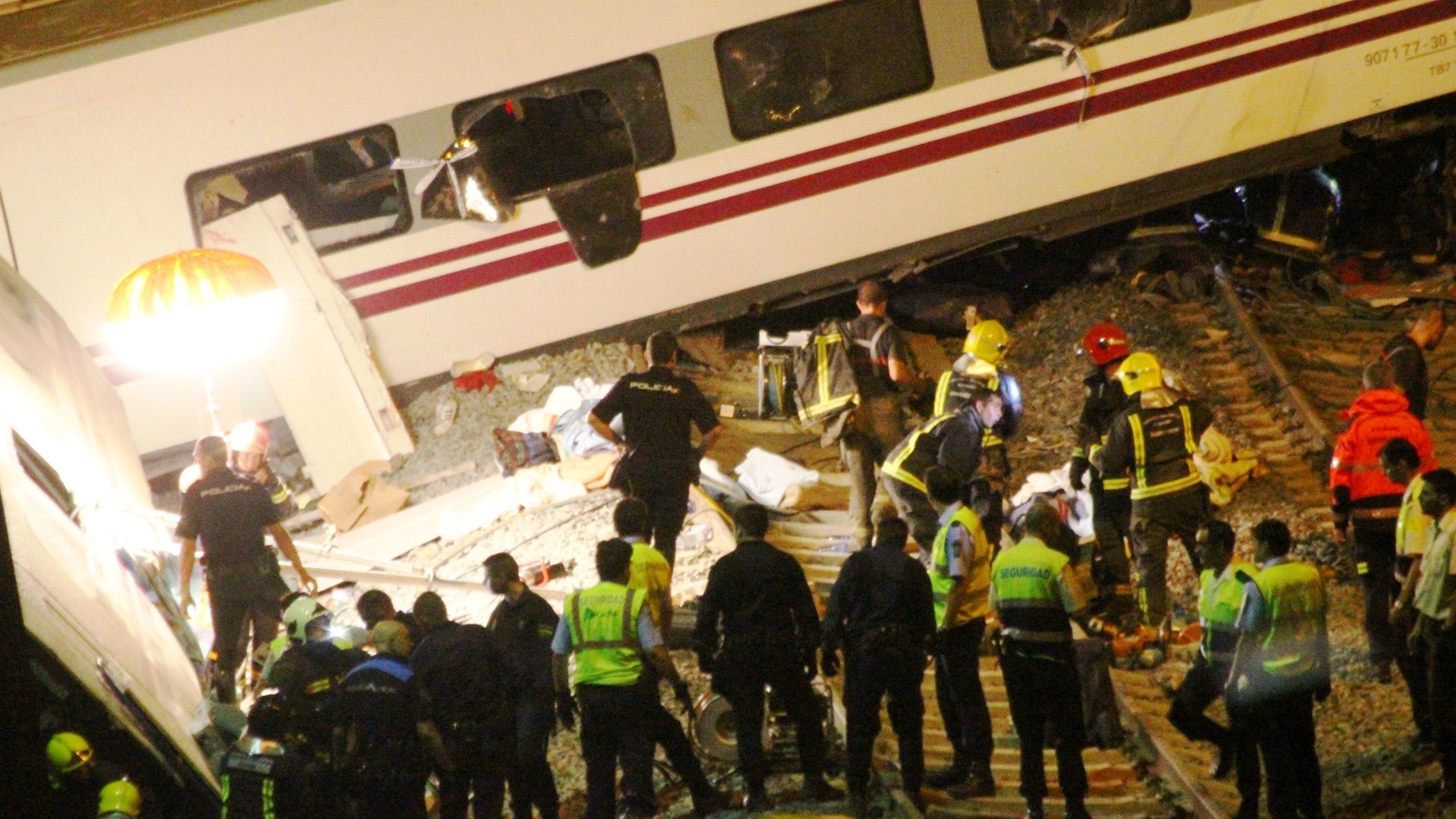
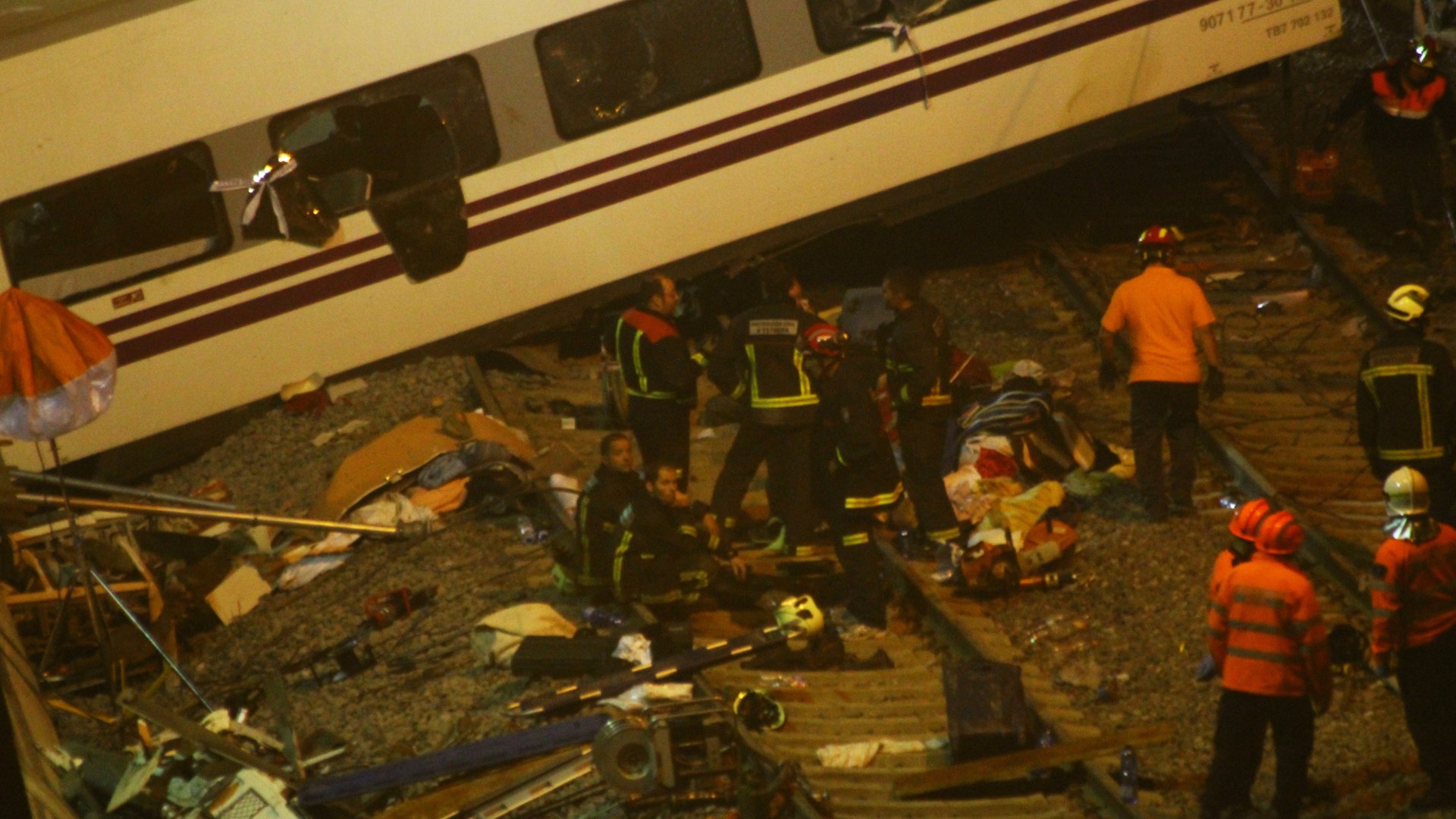
Hearing a thunderous explosion, residents of Angrois immediately ran to the tracks with crowbars, axes, and blankets to pry open windows and extract trapped victims. Hundreds of firefighters, paramedics, and police officers established a massive rescue operation, pulling survivors through buckled doors.
©Wikimedia / Contando Estrelas
Advertisement
Swipe or tap ▶ to resume the countdown.
5. Emergency Triage
Emergency services declared a national disaster, deploying dozens of ambulances, helicopters, and mobile field hospitals. Blood banks across Galicia saw thousands of citizens queue through the night to donate, as surgical teams in Santiago worked continuously to treat over 140 critically injured survivors.
©Wikimedia / Contando Estrelas
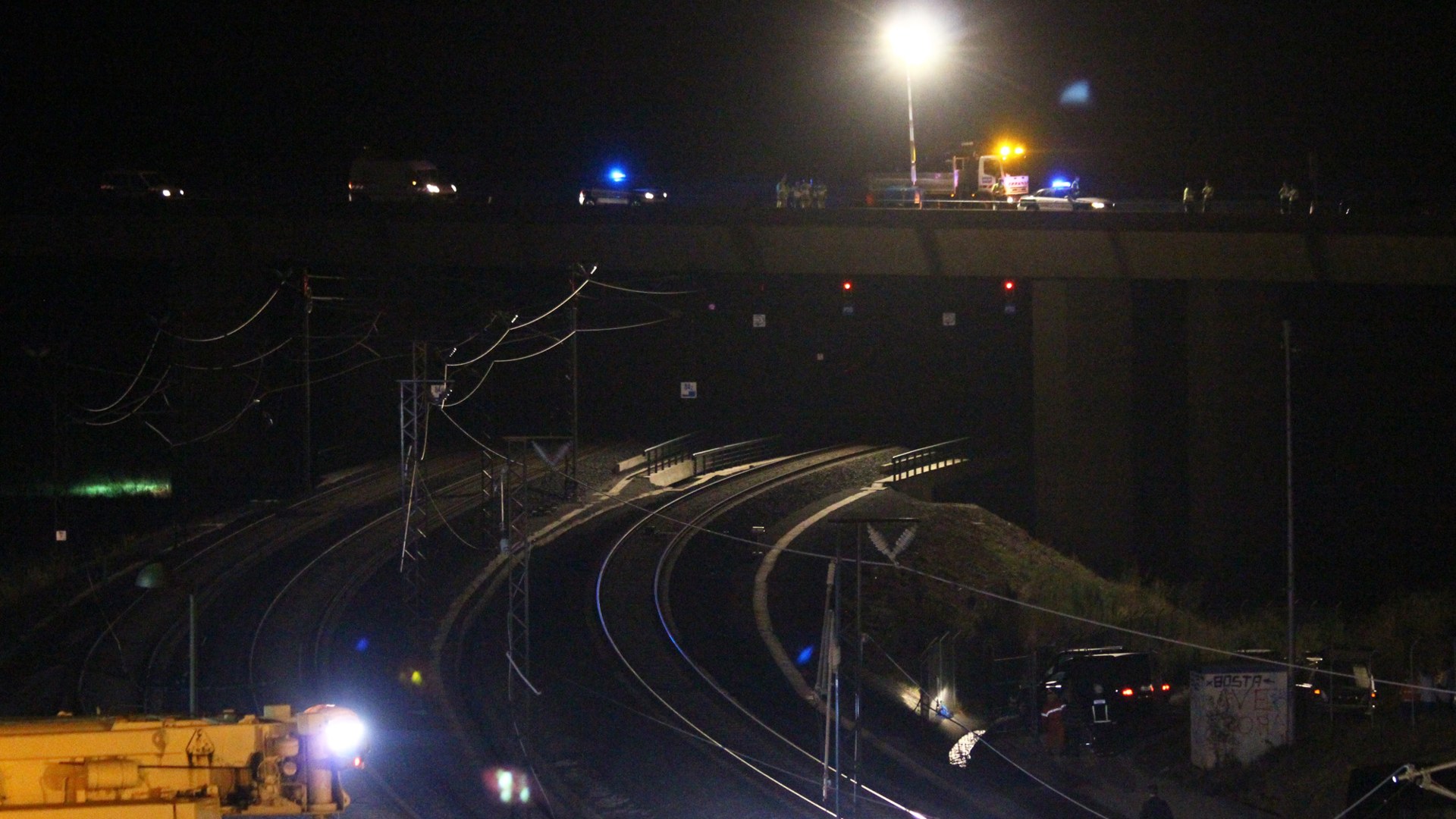
4. Fire Extinguishment And Recovery
With diesel fuel spraying from crushed generator cars, firefighters battled localized blazes and dense smoke along the track bed. Emergency personnel worked through heavy fumes to prevent secondary fuel explosions while specialized search and rescue dogs combed the interior of crushed compartments.
©Wikimedia / Contando Estrelas
3. Cranes And Black Box Analysis
Specialized railway cranes were deployed to lift tons of crumpled steel from the railway corridor. Judicial authorities recovered the train event recorders, confirming the driver engaged the emergency brake mere seconds before impact, entering the curve at 179 km/h instead of the required 80 km/h.
©Wikimedia / Contando Estrelas
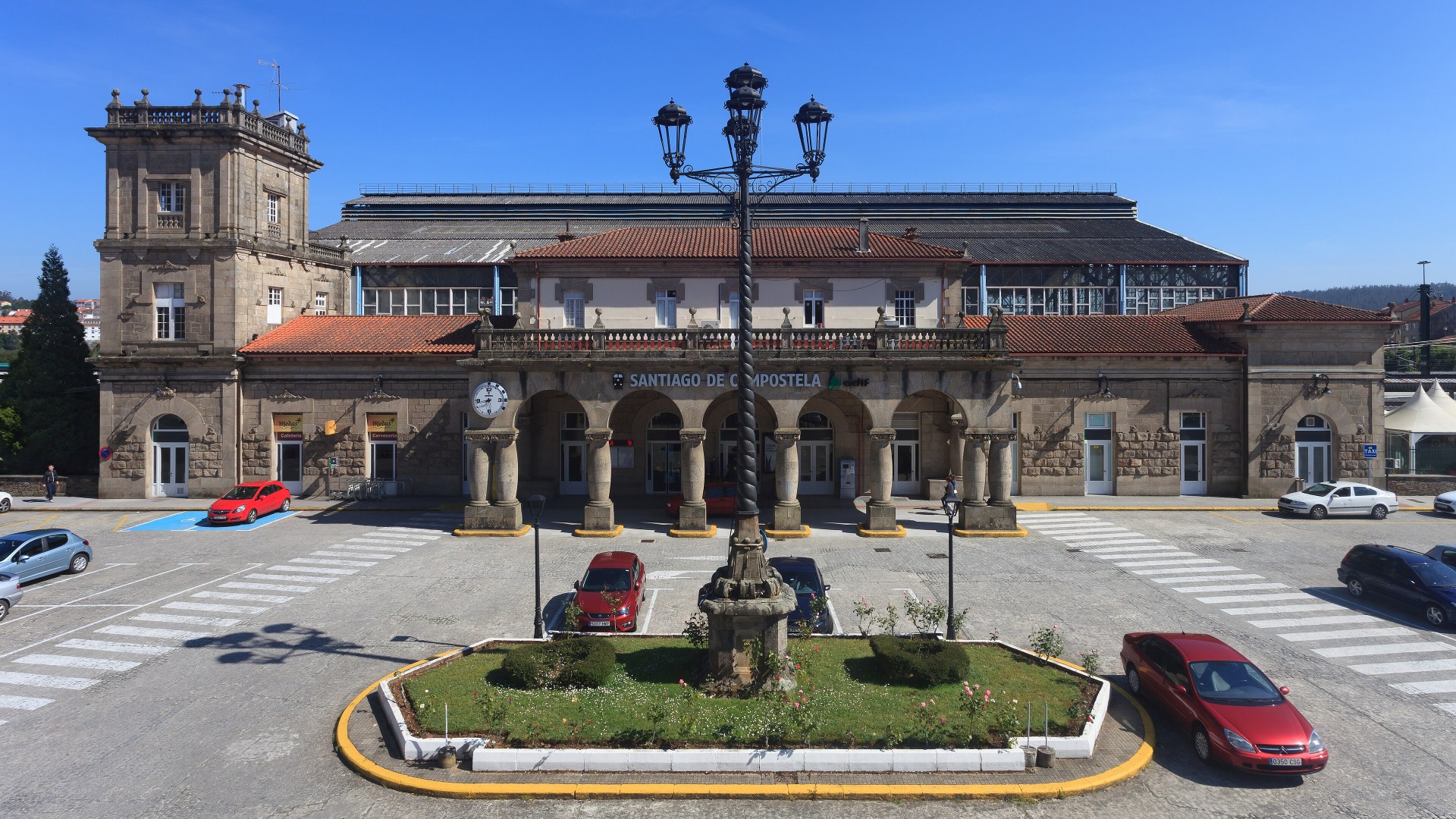
2. Destination Never Reached
The Alvia service was less than four minutes away from terminating at Santiago de Compostela station. Waiting families and festival crowds were met with sirens and tragic cancellations as Galicia cancelled Saint James festivities and declared seven days of official mourning for the seventy-nine victims.
©Wikimedia / Luis Miguel Bugallo Sánchez
Advertisement
Swipe or tap ▶ to resume the countdown.
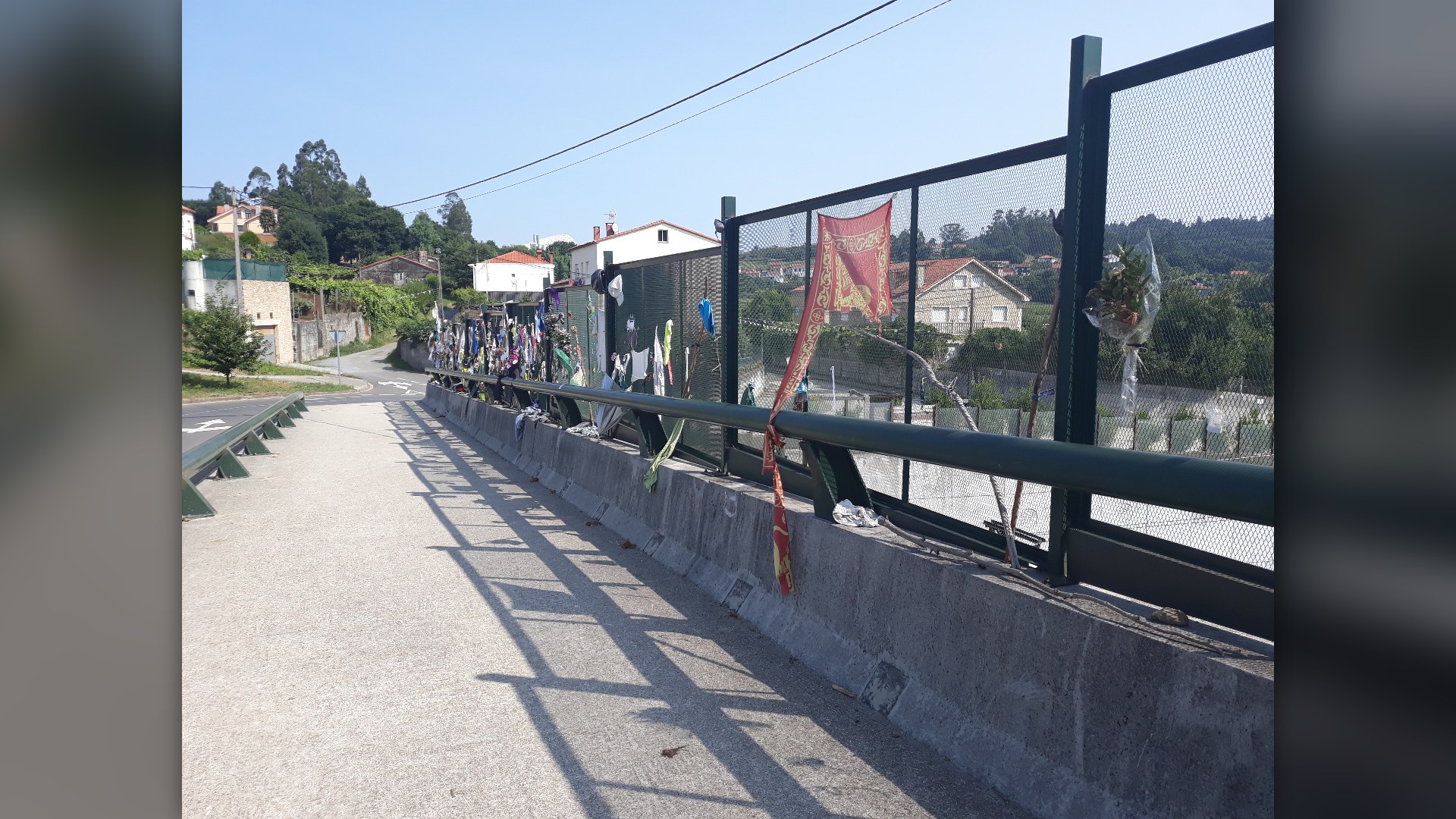
1. Memorial And Landmark Verdict
Along the curve in Angrois, a permanent memorial honors the seventy-nine lost lives. In July 2024, a Spanish court delivered a historic ruling, sentencing both driver Garzon Amo and former Adif safety director Andres Cortabitarte to prison, affirming that systemic safety negligence jointly caused the disaster.

©Wikimedia / Simon Burchell
Advertisement
You've reached the end of the story. Thanks for reading!

20 Iconic Historical Photos and the Archive Clues Behind Them
Contact sheets, cracked glass plates, and NASA mission logs preserve the hidden steps behind 20 famous photographs. Drawing on records from the Library of Congress, the National Archives, NASA, and the Smithsonian, this countdown traces how cropping, camera setups, and double exposures shaped each frame.
All 16 Entries in this Story
1. The Madrid Departure
On the eve of the historic Saint James festival, Renfe Alvia Train 04155 left Madrid Chamartin station carrying 218 passengers and crew. Bound for Ferrol in northwestern Spain, the modern high-speed service was filled with holidaymakers, pilgrims, and families returning home for regional celebrations.

2. The Hybrid Train
The train was an Alvia Class 730, a hybrid electro-diesel locomotive designed to run on both electrified high-speed tracks and standard non-electrified routes. Crucially, it carried two heavy nine-axle diesel generator wagons placed directly behind each power head, altering train weight dynamics.

3. The High-Speed Route
For hours, the Alvia service sped comfortably along the Olmedo to Zamora and Ourense high-speed line. Operating at speeds up to 200 km/h (124 mph), passengers enjoyed a smooth ride across northern Spain, unaware of the abrupt transition awaiting them just outside the station of Santiago de Compostela.

4. The Dual Signaling Gap
The critical vulnerability lay in the railway signaling design. European high-speed rail lines use ERTMS, which monitors train velocity continuously and forces an automatic stop if limits are exceeded. But Adif ended the ERTMS zone four kilometers before the Angrois curve, handing control to older ASFA beacons.

5. The Disconnected System
Making matters far worse, the train own onboard ERTMS equipment was switched off. Renfe had disconnected the system in June 2012 after software glitches caused sudden delays. Because Adif never resolved the issue, drivers were forced to operate solely under ASFA, with zero automated speed intervention before the curve.

6. The Approaching Curve
Just before entering Santiago, the tracks approached A Grandeira curve in the parish of Angrois. This sharp bend required an immediate drop in velocity from 200 km/h to 80 km/h (50 mph). Because the line lacked speed-control balises on the approach, deceleration depended entirely on human memory and optical signals.

7. The Fatal Distraction
At 20:39, just two minutes before the curve, driver Francisco Jose Garzon Amo received an internal call on the cab company mobile phone from the on-train conductor. The conversation regarding platform track alignments distracted Garzon Amo, causing him to lose spatial awareness of the route at 200 km/h.

8. Point Of Derailment
At 20:41, the Alvia train emerged from a tunnel and hurtled into the sharp left-hand A Grandeira bend at 179 km/h (111 mph). Realizing his catastrophic error, the driver applied the emergency brakes, but centrifugal force overcame the train, lifting the right-hand wheels off the rails and causing instant derailment.

9. Impact And Retaining Wall
Security cameras recorded the horrifying sequence. The second vehicle, the heavy diesel technical car, jackknifed off the track bed, pulling subsequent passenger carriages with violent momentum into the solid concrete retaining wall, tearing open carriage bodies and shattering the steel chassis.

10. The Catastrophic Wreckage
The kinetic energy destroyed the train. All thirteen vehicles derailed, with carriages piling onto each other in an accordion formation. One passenger carriage was launched four meters into the air over the perimeter wall onto the road above, while diesel fuel ignited fires amid twisted metal and shattered glass.

11. Emergency Response
Hearing a thunderous explosion, residents of Angrois immediately ran to the tracks with crowbars, axes, and blankets to pry open windows and extract trapped victims. Hundreds of firefighters, paramedics, and police officers established a massive rescue operation, pulling survivors through buckled doors.

12. Emergency Triage
Emergency services declared a national disaster, deploying dozens of ambulances, helicopters, and mobile field hospitals. Blood banks across Galicia saw thousands of citizens queue through the night to donate, as surgical teams in Santiago worked continuously to treat over 140 critically injured survivors.

13. Fire Extinguishment And Recovery
With diesel fuel spraying from crushed generator cars, firefighters battled localized blazes and dense smoke along the track bed. Emergency personnel worked through heavy fumes to prevent secondary fuel explosions while specialized search and rescue dogs combed the interior of crushed compartments.

14. Cranes And Black Box Analysis
Specialized railway cranes were deployed to lift tons of crumpled steel from the railway corridor. Judicial authorities recovered the train event recorders, confirming the driver engaged the emergency brake mere seconds before impact, entering the curve at 179 km/h instead of the required 80 km/h.

15. Destination Never Reached
The Alvia service was less than four minutes away from terminating at Santiago de Compostela station. Waiting families and festival crowds were met with sirens and tragic cancellations as Galicia cancelled Saint James festivities and declared seven days of official mourning for the seventy-nine victims.

16. Memorial And Landmark Verdict
Along the curve in Angrois, a permanent memorial honors the seventy-nine lost lives. In July 2024, a Spanish court delivered a historic ruling, sentencing both driver Garzon Amo and former Adif safety director Andres Cortabitarte to prison, affirming that systemic safety negligence jointly caused the disaster.