Slideshow · Viral
Inside the Bill Gates Daughter Phoebe Gates and Phia Fraud Allegations
How A $185 Million AI Shopping Startup Walked Into A Cookie Stuffing Scandal
By Most Viral Today
26 Oct 2026

Inside the Bill Gates Daughter Phoebe Gates and Phia Fraud Allegations 
15. The Core Cookie Stuffing Accusation 
14. Faking Direct Referrals In Shopping Carts 
13. Hijacking Creator Affiliate Commissions - AdvertisementSwipe or tap ▶ to continue countdown

12. A Coordinated Multi-Tactic Tracking Setup 
11. The Misattribution Software Bug Alibi 
10. Leaked Internal Slack Messages Disprove Denial 
9. The Secret Enable Coupon Autodrop Toggle - AdvertisementSwipe or tap ▶ to continue countdown

8. Over Half Of Claimed Sales Tied To Scheme 
7. Daily Revenue Plunged After Script Removal 
6. Potential Federal Wire Fraud Threshold 
5. Statutory Penalties Under Federal Law - AdvertisementSwipe or tap ▶ to continue countdown

4. The Honey Browser Extension Legal Precedent 
3. Embarrassment For Top Silicon Valley VCs 
2. Irony Of The Nepo Baby Podcast Comments 
1. No Formal Charges And The Digital Closet Pivot - Advertisement🔥 UP NEXT IN THIS SERIES◫ 21 Slides

20 Iconic Historical Photos and the Archive Clues Behind Them
Contact sheets, cracked glass plates, and NASA mission logs preserve the hidden steps behind 20 famous photographs. Drawing on records from the Library of Congress, the National Archives, NASA, and the Smithsonian, this countdown traces how cropping, camera setups, and double exposures shaped each frame.
Phoebe Gates and Stanford roommate Sophia Kianni launched their AI fashion app Phia to massive venture capital hype and a $185 million valuation. In July 2026, a Bloomberg investigation uncovered a hidden tracking script that turned the celebrity startup into a major Silicon Valley scandal.
Swipe or tap ▶ to begin the countdown
©Wikimedia / Philippe Buissin & YouTube / Sticking With Style
15. The Core Cookie Stuffing Accusation
In July 2026, Bloomberg News published an investigation examining how the Phia mobile app and browser extension operated behind the scenes. Reporters discovered that the software was quietly placing affiliate tracking cookies onto shoppers' browsers even when users never clicked a Phia referral link.
©Internet Archive / Public Domain Archive
14. Faking Direct Referrals In Shopping Carts
Technical analysis showed that Phia was programmed to monitor checkout activity across more than 50 partnered retail websites. Whenever a customer added merchandise to an online shopping cart, the extension silently triggered a simulated referral click in the background without the buyer knowing.
© Photo by Shutter Speed on Unsplash
13. Hijacking Creator Affiliate Commissions
E-commerce affiliate networks typically award commissions to the final referral link clicked before checkout. By firing an invisible click right inside the shopping cart, Phia wiped out existing tracking codes from content creators and publishers, tricking retail systems into paying Phia for the sale.
©YouTube / The Burnouts Podcast
Advertisement
Swipe or tap ▶ to resume the countdown.
12. A Coordinated Multi-Tactic Tracking Setup
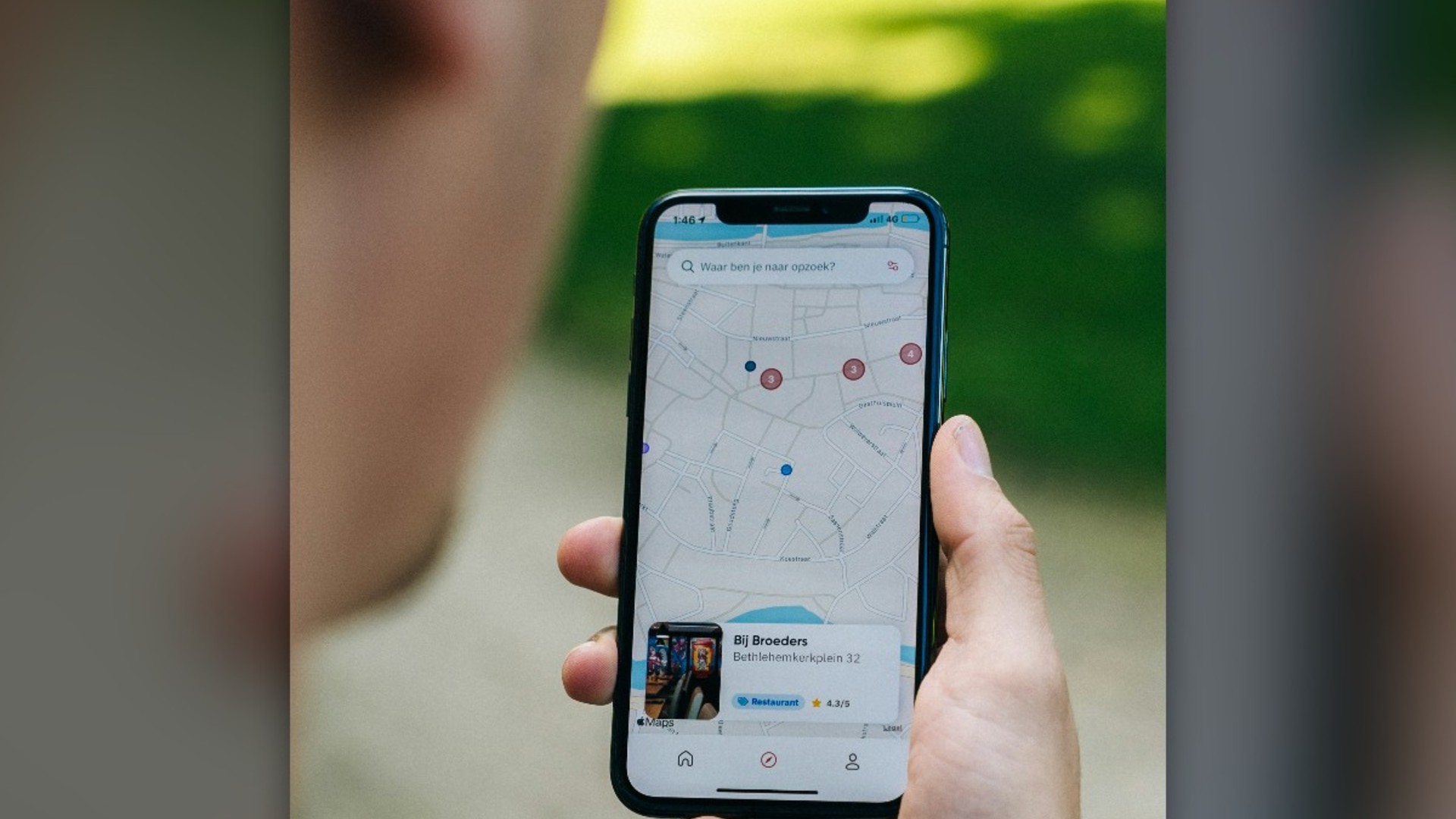
Investigators found that the attribution scheme relied on multiple overlapping triggers. Beyond cart monitoring, the software injected Phia affiliate tags whenever a shopper clicked anywhere on a page after a pop-up appeared, then refreshed that tracking cookie every two hours to overwrite rival codes.
© Photo by CardMapr.nl on Unsplash
11. The Misattribution Software Bug Alibi
When Bloomberg reporters initially presented their findings to the company in July 2026, co-founders Phoebe Gates and Sophia Kianni denied any deliberate wrongdoing. The executives claimed their team had only discovered the issue within the prior 24 hours and dismissed it as an accidental misattribution bug.
© Photo by Ilya Pavlov on Unsplash
10. Leaked Internal Slack Messages Disprove Denial
The accidental glitch defense collapsed days later when a follow-up report published leaked internal Slack messages from inside Phia. The chat logs demonstrated that both founders and senior engineers had actively known about, monitored, and discussed the cookie-dropping mechanism for at least seven months.
9. The Secret Enable Coupon Autodrop Toggle
Internal screenshots from Phia's administrative dashboard provided further evidence that the tracking script was no accident. Engineers had built a dedicated manual toggle explicitly labeled enable coupon autodrop in the backend system, allowing staff to switch the silent cookie injection on and off.
©YouTube / Earthshot Prize Press
Advertisement
Swipe or tap ▶ to resume the countdown.
8. Over Half Of Claimed Sales Tied To Scheme
Far from being a minor edge case, the covert attribution script served as the financial engine of the startup. Leaked performance records showed that silent cookie dropping generated 51 percent of the total gross merchandise value of retail sales for which Phia claimed affiliate credit.
©Wikimedia Commons / Jay Dixit (CC BY 4.0)
7. Daily Revenue Plunged After Script Removal
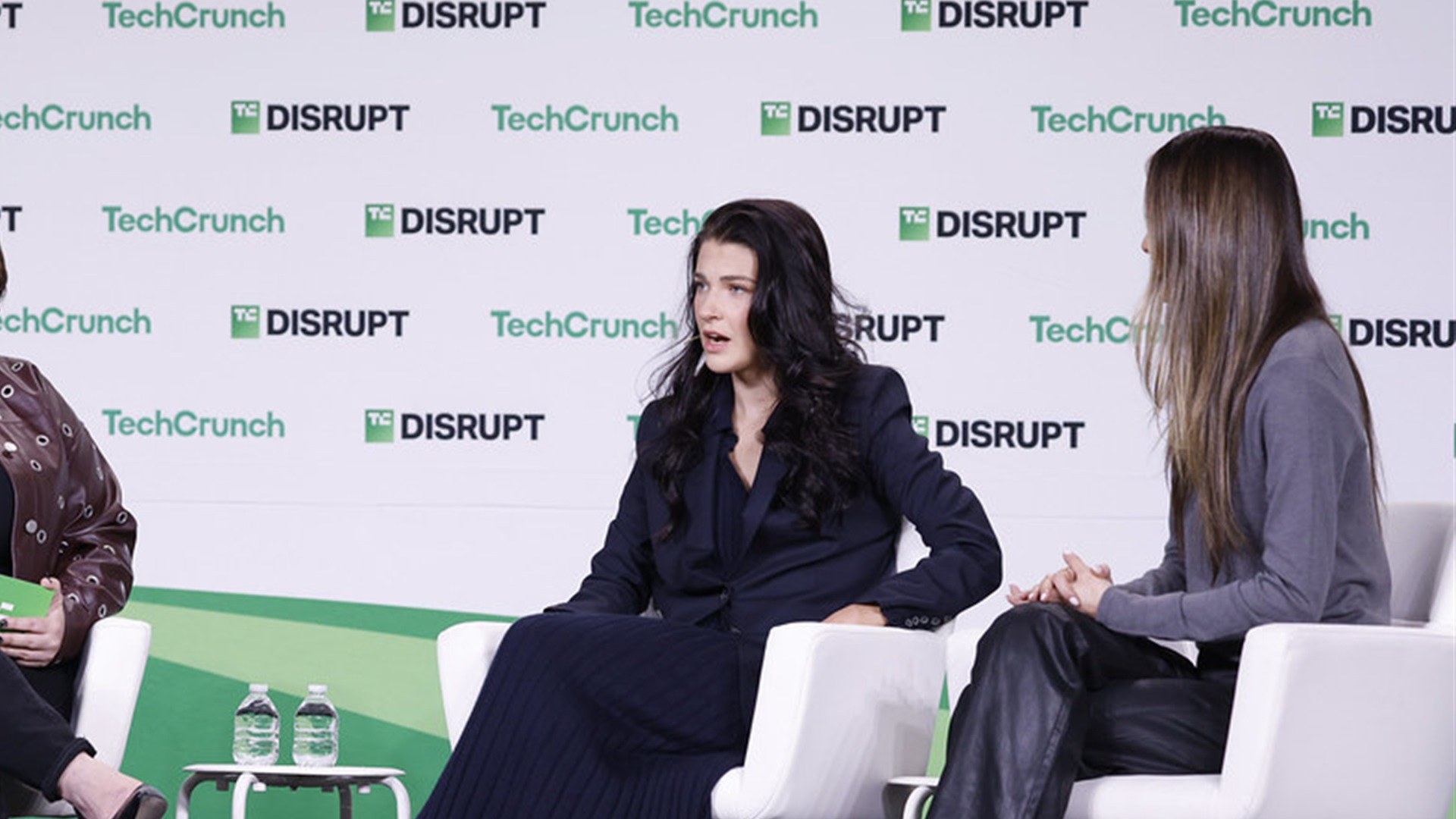
Under intense media scrutiny and commission reversals from affiliate platform impact.com, Phia deactivated the autodrop script. Almost immediately, the company's daily revenue fell from an average of $80,000 per day down to a range between $10,000 and $28,000, exposing its reliance on the tactic.
©TechCrunch / Wikimedia Commons (CC BY 4.0)
6. Potential Federal Wire Fraud Threshold
White-collar legal experts reviewing the leaked evidence noted that systematic affiliate cookie stuffing can cross from civil contract disputes into criminal liability. Because the scheme uses interstate electronic communications to deceptively divert commission payouts, it parallels prior federal wire fraud cases.
© Photo by Markus Winkler on Unsplash
5. Statutory Penalties Under Federal Law
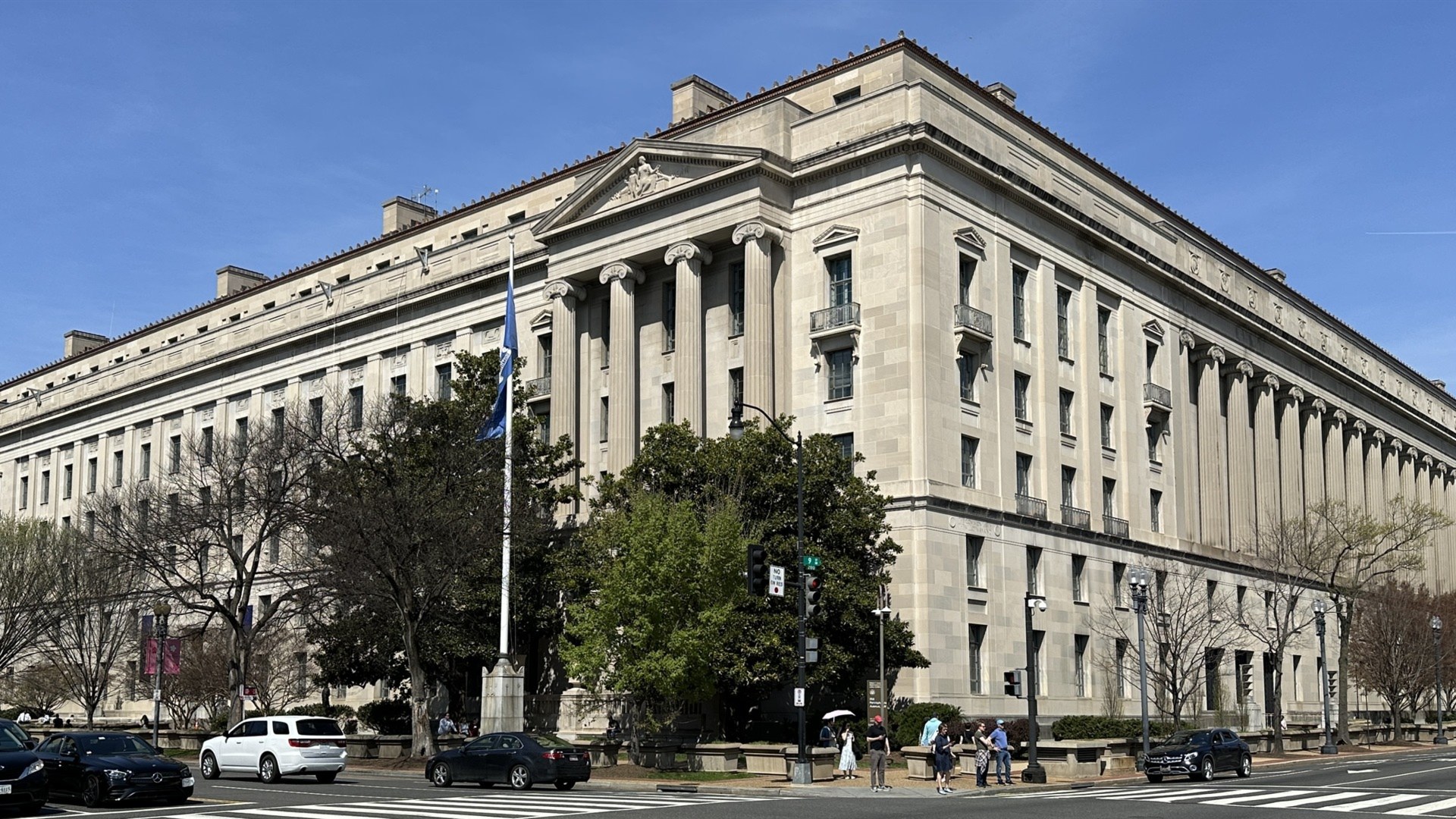
In historical prosecutions involving large-scale digital attribution fraud, federal prosecutors have invoked Title 18 wire fraud statutes. A conviction under those provisions carries a maximum statutory sentence of up to 20 years in federal prison alongside mandatory restitution and heavy financial fines.
©Library of Congress / Carol M. Highsmith (Public Domain)
Advertisement
Swipe or tap ▶ to resume the countdown.
4. The Honey Browser Extension Legal Precedent
Industry observers immediately compared the Phia revelations to high-profile e-commerce litigation involving PayPal-owned browser extension Honey. Content creators and merchants previously sued Honey over remarkably similar allegations of hijacking last-click affiliate commissions through hidden pop-up triggers.
©YouTube / The Burnouts Podcast
3. Embarrassment For Top Silicon Valley VCs
The fallout caused significant embarrassment along Sand Hill Road. Prominent venture capital firms including Kleiner Perkins and Khosla Ventures had poured $43.5 million in total funding into Phia, propelling the young company to a $185 million valuation just months before the investigative reporting emerged.
©Wikimedia / Wikimedia Contributor
2. Irony Of The Nepo Baby Podcast Comments
The scandal ignited fierce backlash across social media, where commentators resurfaced clips from Phoebe Gates and Sophia Kianni's podcast The Burnouts. Gates had frequently spoken about her anxiety over being labeled a nepo baby and voiced her desire to build an independent company with no ties to her privilege.
©YouTube / The Burnouts Podcast
1. No Formal Charges And The Digital Closet Pivot
As of late 2026, neither Phoebe Gates nor Sophia Kianni has been arrested or formally charged with any crime by federal prosecutors. Following the commission clawbacks and public scrutiny, Phia announced it was overhauling its browser tools to focus on a transparent digital closet and price-comparison service.

© Photo by Gylain Omer on Unsplash
Advertisement
You've reached the end of the story. Thanks for reading!

20 Iconic Historical Photos and the Archive Clues Behind Them
Contact sheets, cracked glass plates, and NASA mission logs preserve the hidden steps behind 20 famous photographs. Drawing on records from the Library of Congress, the National Archives, NASA, and the Smithsonian, this countdown traces how cropping, camera setups, and double exposures shaped each frame.
All 15 Entries in this Story
1. The Core Cookie Stuffing Accusation
In July 2026, Bloomberg News published an investigation examining how the Phia mobile app and browser extension operated behind the scenes. Reporters discovered that the software was quietly placing affiliate tracking cookies onto shoppers' browsers even when users never clicked a Phia referral link.

2. Faking Direct Referrals In Shopping Carts
Technical analysis showed that Phia was programmed to monitor checkout activity across more than 50 partnered retail websites. Whenever a customer added merchandise to an online shopping cart, the extension silently triggered a simulated referral click in the background without the buyer knowing.

3. Hijacking Creator Affiliate Commissions
E-commerce affiliate networks typically award commissions to the final referral link clicked before checkout. By firing an invisible click right inside the shopping cart, Phia wiped out existing tracking codes from content creators and publishers, tricking retail systems into paying Phia for the sale.

4. A Coordinated Multi-Tactic Tracking Setup
Investigators found that the attribution scheme relied on multiple overlapping triggers. Beyond cart monitoring, the software injected Phia affiliate tags whenever a shopper clicked anywhere on a page after a pop-up appeared, then refreshed that tracking cookie every two hours to overwrite rival codes.

5. The Misattribution Software Bug Alibi
When Bloomberg reporters initially presented their findings to the company in July 2026, co-founders Phoebe Gates and Sophia Kianni denied any deliberate wrongdoing. The executives claimed their team had only discovered the issue within the prior 24 hours and dismissed it as an accidental misattribution bug.

6. Leaked Internal Slack Messages Disprove Denial
The accidental glitch defense collapsed days later when a follow-up report published leaked internal Slack messages from inside Phia. The chat logs demonstrated that both founders and senior engineers had actively known about, monitored, and discussed the cookie-dropping mechanism for at least seven months.

7. The Secret Enable Coupon Autodrop Toggle
Internal screenshots from Phia's administrative dashboard provided further evidence that the tracking script was no accident. Engineers had built a dedicated manual toggle explicitly labeled enable coupon autodrop in the backend system, allowing staff to switch the silent cookie injection on and off.

8. Over Half Of Claimed Sales Tied To Scheme
Far from being a minor edge case, the covert attribution script served as the financial engine of the startup. Leaked performance records showed that silent cookie dropping generated 51 percent of the total gross merchandise value of retail sales for which Phia claimed affiliate credit.

9. Daily Revenue Plunged After Script Removal
Under intense media scrutiny and commission reversals from affiliate platform impact.com, Phia deactivated the autodrop script. Almost immediately, the company's daily revenue fell from an average of $80,000 per day down to a range between $10,000 and $28,000, exposing its reliance on the tactic.

10. Potential Federal Wire Fraud Threshold
White-collar legal experts reviewing the leaked evidence noted that systematic affiliate cookie stuffing can cross from civil contract disputes into criminal liability. Because the scheme uses interstate electronic communications to deceptively divert commission payouts, it parallels prior federal wire fraud cases.

11. Statutory Penalties Under Federal Law
In historical prosecutions involving large-scale digital attribution fraud, federal prosecutors have invoked Title 18 wire fraud statutes. A conviction under those provisions carries a maximum statutory sentence of up to 20 years in federal prison alongside mandatory restitution and heavy financial fines.

12. The Honey Browser Extension Legal Precedent
Industry observers immediately compared the Phia revelations to high-profile e-commerce litigation involving PayPal-owned browser extension Honey. Content creators and merchants previously sued Honey over remarkably similar allegations of hijacking last-click affiliate commissions through hidden pop-up triggers.

13. Embarrassment For Top Silicon Valley VCs
The fallout caused significant embarrassment along Sand Hill Road. Prominent venture capital firms including Kleiner Perkins and Khosla Ventures had poured $43.5 million in total funding into Phia, propelling the young company to a $185 million valuation just months before the investigative reporting emerged.

14. Irony Of The Nepo Baby Podcast Comments
The scandal ignited fierce backlash across social media, where commentators resurfaced clips from Phoebe Gates and Sophia Kianni's podcast The Burnouts. Gates had frequently spoken about her anxiety over being labeled a nepo baby and voiced her desire to build an independent company with no ties to her privilege.

15. No Formal Charges And The Digital Closet Pivot
As of late 2026, neither Phoebe Gates nor Sophia Kianni has been arrested or formally charged with any crime by federal prosecutors. Following the commission clawbacks and public scrutiny, Phia announced it was overhauling its browser tools to focus on a transparent digital closet and price-comparison service.