Slideshow · Viral
Long Before Monopoly, Ancient Emperors and Pharaohs Wagered Fortunes on These 10 Brilliant Strategy Board Games That Shaped Humanity.
From pharaohs' royal tombs and Aztec courts to emperor halls, explore the 10 ancient strategy board games that shaped human culture.
By Most Viral Today
26 Oct 2026

Long Before Monopoly, Ancient Emperors and Pharaohs Wagered Fortunes on These 10 Brilliant Strategy Board Games That Shaped Humanity. 
10. Patolli 
9. Hnefatafl 
8. Mancala - AdvertisementSwipe or tap ▶ to continue countdown

7. Senet 
6. Backgammon 
5. Pachisi 
4. Royal Game Of Ur - AdvertisementSwipe or tap ▶ to continue countdown

3. Shogi 
2. Go 
1. Chess - Advertisement🔥 UP NEXT IN THIS SERIES◫ 21 Slides

20 Iconic Historical Photos and the Archive Clues Behind Them
Contact sheets, cracked glass plates, and NASA mission logs preserve the hidden steps behind 20 famous photographs. Drawing on records from the Library of Congress, the National Archives, NASA, and the Smithsonian, this countdown traces how cropping, camera setups, and double exposures shaped each frame.
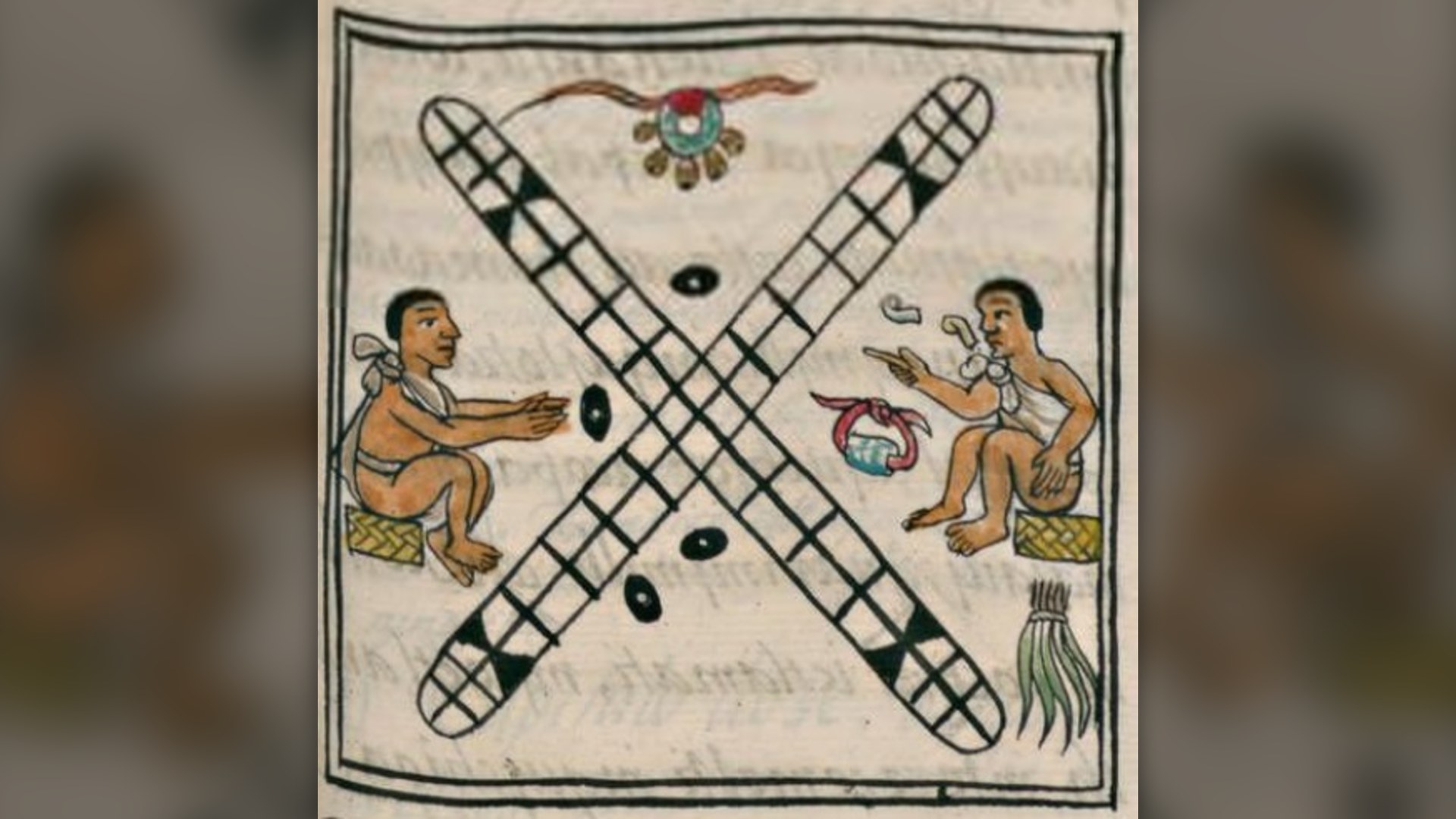
10. Patolli
Played throughout Mesoamerica before the Spanish conquest, Patolli was a sacred gambling and strategy race game dedicated to Macuilxochitl, the god of games. Players tossed marked kidney beans to navigate counter-clockwise pathways.
©Wikimedia / Codex Florentinus
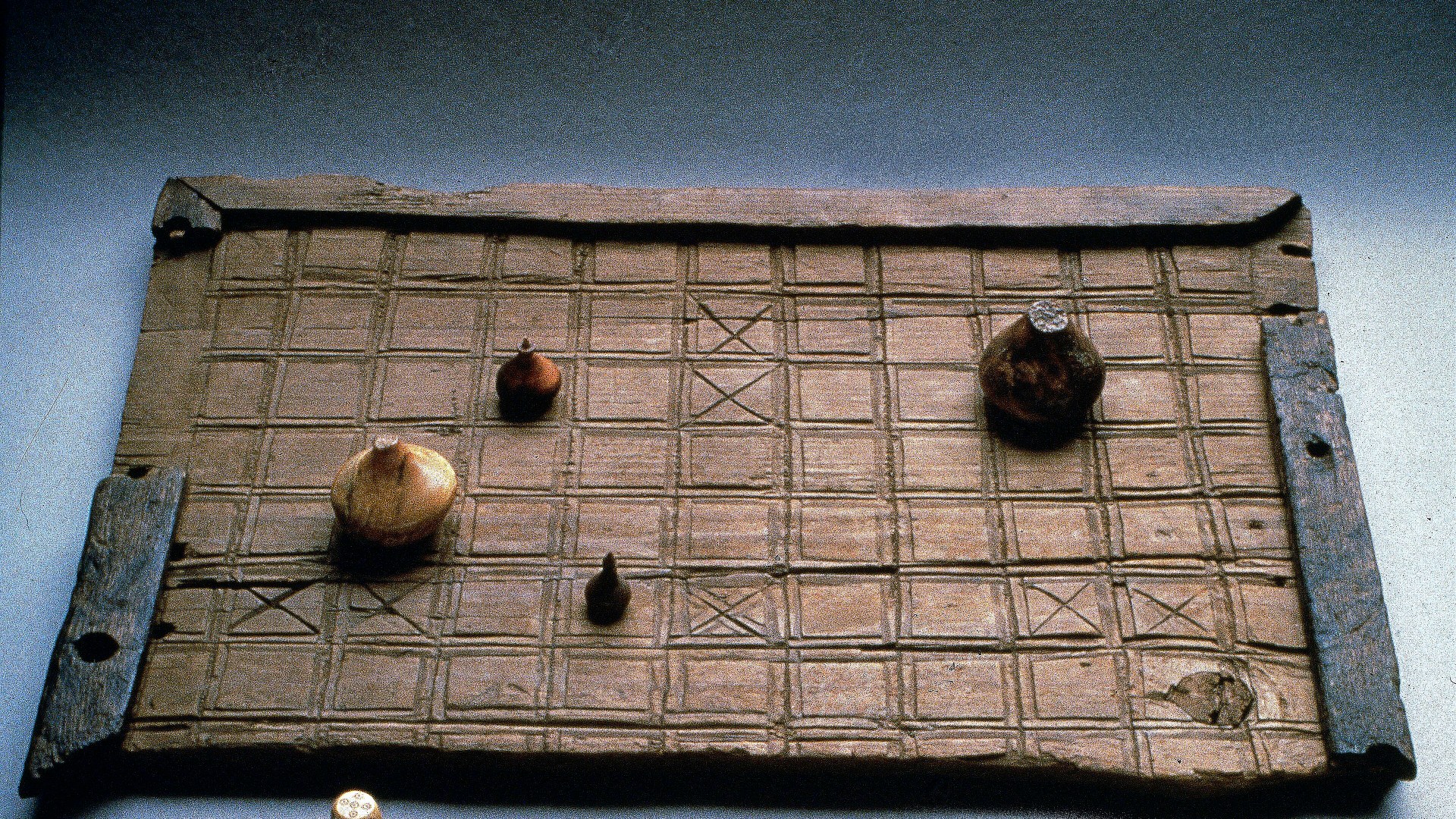
9. Hnefatafl
Popular across northern Europe from the 4th to 12th century, Hnefatafl represented tactical Viking warfare on a grid board. The central king had to break through besieging enemy forces to reach safety in one of the board's corner sanctuaries.
©Wikimedia / NTNU Vitenskapsmuseet
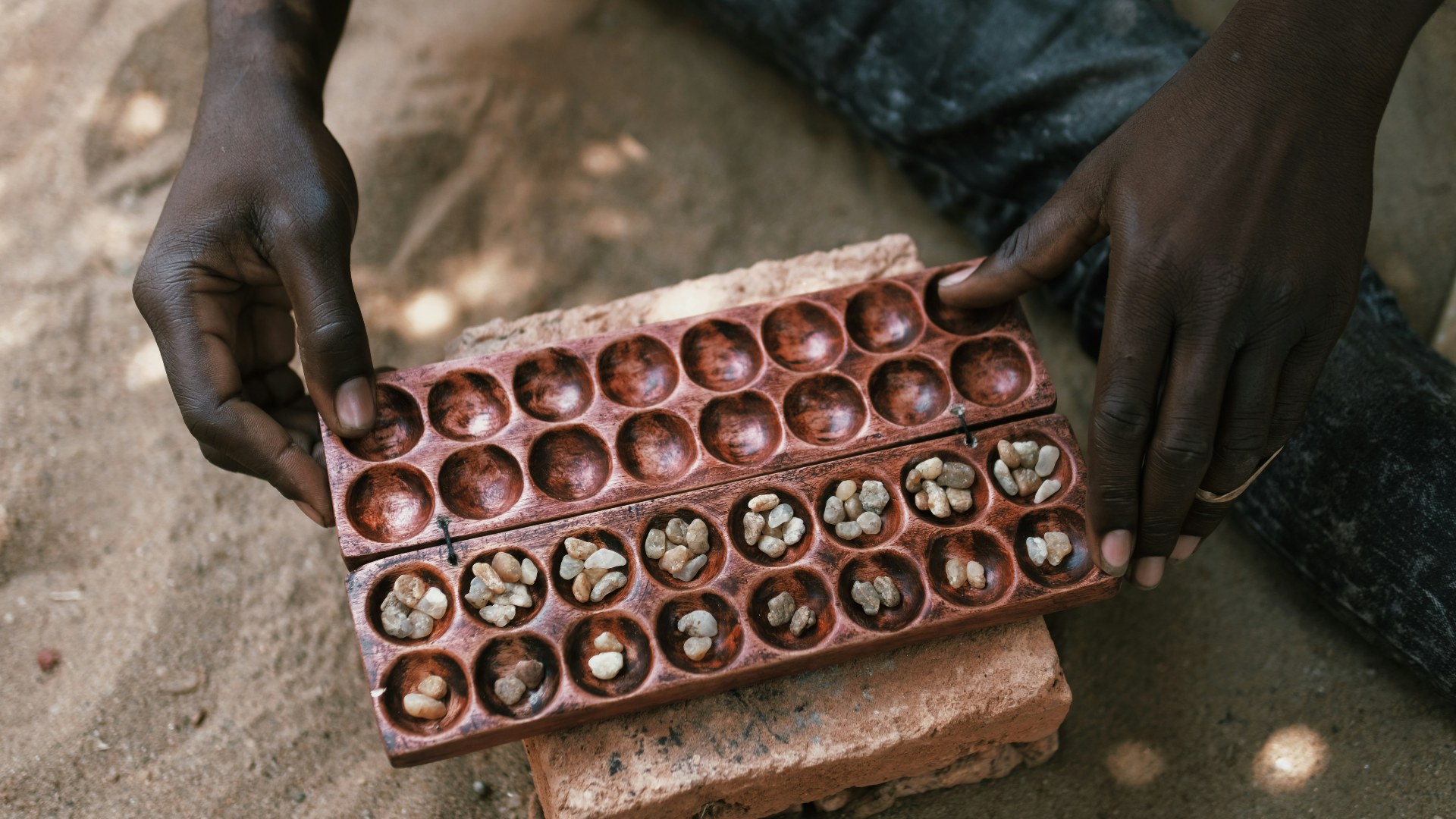
8. Mancala
Known regionally as Oware in West Africa and Bao in East Africa, Mancala challenges players to sow and capture seeds across carved wooden pits. With zero luck involved, victory depends entirely on calculating cascading seed distributions.
© Photo by Carolin Thiergart on Unsplash
Advertisement
Swipe or tap ▶ to resume the countdown.
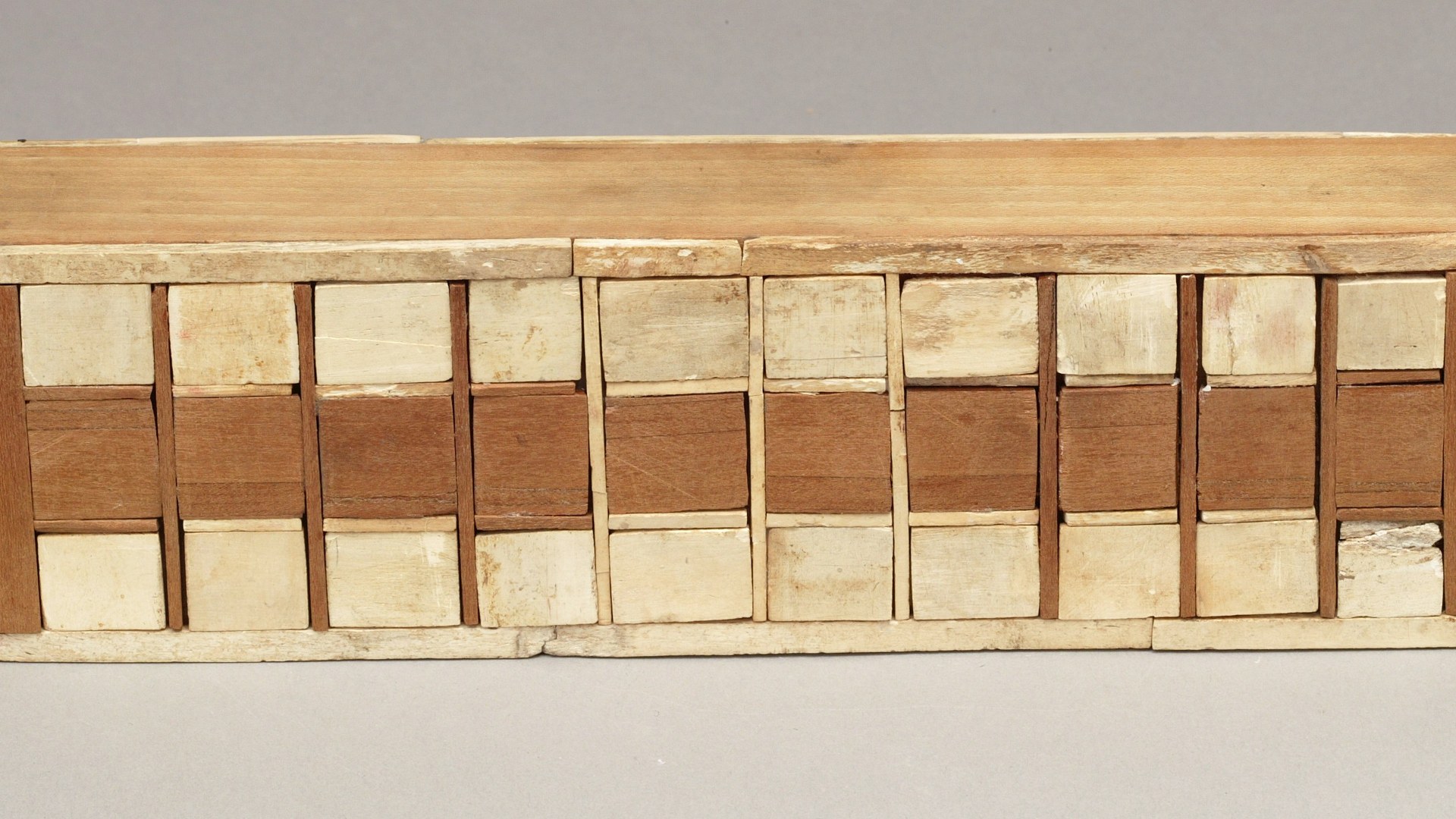
7. Senet
Excavated from pre-dynastic royal tombs dating before 3100 BC, Senet featured 30 hieroglyphic squares arranged in three rows. What began as leisure evolved into a spiritual ritual, where winning was believed to ensure safe passage to the afterlife.
©Wikimedia / Metropolitan Museum of Art
6. Backgammon
As one of humanity's oldest board games with artifacts discovered in Shahr-e Sukhte, Backgammon requires players to navigate 15 checkers around 24 triangular points. The game masterfully blends mathematical odds with aggressive blocking maneuvers.
©Wikimedia / Mia Gaitanidis
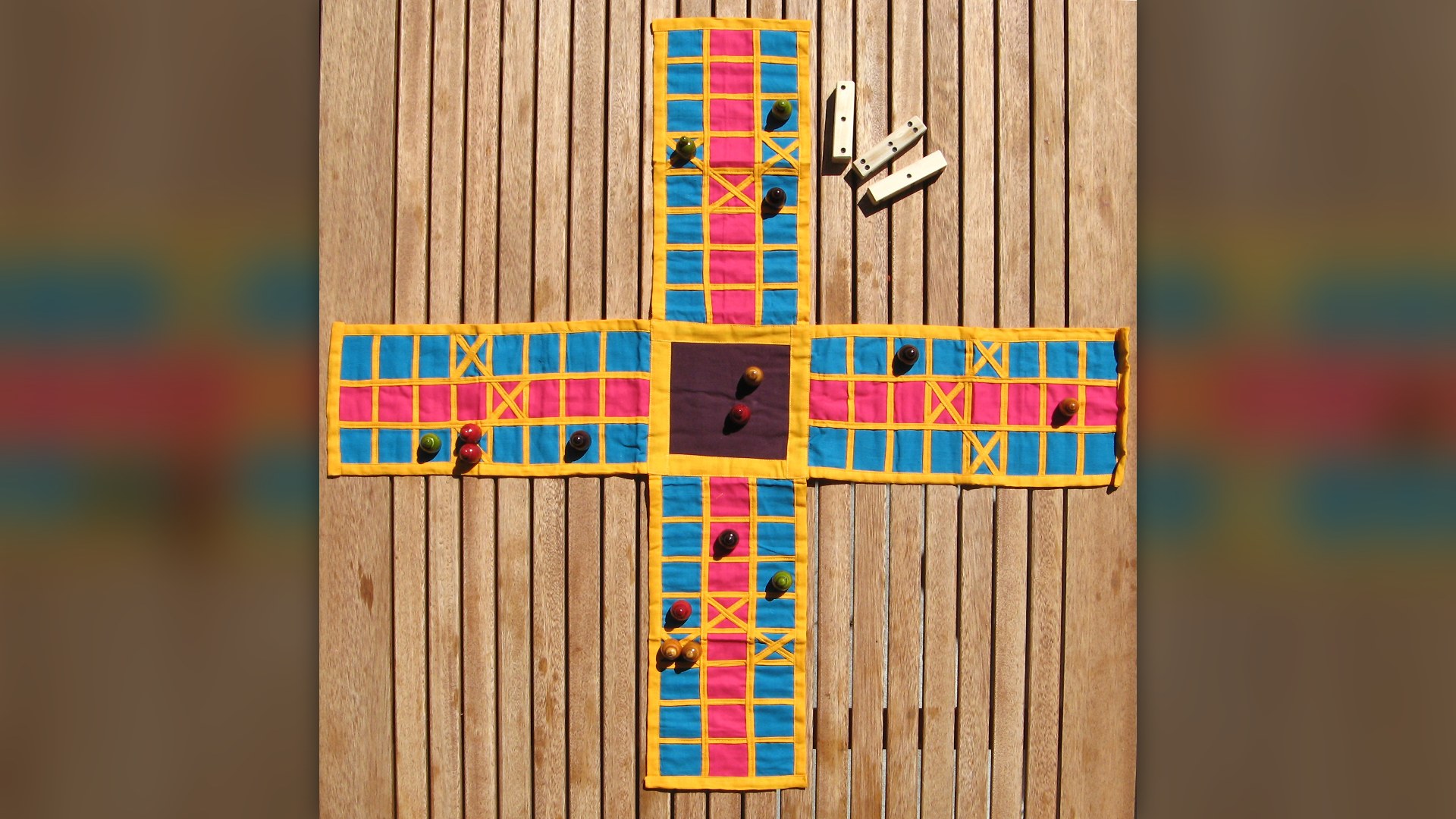
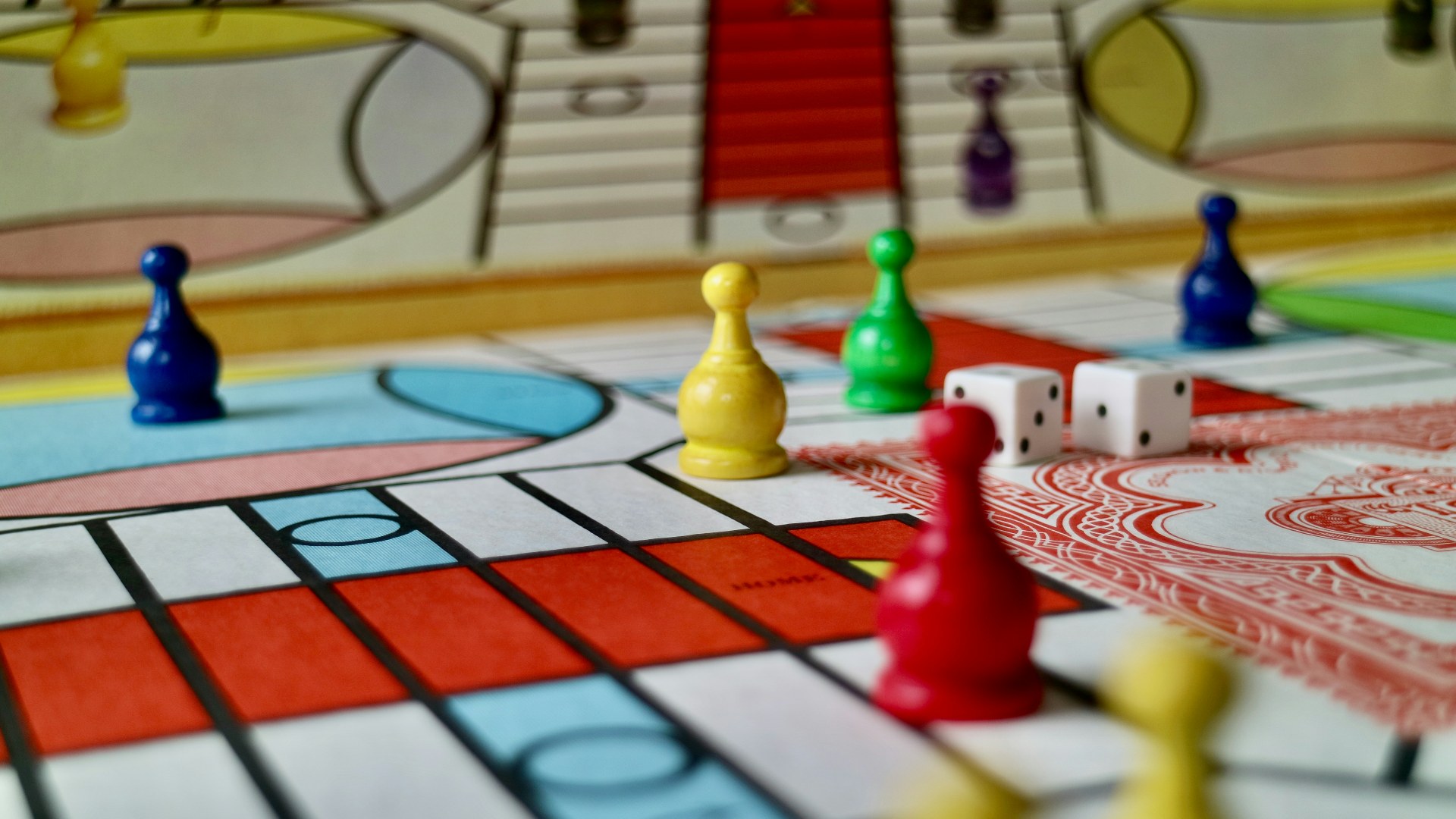
5. Pachisi
Played on an embroidered cross-shaped cloth with cowrie shells for dice, Pachisi earned its name from the Hindi word for 25, the highest possible roll. Mughal Emperor Akbar the Great famously played on giant marble courtyard courts using live courtiers.
©Wikimedia / Micha L. Rieser
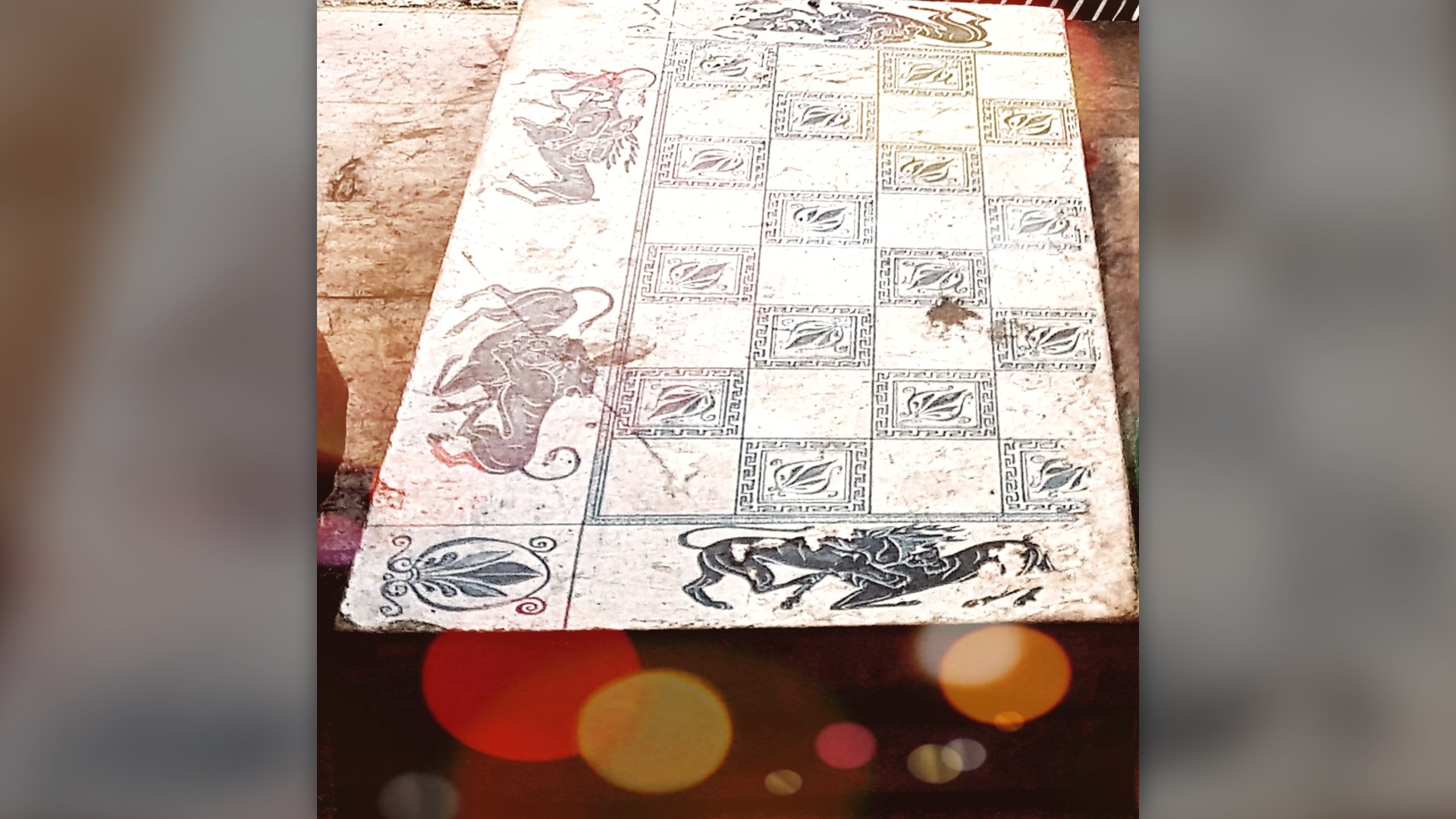
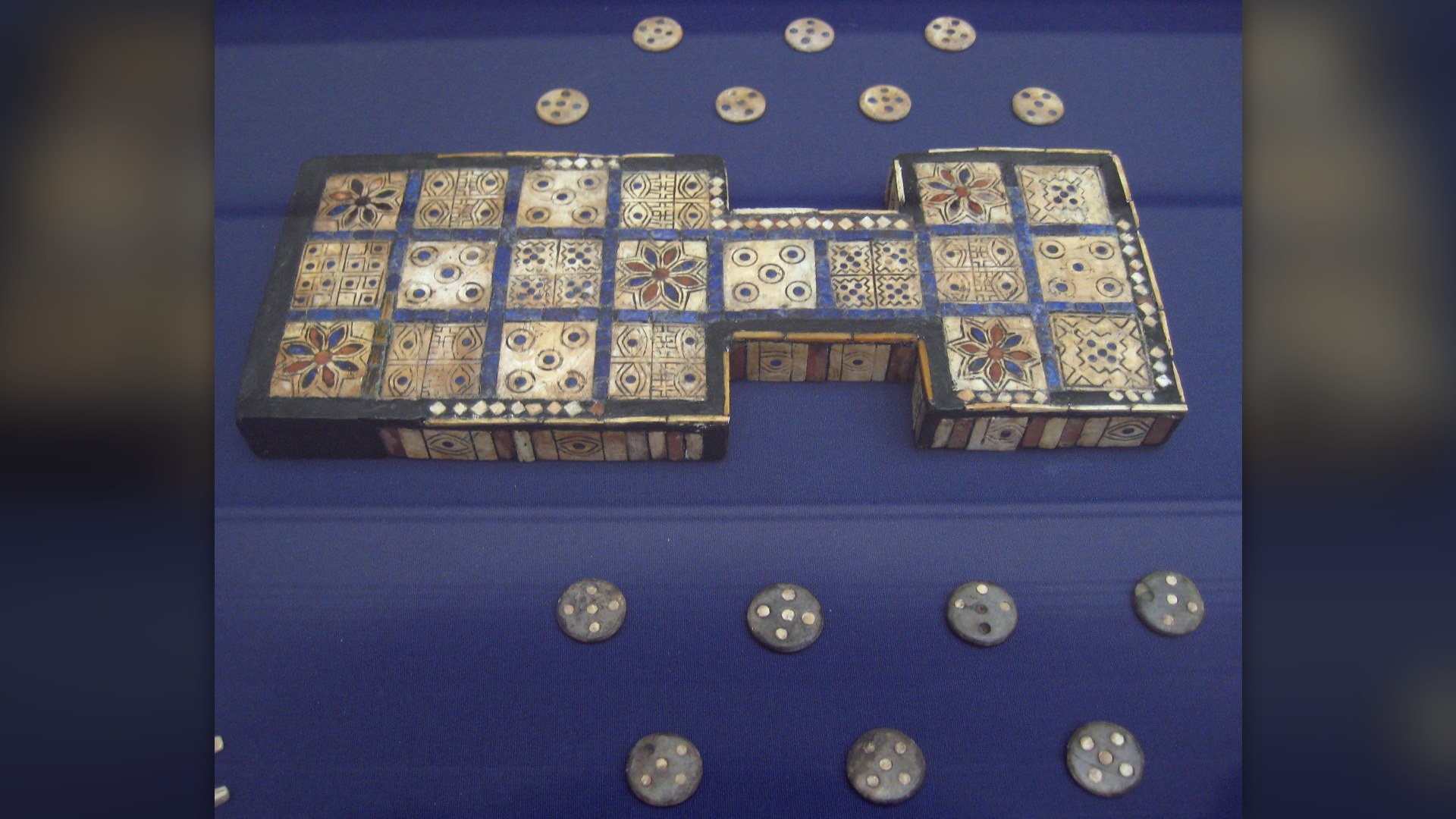
4. Royal Game Of Ur
Discovered by Sir Leonard Woolley in southern Iraq, the Royal Game of Ur features ornate lapis lazuli and shell inlays on a 20-square board. Deciphered from Babylonian clay tablets by Irving Finkel, the racing game pits two players rolling tetrahedral dice.
©Wikimedia / British Museum
Advertisement
Swipe or tap ▶ to resume the countdown.
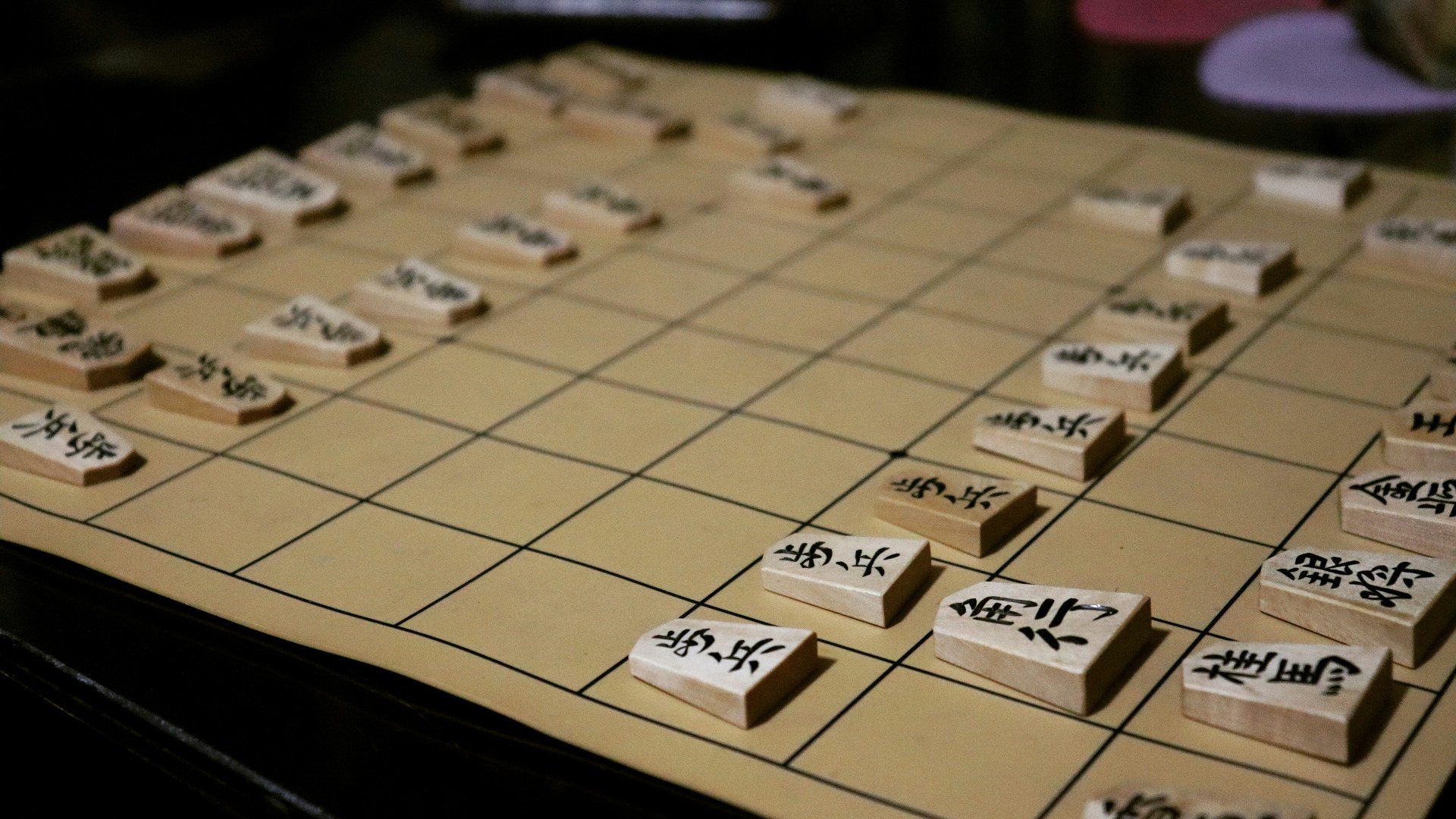
3. Shogi
Dating back to the Heian period, Shogi is played on a 9x9 uncheckered wooden grid with pentagonal tiles. Unlike Western chess where pieces leave the board permanently, Shogi keeps virtually all pieces in perpetual play, creating relentless tactical momentum.
© Photo by Mahmoud Adel on Unsplash
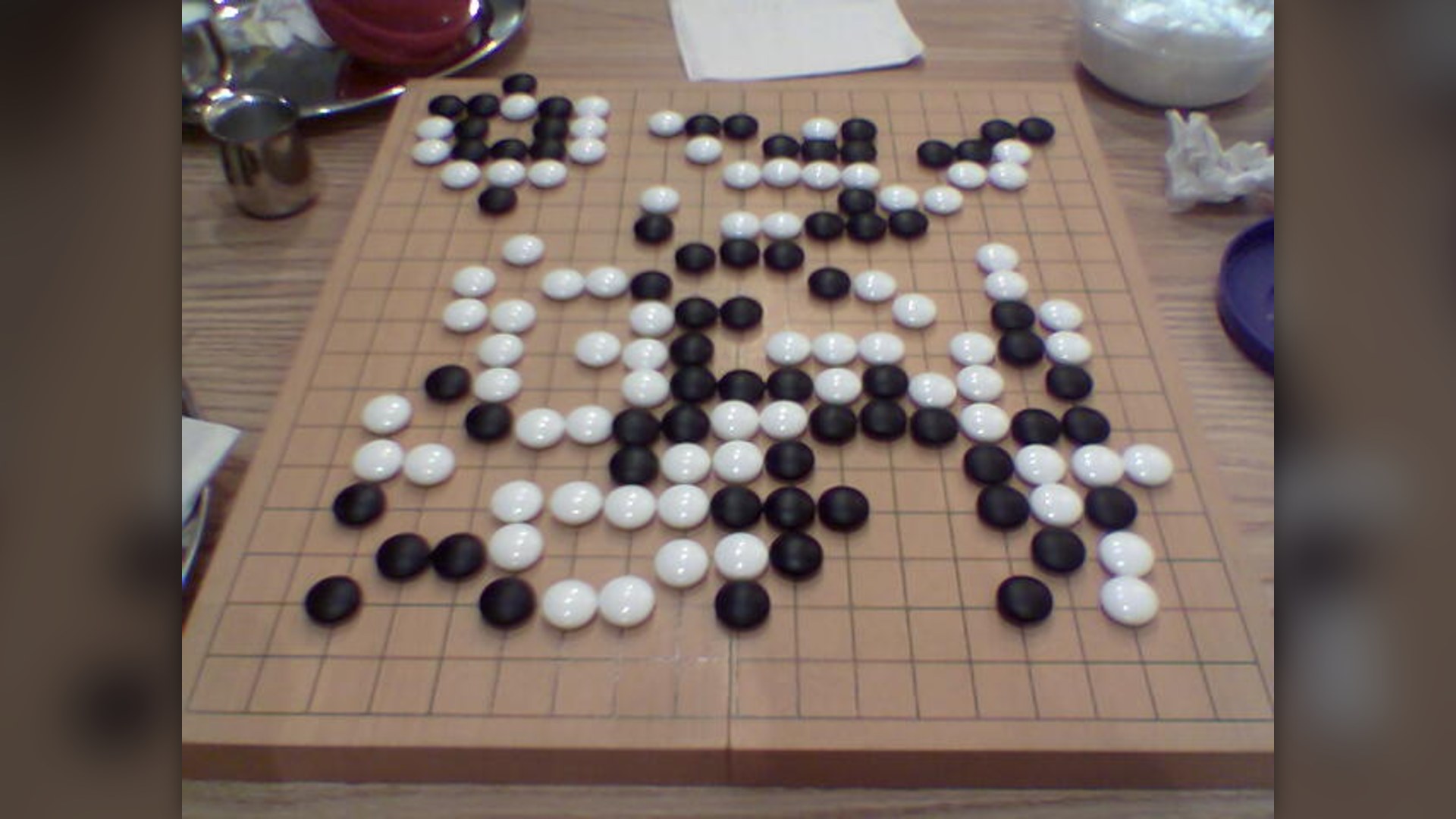
2. Go
Revered as one of the Four Arts of the ancient Chinese scholar, Weiqi (Go) challenges two players to surround territory using black and white stones on a 19x19 grid. Its deceptively simple rules give rise to strategic depth so profound it defied AI mastery for decades.
©Wikimedia / Chad Miller
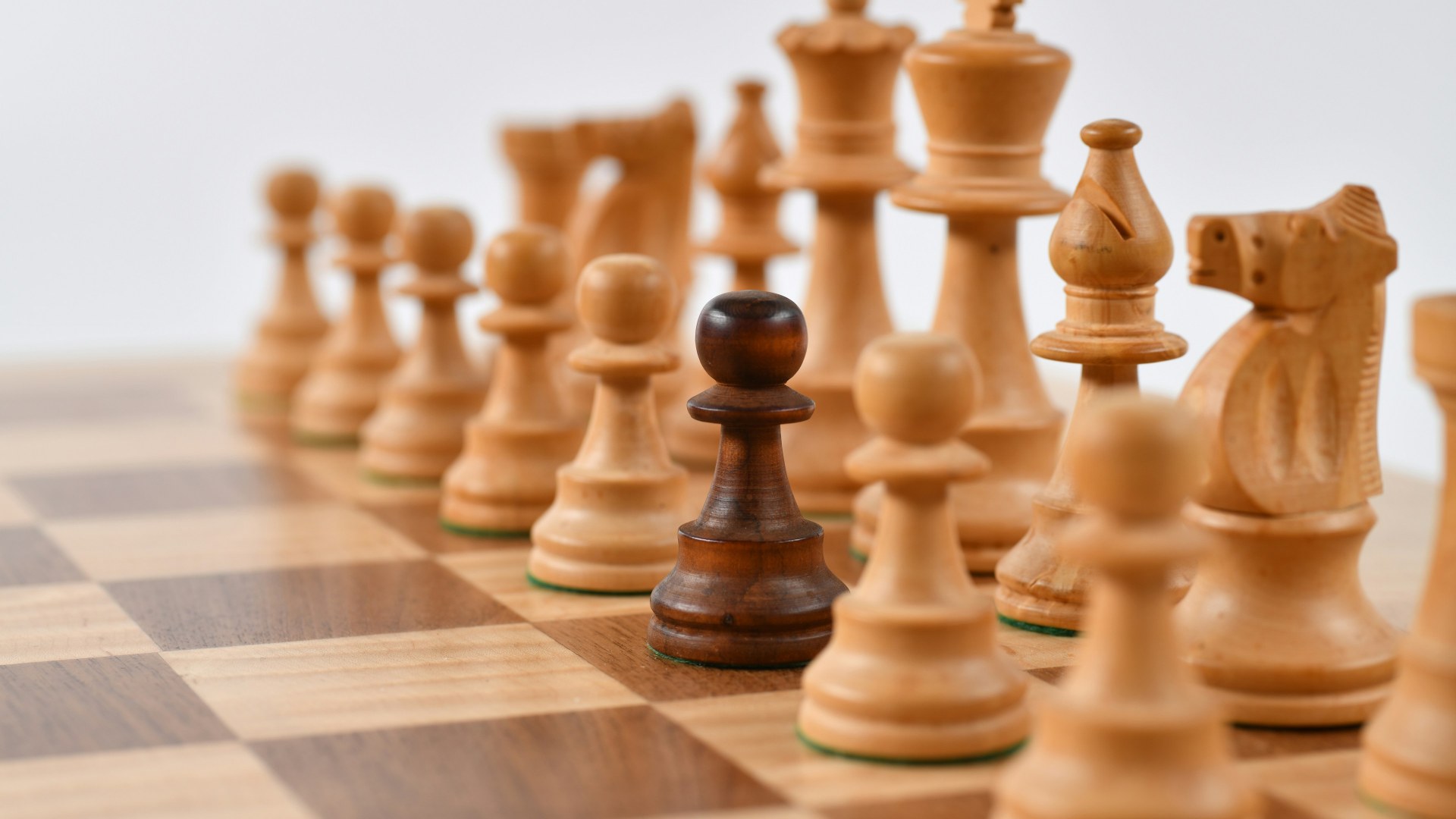
1. Chess
From ancient Indian Chaturanga and Persian Shatranj to Renaissance Europe, Chess transformed into the undisputed pinnacle of board games. With 64 squares and 32 pieces simulating royal military armies, it has captivated philosophers, emperors, and grandmasters for over a millennium.

© Photo by Randy Fath on Unsplash
Advertisement
You've reached the end of the story. Thanks for reading!

20 Iconic Historical Photos and the Archive Clues Behind Them
Contact sheets, cracked glass plates, and NASA mission logs preserve the hidden steps behind 20 famous photographs. Drawing on records from the Library of Congress, the National Archives, NASA, and the Smithsonian, this countdown traces how cropping, camera setups, and double exposures shaped each frame.
All 10 Entries in this Story
10. Patolli
Played throughout Mesoamerica before the Spanish conquest, Patolli was a sacred gambling and strategy race game dedicated to Macuilxochitl, the god of games. Players tossed marked kidney beans to navigate counter-clockwise pathways.

9. Hnefatafl
Popular across northern Europe from the 4th to 12th century, Hnefatafl represented tactical Viking warfare on a grid board. The central king had to break through besieging enemy forces to reach safety in one of the board's corner sanctuaries.

8. Mancala
Known regionally as Oware in West Africa and Bao in East Africa, Mancala challenges players to sow and capture seeds across carved wooden pits. With zero luck involved, victory depends entirely on calculating cascading seed distributions.

7. Senet
Excavated from pre-dynastic royal tombs dating before 3100 BC, Senet featured 30 hieroglyphic squares arranged in three rows. What began as leisure evolved into a spiritual ritual, where winning was believed to ensure safe passage to the afterlife.

6. Backgammon
As one of humanity's oldest board games with artifacts discovered in Shahr-e Sukhte, Backgammon requires players to navigate 15 checkers around 24 triangular points. The game masterfully blends mathematical odds with aggressive blocking maneuvers.

5. Pachisi
Played on an embroidered cross-shaped cloth with cowrie shells for dice, Pachisi earned its name from the Hindi word for 25, the highest possible roll. Mughal Emperor Akbar the Great famously played on giant marble courtyard courts using live courtiers.

4. Royal Game Of Ur
Discovered by Sir Leonard Woolley in southern Iraq, the Royal Game of Ur features ornate lapis lazuli and shell inlays on a 20-square board. Deciphered from Babylonian clay tablets by Irving Finkel, the racing game pits two players rolling tetrahedral dice.

3. Shogi
Dating back to the Heian period, Shogi is played on a 9x9 uncheckered wooden grid with pentagonal tiles. Unlike Western chess where pieces leave the board permanently, Shogi keeps virtually all pieces in perpetual play, creating relentless tactical momentum.

2. Go
Revered as one of the Four Arts of the ancient Chinese scholar, Weiqi (Go) challenges two players to surround territory using black and white stones on a 19x19 grid. Its deceptively simple rules give rise to strategic depth so profound it defied AI mastery for decades.

1. Chess
From ancient Indian Chaturanga and Persian Shatranj to Renaissance Europe, Chess transformed into the undisputed pinnacle of board games. With 64 squares and 32 pieces simulating royal military armies, it has captivated philosophers, emperors, and grandmasters for over a millennium.