Slideshow · Viral
Military Planes You Can Actually Fly In As A Civilian, Ranked
From WWII Spitfires To Mach 1 MiG Jets, You Can Book A Seat In These
By Most Viral Today
28 Oct 2026

Military Planes You Can Actually Fly In As A Civilian, Ranked 
20. De Havilland DH.82 Tiger Moth 
19. Lockheed T-33 Shooting Star 
18. Fouga CM.170 Magister - AdvertisementSwipe or tap ▶ to continue countdown

17. Consolidated B-24 Liberator 
16. Curtiss P-40 Warhawk 
15. Mikoyan-Gurevich MiG-15 Fagot 
14. Grumman TBM Avenger - AdvertisementSwipe or tap ▶ to continue countdown

13. Hawker Hurricane Two-Seater 
12. BAC Strikemaster And Jet Provost 
11. Boeing-Stearman PT-17 Kaydet 
10. Douglas C-47 Skytrain And Dakota - AdvertisementSwipe or tap ▶ to continue countdown

9. Boeing B-29 Superfortress 
8. North American T-6 Texan And Harvard 
7. Aero L-39 Albatros 
6. North American B-25 Mitchell - AdvertisementSwipe or tap ▶ to continue countdown

5. Bell UH-1 Iroquois Huey 
4. Mikoyan-Gurevich MiG-21 Fishbed 
3. Boeing B-17 Flying Fortress 
2. North American P-51 Mustang - AdvertisementSwipe or tap ▶ to continue countdown

1. Supermarine Spitfire Two-Seater Tr.9 - Advertisement🔥 UP NEXT IN THIS SERIES◫ 21 Slides

20 Iconic Historical Photos and the Archive Clues Behind Them
Contact sheets, cracked glass plates, and NASA mission logs preserve the hidden steps behind 20 famous photographs. Drawing on records from the Library of Congress, the National Archives, NASA, and the Smithsonian, this countdown traces how cropping, camera setups, and double exposures shaped each frame.
You do not need military wings to strap into a combat warbird or cold war jet. Across the United States, Britain, and Europe as of October 2026, specialized heritage foundations and dual-control flight operators let paying civilians take the stick in twenty legendary military aircraft.
Swipe or tap ▶ to begin the countdown
©Wikimedia / Roland Turner & DVIDS / Matthew Hecht
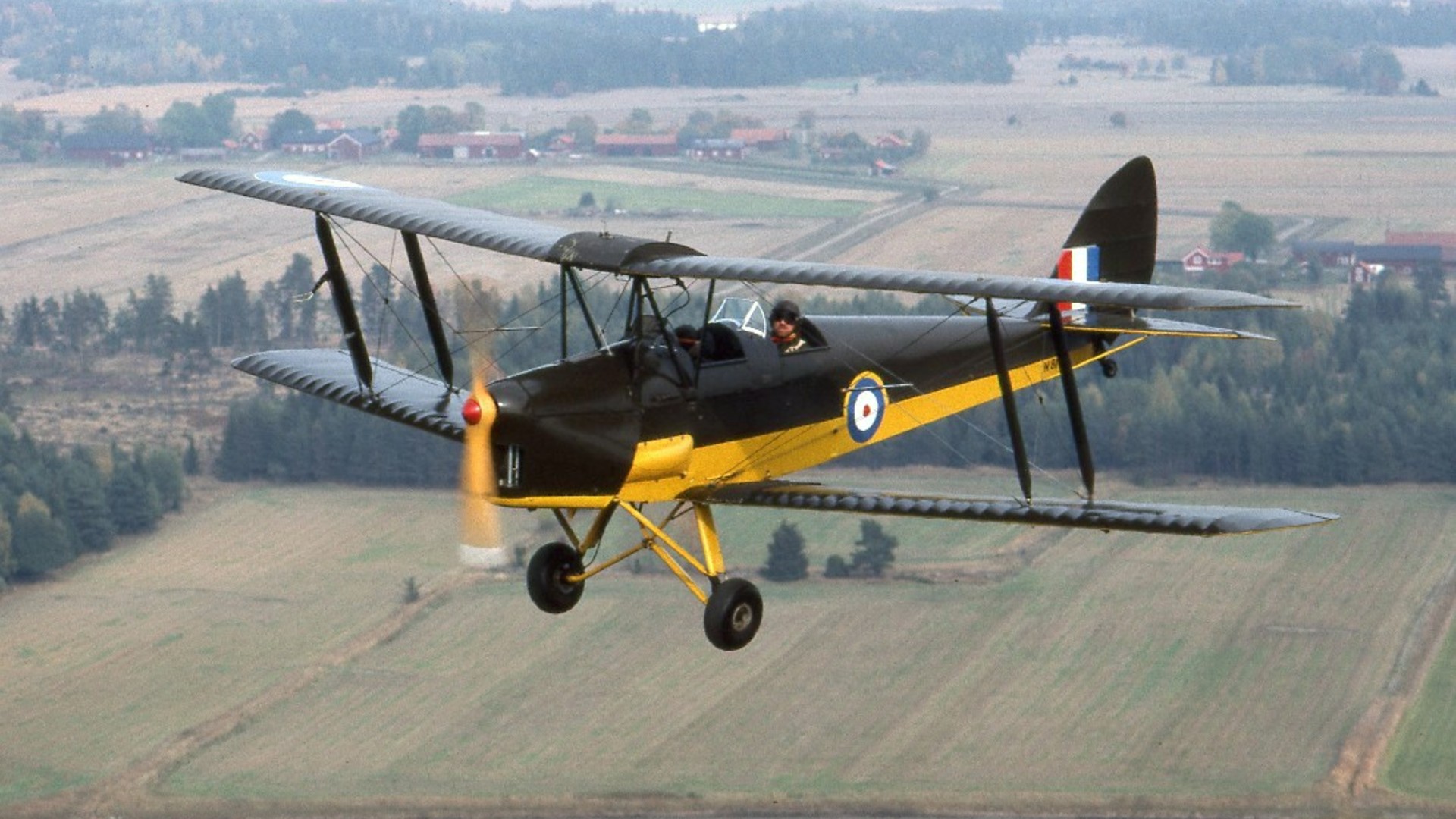
20. De Havilland DH.82 Tiger Moth
Entering Royal Air Force service in 1932, the De Havilland Tiger Moth trained thousands of Allied pilots during World War II. Today, civilian operators at historic airfields like IWM Duxford in England let passengers wear vintage leather helmets and take the dual controls over the countryside.
©Wikimedia / De Havilland Tiger Moth
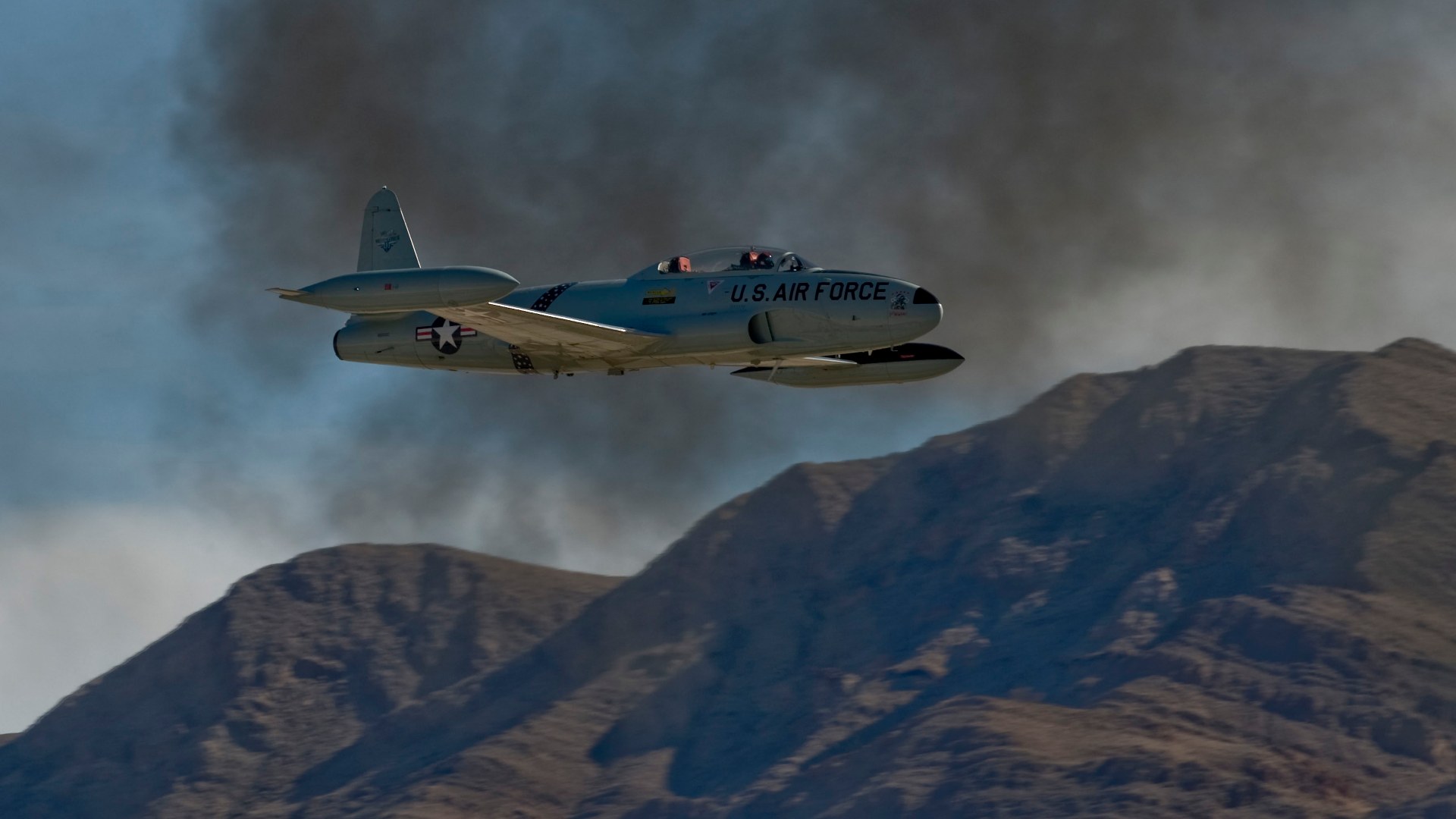
19. Lockheed T-33 Shooting Star
Developed from the P-80 fighter in 1948, the Lockheed T-33 introduced generations of Air Force pilots to high-speed subsonic flight. Heritage groups such as Waterloo Warbirds in Canada offer civilian backseat rides inside its long tandem canopy at speeds exceeding 500 mph.
©DVIDS / Daniel Hughes
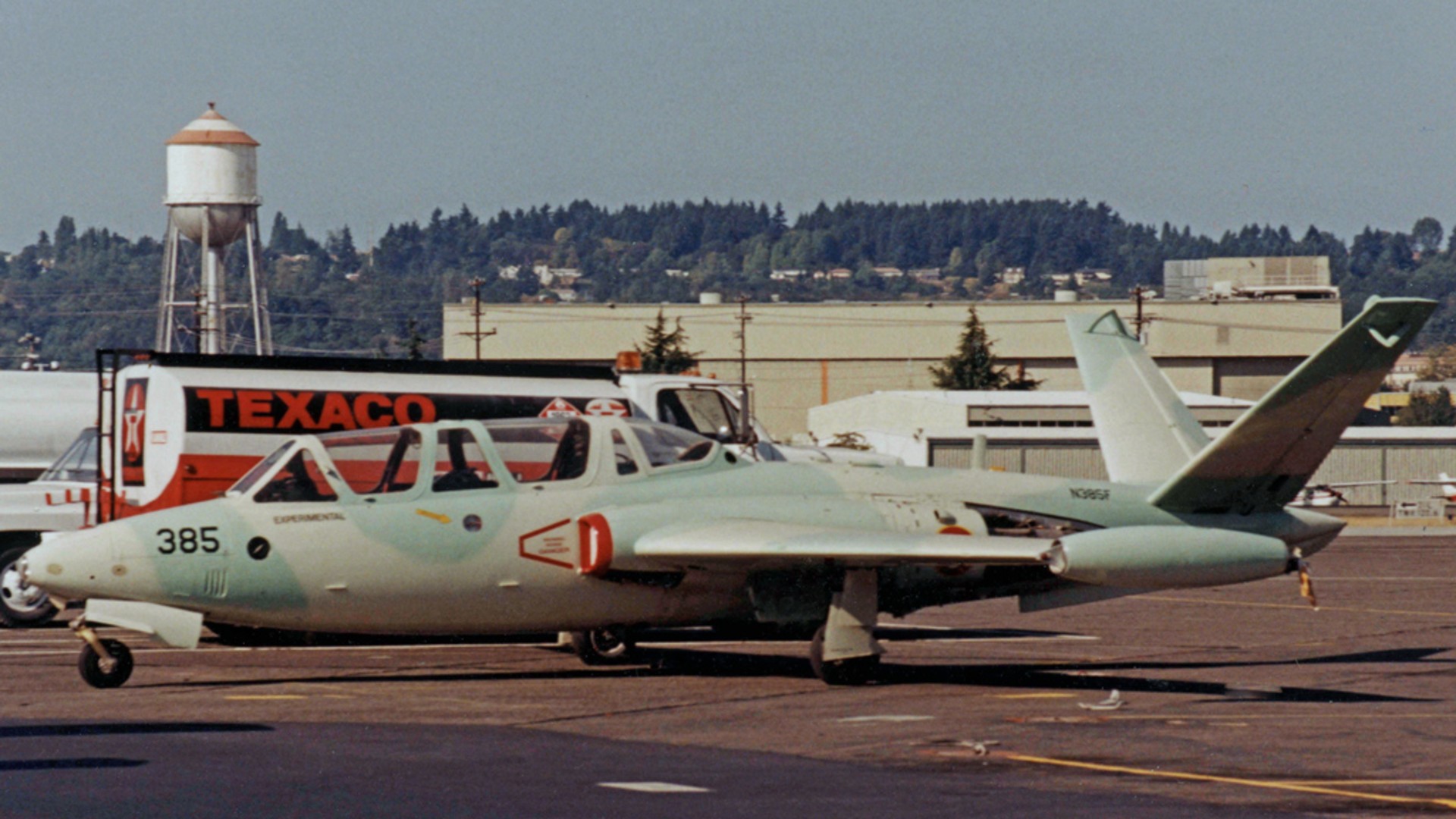
18. Fouga CM.170 Magister
Built in France during the 1950s as the world's first purpose-designed jet trainer, the twin-engine Fouga Magister served with the Patrouille de France aerobatic team for 16 years. Civilian warbird operators in the United States and Europe offer low-level aerobatic flights in its tandem cockpit.
©Wikimedia / RuthAS
Advertisement
Swipe or tap ▶ to resume the countdown.
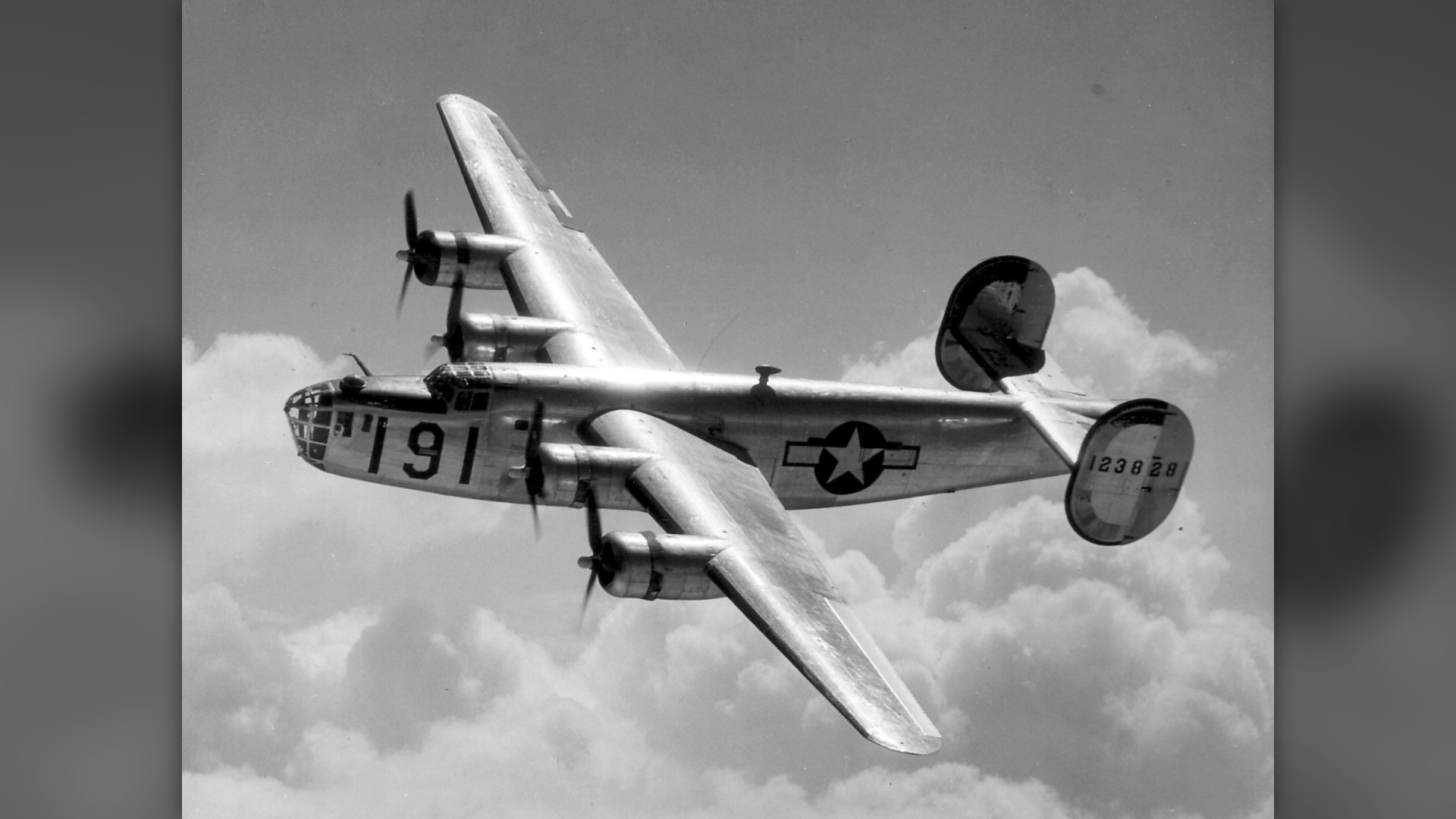
17. Consolidated B-24 Liberator
With over 18,400 airframes built, the Consolidated B-24 Liberator remains the most-produced American military aircraft in history. The Commemorative Air Force operates Diamond Lil, the 25th Liberator ever built in 1941, selling civilian seats inside its open waist and fuselage stations.
©Wikimedia / Consolidated B-24 Liberator
16. Curtiss P-40 Warhawk
Famous for defending Pearl Harbor and flying with the American Volunteer Group in China, the Allison V-12-powered Curtiss P-40 dominated early World War II skies. Operators like the American Heritage Museum and Warhawk Air Museum offer civilian flights in restored two-seat TP-40 variants.
©DVIDS / Giovanni Sims
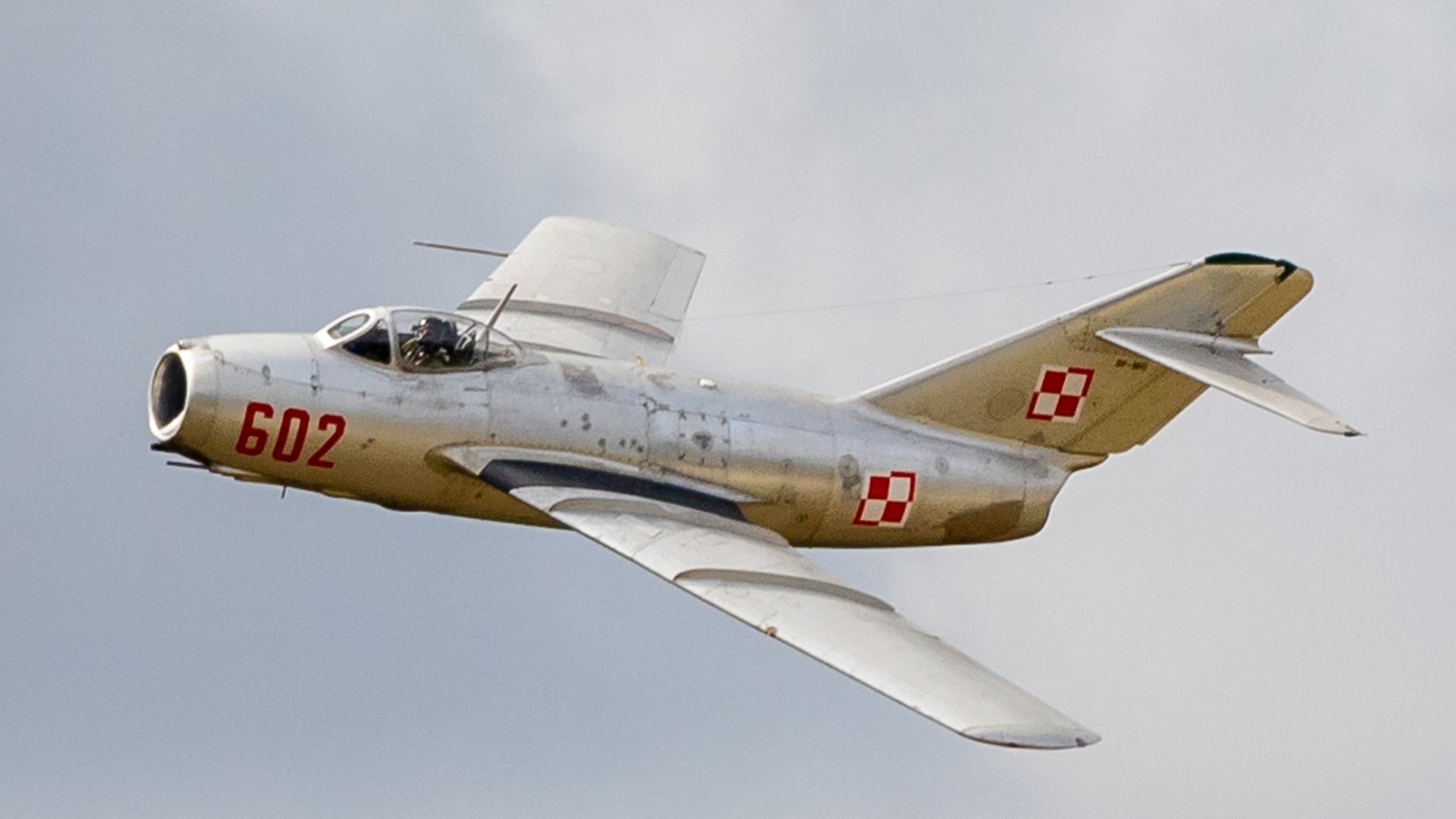
15. Mikoyan-Gurevich MiG-15 Fagot
Shocking Western air forces over MiG Alley during the Korean War, the Mikoyan-Gurevich MiG-15 combined swept wings with a Klimov VK-1 engine. Two-seat MiG-15UTI trainers remain active on the civilian warbird circuit, giving riders unassisted hydraulic stick handling and Cold War history.
©Wikimedia / Mikoyan-Gurevich MiG-15
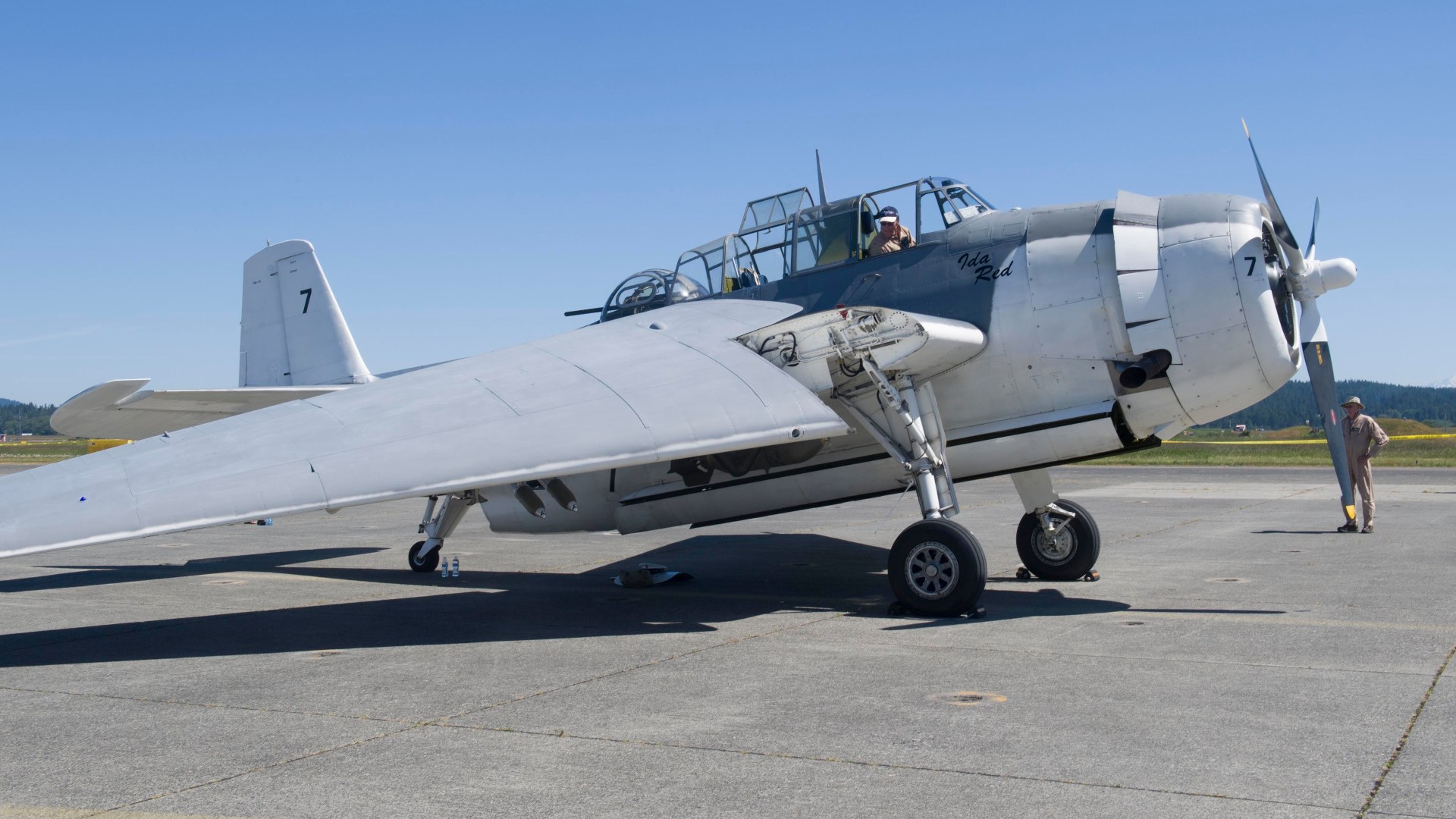
14. Grumman TBM Avenger
Entering combat at the Battle of Midway in 1942, the Grumman TBM Avenger was the heaviest single-engine aircraft of World War II. Powered by a 1,900-horsepower Wright R-2600 radial engine, Commemorative Air Force Avengers take civilians aloft behind the greenhouse canopy for a naval aviation flight.
©DVIDS / Scott Wood
Advertisement
Swipe or tap ▶ to resume the countdown.
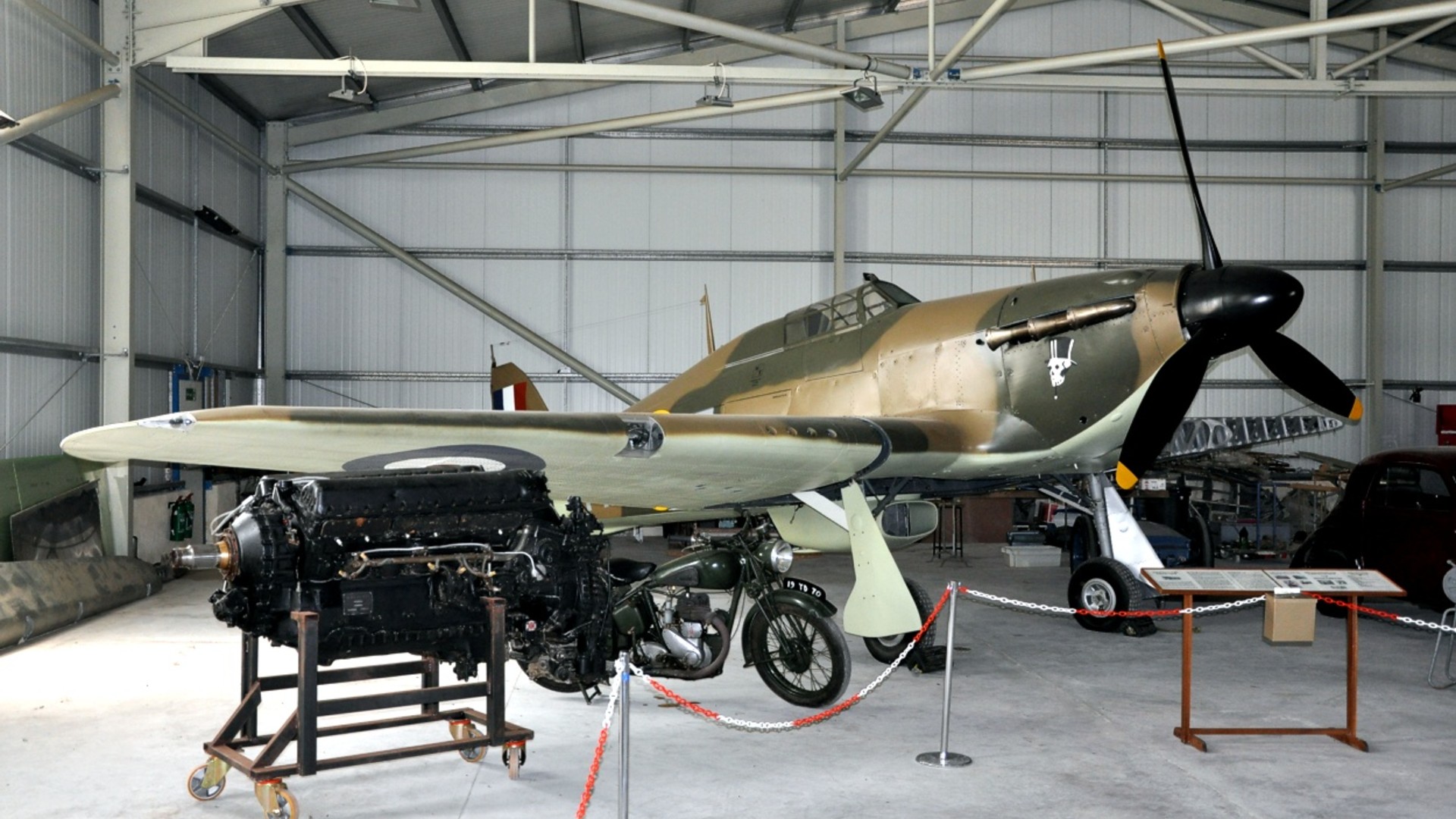
13. Hawker Hurricane Two-Seater
Responsible for roughly 60 percent of Royal Air Force air victories during the 1940 Battle of Britain, the Hawker Hurricane is far rarer in the sky today than the Spitfire. Specialized dual-control two-seater conversions fly paying passengers out of historic British bases including IWM Duxford.
©Wikimedia / Robin from Kraków, Poland
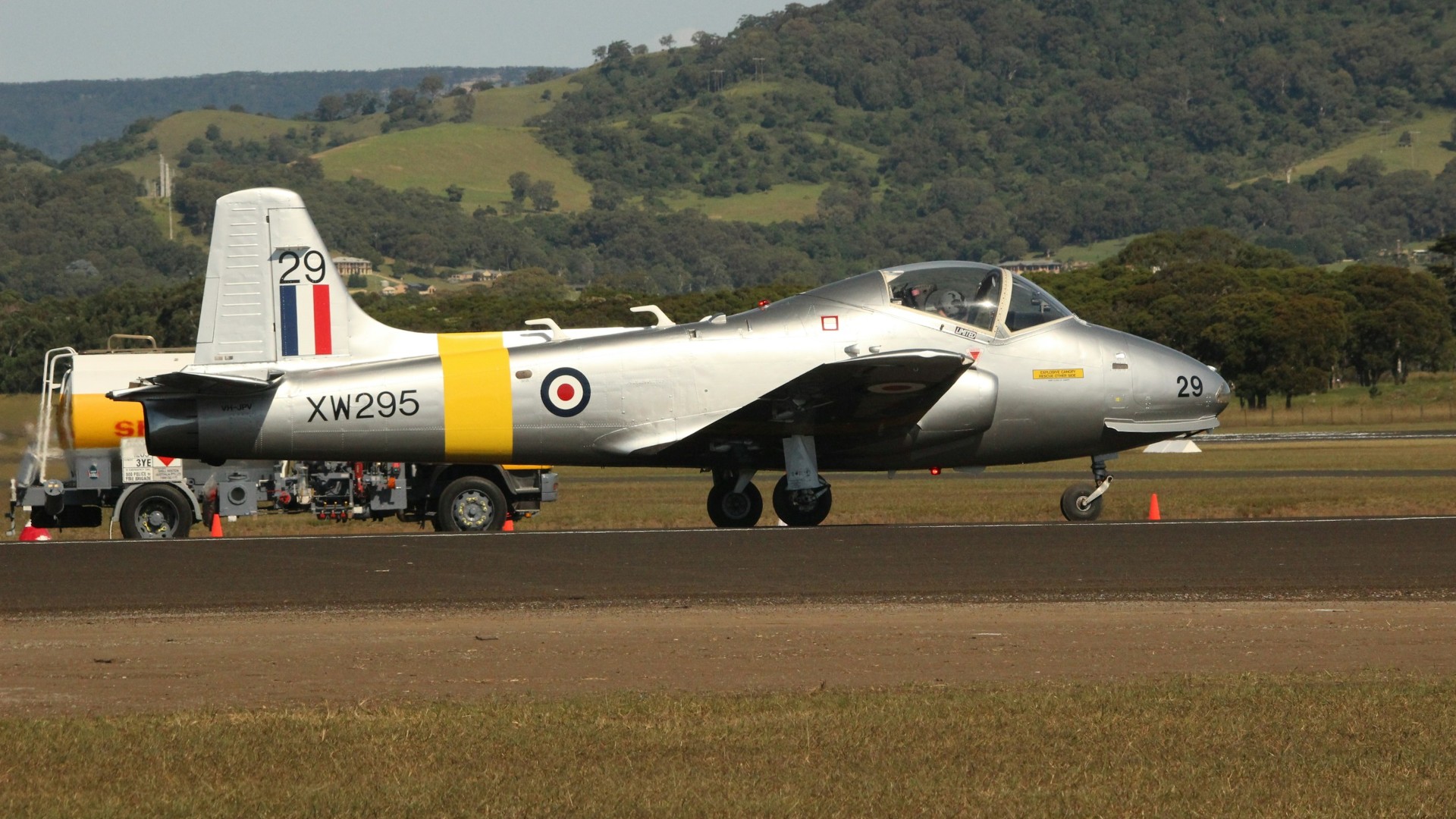
12. BAC Strikemaster And Jet Provost
Developed from the Royal Air Force's BAC Jet Provost trainer, the armed Strikemaster served as a nimble Cold War counter-insurgency and ground-attack jet. Unlike tandem fighters, its side-by-side ejection seats allow civilian flyers at operators like Aero Legends at North Weald to sit beside the pilot.
© Photo by Grant Charsley on Unsplash
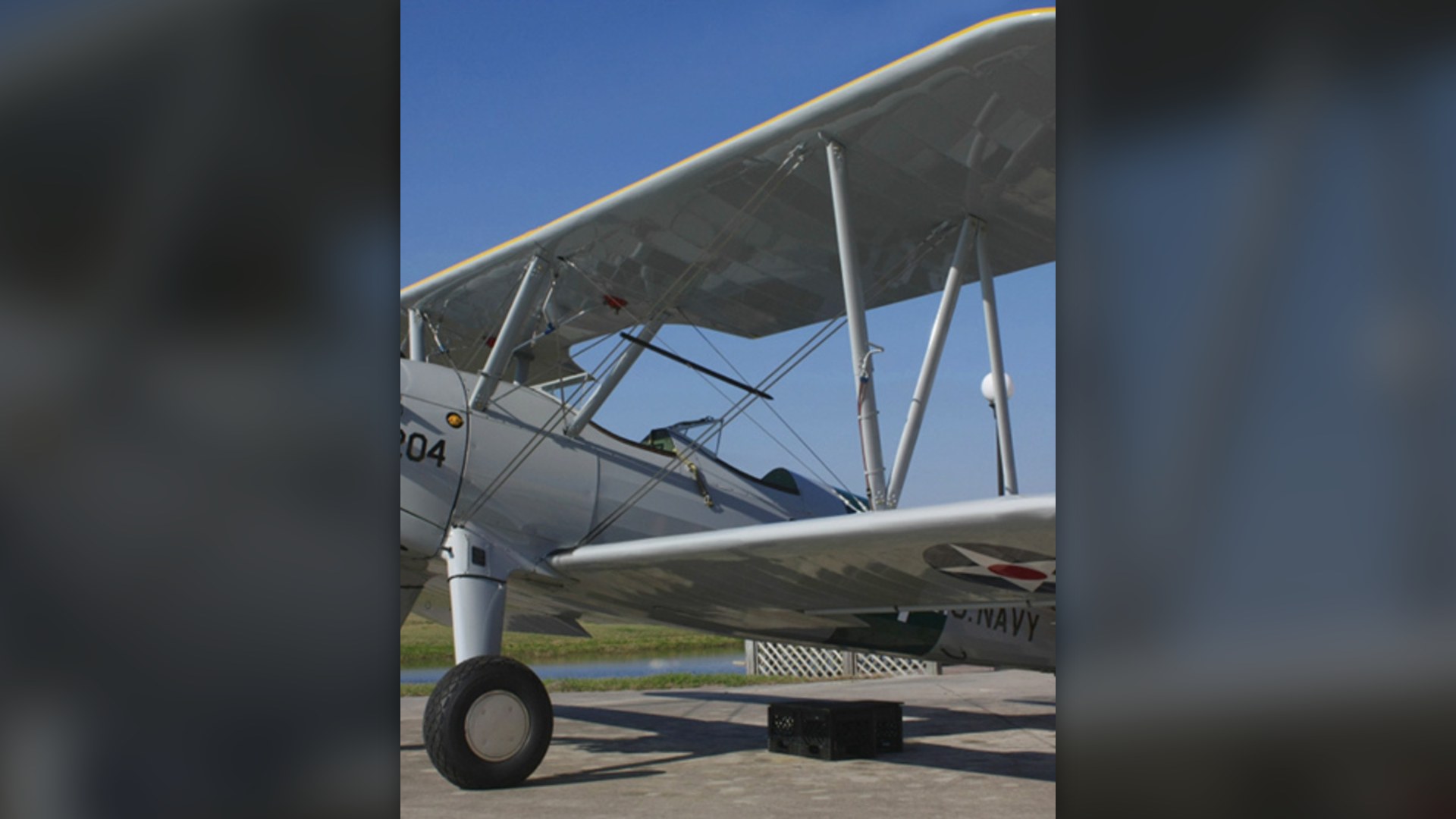
11. Boeing-Stearman PT-17 Kaydet
Over 10,600 Boeing-Stearman Model 75 biplanes were built during the 1930s and 1940s as primary trainers for the U.S. Army Air Forces and Navy. Because so many airframes survived, the PT-17 Kaydet offers the most accessible open-cockpit vintage warbird ride across America, complete with gentle loops.
©Wikimedia / Brian W. Schaller
10. Douglas C-47 Skytrain And Dakota
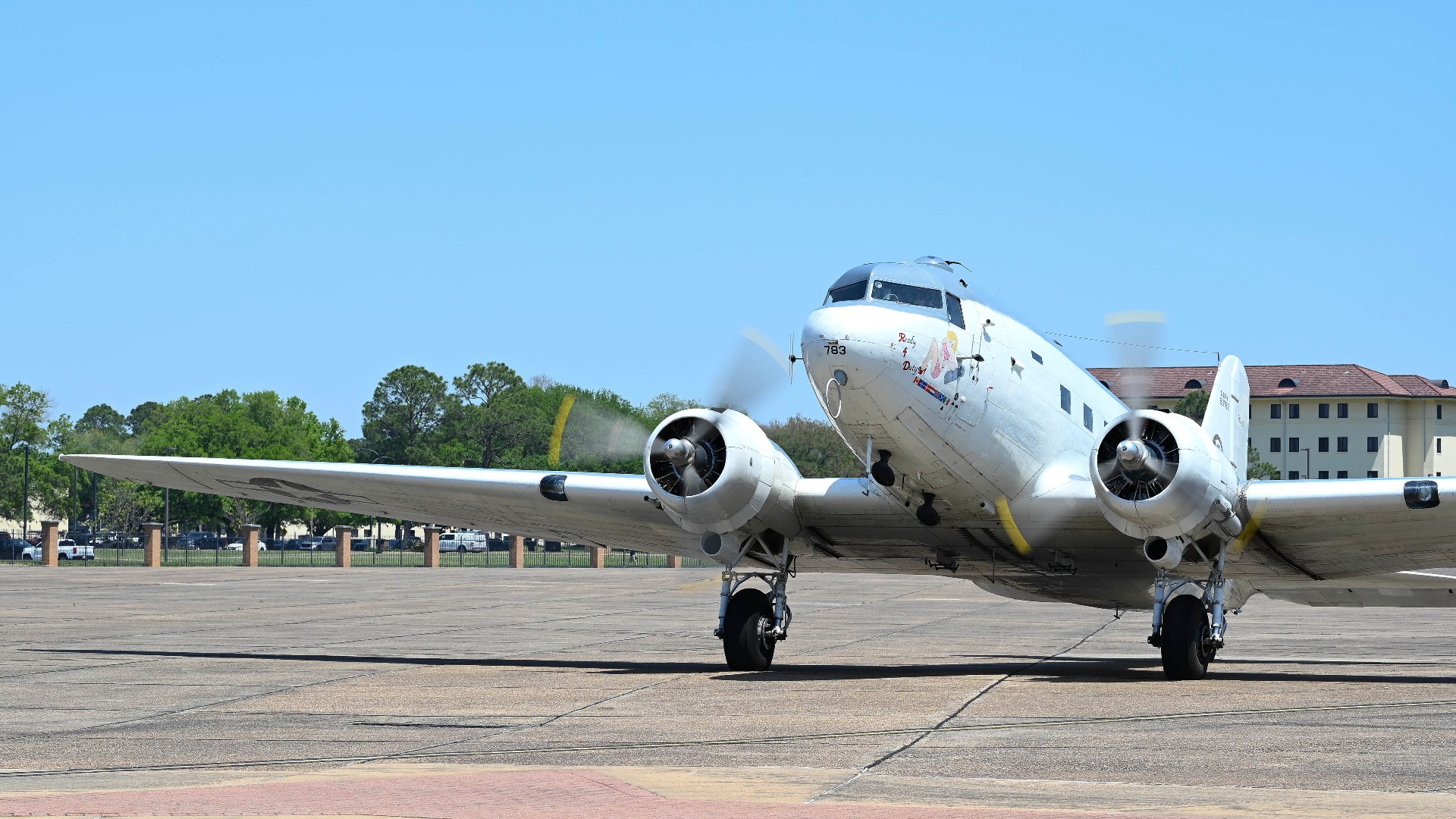
Gen. Dwight D. Eisenhower credited the Douglas C-47 Skytrain as one of the four tools most vital to winning World War II. Passenger flights aboard preserved C-47s like That's All, Brother and Ready 4 Duty immerse riders in authentic paratroop cabins powered by twin Pratt and Whitney radial engines.
©DVIDS / Savannah Waters
Advertisement
Swipe or tap ▶ to resume the countdown.
9. Boeing B-29 Superfortress
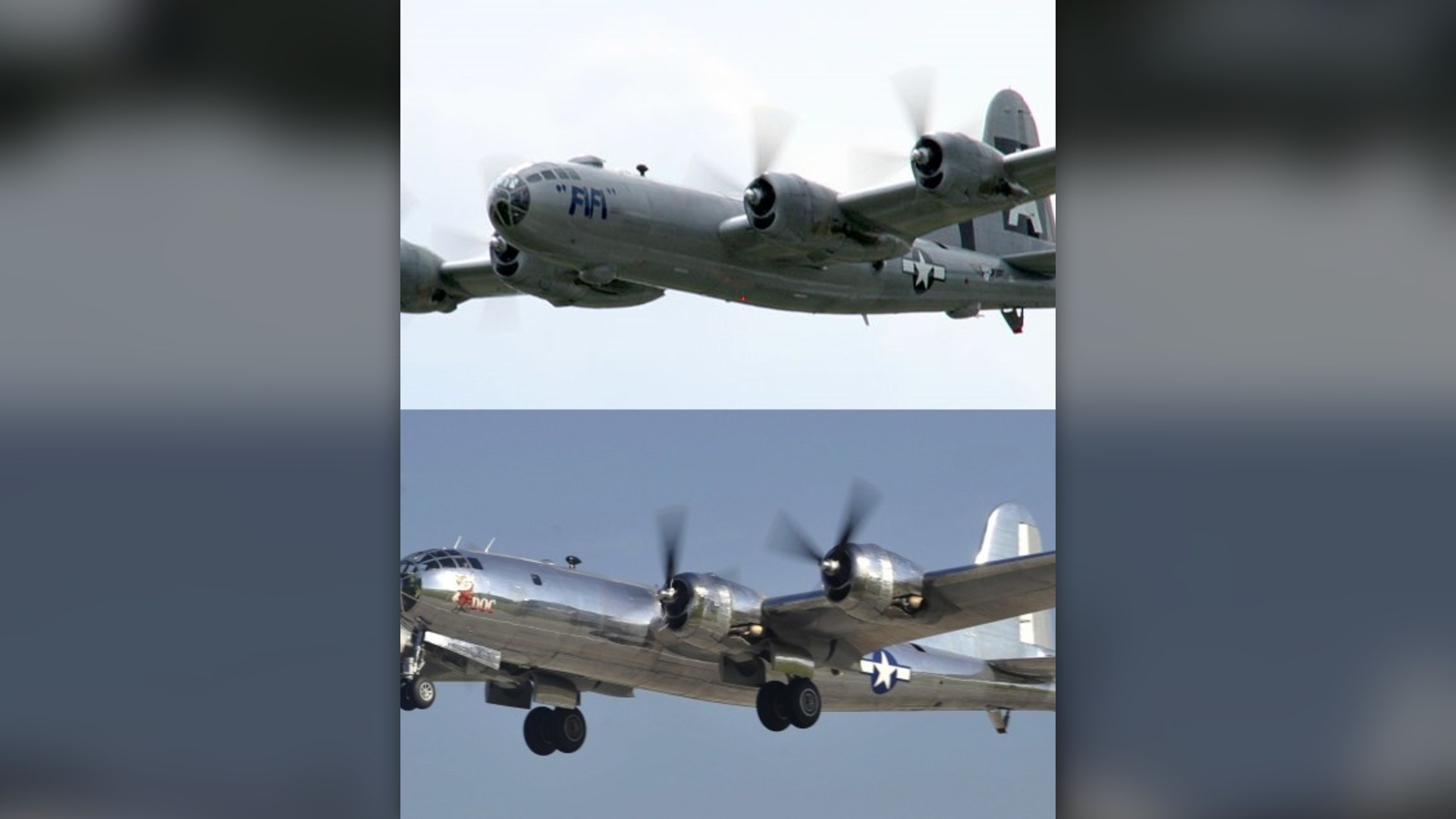
Boeing's B-29 Superfortress introduced pressurized crew compartments and remote-controlled gun turrets to long-range strategic bombing in the Pacific and Korean wars. Only two flyable examples exist on Earth as of October 2026, FIFI and Doc, and civilians can book seats inside the greenhouse cockpit.
©Wikimedia / TheG3NERAL
8. North American T-6 Texan And Harvard
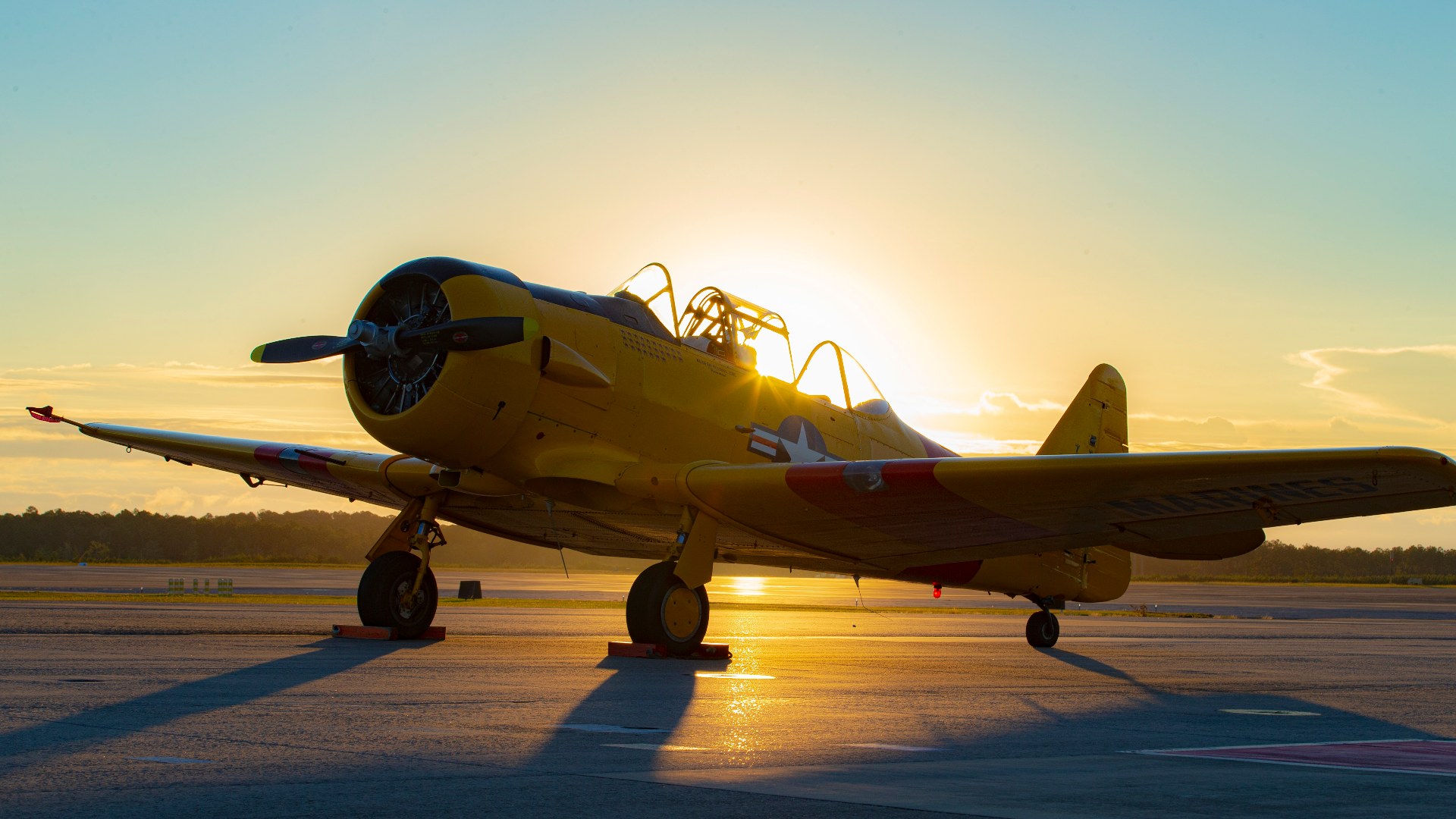
Known across the British Commonwealth as the Harvard and in the U.S. Navy as the SNJ, the North American T-6 Texan prepared virtually every Allied fighter pilot for combat. Its 600-horsepower Wasp radial engine and dual tandem controls let civilian flyers practice taildragger aerobatics and dogfights.
©DVIDS / Aliannah Bartok
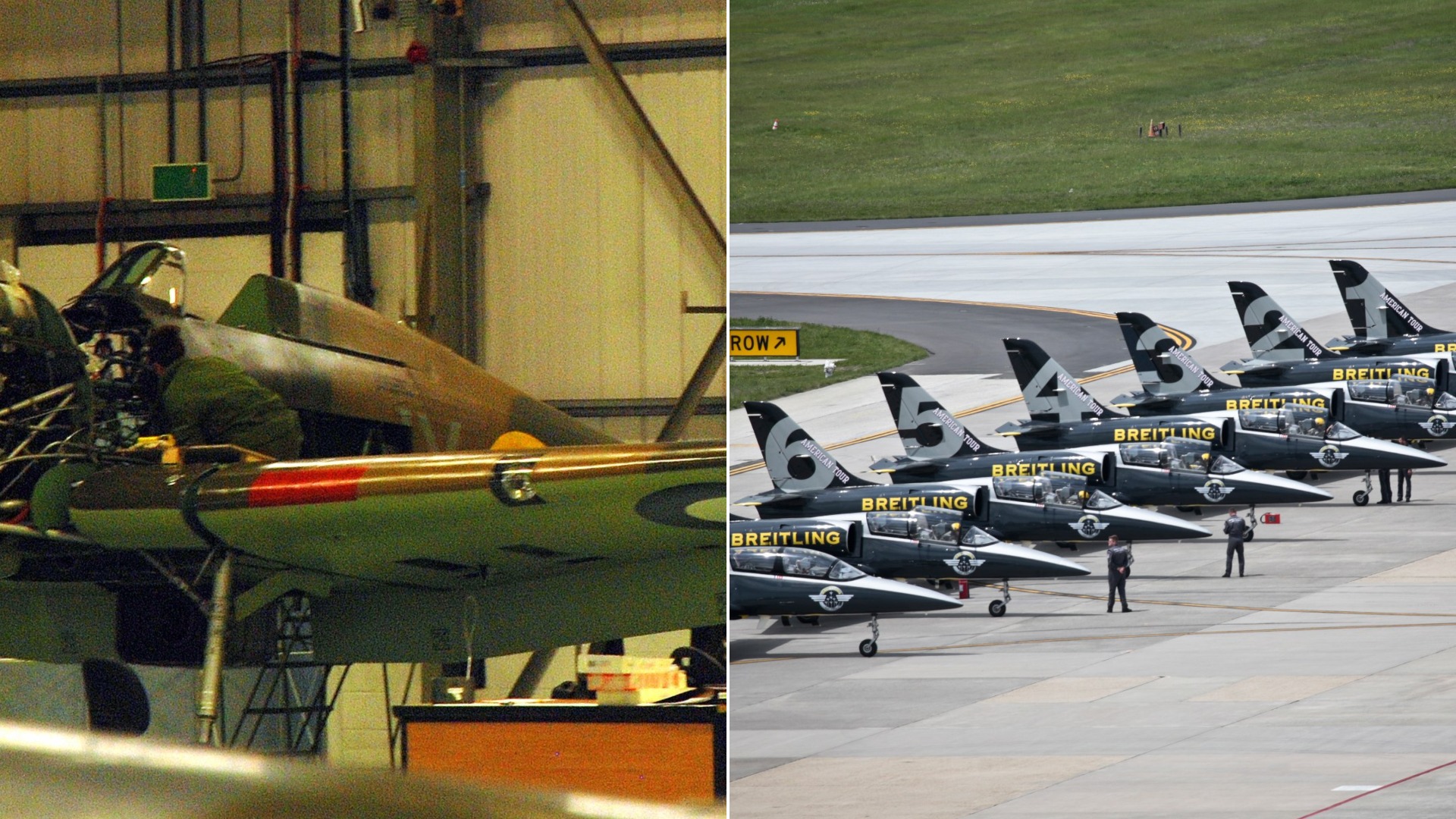
7. Aero L-39 Albatros
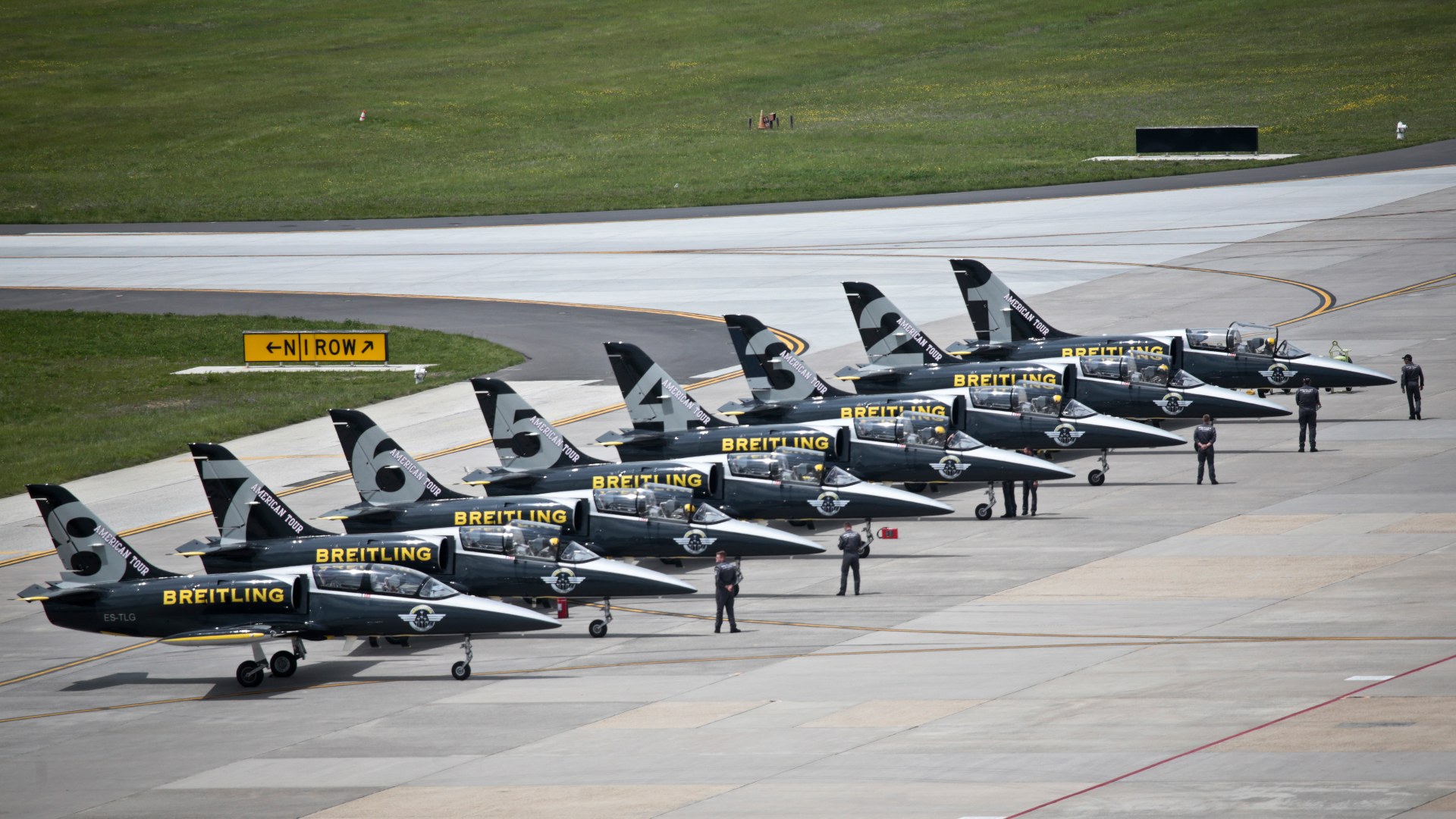
Designed in Czechoslovakia during the 1960s as the primary jet trainer for Warsaw Pact air forces, the Aero L-39 Albatros is the backbone of civilian jet experiences worldwide. Through providers such as MiGFlug, passengers sit in a raised rear ejection seat with panoramic views and pull up to 6 Gs.
©DVIDS / Matthew Hecht
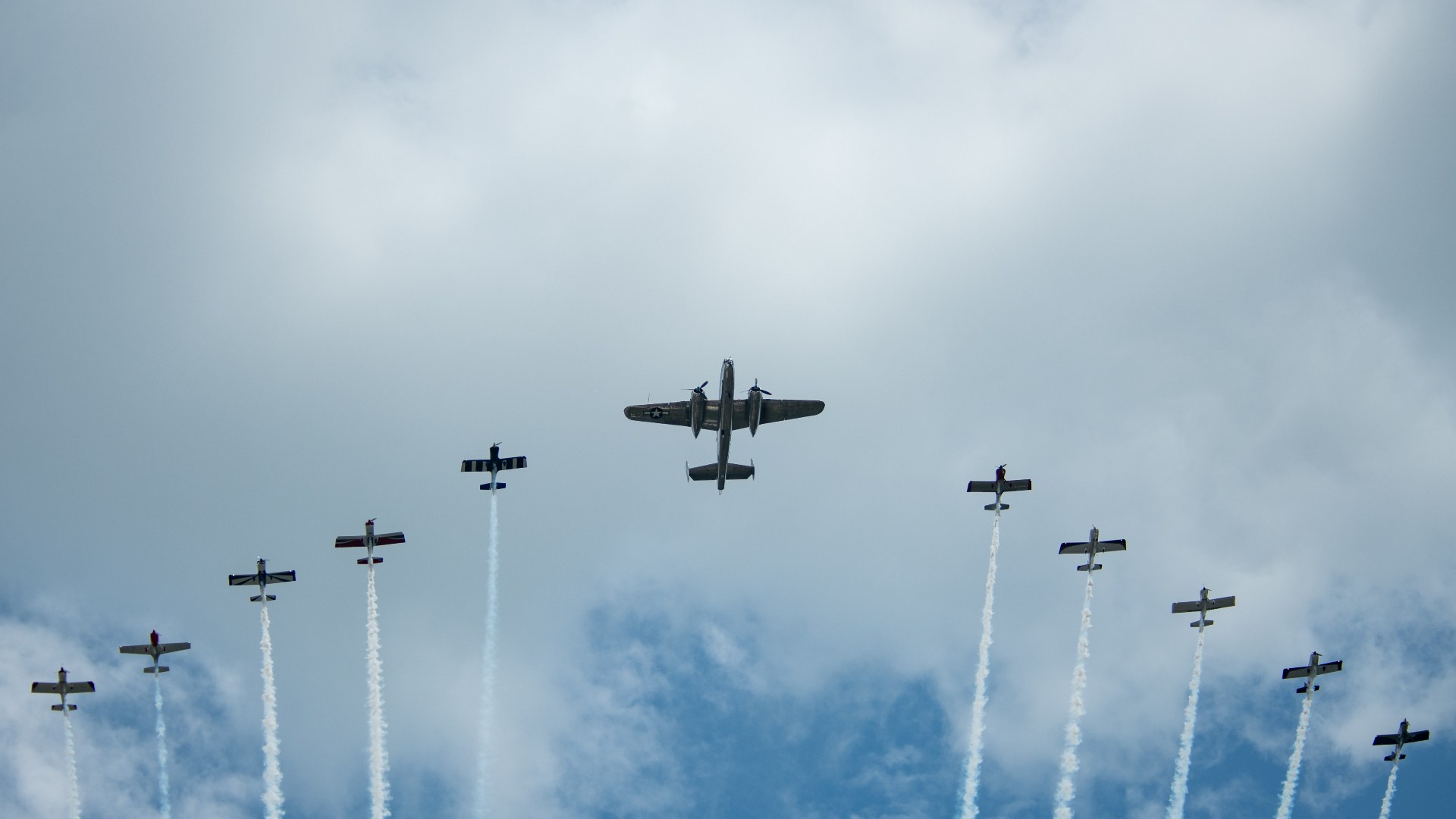
6. North American B-25 Mitchell
Immortalized when Lt. Col. Jimmy Doolittle led 16 B-25B bombers off the deck of USS Hornet in April 1942, the twin-tail Mitchell served in every theater of World War II. Dozens of airworthy B-25J models carry civilian passengers today, allowing riders to sit in the waist-gunner stations or glass nose.
©DVIDS / Halley Clark
Advertisement
Swipe or tap ▶ to resume the countdown.
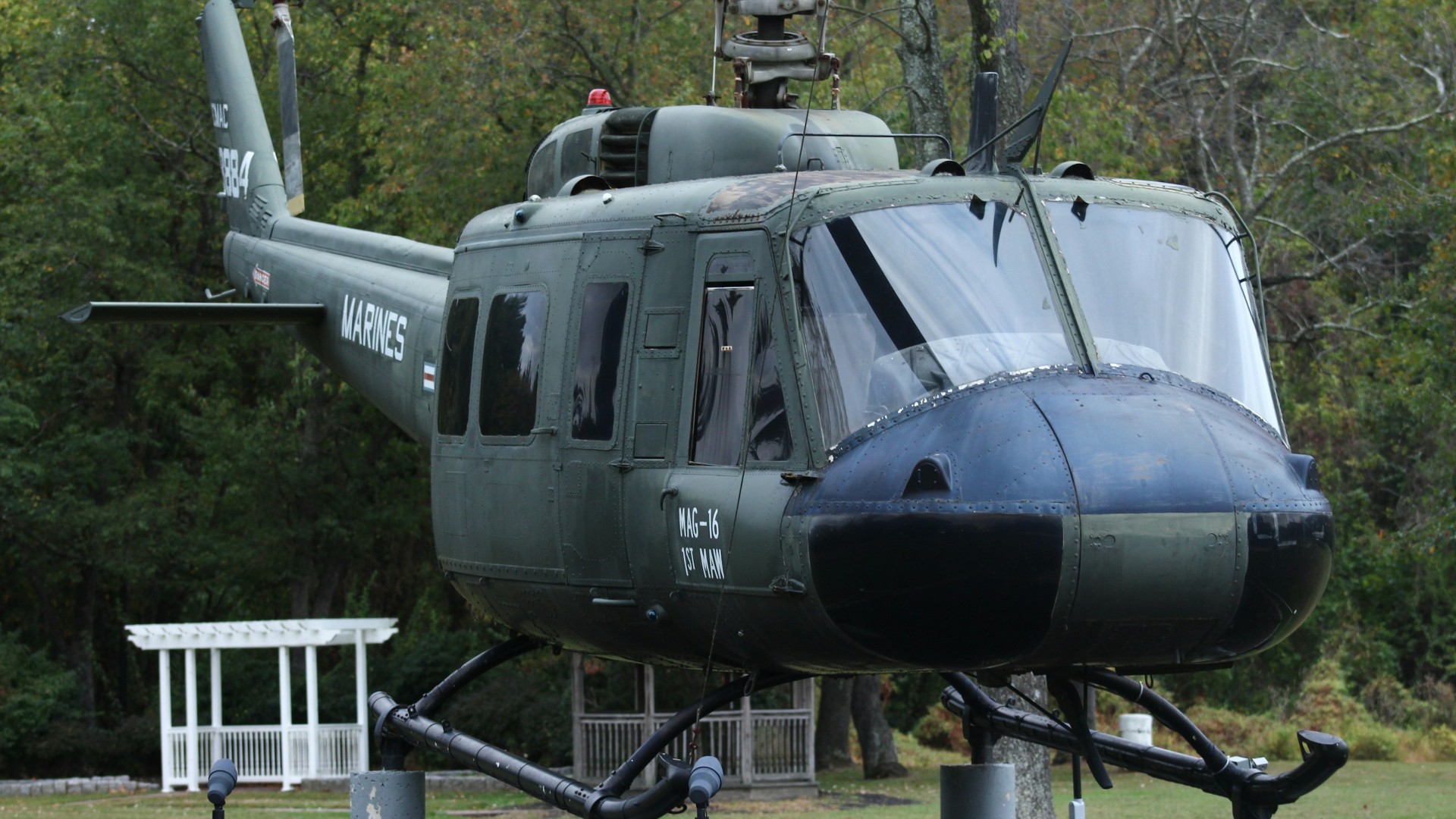
5. Bell UH-1 Iroquois Huey
No sound defines 20th-century air mobility like the deep blade slap of the Bell UH-1 Iroquois, universally known as the Huey. Heritage groups such as the Army Aviation Heritage Foundation fly civilians with the side cargo doors pinned open across low-level tactical profiles.
© Photo by Jessica Cogar on Unsplash
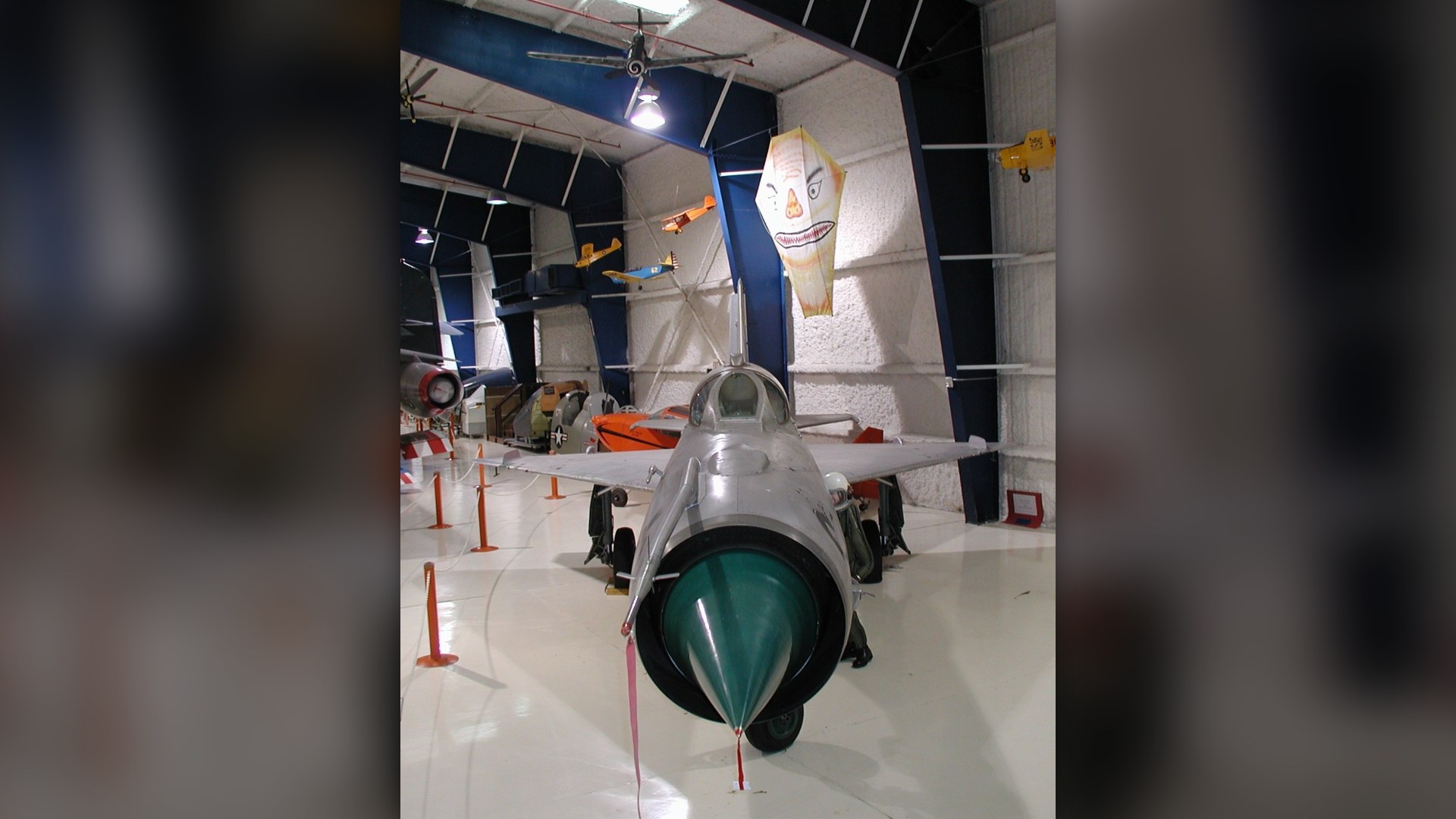
4. Mikoyan-Gurevich MiG-21 Fishbed
With more than 11,400 airframes built, the delta-wing Mikoyan-Gurevich MiG-21 is the most-produced supersonic jet aircraft in aviation history. Select civilian flight operators in the United States and Europe operate two-seat MiG-21UM Mongol trainers capable of pushing passengers past Mach 1.
©Wikimedia / Michaelkemp
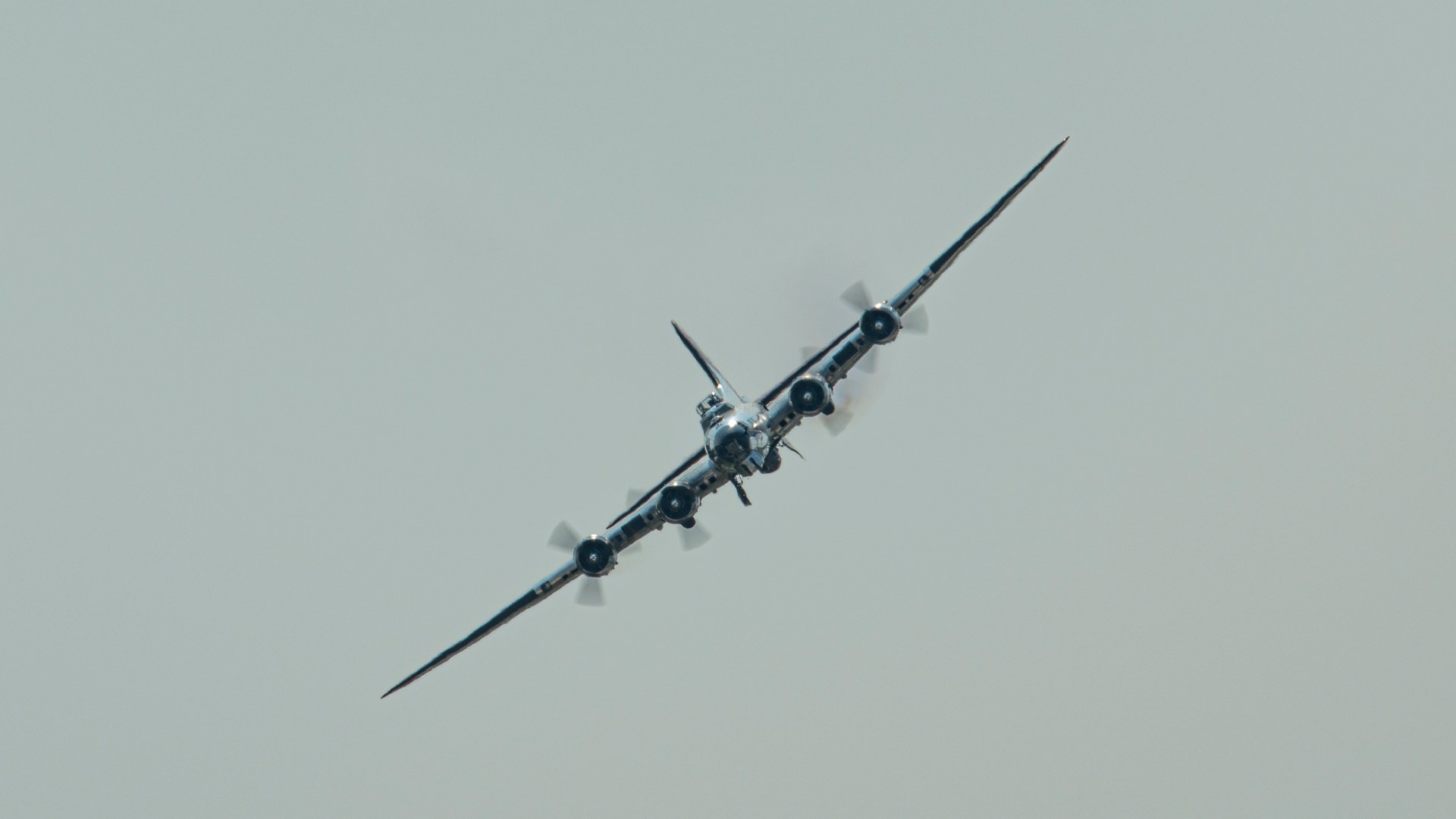
3. Boeing B-17 Flying Fortress
Bristling with .50-caliber machine gun stations and four Wright Cyclone radial engines, the Boeing B-17 Flying Fortress led daylight bombing campaigns over Europe. Operators like the Commemorative Air Force let civilian riders move through the fuselage and peer out the clear bombardier nose bubble.
©DVIDS / Nicholas Priest
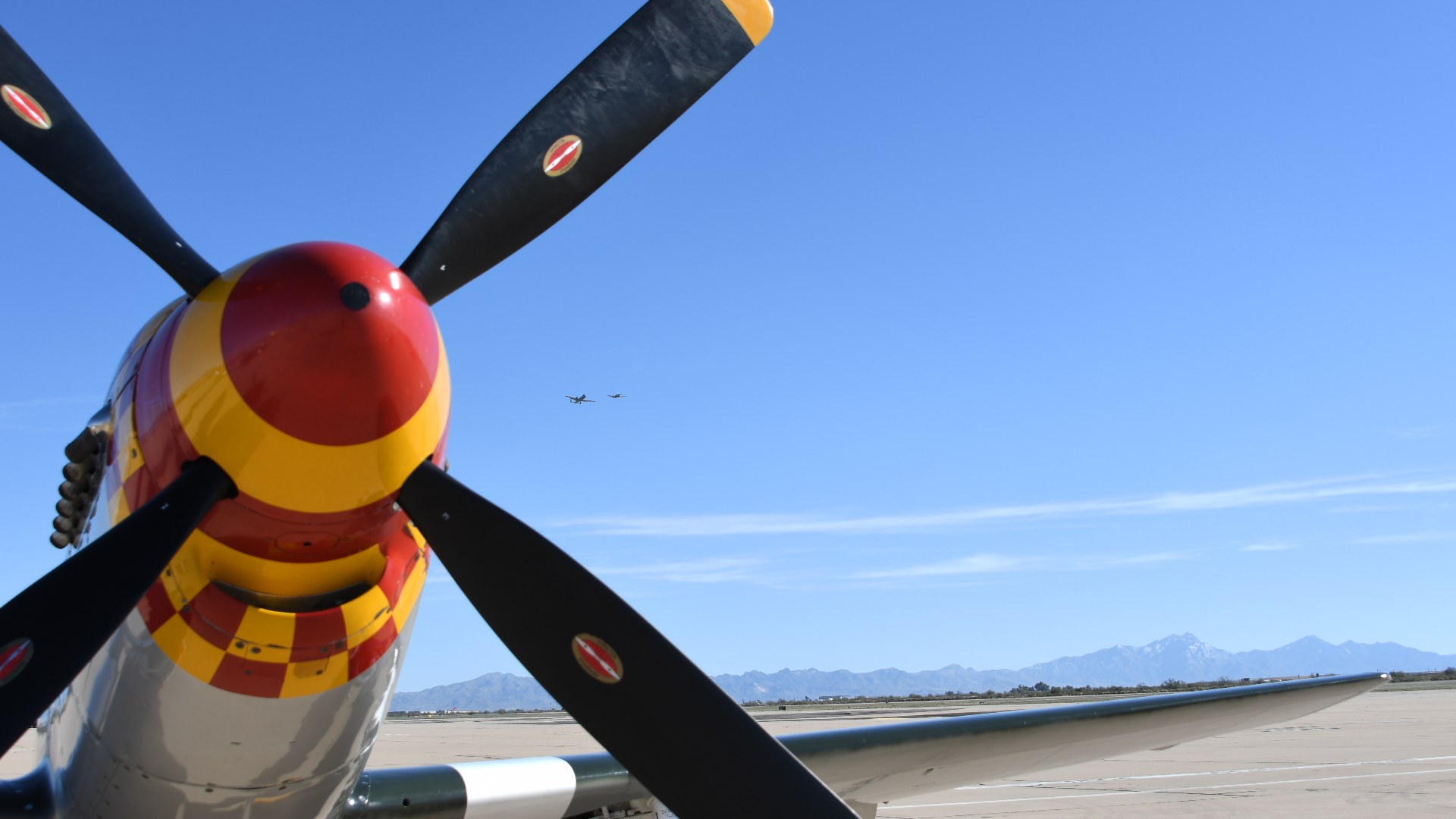
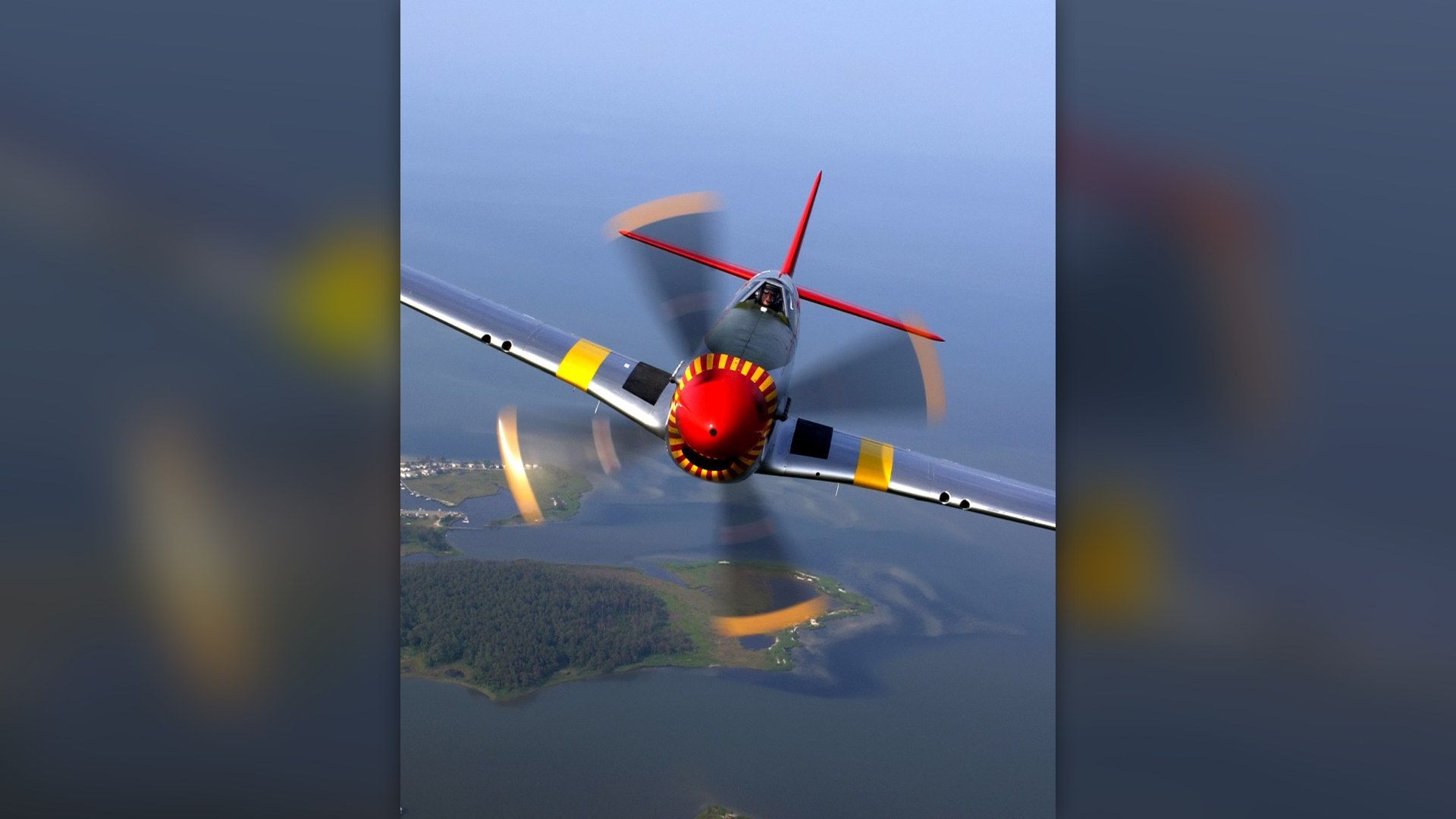
2. North American P-51 Mustang
Combining a laminar-flow wing with a supercharged Packard-built Rolls-Royce Merlin V-12 engine, the P-51 Mustang escorted Allied heavy bombers all the way to Berlin. Dual-control TF-51D trainers operated by specialists like Stallion 51 in Florida let civilians fly high-G loops, rolls, and passes.
©Wikimedia / Tech. Sgt. Ben Bloker
Advertisement
Swipe or tap ▶ to resume the countdown.
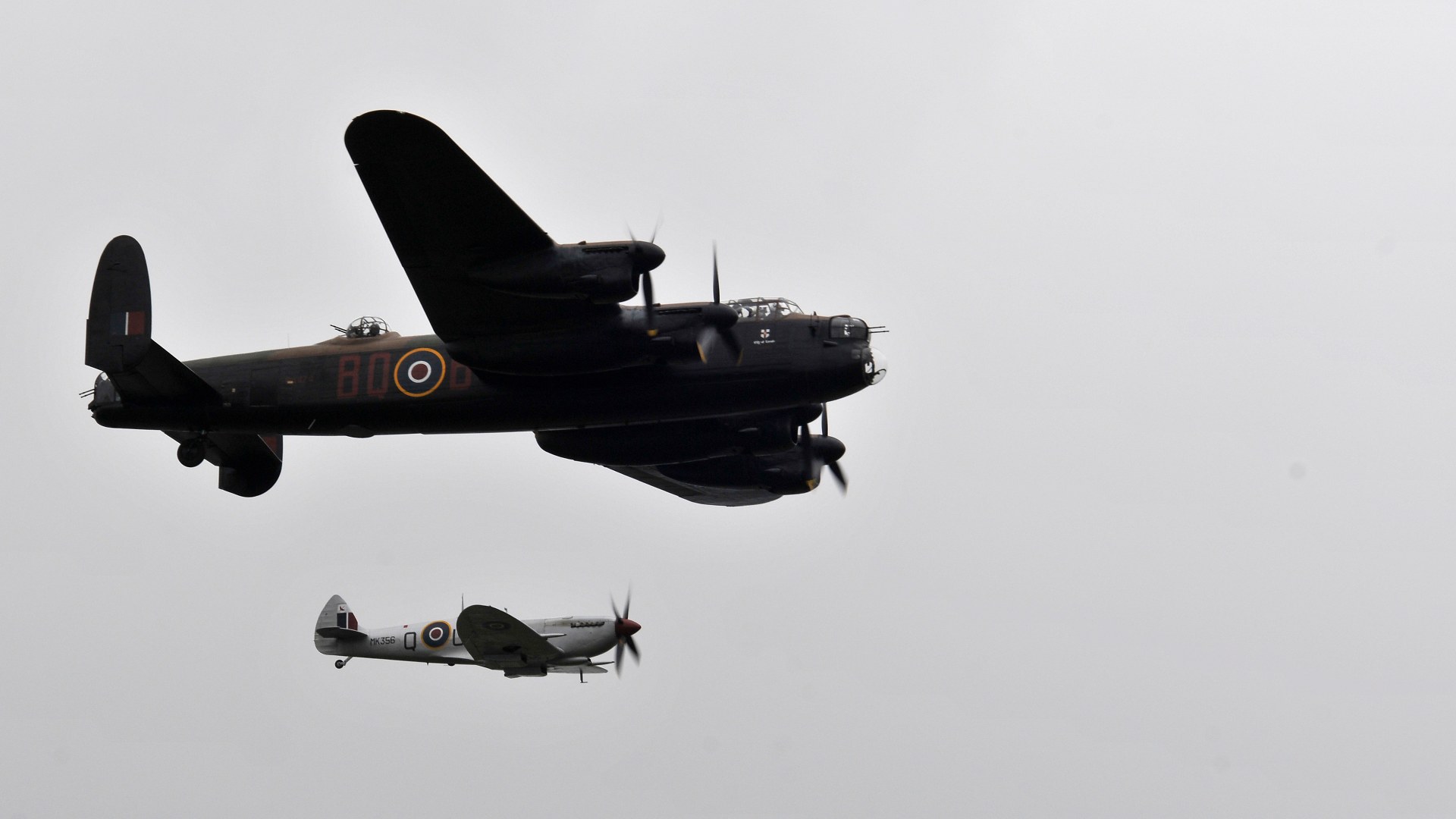
1. Supermarine Spitfire Two-Seater Tr.9
Nothing rivals the elliptical wings and 27-liter Rolls-Royce Merlin soundtrack of the Supermarine Spitfire. Through British operators such as Aero Legends, civilians strap into authentic two-seat Spitfire Tr.9 conversions to take the controls and fly victory rolls over the White Cliffs of Dover.

©DVIDS / Lee Osberry
Advertisement
You've reached the end of the story. Thanks for reading!

20 Iconic Historical Photos and the Archive Clues Behind Them
Contact sheets, cracked glass plates, and NASA mission logs preserve the hidden steps behind 20 famous photographs. Drawing on records from the Library of Congress, the National Archives, NASA, and the Smithsonian, this countdown traces how cropping, camera setups, and double exposures shaped each frame.
All 20 Entries in this Story
20. De Havilland DH.82 Tiger Moth
Entering Royal Air Force service in 1932, the De Havilland Tiger Moth trained thousands of Allied pilots during World War II. Today, civilian operators at historic airfields like IWM Duxford in England let passengers wear vintage leather helmets and take the dual controls over the countryside.

19. Lockheed T-33 Shooting Star
Developed from the P-80 fighter in 1948, the Lockheed T-33 introduced generations of Air Force pilots to high-speed subsonic flight. Heritage groups such as Waterloo Warbirds in Canada offer civilian backseat rides inside its long tandem canopy at speeds exceeding 500 mph.

18. Fouga CM.170 Magister
Built in France during the 1950s as the world's first purpose-designed jet trainer, the twin-engine Fouga Magister served with the Patrouille de France aerobatic team for 16 years. Civilian warbird operators in the United States and Europe offer low-level aerobatic flights in its tandem cockpit.

17. Consolidated B-24 Liberator
With over 18,400 airframes built, the Consolidated B-24 Liberator remains the most-produced American military aircraft in history. The Commemorative Air Force operates Diamond Lil, the 25th Liberator ever built in 1941, selling civilian seats inside its open waist and fuselage stations.

16. Curtiss P-40 Warhawk
Famous for defending Pearl Harbor and flying with the American Volunteer Group in China, the Allison V-12-powered Curtiss P-40 dominated early World War II skies. Operators like the American Heritage Museum and Warhawk Air Museum offer civilian flights in restored two-seat TP-40 variants.

15. Mikoyan-Gurevich MiG-15 Fagot
Shocking Western air forces over MiG Alley during the Korean War, the Mikoyan-Gurevich MiG-15 combined swept wings with a Klimov VK-1 engine. Two-seat MiG-15UTI trainers remain active on the civilian warbird circuit, giving riders unassisted hydraulic stick handling and Cold War history.

14. Grumman TBM Avenger
Entering combat at the Battle of Midway in 1942, the Grumman TBM Avenger was the heaviest single-engine aircraft of World War II. Powered by a 1,900-horsepower Wright R-2600 radial engine, Commemorative Air Force Avengers take civilians aloft behind the greenhouse canopy for a naval aviation flight.

13. Hawker Hurricane Two-Seater
Responsible for roughly 60 percent of Royal Air Force air victories during the 1940 Battle of Britain, the Hawker Hurricane is far rarer in the sky today than the Spitfire. Specialized dual-control two-seater conversions fly paying passengers out of historic British bases including IWM Duxford.

12. BAC Strikemaster And Jet Provost
Developed from the Royal Air Force's BAC Jet Provost trainer, the armed Strikemaster served as a nimble Cold War counter-insurgency and ground-attack jet. Unlike tandem fighters, its side-by-side ejection seats allow civilian flyers at operators like Aero Legends at North Weald to sit beside the pilot.

11. Boeing-Stearman PT-17 Kaydet
Over 10,600 Boeing-Stearman Model 75 biplanes were built during the 1930s and 1940s as primary trainers for the U.S. Army Air Forces and Navy. Because so many airframes survived, the PT-17 Kaydet offers the most accessible open-cockpit vintage warbird ride across America, complete with gentle loops.

10. Douglas C-47 Skytrain And Dakota
Gen. Dwight D. Eisenhower credited the Douglas C-47 Skytrain as one of the four tools most vital to winning World War II. Passenger flights aboard preserved C-47s like That's All, Brother and Ready 4 Duty immerse riders in authentic paratroop cabins powered by twin Pratt and Whitney radial engines.

9. Boeing B-29 Superfortress
Boeing's B-29 Superfortress introduced pressurized crew compartments and remote-controlled gun turrets to long-range strategic bombing in the Pacific and Korean wars. Only two flyable examples exist on Earth as of October 2026, FIFI and Doc, and civilians can book seats inside the greenhouse cockpit.

8. North American T-6 Texan And Harvard
Known across the British Commonwealth as the Harvard and in the U.S. Navy as the SNJ, the North American T-6 Texan prepared virtually every Allied fighter pilot for combat. Its 600-horsepower Wasp radial engine and dual tandem controls let civilian flyers practice taildragger aerobatics and dogfights.

7. Aero L-39 Albatros
Designed in Czechoslovakia during the 1960s as the primary jet trainer for Warsaw Pact air forces, the Aero L-39 Albatros is the backbone of civilian jet experiences worldwide. Through providers such as MiGFlug, passengers sit in a raised rear ejection seat with panoramic views and pull up to 6 Gs.

6. North American B-25 Mitchell
Immortalized when Lt. Col. Jimmy Doolittle led 16 B-25B bombers off the deck of USS Hornet in April 1942, the twin-tail Mitchell served in every theater of World War II. Dozens of airworthy B-25J models carry civilian passengers today, allowing riders to sit in the waist-gunner stations or glass nose.

5. Bell UH-1 Iroquois Huey
No sound defines 20th-century air mobility like the deep blade slap of the Bell UH-1 Iroquois, universally known as the Huey. Heritage groups such as the Army Aviation Heritage Foundation fly civilians with the side cargo doors pinned open across low-level tactical profiles.

4. Mikoyan-Gurevich MiG-21 Fishbed
With more than 11,400 airframes built, the delta-wing Mikoyan-Gurevich MiG-21 is the most-produced supersonic jet aircraft in aviation history. Select civilian flight operators in the United States and Europe operate two-seat MiG-21UM Mongol trainers capable of pushing passengers past Mach 1.

3. Boeing B-17 Flying Fortress
Bristling with .50-caliber machine gun stations and four Wright Cyclone radial engines, the Boeing B-17 Flying Fortress led daylight bombing campaigns over Europe. Operators like the Commemorative Air Force let civilian riders move through the fuselage and peer out the clear bombardier nose bubble.

2. North American P-51 Mustang
Combining a laminar-flow wing with a supercharged Packard-built Rolls-Royce Merlin V-12 engine, the P-51 Mustang escorted Allied heavy bombers all the way to Berlin. Dual-control TF-51D trainers operated by specialists like Stallion 51 in Florida let civilians fly high-G loops, rolls, and passes.

1. Supermarine Spitfire Two-Seater Tr.9
Nothing rivals the elliptical wings and 27-liter Rolls-Royce Merlin soundtrack of the Supermarine Spitfire. Through British operators such as Aero Legends, civilians strap into authentic two-seat Spitfire Tr.9 conversions to take the controls and fly victory rolls over the White Cliffs of Dover.