Slideshow · Viral
October 2026: Why $114 Oil And The AI Spending Squeeze Are Colliding
In October 2026, global financial markets reached a pivotal turning point as crude oil pushed past $114 a barrel while Big Tech's artificial intelligence boom faced a sober reality check. Here is how

By Most Viral Today
23 Oct 2026

October 2026: Why $114 Oil And The AI Spending Squeeze Are Colliding 
14. The Resurgence Of Triple-Digit Oil 
13. Structural Geopolitical Risk Premiums 
12. The Big Tech Valuation Reckoning - AdvertisementSwipe or tap ▶ to continue countdown

11. The Debt-Fueled AI Infrastructure Race 
10. The AI Monetization Squeeze 
9. Semiconductor Supply Chain Consolidation 
8. The Rotation To Tangible Real Assets - AdvertisementSwipe or tap ▶ to continue countdown

7. The Flight To Sovereign Debt Havens 
6. European Sovereign Debt Strains 
5. Asian Equity Market Cooldown 
4. The Cooling Tech IPO Pipeline - AdvertisementSwipe or tap ▶ to continue countdown

3. The 'Higher For Longer' Inflation Trap 
2. The Real-World Squeeze On Consumers 
1. The New Macroeconomic Reality - Advertisement🔥 UP NEXT IN THIS SERIES◫ 21 Slides

20 Iconic Historical Photos and the Archive Clues Behind Them
Contact sheets, cracked glass plates, and NASA mission logs preserve the hidden steps behind 20 famous photographs. Drawing on records from the Library of Congress, the National Archives, NASA, and the Smithsonian, this countdown traces how cropping, camera setups, and double exposures shaped each frame.
The late 2026 financial landscape is defined by two converging macro trends: the resurgence of high commodity prices and an intensifying reality check on debt-fueled tech spending. Explore the 14 forces driving this global economic pivot.
Swipe or tap ▶ to begin the countdown
©Wikimedia / GuavaTrain & Unsplash / Growtika
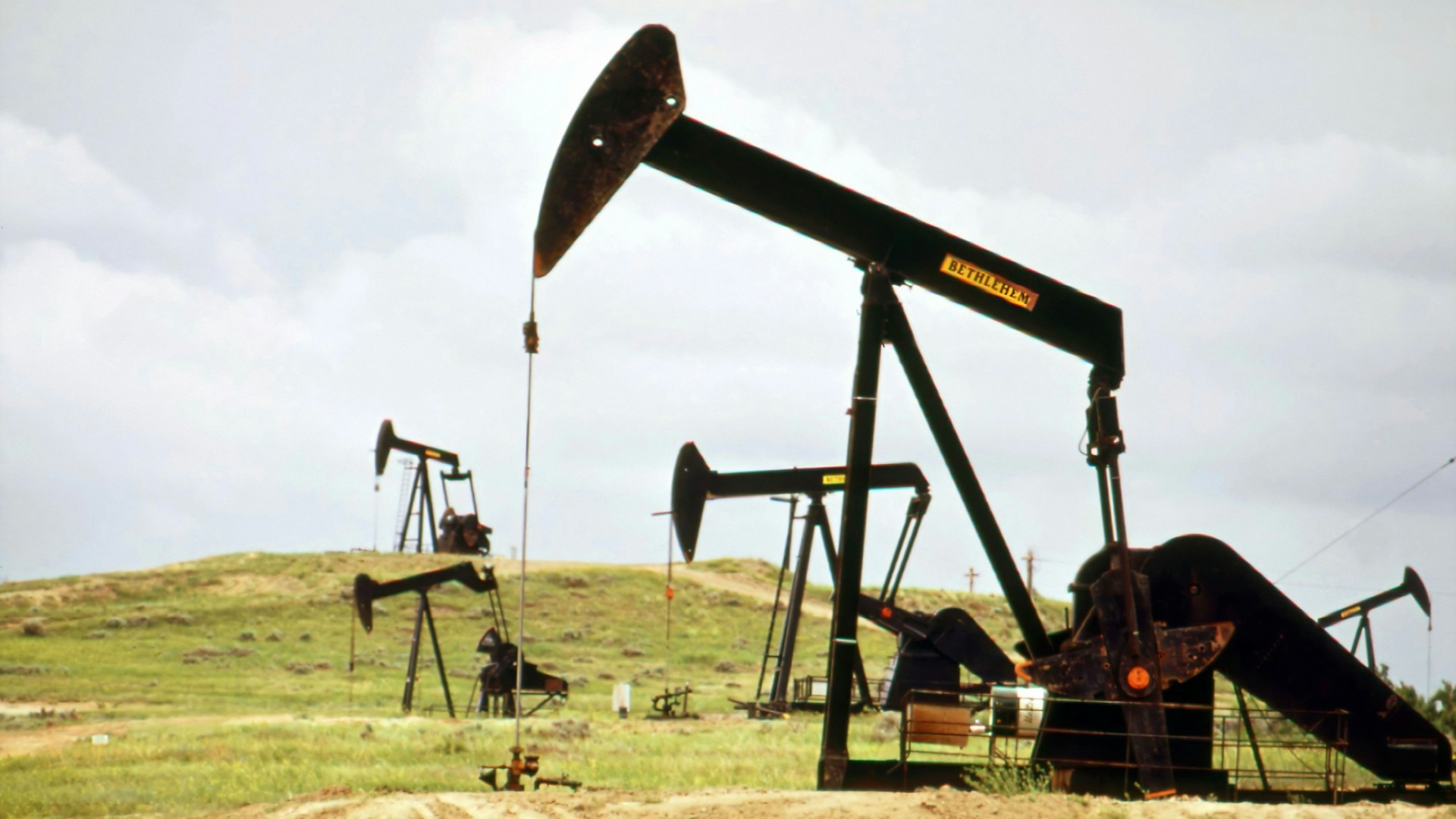
14. The Resurgence Of Triple-Digit Oil
After months of range-bound trading, Brent crude breaking through $114 a barrel confirms an underlying structural shift in global energy. Higher extraction costs, OPEC discipline, and depleted reserves have firmly re-established high energy prices as a defining feature of the global economy.
© Photo by Documerica on Unsplash
13. Structural Geopolitical Risk Premiums
With one-fifth of global petroleum transiting contested maritime choke points like the Strait of Hormuz, tanker freight insurance and security costs have permanently escalated, embedding an enduring geopolitical tax on every barrel transported.
©Wikimedia / Jernej Furman
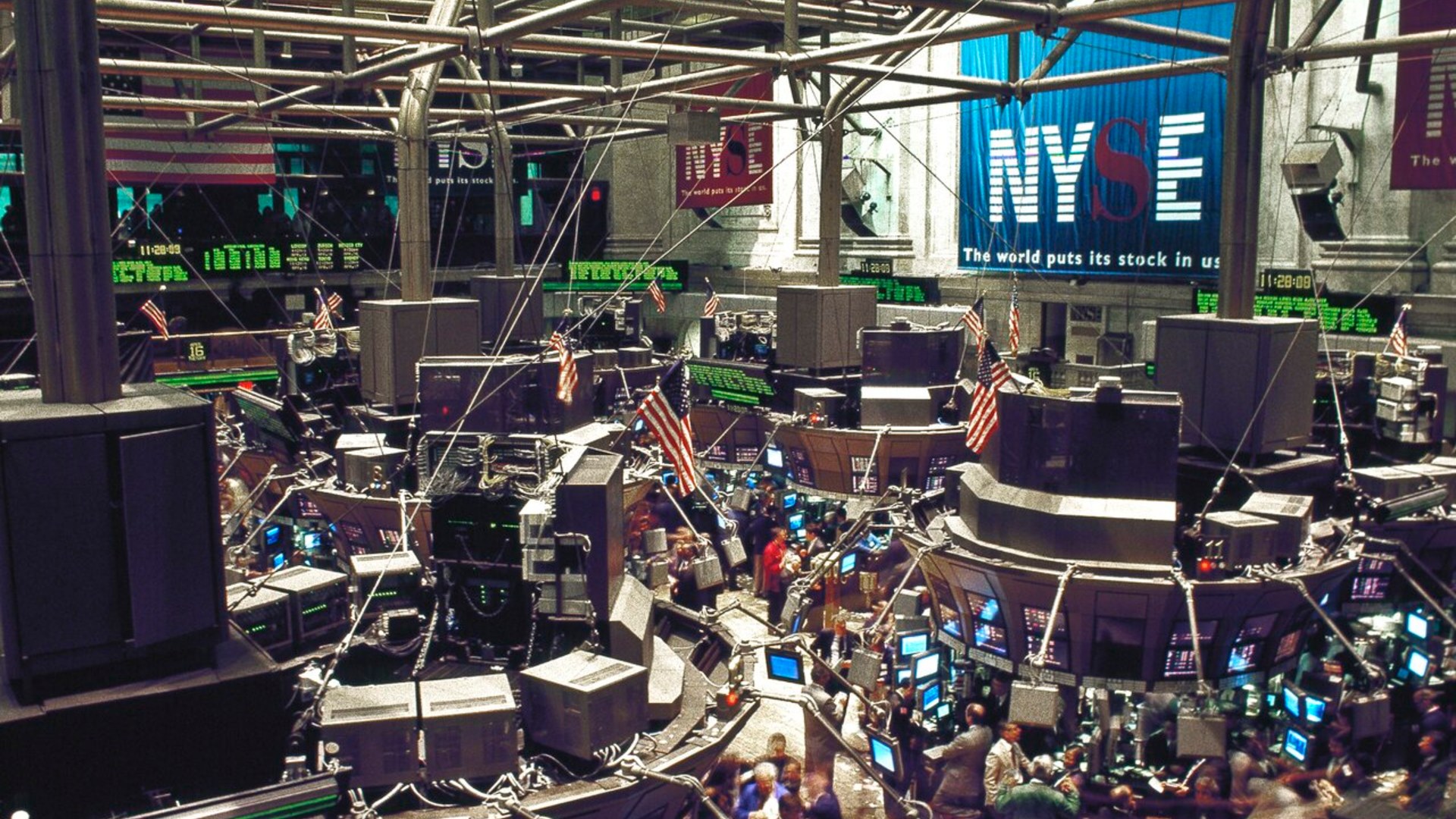
12. The Big Tech Valuation Reckoning
For over two years, mega-cap tech stocks drove virtually all major equity gains. In late 2026, institutional investors are rotating away from hyper-valued growth stocks as the realization sets in that technology valuations had raced far ahead of underlying revenue growth.
©Wikimedia / Carol M. Highsmith
Advertisement
Swipe or tap ▶ to resume the countdown.
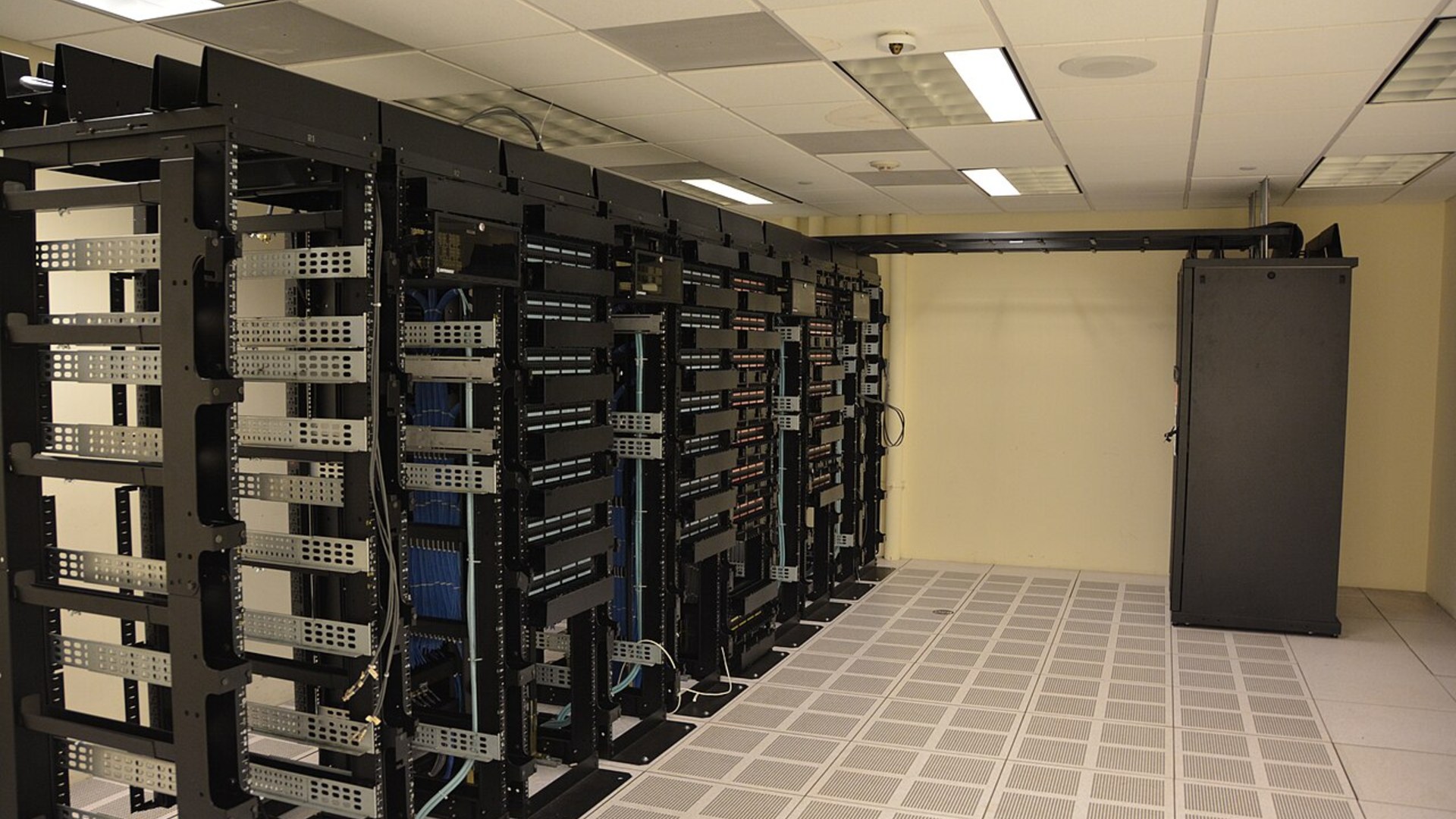
11. The Debt-Fueled AI Infrastructure Race
Meta, Microsoft, and Google have escalated their capital expenditures to historic heights, increasingly leaning on corporate debt to secure specialized hardware and power grids. The trend has raised alarms among credit analysts watching corporate leverage climb.
©Wikimedia / Anurag R Dubey
10. The AI Monetization Squeeze
The initial wave of generative AI excitement has matured into an era of strict accountability. Businesses and shareholders are demanding measurable efficiency gains and recurring revenue before signing off on continued billion-dollar software subscriptions.
©Wikimedia / Carl Lender
9. Semiconductor Supply Chain Consolidation
Drops across memory giants like Samsung and SK Hynix illustrate that the semiconductor sector remains subject to brutal boom-and-bust cycles. Overproduction of legacy components combined with costly next-gen AI packaging has strained hardware margins worldwide.
8. The Rotation To Tangible Real Assets
A signature market trend of late 2026 is the resurgence of tangible stores of value. Sovereign wealth funds and institutional asset managers are allocating larger portions of their portfolios to physical gold, raw land, and industrial commodities to hedge against monetary volatility.
©Wikimedia / Andrzej Barabasz
Advertisement
Swipe or tap ▶ to resume the countdown.
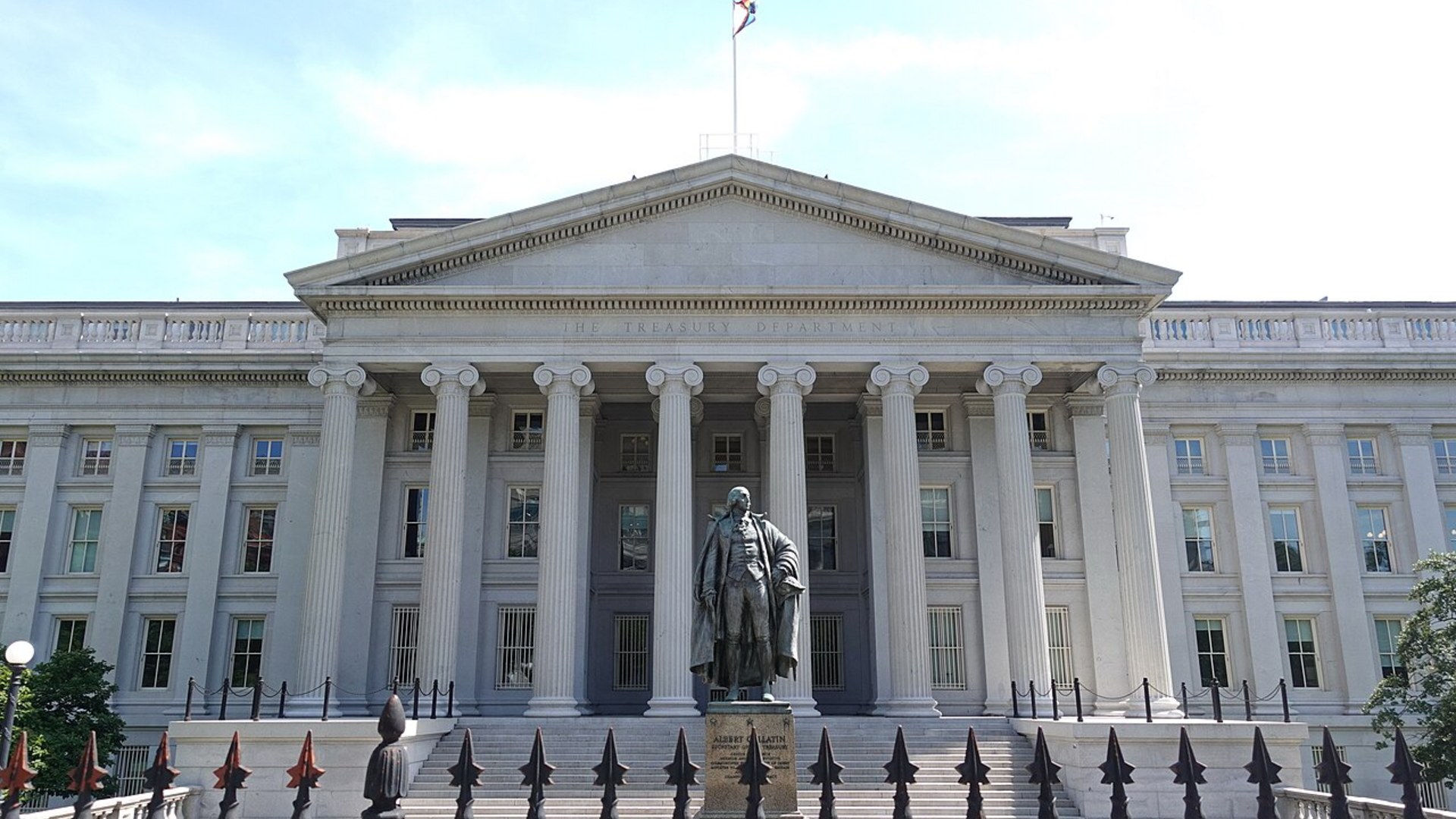
7. The Flight To Sovereign Debt Havens
The sudden plunge in U.S. 10-year Treasury yields to sub-5% levels highlights a powerful macro rotation. Even at modest real yields, institutional money is prioritizing principal safety and government backing over volatile equity swings.
©Wikimedia / Suicasmo
6. European Sovereign Debt Strains
Europe's financial architecture is navigating renewed strain as fiscal deficits in France widen the spread against German benchmark Bunds. Rising debt servicing costs are narrowing fiscal flexibility for European governments facing simultaneous energy and defense outlays.
©Wikimedia / DXR
5. Asian Equity Market Cooldown
Asian equity markets, which boomed on the back of Western electronics demand, are cooling rapidly. From China's lingering bear market to pressure on Japan's Nikkei, export-reliant economies are adjusting to softer consumer demand in major overseas markets.
©Pixabay / Pixabay Contributor
4. The Cooling Tech IPO Pipeline
The shelving of Solidigm's anticipated public listing highlights a broader freeze across the tech IPO market. Venture capital and private equity firms are finding fewer avenues for lucrative public market exits in an environment defined by higher interest rates.
©Wikimedia / Sangitiana Fararano
Advertisement
Swipe or tap ▶ to resume the countdown.
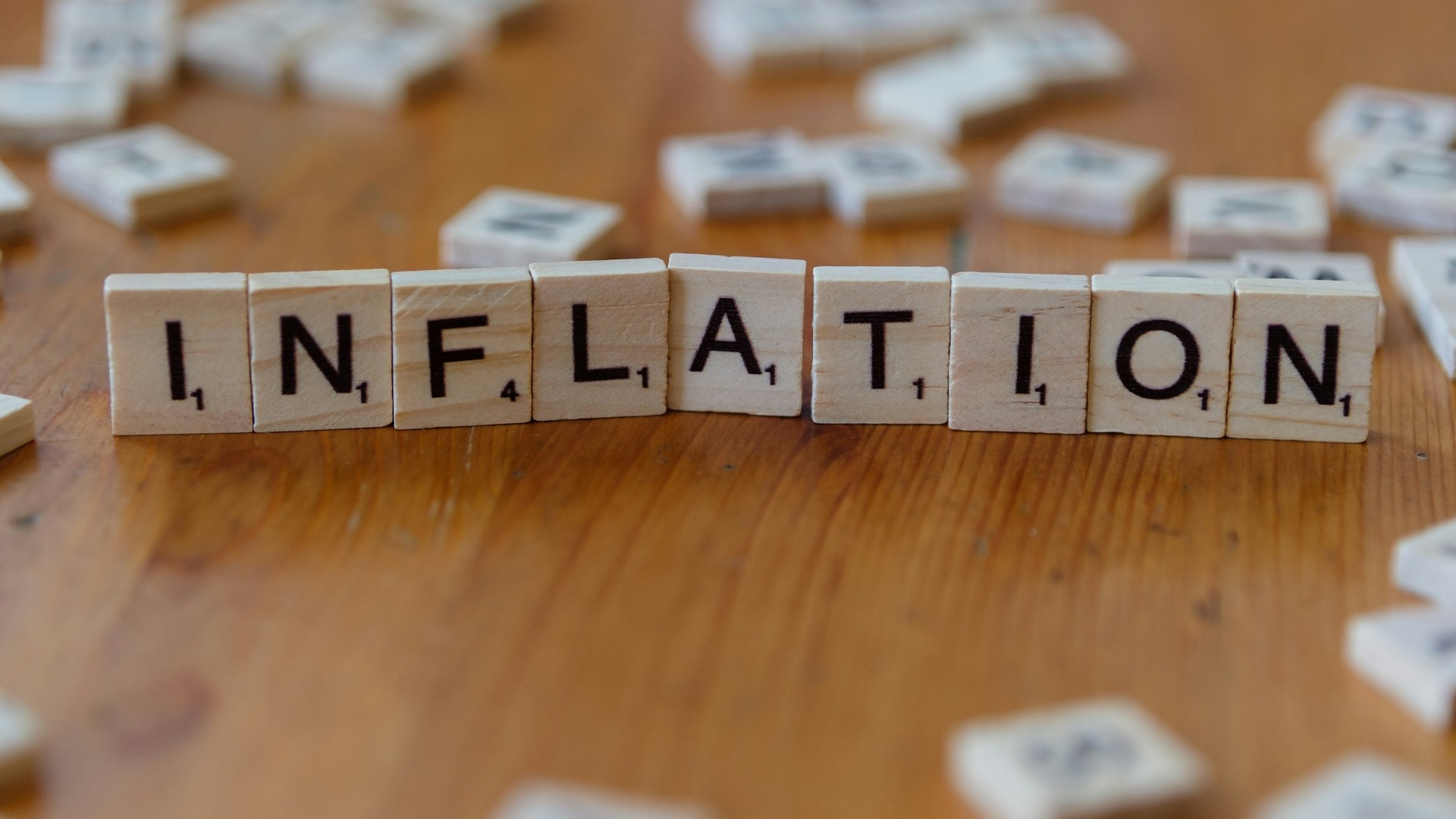
3. The 'Higher For Longer' Inflation Trap
Because energy is an essential input for shipping, plastics, agriculture, and manufacturing, $114 crude creates sticky, secondary inflation. Central banks hoping to aggressively lower interest rates may find their hands tied well into 2027.
© Photo by Markus Winkler on Unsplash
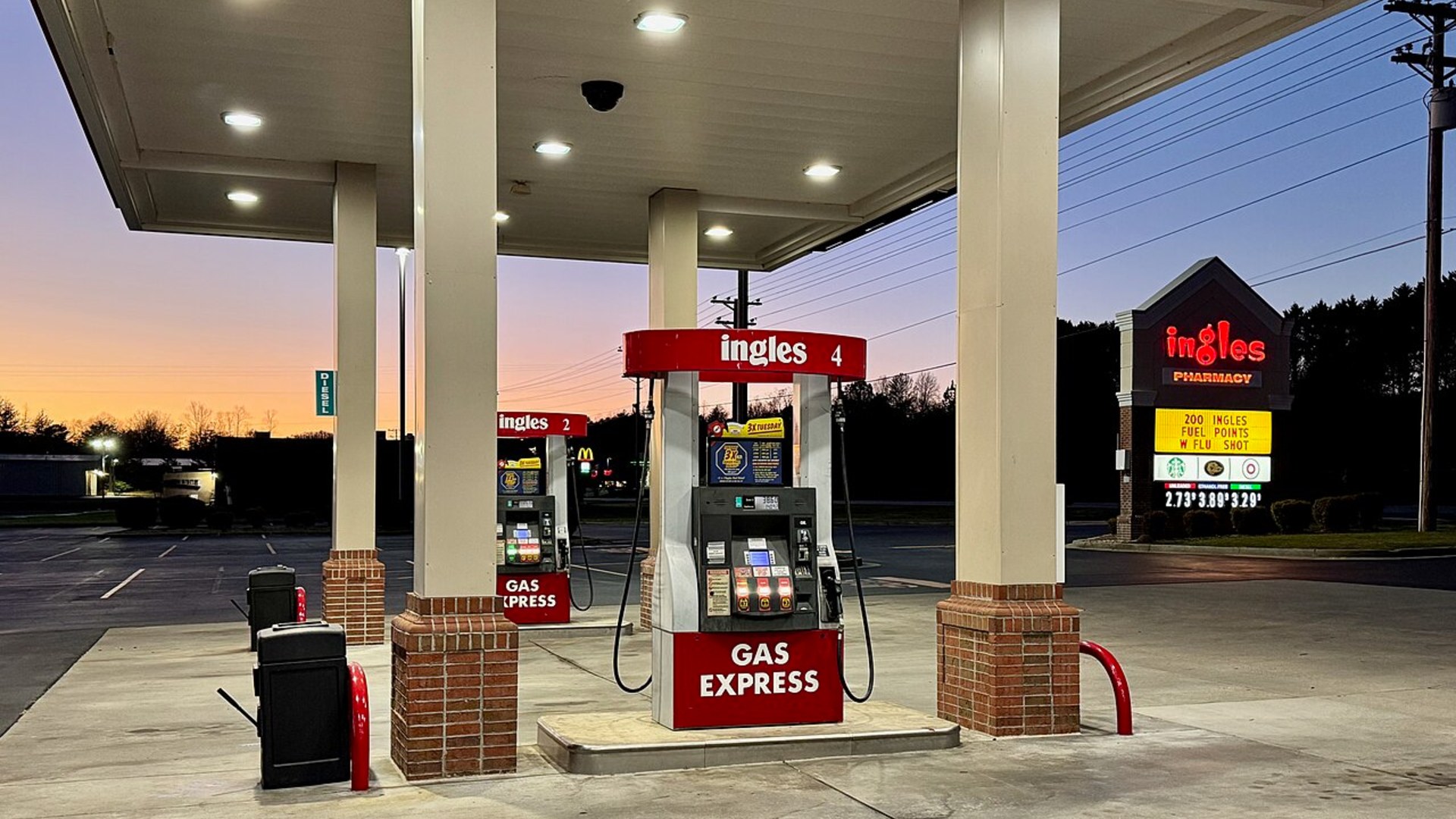
2. The Real-World Squeeze On Consumers
For everyday households, the convergence of high energy costs and corporate belt-tightening means higher utility bills, elevated gas prices at the pump, and fewer tech industry bonuses, curbing discretionary retail spending heading into winter.
©Wikimedia / Harrison Keely
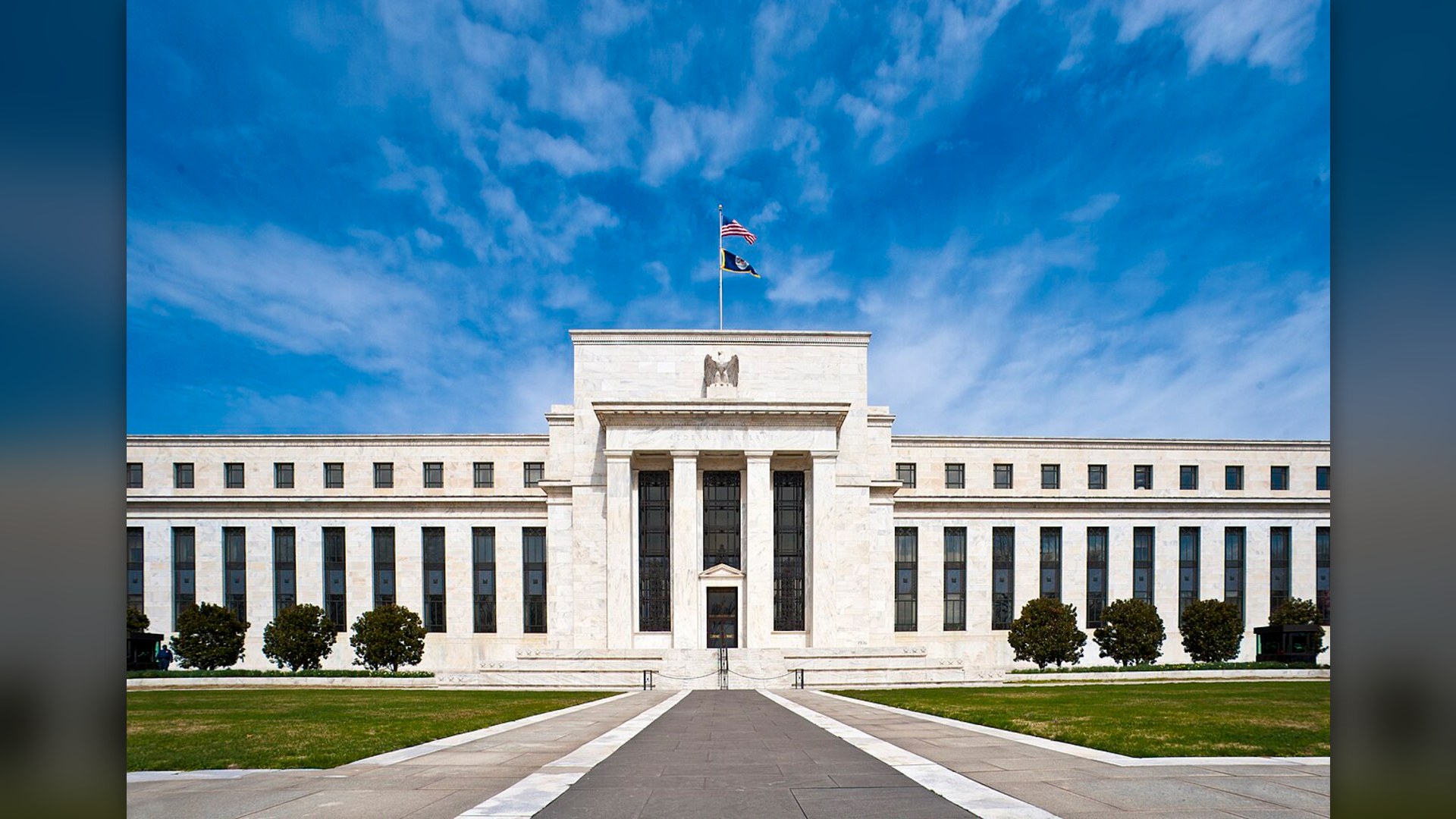
1. The New Macroeconomic Reality
The dual shocks of October 2026 make one thing clear: the global economy is transitioning to an era where real cash flows, essential physical commodities, and capital discipline matter far more than speculative growth projections.

©Wikimedia / Federal Reserve
Advertisement
You've reached the end of the story. Thanks for reading!

20 Iconic Historical Photos and the Archive Clues Behind Them
Contact sheets, cracked glass plates, and NASA mission logs preserve the hidden steps behind 20 famous photographs. Drawing on records from the Library of Congress, the National Archives, NASA, and the Smithsonian, this countdown traces how cropping, camera setups, and double exposures shaped each frame.
All 14 Entries in this Story
14. The Resurgence Of Triple-Digit Oil
After months of range-bound trading, Brent crude breaking through $114 a barrel confirms an underlying structural shift in global energy. Higher extraction costs, OPEC discipline, and depleted reserves have firmly re-established high energy prices as a defining feature of the global economy.

13. Structural Geopolitical Risk Premiums
With one-fifth of global petroleum transiting contested maritime choke points like the Strait of Hormuz, tanker freight insurance and security costs have permanently escalated, embedding an enduring geopolitical tax on every barrel transported.

12. The Big Tech Valuation Reckoning
For over two years, mega-cap tech stocks drove virtually all major equity gains. In late 2026, institutional investors are rotating away from hyper-valued growth stocks as the realization sets in that technology valuations had raced far ahead of underlying revenue growth.

11. The Debt-Fueled AI Infrastructure Race
Meta, Microsoft, and Google have escalated their capital expenditures to historic heights, increasingly leaning on corporate debt to secure specialized hardware and power grids. The trend has raised alarms among credit analysts watching corporate leverage climb.

10. The AI Monetization Squeeze
The initial wave of generative AI excitement has matured into an era of strict accountability. Businesses and shareholders are demanding measurable efficiency gains and recurring revenue before signing off on continued billion-dollar software subscriptions.

9. Semiconductor Supply Chain Consolidation
Drops across memory giants like Samsung and SK Hynix illustrate that the semiconductor sector remains subject to brutal boom-and-bust cycles. Overproduction of legacy components combined with costly next-gen AI packaging has strained hardware margins worldwide.

8. The Rotation To Tangible Real Assets
A signature market trend of late 2026 is the resurgence of tangible stores of value. Sovereign wealth funds and institutional asset managers are allocating larger portions of their portfolios to physical gold, raw land, and industrial commodities to hedge against monetary volatility.

7. The Flight To Sovereign Debt Havens
The sudden plunge in U.S. 10-year Treasury yields to sub-5% levels highlights a powerful macro rotation. Even at modest real yields, institutional money is prioritizing principal safety and government backing over volatile equity swings.

6. European Sovereign Debt Strains
Europe's financial architecture is navigating renewed strain as fiscal deficits in France widen the spread against German benchmark Bunds. Rising debt servicing costs are narrowing fiscal flexibility for European governments facing simultaneous energy and defense outlays.

5. Asian Equity Market Cooldown
Asian equity markets, which boomed on the back of Western electronics demand, are cooling rapidly. From China's lingering bear market to pressure on Japan's Nikkei, export-reliant economies are adjusting to softer consumer demand in major overseas markets.

4. The Cooling Tech IPO Pipeline
The shelving of Solidigm's anticipated public listing highlights a broader freeze across the tech IPO market. Venture capital and private equity firms are finding fewer avenues for lucrative public market exits in an environment defined by higher interest rates.

3. The 'Higher For Longer' Inflation Trap
Because energy is an essential input for shipping, plastics, agriculture, and manufacturing, $114 crude creates sticky, secondary inflation. Central banks hoping to aggressively lower interest rates may find their hands tied well into 2027.

2. The Real-World Squeeze On Consumers
For everyday households, the convergence of high energy costs and corporate belt-tightening means higher utility bills, elevated gas prices at the pump, and fewer tech industry bonuses, curbing discretionary retail spending heading into winter.

1. The New Macroeconomic Reality
The dual shocks of October 2026 make one thing clear: the global economy is transitioning to an era where real cash flows, essential physical commodities, and capital discipline matter far more than speculative growth projections.