Slideshow · Animals
Rare Wild Cats That Look Almost Too Unusual to Be Real
By Most Viral Today
27 Oct 2026

Rare Wild Cats That Look Almost Too Unusual to Be Real 
12. Borneo Bay Cat Rainforest Phantom 
11. Andean Mountain Cat Ghost Of The Peaks 
10. Pallas Cat Manul - AdvertisementSwipe or tap ▶ to continue countdown

9. Black Footed Cat Miniature Hunter 
8. Clouded Leopard Arboreal Phantom 
7. Eurasian Lynx Forest Stalker 
6. Sand Cat Desert Dweller - AdvertisementSwipe or tap ▶ to continue countdown

5. Fishing Cat Swimmer 
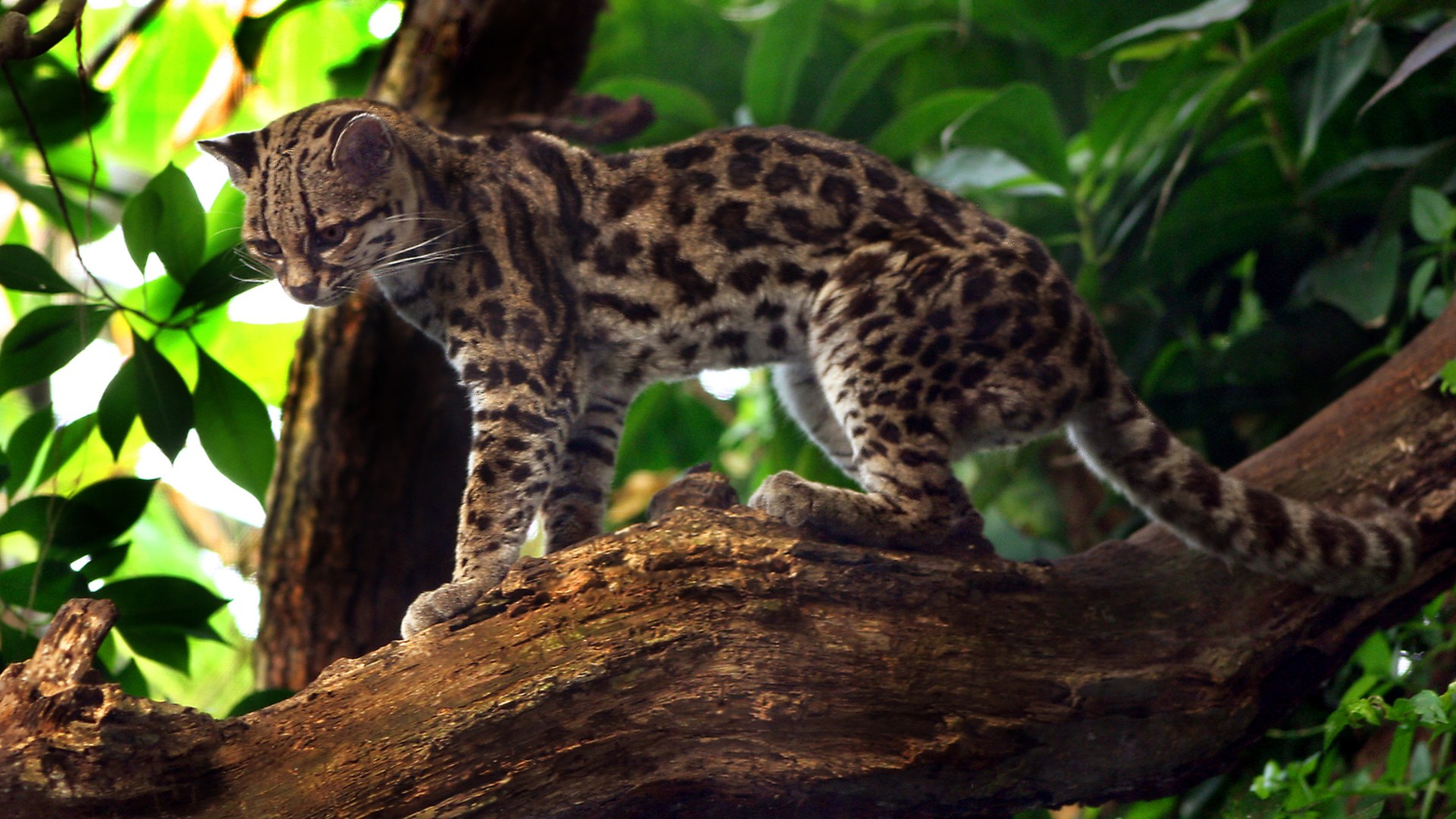
4. Margay Treetop Acrobat 
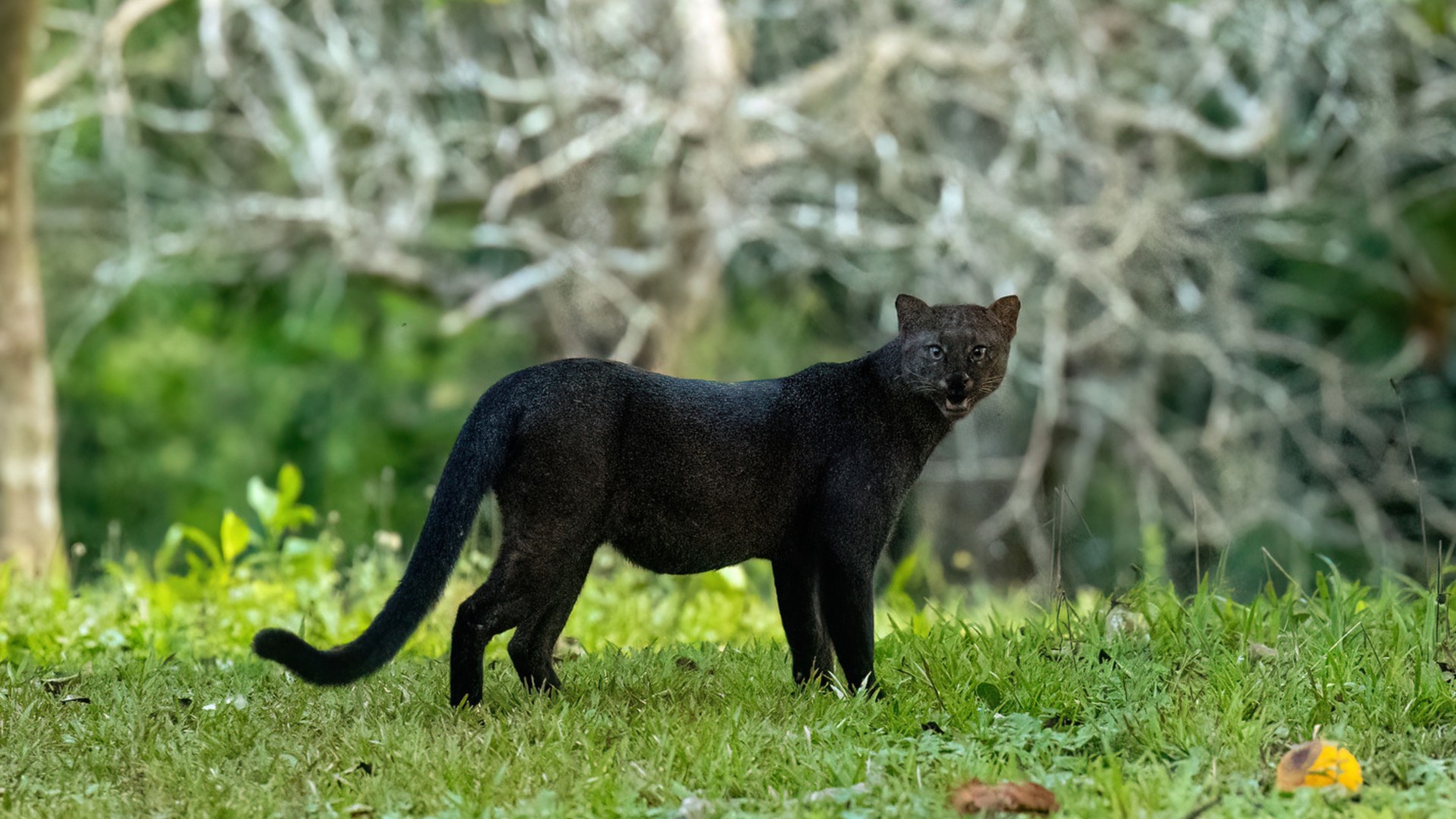
3. Jaguarundi Weasel Cat 
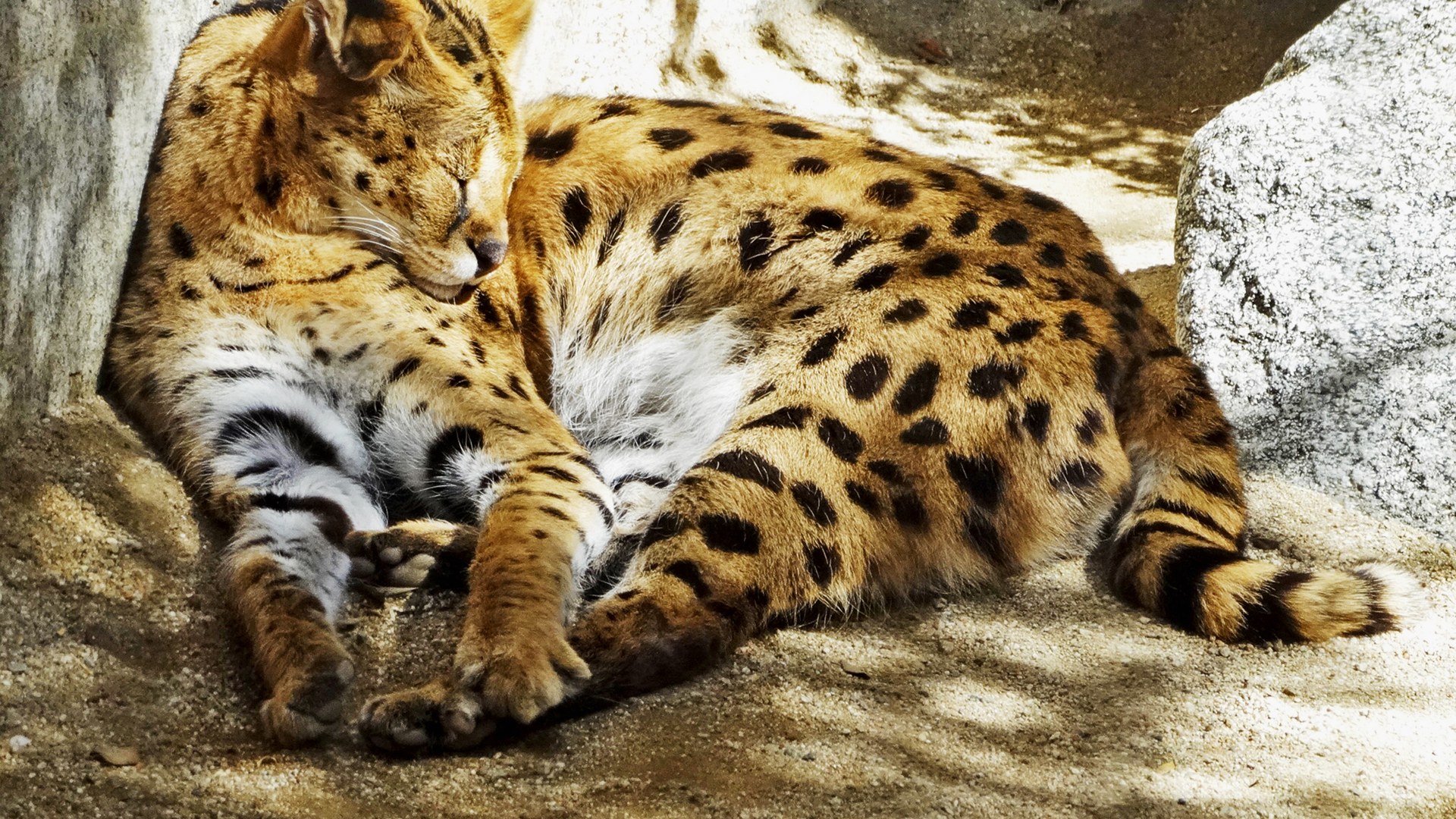
2. Serval Leggy Stalker - AdvertisementSwipe or tap ▶ to continue countdown

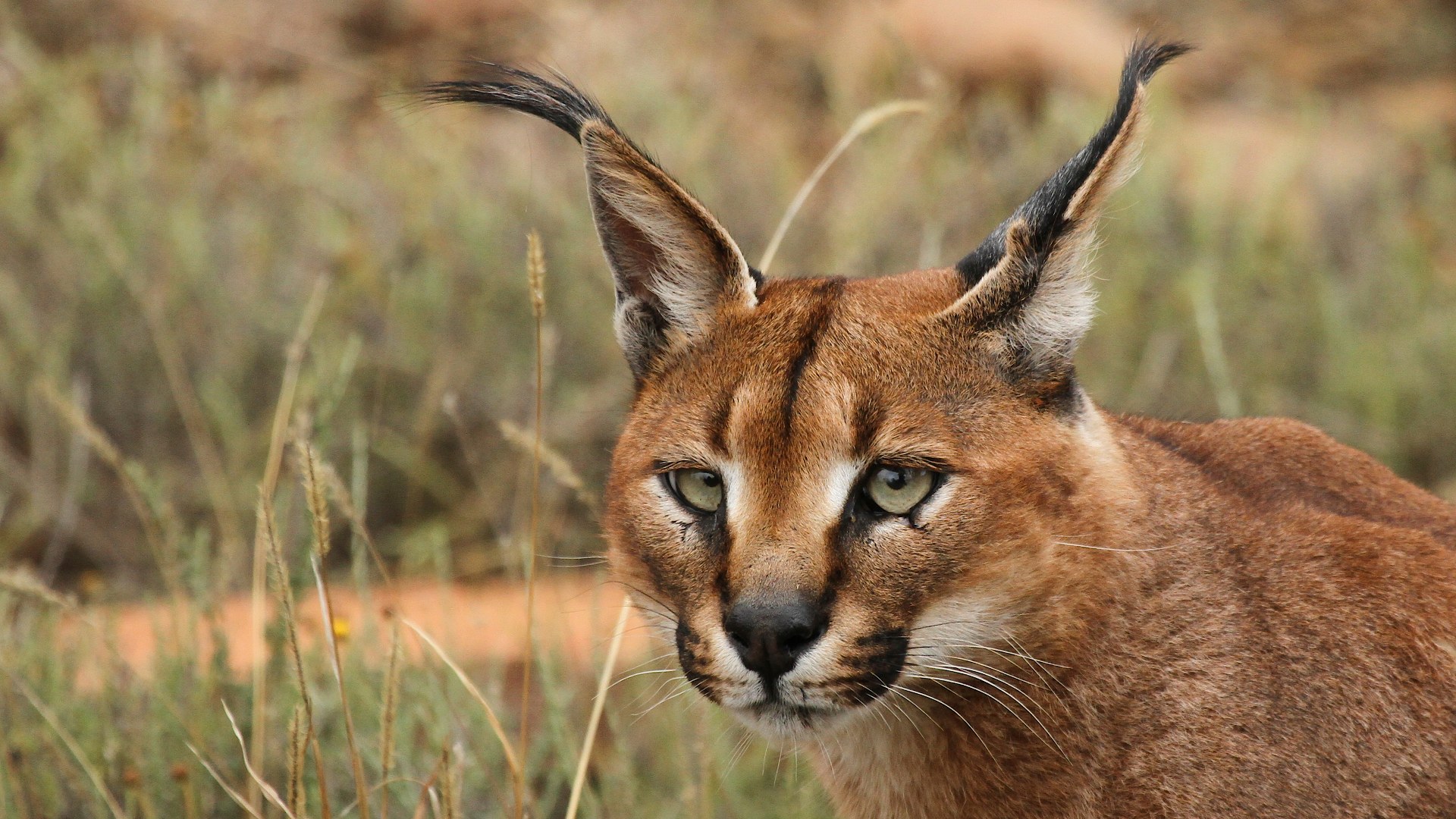
1. Caracal Tufted Ears - Advertisement🔥 UP NEXT IN THIS SERIES◫ 22 Slides

How Long Do Hippos Live? 20 Other Facts About Hippos
From sixty-year lifespans to whale cousins, discover secrets of river giants
From tufted acrobat ears and webbed swimming paws to rotating treetop ankles and dense alpine coats, these wild cats look like creatures from fantasy. Discover twelve rare felines whose bizarre evolutionary traits shock wildlife biologists.
Swipe or tap ▶ to begin the countdown
©Wikimedia / thibaudaronson & Wikimedia / Wilfredor
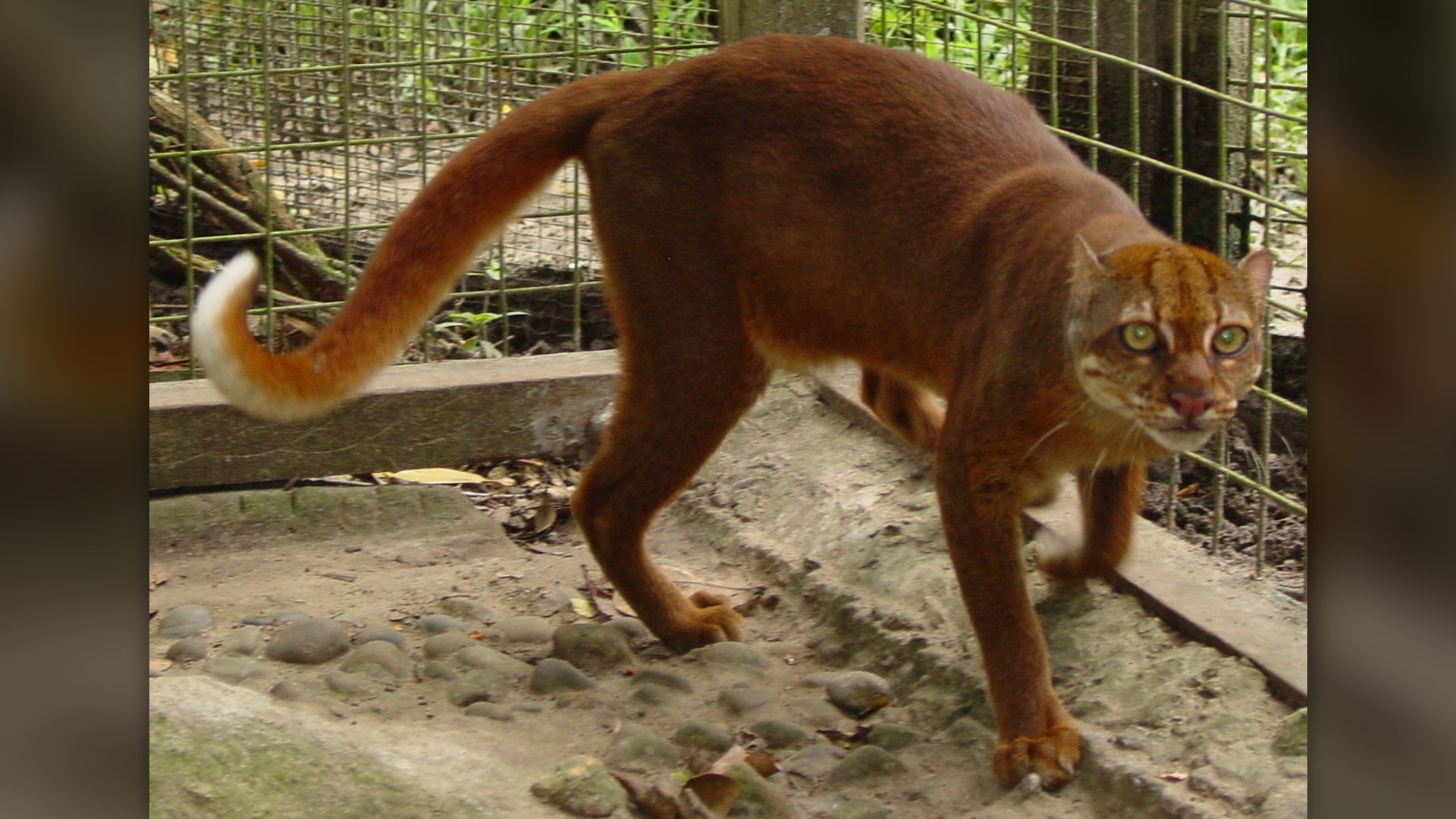
12. Borneo Bay Cat Rainforest Phantom
Endemic to the dense jungle interior of Borneo, this chestnut-red feline eluded wildlife photographers for decades until camera traps captured rare footage. Its secretive lifestyle and shrinking rainforest home keep its biology a deep mystery.
©Wikimedia / Bay cat
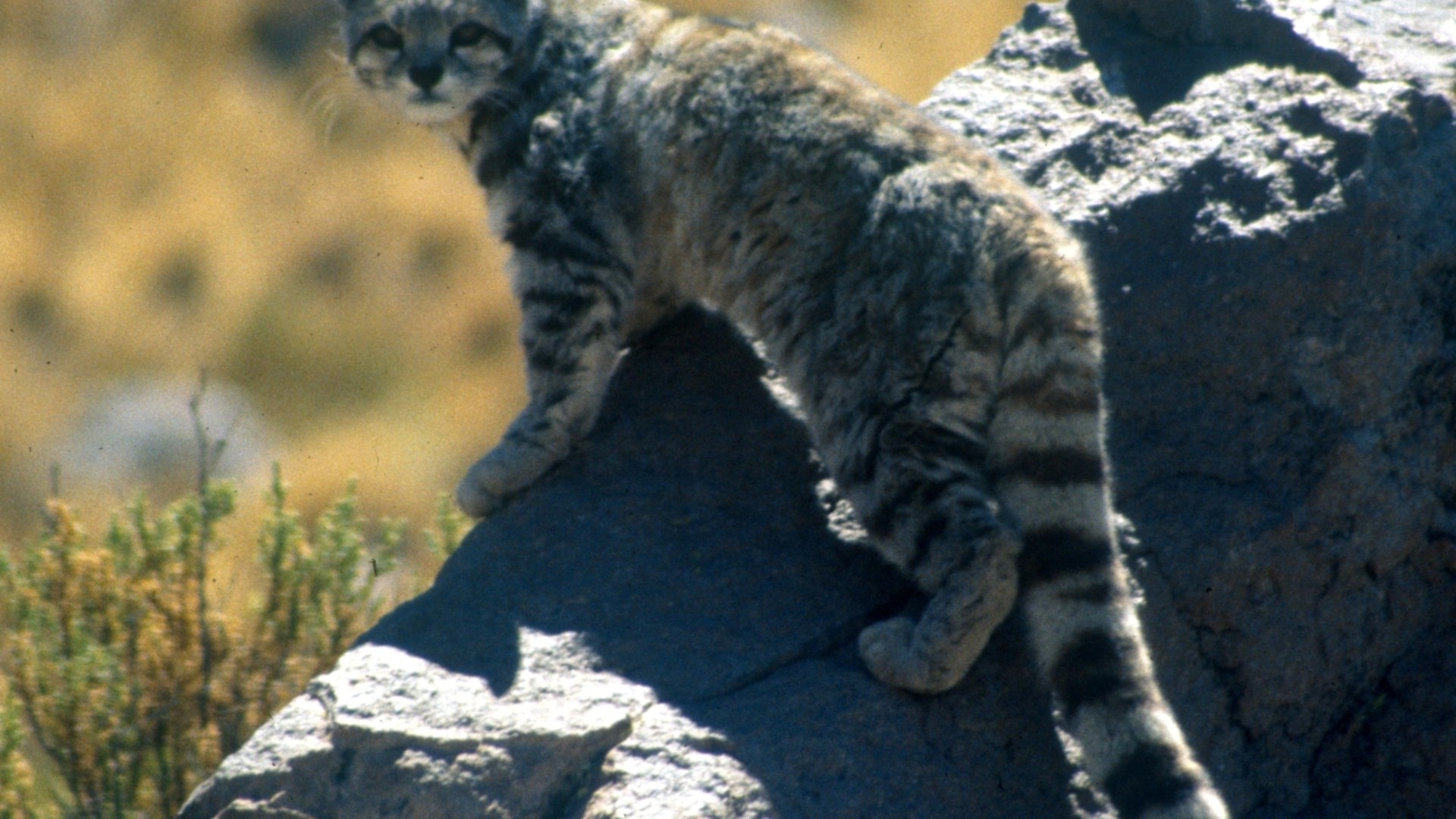
11. Andean Mountain Cat Ghost Of The Peaks
With fewer than two thousand individuals remaining, the Andean mountain cat lives in rocky terrain above the tree line in the high Andes. Its thick, ringed tail measures two-thirds of its body length, acting as a counterbalance across cliffs.
©Wikimedia / Jim Sanderson
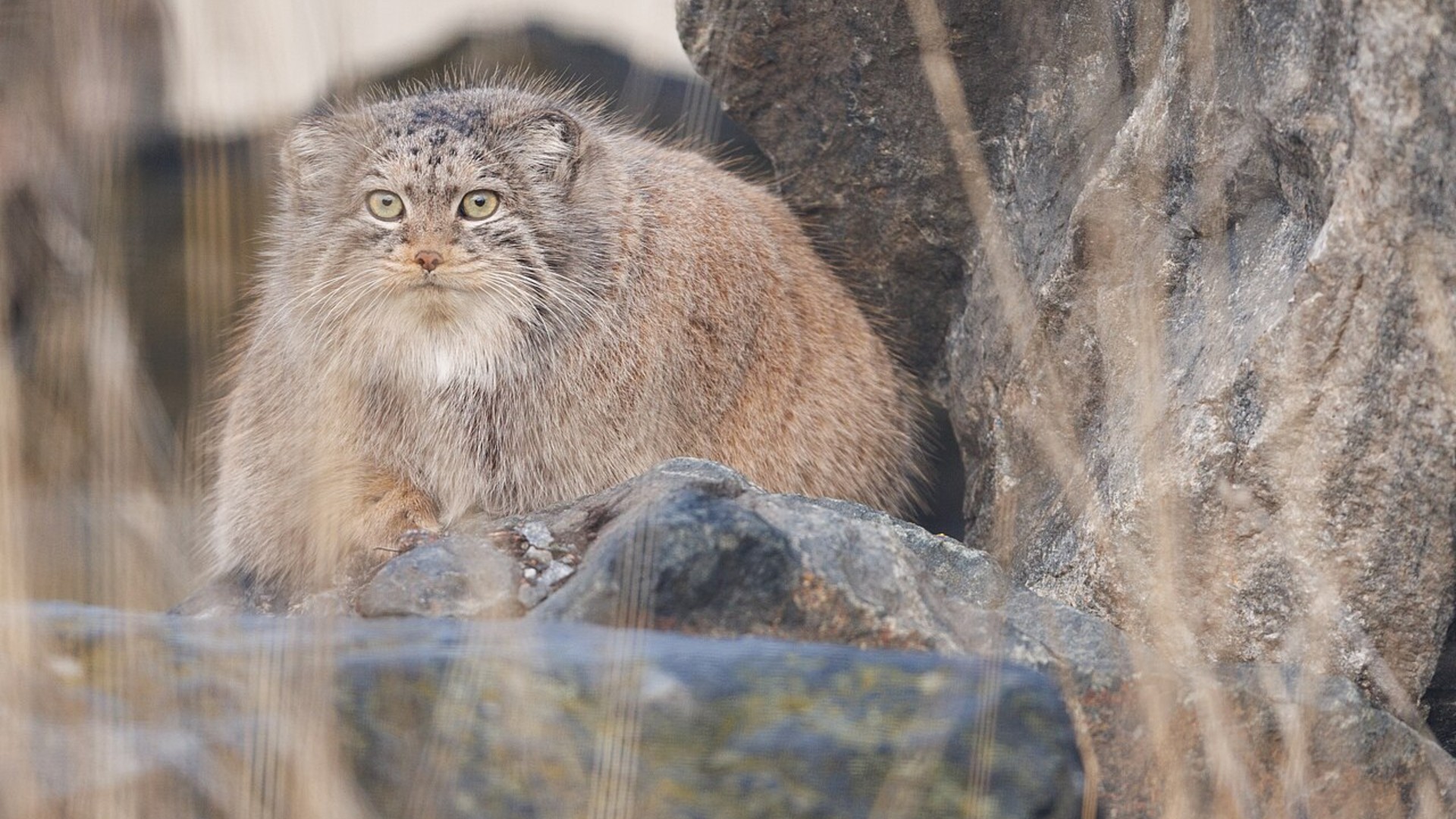
10. Pallas Cat Manul
Adapted to freezing Central Asian steppes up to fifteen thousand feet high, the manul has plush fur twice as thick as other wild cats. Low set ears and flat facial bones let it peek over rocky crags without revealing its silhouette.
©Wikimedia / Henry Söderlund
Advertisement
Swipe or tap ▶ to resume the countdown.
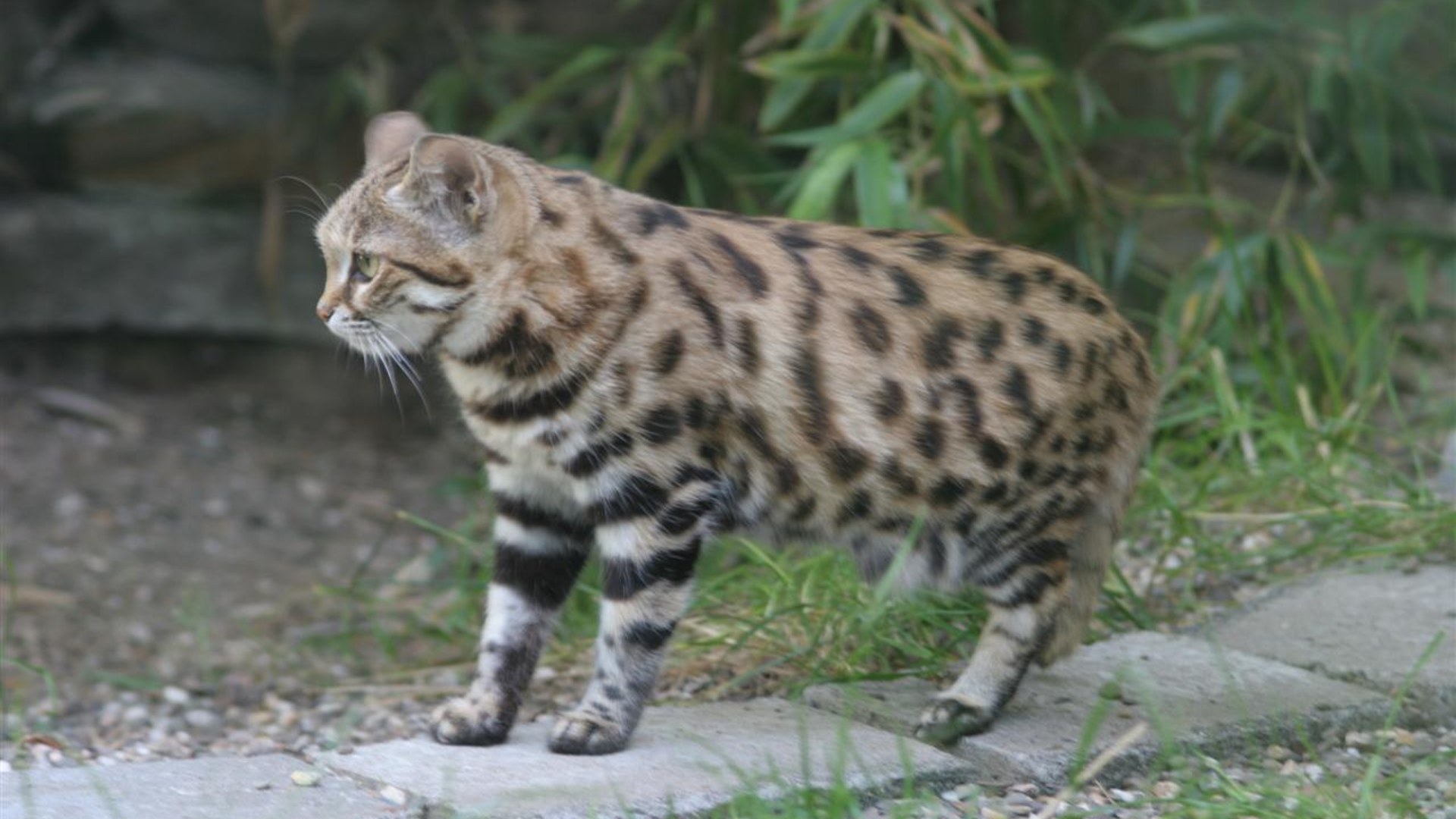
9. Black Footed Cat Miniature Hunter
Weighing just three to five pounds, this tiny southern African predator captures prey on sixty percent of its stalking attempts. Its ferocious hunting success rate outperforms lions and leopards, earning it legendary status in local folklore.
©Wikimedia / Pierre de Chabannes pour
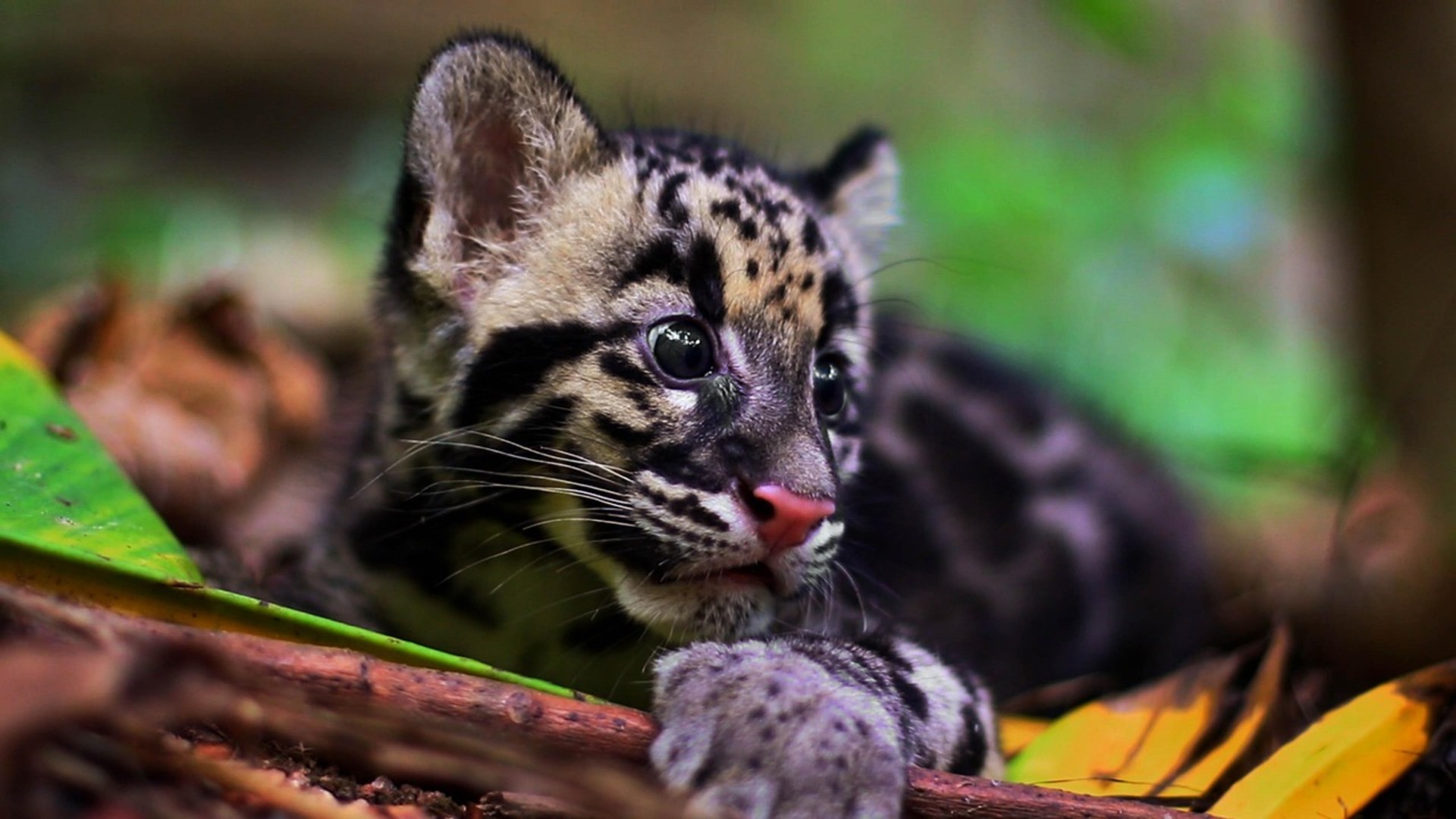
8. Clouded Leopard Arboreal Phantom
Prowling Southeast Asian rainforests, clouded leopards boast the longest canine teeth relative to body size of any living carnivore. Cloud-like blotched rosettes provide camouflage in high canopies where they hunt monkeys and birds.
©Pixabay / LionMountain
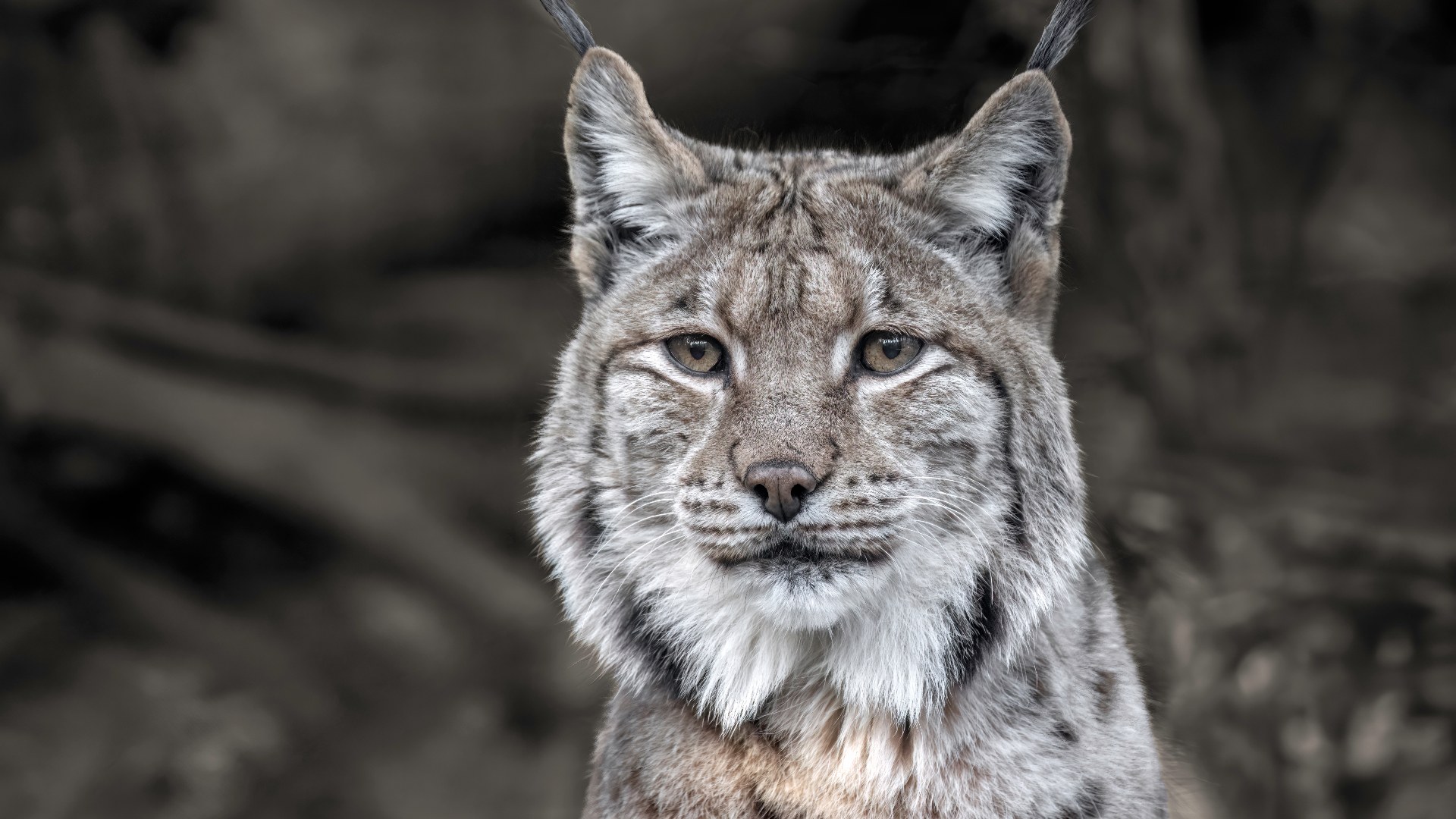
7. Eurasian Lynx Forest Stalker
As the largest of all lynx species, the Eurasian lynx rules the dense forests of Europe and Siberia. Distinctive black ear tassels act like antennae to detect faint sounds, while an expansive facial ruff and heavily cushioned paws help it thrive in frozen mountain ranges.
©Wikimedia / Wilfredor
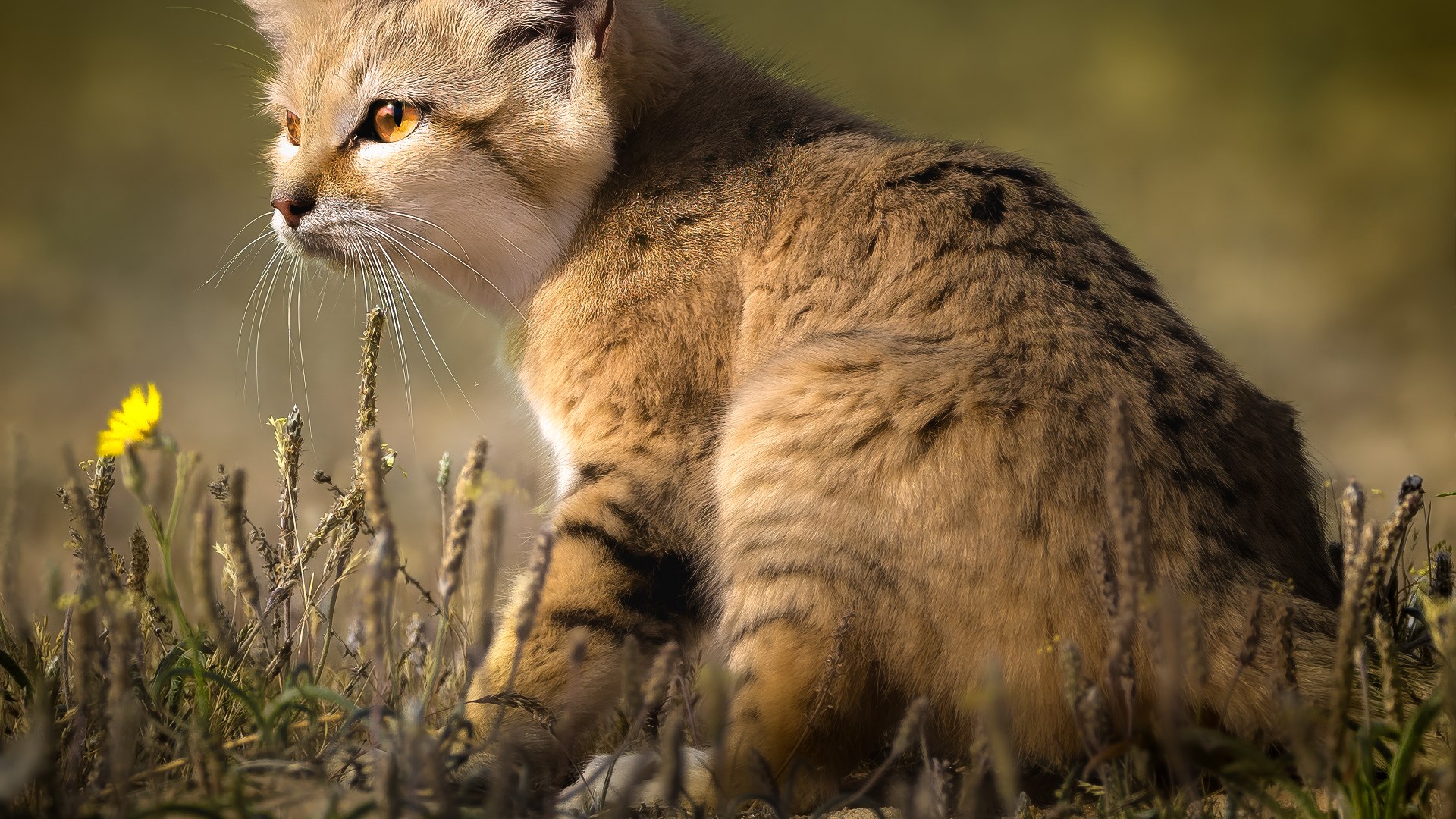
6. Sand Cat Desert Dweller
Surviving the harsh Sahara and Arabian deserts, the sand cat never needs to drink standing water, obtaining all hydration from prey. Thick fur on the soles of its paws shields against boiling sand and leaves virtually zero footprints behind.
©Wikimedia / Alahamali70
Advertisement
Swipe or tap ▶ to resume the countdown.
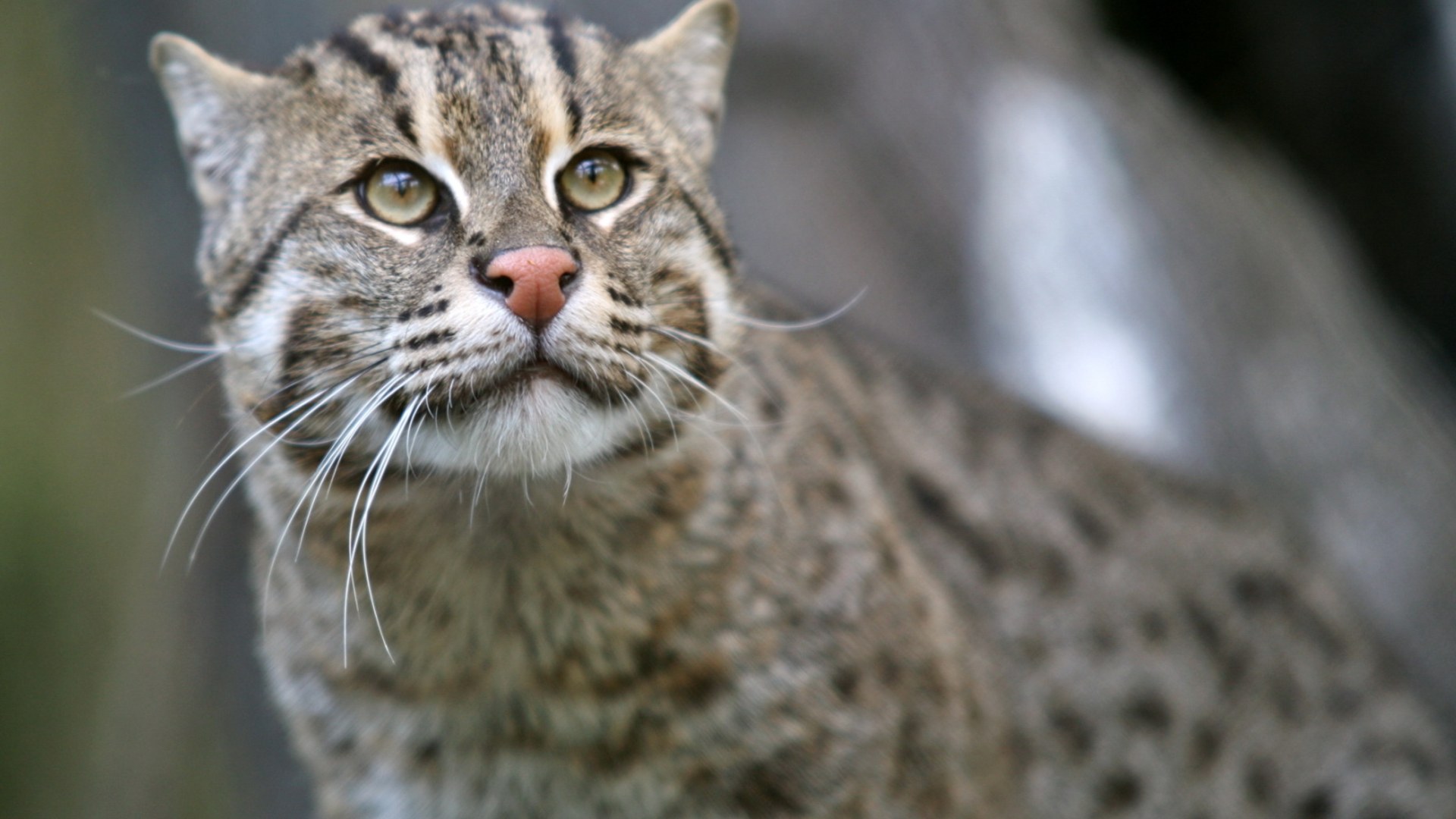
5. Fishing Cat Swimmer
Inhabiting South Asian wetlands and mangrove swamps, the fishing cat defies feline stereotypes by swimming eagerly. Partially webbed front paws and a water-resistant double coat allow it to snatch fish and frogs straight from deep rivers.
©Wikimedia / Cliff
4. Margay Treetop Acrobat
A resident of Central and South American rainforests, the margay spends virtually its entire life in trees. Its extraordinary ankle joints rotate completely backward, allowing it to scamper vertically down tree trunks headfirst like a squirrel.
©Wikimedia / Malene Thyssen (User Malene)
3. Jaguarundi Weasel Cat
Dwelling in the Americas from Mexico to Argentina, the jaguarundi looks remarkably un-feline with its elongated body, short legs, and unspotted coat. It moves through low brush with fluid movements and communicates with thirteen distinct vocal calls.
©Wikimedia / thibaudaronson
2. Serval Leggy Stalker
Native to African savannas, the serval looks like a miniature cheetah walking on stilts. Its elongated limbs and radar-dish ears allow it to detect burrowing prey beneath dense savanna grass before launching high pouncing arcs.
©Wikimedia / inkknife_2000 (7.5 million views +)
Advertisement
Swipe or tap ▶ to resume the countdown.
1. Caracal Tufted Ears
Found across Africa and the Middle East, the caracal features prominent black ear tufts containing over twenty distinct muscles. These feline radar dishes swivel independently to pinpoint rustling rodents before the cat leaps ten feet into the air.

©Wikimedia / Leo za1
Advertisement
You've reached the end of the story. Thanks for reading!

How Long Do Hippos Live? 20 Other Facts About Hippos
From sixty-year lifespans to whale cousins, discover secrets of river giants
All 12 Entries in this Story
12. Borneo Bay Cat Rainforest Phantom
Endemic to the dense jungle interior of Borneo, this chestnut-red feline eluded wildlife photographers for decades until camera traps captured rare footage. Its secretive lifestyle and shrinking rainforest home keep its biology a deep mystery.

11. Andean Mountain Cat Ghost Of The Peaks
With fewer than two thousand individuals remaining, the Andean mountain cat lives in rocky terrain above the tree line in the high Andes. Its thick, ringed tail measures two-thirds of its body length, acting as a counterbalance across cliffs.

10. Pallas Cat Manul
Adapted to freezing Central Asian steppes up to fifteen thousand feet high, the manul has plush fur twice as thick as other wild cats. Low set ears and flat facial bones let it peek over rocky crags without revealing its silhouette.

9. Black Footed Cat Miniature Hunter
Weighing just three to five pounds, this tiny southern African predator captures prey on sixty percent of its stalking attempts. Its ferocious hunting success rate outperforms lions and leopards, earning it legendary status in local folklore.

8. Clouded Leopard Arboreal Phantom
Prowling Southeast Asian rainforests, clouded leopards boast the longest canine teeth relative to body size of any living carnivore. Cloud-like blotched rosettes provide camouflage in high canopies where they hunt monkeys and birds.

7. Eurasian Lynx Forest Stalker
As the largest of all lynx species, the Eurasian lynx rules the dense forests of Europe and Siberia. Distinctive black ear tassels act like antennae to detect faint sounds, while an expansive facial ruff and heavily cushioned paws help it thrive in frozen mountain ranges.

6. Sand Cat Desert Dweller
Surviving the harsh Sahara and Arabian deserts, the sand cat never needs to drink standing water, obtaining all hydration from prey. Thick fur on the soles of its paws shields against boiling sand and leaves virtually zero footprints behind.

5. Fishing Cat Swimmer
Inhabiting South Asian wetlands and mangrove swamps, the fishing cat defies feline stereotypes by swimming eagerly. Partially webbed front paws and a water-resistant double coat allow it to snatch fish and frogs straight from deep rivers.

4. Margay Treetop Acrobat
A resident of Central and South American rainforests, the margay spends virtually its entire life in trees. Its extraordinary ankle joints rotate completely backward, allowing it to scamper vertically down tree trunks headfirst like a squirrel.

3. Jaguarundi Weasel Cat
Dwelling in the Americas from Mexico to Argentina, the jaguarundi looks remarkably un-feline with its elongated body, short legs, and unspotted coat. It moves through low brush with fluid movements and communicates with thirteen distinct vocal calls.

2. Serval Leggy Stalker
Native to African savannas, the serval looks like a miniature cheetah walking on stilts. Its elongated limbs and radar-dish ears allow it to detect burrowing prey beneath dense savanna grass before launching high pouncing arcs.

1. Caracal Tufted Ears
Found across Africa and the Middle East, the caracal features prominent black ear tufts containing over twenty distinct muscles. These feline radar dishes swivel independently to pinpoint rustling rodents before the cat leaps ten feet into the air.