Slideshow · Viral
Strange Things Found in Nature That Look Almost Unreal
From underground caverns lined with towering translucent crystals to neon acid pools and glowing salt mirrors, our planet features geological and biological formations so bizarre they defy belief. Her
By Most Viral Today
27 Oct 2026

Strange Things Found in Nature That Look Almost Unreal 
13. Aurora Borealis Ribbon: 500 Kilometers High 
12. The Richat Structure: 40 Kilometers Wide 
11. Salar De Uyuni Salt Flats: 10,582 Square Kilometers - AdvertisementSwipe or tap ▶ to continue countdown

10. Rainbow Mountain (Vinicunca): 5 Kilometers Ridge 
9. Dallol Hydrothermal Field: 2 Kilometers Across 
8. Spotted Lake Mineral Basins: 700 Meters Across 
7. Pamukkale Travertine Terraces: 160 Meters High - AdvertisementSwipe or tap ▶ to continue countdown

6. Grand Prismatic Spring: 110 Meters Wide 
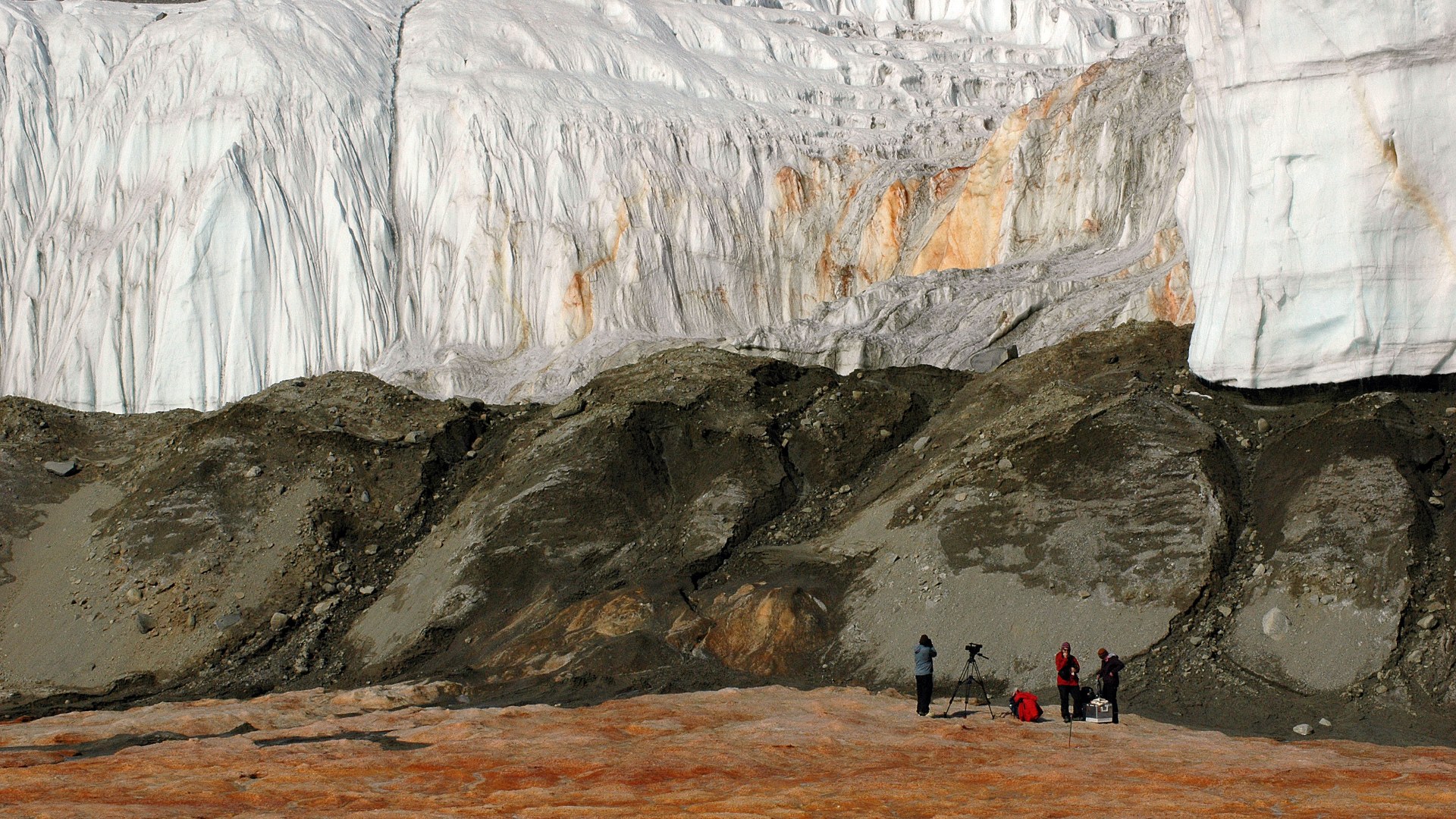
5. Blood Falls Iron Cascade: 35 Meters Wide 
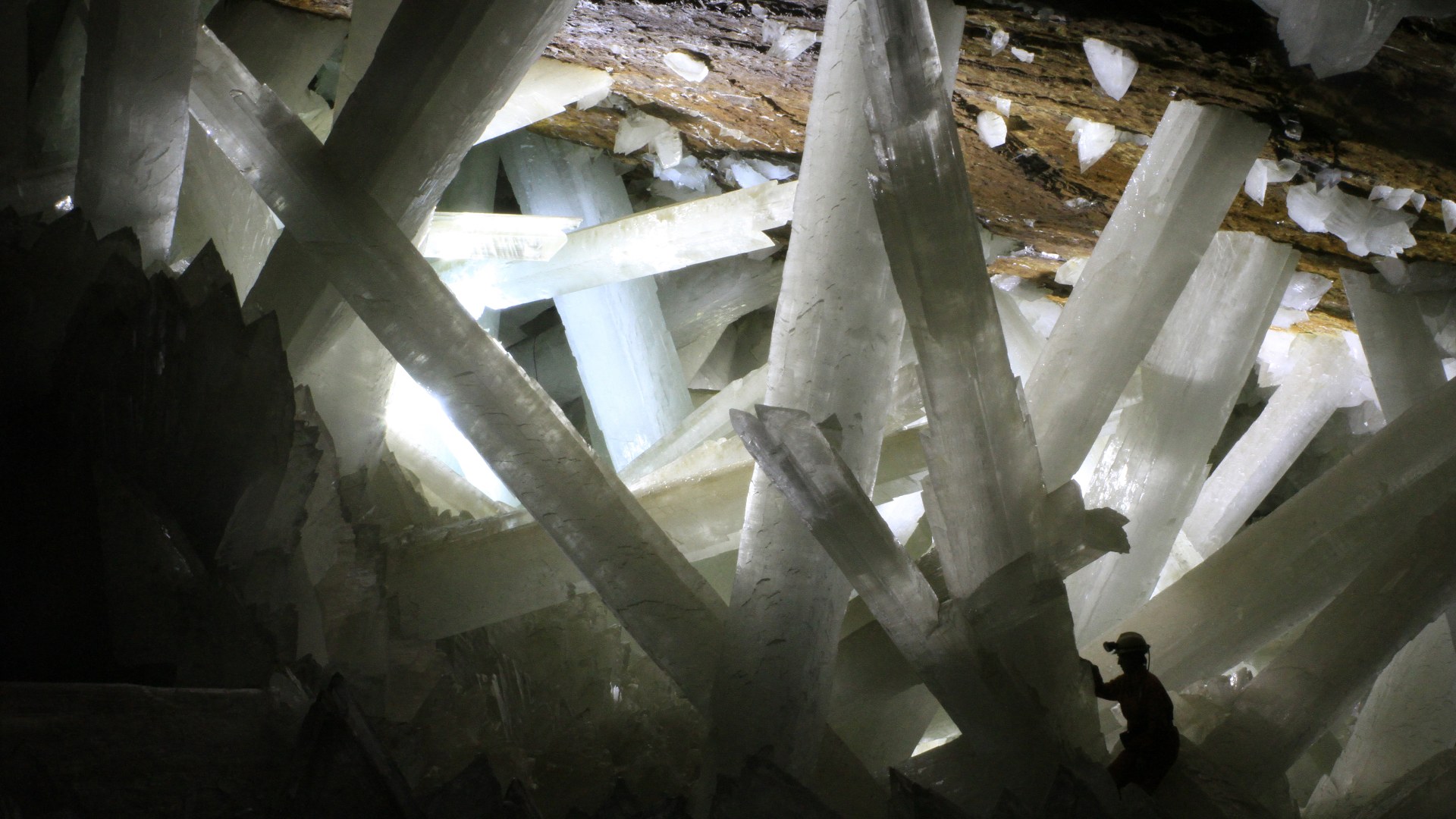
4. Giant Selenite Crystals Of Naica: 11.4 Meters Long 
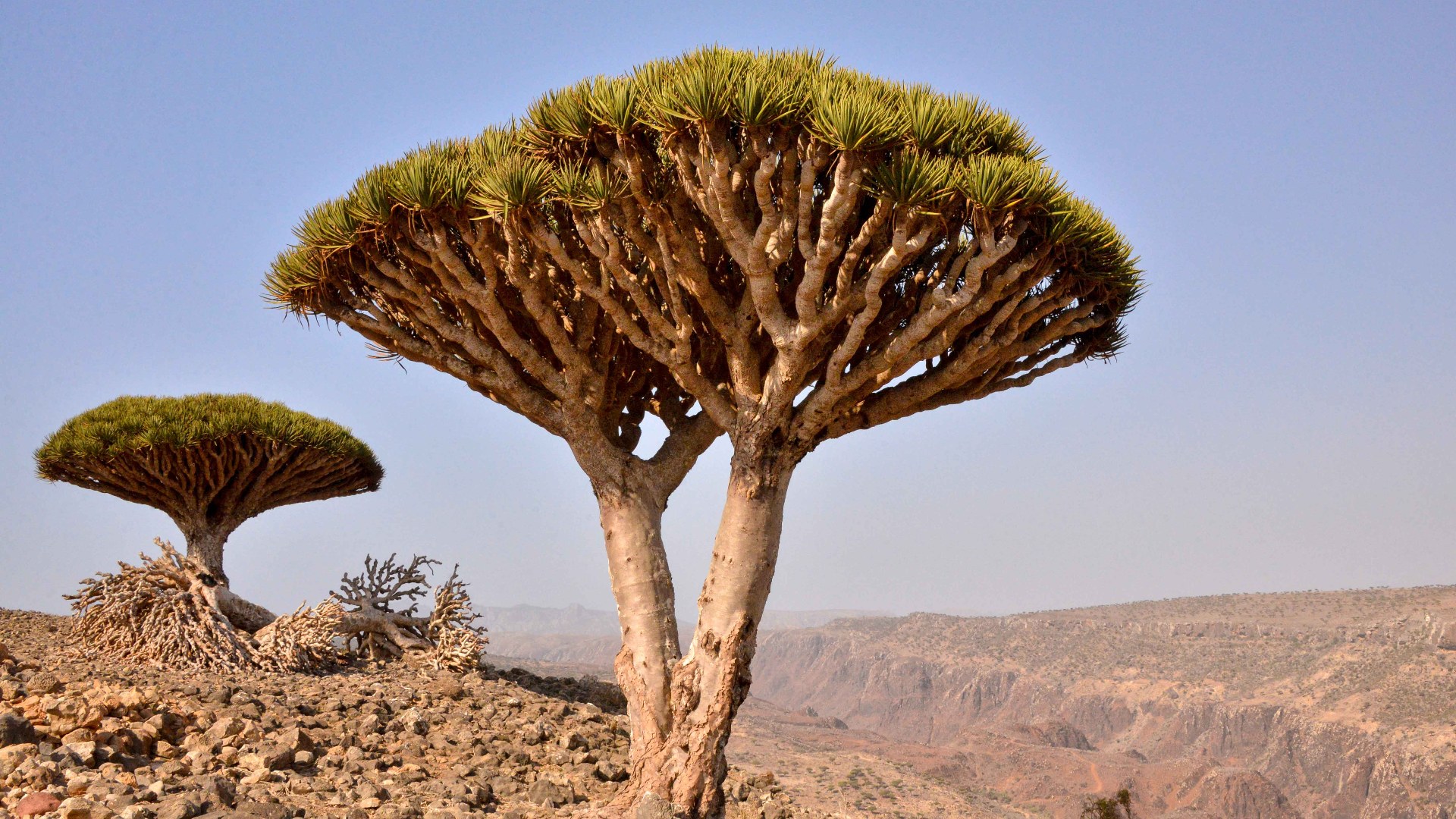
3. Socotra Dragon's Blood Tree: 10 Meters Tall - AdvertisementSwipe or tap ▶ to continue countdown

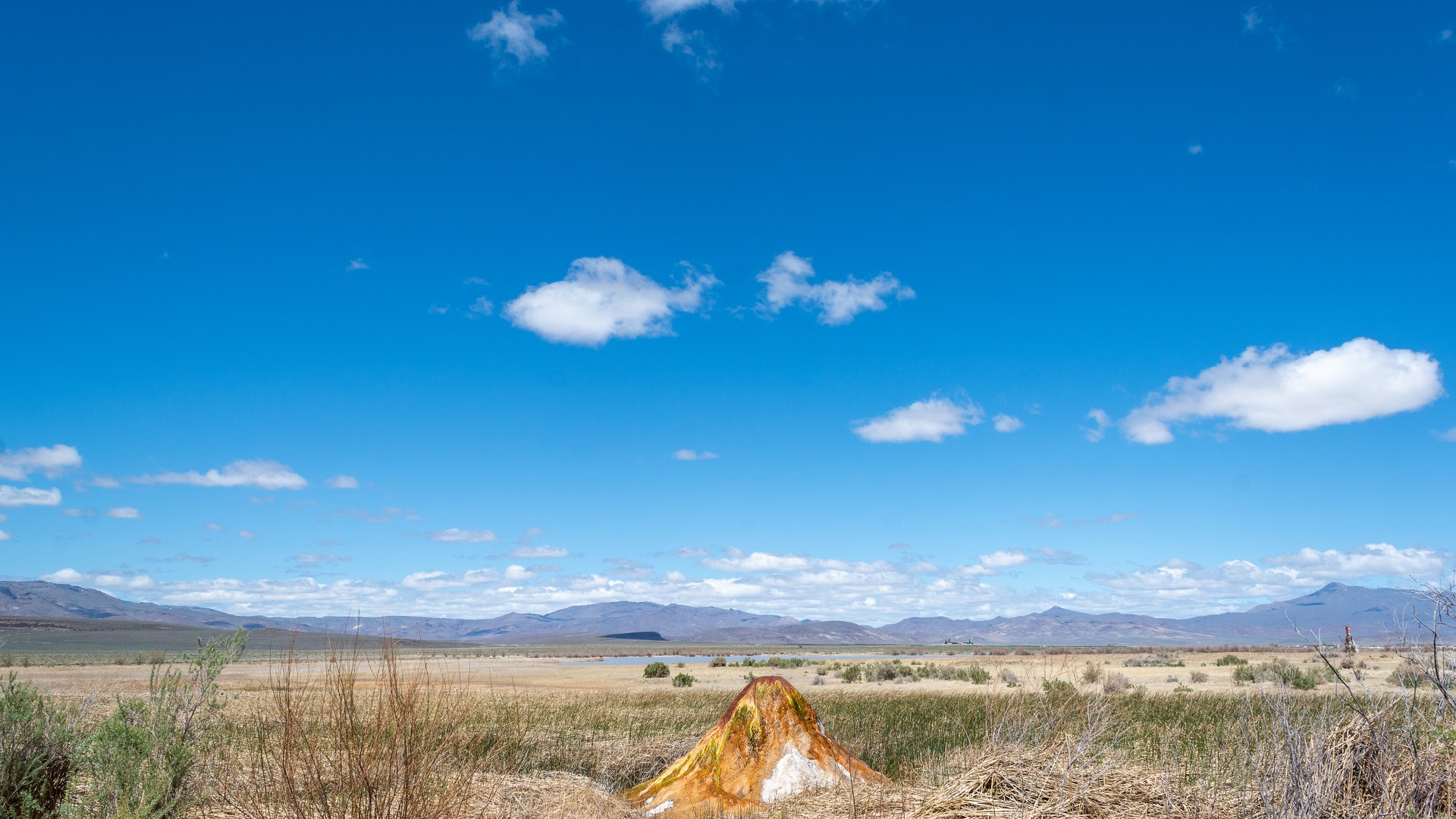
2. Fly Geyser Mineral Cone: 3.7 Meters Wide 
1. Bleeding Tooth Fungus: 5 To 10 Centimeters - Advertisement🔥 UP NEXT IN THIS SERIES◫ 21 Slides

20 Iconic Historical Photos and the Archive Clues Behind Them
Contact sheets, cracked glass plates, and NASA mission logs preserve the hidden steps behind 20 famous photographs. Drawing on records from the Library of Congress, the National Archives, NASA, and the Smithsonian, this countdown traces how cropping, camera setups, and double exposures shaped each frame.
From underground caverns lined with towering translucent crystals to neon acid pools and glowing salt mirrors, our planet features geological and biological formations so bizarre they defy belief. Here are thirteen surreal wonders ranked in ascending order of their physical and geographic scale.
Swipe or tap ▶ to begin the countdown
©Wikimedia / Holger Krisp (CC BY) & Rod Waddington (CC BY-SA)
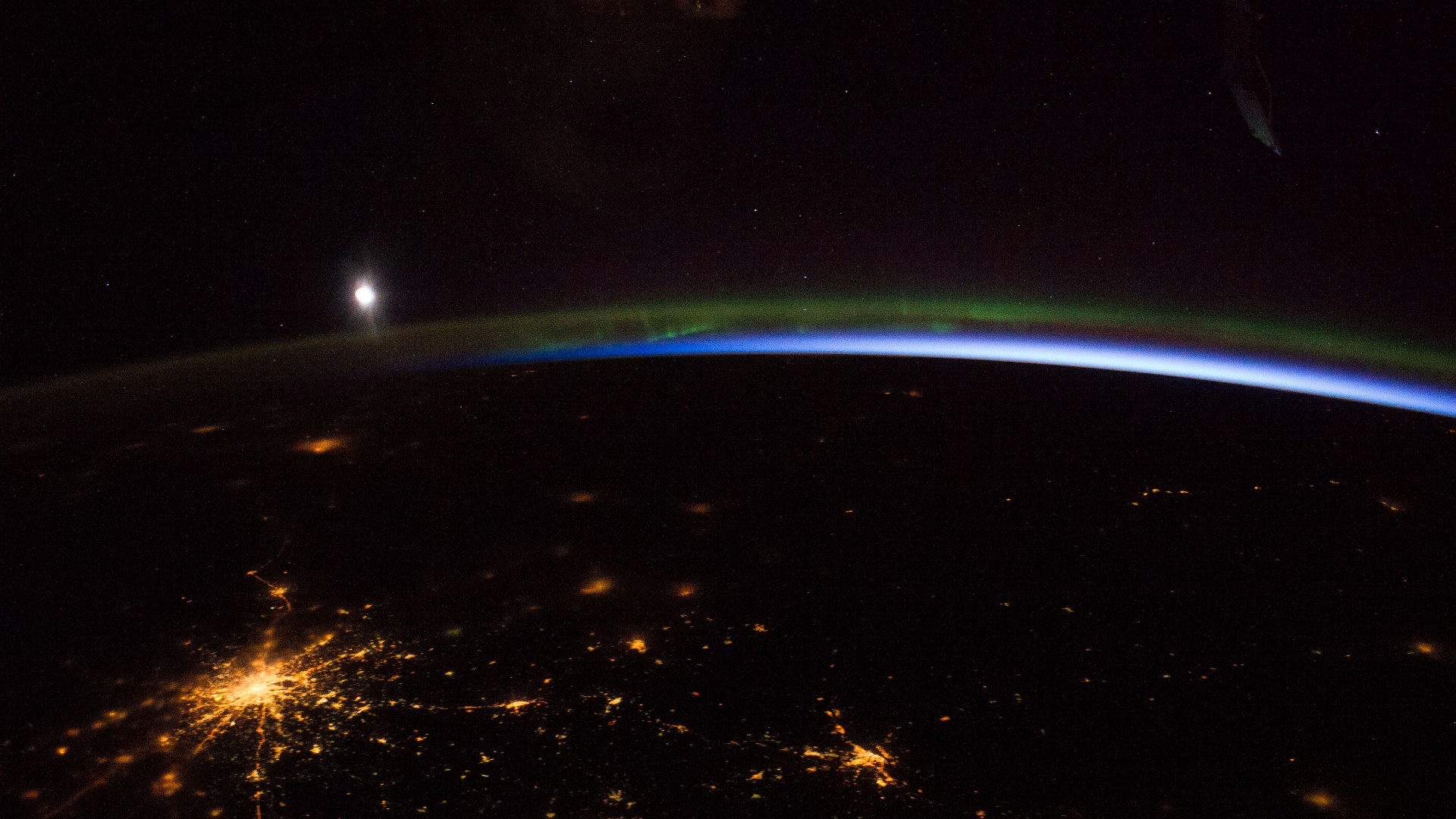
13. Aurora Borealis Ribbon: 500 Kilometers High
Stretching across thousands of miles of polar skies at altitudes up to five hundred kilometers, the northern lights form when charged solar wind particles collide with atmospheric gases. Oxygen atoms emit vibrant neon green and crimson wavelengths, painting ripples across the night sky.
©Wikimedia / NASA ISS-39 (Public domain)
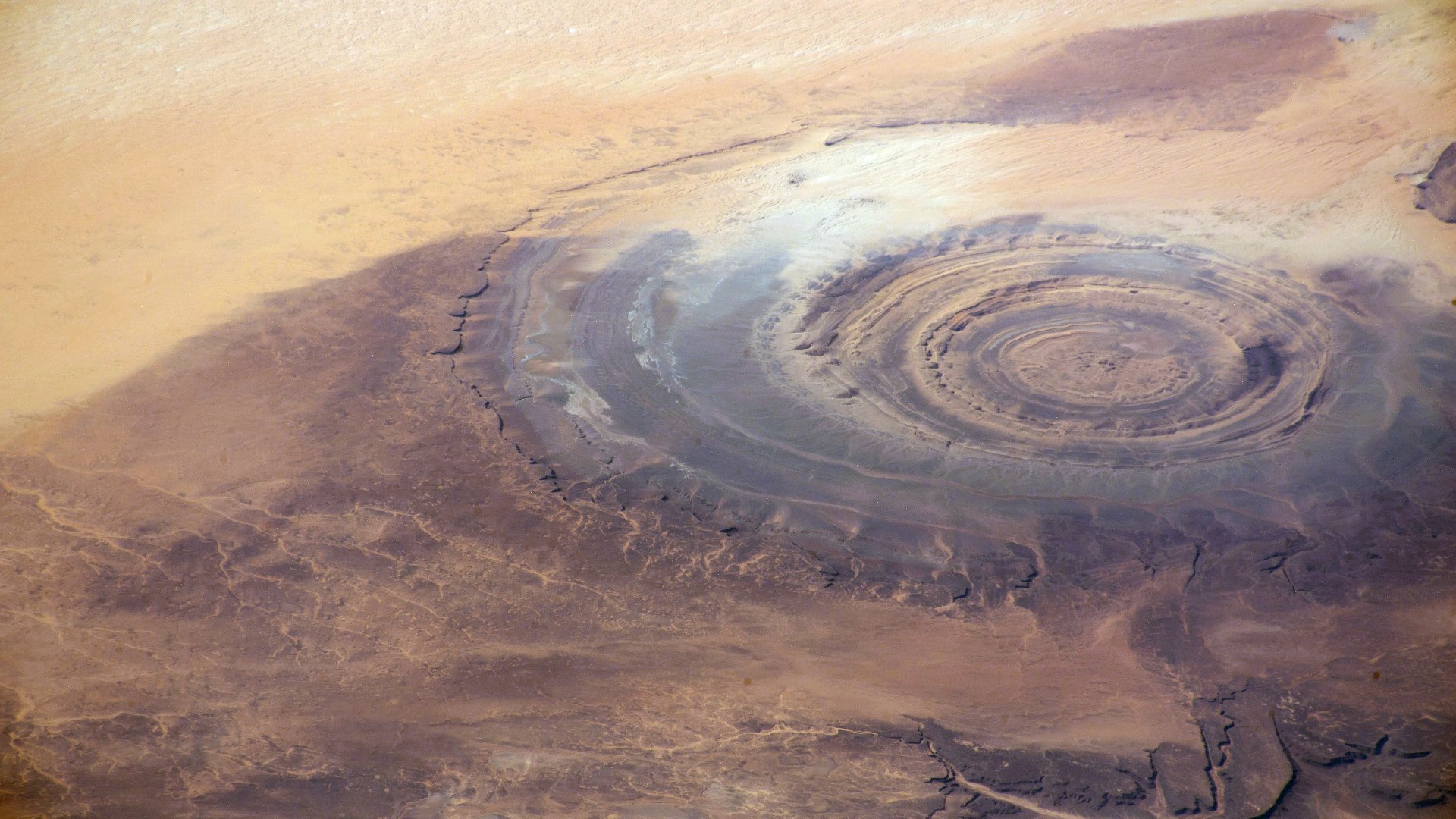
12. The Richat Structure: 40 Kilometers Wide
Visible clearly from outer space, the Richat Structure in Mauritania resembles a giant bullseye stretching twenty-five miles across desert sand. Originally believed to be a meteorite crater, geologists now recognize it as an eroded geological dome exposing sedimentary and volcanic rock rings.
©Wikimedia / NASA ISS-66 (Public domain)
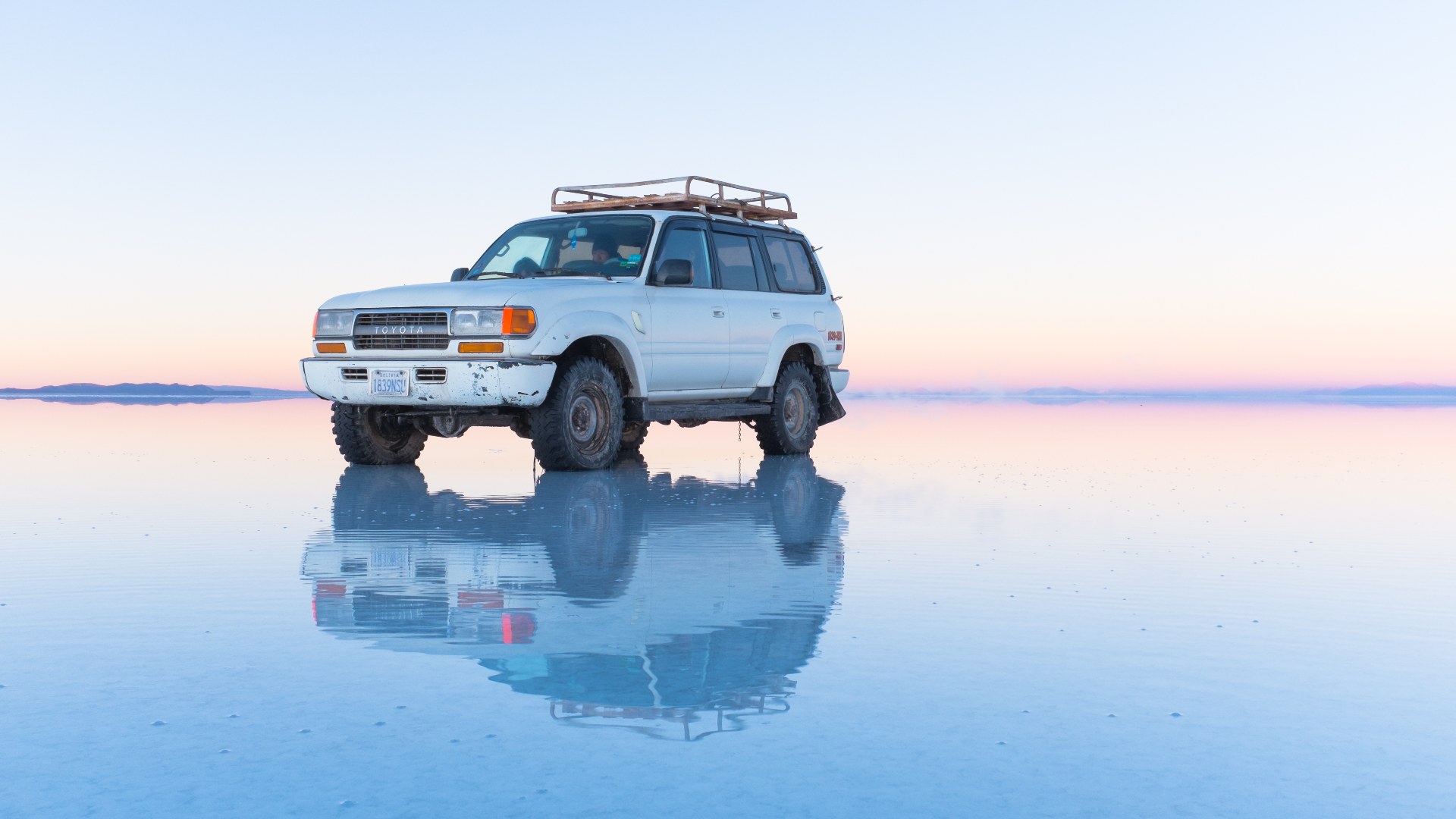
11. Salar De Uyuni Salt Flats: 10,582 Square Kilometers
Spanning four thousand square miles of southwest Bolivia, Salar de Uyuni is the largest salt flat on Earth. During the wet season, a thin film of rainwater transforms the immense expanse into a reflective mirror that blurs the horizon, making clouds and sky appear seamlessly infinite.
©Wikimedia / Christopher Crouzet (CC BY-SA)
Advertisement
Swipe or tap ▶ to resume the countdown.
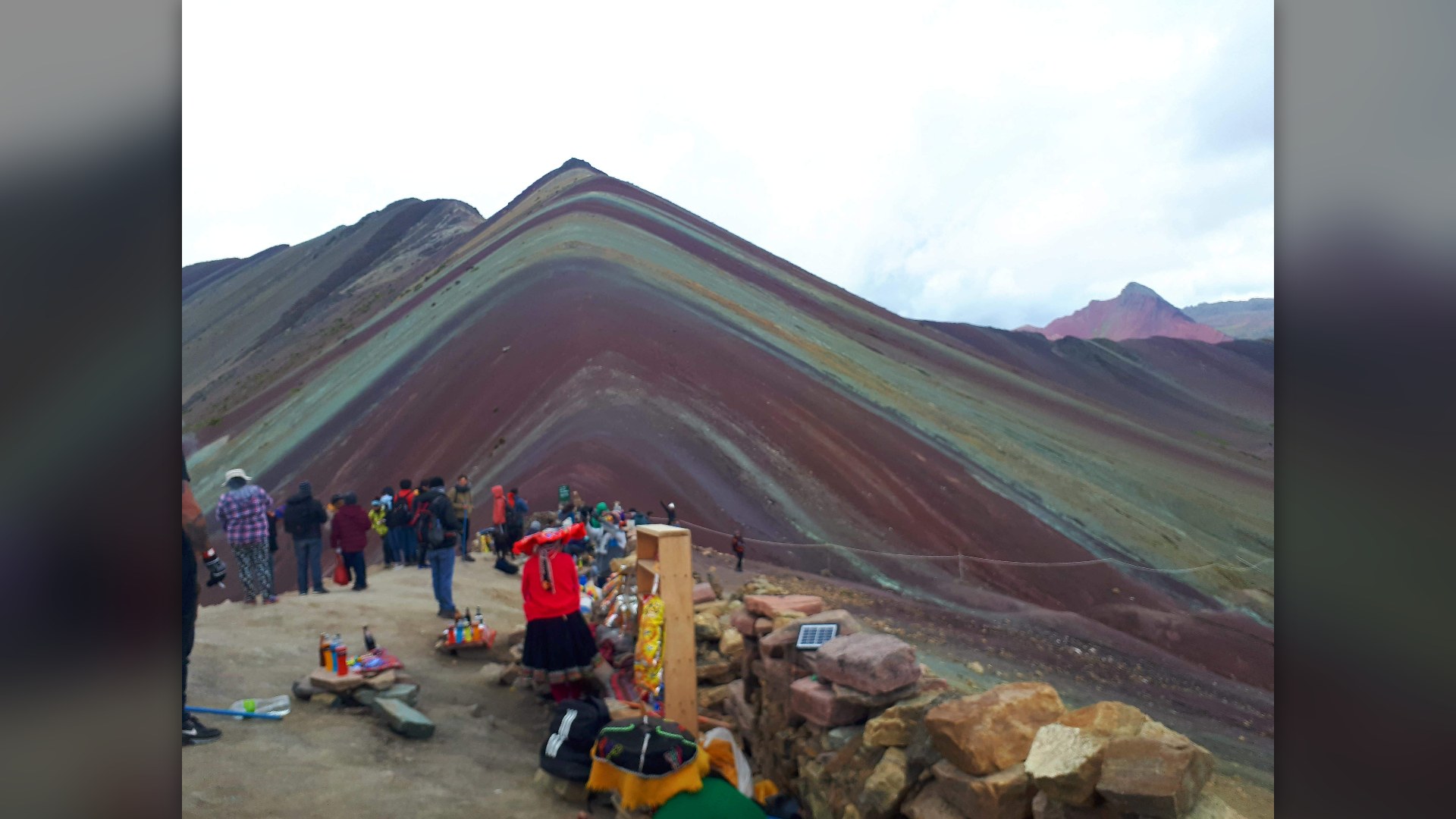
10. Rainbow Mountain (Vinicunca): 5 Kilometers Ridge
Rising over seventeen thousand feet in the Peruvian Andes, Vinicunca features dramatic mineral striping exposed as melting snow unveiled underlying rock. Weathering iron oxide produces bright red, copper and iron sulfide create turquoise hues, while yellow limonite adds golden yellow bands.
©Wikimedia / MareikeHeuer (Public domain)
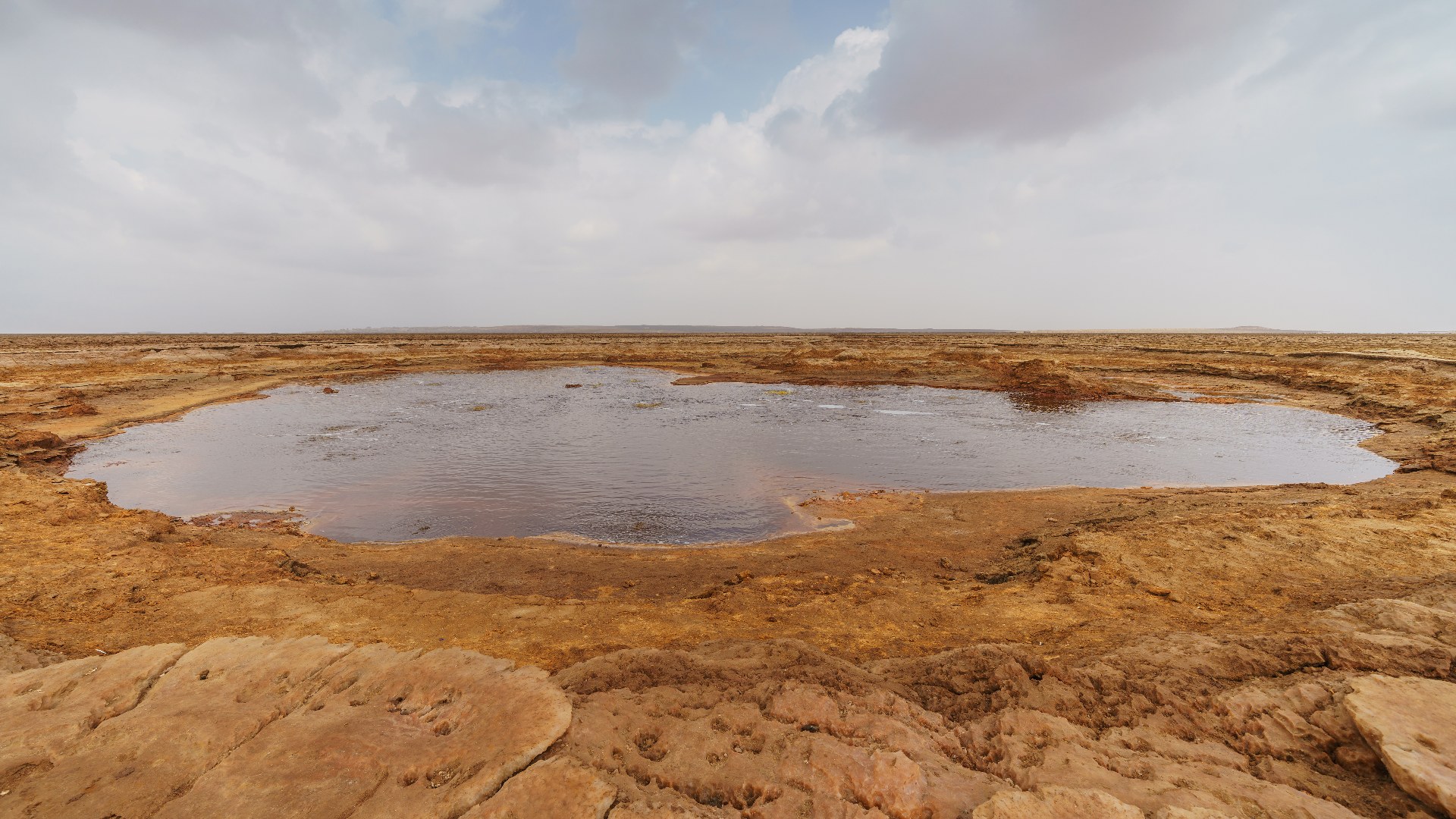
9. Dallol Hydrothermal Field: 2 Kilometers Across
Situated in Ethiopia's Danakil Depression more than four hundred feet below sea level, Dallol is one of the lowest and hottest places on Earth. Geothermal heat forces acidic brine through thick salt beds, creating neon yellow sulfur mounds, turquoise acid lakes, and miniature salt geysers.
©Wikimedia / A.Savin (Free Art License)
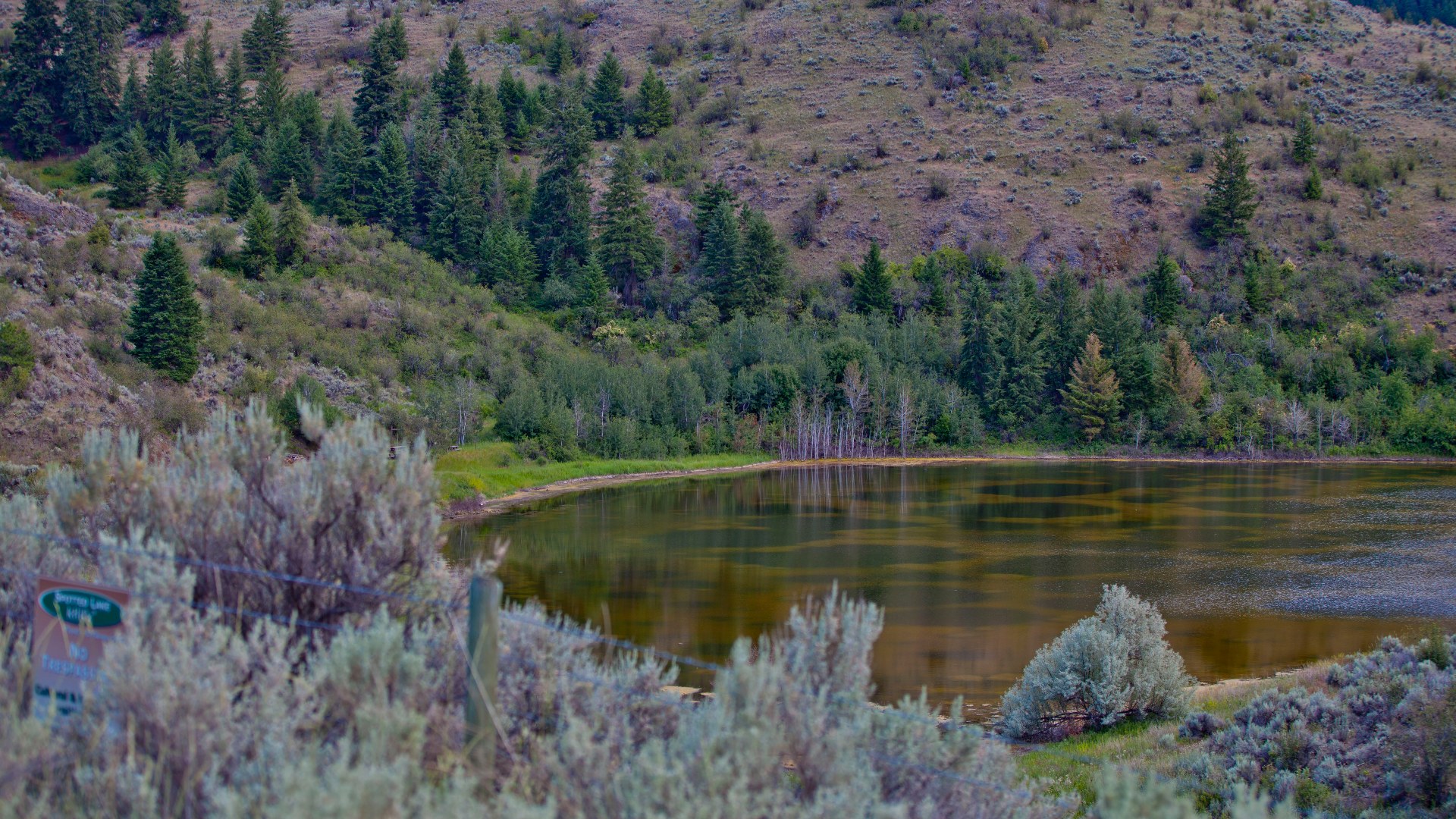
8. Spotted Lake Mineral Basins: 700 Meters Across
Located near Osoyoos in British Columbia, Spotted Lake contains dense concentrations of magnesium sulfate, calcium, and sodium sulfates. When summer heat evaporates seasonal water, hundreds of circular mineral pools emerge in pale yellow, green, and blue circles with hardened mineral pathways.
©Wikimedia / GoToVan (CC BY)
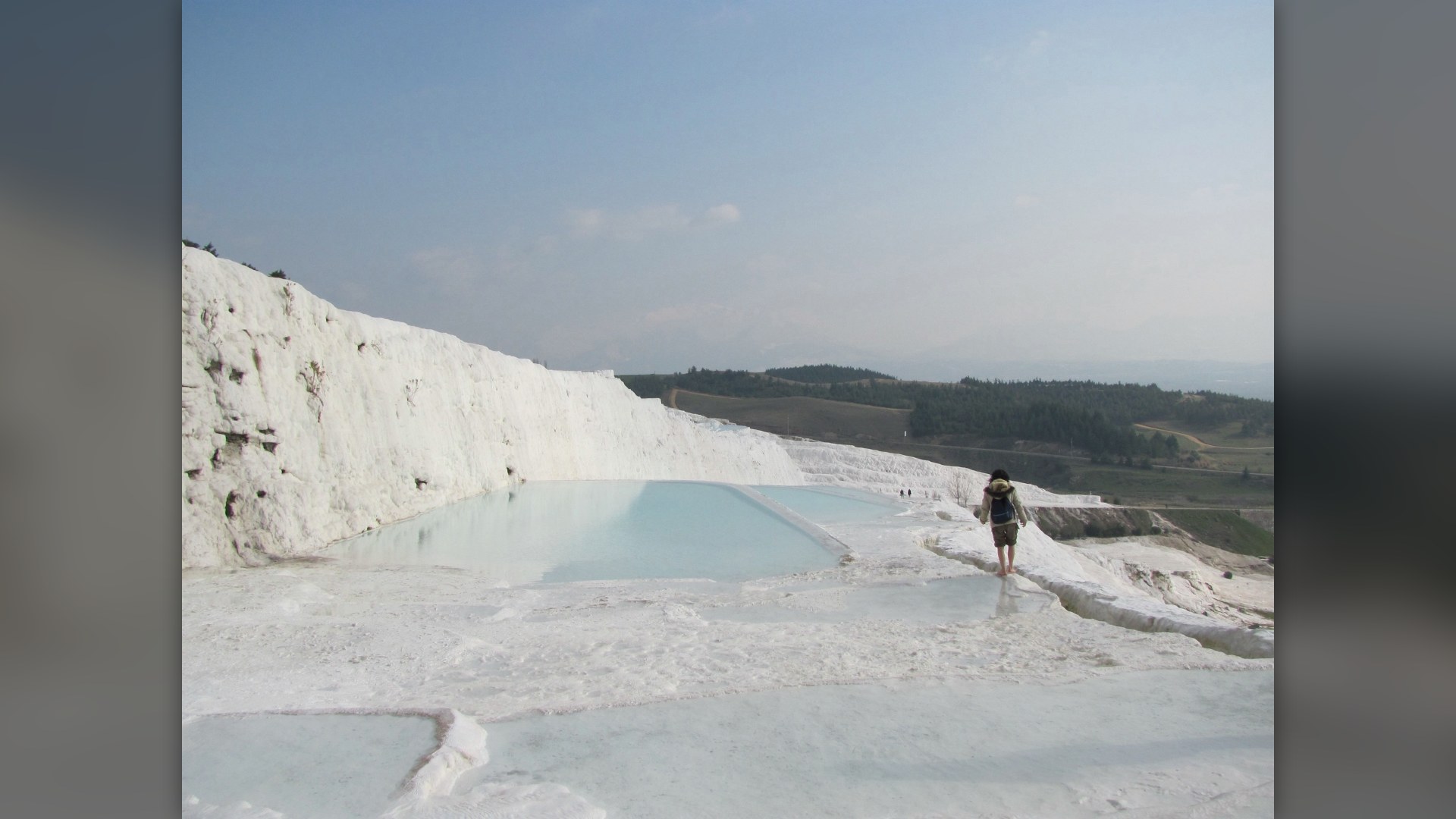
7. Pamukkale Travertine Terraces: 160 Meters High
Known in Turkish as the Cotton Castle, Pamukkale features gleaming white travertine terraces formed over millennia by mineral-rich thermal waters. Calcium carbonate precipitates out of cooling spring water to form shallow, stepped limestone pools reflecting the brilliant Mediterranean sky.
©Wikimedia / Slyronit (CC BY-SA)
Advertisement
Swipe or tap ▶ to resume the countdown.
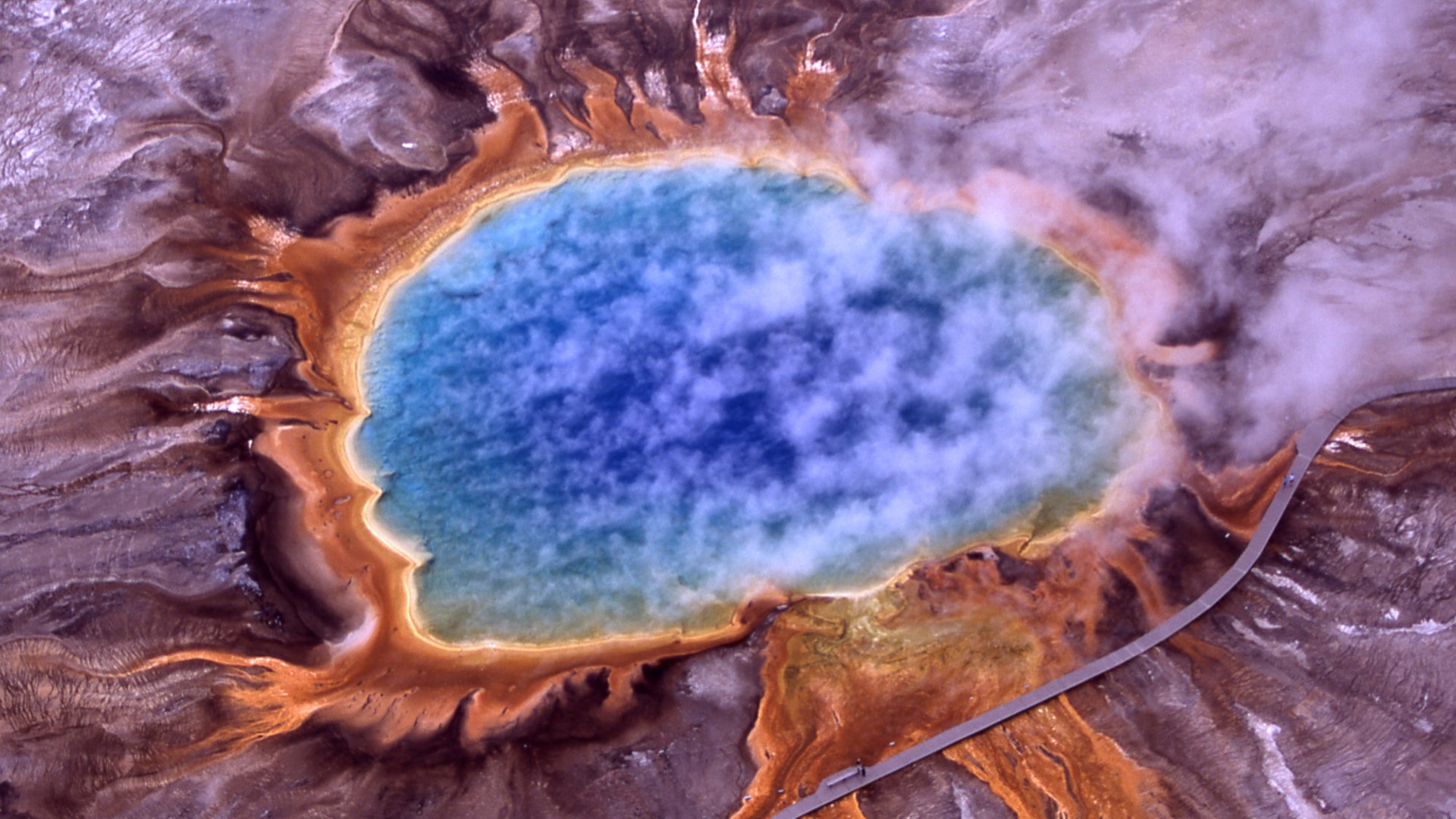
6. Grand Prismatic Spring: 110 Meters Wide
Yellowstone National Park holds the largest hot spring in the United States, stretching one hundred and ten meters across. Pure boiling water produces a deep azure center, while distinct bands of heat-loving archaea and cyanobacteria create vivid fiery orange and gold concentric rings.
©Wikimedia / Jim Peaco, NPS (Public domain)
5. Blood Falls Iron Cascade: 35 Meters Wide
Flowing from the tongue of Taylor Glacier in Antarctica, Blood Falls discharges brine so saturated with iron that it rusts bright crimson upon contact with air. The subglacial pool has been trapped under four hundred meters of solid ice for millions of years without sunlight or oxygen.
©Wikimedia / Peter Rejcek, NSF (Public domain)
4. Giant Selenite Crystals Of Naica: 11.4 Meters Long
Buried nearly one thousand feet beneath Naica Mountain in Chihuahua, Mexico, the Cave of Crystals contains the largest known natural gypsum crystals on Earth. In scorching humidity and temperatures exceeding 136 degrees Fahrenheit, these selenite pillars grew undisturbed for half a million years.
©Wikimedia / Alexander Van Driessche (CC BY)
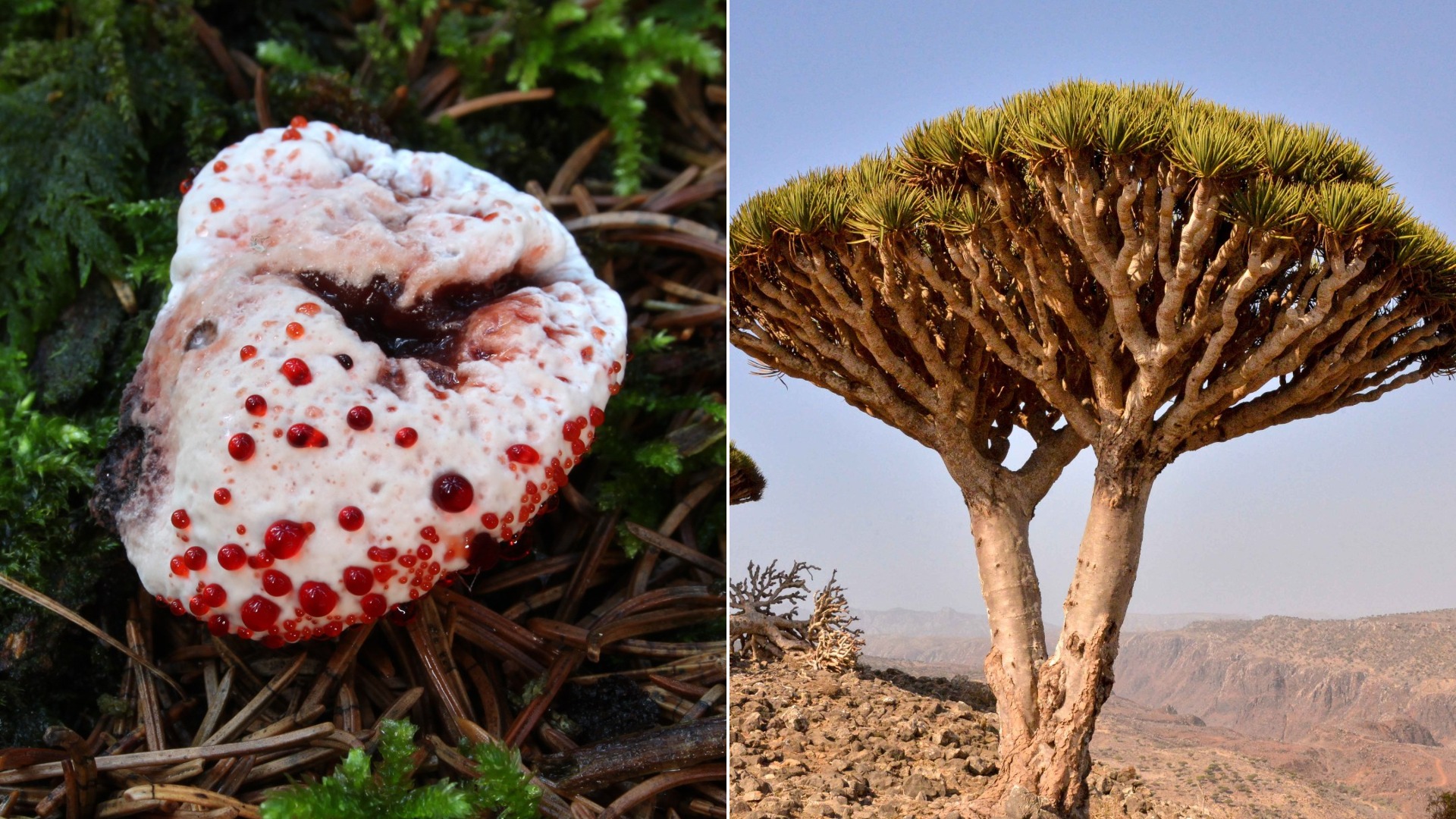
3. Socotra Dragon's Blood Tree: 10 Meters Tall
Endemic to the remote Yemeni island of Socotra, Dracaena cinnabari produces a dense mushroom-shaped canopy that channels moisture from morning mist directly down to root systems. When sliced, the trunk bleeds deep scarlet resin prized since antiquity as medicine, dye, and varnish.
©Wikimedia / Rod Waddington (CC BY-SA)
Advertisement
Swipe or tap ▶ to resume the countdown.
2. Fly Geyser Mineral Cone: 3.7 Meters Wide
Accidentally created during geothermal well drilling in 1964, Fly Geyser in Nevada shoots scalding water five feet into desert air. Calcium carbonate and silica deposits built a multi-colored mound three meters wide, with vivid green and orange thermophilic algae coating every mineral terrace.
©Wikimedia / RuggyBearLA (CC BY)
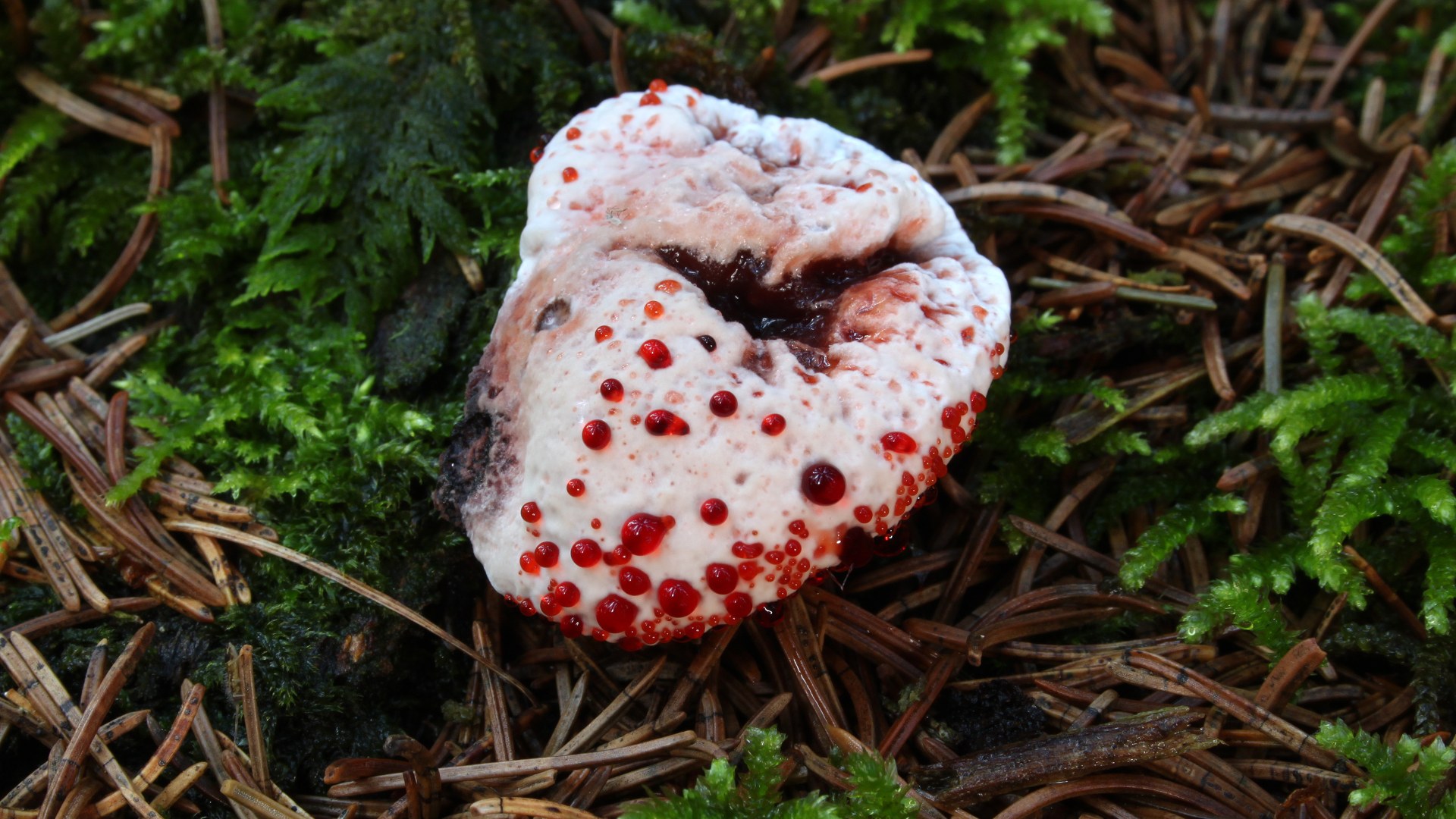
1. Bleeding Tooth Fungus: 5 To 10 Centimeters
Found in pine forests across North America and Europe, Hydnellum peckii looks like a dessert topped with raspberry syrup. The thick crimson fluid oozing from its fungal cap is sap forced outward by root pressure, containing atromentin, a natural anticoagulant pigment similar to heparin.

©Wikimedia / Holger Krisp (CC BY)
Advertisement
You've reached the end of the story. Thanks for reading!

20 Iconic Historical Photos and the Archive Clues Behind Them
Contact sheets, cracked glass plates, and NASA mission logs preserve the hidden steps behind 20 famous photographs. Drawing on records from the Library of Congress, the National Archives, NASA, and the Smithsonian, this countdown traces how cropping, camera setups, and double exposures shaped each frame.
All 13 Entries in this Story
13. Aurora Borealis Ribbon: 500 Kilometers High
Stretching across thousands of miles of polar skies at altitudes up to five hundred kilometers, the northern lights form when charged solar wind particles collide with atmospheric gases. Oxygen atoms emit vibrant neon green and crimson wavelengths, painting ripples across the night sky.

12. The Richat Structure: 40 Kilometers Wide
Visible clearly from outer space, the Richat Structure in Mauritania resembles a giant bullseye stretching twenty-five miles across desert sand. Originally believed to be a meteorite crater, geologists now recognize it as an eroded geological dome exposing sedimentary and volcanic rock rings.

11. Salar De Uyuni Salt Flats: 10,582 Square Kilometers
Spanning four thousand square miles of southwest Bolivia, Salar de Uyuni is the largest salt flat on Earth. During the wet season, a thin film of rainwater transforms the immense expanse into a reflective mirror that blurs the horizon, making clouds and sky appear seamlessly infinite.

10. Rainbow Mountain (Vinicunca): 5 Kilometers Ridge
Rising over seventeen thousand feet in the Peruvian Andes, Vinicunca features dramatic mineral striping exposed as melting snow unveiled underlying rock. Weathering iron oxide produces bright red, copper and iron sulfide create turquoise hues, while yellow limonite adds golden yellow bands.

9. Dallol Hydrothermal Field: 2 Kilometers Across
Situated in Ethiopia's Danakil Depression more than four hundred feet below sea level, Dallol is one of the lowest and hottest places on Earth. Geothermal heat forces acidic brine through thick salt beds, creating neon yellow sulfur mounds, turquoise acid lakes, and miniature salt geysers.

8. Spotted Lake Mineral Basins: 700 Meters Across
Located near Osoyoos in British Columbia, Spotted Lake contains dense concentrations of magnesium sulfate, calcium, and sodium sulfates. When summer heat evaporates seasonal water, hundreds of circular mineral pools emerge in pale yellow, green, and blue circles with hardened mineral pathways.

7. Pamukkale Travertine Terraces: 160 Meters High
Known in Turkish as the Cotton Castle, Pamukkale features gleaming white travertine terraces formed over millennia by mineral-rich thermal waters. Calcium carbonate precipitates out of cooling spring water to form shallow, stepped limestone pools reflecting the brilliant Mediterranean sky.

6. Grand Prismatic Spring: 110 Meters Wide
Yellowstone National Park holds the largest hot spring in the United States, stretching one hundred and ten meters across. Pure boiling water produces a deep azure center, while distinct bands of heat-loving archaea and cyanobacteria create vivid fiery orange and gold concentric rings.

5. Blood Falls Iron Cascade: 35 Meters Wide
Flowing from the tongue of Taylor Glacier in Antarctica, Blood Falls discharges brine so saturated with iron that it rusts bright crimson upon contact with air. The subglacial pool has been trapped under four hundred meters of solid ice for millions of years without sunlight or oxygen.

4. Giant Selenite Crystals Of Naica: 11.4 Meters Long
Buried nearly one thousand feet beneath Naica Mountain in Chihuahua, Mexico, the Cave of Crystals contains the largest known natural gypsum crystals on Earth. In scorching humidity and temperatures exceeding 136 degrees Fahrenheit, these selenite pillars grew undisturbed for half a million years.

3. Socotra Dragon's Blood Tree: 10 Meters Tall
Endemic to the remote Yemeni island of Socotra, Dracaena cinnabari produces a dense mushroom-shaped canopy that channels moisture from morning mist directly down to root systems. When sliced, the trunk bleeds deep scarlet resin prized since antiquity as medicine, dye, and varnish.

2. Fly Geyser Mineral Cone: 3.7 Meters Wide
Accidentally created during geothermal well drilling in 1964, Fly Geyser in Nevada shoots scalding water five feet into desert air. Calcium carbonate and silica deposits built a multi-colored mound three meters wide, with vivid green and orange thermophilic algae coating every mineral terrace.

1. Bleeding Tooth Fungus: 5 To 10 Centimeters
Found in pine forests across North America and Europe, Hydnellum peckii looks like a dessert topped with raspberry syrup. The thick crimson fluid oozing from its fungal cap is sap forced outward by root pressure, containing atromentin, a natural anticoagulant pigment similar to heparin.