Slideshow · Animals
Stay away from your pet if they do this: Immediate Space Or Vet Care
Dogs and cats cannot tell you in words when they are overwhelmed or in medical distress, so they rely on sudden body-language shifts and physical warning signs that demand either immediate personal sp
By Most Viral Today
27 Oct 2026

Stay away from your pet if they do this: Immediate Space Or Vet Care 
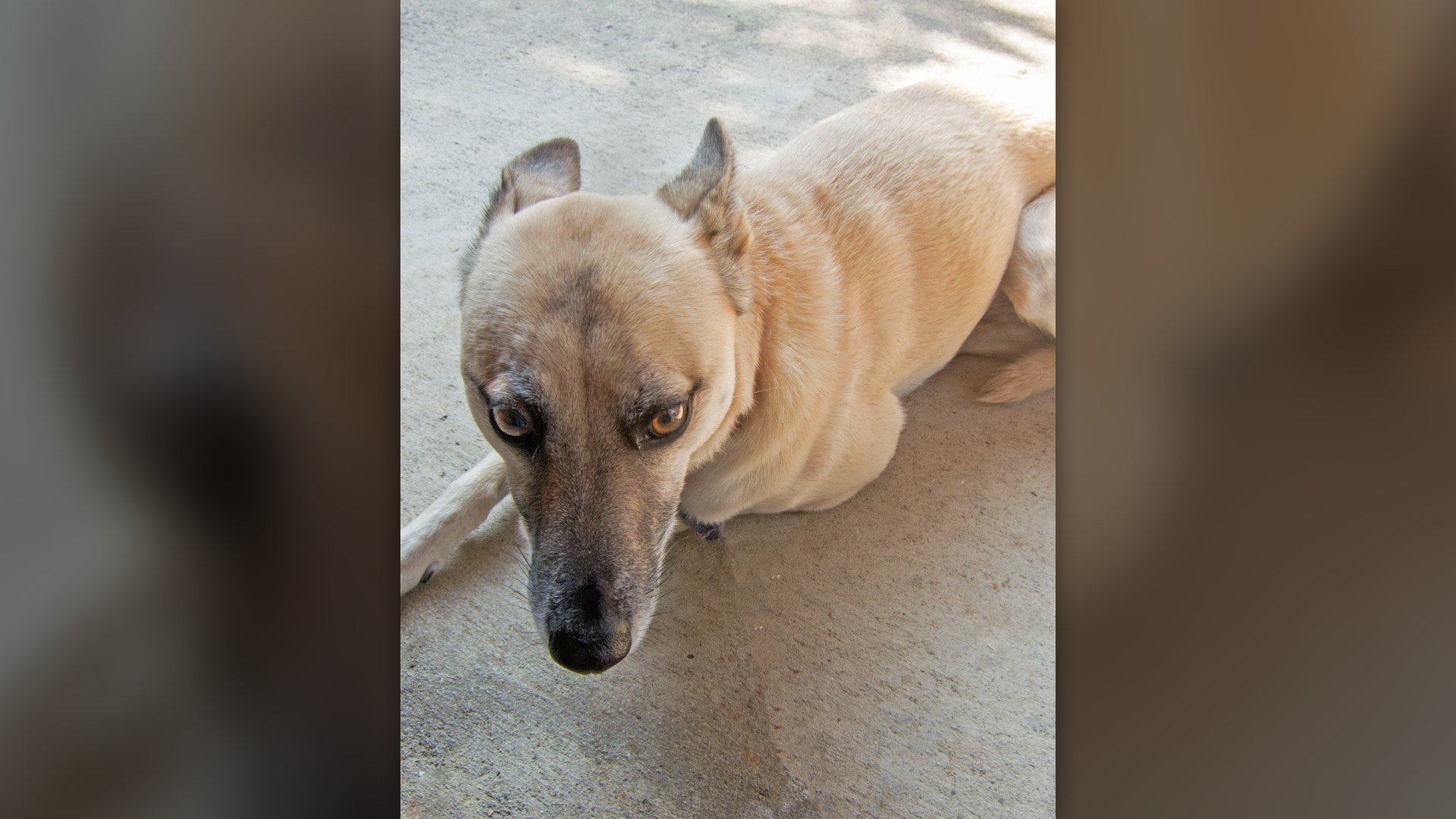
20. Hard Stare And Whale Eye 
19. Stiff Or Frozen Posture 
18. Ears Pinned Tightly Back - AdvertisementSwipe or tap ▶ to continue countdown

17. Growling Or Baring Teeth 
16. Raised Hackles Along The Spine 
15. Stress Yawning And Lip Licking 
14. Sudden Touch Sensitivity Or Snapping - AdvertisementSwipe or tap ▶ to continue countdown

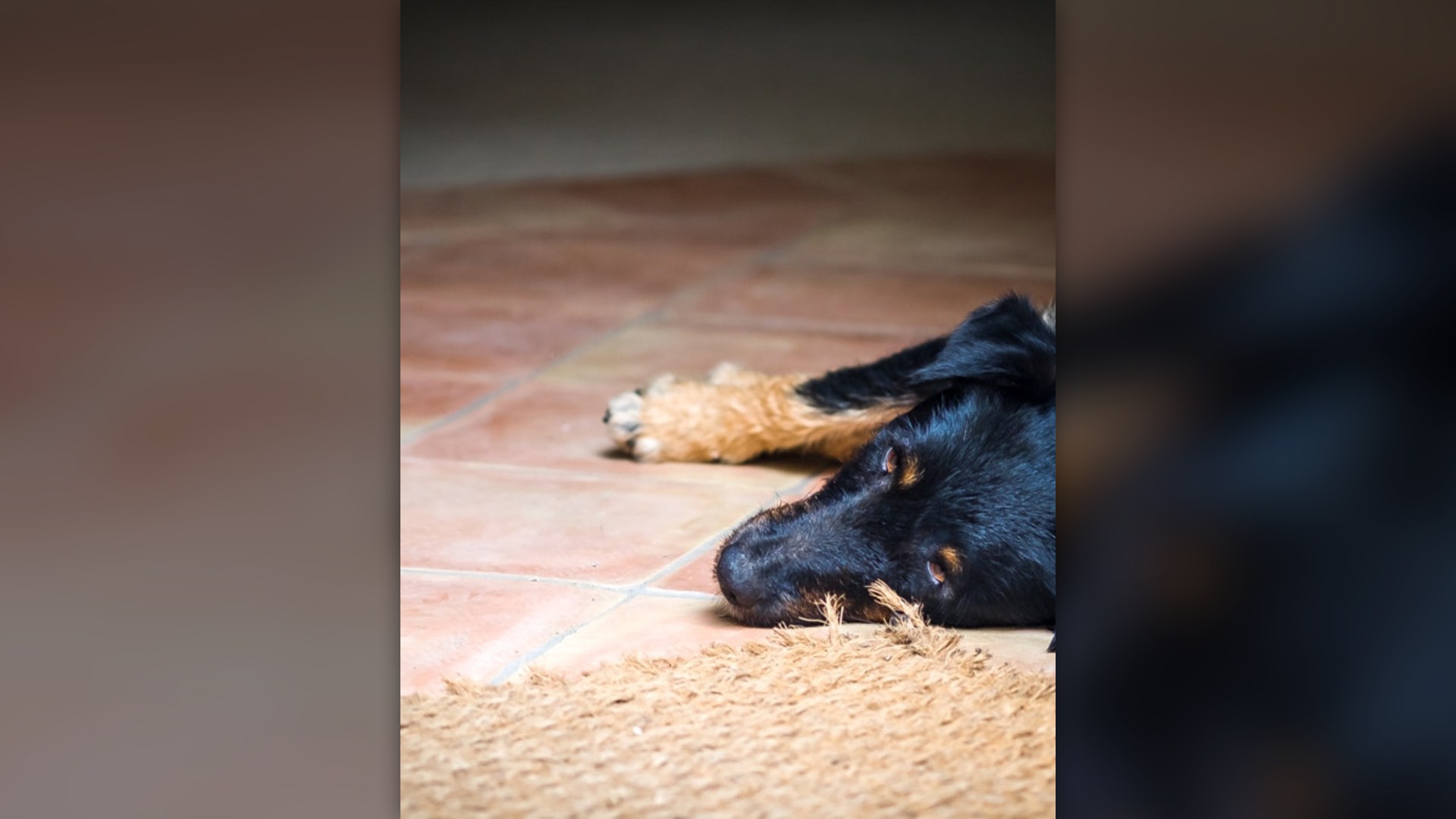
13. Lethargy And Social Withdrawal 
12. Unusual Vocalization And Howling 
11. Difficulty Breathing Or Open-Mouth Panting 
10. Collapse Or Inability To Stand - AdvertisementSwipe or tap ▶ to continue countdown

9. Seizures And Convulsions 
8. Repeated Vomiting Or Diarrhea 
7. Ingesting Toxic Plants Or Foods 
6. Changes In Elimination Habits - AdvertisementSwipe or tap ▶ to continue countdown

5. Head Pressing Against Walls 
4. Unproductive Retching And Swollen Belly 
3. Tucked Tail And Cowering Posture 
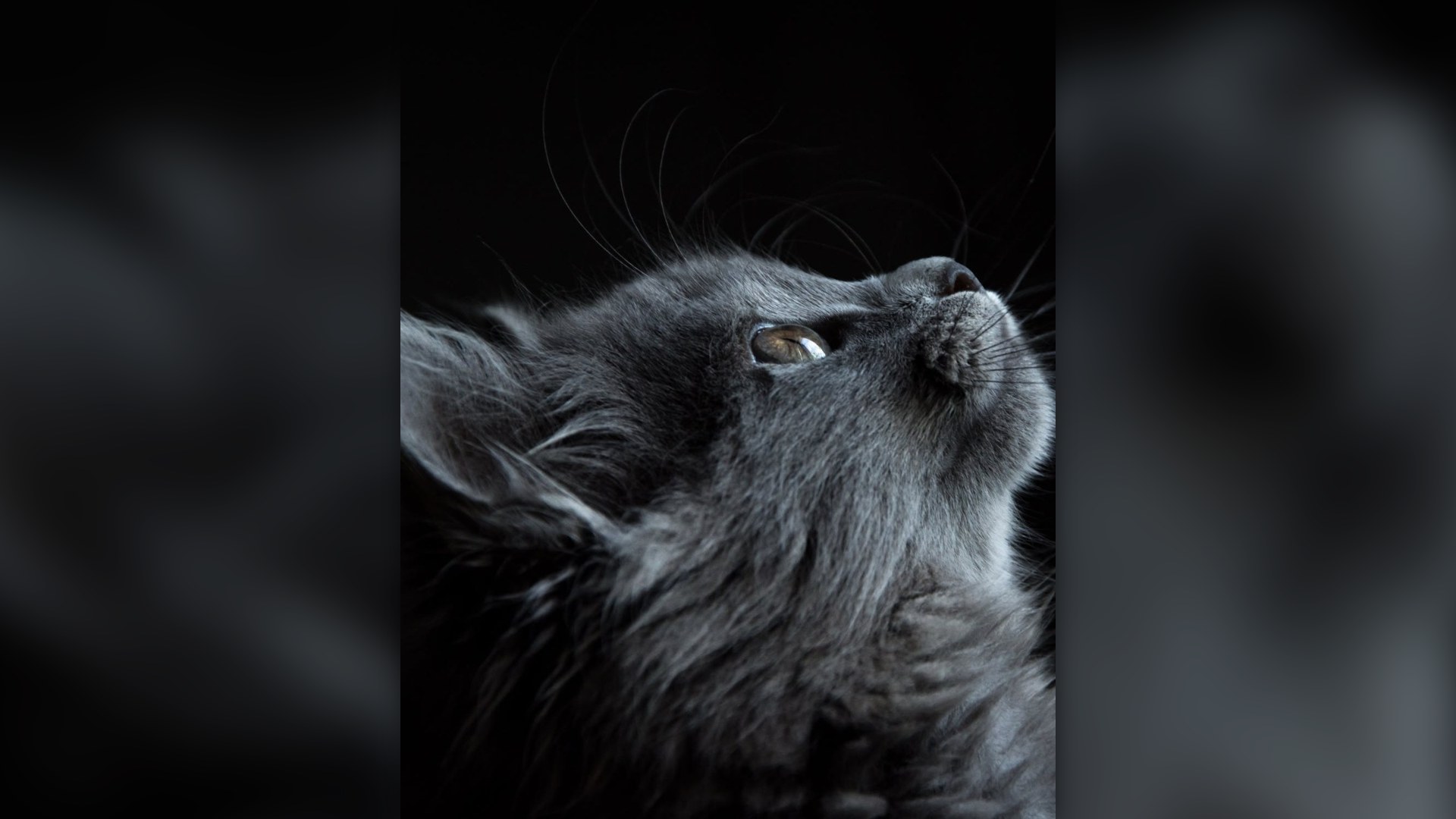
2. Dilated Pupils And Tail Lashing - AdvertisementSwipe or tap ▶ to continue countdown

1. Compulsive Pacing And Restlessness - Advertisement🔥 UP NEXT IN THIS SERIES◫ 22 Slides

How Long Do Hippos Live? 20 Other Facts About Hippos
From sixty-year lifespans to whale cousins, discover secrets of river giants
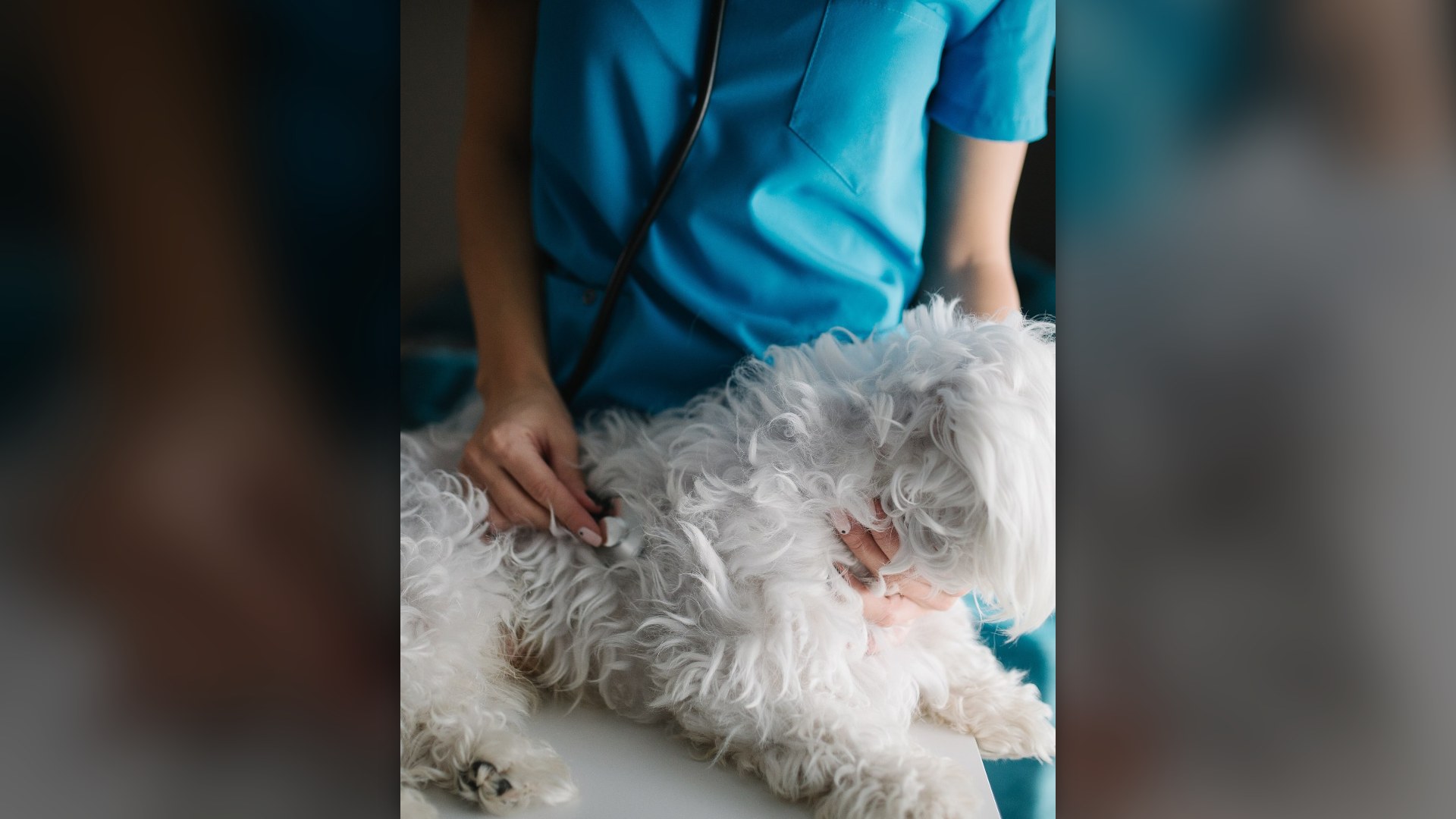
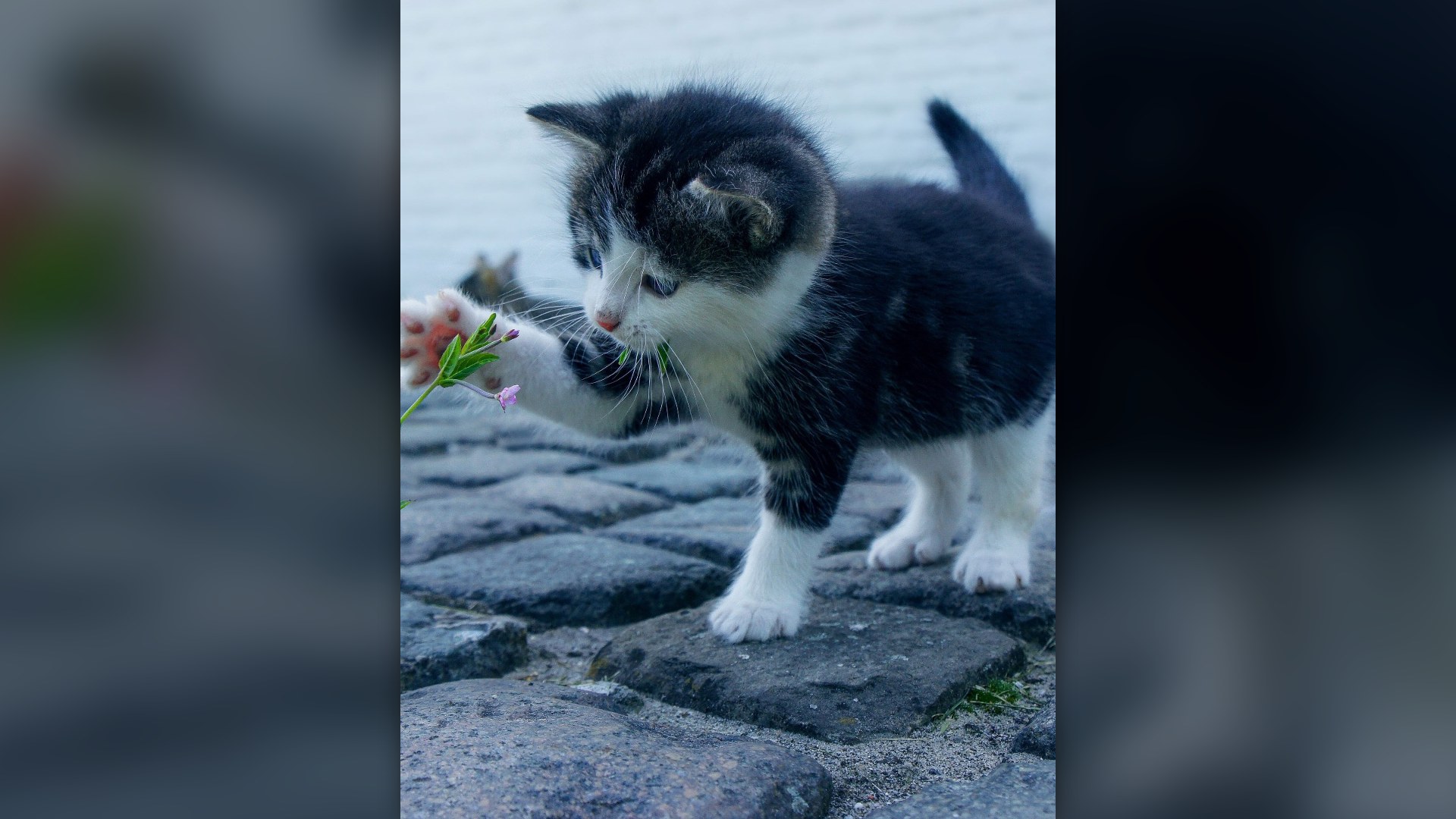
Dogs and cats cannot tell you in words when they are overwhelmed or in medical distress, so they rely on sudden body-language shifts and physical warning signs that demand either immediate personal space or an emergency trip to the veterinarian.
Swipe or tap ▶ to begin the countdown
©Wikimedia / U.S. Air Force & Pixabay / mirkosajkov
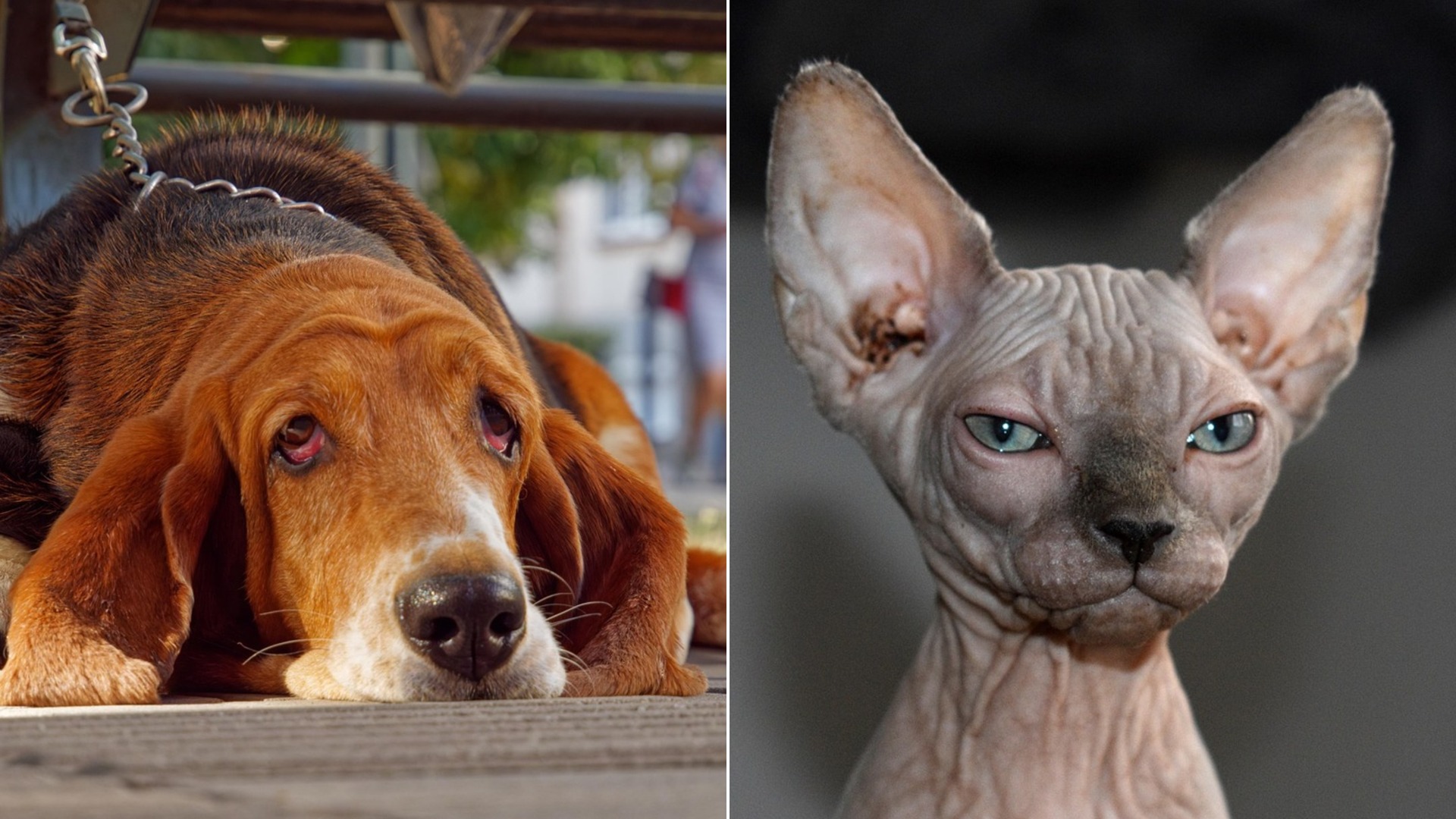
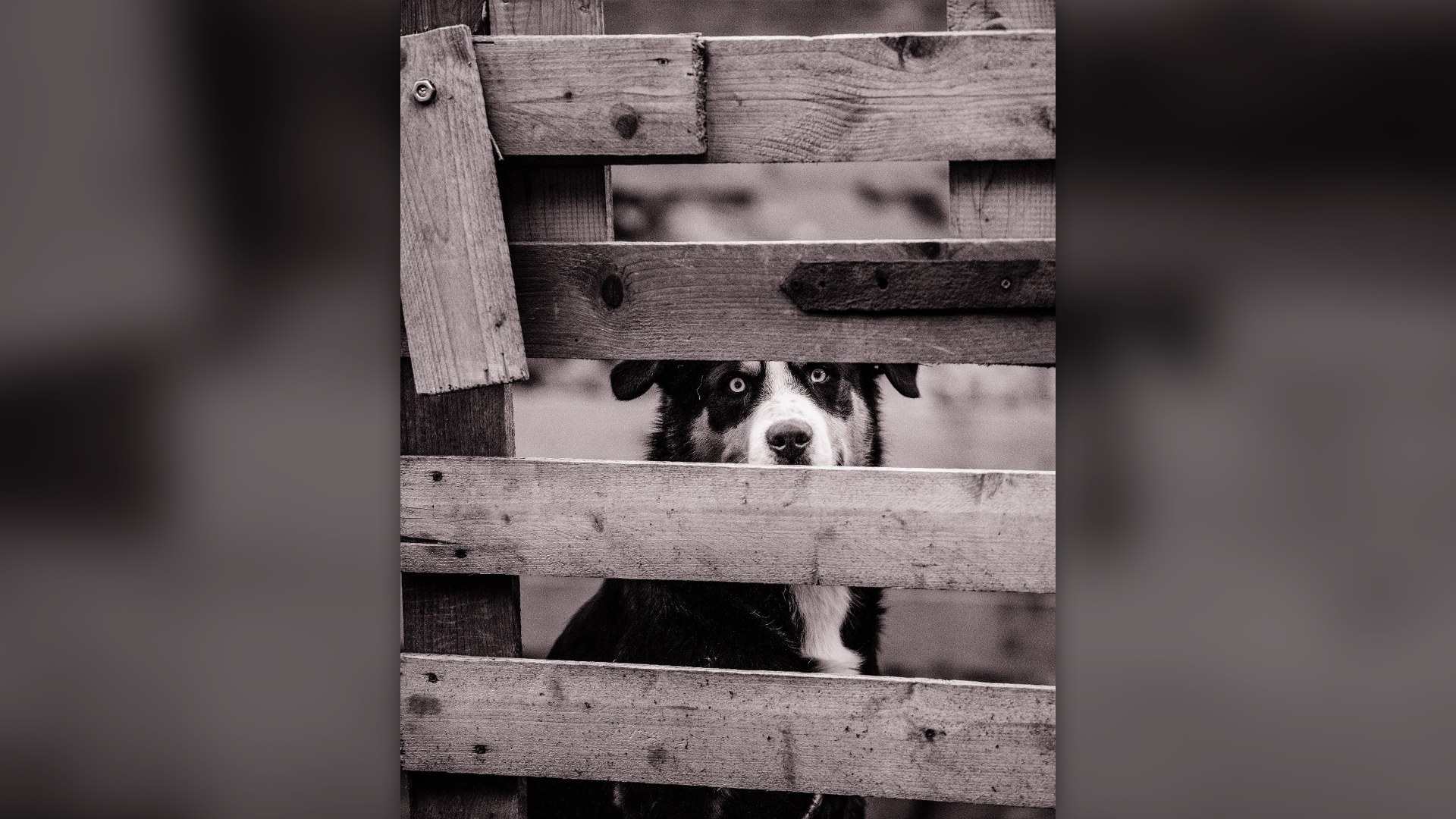
20. Hard Stare And Whale Eye
Veterinary behaviorists call a crescent of exposed white sclera whale eye. When a dog freezes its head while tracking your hands with unblinking eyes, the animal is guarding a boundary or resource and needs immediate physical space rather than comforting pats.
©Wikimedia / Christian Pietzsch
19. Stiff Or Frozen Posture
Relaxed pets move with loose, wiggly joints and soft facial muscles. When a dog or cat suddenly locks its legs, stops panting, and goes completely still over a toy or food bowl, that freeze is the final stage before a defensive strike.
© Photo by Janko Ferlic on Unsplash
18. Ears Pinned Tightly Back
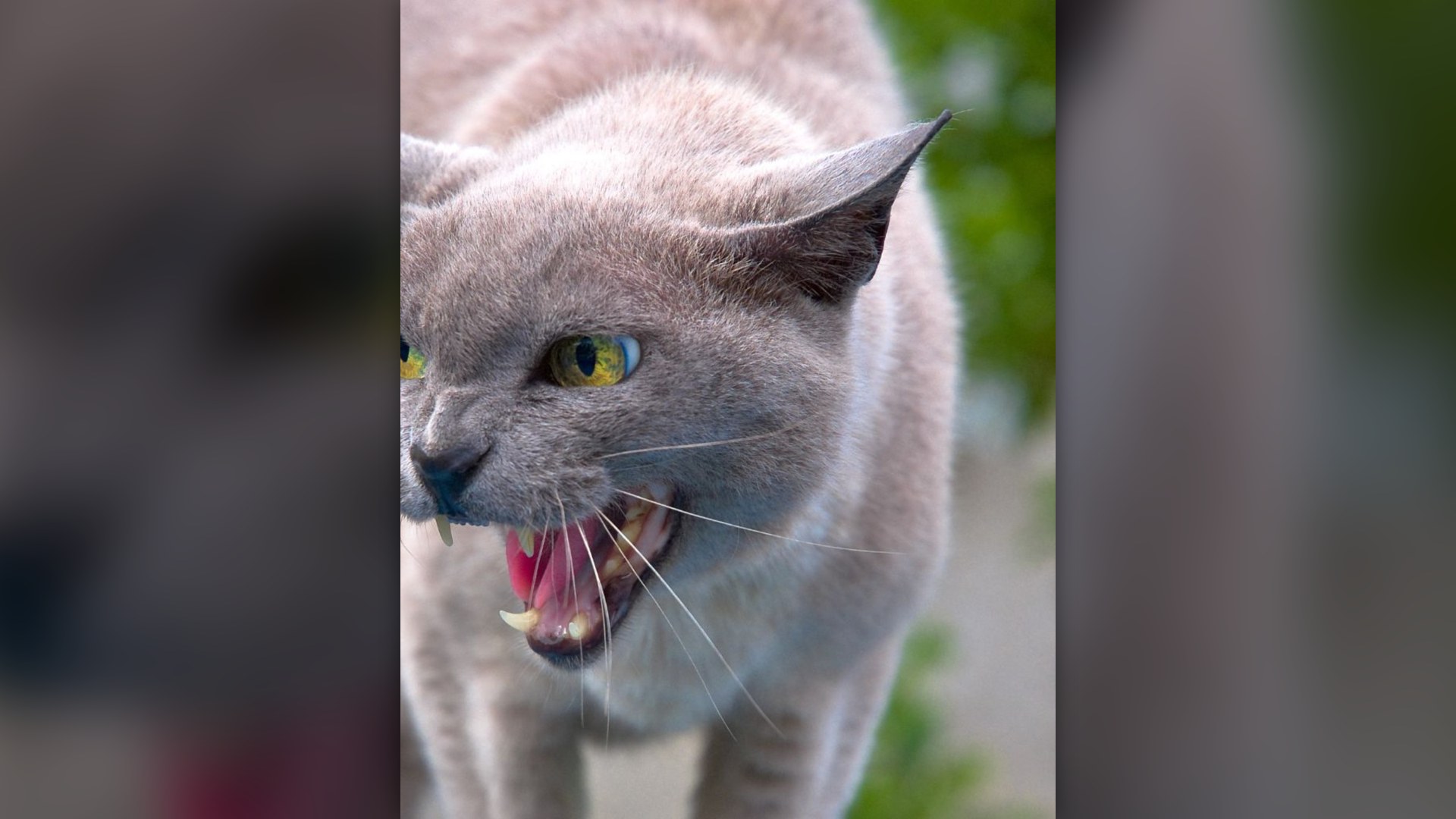
Cats and dogs fold their ears flat against their heads to protect delicate cartilage when they anticipate a fight. Sideways airplane ears indicate rising irritation, while fully pinned ears mean the pet is terrified or ready to swat and bite.
©Wikimedia / Hannibal Poenaru
Advertisement
Swipe or tap ▶ to resume the countdown.
17. Growling Or Baring Teeth
Trainers compare a growl to the batteries in a smoke detector. Punishing a dog for growling or curling its lip removes its warning system, teaching the animal to skip the vocal cue and bite without notice the next time it feels threatened.
©Wikimedia / U.S. Air Force Photo by Josh Plueger
16. Raised Hackles Along The Spine
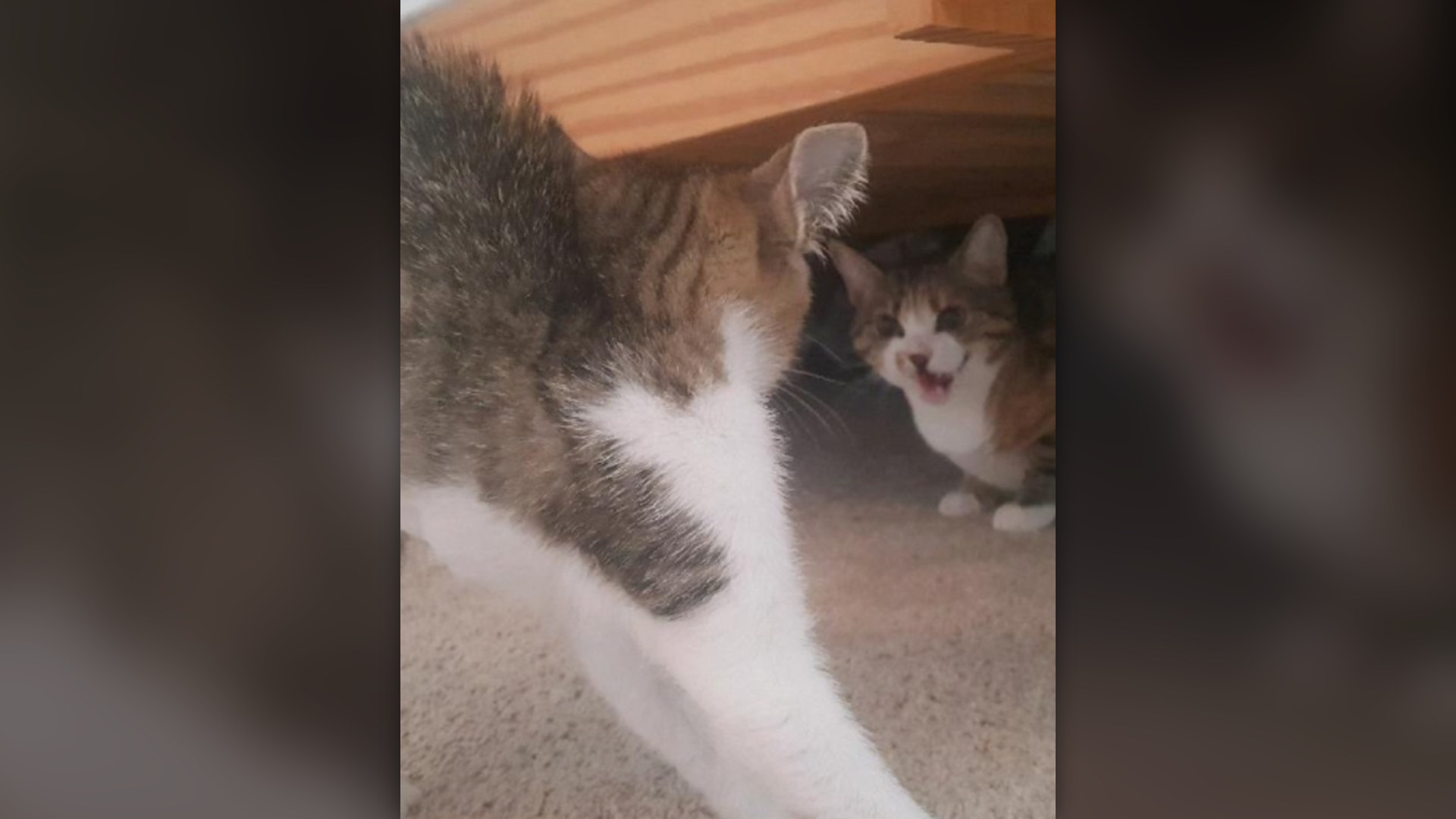
Known clinically as piloerection, raised hackles are triggered by an adrenaline surge in the sympathetic nervous system, much like human goosebumps. An arched back or bristling ridge of fur means the pet needs time to decompress away from triggers.
©Wikimedia / Panini!
15. Stress Yawning And Lip Licking
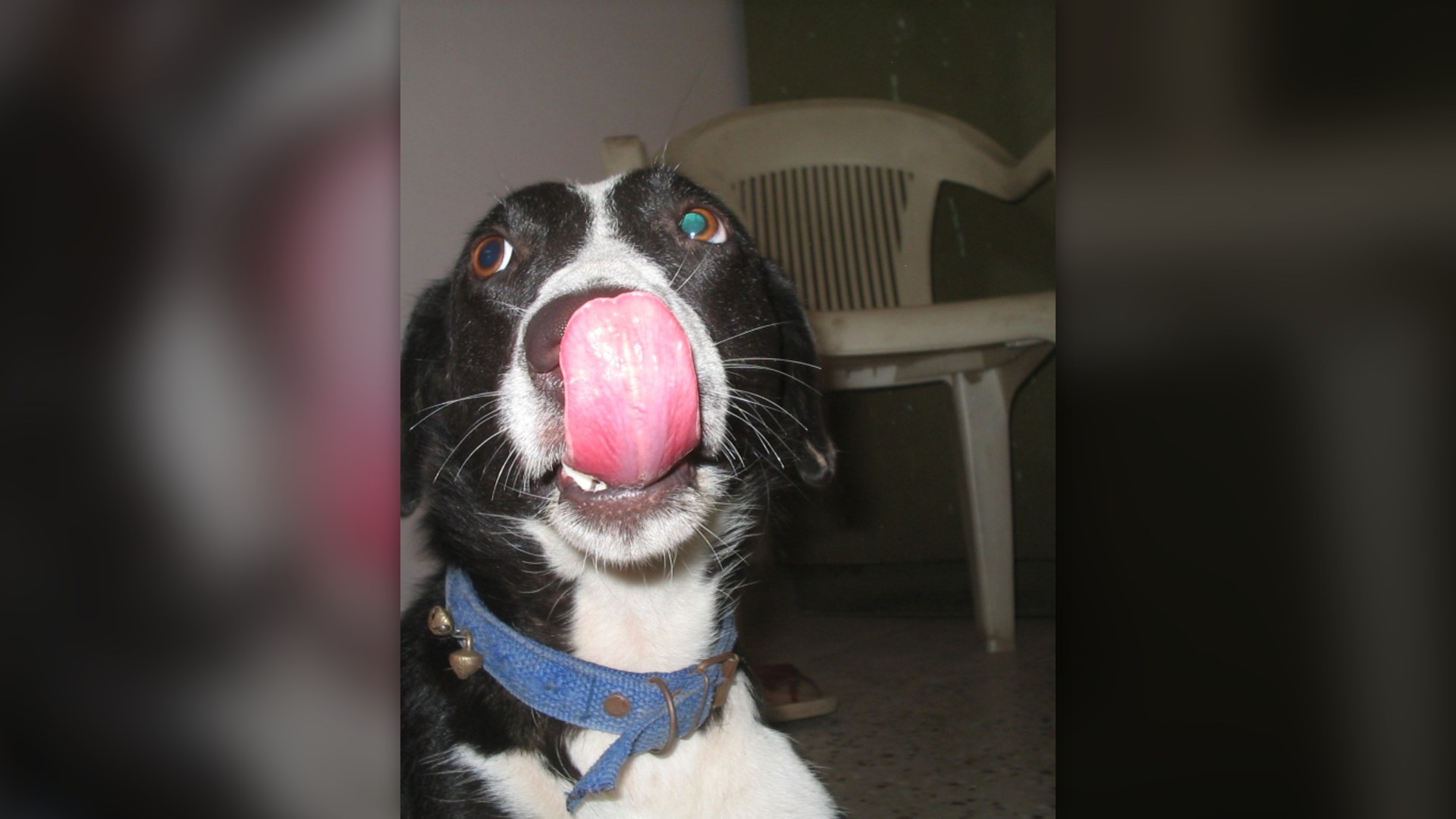
When a dog repeatedly flicks its tongue over its upper lip with no food nearby or lets out a high-pitched yawn during a tight hug, it is not sleepy. These subtle appeasement gestures are early requests to back off before the animal resorts to growling.
©Wikimedia / Gopal Aggarwal
14. Sudden Touch Sensitivity Or Snapping
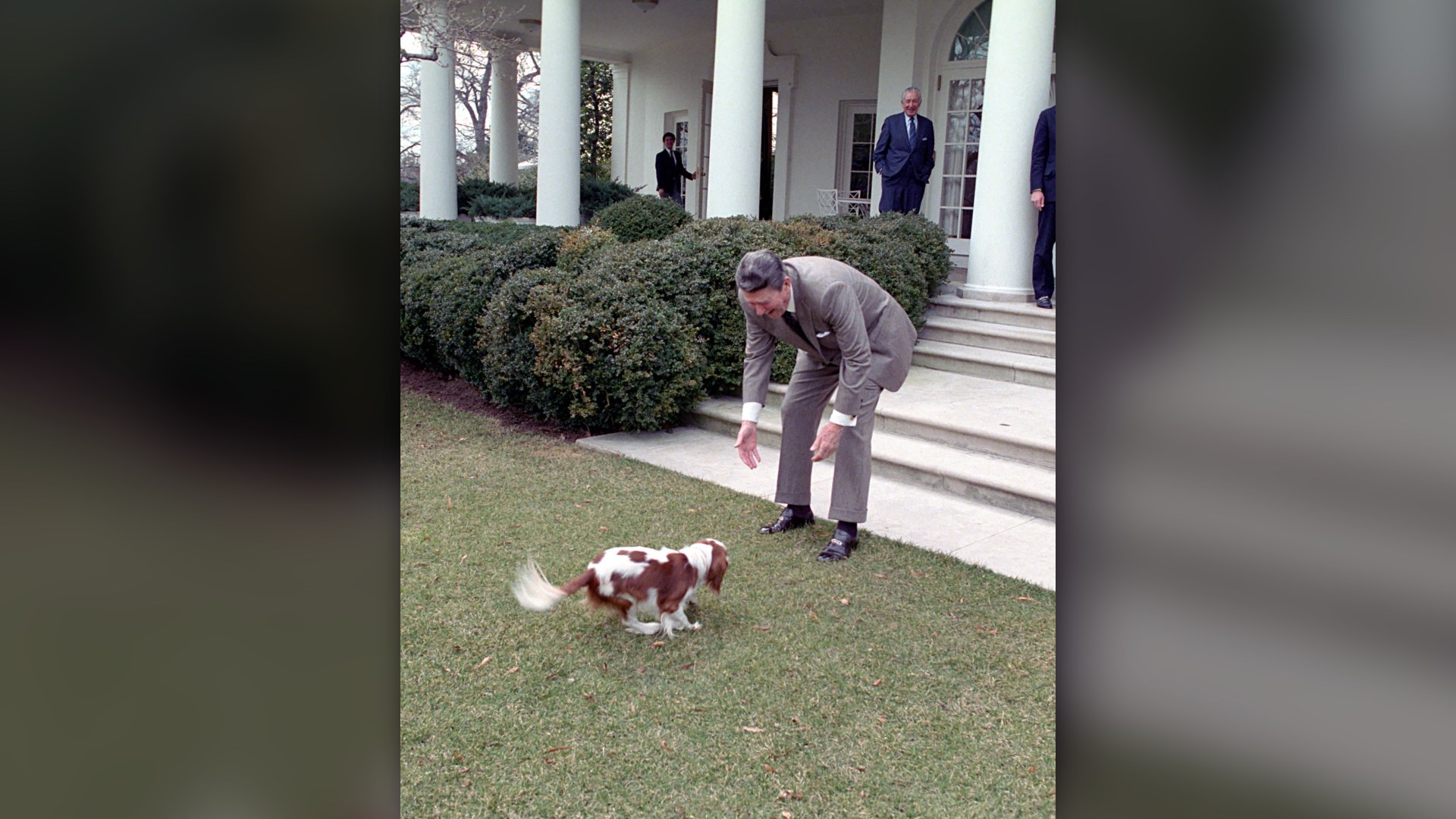
A normally affectionate pet that suddenly flinches, yelps, or snaps when you touch its hips, belly, or jaw is almost always acting out of physical pain rather than stubbornness. Stop handling the area and schedule a full veterinary pain workup.
©Wikimedia / White House Photographic Office
Advertisement
Swipe or tap ▶ to resume the countdown.
13. Lethargy And Social Withdrawal
Evolution wired cats and dogs to mask weakness so predators would not target them. When a social pet suddenly retreats into a dark closet or refuses to lift its head for meals, the underlying fever or organ distress is often already advanced.
©Pixabay / Free-Photos
12. Unusual Vocalization And Howling
Uncharacteristic nighttime yowling in senior cats and dogs frequently stems from hyperthyroidism, high blood pressure, or disorientation linked to cognitive dysfunction. Acute, guttural yowling accompanied by restlessness demands immediate emergency care.
©Wikimedia / Peter O'Connor
11. Difficulty Breathing Or Open-Mouth Panting
While dogs pant to cool down after exercise, a dog stretching its neck with pale or bluish gums or any cat panting with an open mouth is in acute respiratory distress from fluid around the lungs, asthma, heart failure, or heatstroke.
©Wikimedia / Sciencia58
10. Collapse Or Inability To Stand
Even if a dog recovers minutes after collapsing, the episode can signal internal bleeding from a ruptured splenic mass, cardiac arrhythmia, anaphylaxis, or intervertebral disc disease. In cats, sudden hind-leg paralysis often points to a saddle thrombus clot.
©Pixabay / 3dman_eu
Advertisement
Swipe or tap ▶ to resume the countdown.
9. Seizures And Convulsions
Keep hands away from a seizing pet's mouth, as they cannot swallow their tongue and may accidentally bite down with immense force. Clear furniture away, time the episode, and head straight to a veterinarian if the seizure lasts past three minutes.
©Wikimedia / Nenad Stojkovic
8. Repeated Vomiting Or Diarrhea
While a single hairball or upset stomach may pass, repeated vomiting paired with lethargy, blood, or inability to keep water down often signals a swallowed foreign object, acute pancreatitis, parvovirus, or kidney failure requiring intravenous fluids.
©Wikimedia / chrismetcalfTV
7. Ingesting Toxic Plants Or Foods
Even a few grains of lily pollen can cause fatal kidney failure in cats within days, while sago palm, xylitol gum, grapes, dark chocolate, and antifreeze are lethal to dogs. Never wait for symptoms to appear before calling a vet or poison control.
©Pixabay / Dimitri Houtteman
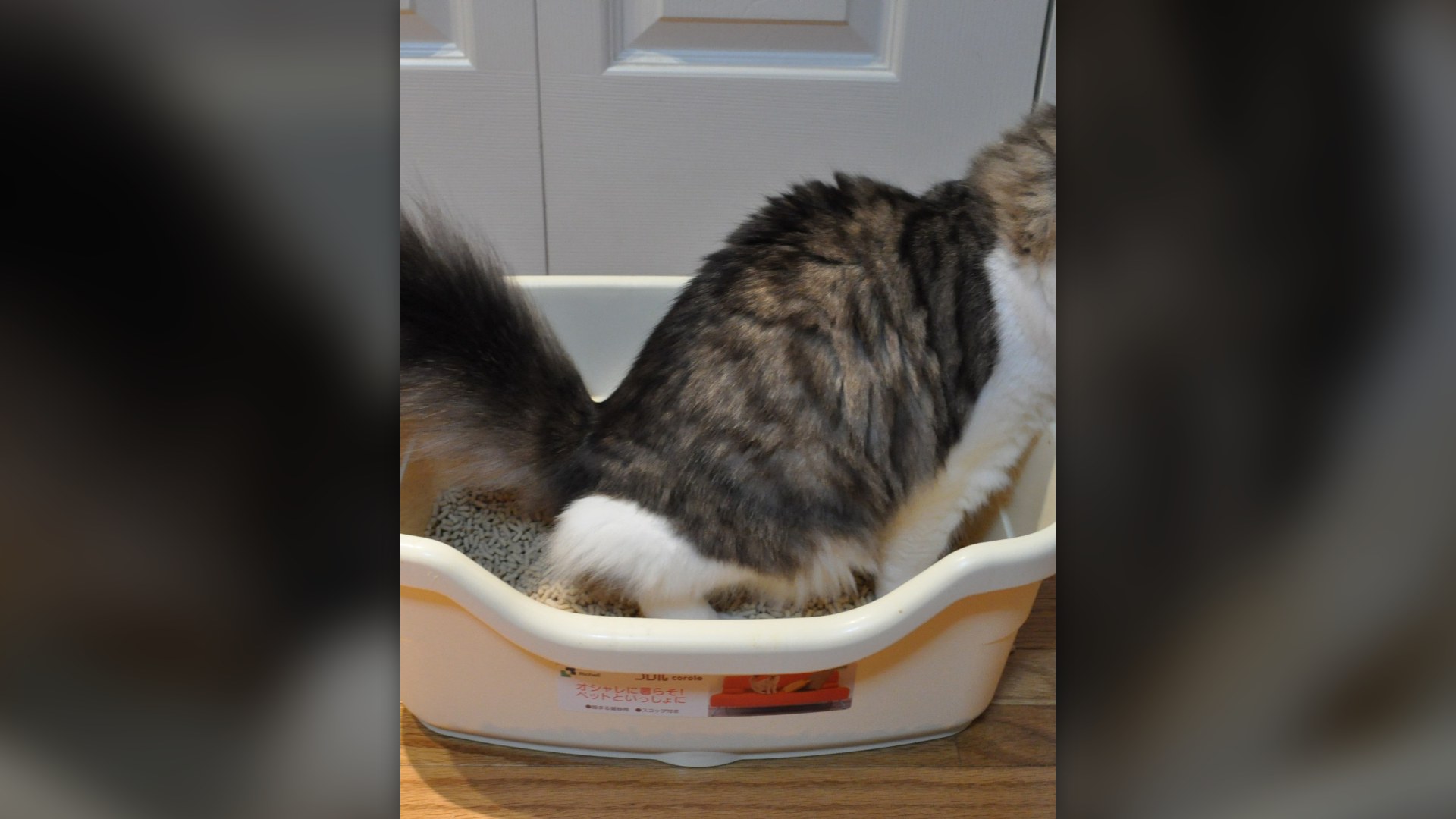
6. Changes In Elimination Habits
Owners often mistake a straining cat for a constipated one, but male cats frequently develop urethral plugs that block urine from leaving the body. Without emergency catheterization, a complete urinary obstruction can prove fatal within 24 to 48 hours.
©Wikimedia / Ocdp
Advertisement
Swipe or tap ▶ to resume the countdown.
5. Head Pressing Against Walls
Unlike playful rubbing, head pressing involves a dog or cat standing trance-like with its skull pushed firmly against a wall, door, or sofa. It signals dangerous forebrain pressure from liver shunts, brain tumors, encephalitis, or toxic poisoning.
©Wikimedia / Giuseppe Milo
4. Unproductive Retching And Swollen Belly
Gastric dilatation-volvulus twists the stomach on its axis, cutting off blood flow to vital organs and trapping gas inside. Deep-chested breeds like Great Danes, German Shepherds, and Standard Poodles need emergency surgery within hours to survive.
©Wikimedia / U.S. Marine Corps
3. Tucked Tail And Cowering Posture
A dog that tucks its tail between its legs and shrinks toward the floor is trying to make itself smaller and mask its scent glands out of terror. Crowding or forcing hugs onto a cowering animal can push it into a panicked, defensive bite.
©Wikimedia / Ellen Levy Finch
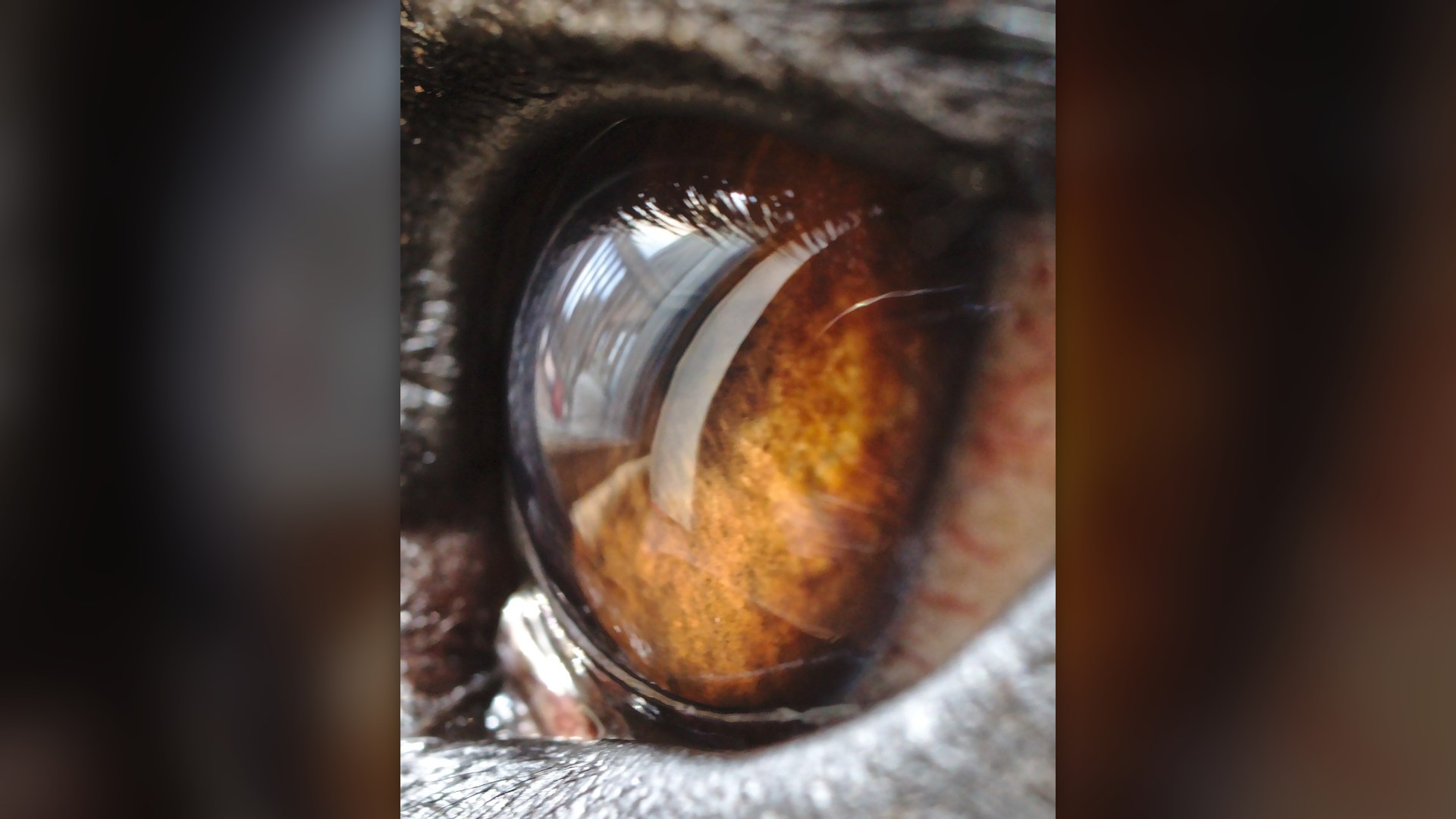
2. Dilated Pupils And Tail Lashing
Unlike dogs, a cat swishing or thumping its tail is agitated rather than happy. When a cat's pupils suddenly expand into dark saucers in a well-lit room and its skin ripples along its back, stop petting immediately and let the cat walk away.
©Pexels / Zied Mnif via Snapwire
Advertisement
Swipe or tap ▶ to resume the countdown.
1. Compulsive Pacing And Restlessness
Dogs that pace the floor, pant indoors, and repeatedly stand up seconds after lying down are often experiencing intense abdominal pain from pancreatitis or bloat. Compulsive circling in one direction can also indicate vestibular disease or a brain lesion.

©Wikimedia / Alex Castro
Advertisement
You've reached the end of the story. Thanks for reading!

How Long Do Hippos Live? 20 Other Facts About Hippos
From sixty-year lifespans to whale cousins, discover secrets of river giants
All 20 Entries in this Story
Hard Stare And Whale Eye
Veterinary behaviorists call a crescent of exposed white sclera whale eye. When a dog freezes its head while tracking your hands with unblinking eyes, the animal is guarding a boundary or resource and needs immediate physical space rather than comforting pats.

Stiff Or Frozen Posture
Relaxed pets move with loose, wiggly joints and soft facial muscles. When a dog or cat suddenly locks its legs, stops panting, and goes completely still over a toy or food bowl, that freeze is the final stage before a defensive strike.

Ears Pinned Tightly Back
Cats and dogs fold their ears flat against their heads to protect delicate cartilage when they anticipate a fight. Sideways airplane ears indicate rising irritation, while fully pinned ears mean the pet is terrified or ready to swat and bite.

Growling Or Baring Teeth
Trainers compare a growl to the batteries in a smoke detector. Punishing a dog for growling or curling its lip removes its warning system, teaching the animal to skip the vocal cue and bite without notice the next time it feels threatened.

Raised Hackles Along The Spine
Known clinically as piloerection, raised hackles are triggered by an adrenaline surge in the sympathetic nervous system, much like human goosebumps. An arched back or bristling ridge of fur means the pet needs time to decompress away from triggers.

Stress Yawning And Lip Licking
When a dog repeatedly flicks its tongue over its upper lip with no food nearby or lets out a high-pitched yawn during a tight hug, it is not sleepy. These subtle appeasement gestures are early requests to back off before the animal resorts to growling.

Sudden Touch Sensitivity Or Snapping
A normally affectionate pet that suddenly flinches, yelps, or snaps when you touch its hips, belly, or jaw is almost always acting out of physical pain rather than stubbornness. Stop handling the area and schedule a full veterinary pain workup.

Lethargy And Social Withdrawal
Evolution wired cats and dogs to mask weakness so predators would not target them. When a social pet suddenly retreats into a dark closet or refuses to lift its head for meals, the underlying fever or organ distress is often already advanced.

Unusual Vocalization And Howling
Uncharacteristic nighttime yowling in senior cats and dogs frequently stems from hyperthyroidism, high blood pressure, or disorientation linked to cognitive dysfunction. Acute, guttural yowling accompanied by restlessness demands immediate emergency care.

Difficulty Breathing Or Open-Mouth Panting
While dogs pant to cool down after exercise, a dog stretching its neck with pale or bluish gums or any cat panting with an open mouth is in acute respiratory distress from fluid around the lungs, asthma, heart failure, or heatstroke.

Collapse Or Inability To Stand
Even if a dog recovers minutes after collapsing, the episode can signal internal bleeding from a ruptured splenic mass, cardiac arrhythmia, anaphylaxis, or intervertebral disc disease. In cats, sudden hind-leg paralysis often points to a saddle thrombus clot.

Seizures And Convulsions
Keep hands away from a seizing pet's mouth, as they cannot swallow their tongue and may accidentally bite down with immense force. Clear furniture away, time the episode, and head straight to a veterinarian if the seizure lasts past three minutes.

Repeated Vomiting Or Diarrhea
While a single hairball or upset stomach may pass, repeated vomiting paired with lethargy, blood, or inability to keep water down often signals a swallowed foreign object, acute pancreatitis, parvovirus, or kidney failure requiring intravenous fluids.

Ingesting Toxic Plants Or Foods
Even a few grains of lily pollen can cause fatal kidney failure in cats within days, while sago palm, xylitol gum, grapes, dark chocolate, and antifreeze are lethal to dogs. Never wait for symptoms to appear before calling a vet or poison control.

Changes In Elimination Habits
Owners often mistake a straining cat for a constipated one, but male cats frequently develop urethral plugs that block urine from leaving the body. Without emergency catheterization, a complete urinary obstruction can prove fatal within 24 to 48 hours.

Head Pressing Against Walls
Unlike playful rubbing, head pressing involves a dog or cat standing trance-like with its skull pushed firmly against a wall, door, or sofa. It signals dangerous forebrain pressure from liver shunts, brain tumors, encephalitis, or toxic poisoning.

Unproductive Retching And Swollen Belly
Gastric dilatation-volvulus twists the stomach on its axis, cutting off blood flow to vital organs and trapping gas inside. Deep-chested breeds like Great Danes, German Shepherds, and Standard Poodles need emergency surgery within hours to survive.

Tucked Tail And Cowering Posture
A dog that tucks its tail between its legs and shrinks toward the floor is trying to make itself smaller and mask its scent glands out of terror. Crowding or forcing hugs onto a cowering animal can push it into a panicked, defensive bite.

Dilated Pupils And Tail Lashing
Unlike dogs, a cat swishing or thumping its tail is agitated rather than happy. When a cat's pupils suddenly expand into dark saucers in a well-lit room and its skin ripples along its back, stop petting immediately and let the cat walk away.

Compulsive Pacing And Restlessness
Dogs that pace the floor, pant indoors, and repeatedly stand up seconds after lying down are often experiencing intense abdominal pain from pancreatitis or bloat. Compulsive circling in one direction can also indicate vestibular disease or a brain lesion.