Slideshow · Science
25 Little-Known Facts That Could Save Your Life in an Emergency
Swipe to discover 25 little-known facts that could save your life











All 25 Entries in this Story
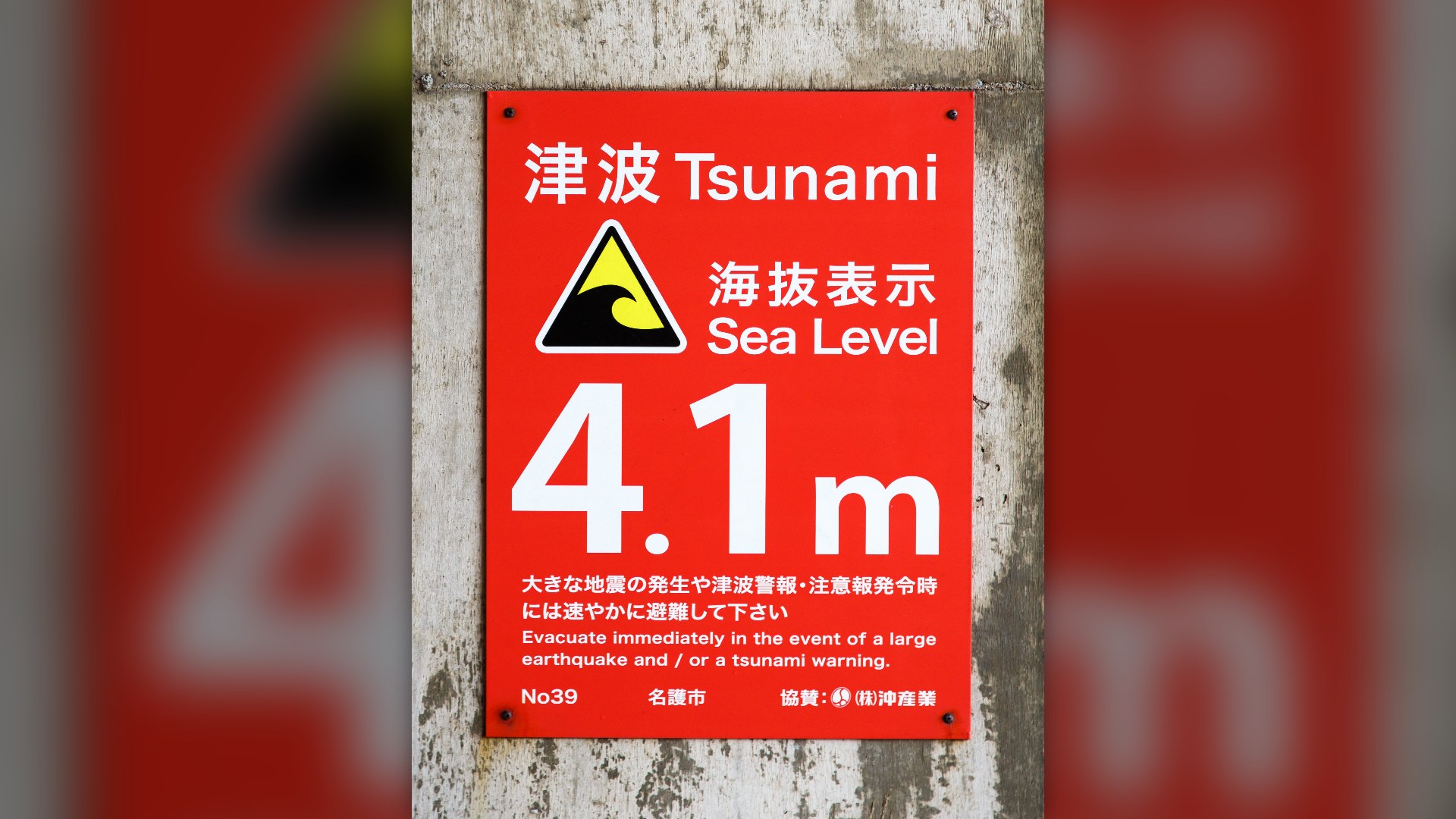
25. Tsunami Rapid Ocean Receding
If you are on a coastline and notice the ocean rapidly pulling back hundreds of yards to expose fish and coral reefs, do not wander out to investigate. A catastrophic tsunami crest is inbound. Head inland and climb to high ground immediately before the surging wall of water arrives.
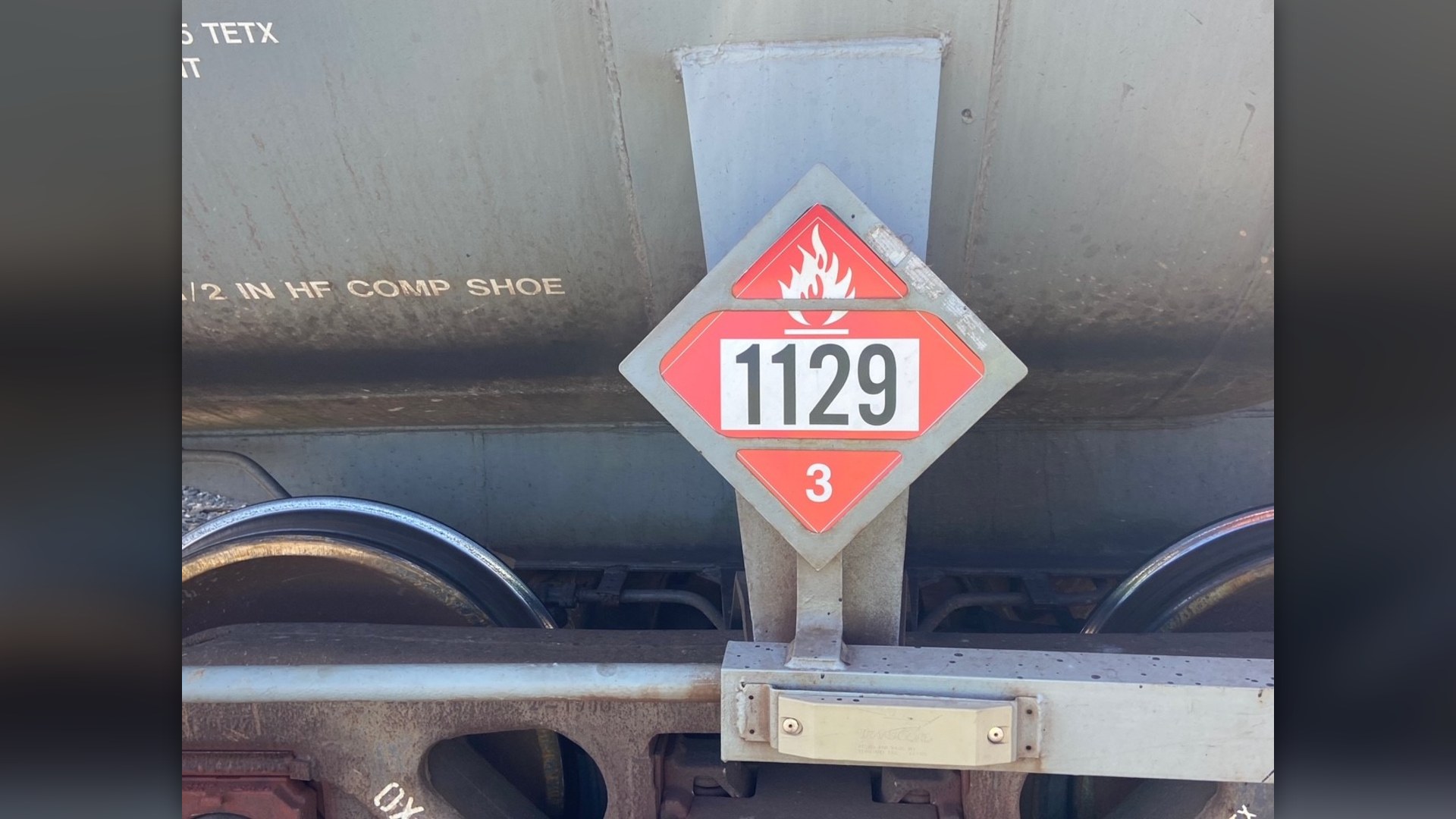
24. Inflammable Means Highly Flammable
Many people mistake the prefix in- to mean non-combustible, assuming inflammable goods resist fire. In English fire safety codes, inflammable and flammable mean the exact same dangerous thing, warning that the chemical vapors catch fire violently upon exposure to sparks.
23. Escaping A Submerged Vehicle
If your car plunges into deep water, do not try opening the door against the overwhelming hydrostatic pressure outside. Unbuckle your seatbelt and open or break a side window immediately while the electronics still work. If power fails, use a pointed metal headrest prong to shatter the glass edge.
22. You Are Under No Obligation To Open The Door
An unexpected knock or chime late at night does not require swinging the door wide open. Tactical home security experts recommend speaking loudly through the locked door or smart intercom without opening it, confirming presence while maintaining a solid physical barrier.
21. The Desert Dehydration Illusion
In dry desert environments, sweat evaporates into thin air so rapidly that hikers feel completely dry and underestimate their dehydration. Survival instructors warn that individuals must carry far more water than anticipated and drink on a rigid schedule rather than waiting for thirst.
20. Leaning Back To Escape Quicksand
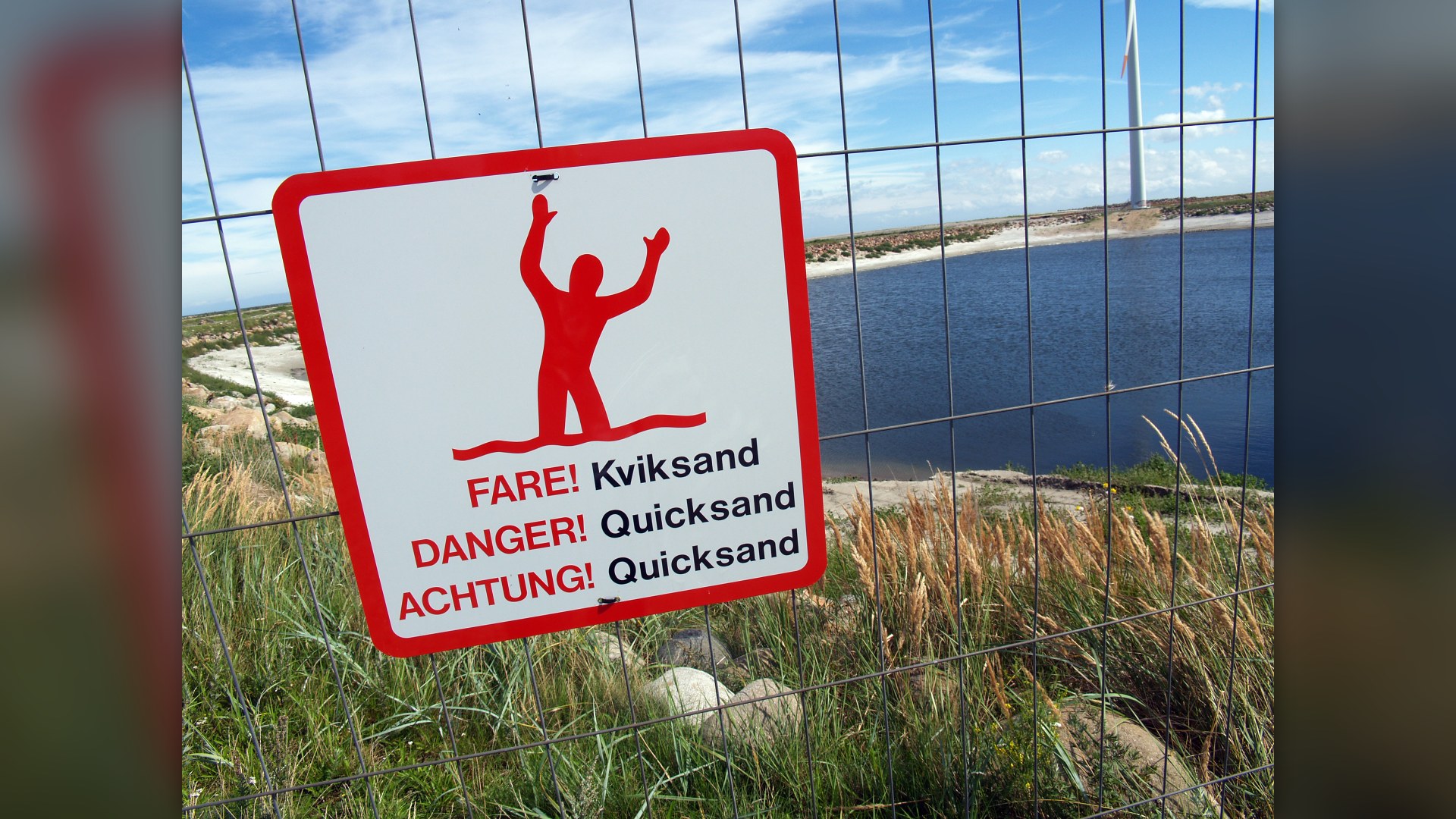
Hollywood depictions of quicksand pulling people down into bottomless pits defy fluid physics. Human bodies are less dense than liquid sand. Thrashing causes you to sink deeper, but leaning back onto your spine disperses weight, allowing you to float and slowly flutter your legs to firm ground.
19. Check Deadly Spots First For Missing Kids
Panicked parents often spend precious early minutes checking toy chests and neighborhood yards when a child disappears. Child safety experts urge caregivers to inspect high-fatality zones first, including swimming pools, drainage ponds, laundry machines, and sealed vehicle trunks.
18. Seeking A Low Ditch In A Tornado
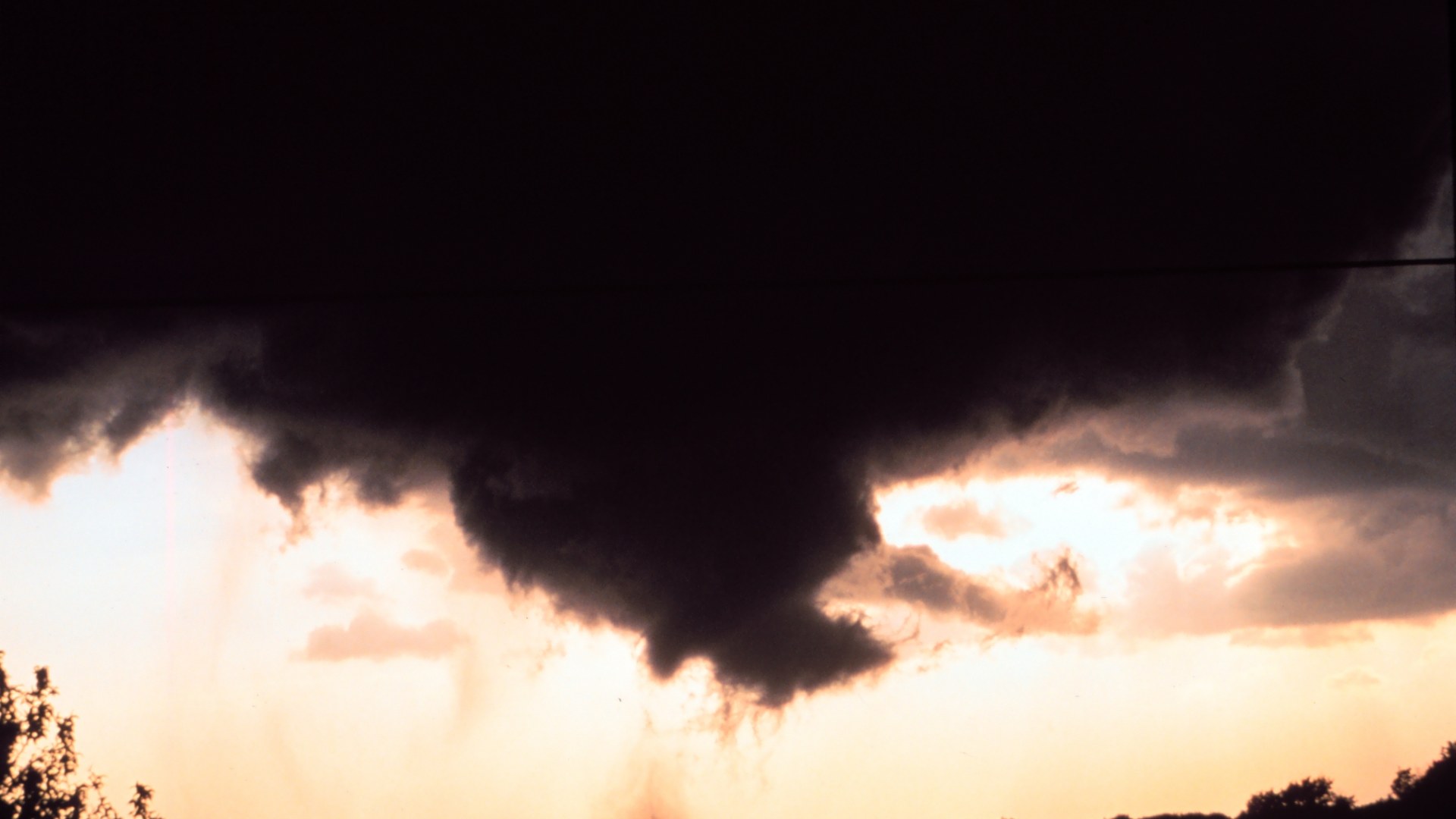
Caught on open roads during a tornado warning, never seek shelter under a highway overpass, which acts as a deadly wind tunnel. Instead, pull off the pavement, abandon the vehicle, and lie face down in the lowest ditch or culvert you can find, covering the back of your head with your hands.
17. Keep Lights Off During A Night Intrusion
If an intruder enters your home in the dark, your instinct is often to flip switches. Doing so instantly reveals your exact bedroom location while blinding your night-adjusted eyes. Staying in darkness allows you to exploit your intimate knowledge of floor plans, doorways, and cover.
16. Always Seek A Second Medical Opinion
Physicians are human and diagnostic cognitive bias can cause even experienced doctors to overlook critical illnesses. If your symptoms persist or your physical instincts scream that a diagnosis is wrong, seeking independent second and third opinions routinely uncovers overlooked medical threats.
15. Dial 911 Even With Zero Signal Bars
Seeing zero signal bars on your smartphone screen does not mean emergency services cannot be contacted. Emergency protocol mandates that if any competing cellular network has coverage in the area, your device will automatically piggyback on that competitor's tower to connect the distress call.
14. Turn Around And Never Drive Through Floods
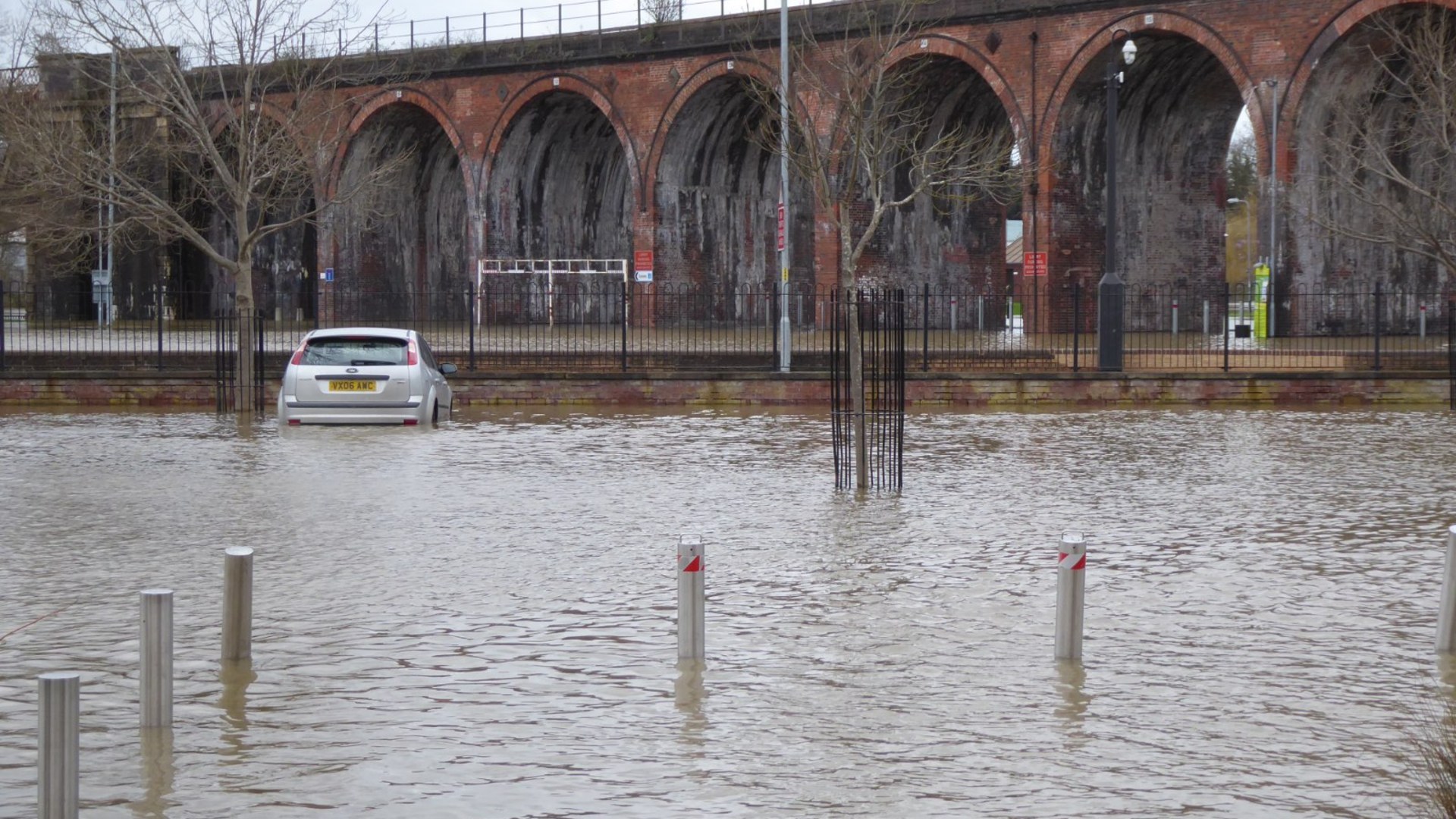
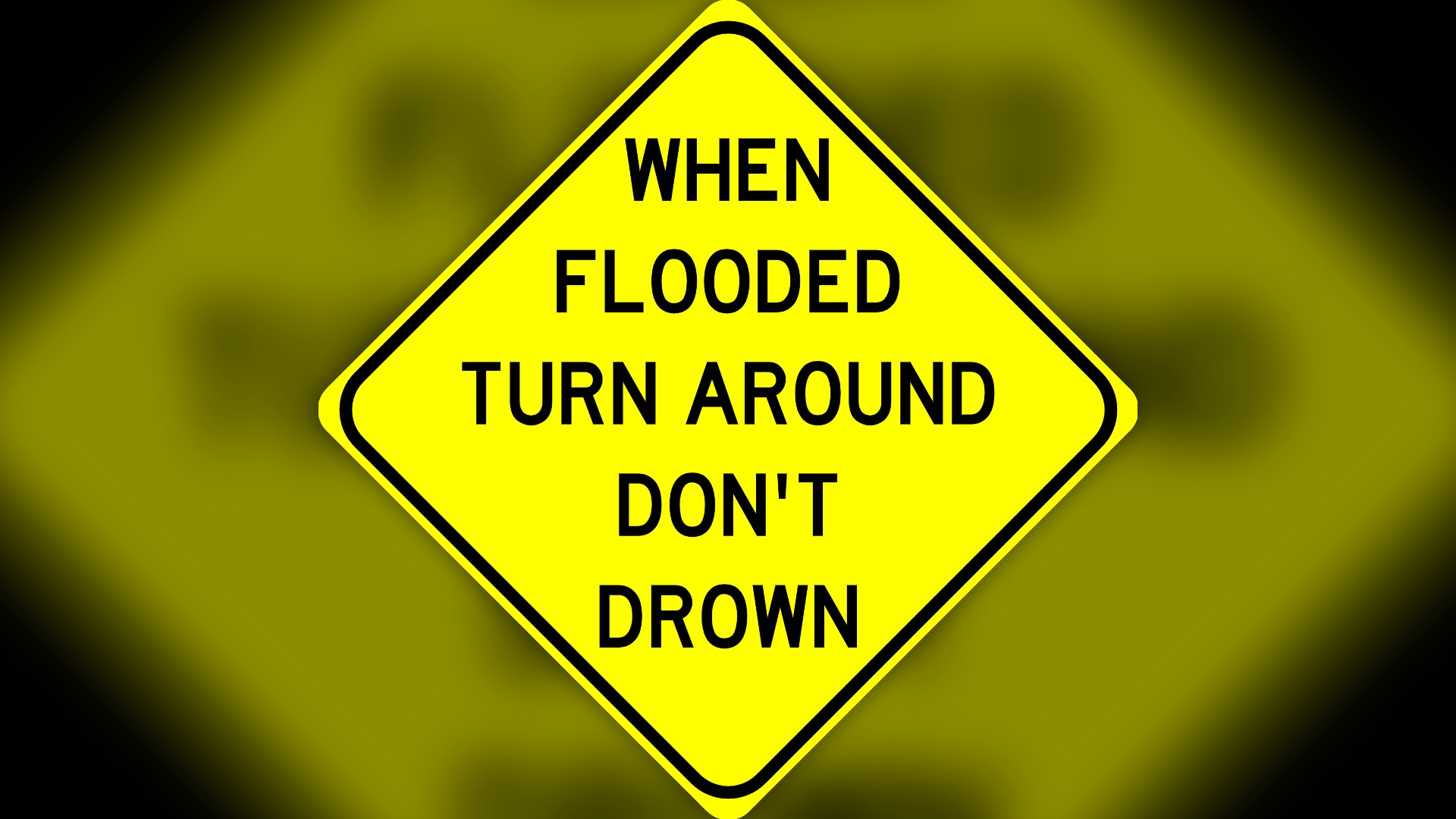
During heavy downpours, flooded roadways conceal washed-out pavement and deep sinkholes. Just six inches of fast-flowing water can knock down an adult, while one to two feet easily floats trucks and SUVs. Never attempt to drive through standing murky water on inundated roads.
13. Drop, Cover, And Hold On Indoors
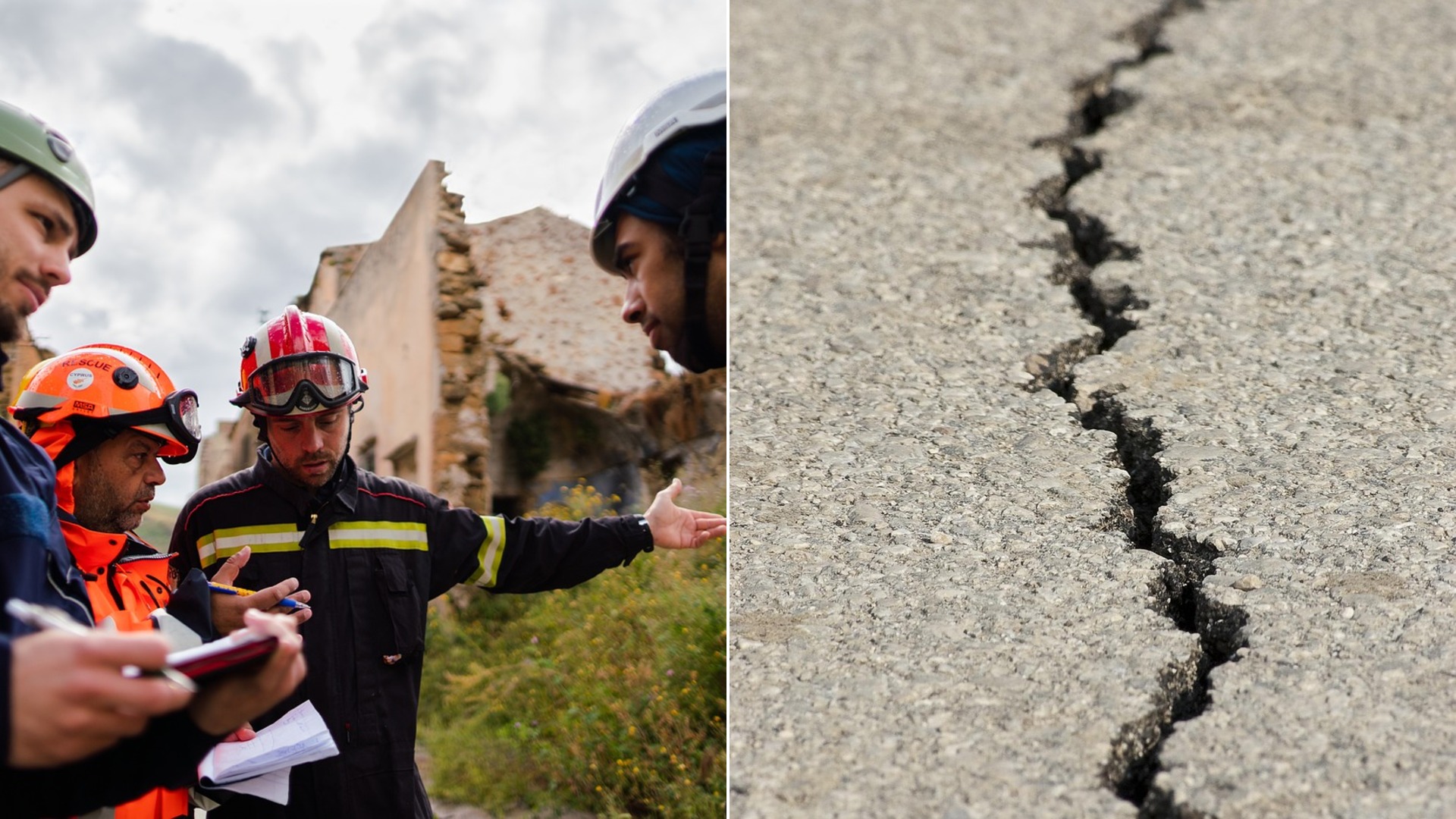
During major earthquakes, running outside or standing beneath doorframes is extremely dangerous due to collapsing masonry and shattered exterior glass. The safest protocol is dropping to your hands and knees, taking cover under a sturdy desk or table, and holding firmly to one leg until shaking stops.
12. Crawl Backward On Ice If You Fall Through
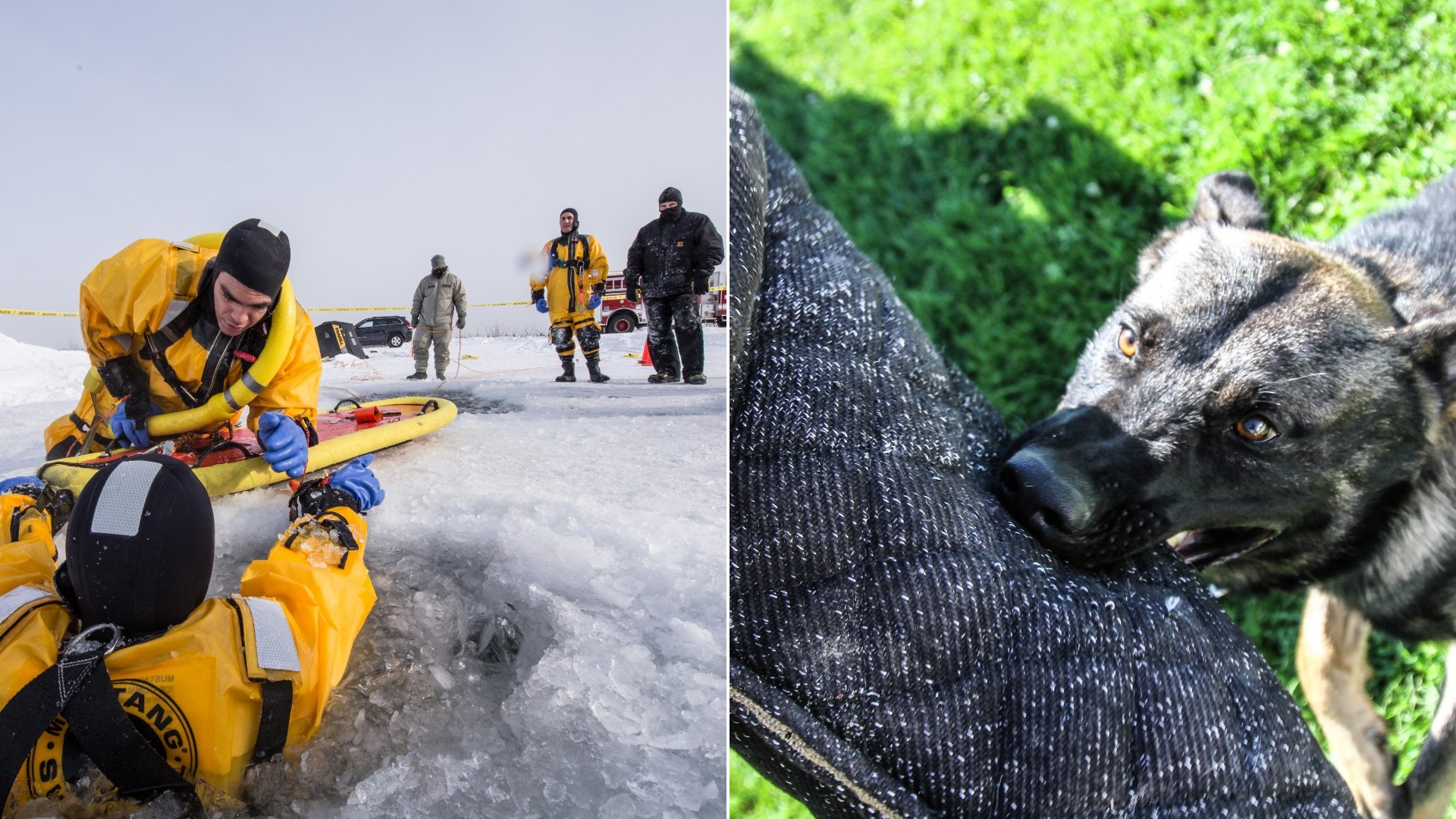
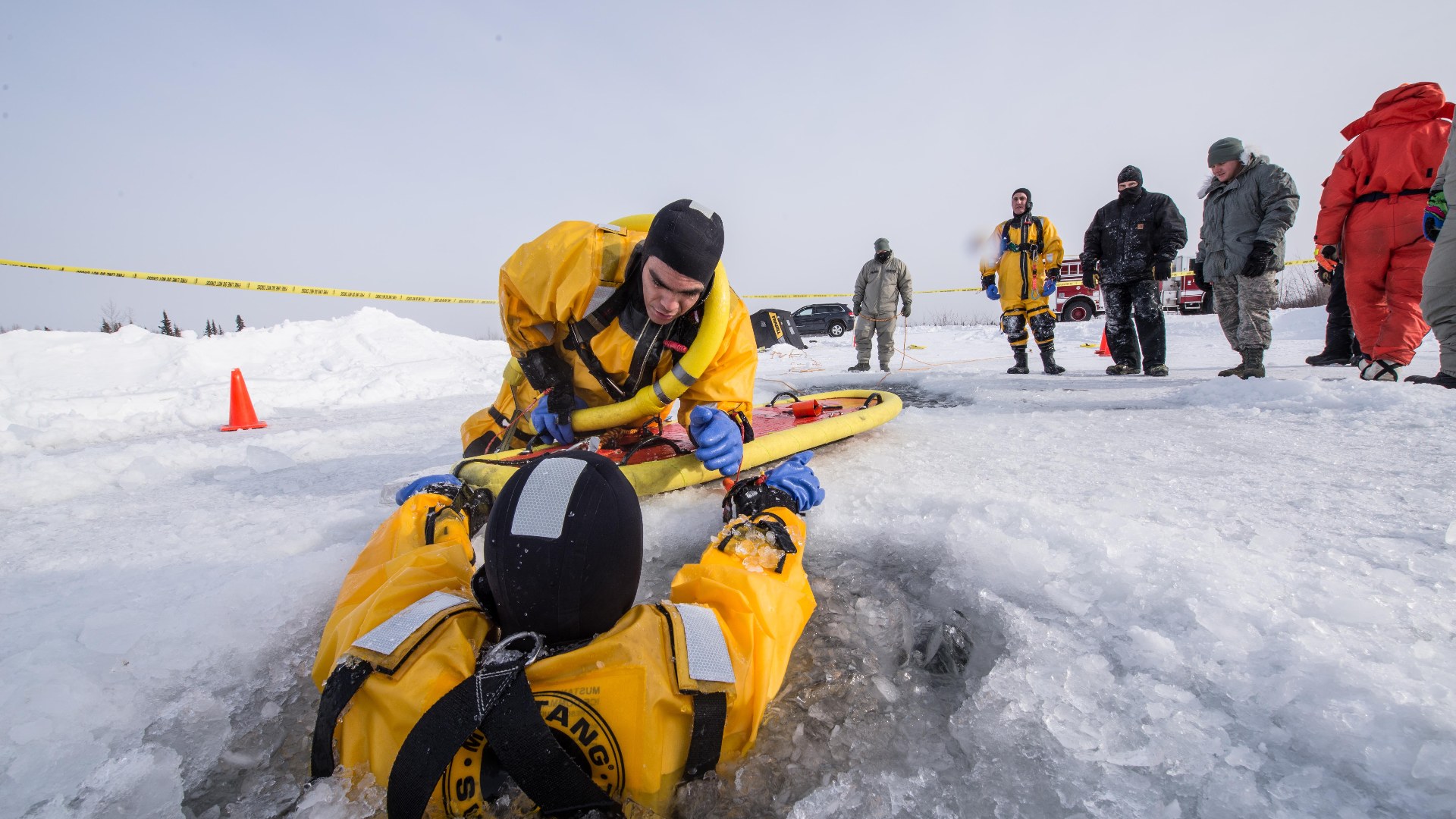
Breaking through frozen lake ice triggers violent cold shock and gasping. Instead of attempting to pull forward into uncharted weak crust, turn around and grab the ice edge you just walked across. Kicking your legs horizontally to slide your torso like a seal distributes weight and prevents re-breaking.
11. Hug A Tree And Stay Put When Lost
When hikers realize they are lost, panic prompts desperate walking that leads them deeper into danger. Search and rescue personnel teach the hug-a-tree principle. Staying in one place preserves calories, prevents debilitating injuries, and concentrates search dog teams on a stable target.
10. Carving An Air Pocket In An Avalanche
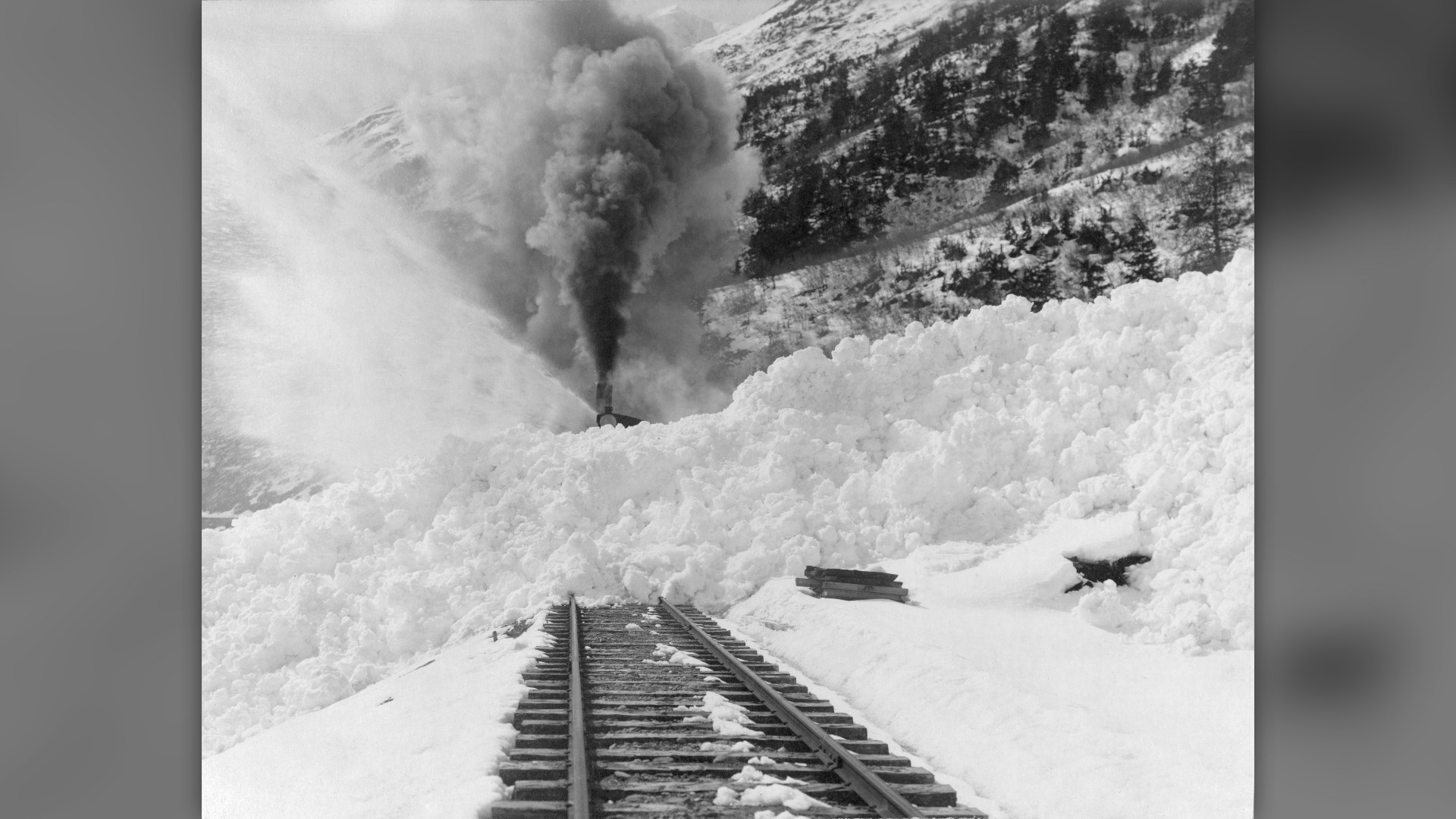
When an avalanche slows to a stop, the moving snow friction melts slightly before instantly refreezing into a solid, impenetrable cast. Before you are buried, cup your hands over your mouth and nose and take a deep breath to expand your chest, creating an essential air pocket that buys vital rescue time.
9. Hair Standing On End Signals Lightning Strike
If you are caught in an open field during a thunderstorm and your body hair suddenly bristles upward, a direct lightning strike is imminent within seconds. Drop immediately into a low crouch on the balls of your feet, touching heels together so current travels through feet rather than your heart.
8. Never Throw Water On A Grease Fire
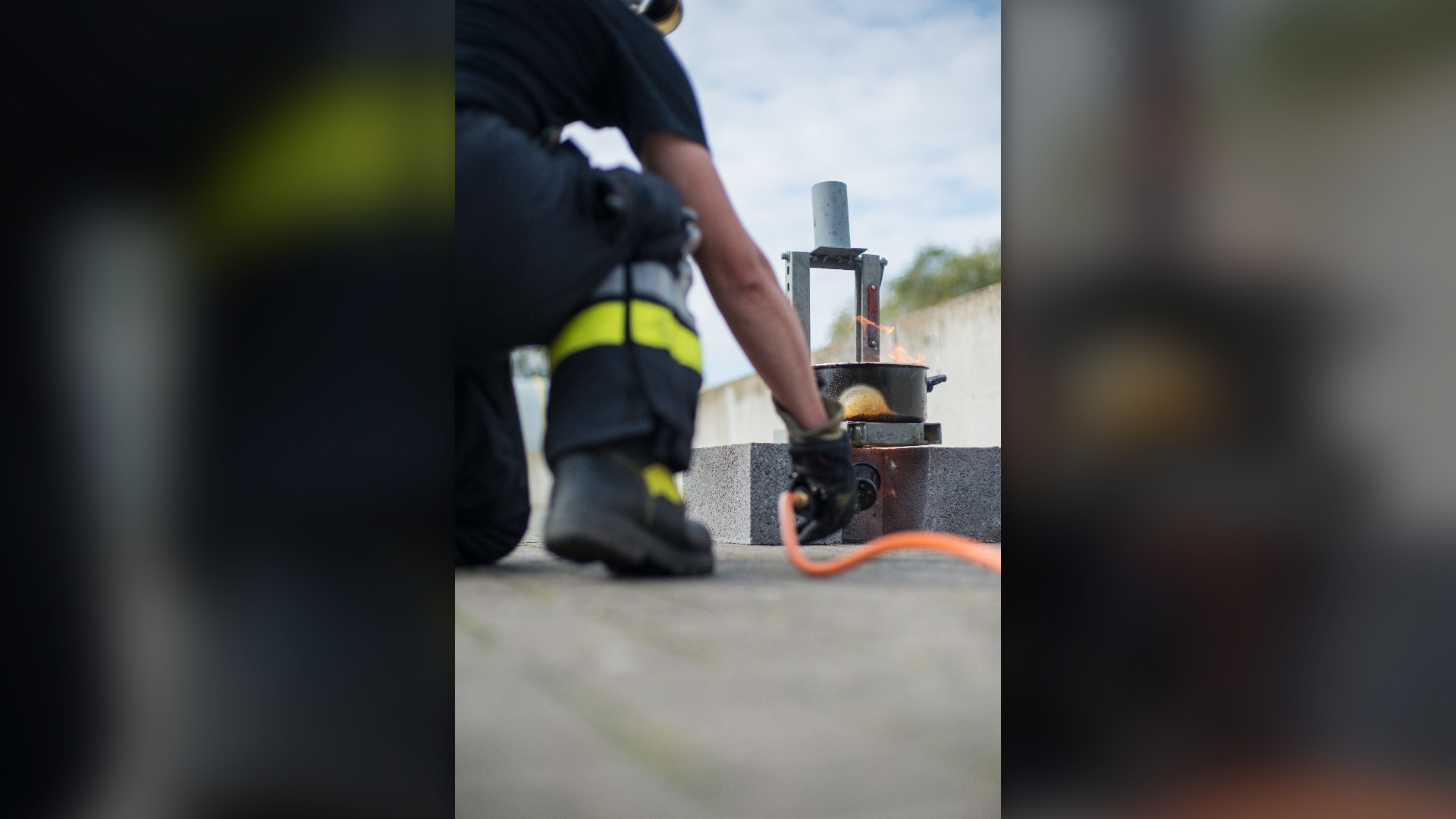
Dousing a burning frying pan with tap water causes a terrifying physical explosion. Because water is denser than oil, it plunges to the scorching bottom and vaporizes explosively, hurling millions of burning oil droplets into the air. Always slide a metal lid over the pan or dump baking soda.
7. Protecting Your Throat In A Dog Attack
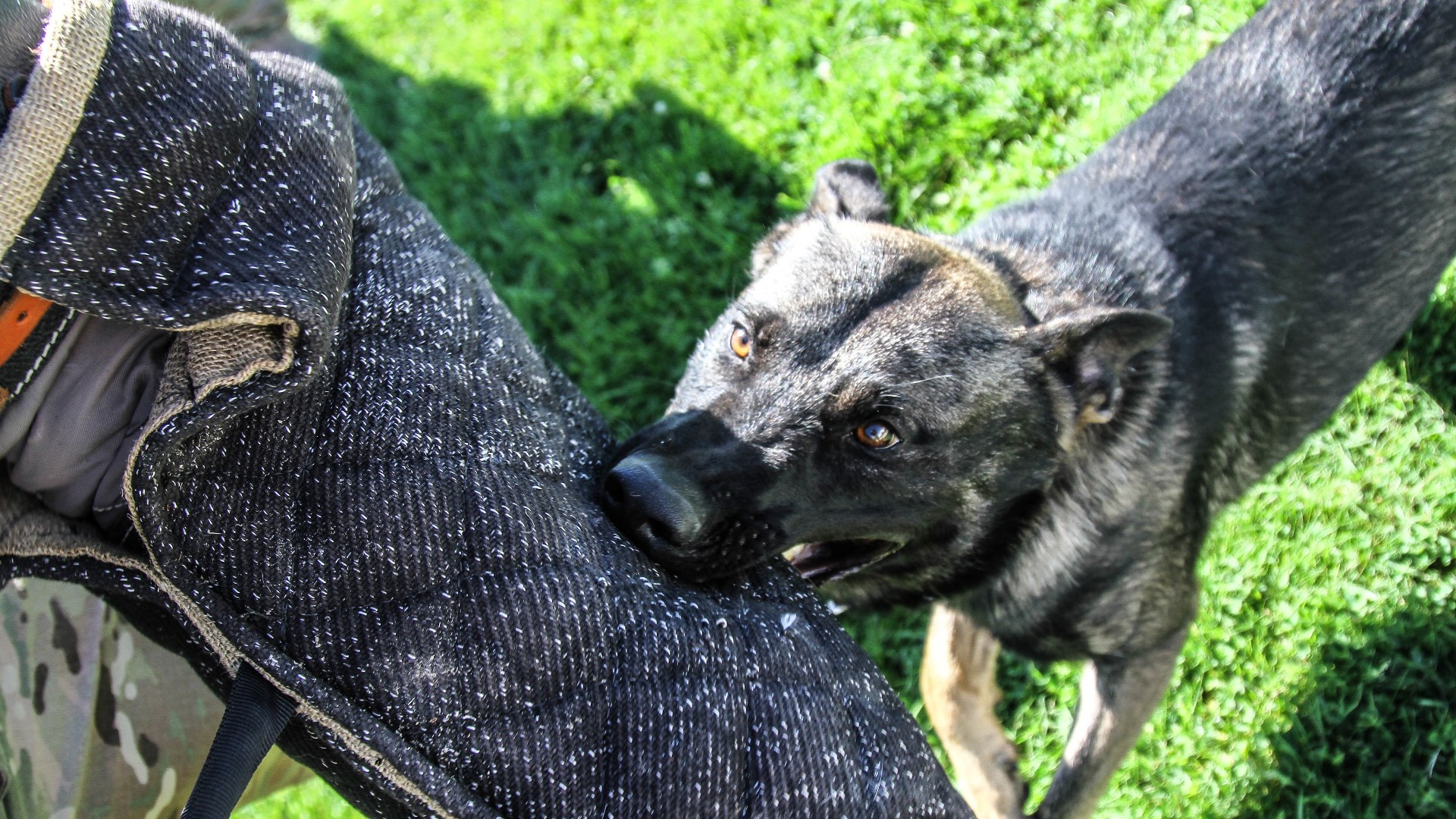
If an aggressive dog charges, never run or scream, which triggers predatory pursuit drive. Turn sideways, avoid direct eye contact, and offer a backpack, jacket, or stick as a bite target. If knocked down, curl into a ball, tucking your chin to your chest and locking fists over your ears to protect neck arteries.
6. A Fishy Smell Can Mean An Electrical Fire
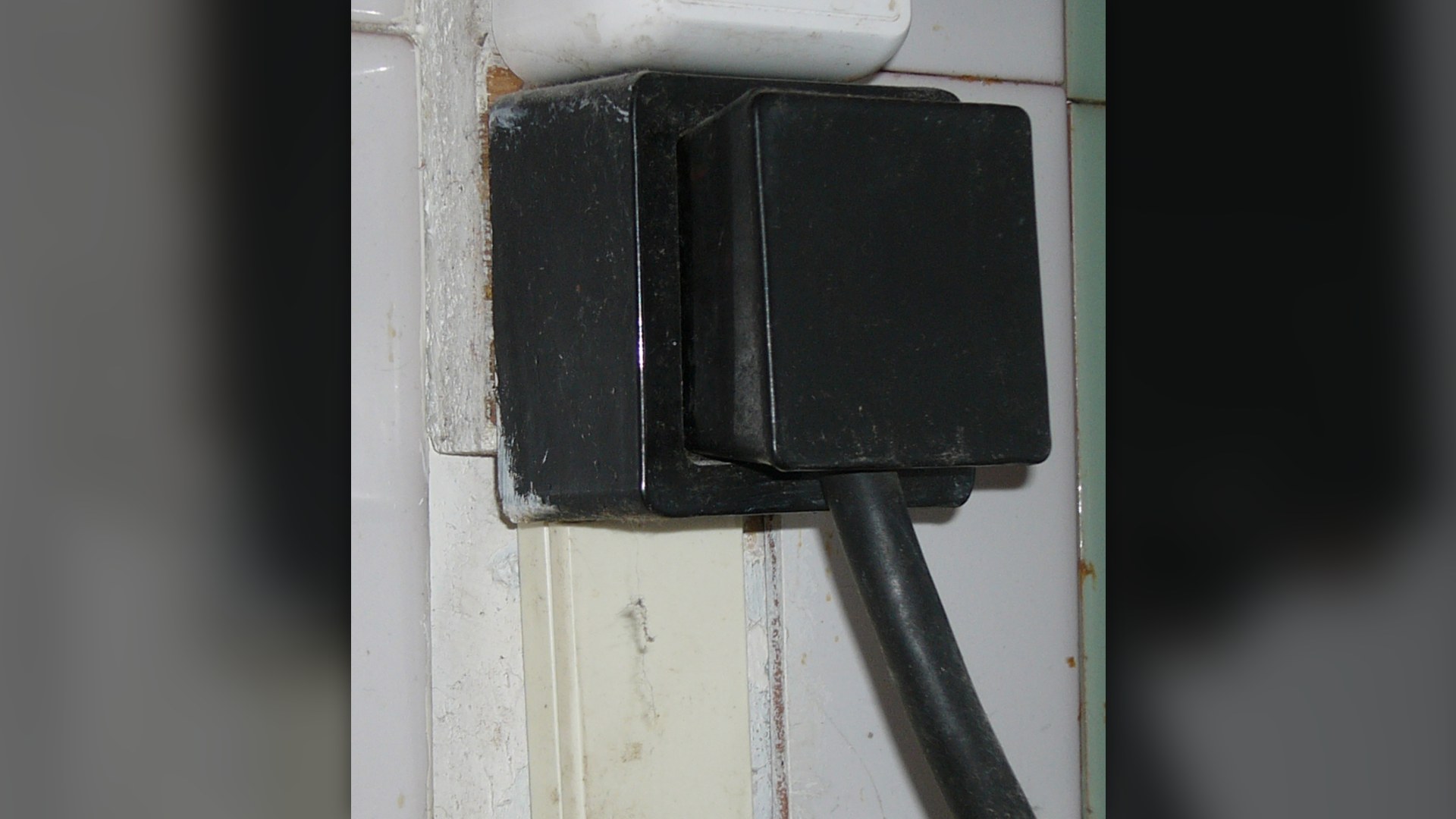
If your home smells distinctly of raw seafood or ammonia with no kitchen explanation, do not ignore it. As plastic polymer insulation around faulty circuit breakers and overloaded wall outlets melts, it emits a fish-like stench that warns of an active electrical fire smoldering inside the wall.
5. When Sweating Stops, Heat Stroke Begins
Heat exhaustion produces heavy sweating and weakness, but true heat stroke occurs when your internal cooling mechanism completely shuts down. If an overheated person becomes disoriented and their skin turns dry and feverish, immerse them in cold water or pack ice around armpits immediately.
4. Box Breathing Calms Hyperventilation And Shock
Acute trauma triggers autonomic fight-or-flight cascades that cause rapid hyperventilation, carbon dioxide depletion, and dizziness. Tactical operators use box breathing with four seconds inhaling, four seconds holding, four seconds exhaling, and four seconds holding to halt panic.
3. Keep Snakebite Wounds Below Heart Level
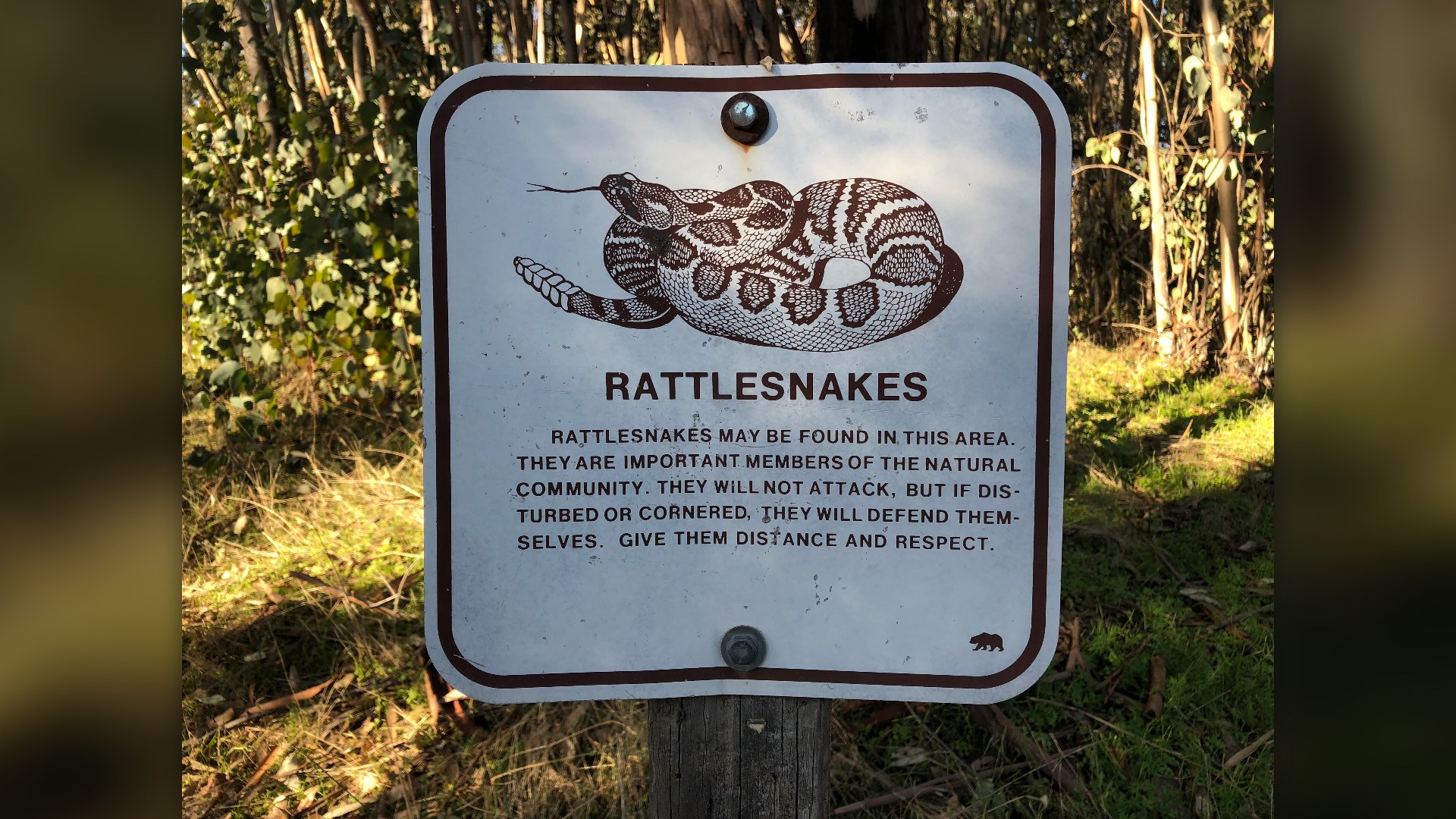
Outdated folklore advice to cut venomous snakebites, suck out venom, or tie tight tourniquets causes severe tissue necrosis and accelerates systemic damage. Modern emergency trauma protocols instruct victims to remain calm, immobilize the bitten limb below heart level, and seek emergency antivenom immediately.
2. Lie Flat On Your Back In A Dropping Elevator
Folklore suggests jumping just before an elevator hits bottom, but human jump speeds cannot counter rapid falling momentum. Instead, lie flat on your back in the center of the cab with your arm protecting your face. This posture diffuses G-forces across your frame rather than shattering spine and legs.
1. The Survival Rule Of Threes
Survival training revolves around the rule of threes, including three minutes without air, three hours without shelter in freezing cold, three days without water, and three weeks without food. Understanding this timeline stops lost travelers from wasting vital daylight hunting food.