Slideshow · Science
25 Foods You Didn't Know Were Hiding Weird Secrets
Swipe to discover the bizarre botanical secrets hidden in daily foods.
By Most Viral Today
29 Oct 2026

Swipe to discover the bizarre botanical secrets hidden in daily foods. 
25. Potatoes 
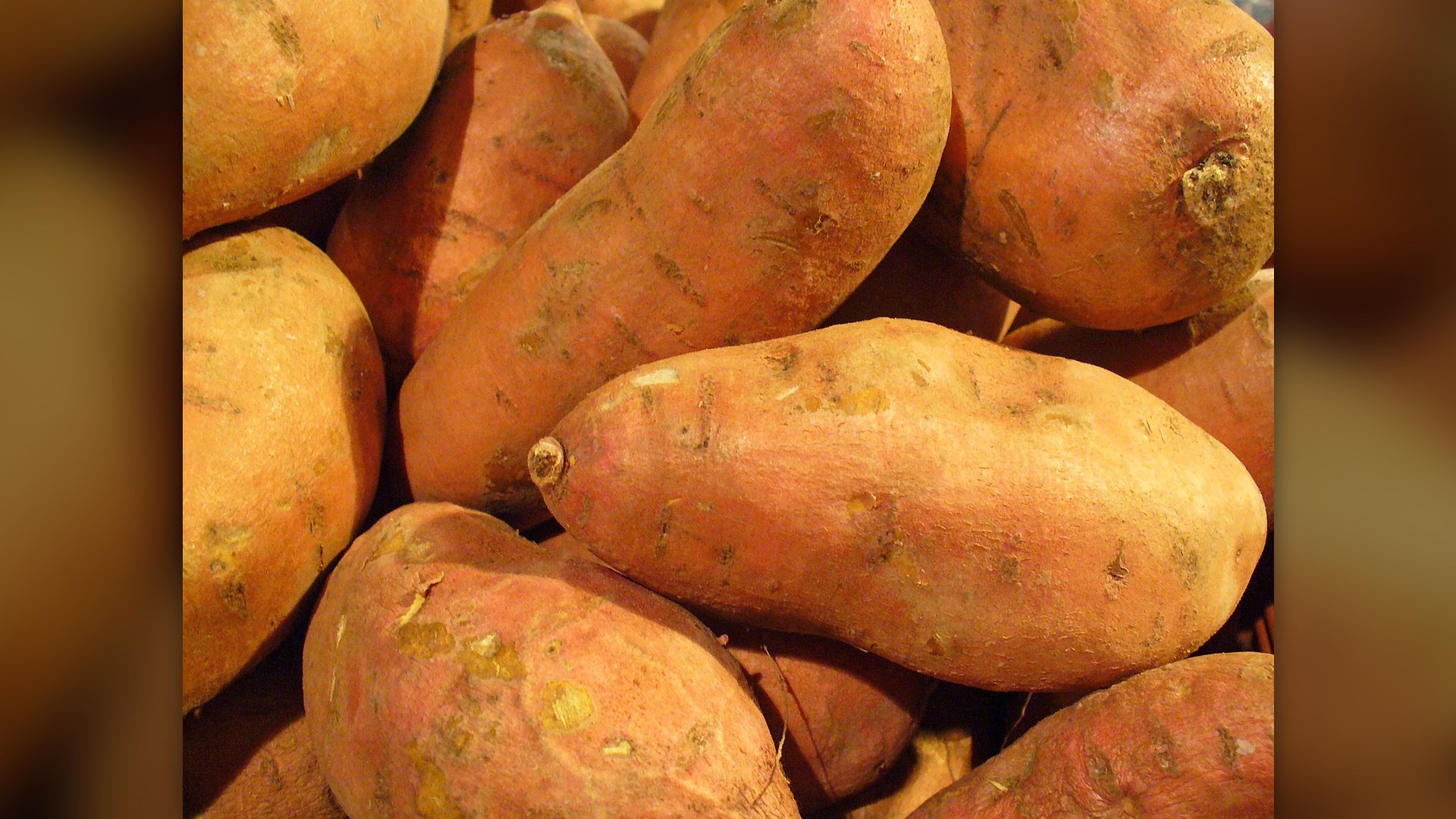
24. Sweet Potatoes 
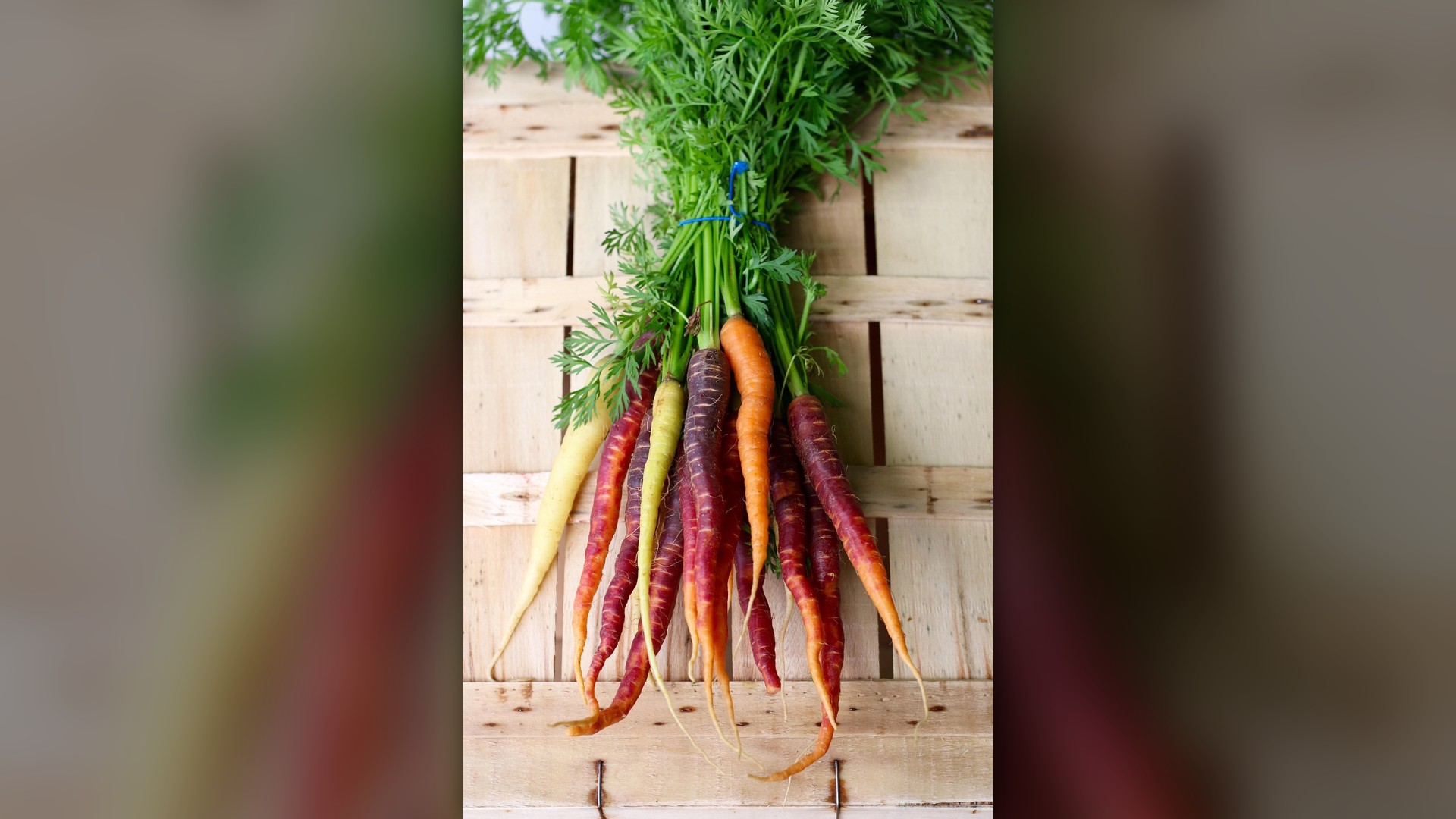
23. Rainbow Carrots - AdvertisementSwipe or tap ▶ to continue countdown

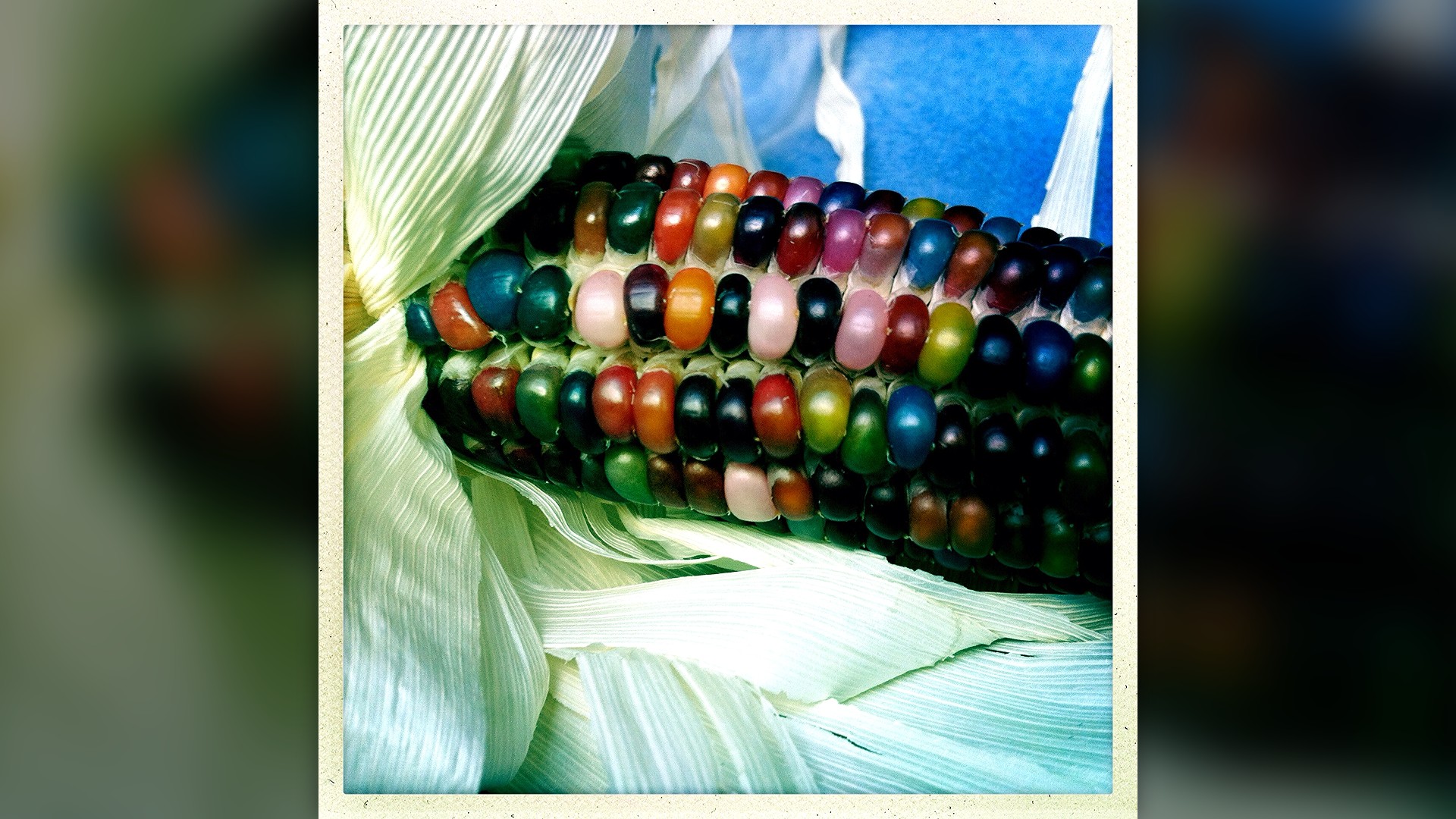
22. Glass Gem Corn 
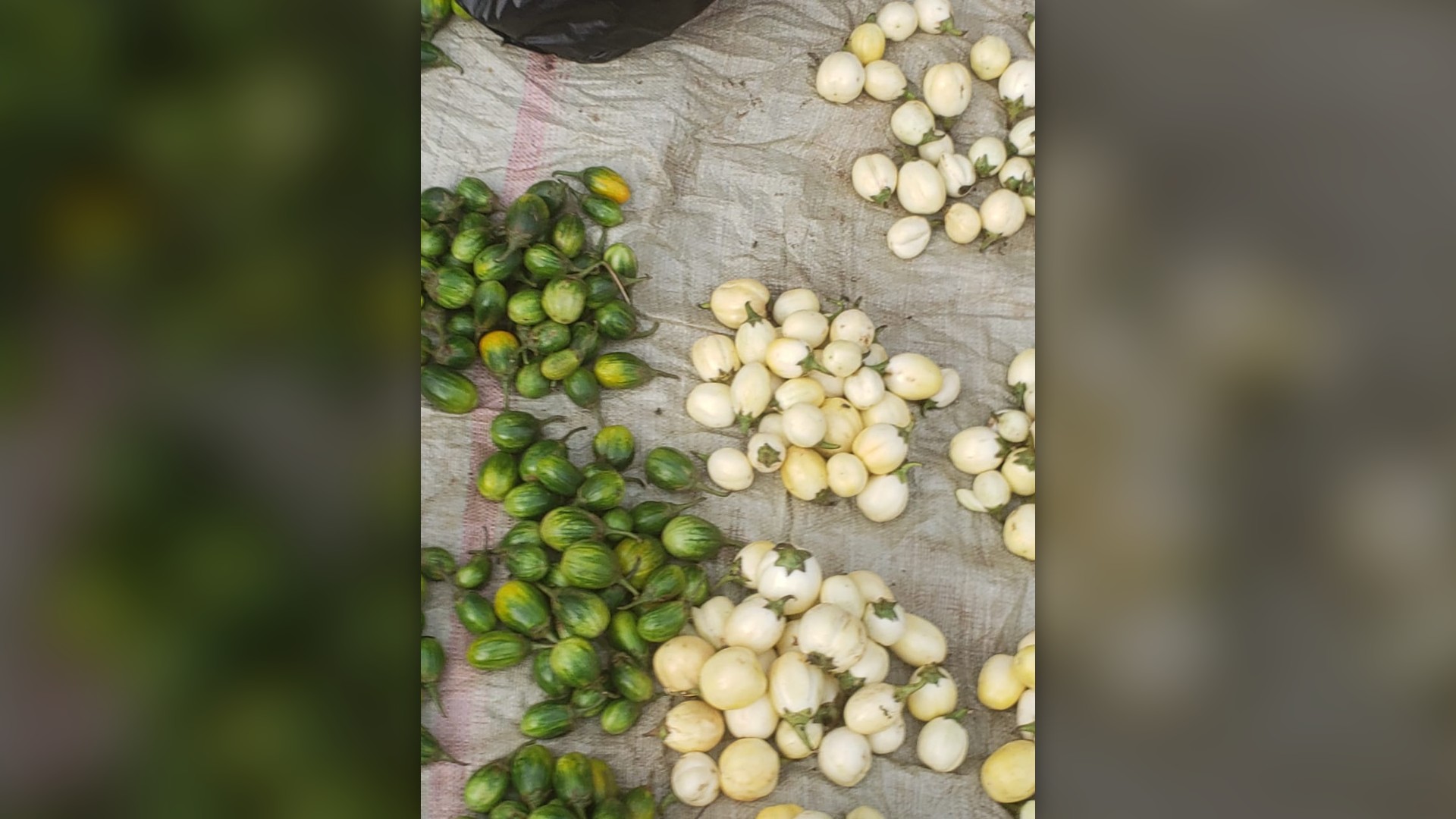
21. White And Green Eggplants 
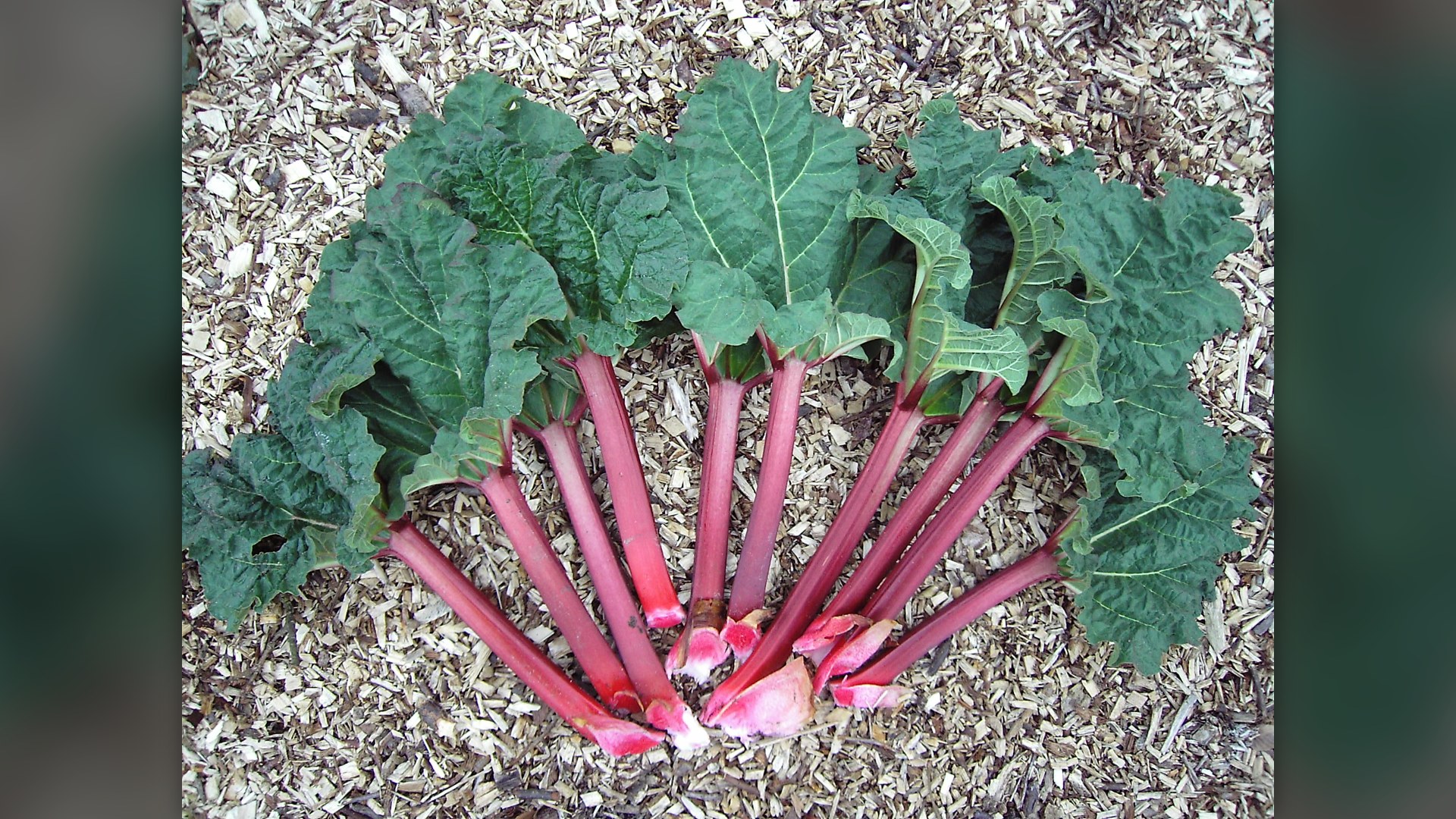
20. Rhubarb 
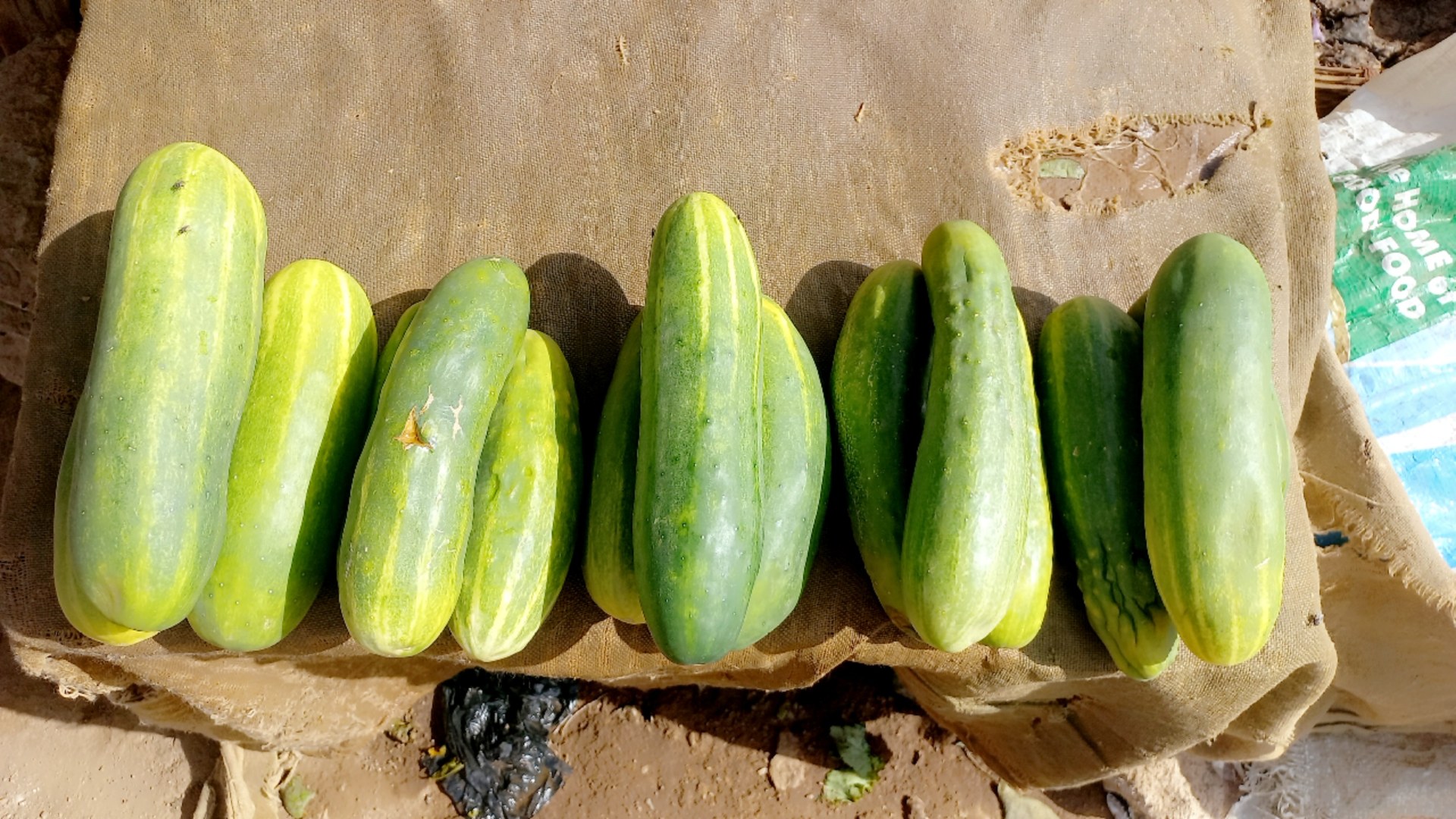
19. Cucumbers - AdvertisementSwipe or tap ▶ to continue countdown

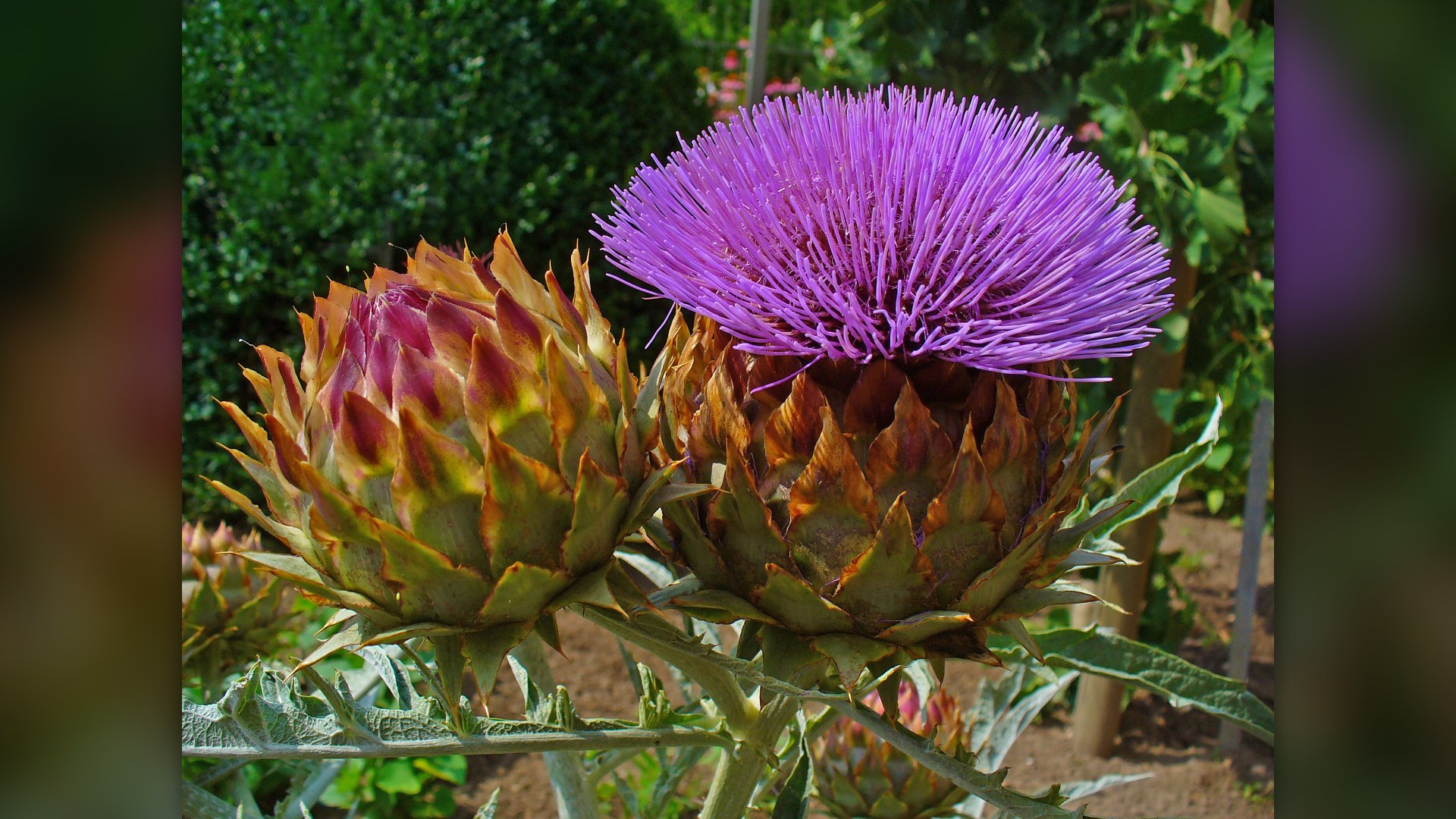
18. Artichokes 
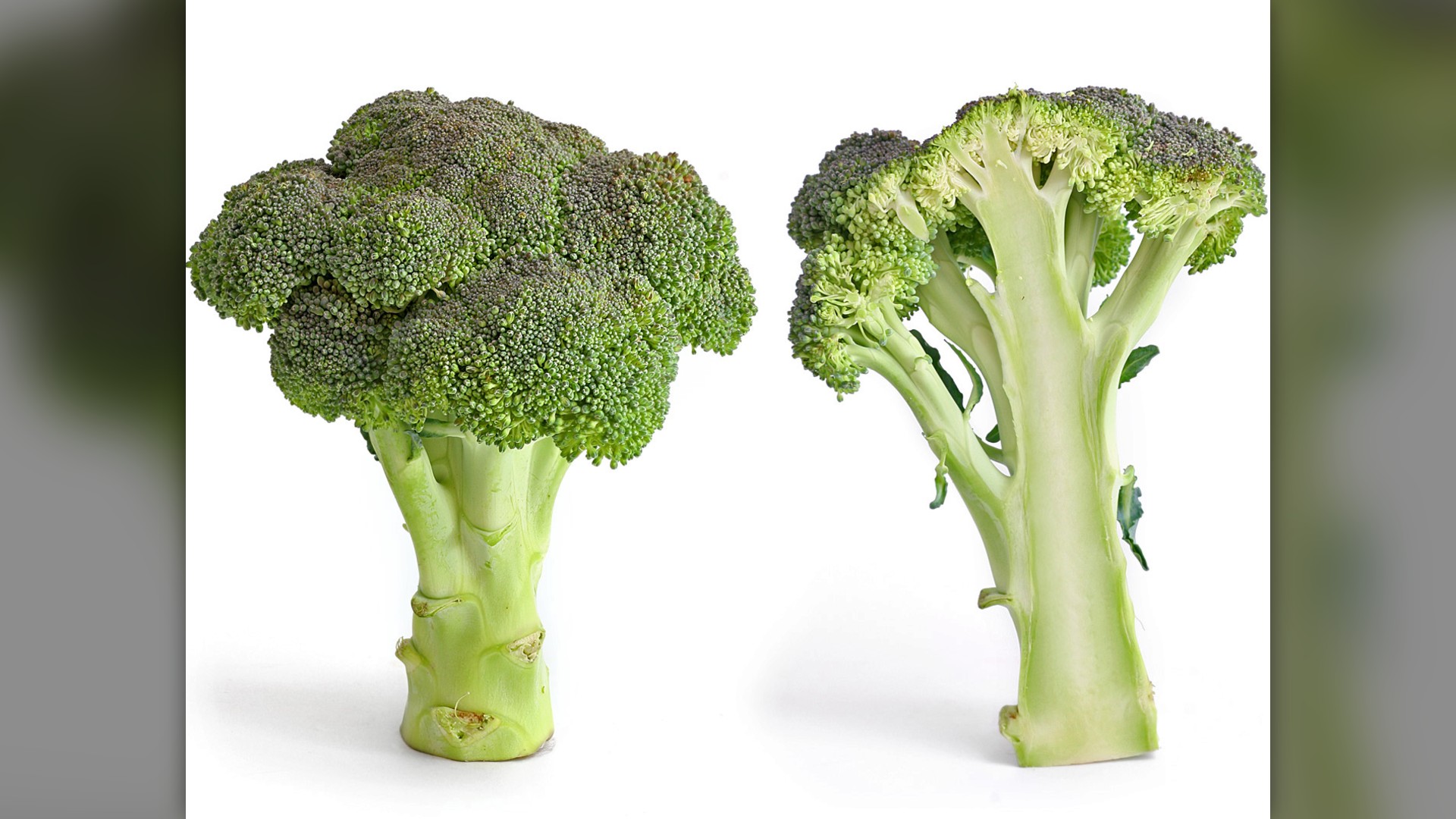
17. Broccoli 
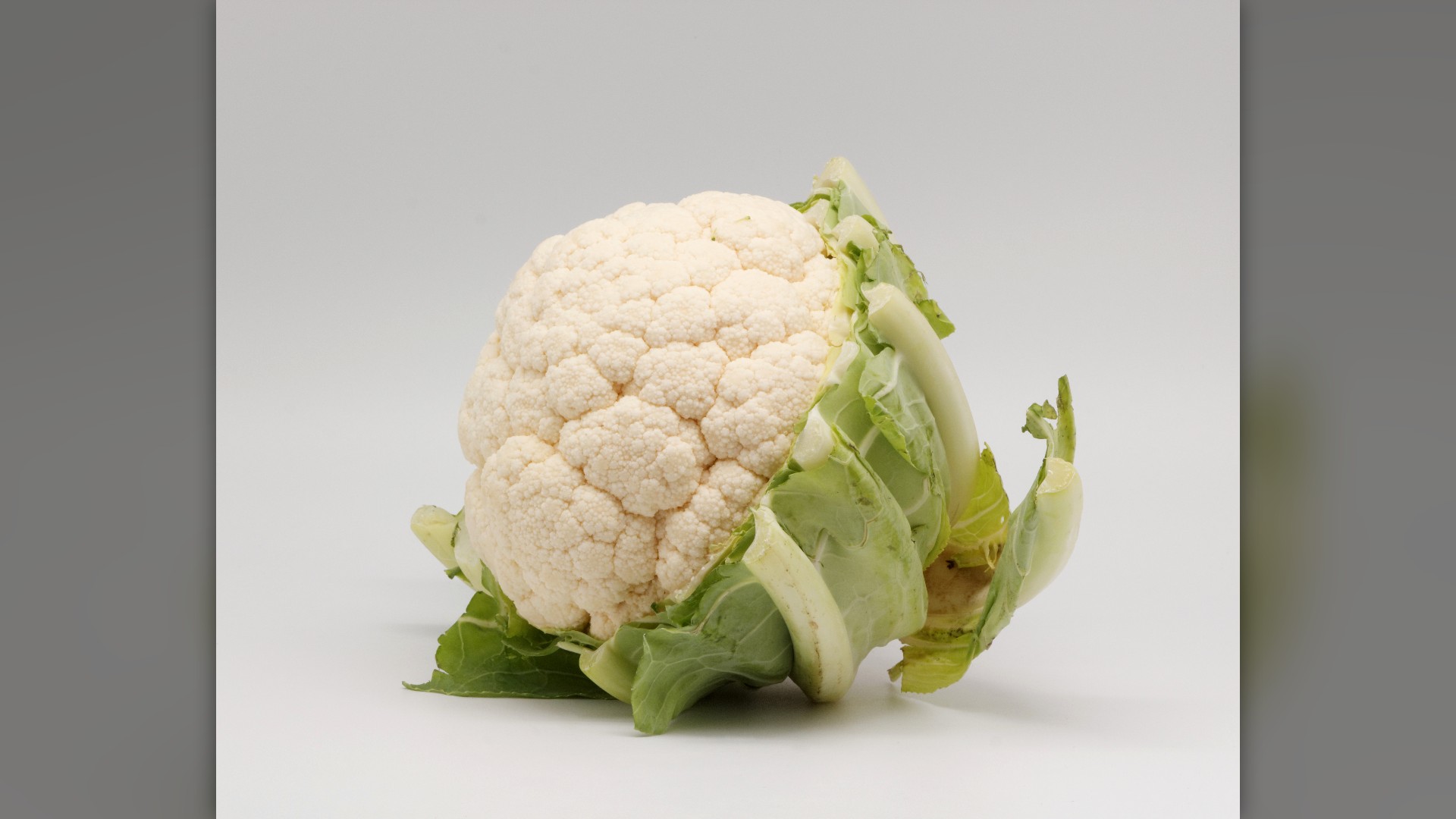
16. Cauliflower 
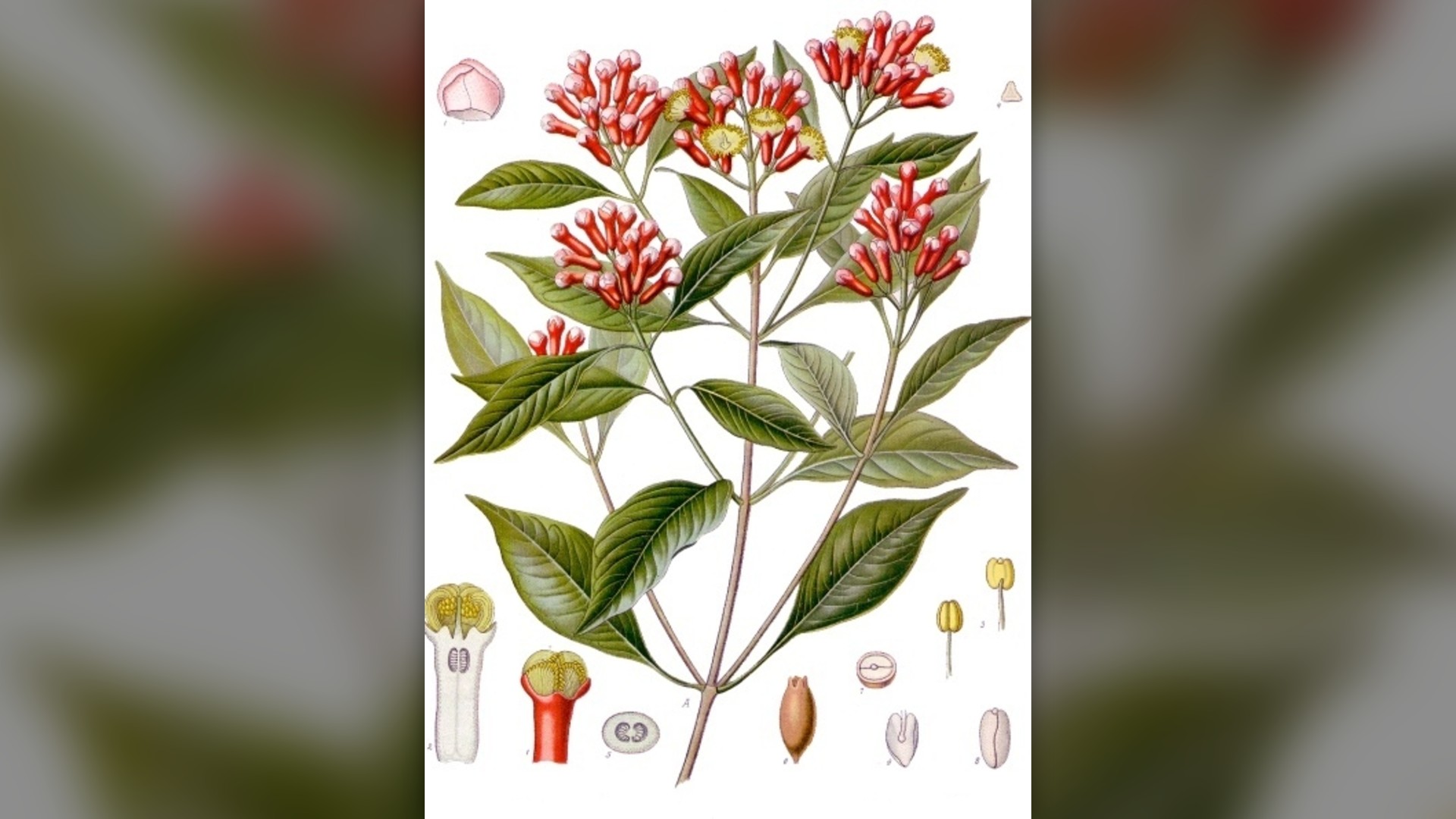
15. Cloves - AdvertisementSwipe or tap ▶ to continue countdown

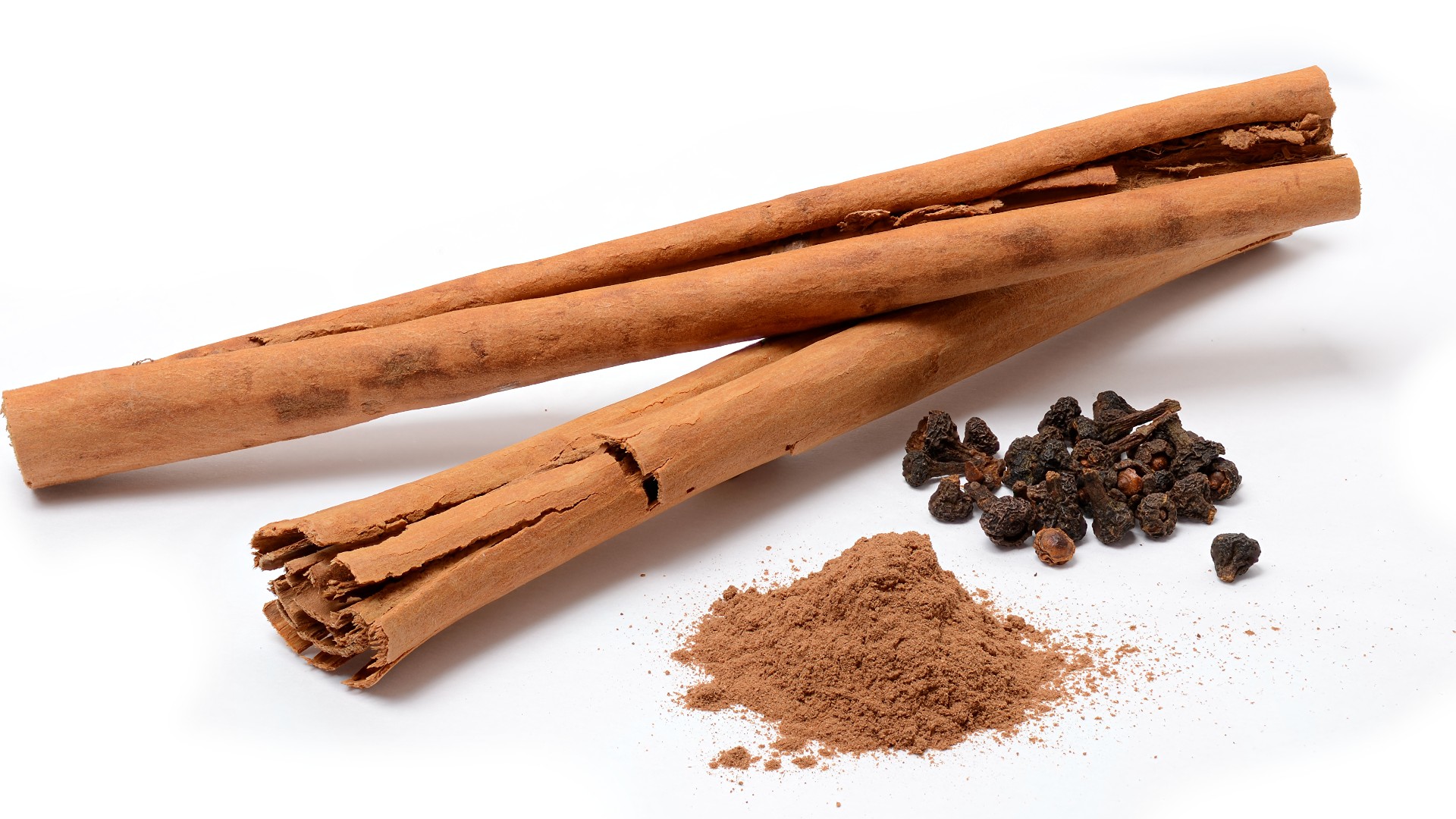
14. Cinnamon 
13. Saffron 
12. Vanilla 
11. Sunflower Seeds - AdvertisementSwipe or tap ▶ to continue countdown

10. Peanuts 
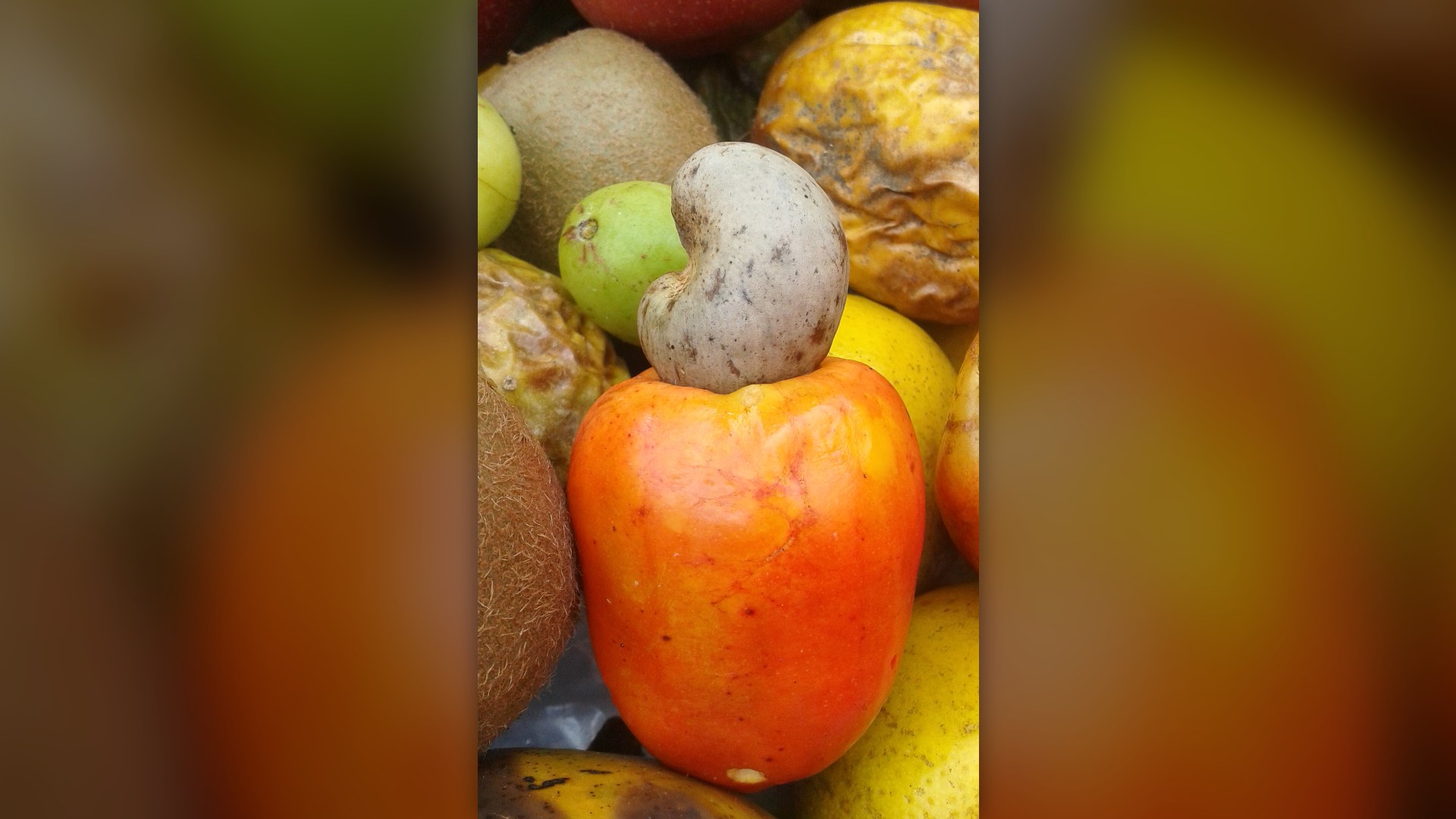
9. Cashews 
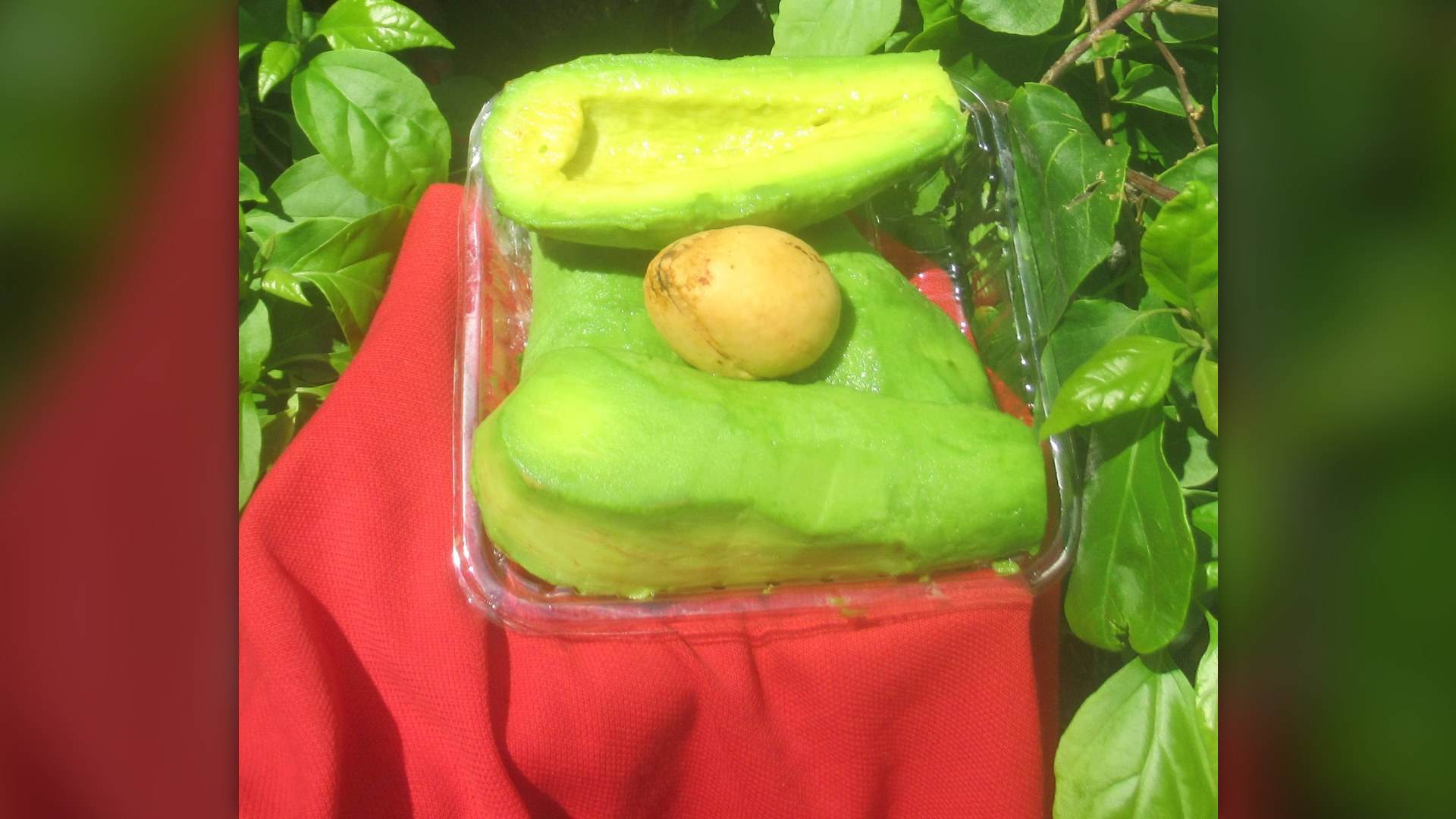
8. Avocados 
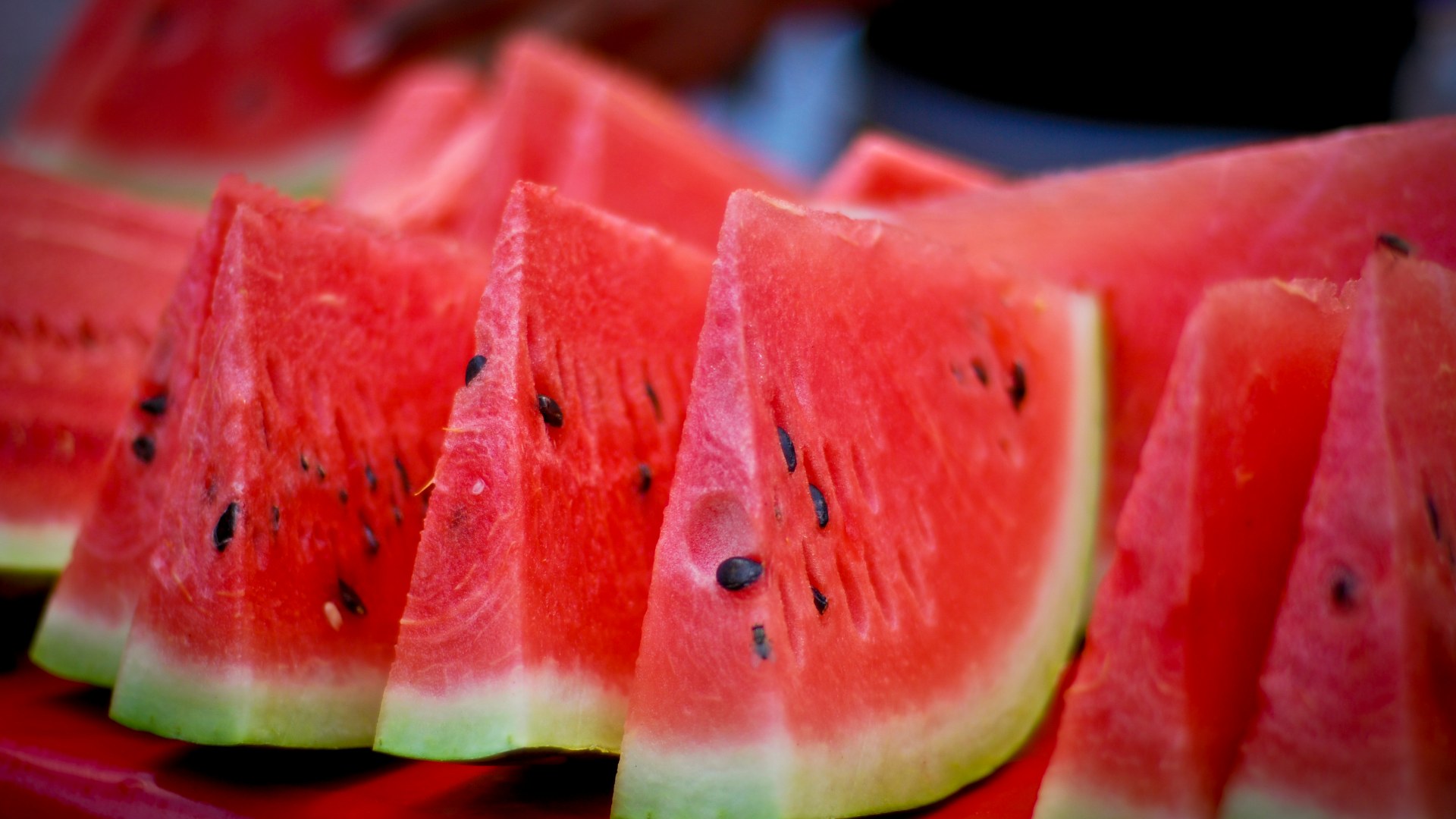
7. Watermelons - AdvertisementSwipe or tap ▶ to continue countdown

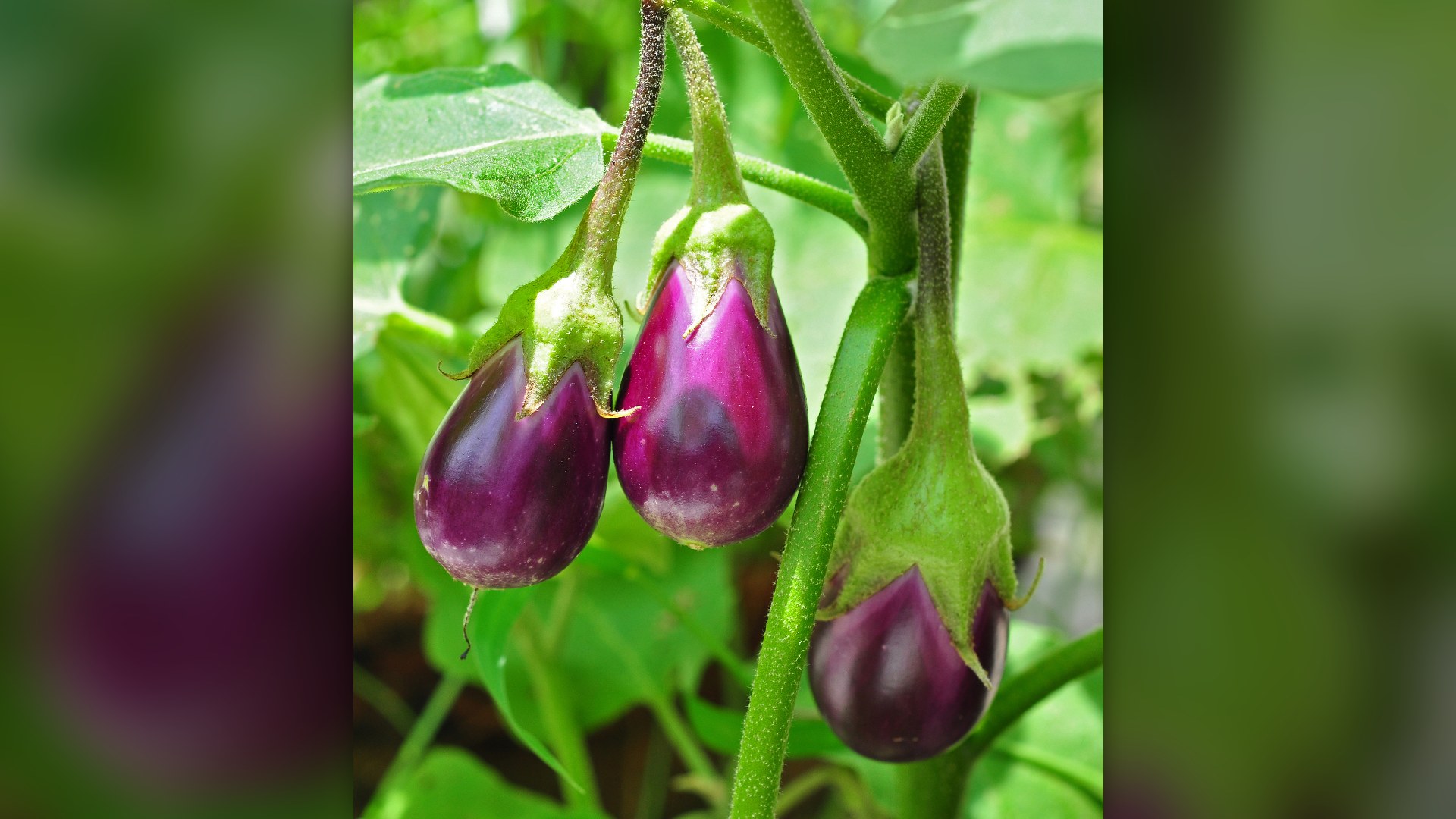
6. Eggplants 
5. Tomatoes 
4. Bananas 
3. Pineapples - AdvertisementSwipe or tap ▶ to continue countdown

2. Figs 
1. Strawberries - Advertisement🔥 UP NEXT IN THIS SERIES◫ 23 Slides

22 Most Secret World War II Aircraft Tested Behind Closed Doors
Between 1939 and 1945, Allied and Axis engineers built jets, flying wings and rocket interceptors in deep wartime secrecy. Ranked from 22 to 1 by historical secrecy and technical leap, this countdown draws on archival records from the Smithsonian, U.S. Air Force Museum, RAF Museum and German Federal Archives.
From supermarket staples to common garden produce, many everyday ingredients defy culinary conventions. Botanists categorize plants quite differently than grocery aisles, revealing that beloved fruits, vegetables, spices, and nuts harbor bizarre biological secrets.
Swipe or tap ▶ to begin the countdown
©Wikimedia / Harsha K R & Wikimedia / Joydeep
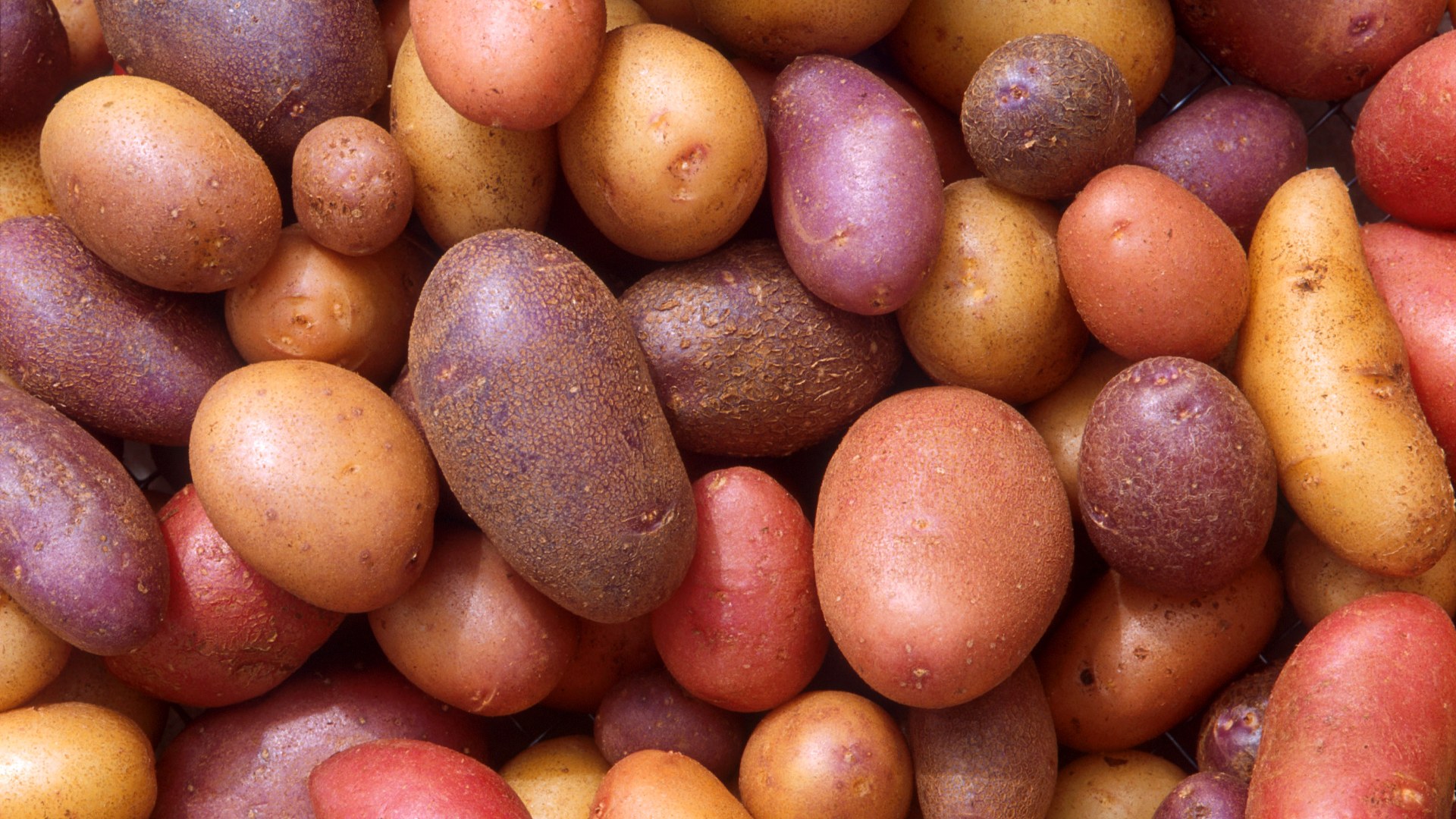
25. Potatoes
While most shoppers assume potatoes are roots, botanists classify them as tubers, which are modified underground stems. The eyes on a potato are actually dormant stem nodes capable of sprouting new leaves and shoots under the right conditions.
©Wikimedia / Scott Bauer, USDA ARS
24. Sweet Potatoes
Unlike regular potatoes, sweet potatoes are true storage roots that belong to the morning glory family. While regular potatoes store nutrients in thickened stem tissue, sweet potatoes expand lateral roots to stockpile sugars and starches.
©Wikimedia / Llez
23. Rainbow Carrots
Centuries before orange carrots filled modern grocery bins, wild and cultivated carrots across Central Asia grew in deep purple, vibrant yellow, and white varieties. Dutch farmers bred sweet orange carrots in the 17th century to honor the royal House of Orange.
©Pixabay / 6113184
Advertisement
Swipe or tap ▶ to resume the countdown.
22. Glass Gem Corn
Cherokee farmer Carl Barnes dedicated decades to isolating ancestral corn strains, reviving corn varieties with translucent, multicolored kernels. Known as Glass Gem corn, every ear yields a unique pattern of ruby, turquoise, and amber kernels.
©Wikimedia / Glass Gem Corn
21. White And Green Eggplants
The English name eggplant originated in the 18th century when European cultivars produced small, oval white fruits that looked remarkably like goose eggs. Today, heirloom varieties still produce yellow, bright green, and pure white edible fruit.
©Wikimedia / Nabunje Leticia
20. Rhubarb
Because rhubarb stalks are stewed with sugar for pies and tarts, many assume it is a fruit. Botanically, it is a leafy herbaceous vegetable stalk. In 1947, a New York court legally classified it as a fruit to lower import duty taxes.
©Wikimedia / Dieter Weber (User:Uellue)
19. Cucumbers
Because they lack sweetness and appear in savory salads, cucumbers are culinarily treated as vegetables. In botanical reality, they develop from the pollinated ovary of a flowering cucumber vine and enclose seeds, making them true botanical fruits.
©Wikimedia / Halima Waziri
Advertisement
Swipe or tap ▶ to resume the countdown.
18. Artichokes
The globe artichoke is a domesticated variety of wild thistle. The edible portions consist of the fleshy lower bracts and the tender core receptacle, harvested just before the massive bud can blossom into a dramatic violet flower.
©Wikimedia / H. Zell
17. Broccoli
When eating a broccoli crown, you are consuming hundreds of immature flower buds clustered on thick fleshy stems. If left unharvested in garden soil, each miniature green bud swells and opens into a small four-petaled yellow flower.
©Wikimedia / Broccoli
16. Cauliflower
Closely related to broccoli and cabbage, cauliflower represents centuries of selective breeding. The creamy white curd consists of repeatedly branched floral meristems that aborted development before forming fully defined petals or reproductive organs.
©Wikimedia / Cauliflower
15. Cloves
Native to Indonesia's Maluku Islands, whole cloves are the unopened floral buds of an evergreen tree in the myrtle family. Harvesters pick the pale clusters by hand before the petals separate, drying them until they turn dark reddish-brown.
©Wikimedia / Clove
Advertisement
Swipe or tap ▶ to resume the countdown.
14. Cinnamon
True cinnamon comes from shaving the delicate inner bark off Cinnamomum tree trunks. As the peeled bark strips dry under warm sunlight, they curl naturally inward, creating the familiar fragrant quills found in spice jars worldwide.
©Wikimedia / Cinnamon
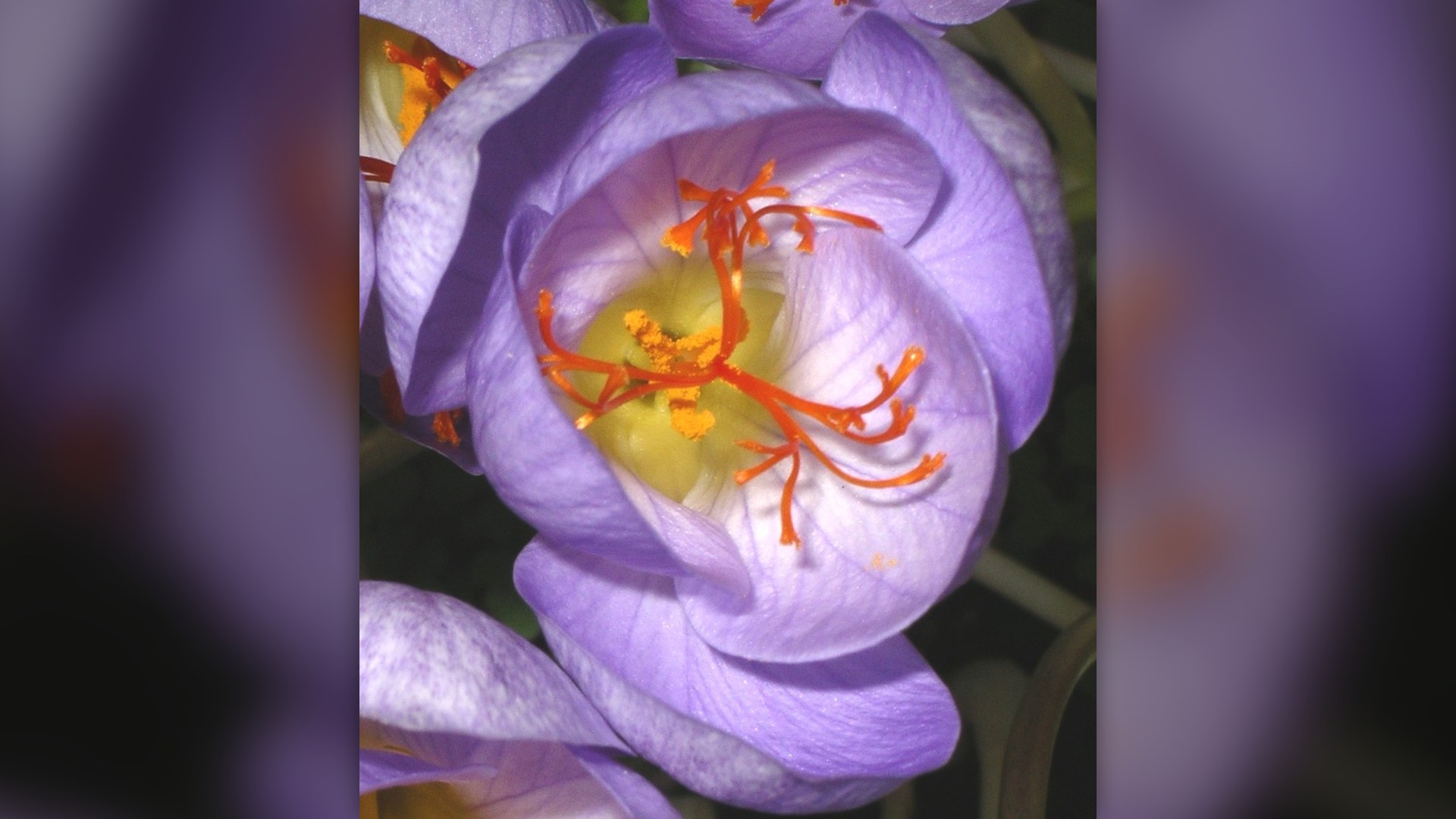
13. Saffron
Saffron is the dried three-pronged stigma plucked from the center of Crocus sativus flowers. Because each blossom yields only three tiny red threads that must be hand-harvested at dawn, producing a single pound requires over 75,000 blossoms.
©Wikimedia / Photographer: User:Velela
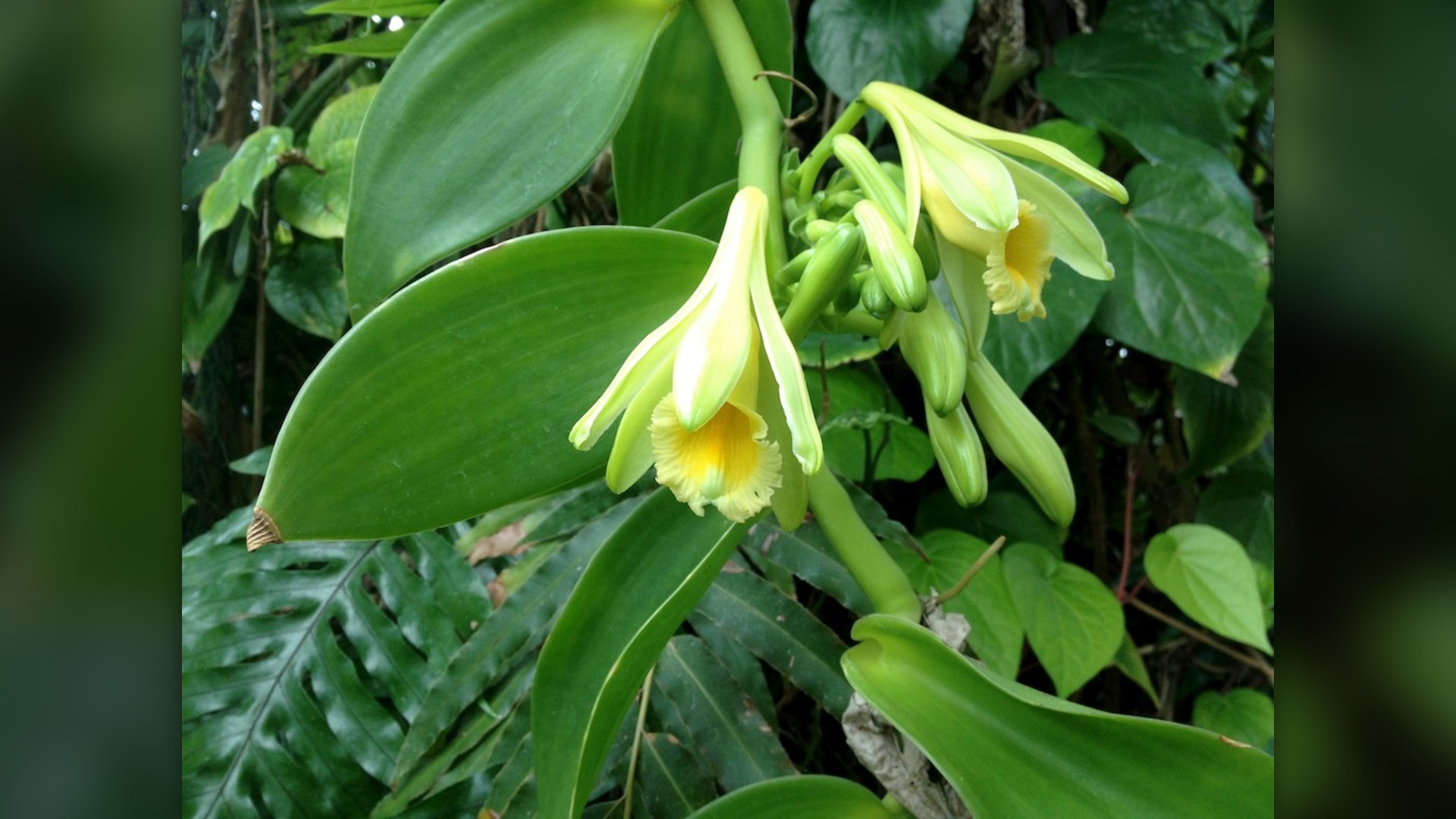
12. Vanilla
Vanilla is the only edible fruit produced by the massive orchid family. Because natural stingless bee pollinators are rare outside Mexico, nearly all commercial vanilla orchids must be hand-pollinated blossom by blossom using a tiny bamboo needle.
©Wikimedia / Vanilla
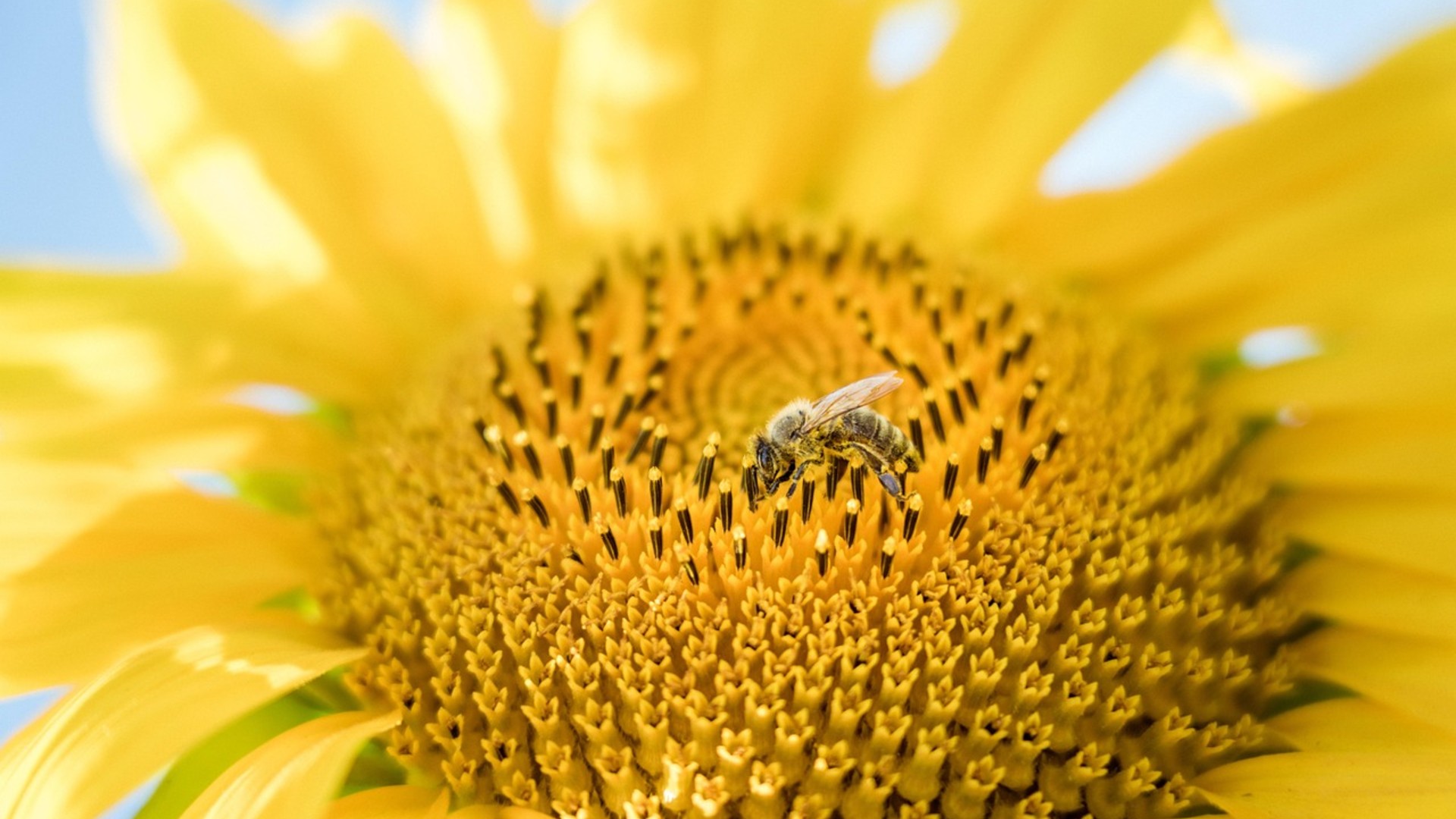
11. Sunflower Seeds
What snackers refer to as a sunflower seed is botanically a dry fruit known as a cypsela. The hard outer striped shell is the fruit wall, while the tender edible kernel concealed inside is the true botanical seed.
©Pixabay / 0xCoffe
Advertisement
Swipe or tap ▶ to resume the countdown.
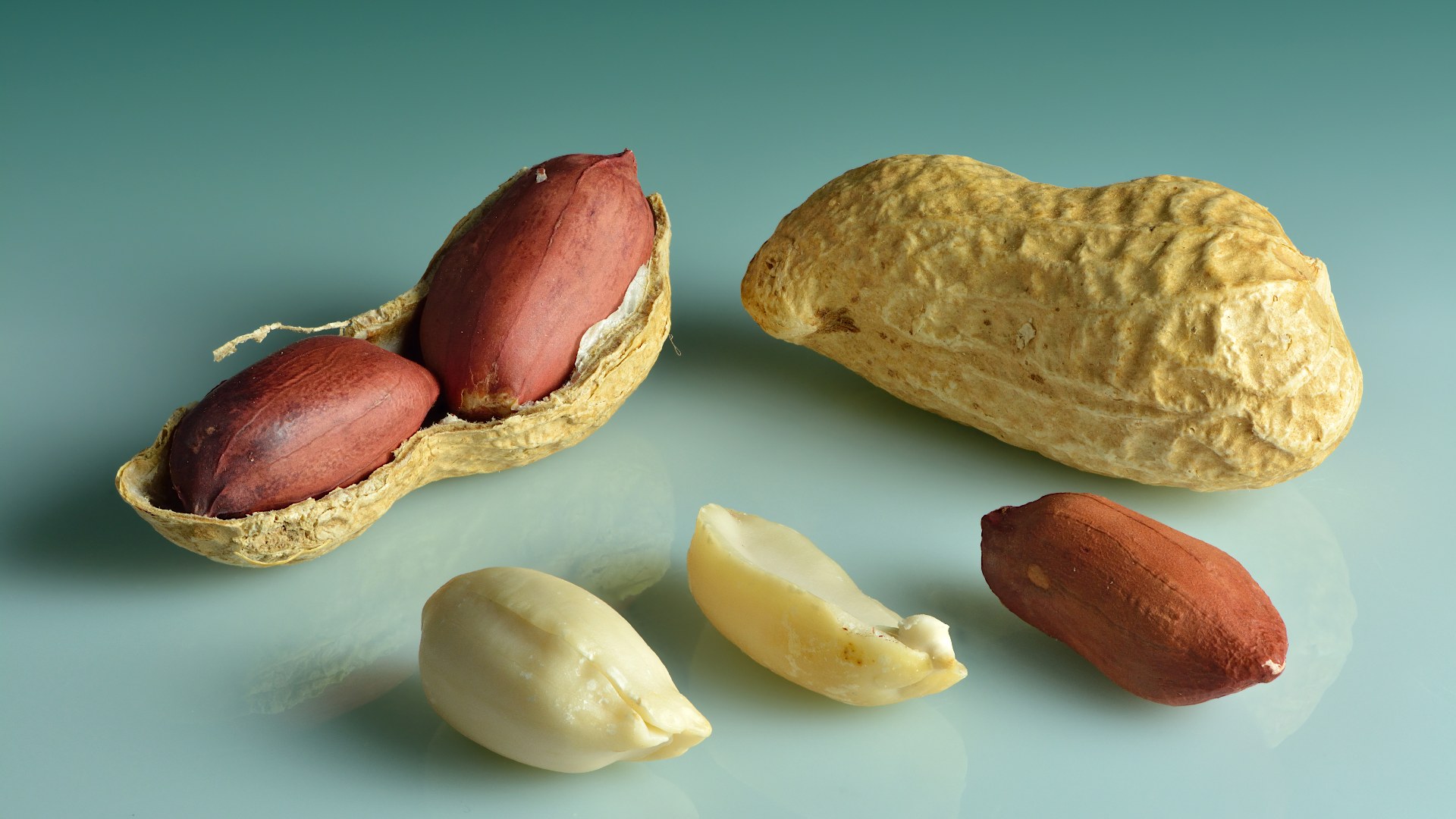
10. Peanuts
Peanuts are not tree nuts. They are legumes related to peas and lentils. After bright yellow peanut flowers are pollinated above ground, their stems elongate and bend downward, driving the developing pods underground to mature in dark soil.
©Wikimedia / Ivar Leidus
9. Cashews
A cashew nut grows inside an extremely toxic double shell dangling from the bottom of an edible yellow or red cashew apple. The true botanical fruit is the kidney-shaped drupe, while the swollen juicy apple is an accessory fruit.
©Wikimedia / acediscovery
8. Avocados
Botanists classify avocados as single-seeded berries because they feature a three-layered pericarp: a rough outer skin, a soft fleshy middle layer, and a thin central layer surrounding a large solitary seed.
©Wikimedia / P1898
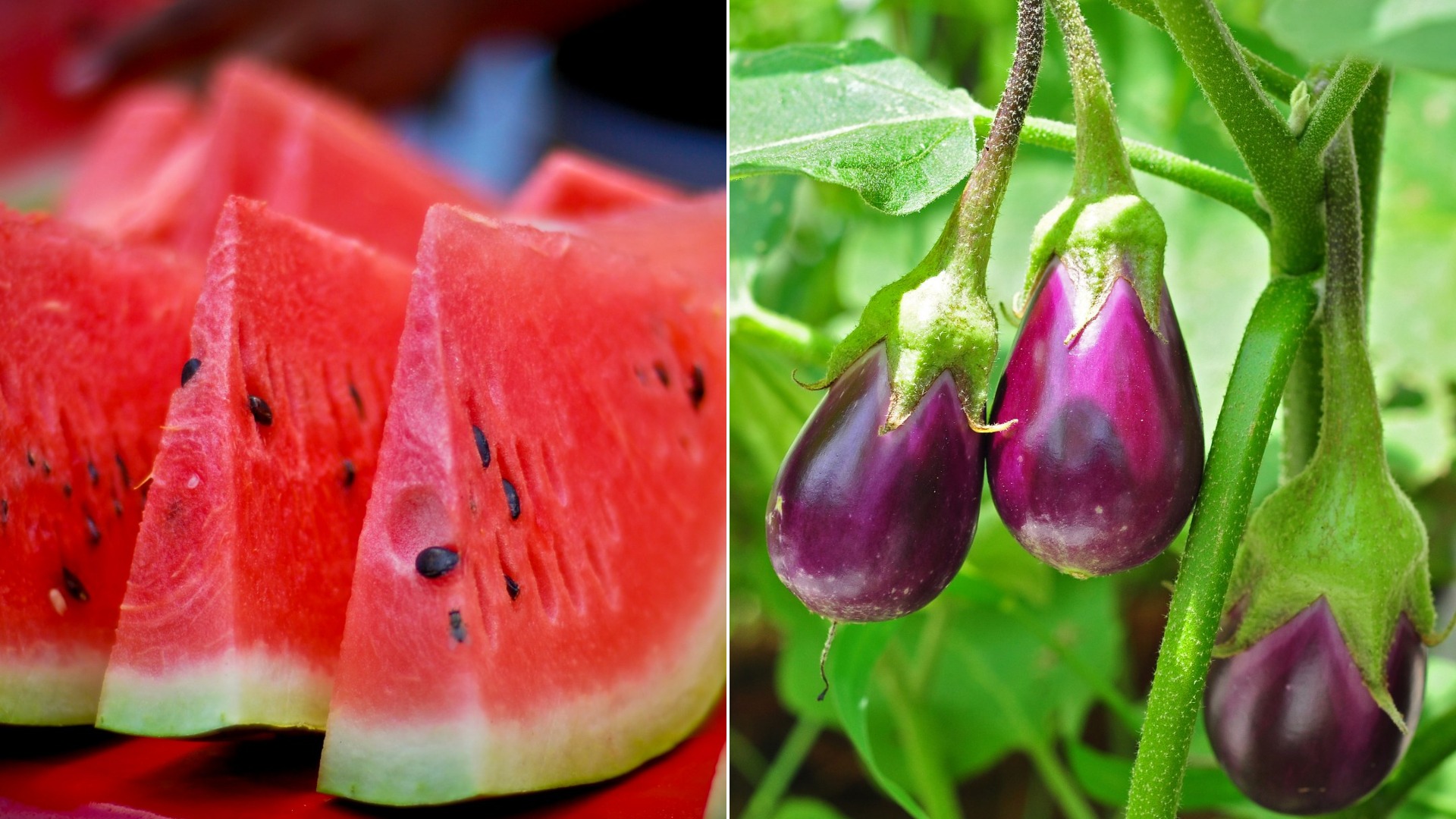
7. Watermelons
Under strict botanical guidelines, watermelons are classified as pepos, a specialized subtype of berry. They develop from a single multi-chambered ovary and feature a hard, leathery outer rind surrounding sweet fleshy interior pulp and seeds.
©Wikimedia / Harsha K R
Advertisement
Swipe or tap ▶ to resume the countdown.
6. Eggplants
Culinary tradition treats eggplant as a hearty vegetable, but plant biology defines it as a berry. Developing from a solitary flower with a single ovary, eggplants contain fleshy pulp embedding numerous tiny, soft edible seeds.
©Wikimedia / Joydeep
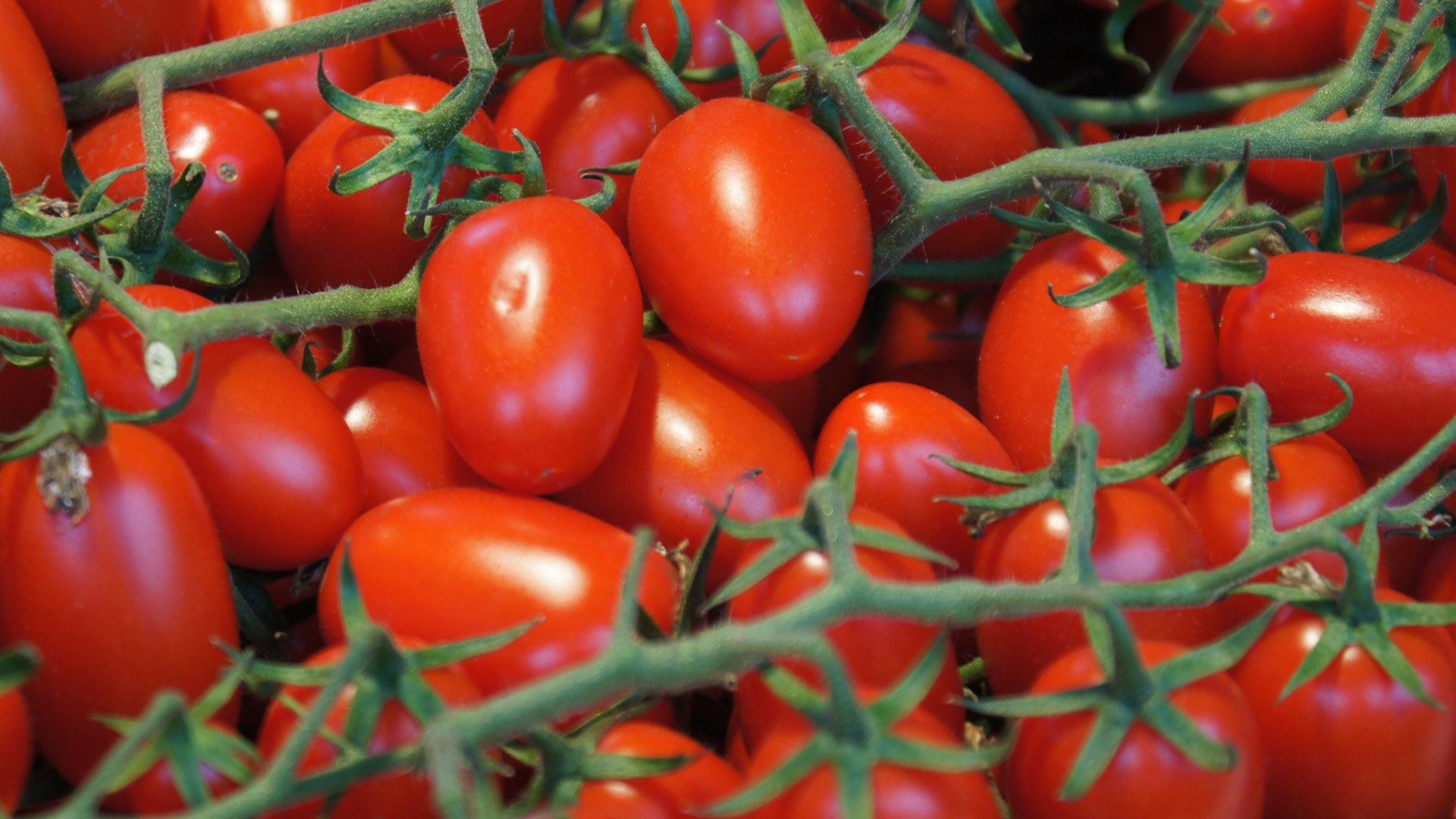
5. Tomatoes
Tomatoes meet every criterion of a true berry: they develop from a single flower ovary and feature fleshy walls surrounding seeds. In 1893, the US Supreme Court ruled them vegetables for customs duties because they are served during dinner.
©Wikimedia / domdomegg
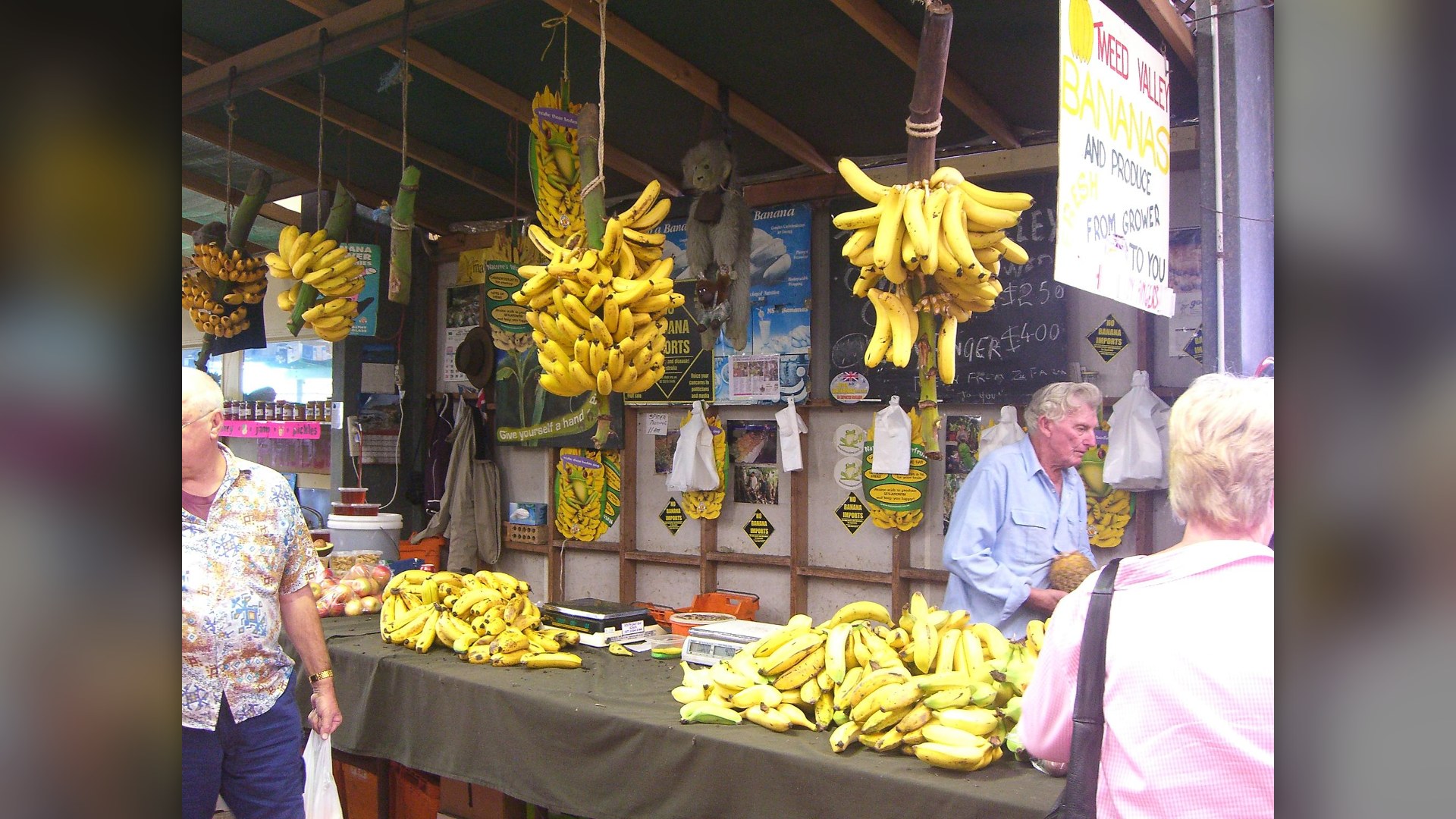
4. Bananas
Banana plants are massive herbs rather than trees, and the bananas they produce are true botanical berries. Cultivated commercial bananas develop through parthenocarpy without pollination, leaving only tiny sterile black specks in place of seeds.
©Wikimedia / Alpha from Melbourne, Australia
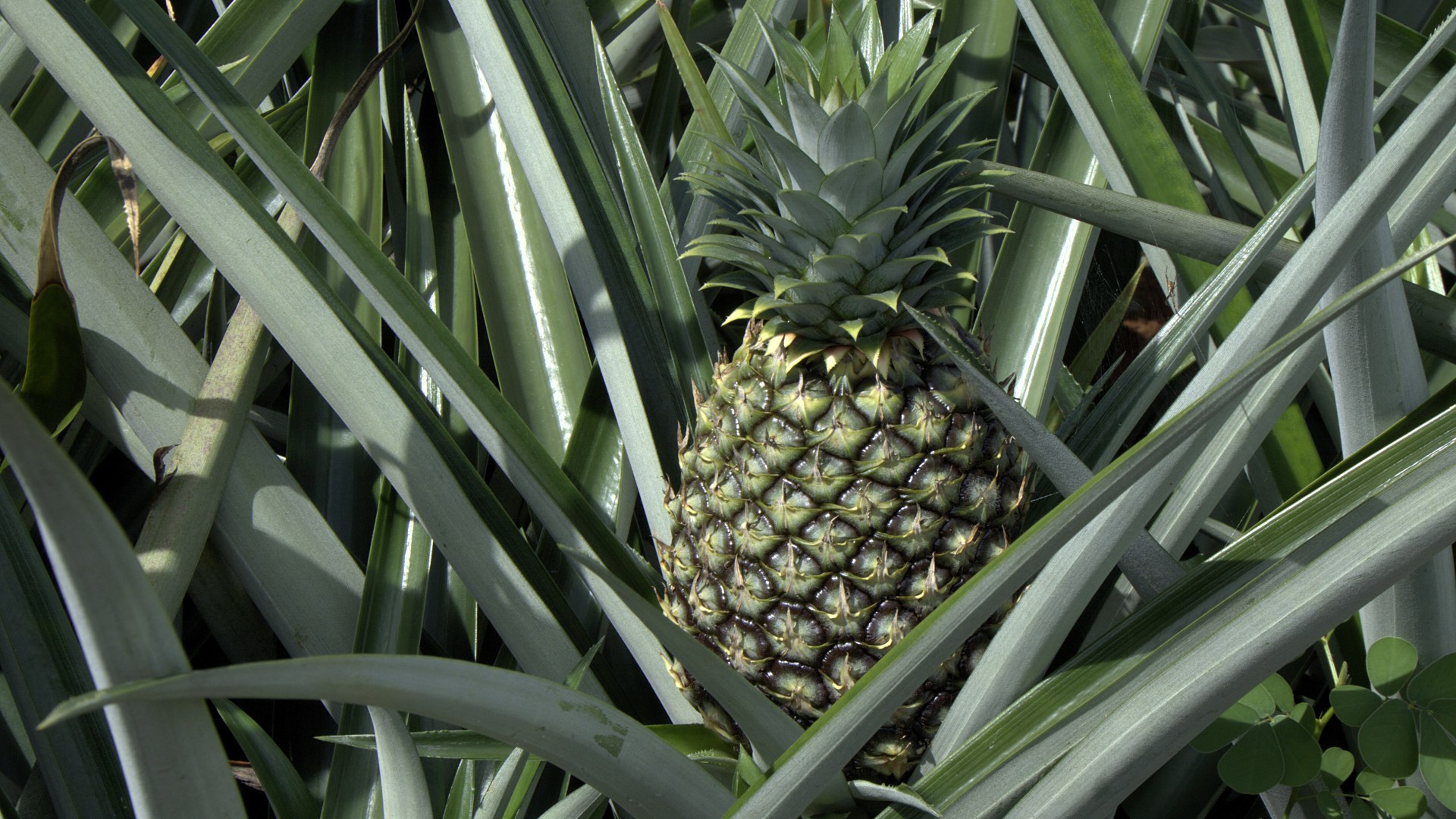
3. Pineapples
A pineapple is not a single fruit. It is an aggregate fruit formed when hundreds of individual purple flowers emerge from a central stalk. As the ovaries swell, they fuse together around a fibrous core, creating the geometric diamond pattern on the rind.
©Wikimedia / Markus Leupold-Löwenthal
Advertisement
Swipe or tap ▶ to resume the countdown.
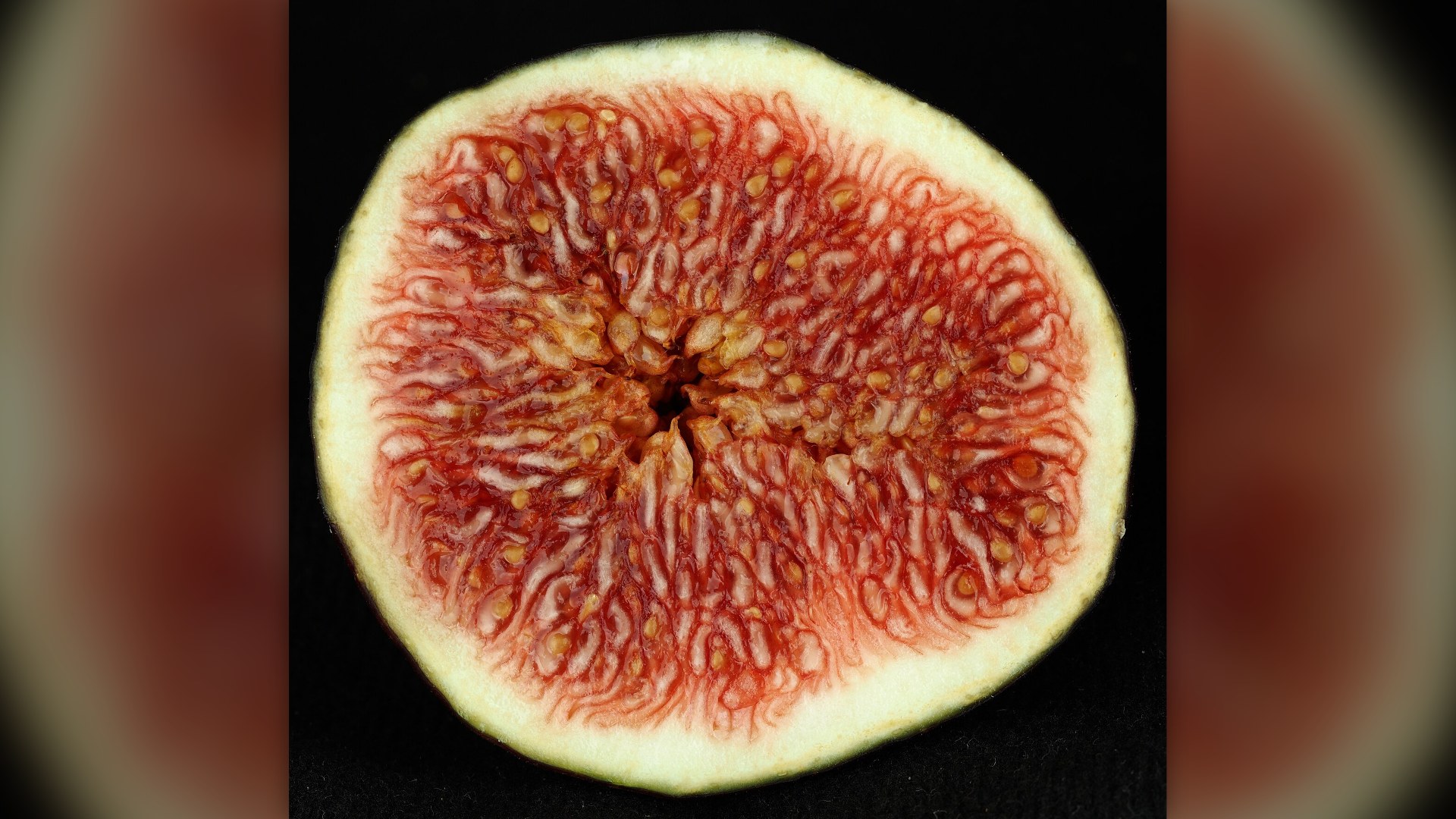
2. Figs
A fig is an inside-out flower cluster called a syconium. Hundreds of microscopic flowers bloom inward along a hollow interior cavity. Specialized fig wasps enter through a tiny opening to pollinate the blossoms, producing hundreds of crunchy mini-fruits.
©Wikimedia / Jedesto
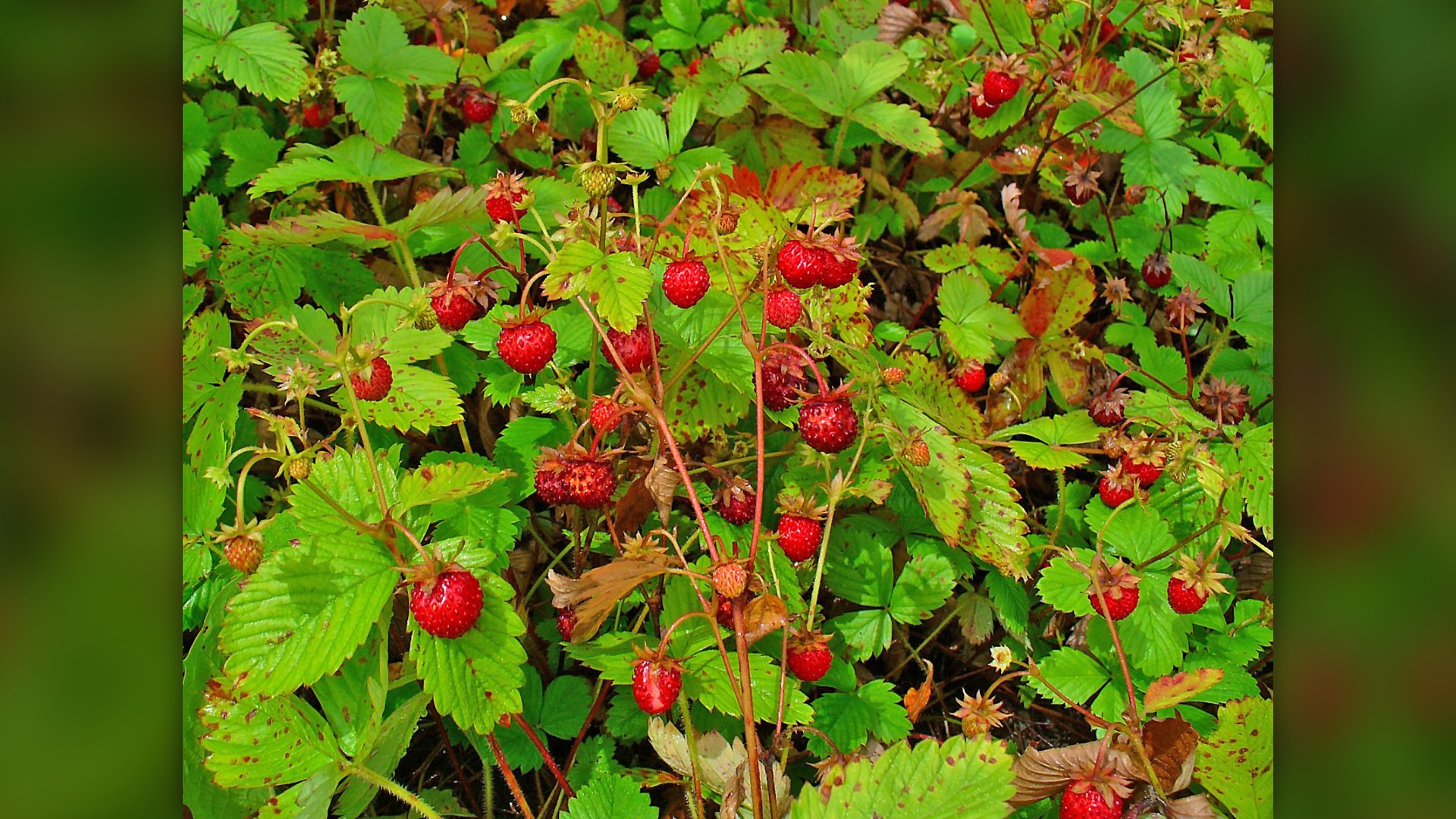
1. Strawberries
Despite berry sitting in their common name, strawberries are not botanical berries. They are enlarged flower receptacle tissue. The true fruits are the tiny seed-like specks on the exterior skin, called achenes, each holding a solitary microscopic seed.

©Wikimedia / H. Zell
Advertisement
You've reached the end of the story. Thanks for reading!

22 Most Secret World War II Aircraft Tested Behind Closed Doors
Between 1939 and 1945, Allied and Axis engineers built jets, flying wings and rocket interceptors in deep wartime secrecy. Ranked from 22 to 1 by historical secrecy and technical leap, this countdown draws on archival records from the Smithsonian, U.S. Air Force Museum, RAF Museum and German Federal Archives.
All 25 Entries in this Story
25. Potatoes
While most shoppers assume potatoes are roots, botanists classify them as tubers, which are modified underground stems. The eyes on a potato are actually dormant stem nodes capable of sprouting new leaves and shoots under the right conditions.

24. Sweet Potatoes
Unlike regular potatoes, sweet potatoes are true storage roots that belong to the morning glory family. While regular potatoes store nutrients in thickened stem tissue, sweet potatoes expand lateral roots to stockpile sugars and starches.

23. Rainbow Carrots
Centuries before orange carrots filled modern grocery bins, wild and cultivated carrots across Central Asia grew in deep purple, vibrant yellow, and white varieties. Dutch farmers bred sweet orange carrots in the 17th century to honor the royal House of Orange.

22. Glass Gem Corn
Cherokee farmer Carl Barnes dedicated decades to isolating ancestral corn strains, reviving corn varieties with translucent, multicolored kernels. Known as Glass Gem corn, every ear yields a unique pattern of ruby, turquoise, and amber kernels.

21. White And Green Eggplants
The English name eggplant originated in the 18th century when European cultivars produced small, oval white fruits that looked remarkably like goose eggs. Today, heirloom varieties still produce yellow, bright green, and pure white edible fruit.

20. Rhubarb
Because rhubarb stalks are stewed with sugar for pies and tarts, many assume it is a fruit. Botanically, it is a leafy herbaceous vegetable stalk. In 1947, a New York court legally classified it as a fruit to lower import duty taxes.

19. Cucumbers
Because they lack sweetness and appear in savory salads, cucumbers are culinarily treated as vegetables. In botanical reality, they develop from the pollinated ovary of a flowering cucumber vine and enclose seeds, making them true botanical fruits.

18. Artichokes
The globe artichoke is a domesticated variety of wild thistle. The edible portions consist of the fleshy lower bracts and the tender core receptacle, harvested just before the massive bud can blossom into a dramatic violet flower.

17. Broccoli
When eating a broccoli crown, you are consuming hundreds of immature flower buds clustered on thick fleshy stems. If left unharvested in garden soil, each miniature green bud swells and opens into a small four-petaled yellow flower.

16. Cauliflower
Closely related to broccoli and cabbage, cauliflower represents centuries of selective breeding. The creamy white curd consists of repeatedly branched floral meristems that aborted development before forming fully defined petals or reproductive organs.

15. Cloves
Native to Indonesia's Maluku Islands, whole cloves are the unopened floral buds of an evergreen tree in the myrtle family. Harvesters pick the pale clusters by hand before the petals separate, drying them until they turn dark reddish-brown.

14. Cinnamon
True cinnamon comes from shaving the delicate inner bark off Cinnamomum tree trunks. As the peeled bark strips dry under warm sunlight, they curl naturally inward, creating the familiar fragrant quills found in spice jars worldwide.

13. Saffron
Saffron is the dried three-pronged stigma plucked from the center of Crocus sativus flowers. Because each blossom yields only three tiny red threads that must be hand-harvested at dawn, producing a single pound requires over 75,000 blossoms.

12. Vanilla
Vanilla is the only edible fruit produced by the massive orchid family. Because natural stingless bee pollinators are rare outside Mexico, nearly all commercial vanilla orchids must be hand-pollinated blossom by blossom using a tiny bamboo needle.

11. Sunflower Seeds
What snackers refer to as a sunflower seed is botanically a dry fruit known as a cypsela. The hard outer striped shell is the fruit wall, while the tender edible kernel concealed inside is the true botanical seed.

10. Peanuts
Peanuts are not tree nuts. They are legumes related to peas and lentils. After bright yellow peanut flowers are pollinated above ground, their stems elongate and bend downward, driving the developing pods underground to mature in dark soil.

9. Cashews
A cashew nut grows inside an extremely toxic double shell dangling from the bottom of an edible yellow or red cashew apple. The true botanical fruit is the kidney-shaped drupe, while the swollen juicy apple is an accessory fruit.

8. Avocados
Botanists classify avocados as single-seeded berries because they feature a three-layered pericarp: a rough outer skin, a soft fleshy middle layer, and a thin central layer surrounding a large solitary seed.

7. Watermelons
Under strict botanical guidelines, watermelons are classified as pepos, a specialized subtype of berry. They develop from a single multi-chambered ovary and feature a hard, leathery outer rind surrounding sweet fleshy interior pulp and seeds.

6. Eggplants
Culinary tradition treats eggplant as a hearty vegetable, but plant biology defines it as a berry. Developing from a solitary flower with a single ovary, eggplants contain fleshy pulp embedding numerous tiny, soft edible seeds.

5. Tomatoes
Tomatoes meet every criterion of a true berry: they develop from a single flower ovary and feature fleshy walls surrounding seeds. In 1893, the US Supreme Court ruled them vegetables for customs duties because they are served during dinner.

4. Bananas
Banana plants are massive herbs rather than trees, and the bananas they produce are true botanical berries. Cultivated commercial bananas develop through parthenocarpy without pollination, leaving only tiny sterile black specks in place of seeds.

3. Pineapples
A pineapple is not a single fruit. It is an aggregate fruit formed when hundreds of individual purple flowers emerge from a central stalk. As the ovaries swell, they fuse together around a fibrous core, creating the geometric diamond pattern on the rind.

2. Figs
A fig is an inside-out flower cluster called a syconium. Hundreds of microscopic flowers bloom inward along a hollow interior cavity. Specialized fig wasps enter through a tiny opening to pollinate the blossoms, producing hundreds of crunchy mini-fruits.

1. Strawberries
Despite berry sitting in their common name, strawberries are not botanical berries. They are enlarged flower receptacle tissue. The true fruits are the tiny seed-like specks on the exterior skin, called achenes, each holding a solitary microscopic seed.