Slideshow · Viral
25 US States Ranked From Most to Fewest Area Codes
Swipe to explore 25 US states ranked from most to fewest area codes
By Most Viral Today
29 Oct 2026

Swipe to explore 25 US states ranked from most to fewest area codes 
25. Alaska (1 Area Code) 
24. Idaho (2 Area Codes) 
23. Nebraska (3 Area Codes) - AdvertisementSwipe or tap ▶ to continue countdown

22. South Carolina (4 Area Codes) 
21. Colorado (5 Area Codes) 
20. Wisconsin (5 Area Codes) 
19. Maryland (5 Area Codes) - AdvertisementSwipe or tap ▶ to continue countdown

18. Arizona (5 Area Codes) 
17. Missouri (6 Area Codes) 
16. Indiana (7 Area Codes) 
15. Tennessee (7 Area Codes) - AdvertisementSwipe or tap ▶ to continue countdown

14. Washington (7 Area Codes) 
13. Massachusetts (9 Area Codes) 
12. Virginia (9 Area Codes) 
11. New Jersey (10 Area Codes) - AdvertisementSwipe or tap ▶ to continue countdown

10. Michigan (10 Area Codes) 
9. North Carolina (10 Area Codes) 
8. Georgia (11 Area Codes) 
7. Ohio (13 Area Codes) - AdvertisementSwipe or tap ▶ to continue countdown

6. Illinois (14 Area Codes) 
5. Pennsylvania (15 Area Codes) 
4. New York (19 Area Codes) 
3. Florida (23 Area Codes) - AdvertisementSwipe or tap ▶ to continue countdown

2. Texas (28 Area Codes) 
1. California (38 Area Codes) - Advertisement🔥 UP NEXT IN THIS SERIES◫ 21 Slides

20 Iconic Historical Photos and the Archive Clues Behind Them
Contact sheets, cracked glass plates, and NASA mission logs preserve the hidden steps behind 20 famous photographs. Drawing on records from the Library of Congress, the National Archives, NASA, and the Smithsonian, this countdown traces how cropping, camera setups, and double exposures shaped each frame.
From vast rural frontiers united under a single telephone prefix to booming metropolitan hubs packed with dozens of overlays, area codes map America's growth. Ranked from fewest to most, here are 25 US states by their total area codes.
Swipe or tap ▶ to begin the countdown
©Wikimedia / Michael Barera & Wikimedia / Matthew T Rader
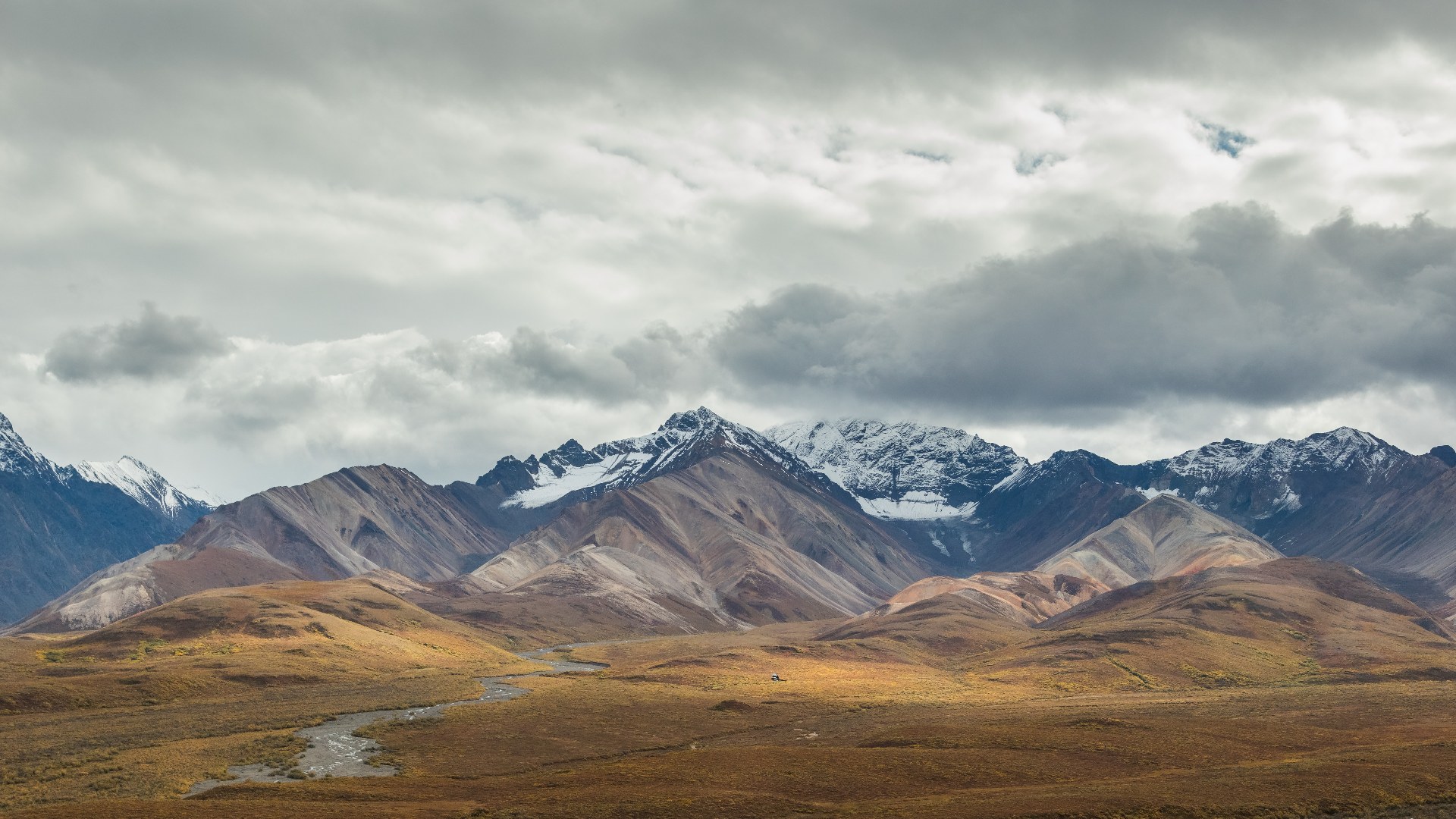
25. Alaska (1 Area Code)
Despite being by far the largest US state by land area, Alaska's sparse population allows a solitary area code to handle every telephone line in the state. Area code 907 was introduced in 1957, two years before Alaska officially achieved statehood, and has never required an overlay or split.
©Wikimedia / Diego Delso
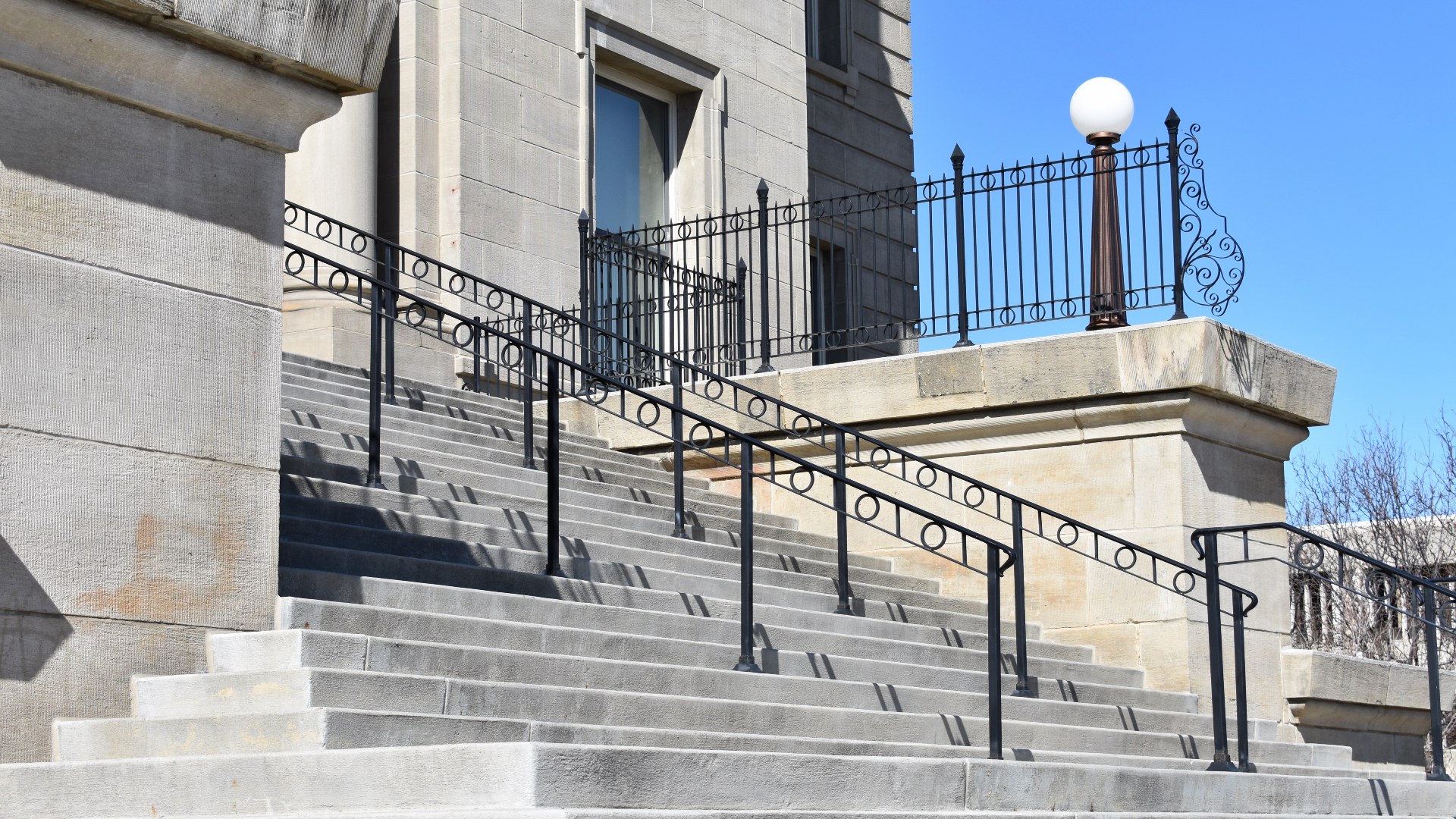
24. Idaho (2 Area Codes)
From the creation of the North American Numbering Plan in 1947 until 2017, area code 208 served all of Idaho without competition. Rapid population influx into the Boise metropolitan corridor finally exhausted unassigned numbers, prompting regulators to introduce area code 986 as a statewide overlay.
©Wikimedia / Tamanoeconomico
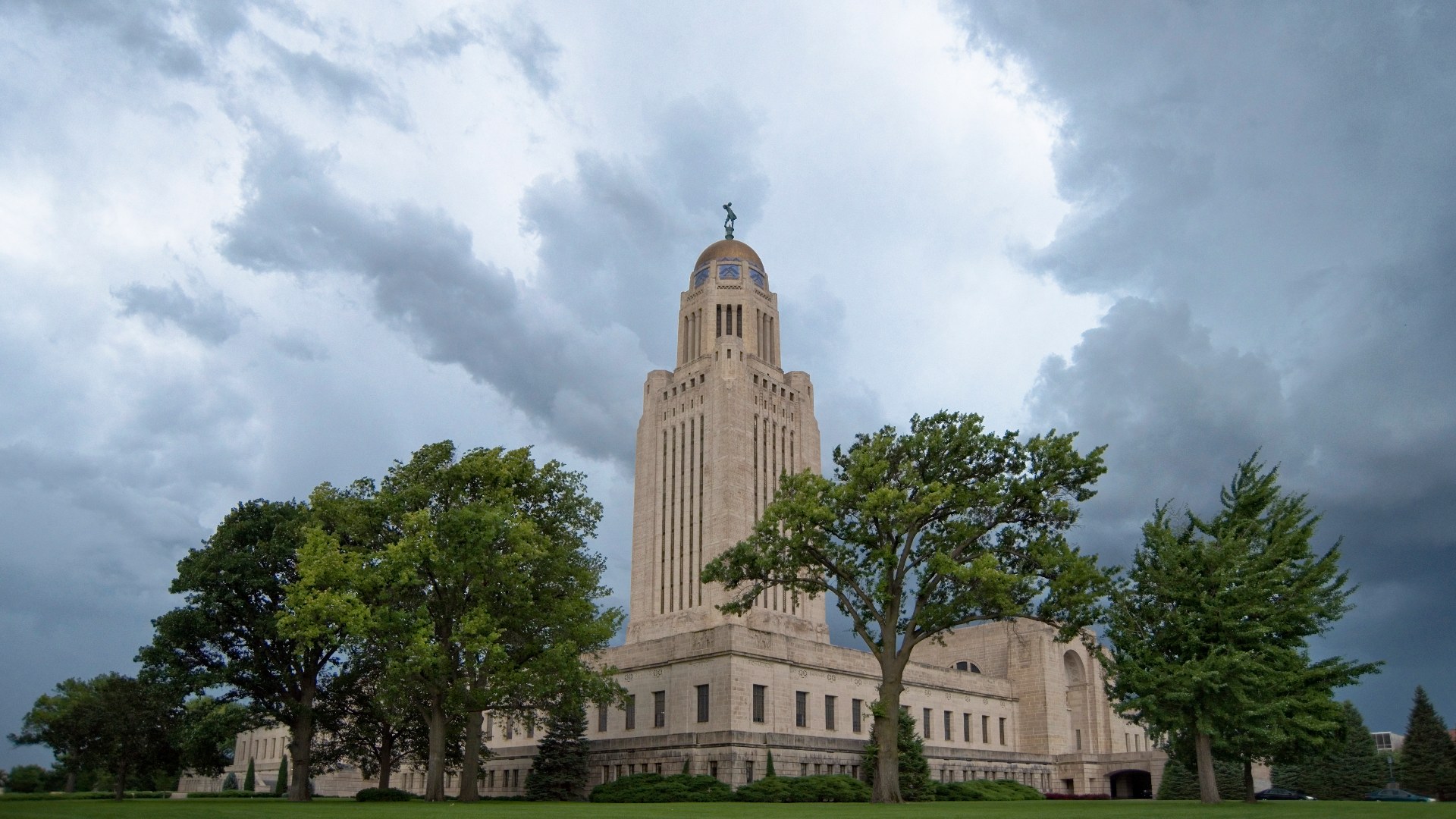
23. Nebraska (3 Area Codes)
Nebraska was originally divided horizontally in 1954, with 402 covering eastern cities like Omaha and Lincoln while 308 handled the western plains. Sustained growth across the eastern commercial belt led to the rollout of overlay code 531 in 2011, bringing Nebraska to three total active codes.
©Wikimedia / Nanilluc
Advertisement
Swipe or tap ▶ to resume the countdown.
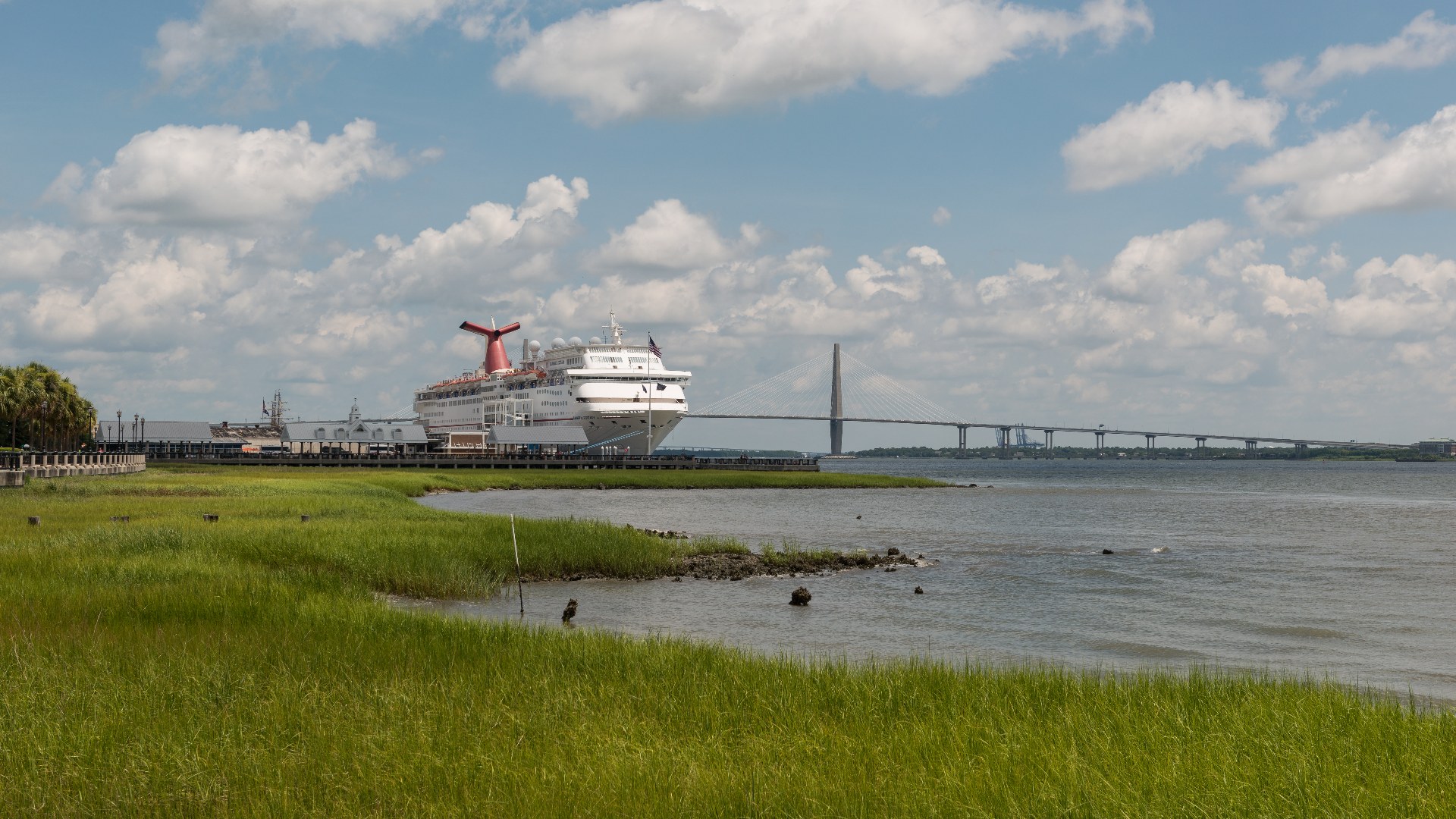
22. South Carolina (4 Area Codes)
South Carolina began in 1947 with only area code 803 covering the entire state. Explosive economic and residential growth in the Upstate region and Lowcountry coastal tourism belts eventually prompted splits creating 864 and 843, followed by overlay code 854 along the Atlantic seaboard.
©Wikimedia / DXR
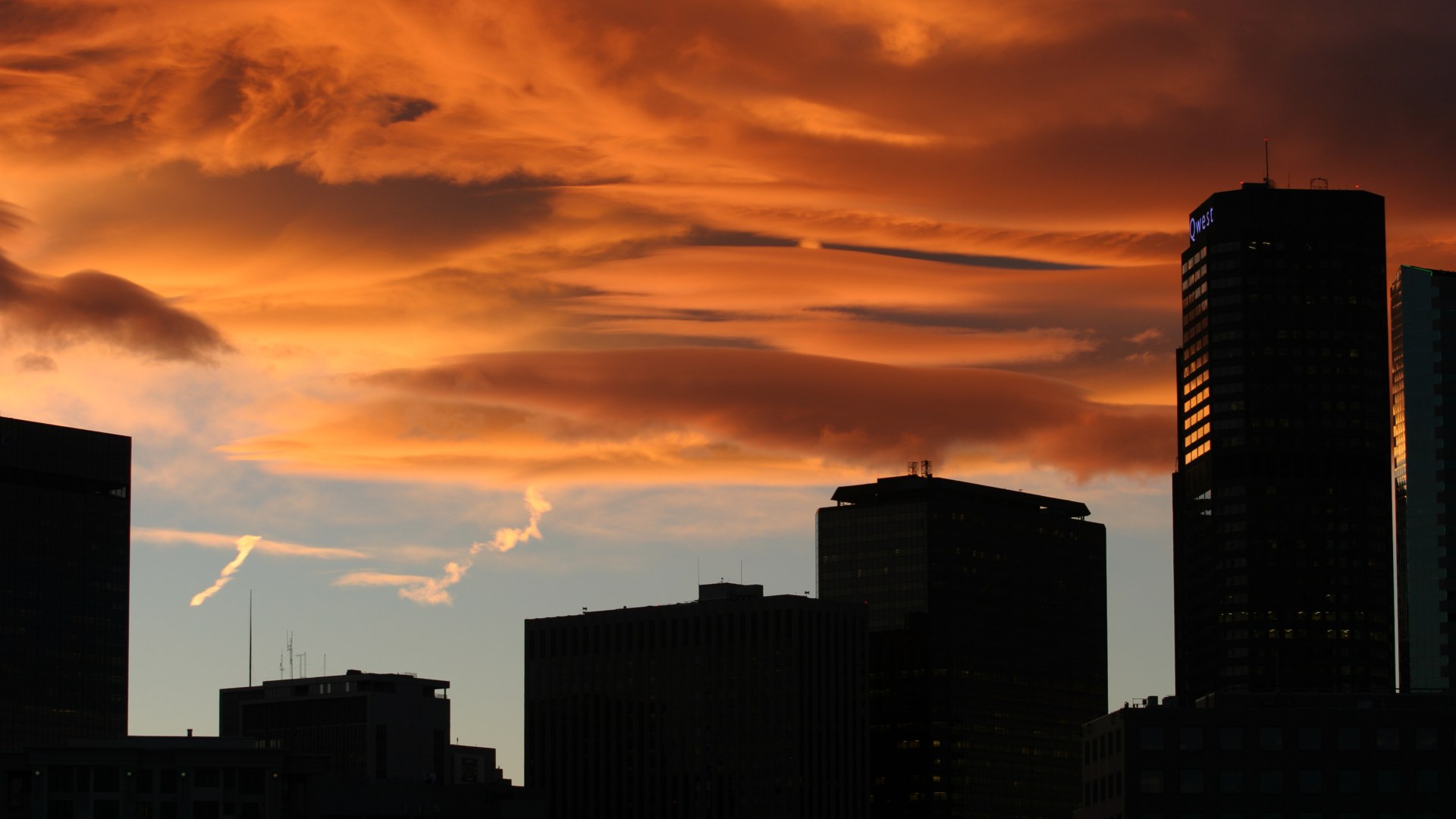
21. Colorado (5 Area Codes)
Colorado entered the modern telecom era in 1947 with area code 303. The state subsequently split off 719 for Colorado Springs and 970 for the Western Slope and ski resorts. Massive urban expansion in Denver later required overlays 720 and 983 to prevent number exhaustion.
©Wikimedia / refractor
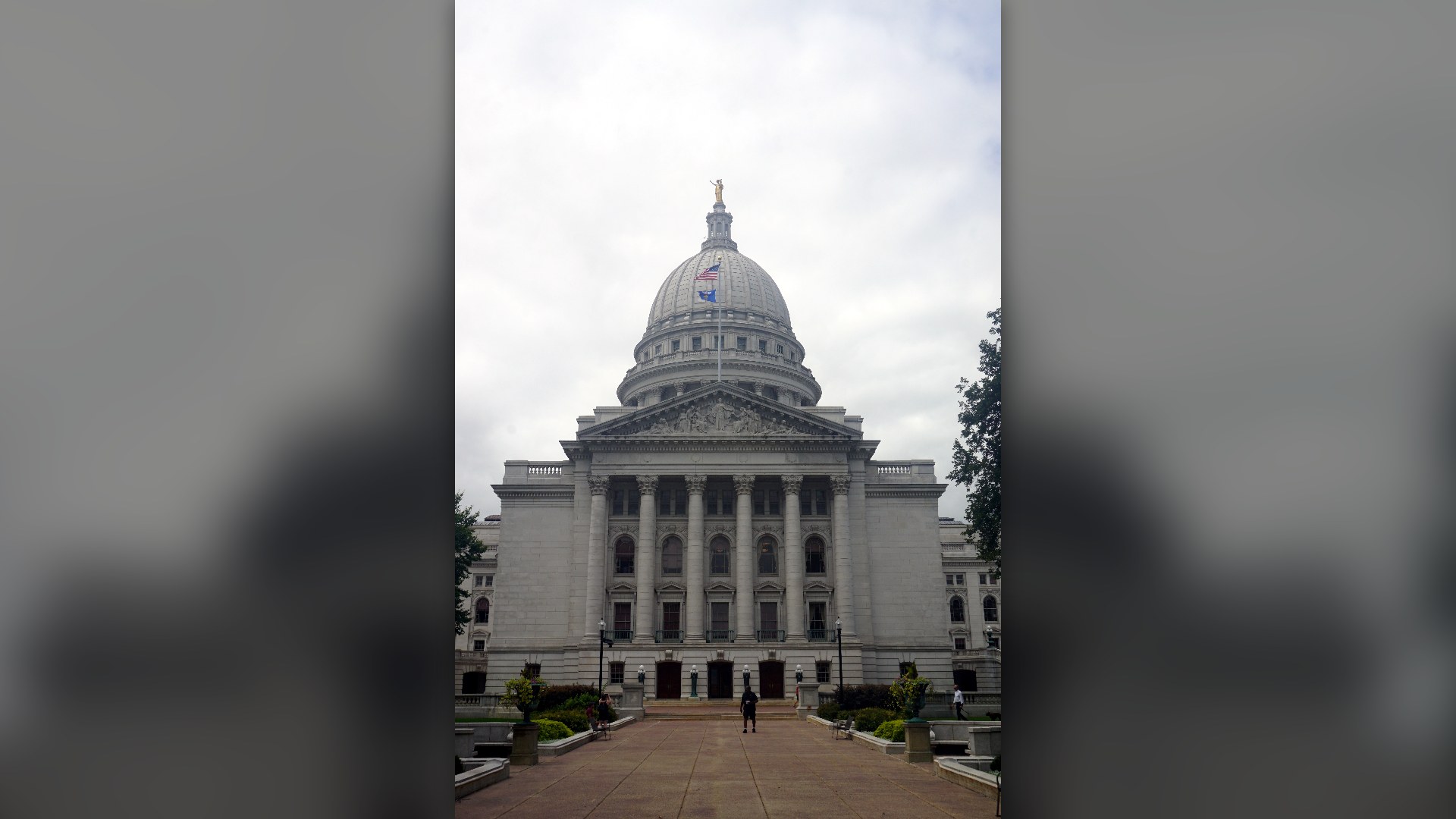
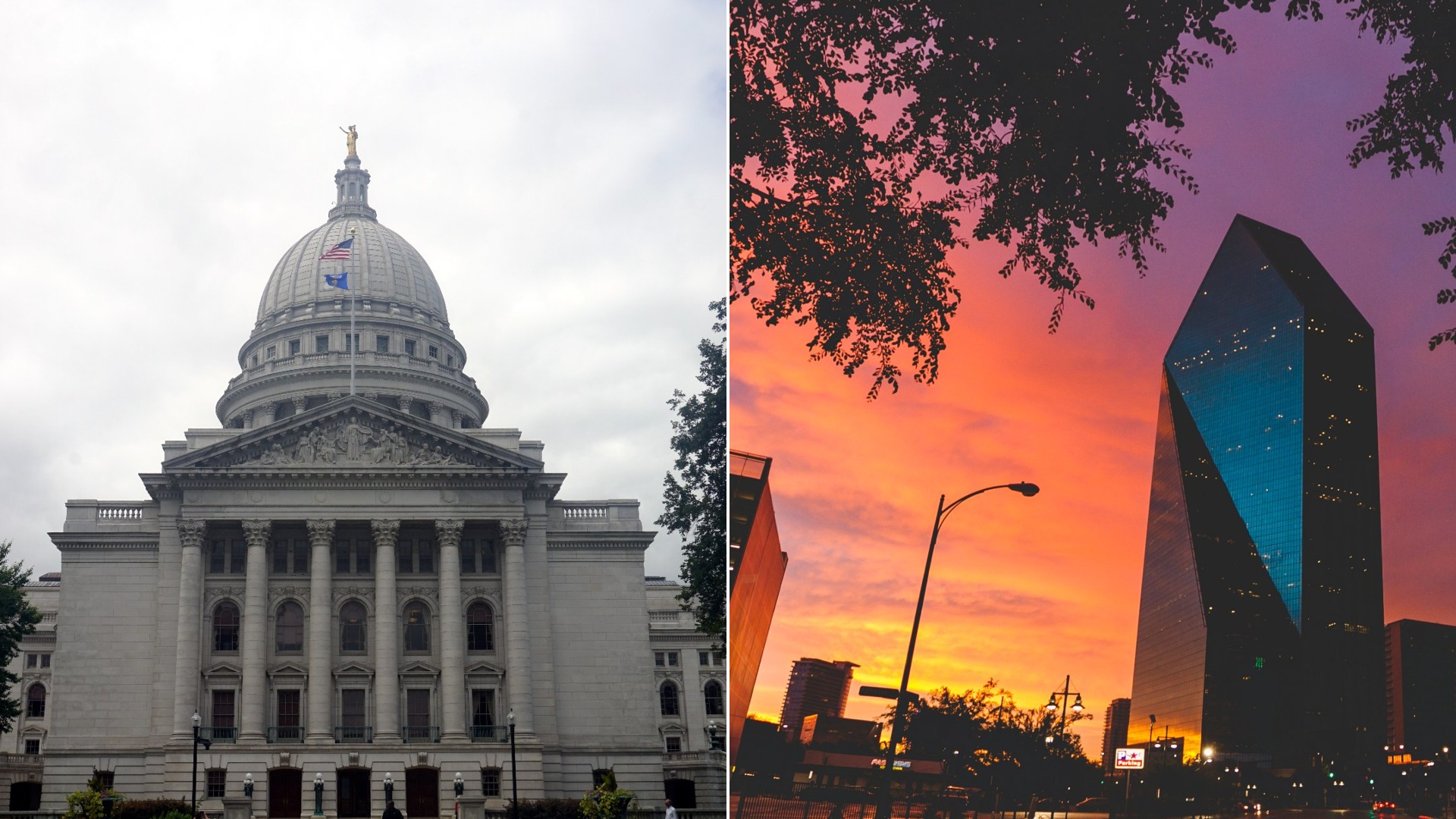
20. Wisconsin (5 Area Codes)
Wisconsin was initially split in 1947 between 414 in the southeast and 715 in the northern forests. Subsequent demand around the state capital of Madison and Green Bay created area codes 608 and 920, with overlay code 534 later supplementing northern districts.
©Wikimedia / Michael Barera
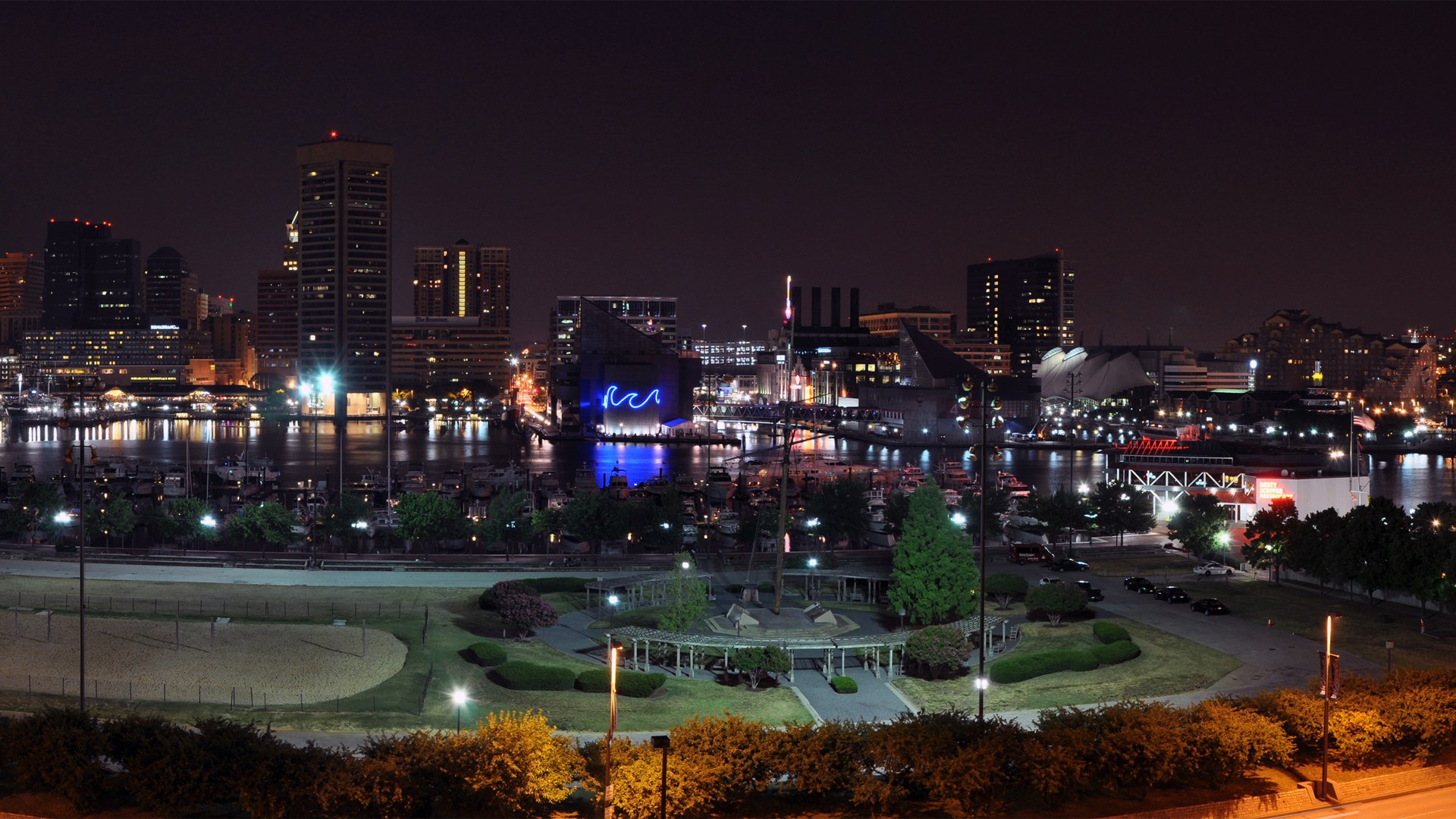
19. Maryland (5 Area Codes)
Maryland functioned under area code 301 for over four decades. As suburbs surrounding Washington and Baltimore swelled with government contractors and cell phones, area code 410 was created, followed by comprehensive overlays 240, 443, and 667 across both metropolitan regions.
©Wikimedia / Joe Ravi
Advertisement
Swipe or tap ▶ to resume the countdown.
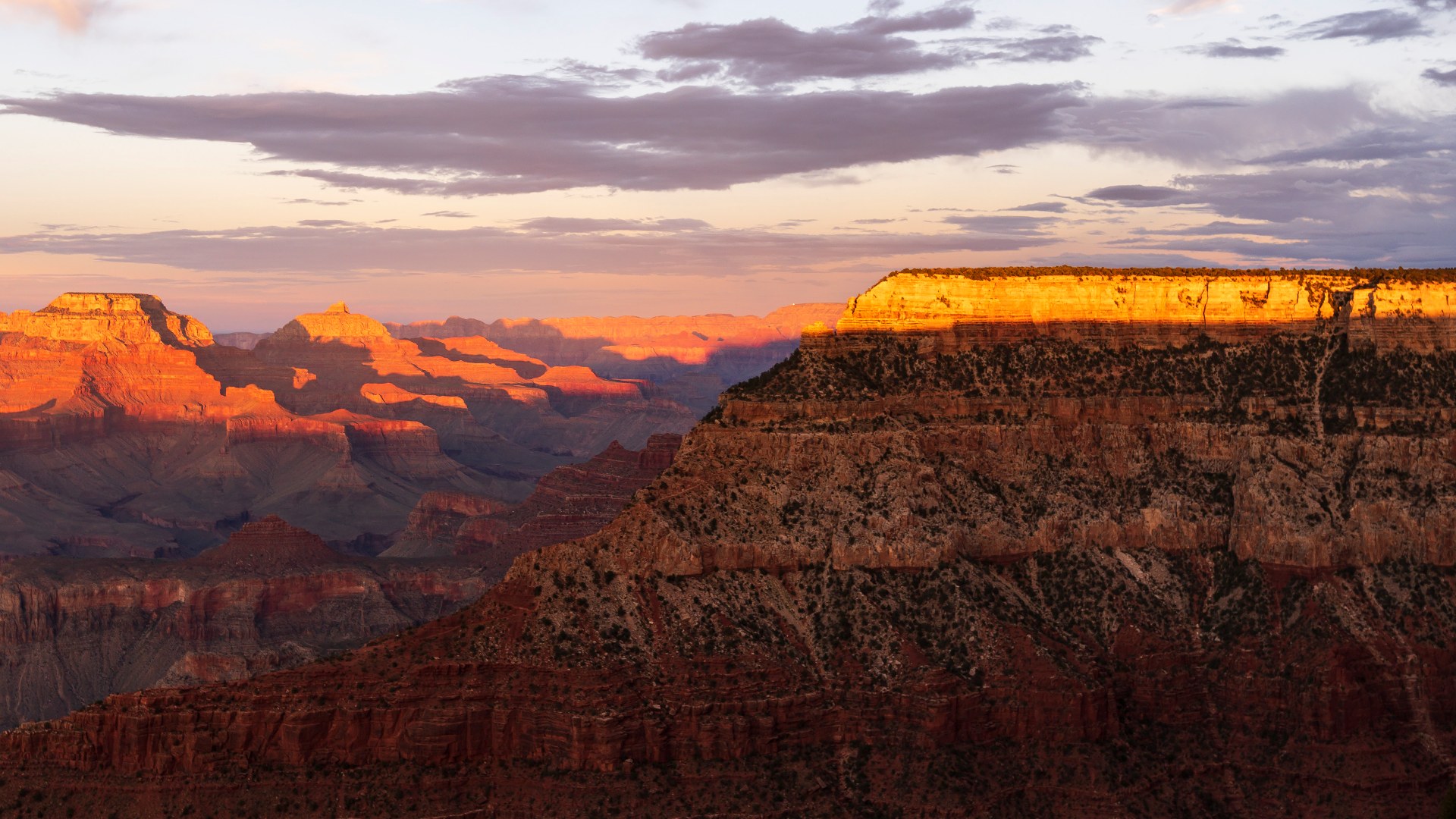
18. Arizona (5 Area Codes)
Area code 602 once spanned the entirety of Arizona from the Grand Canyon to the Mexican border. Massive suburban expansion in Maricopa County eventually required splitting off 520, 480, 623, and northern 928, turning the desert state into a complex telecom network.
©Wikimedia / Mgimelfarb
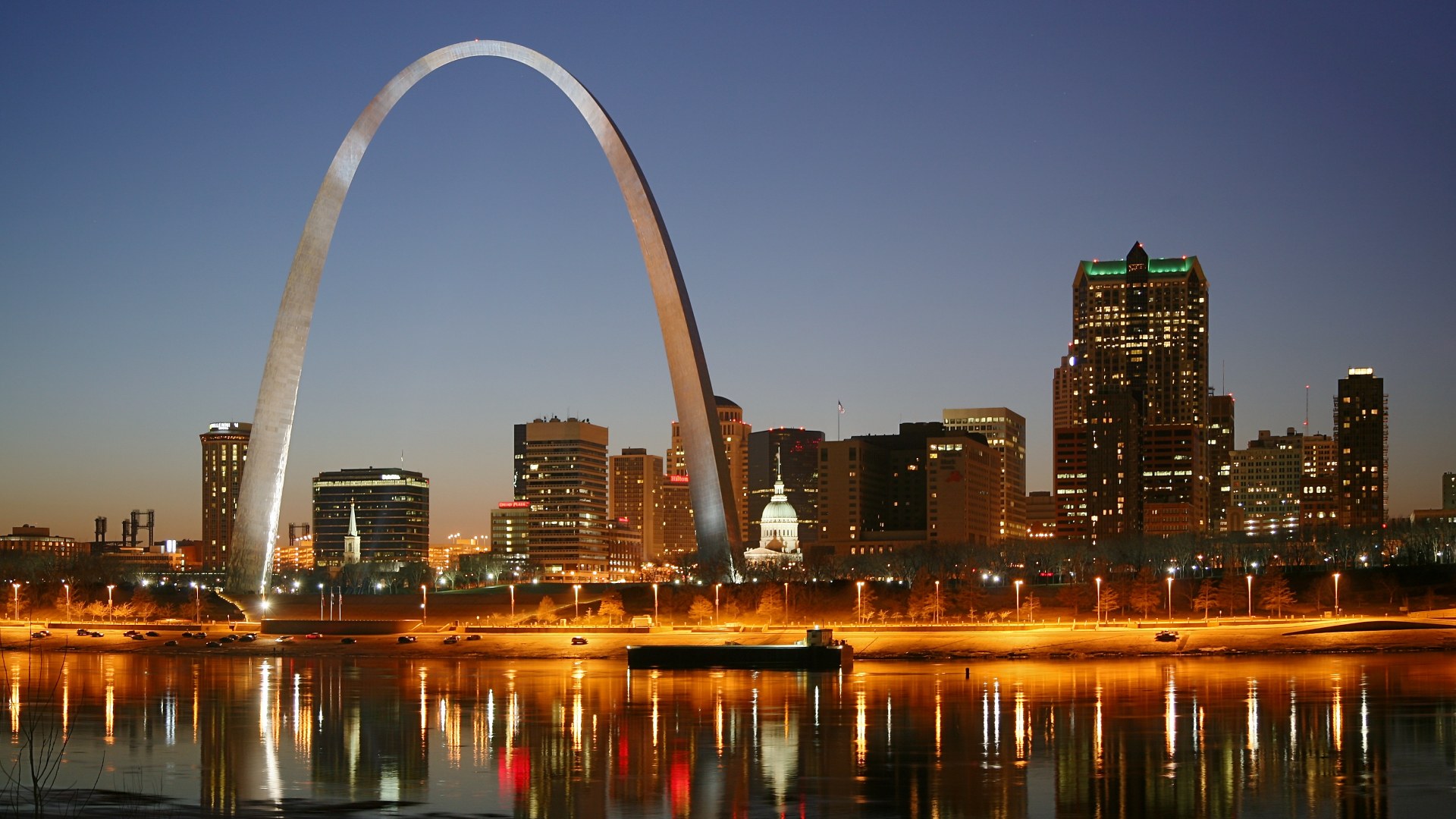
17. Missouri (6 Area Codes)
Divided in 1947 between eastern 314 and western 816, the Show-Me State added regional codes 417 for the Ozarks, 573 for central regions, 636 for St. Louis suburbs, and overlay 235 to meet expanding digital line requirements.
©Wikimedia / Daniel Schwen
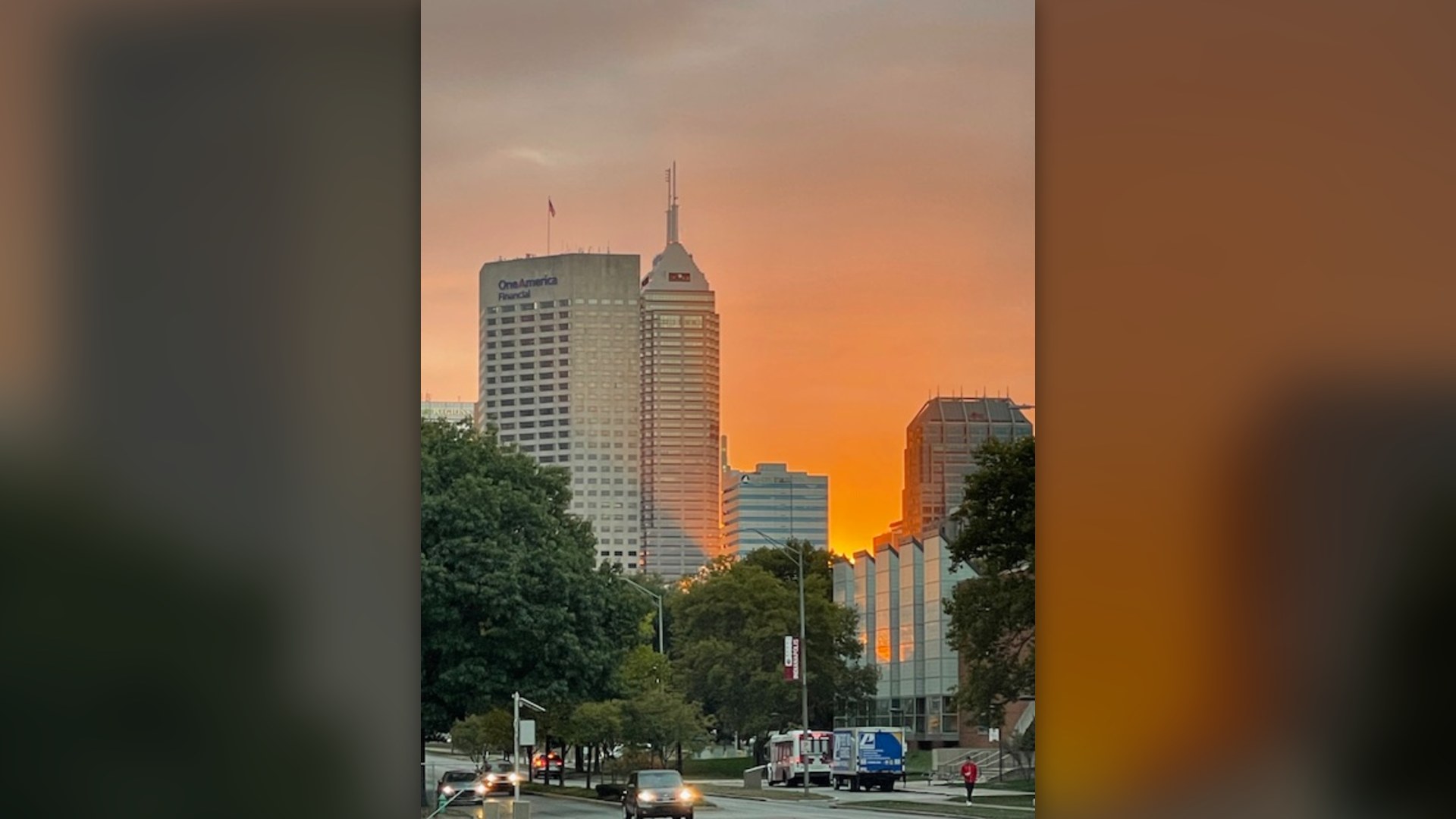
16. Indiana (7 Area Codes)
Indiana initially operated with northern 219 and southern 317 in 1947. Decades of industrial expansion created area codes 812, 574, and 260, supplemented by modern overlays 463 for Indianapolis and 930 for southern counties.
©Wikimedia / Ssafder
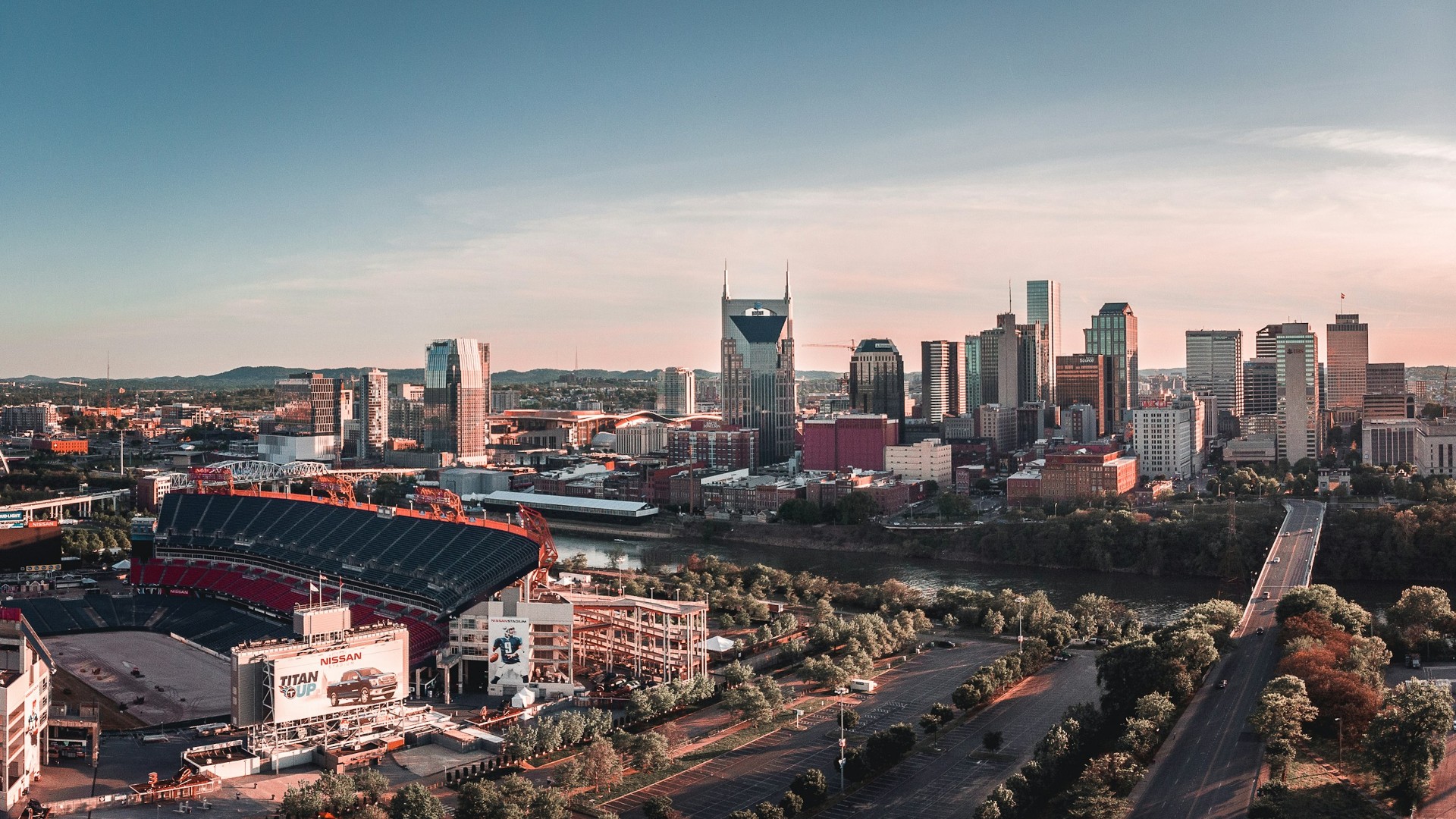
15. Tennessee (7 Area Codes)
Tennessee was originally assigned area code 901 in 1947 before splitting with 615 for middle and eastern counties. Growth across Knoxville, Chattanooga, and booming Nashville eventually birthed 423, 865, 931, 731, and overlay 629.
© Photo by Tanner Boriack on Unsplash
Advertisement
Swipe or tap ▶ to resume the countdown.
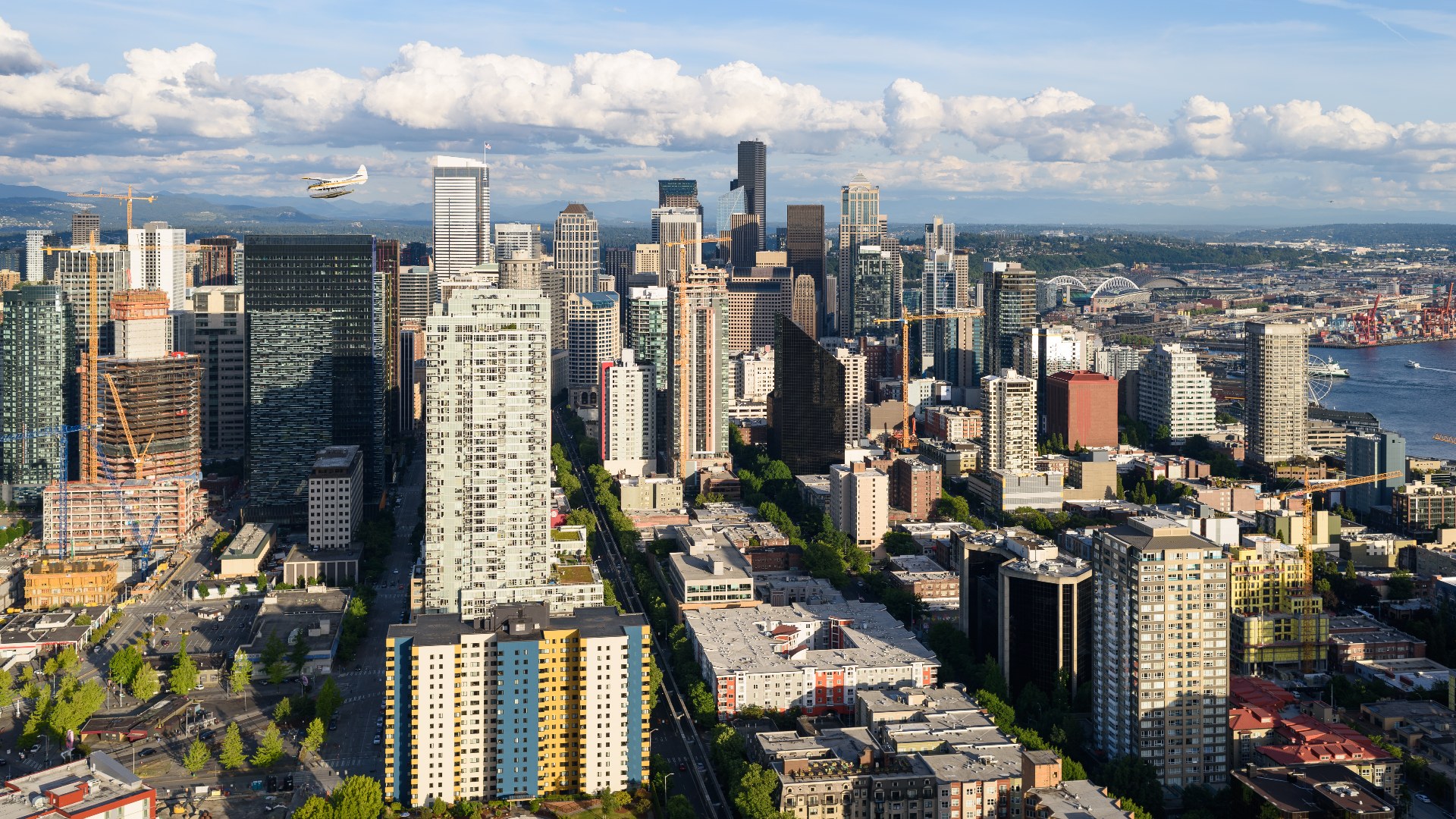
14. Washington (7 Area Codes)
Area code 206 originally covered all of Washington state before eastern 509 was established in 1957. The rise of Microsoft, Amazon, and regional tech firms later carved out 360, 425, and 253, alongside western overlay code 564.
©Wikimedia / King of Hearts
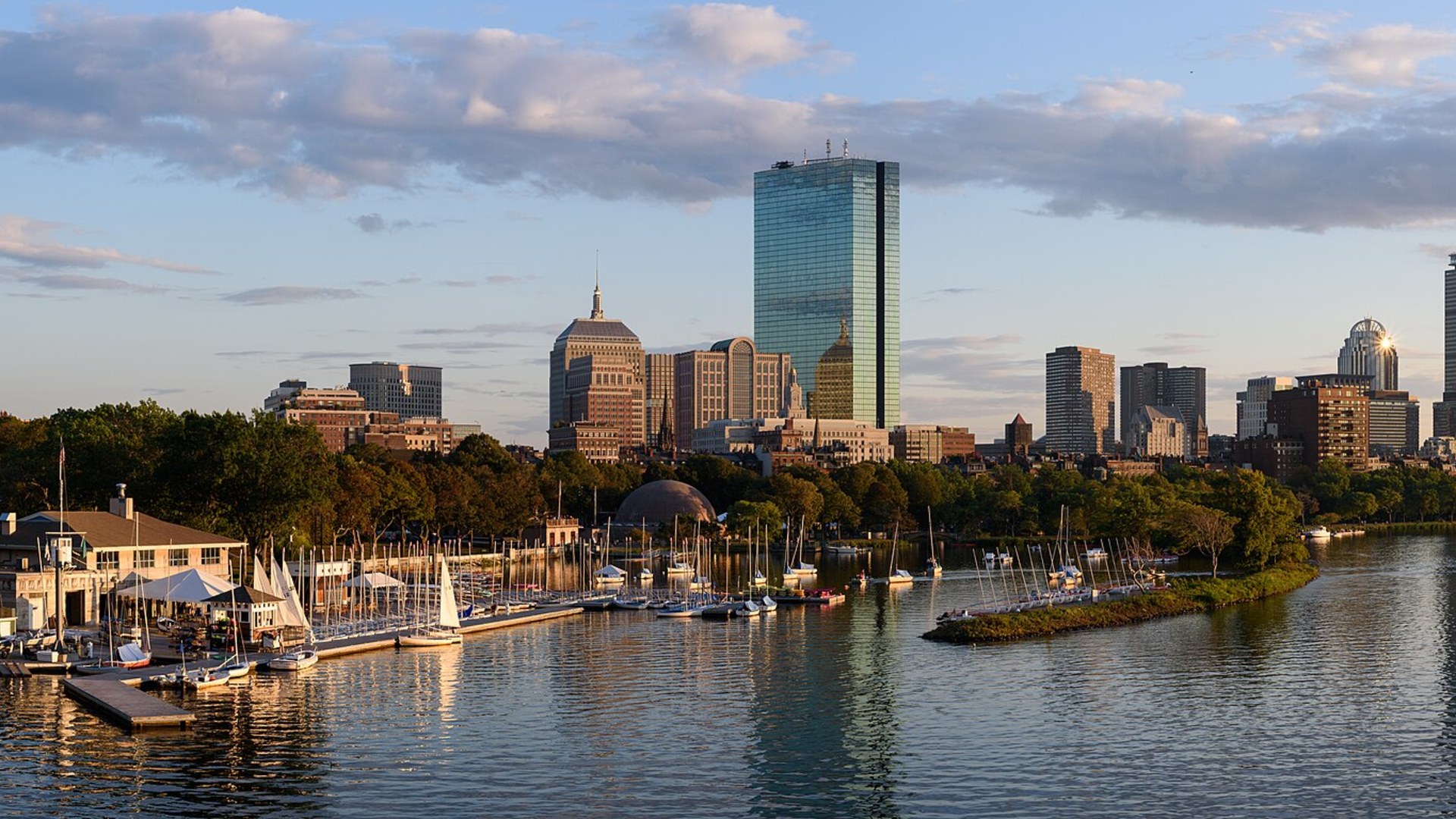
13. Massachusetts (9 Area Codes)
Massachusetts was an original Bell System bedrock, split between eastern 617 and western 413 in 1947. Suburbs later received 508, 781, and 978, with overlays 857, 774, 351, and 339 added as mobile devices exploded.
©Wikimedia / King of Hearts
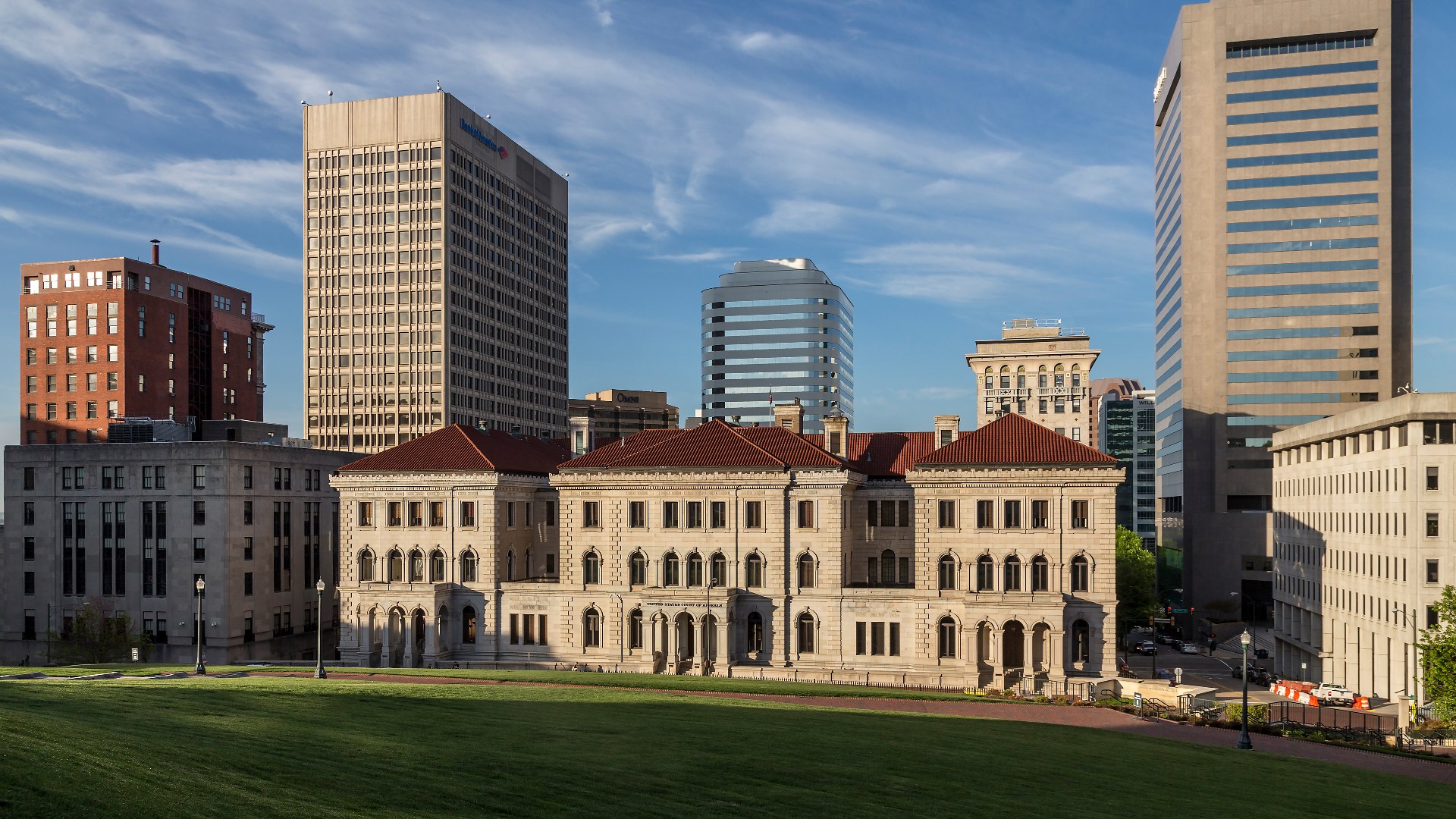
12. Virginia (9 Area Codes)
Virginia operated under area code 703 for its entire geography until 804 was split off in 1973. Explosive growth in federal contracting and cloud data centers in Loudoun County fueled the addition of 757, 540, 276, 571, 434, 826, and 948.
©Wikimedia / Acroterion
11. New Jersey (10 Area Codes)
New Jersey's area code 201 was historically significant as the first direct distance dialing code in America in 1951. Bordering New York City and Philadelphia, the Garden State's density necessitated 609, 908, 732, 973, 856, and overlays 551, 862, 848, and 640.
©Wikimedia / King of Hearts
Advertisement
Swipe or tap ▶ to resume the countdown.
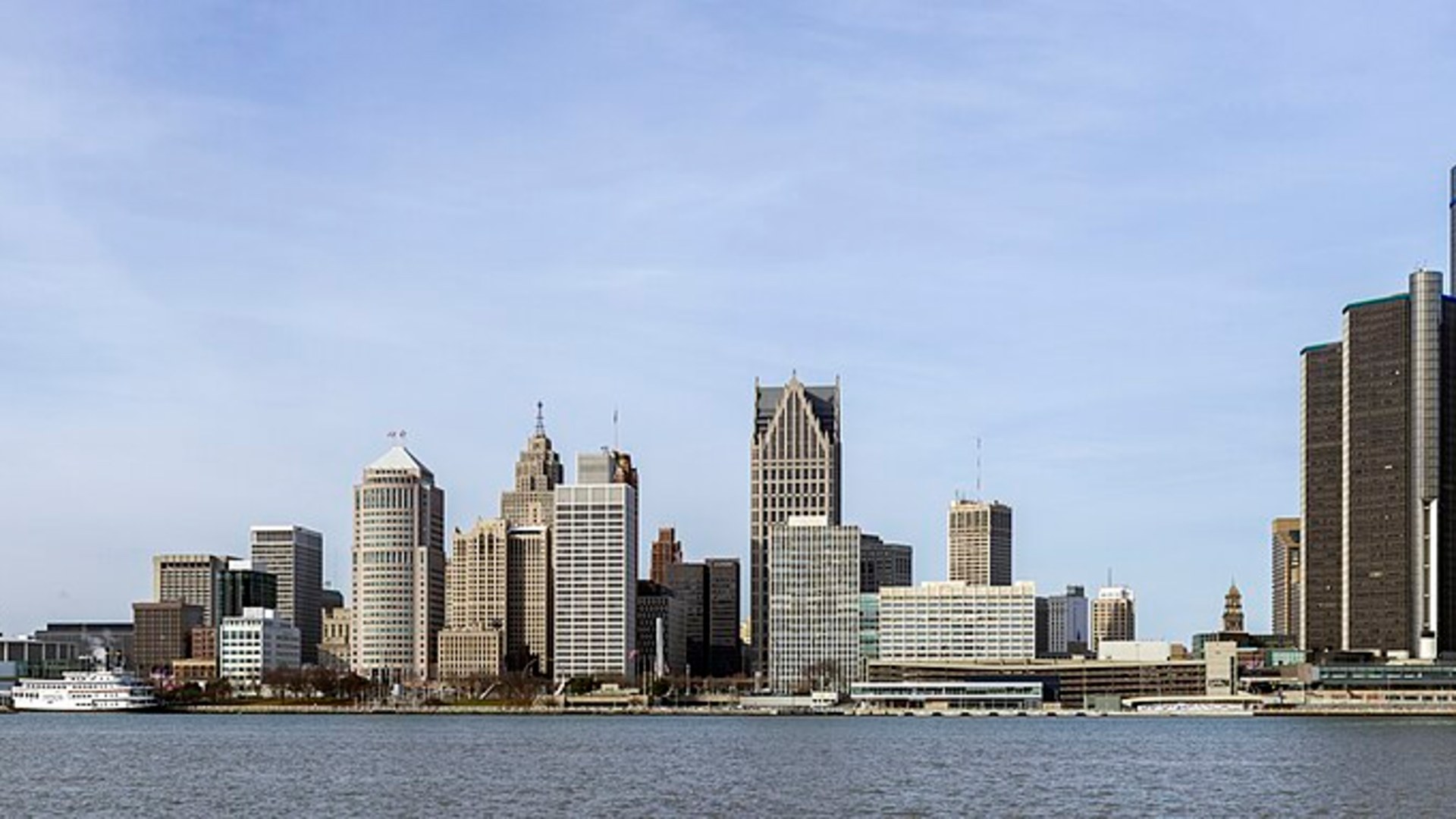
10. Michigan (10 Area Codes)
Starting with 313 in Detroit, 517 in Lansing, and 616 in Grand Rapids, Michigan steadily expanded its telecom footprint. Subsequent splits and overlays brought 810, 248, 734, 906 in the Upper Peninsula, 989, 269, and overlay 679 into service.
©Wikimedia / Crisco 1492
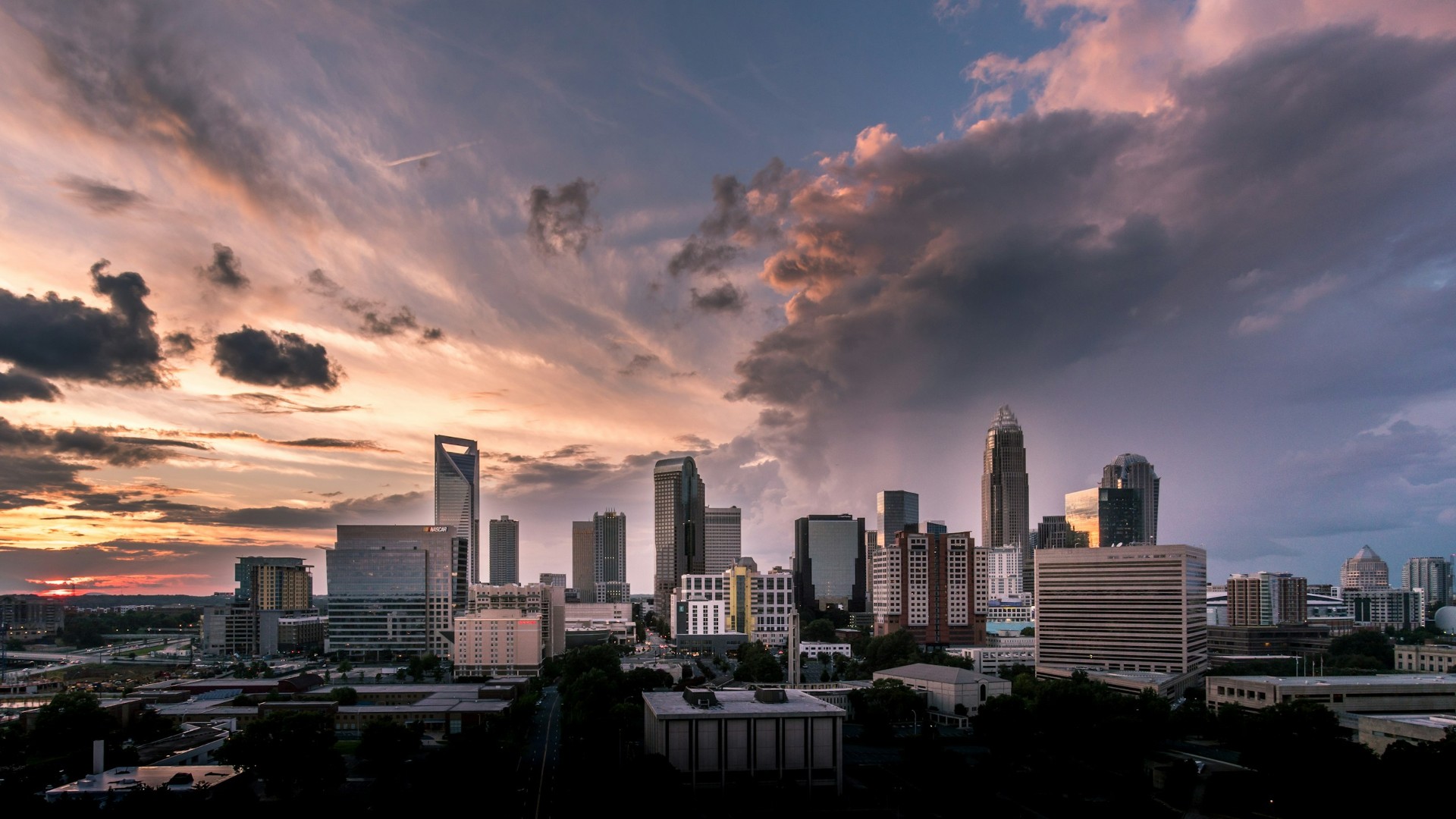
9. North Carolina (10 Area Codes)
North Carolina began with single area code 704 in 1947. Surging commercial expansion across the Charlotte financial sector and Raleigh-Durham tech parks led to splits 919, 910, 336, 828, 252, and overlays 984, 980, 743, and 472.
© Photo by Daniel Weiss on Unsplash
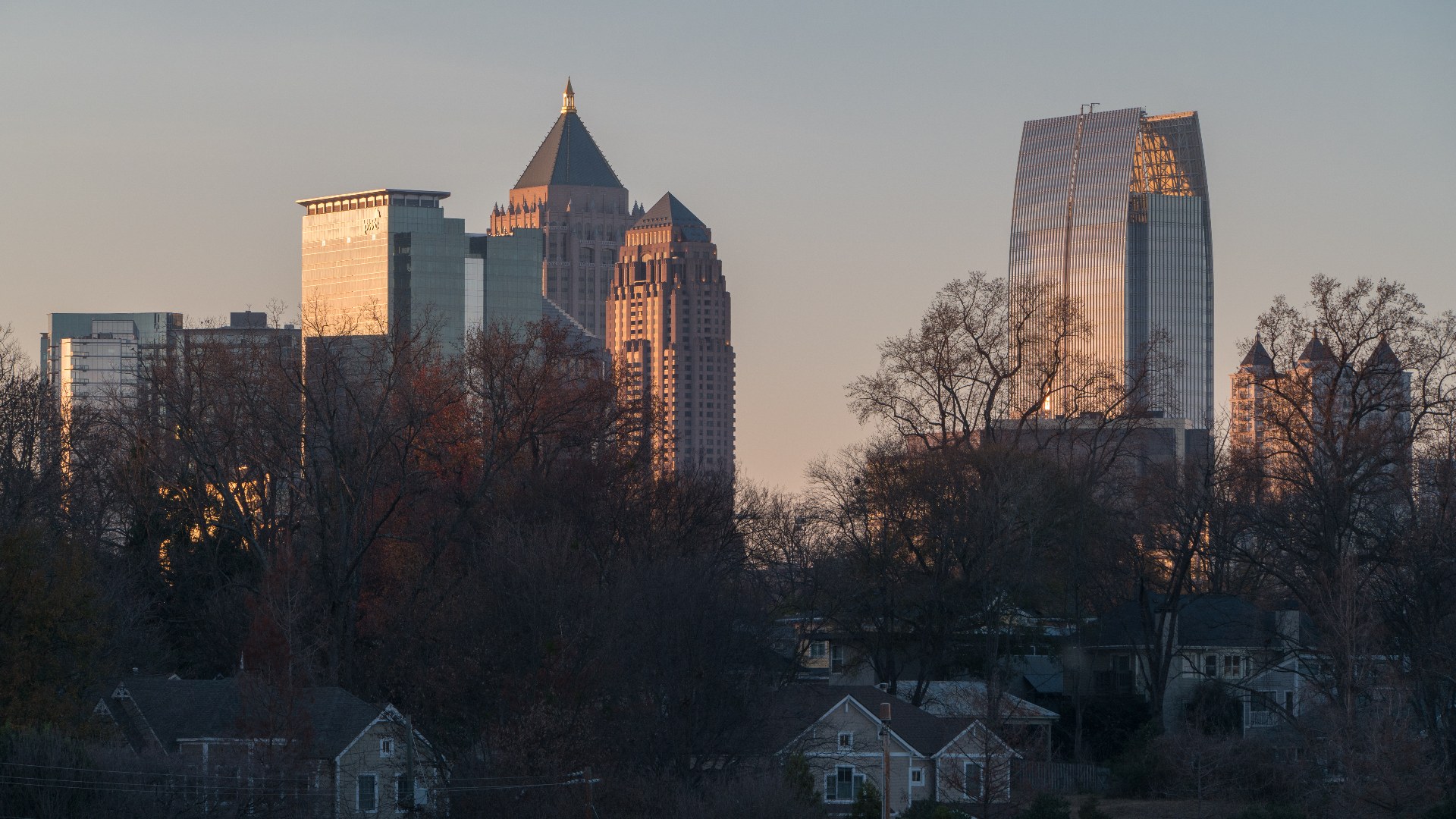
8. Georgia (11 Area Codes)
Georgia started with area codes 404 in Atlanta and 912 across the coast in 1947. As Atlanta became the commercial engine of the South, explosive growth demanded 706, 770, 678, 229, 478, 470, 762, and recent overlay 943.
©Wikimedia / Marc Merlin
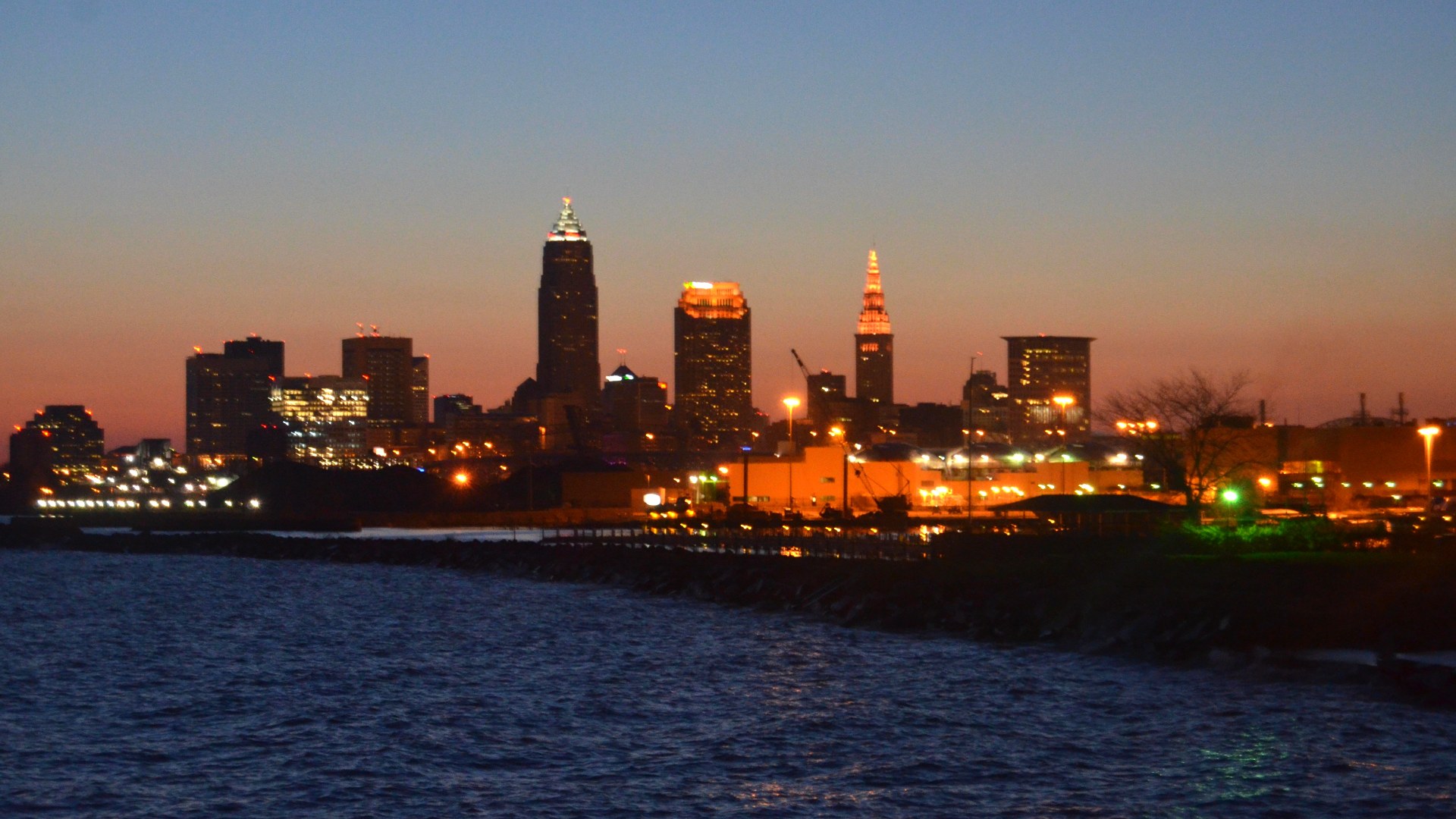
7. Ohio (13 Area Codes)
Ohio was initially partitioned into four quadrants in 1947 with 216, 513, 614, and 419. Increasing call volumes in Cleveland, Cincinnati, and Columbus later added 330, 937, 440, and modern overlays 234, 283, 380, 220, and 326.
©Wikimedia / Erik Drost
Advertisement
Swipe or tap ▶ to resume the countdown.
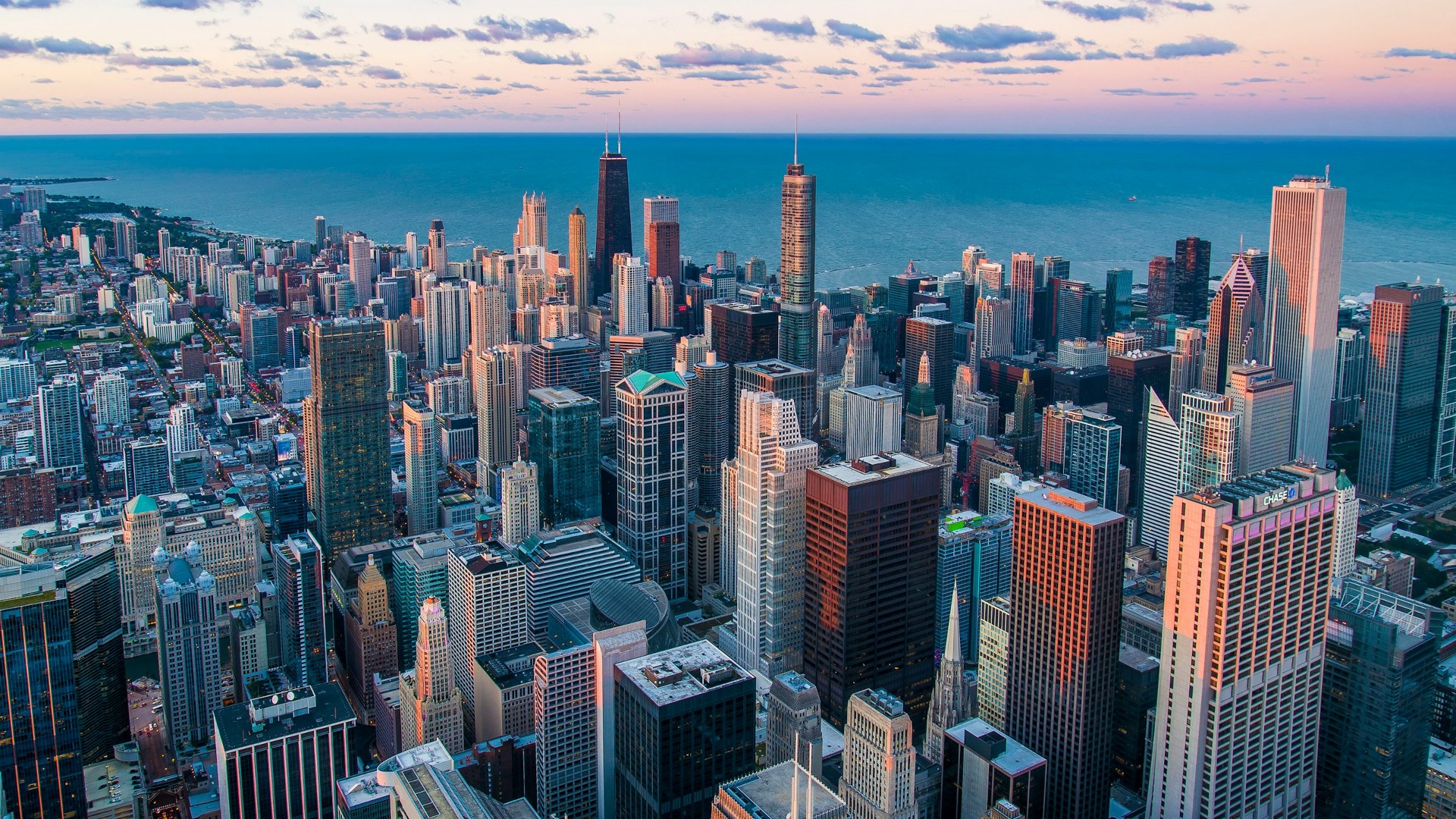
6. Illinois (14 Area Codes)
Area code 312 was assigned to Chicago in 1947 with lowest rotary dial clicks for quick operator routing. Downstate regions used 217, 309, and 618. Chicago suburban growth subsequently birthed 708, 815, 847, 630, 773, and overlays 224, 331, 464, 779, and 872.
© Photo by Pedro Lastra on Unsplash
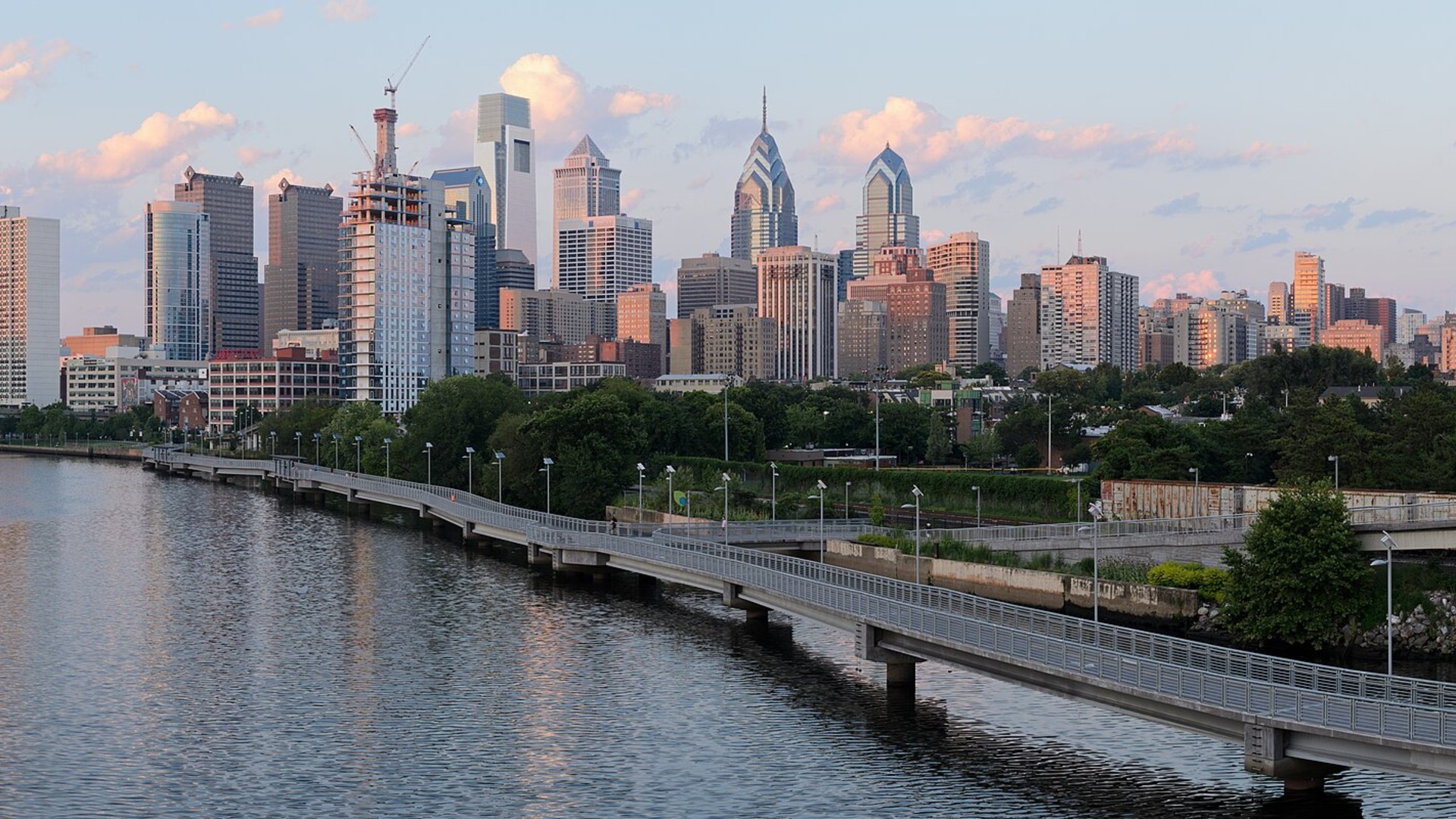
5. Pennsylvania (15 Area Codes)
Pennsylvania was divided into 215, 412, 717, and 814 in 1947. High-density growth across southeastern commercial centers and western mining valleys later added 570, 610, 724, and overlays 267, 484, 878, 272, 835, 445, and 582.
©Wikimedia / King of Hearts
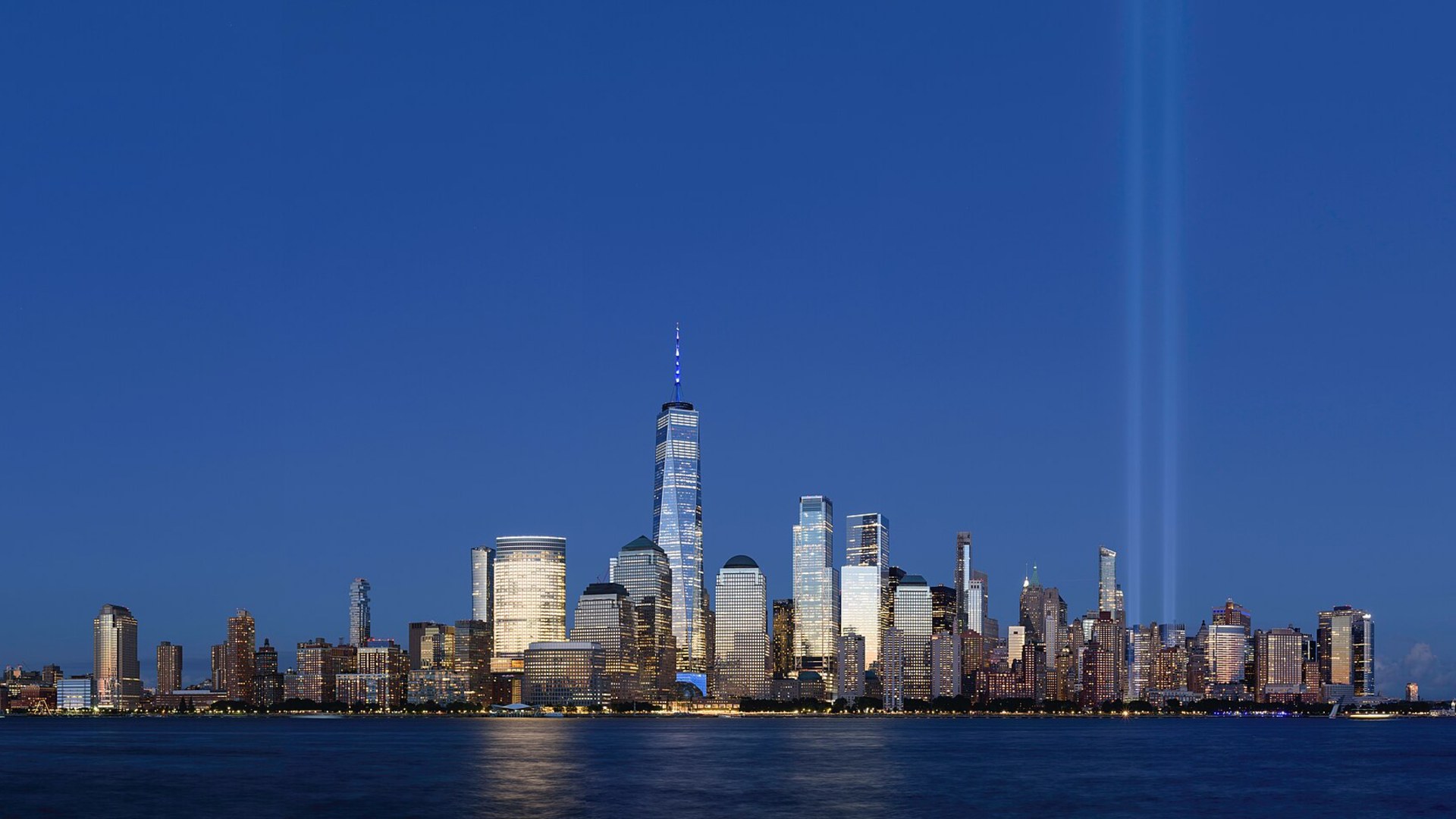
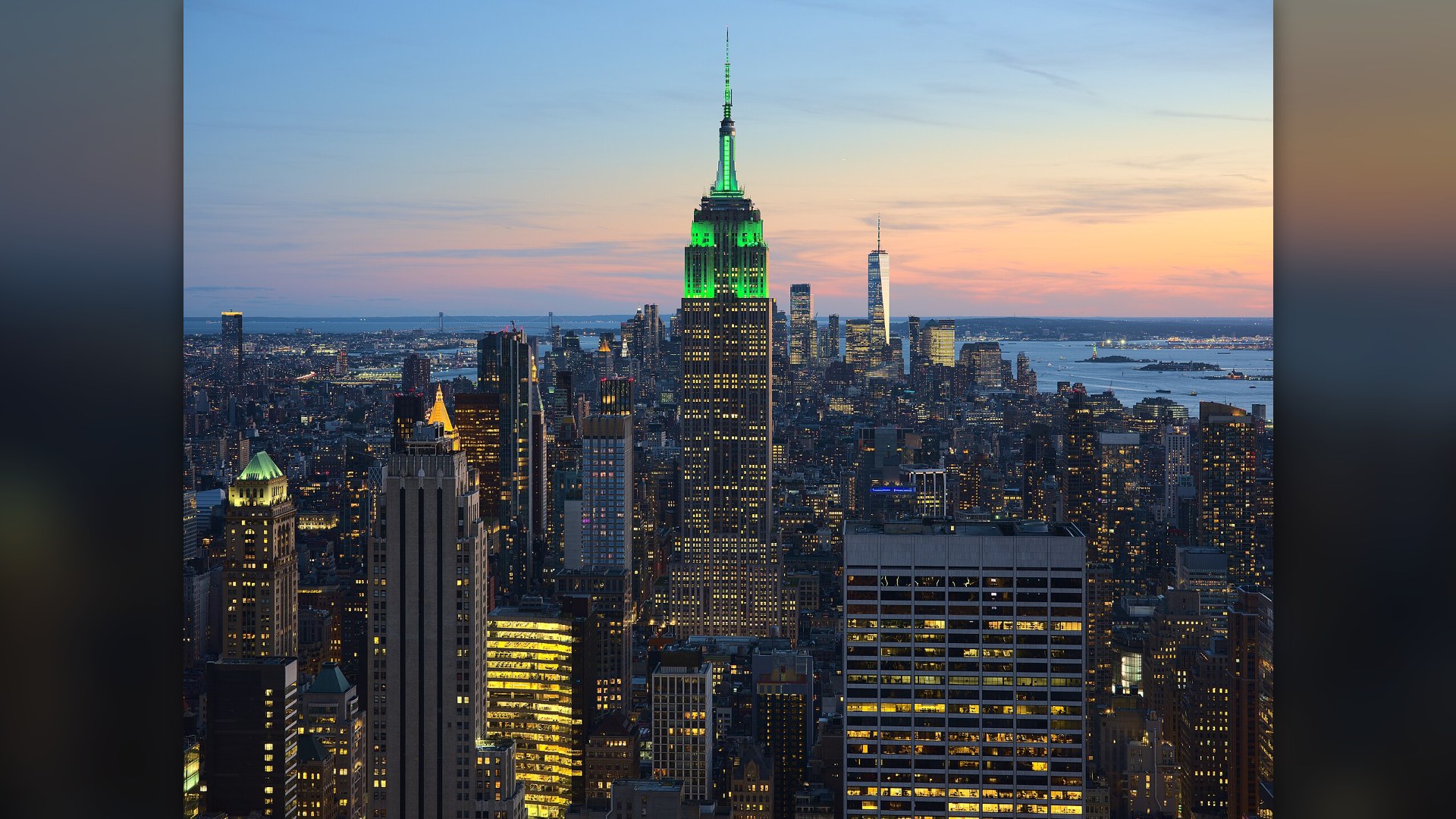
4. New York (19 Area Codes)
New York City's original area code 212 remains a worldwide status symbol. Across the five boroughs and upstate New York, intense density and mobile phone adoption forced the deployment of nineteen codes, including 718, 917, 646, 347, 929, and regional upstate overlays.
©Wikimedia / Dllu
3. Florida (23 Area Codes)
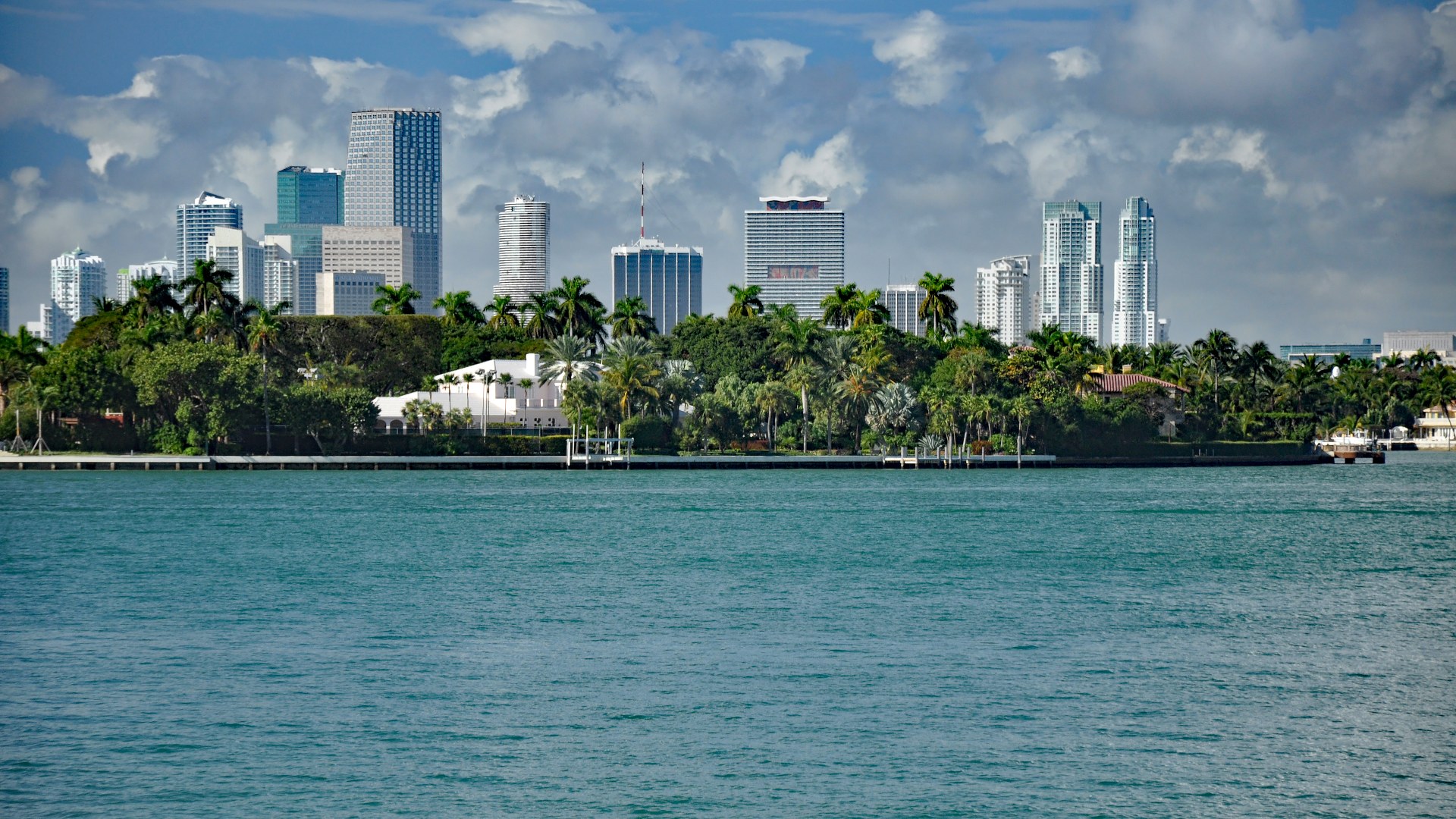
Florida functioned under single area code 305 until 1953. Unprecedented population growth from tourism, retirees, and international commerce required dozens of relief codes, including 813, 904, 407, 954, 352, 561, 239, 850, 772, 786, 321, 727, 689, and 448.
©Wikimedia / P. Hughes
Advertisement
Swipe or tap ▶ to resume the countdown.
2. Texas (28 Area Codes)
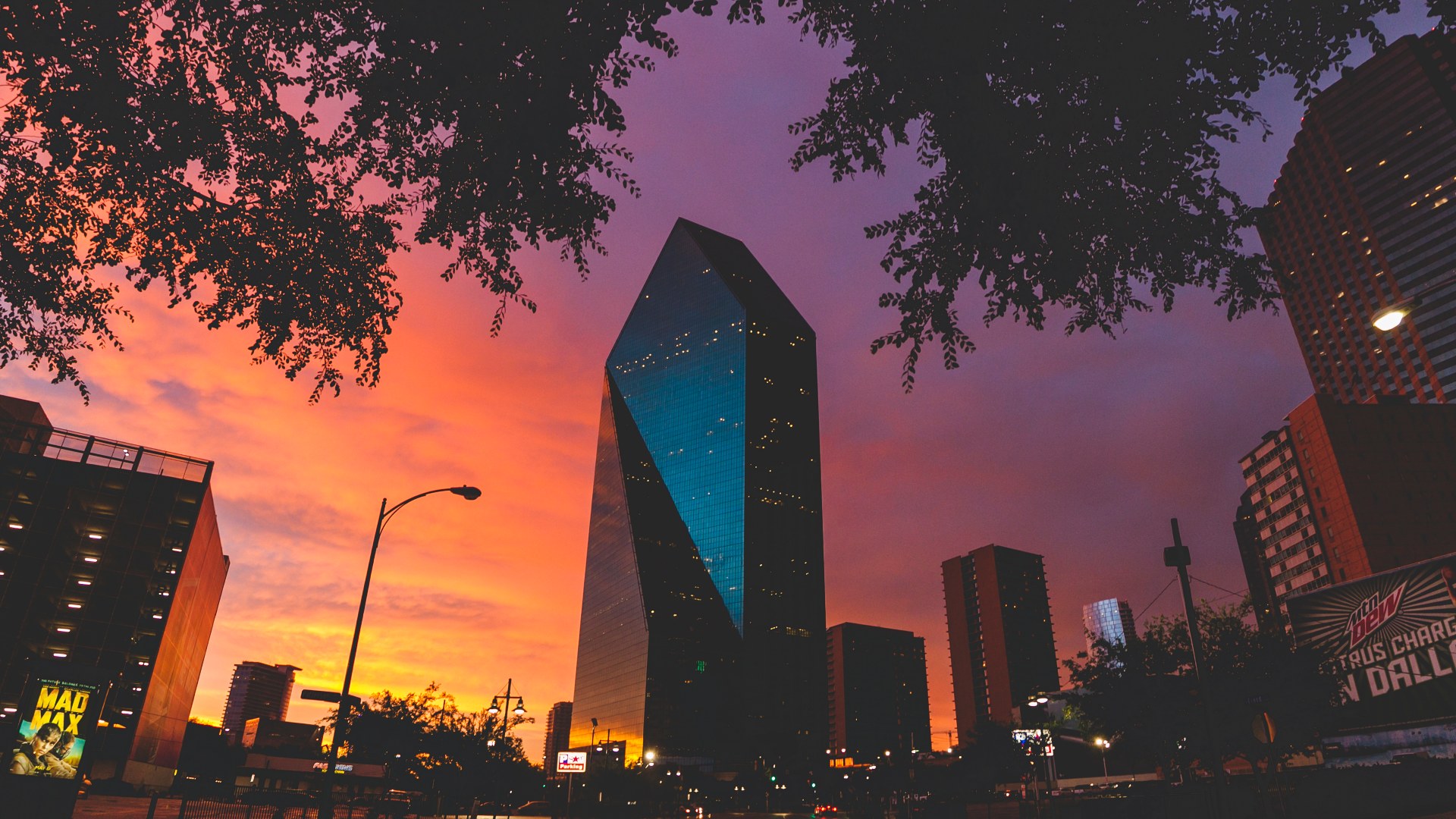
Covering massive geographic territory, Texas started with 214, 713, 512, and 915 in 1947. Relentless corporate relocations and rapid urban sprawl created twenty-eight area codes, with major hubs like Dallas-Fort Worth and Houston each requiring four overlapping prefixes.
©Wikimedia / Matthew T Rader
1. California (38 Area Codes)
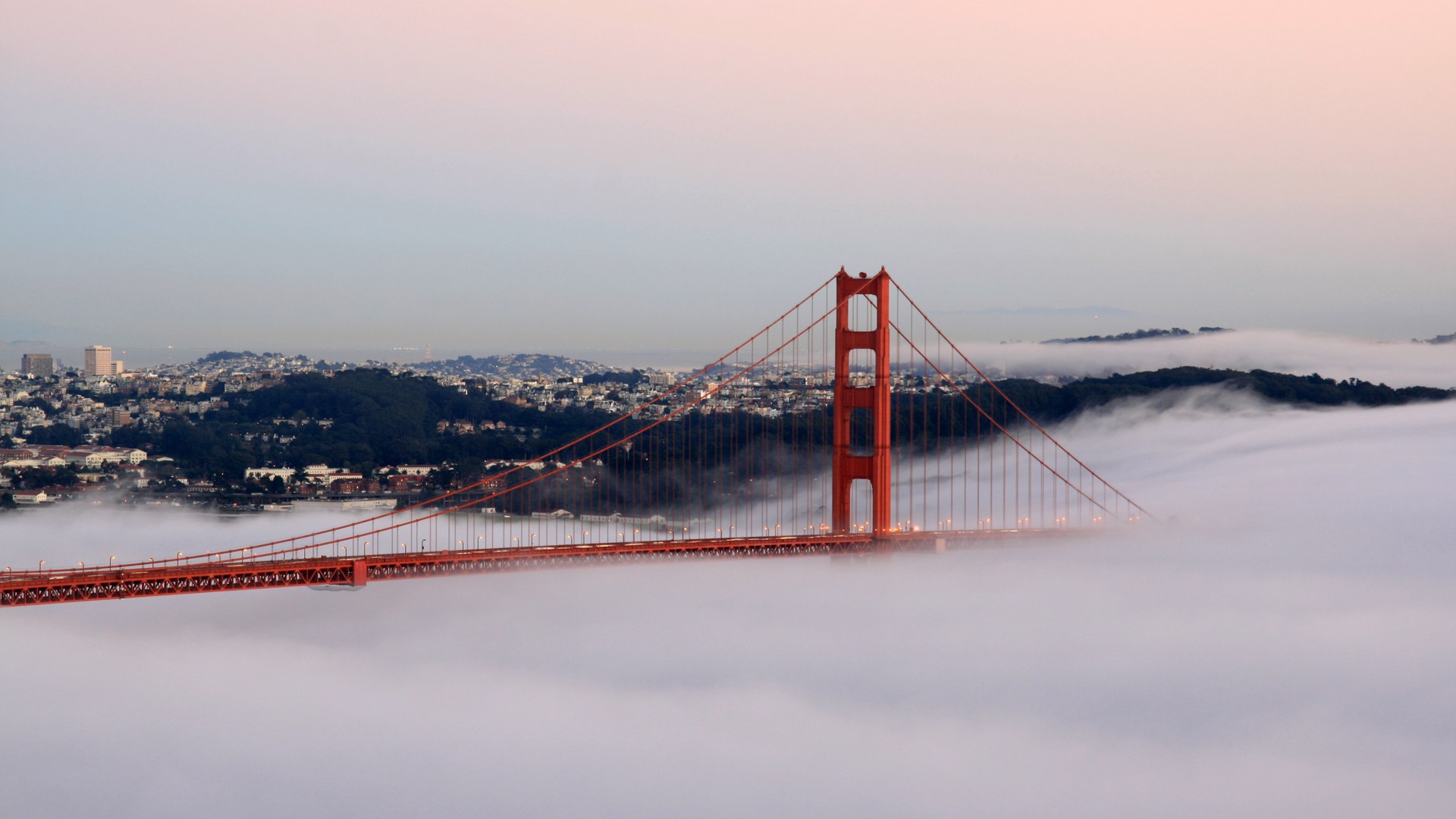
California's sheer size and tech-driven economy make it the undisputed national leader in telephone numbering. From original 1947 codes 213 in Los Angeles and 415 in San Francisco to dozens of Silicon Valley overlays, California operates thirty-eight active area codes to keep millions connected.

©Wikimedia / Brocken Inaglory
Advertisement
You've reached the end of the story. Thanks for reading!

20 Iconic Historical Photos and the Archive Clues Behind Them
Contact sheets, cracked glass plates, and NASA mission logs preserve the hidden steps behind 20 famous photographs. Drawing on records from the Library of Congress, the National Archives, NASA, and the Smithsonian, this countdown traces how cropping, camera setups, and double exposures shaped each frame.
All 25 Entries in this Story
25. Alaska (1 Area Code)
Despite being by far the largest US state by land area, Alaska's sparse population allows a solitary area code to handle every telephone line in the state. Area code 907 was introduced in 1957, two years before Alaska officially achieved statehood, and has never required an overlay or split.

24. Idaho (2 Area Codes)
From the creation of the North American Numbering Plan in 1947 until 2017, area code 208 served all of Idaho without competition. Rapid population influx into the Boise metropolitan corridor finally exhausted unassigned numbers, prompting regulators to introduce area code 986 as a statewide overlay.

23. Nebraska (3 Area Codes)
Nebraska was originally divided horizontally in 1954, with 402 covering eastern cities like Omaha and Lincoln while 308 handled the western plains. Sustained growth across the eastern commercial belt led to the rollout of overlay code 531 in 2011, bringing Nebraska to three total active codes.

22. South Carolina (4 Area Codes)
South Carolina began in 1947 with only area code 803 covering the entire state. Explosive economic and residential growth in the Upstate region and Lowcountry coastal tourism belts eventually prompted splits creating 864 and 843, followed by overlay code 854 along the Atlantic seaboard.

21. Colorado (5 Area Codes)
Colorado entered the modern telecom era in 1947 with area code 303. The state subsequently split off 719 for Colorado Springs and 970 for the Western Slope and ski resorts. Massive urban expansion in Denver later required overlays 720 and 983 to prevent number exhaustion.

20. Wisconsin (5 Area Codes)
Wisconsin was initially split in 1947 between 414 in the southeast and 715 in the northern forests. Subsequent demand around the state capital of Madison and Green Bay created area codes 608 and 920, with overlay code 534 later supplementing northern districts.

19. Maryland (5 Area Codes)
Maryland functioned under area code 301 for over four decades. As suburbs surrounding Washington and Baltimore swelled with government contractors and cell phones, area code 410 was created, followed by comprehensive overlays 240, 443, and 667 across both metropolitan regions.

18. Arizona (5 Area Codes)
Area code 602 once spanned the entirety of Arizona from the Grand Canyon to the Mexican border. Massive suburban expansion in Maricopa County eventually required splitting off 520, 480, 623, and northern 928, turning the desert state into a complex telecom network.

17. Missouri (6 Area Codes)
Divided in 1947 between eastern 314 and western 816, the Show-Me State added regional codes 417 for the Ozarks, 573 for central regions, 636 for St. Louis suburbs, and overlay 235 to meet expanding digital line requirements.

16. Indiana (7 Area Codes)
Indiana initially operated with northern 219 and southern 317 in 1947. Decades of industrial expansion created area codes 812, 574, and 260, supplemented by modern overlays 463 for Indianapolis and 930 for southern counties.

15. Tennessee (7 Area Codes)
Tennessee was originally assigned area code 901 in 1947 before splitting with 615 for middle and eastern counties. Growth across Knoxville, Chattanooga, and booming Nashville eventually birthed 423, 865, 931, 731, and overlay 629.

14. Washington (7 Area Codes)
Area code 206 originally covered all of Washington state before eastern 509 was established in 1957. The rise of Microsoft, Amazon, and regional tech firms later carved out 360, 425, and 253, alongside western overlay code 564.

13. Massachusetts (9 Area Codes)
Massachusetts was an original Bell System bedrock, split between eastern 617 and western 413 in 1947. Suburbs later received 508, 781, and 978, with overlays 857, 774, 351, and 339 added as mobile devices exploded.

12. Virginia (9 Area Codes)
Virginia operated under area code 703 for its entire geography until 804 was split off in 1973. Explosive growth in federal contracting and cloud data centers in Loudoun County fueled the addition of 757, 540, 276, 571, 434, 826, and 948.

11. New Jersey (10 Area Codes)
New Jersey's area code 201 was historically significant as the first direct distance dialing code in America in 1951. Bordering New York City and Philadelphia, the Garden State's density necessitated 609, 908, 732, 973, 856, and overlays 551, 862, 848, and 640.

10. Michigan (10 Area Codes)
Starting with 313 in Detroit, 517 in Lansing, and 616 in Grand Rapids, Michigan steadily expanded its telecom footprint. Subsequent splits and overlays brought 810, 248, 734, 906 in the Upper Peninsula, 989, 269, and overlay 679 into service.

9. North Carolina (10 Area Codes)
North Carolina began with single area code 704 in 1947. Surging commercial expansion across the Charlotte financial sector and Raleigh-Durham tech parks led to splits 919, 910, 336, 828, 252, and overlays 984, 980, 743, and 472.

8. Georgia (11 Area Codes)
Georgia started with area codes 404 in Atlanta and 912 across the coast in 1947. As Atlanta became the commercial engine of the South, explosive growth demanded 706, 770, 678, 229, 478, 470, 762, and recent overlay 943.

7. Ohio (13 Area Codes)
Ohio was initially partitioned into four quadrants in 1947 with 216, 513, 614, and 419. Increasing call volumes in Cleveland, Cincinnati, and Columbus later added 330, 937, 440, and modern overlays 234, 283, 380, 220, and 326.

6. Illinois (14 Area Codes)
Area code 312 was assigned to Chicago in 1947 with lowest rotary dial clicks for quick operator routing. Downstate regions used 217, 309, and 618. Chicago suburban growth subsequently birthed 708, 815, 847, 630, 773, and overlays 224, 331, 464, 779, and 872.

5. Pennsylvania (15 Area Codes)
Pennsylvania was divided into 215, 412, 717, and 814 in 1947. High-density growth across southeastern commercial centers and western mining valleys later added 570, 610, 724, and overlays 267, 484, 878, 272, 835, 445, and 582.

4. New York (19 Area Codes)
New York City's original area code 212 remains a worldwide status symbol. Across the five boroughs and upstate New York, intense density and mobile phone adoption forced the deployment of nineteen codes, including 718, 917, 646, 347, 929, and regional upstate overlays.

3. Florida (23 Area Codes)
Florida functioned under single area code 305 until 1953. Unprecedented population growth from tourism, retirees, and international commerce required dozens of relief codes, including 813, 904, 407, 954, 352, 561, 239, 850, 772, 786, 321, 727, 689, and 448.

2. Texas (28 Area Codes)
Covering massive geographic territory, Texas started with 214, 713, 512, and 915 in 1947. Relentless corporate relocations and rapid urban sprawl created twenty-eight area codes, with major hubs like Dallas-Fort Worth and Houston each requiring four overlapping prefixes.

1. California (38 Area Codes)
California's sheer size and tech-driven economy make it the undisputed national leader in telephone numbering. From original 1947 codes 213 in Los Angeles and 415 in San Francisco to dozens of Silicon Valley overlays, California operates thirty-eight active area codes to keep millions connected.