Slideshow · Animals
The 15 Animals With the Strongest Bite, Ranked
From bone-crushing hyenas and shell-piercing jaguars to prehistoric apex reptiles, scientists have measured and modeled the hardest jaws on Earth. Count down the 15 strongest bites.
By Most Viral Today
28 Oct 2026

The 15 Animals With the Strongest Bite, Ranked 
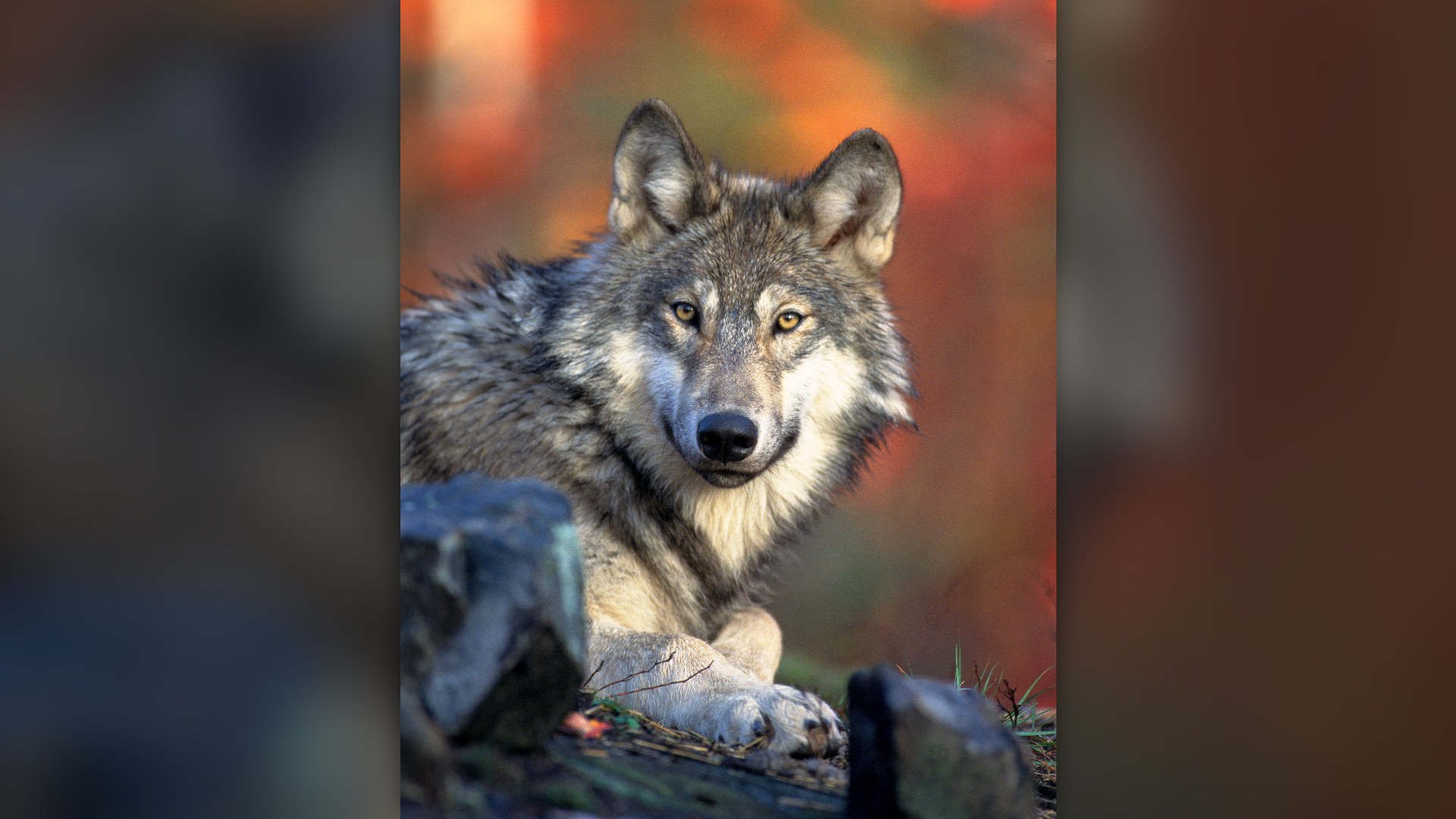
15. Gray Wolf: 400 PSI 
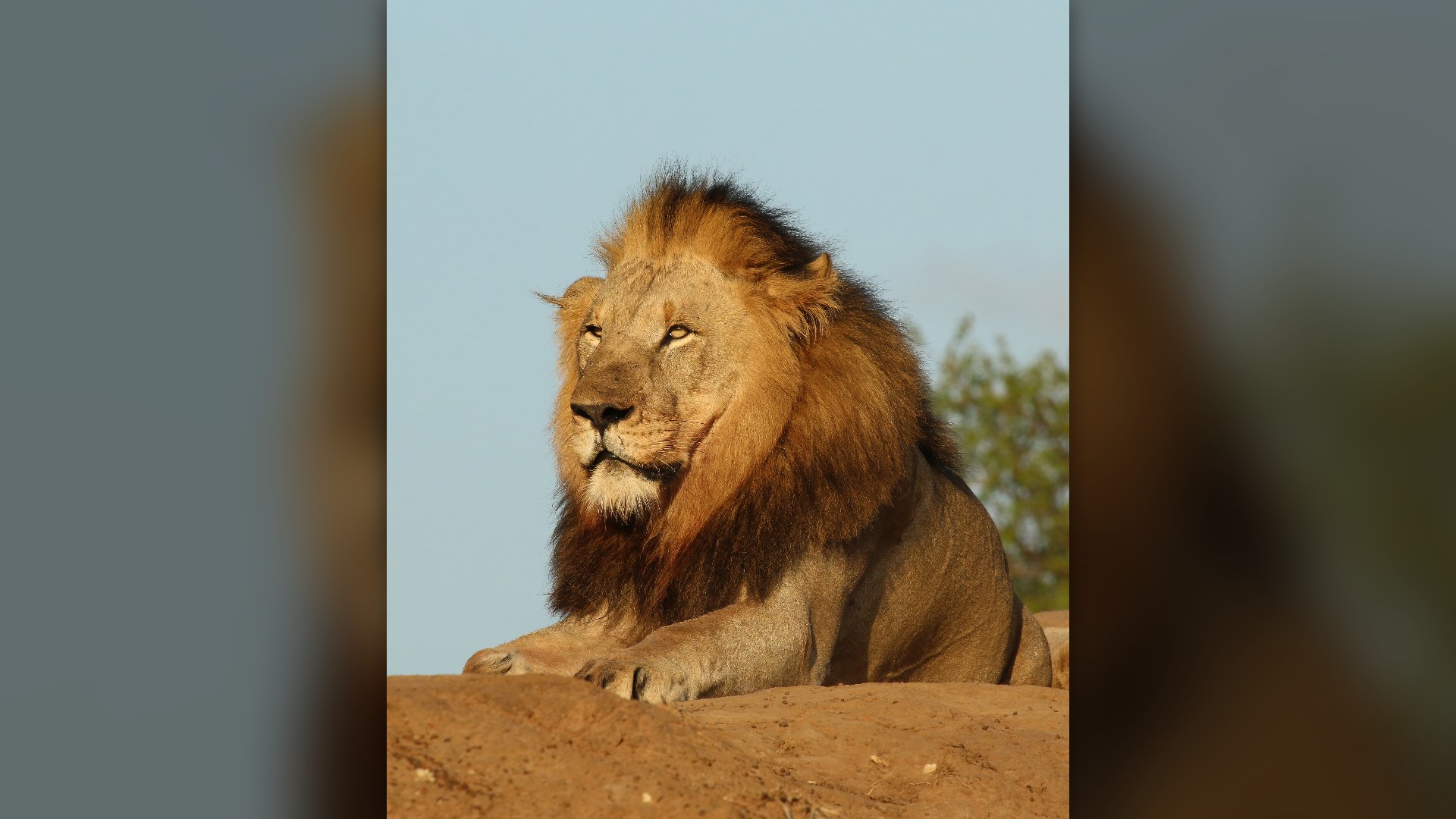
14. African Lion: 650 PSI 
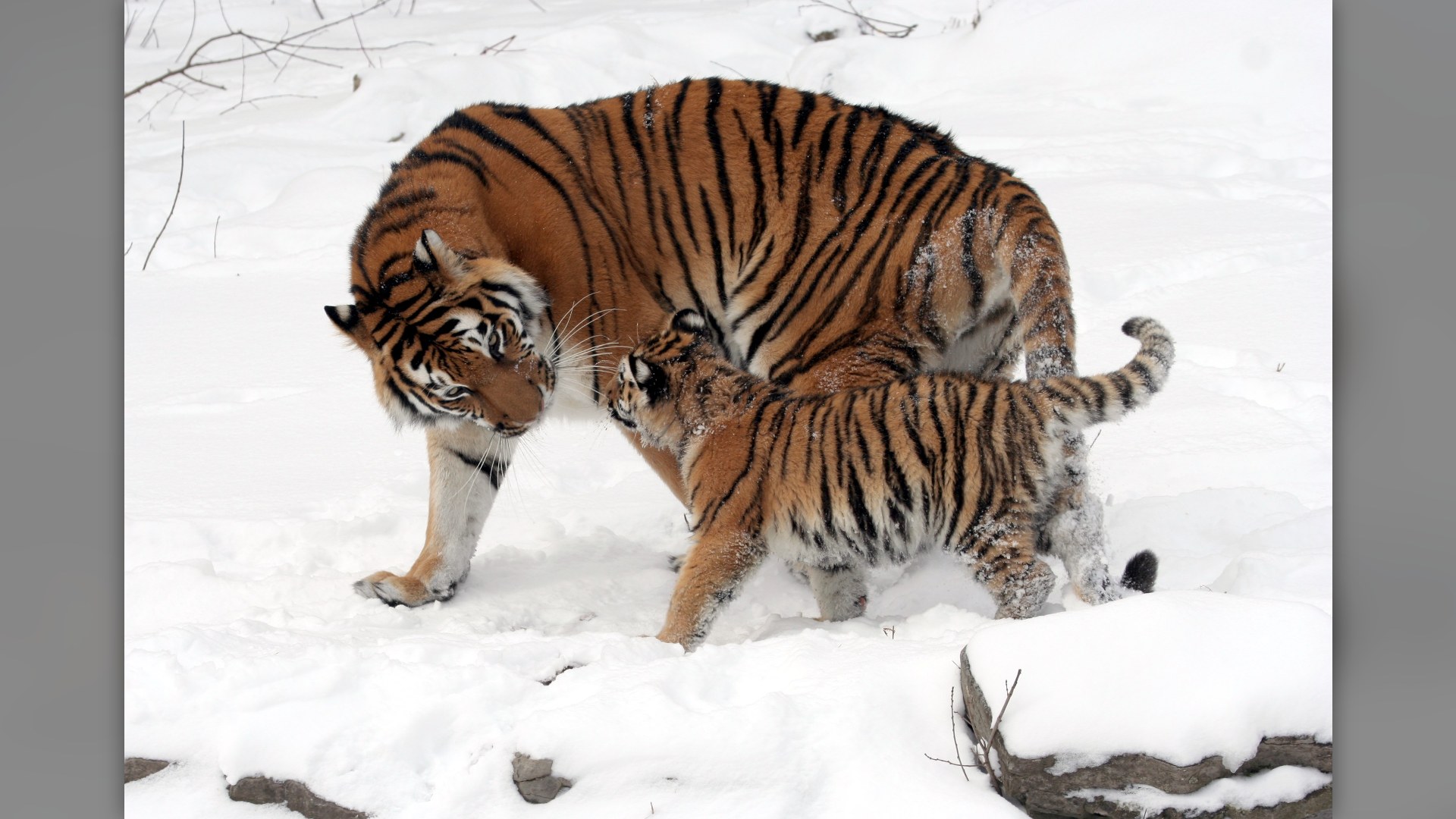
13. Siberian And Bengal Tiger: 1,050 PSI - AdvertisementSwipe or tap ▶ to continue countdown

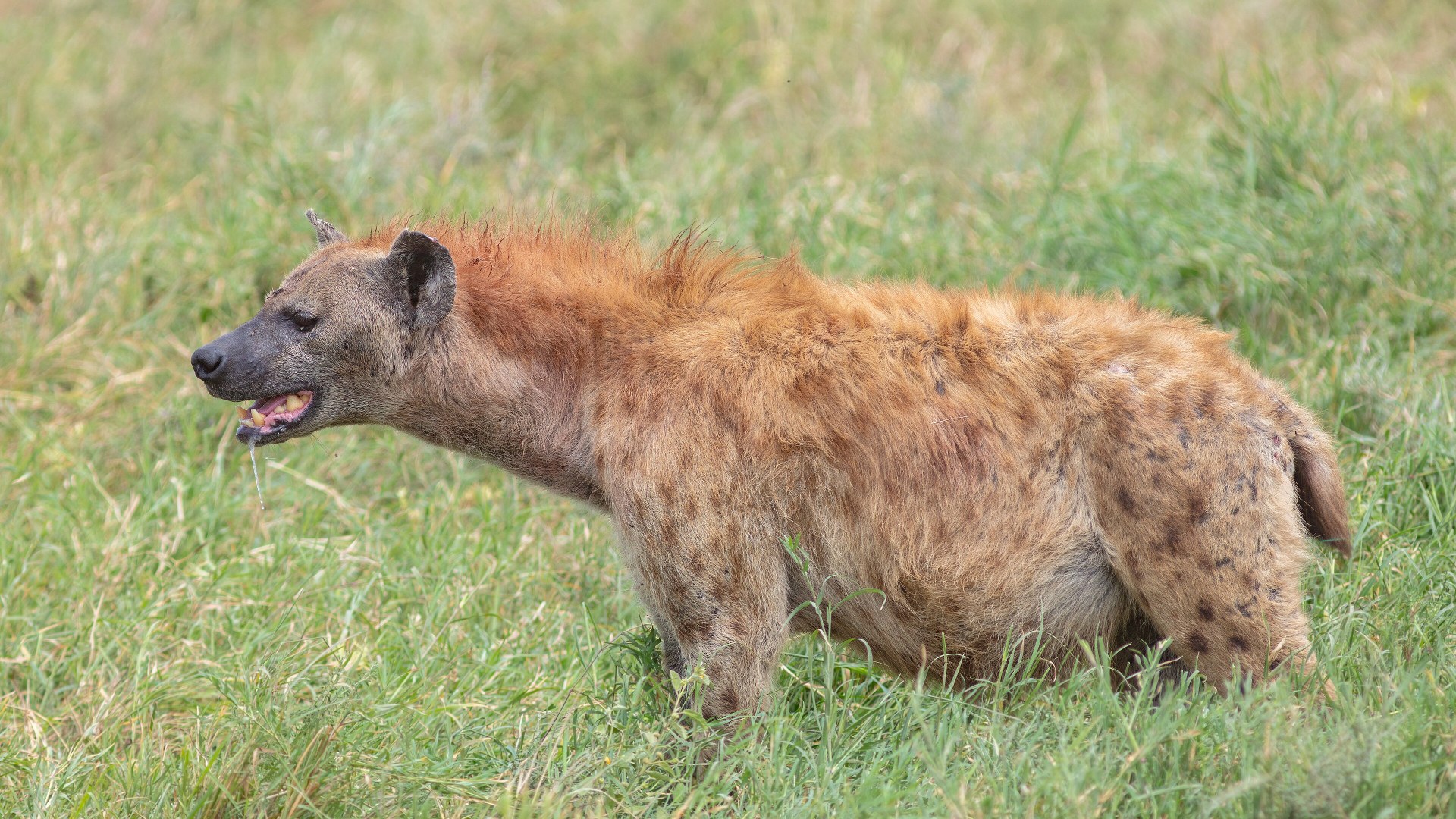
12. Spotted Hyena: 1,100 PSI 
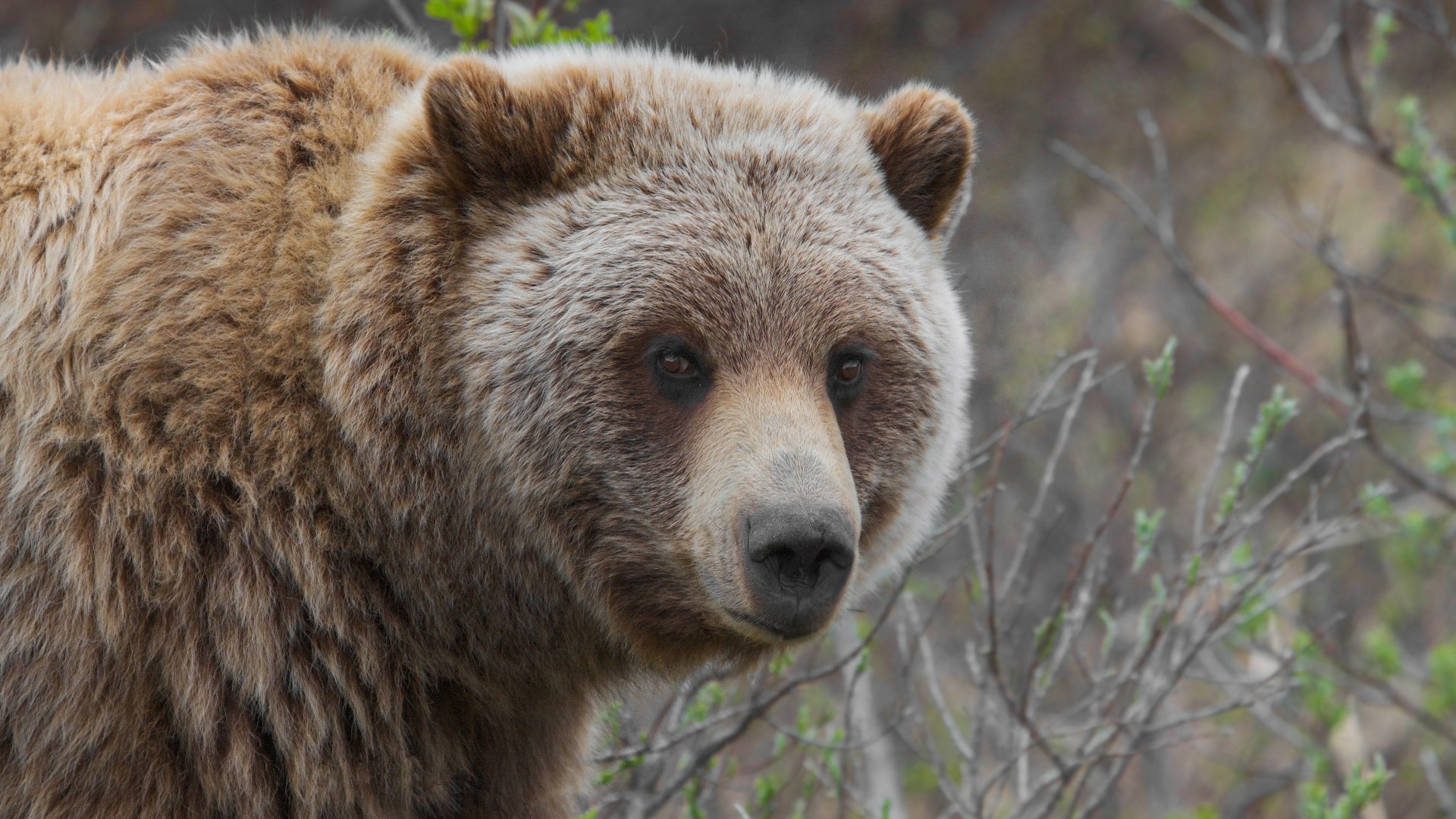
11. Grizzly Bear: 1,160 PSI 
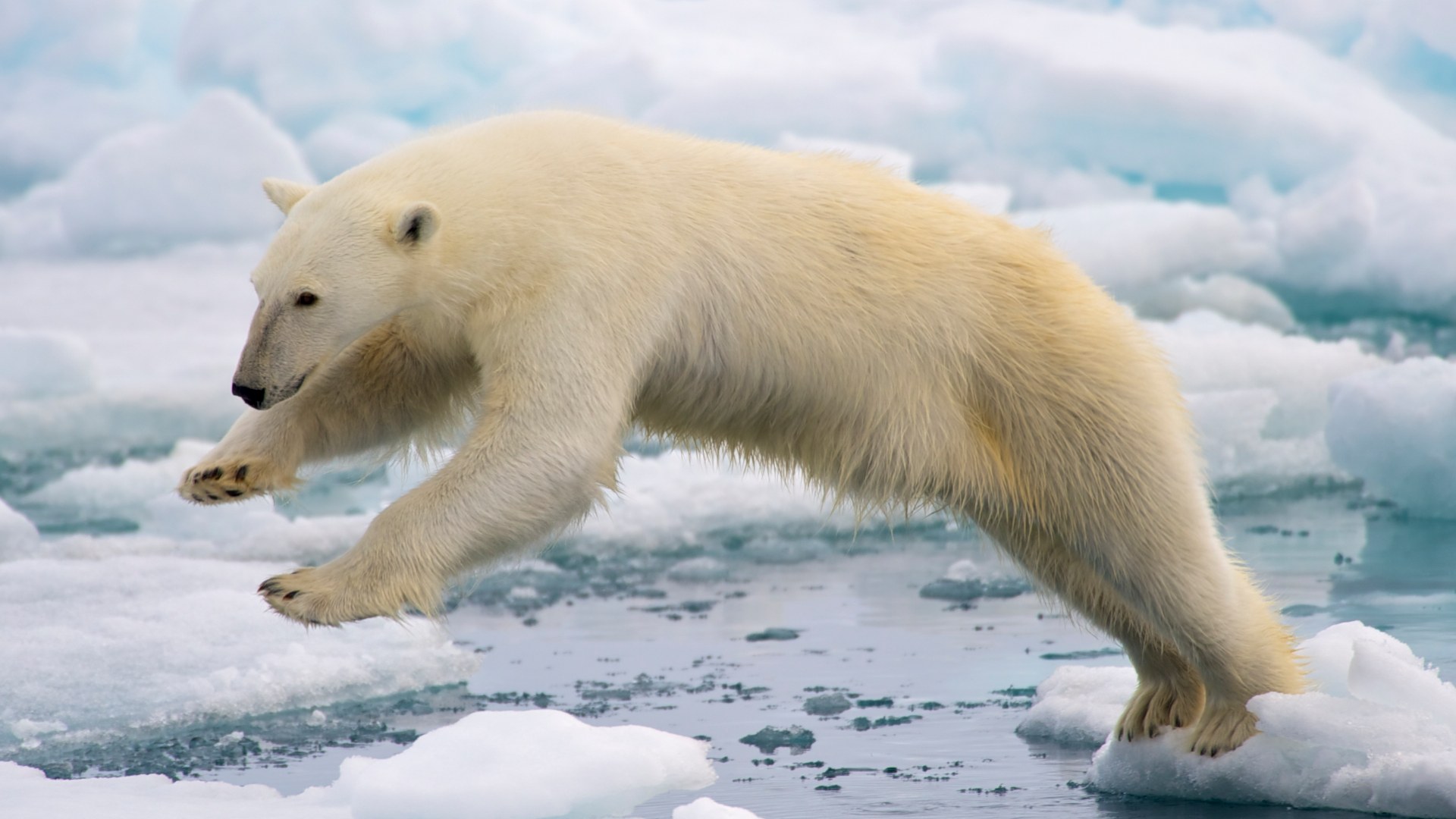
10. Polar Bear: 1,200 PSI 
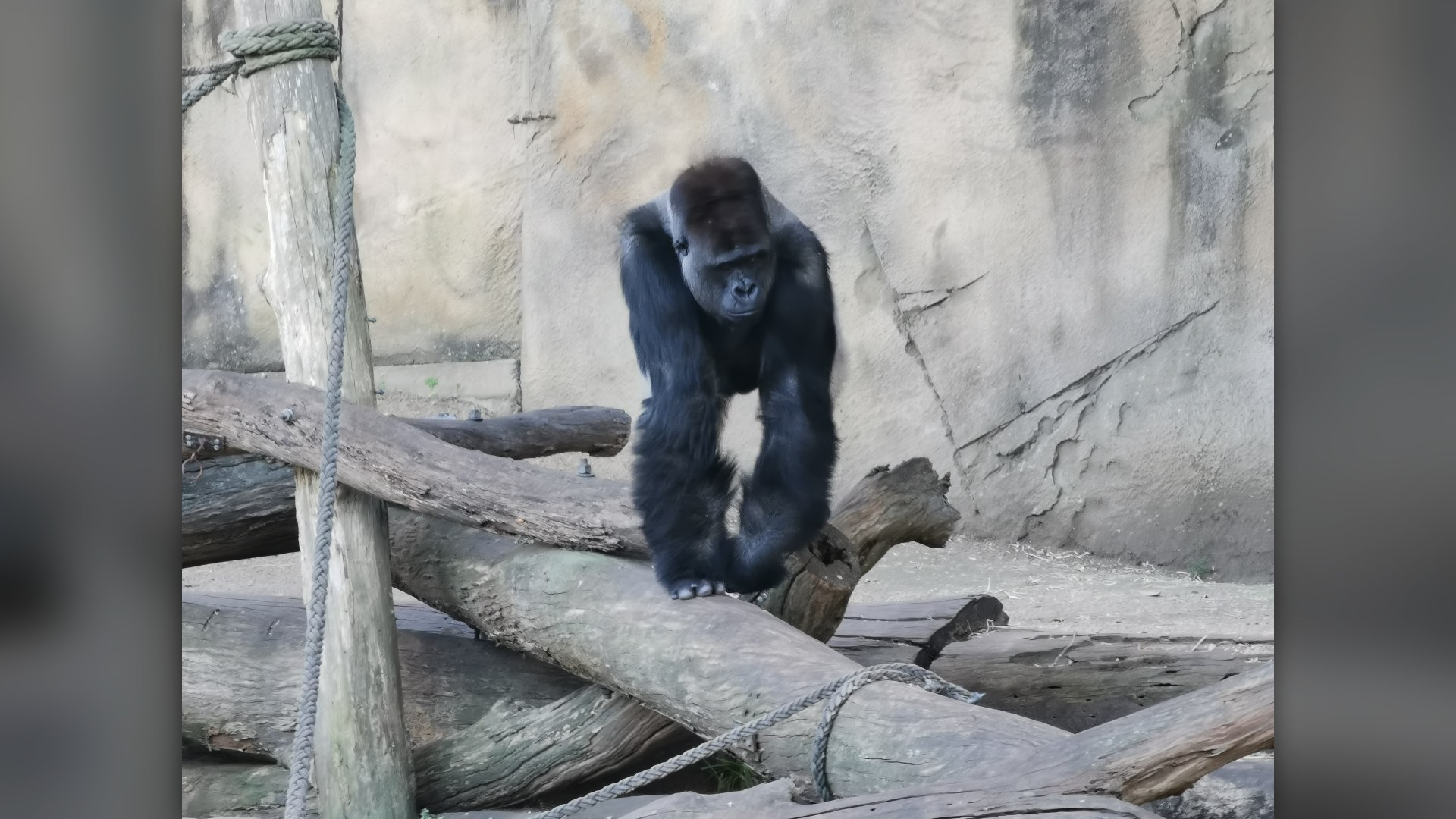
9. Western Lowland Silverback Gorilla: 1,300 PSI - AdvertisementSwipe or tap ▶ to continue countdown

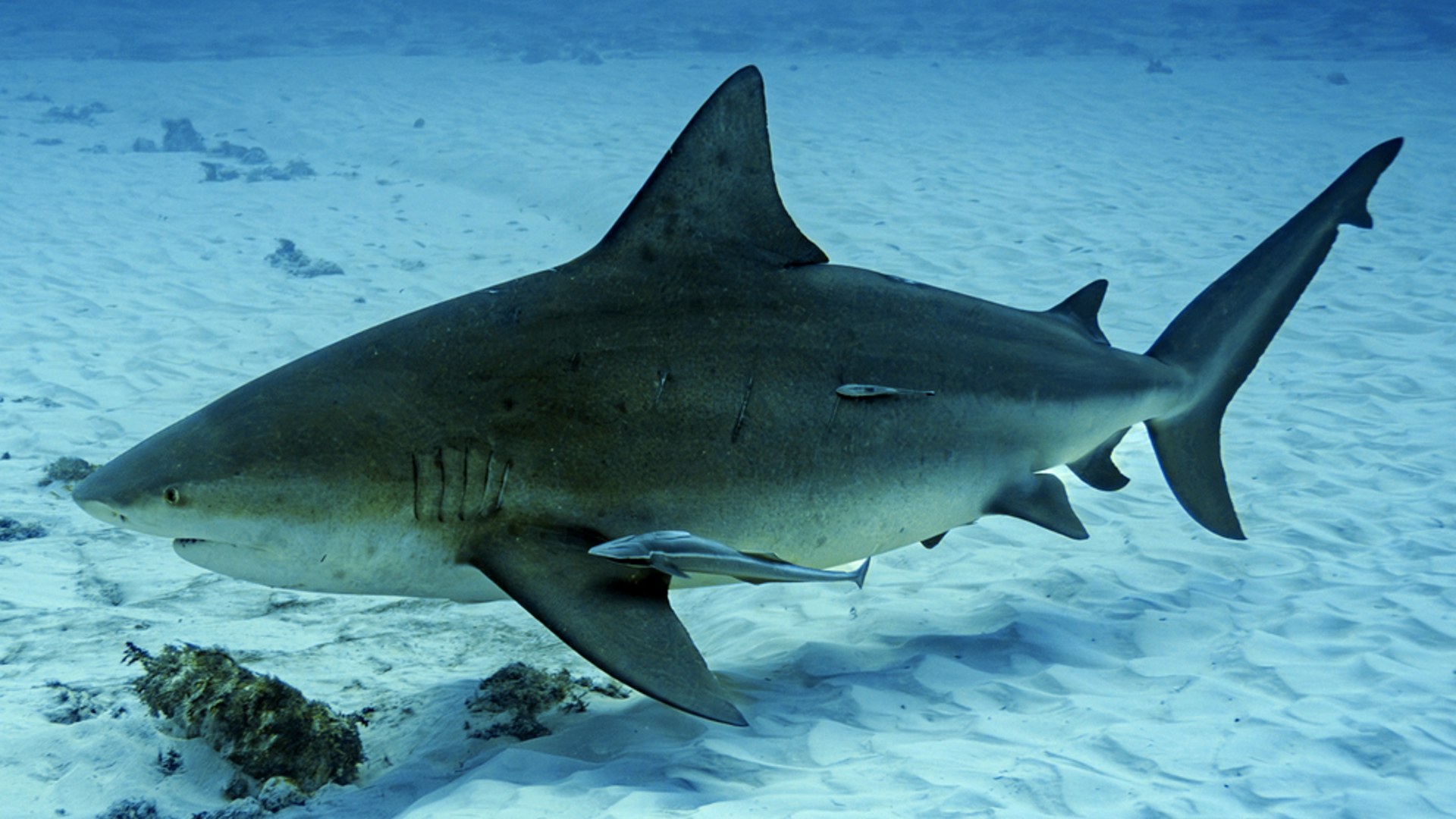
8. Bull Shark: 1,350 PSI 
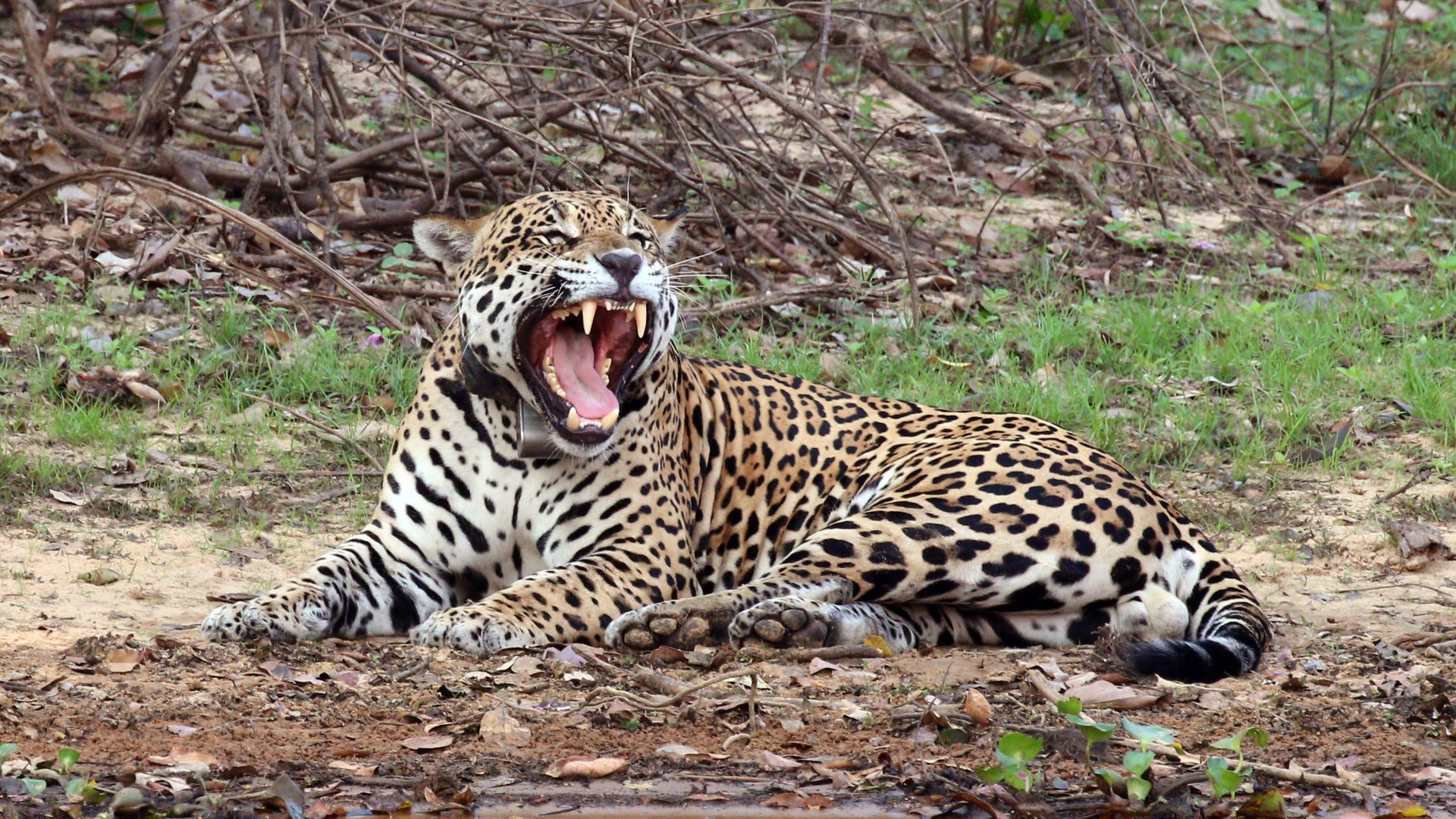
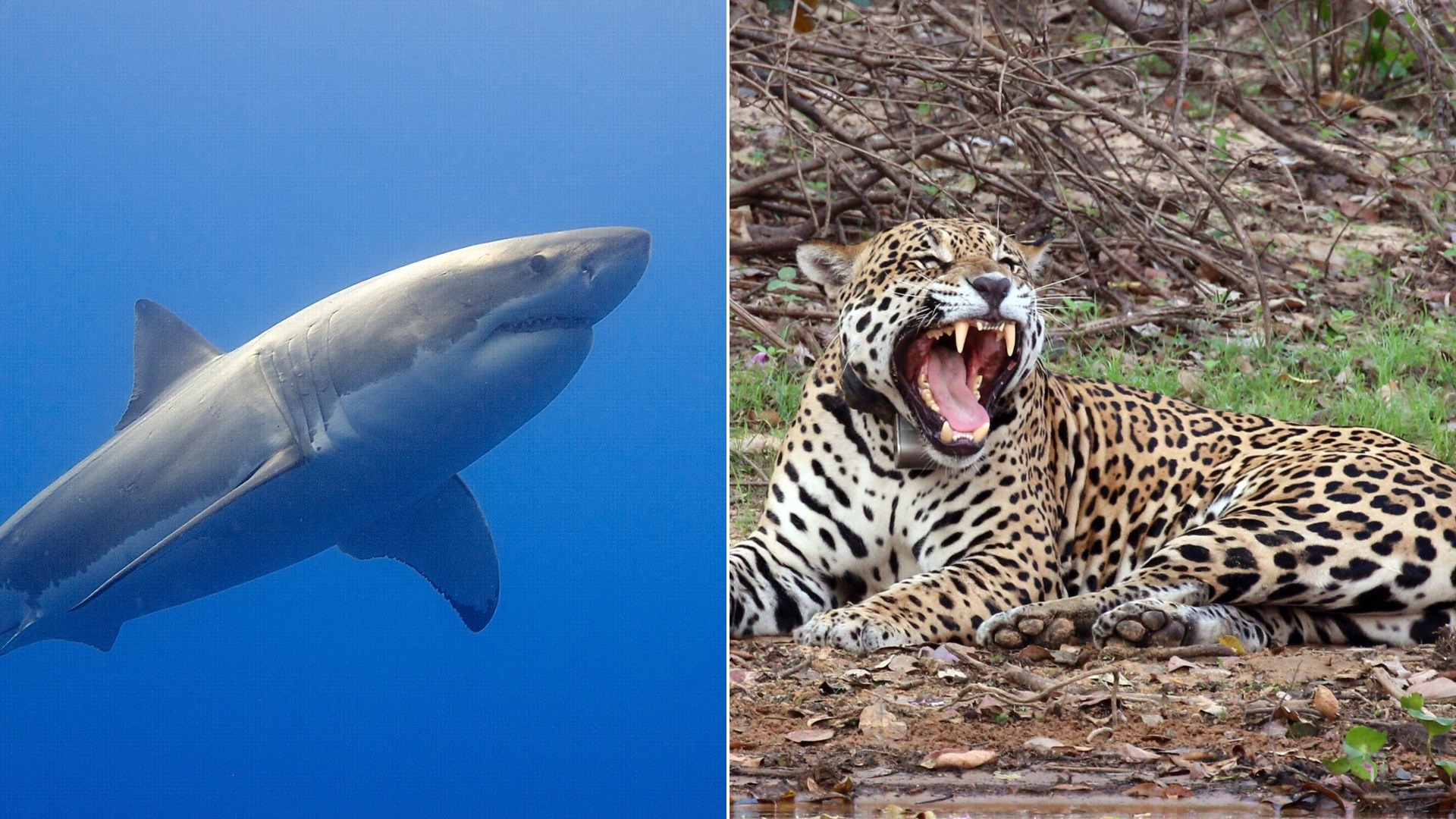
7. Jaguar: 1,500 PSI 
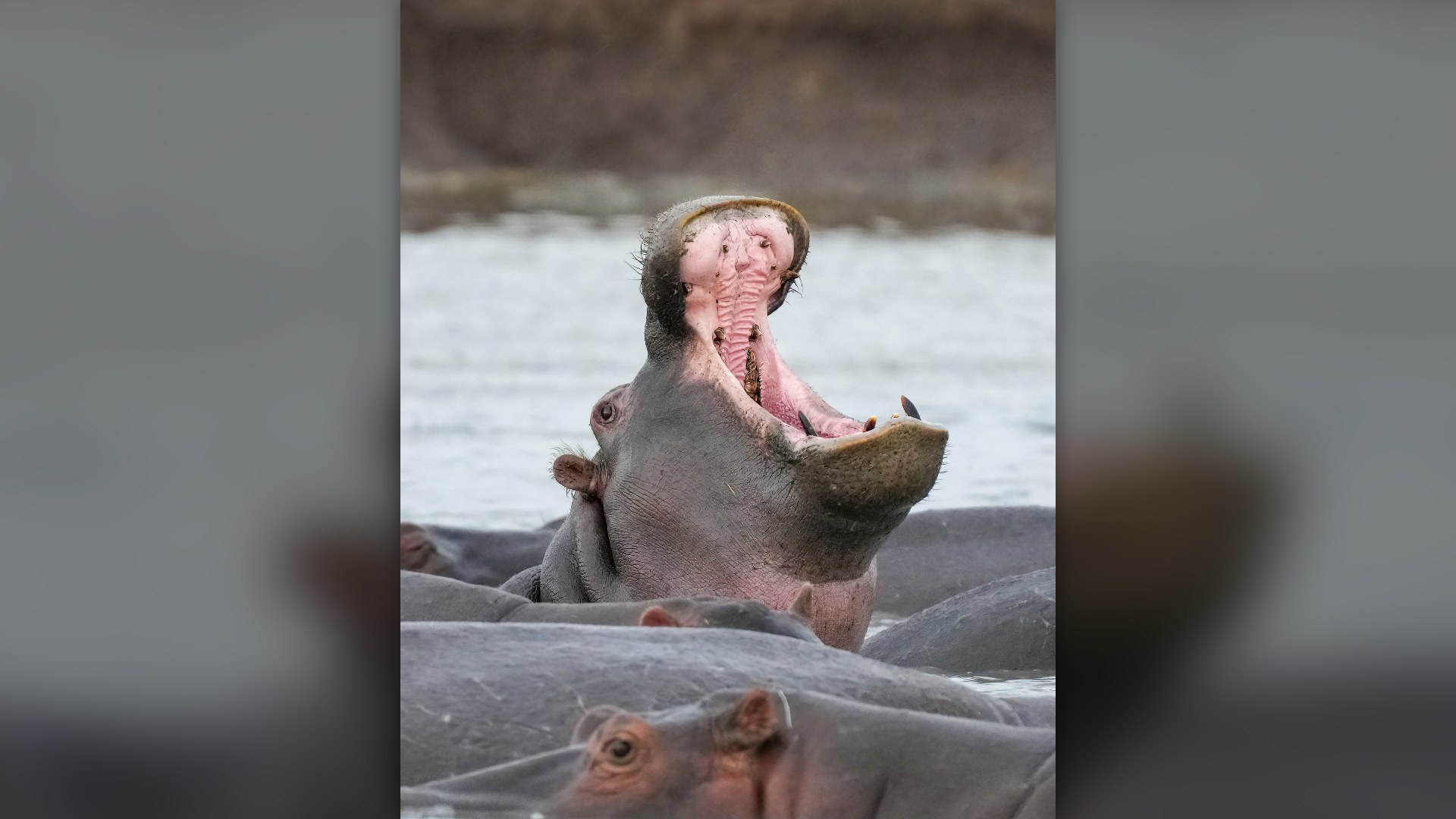
6. Hippopotamus: 1,820 PSI 
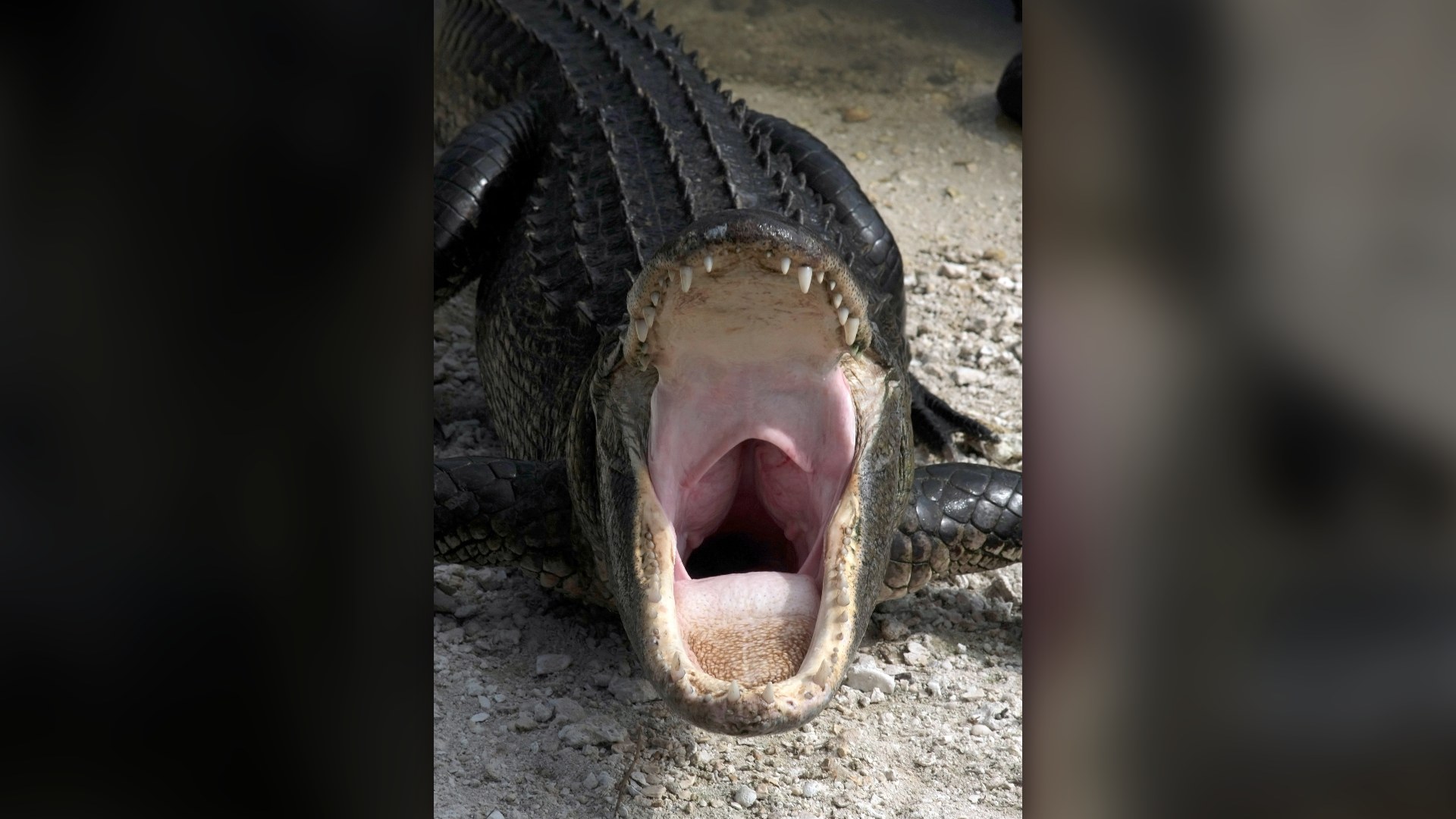
5. American Alligator: 2,125 PSI - AdvertisementSwipe or tap ▶ to continue countdown

4. Black Caiman: 2,900 PSI 
3. Saltwater Crocodile: 3,700 PSI Lab Record 
2. Great White Shark: 4,000 PSI Modeled 
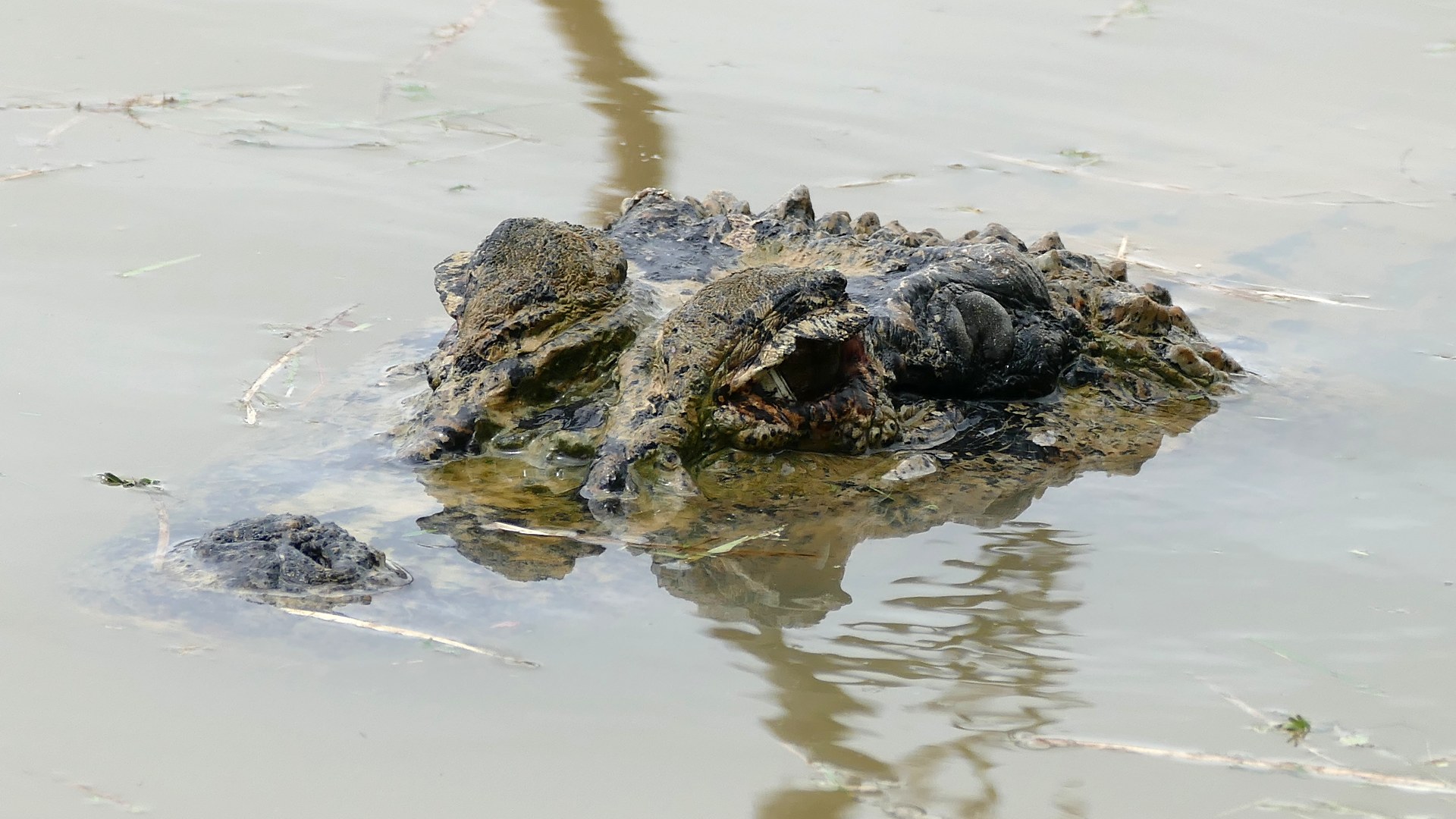
1. Nile Crocodile: Up To 5,000 PSI Estimated - Advertisement🔥 UP NEXT IN THIS SERIES◫ 22 Slides

How Long Do Hippos Live? 20 Other Facts About Hippos
From sixty-year lifespans to whale cousins, discover secrets of river giants
An average human bite generates around 160 pounds per square inch (PSI) of pressure, barely enough to crack a hard nut. Across the wild kingdom, mammalian and reptilian jaws reach thousands of PSI. Here are the 15 animals with the strongest bites on Earth, ranked from #15 down to #1.
Swipe or tap ▶ to begin the countdown
©Wikimedia / Elias Levy & Wikimedia / Charles J. Sharp
15. Gray Wolf: 400 PSI
While large domestic dogs typically bite with 200 to 240 PSI, a wild gray wolf clamps down at roughly 400 PSI. Oversized carnassial molars and dense temporalis muscles allow hunting packs to crack open the thick femurs of moose, bison, and caribou to reach nutrient-rich bone marrow.
©Wikimedia / Gary Kramer
14. African Lion: 650 PSI
Despite its reputation as the king of beasts, an adult African lion produces around 650 PSI, roughly comparable to a large English mastiff. Because lions hunt in coordinated prides, they do not need bone-shattering solo jaws, instead using four-inch canines to clamp a prey animal's windpipe.
©Wikimedia / Charles J. Sharp
13. Siberian And Bengal Tiger: 1,050 PSI
Weighing up to 660 pounds, Siberian and Bengal tigers hunt entirely alone and must incapacitate water buffalo, guar, and wild boar before the quarry can fight back. Their broad skulls and deep zygomatic arches generate 1,050 PSI, driving three-inch fangs straight through neck vertebrae.
©Wikimedia / Dave Pape
Advertisement
Swipe or tap ▶ to resume the countdown.
12. Spotted Hyena: 1,100 PSI
Spotted hyenas possess vaulted skulls and specialized conical premolars engineered specifically for crushing bone rather than slicing meat. Exerting 1,100 PSI of force, a clan of hyenas can consume an entire zebra skeleton, hooves, and horns in under thirty minutes, digesting calcium whole.
©Wikimedia / Diego Delso
11. Grizzly Bear: 1,160 PSI
North American grizzly bears combine massive neck leverage with heavy molar plates capable of generating 1,160 PSI. Whether snapping the spines of elk calves in Yellowstone or cracking through tough fibrous roots and frozen carcasses after hibernation, their bite is unmatched inland.
©Wikimedia / Gregory Smith
10. Polar Bear: 1,200 PSI
As the largest land carnivore on Earth, the polar bear evolved longer, sharper canines and wider carnassial shearing teeth than its brown bear relatives. Generating 1,200 PSI, an adult male can snatch a 400-pound bearded seal directly out of a breathing hole and crush its skull instantly.
©Wikimedia / Arturo de Frias Marques
9. Western Lowland Silverback Gorilla: 1,300 PSI
You do not need to be a predator to rank among nature's strongest biters. A 400-pound silverback gorilla has a prominent bony ridge called a sagittal crest atop its skull, anchoring immense jaw muscles that deliver 1,300 PSI to chew through tough tree bark, fibrous shoots, and wild celery.
©Wikimedia / Pbernd0910
Advertisement
Swipe or tap ▶ to resume the countdown.
8. Bull Shark: 1,350 PSI
When marine biologists led by Dr. Maria Habegger modeled shark jaw mechanics, the bull shark emerged with the highest pound-for-pound bite force of any tested shark at roughly 1,350 PSI in its rear jaws. That extra clamping power helps it hold onto struggling prey in murky coastal rivers.
©Wikimedia / Joao D'Andretta
7. Jaguar: 1,500 PSI
While lions and tigers suffocate prey by clamping the throat, the South American jaguar uses a unique execution method among big cats. Its stocky, short-muzzled skull delivers 1,500 PSI, allowing it to drive its canines straight through the thick bony skulls of capybaras and river caimans.
©Wikimedia / Charles J. Sharp
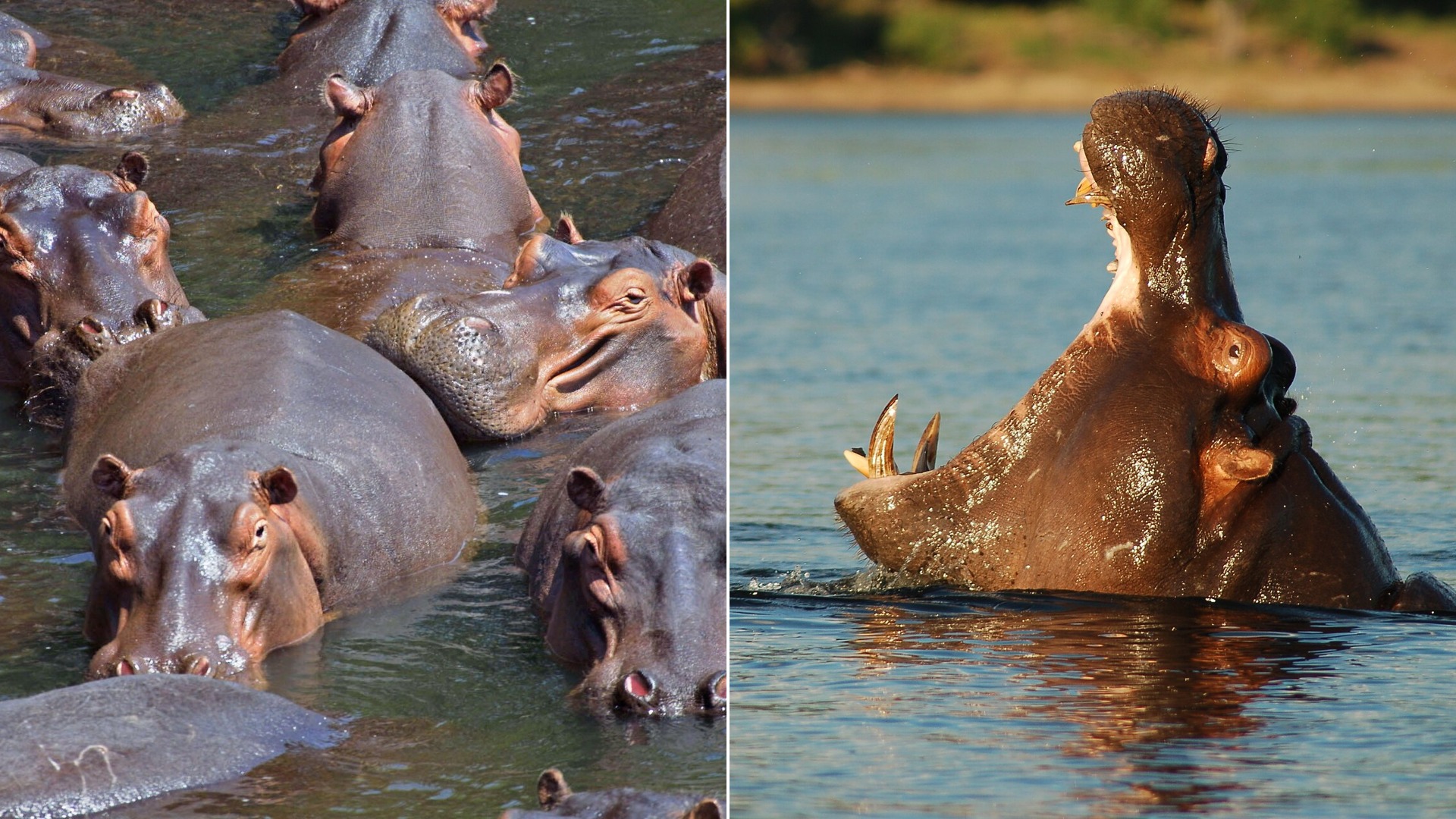
6. Hippopotamus: 1,820 PSI
Do not be fooled by its herbivorous diet of river grass. Armed with self-sharpening 20-inch lower canine tusks and a jaw hinge that opens nearly 180 degrees, an adult female hippopotamus was measured at 1,820 PSI, while aggressive territorial bulls are estimated to exceed 2,000 PSI easily.
©Wikimedia / Giles Laurent
5. American Alligator: 2,125 PSI
In landmark biomechanical tests at Florida State University, paleobiologist Dr. Gregory Erickson measured an adult American alligator biting down at 2,125 PSI, with subsequent studies scaling large bulls near 2,980 PSI. That force effortlessly shatters armored snapping turtle shells.
©Wikimedia / Ianare Sevi
Advertisement
Swipe or tap ▶ to resume the countdown.
4. Black Caiman: 2,900 PSI
As the largest member of the alligator family, the nocturnal black caiman rules the flooded forests and oxbow lakes of the Amazon Basin. Scaling up to 16 feet in length, mature adults generate an estimated 2,900 PSI to crush armored river catfish, giant river turtles, and anacondas.
©Wikimedia / Bernard Dupont
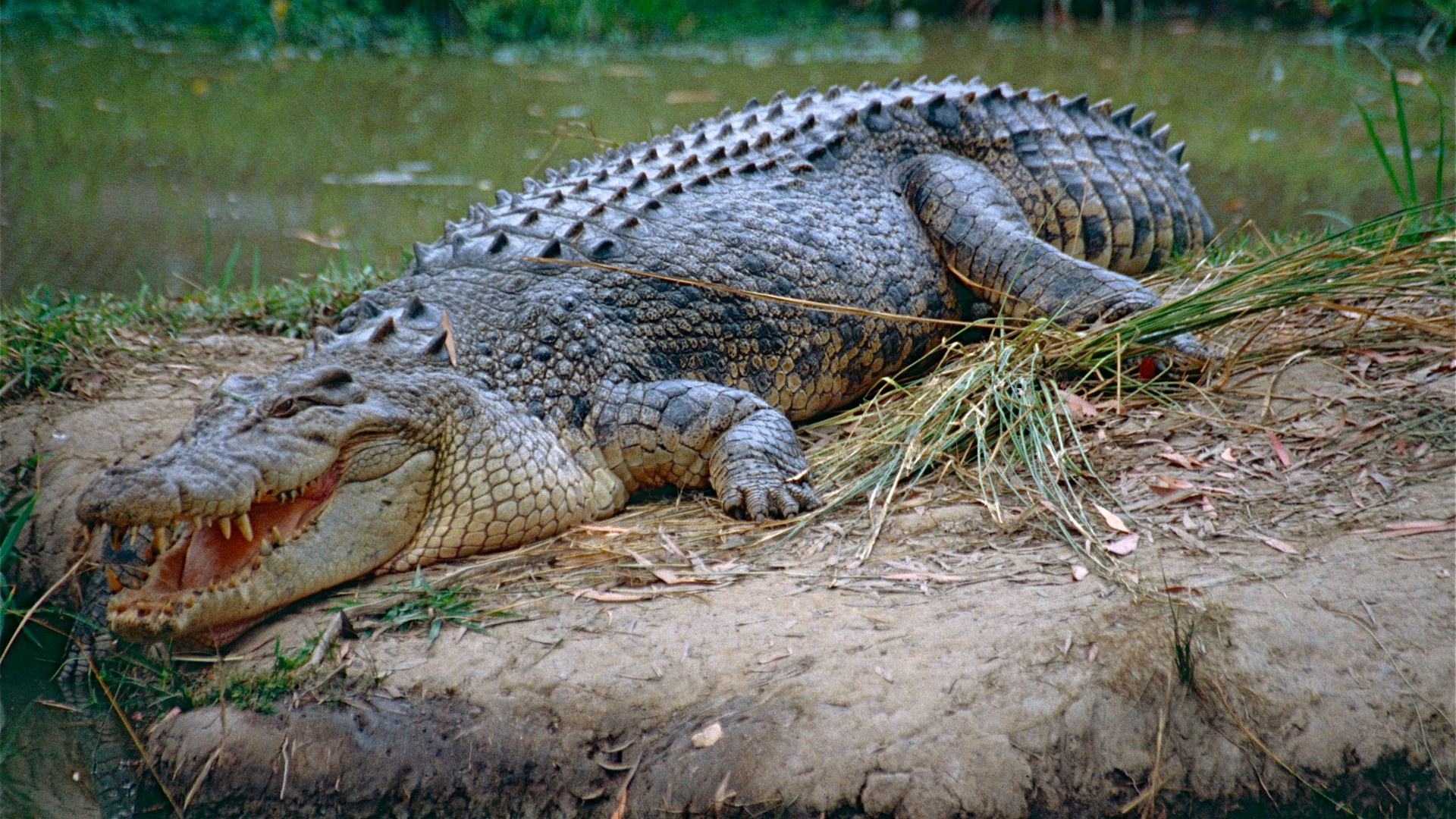
3. Saltwater Crocodile: 3,700 PSI Lab Record
When Dr. Gregory Erickson's team tested all 23 living crocodilian species with a calibrated bite transducer, a 17-foot saltwater crocodile set the verified laboratory record at 3,700 PSI. Biologists note that 20-foot wild patriarchs in northern Australia could exceed 7,000 PSI in the wild.
©Wikimedia / Bernard Dupont
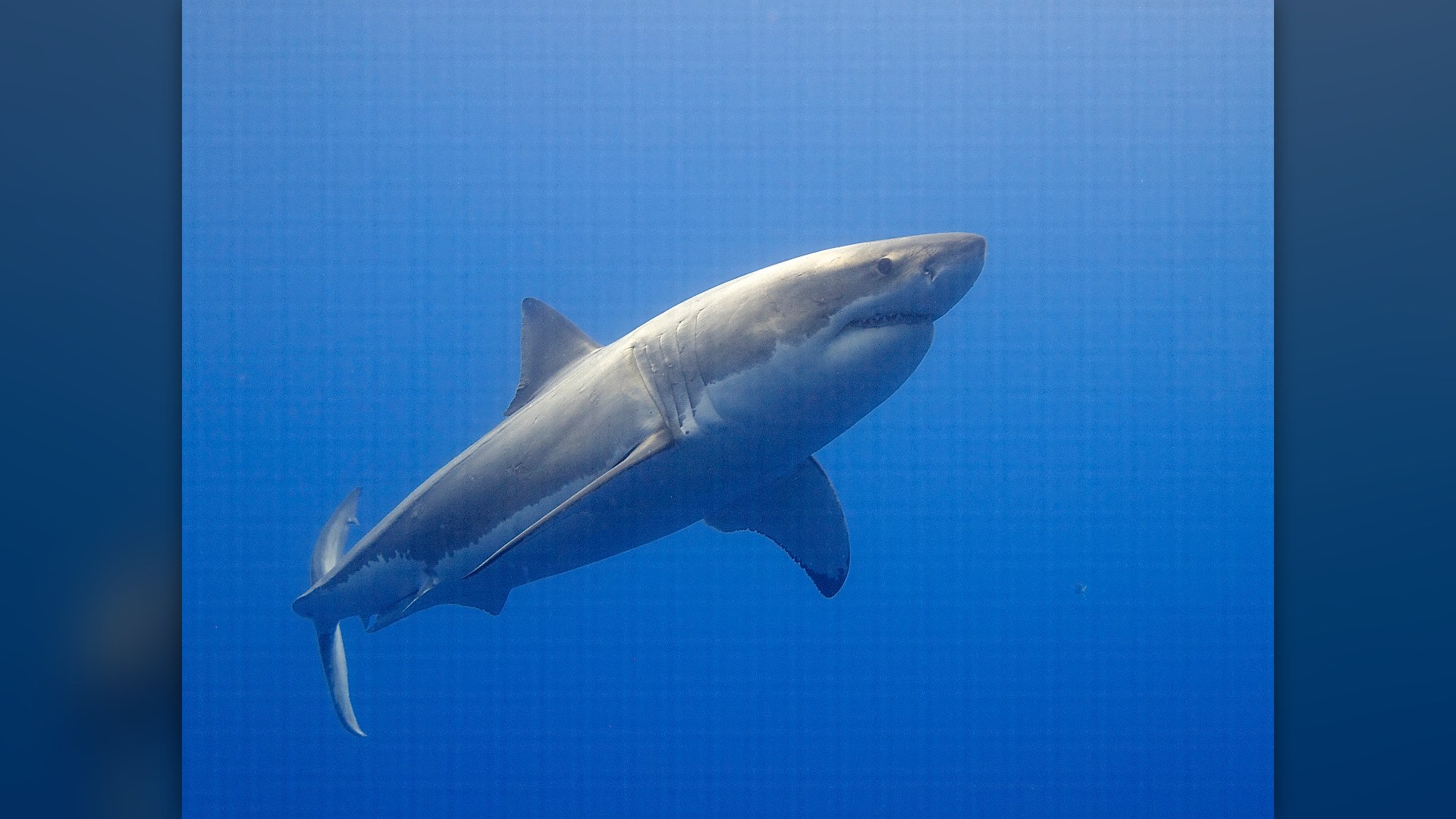
2. Great White Shark: 4,000 PSI Modeled
Because coaxing a full-grown great white shark to bite a laboratory gauge is nearly impossible, biomechanist Dr. Stephen Wroe used 3D finite-element computer modeling on a 21-foot specimen's skull in 2008. The simulation revealed 4,000 PSI of jaw force backed by 300 serrated triangular teeth.
©Wikimedia / Elias Levy
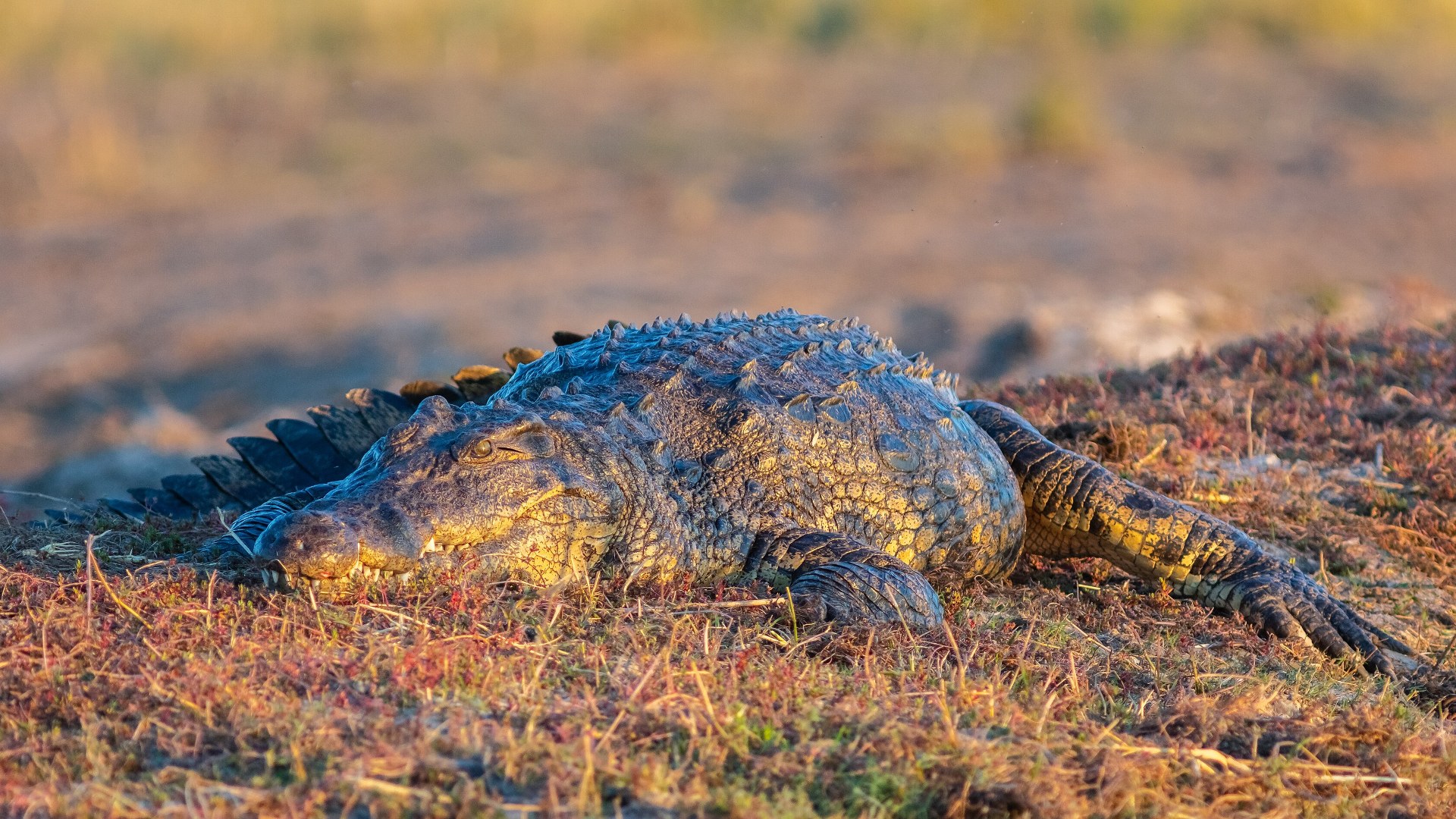
1. Nile Crocodile: Up To 5,000 PSI Estimated
Built to drag 1,500-pound wildebeest and Cape buffalo beneath African river currents, the Nile crocodile possesses heavily ossified skull bones and massive pterygoid jaw muscles. Field tests by National Geographic and size-scaled estimates for giant Nile bulls reach up to 5,000 PSI.

©Wikimedia / Diego Delso
Advertisement
You've reached the end of the story. Thanks for reading!

How Long Do Hippos Live? 20 Other Facts About Hippos
From sixty-year lifespans to whale cousins, discover secrets of river giants
All 15 Entries in this Story
#15 Gray Wolf: 400 PSI
While large domestic dogs typically bite with 200 to 240 PSI, a wild gray wolf clamps down at roughly 400 PSI. Oversized carnassial molars and dense temporalis muscles allow hunting packs to crack open the thick femurs of moose, bison, and caribou to reach nutrient-rich bone marrow.

#14 African Lion: 650 PSI
Despite its reputation as the king of beasts, an adult African lion produces around 650 PSI, roughly comparable to a large English mastiff. Because lions hunt in coordinated prides, they do not need bone-shattering solo jaws, instead using four-inch canines to clamp a prey animal's windpipe.

#13 Siberian And Bengal Tiger: 1,050 PSI
Weighing up to 660 pounds, Siberian and Bengal tigers hunt entirely alone and must incapacitate water buffalo, guar, and wild boar before the quarry can fight back. Their broad skulls and deep zygomatic arches generate 1,050 PSI, driving three-inch fangs straight through neck vertebrae.

#12 Spotted Hyena: 1,100 PSI
Spotted hyenas possess vaulted skulls and specialized conical premolars engineered specifically for crushing bone rather than slicing meat. Exerting 1,100 PSI of force, a clan of hyenas can consume an entire zebra skeleton, hooves, and horns in under thirty minutes, digesting calcium whole.

#11 Grizzly Bear: 1,160 PSI
North American grizzly bears combine massive neck leverage with heavy molar plates capable of generating 1,160 PSI. Whether snapping the spines of elk calves in Yellowstone or cracking through tough fibrous roots and frozen carcasses after hibernation, their bite is unmatched inland.

#10 Polar Bear: 1,200 PSI
As the largest land carnivore on Earth, the polar bear evolved longer, sharper canines and wider carnassial shearing teeth than its brown bear relatives. Generating 1,200 PSI, an adult male can snatch a 400-pound bearded seal directly out of a breathing hole and crush its skull instantly.

#9 Western Lowland Silverback Gorilla: 1,300 PSI
You do not need to be a predator to rank among nature's strongest biters. A 400-pound silverback gorilla has a prominent bony ridge called a sagittal crest atop its skull, anchoring immense jaw muscles that deliver 1,300 PSI to chew through tough tree bark, fibrous shoots, and wild celery.

#8 Bull Shark: 1,350 PSI
When marine biologists led by Dr. Maria Habegger modeled shark jaw mechanics, the bull shark emerged with the highest pound-for-pound bite force of any tested shark at roughly 1,350 PSI in its rear jaws. That extra clamping power helps it hold onto struggling prey in murky coastal rivers.

#7 Jaguar: 1,500 PSI
While lions and tigers suffocate prey by clamping the throat, the South American jaguar uses a unique execution method among big cats. Its stocky, short-muzzled skull delivers 1,500 PSI, allowing it to drive its canines straight through the thick bony skulls of capybaras and river caimans.

#6 Hippopotamus: 1,820 PSI
Do not be fooled by its herbivorous diet of river grass. Armed with self-sharpening 20-inch lower canine tusks and a jaw hinge that opens nearly 180 degrees, an adult female hippopotamus was measured at 1,820 PSI, while aggressive territorial bulls are estimated to exceed 2,000 PSI easily.

#5 American Alligator: 2,125 PSI
In landmark biomechanical tests at Florida State University, paleobiologist Dr. Gregory Erickson measured an adult American alligator biting down at 2,125 PSI, with subsequent studies scaling large bulls near 2,980 PSI. That force effortlessly shatters armored snapping turtle shells.

#4 Black Caiman: 2,900 PSI
As the largest member of the alligator family, the nocturnal black caiman rules the flooded forests and oxbow lakes of the Amazon Basin. Scaling up to 16 feet in length, mature adults generate an estimated 2,900 PSI to crush armored river catfish, giant river turtles, and anacondas.

#3 Saltwater Crocodile: 3,700 PSI Lab Record
When Dr. Gregory Erickson's team tested all 23 living crocodilian species with a calibrated bite transducer, a 17-foot saltwater crocodile set the verified laboratory record at 3,700 PSI. Biologists note that 20-foot wild patriarchs in northern Australia could exceed 7,000 PSI in the wild.

#2 Great White Shark: 4,000 PSI Modeled
Because coaxing a full-grown great white shark to bite a laboratory gauge is nearly impossible, biomechanist Dr. Stephen Wroe used 3D finite-element computer modeling on a 21-foot specimen's skull in 2008. The simulation revealed 4,000 PSI of jaw force backed by 300 serrated triangular teeth.

#1 Nile Crocodile: Up To 5,000 PSI Estimated
Built to drag 1,500-pound wildebeest and Cape buffalo beneath African river currents, the Nile crocodile possesses heavily ossified skull bones and massive pterygoid jaw muscles. Field tests by National Geographic and size-scaled estimates for giant Nile bulls reach up to 5,000 PSI.