Slideshow · Viral
The 15 Deepest Lakes in the World, Ranked
From volcanic calderas in Oregon and glacial fjords in Norway to tectonic trenches plunging over a mile down in Siberia, these are Earth's 15 deepest lakes.
By Most Viral Today
29 Oct 2026

The 15 Deepest Lakes in the World, Ranked 
15. Lake Tahoe 
14. Sarez Lake 
13. Lake Toba - AdvertisementSwipe or tap ▶ to continue countdown

12. Quesnel Lake 
11. Hornindalsvatnet 
10. General Carrera Lake 
9. Lake Matano - AdvertisementSwipe or tap ▶ to continue countdown

8. Crater Lake 
7. Great Slave Lake 
6. Issyk-Kul 
5. Lake Malawi - AdvertisementSwipe or tap ▶ to continue countdown

4. O'Higgins-San Martin Lake 
3. Caspian Sea 
2. Lake Tanganyika 
1. Lake Baikal - Advertisement🔥 UP NEXT IN THIS SERIES◫ 21 Slides

20 Iconic Historical Photos and the Archive Clues Behind Them
Contact sheets, cracked glass plates, and NASA mission logs preserve the hidden steps behind 20 famous photographs. Drawing on records from the Library of Congress, the National Archives, NASA, and the Smithsonian, this countdown traces how cropping, camera setups, and double exposures shaped each frame.
Most lakes on Earth are shallow basins carved by retreating ice sheets. However, a small group sit inside collapsed supervolcanoes, glacier-gouged fjords, and active continental rift valleys. Ranked from number 15 to number 1 by maximum verified depth, these are the 15 deepest open-water lakes in the world.
Swipe or tap ▶ to begin the countdown
©Wikimedia / Vyacheslav Argenberg
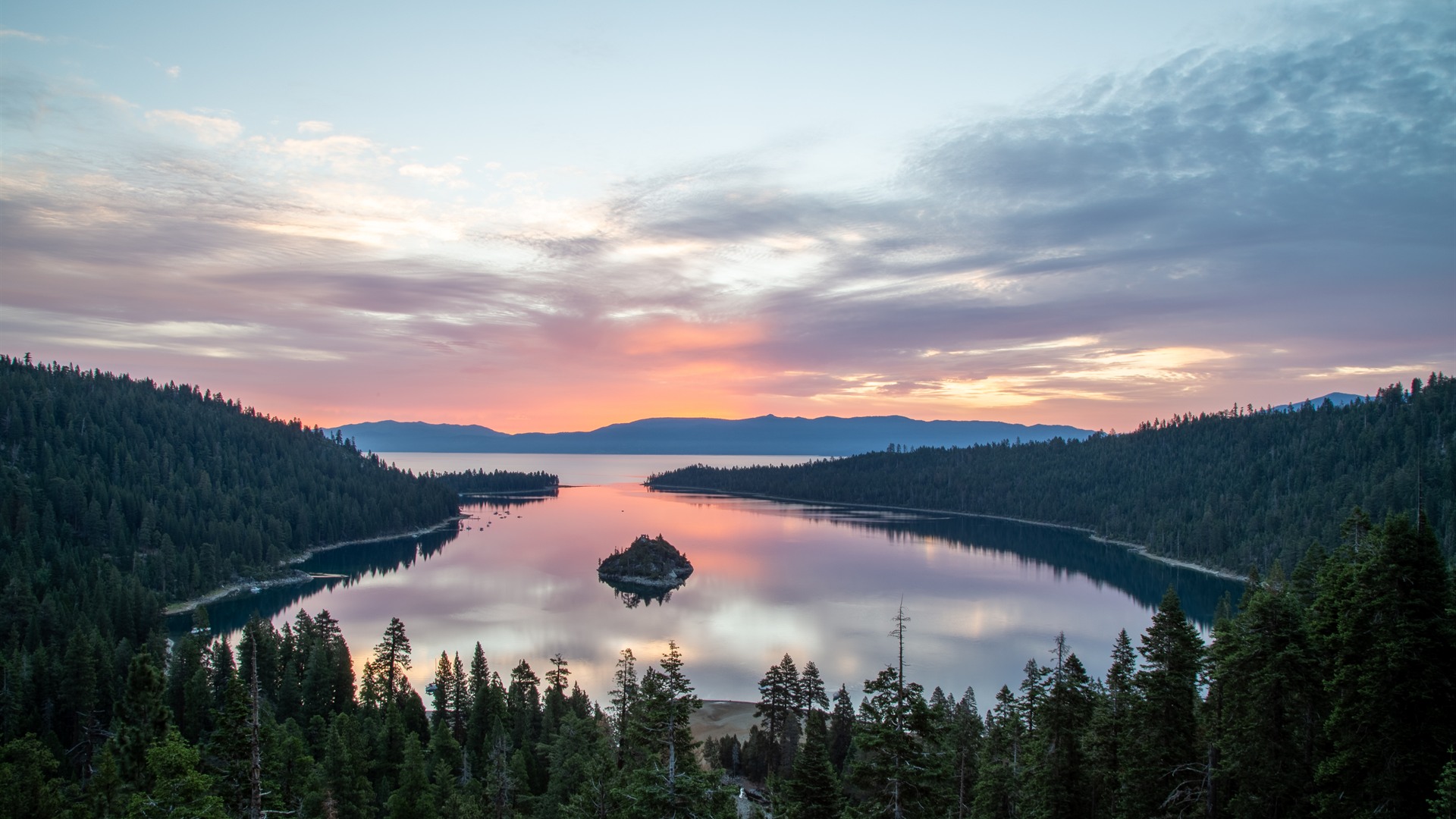
15. Lake Tahoe
Straddling California and Nevada at 6,225 feet elevation, Lake Tahoe occupies a fault basin formed two million years ago. Snowmelt fills the trench to a maximum depth of 1,644 feet (501 meters), making it the second-deepest lake in the United States. Its 39 trillion gallons remain visible over 70 feet down.
©Wikimedia / Eric Philbin
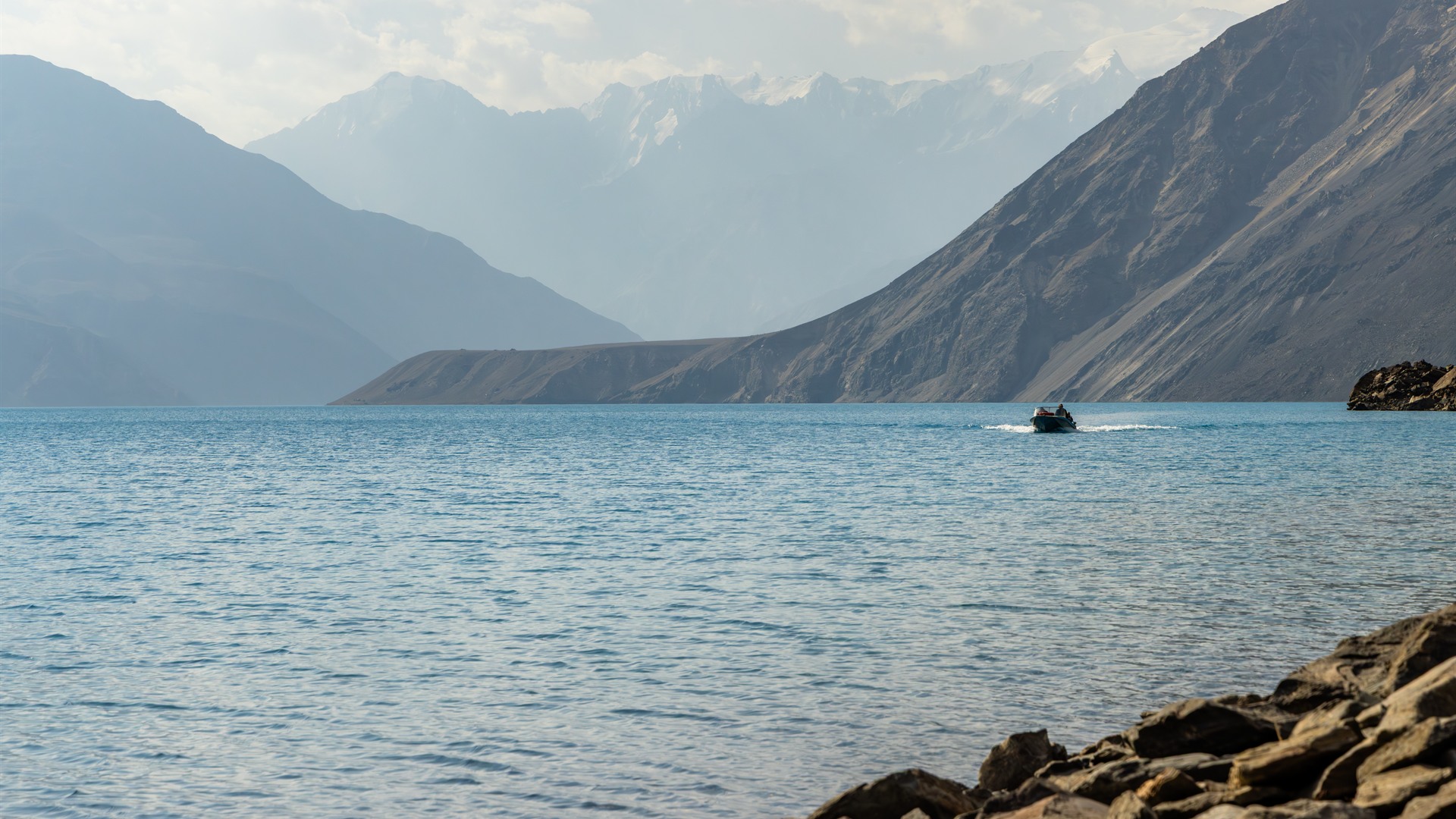
14. Sarez Lake
Sarez Lake in Tajikistan formed in February 1911 when a magnitude 7.4 earthquake triggered a massive landslide across the Murghab River. The fallen rock built the 1,860-foot Usoi Dam, backing up a 37-mile-long alpine reservoir that plunges 1,657 feet (505 meters) deep in the heart of the Pamir Mountains.
©Wikimedia / Marat Nadjibaev
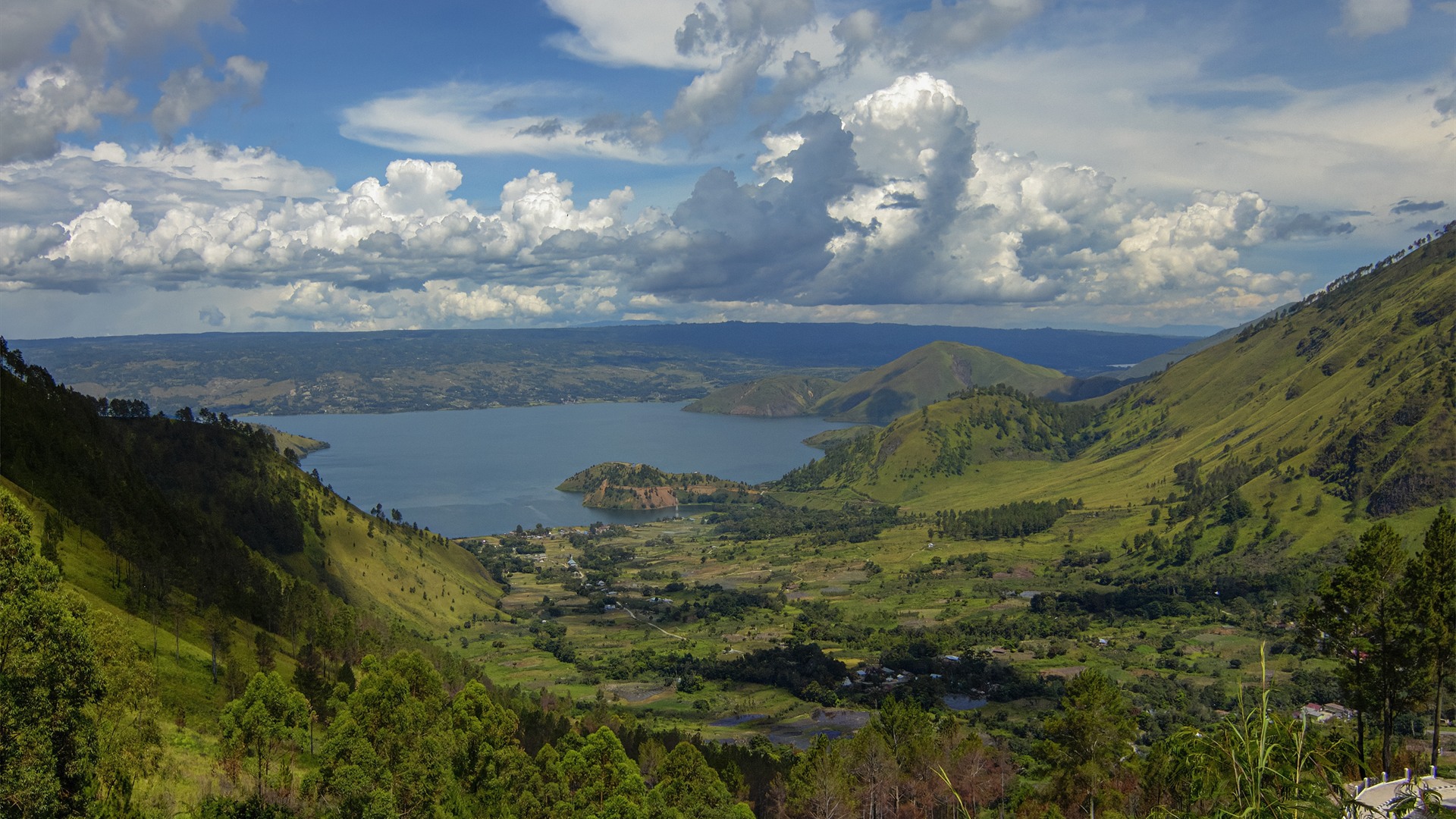
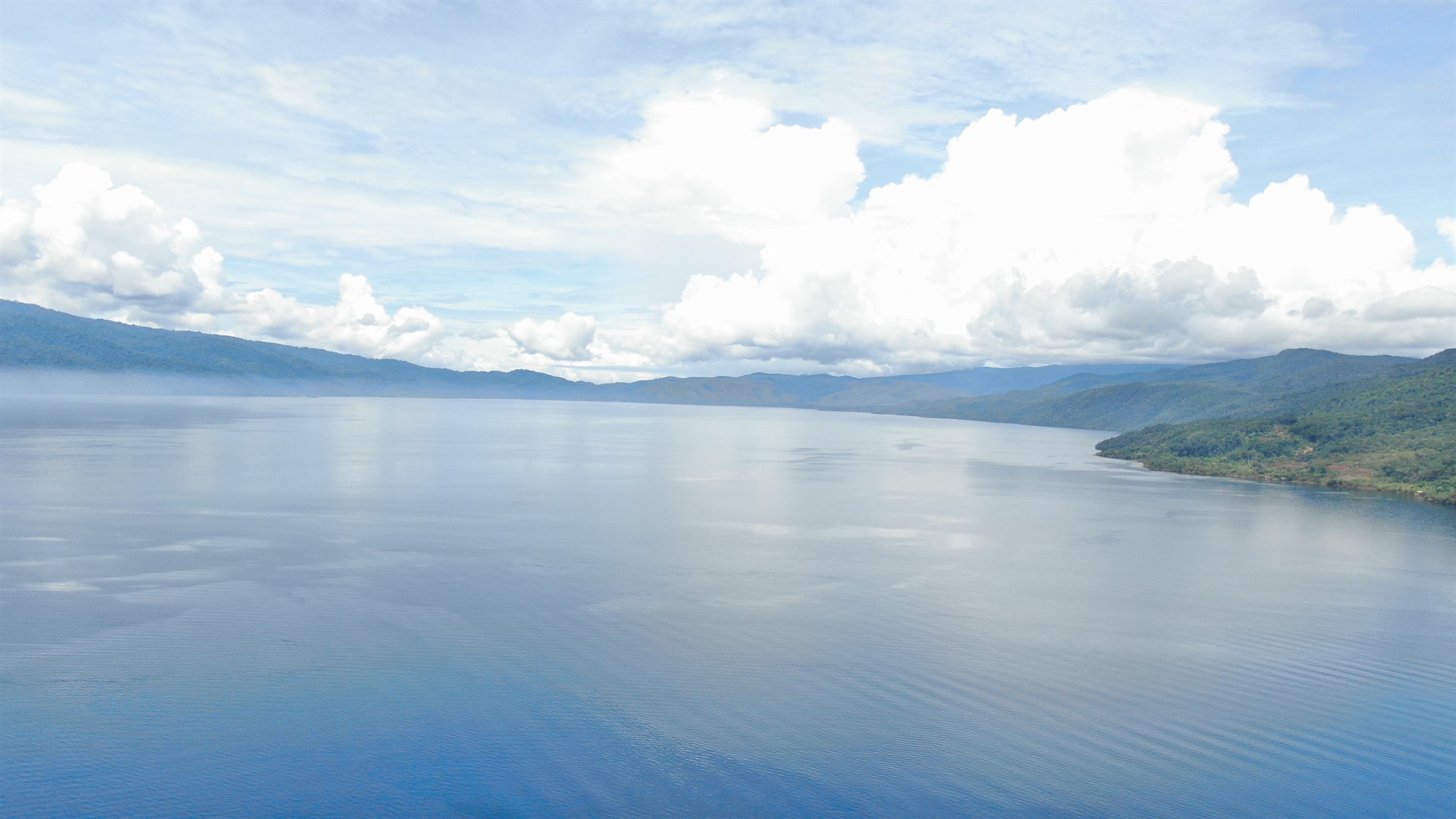
13. Lake Toba
Lake Toba on the Indonesian island of Sumatra is the largest volcanic lake on Earth at 62 miles long. Blasted open 74,000 years ago during a massive VEI 8 supervolcanic eruption, the collapsed magma cauldron filled with rainwater to a maximum depth of 1,657 feet (505 meters) around central Samosir Island.
©Wikimedia / Bisajunisa
Advertisement
Swipe or tap ▶ to resume the countdown.
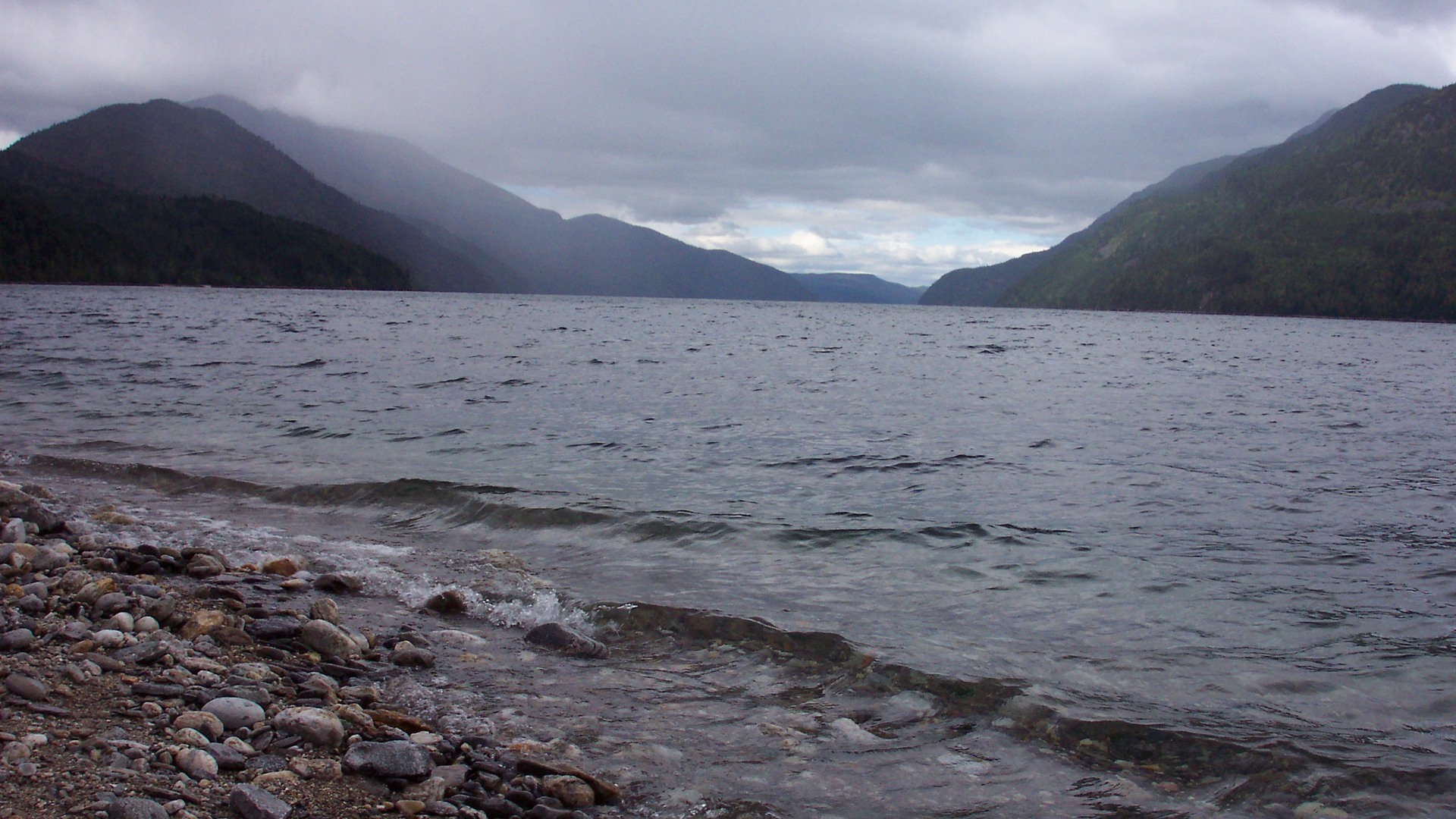
12. Quesnel Lake
Located in the Cariboo Mountains of British Columbia, Canada, Quesnel Lake is a narrow waterway scoured below sea level by Ice Age valley glaciers. Modern sonar surveys show the floor plunges 1,677 feet (511 meters) deep, making Quesnel the deepest glacial fjord lake on Earth and home to trophy trout.
©Wikimedia / Larry Griffith
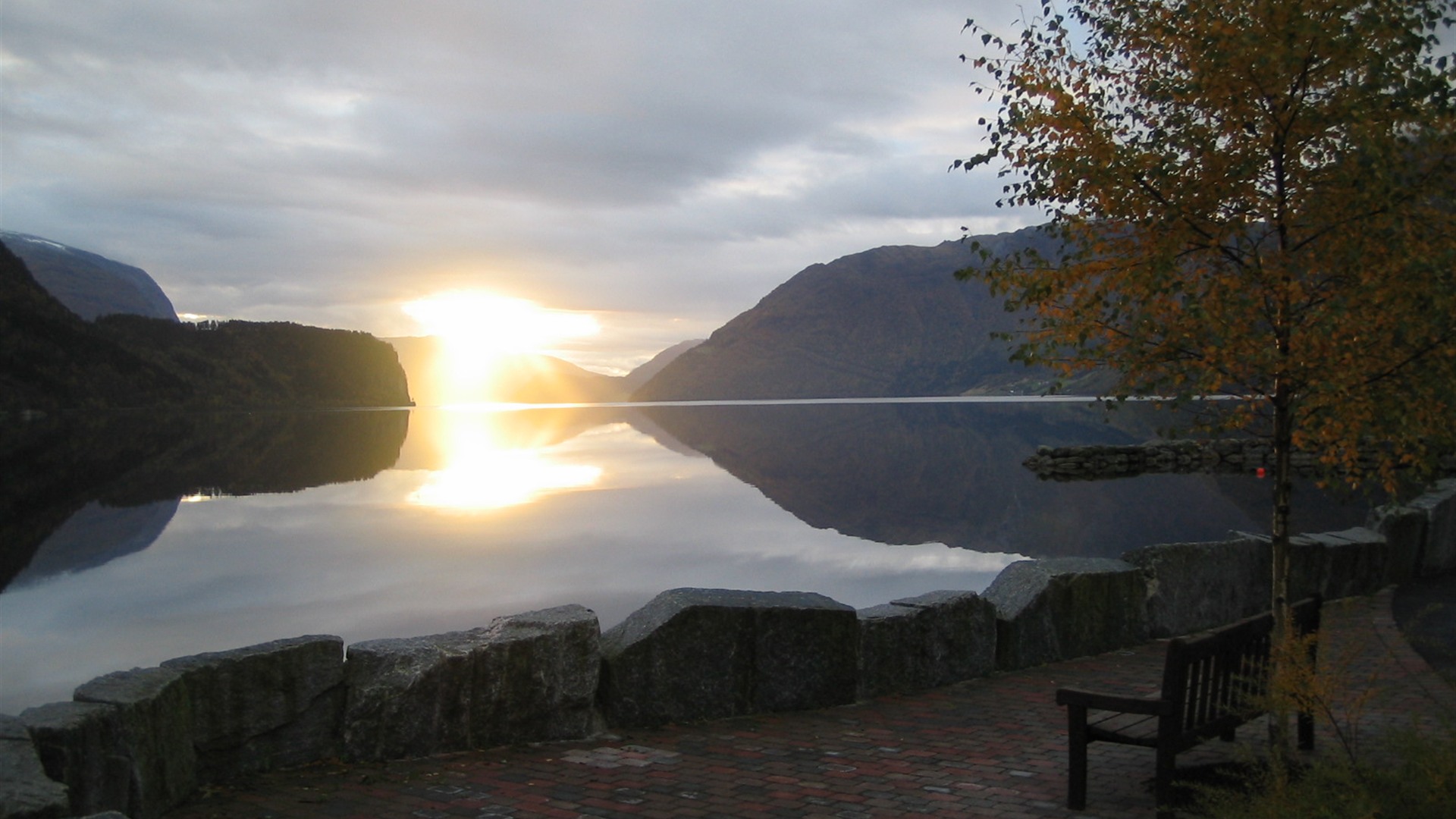
11. Hornindalsvatnet
Hornindalsvatnet in western Norway is the deepest lake in Europe, with a sonar-verified depth of 1,686 feet (514 meters). Although its surface sits 171 feet above sea level, glaciers gouged the bedrock 1,515 feet below the nearby Norwegian Sea. With no glacial silt rivers feeding it, the water stays crystal clear.
©Wikimedia / Andre Gjorven
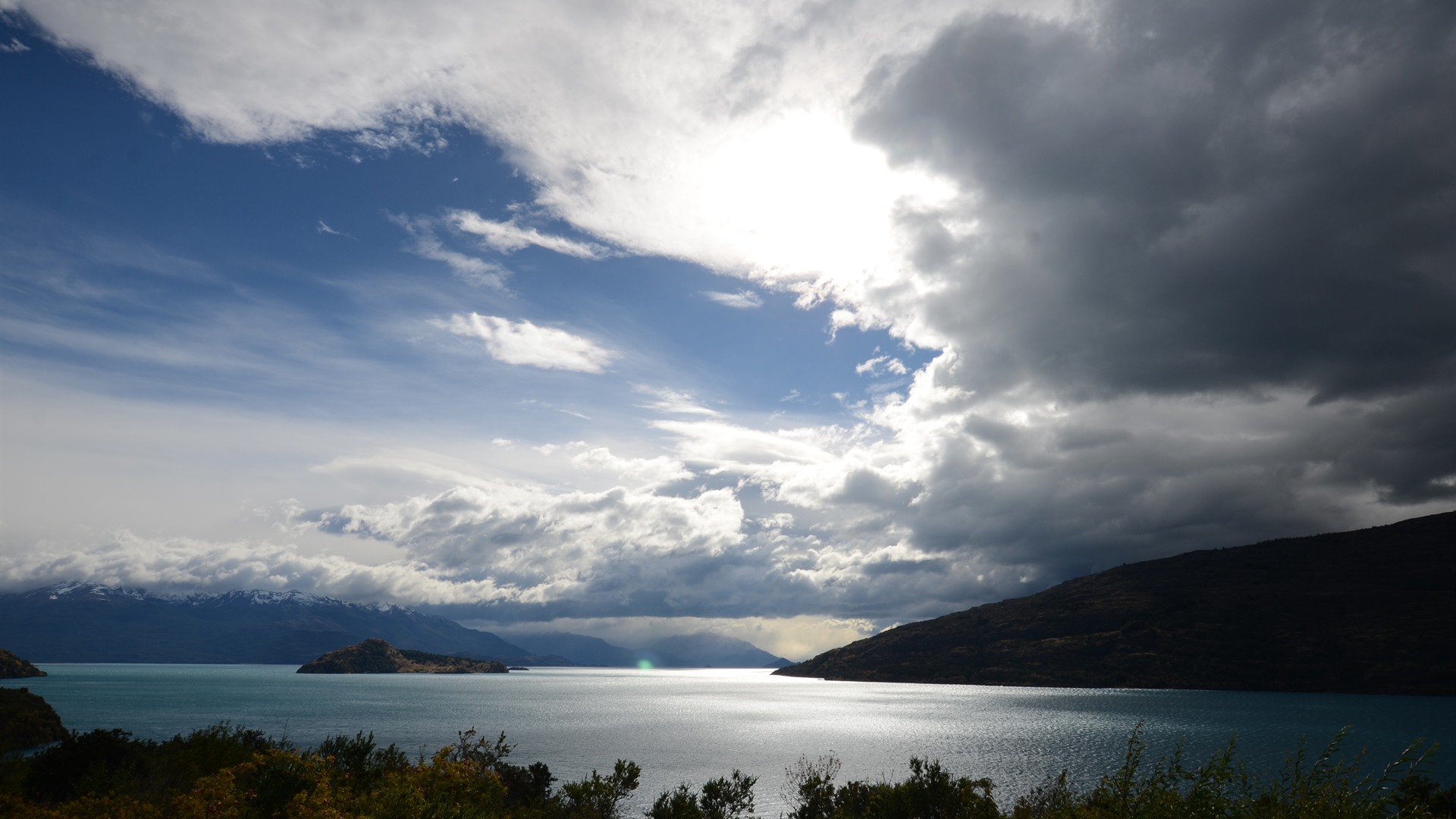
10. General Carrera Lake
Spanning the Patagonian border between Chile and Argentina, this 714-square-mile glacial basin is called General Carrera Lake in Chile and Lake Buenos Aires in Argentina. Its western Andean fjord drops 1,923 feet (586 meters) deep, where turquoise meltwater has sculpted the famous coastal Marble Cathedral.
©Wikimedia / Andreizaaa
9. Lake Matano
Dropping 1,936 feet (590 meters) into a fault trench in South Sulawesi, Lake Matano is the deepest lake in Indonesia and Southeast Asia. Below 330 feet, its warm tropical waters are oxygen-free and rich in dissolved iron, preserving the exact chemical conditions of Earth's oceans two billion years ago.
©Wikimedia / Mjal29
Advertisement
Swipe or tap ▶ to resume the countdown.
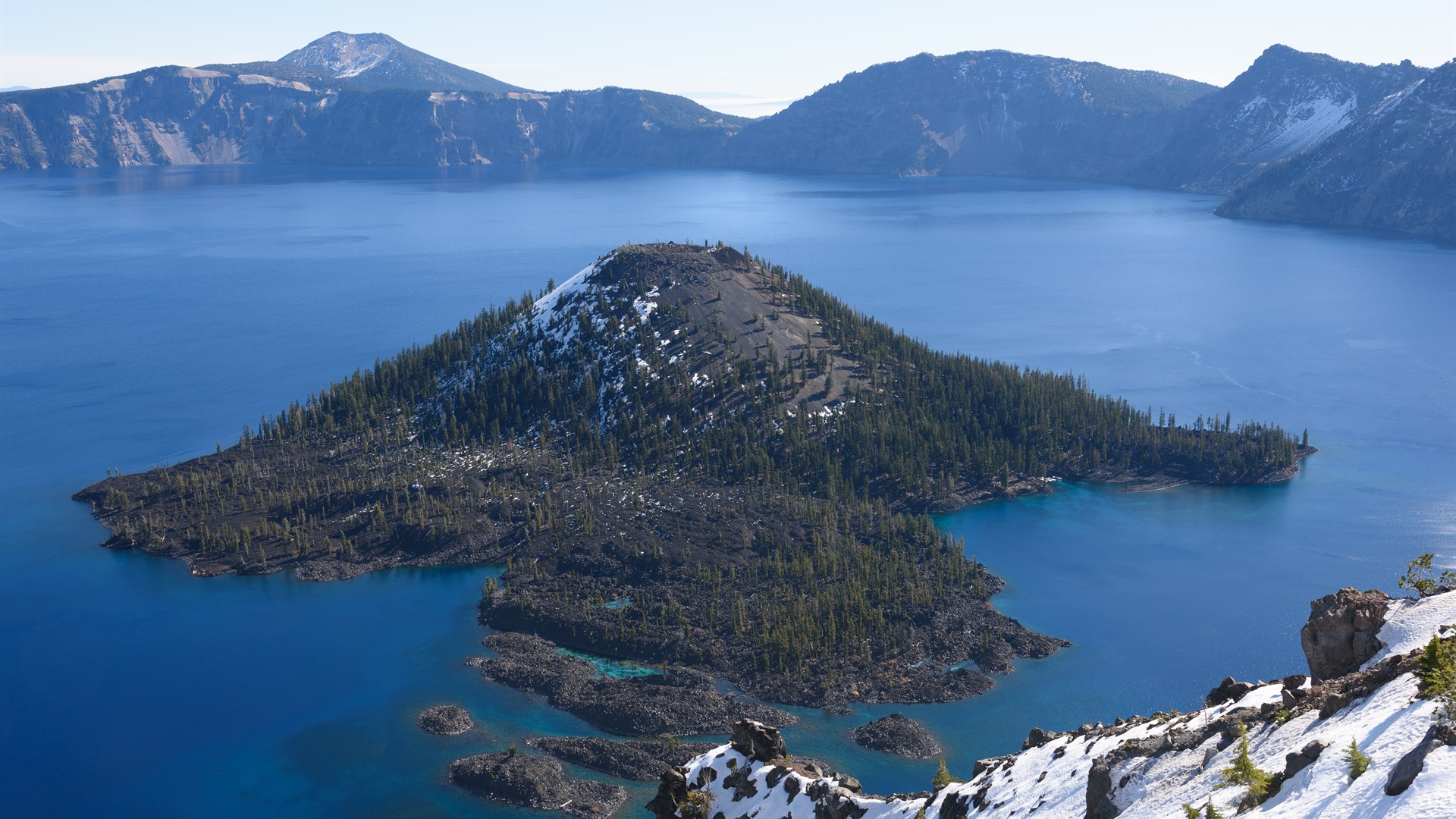
8. Crater Lake
Roughly 7,700 years ago, Oregon's Mount Mazama erupted so violently that its summit caved in, leaving a deep volcanic caldera. Centuries of rain and snow filled the rimmed basin to a maximum depth of 1,949 feet (594 meters), making Crater Lake the deepest lake in the United States, famed for its cobalt water.
©Wikimedia / King of Hearts
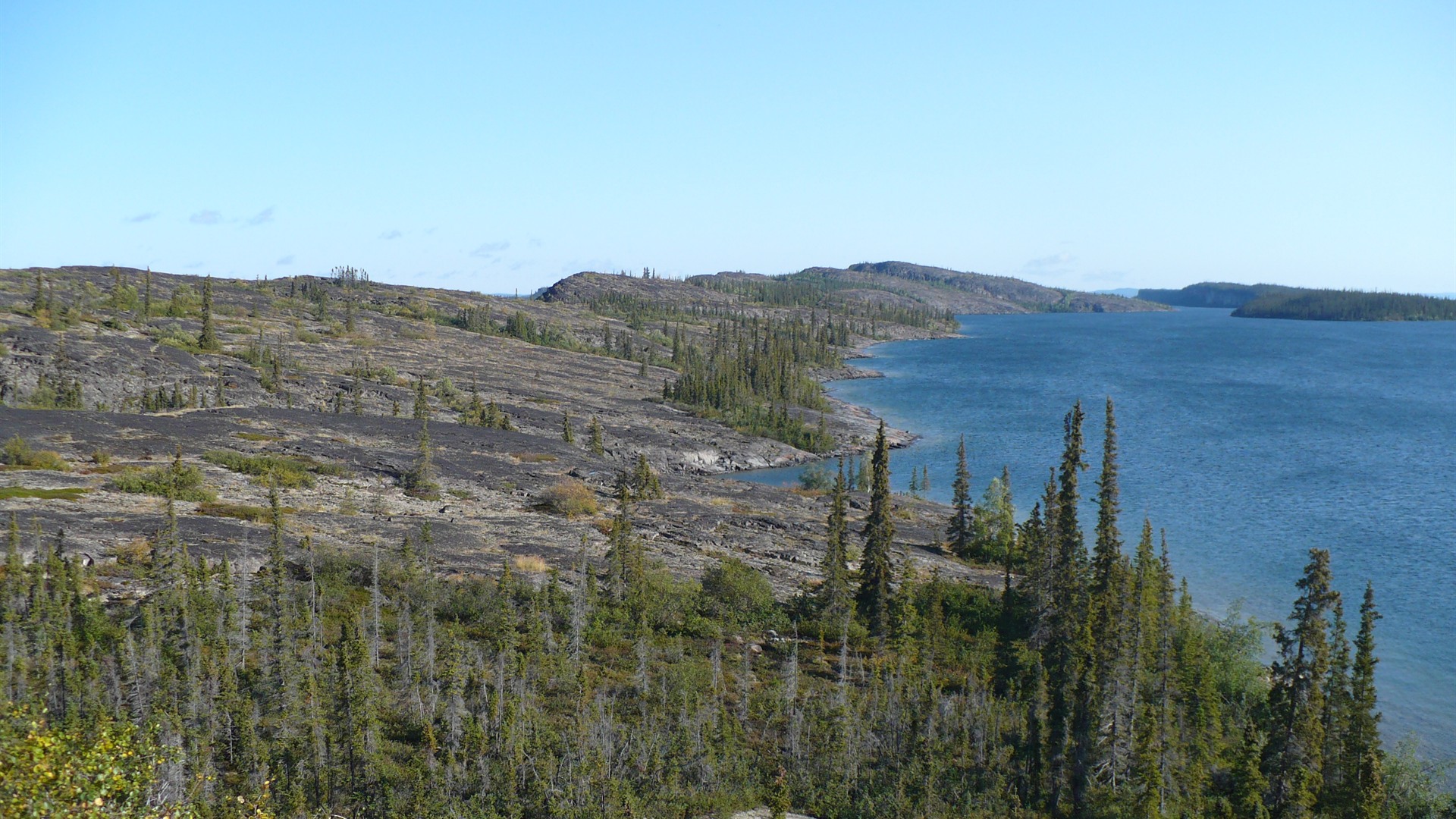
7. Great Slave Lake
Covering 10,500 square miles in Canada's Northwest Territories, Great Slave Lake is the deepest lake in North America. Its East Arm occupies an ancient tectonic rift gouged by ice sheets, plunging 2,015 feet (614 meters) down at Christie Bay. Every winter, its thick ice supports heavy eighteen-wheelers.
©Wikimedia / Paul Gierszewski
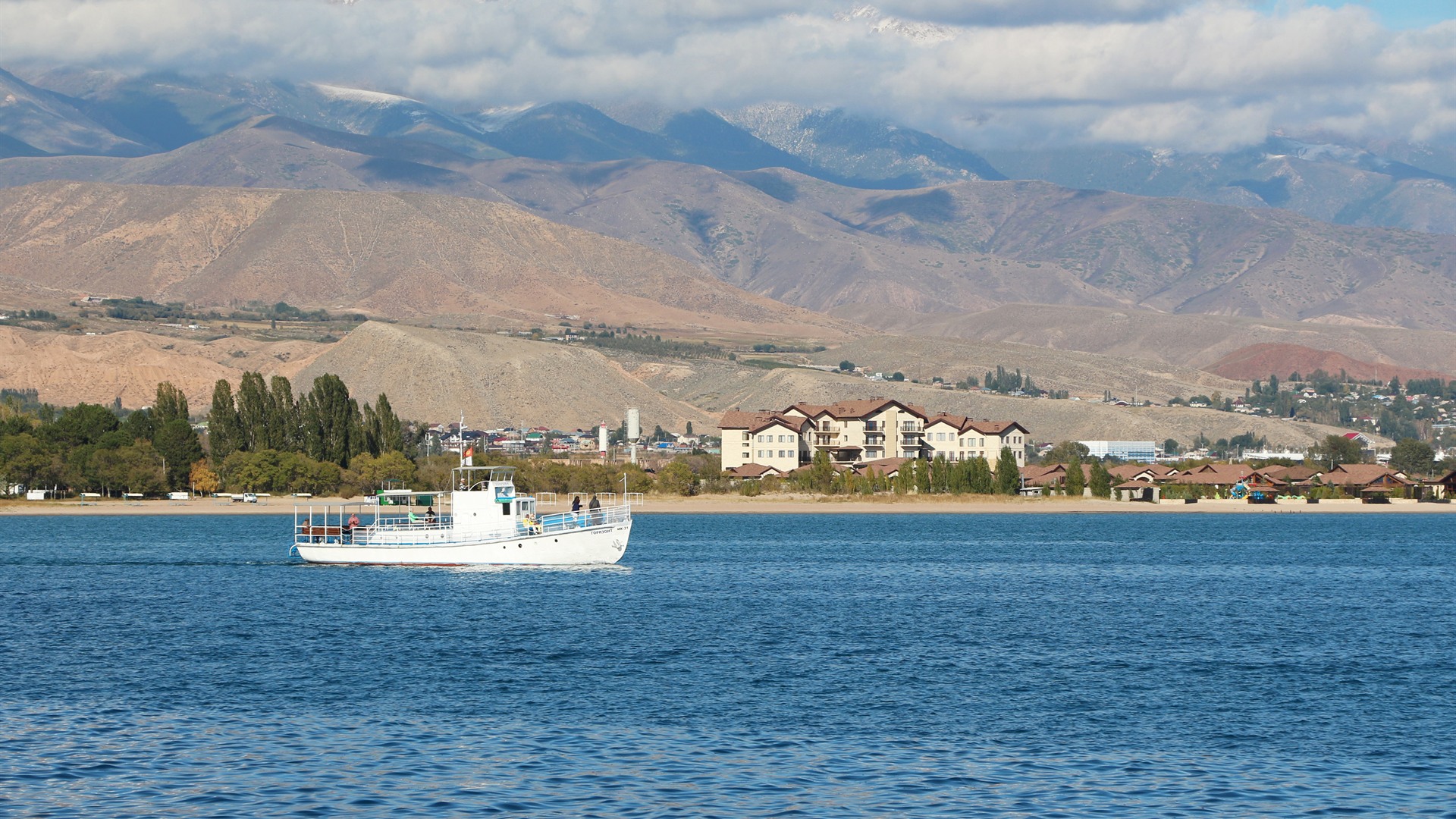
6. Issyk-Kul
Sitting at 5,272 feet elevation in Kyrgyzstan's Tian Shan mountains, Issyk-Kul is one of the largest alpine lakes on Earth. Over 118 mountain streams pour into the tectonic basin with no outlet, leaving the water mildly brackish. Its 2,192-foot (668-meter) depth keeps it from freezing during winter.
©Wikimedia / Bgag
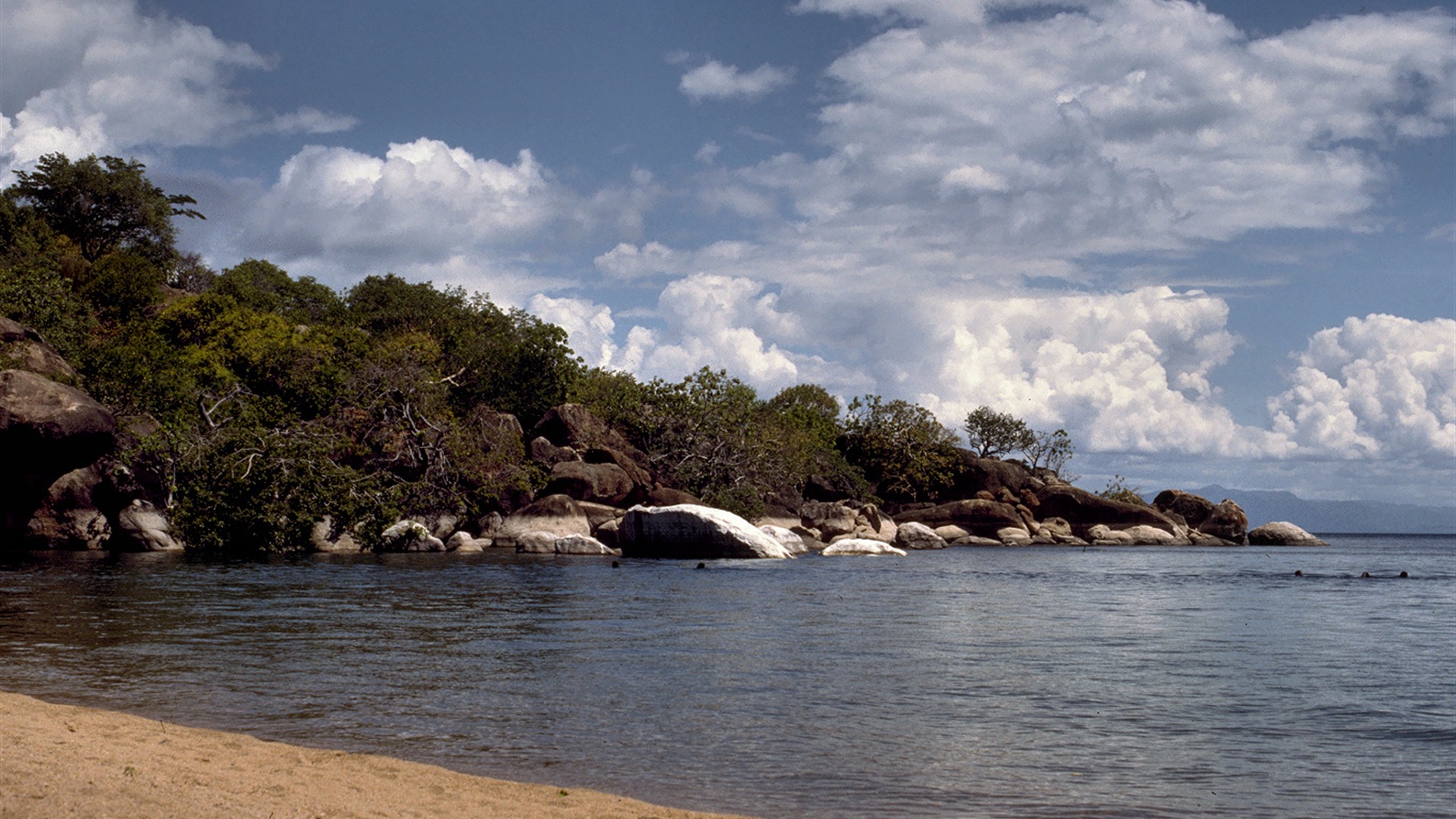
5. Lake Malawi
Shared by Malawi, Mozambique, and Tanzania in the East African Rift Valley, Lake Malawi plunges 2,316 feet (706 meters) in its northern basin. This ancient tectonic lake is a global evolutionary hotspot, housing up to 1,000 species of colorful cichlid fish, more native fish species than any other lake on Earth.
©Wikimedia / Hans Hillewaert
Advertisement
Swipe or tap ▶ to resume the countdown.
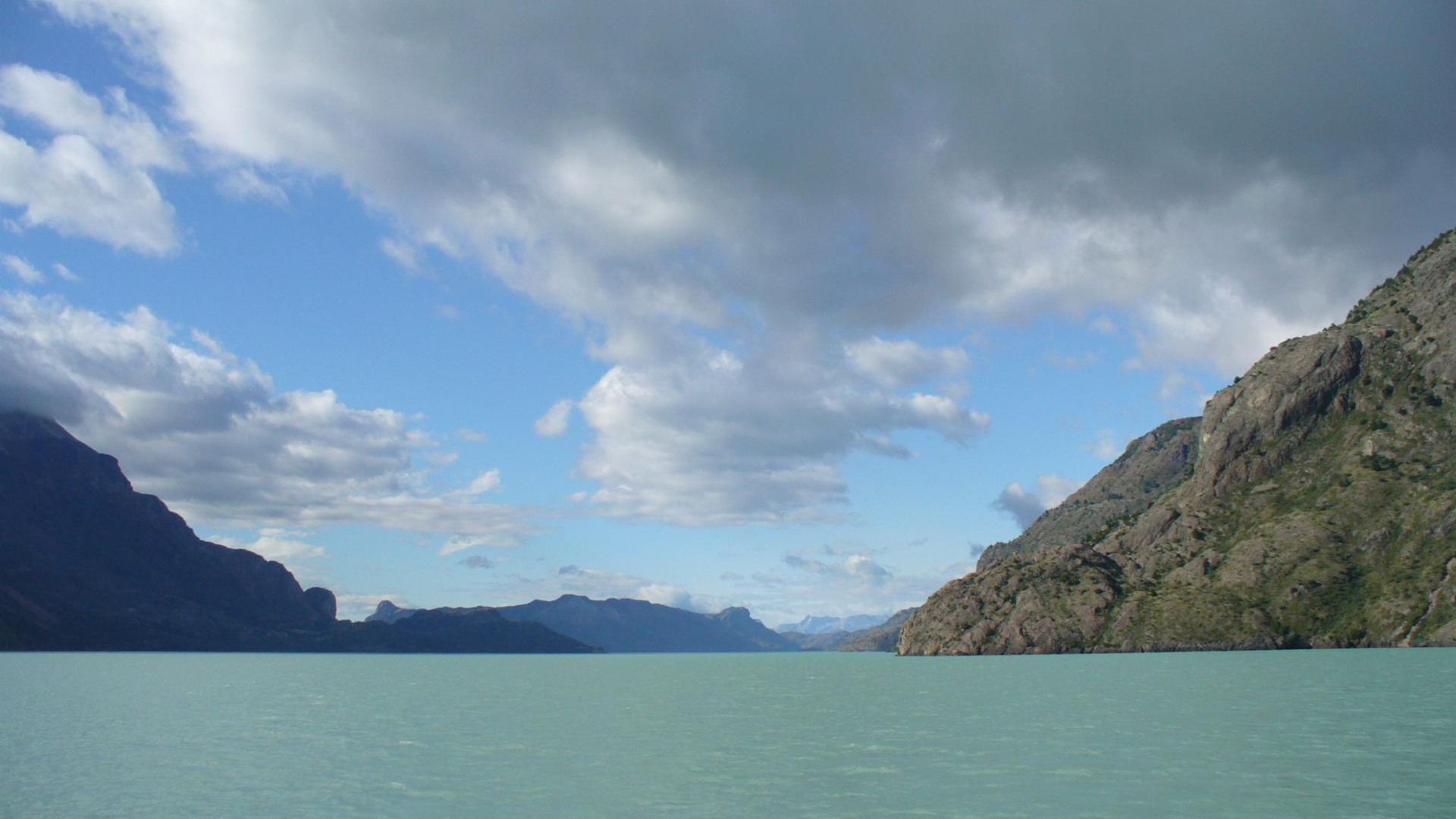
4. O'Higgins-San Martin Lake
Known as Lago O'Higgins in Chile and Lago San Martin in Argentina, this remote eight-armed fjord lake in the Patagonian Andes is the deepest lake in the Americas. Sonar soundings in front of the calving O'Higgins Glacier recorded a depth of 2,742 feet (836 meters) in its milky-turquoise glacial waters.
©Wikimedia / Betoscopio
3. Caspian Sea
Although called a sea for its size and mild salinity, the Caspian Sea is a landlocked basin bordered by Kazakhstan, Russia, Azerbaijan, Iran, and Turkmenistan. Covering 143,200 square miles, its southern basin off the coast of Iran rests on ancient oceanic crust and plunges 3,363 feet (1,025 meters) down.
©Wikimedia / Mostafameraji
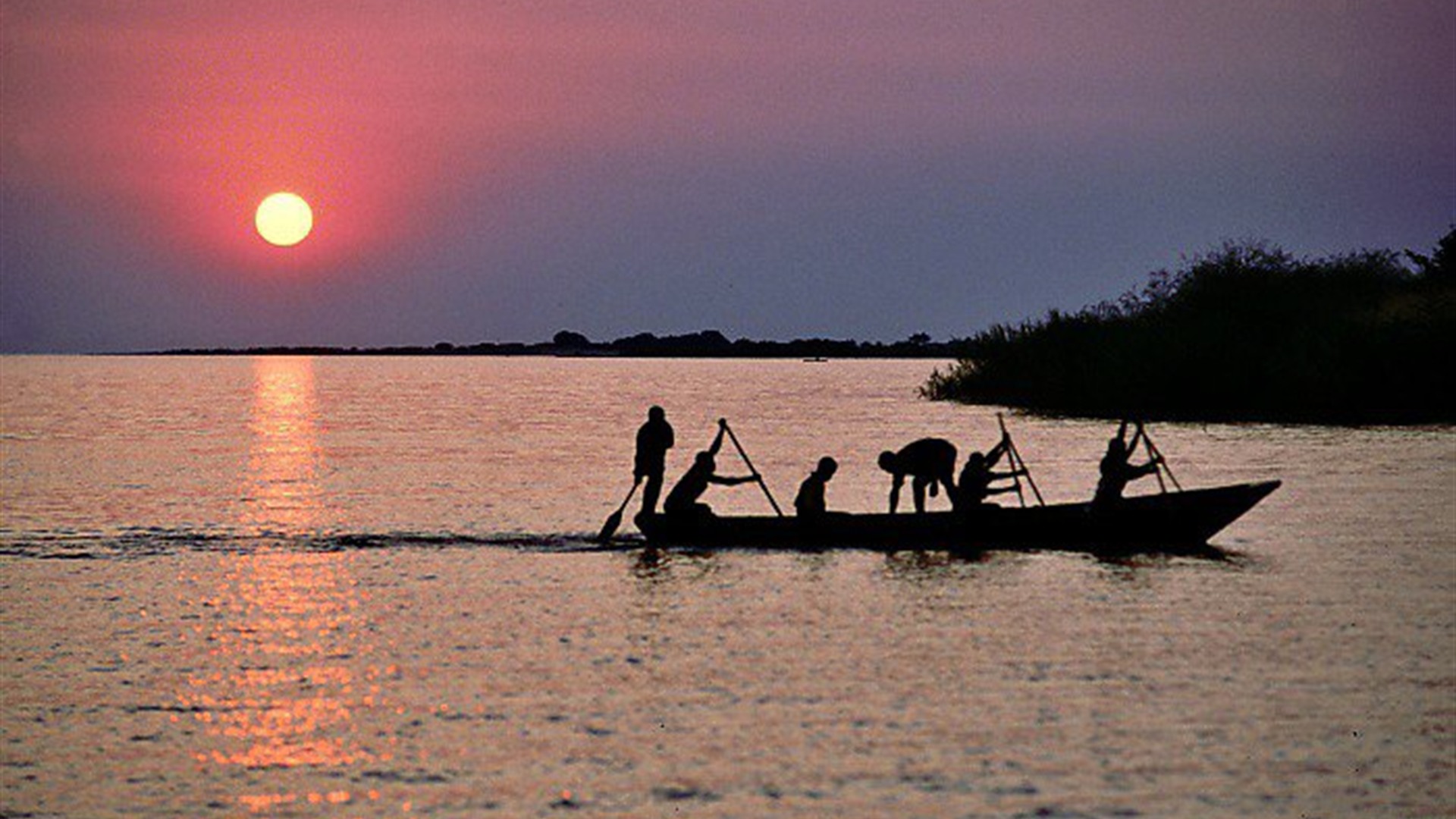
2. Lake Tanganyika
Shared by Tanzania, DR Congo, Burundi, and Zambia, Lake Tanganyika is the longest freshwater lake on Earth at 418 miles and the second-deepest lake in the world. Filling a chasm in the East African Rift, its southern basin drops 4,823 feet (1,470 meters) and holds 16 percent of Earth's surface freshwater.
©Wikimedia / Worldtraveller
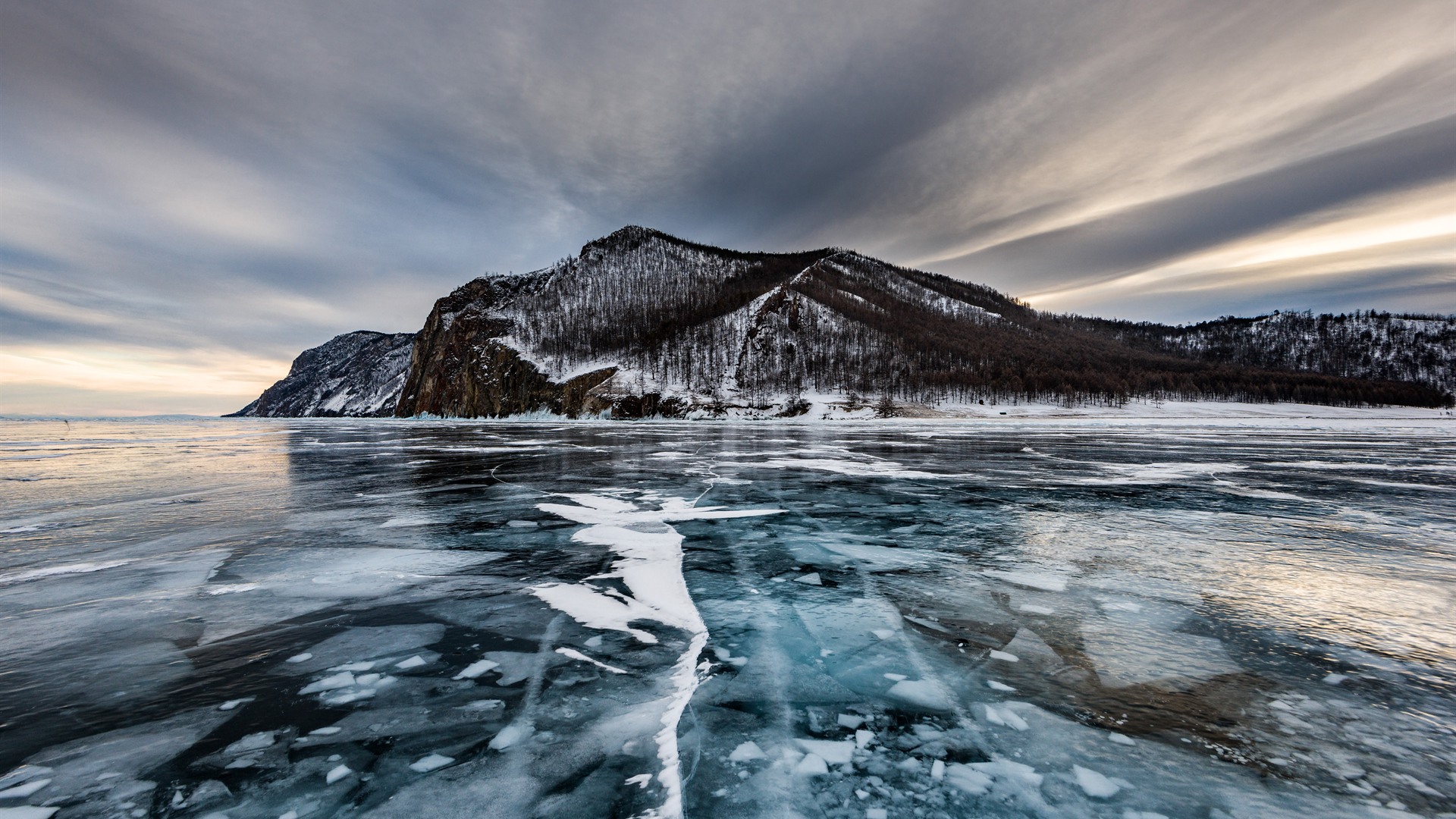
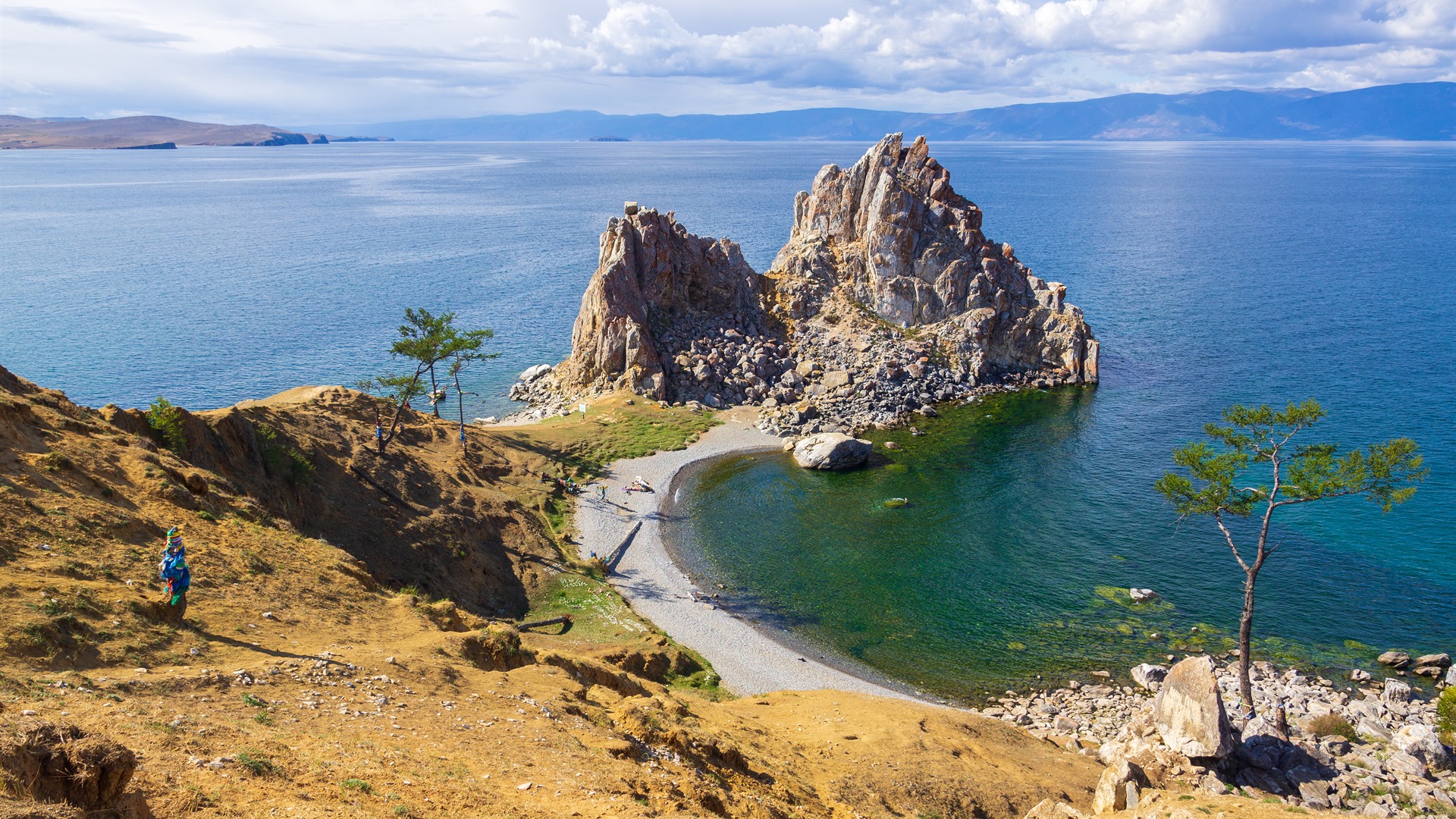
1. Lake Baikal
Russia's Lake Baikal in southern Siberia is the deepest lake on Earth, plunging more than a vertical mile to 5,387 feet (1,642 meters). Formed 25 million years ago in an active continental rift, it is also the oldest lake in the world and holds 5,670 cubic miles of water, more than all five Great Lakes combined.

©Wikimedia / Sergey Pesterev
Advertisement
You've reached the end of the story. Thanks for reading!

20 Iconic Historical Photos and the Archive Clues Behind Them
Contact sheets, cracked glass plates, and NASA mission logs preserve the hidden steps behind 20 famous photographs. Drawing on records from the Library of Congress, the National Archives, NASA, and the Smithsonian, this countdown traces how cropping, camera setups, and double exposures shaped each frame.
All 15 Entries in this Story
15. Lake Tahoe
Straddling California and Nevada at 6,225 feet elevation, Lake Tahoe occupies a fault basin formed two million years ago. Snowmelt fills the trench to a maximum depth of 1,644 feet (501 meters), making it the second-deepest lake in the United States. Its 39 trillion gallons remain visible over 70 feet down.

14. Sarez Lake
Sarez Lake in Tajikistan formed in February 1911 when a magnitude 7.4 earthquake triggered a massive landslide across the Murghab River. The fallen rock built the 1,860-foot Usoi Dam, backing up a 37-mile-long alpine reservoir that plunges 1,657 feet (505 meters) deep in the heart of the Pamir Mountains.

13. Lake Toba
Lake Toba on the Indonesian island of Sumatra is the largest volcanic lake on Earth at 62 miles long. Blasted open 74,000 years ago during a massive VEI 8 supervolcanic eruption, the collapsed magma cauldron filled with rainwater to a maximum depth of 1,657 feet (505 meters) around central Samosir Island.

12. Quesnel Lake
Located in the Cariboo Mountains of British Columbia, Canada, Quesnel Lake is a narrow waterway scoured below sea level by Ice Age valley glaciers. Modern sonar surveys show the floor plunges 1,677 feet (511 meters) deep, making Quesnel the deepest glacial fjord lake on Earth and home to trophy trout.

11. Hornindalsvatnet
Hornindalsvatnet in western Norway is the deepest lake in Europe, with a sonar-verified depth of 1,686 feet (514 meters). Although its surface sits 171 feet above sea level, glaciers gouged the bedrock 1,515 feet below the nearby Norwegian Sea. With no glacial silt rivers feeding it, the water stays crystal clear.

10. General Carrera Lake
Spanning the Patagonian border between Chile and Argentina, this 714-square-mile glacial basin is called General Carrera Lake in Chile and Lake Buenos Aires in Argentina. Its western Andean fjord drops 1,923 feet (586 meters) deep, where turquoise meltwater has sculpted the famous coastal Marble Cathedral.

9. Lake Matano
Dropping 1,936 feet (590 meters) into a fault trench in South Sulawesi, Lake Matano is the deepest lake in Indonesia and Southeast Asia. Below 330 feet, its warm tropical waters are oxygen-free and rich in dissolved iron, preserving the exact chemical conditions of Earth's oceans two billion years ago.

8. Crater Lake
Roughly 7,700 years ago, Oregon's Mount Mazama erupted so violently that its summit caved in, leaving a deep volcanic caldera. Centuries of rain and snow filled the rimmed basin to a maximum depth of 1,949 feet (594 meters), making Crater Lake the deepest lake in the United States, famed for its cobalt water.

7. Great Slave Lake
Covering 10,500 square miles in Canada's Northwest Territories, Great Slave Lake is the deepest lake in North America. Its East Arm occupies an ancient tectonic rift gouged by ice sheets, plunging 2,015 feet (614 meters) down at Christie Bay. Every winter, its thick ice supports heavy eighteen-wheelers.

6. Issyk-Kul
Sitting at 5,272 feet elevation in Kyrgyzstan's Tian Shan mountains, Issyk-Kul is one of the largest alpine lakes on Earth. Over 118 mountain streams pour into the tectonic basin with no outlet, leaving the water mildly brackish. Its 2,192-foot (668-meter) depth keeps it from freezing during winter.

5. Lake Malawi
Shared by Malawi, Mozambique, and Tanzania in the East African Rift Valley, Lake Malawi plunges 2,316 feet (706 meters) in its northern basin. This ancient tectonic lake is a global evolutionary hotspot, housing up to 1,000 species of colorful cichlid fish, more native fish species than any other lake on Earth.

4. O'Higgins-San Martin Lake
Known as Lago O'Higgins in Chile and Lago San Martin in Argentina, this remote eight-armed fjord lake in the Patagonian Andes is the deepest lake in the Americas. Sonar soundings in front of the calving O'Higgins Glacier recorded a depth of 2,742 feet (836 meters) in its milky-turquoise glacial waters.

3. Caspian Sea
Although called a sea for its size and mild salinity, the Caspian Sea is a landlocked basin bordered by Kazakhstan, Russia, Azerbaijan, Iran, and Turkmenistan. Covering 143,200 square miles, its southern basin off the coast of Iran rests on ancient oceanic crust and plunges 3,363 feet (1,025 meters) down.

2. Lake Tanganyika
Shared by Tanzania, DR Congo, Burundi, and Zambia, Lake Tanganyika is the longest freshwater lake on Earth at 418 miles and the second-deepest lake in the world. Filling a chasm in the East African Rift, its southern basin drops 4,823 feet (1,470 meters) and holds 16 percent of Earth's surface freshwater.

1. Lake Baikal
Russia's Lake Baikal in southern Siberia is the deepest lake on Earth, plunging more than a vertical mile to 5,387 feet (1,642 meters). Formed 25 million years ago in an active continental rift, it is also the oldest lake in the world and holds 5,670 cubic miles of water, more than all five Great Lakes combined.