Slideshow · Animals
The 15 Most Common Health Problems in Dogs, Ranked
Based on veterinary hospital records and pet insurance claims across millions of dogs, these are the 15 most frequent canine medical conditions and the early warning signs owners miss.

By Most Viral Today
29 Oct 2026

The 15 Most Common Health Problems in Dogs, Ranked 
15. Canine Diabetes Mellitus 
14. Heart Murmurs And Mitral Valve Disease 
13. Hypothyroidism And Hormone Imbalances - AdvertisementSwipe or tap ▶ to continue countdown

12. Kennel Cough (Infectious Tracheobronchitis) 
11. Anal Gland Impaction And Sacculitis 
10. Urinary Tract Infections And Bladder Stones 
9. Hip Dysplasia And Cruciate Ligament Tears - AdvertisementSwipe or tap ▶ to continue countdown

8. Eye Conditions: Cataracts And Corneal Ulcers 
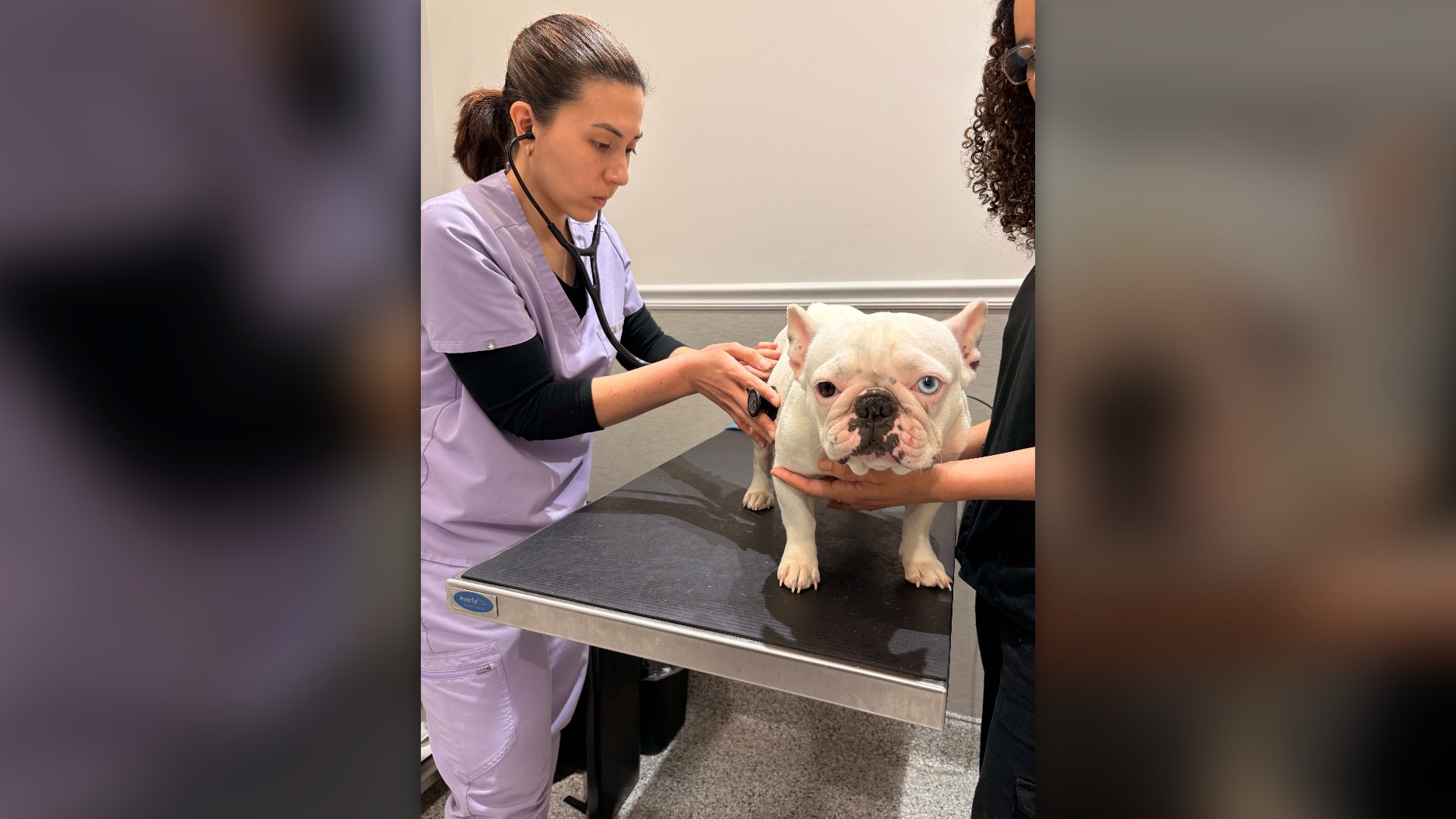
7. Fleas, Ticks, And Intestinal Parasites 
6. Benign Lipomas And Subcutaneous Skin Masses 
5. Osteoarthritis And Degenerative Joint Pain - AdvertisementSwipe or tap ▶ to continue countdown

4. Canine Obesity And Overweight Status 
3. Skin Allergies, Hot Spots, And Atopic Dermatitis 
2. Otitis Externa (Chronic Ear Infections) 
1. Periodontal And Dental Disease - Advertisement🔥 UP NEXT IN THIS SERIES◫ 22 Slides

How Long Do Hippos Live? 20 Other Facts About Hippos
From sixty-year lifespans to whale cousins, discover secrets of river giants
Dogs are experts at hiding discomfort until a minor ailment turns into an expensive veterinary emergency. Drawing on clinical data from Banfield Pet Hospital, the American Kennel Club, and Nationwide Pet Insurance, here are the 15 most common health problems in dogs, ranked.
Swipe or tap ▶ to begin the countdown
©Wikimedia / ZooFari & Wikimedia / Chaoticfluffy
15. Canine Diabetes Mellitus
Diagnosis rates for canine diabetes have climbed steadily over the past decade, especially among middle-aged and senior dogs. When the pancreas fails to produce enough insulin, blood glucose spikes, causing intense thirst, ravenous appetite, cloudy lenses, and lethargy that require insulin.
©Wikimedia / Veterinarian Pet Alliance
14. Heart Murmurs And Mitral Valve Disease
Myxomatous mitral valve disease accounts for nearly 75 percent of all canine heart conditions, particularly in small breeds like Cavalier King Charles Spaniels, Dachshunds, and Miniature Poodles. A nighttime cough or reluctance to exercise often signals that a heart murmur needs care.
©Wikimedia / Nenad Stojkovic
13. Hypothyroidism And Hormone Imbalances
Medium and large breeds such as Golden Retrievers, Doberman Pinschers, and Boxers are disproportionately prone to hypothyroidism between ages four and ten. When thyroid hormone levels drop, dogs become sluggish, develop symmetrical thinning along their flanks, and gain weight easily.
©Wikimedia / Dietmar Rabich
Advertisement
Swipe or tap ▶ to resume the countdown.
12. Kennel Cough (Infectious Tracheobronchitis)
Caused by Bordetella bronchiseptica bacteria and canine parainfluenza viruses, kennel cough spreads rapidly through airborne droplets wherever dogs socialize. Affected dogs produce a distinctive goose-like honking cough and gagging reflex, though routine intranasal vaccines cut the risk.
©Wikimedia / Ximeg
11. Anal Gland Impaction And Sacculitis
Two small scent sacs sit just inside a dog's rectum and normally empty naturally during firm bowel movements. In smaller breeds or dogs with soft stools, those ducts can plug up and swell painfully, prompting scooting, excessive licking of the tail base, and a sharp fishy odor.
©Wikimedia / Slyronit
10. Urinary Tract Infections And Bladder Stones
Bacterial urinary tract infections affect roughly 14 percent of dogs during their lifetime, with female dogs and breeds like Shih Tzus, Bichon Frises, and Schnauzers facing the highest risk. Left untreated, chronic bladder inflammation can crystallize into painful struvite stones.
©Wikimedia / Mostafa Meraji
9. Hip Dysplasia And Cruciate Ligament Tears
Cranial cruciate ligament ruptures (the canine equivalent of a human ACL tear) and hip dysplasia are the two leading orthopedic surgeries in veterinary medicine. German Shepherds, Rottweilers, and Labradors often show a bunny-hopping gait or refuse to put weight on a hind leg.
©Wikimedia / Rennett Stowe
Advertisement
Swipe or tap ▶ to resume the countdown.
8. Eye Conditions: Cataracts And Corneal Ulcers
Brachycephalic breeds like Pugs, French Bulldogs, and Boston Terriers have shallow eye sockets that leave their corneas exposed to grass awns, dust, and play scratches. Squinting, green or yellow discharge, redness, or a bluish haze over the pupil requires prompt ophthalmic treatment.
©Wikimedia / Brandon2
7. Fleas, Ticks, And Intestinal Parasites
Even indoor-focused family dogs pick up fleas, ticks, roundworms, hookworms, and Giardia from backyard grass and neighborhood sidewalks. A single deer tick bite can transmit Lyme disease or ehrlichiosis, while flea saliva triggers intense allergic dermatitis across the lower back.
©Wikimedia / Eva Holderegger Walser
6. Benign Lipomas And Subcutaneous Skin Masses
As dogs pass age seven, soft fatty tumors called lipomas frequently develop beneath the skin of the chest, belly, and legs. While most lipomas are harmless, veterinarians always recommend a quick fine-needle aspirate to distinguish benign fat cells from aggressive mast cell tumors.
©Wikimedia / Marek Slusarczyk
5. Osteoarthritis And Degenerative Joint Pain
When a dog hesitates before climbing stairs, struggles to rise from a cold floor, or lags behind on walks, osteoarthritis is usually to blame. Weight management, omega-3 fatty acids, joint supplements, and modern monoclonal antibody injections can restore mobility and comfort.
©Wikimedia / Jayjimmyjames
Advertisement
Swipe or tap ▶ to resume the countdown.
4. Canine Obesity And Overweight Status
Association for Pet Obesity Prevention surveys show that over half of American dogs carry excess body fat, yet most owners believe their pet is at a normal weight. Extra pounds release inflammatory hormones, accelerate arthritis, strain the heart, and double the risk of pancreatitis.
©Wikimedia / Nenad Stojkovic
3. Skin Allergies, Hot Spots, And Atopic Dermatitis
Pollen, dust mites, mold spores, and food proteins trigger relentless itching in millions of dogs every season. Instead of sneezing like humans, allergic dogs chew their paws red, rub their faces on carpets, and scratch raw, moist hot spots that quickly become infected with bacteria.
©Wikimedia / Nenad Stojkovic
2. Otitis Externa (Chronic Ear Infections)
Because a dog's ear canal drops vertically before making a sharp horizontal turn toward the eardrum, water and wax easily get trapped inside. Cocker Spaniels, Basset Hounds, Golden Retrievers, and Poodles suffer millions of ear infections yearly, marked by head shaking and odor.
©Wikimedia / ZooFari
1. Periodontal And Dental Disease
Veterinary epidemiological studies from Banfield Pet Hospital and the Royal Veterinary College confirm that periodontal disease is the number one health problem in dogs. Hardened tartar beneath the gumline erodes tooth roots and sends harmful bacteria into the heart, liver, and kidneys.

©Wikimedia / Chaoticfluffy
Advertisement
You've reached the end of the story. Thanks for reading!

How Long Do Hippos Live? 20 Other Facts About Hippos
From sixty-year lifespans to whale cousins, discover secrets of river giants
All 15 Entries in this Story
#15 Canine Diabetes Mellitus
Diagnosis rates for canine diabetes have climbed steadily over the past decade, especially among middle-aged and senior dogs. When the pancreas fails to produce enough insulin, blood glucose spikes, causing intense thirst, ravenous appetite, cloudy lenses, and lethargy that require insulin.

#14 Heart Murmurs And Mitral Valve Disease
Myxomatous mitral valve disease accounts for nearly 75 percent of all canine heart conditions, particularly in small breeds like Cavalier King Charles Spaniels, Dachshunds, and Miniature Poodles. A nighttime cough or reluctance to exercise often signals that a heart murmur needs care.

#13 Hypothyroidism And Hormone Imbalances
Medium and large breeds such as Golden Retrievers, Doberman Pinschers, and Boxers are disproportionately prone to hypothyroidism between ages four and ten. When thyroid hormone levels drop, dogs become sluggish, develop symmetrical thinning along their flanks, and gain weight easily.

#12 Kennel Cough (Infectious Tracheobronchitis)
Caused by Bordetella bronchiseptica bacteria and canine parainfluenza viruses, kennel cough spreads rapidly through airborne droplets wherever dogs socialize. Affected dogs produce a distinctive goose-like honking cough and gagging reflex, though routine intranasal vaccines cut the risk.

#11 Anal Gland Impaction And Sacculitis
Two small scent sacs sit just inside a dog's rectum and normally empty naturally during firm bowel movements. In smaller breeds or dogs with soft stools, those ducts can plug up and swell painfully, prompting scooting, excessive licking of the tail base, and a sharp fishy odor.

#10 Urinary Tract Infections And Bladder Stones
Bacterial urinary tract infections affect roughly 14 percent of dogs during their lifetime, with female dogs and breeds like Shih Tzus, Bichon Frises, and Schnauzers facing the highest risk. Left untreated, chronic bladder inflammation can crystallize into painful struvite stones.

#9 Hip Dysplasia And Cruciate Ligament Tears
Cranial cruciate ligament ruptures (the canine equivalent of a human ACL tear) and hip dysplasia are the two leading orthopedic surgeries in veterinary medicine. German Shepherds, Rottweilers, and Labradors often show a bunny-hopping gait or refuse to put weight on a hind leg.

#8 Eye Conditions: Cataracts And Corneal Ulcers
Brachycephalic breeds like Pugs, French Bulldogs, and Boston Terriers have shallow eye sockets that leave their corneas exposed to grass awns, dust, and play scratches. Squinting, green or yellow discharge, redness, or a bluish haze over the pupil requires prompt ophthalmic treatment.

#7 Fleas, Ticks, And Intestinal Parasites
Even indoor-focused family dogs pick up fleas, ticks, roundworms, hookworms, and Giardia from backyard grass and neighborhood sidewalks. A single deer tick bite can transmit Lyme disease or ehrlichiosis, while flea saliva triggers intense allergic dermatitis across the lower back.

#6 Benign Lipomas And Subcutaneous Skin Masses
As dogs pass age seven, soft fatty tumors called lipomas frequently develop beneath the skin of the chest, belly, and legs. While most lipomas are harmless, veterinarians always recommend a quick fine-needle aspirate to distinguish benign fat cells from aggressive mast cell tumors.

#5 Osteoarthritis And Degenerative Joint Pain
When a dog hesitates before climbing stairs, struggles to rise from a cold floor, or lags behind on walks, osteoarthritis is usually to blame. Weight management, omega-3 fatty acids, joint supplements, and modern monoclonal antibody injections can restore mobility and comfort.

#4 Canine Obesity And Overweight Status
Association for Pet Obesity Prevention surveys show that over half of American dogs carry excess body fat, yet most owners believe their pet is at a normal weight. Extra pounds release inflammatory hormones, accelerate arthritis, strain the heart, and double the risk of pancreatitis.

#3 Skin Allergies, Hot Spots, And Atopic Dermatitis
Pollen, dust mites, mold spores, and food proteins trigger relentless itching in millions of dogs every season. Instead of sneezing like humans, allergic dogs chew their paws red, rub their faces on carpets, and scratch raw, moist hot spots that quickly become infected with bacteria.

#2 Otitis Externa (Chronic Ear Infections)
Because a dog's ear canal drops vertically before making a sharp horizontal turn toward the eardrum, water and wax easily get trapped inside. Cocker Spaniels, Basset Hounds, Golden Retrievers, and Poodles suffer millions of ear infections yearly, marked by head shaking and odor.

#1 Periodontal And Dental Disease
Veterinary epidemiological studies from Banfield Pet Hospital and the Royal Veterinary College confirm that periodontal disease is the number one health problem in dogs. Hardened tartar beneath the gumline erodes tooth roots and sends harmful bacteria into the heart, liver, and kidneys.