Slideshow · Viral
The 15 Most Dangerous Insects in the World, Ranked
From venomous rainforest ants and giant hornets to blood-feeding vectors that reshape global public health, six-legged creatures cause more human deaths than sharks, snakes, and bears combined. Here a
By Most Viral Today
27 Oct 2026

From Bullet Ants to Giant Hornets, These Tiny Insects Pack Deadly Venom 
15. Puss Moth Caterpillar (Megalopyge Opercularis) 
14. Blister Beetle (Family Meloidae) 
13. Human Botfly (Dermatobia Hominis) - AdvertisementSwipe or tap ▶ to continue countdown

12. Executioner Wasp (Polistes Carnifex) 
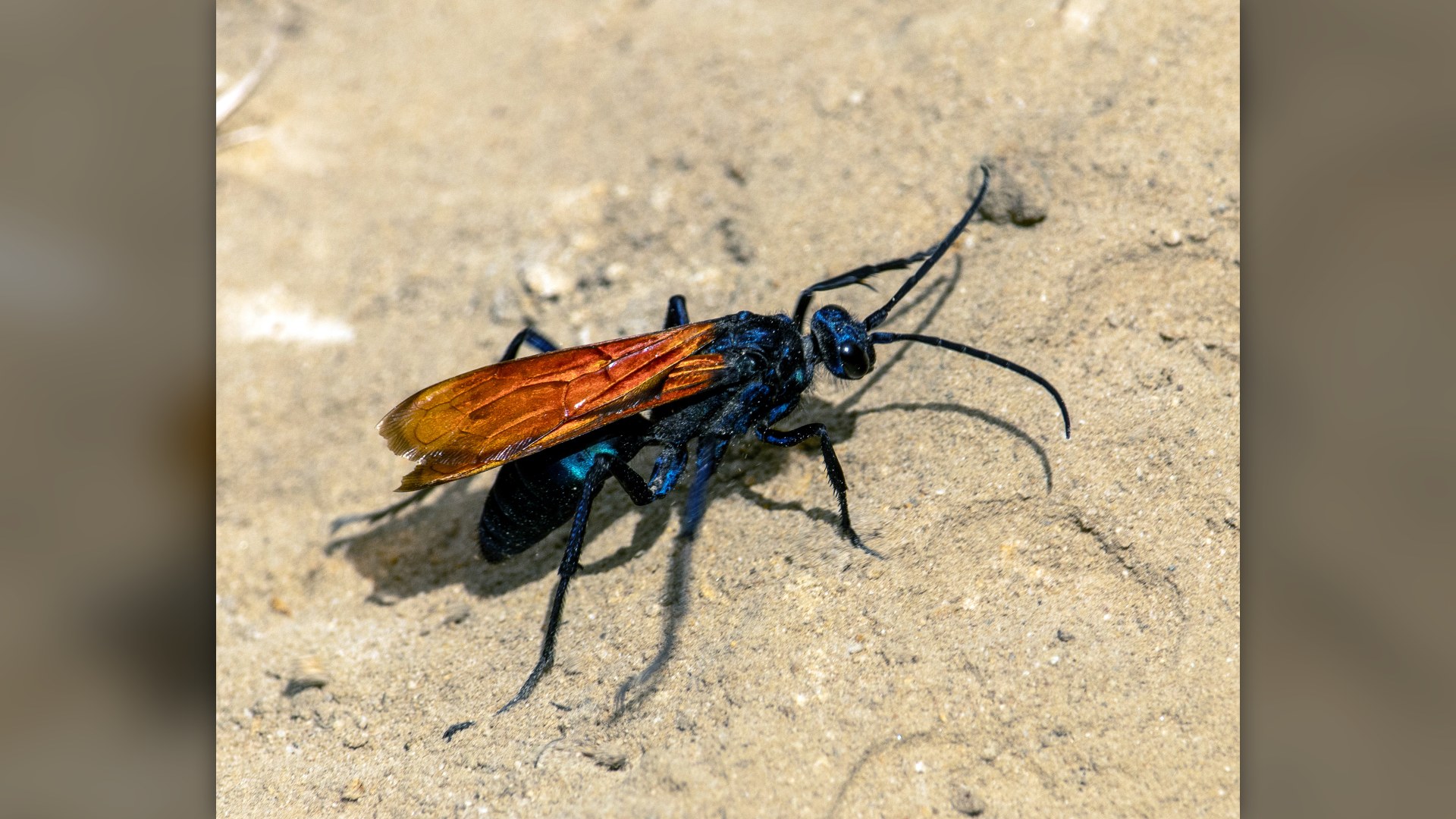
11. Tarantula Hawk Wasp (Pepsis Grossa) 
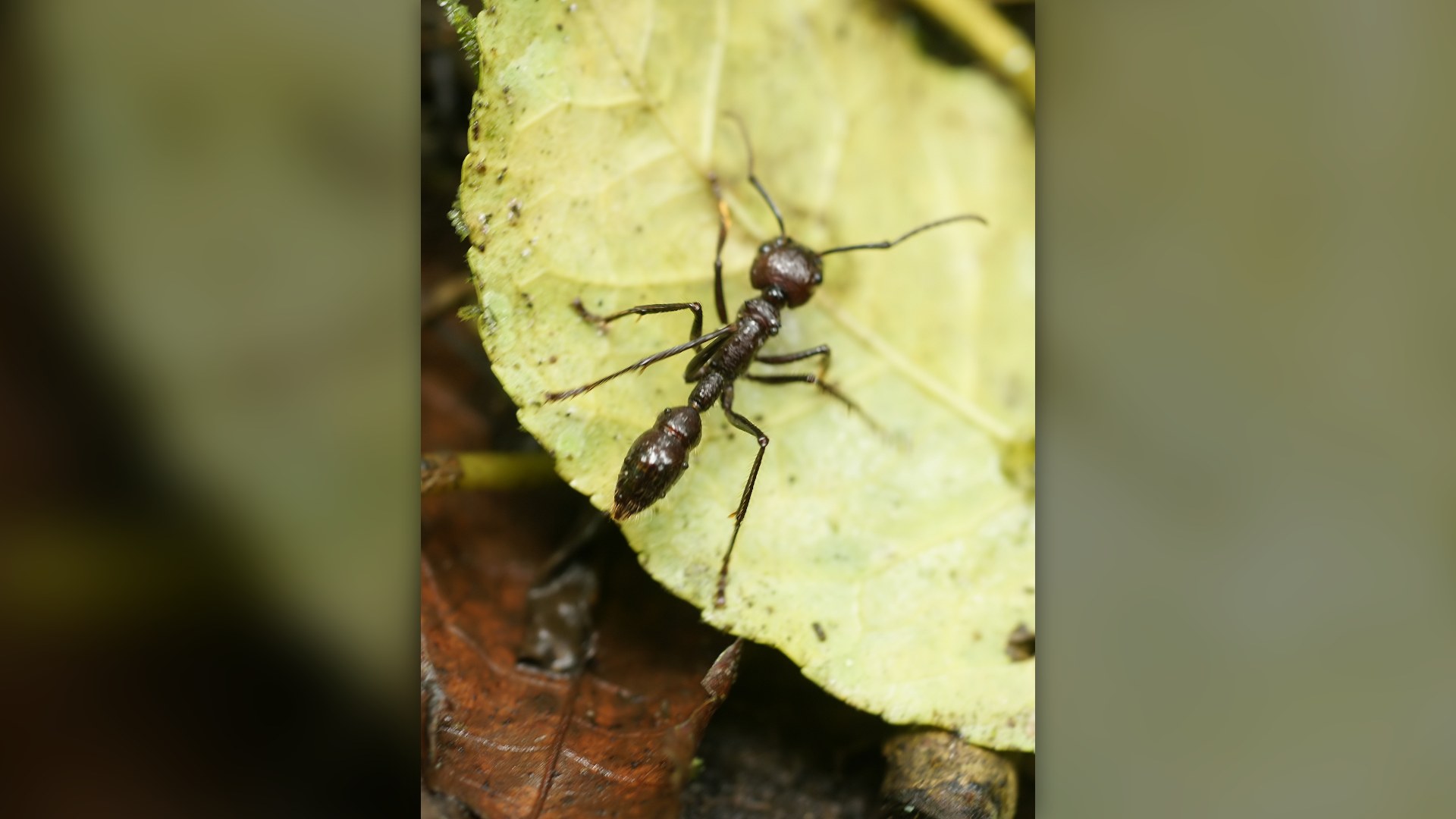
10. Bullet Ant (Paraponera Clavata) 
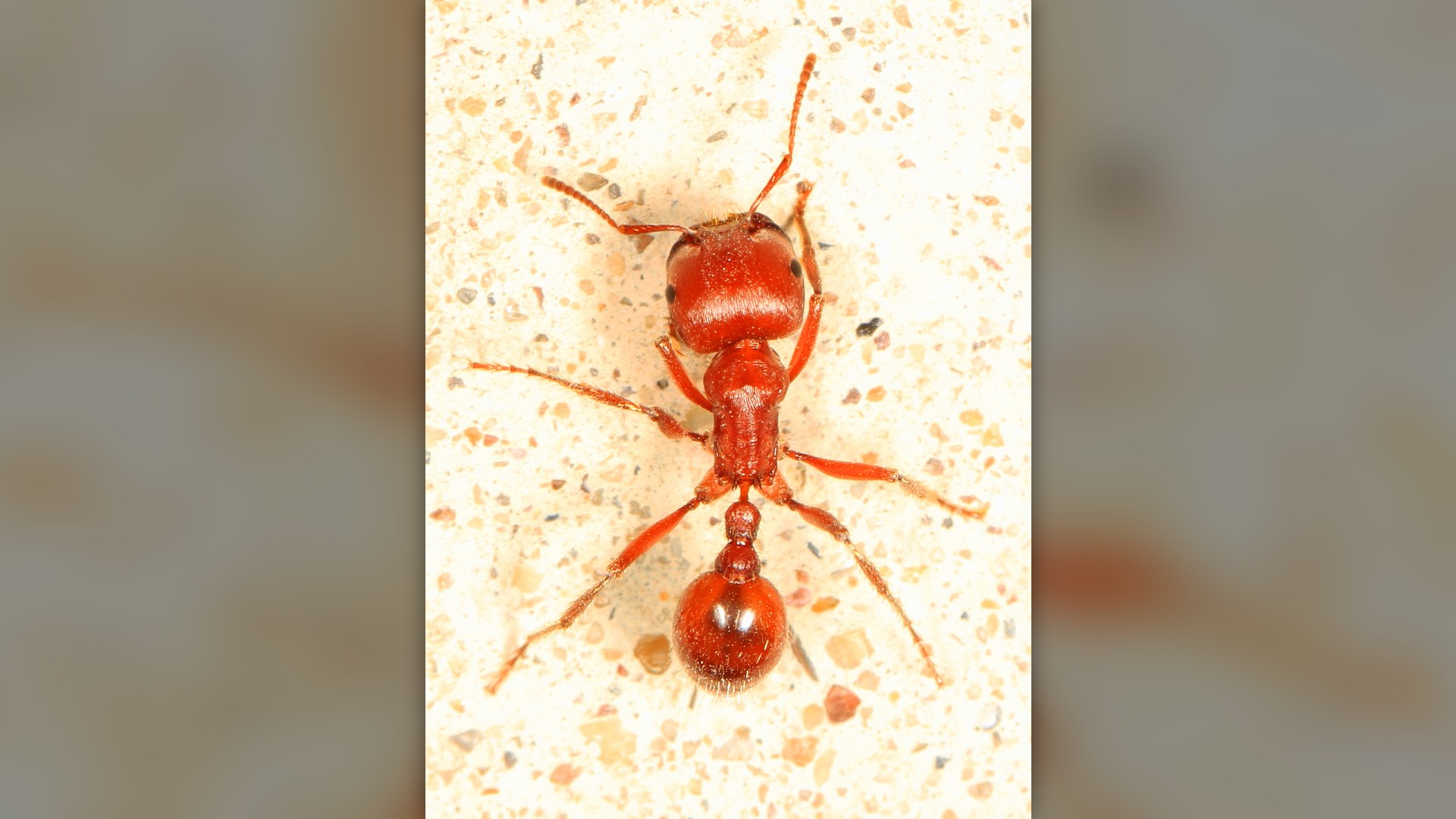
9. Harvester Ant (Pogonomyrmex) - AdvertisementSwipe or tap ▶ to continue countdown

8. Siafu Driver Ant (Dorylus) 
7. Red Imported Fire Ant (Solenopsis Invicta) 
6. Jack Jumper Ant (Myrmecia Pilosula) 
5. Northern Giant Hornet (Vespa Mandarinia) - AdvertisementSwipe or tap ▶ to continue countdown

4. Africanized Honeybee (Apis Mellifera Scutellata) 
3. Kissing Bug (Triatoma Infestans) 
2. Tsetse Fly (Glossina Morsitans) 
1. Mosquito (Anopheles, Aedes, And Culex) - Advertisement🔥 UP NEXT IN THIS SERIES◫ 21 Slides

20 Iconic Historical Photos and the Archive Clues Behind Them
Contact sheets, cracked glass plates, and NASA mission logs preserve the hidden steps behind 20 famous photographs. Drawing on records from the Library of Congress, the National Archives, NASA, and the Smithsonian, this countdown traces how cropping, camera setups, and double exposures shaped each frame.
From venomous rainforest ants and giant hornets to blood-feeding vectors that reshape global public health, six-legged creatures cause more human deaths than sharks, snakes, and bears combined. Here are the 15 most dangerous insects on Earth, ranked as of October 2026.
Swipe or tap ▶ to begin the countdown
©Wikimedia / Alan R. Walker & Wikimedia / CDC James Gathany
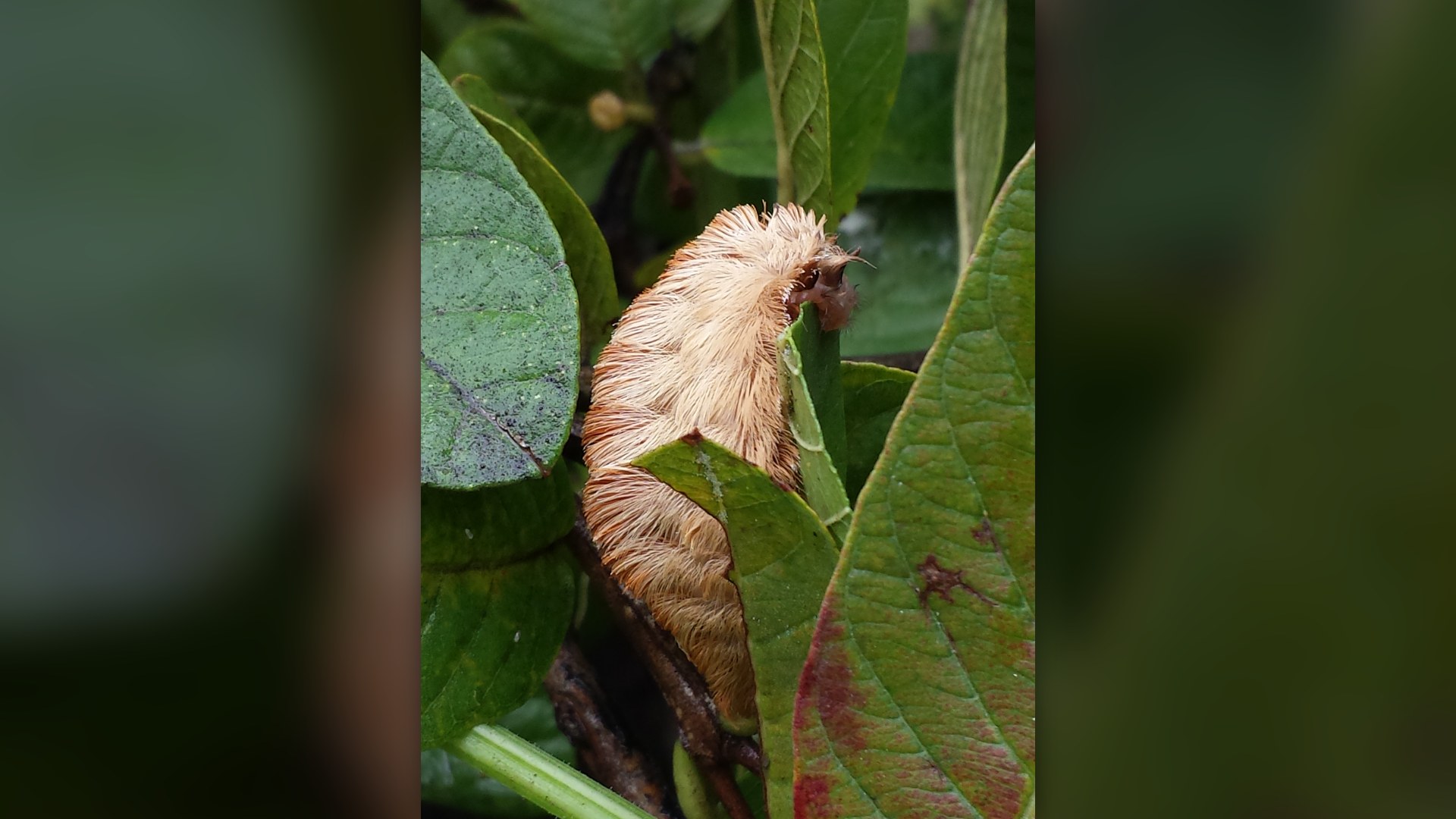
15. Puss Moth Caterpillar (Megalopyge Opercularis)
Found across the southern United States and Central America, the larva of the southern flannel moth looks like a tuft of cotton. Beneath that coat sit hollow spines filled with venom that cause throbbing pain, muscle cramps, and emergency room visits.
©Wikimedia / Iose
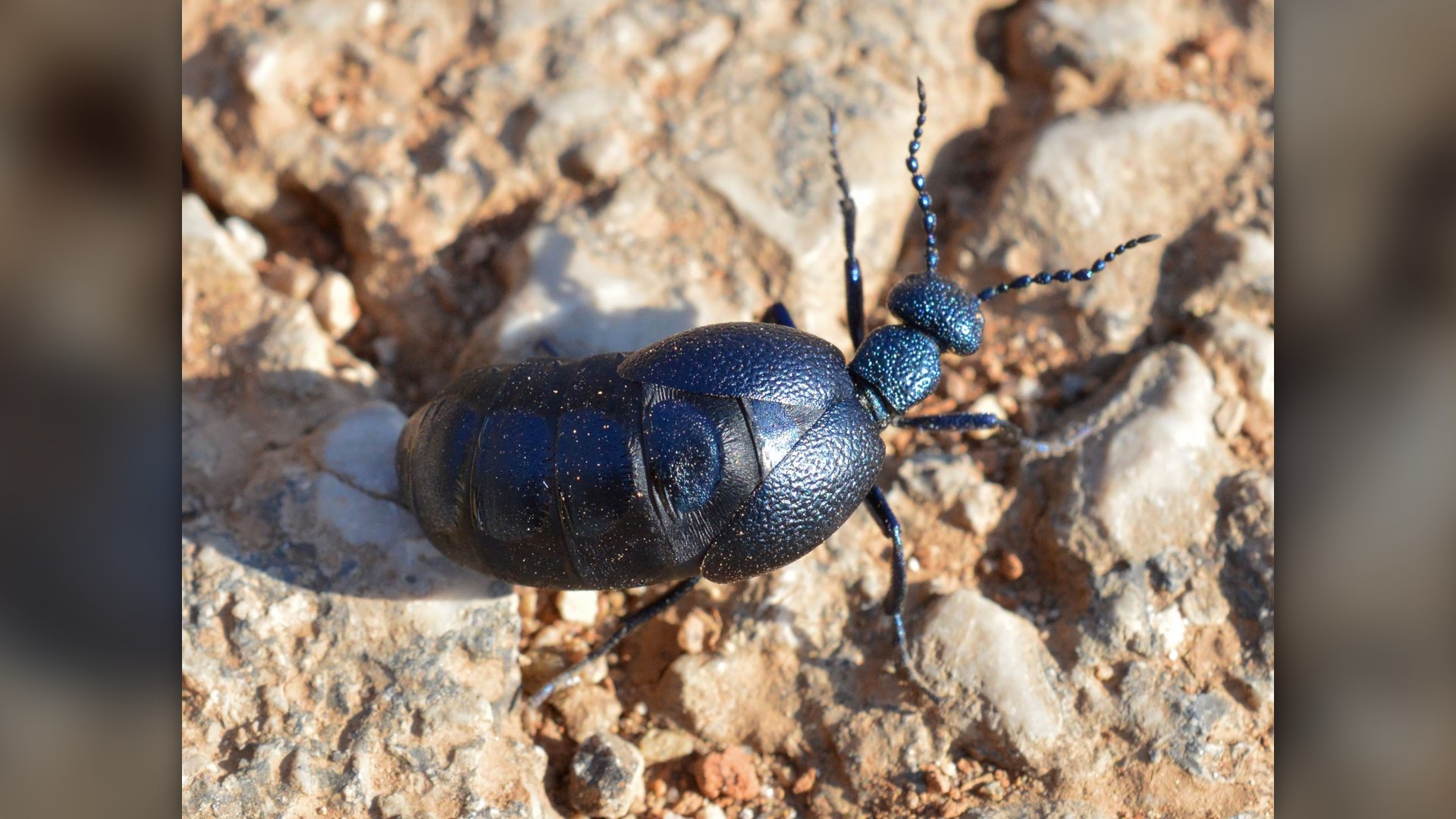
14. Blister Beetle (Family Meloidae)
When threatened, roughly 7,500 species of blister beetles exude yellow droplets of cantharidin from their leg joints. This chemical burns human skin on contact and can cause fatal kidney failure if swallowed in contaminated hay or food.
©Wikimedia / Dimitar Boevski
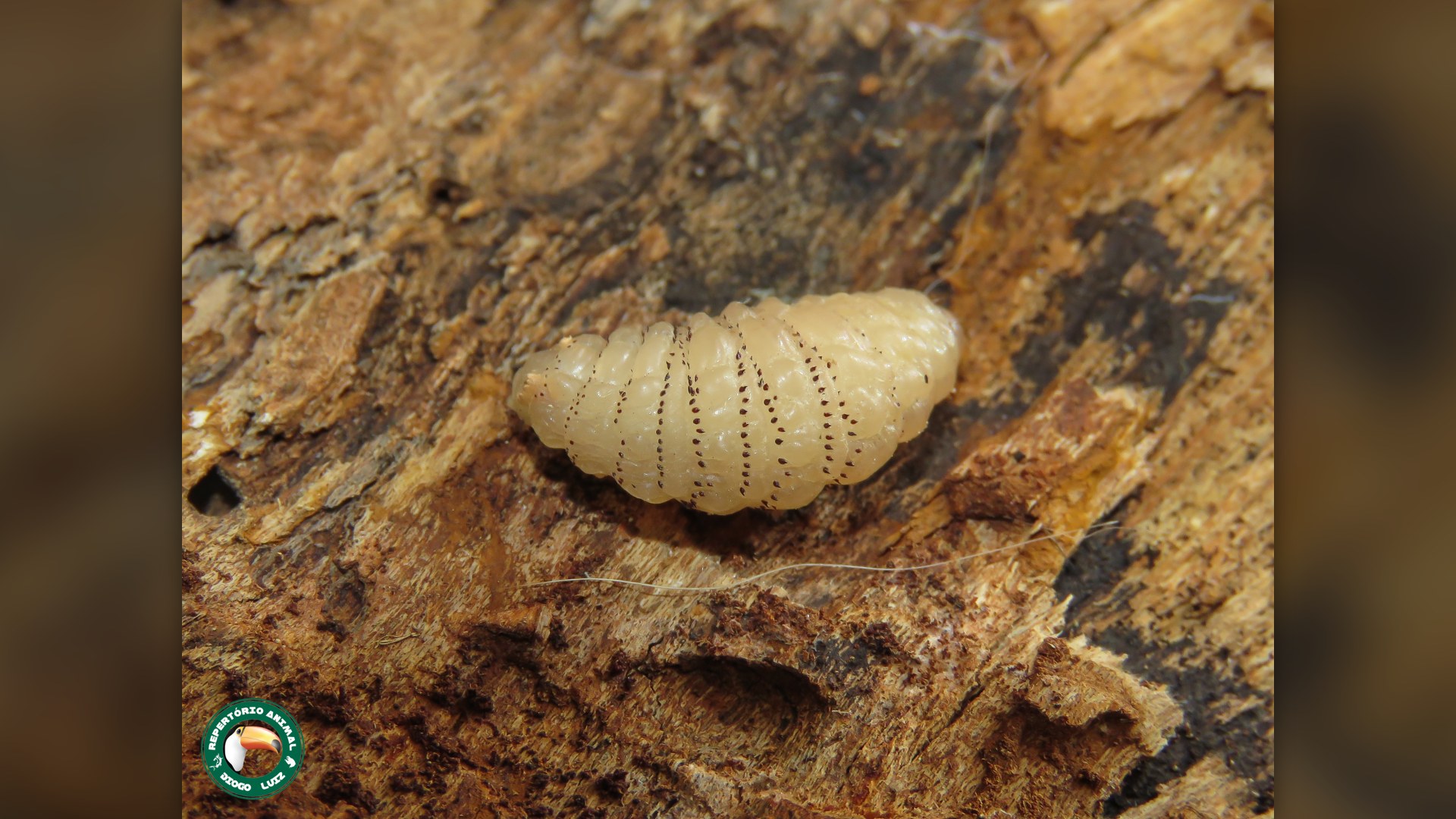
13. Human Botfly (Dermatobia Hominis)
Native to Central and South America, the female human botfly captures a mosquito in midair and glues up to 30 eggs onto its belly. When the mosquito lands on a person, body heat hatches the larvae, which burrow beneath the skin for eight weeks.
©Wikimedia / Diogo Luiz
Advertisement
Swipe or tap ▶ to resume the countdown.
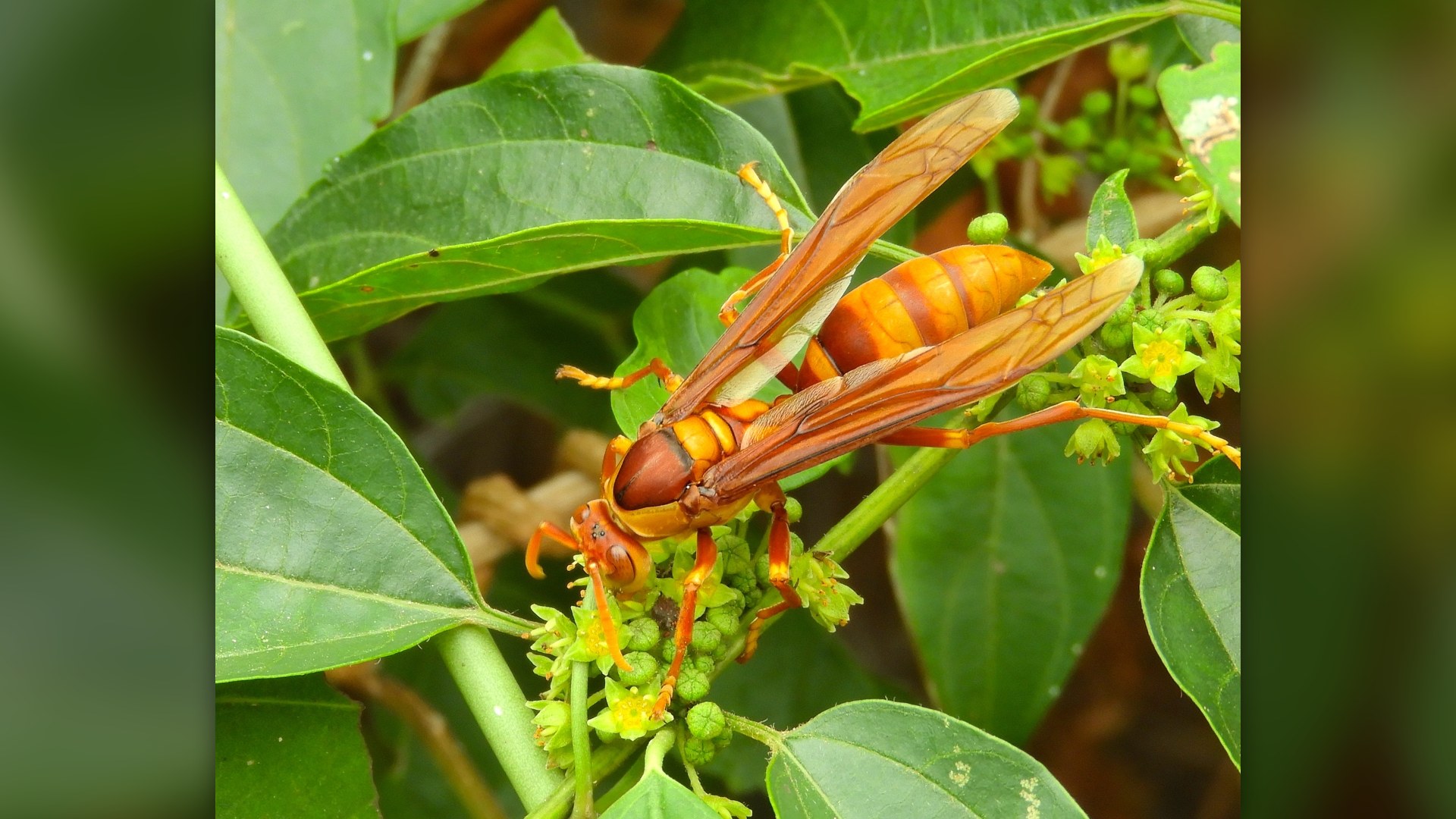
12. Executioner Wasp (Polistes Carnifex)
Stretching up to 3 centimeters long across Central and South America, the yellow-and-brown executioner wasp possesses mandibles and a potent stinger loaded with tissue-damaging venom that can trigger kidney distress.
©Wikimedia / Francisco Farriols Sarabia
11. Tarantula Hawk Wasp (Pepsis Grossa)
This metallic blue wasp hunts tarantulas across American deserts, paralyzing spiders with a 7-millimeter stinger before laying a single egg on the living host. In humans, its electric-like sting causes immediate temporary muscle paralysis.
©Wikimedia / Alicia Di Rado
10. Bullet Ant (Paraponera Clavata)
Inhabiting rainforests from Nicaragua to the Amazon Basin, the inch-long bullet ant delivers a sting compared to being shot. Its venom contains poneratoxin, which blocks sodium channels in nerve cells and causes 24 hours of intense pain and tremors.
©Wikimedia / Hans Hillewaert
9. Harvester Ant (Pogonomyrmex)
Found across the deserts of the American Southwest and Mexico, Pogonomyrmex harvester ants produce the most lethal insect venom measured in laboratory LD50 tests. Just a few hundred stings can deliver enough venom to kill an adult human.
©Wikimedia / Judy Gallagher
Advertisement
Swipe or tap ▶ to resume the countdown.
8. Siafu Driver Ant (Dorylus)
Across sub-Saharan Africa, Siafu driver ants form nomadic colonies of up to 20 million workers. Soldier ants lock onto flesh with such force that East African communities historically used their severed heads as emergency surgical staples.
©Wikimedia / Bob Adams
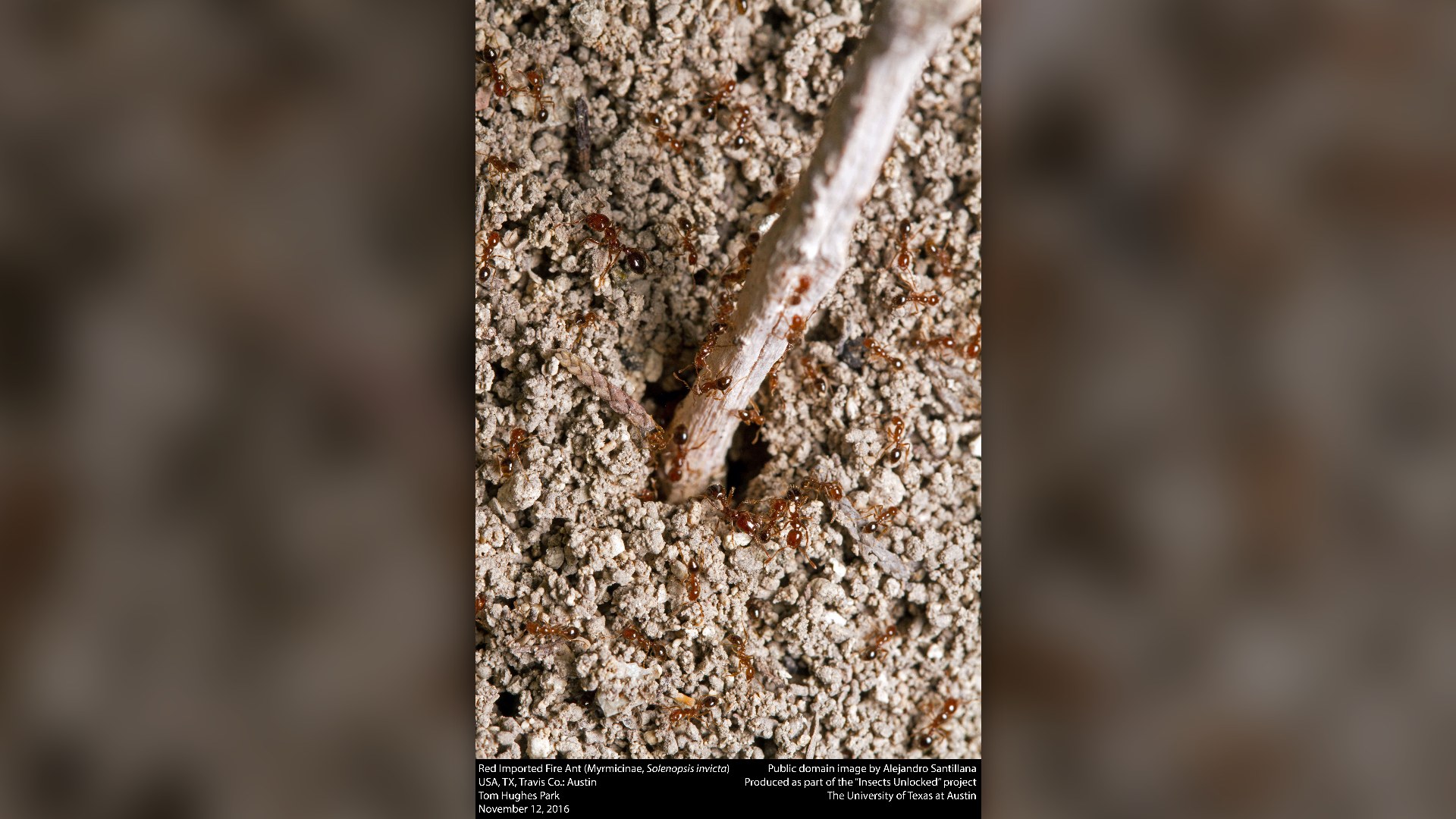
7. Red Imported Fire Ant (Solenopsis Invicta)
Accidentally shipped from South America to Mobile, Alabama in the 1930s, red imported fire ants sting roughly 14 million Americans every year. Workers latch on with their jaws and pivot in a circle to inject burning alkaloid venom.
©Wikimedia / Insects Unlocked
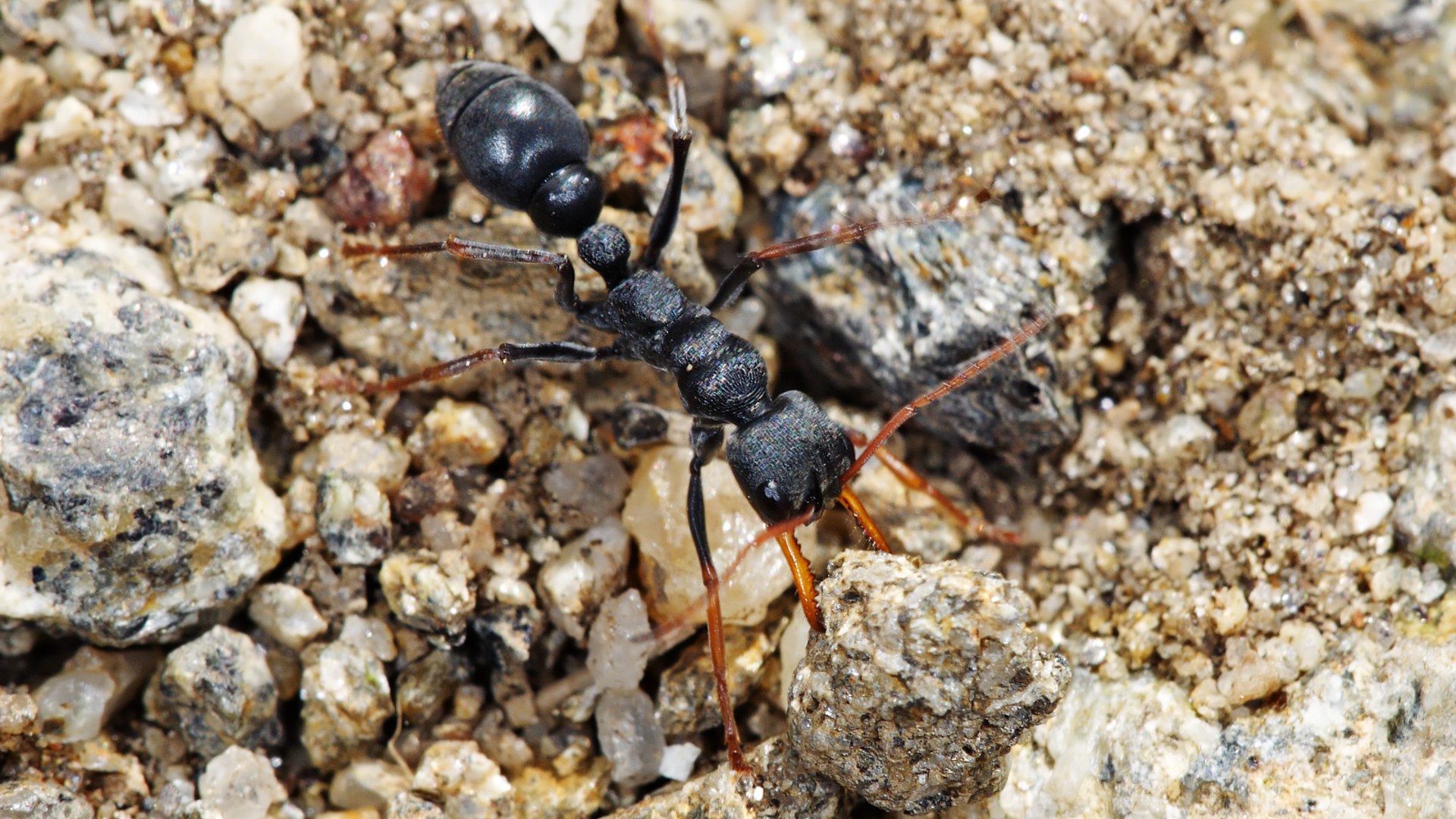
6. Jack Jumper Ant (Myrmecia Pilosula)
Endemic to southeastern Australia and Tasmania, the jack jumper ant can leap several inches to ambush intruders. In Tasmania, its potent venom causes more fatal anaphylactic reactions than sharks, snakes, spiders, and wasps combined.
©Wikimedia / Fir0002
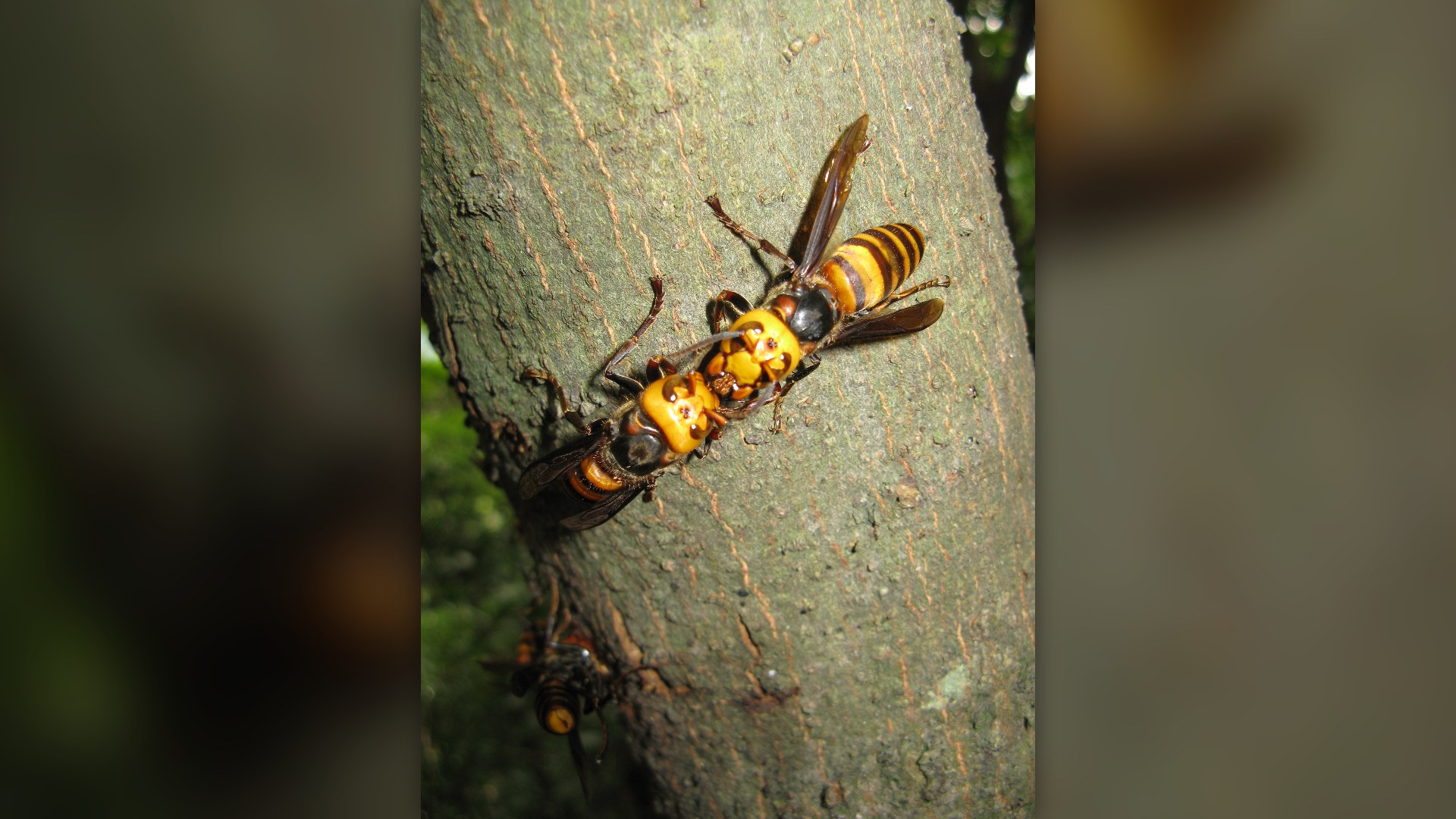
5. Northern Giant Hornet (Vespa Mandarinia)
Measuring up to 4.5 centimeters long across East Asia, the northern giant hornet uses a smooth 6-millimeter stinger to inject cytolytic venom repeatedly. Multiple stings can trigger kidney failure and cause 30 to 50 deaths a year in Japan and China.
©Wikimedia / KENPEI
Advertisement
Swipe or tap ▶ to resume the countdown.
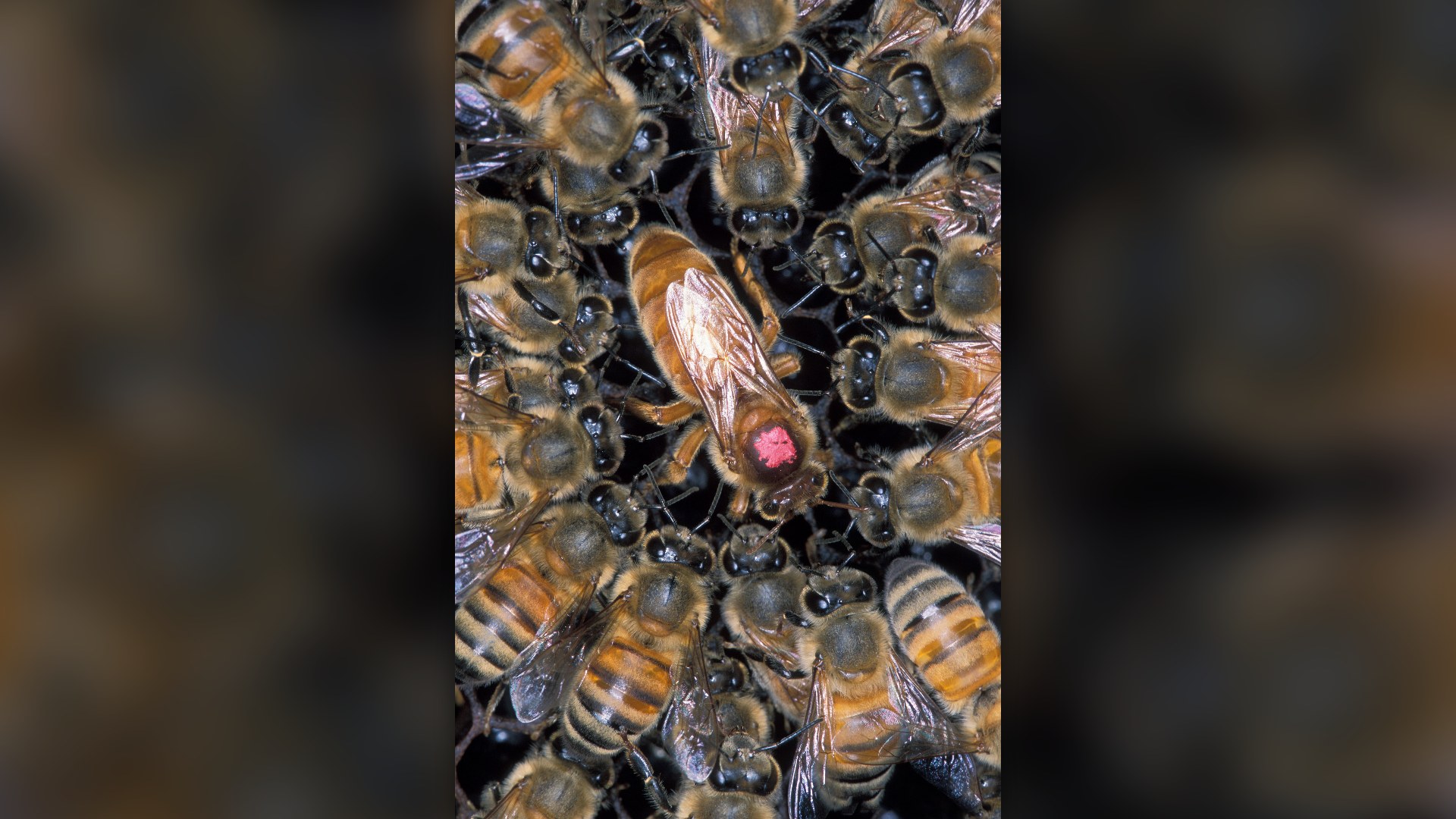
4. Africanized Honeybee (Apis Mellifera Scutellata)
After 26 experimental colonies escaped a breeding facility in Sao Paulo, Brazil in 1957, Africanized honeybees spread across the Americas. Their hair-trigger defensive swarms pursue targets for half a mile and have caused over 1,000 human deaths.
©Wikimedia / Scott Bauer, USDA
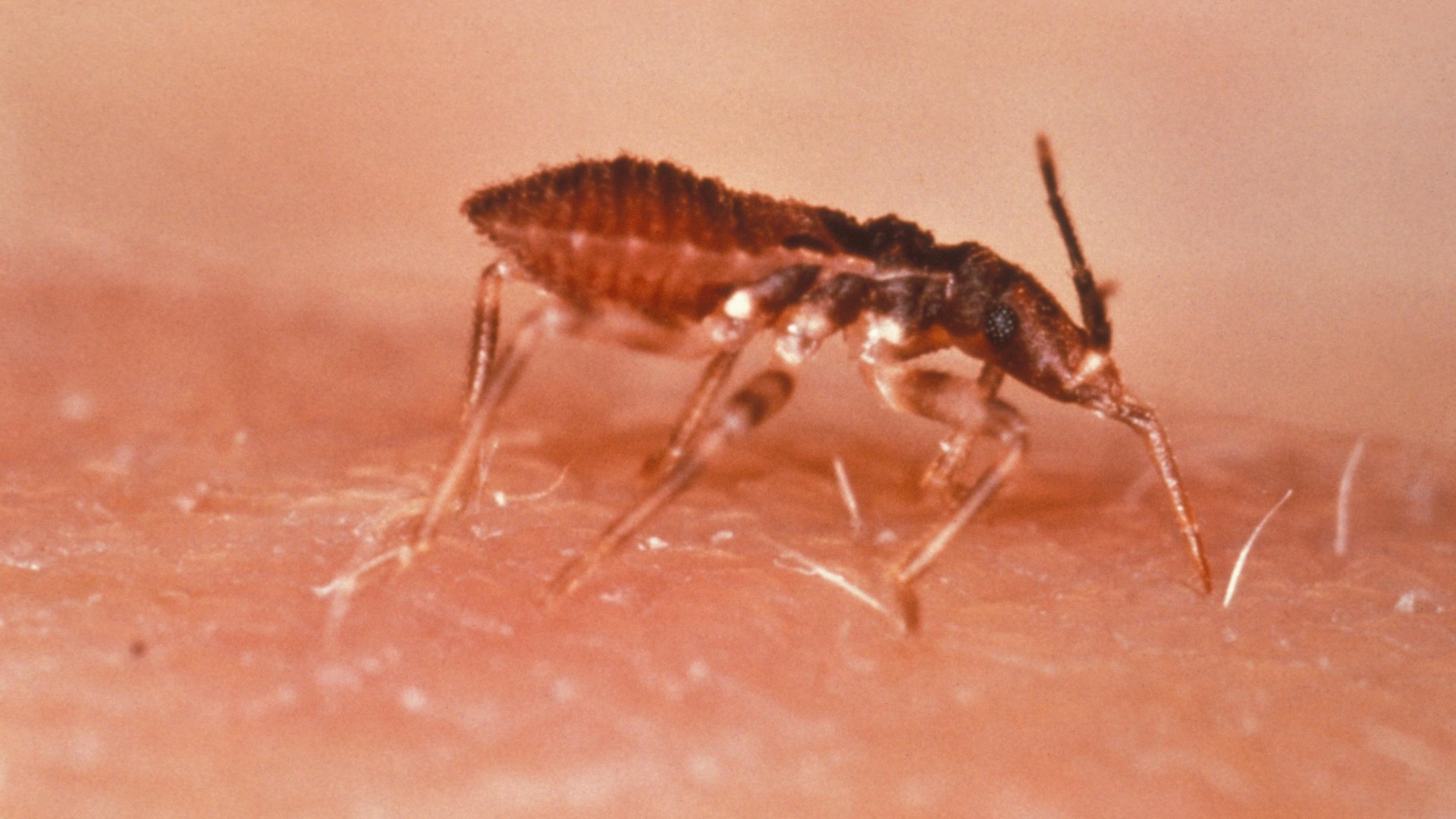
3. Kissing Bug (Triatoma Infestans)
Nocturnal kissing bugs emerge from wall cracks across Latin America and the southern United States to feed near the lips and eyes of sleeping humans. Their bites spread Trypanosoma cruzi, the parasite behind Chagas disease, killing over 10,000 people annually.
©Wikimedia / CDC World Health Organization
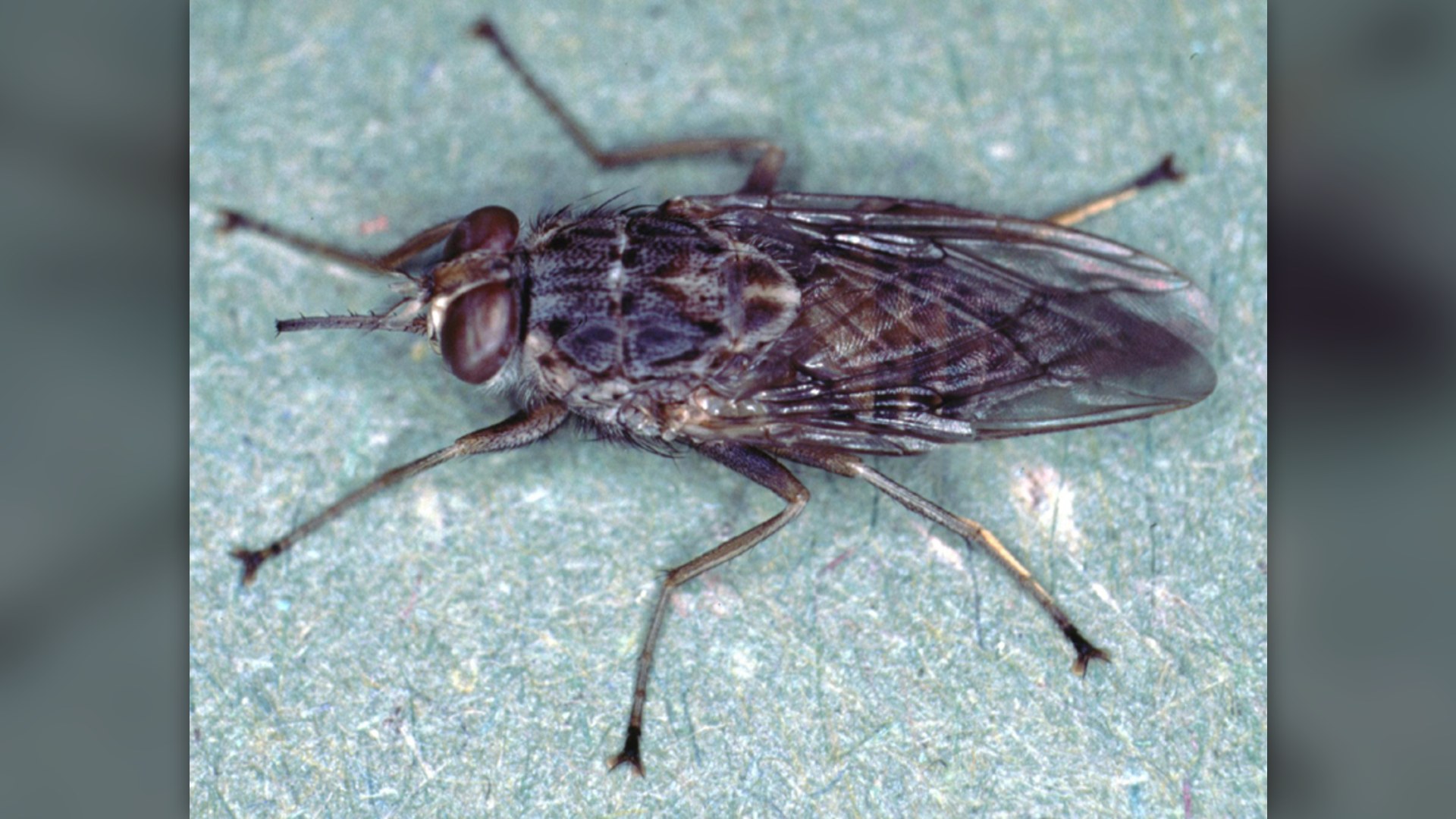
2. Tsetse Fly (Glossina Morsitans)
Found across rural sub-Saharan Africa, both male and female tsetse flies feed exclusively on vertebrate blood. Their bites transmit Trypanosoma brucei parasites, which cross the blood-brain barrier to cause African sleeping sickness and fatal coma if untreated.
©Wikimedia / Alan R. Walker
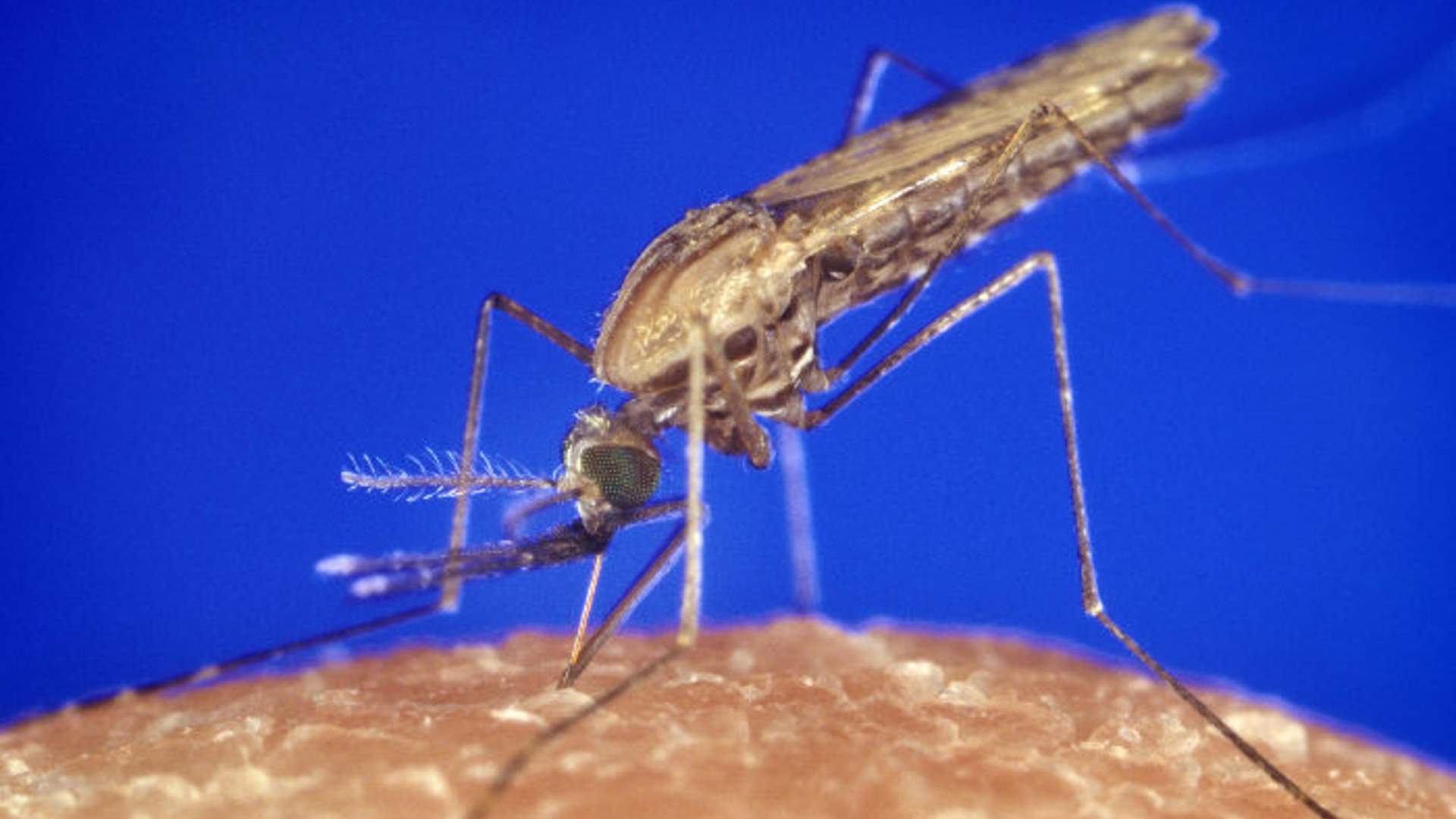
1. Mosquito (Anopheles, Aedes, And Culex)
No creature on the planet rivals the mosquito in human toll. Female Anopheles, Aedes, and Culex mosquitoes transmit malaria, dengue, yellow fever, Zika, and West Nile virus while drawing blood, claiming more than 700,000 human lives every single year.

©Wikimedia / CDC James Gathany
Advertisement
You've reached the end of the story. Thanks for reading!

20 Iconic Historical Photos and the Archive Clues Behind Them
Contact sheets, cracked glass plates, and NASA mission logs preserve the hidden steps behind 20 famous photographs. Drawing on records from the Library of Congress, the National Archives, NASA, and the Smithsonian, this countdown traces how cropping, camera setups, and double exposures shaped each frame.
All 15 Entries in this Story
15. Puss Moth Caterpillar (Megalopyge Opercularis)
Found across the southern United States and Central America, the larva of the southern flannel moth looks like a tuft of cotton. Beneath that coat sit hollow spines filled with venom that cause throbbing pain, muscle cramps, and emergency room visits.

14. Blister Beetle (Family Meloidae)
When threatened, roughly 7,500 species of blister beetles exude yellow droplets of cantharidin from their leg joints. This chemical burns human skin on contact and can cause fatal kidney failure if swallowed in contaminated hay or food.

13. Human Botfly (Dermatobia Hominis)
Native to Central and South America, the female human botfly captures a mosquito in midair and glues up to 30 eggs onto its belly. When the mosquito lands on a person, body heat hatches the larvae, which burrow beneath the skin for eight weeks.

12. Executioner Wasp (Polistes Carnifex)
Stretching up to 3 centimeters long across Central and South America, the yellow-and-brown executioner wasp possesses mandibles and a potent stinger loaded with tissue-damaging venom that can trigger kidney distress.

11. Tarantula Hawk Wasp (Pepsis Grossa)
This metallic blue wasp hunts tarantulas across American deserts, paralyzing spiders with a 7-millimeter stinger before laying a single egg on the living host. In humans, its electric-like sting causes immediate temporary muscle paralysis.

10. Bullet Ant (Paraponera Clavata)
Inhabiting rainforests from Nicaragua to the Amazon Basin, the inch-long bullet ant delivers a sting compared to being shot. Its venom contains poneratoxin, which blocks sodium channels in nerve cells and causes 24 hours of intense pain and tremors.

9. Harvester Ant (Pogonomyrmex)
Found across the deserts of the American Southwest and Mexico, Pogonomyrmex harvester ants produce the most lethal insect venom measured in laboratory LD50 tests. Just a few hundred stings can deliver enough venom to kill an adult human.

8. Siafu Driver Ant (Dorylus)
Across sub-Saharan Africa, Siafu driver ants form nomadic colonies of up to 20 million workers. Soldier ants lock onto flesh with such force that East African communities historically used their severed heads as emergency surgical staples.

7. Red Imported Fire Ant (Solenopsis Invicta)
Accidentally shipped from South America to Mobile, Alabama in the 1930s, red imported fire ants sting roughly 14 million Americans every year. Workers latch on with their jaws and pivot in a circle to inject burning alkaloid venom.

6. Jack Jumper Ant (Myrmecia Pilosula)
Endemic to southeastern Australia and Tasmania, the jack jumper ant can leap several inches to ambush intruders. In Tasmania, its potent venom causes more fatal anaphylactic reactions than sharks, snakes, spiders, and wasps combined.

5. Northern Giant Hornet (Vespa Mandarinia)
Measuring up to 4.5 centimeters long across East Asia, the northern giant hornet uses a smooth 6-millimeter stinger to inject cytolytic venom repeatedly. Multiple stings can trigger kidney failure and cause 30 to 50 deaths a year in Japan and China.

4. Africanized Honeybee (Apis Mellifera Scutellata)
After 26 experimental colonies escaped a breeding facility in Sao Paulo, Brazil in 1957, Africanized honeybees spread across the Americas. Their hair-trigger defensive swarms pursue targets for half a mile and have caused over 1,000 human deaths.

3. Kissing Bug (Triatoma Infestans)
Nocturnal kissing bugs emerge from wall cracks across Latin America and the southern United States to feed near the lips and eyes of sleeping humans. Their bites spread Trypanosoma cruzi, the parasite behind Chagas disease, killing over 10,000 people annually.

2. Tsetse Fly (Glossina Morsitans)
Found across rural sub-Saharan Africa, both male and female tsetse flies feed exclusively on vertebrate blood. Their bites transmit Trypanosoma brucei parasites, which cross the blood-brain barrier to cause African sleeping sickness and fatal coma if untreated.

1. Mosquito (Anopheles, Aedes, And Culex)
No creature on the planet rivals the mosquito in human toll. Female Anopheles, Aedes, and Culex mosquitoes transmit malaria, dengue, yellow fever, Zika, and West Nile virus while drawing blood, claiming more than 700,000 human lives every single year.