Slideshow · Viral
The 15 Oldest Countries in the World, Ranked
While many modern nations drew their borders in the 20th century, these 15 countries trace their organized statehood, royal dynasties, and cultural sovereignty back thousands of years.

By Most Viral Today
28 Oct 2026

The 15 Oldest Sovereign Countries in the World, Ranked by History 
15. Portugal (Founded As A Kingdom In 1139 CE) 
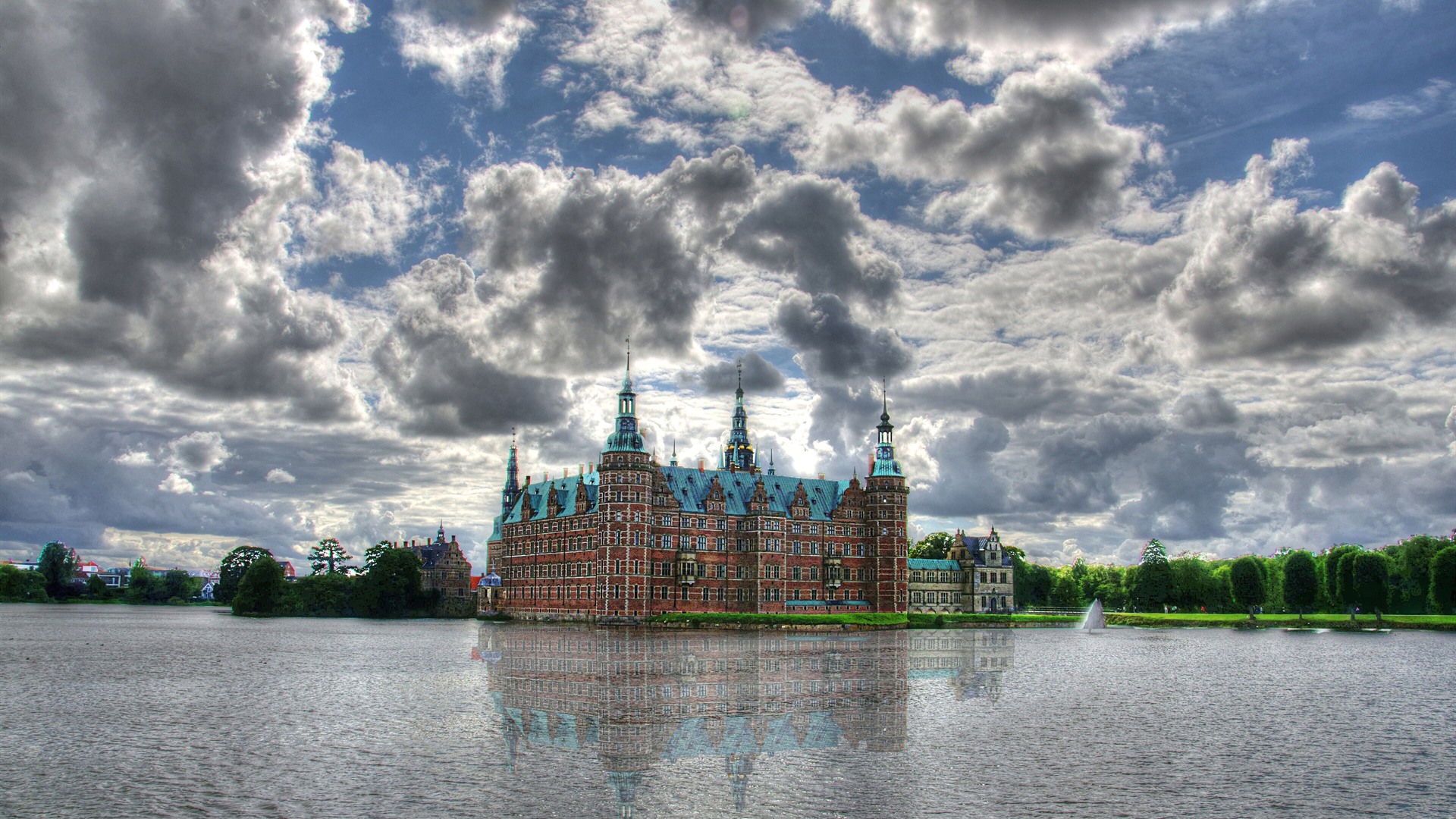
14. Denmark (Unified Around 965 CE By Harald Bluetooth) 
13. France (843 CE Treaty Of Verdun And 481 CE Francia) - AdvertisementSwipe or tap ▶ to continue countdown

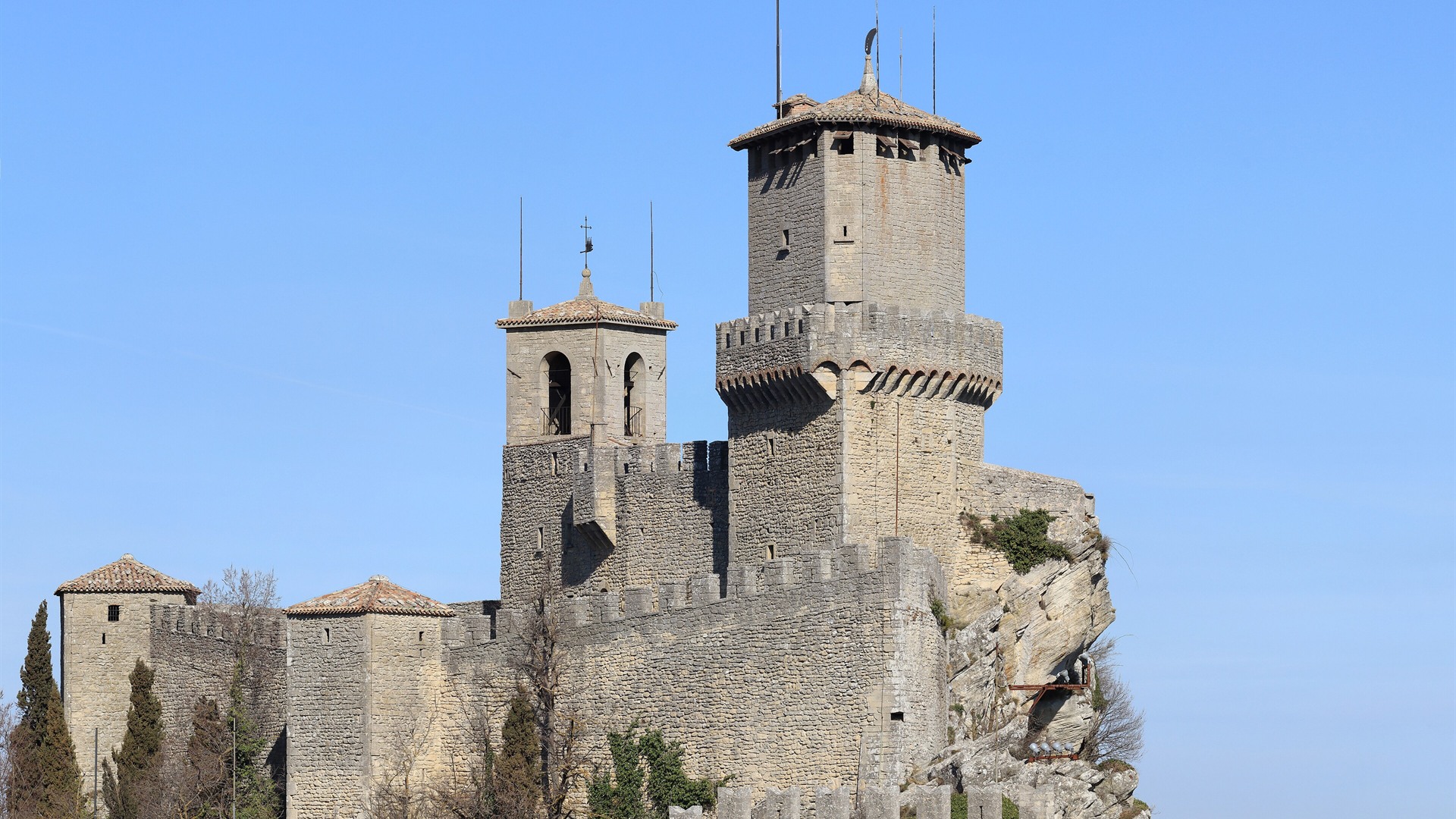
12. San Marino (Founded On Mount Titano In 301 CE) 
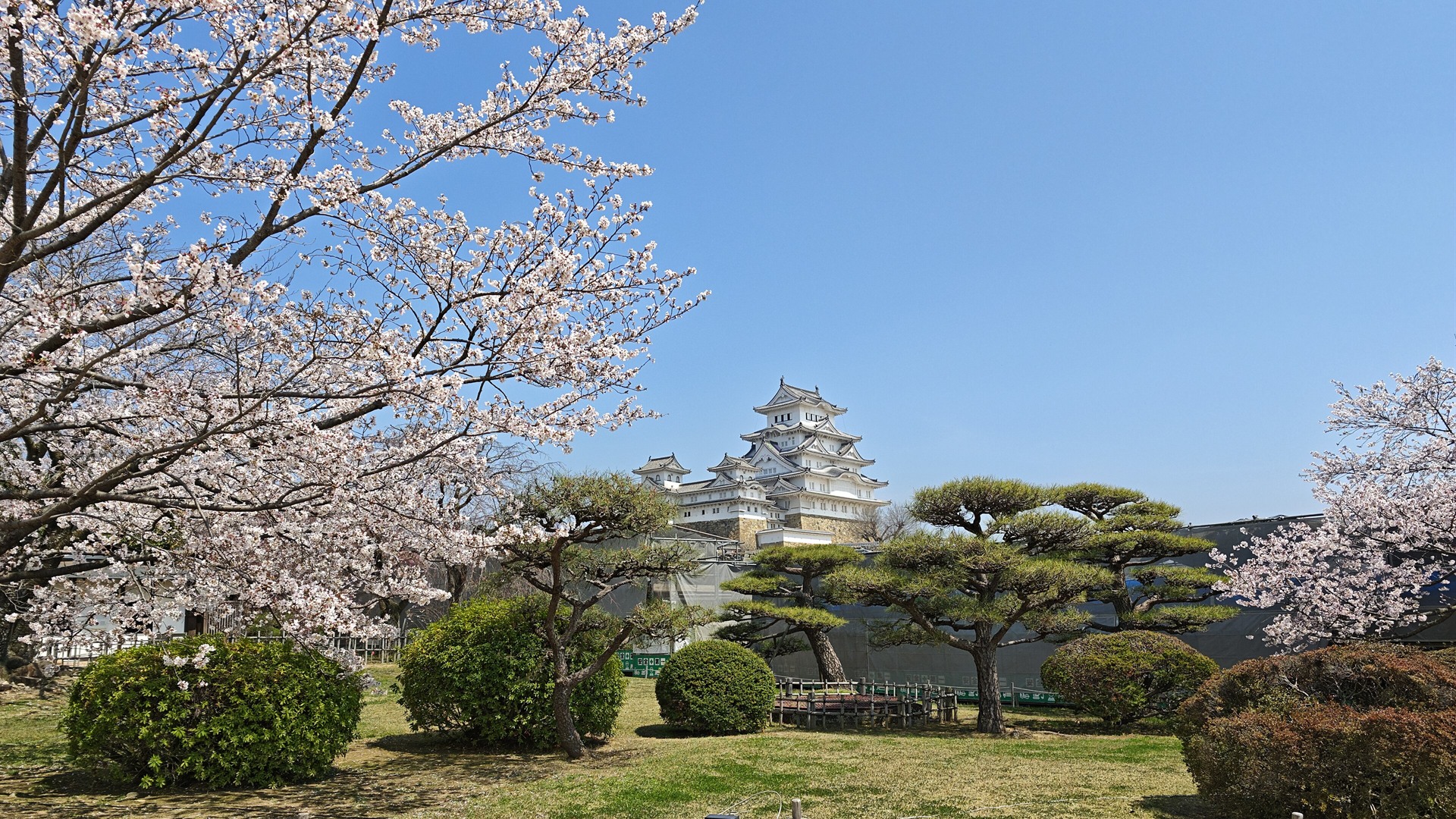
11. Japan (660 BCE Imperial Tradition And Yamato State) 
10. Armenia (c. 860 BCE Kingdom Of Urartu And Ararat) 
9. Ethiopia (c. 980 BCE Kingdoms Of D'mt And Aksum) - AdvertisementSwipe or tap ▶ to continue countdown

8. Israel (c. 1000 BCE Ancient Levantine Kingdoms) 
7. Sudan (c. 1070 BCE Kingdom Of Kush And Ancient Kerma) 
6. Georgia (c. 1200 BCE Kingdoms Of Colchis And Iberia) 
5. Greece (c. 1600 BCE Mycenaean Palaces And City-States) - AdvertisementSwipe or tap ▶ to continue countdown

4. China (c. 2070 BCE Xia And 1600 BCE Shang Dynasties) 
3. India (c. 2500 BCE Indus Civilization And Maurya Empire) 
2. Iran (c. 2700 BCE Kingdom Of Elam And Persian Empire) 
1. Egypt (c. 3150 BCE Unification Under Pharaoh Narmer) - Advertisement🔥 UP NEXT IN THIS SERIES◫ 21 Slides

20 Iconic Historical Photos and the Archive Clues Behind Them
Contact sheets, cracked glass plates, and NASA mission logs preserve the hidden steps behind 20 famous photographs. Drawing on records from the Library of Congress, the National Archives, NASA, and the Smithsonian, this countdown traces how cropping, camera setups, and double exposures shaped each frame.
While many modern nations drew their current borders in the 20th century, a select group of countries trace their organized statehood and cultural identity back thousands of years. From medieval European kingdoms to Bronze Age cradles of civilization, here are the 15 oldest countries, ranked.

Swipe or tap ▶ to begin the countdown
©Wikimedia / Paolo Gamba
15. Portugal (Founded As A Kingdom In 1139 CE)
After the Battle of Ourique in July 1139, Afonso Henriques became the first King of Portugal, winning formal papal recognition in 1179. When King Denis signed the Treaty of Alcanizes in 1297, he established the continental borders Portugal still maintains today, the oldest in Europe.
©Wikimedia / Krzysztof Golik
14. Denmark (Unified Around 965 CE By Harald Bluetooth)
Consolidated by Viking kings Gorm the Old and his son Harald Bluetooth in the 10th century, Denmark boasts the oldest continuous monarchy in Europe. On the runic Jelling Stones raised around 965 CE, Harald Bluetooth carved the earliest native inscription naming a unified Danish kingdom.
©Wikimedia / Er.gagansharma
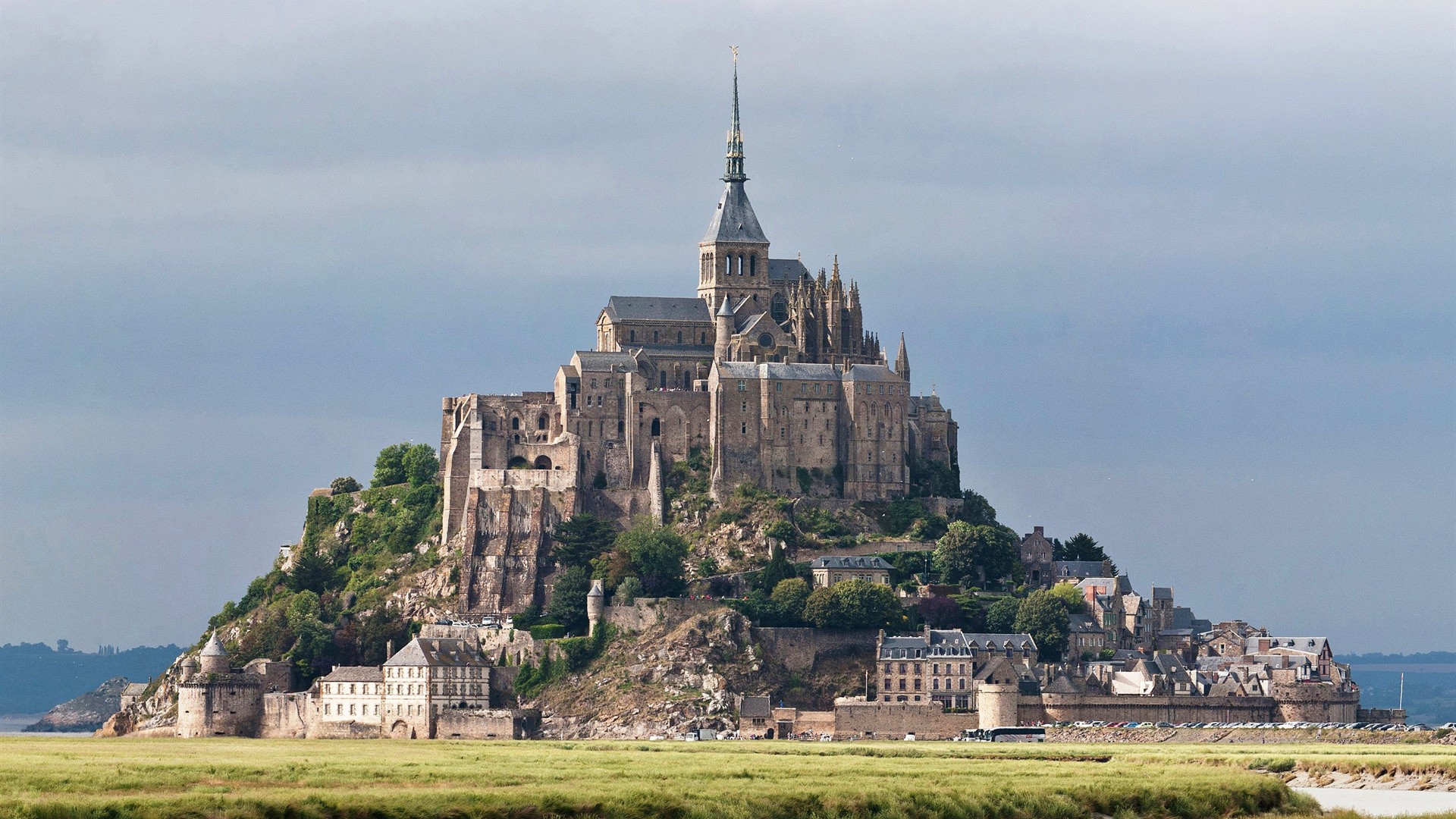
13. France (843 CE Treaty Of Verdun And 481 CE Francia)
Although King Clovis I united the Frankish tribes into Francia in 481 CE, historians date the birth of a distinct French state to August 843 CE. Under the Treaty of Verdun, Charlemagne's grandsons divided the Carolingian Empire, creating West Francia, the direct predecessor of modern France.
©Wikimedia / David Iliff
Advertisement
Swipe or tap ▶ to resume the countdown.
12. San Marino (Founded On Mount Titano In 301 CE)
Perched atop the three peaks of Mount Titano on the Italian Peninsula, San Marino was founded on September 3, 301 CE by Saint Marinus, a stonemason fleeing Roman persecution. It stands today as the world's oldest sovereign republic, still governed under constitutional statutes from 1600.
©Wikimedia / Terragio67
11. Japan (660 BCE Imperial Tradition And Yamato State)
According to the 8th-century chronicles Kojiki and Nihon Shoki, Emperor Jimmu founded Japan on February 11, 660 BCE, a date still celebrated as National Foundation Day. Archaeologically, the unified Yamato court coalesced around 250 to 300 CE, sustaining the world's oldest royal house.
©Wikimedia / Loggieloggie
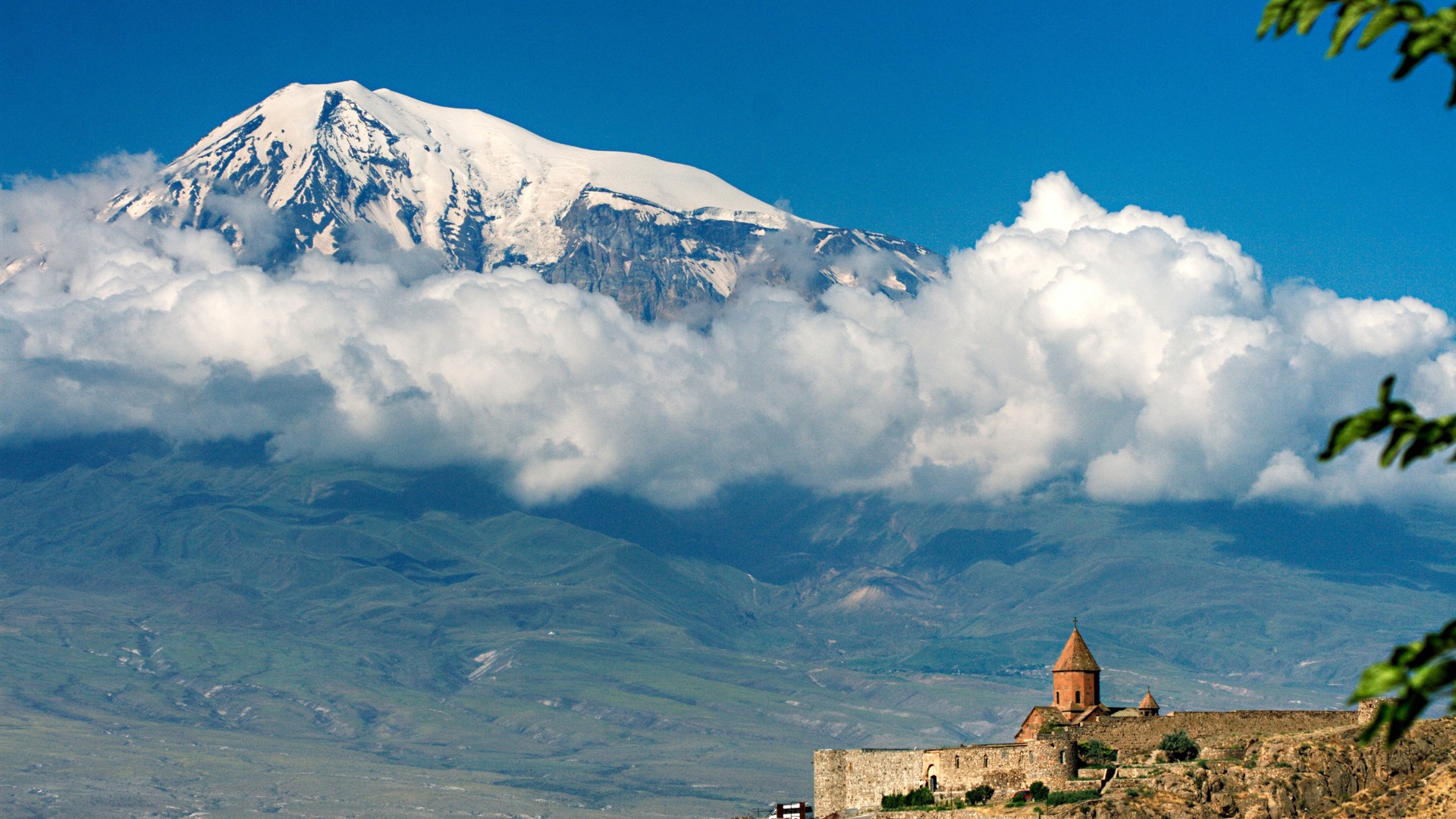
10. Armenia (c. 860 BCE Kingdom Of Urartu And Ararat)
Centered around Mount Ararat, the Iron Age Kingdom of Urartu rose around 860 BCE before giving way to the Orontid Dynasty of Armenia in the 6th century BCE. In 301 CE, under King Tiridates III, the Kingdom of Armenia made history as the first nation to adopt Christianity as its state faith.
©Wikimedia / Andrew Behesnilian
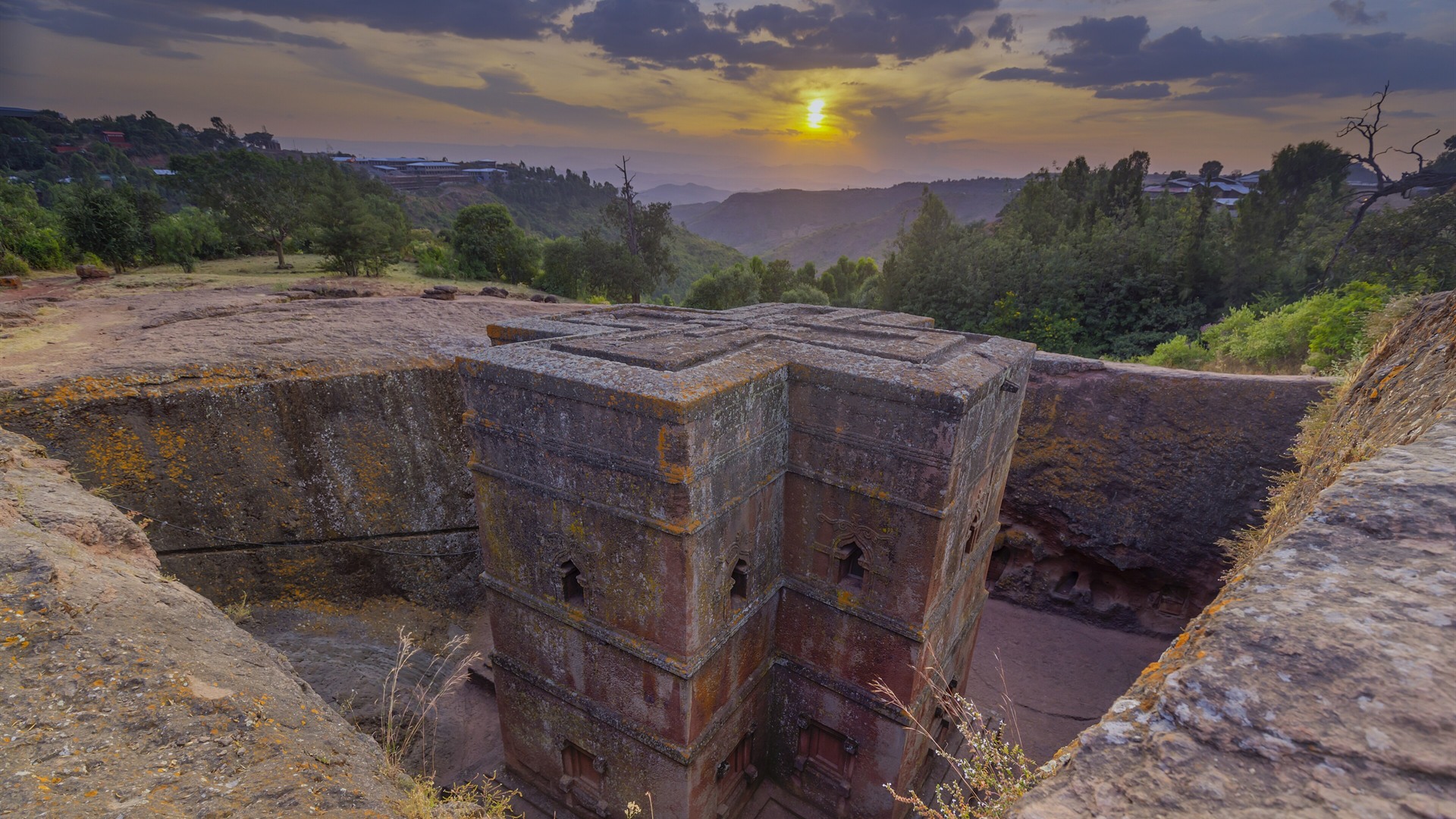
9. Ethiopia (c. 980 BCE Kingdoms Of D'mt And Aksum)
In the northern highlands, the Kingdom of D'mt built stone temples and irrigation works around 980 BCE, paving the way for the Aksumite Empire in the 1st century CE. Famous for its stelae and the rock-hewn churches of Lalibela, Ethiopia defeated Italy at Adwa in 1896 to remain sovereign.
©Wikimedia / Thomas Fuhrmann
Advertisement
Swipe or tap ▶ to resume the countdown.
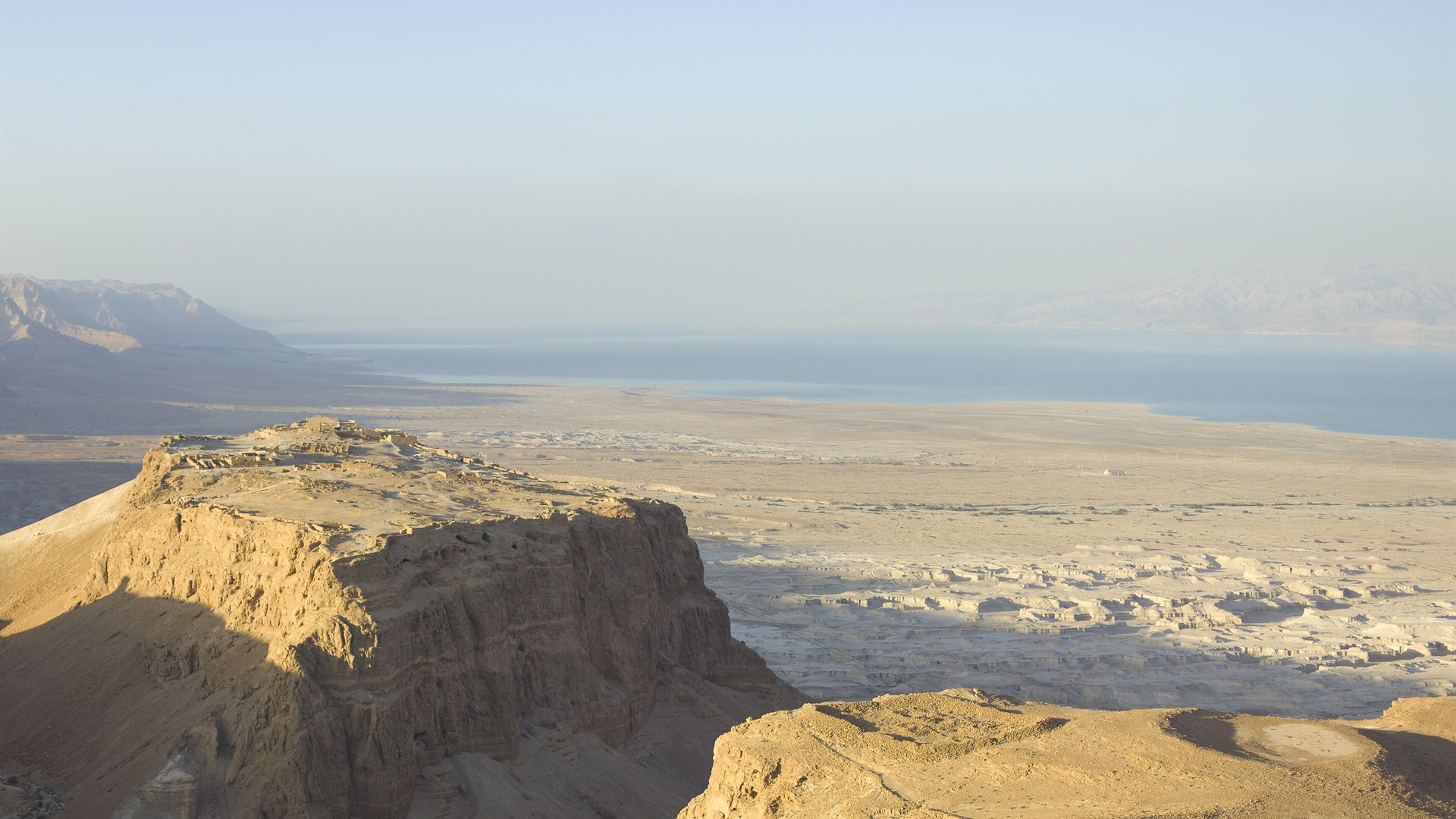
8. Israel (c. 1000 BCE Ancient Levantine Kingdoms)
While the modern State of Israel was established in 1948, its national identity, Hebrew language, and capital in Jerusalem trace back to the Iron Age kingdoms of Israel and Judah around 1000 BCE. Ninth-century BCE stone inscriptions such as the Tel Dan Stele record the ancient royal house.
©Wikimedia / Andrew Shiva
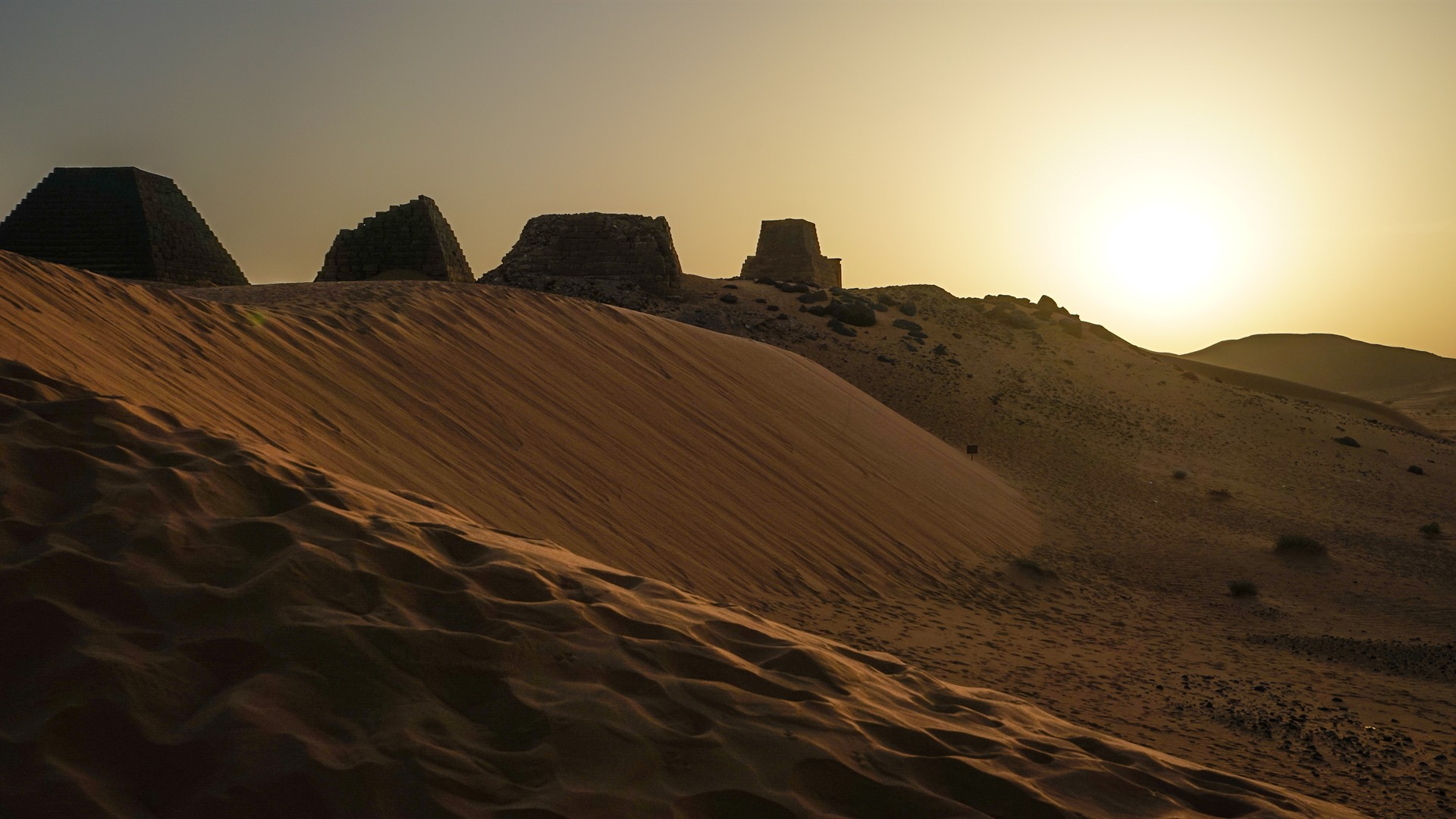
7. Sudan (c. 1070 BCE Kingdom Of Kush And Ancient Kerma)
Sudan's Nile valley birthed the Kingdom of Kerma around 2500 BCE and the powerful Kingdom of Kush around 1070 BCE. Kushite monarchs conquered and ruled Egypt as the 25th Dynasty and constructed more than 200 steep-sided royal pyramids at Meroe and Nuri, outnumbering those found in Egypt.
©Wikimedia / Nina R
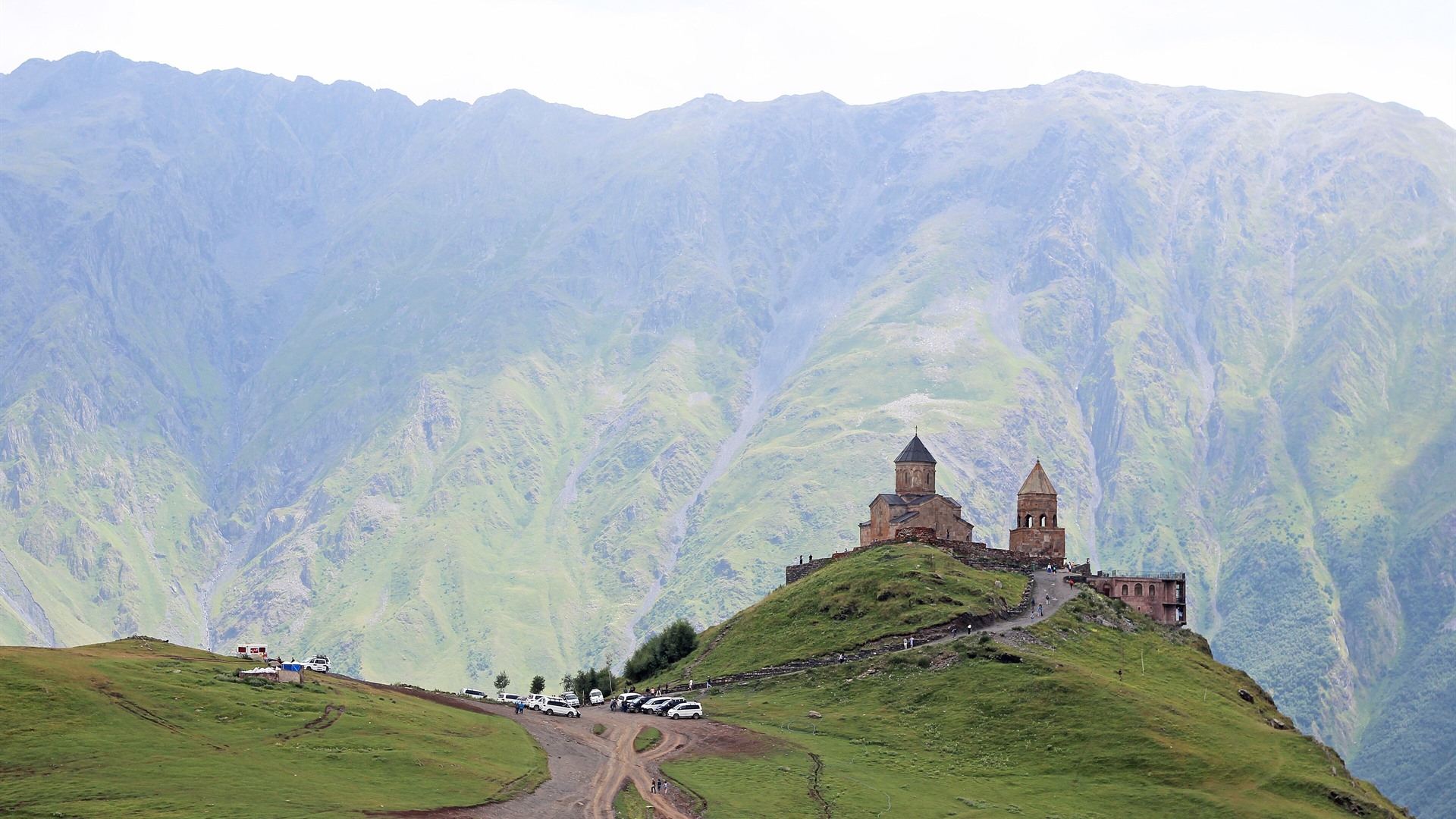
6. Georgia (c. 1200 BCE Kingdoms Of Colchis And Iberia)
Situated between the Caucasus mountains and the Black Sea, Georgia traces its statehood to the Bronze Age kingdom of Colchis around 1200 BCE and the eastern kingdom of Iberia. Famous in Greek myth as the land of the Golden Fleece, Georgia still preserves its ancient language and alphabet.
©Wikimedia / Stefan Wisselink
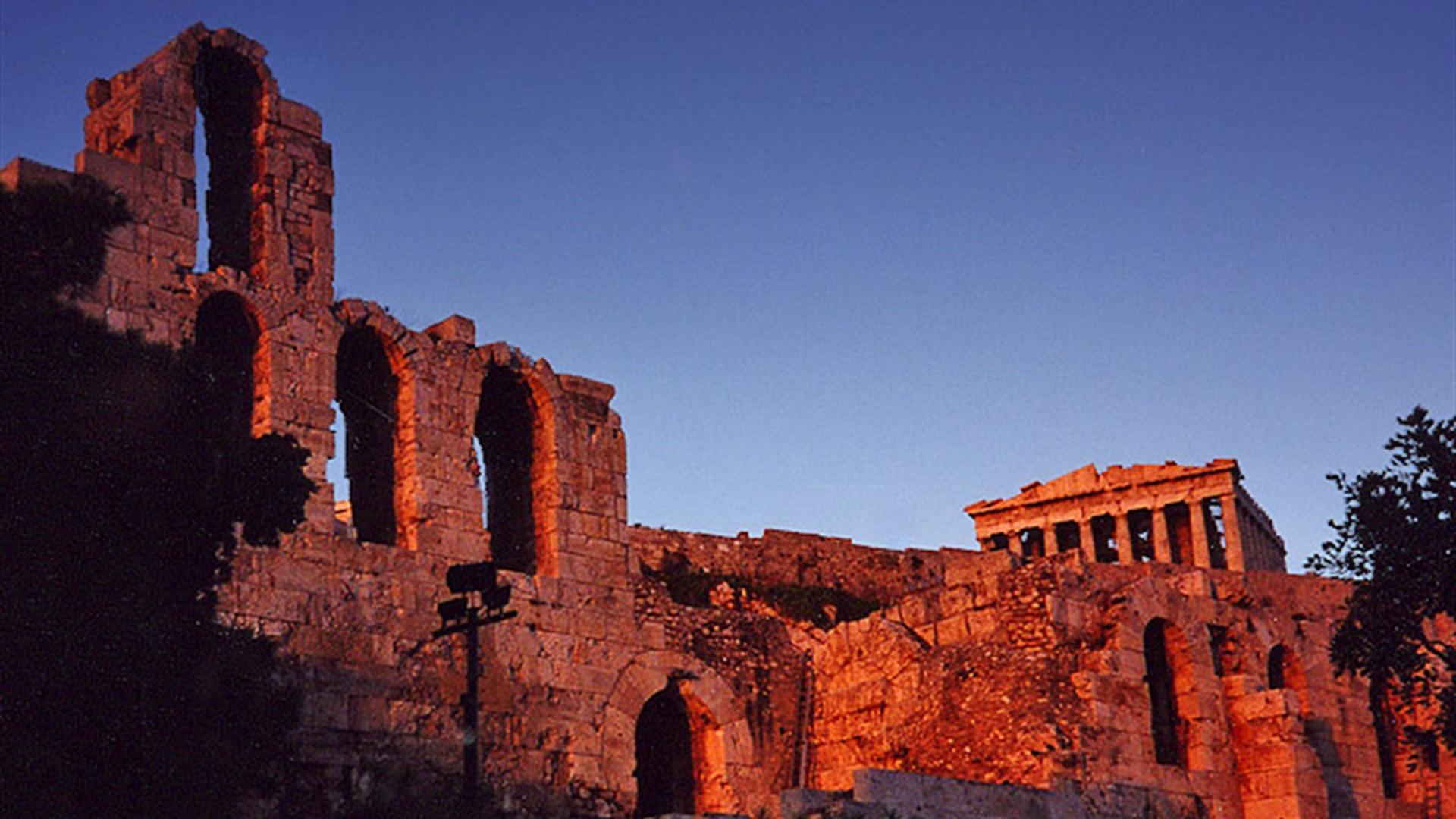
5. Greece (c. 1600 BCE Mycenaean Palaces And City-States)
Clay tablets inscribed in Linear B at Mycenae and Pylos prove that organized Greek-speaking palace states flourished across the Aegean by 1600 BCE. By the 5th century BCE, classical city-states led by Athens and Sparta laid the foundations of Western democracy, philosophy, and theater.
©Wikimedia / Aaron Logan
Advertisement
Swipe or tap ▶ to resume the countdown.
4. China (c. 2070 BCE Xia And 1600 BCE Shang Dynasties)
Along the Yellow River basin, ancient chronicles place the founding of the Xia Dynasty around 2070 BCE, linked to the Bronze Age Erlitou cities. By 1600 BCE, the Shang Dynasty ruled from capitals like Anyang and carved oracle bones bearing the direct ancestor of modern Chinese characters.
©Wikimedia / Jakub Halun
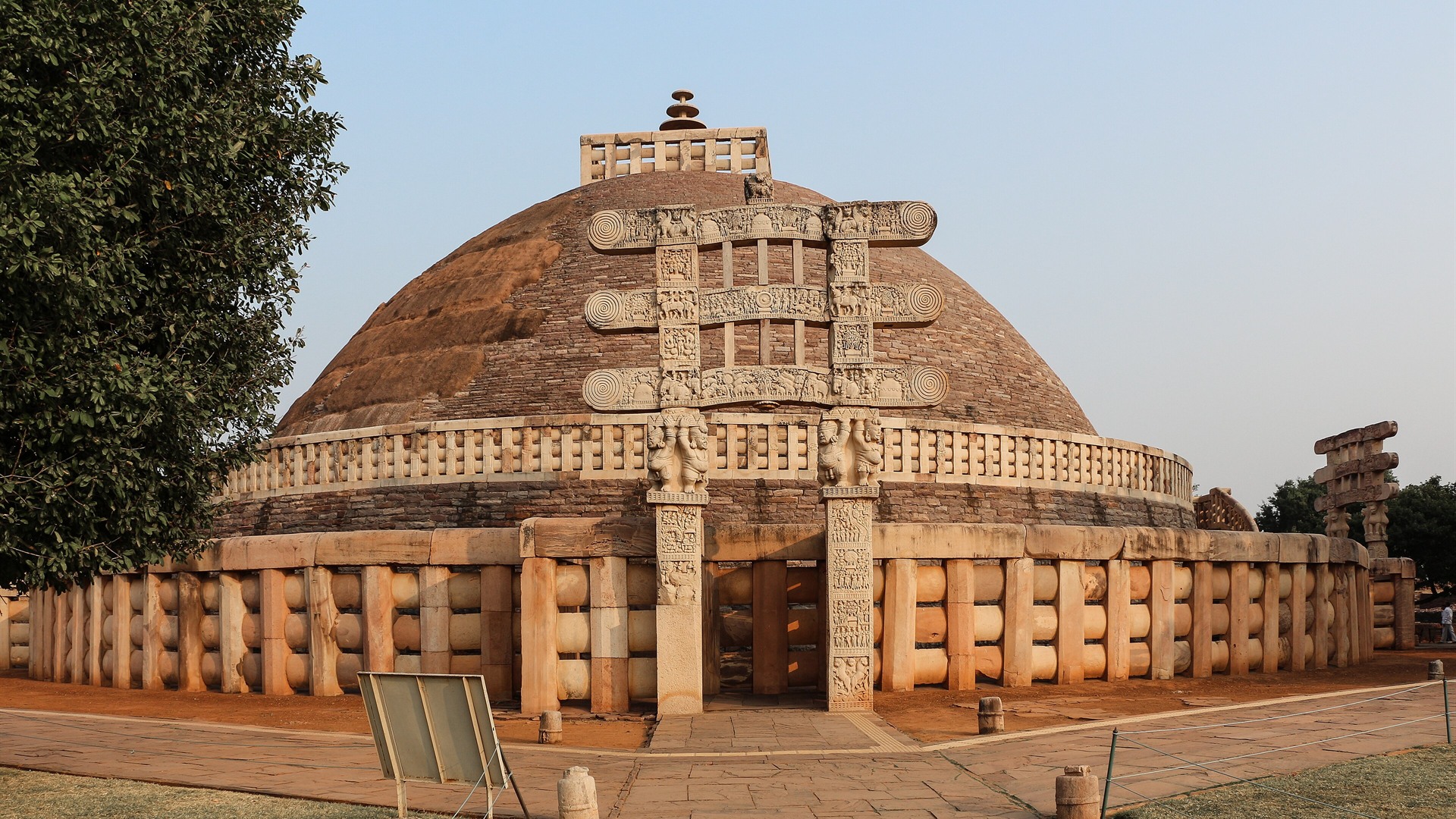
3. India (c. 2500 BCE Indus Civilization And Maurya Empire)
Urban governance on the Indian subcontinent began around 2500 BCE with the Indus Valley Civilization, whose cities featured grid streets and drainage networks. After the Vedic kingdoms, the Maurya Empire under Chandragupta and Ashoka unified nearly the entire subcontinent by the 3rd century BCE.
©Wikimedia / Bernard Gagnon
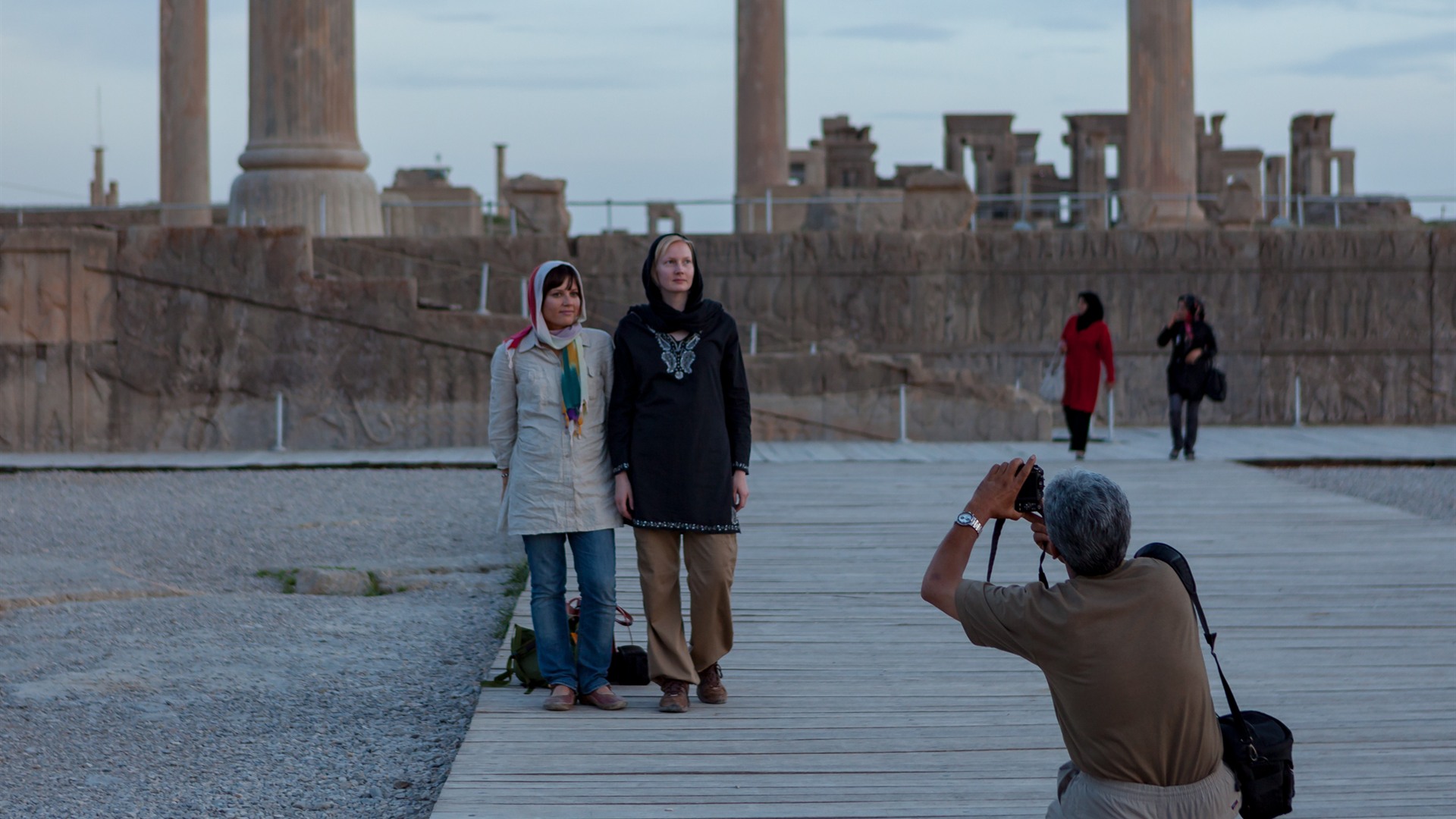
2. Iran (c. 2700 BCE Kingdom Of Elam And Persian Empire)
Iran's history of organized statehood begins around 2700 BCE with the Kingdom of Elam, centered in the ancient city of Susa. In 550 BCE, Cyrus the Great united the Medes and Persians to found the Achaemenid Empire, ruling from ceremonial capitals like Persepolis across three continents.
©Wikimedia / Ninara
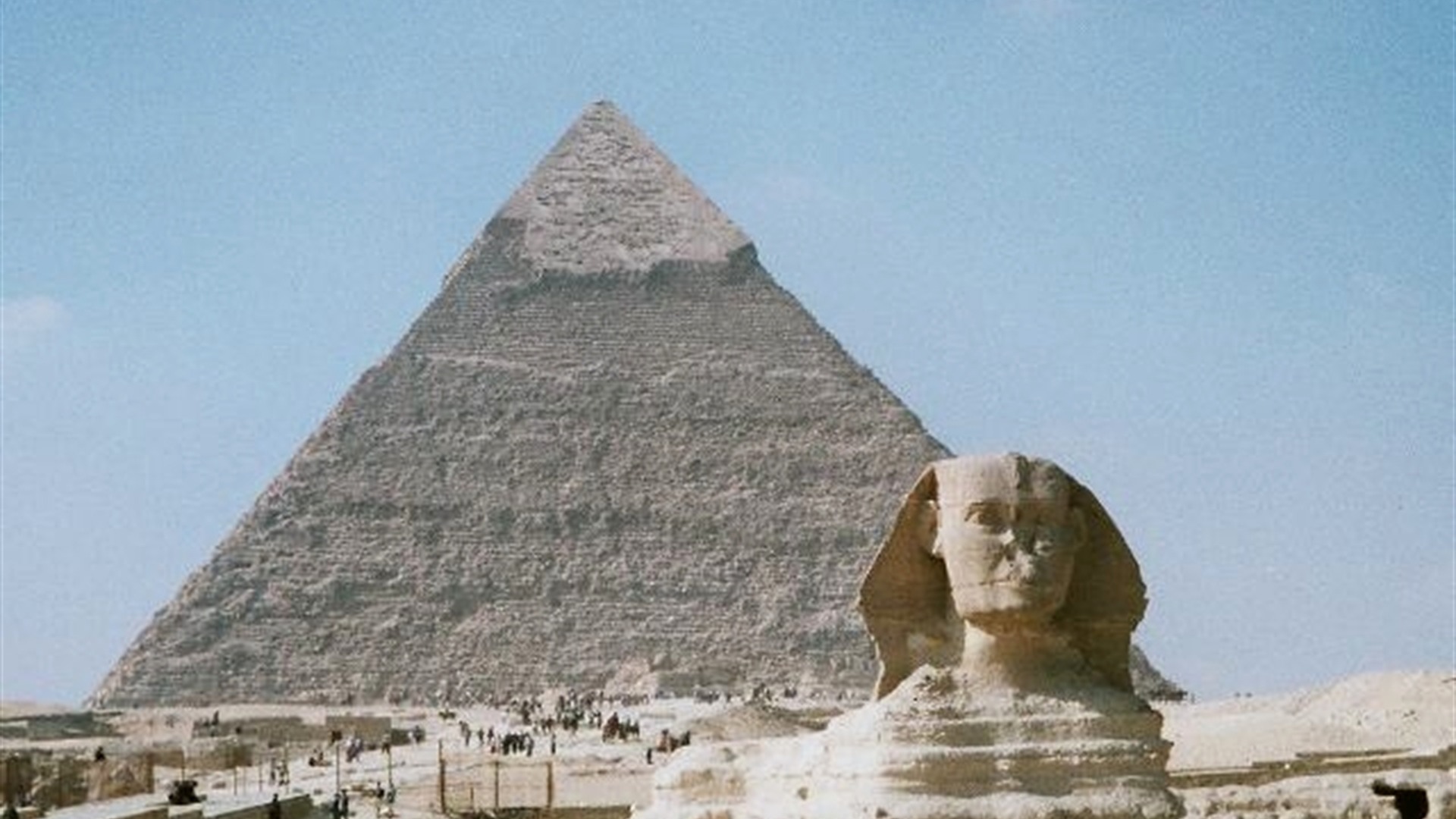
1. Egypt (c. 3150 BCE Unification Under Pharaoh Narmer)
Around 3150 BCE, King Narmer united the kingdoms of Upper and Lower Egypt under a single double crown, founding the First Dynasty at Memphis. More than 5,100 years later, monumentalized by the Great Pyramids and Sphinx of Giza, Egypt endures along the Nile as the world's oldest country.

©Wikimedia / Hajor
Advertisement
You've reached the end of the story. Thanks for reading!

20 Iconic Historical Photos and the Archive Clues Behind Them
Contact sheets, cracked glass plates, and NASA mission logs preserve the hidden steps behind 20 famous photographs. Drawing on records from the Library of Congress, the National Archives, NASA, and the Smithsonian, this countdown traces how cropping, camera setups, and double exposures shaped each frame.
All 15 Entries in this Story
15. Portugal (Founded As A Kingdom In 1139 CE)
After the Battle of Ourique in July 1139, Afonso Henriques became the first King of Portugal, winning formal papal recognition in 1179. When King Denis signed the Treaty of Alcanizes in 1297, he established the continental borders Portugal still maintains today, the oldest in Europe.

14. Denmark (Unified Around 965 CE By Harald Bluetooth)
Consolidated by Viking kings Gorm the Old and his son Harald Bluetooth in the 10th century, Denmark boasts the oldest continuous monarchy in Europe. On the runic Jelling Stones raised around 965 CE, Harald Bluetooth carved the earliest native inscription naming a unified Danish kingdom.

13. France (843 CE Treaty Of Verdun And 481 CE Francia)
Although King Clovis I united the Frankish tribes into Francia in 481 CE, historians date the birth of a distinct French state to August 843 CE. Under the Treaty of Verdun, Charlemagne's grandsons divided the Carolingian Empire, creating West Francia, the direct predecessor of modern France.

12. San Marino (Founded On Mount Titano In 301 CE)
Perched atop the three peaks of Mount Titano on the Italian Peninsula, San Marino was founded on September 3, 301 CE by Saint Marinus, a stonemason fleeing Roman persecution. It stands today as the world's oldest sovereign republic, still governed under constitutional statutes from 1600.

11. Japan (660 BCE Imperial Tradition And Yamato State)
According to the 8th-century chronicles Kojiki and Nihon Shoki, Emperor Jimmu founded Japan on February 11, 660 BCE, a date still celebrated as National Foundation Day. Archaeologically, the unified Yamato court coalesced around 250 to 300 CE, sustaining the world's oldest royal house.

10. Armenia (c. 860 BCE Kingdom Of Urartu And Ararat)
Centered around Mount Ararat, the Iron Age Kingdom of Urartu rose around 860 BCE before giving way to the Orontid Dynasty of Armenia in the 6th century BCE. In 301 CE, under King Tiridates III, the Kingdom of Armenia made history as the first nation to adopt Christianity as its state faith.

9. Ethiopia (c. 980 BCE Kingdoms Of D'mt And Aksum)
In the northern highlands, the Kingdom of D'mt built stone temples and irrigation works around 980 BCE, paving the way for the Aksumite Empire in the 1st century CE. Famous for its stelae and the rock-hewn churches of Lalibela, Ethiopia defeated Italy at Adwa in 1896 to remain sovereign.

8. Israel (c. 1000 BCE Ancient Levantine Kingdoms)
While the modern State of Israel was established in 1948, its national identity, Hebrew language, and capital in Jerusalem trace back to the Iron Age kingdoms of Israel and Judah around 1000 BCE. Ninth-century BCE stone inscriptions such as the Tel Dan Stele record the ancient royal house.

7. Sudan (c. 1070 BCE Kingdom Of Kush And Ancient Kerma)
Sudan's Nile valley birthed the Kingdom of Kerma around 2500 BCE and the powerful Kingdom of Kush around 1070 BCE. Kushite monarchs conquered and ruled Egypt as the 25th Dynasty and constructed more than 200 steep-sided royal pyramids at Meroe and Nuri, outnumbering those found in Egypt.

6. Georgia (c. 1200 BCE Kingdoms Of Colchis And Iberia)
Situated between the Caucasus mountains and the Black Sea, Georgia traces its statehood to the Bronze Age kingdom of Colchis around 1200 BCE and the eastern kingdom of Iberia. Famous in Greek myth as the land of the Golden Fleece, Georgia still preserves its ancient language and alphabet.

5. Greece (c. 1600 BCE Mycenaean Palaces And City-States)
Clay tablets inscribed in Linear B at Mycenae and Pylos prove that organized Greek-speaking palace states flourished across the Aegean by 1600 BCE. By the 5th century BCE, classical city-states led by Athens and Sparta laid the foundations of Western democracy, philosophy, and theater.

4. China (c. 2070 BCE Xia And 1600 BCE Shang Dynasties)
Along the Yellow River basin, ancient chronicles place the founding of the Xia Dynasty around 2070 BCE, linked to the Bronze Age Erlitou cities. By 1600 BCE, the Shang Dynasty ruled from capitals like Anyang and carved oracle bones bearing the direct ancestor of modern Chinese characters.

3. India (c. 2500 BCE Indus Civilization And Maurya Empire)
Urban governance on the Indian subcontinent began around 2500 BCE with the Indus Valley Civilization, whose cities featured grid streets and drainage networks. After the Vedic kingdoms, the Maurya Empire under Chandragupta and Ashoka unified nearly the entire subcontinent by the 3rd century BCE.

2. Iran (c. 2700 BCE Kingdom Of Elam And Persian Empire)
Iran's history of organized statehood begins around 2700 BCE with the Kingdom of Elam, centered in the ancient city of Susa. In 550 BCE, Cyrus the Great united the Medes and Persians to found the Achaemenid Empire, ruling from ceremonial capitals like Persepolis across three continents.

1. Egypt (c. 3150 BCE Unification Under Pharaoh Narmer)
Around 3150 BCE, King Narmer united the kingdoms of Upper and Lower Egypt under a single double crown, founding the First Dynasty at Memphis. More than 5,100 years later, monumentalized by the Great Pyramids and Sphinx of Giza, Egypt endures along the Nile as the world's oldest country.