Slideshow · Viral
The 15 Worst US Cities for Winter Skin, Ranked
Artificial indoor heating, gale-force arctic winds, and bone-dry winter air wreak havoc on your lipid barrier. From high-altitude mountain basins to polar-vortex prairie plains, these 15 American citi
By Most Viral Today
26 Oct 2026

The Winter Skin Danger Zone: How Deep Freezes Destroy Your Skin Barrier 
15. Cleveland, Ohio 
14. Detroit, Michigan 
13. Grand Rapids, Michigan - AdvertisementSwipe or tap ▶ to continue countdown

12. Milwaukee, Wisconsin 
11. Buffalo, New York 
10. Reno, Nevada 
9. Salt Lake City, Utah - AdvertisementSwipe or tap ▶ to continue countdown

8. Chicago, Illinois 
7. Denver, Colorado 
6. Cheyenne, Wyoming 
5. Duluth, Minnesota - AdvertisementSwipe or tap ▶ to continue countdown

4. Bismarck, North Dakota 
3. Minneapolis–St. Paul, Minnesota 
2. Fargo, North Dakota 
1. Fairbanks, Alaska - Advertisement🔥 UP NEXT IN THIS SERIES◫ 21 Slides

20 Iconic Historical Photos and the Archive Clues Behind Them
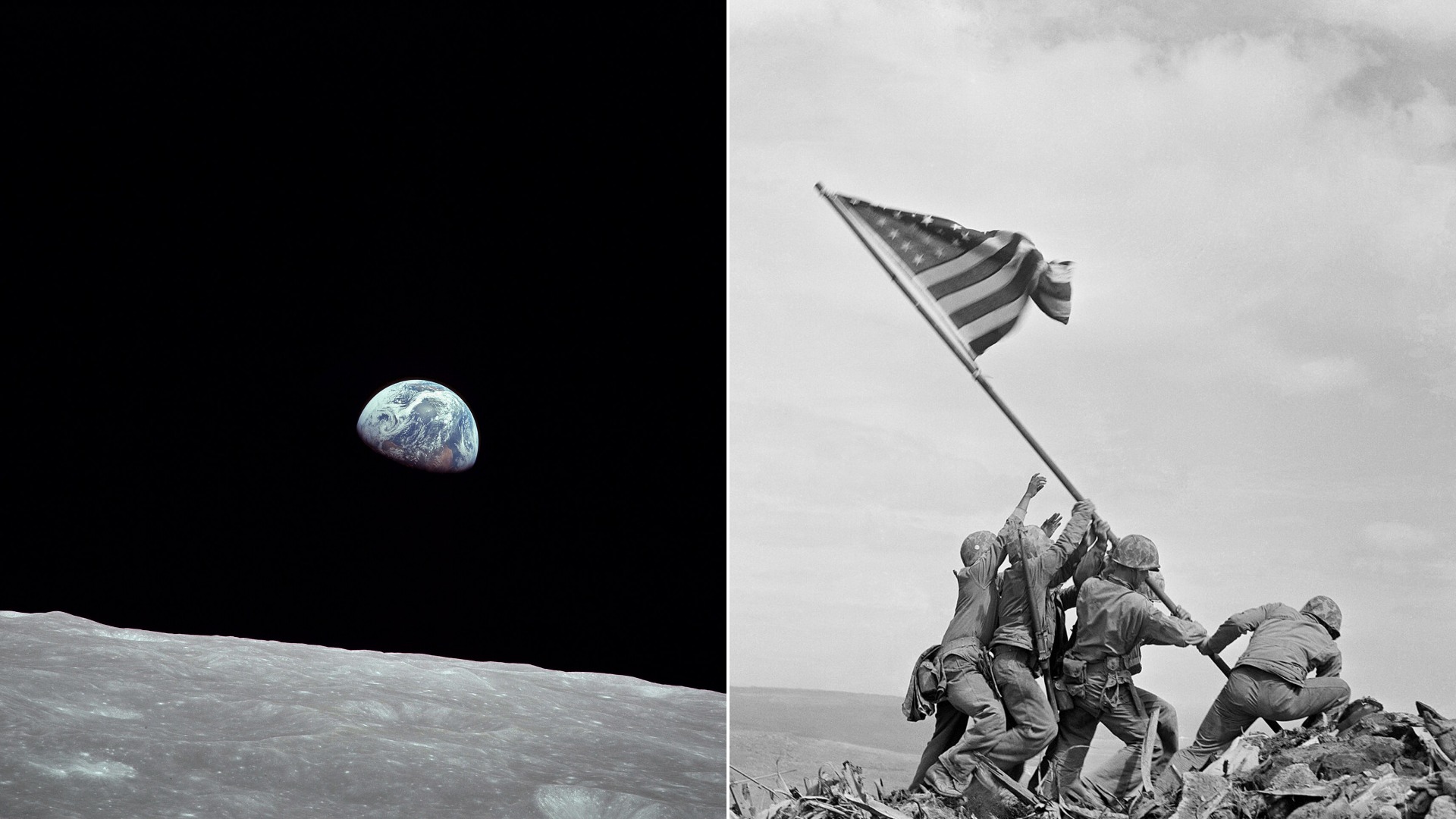
Contact sheets, cracked glass plates, and NASA mission logs preserve the hidden steps behind 20 famous photographs. Drawing on records from the Library of Congress, the National Archives, NASA, and the Smithsonian, this countdown traces how cropping, camera setups, and double exposures shaped each frame.
Forced indoor heating, gale-force arctic winds, and bone-dry winter air break down your skin barrier. From high-altitude mountain basins to polar-vortex prairie plains, these 15 American cities inflict the most brutal winter dryness, windburn, and cracking on residents.
Swipe or tap ▶ to begin the countdown
©Wikimedia / Tony Webster & Wikimedia / James Halliday
15. Cleveland, Ohio
Lakefront moisture might sound hydrating, but freezing onshore winds rapidly evaporate surface water. This process breaks down lipids and leaves Clevelanders fighting stubborn winter eczema and windburn throughout the season.
©Internet Archive / Public Domain Archive
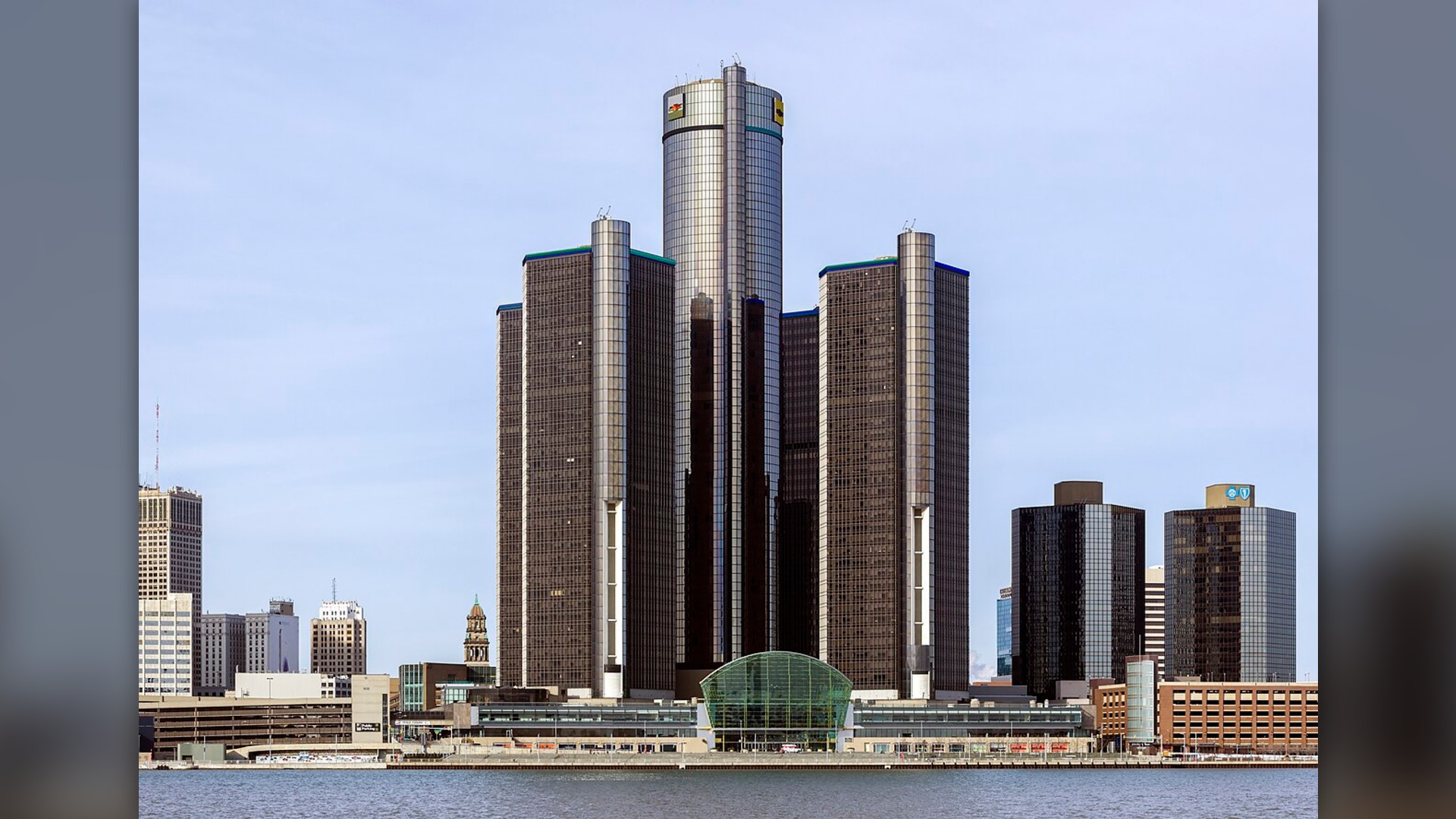
14. Detroit, Michigan
Between freezing winter temperatures and mineral-heavy municipal water, Detroit residents experience double the barrier stress. Daily hot showers wash away natural protective oils while furnaces dry out indoor air.
©Wikimedia / Crisco 1492
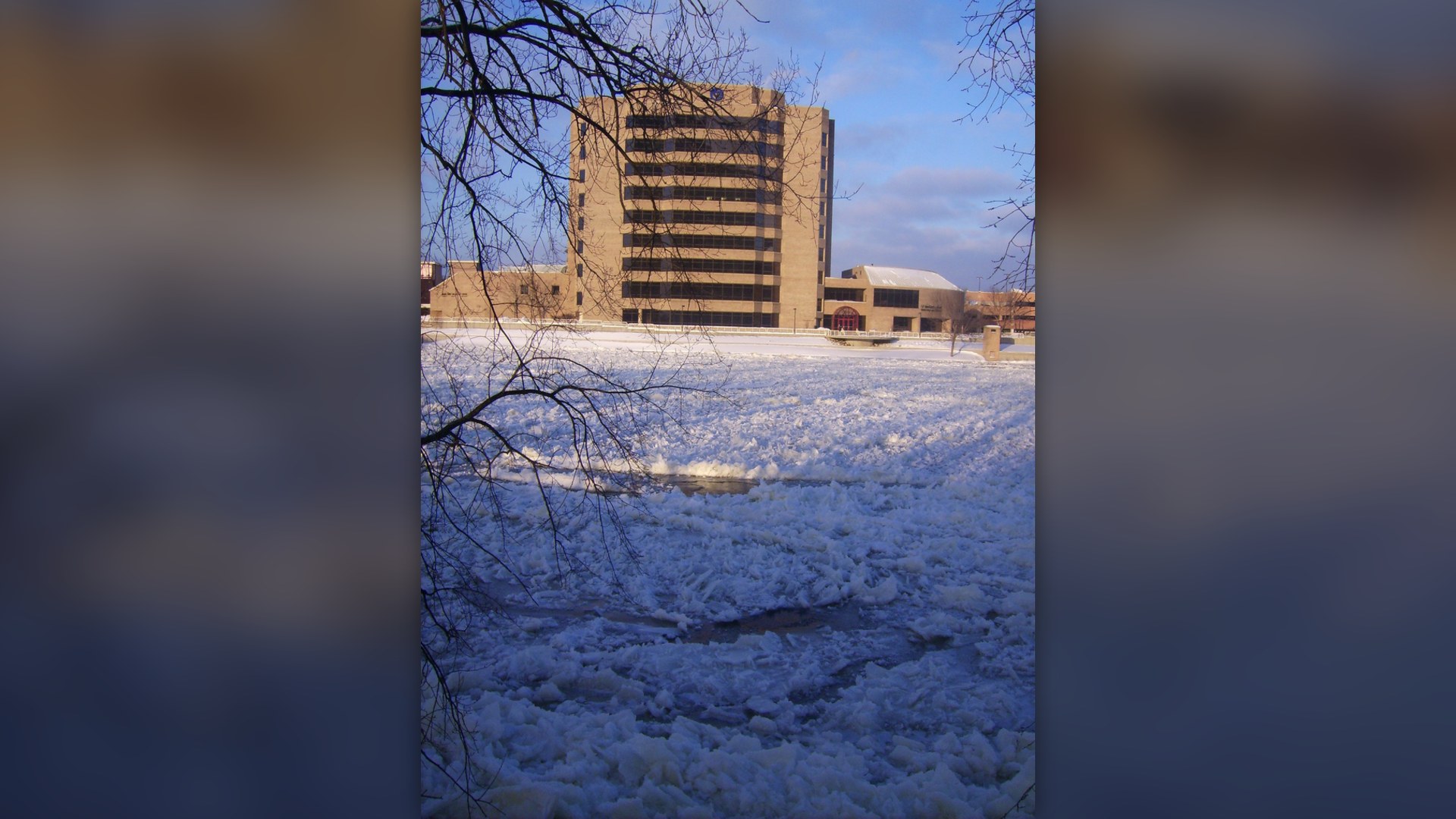
13. Grand Rapids, Michigan
Sitting squarely in Michigan's snow belt, Grand Rapids endures relentless freezing winds and long stretches of sub-zero humidity. That forces continuous indoor furnace use that saps every trace of ambient moisture.
©Wikimedia / drtel
Advertisement
Swipe or tap ▶ to resume the countdown.
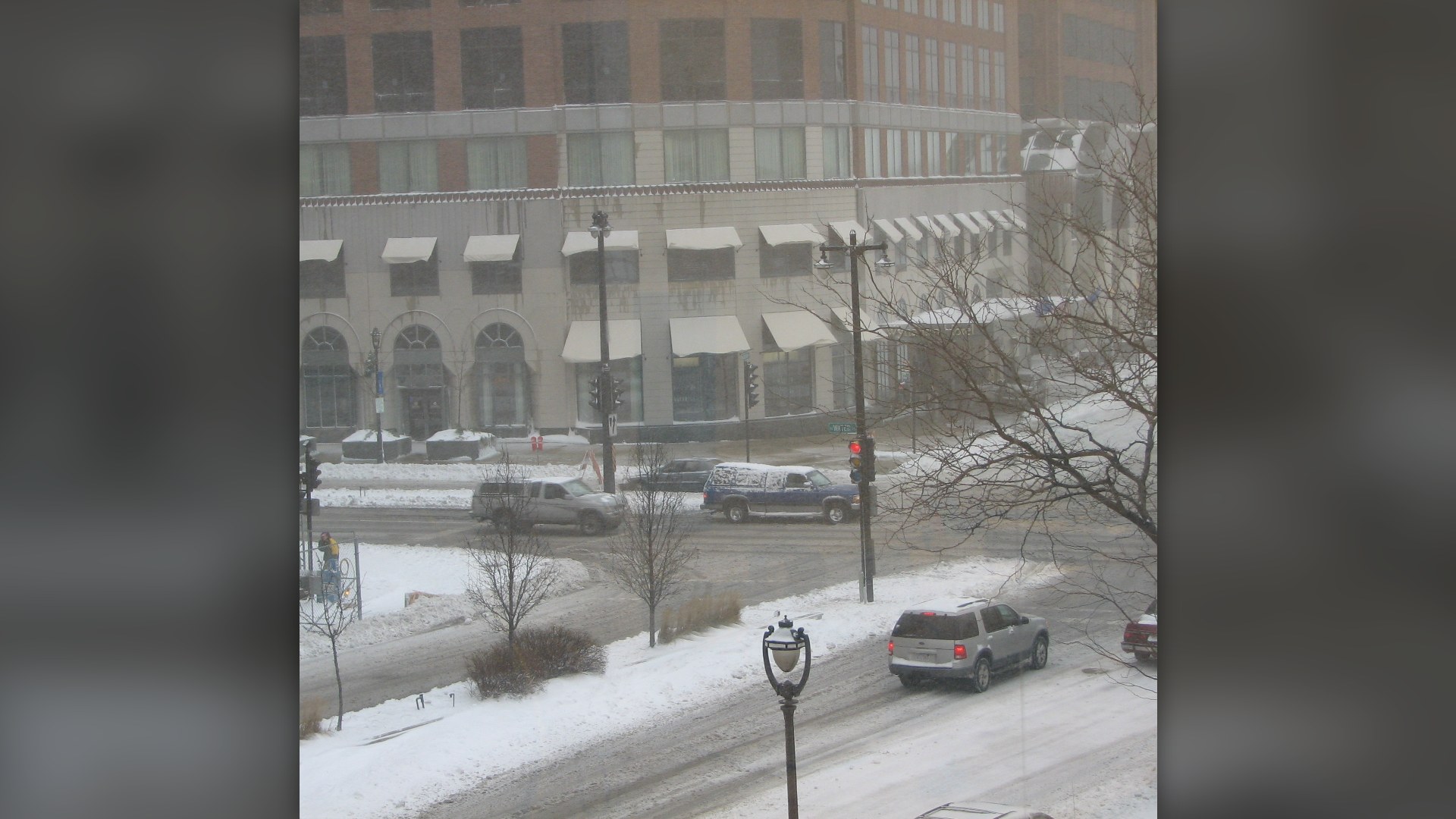
12. Milwaukee, Wisconsin
Milwaukee winter conditions confuse the skin barrier. Icy lake breezes outdoors cause severe windburn, while continuous indoor radiator heat accelerates trans-epidermal water loss.
©Wikimedia / Purple Slog
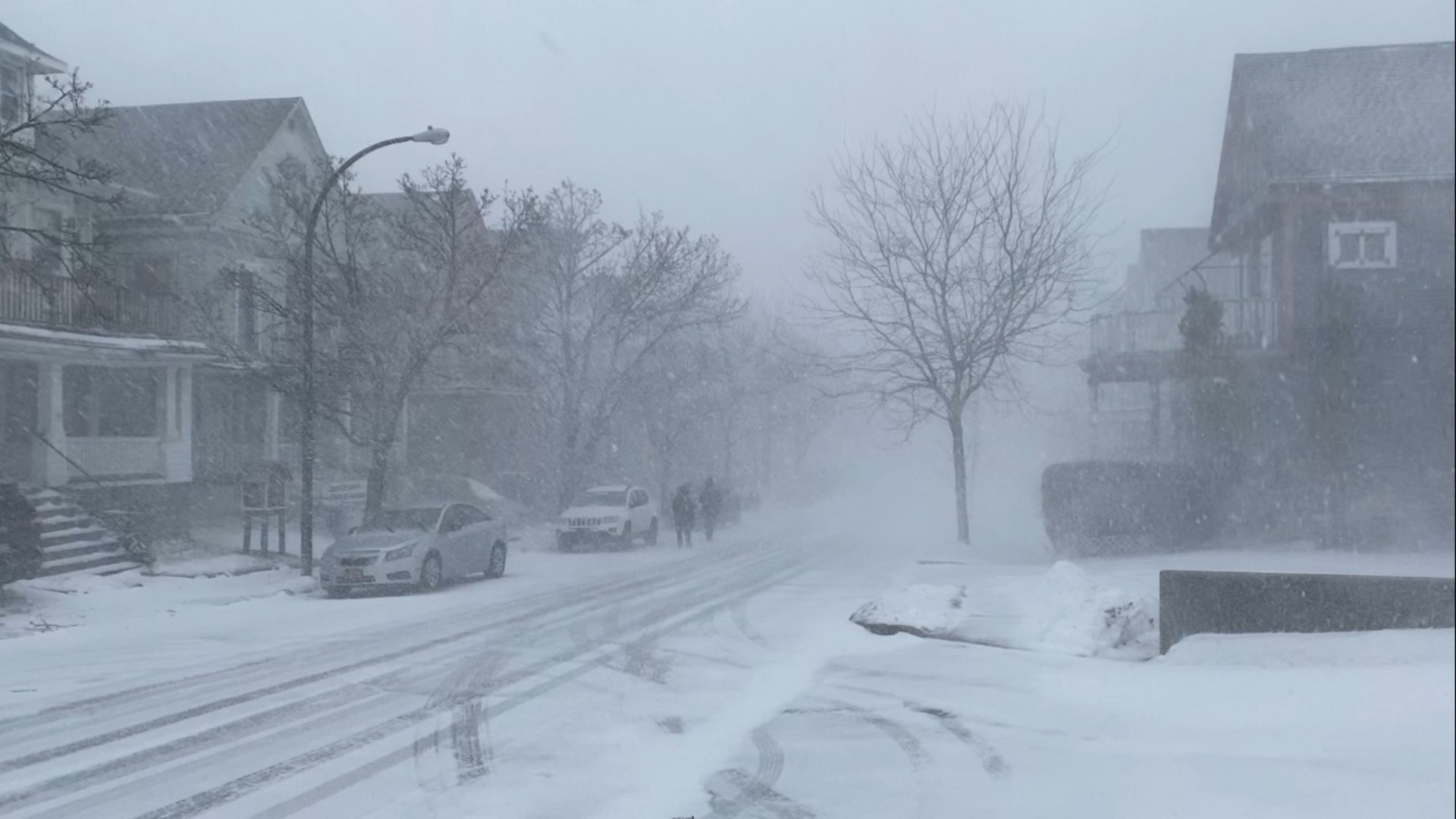
11. Buffalo, New York
Buffalo's legendary snowstorms bring howling winds that blast away protective facial oils. The constant contrast between biting outdoor chill and dry indoor warmth triggers persistent skin flare-ups.
©Wikimedia / Andre Carrotflower
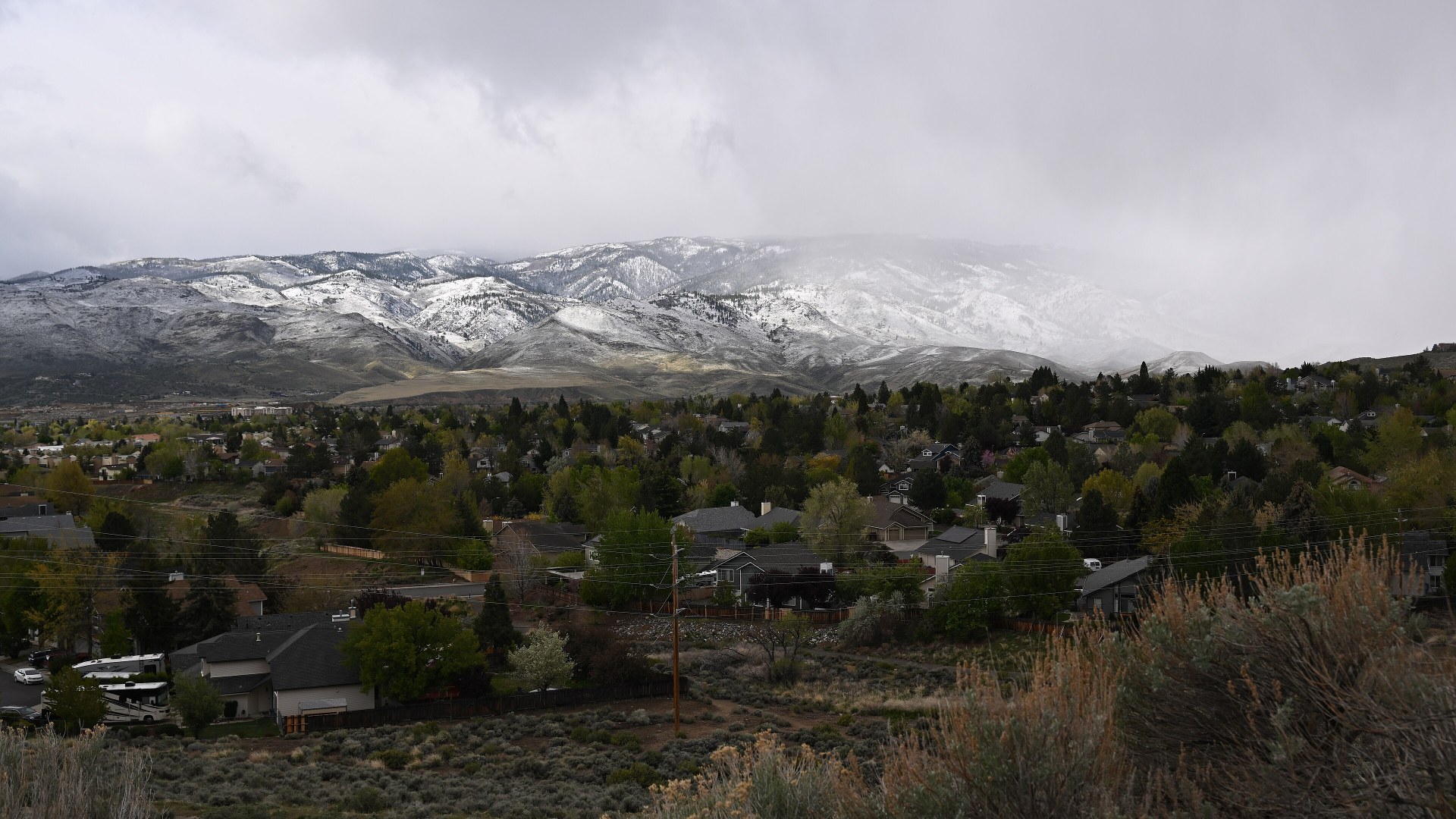
10. Reno, Nevada
Reno residents face a brutal winter combination: freezing mountain nights and arid desert air. Without atmospheric humidity to buffer the skin, lips crack easily and hands require heavy barrier creams daily.
©Wikimedia / G. Edward Johnson
9. Salt Lake City, Utah
At over 4,200 feet, Salt Lake City combines thin mountain air with bone-dry winter cold. Valley inversions trap stagnant pollutants, compounding dry skin irritation with oxidative stress on facial tissue.
©Wikimedia / The Erica Chang
Advertisement
Swipe or tap ▶ to resume the countdown.
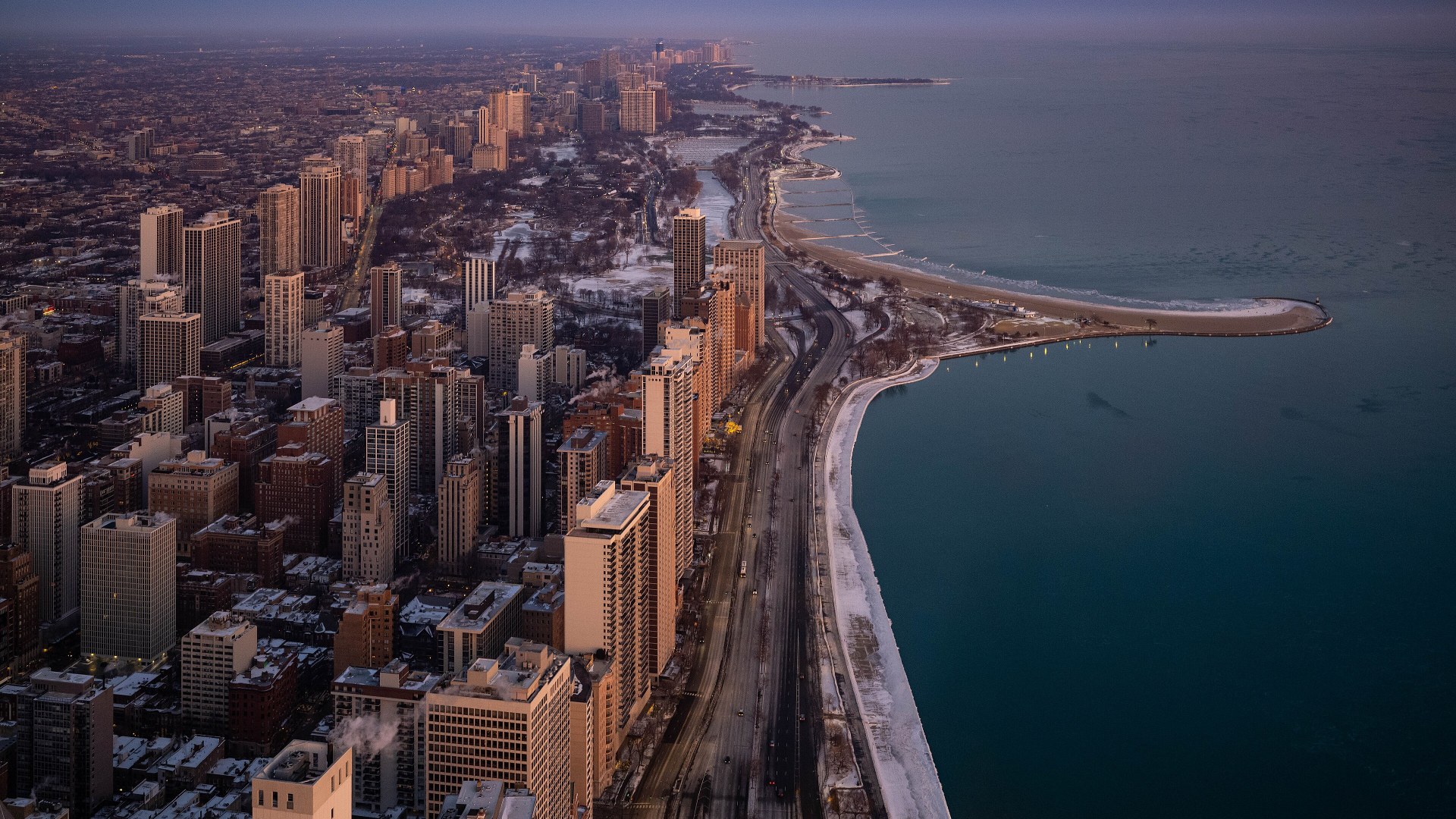
8. Chicago, Illinois
Chicago downtown canyon winds create extreme wind chill values that compromise facial lipids within minutes. Commuters endure cracked lips, windburn, and stinging dry skin throughout the long winter months.
©Wikimedia / rboed*
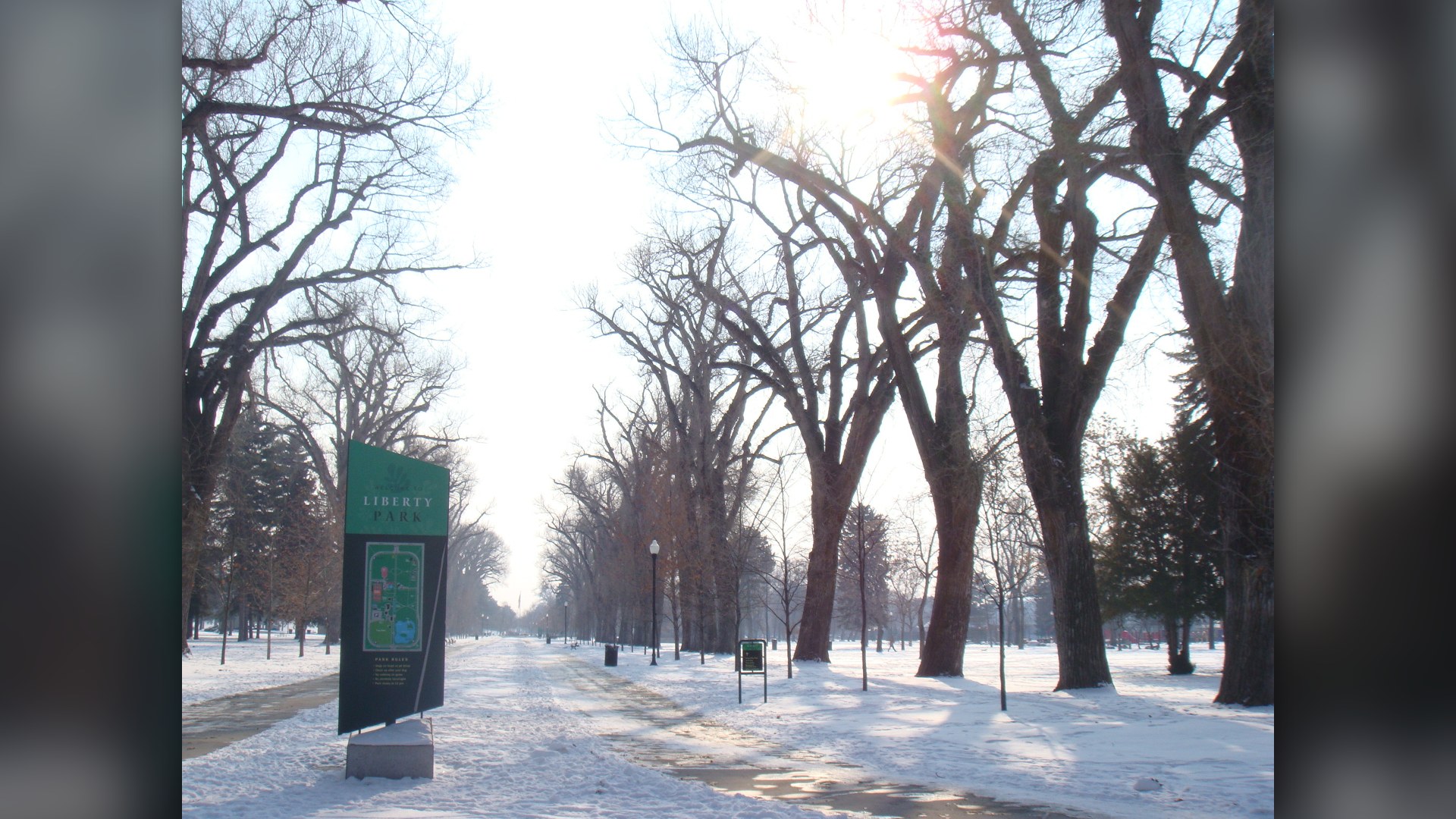
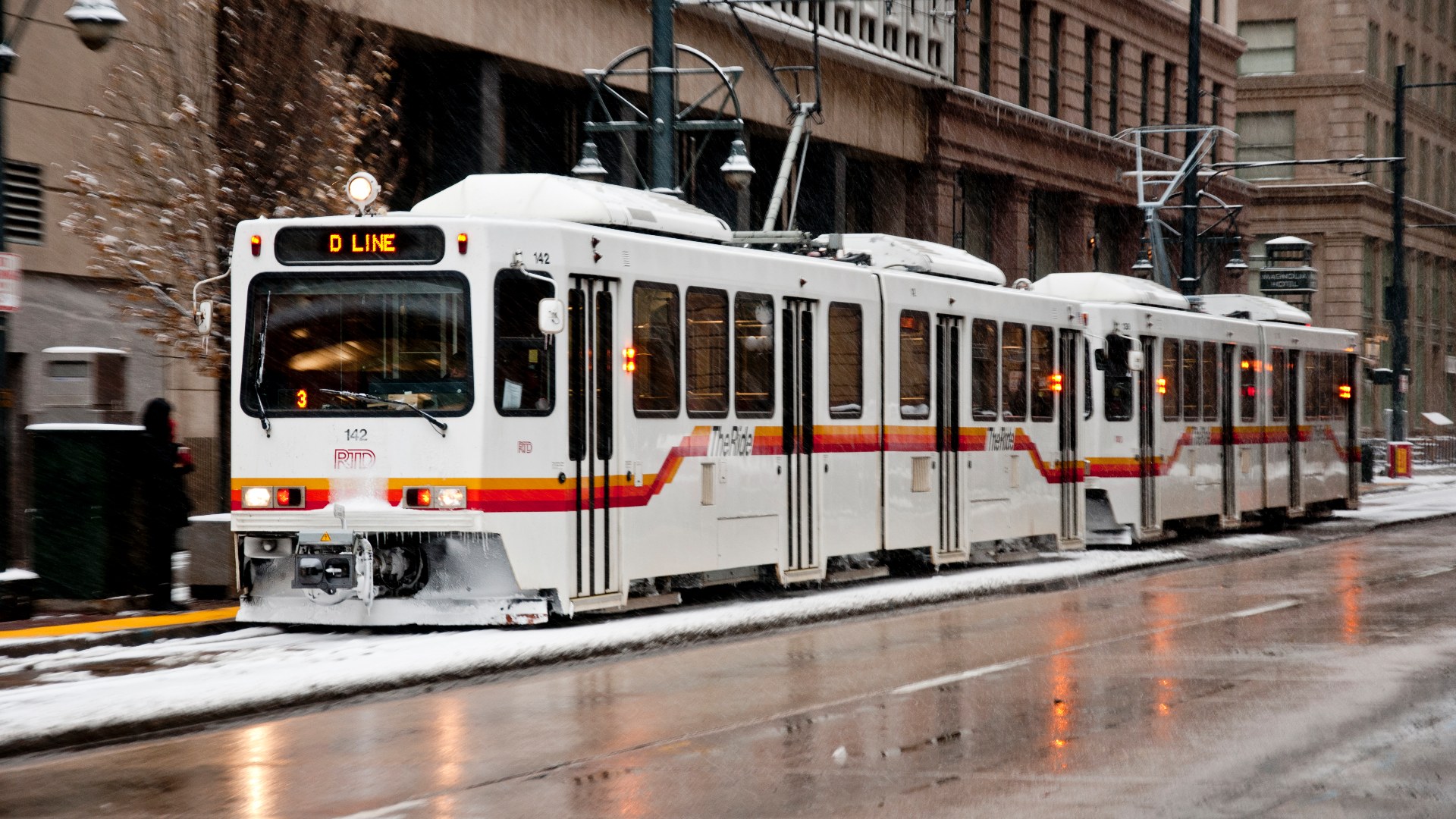
7. Denver, Colorado
With 300 days of sunshine reflecting off winter snow packs, Denver pairs intense UV exposure with negligible ambient humidity. Residents battle chapped lips, dry nasal passages, and flaky skin year-round.
©Wikimedia / vxla
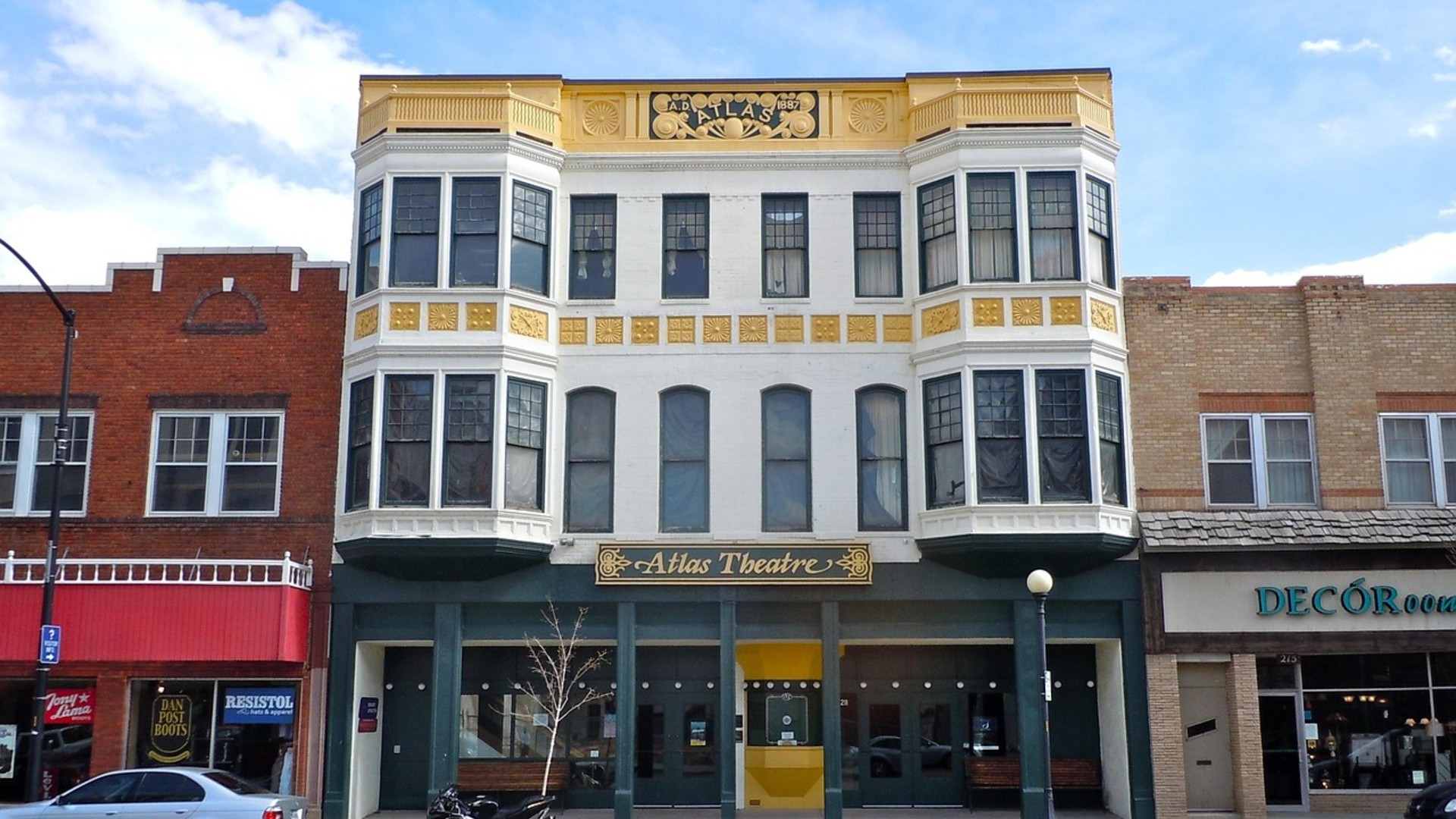
6. Cheyenne, Wyoming
Wyoming's capital combines high elevation thin air with relentless 30-plus mph winter gusts. The punishing wind chill strips the stratum corneum, making heavy occlusive salves a non-negotiable winter essential.
©Pixabay / 12019
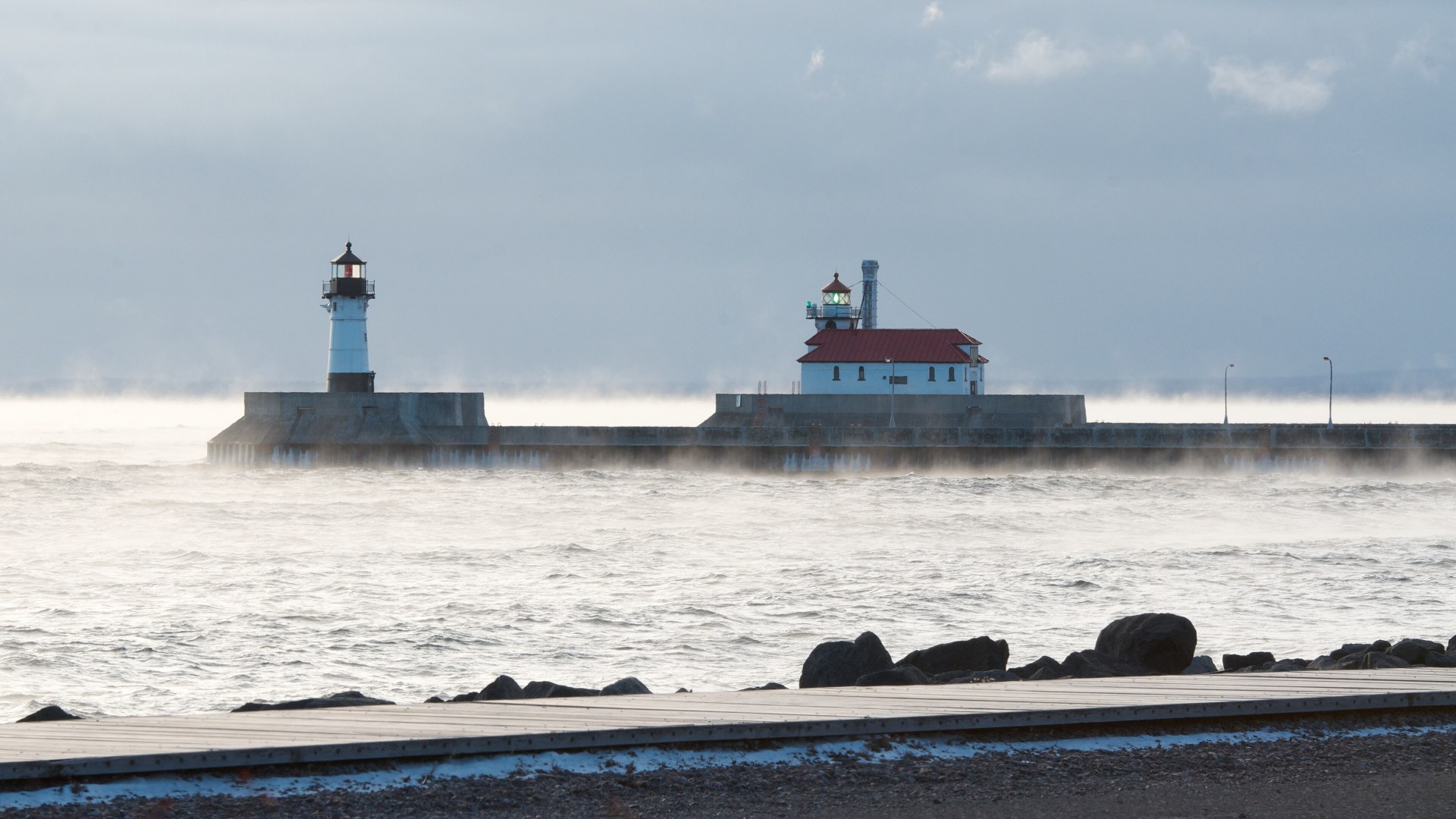
5. Duluth, Minnesota
Duluth's steep hills channel brutal arctic drafts straight off the frozen lake. Sub-zero temperatures freeze skin moisture on contact, causing micro-fissures and severe trans-epidermal dehydration.
©Wikimedia / Pete Markham
Advertisement
Swipe or tap ▶ to resume the countdown.
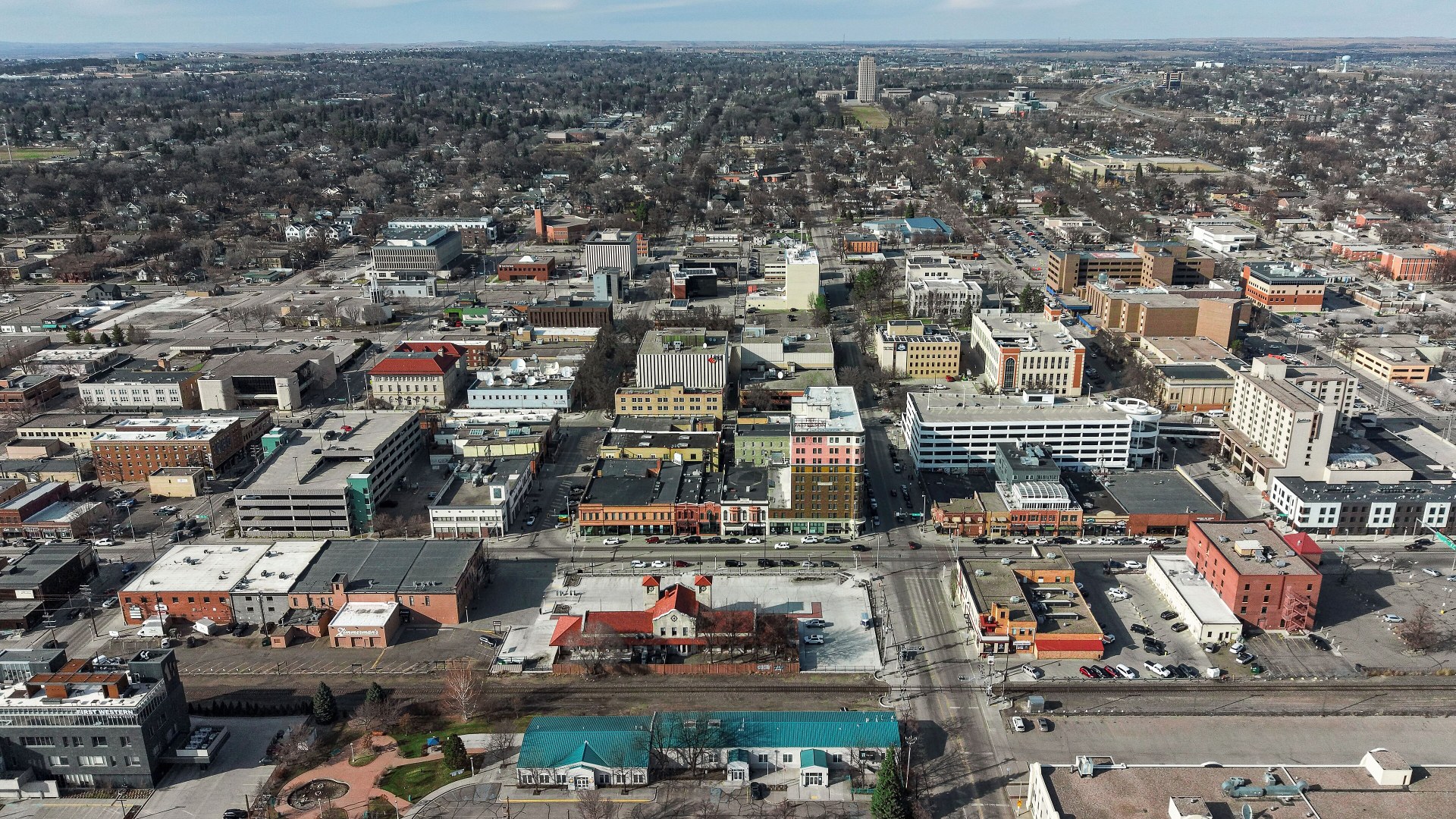
4. Bismarck, North Dakota
Bismarck endures weeks of sub-zero temperatures where absolute humidity practically hits zero. Forced-air indoor heating runs continuously, leaving indoor air drier than most desert environments.
©Wikimedia / Quintin Soloviev
3. Minneapolis–St. Paul, Minnesota
The Twin Cities regularly plunge below zero for weeks on end. With indoor heating blasting from October through April, the skin barrier is stripped of moisture indoors and pummeled by icy winds outside.
©Wikimedia / Tony Webster
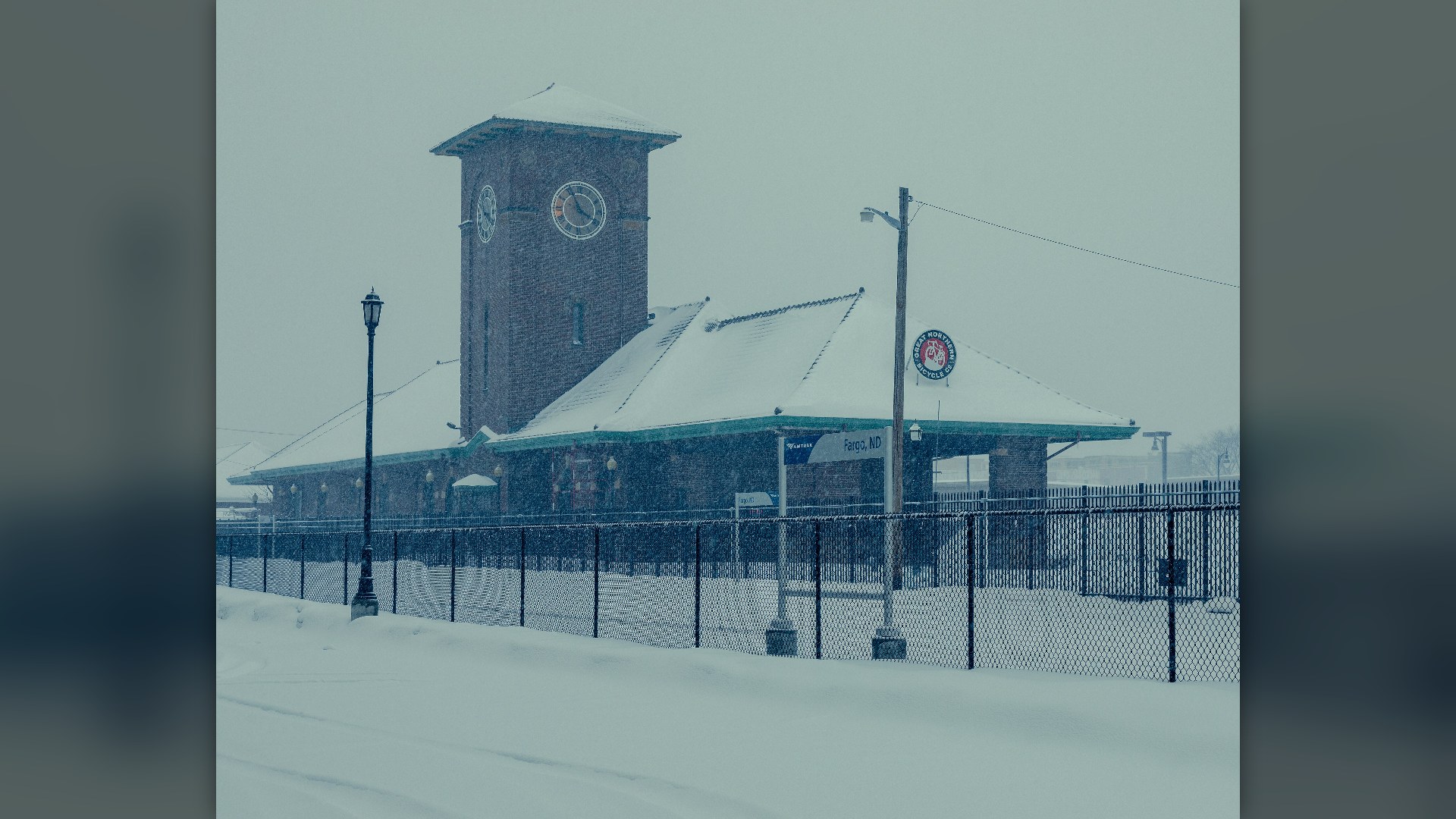
2. Fargo, North Dakota
Fargo's flat topography allows bitter arctic gales to sweep unchecked across the metro. Skin exposed for just five minutes can suffer windburn and severe barrier disruption under -30°F wind chills.
©Wikimedia / Rodrigo Paredes
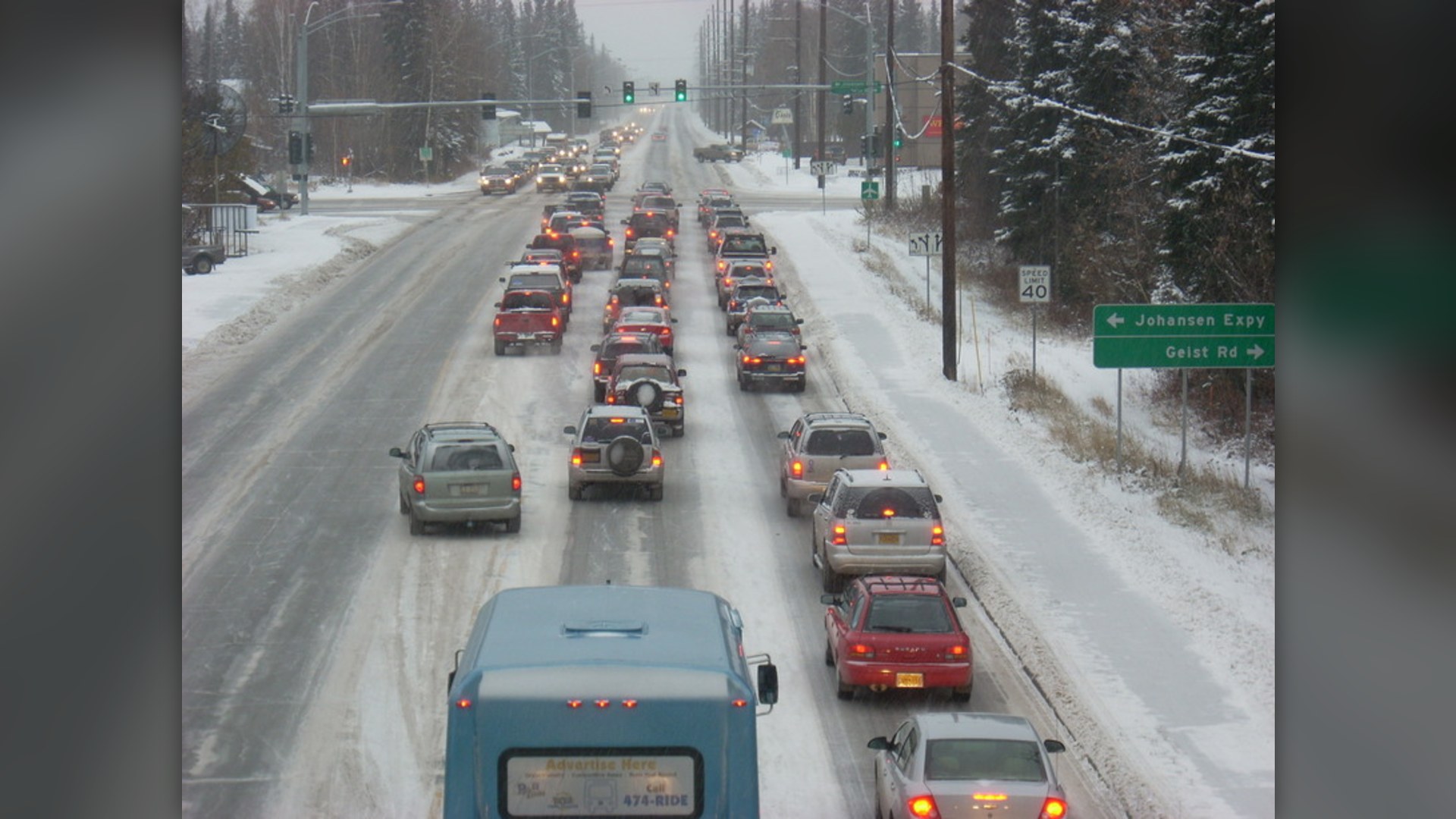
1. Fairbanks, Alaska
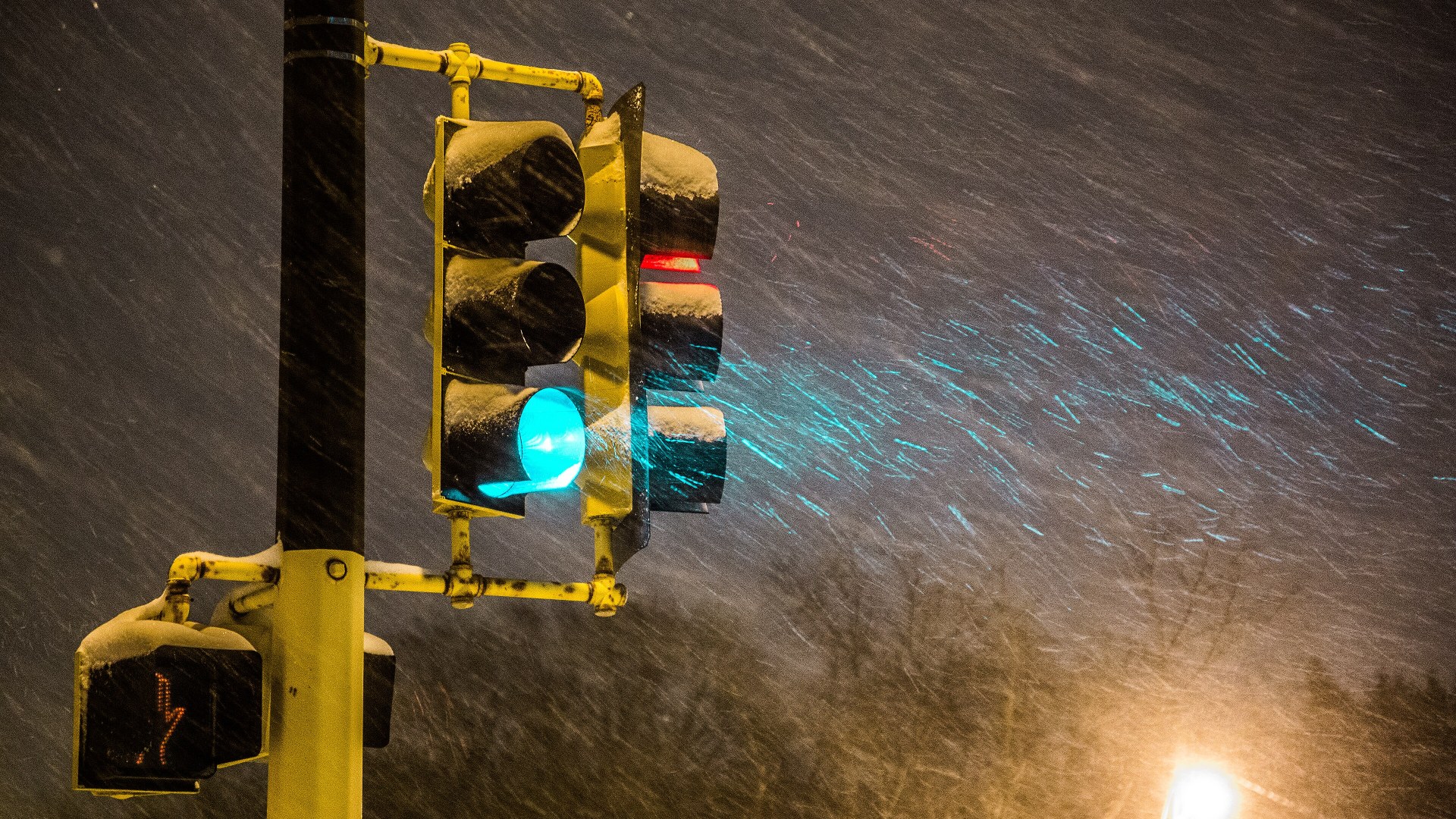
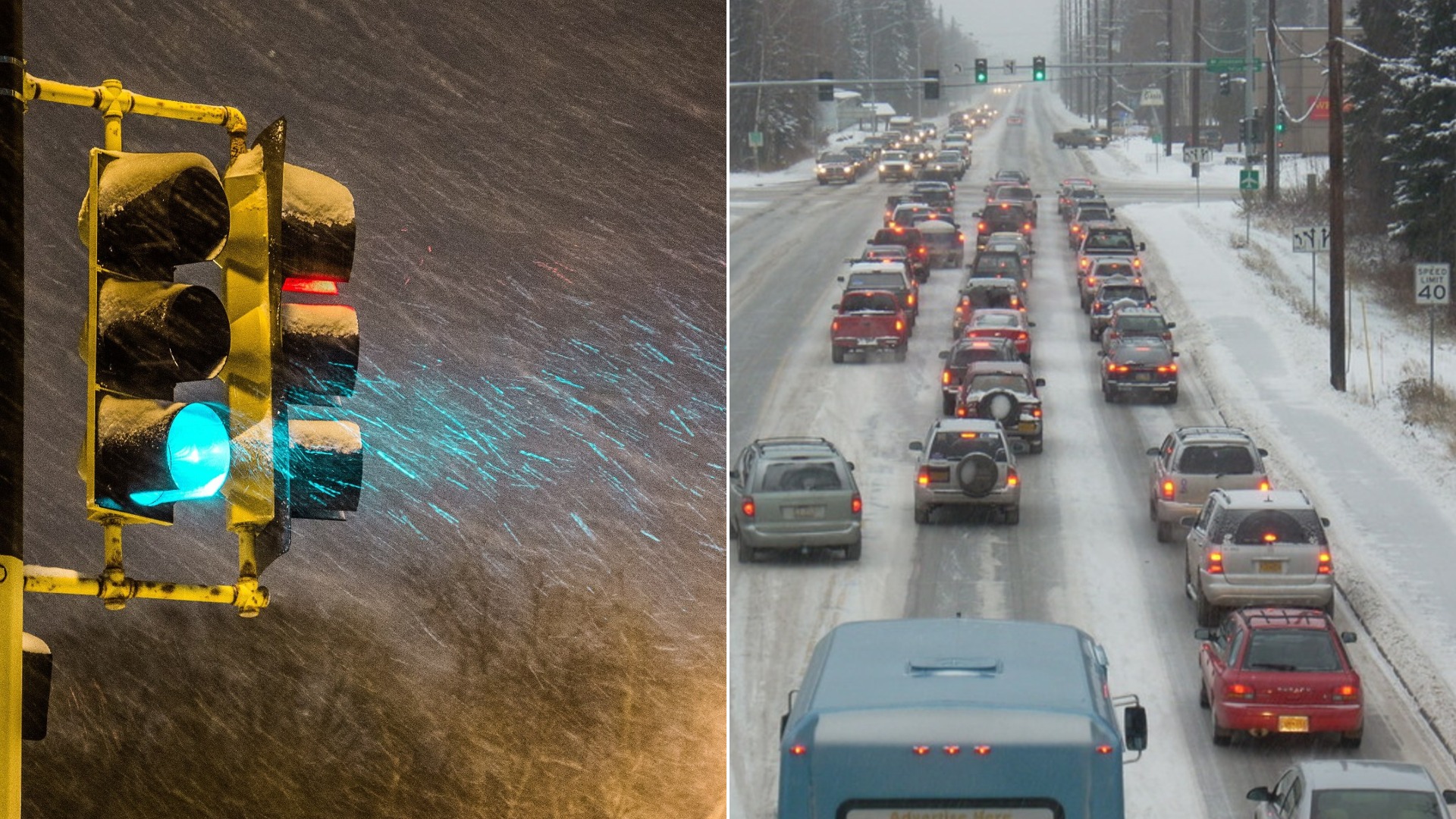
Deep in the Alaskan interior, winter temperatures routinely stay below zero for months. The air is so frozen it cannot hold water vapor, pulling every drop of hydration out of human skin without heavy balms.

©Wikimedia / James Halliday
Advertisement
You've reached the end of the story. Thanks for reading!

20 Iconic Historical Photos and the Archive Clues Behind Them
Contact sheets, cracked glass plates, and NASA mission logs preserve the hidden steps behind 20 famous photographs. Drawing on records from the Library of Congress, the National Archives, NASA, and the Smithsonian, this countdown traces how cropping, camera setups, and double exposures shaped each frame.
All 15 Entries in this Story
15. Cleveland, Ohio
Lakefront moisture might sound hydrating, but freezing onshore winds rapidly evaporate surface water. This process breaks down lipids and leaves Clevelanders fighting stubborn winter eczema and windburn throughout the season.

14. Detroit, Michigan
Between freezing winter temperatures and mineral-heavy municipal water, Detroit residents experience double the barrier stress. Daily hot showers wash away natural protective oils while furnaces dry out indoor air.

13. Grand Rapids, Michigan
Sitting squarely in Michigan's snow belt, Grand Rapids endures relentless freezing winds and long stretches of sub-zero humidity. That forces continuous indoor furnace use that saps every trace of ambient moisture.

12. Milwaukee, Wisconsin
Milwaukee winter conditions confuse the skin barrier. Icy lake breezes outdoors cause severe windburn, while continuous indoor radiator heat accelerates trans-epidermal water loss.

11. Buffalo, New York
Buffalo's legendary snowstorms bring howling winds that blast away protective facial oils. The constant contrast between biting outdoor chill and dry indoor warmth triggers persistent skin flare-ups.

10. Reno, Nevada
Reno residents face a brutal winter combination: freezing mountain nights and arid desert air. Without atmospheric humidity to buffer the skin, lips crack easily and hands require heavy barrier creams daily.

9. Salt Lake City, Utah
At over 4,200 feet, Salt Lake City combines thin mountain air with bone-dry winter cold. Valley inversions trap stagnant pollutants, compounding dry skin irritation with oxidative stress on facial tissue.

8. Chicago, Illinois
Chicago downtown canyon winds create extreme wind chill values that compromise facial lipids within minutes. Commuters endure cracked lips, windburn, and stinging dry skin throughout the long winter months.

7. Denver, Colorado
With 300 days of sunshine reflecting off winter snow packs, Denver pairs intense UV exposure with negligible ambient humidity. Residents battle chapped lips, dry nasal passages, and flaky skin year-round.

6. Cheyenne, Wyoming
Wyoming's capital combines high elevation thin air with relentless 30-plus mph winter gusts. The punishing wind chill strips the stratum corneum, making heavy occlusive salves a non-negotiable winter essential.

5. Duluth, Minnesota
Duluth's steep hills channel brutal arctic drafts straight off the frozen lake. Sub-zero temperatures freeze skin moisture on contact, causing micro-fissures and severe trans-epidermal dehydration.

4. Bismarck, North Dakota
Bismarck endures weeks of sub-zero temperatures where absolute humidity practically hits zero. Forced-air indoor heating runs continuously, leaving indoor air drier than most desert environments.

3. Minneapolis–St. Paul, Minnesota
The Twin Cities regularly plunge below zero for weeks on end. With indoor heating blasting from October through April, the skin barrier is stripped of moisture indoors and pummeled by icy winds outside.

2. Fargo, North Dakota
Fargo's flat topography allows bitter arctic gales to sweep unchecked across the metro. Skin exposed for just five minutes can suffer windburn and severe barrier disruption under -30°F wind chills.

1. Fairbanks, Alaska
Deep in the Alaskan interior, winter temperatures routinely stay below zero for months. The air is so frozen it cannot hold water vapor, pulling every drop of hydration out of human skin without heavy balms.