Slideshow · Viral
The 20 Deadliest Animals on Earth, Ranked
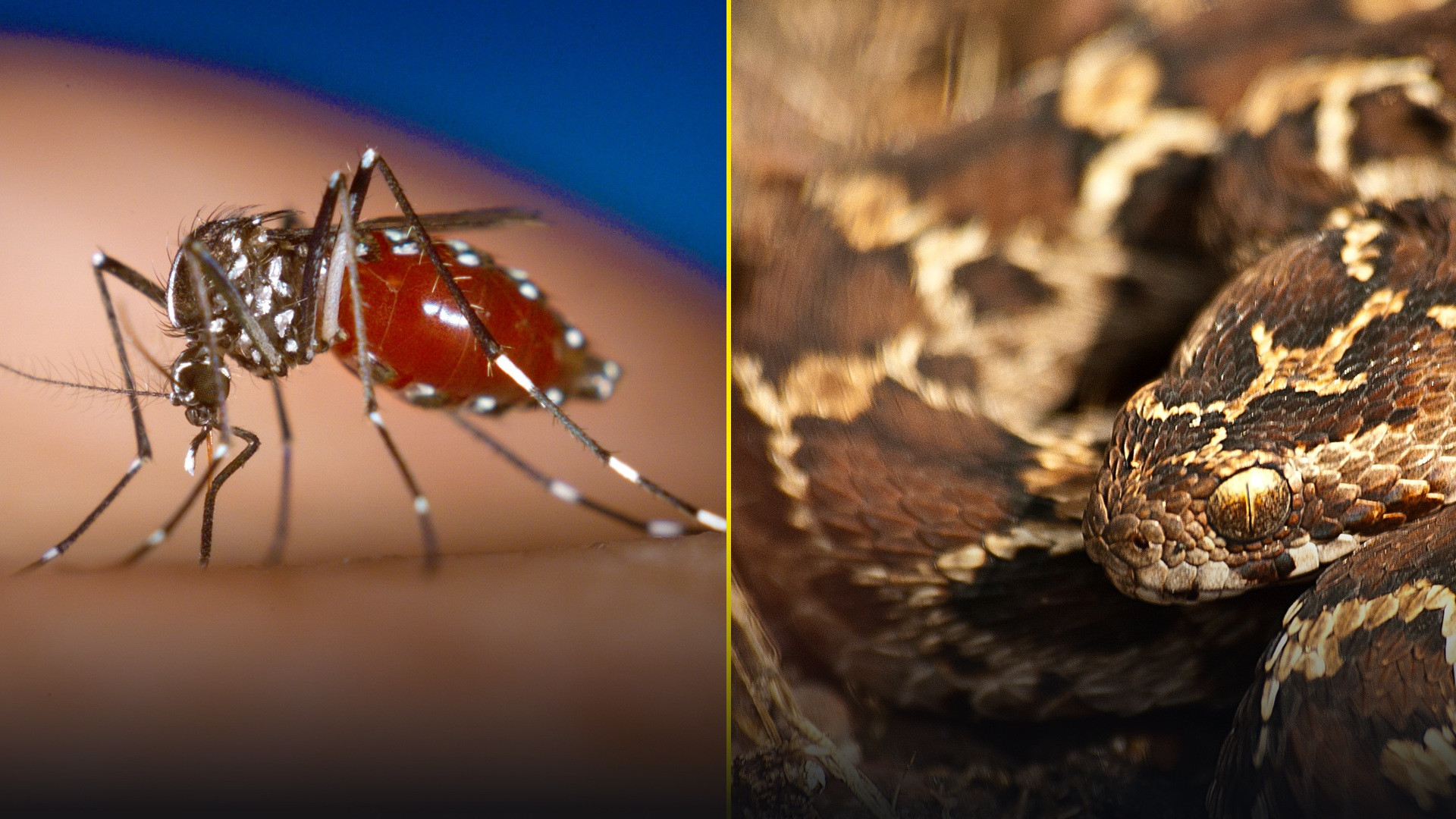
From microscopic disease vectors to savanna apex predators, official World Health Organization and zoological data reveals the planet's deadliest creatures by annual human mortality.
By Most Viral Today
1 Oct 2026

The 20 Deadliest Animals on Earth, Ranked 
20. Blue-Ringed Octopus 
19. Shark 
18. Cone Snail - AdvertisementSwipe or tap ▶ to continue countdown

17. Wolf 
16. Box Jellyfish 
15. Tiger 
14. Lion - AdvertisementSwipe or tap ▶ to continue countdown

13. Cape Buffalo 
12. Elephant 
11. Hippopotamus 
10. Crocodile - AdvertisementSwipe or tap ▶ to continue countdown

9. Tapeworm 
8. Ascaris Roundworm 
7. Scorpion 
6. Tsetse Fly - AdvertisementSwipe or tap ▶ to continue countdown

5. Assassin Bug 
4. Freshwater Snail 
3. Dog 
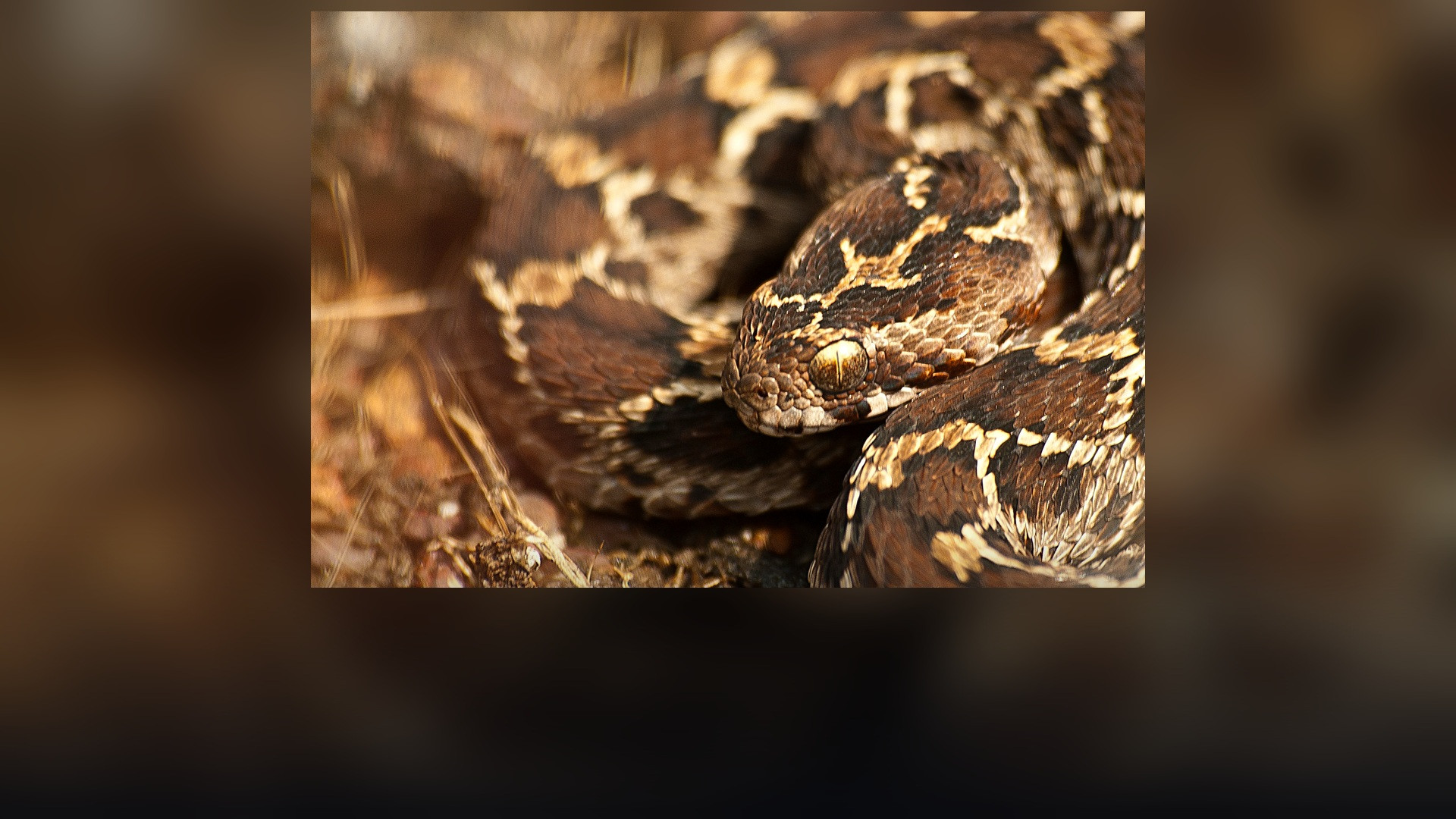
2. Saw-Scaled Viper - AdvertisementSwipe or tap ▶ to continue countdown

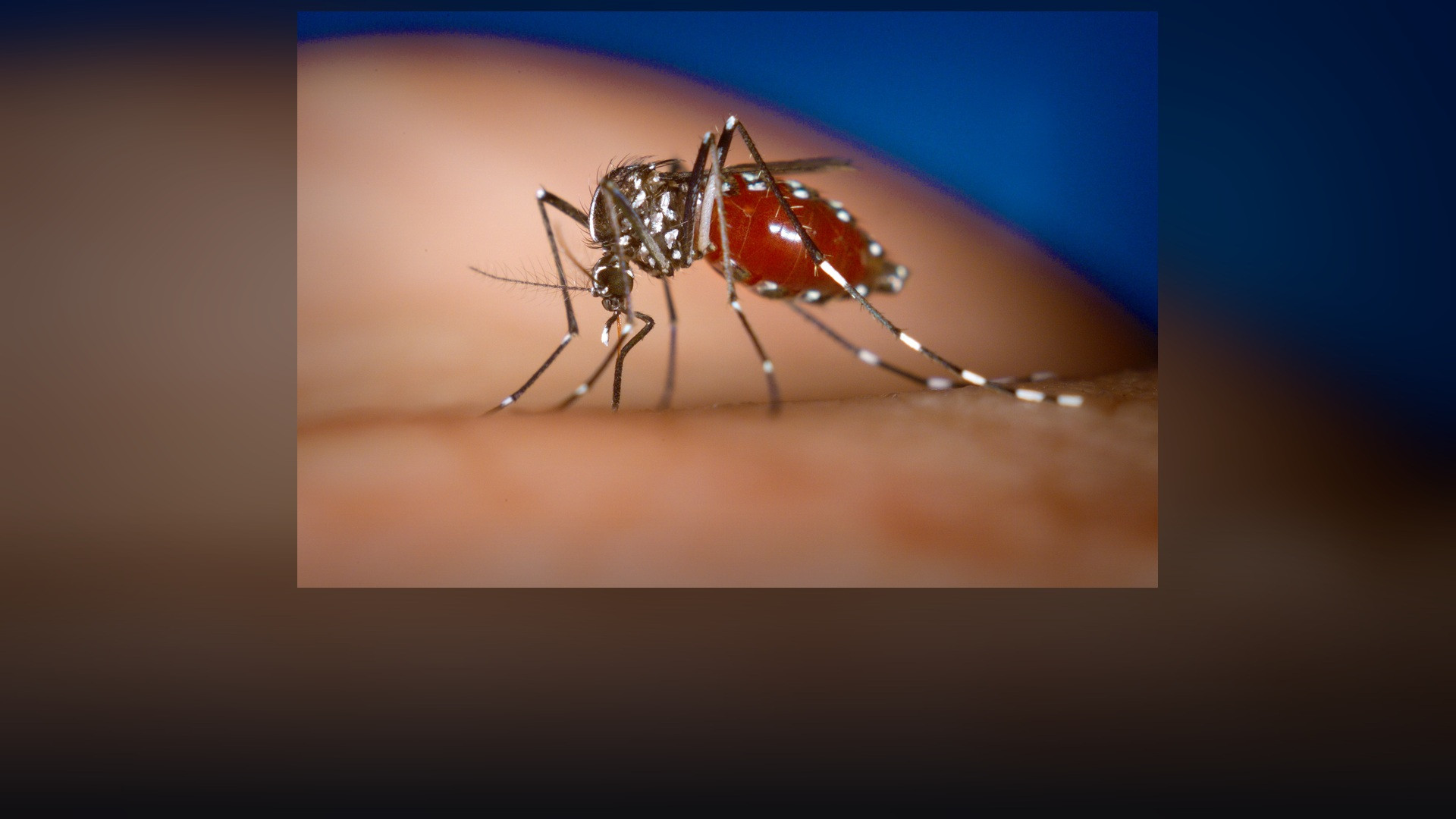
1. Mosquito - Advertisement🔥 UP NEXT IN THIS SERIES◫ 21 Slides

20 Iconic Historical Photos and the Archive Clues Behind Them
Contact sheets, cracked glass plates, and NASA mission logs preserve the hidden steps behind 20 famous photographs. Drawing on records from the Library of Congress, the National Archives, NASA, and the Smithsonian, this countdown traces how cropping, camera setups, and double exposures shaped each frame.
Ranked strictly by estimated annual human fatalities, this list benchmarks the world's deadliest creatures using official data from the World Health Organization (WHO) and CDC. Rather than pure venom toxicity, rankings reflect actual global death tolls—explaining why tiny disease vectors vastly outrank apex predators.
Swipe or tap ▶ to begin the countdown
©CDC / James Gathany & Uajith
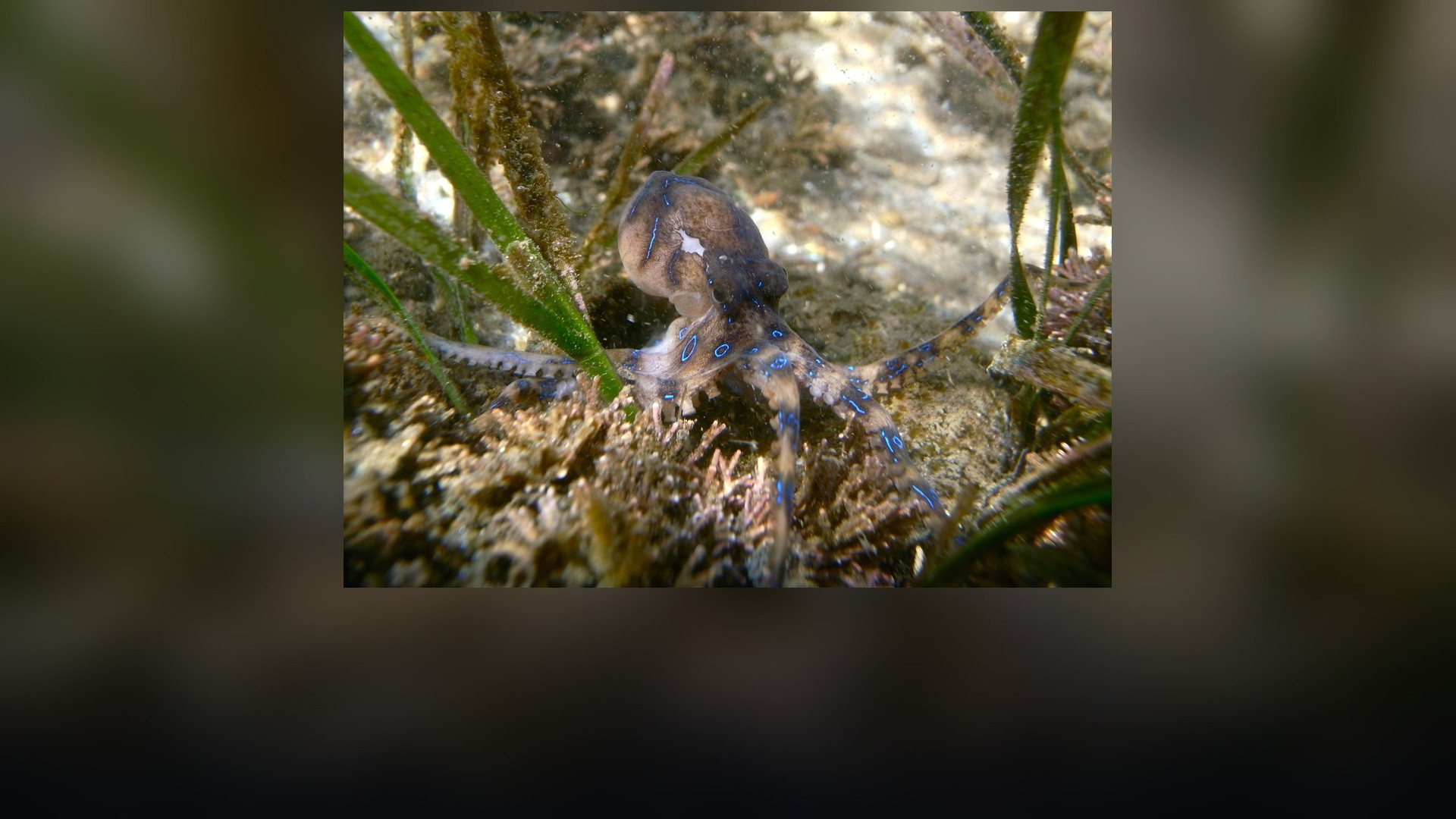
20. Blue-Ringed Octopus
Carrying enough tetrodotoxin to paralyze 26 human adults within minutes, this tiny Pacific mollusk causes 5 to 10 annual deaths. Its painless bite often goes unnoticed until total respiratory failure strikes.
©Wikimedia / Sylke Rohrlach
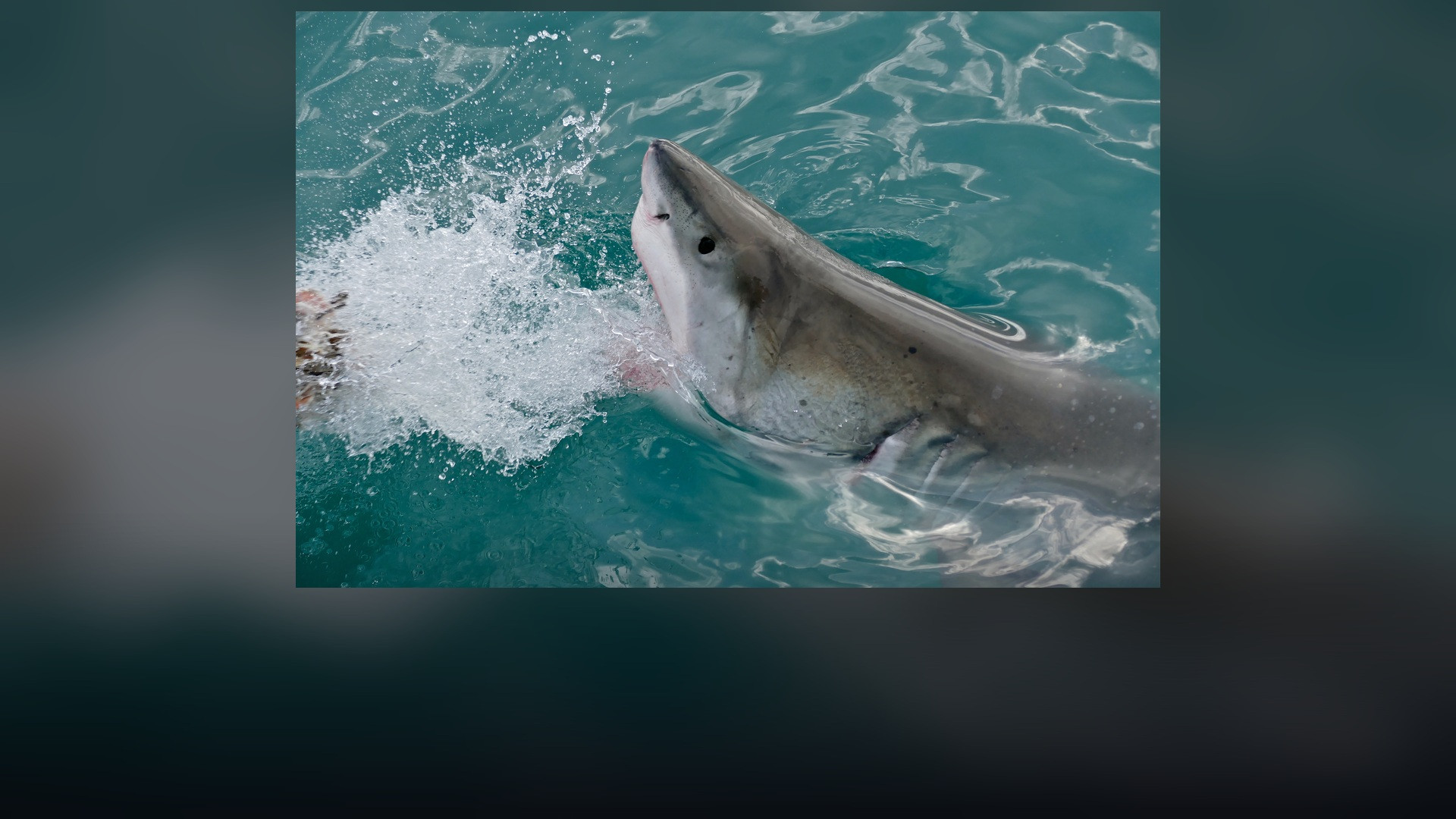
19. Shark
Despite terrifying pop culture portrayals, sharks cause only 5 to 10 fatal attacks globally each year. Great whites, bulls, and tiger sharks account for the majority of unprovoked encounters in coastal surf.
©Wikimedia / Bernard DUPONT
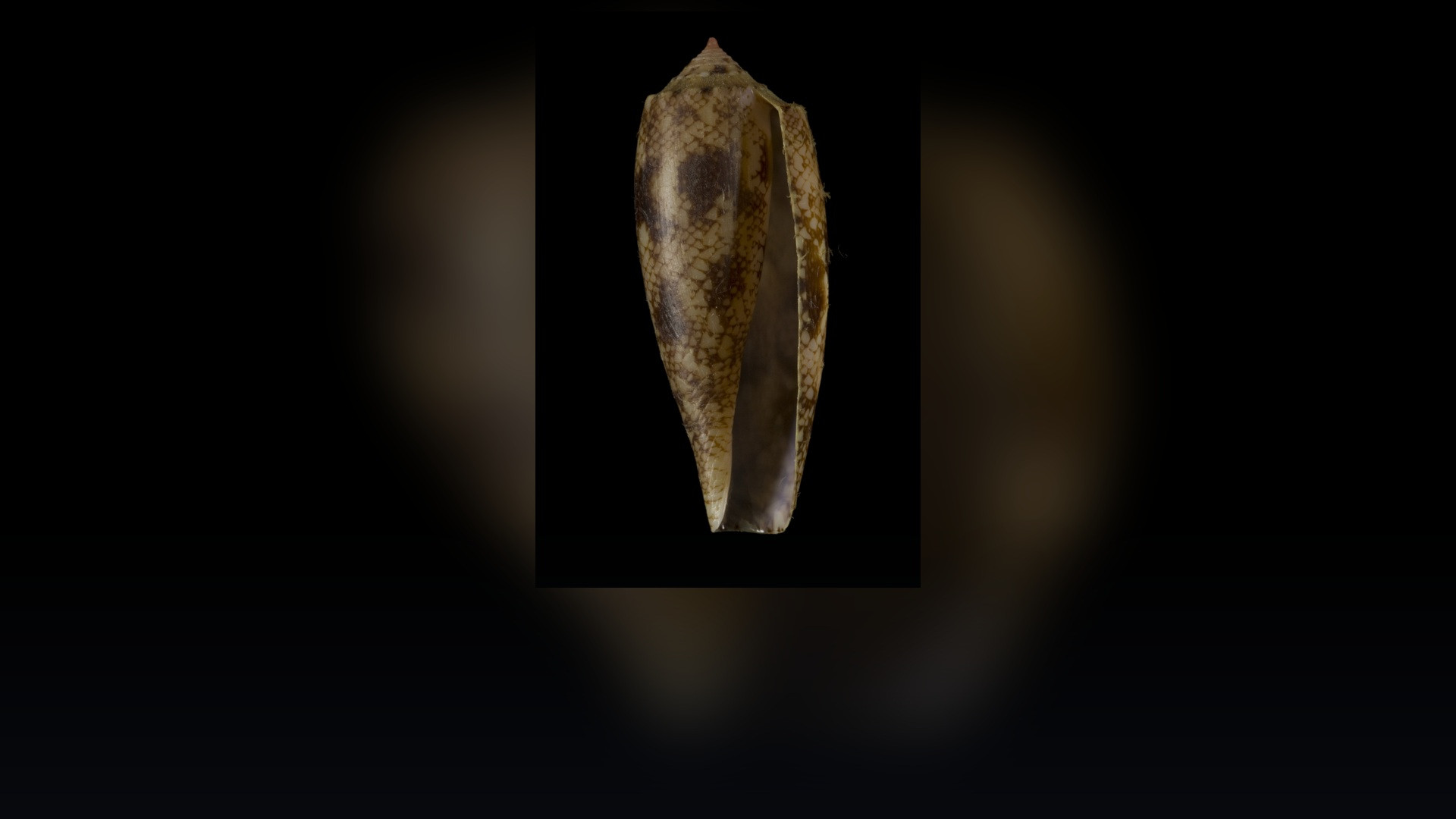
18. Cone Snail
Armed with a hollow, barbed harpoon delivering complex conotoxins, the geography cone snail claims roughly 15 to 30 lives annually. Its venom has no antivenom, earning it the nickname 'cigarette snail'.
©Museum / Lardeur A.
Advertisement
Swipe or tap ▶ to resume the countdown.
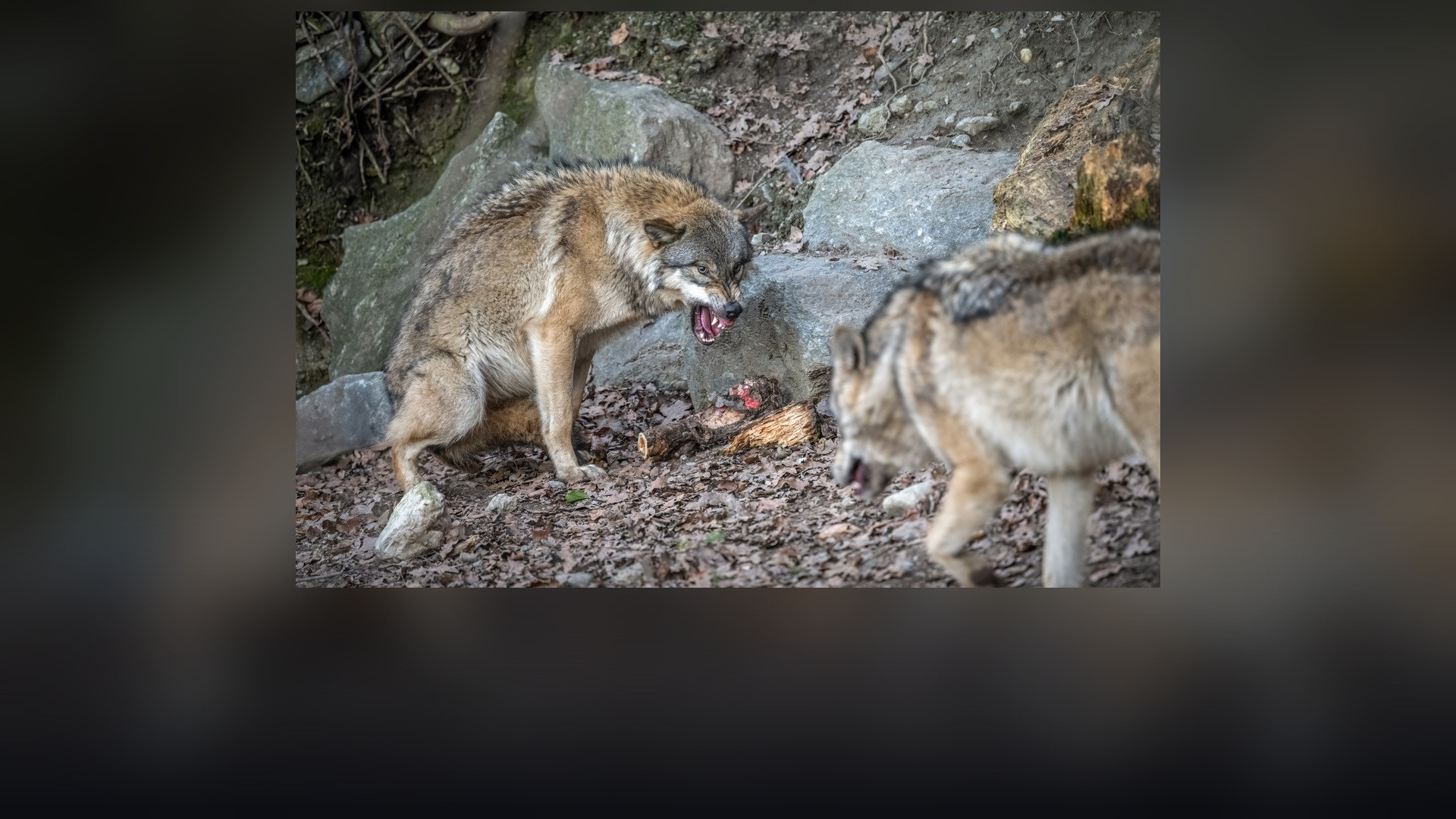
17. Wolf
While healthy wolves rarely attack humans, rabid and food-stressed packs across Eurasia account for 10 to 20 fatalities each year, predominantly targeting isolated livestock herders in remote northern regions.
©Wikimedia / Wilfredor
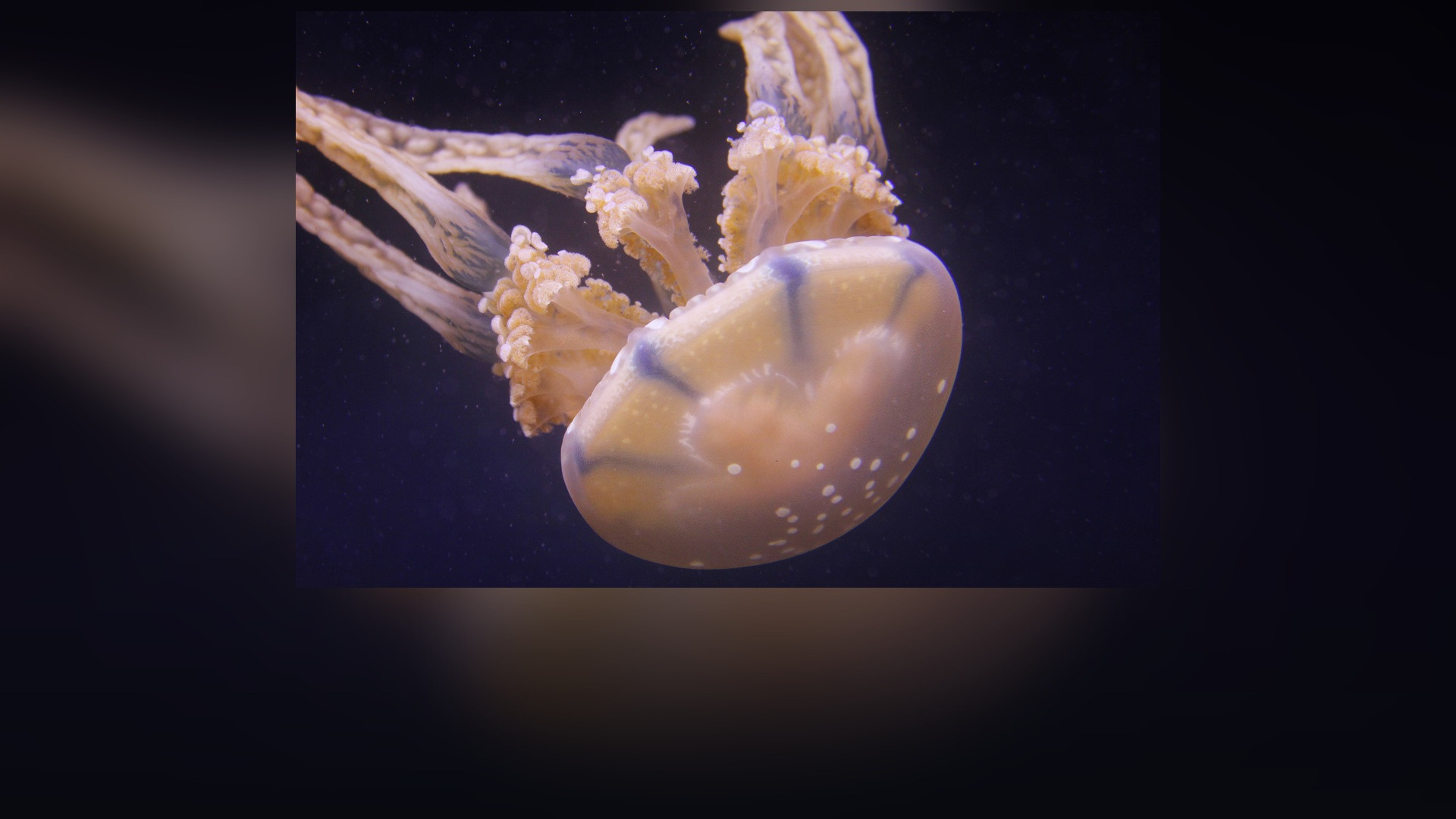
16. Box Jellyfish
Trailing ten-foot tentacles armed with millions of microscopic nematocysts, the Indo-Pacific box jellyfish causes 50 to 100 annual deaths. Its cardiotoxic venom stops human hearts in under two minutes.
©Wikimedia / Will Fisher
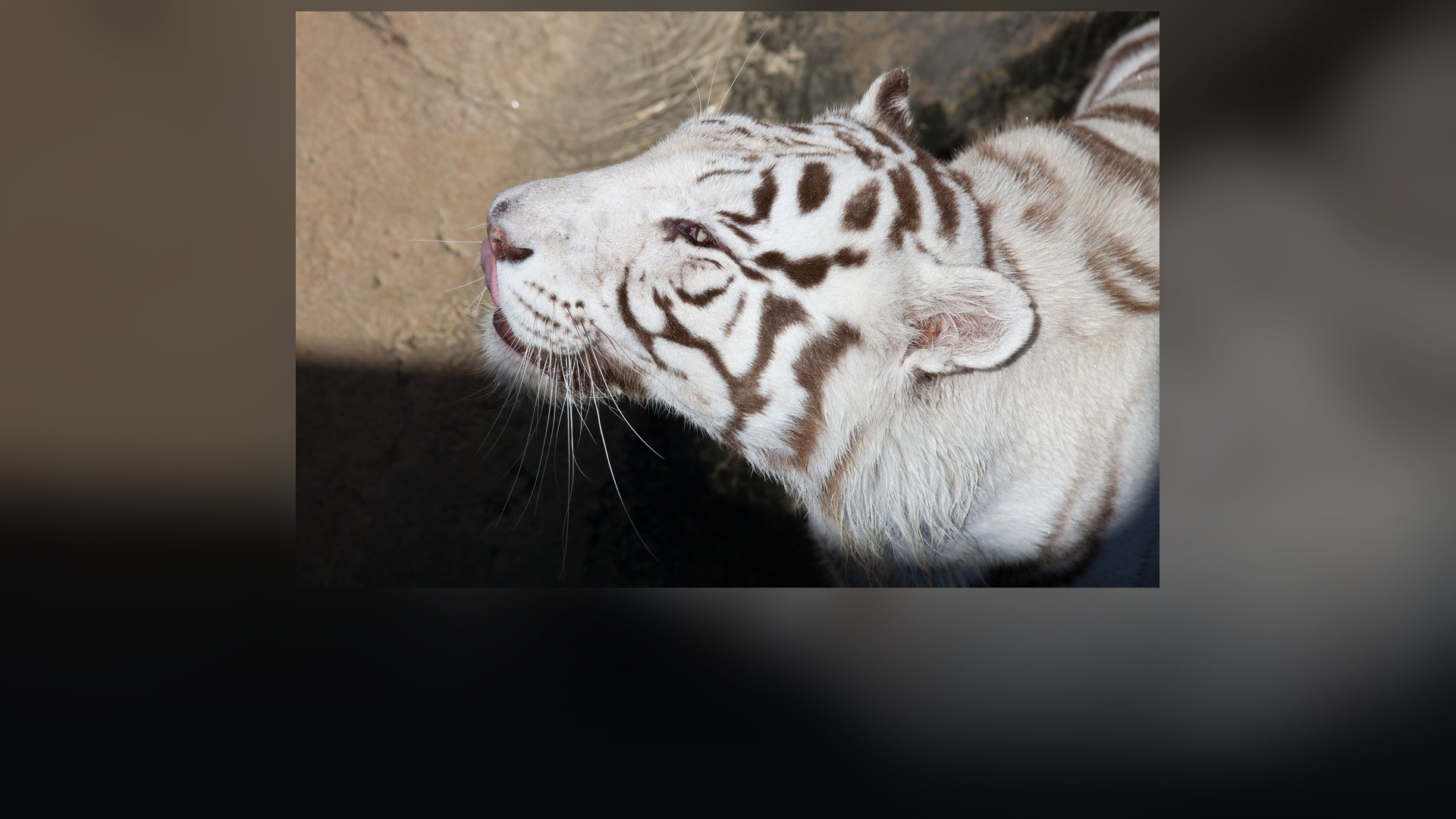
15. Tiger
As the largest big cat on Earth, tigers are responsible for 50 to 100 human fatalities annually. The vast majority occur in the dense mangrove swamps of the Sundarbans bordering India and Bangladesh.
©Wikimedia / Luis Miguel Bugallo Sánchez
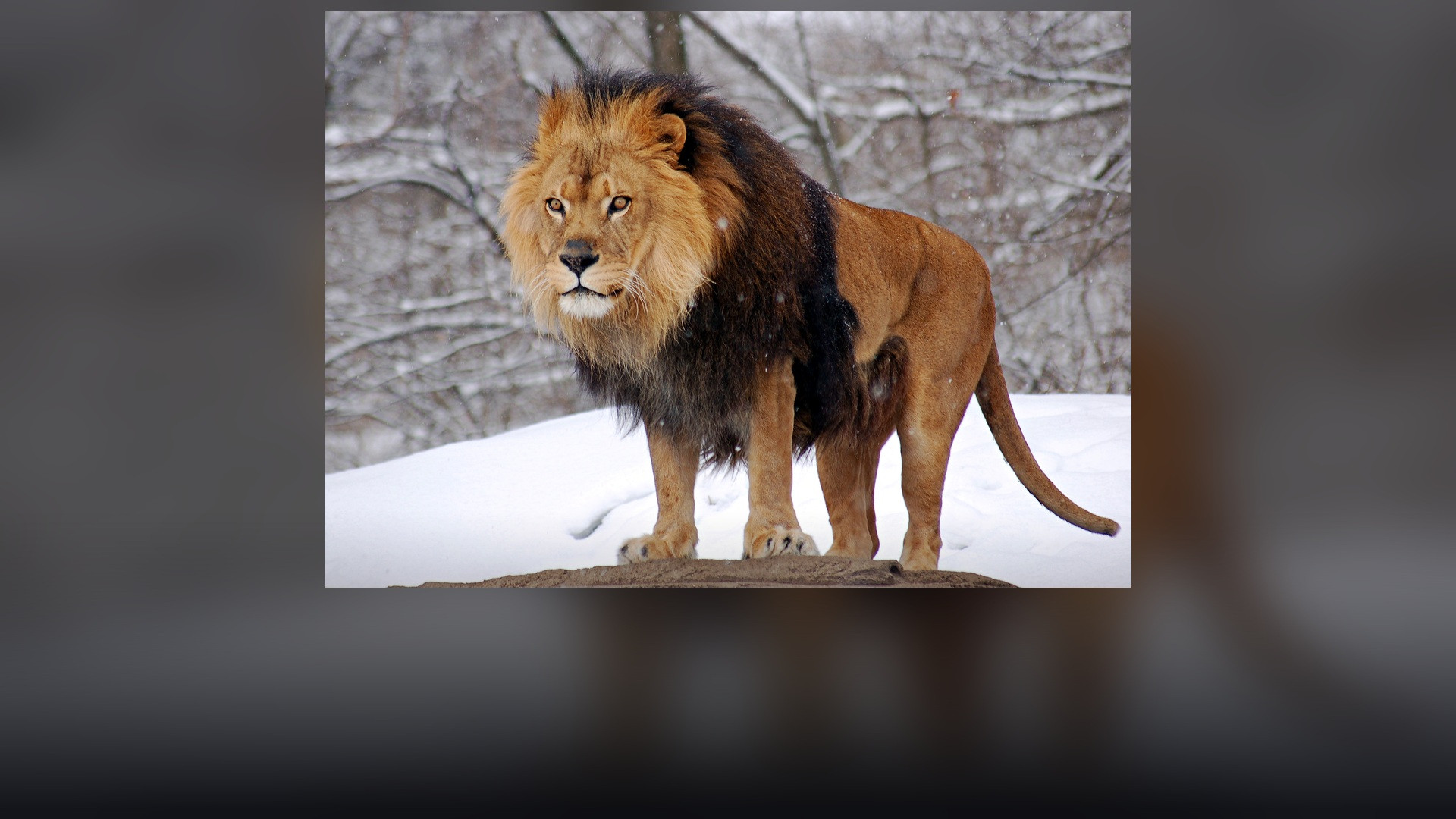
14. Lion
African lions cause approximately 100 to 200 deaths each year across rural sub-Saharan communities. Older, injured, or displaced lions unable to catch wild ungulates frequently turn to village livestock.
©Wikimedia / Derek Ramsey
Advertisement
Swipe or tap ▶ to resume the countdown.
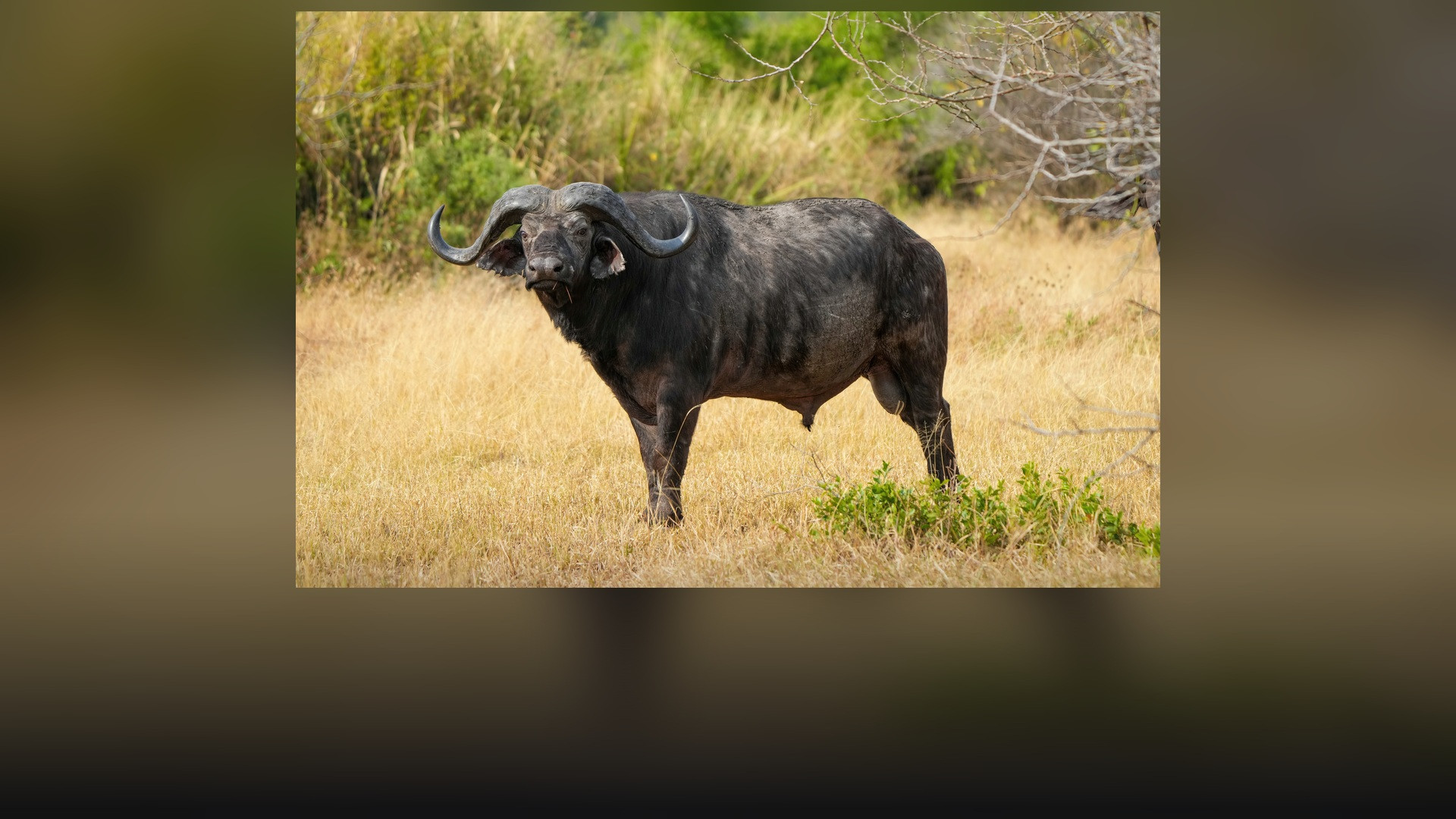
13. Cape Buffalo
Known across Africa as the 'Black Death' and 'Widowmaker', Cape buffaloes gore and trample over 200 people annually. Unpredictable and vindictive, they actively circle back to ambush pursuing hunters.
©Wikimedia / Giles Laurent
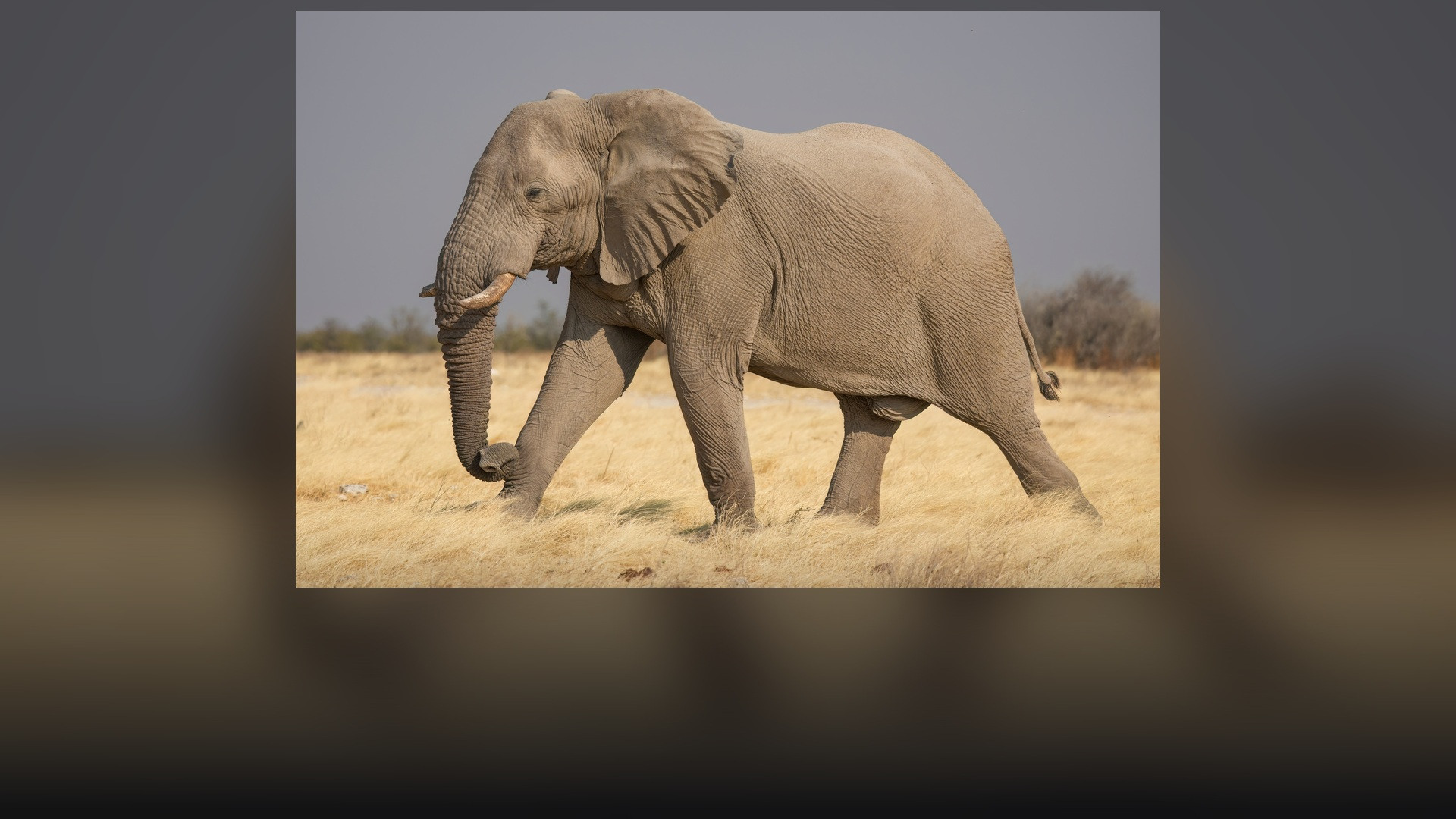
12. Elephant
Weighing up to seven tons, African and Asian elephants kill roughly 500 people per year. Most fatalities result from crop-raiding confrontations, habitat fragmentation, and aggressive males in musth.
©Wikimedia / Giles Laurent
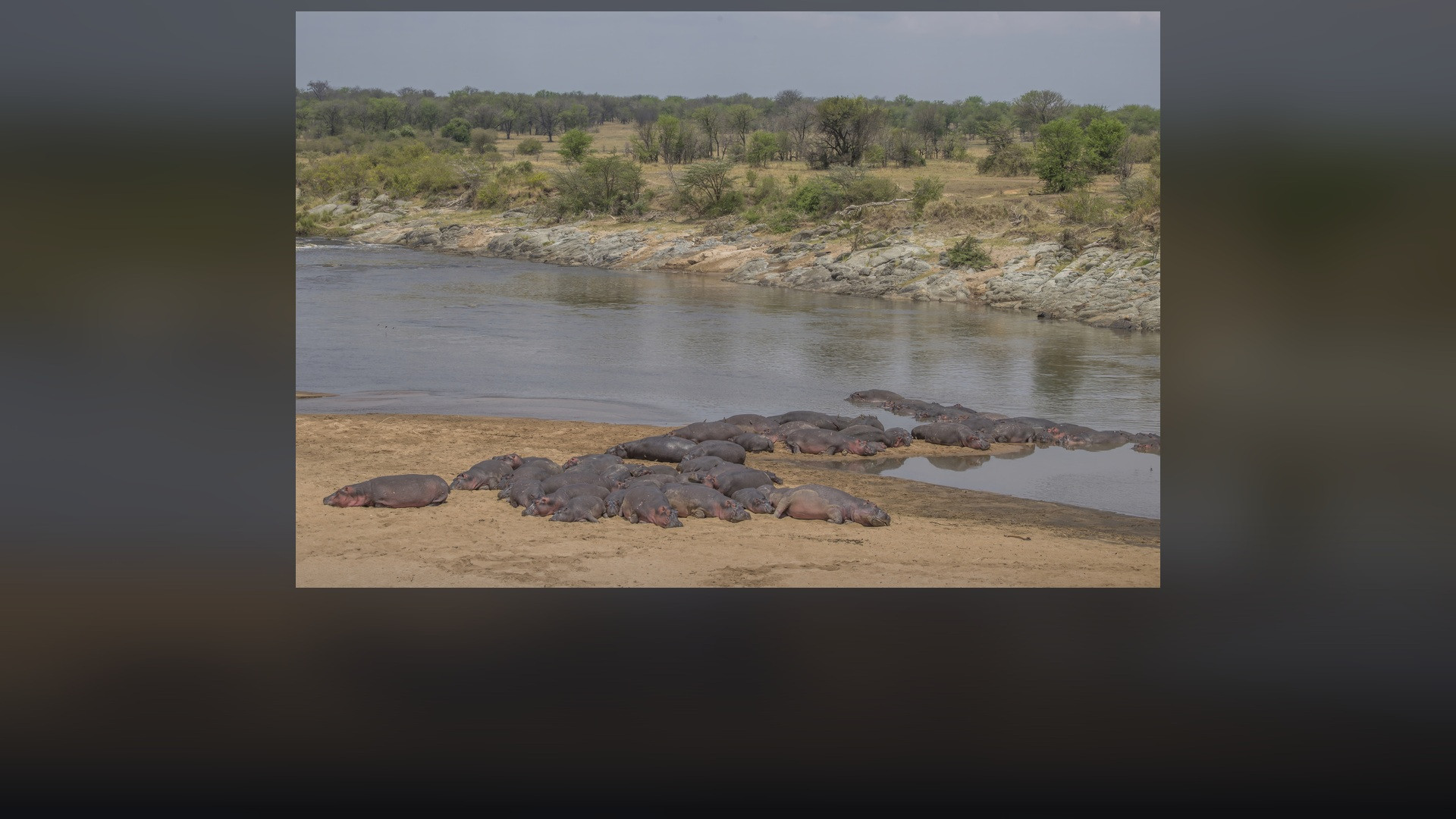
11. Hippopotamus
Ranking as Africa's deadliest large mammal, the hippopotamus claims roughly 500 human lives annually. Highly territorial, hippos routinely capsize fishing boats and crush victims with 20-inch tusks.
©Wikimedia / Charles J. Sharp
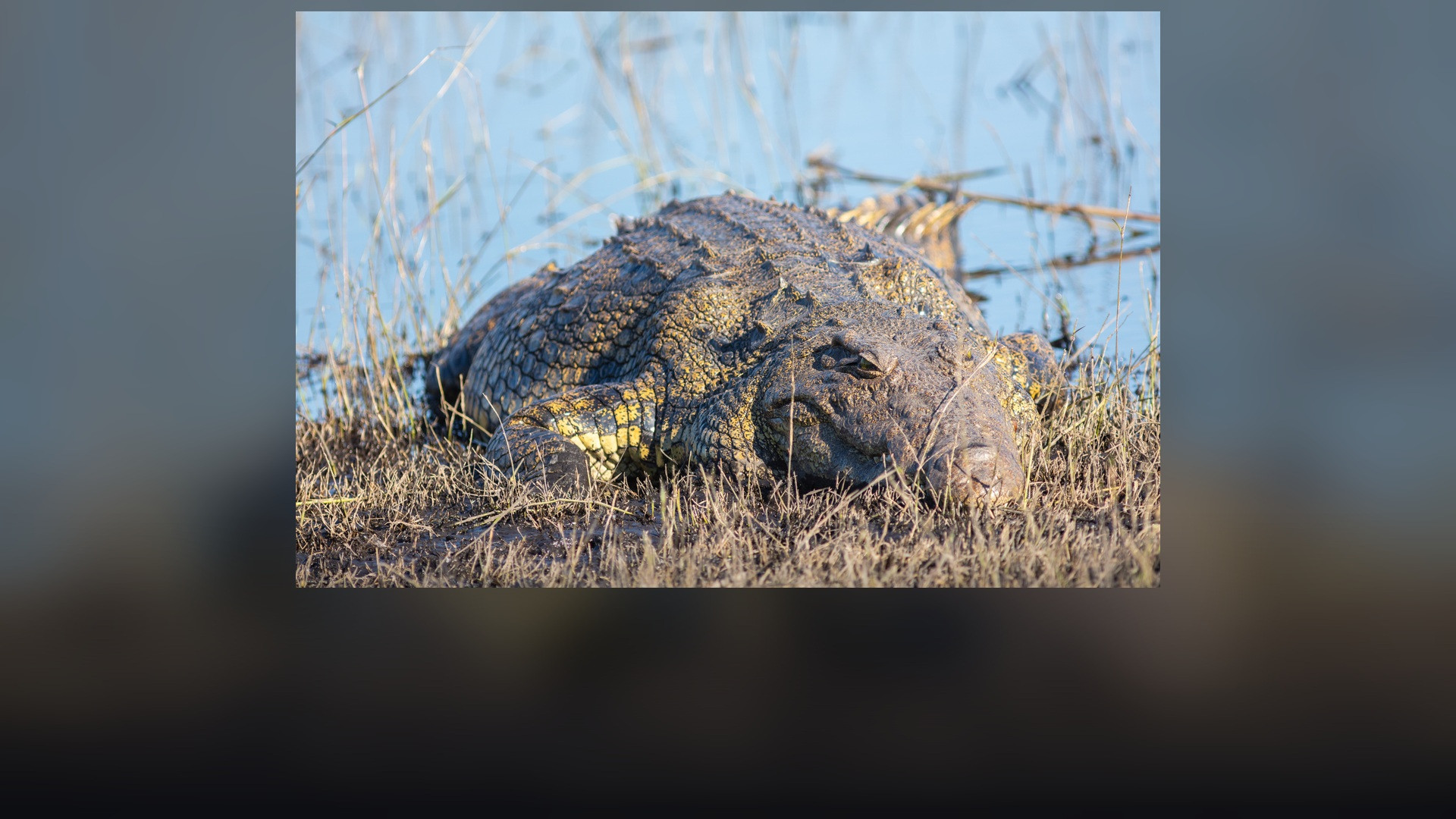
10. Crocodile
Nile and saltwater crocodiles kill an estimated 1,000 people annually throughout tropical waterways. Their bite force exceeds 3,700 psi, dragging riverside villagers underwater in inescapable death rolls.
©Wikimedia / Diego Delso
Advertisement
Swipe or tap ▶ to resume the countdown.
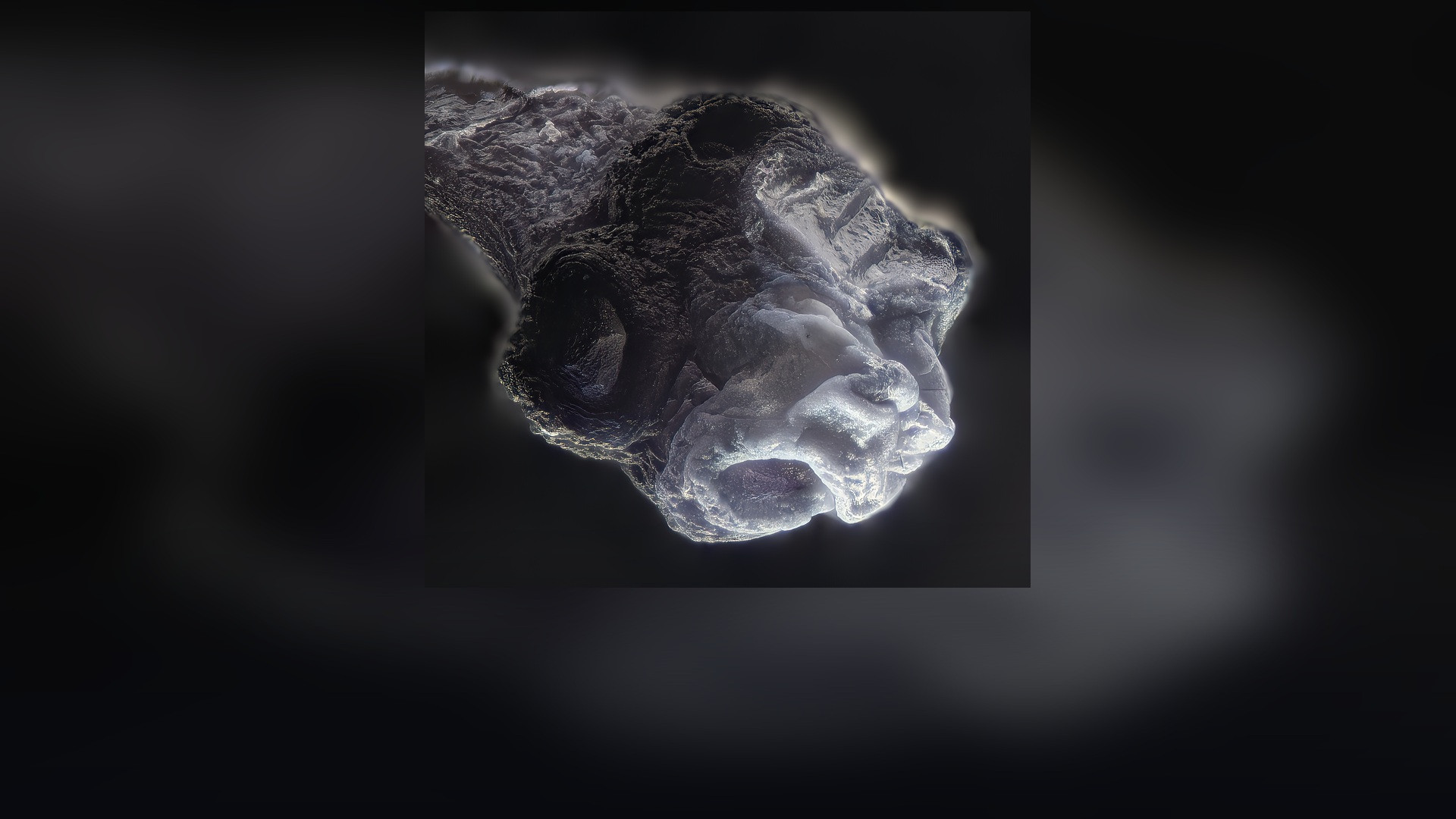
9. Tapeworm
Ingested through contaminated undercooked pork or water, Taenia solium tapeworm larvae migrate to the human brain, causing neurocysticercosis. The condition triggers severe epileptic seizures killing 1,200 annually.
©Wikimedia / Fedaro
8. Ascaris Roundworm
Infecting over 800 million people worldwide via soil transmission, giant Ascaris roundworms cause roughly 2,500 to 4,500 deaths each year, primarily in children through fatal intestinal obstruction and severe malnutrition.
©Wikimedia / Nmitei
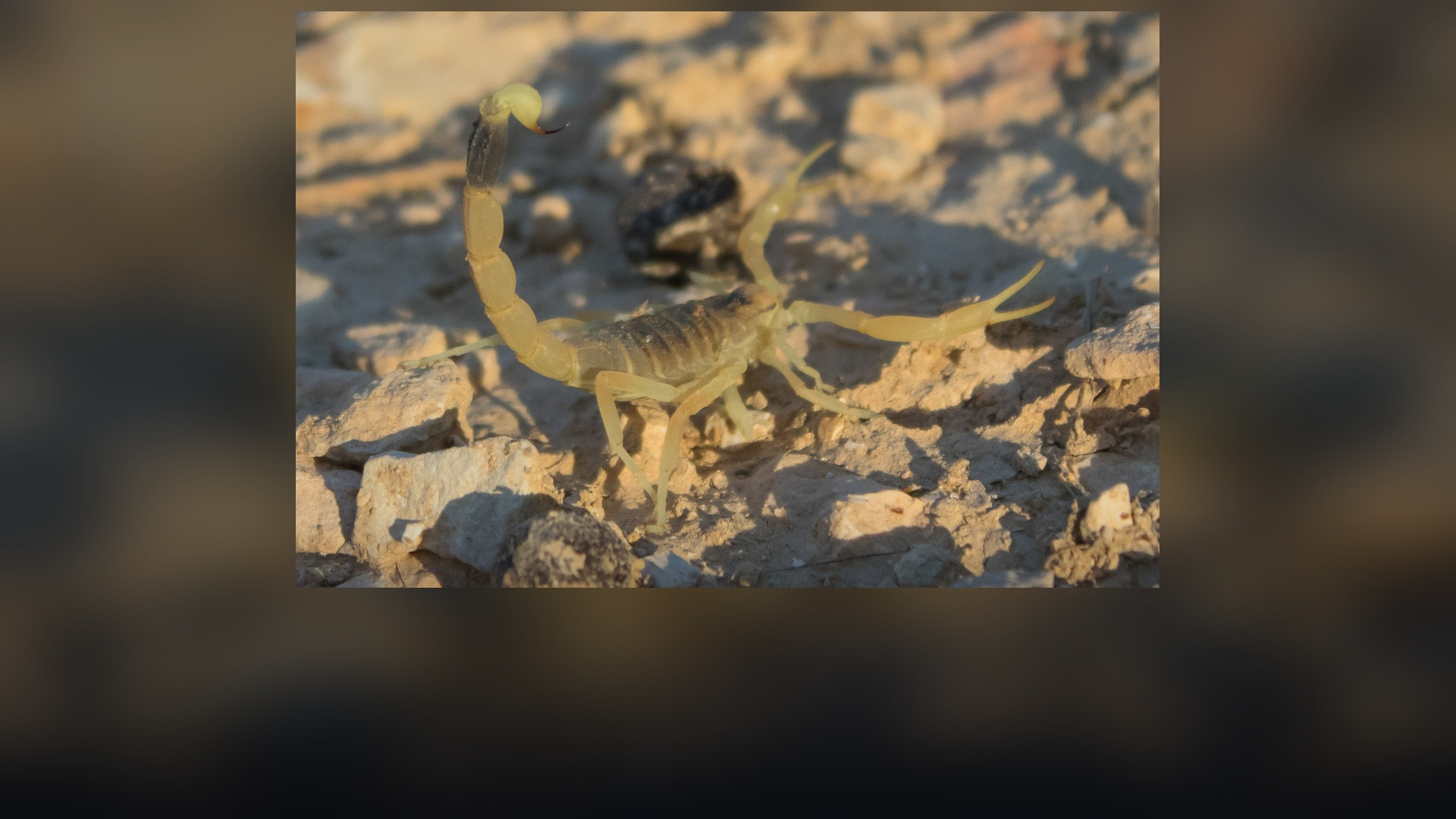
7. Scorpion
Of over 2,500 scorpion species, roughly thirty possess venom potent enough to kill humans, causing 3,300 deaths annually. The deathstalker and fat-tailed scorpions trigger fatal pulmonary edema within hours.
©Wikimedia / Minozig
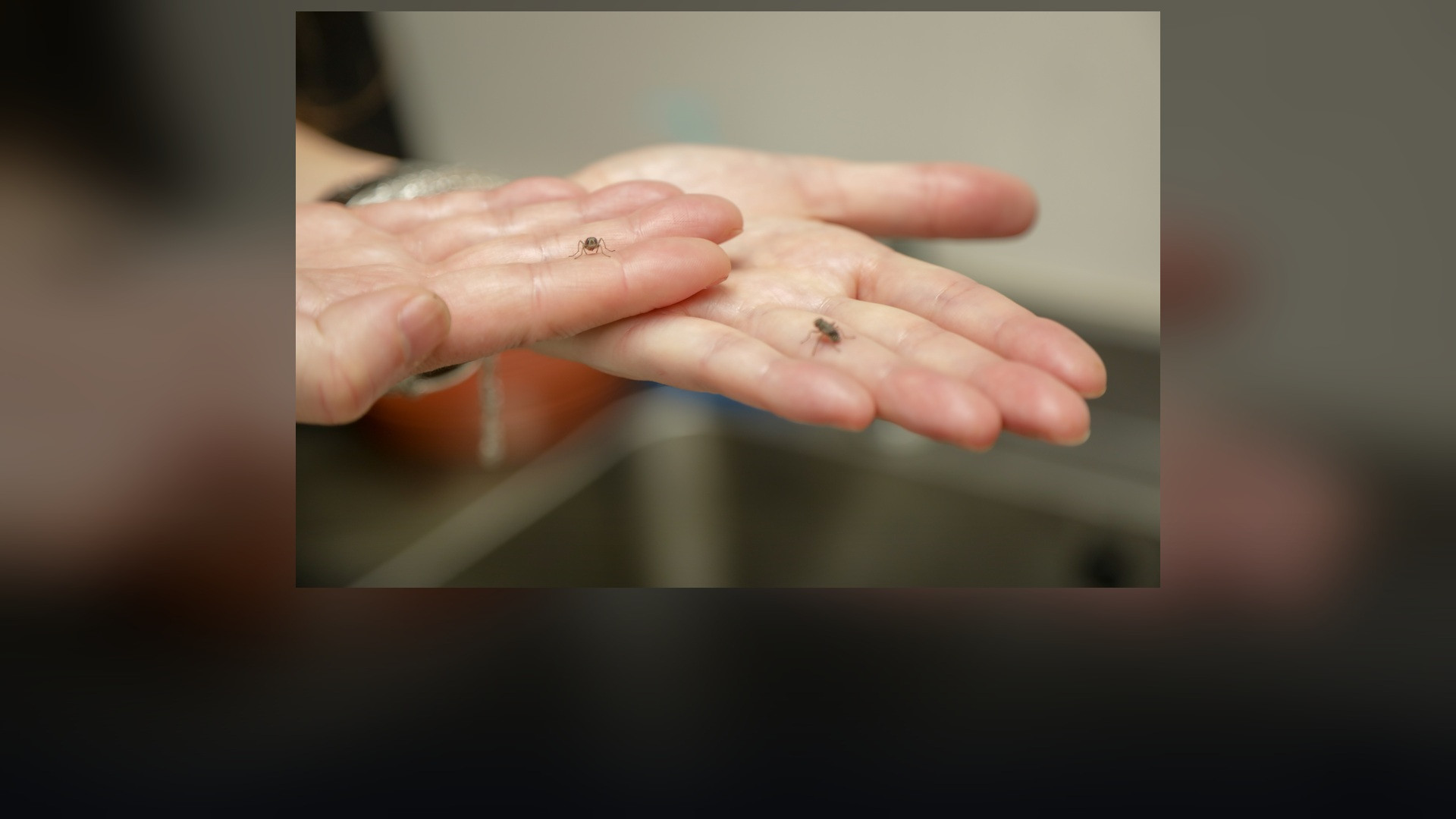
6. Tsetse Fly
Inhabiting sub-Saharan Africa, the tsetse fly transmits microscopic Trypanosoma parasites causing human African trypanosomiasis (sleeping sickness). Untreated, the neurological infection causes 10,000 deaths annually.
©DFID / UK Government
Advertisement
Swipe or tap ▶ to resume the countdown.
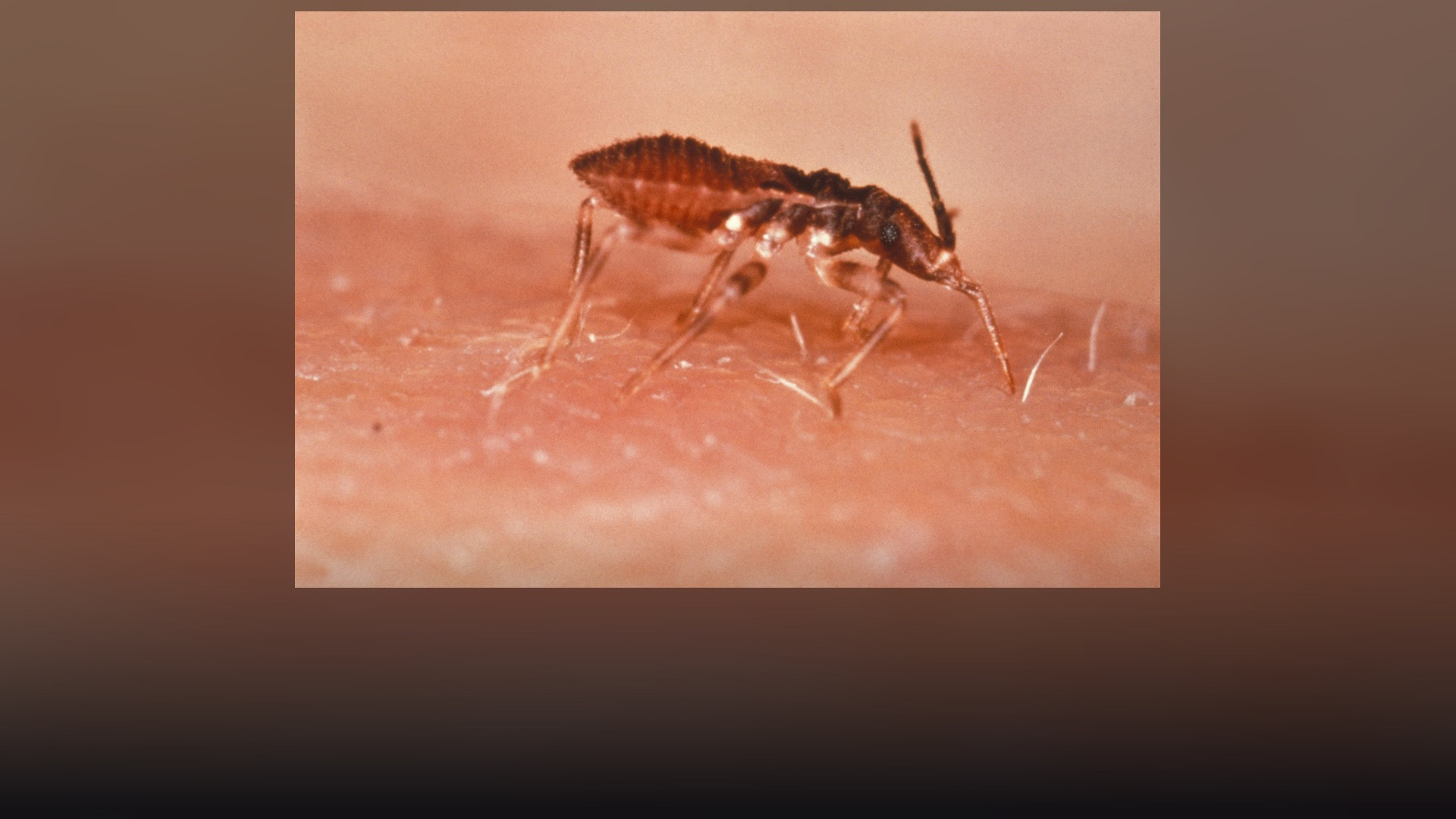
5. Assassin Bug
Biting victims' faces while they sleep, assassin bugs transmit Trypanosoma cruzi through infected feces, causing Chagas disease. The chronic infection gradually enlarges heart muscles, claiming 12,000 lives annually.
©CDC / World Health Organization
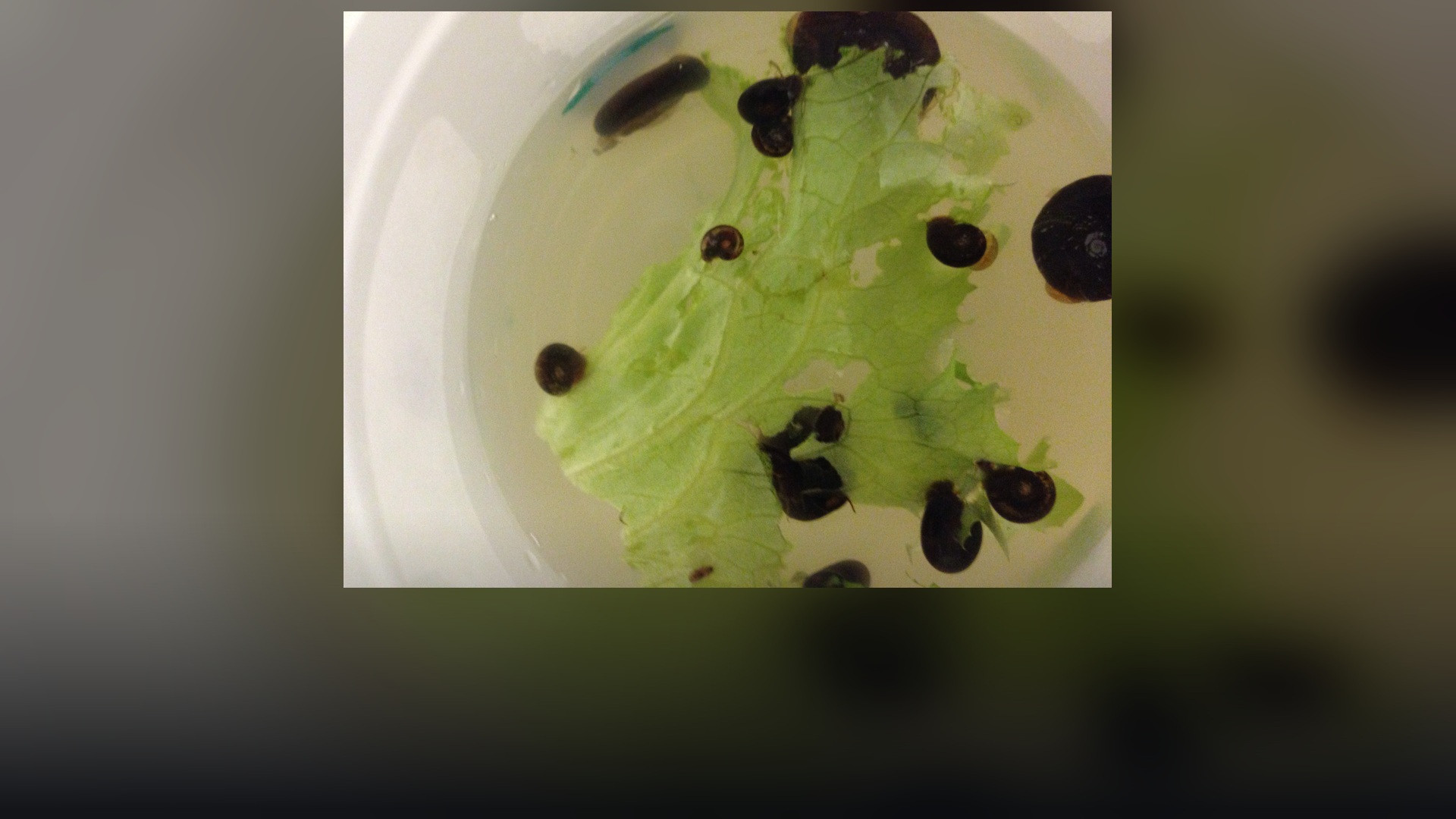
4. Freshwater Snail
Freshwater snails serve as intermediate hosts for parasitic flatworms causing schistosomiasis (bilharzia). Microscopic larvae penetrate human skin in calm waters, damaging internal organs and killing 20,000 people annually.
©Wikimedia / Oregon State University
3. Dog
While humanity's closest companion, rabid domestic and stray dogs transmit over 99% of all global human rabies cases. According to the WHO, rabies kills roughly 59,000 people each year, predominantly in rural Asia and Africa.
©Wikimedia / Todd Kopriva
2. Saw-Scaled Viper
Venomous snakes kill 100,000 to 138,000 people annually, with the saw-scaled viper responsible for more deaths than any other reptile. Its aggressive disposition and hemotoxic venom cause catastrophic internal bleeding.
©Wikimedia / Uajith
Advertisement
Swipe or tap ▶ to resume the countdown.
1. Mosquito
Killing between 725,000 and 1,000,000 people every year, the mosquito is Earth's undisputed deadliest animal. Anopheles, Aedes, and Culex species transmit devastating pathogens including malaria, dengue, and yellow fever.

©CDC / James Gathany
Advertisement
You've reached the end of the story. Thanks for reading!

20 Iconic Historical Photos and the Archive Clues Behind Them
Contact sheets, cracked glass plates, and NASA mission logs preserve the hidden steps behind 20 famous photographs. Drawing on records from the Library of Congress, the National Archives, NASA, and the Smithsonian, this countdown traces how cropping, camera setups, and double exposures shaped each frame.
All 20 Entries in this Story
20. Blue-Ringed Octopus
Carrying enough tetrodotoxin to paralyze 26 human adults within minutes, this tiny Pacific mollusk causes 5 to 10 annual deaths. Its painless bite often goes unnoticed until total respiratory failure strikes.

19. Shark
Despite terrifying pop culture portrayals, sharks cause only 5 to 10 fatal attacks globally each year. Great whites, bulls, and tiger sharks account for the majority of unprovoked encounters in coastal surf.

18. Cone Snail
Armed with a hollow, barbed harpoon delivering complex conotoxins, the geography cone snail claims roughly 15 to 30 lives annually. Its venom has no antivenom, earning it the nickname 'cigarette snail'.

17. Wolf
While healthy wolves rarely attack humans, rabid and food-stressed packs across Eurasia account for 10 to 20 fatalities each year, predominantly targeting isolated livestock herders in remote northern regions.

16. Box Jellyfish
Trailing ten-foot tentacles armed with millions of microscopic nematocysts, the Indo-Pacific box jellyfish causes 50 to 100 annual deaths. Its cardiotoxic venom stops human hearts in under two minutes.

15. Tiger
As the largest big cat on Earth, tigers are responsible for 50 to 100 human fatalities annually. The vast majority occur in the dense mangrove swamps of the Sundarbans bordering India and Bangladesh.

14. Lion
African lions cause approximately 100 to 200 deaths each year across rural sub-Saharan communities. Older, injured, or displaced lions unable to catch wild ungulates frequently turn to village livestock.

13. Cape Buffalo
Known across Africa as the 'Black Death' and 'Widowmaker', Cape buffaloes gore and trample over 200 people annually. Unpredictable and vindictive, they actively circle back to ambush pursuing hunters.

12. Elephant
Weighing up to seven tons, African and Asian elephants kill roughly 500 people per year. Most fatalities result from crop-raiding confrontations, habitat fragmentation, and aggressive males in musth.

11. Hippopotamus
Ranking as Africa's deadliest large mammal, the hippopotamus claims roughly 500 human lives annually. Highly territorial, hippos routinely capsize fishing boats and crush victims with 20-inch tusks.

10. Crocodile
Nile and saltwater crocodiles kill an estimated 1,000 people annually throughout tropical waterways. Their bite force exceeds 3,700 psi, dragging riverside villagers underwater in inescapable death rolls.

9. Tapeworm
Ingested through contaminated undercooked pork or water, Taenia solium tapeworm larvae migrate to the human brain, causing neurocysticercosis. The condition triggers severe epileptic seizures killing 1,200 annually.

8. Ascaris Roundworm
Infecting over 800 million people worldwide via soil transmission, giant Ascaris roundworms cause roughly 2,500 to 4,500 deaths each year, primarily in children through fatal intestinal obstruction and severe malnutrition.

7. Scorpion
Of over 2,500 scorpion species, roughly thirty possess venom potent enough to kill humans, causing 3,300 deaths annually. The deathstalker and fat-tailed scorpions trigger fatal pulmonary edema within hours.

6. Tsetse Fly
Inhabiting sub-Saharan Africa, the tsetse fly transmits microscopic Trypanosoma parasites causing human African trypanosomiasis (sleeping sickness). Untreated, the neurological infection causes 10,000 deaths annually.

5. Assassin Bug
Biting victims' faces while they sleep, assassin bugs transmit Trypanosoma cruzi through infected feces, causing Chagas disease. The chronic infection gradually enlarges heart muscles, claiming 12,000 lives annually.

4. Freshwater Snail
Freshwater snails serve as intermediate hosts for parasitic flatworms causing schistosomiasis (bilharzia). Microscopic larvae penetrate human skin in calm waters, damaging internal organs and killing 20,000 people annually.

3. Dog
While humanity's closest companion, rabid domestic and stray dogs transmit over 99% of all global human rabies cases. According to the WHO, rabies kills roughly 59,000 people each year, predominantly in rural Asia and Africa.

2. Saw-Scaled Viper
Venomous snakes kill 100,000 to 138,000 people annually, with the saw-scaled viper responsible for more deaths than any other reptile. Its aggressive disposition and hemotoxic venom cause catastrophic internal bleeding.

1. Mosquito
Killing between 725,000 and 1,000,000 people every year, the mosquito is Earth's undisputed deadliest animal. Anopheles, Aedes, and Culex species transmit devastating pathogens including malaria, dengue, and yellow fever.