Slideshow · Viral
The 20 Most Beautiful Cathedrals in the World, Ranked
From soaring medieval Gothic spires to Antoni Gaudi's unfinished stone forest in Barcelona, these 20 sacred landmarks represent the pinnacle of human architecture.
By Most Viral Today
27 Oct 2026

The 20 Most Beautiful Cathedrals in the World, Ranked 
20. Hallgrimskirkja 
19. Cathedral Of Brasilia 
18. Salt Cathedral Of Zipaquira - AdvertisementSwipe or tap ▶ to continue countdown

17. St. Patrick's Cathedral 
16. Mexico City Metropolitan Cathedral 
15. Burgos Cathedral 
14. Siena Cathedral - AdvertisementSwipe or tap ▶ to continue countdown

13. St. Stephen's Cathedral 
12. Chartres Cathedral 
11. Las Lajas Sanctuary 
10. Westminster Abbey - AdvertisementSwipe or tap ▶ to continue countdown

9. Seville Cathedral 
8. St. Mark's Basilica 
7. Cologne Cathedral 
6. St. Basil's Cathedral - AdvertisementSwipe or tap ▶ to continue countdown

5. Duomo Di Milano 
4. Florence Cathedral 
3. Notre-Dame De Paris 
2. St. Peter's Basilica - AdvertisementSwipe or tap ▶ to continue countdown

1. Sagrada Familia - Advertisement🔥 UP NEXT IN THIS SERIES◫ 21 Slides

20 Iconic Historical Photos and the Archive Clues Behind Them
Contact sheets, cracked glass plates, and NASA mission logs preserve the hidden steps behind 20 famous photographs. Drawing on records from the Library of Congress, the National Archives, NASA, and the Smithsonian, this countdown traces how cropping, camera setups, and double exposures shaped each frame.
Sacred architecture has pushed the limits of human engineering for over a thousand years. From underground caverns carved out of solid rock salt in Colombia to towering Gothic spires in France and Germany, this countdown ranks the 20 most breathtaking cathedrals and basilicas on Earth.
Swipe or tap ▶ to begin the countdown
©Wikimedia / Fred Romero & Wikimedia / Bernard Gagnon
20. Hallgrimskirkja
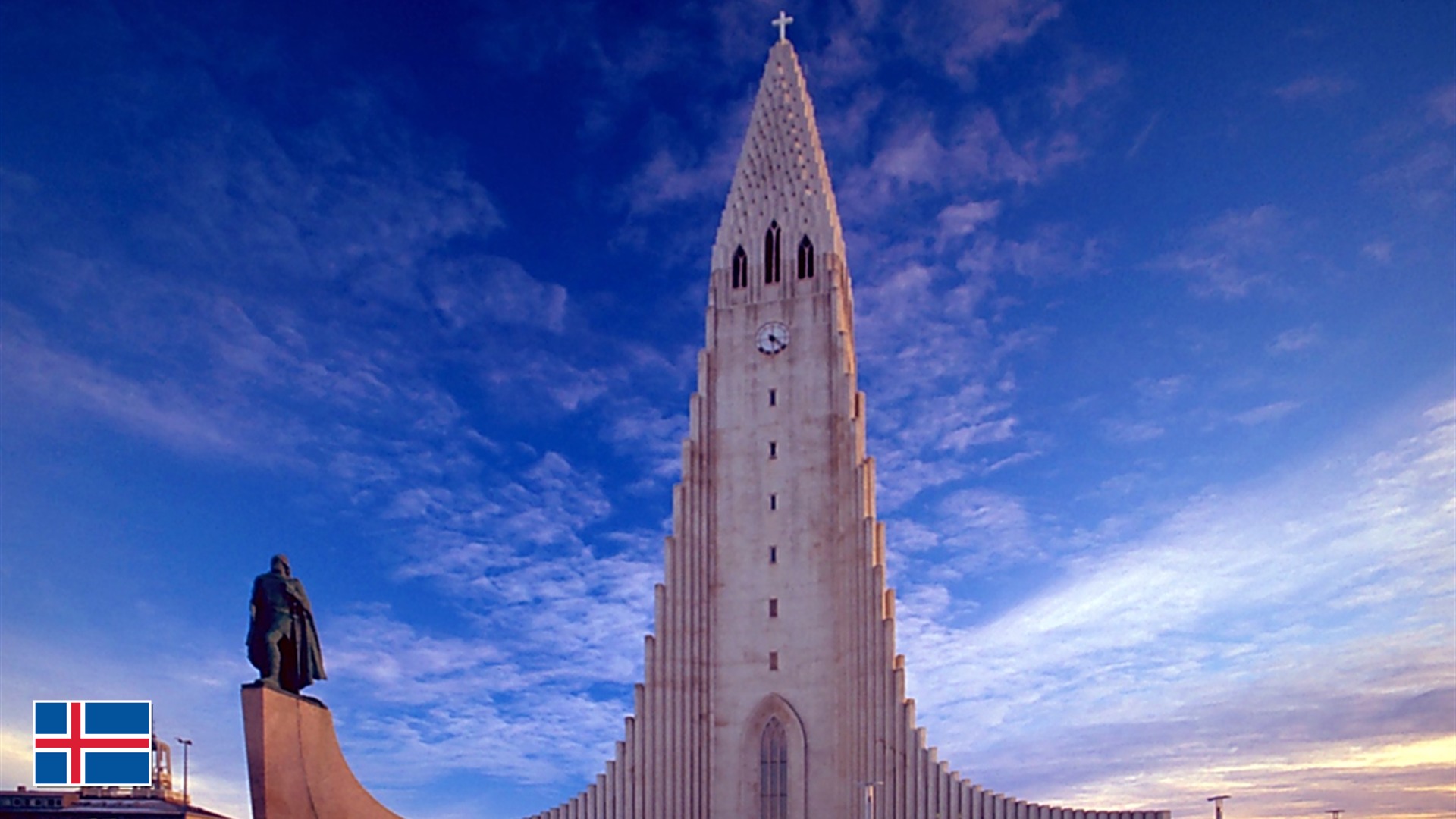
Designed by state architect Gudjon Samuelsson in 1937 and completed in 1986, Hallgrimskirkja towers 244 feet above Reykjavik. Its stepped concrete wings were inspired by the hexagonal basalt lava columns formed by volcanic eruptions and waterfalls across the Icelandic landscape.
©Wikimedia / Andreas Tille
19. Cathedral Of Brasilia
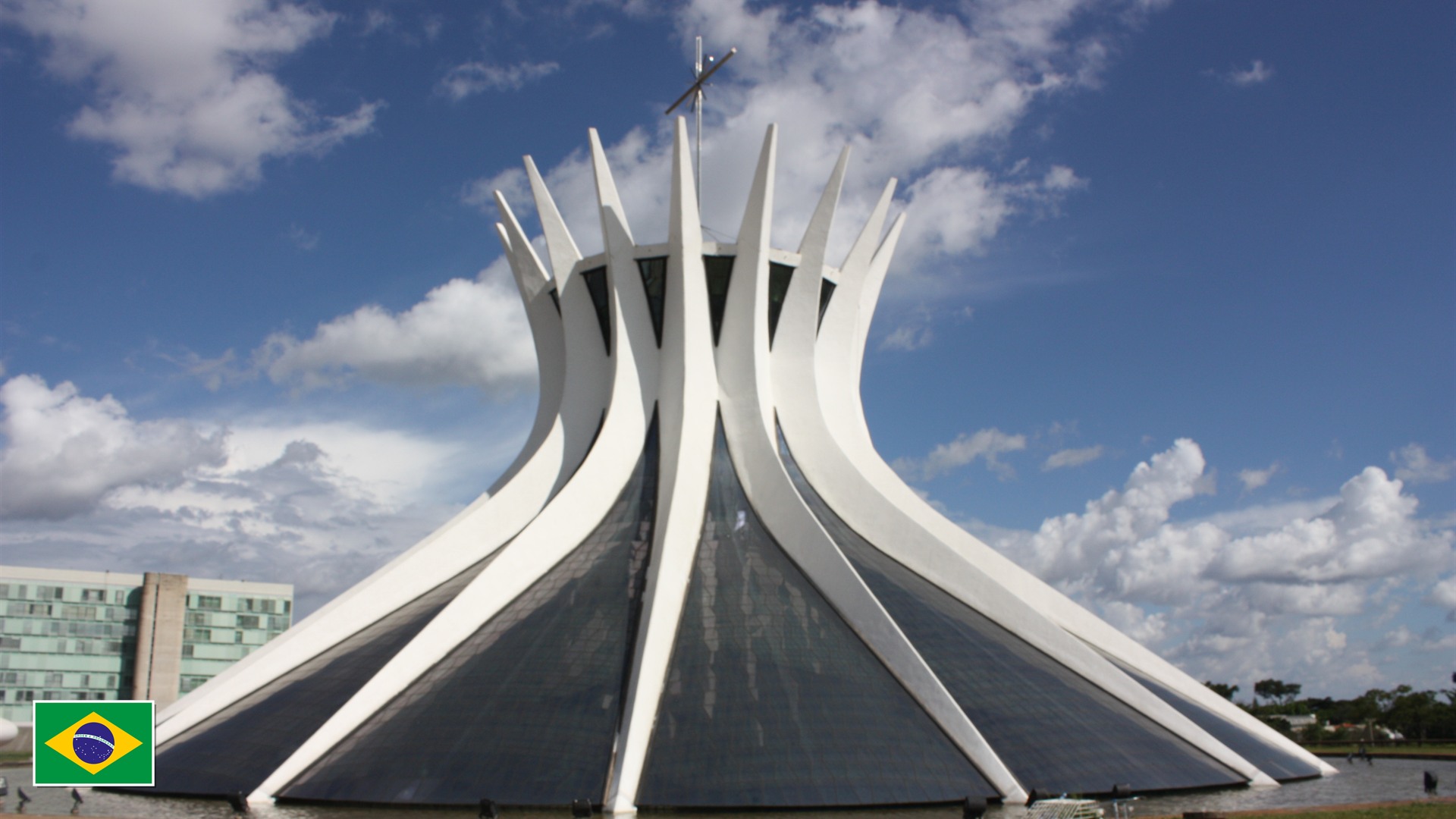
Consecrated in 1970 and designed by Pritzker Prize winner Oscar Niemeyer, the Cathedral of Brasilia replaces traditional stone walls with 16 hyperbolic concrete columns weighing 90 tons each. Between the soaring white ribs, fiberglass stained-glass panels flood the sunken nave with blue light.
©Wikimedia / Arian Zwegers
18. Salt Cathedral Of Zipaquira
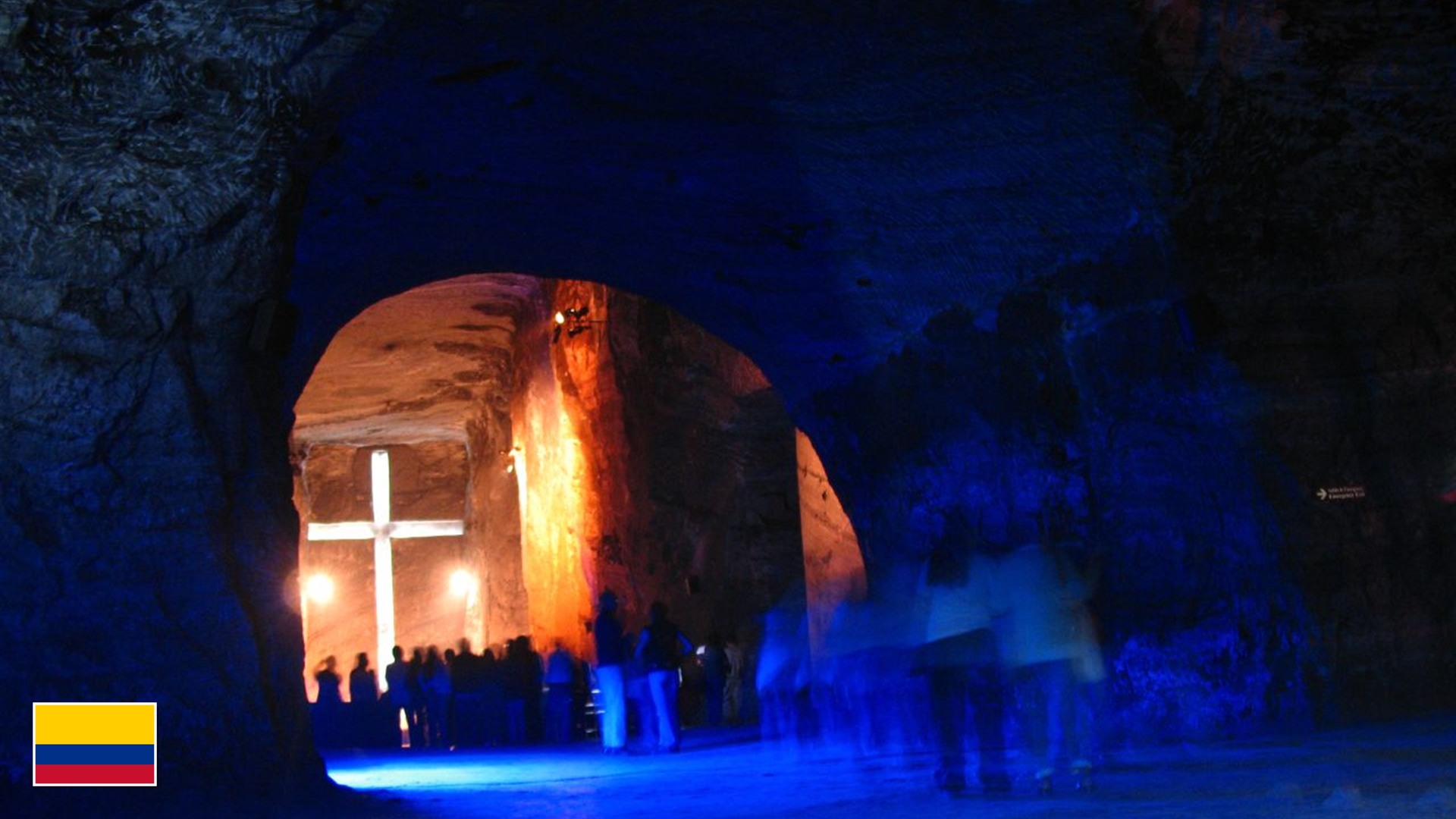
Located 600 feet beneath a mountain in Cundinamarca, Colombia, the Salt Cathedral of Zipaquira was excavated directly out of solid halite rock by miners and builders who removed 250,000 tons of salt. Its three underground naves feature a 52-foot illuminated cross carved into the rock face.
©Wikimedia / Vero Villa from Medellin, Colombia
Advertisement
Swipe or tap ▶ to resume the countdown.
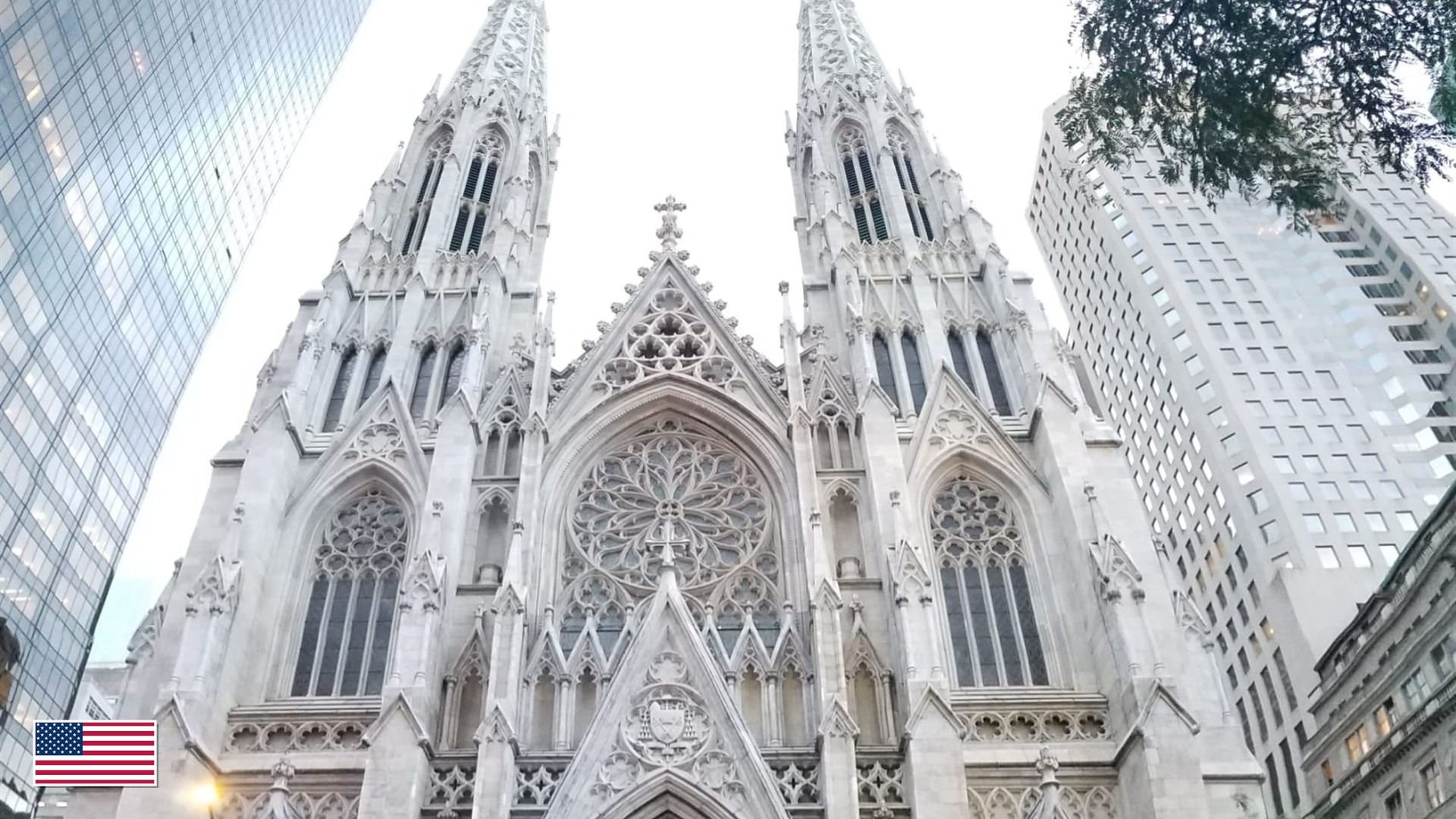
17. St. Patrick's Cathedral
Designed by James Renwick Jr. and dedicated in 1879 across from Rockefeller Center in Midtown Manhattan, St. Patrick's Cathedral is the largest neo-Gothic Catholic cathedral in North America. Its twin marble spires rise 330 feet above Fifth Avenue and shelter 2,400 worshippers.
©Wikimedia / SpaceEconomist192
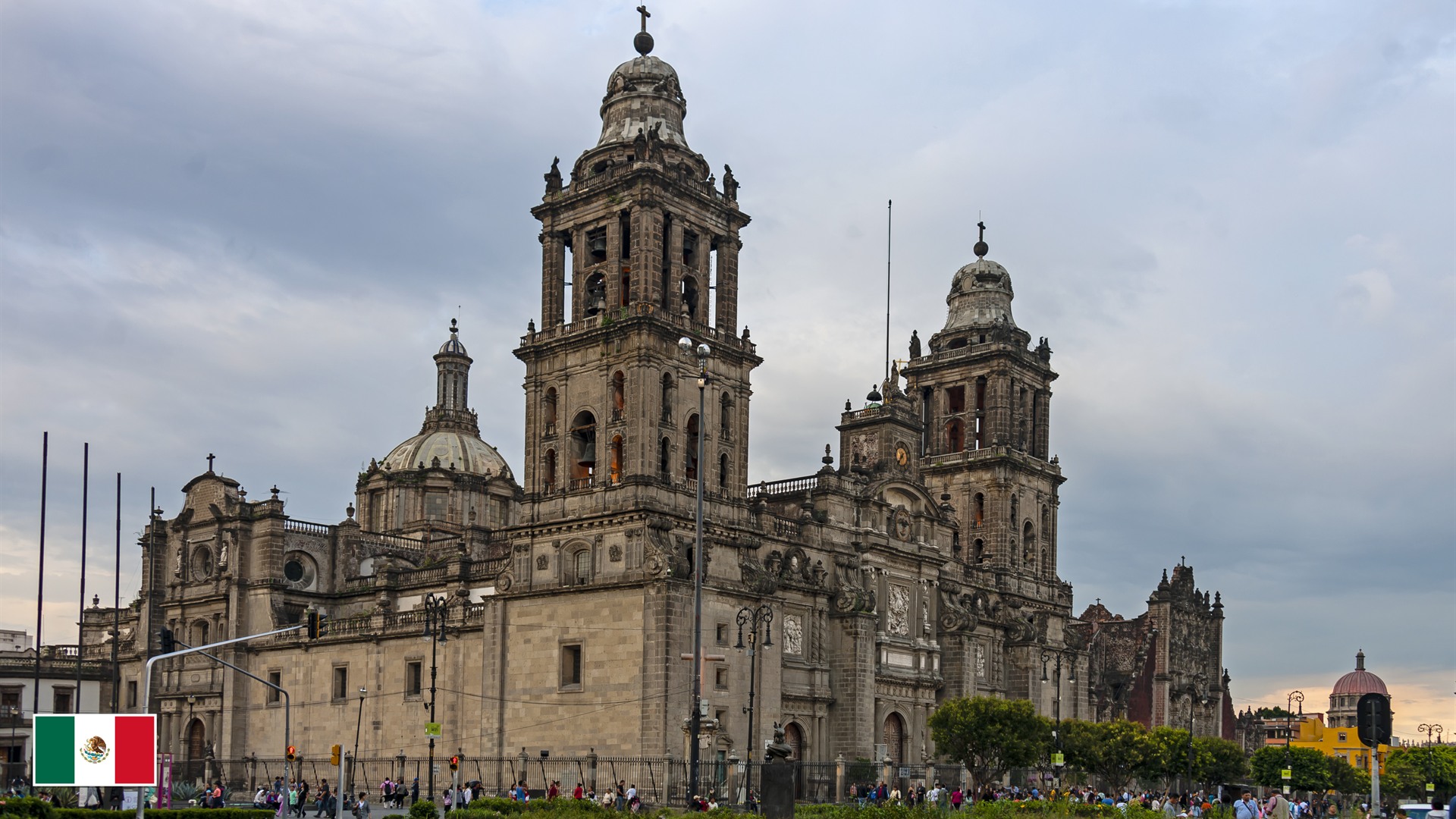
16. Mexico City Metropolitan Cathedral
Constructed between 1573 and 1813 on the northern side of Mexico City's Zocalo plaza, this monumental seat of the Archdiocese blends Herrerian Renaissance, Churrigueresque Baroque, and Neoclassical facades. Inside, the golden Altar of the Kings shimmers with thousands of hand-carved figures.
©Wikimedia / Daniel Case
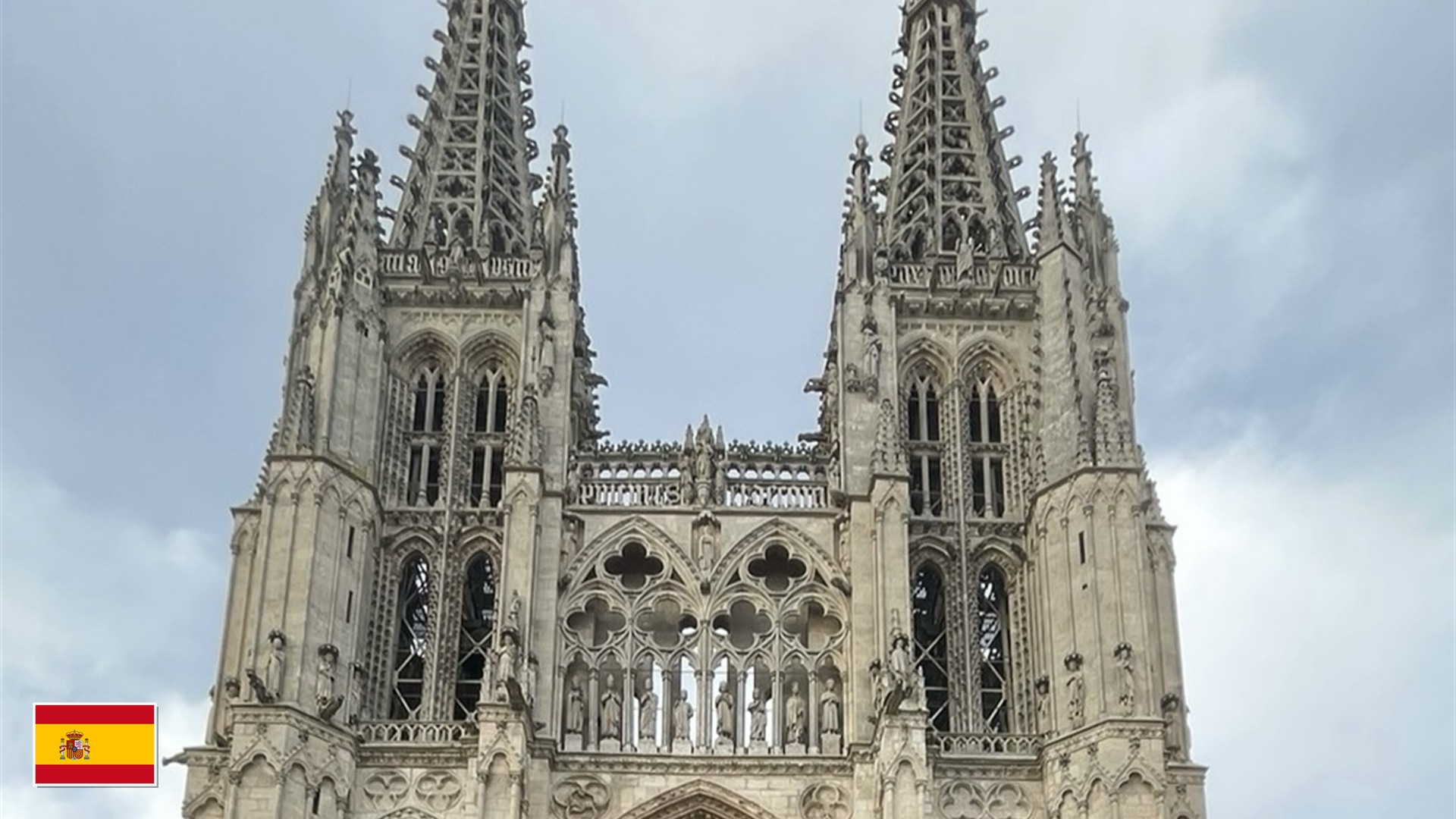
15. Burgos Cathedral
Begun in 1221 under King Ferdinand III of Castile, Burgos Cathedral is the only Spanish cathedral designated as a standalone UNESCO World Heritage Site. Its lacy octagonal lantern tower and twin openwork spires were crafted by German master builder John of Cologne in the 1440s.
©Wikimedia / Rook48
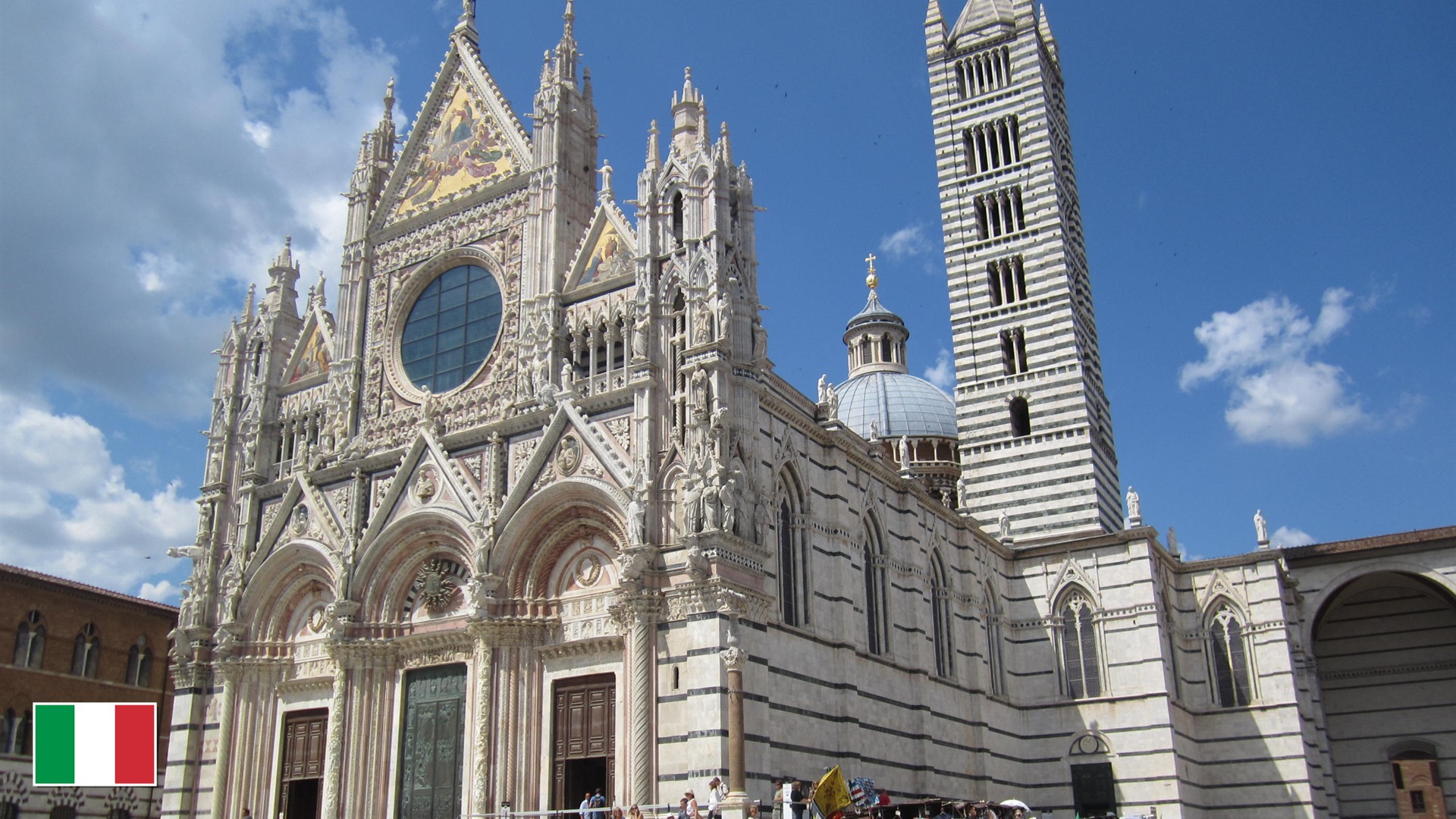
14. Siena Cathedral
Consecrated in 1215, the Duomo di Siena dazzles visitors with a west facade of polychrome marble, gilded Venetian mosaics, and sculptures by Giovanni Pisano. Beneath a starry blue vaulted ceiling, its inlaid marble floor took 200 years to complete and features works by Pinturicchio and Donatello.
©Wikimedia / Luca Aless
Advertisement
Swipe or tap ▶ to resume the countdown.
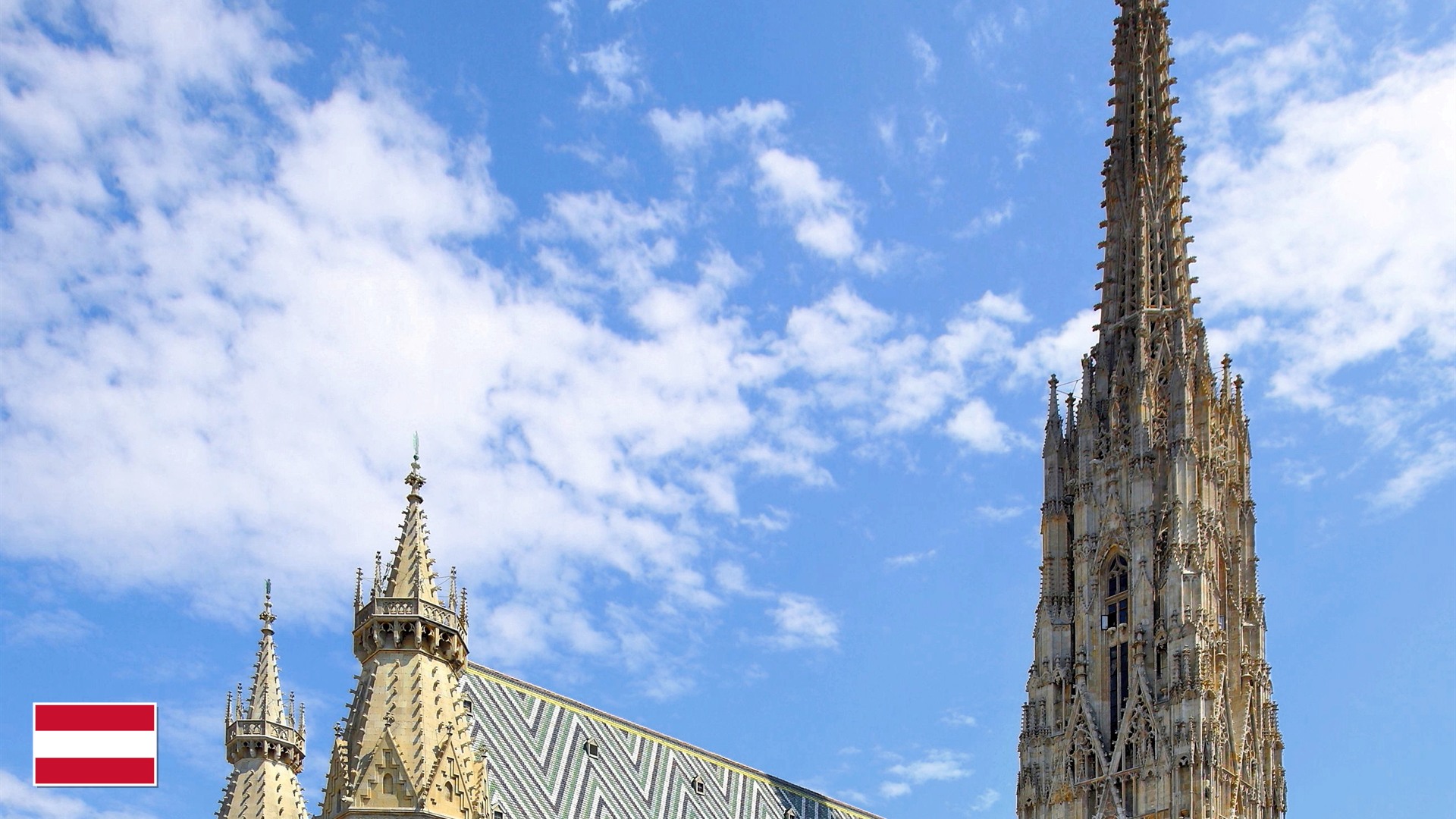
13. St. Stephen's Cathedral
Standing at the heart of Vienna since 1147, St. Stephen's Cathedral is famous for its steep 360-foot roof covered in 230,000 glazed tiles arranged in diamond patterns and imperial coats of arms. Its 448-foot south tower took 65 years to build and served as the city's watchtower for centuries.
©Wikimedia / C.Stadler/Bwag
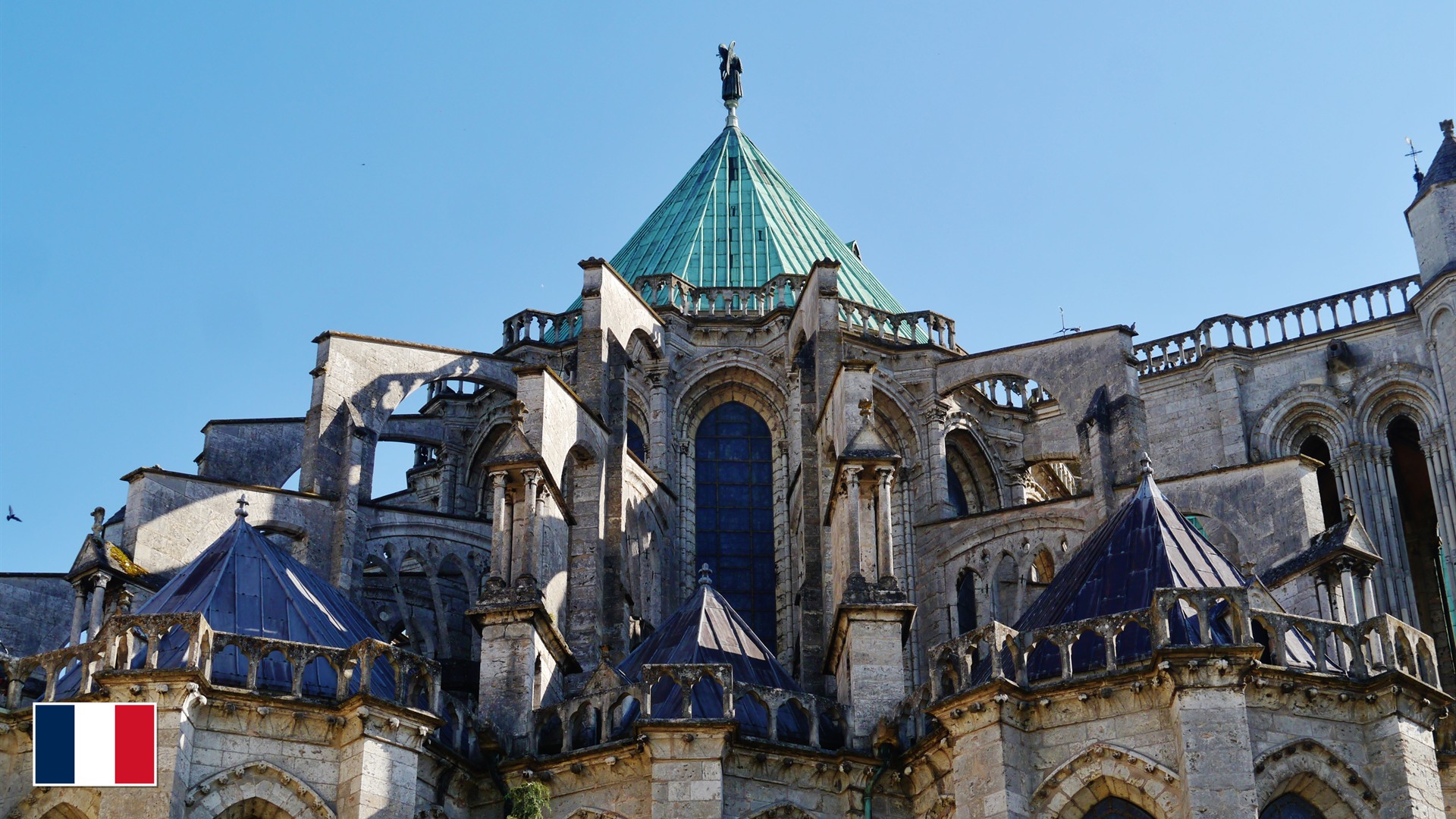
12. Chartres Cathedral
Rebuilt between 1194 and 1220 just southwest of Paris, Chartres Cathedral preserves 176 original medieval stained-glass windows covering 28,000 square feet. Its cobalt-tinted glass, known worldwide as Chartres blue, survived the French Revolution and both World Wars virtually intact.
©Wikimedia / Zairon
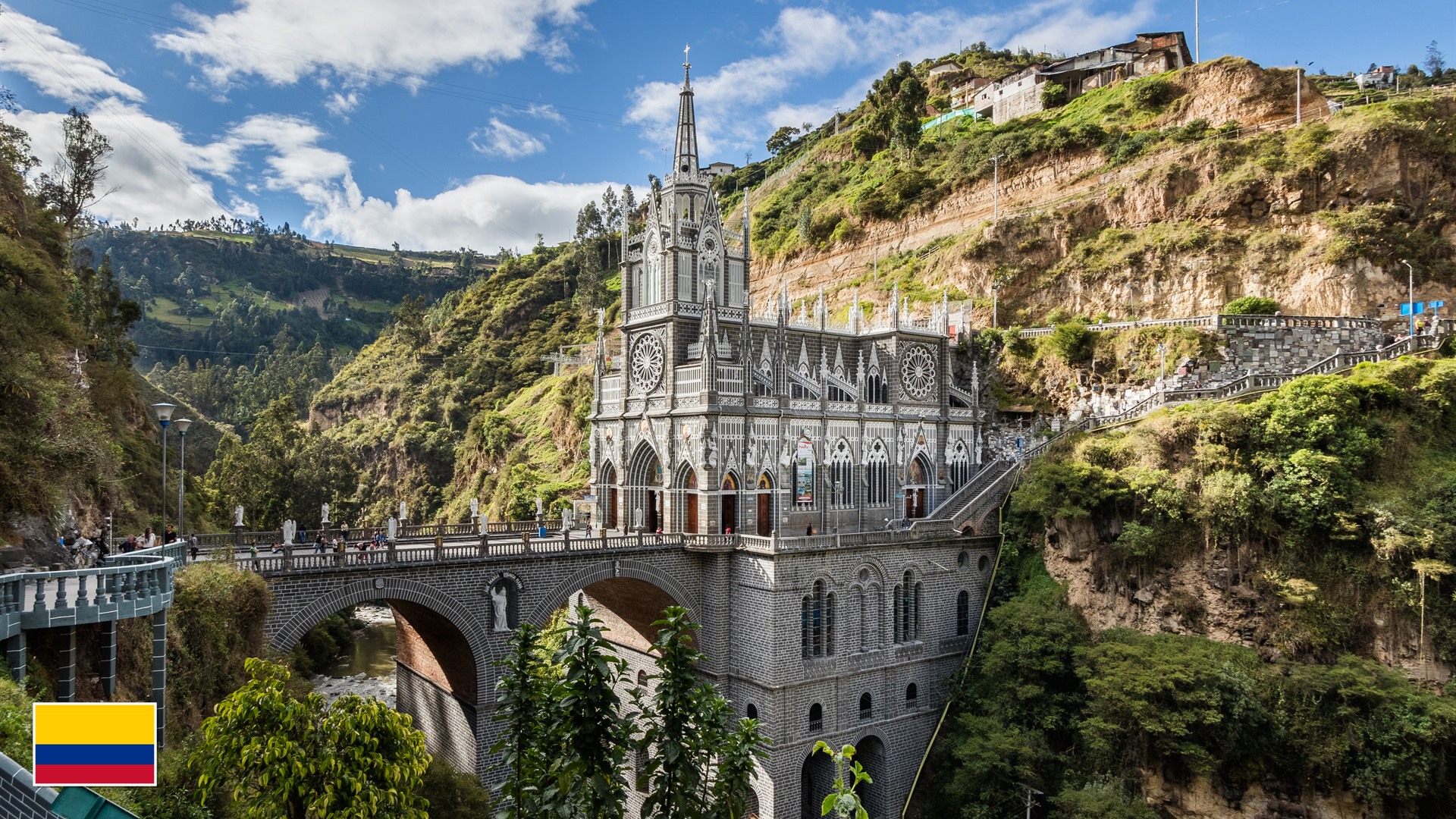
11. Las Lajas Sanctuary
Built between 1916 and 1949 in southern Colombia near the Ecuadorian border, Las Lajas Sanctuary rises 330 feet from the bottom of the Guaitara River gorge. A two-arched stone bridge connects the grey-and-white Gothic Revival church to the opposite cliff wall above rushing waterfalls.
©Wikimedia / Diego Delso
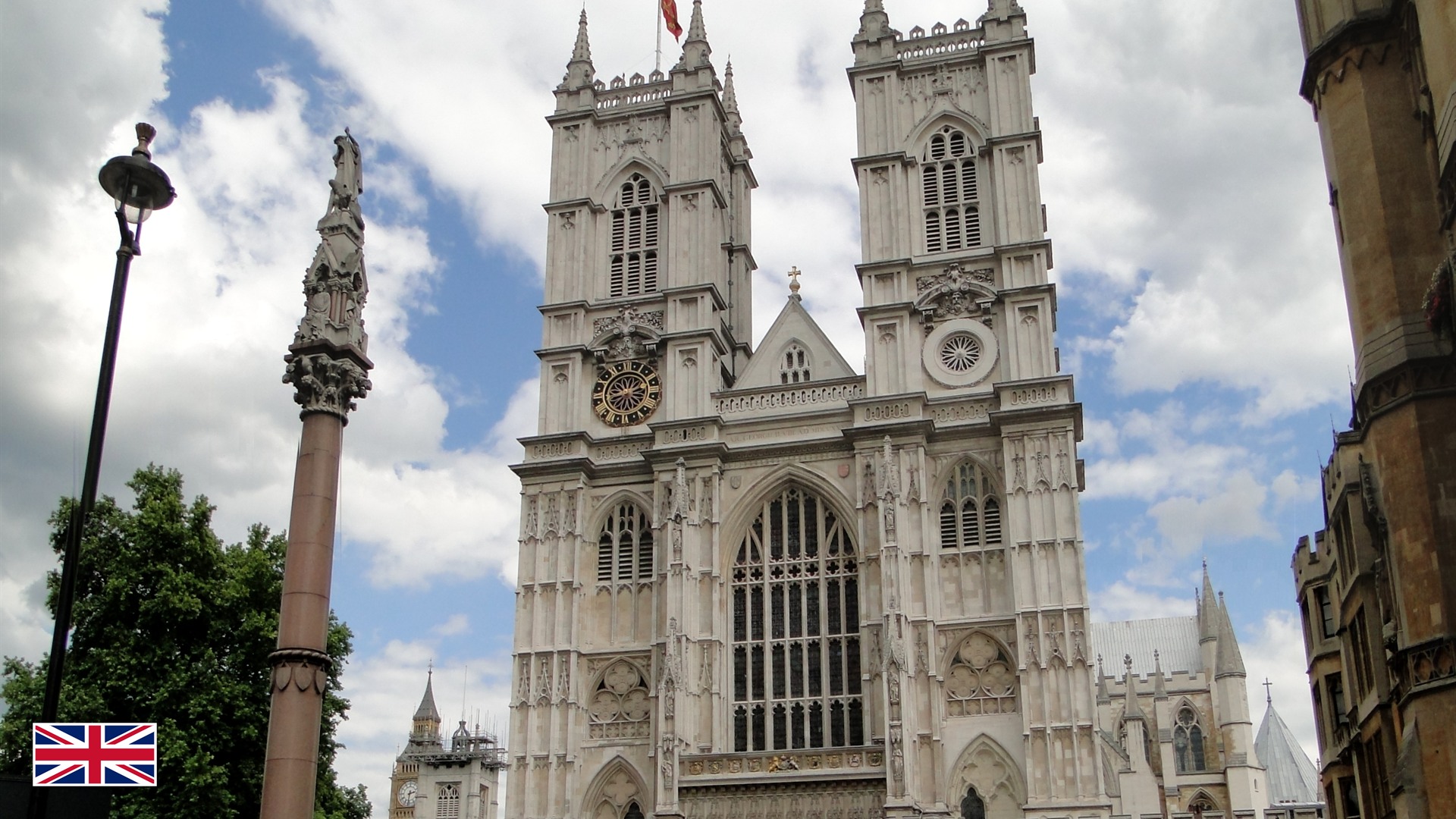
10. Westminster Abbey
Rebuilt in the Anglo-French Gothic style by King Henry III beginning in 1245, Westminster Abbey has hosted every English and British coronation since William the Conqueror in 1066. Its Lady Chapel features a breathtaking 16th-century fan-vaulted stone ceiling that appears to float weightlessly.
©Wikimedia / Philip Pankhurst
Advertisement
Swipe or tap ▶ to resume the countdown.
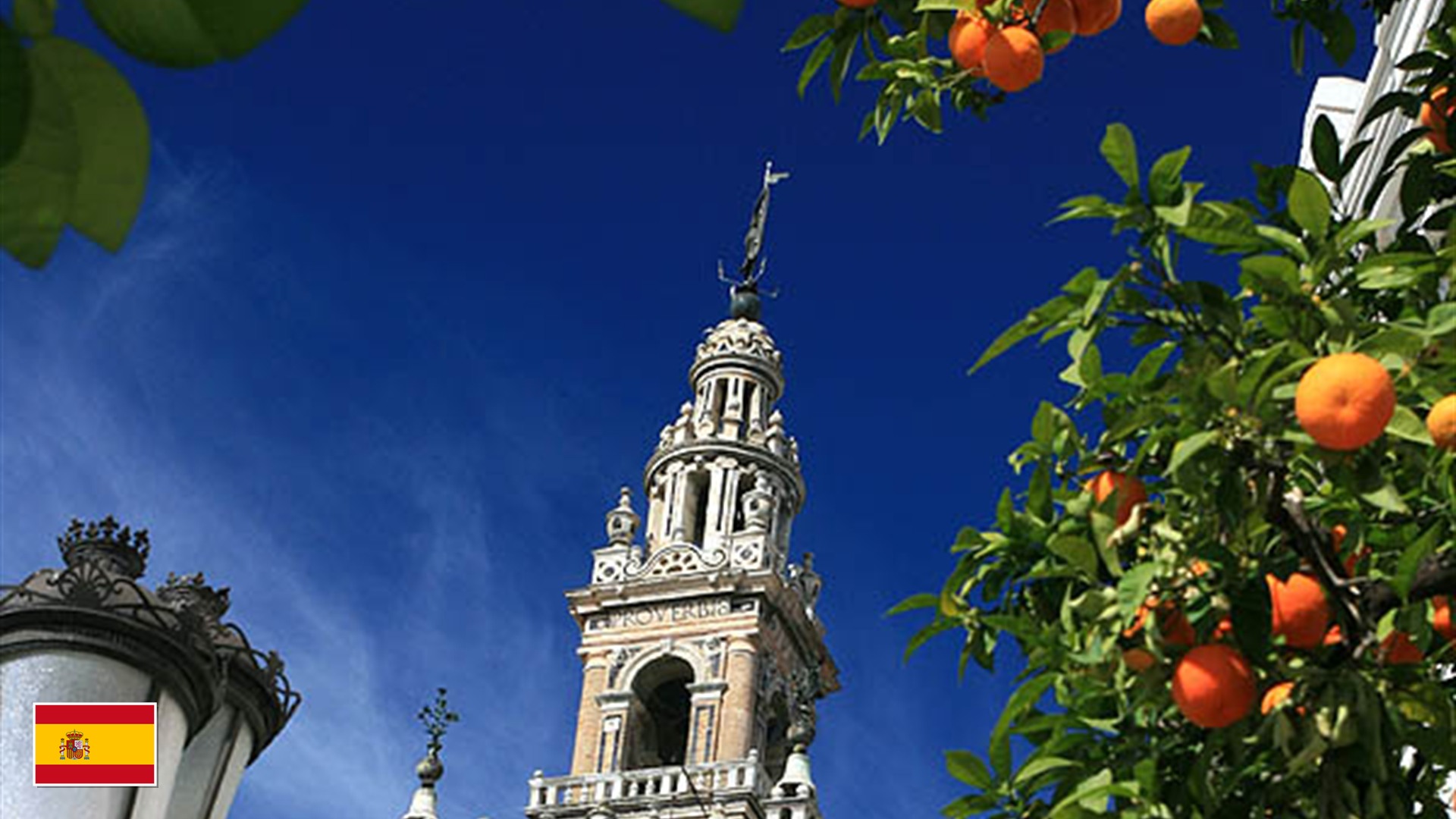
9. Seville Cathedral
Completed in 1506 to demonstrate Andalusia's wealth, Seville Cathedral is the largest Gothic church in the world by volume. It incorporates the 343-foot Giralda bell tower, originally built as an Almohad minaret in 1198, and houses the monumental tomb of explorer Christopher Columbus.
©Wikimedia / Jialiang Gao
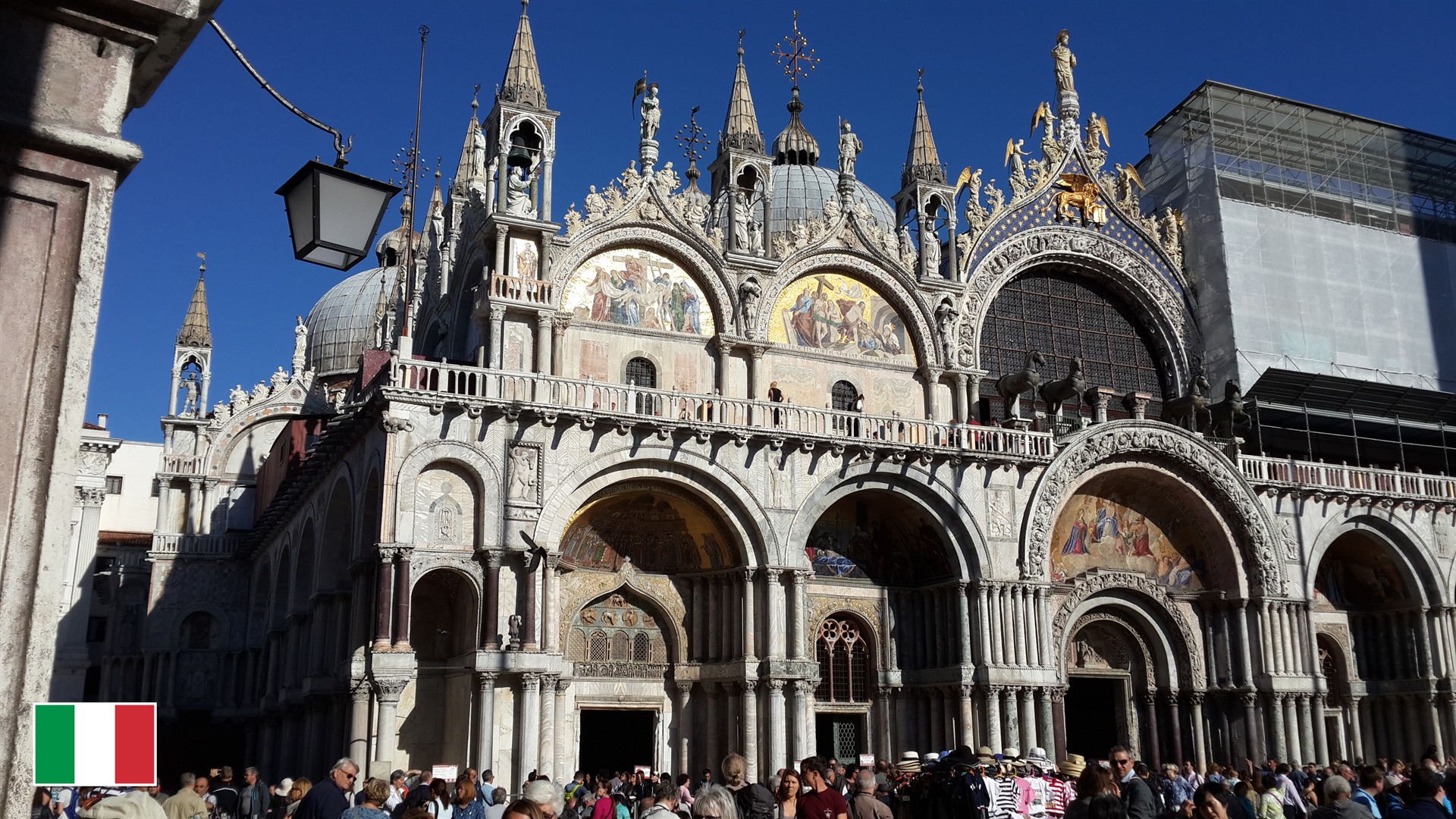
8. St. Mark's Basilica
Consecrated in 1094 at the eastern end of Piazza San Marco in Venice, St. Mark's Basilica blends Italian, Byzantine, and Gothic design across five bulbous domes. Its interior is covered in more than 85,000 square feet of 24-karat gold glass mosaics and crowned by the gem-studded Pala d'Oro.
©Wikimedia / Yair Haklai
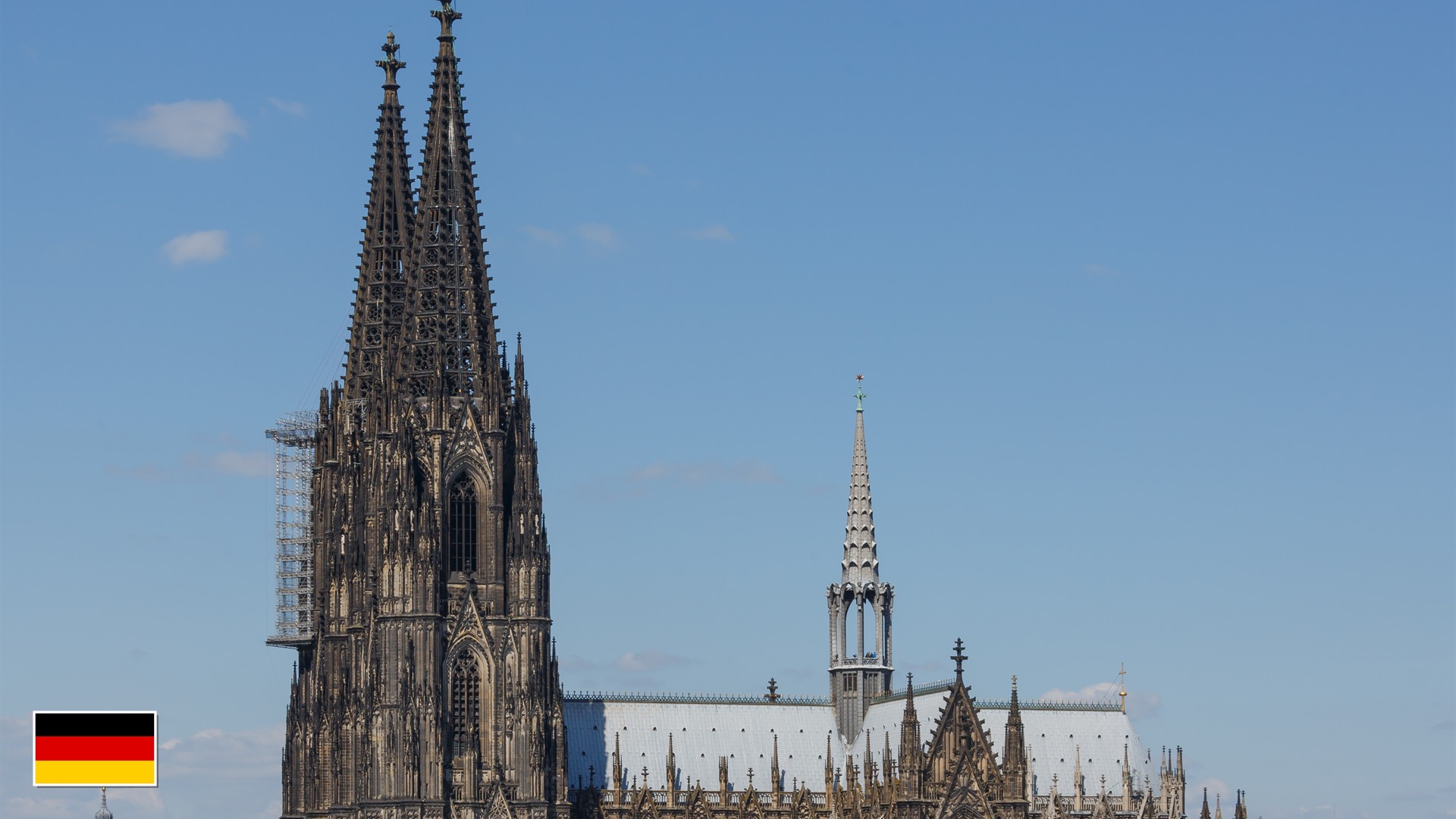
7. Cologne Cathedral
Towering 516 feet above the Rhine River in Germany, Cologne Cathedral took 632 years to complete between 1248 and 1880, briefly standing as the tallest structure on Earth. Its twin Gothic spires give the church the largest exterior facade of any cathedral in the world at 75,000 square feet.
©Wikimedia / CEphoto, Uwe Aranas
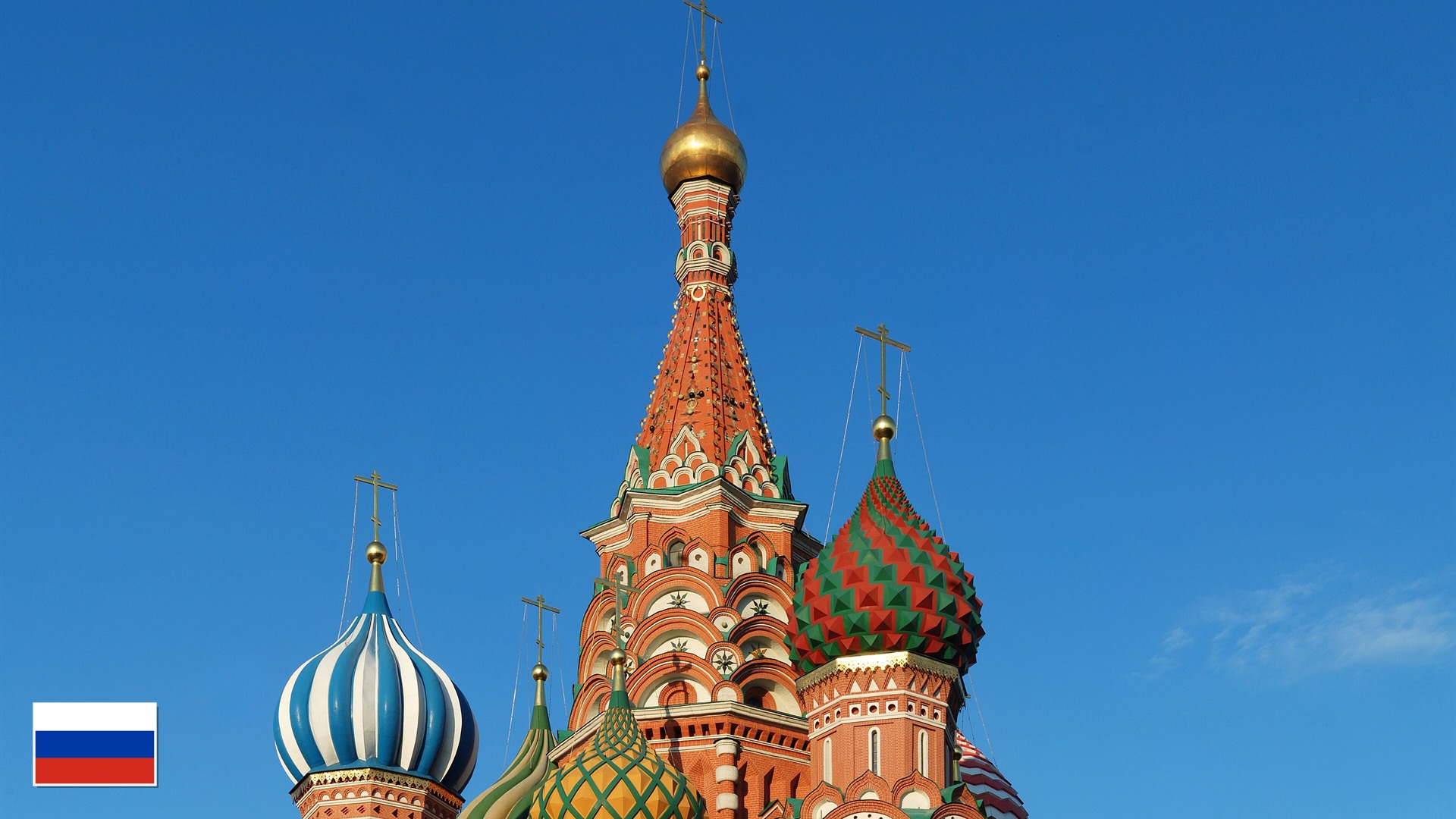
6. St. Basil's Cathedral
Commissioned by Ivan the Terrible in 1555 and completed in 1561 on the southern edge of Red Square in Moscow, St. Basil's Cathedral is built like no other church in Christendom. Nine distinct chapels are arranged around a central 156-foot tented spire and topped by colorful onion domes.
©Wikimedia / Alvesgaspar
Advertisement
Swipe or tap ▶ to resume the countdown.
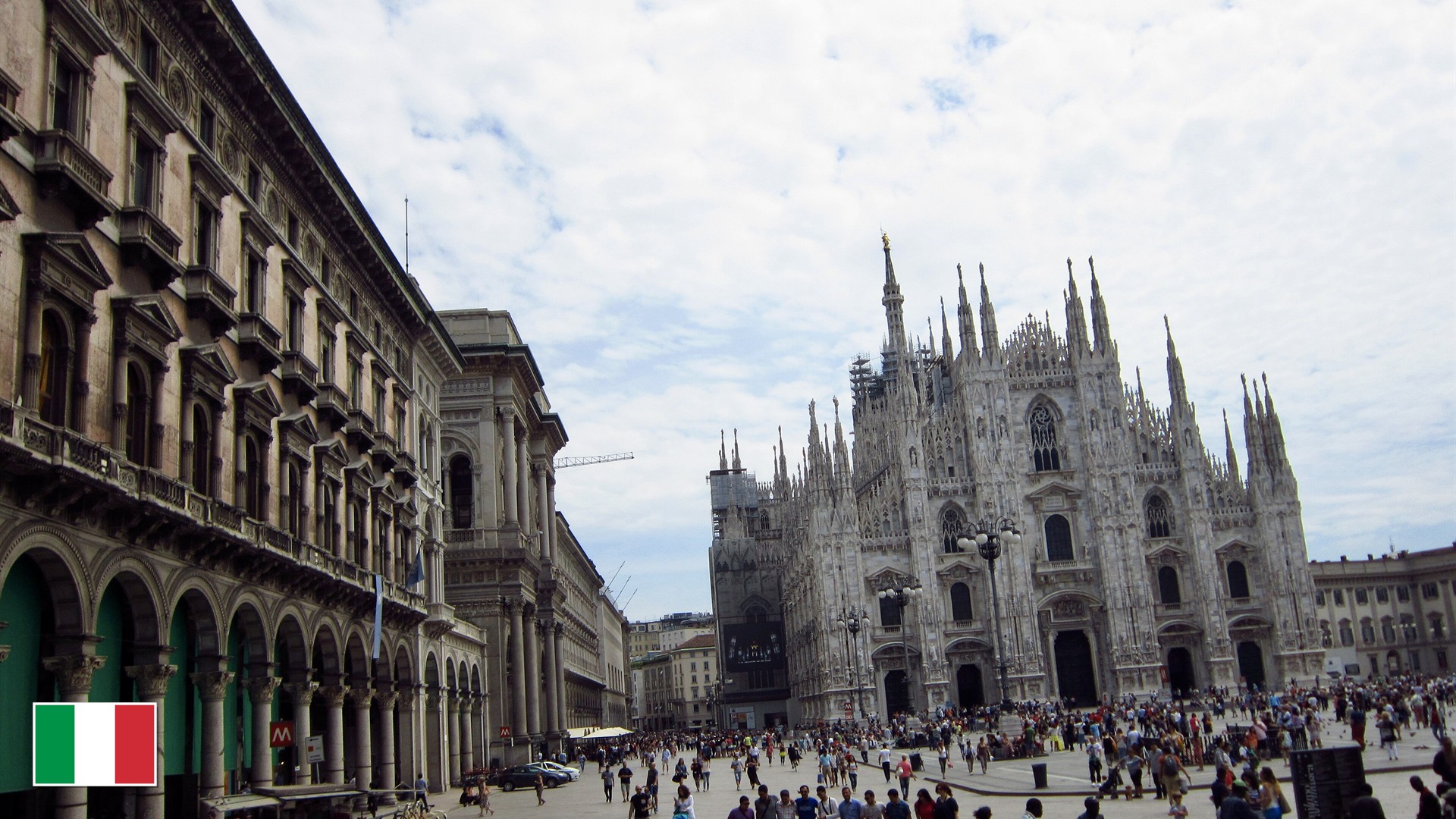
5. Duomo Di Milano
Construction on Milan Cathedral began in 1386 and spanned nearly six centuries before the final gate was completed in 1965. Built from pink-tinted white Candoglia marble, the largest church in Italy is crowned by a forest of 135 marble pinnacles, 3,400 statues, and the golden Madonnina.
©Wikimedia / Ank kumar
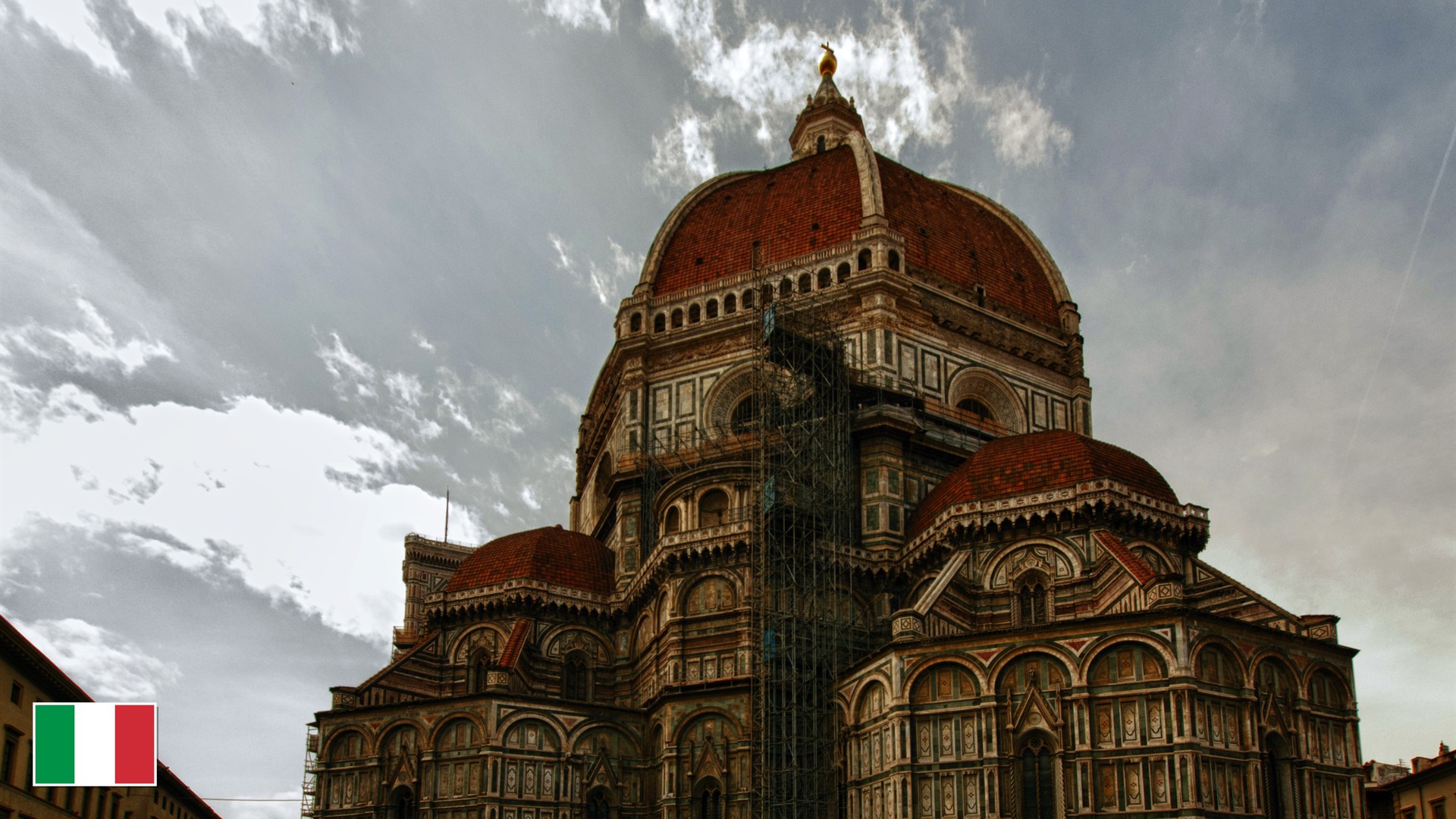
4. Florence Cathedral
Clad in geometric panels of white Carrara, green Prato, and red Siena marble, the Cathedral of Santa Maria del Fiore is crowned by Filippo Brunelleschi's engineering miracle. Completed in 1436 using four million herringbone bricks without wooden centering, it remains the largest masonry dome ever.
©Wikimedia / Kevin Poh
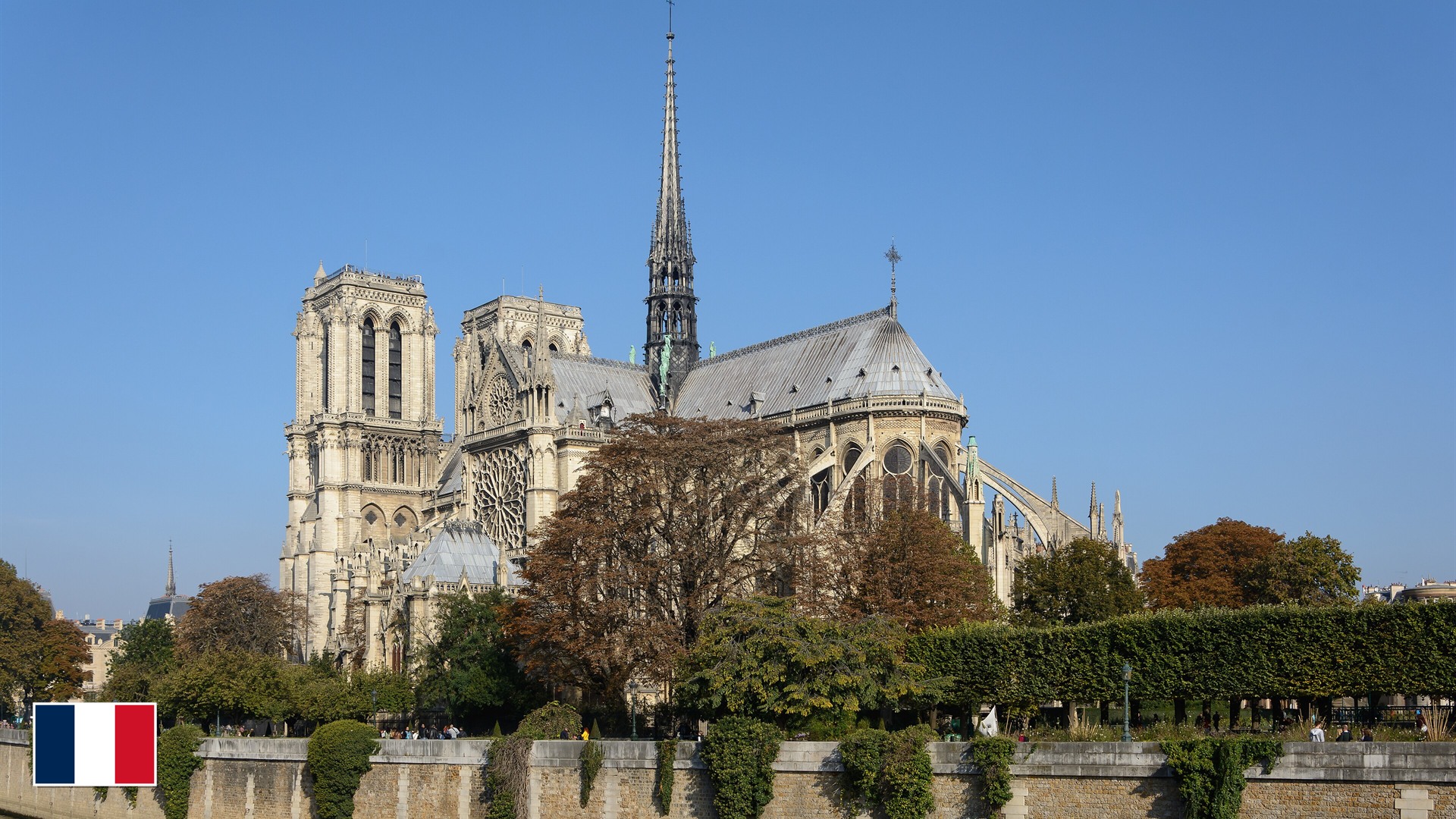
3. Notre-Dame De Paris
Standing on the Ile de la Cite in the Seine River since 1163, Notre-Dame de Paris pioneered the external flying buttresses that allowed Gothic walls to soar and fill with light. Following its meticulous five-year restoration and December 2024 reopening, its golden limestone glows brighter than ever.
©Wikimedia / Uoaei1
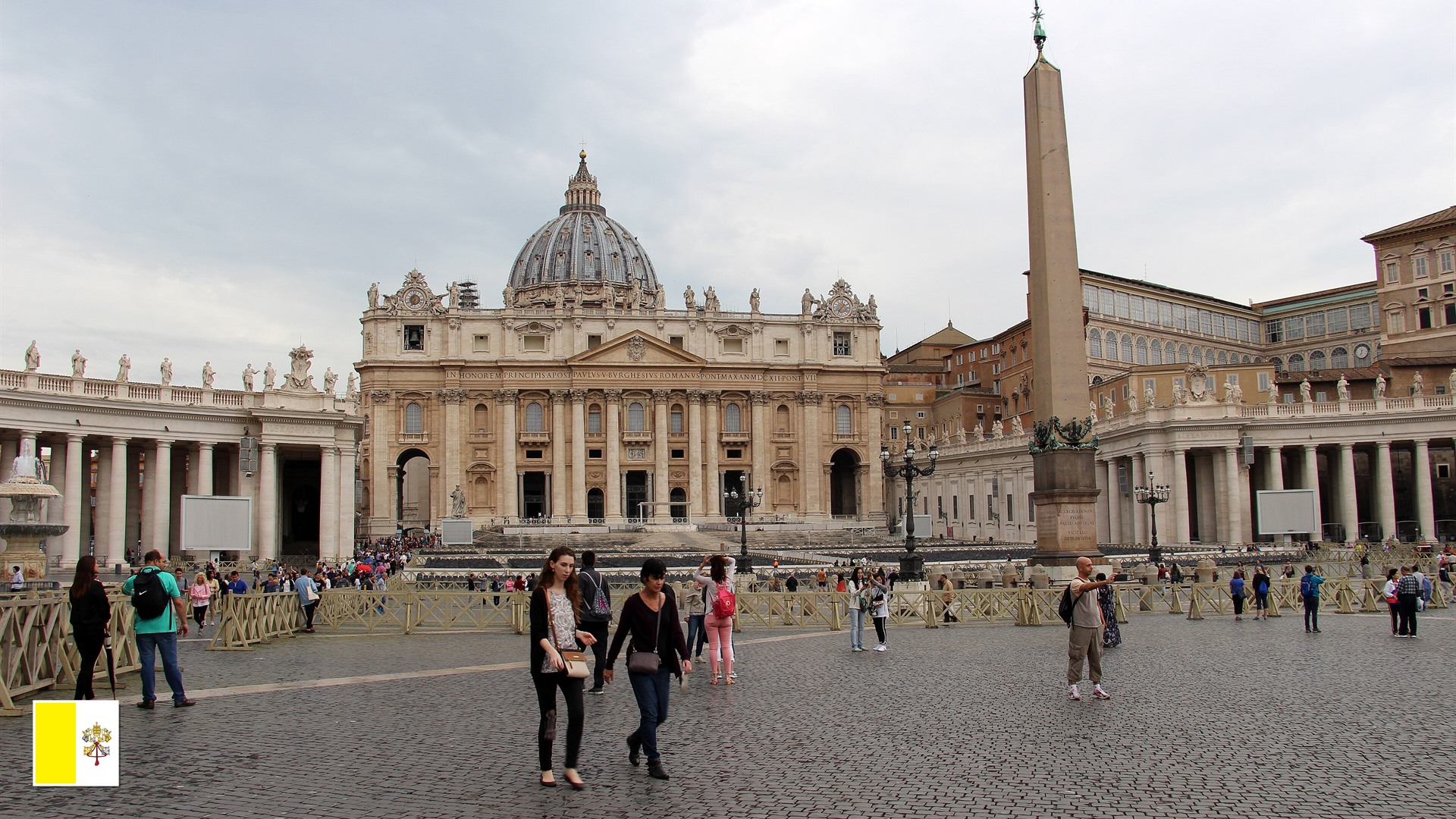
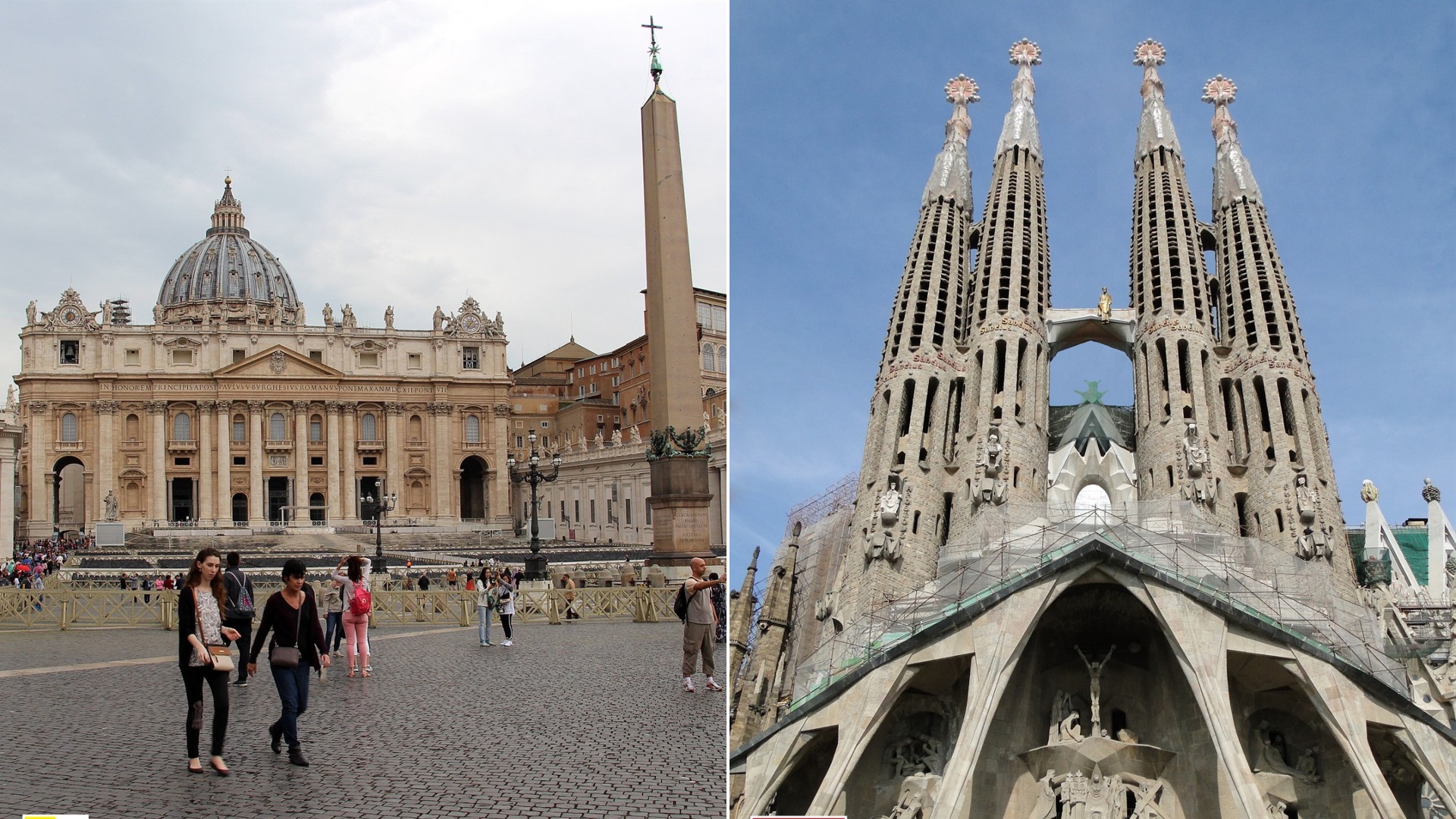
2. St. Peter's Basilica
Constructed between 1506 and 1626 in Vatican City, St. Peter's Basilica represents the combined genius of Donato Bramante, Raphael, Michelangelo, and Gian Lorenzo Bernini. Beneath Michelangelo's 448-foot dome sit his marble Pieta, Bernini's 95-foot bronze baldachin, and the colonnaded piazza.
©Wikimedia / Fred Romero
Advertisement
Swipe or tap ▶ to resume the countdown.
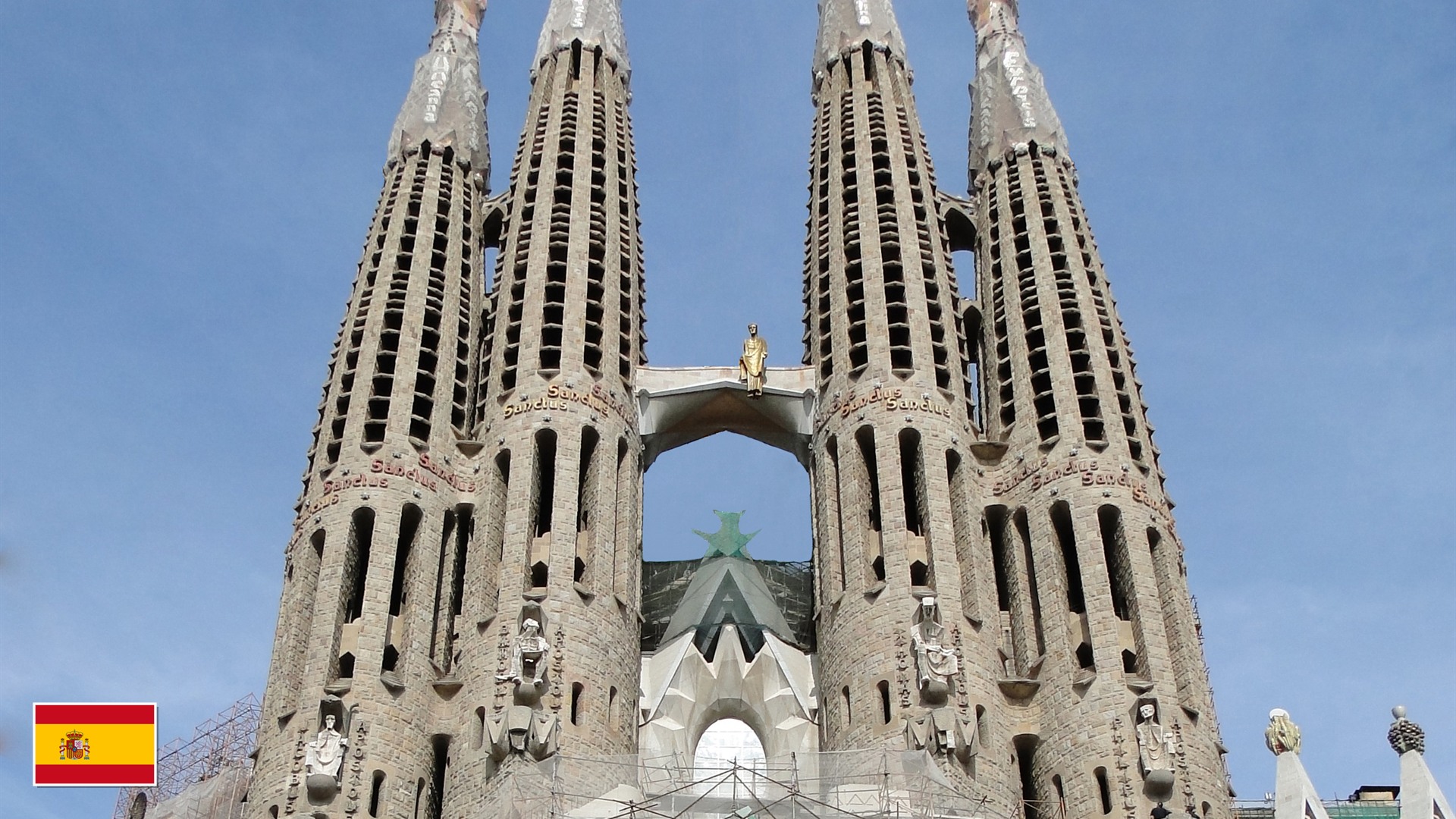
1. Sagrada Familia
Begun in 1882 and transformed by Catalan visionary Antoni Gaudi, Barcelona's Basilica de la Sagrada Familia is the most original sacred building in history. Its sculpted facades and branching hyperboloid columns turn the interior into an enchanted stone forest bathed in rainbow stained glass.

©Wikimedia / Bernard Gagnon
Advertisement
You've reached the end of the story. Thanks for reading!

20 Iconic Historical Photos and the Archive Clues Behind Them
Contact sheets, cracked glass plates, and NASA mission logs preserve the hidden steps behind 20 famous photographs. Drawing on records from the Library of Congress, the National Archives, NASA, and the Smithsonian, this countdown traces how cropping, camera setups, and double exposures shaped each frame.
All 20 Entries in this Story
20. Hallgrimskirkja
Designed by state architect Gudjon Samuelsson in 1937 and completed in 1986, Hallgrimskirkja towers 244 feet above Reykjavik. Its stepped concrete wings were inspired by the hexagonal basalt lava columns formed by volcanic eruptions and waterfalls across the Icelandic landscape.

19. Cathedral Of Brasilia
Consecrated in 1970 and designed by Pritzker Prize winner Oscar Niemeyer, the Cathedral of Brasilia replaces traditional stone walls with 16 hyperbolic concrete columns weighing 90 tons each. Between the soaring white ribs, fiberglass stained-glass panels flood the sunken nave with blue light.

18. Salt Cathedral Of Zipaquira
Located 600 feet beneath a mountain in Cundinamarca, Colombia, the Salt Cathedral of Zipaquira was excavated directly out of solid halite rock by miners and builders who removed 250,000 tons of salt. Its three underground naves feature a 52-foot illuminated cross carved into the rock face.

17. St. Patrick's Cathedral
Designed by James Renwick Jr. and dedicated in 1879 across from Rockefeller Center in Midtown Manhattan, St. Patrick's Cathedral is the largest neo-Gothic Catholic cathedral in North America. Its twin marble spires rise 330 feet above Fifth Avenue and shelter 2,400 worshippers.

16. Mexico City Metropolitan Cathedral
Constructed between 1573 and 1813 on the northern side of Mexico City's Zocalo plaza, this monumental seat of the Archdiocese blends Herrerian Renaissance, Churrigueresque Baroque, and Neoclassical facades. Inside, the golden Altar of the Kings shimmers with thousands of hand-carved figures.

15. Burgos Cathedral
Begun in 1221 under King Ferdinand III of Castile, Burgos Cathedral is the only Spanish cathedral designated as a standalone UNESCO World Heritage Site. Its lacy octagonal lantern tower and twin openwork spires were crafted by German master builder John of Cologne in the 1440s.

14. Siena Cathedral
Consecrated in 1215, the Duomo di Siena dazzles visitors with a west facade of polychrome marble, gilded Venetian mosaics, and sculptures by Giovanni Pisano. Beneath a starry blue vaulted ceiling, its inlaid marble floor took 200 years to complete and features works by Pinturicchio and Donatello.

13. St. Stephen's Cathedral
Standing at the heart of Vienna since 1147, St. Stephen's Cathedral is famous for its steep 360-foot roof covered in 230,000 glazed tiles arranged in diamond patterns and imperial coats of arms. Its 448-foot south tower took 65 years to build and served as the city's watchtower for centuries.

12. Chartres Cathedral
Rebuilt between 1194 and 1220 just southwest of Paris, Chartres Cathedral preserves 176 original medieval stained-glass windows covering 28,000 square feet. Its cobalt-tinted glass, known worldwide as Chartres blue, survived the French Revolution and both World Wars virtually intact.

11. Las Lajas Sanctuary
Built between 1916 and 1949 in southern Colombia near the Ecuadorian border, Las Lajas Sanctuary rises 330 feet from the bottom of the Guaitara River gorge. A two-arched stone bridge connects the grey-and-white Gothic Revival church to the opposite cliff wall above rushing waterfalls.

10. Westminster Abbey
Rebuilt in the Anglo-French Gothic style by King Henry III beginning in 1245, Westminster Abbey has hosted every English and British coronation since William the Conqueror in 1066. Its Lady Chapel features a breathtaking 16th-century fan-vaulted stone ceiling that appears to float weightlessly.

9. Seville Cathedral
Completed in 1506 to demonstrate Andalusia's wealth, Seville Cathedral is the largest Gothic church in the world by volume. It incorporates the 343-foot Giralda bell tower, originally built as an Almohad minaret in 1198, and houses the monumental tomb of explorer Christopher Columbus.

8. St. Mark's Basilica
Consecrated in 1094 at the eastern end of Piazza San Marco in Venice, St. Mark's Basilica blends Italian, Byzantine, and Gothic design across five bulbous domes. Its interior is covered in more than 85,000 square feet of 24-karat gold glass mosaics and crowned by the gem-studded Pala d'Oro.

7. Cologne Cathedral
Towering 516 feet above the Rhine River in Germany, Cologne Cathedral took 632 years to complete between 1248 and 1880, briefly standing as the tallest structure on Earth. Its twin Gothic spires give the church the largest exterior facade of any cathedral in the world at 75,000 square feet.

6. St. Basil's Cathedral
Commissioned by Ivan the Terrible in 1555 and completed in 1561 on the southern edge of Red Square in Moscow, St. Basil's Cathedral is built like no other church in Christendom. Nine distinct chapels are arranged around a central 156-foot tented spire and topped by colorful onion domes.

5. Duomo Di Milano
Construction on Milan Cathedral began in 1386 and spanned nearly six centuries before the final gate was completed in 1965. Built from pink-tinted white Candoglia marble, the largest church in Italy is crowned by a forest of 135 marble pinnacles, 3,400 statues, and the golden Madonnina.

4. Florence Cathedral
Clad in geometric panels of white Carrara, green Prato, and red Siena marble, the Cathedral of Santa Maria del Fiore is crowned by Filippo Brunelleschi's engineering miracle. Completed in 1436 using four million herringbone bricks without wooden centering, it remains the largest masonry dome ever.

3. Notre-Dame De Paris
Standing on the Ile de la Cite in the Seine River since 1163, Notre-Dame de Paris pioneered the external flying buttresses that allowed Gothic walls to soar and fill with light. Following its meticulous five-year restoration and December 2024 reopening, its golden limestone glows brighter than ever.

2. St. Peter's Basilica
Constructed between 1506 and 1626 in Vatican City, St. Peter's Basilica represents the combined genius of Donato Bramante, Raphael, Michelangelo, and Gian Lorenzo Bernini. Beneath Michelangelo's 448-foot dome sit his marble Pieta, Bernini's 95-foot bronze baldachin, and the colonnaded piazza.

1. Sagrada Familia
Begun in 1882 and transformed by Catalan visionary Antoni Gaudi, Barcelona's Basilica de la Sagrada Familia is the most original sacred building in history. Its sculpted facades and branching hyperboloid columns turn the interior into an enchanted stone forest bathed in rainbow stained glass.