Slideshow · Animals
20 Animals That Are Smarter Than Dogs, Ranked
Domestic dogs excel at reading human emotions, yet comparative psychologists have discovered that many species surpass canine intelligence in tool manufacturing, mirror self-awareness, and abstract lo
By Most Viral Today
29 Oct 2026

From Tool-Making Crows To Mirror-Aware Dolphins, 20 Brilliant Species 
20. Western Honeybee (Understanding The Mathematical Concept Of Zero) 
19. Jumping Spider (Three-Dimensional Detour Planning And Deception) 
18. Rock Pigeon (Categorizing Written Words, Numbers, And Fine Art) - AdvertisementSwipe or tap ▶ to continue countdown

17. Eastern Gray Squirrel (Spatial Chunking And Fake-Burial Deception) 
16. Brown Rat (Metacognition And Empathy Over Chocolate Rewards) 
15. North American Raccoon (Cracking Multi-Latch Locks With 3-Year Memory) 
14. Sea Otter (Daily Stone Anvil Tool Use And Underarm Tool Pouches) - AdvertisementSwipe or tap ▶ to continue countdown

13. California Sea Lion (Mastering Transitive Logic And Symbols) 
12. Eurasian Magpie (Passing The Mirror Self-Recognition Test) 
11. Kea Parrot (Calculating Statistical Probability And Multi-Tool Puzzles) 
10. Domestic Pig (Steering Video Game Joysticks And Reading Mirrors) - AdvertisementSwipe or tap ▶ to continue countdown

9. Veined Coconut Octopus (Assembling Shell Armor And Escaping Latch Jars) 
8. Common Raven (Bartering Tokens And Planning 17 Hours Into The Future) 
7. New Caledonian Crow (Manufacturing Hooked Tools And Compound Sticks) 
6. African Grey Parrot (Spoken Vocabulary, Counting, And Zero Concept) - AdvertisementSwipe or tap ▶ to continue countdown

5. African Bush Elephant (257 Billion Neurons And Mirror Recognition) 
4. Western Lowland Gorilla (Wild Walking Sticks And Sign Language) 
3. Bornean Orangutan (Lock-Picking Engineering And Route Planning) 
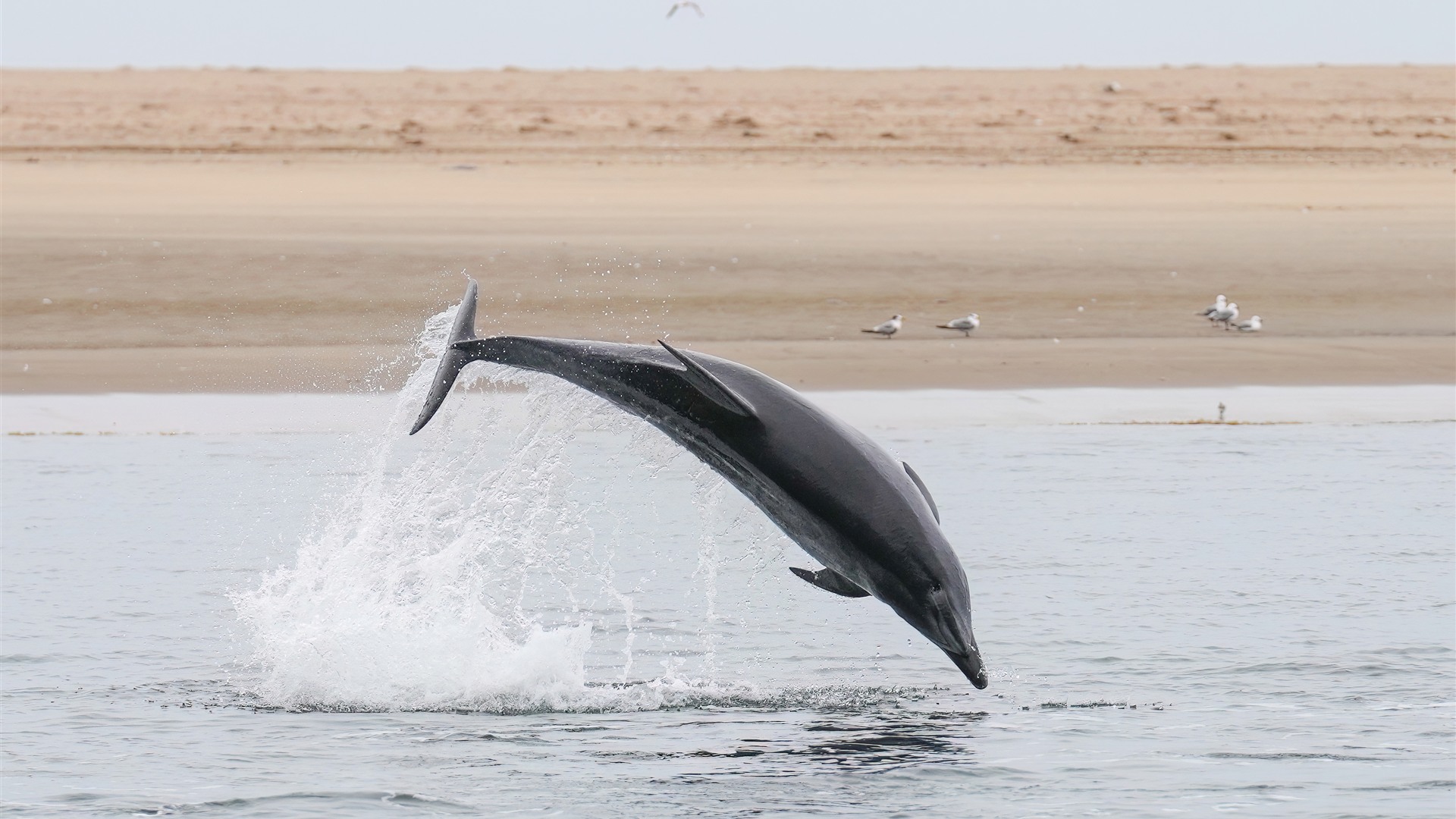
2. Bottlenose Dolphin (Signature Whistle Names And Marine Sponges) - AdvertisementSwipe or tap ▶ to continue countdown

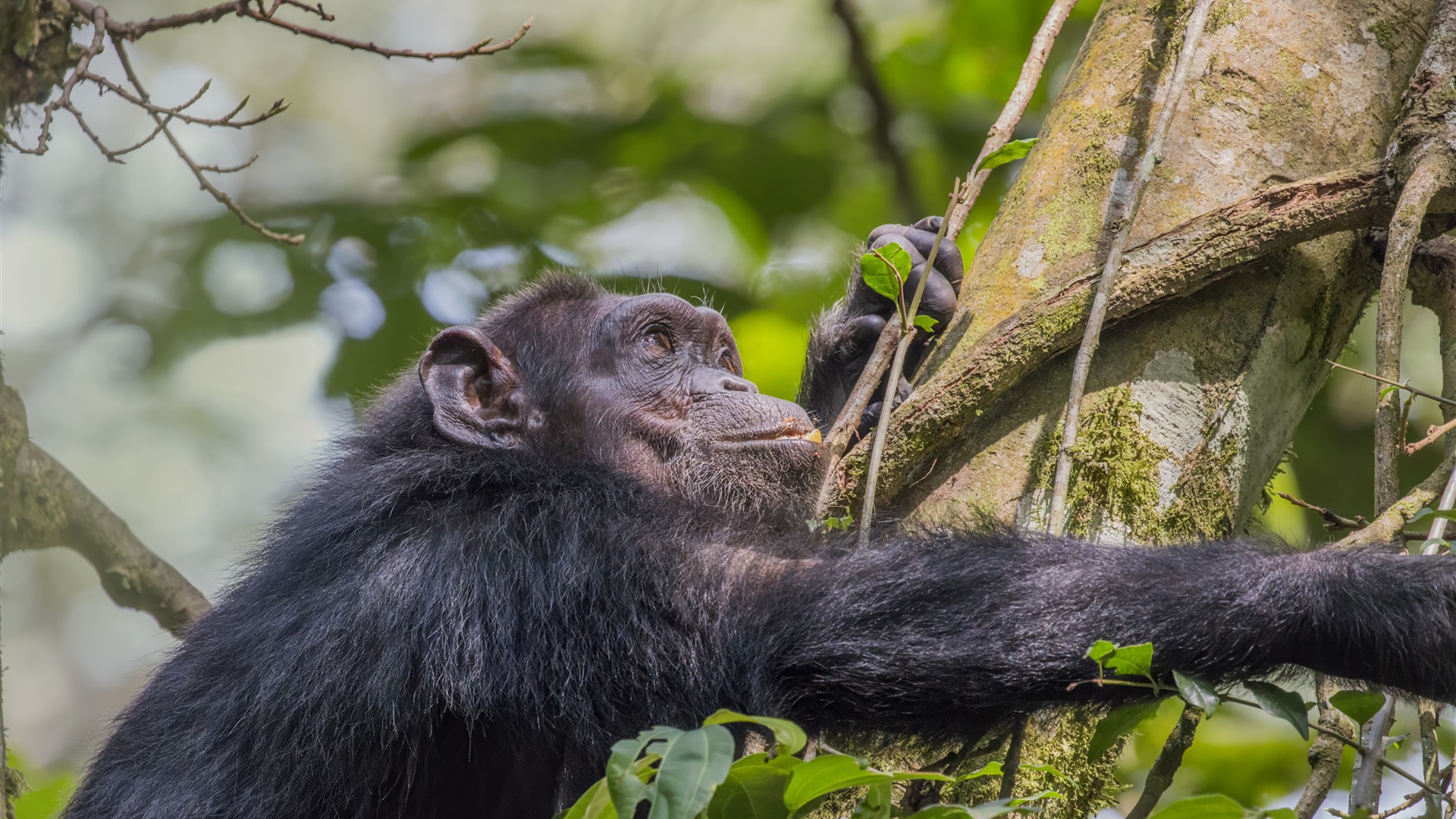
1. Common Chimpanzee (Photographic Working Memory And Tool Kits) - Advertisement🔥 UP NEXT IN THIS SERIES◫ 22 Slides

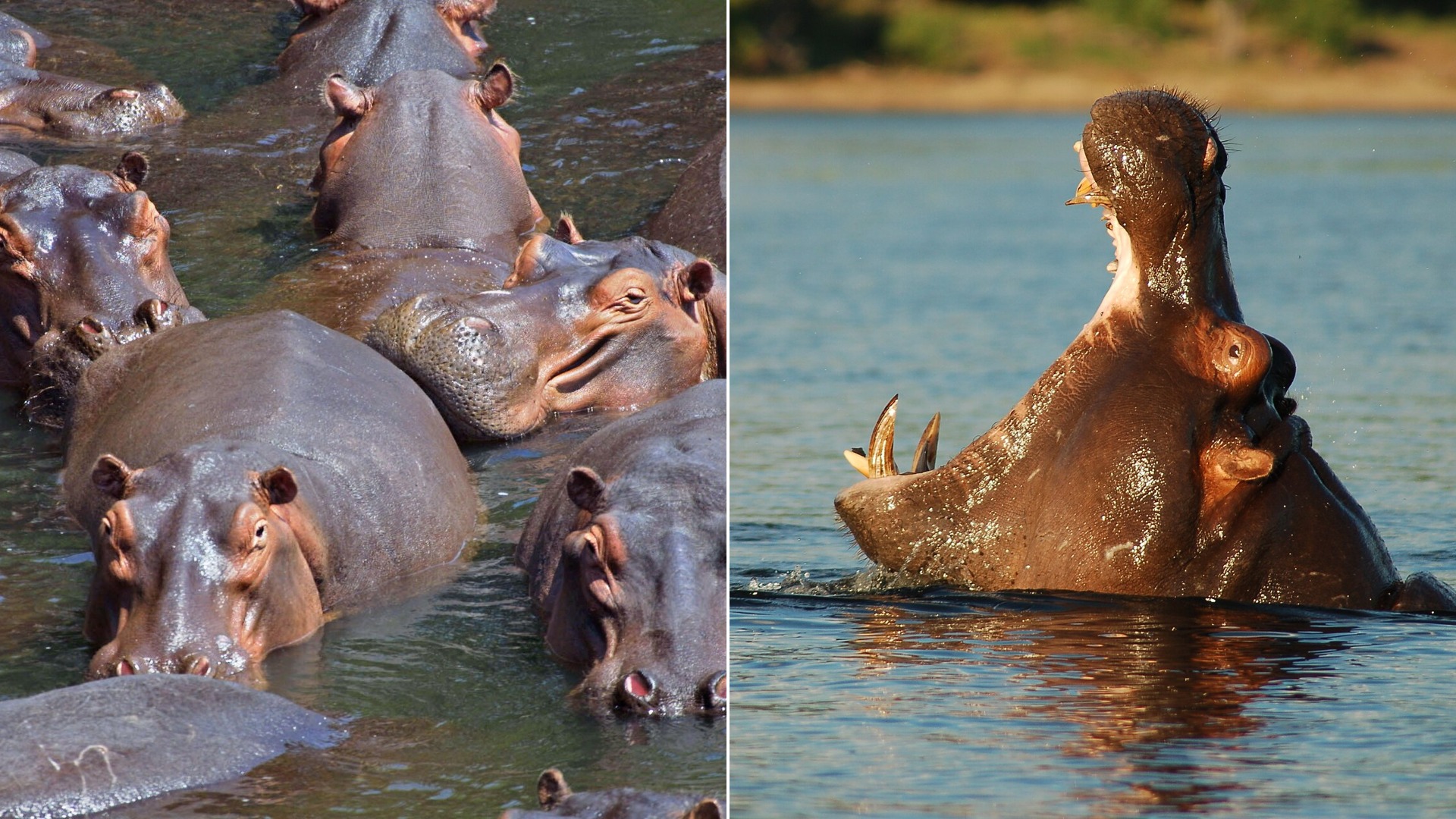
How Long Do Hippos Live? 20 Other Facts About Hippos
From sixty-year lifespans to whale cousins, discover secrets of river giants
Domestic dogs excel at reading human emotions, yet comparative psychologists have discovered that many species surpass canine intelligence in tool manufacturing, mirror self-awareness, and abstract logic. Ranked by cognitive complexity, these 20 animals outsmart man's best friend.
Swipe or tap ▶ to begin the countdown
©Wikimedia / Geoff Gallice
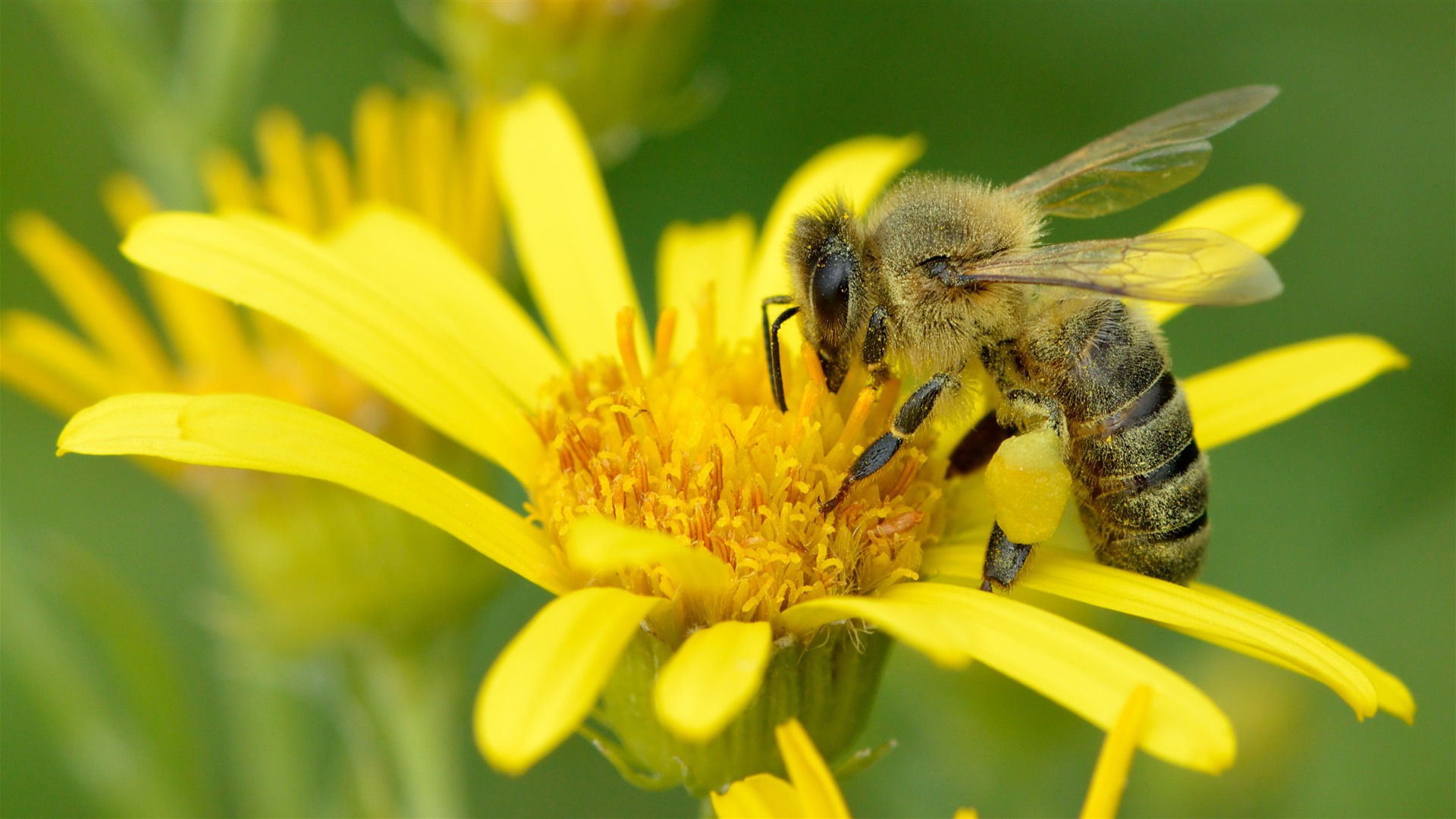
20. Western Honeybee (Understanding The Mathematical Concept Of Zero)
With fewer than one million brain neurons compared to a dog's 530 million cortical neurons, Western honeybees still outperform canines in abstract math. Landmark RMIT University experiments proved honeybees understand "zero" as a quantity less than one and solve symbolic addition.
©Wikimedia / Ivar Leidus
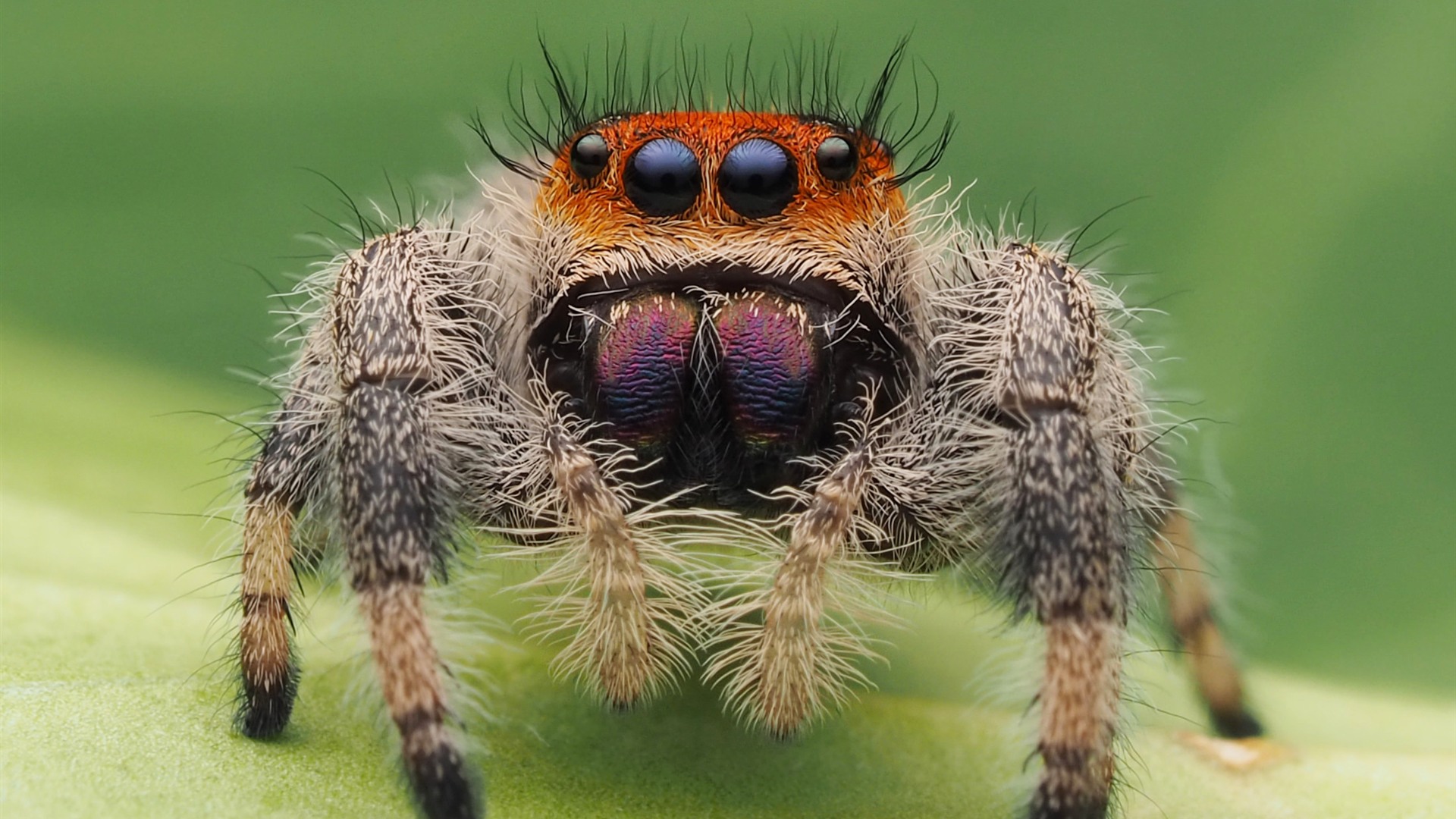
19. Jumping Spider (Three-Dimensional Detour Planning And Deception)
Jumping spiders such as Portia and Phidippus possess telescopic vision and spatial planning skills that rival vertebrates thousands of times their size. In laboratory maze tests, jumping spiders map out detours lasting up to an hour out of sight of their target to ambush from behind.
©Wikimedia / Nosferattus
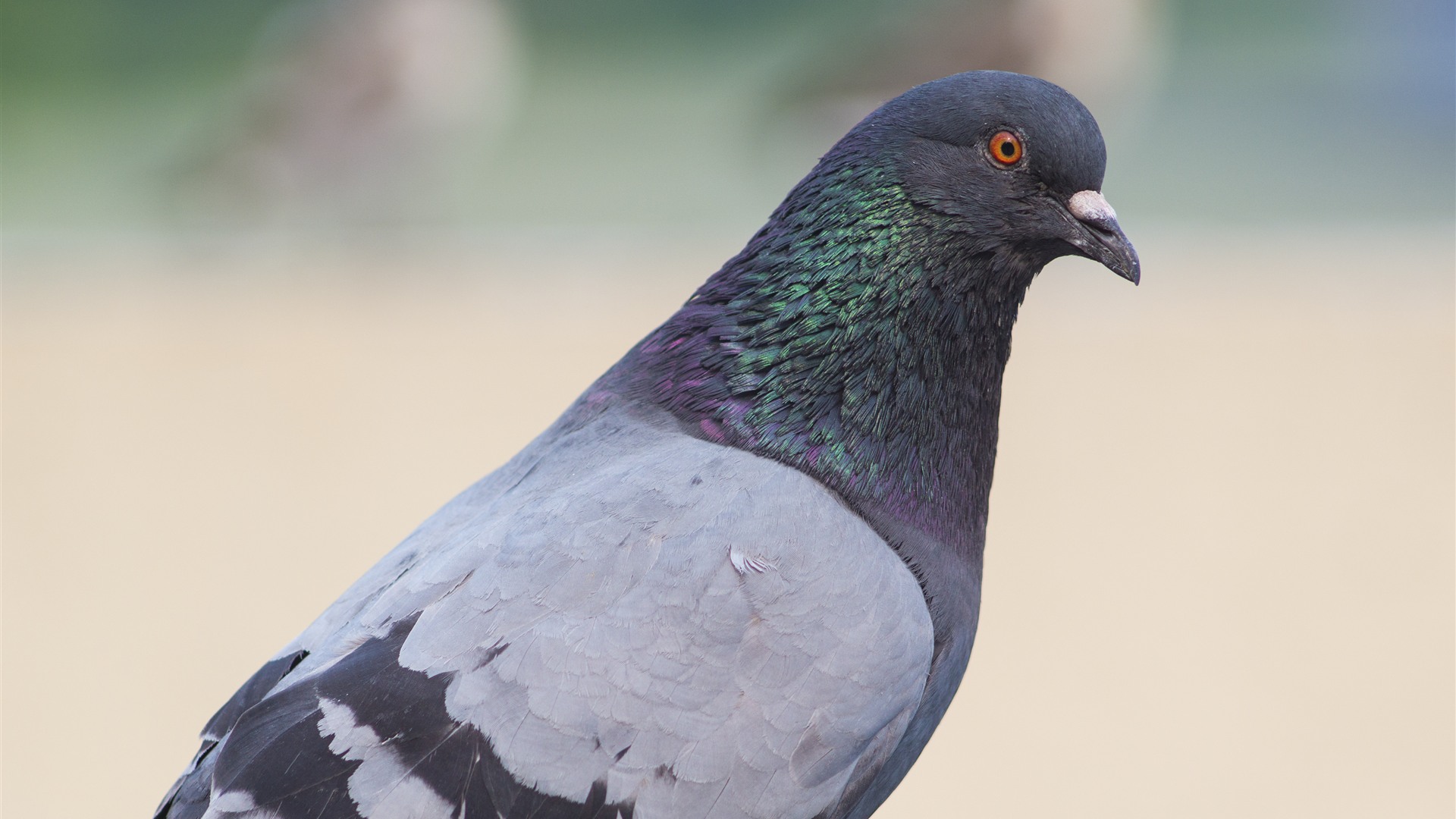
18. Rock Pigeon (Categorizing Written Words, Numbers, And Fine Art)
Often dismissed as simple city birds, rock pigeons match Rhesus monkeys on ordinal number tests by ranking quantities from one to nine in ascending order. University studies also showed pigeons can distinguish real four-letter English words from gibberish and classify art movements.
©Wikimedia / Retro Lenses
Advertisement
Swipe or tap ▶ to resume the countdown.
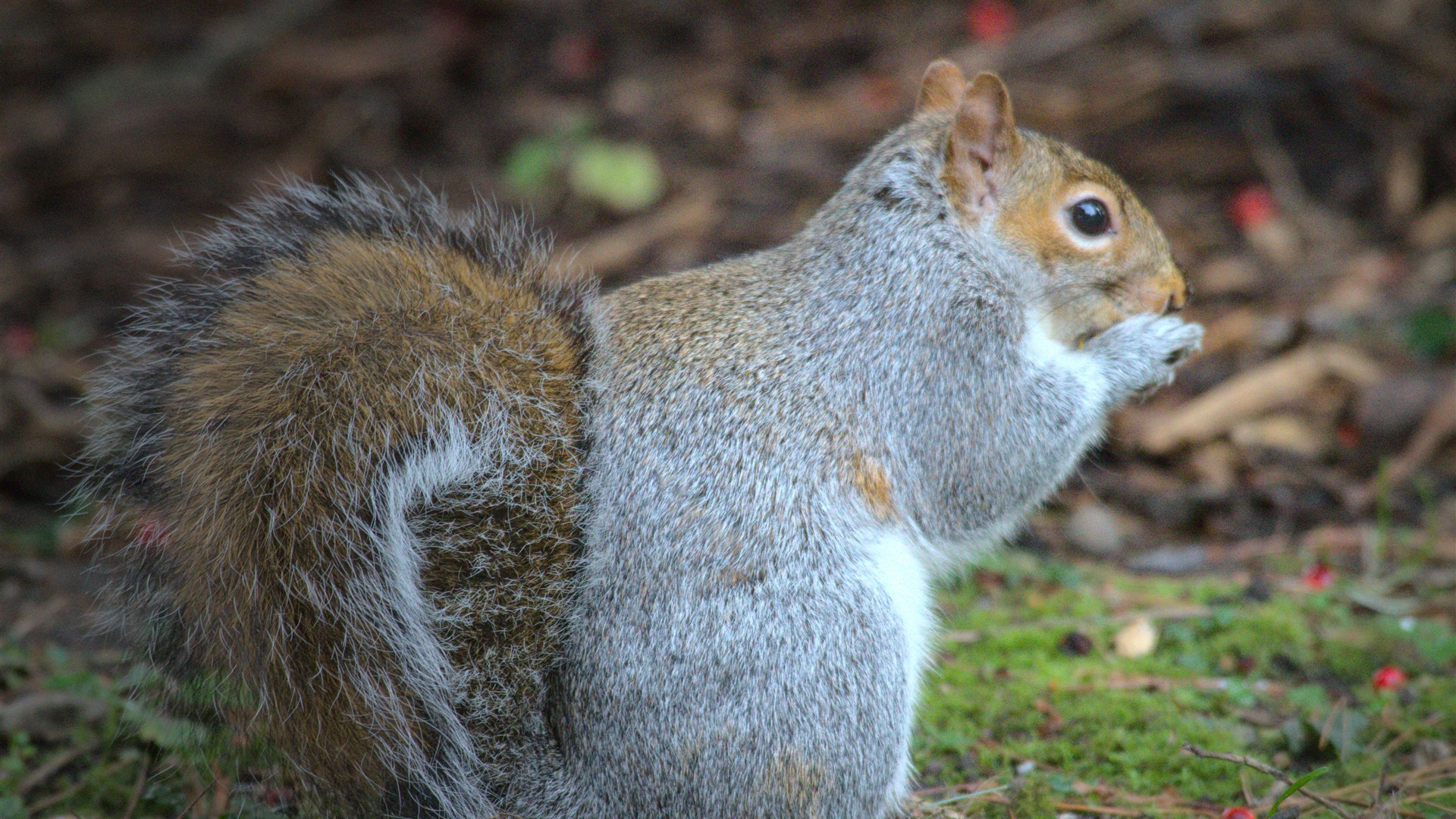
17. Eastern Gray Squirrel (Spatial Chunking And Fake-Burial Deception)
Eastern gray squirrels hide up to 10,000 nuts each autumn and recover them months later using cognitive "spatial chunking" rather than scent alone. UC Berkeley researchers found that when a squirrel notices a rival watching, it digs a decoy hole and pats down empty soil to bluff.
©Wikimedia / Permafragged
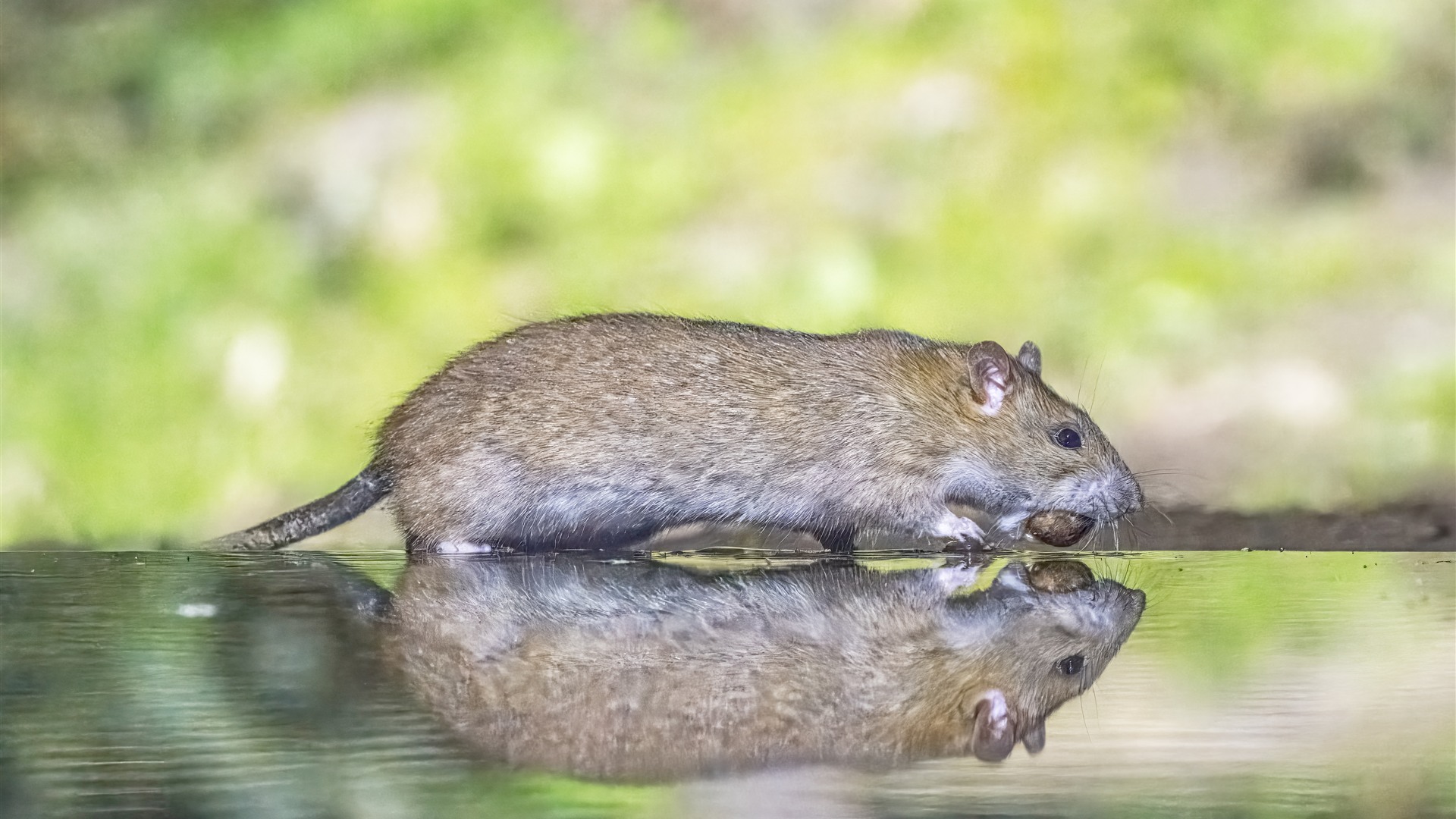
16. Brown Rat (Metacognition And Empathy Over Chocolate Rewards)
Cognitive trials show brown rats possess metacognition, the self-awareness to evaluate their own memory certainty and decline tests they might fail. In University of Chicago empathy experiments, rats consistently unlocked restraint tubes to free a distressed peer before eating treats.
©Wikimedia / Charles J. Sharp
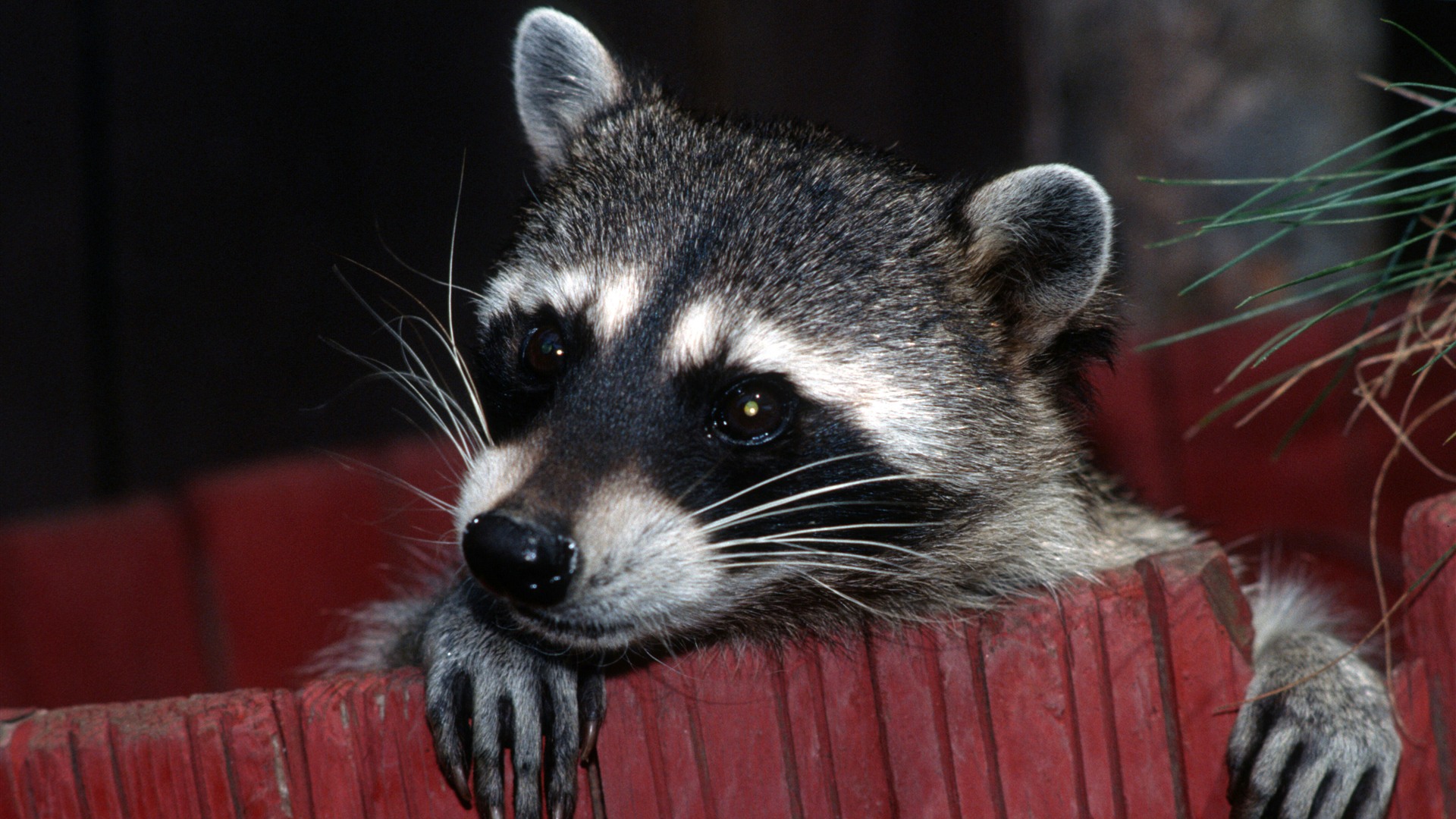
15. North American Raccoon (Cracking Multi-Latch Locks With 3-Year Memory)
Neuroscientists at Vanderbilt University discovered that raccoons pack roughly the same cortical neuron density as primates. In classic ethology trials, raccoons solved puzzle boxes secured by complex bolts, levers, hooks, and latches and remembered the sequence three years later.
©Wikimedia / California Department of Water Resources
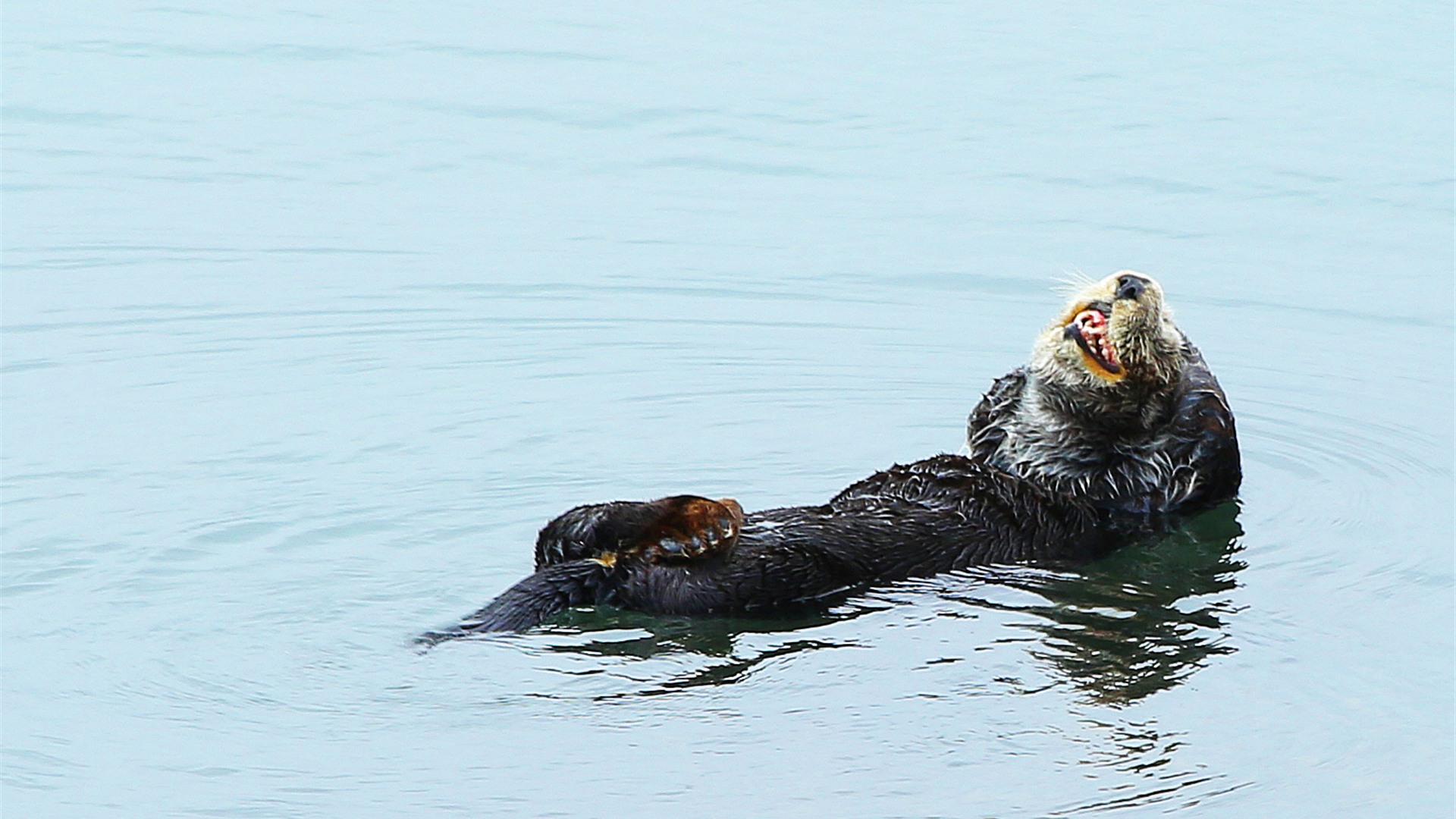
14. Sea Otter (Daily Stone Anvil Tool Use And Underarm Tool Pouches)
While domestic dogs rarely grasp physical cause-and-effect tool use, sea otters rely on stone tools every day to survive. Floating on their backs, they balance flat rock anvils on their chests to smash open hard abalone shells and tuck their favorite hammer stone into an armpit pouch.
©Wikimedia / Rennett Stowe
Advertisement
Swipe or tap ▶ to resume the countdown.
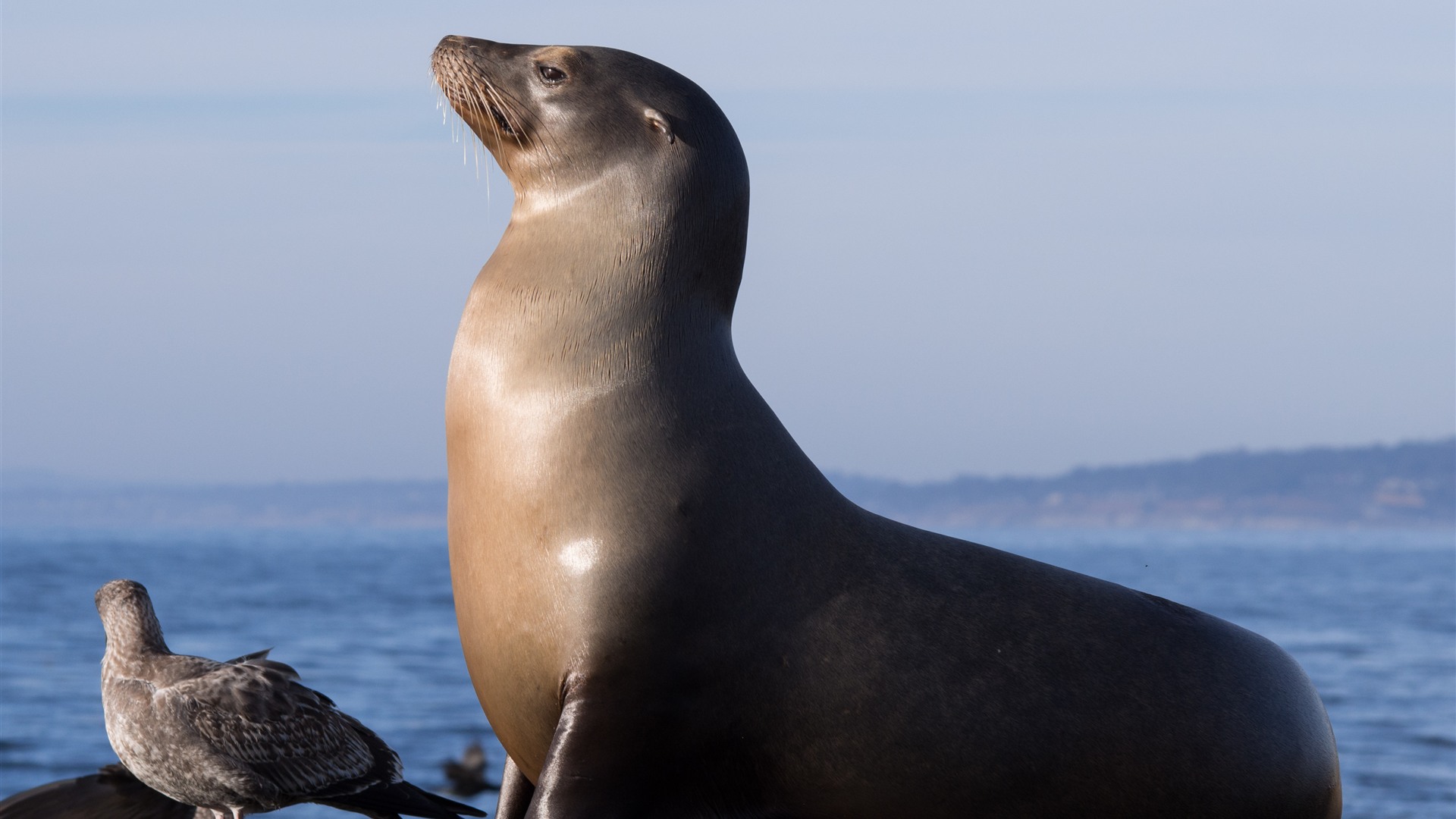
13. California Sea Lion (Mastering Transitive Logic And Symbols)
At UC Santa Cruz's Long Marine Laboratory, a California sea lion named Rio stunned cognitive scientists by mastering abstract equivalence logic. Shown that symbol A matched B and B matched C, Rio immediately deduced that A matched C and retained her symbolic categories ten years later.
©Wikimedia / Rhododendrites
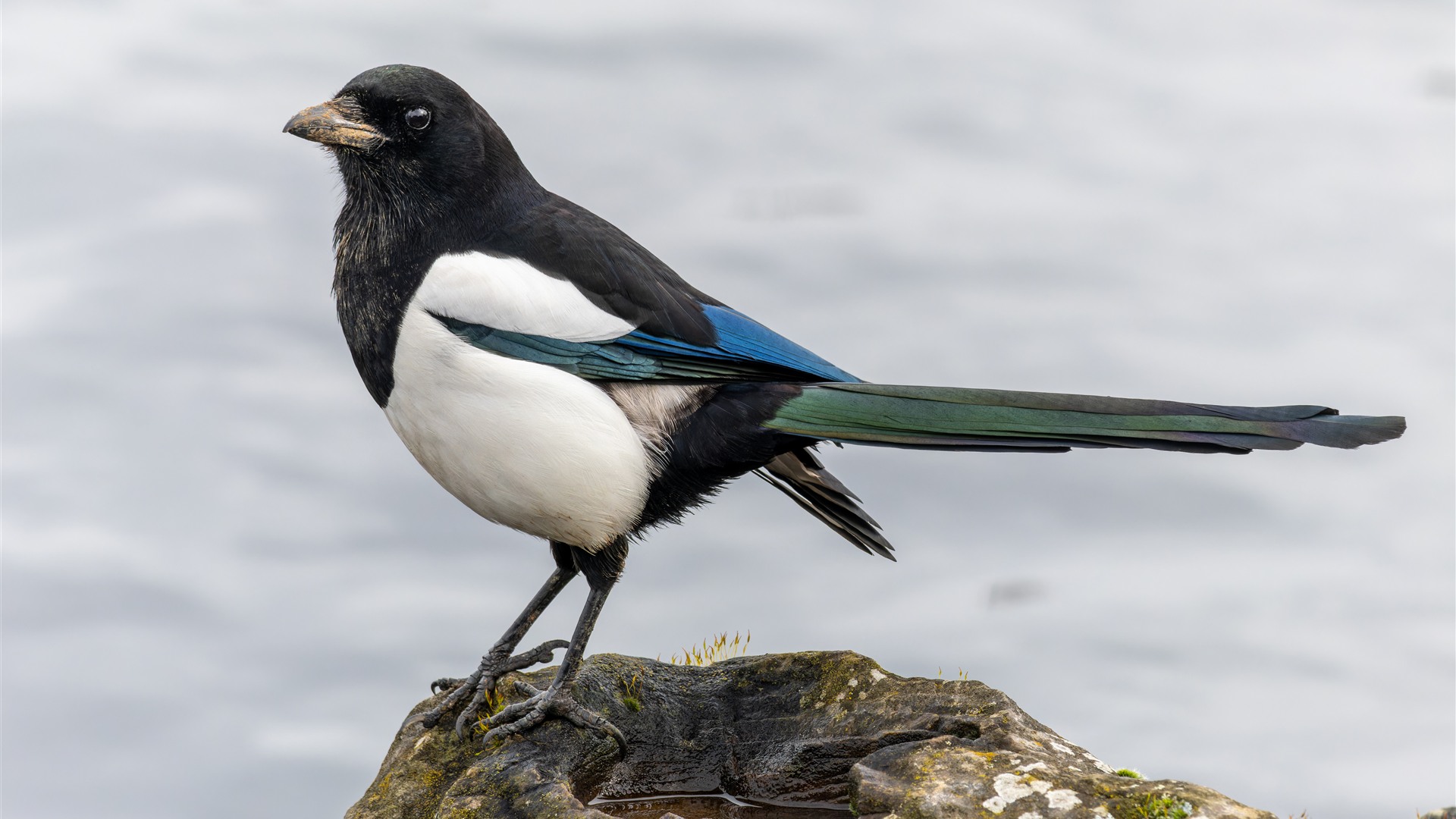
12. Eurasian Magpie (Passing The Mirror Self-Recognition Test)
Dogs bark at mirrors or ignore them altogether, relying on scent rather than visual self-recognition. In a landmark PLOS Biology study, Eurasian magpies inspected colored stickers placed beneath their beaks in front of a mirror and used their claws to scratch the mark off their own throat.
©Wikimedia / Alexis Lours
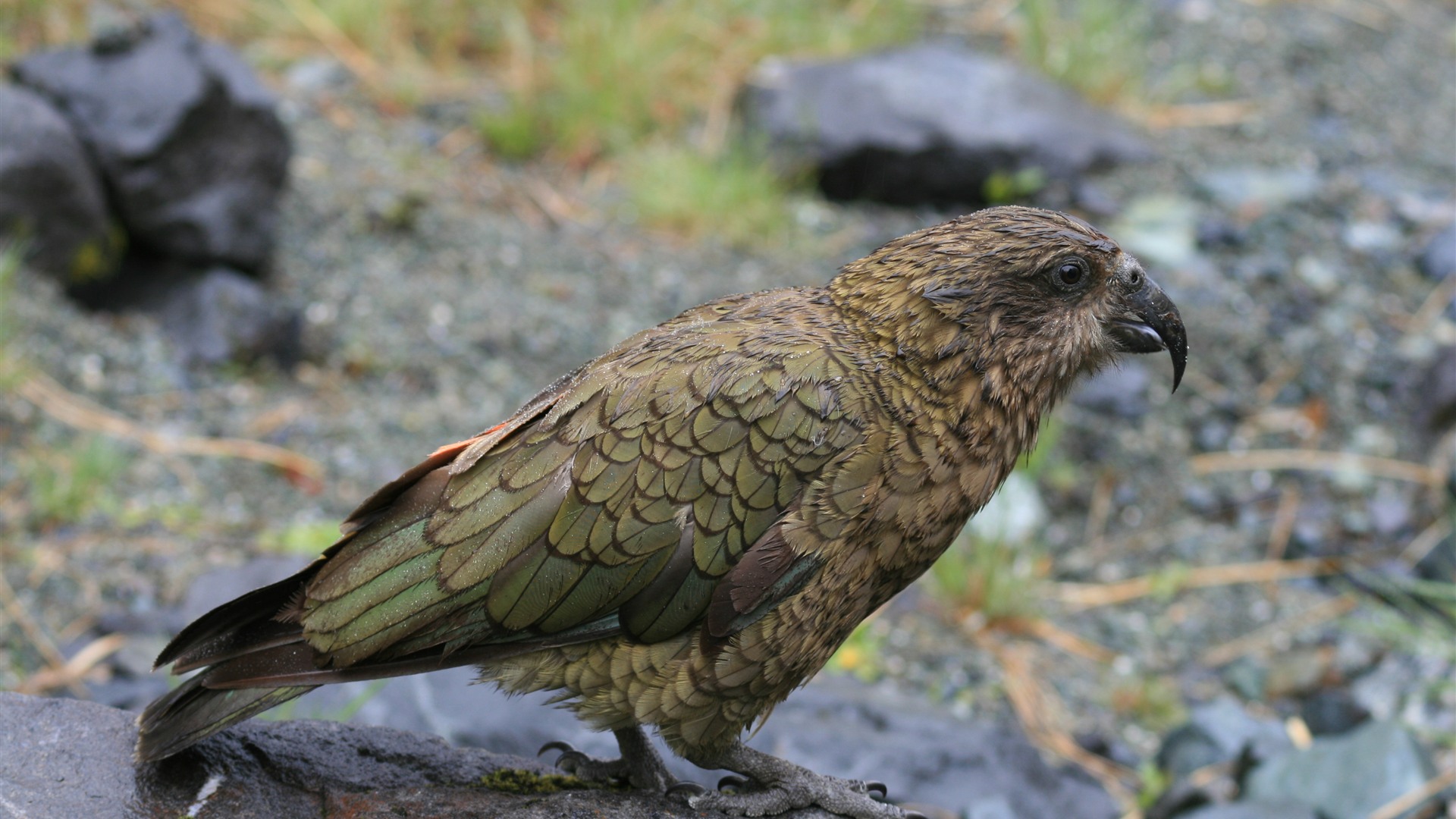
11. Kea Parrot (Calculating Statistical Probability And Multi-Tool Puzzles)
Endemic to New Zealand's Southern Alps, the kea combines mechanical curiosity with statistical reasoning. University of Auckland researchers showed keas calculate relative probability ratios across jars of black and orange tokens and even factor in whether a human sampler is biased.
©Wikimedia / Mark Whatmough
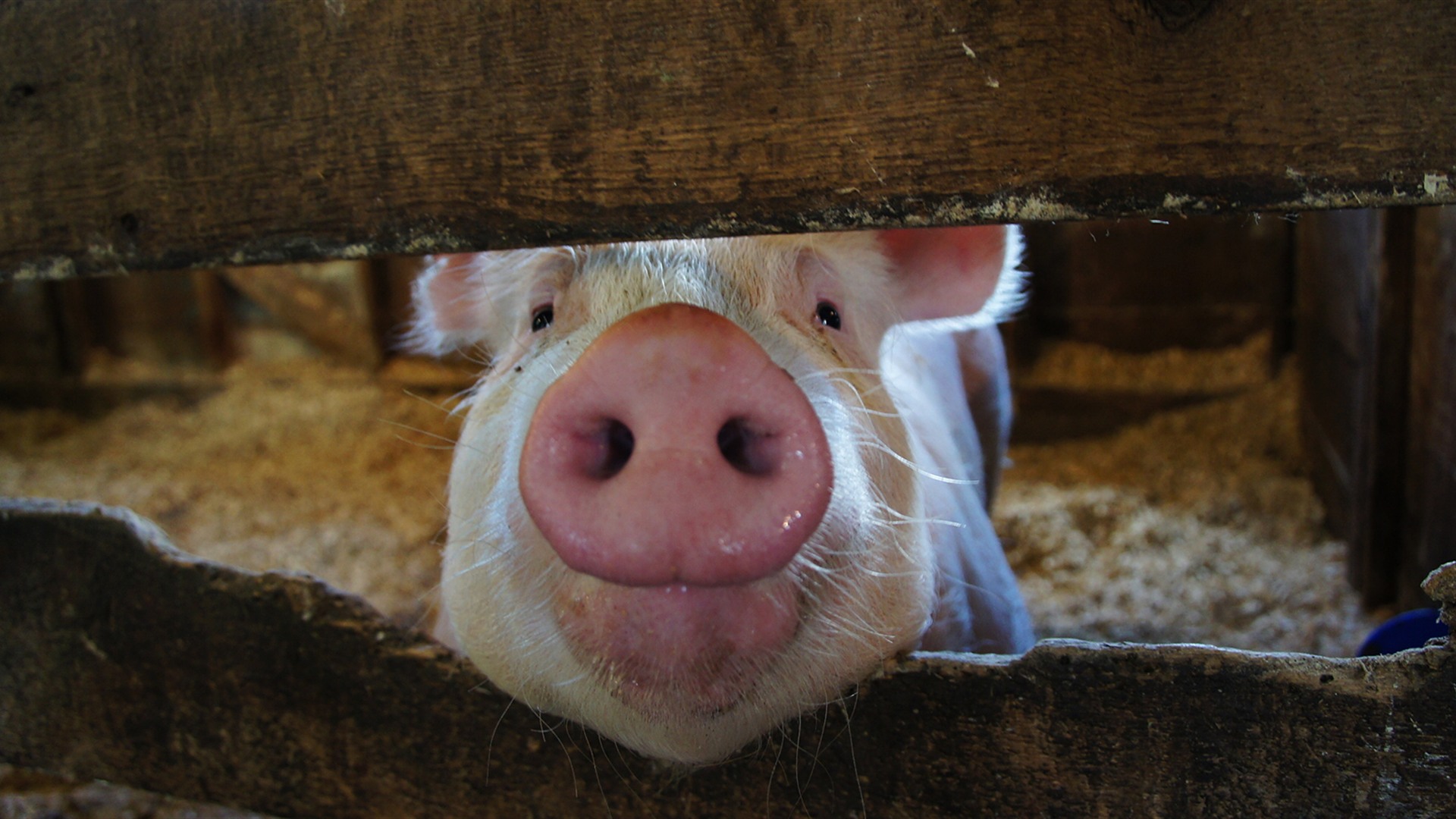
10. Domestic Pig (Steering Video Game Joysticks And Reading Mirrors)
When dogs and pigs were compared head-to-head on puzzle tasks at Eotvos Lorand University, pigs persisted independently while dogs looked back at humans for help. Pigs also understand mirror geometry to find concealed food behind barriers and manipulate video game joysticks on screen.
©Wikimedia / Steve Evans
Advertisement
Swipe or tap ▶ to resume the countdown.
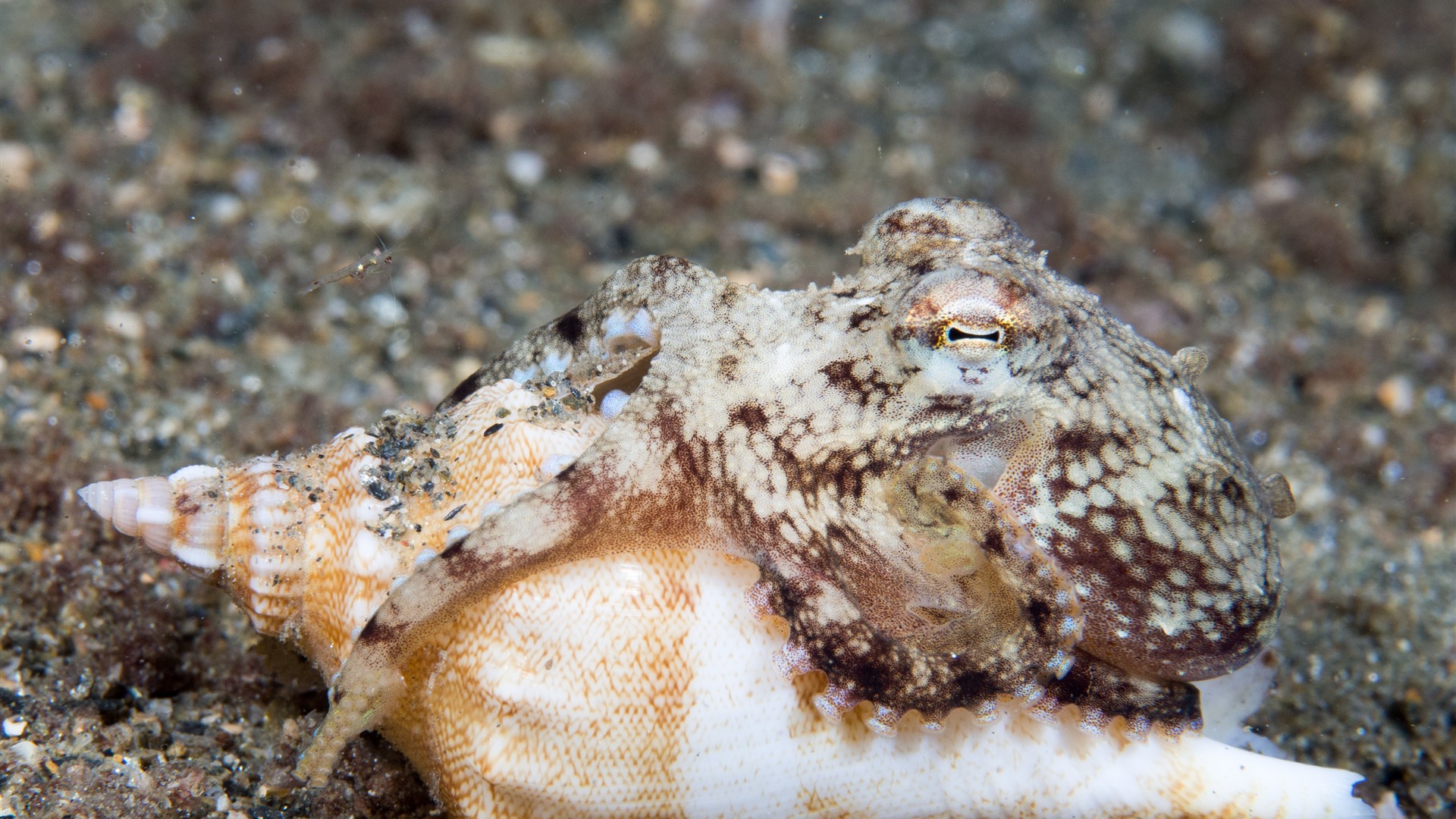
9. Veined Coconut Octopus (Assembling Shell Armor And Escaping Latch Jars)
Octopuses represent the pinnacle of invertebrate intelligence, housing 500 million neurons distributed between a central brain and eight semi-autonomous arms. Wild veined octopuses collect discarded coconut halves on the ocean floor, carry them underneath their bodies, and assemble shields.
©Wikimedia / Rickard Zerpe
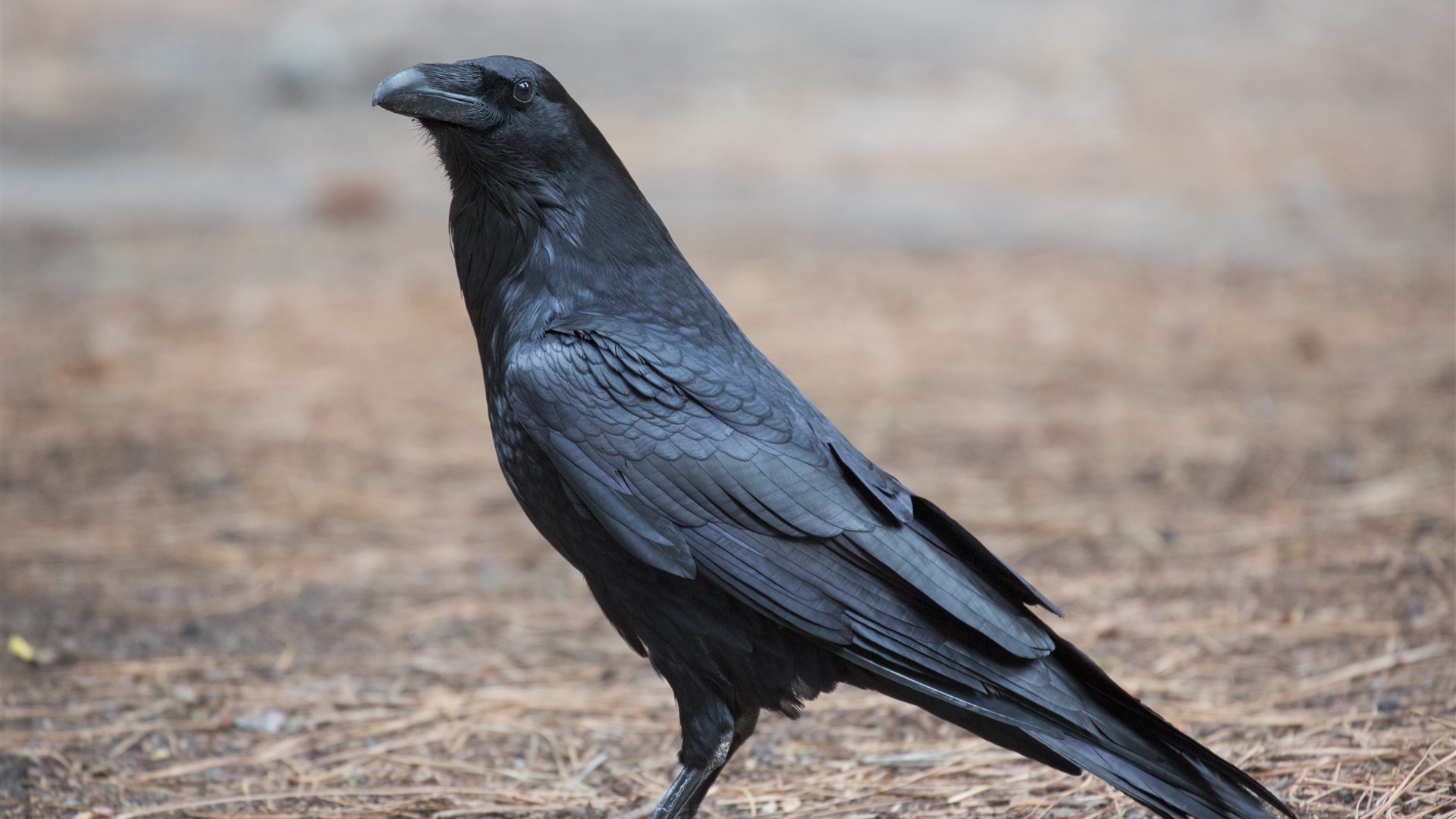
8. Common Raven (Bartering Tokens And Planning 17 Hours Into The Future)
While dogs live largely in the immediate present, common ravens plan ahead for tomorrow's events. In Lund University trials published in Science, ravens bypassed immediate treats to stash a specific tool or barter token they knew they would need 17 hours later to trade with humans.
©Wikimedia / Diliff
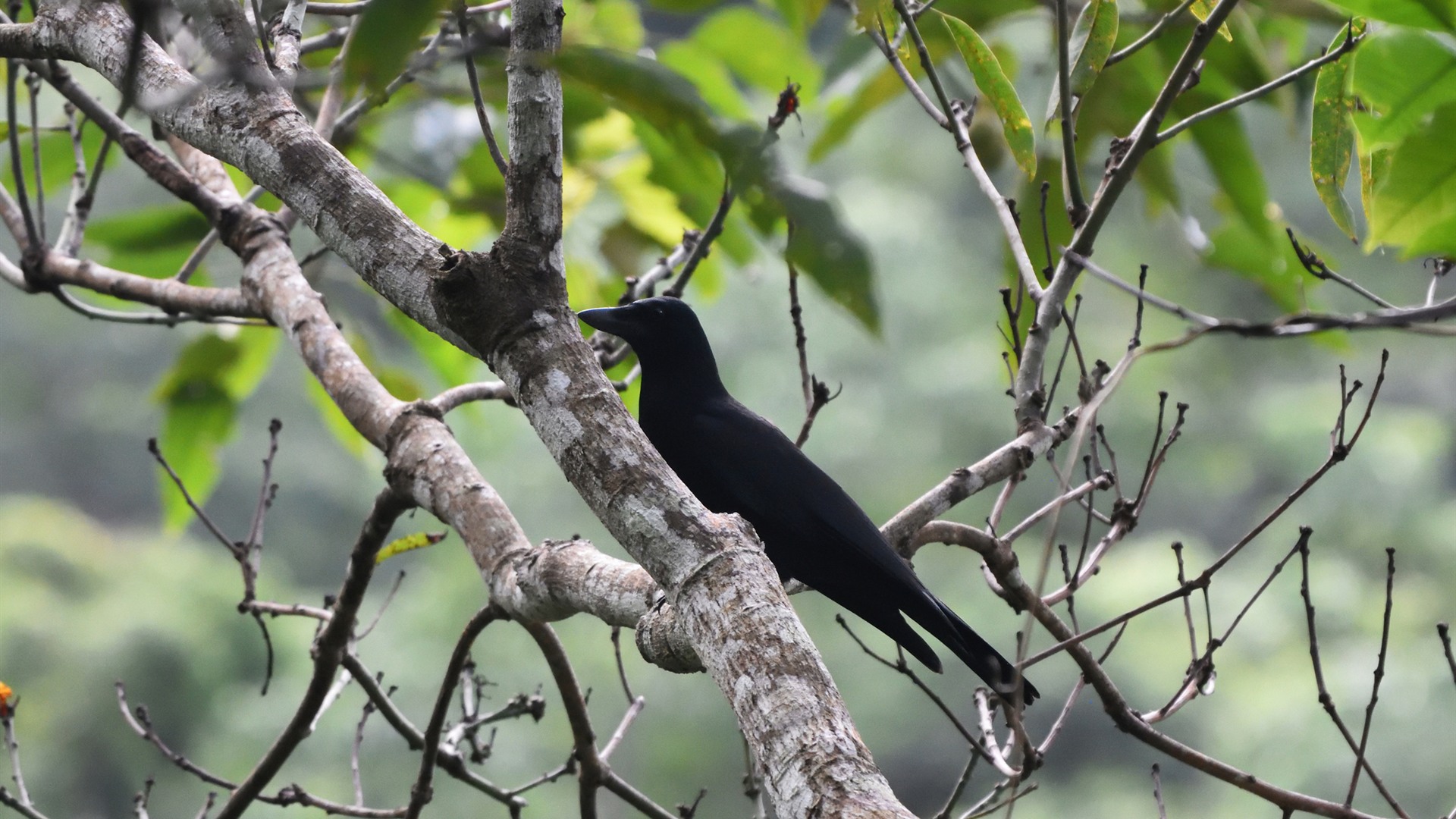
7. New Caledonian Crow (Manufacturing Hooked Tools And Compound Sticks)
No bird rivals the engineering skill of the New Caledonian crow. In the wild, these Pacific corvids trim twigs and pandanus leaves into precision barbed hooks to extract wood-boring grubs, and in Oxford University labs, they slotted up to four hollow dowels together into a single long pole.
©Wikimedia / Yi-Kai Tea
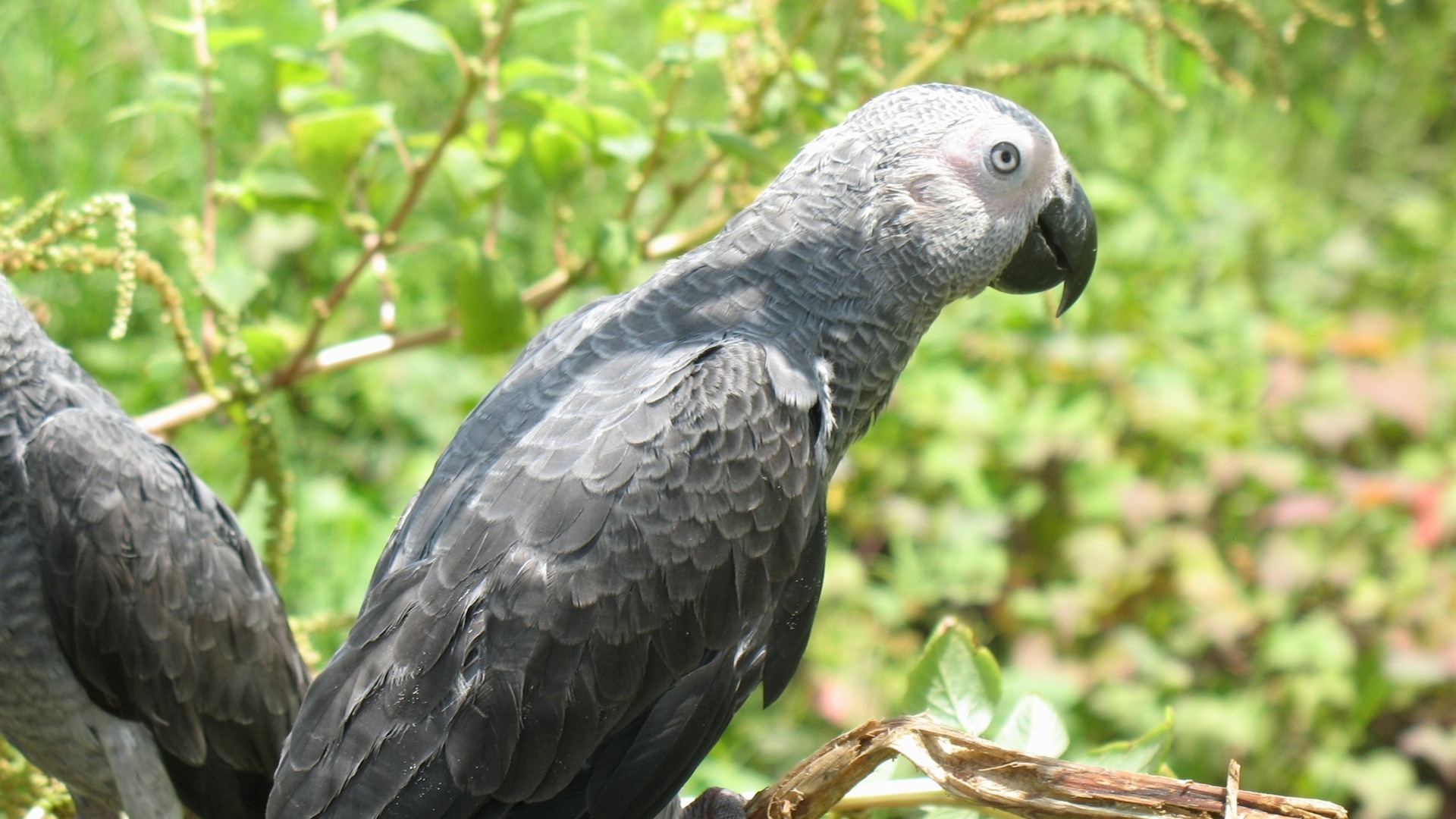
6. African Grey Parrot (Spoken Vocabulary, Counting, And Zero Concept)
Thirty years of research by Dr. Irene Pepperberg with Alex the African grey parrot proved birds can use human words conceptually rather than by rote mimicry. Alex identified 50 objects, seven shapes, and colors, counted up to six, and fellow parrot Griffin beat Harvard students on memory tests.
©Wikimedia / Lucy Keith-Diagne
Advertisement
Swipe or tap ▶ to resume the countdown.
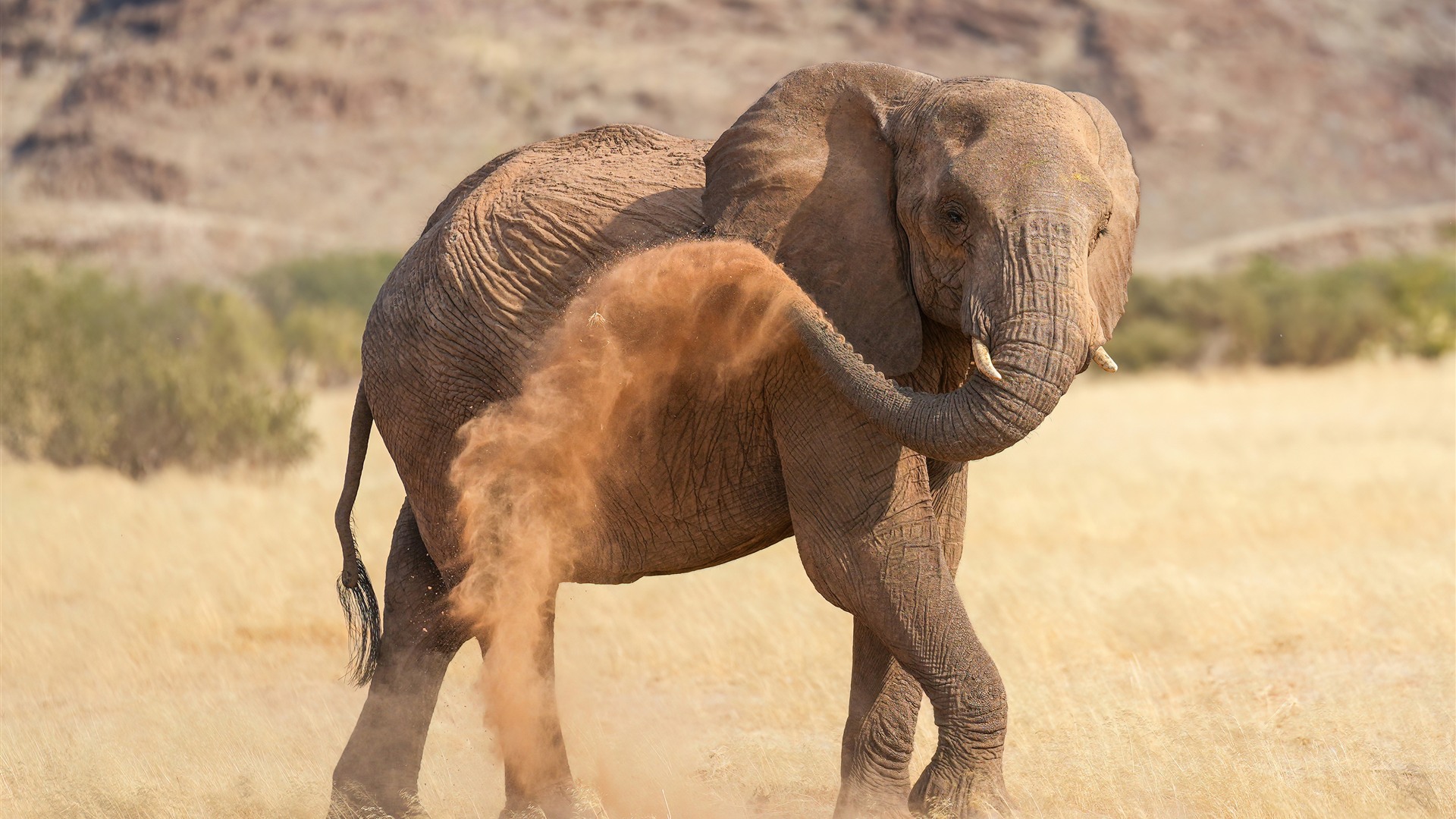
5. African Bush Elephant (257 Billion Neurons And Mirror Recognition)
The African bush elephant possesses the largest brain of any land animal, containing 257 billion total neurons and an intricate hippocampus. Elephants recognize themselves in giant mirrors, tell human languages apart by voice, wait for partners on two-rope puzzles, and grieve their dead.
©Wikimedia / Giles Laurent
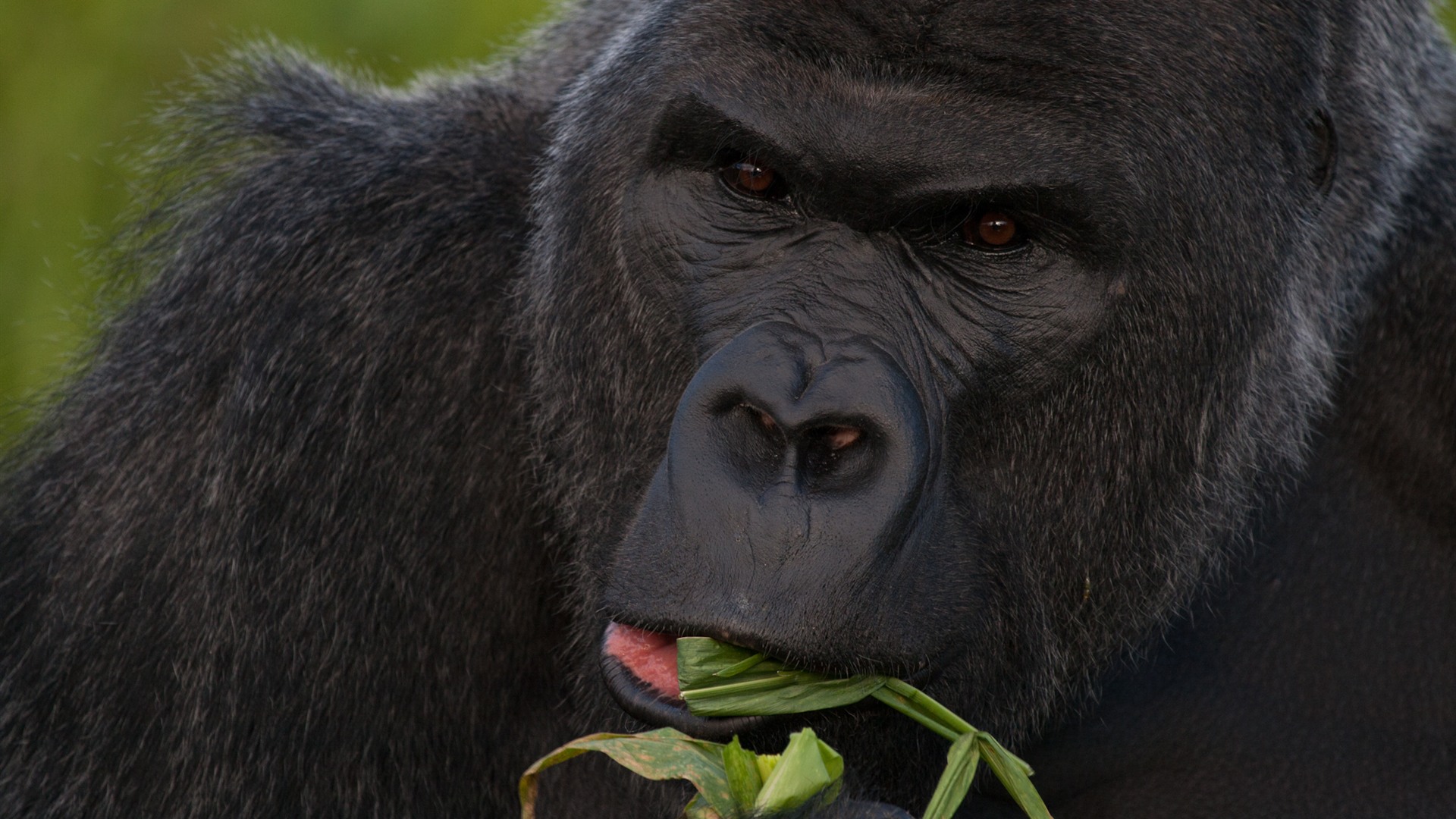
4. Western Lowland Gorilla (Wild Walking Sticks And Sign Language)
Western lowland gorillas pack roughly nine billion neurons into their cerebral cortex, nearly 17 times more than a large dog. In the rainforests of the Republic of the Congo, wild gorillas snap off sturdy tree branches to test water depth while wading across chest-deep forest swamps.
©Wikimedia / Jackhynes
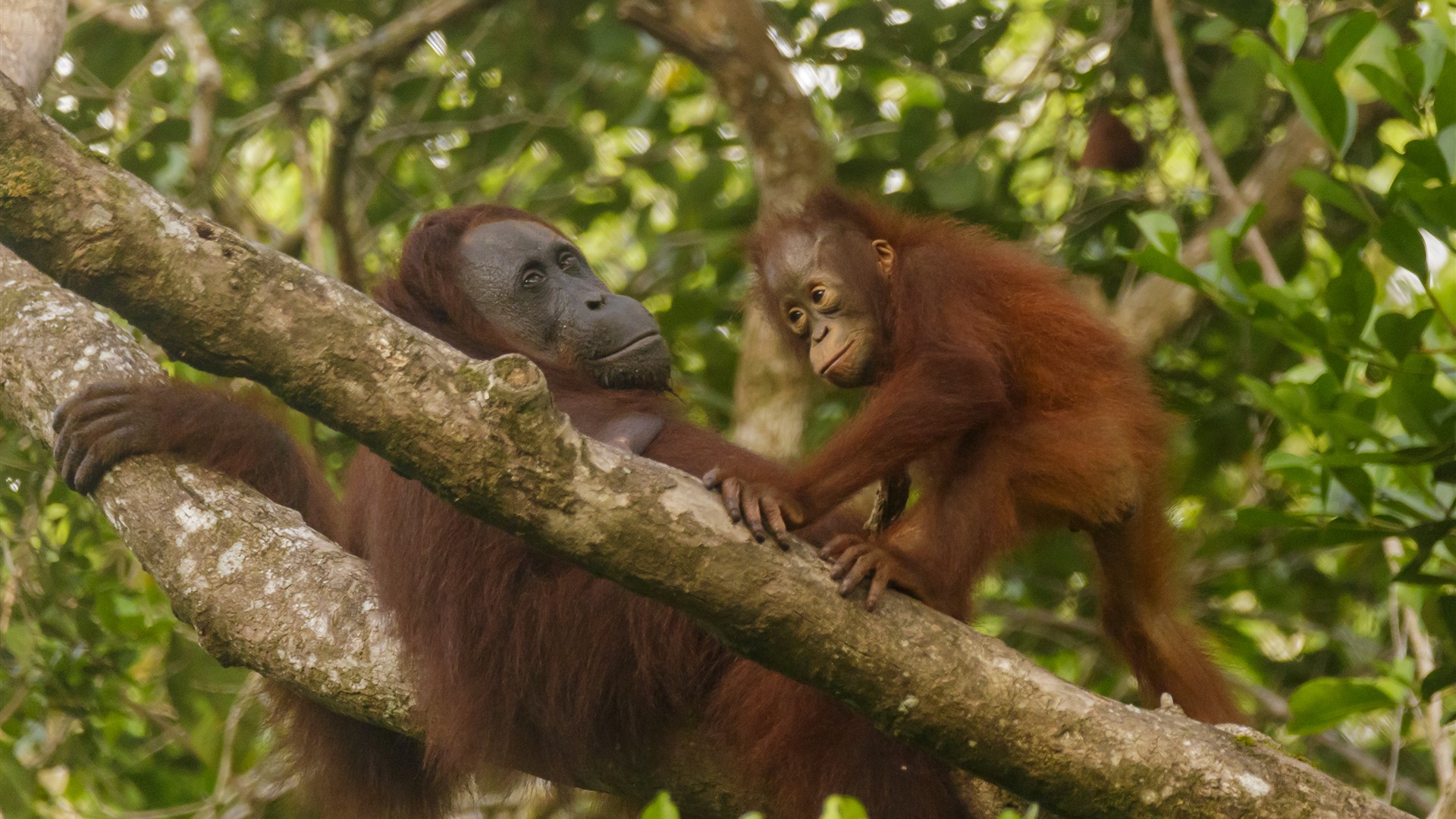
3. Bornean Orangutan (Lock-Picking Engineering And Route Planning)
Renowned among zookeepers as master locksmiths who hide bits of wire in their cheeks to pick enclosure bolts, Bornean orangutans display extraordinary causal reasoning. In the wild, they craft leaf gloves to handle spiny fruit and broadcast evening long calls to announce morning travel.
©Wikimedia / Thomas Fuhrmann
2. Bottlenose Dolphin (Signature Whistle Names And Marine Sponges)
With an encephalization quotient second only to humans, bottlenose dolphins possess a deeply folded neocortex and complex self-awareness. Wild dolphins in Shark Bay wear cone-shaped marine sponges over their rostrums to probe rocky seafloors and address pod mates by unique whistle names.
©Wikimedia / Giles Laurent
Advertisement
Swipe or tap ▶ to resume the countdown.
1. Common Chimpanzee (Photographic Working Memory And Tool Kits)
Our closest living relatives top the cognitive rankings with regional cultures of up to 20 distinct tools, from stone nut-cracking anvils and wooden hunting spears to chewed-bark honey sponges. At Kyoto University, young chimps even outperformed humans on split-second number memory tests.

©Wikimedia / Charles J. Sharp
Advertisement
You've reached the end of the story. Thanks for reading!

How Long Do Hippos Live? 20 Other Facts About Hippos
From sixty-year lifespans to whale cousins, discover secrets of river giants
All 20 Entries in this Story
20. Western Honeybee (Understanding The Mathematical Concept Of Zero)
With fewer than one million brain neurons compared to a dog's 530 million cortical neurons, Western honeybees still outperform canines in abstract math. Landmark RMIT University experiments proved honeybees understand "zero" as a quantity less than one and solve symbolic addition.

19. Jumping Spider (Three-Dimensional Detour Planning And Deception)
Jumping spiders such as Portia and Phidippus possess telescopic vision and spatial planning skills that rival vertebrates thousands of times their size. In laboratory maze tests, jumping spiders map out detours lasting up to an hour out of sight of their target to ambush from behind.

18. Rock Pigeon (Categorizing Written Words, Numbers, And Fine Art)
Often dismissed as simple city birds, rock pigeons match Rhesus monkeys on ordinal number tests by ranking quantities from one to nine in ascending order. University studies also showed pigeons can distinguish real four-letter English words from gibberish and classify art movements.

17. Eastern Gray Squirrel (Spatial Chunking And Fake-Burial Deception)
Eastern gray squirrels hide up to 10,000 nuts each autumn and recover them months later using cognitive "spatial chunking" rather than scent alone. UC Berkeley researchers found that when a squirrel notices a rival watching, it digs a decoy hole and pats down empty soil to bluff.

16. Brown Rat (Metacognition And Empathy Over Chocolate Rewards)
Cognitive trials show brown rats possess metacognition, the self-awareness to evaluate their own memory certainty and decline tests they might fail. In University of Chicago empathy experiments, rats consistently unlocked restraint tubes to free a distressed peer before eating treats.

15. North American Raccoon (Cracking Multi-Latch Locks With 3-Year Memory)
Neuroscientists at Vanderbilt University discovered that raccoons pack roughly the same cortical neuron density as primates. In classic ethology trials, raccoons solved puzzle boxes secured by complex bolts, levers, hooks, and latches and remembered the sequence three years later.

14. Sea Otter (Daily Stone Anvil Tool Use And Underarm Tool Pouches)
While domestic dogs rarely grasp physical cause-and-effect tool use, sea otters rely on stone tools every day to survive. Floating on their backs, they balance flat rock anvils on their chests to smash open hard abalone shells and tuck their favorite hammer stone into an armpit pouch.

13. California Sea Lion (Mastering Transitive Logic And Symbols)
At UC Santa Cruz's Long Marine Laboratory, a California sea lion named Rio stunned cognitive scientists by mastering abstract equivalence logic. Shown that symbol A matched B and B matched C, Rio immediately deduced that A matched C and retained her symbolic categories ten years later.

12. Eurasian Magpie (Passing The Mirror Self-Recognition Test)
Dogs bark at mirrors or ignore them altogether, relying on scent rather than visual self-recognition. In a landmark PLOS Biology study, Eurasian magpies inspected colored stickers placed beneath their beaks in front of a mirror and used their claws to scratch the mark off their own throat.

11. Kea Parrot (Calculating Statistical Probability And Multi-Tool Puzzles)
Endemic to New Zealand's Southern Alps, the kea combines mechanical curiosity with statistical reasoning. University of Auckland researchers showed keas calculate relative probability ratios across jars of black and orange tokens and even factor in whether a human sampler is biased.

10. Domestic Pig (Steering Video Game Joysticks And Reading Mirrors)
When dogs and pigs were compared head-to-head on puzzle tasks at Eotvos Lorand University, pigs persisted independently while dogs looked back at humans for help. Pigs also understand mirror geometry to find concealed food behind barriers and manipulate video game joysticks on screen.

9. Veined Coconut Octopus (Assembling Shell Armor And Escaping Latch Jars)
Octopuses represent the pinnacle of invertebrate intelligence, housing 500 million neurons distributed between a central brain and eight semi-autonomous arms. Wild veined octopuses collect discarded coconut halves on the ocean floor, carry them underneath their bodies, and assemble shields.

8. Common Raven (Bartering Tokens And Planning 17 Hours Into The Future)
While dogs live largely in the immediate present, common ravens plan ahead for tomorrow's events. In Lund University trials published in Science, ravens bypassed immediate treats to stash a specific tool or barter token they knew they would need 17 hours later to trade with humans.

7. New Caledonian Crow (Manufacturing Hooked Tools And Compound Sticks)
No bird rivals the engineering skill of the New Caledonian crow. In the wild, these Pacific corvids trim twigs and pandanus leaves into precision barbed hooks to extract wood-boring grubs, and in Oxford University labs, they slotted up to four hollow dowels together into a single long pole.

6. African Grey Parrot (Spoken Vocabulary, Counting, And Zero Concept)
Thirty years of research by Dr. Irene Pepperberg with Alex the African grey parrot proved birds can use human words conceptually rather than by rote mimicry. Alex identified 50 objects, seven shapes, and colors, counted up to six, and fellow parrot Griffin beat Harvard students on memory tests.

5. African Bush Elephant (257 Billion Neurons And Mirror Recognition)
The African bush elephant possesses the largest brain of any land animal, containing 257 billion total neurons and an intricate hippocampus. Elephants recognize themselves in giant mirrors, tell human languages apart by voice, wait for partners on two-rope puzzles, and grieve their dead.

4. Western Lowland Gorilla (Wild Walking Sticks And Sign Language)
Western lowland gorillas pack roughly nine billion neurons into their cerebral cortex, nearly 17 times more than a large dog. In the rainforests of the Republic of the Congo, wild gorillas snap off sturdy tree branches to test water depth while wading across chest-deep forest swamps.

3. Bornean Orangutan (Lock-Picking Engineering And Route Planning)
Renowned among zookeepers as master locksmiths who hide bits of wire in their cheeks to pick enclosure bolts, Bornean orangutans display extraordinary causal reasoning. In the wild, they craft leaf gloves to handle spiny fruit and broadcast evening long calls to announce morning travel.

2. Bottlenose Dolphin (Signature Whistle Names And Marine Sponges)
With an encephalization quotient second only to humans, bottlenose dolphins possess a deeply folded neocortex and complex self-awareness. Wild dolphins in Shark Bay wear cone-shaped marine sponges over their rostrums to probe rocky seafloors and address pod mates by unique whistle names.

1. Common Chimpanzee (Photographic Working Memory And Tool Kits)
Our closest living relatives top the cognitive rankings with regional cultures of up to 20 distinct tools, from stone nut-cracking anvils and wooden hunting spears to chewed-bark honey sponges. At Kyoto University, young chimps even outperformed humans on split-second number memory tests.