Slideshow · Animals
The Beautiful Birds Americans Can Spot as Winter Approaches
As autumn fades and icy winds sweep across the continent, North American woodlands and backyards transform into vibrant havens for hardy avian travelers. From tiny acrobatic kinglets to majestic eagle
By Most Viral Today
30 Oct 2026

Winter Birds Of North America: 20 Stunning Species You Can Spot 
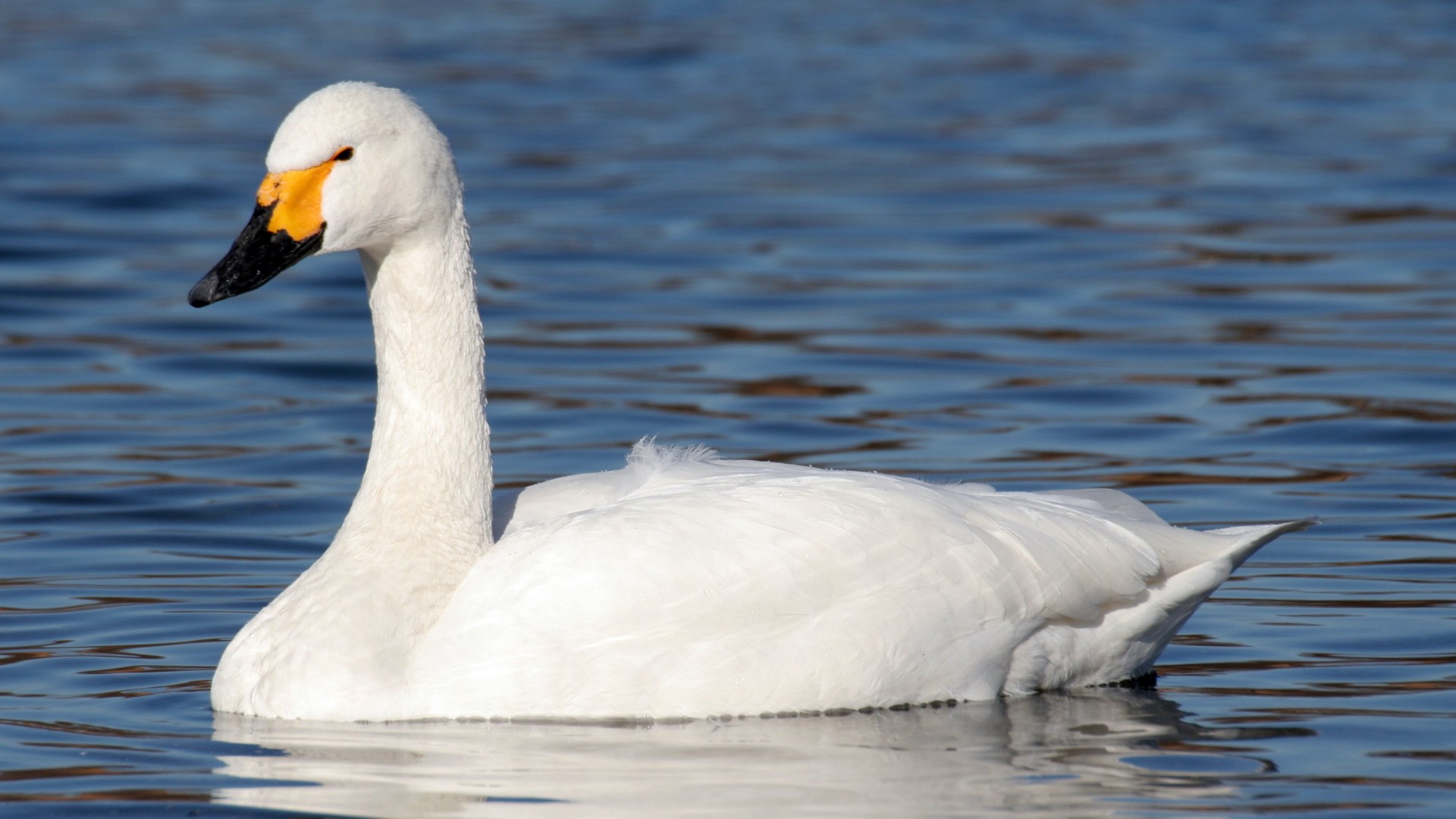
20. Tundra Swan: Grand Monarch Of Winter Wetlands 
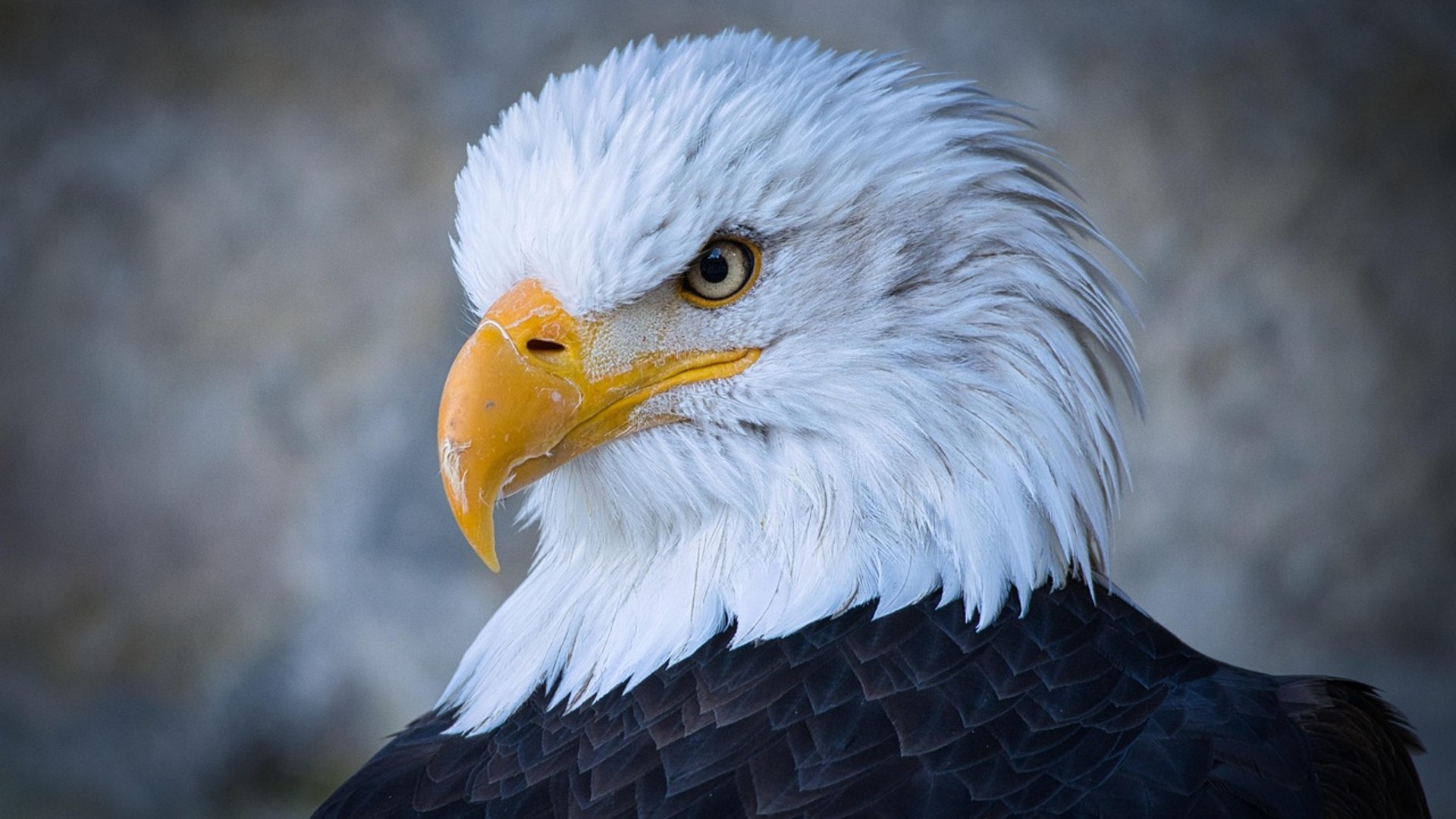
19. Bald Eagle: National Icon Along Open Waterways 
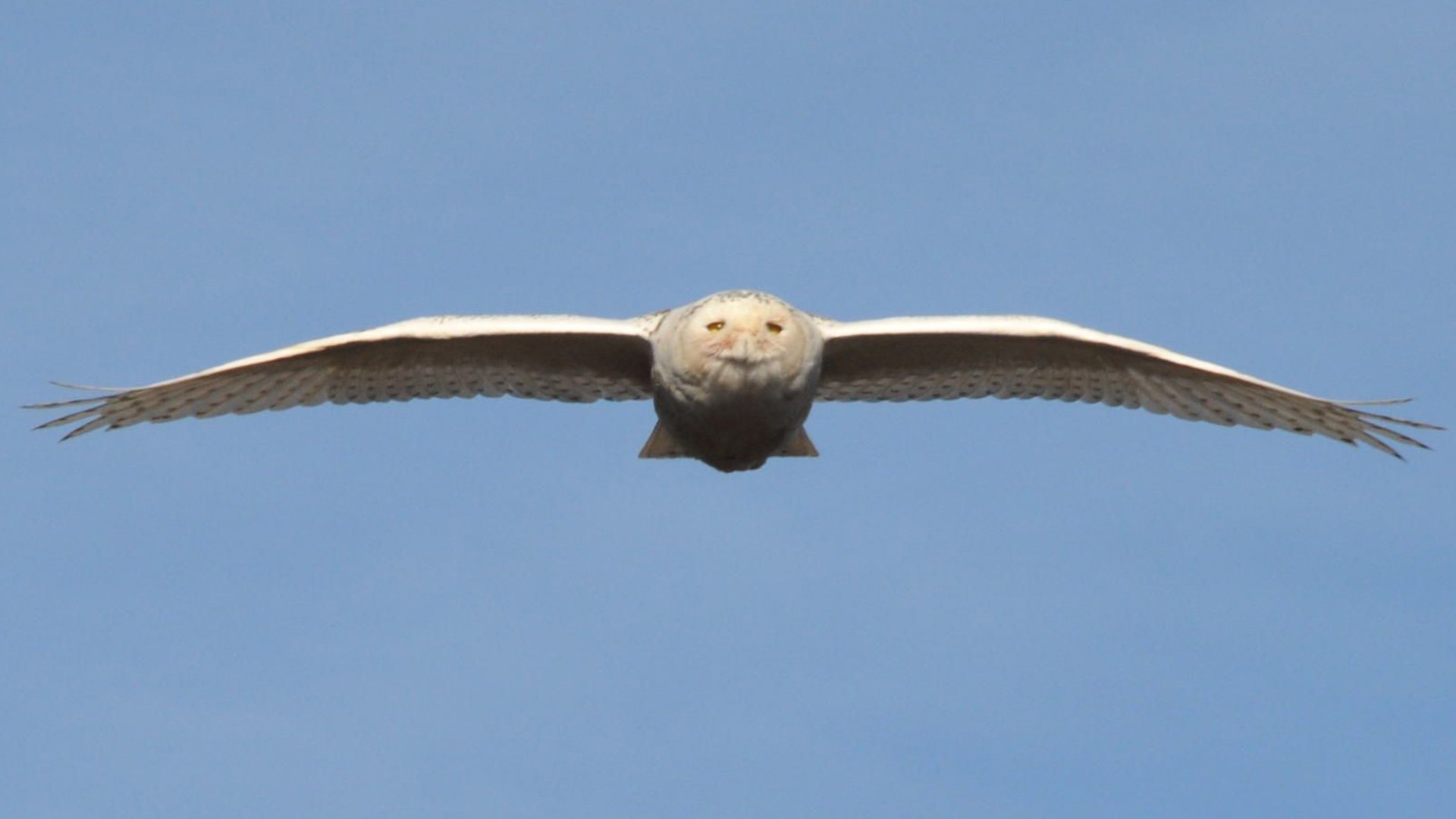
18. Snowy Owl: Ghostly Hunter Of The Frozen Coast - AdvertisementSwipe or tap ▶ to continue countdown

17. Rough-Legged Hawk: Arctic Falconiformes Sovereign 
16. Pileated Woodpecker: Forest Giant With A Fiery Crest 
15. Northern Flicker: Polka Dotted Ground Drummer 
14. Mourning Dove: Gentle Ground Roamer In Frost - AdvertisementSwipe or tap ▶ to continue countdown

13. Blue Jay: Intelligent Sentinel Of The Winter Canopy 
12. Pine Grosbeak: Tame Rosy Tundra Nomad 
11. Northern Cardinal: Crimson Royalty In The Snow 
10. Evening Grosbeak: Gold And Slate Northern Marvel - AdvertisementSwipe or tap ▶ to continue countdown

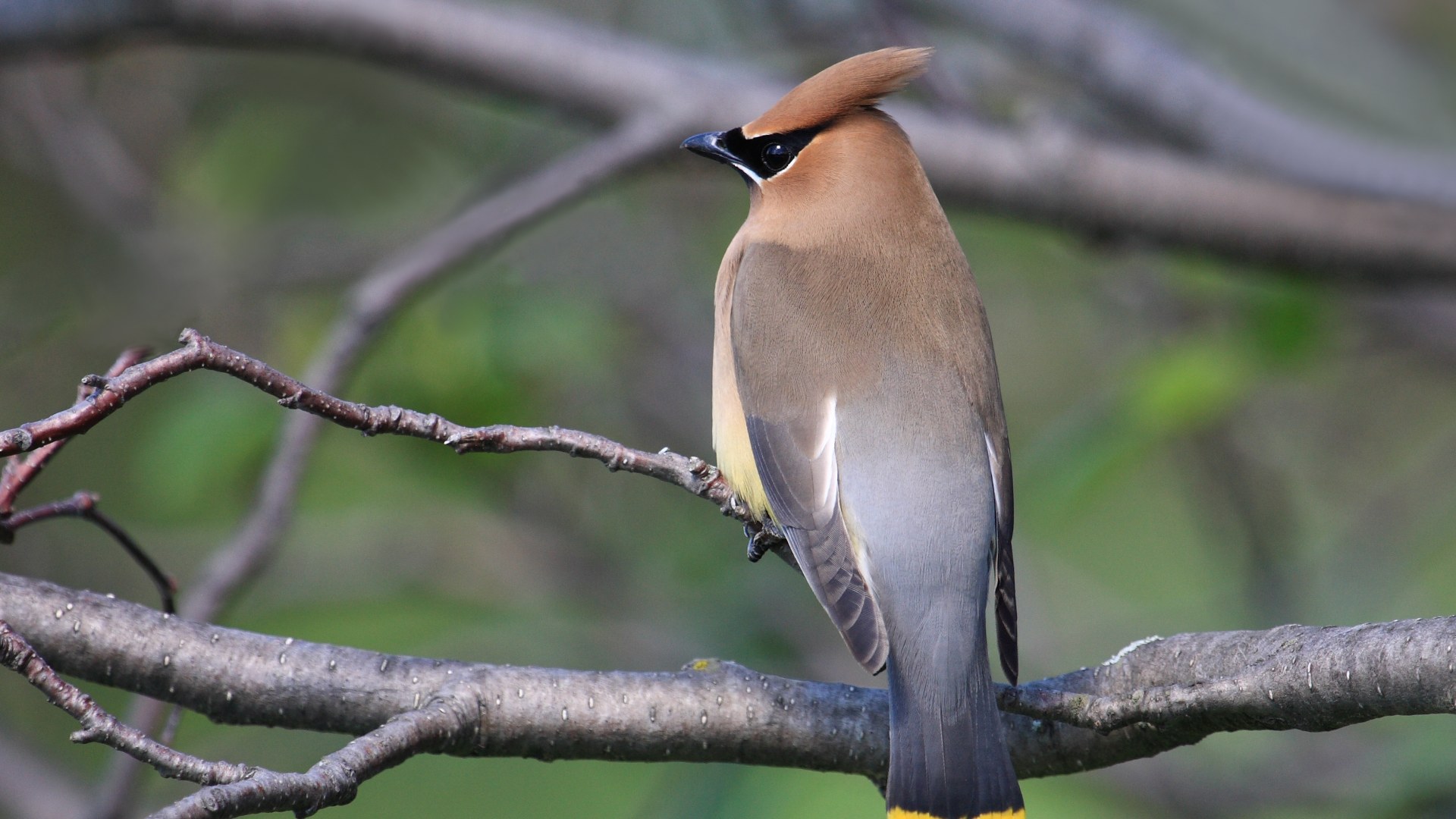
9. Cedar Waxwing: Sleek Nomadic Berry Forager 
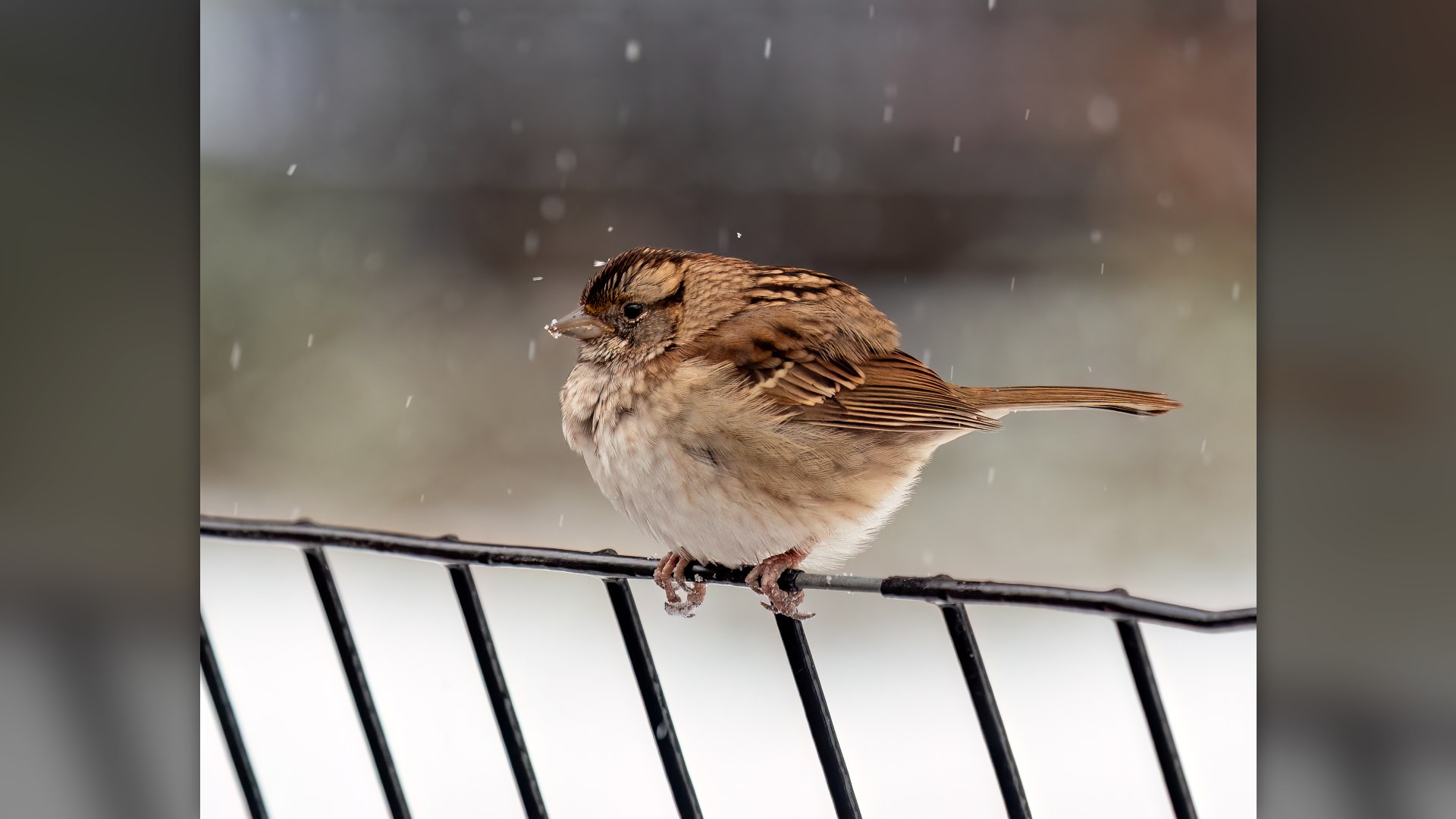
8. White-Throated Sparrow: Melodic Winter Troubadour 
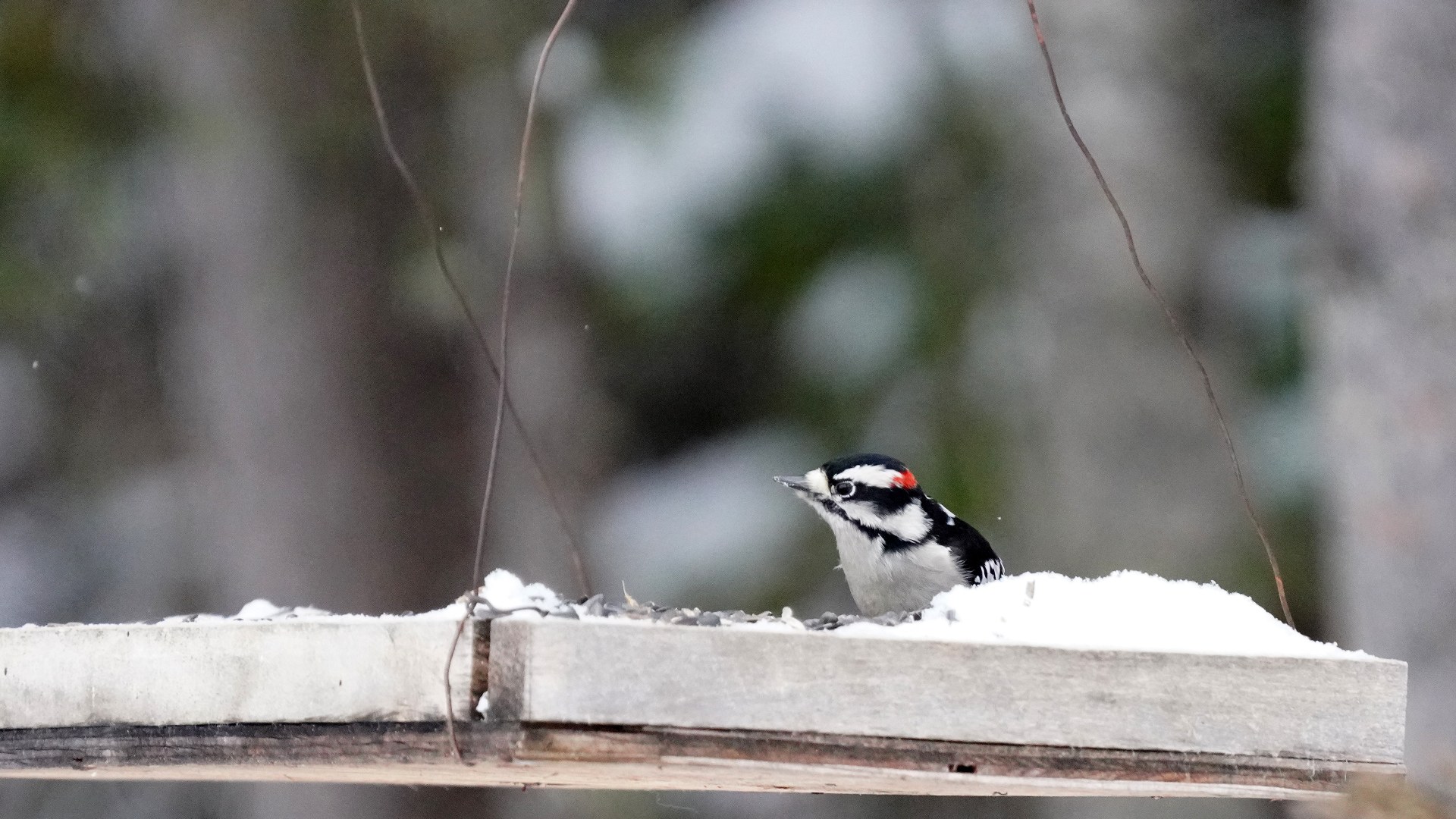
7. Downy Woodpecker: Backyard Suet Specialist 
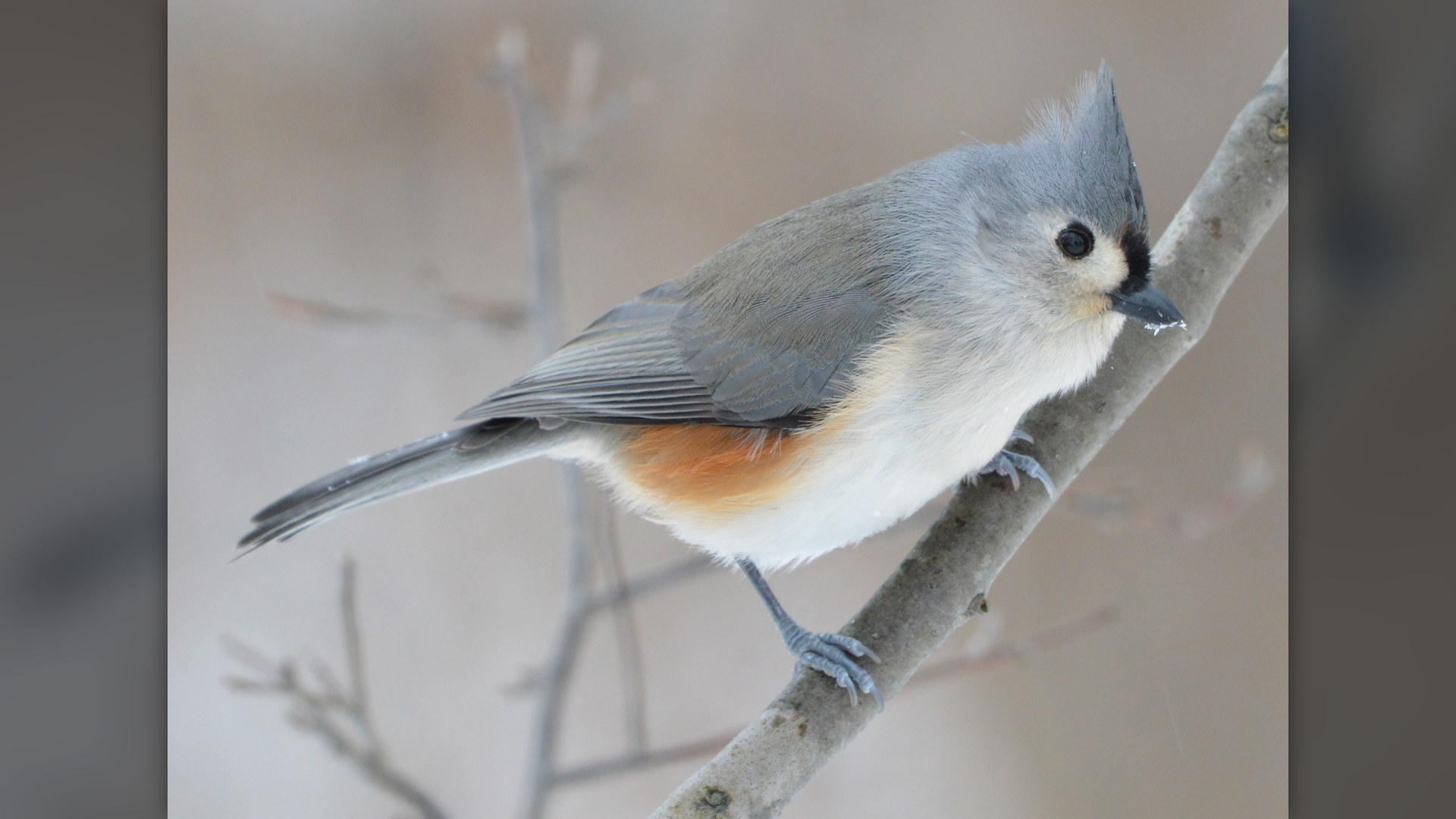
6. Tufted Titmouse: Crested Charmer Of The Woods - AdvertisementSwipe or tap ▶ to continue countdown

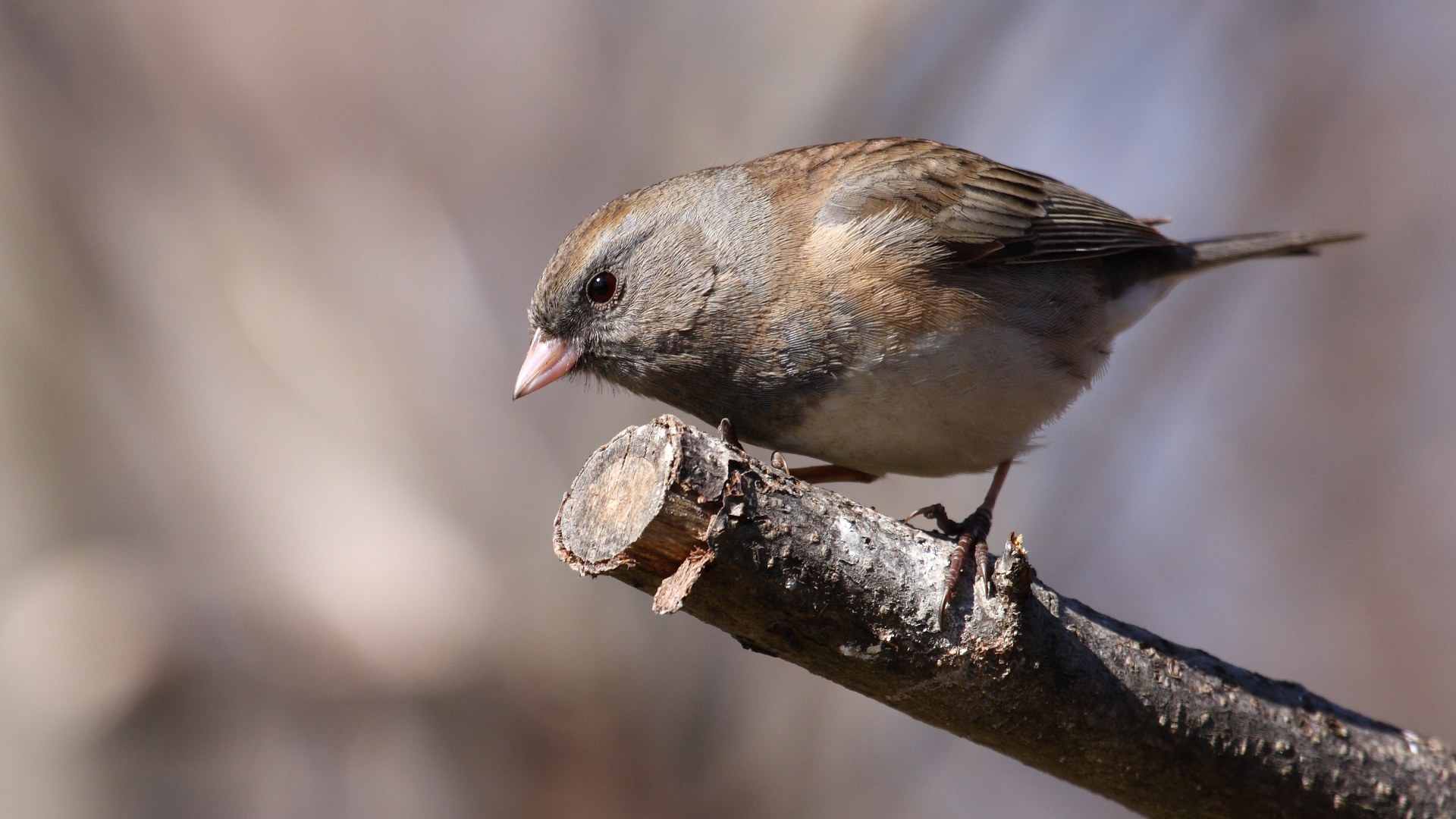
5. Dark-Eyed Junco: The Iconic American Snowbird 
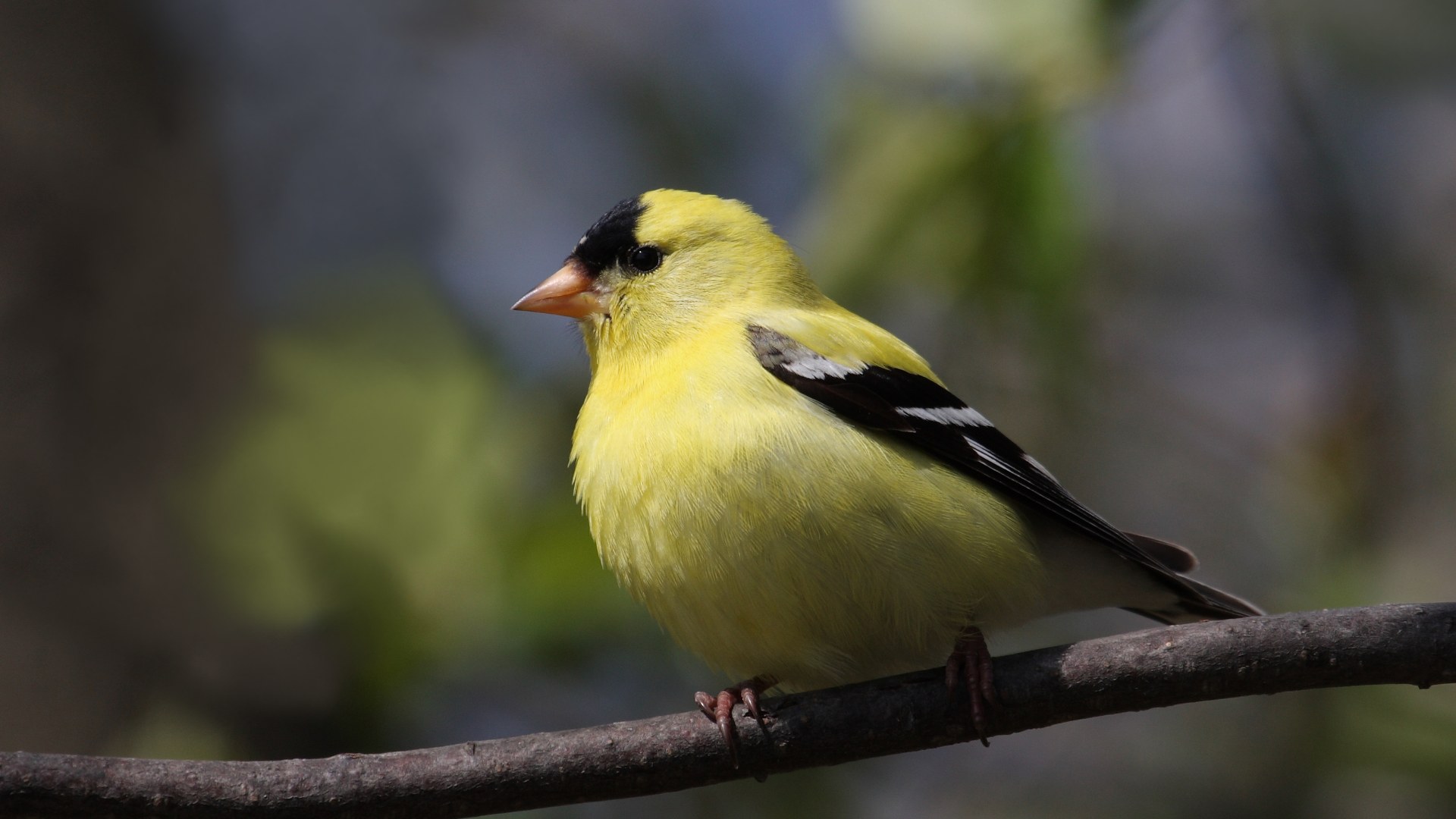
4. American Goldfinch: Master Of Winter Camouflage 
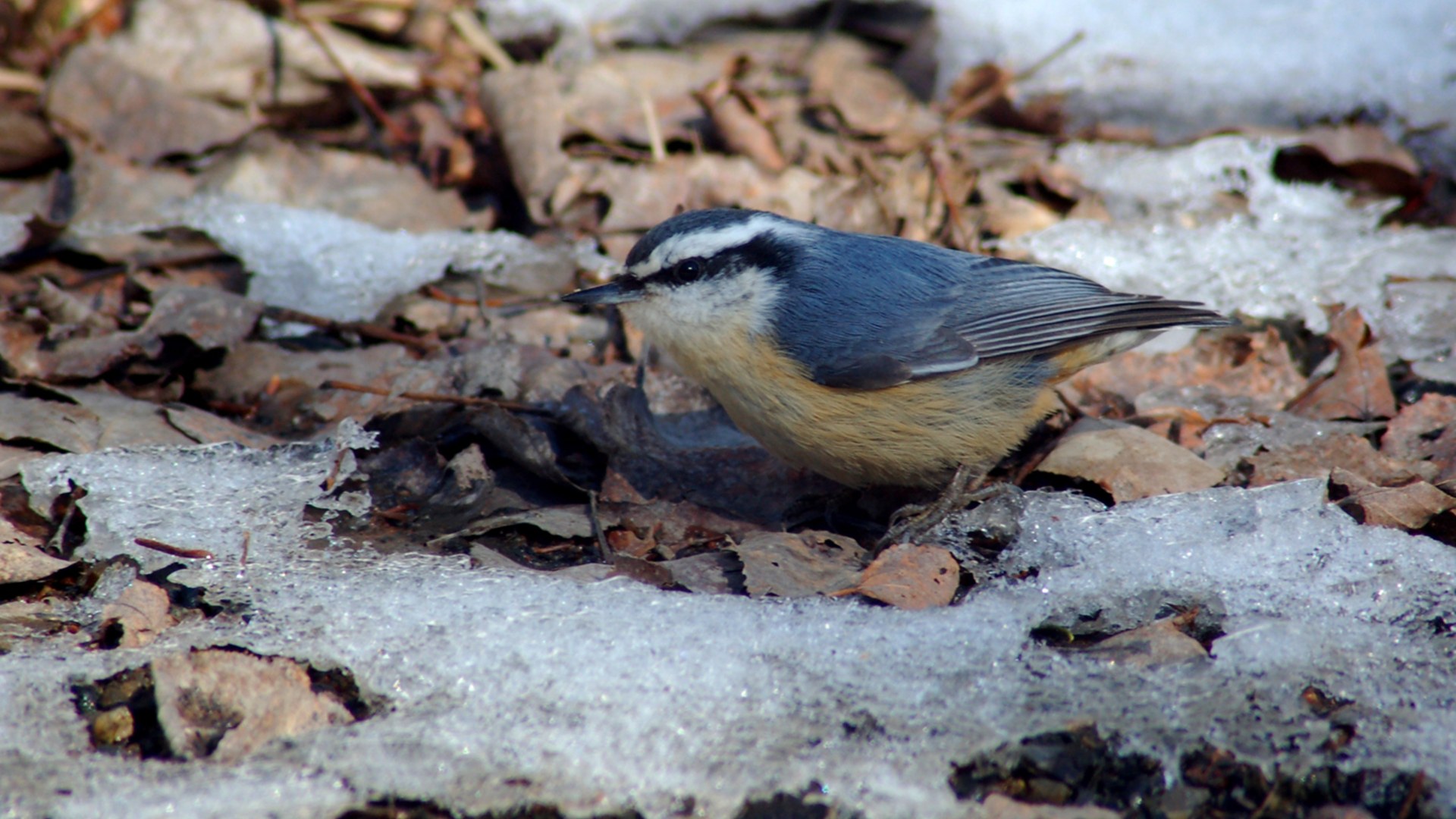
3. Red-Breasted Nuthatch: Spirited Conifer Explorer 
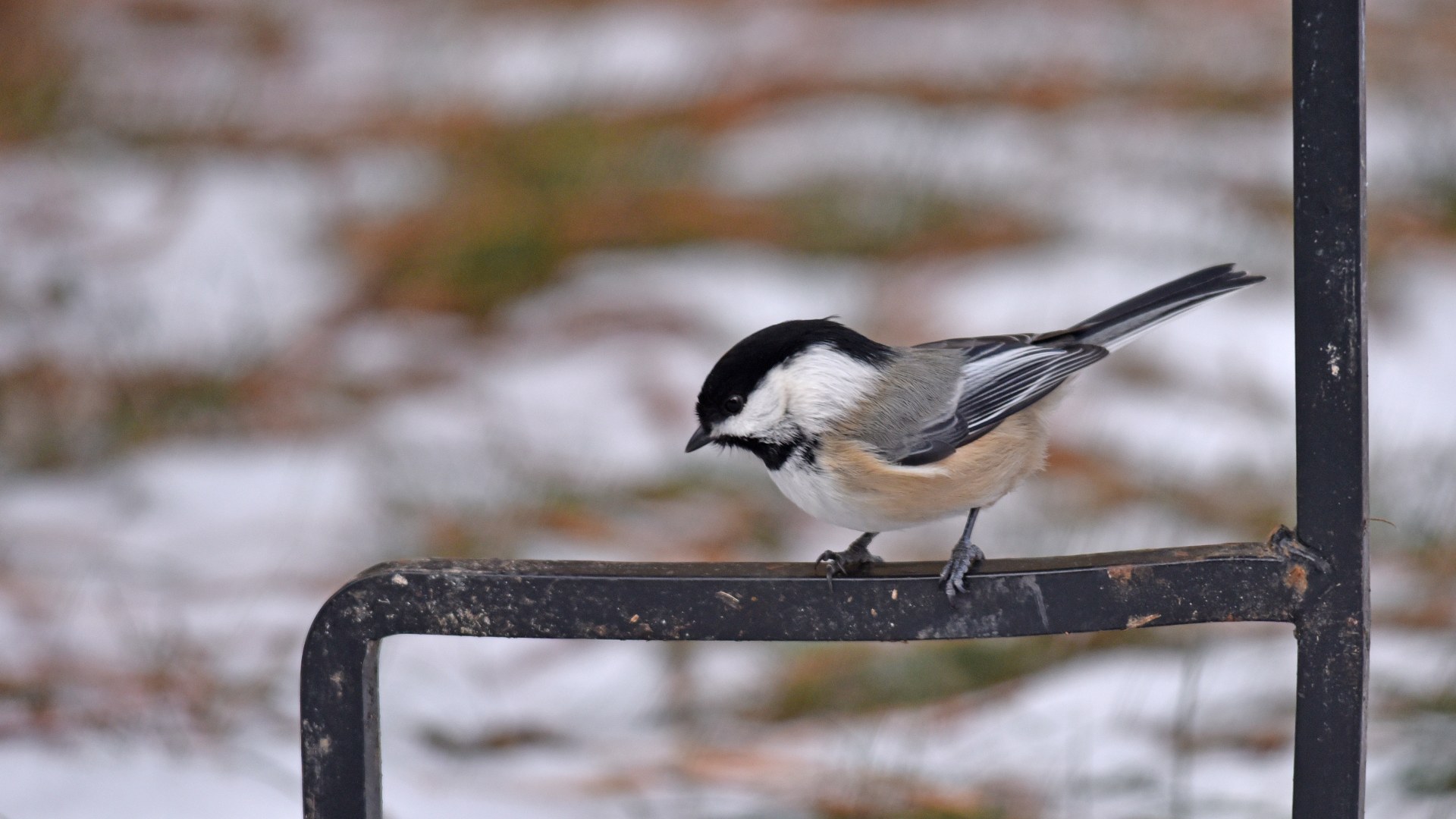
2. Black-Capped Chickadee: Fearless Winter Acrobat - AdvertisementSwipe or tap ▶ to continue countdown

1. Ruby-Crowned Kinglet: Featherweight Forest Wanderer - Advertisement🔥 UP NEXT IN THIS SERIES◫ 22 Slides

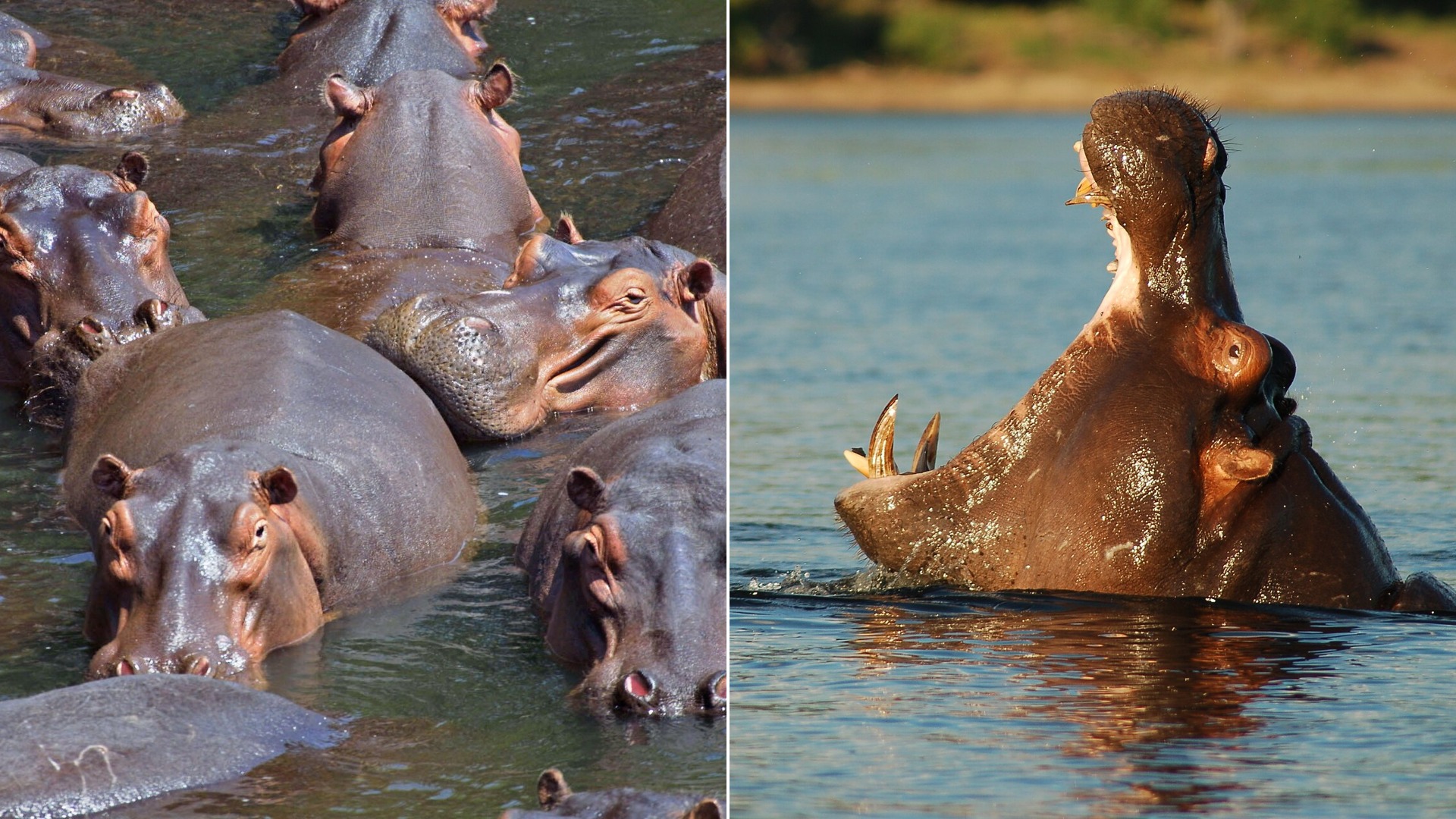
How Long Do Hippos Live? 20 Other Facts About Hippos
From sixty-year lifespans to whale cousins, discover secrets of river giants
As autumn fades and icy winds sweep across the continent, North American woodlands and backyards transform into vibrant havens for hardy avian travelers. From tiny acrobatic kinglets to majestic eagles soaring above frozen rivers, discover twenty incredible species ranked in ascending size.
Swipe or tap ▶ to begin the countdown
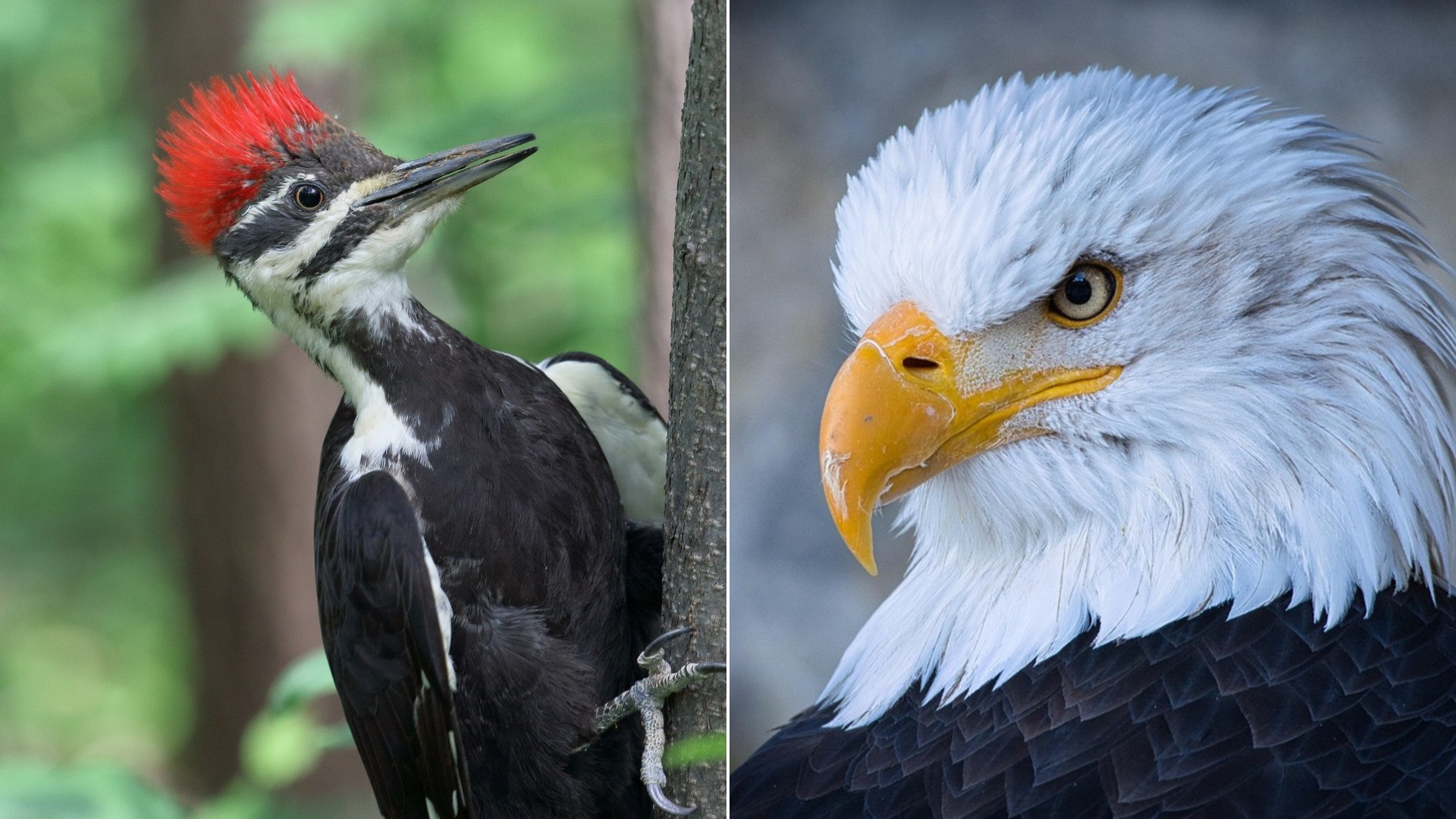
©Wikimedia / Cephas (CC BY-SA) & Pixabay / Anrita1705
20. Tundra Swan: Grand Monarch Of Winter Wetlands
Capping the progression is the majestic tundra swan, boasting an immense six-foot wingspan and snow-white plumage. Traveling thousands of miles from Alaskan nesting grounds, thousands of these magnificent waterfowl overwinter in coastal bays and agricultural fields, filling the skies with bugle calls.
©Wikimedia / Tundra swan
19. Bald Eagle: National Icon Along Open Waterways
Winter offers premier opportunities to view bald eagles as northern lakes freeze, forcing hundreds of raptors to congregate along open river dams and coastal estuaries. With seven-foot wingspans, these national icons execute breathtaking dives over icy water, snatching winter fish with ease.
©Pixabay / Anrita1705
18. Snowy Owl: Ghostly Hunter Of The Frozen Coast
Among the most coveted sightings in American birdwatching, snowy owls periodically irrupt south from Arctic polar regions into northern states. Perching motionless atop coastal dunes, frozen piers, and open farmland, their luminous yellow eyes track small rodents across vast snowscapes.
©Wikimedia / Eric Kilby (CC BY-SA)
Advertisement
Swipe or tap ▶ to resume the countdown.
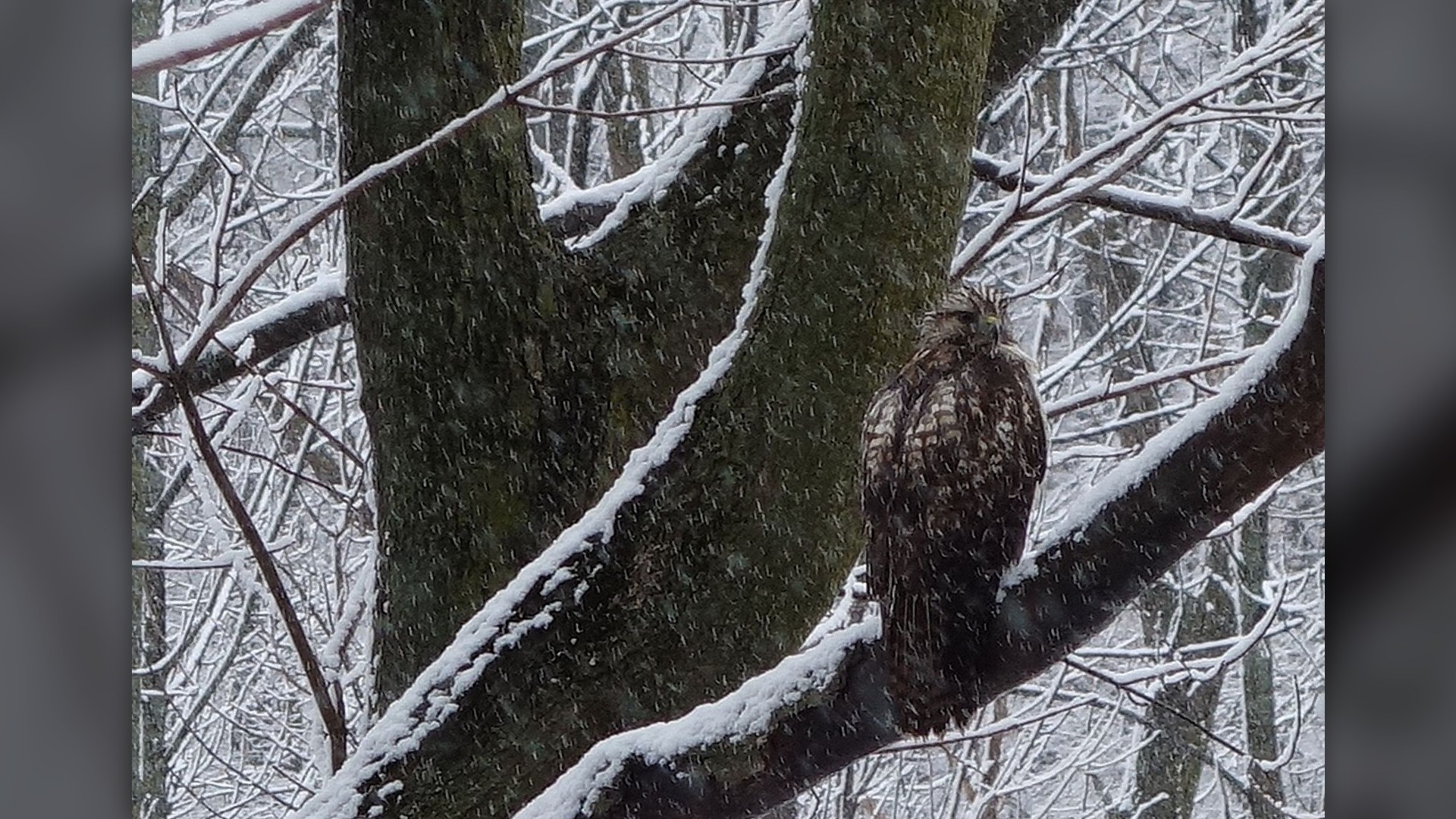
17. Rough-Legged Hawk: Arctic Falconiformes Sovereign
Breeding in the remote Arctic tundra, rough-legged hawks migrate south to winter across open American plains, pastures, and marshes. They possess densely feathered legs extending all the way down to their toes, an evolutionary marvel that preserves core warmth while hovering in freezing gales.
©Wikimedia / Michael hunter (CC BY-SA)
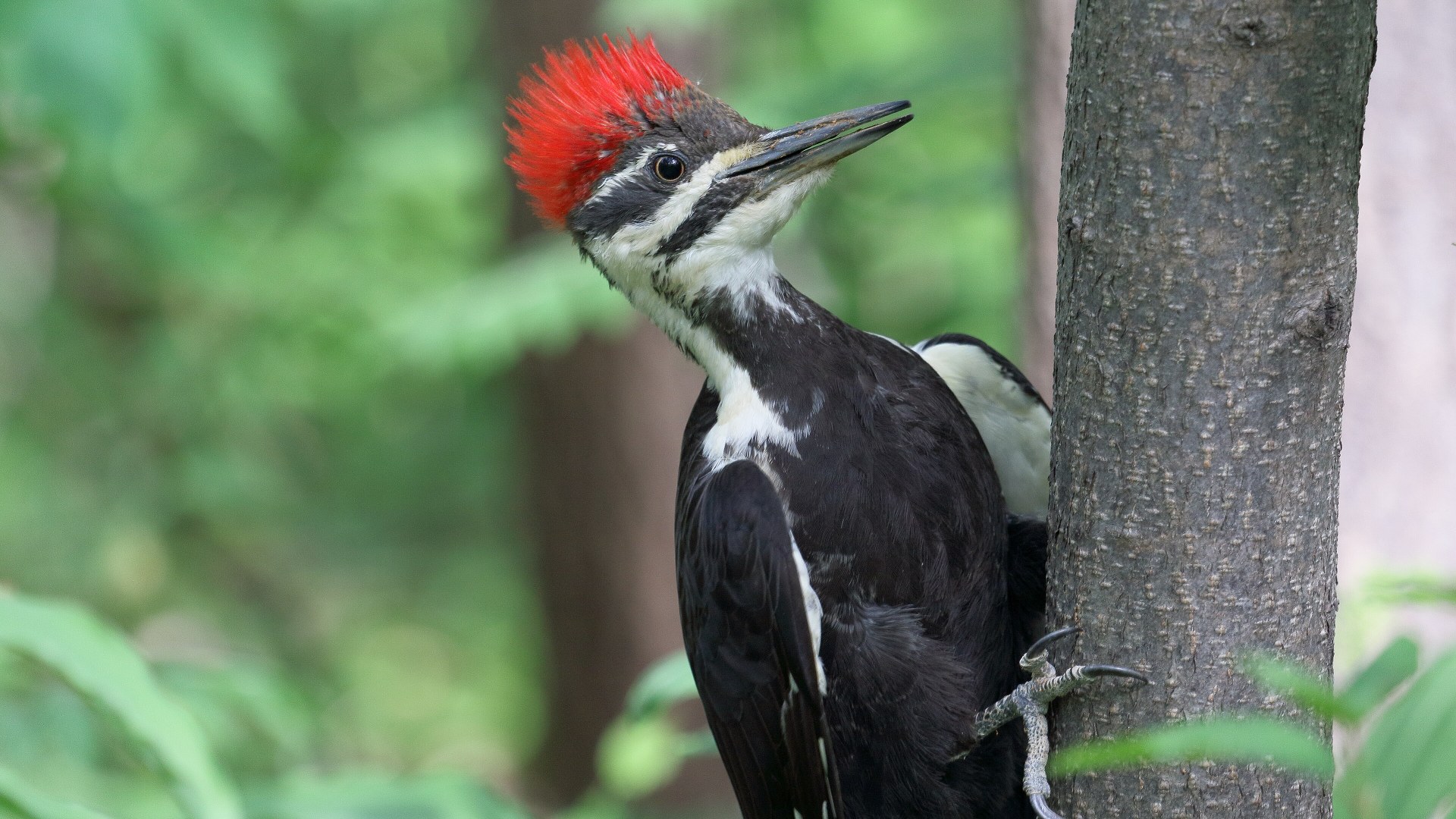
16. Pileated Woodpecker: Forest Giant With A Fiery Crest
Nearly the size of a crow, the pileated woodpecker cuts a commanding presence across mature winter forests. With a flamboyant red crest and powerful chisel-like bill, this magnificent carpenter hacks rectangular excavations into dead hemlocks, uncovering wood-boring beetle larvae in deep freeze.
©Wikimedia / Cephas (CC BY-SA)
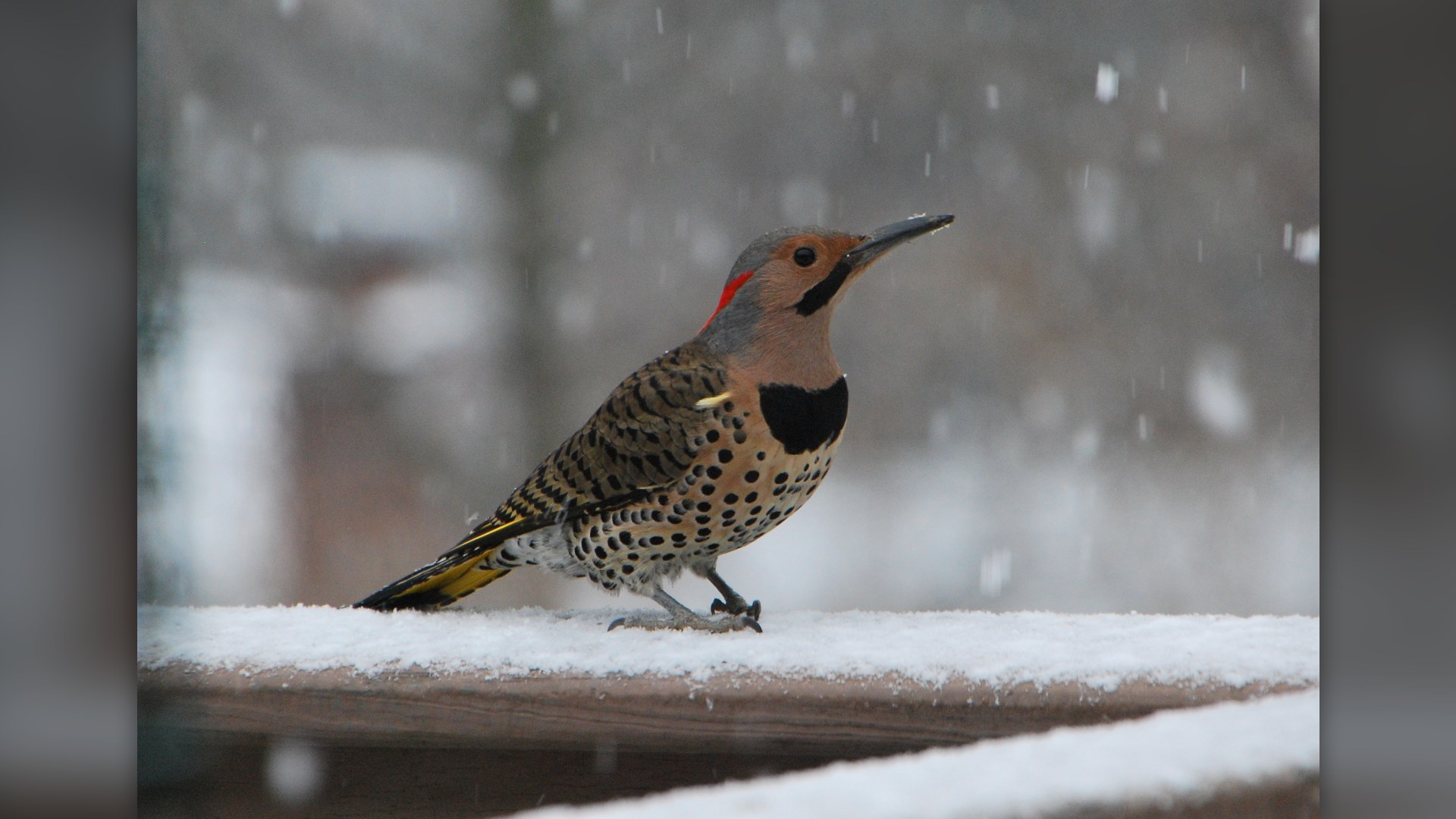
15. Northern Flicker: Polka Dotted Ground Drummer
Unlike most arboreal woodpeckers, northern flickers spend considerable time probing snowy lawns and forest floors for dormant ants and beetles. Their scalloped chests, black crescent bibs, and dazzling red or yellow underwings make them unforgettable visual treats on brisk winter walks.
©Wikimedia / Ted (CC BY-SA)
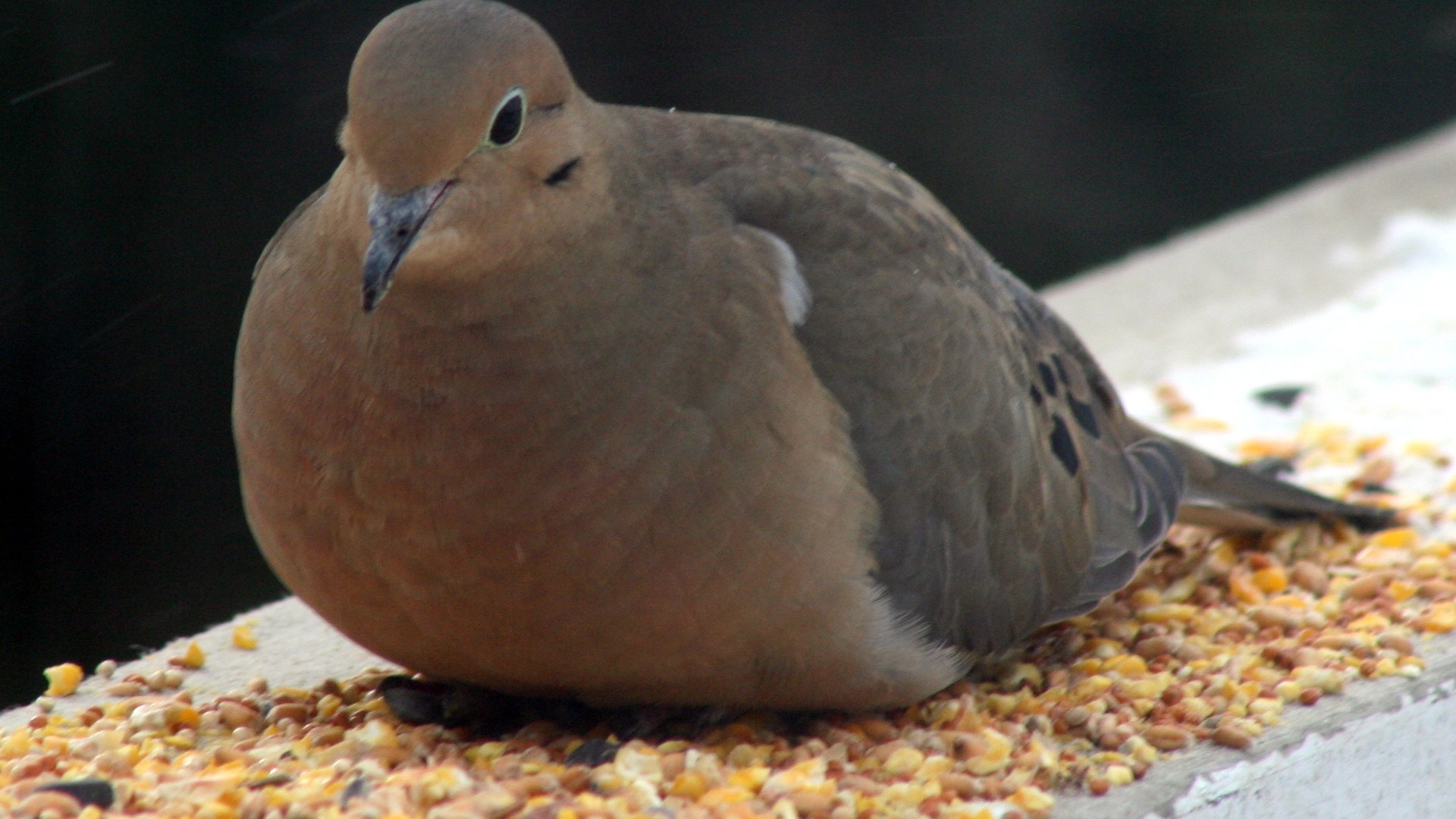
14. Mourning Dove: Gentle Ground Roamer In Frost
Mourning doves are peaceful ground feeders that gather beneath feeding stations to vacuum up fallen millet and cracked corn. In freezing weather, these graceful doves puff out dense downy feathers to trap warm body heat, roosting side by side on evergreen boughs to endure bitter night winds.
©Wikimedia / Robert Taylor (CC BY)
Advertisement
Swipe or tap ▶ to resume the countdown.
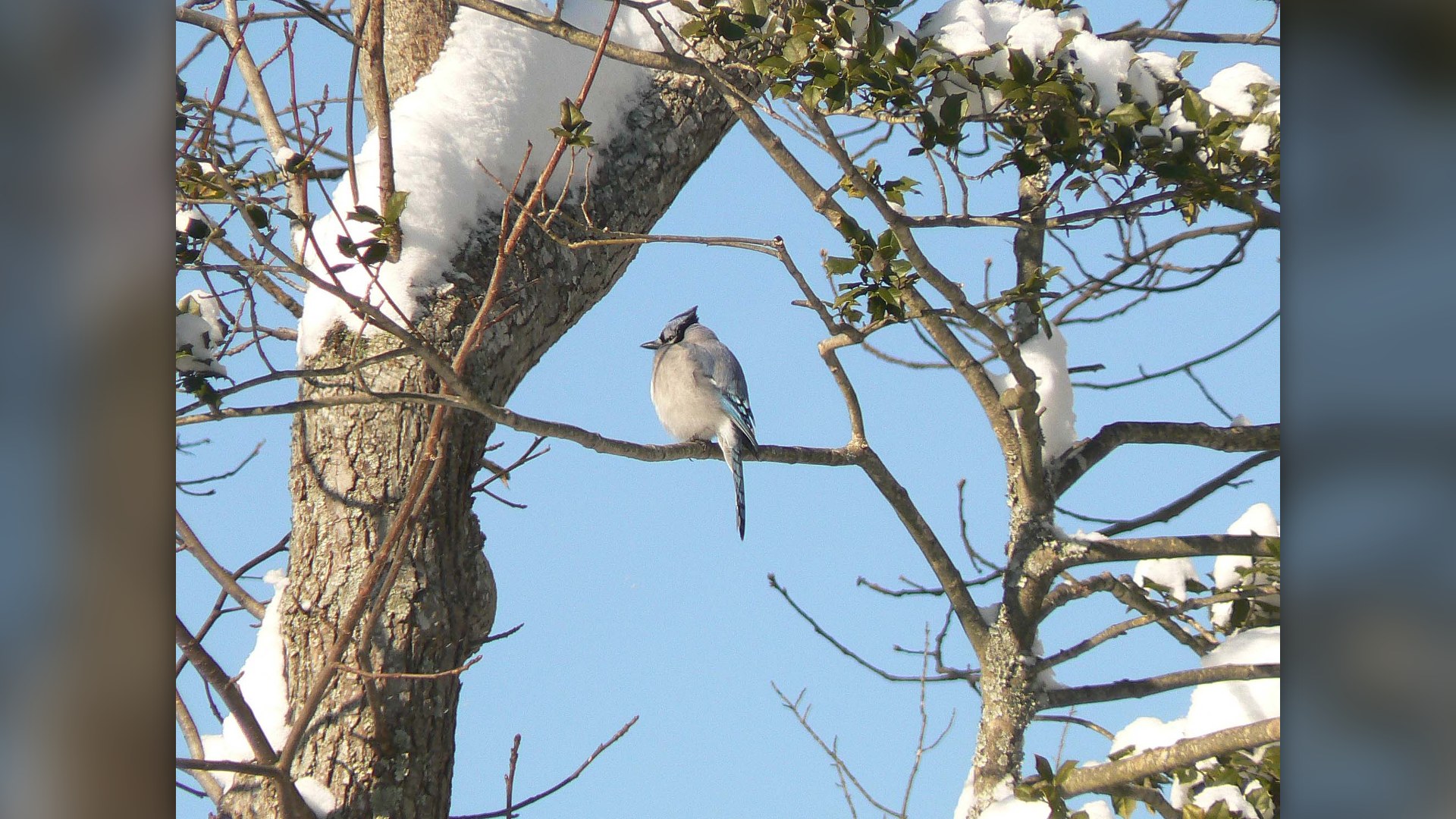
13. Blue Jay: Intelligent Sentinel Of The Winter Canopy
With bold cobalt feathers and complex social behaviors, blue jays dominate winter feeding stations across the continent. Highly intelligent corvids, they bury thousands of acorns and beechnuts in late autumn, caching indispensable food supplies to sustain entire woodland families through winter.
©Wikimedia / USFWS (Public domain)
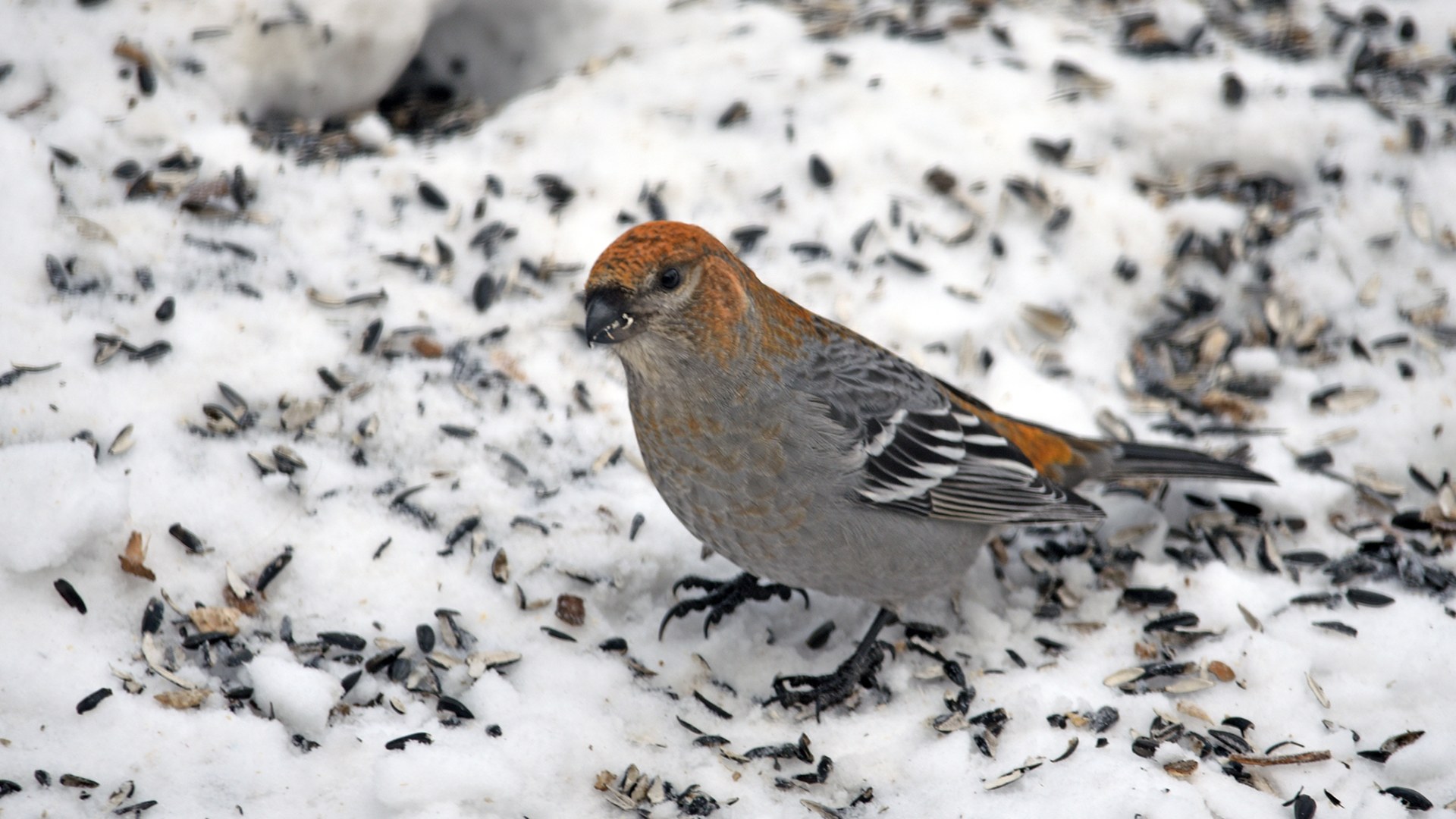
12. Pine Grosbeak: Tame Rosy Tundra Nomad
One of the largest finches in the world, the pine grosbeak features rosy pink plumage in males and calm, trusting behavior around observers. During harsh winter irruptions, these peaceful birds leave dense subalpine forests to consume frozen mountain ash fruits in mountain towns.
©Wikimedia / USFWS Midwest Region (Public domain)
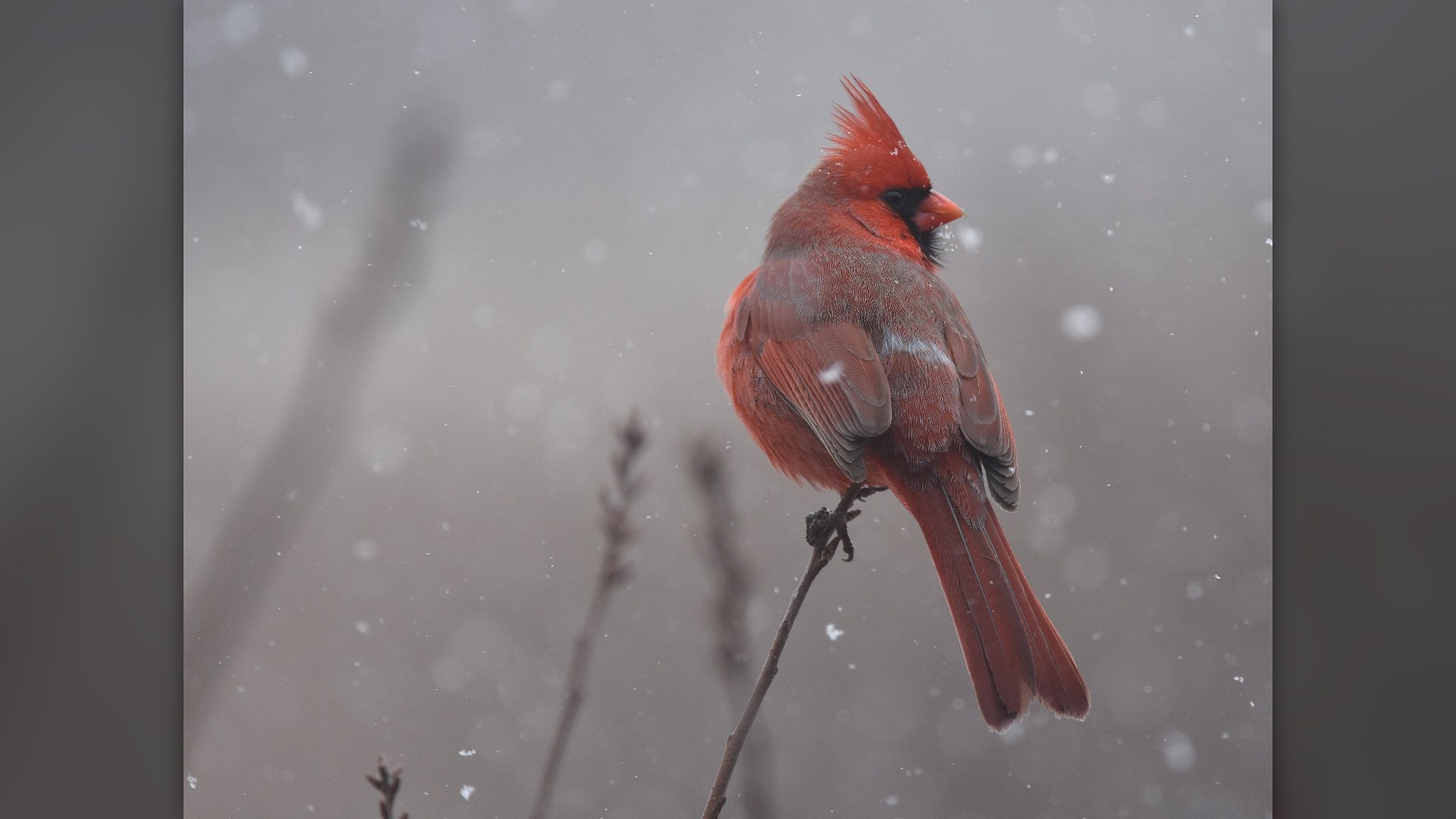
11. Northern Cardinal: Crimson Royalty In The Snow
Few sights are more breathtaking than a brilliant male cardinal perched amidst fresh powdered snow. Year-round residents across central and eastern states, northern cardinals brighten dreary winter afternoons, whistling cheerful territorial melodies from dense holly and cedar shelters.
©Wikimedia / Wildreturn (CC BY)
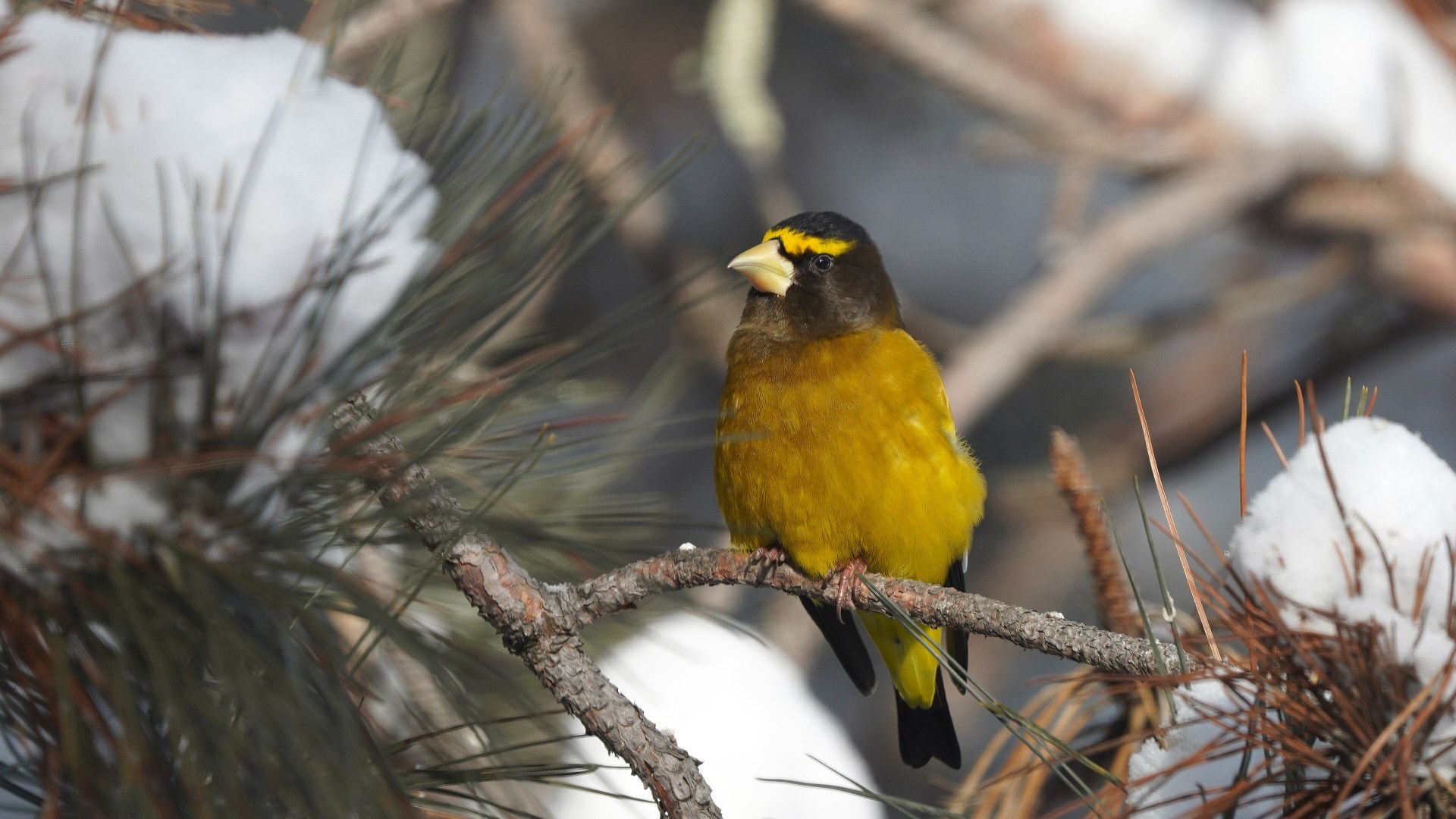
10. Evening Grosbeak: Gold And Slate Northern Marvel
Sporting massive bone-colored beaks and vivid mustard-yellow bodies, evening grosbeaks are sensational winter visitors from northern coniferous forests. When wild seed crops deplete up north, noisy flocks descend upon suburban sunflower feeders, cracking tough hulls with astonishing ease.
©Wikimedia / USFWS Midwest Region (Public domain)
Advertisement
Swipe or tap ▶ to resume the countdown.
9. Cedar Waxwing: Sleek Nomadic Berry Forager
Cedar waxwings travel in roving nomadic flocks seeking ornamental berry bushes, juniper trees, and crabapples. Featuring silky taupe plumage, black bandit masks, and bright red wax droplets on secondary wing feathers, these social birds pass winter berries down tree branches in synchronized grace.
©Wikimedia / Cephas (CC BY-SA)
8. White-Throated Sparrow: Melodic Winter Troubadour
Recognized by vibrant yellow lores and crisp white throat bibs, white-throated sparrows spend winters foraging in thick hedgerows and brush piles. Their haunting, clear whistling songs provide a comforting soundtrack to chilly mornings across southern and central states.
©Wikimedia / Rhododendrites (CC BY-SA)
7. Downy Woodpecker: Backyard Suet Specialist
As North America smallest woodpecker, the downy woodpecker is perfectly adapted for suburban gardens and winter parks. Males sport a lively crimson patch on the nape, tapping briskly on frozen branches and devouring suet cakes to maintain essential fat reserves through prolonged cold snaps.
©Wikimedia / USFWS Midwest Region (Public domain)
6. Tufted Titmouse: Crested Charmer Of The Woods
With prominent feathered crests and big black eyes, tufted titmice are beloved fixtures of deciduous eastern woodlands. These bold, vocal birds take large sunflower seeds from platform feeders, carefully flying into nearby branches to crack shells open against thick tree limbs.
©Wikimedia / Jocelyn Anderson (CC BY)
Advertisement
Swipe or tap ▶ to resume the countdown.
5. Dark-Eyed Junco: The Iconic American Snowbird
Affectionately nicknamed snowbirds, dark-eyed juncos arrive from Canadian boreal breeding grounds just as temperatures plunge. Their crisp slate-gray coats and bright white tail flashes bring cheerful energy as they forage for fallen seeds along snowdrifts and garden borders across the country.
©Wikimedia / Cephas (CC BY-SA)
4. American Goldfinch: Master Of Winter Camouflage
While famous for their brilliant summer gold, American goldfinches molt into an understated olive-brown plumage to blend into snowy winter brush. Flocks gather at thistle feeders, displaying intricate social hierarchies while picking through dormant seed heads on frostbitten mornings.
©Wikimedia / Cephas (CC BY-SA)
3. Red-Breasted Nuthatch: Spirited Conifer Explorer
Famous for traveling down tree trunks headfirst, the red-breasted nuthatch irrupts southward in massive numbers when northern cone crops fail. Their distinct tin-horn calls echo across pine forests as they wedge hearty spruce seeds into bark crevices for sustained winter nourishment.
©Wikimedia / Derek Bakken (CC BY)
2. Black-Capped Chickadee: Fearless Winter Acrobat
Weighing less than a half ounce, the black-capped chickadee survives harsh northern winters through remarkable metabolic adaptations. Chickadees lower their body temperatures overnight to conserve energy and can remember thousands of individual seed-hiding spots across snowy woodland canopies.
©Wikimedia / USFWS Midwest Region (Public domain)
Advertisement
Swipe or tap ▶ to resume the countdown.
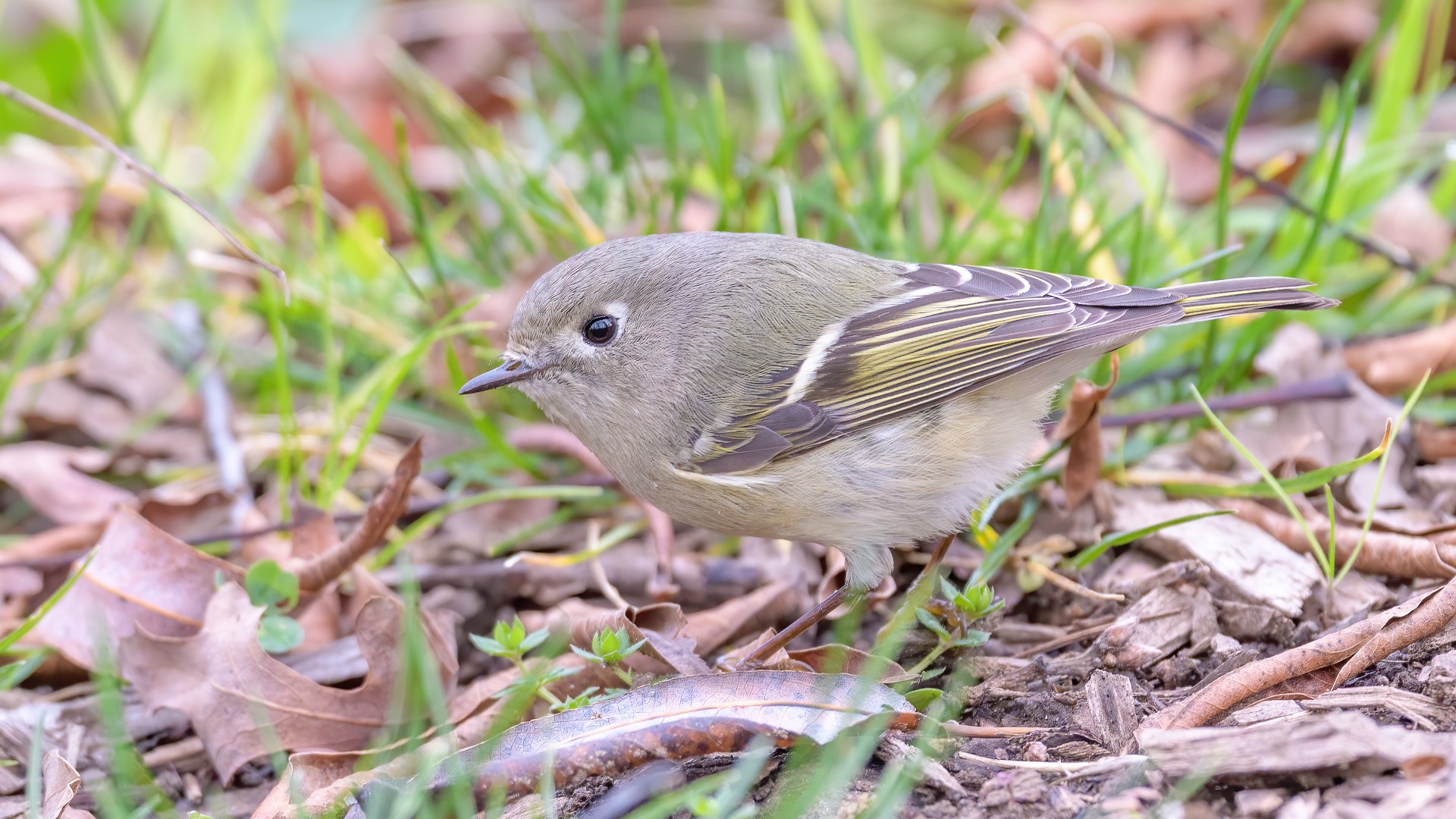
1. Ruby-Crowned Kinglet: Featherweight Forest Wanderer
Measuring barely four inches, the ruby-crowned kinglet is one of the smallest songbirds wintering in North America. These hyperactive insectivores constantly flick their wings while foraging through conifer foliage, flashing a vibrant hidden scarlet crown when agitated or excited by neighbors.

©Wikimedia / Becky Matsubara (CC BY)
Advertisement
You've reached the end of the story. Thanks for reading!

How Long Do Hippos Live? 20 Other Facts About Hippos
From sixty-year lifespans to whale cousins, discover secrets of river giants
All 20 Entries in this Story
20. Tundra Swan: Grand Monarch Of Winter Wetlands
Capping the progression is the majestic tundra swan, boasting an immense six-foot wingspan and snow-white plumage. Traveling thousands of miles from Alaskan nesting grounds, thousands of these magnificent waterfowl overwinter in coastal bays and agricultural fields, filling the skies with bugle calls.

19. Bald Eagle: National Icon Along Open Waterways
Winter offers premier opportunities to view bald eagles as northern lakes freeze, forcing hundreds of raptors to congregate along open river dams and coastal estuaries. With seven-foot wingspans, these national icons execute breathtaking dives over icy water, snatching winter fish with ease.

18. Snowy Owl: Ghostly Hunter Of The Frozen Coast
Among the most coveted sightings in American birdwatching, snowy owls periodically irrupt south from Arctic polar regions into northern states. Perching motionless atop coastal dunes, frozen piers, and open farmland, their luminous yellow eyes track small rodents across vast snowscapes.

17. Rough-Legged Hawk: Arctic Falconiformes Sovereign
Breeding in the remote Arctic tundra, rough-legged hawks migrate south to winter across open American plains, pastures, and marshes. They possess densely feathered legs extending all the way down to their toes, an evolutionary marvel that preserves core warmth while hovering in freezing gales.

16. Pileated Woodpecker: Forest Giant With A Fiery Crest
Nearly the size of a crow, the pileated woodpecker cuts a commanding presence across mature winter forests. With a flamboyant red crest and powerful chisel-like bill, this magnificent carpenter hacks rectangular excavations into dead hemlocks, uncovering wood-boring beetle larvae in deep freeze.

15. Northern Flicker: Polka Dotted Ground Drummer
Unlike most arboreal woodpeckers, northern flickers spend considerable time probing snowy lawns and forest floors for dormant ants and beetles. Their scalloped chests, black crescent bibs, and dazzling red or yellow underwings make them unforgettable visual treats on brisk winter walks.

14. Mourning Dove: Gentle Ground Roamer In Frost
Mourning doves are peaceful ground feeders that gather beneath feeding stations to vacuum up fallen millet and cracked corn. In freezing weather, these graceful doves puff out dense downy feathers to trap warm body heat, roosting side by side on evergreen boughs to endure bitter night winds.

13. Blue Jay: Intelligent Sentinel Of The Winter Canopy
With bold cobalt feathers and complex social behaviors, blue jays dominate winter feeding stations across the continent. Highly intelligent corvids, they bury thousands of acorns and beechnuts in late autumn, caching indispensable food supplies to sustain entire woodland families through winter.

12. Pine Grosbeak: Tame Rosy Tundra Nomad
One of the largest finches in the world, the pine grosbeak features rosy pink plumage in males and calm, trusting behavior around observers. During harsh winter irruptions, these peaceful birds leave dense subalpine forests to consume frozen mountain ash fruits in mountain towns.

11. Northern Cardinal: Crimson Royalty In The Snow
Few sights are more breathtaking than a brilliant male cardinal perched amidst fresh powdered snow. Year-round residents across central and eastern states, northern cardinals brighten dreary winter afternoons, whistling cheerful territorial melodies from dense holly and cedar shelters.

10. Evening Grosbeak: Gold And Slate Northern Marvel
Sporting massive bone-colored beaks and vivid mustard-yellow bodies, evening grosbeaks are sensational winter visitors from northern coniferous forests. When wild seed crops deplete up north, noisy flocks descend upon suburban sunflower feeders, cracking tough hulls with astonishing ease.

9. Cedar Waxwing: Sleek Nomadic Berry Forager
Cedar waxwings travel in roving nomadic flocks seeking ornamental berry bushes, juniper trees, and crabapples. Featuring silky taupe plumage, black bandit masks, and bright red wax droplets on secondary wing feathers, these social birds pass winter berries down tree branches in synchronized grace.

8. White-Throated Sparrow: Melodic Winter Troubadour
Recognized by vibrant yellow lores and crisp white throat bibs, white-throated sparrows spend winters foraging in thick hedgerows and brush piles. Their haunting, clear whistling songs provide a comforting soundtrack to chilly mornings across southern and central states.

7. Downy Woodpecker: Backyard Suet Specialist
As North America smallest woodpecker, the downy woodpecker is perfectly adapted for suburban gardens and winter parks. Males sport a lively crimson patch on the nape, tapping briskly on frozen branches and devouring suet cakes to maintain essential fat reserves through prolonged cold snaps.

6. Tufted Titmouse: Crested Charmer Of The Woods
With prominent feathered crests and big black eyes, tufted titmice are beloved fixtures of deciduous eastern woodlands. These bold, vocal birds take large sunflower seeds from platform feeders, carefully flying into nearby branches to crack shells open against thick tree limbs.

5. Dark-Eyed Junco: The Iconic American Snowbird
Affectionately nicknamed snowbirds, dark-eyed juncos arrive from Canadian boreal breeding grounds just as temperatures plunge. Their crisp slate-gray coats and bright white tail flashes bring cheerful energy as they forage for fallen seeds along snowdrifts and garden borders across the country.

4. American Goldfinch: Master Of Winter Camouflage
While famous for their brilliant summer gold, American goldfinches molt into an understated olive-brown plumage to blend into snowy winter brush. Flocks gather at thistle feeders, displaying intricate social hierarchies while picking through dormant seed heads on frostbitten mornings.

3. Red-Breasted Nuthatch: Spirited Conifer Explorer
Famous for traveling down tree trunks headfirst, the red-breasted nuthatch irrupts southward in massive numbers when northern cone crops fail. Their distinct tin-horn calls echo across pine forests as they wedge hearty spruce seeds into bark crevices for sustained winter nourishment.

2. Black-Capped Chickadee: Fearless Winter Acrobat
Weighing less than a half ounce, the black-capped chickadee survives harsh northern winters through remarkable metabolic adaptations. Chickadees lower their body temperatures overnight to conserve energy and can remember thousands of individual seed-hiding spots across snowy woodland canopies.

1. Ruby-Crowned Kinglet: Featherweight Forest Wanderer
Measuring barely four inches, the ruby-crowned kinglet is one of the smallest songbirds wintering in North America. These hyperactive insectivores constantly flick their wings while foraging through conifer foliage, flashing a vibrant hidden scarlet crown when agitated or excited by neighbors.