Slideshow · Science
The Biggest Discoveries Ever Made By Kids, Ranked
From ancient caves to fusion reactors, kids made these historic finds.
By Most Viral Today
29 Oct 2026

The Biggest Discoveries Ever Made By Kids, Ranked 
20. Supernova SN 2010lt (2011) 
19. The Trampoline (1930) 
18. The Popsicle (1905) - AdvertisementSwipe or tap ▶ to continue countdown

17. Modern Earmuffs (1873) 
16. Australopithecus Sediba (2008) 
15. The 475-Million-Year-Old Trilobite (2014) 
14. The 3.2-Carat Arkansas Diamond (2015) - AdvertisementSwipe or tap ▶ to continue countdown

13. The Hoxne Hoard (1992) 
12. Electronic Television (1922) 
11. Nuclear Fusion In A Garage (2008) 
10. Early Pancreatic Cancer Test (2012) - AdvertisementSwipe or tap ▶ to continue countdown

9. The Terracotta Army (1974) 
8. A New Mayan City (2016) 
7. The Baby Tyrannosaur (1998) 
6. The Altamira Cave Paintings (1879) - AdvertisementSwipe or tap ▶ to continue countdown

5. Braille (1824) 
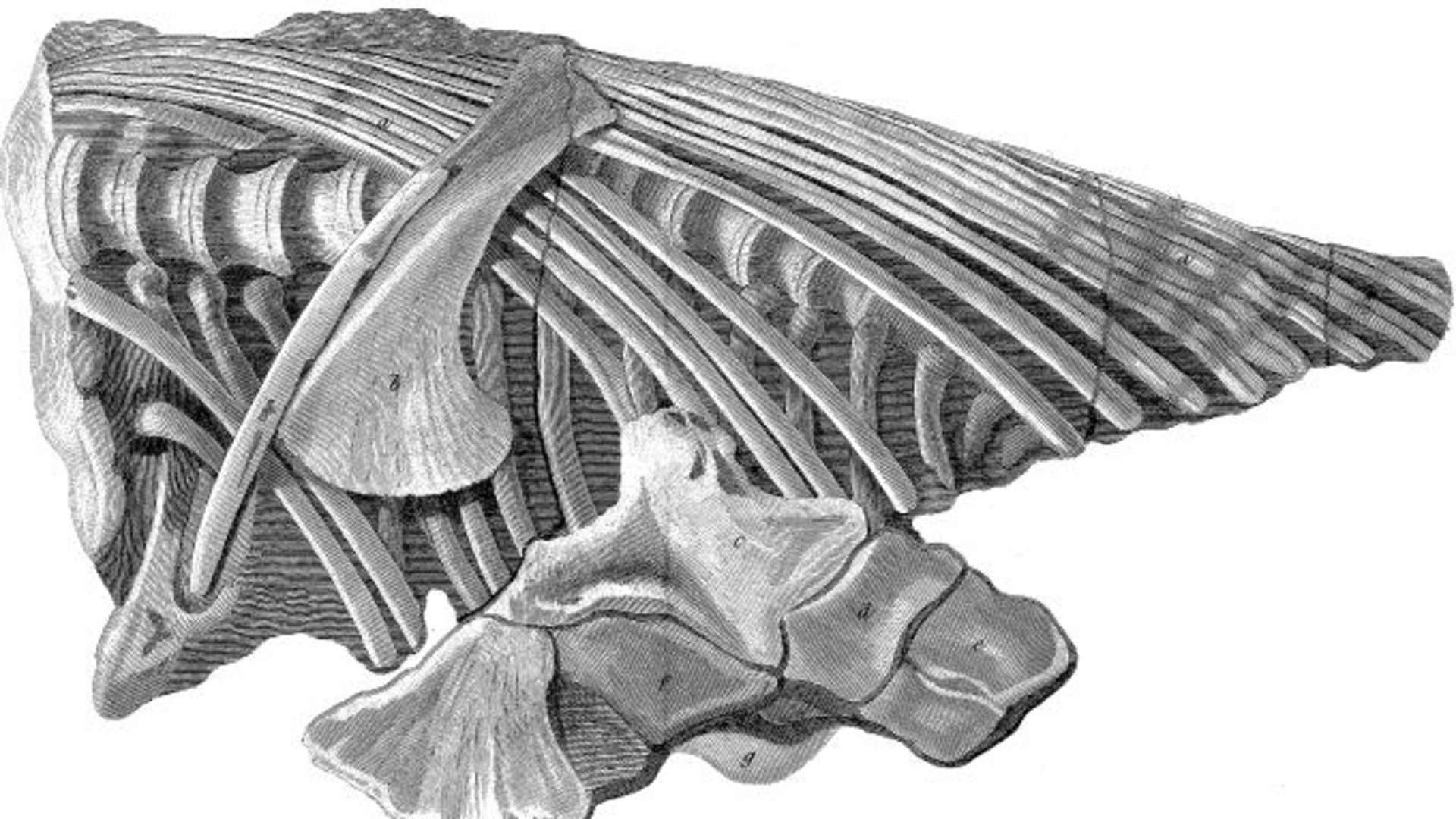
4. The First Ichthyosaur Skeleton (1811) 
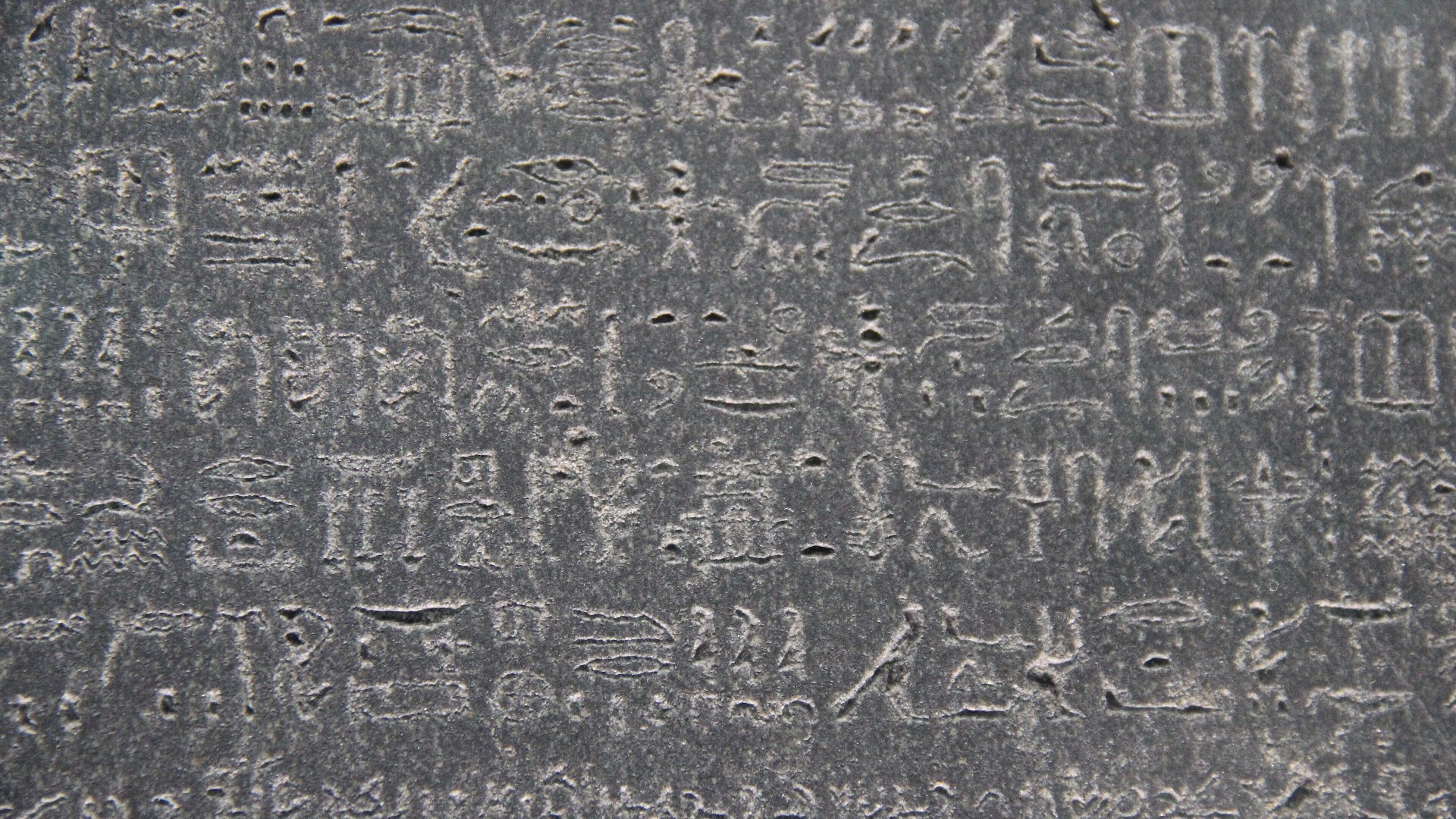
3. Deciphering The Rosetta Stone (1800s) 
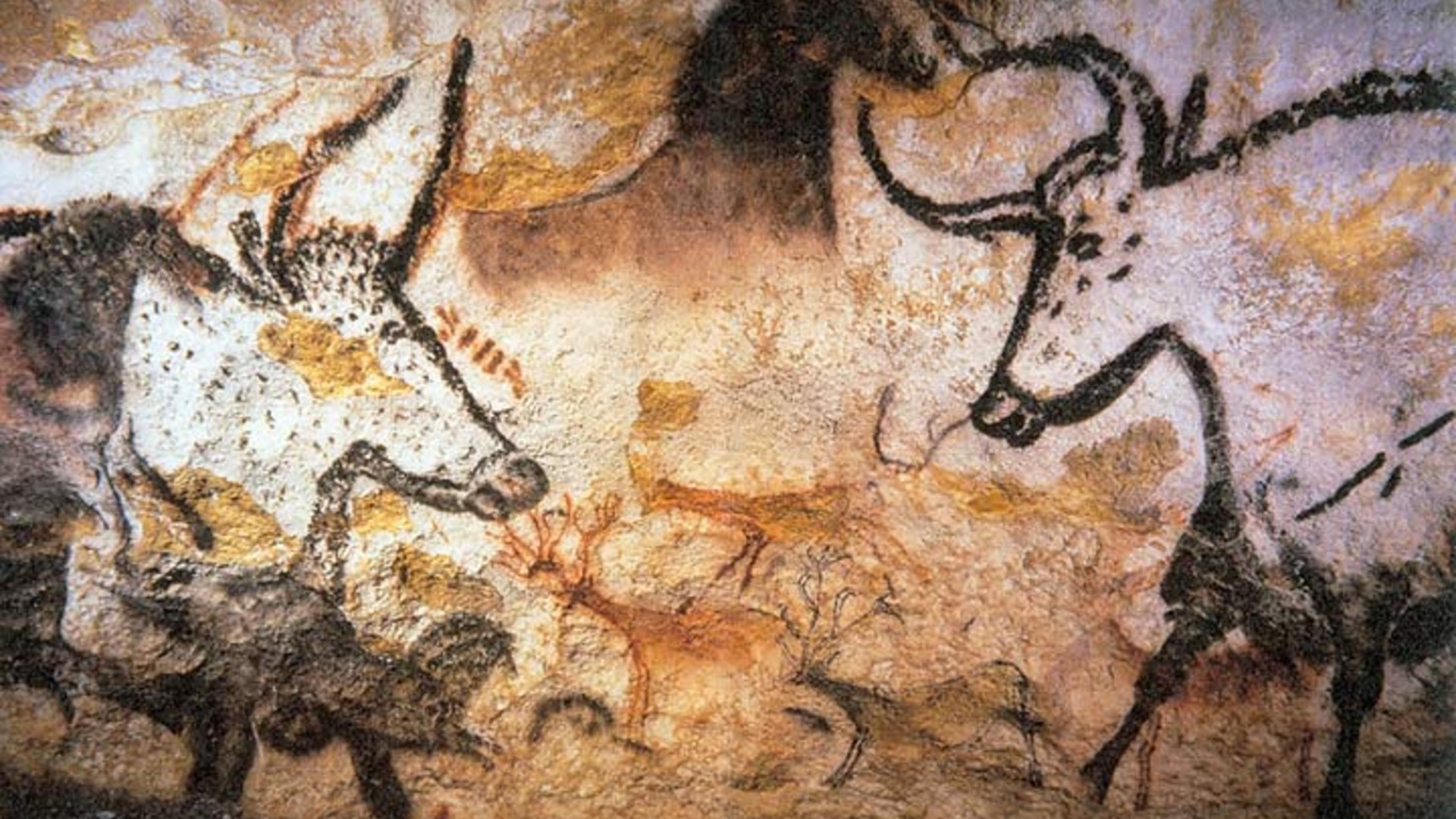
2. The Lascaux Cave Paintings (1940) - AdvertisementSwipe or tap ▶ to continue countdown

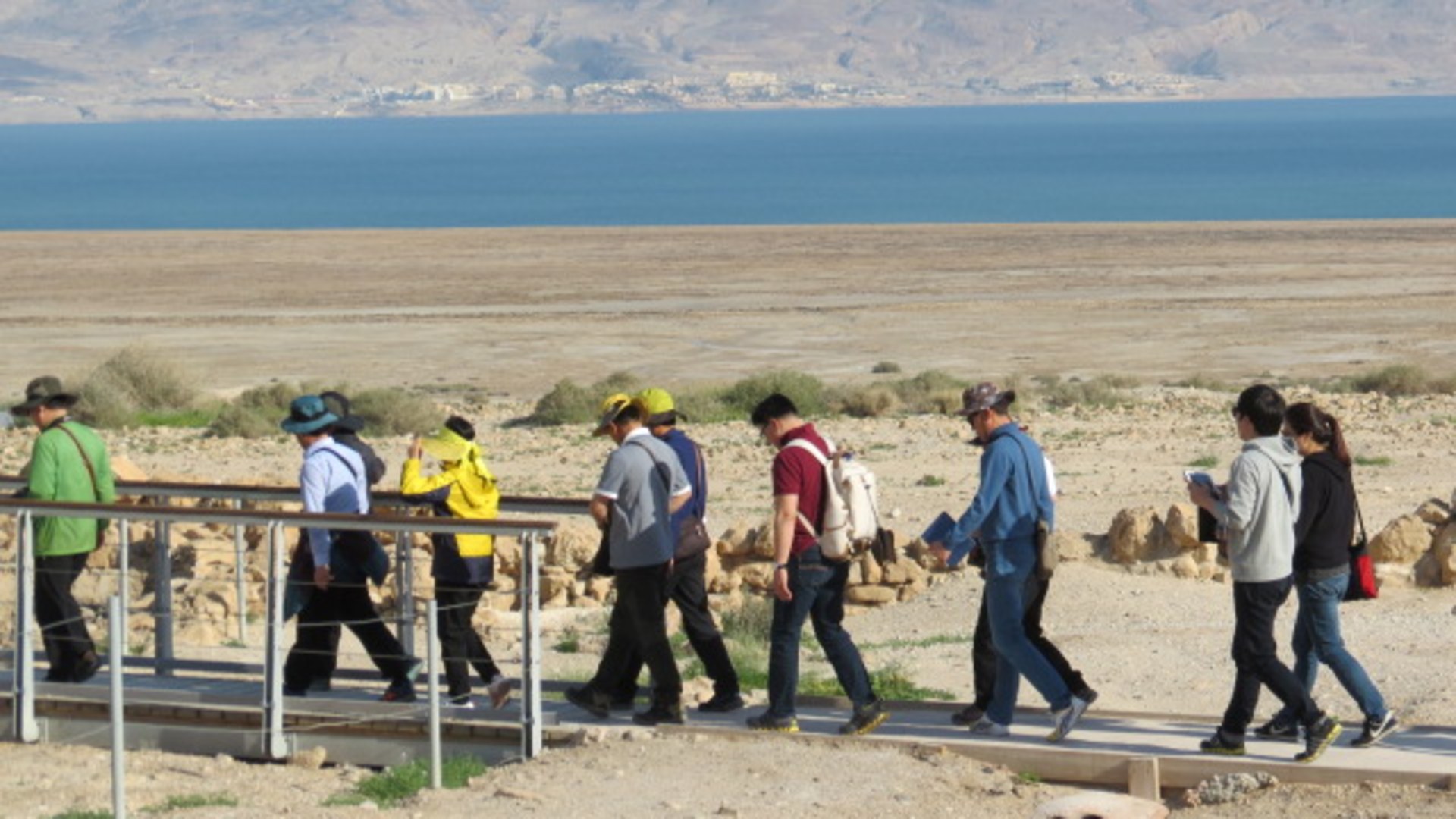
1. The Dead Sea Scrolls (1947) - Advertisement🔥 UP NEXT IN THIS SERIES◫ 23 Slides

22 Most Secret World War II Aircraft Tested Behind Closed Doors
Between 1939 and 1945, Allied and Axis engineers built jets, flying wings and rocket interceptors in deep wartime secrecy. Ranked from 22 to 1 by historical secrecy and technical leap, this countdown draws on archival records from the Smithsonian, U.S. Air Force Museum, RAF Museum and German Federal Archives.
You do not always need a doctorate or a billion-dollar laboratory to rewrite history. Curious kids and teenagers looking for lost goats, digging in coastal cliffs, or tinkering in family garages have uncovered some of the greatest treasures and breakthroughs on Earth.
Swipe or tap ▶ to begin the countdown
©Wikimedia / Trampoline club du Dauphiné & Ethan Long
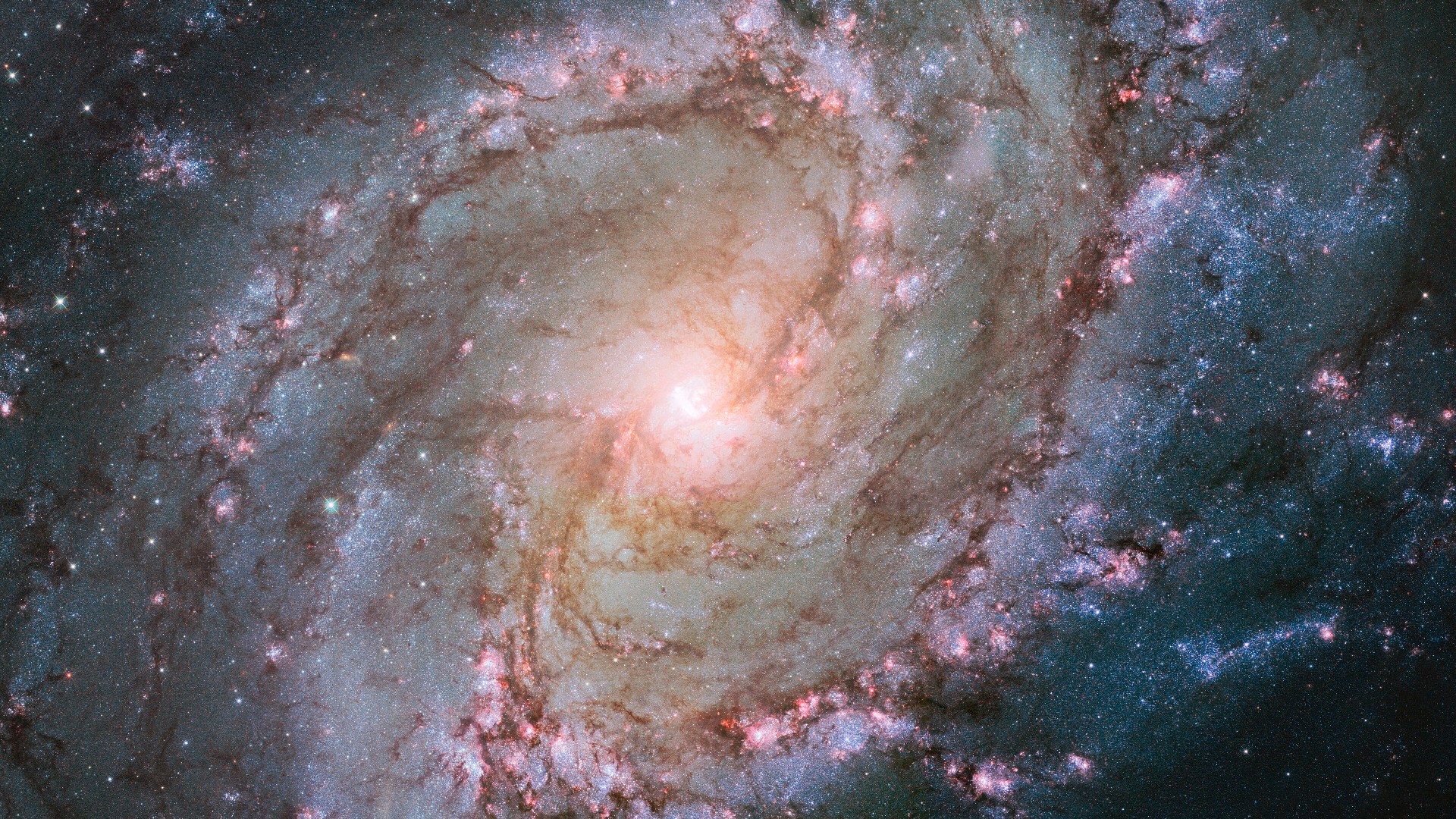
20. Supernova SN 2010lt (2011)
Sitting with her amateur astronomer father in New Brunswick, Canada, Kathryn compared fresh telescope images against older star charts on a computer screen. The bright point of light she flagged was an exploding white dwarf star located 240 million light-years away.
©Wikimedia / NASA, ESA
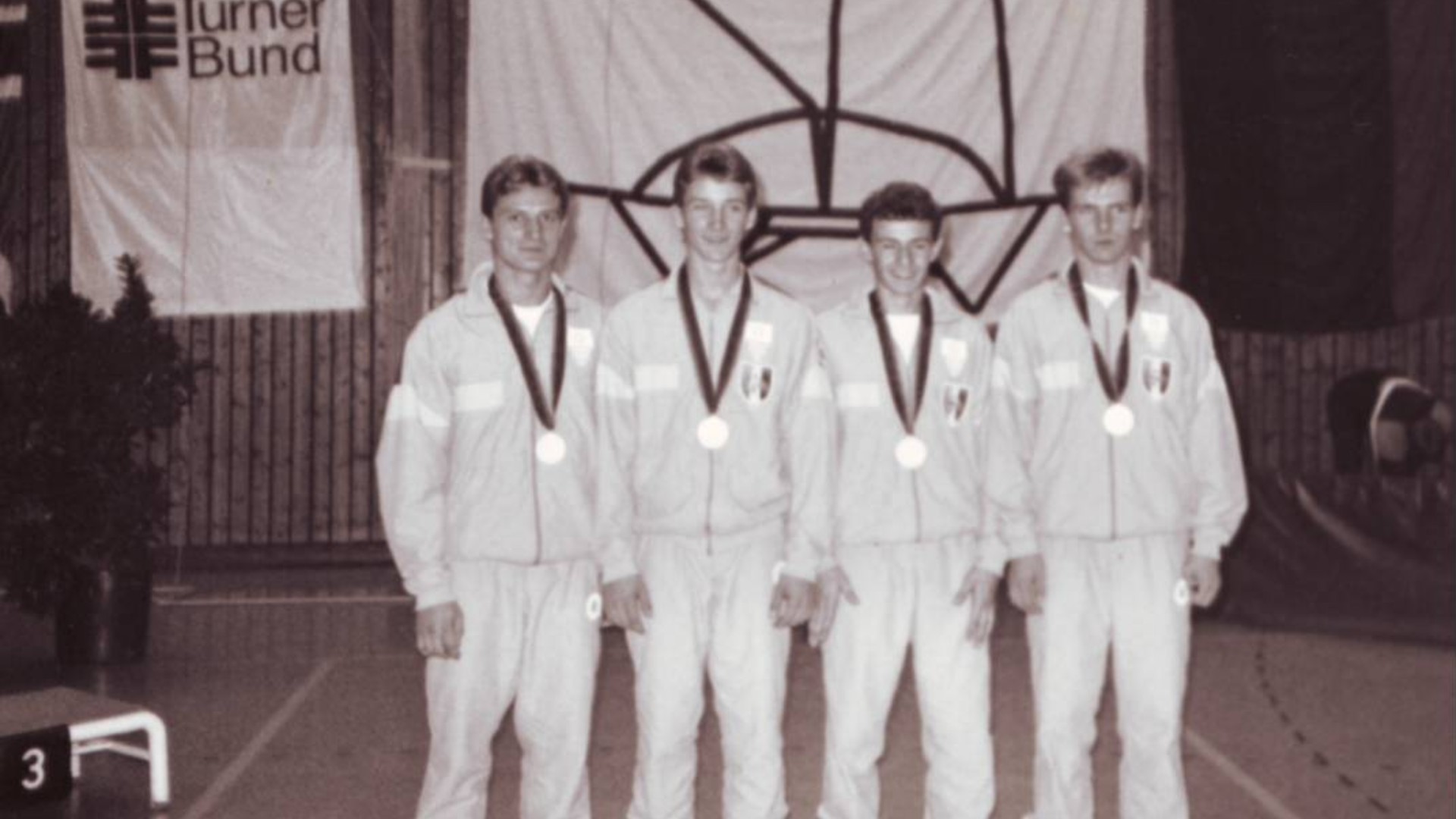
19. The Trampoline (1930)
Working in his parents' Cedar Rapids garage with his tumbling coach, the Iowa teen replaced stiff straps with coiled steel springs to create a true rebounding rig. Nissen named the invention after the Spanish word trampolin and turned rebounding into an Olympic sport.
©Wikimedia / Trampoline club du Dauphiné
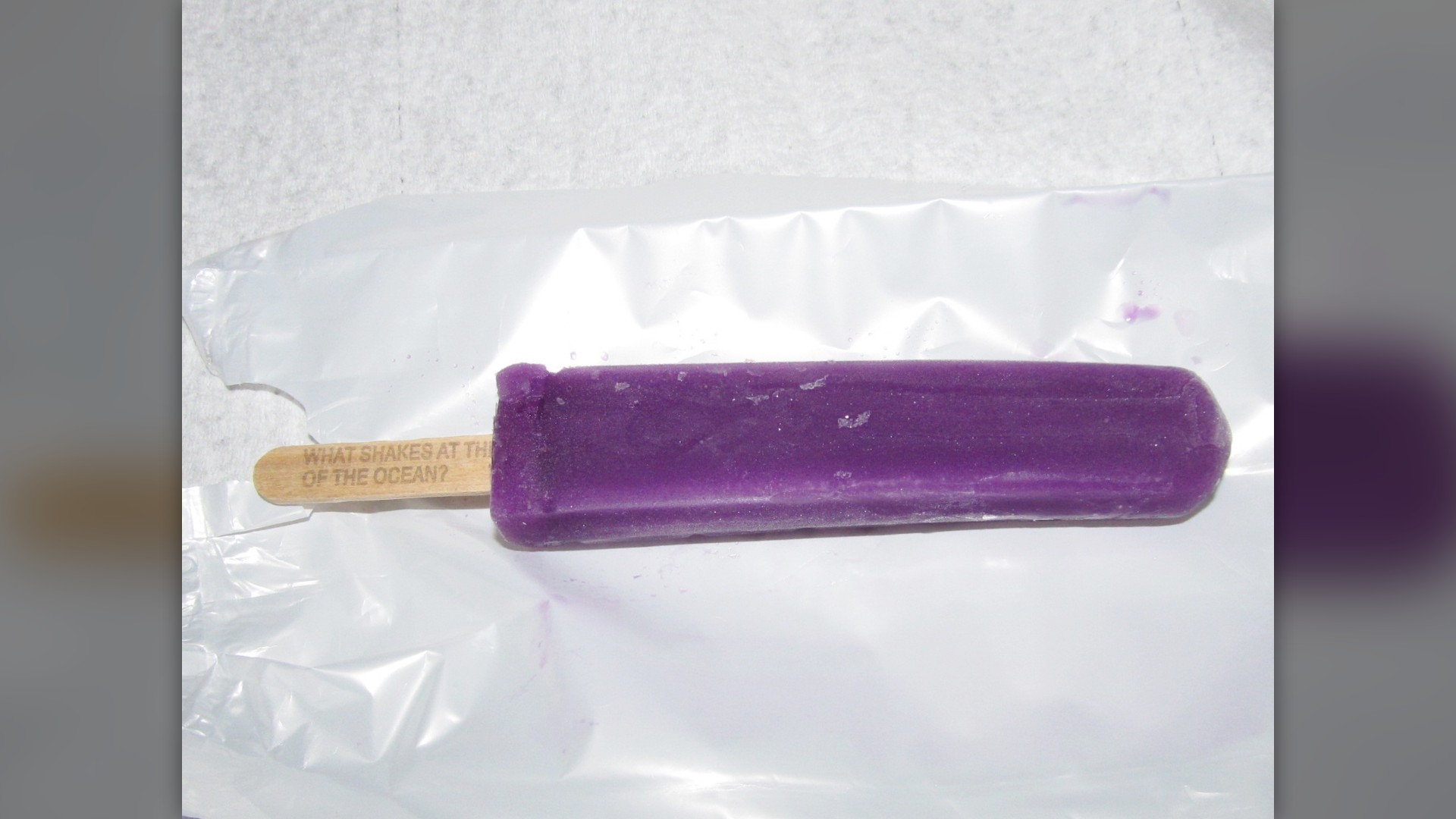
18. The Popsicle (1905)
The next morning in San Francisco, the boy pulled the frozen fruit block out of the glass by its wooden handle and shared the treat with school friends. He later patented the confection as the Epsicle before his own children renamed it the Popsicle.
©Wikimedia / Willis Lam
Advertisement
Swipe or tap ▶ to resume the countdown.
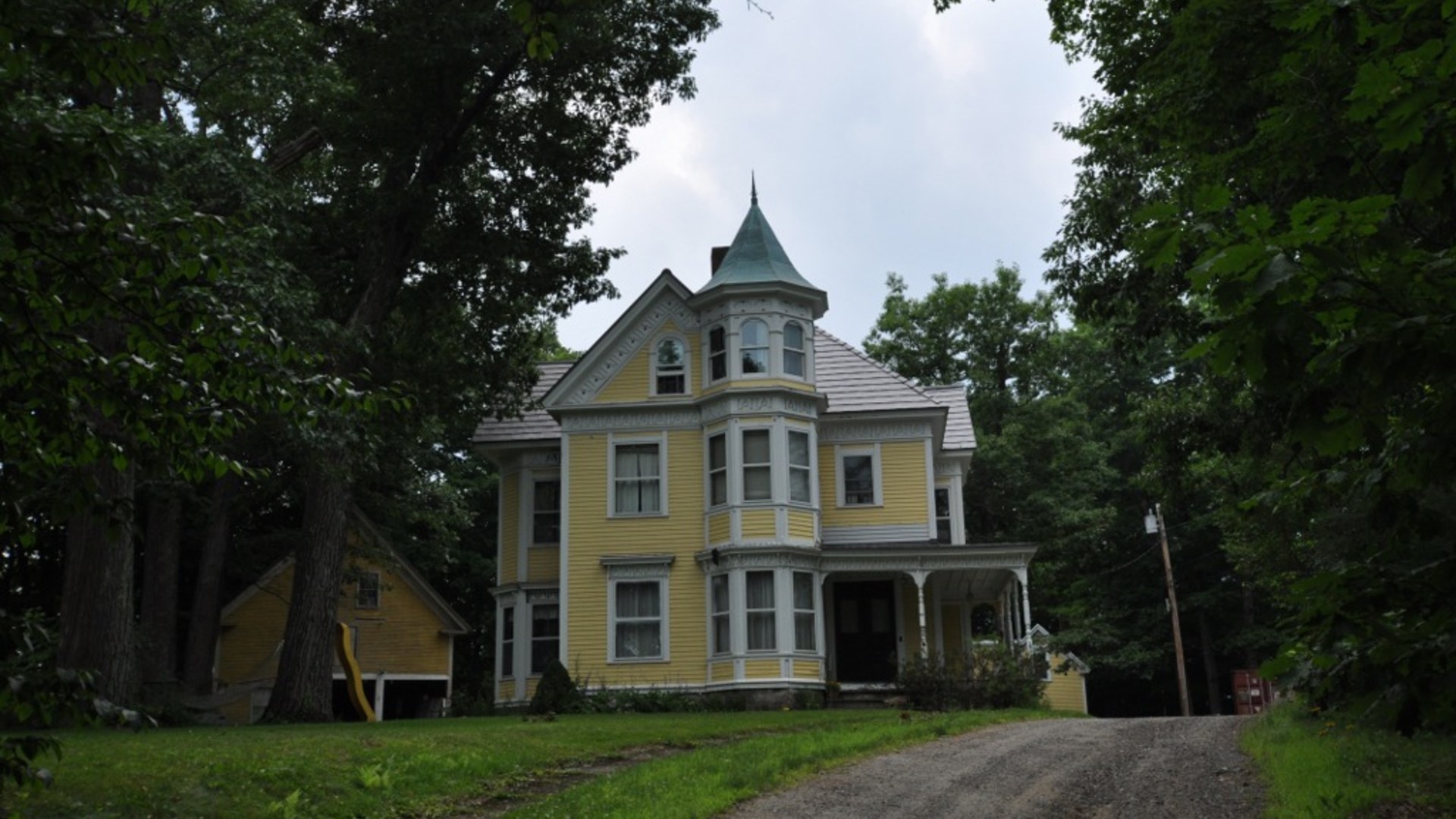
17. Modern Earmuffs (1873)
Allergic to wool scarves in bitterly cold Farmington winters, Greenwood patented his hinged Champion Ear Protectors at age 19. His hometown factory soon supplied hundreds of thousands of earmuffs to soldiers during World War I and made Farmington the Earmuff Capital.
©Wikimedia / Magicpiano
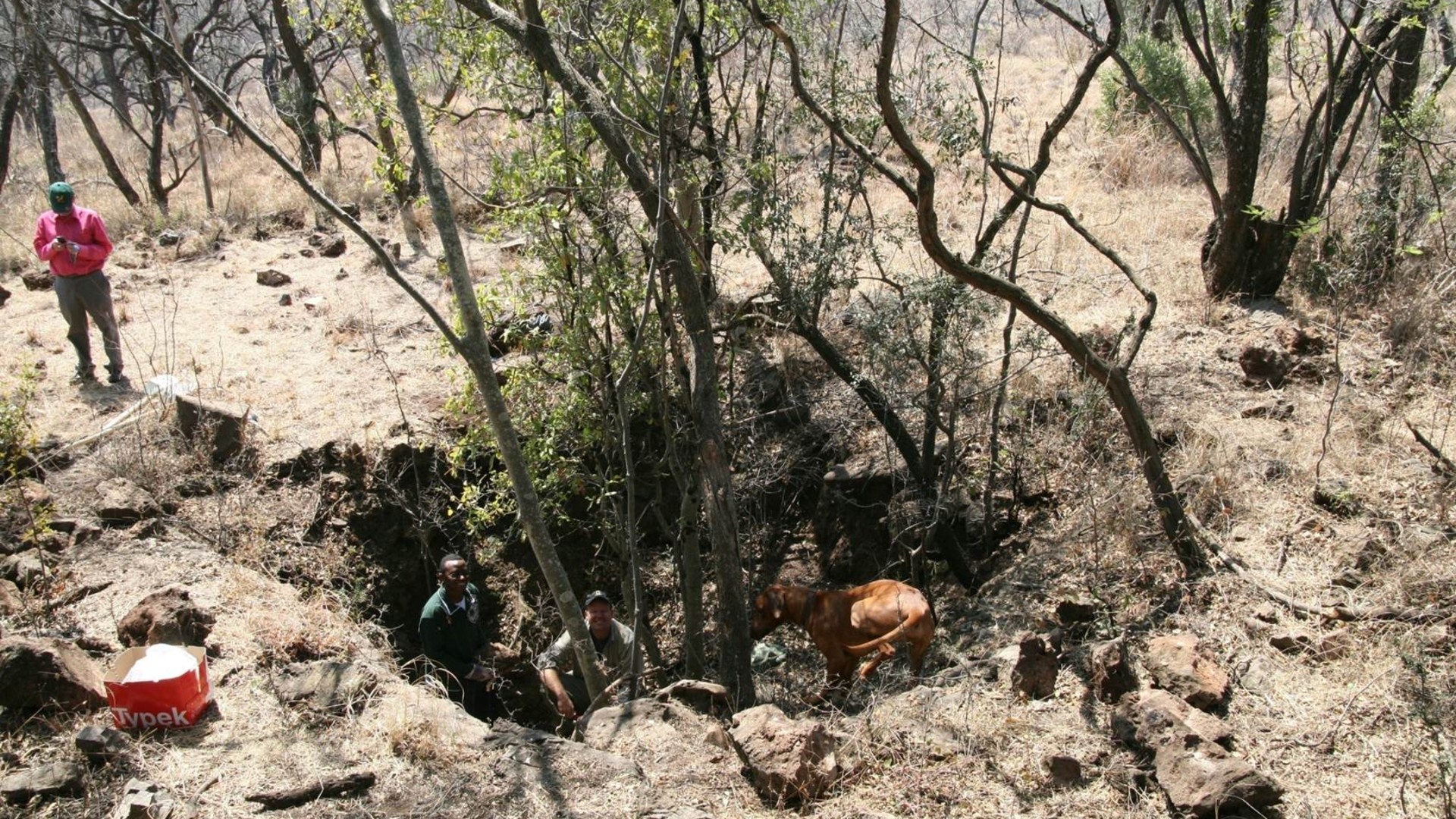
16. Australopithecus Sediba (2008)
Chasing his dog Tau near the Malapa fossil site, Matthew called over his paleoecologist father Lee Berger to inspect the rock. The find revealed Australopithecus sediba, a nearly two-million-year-old hominin species bridging ancient apes and early humans.
©Wikimedia / Profberger
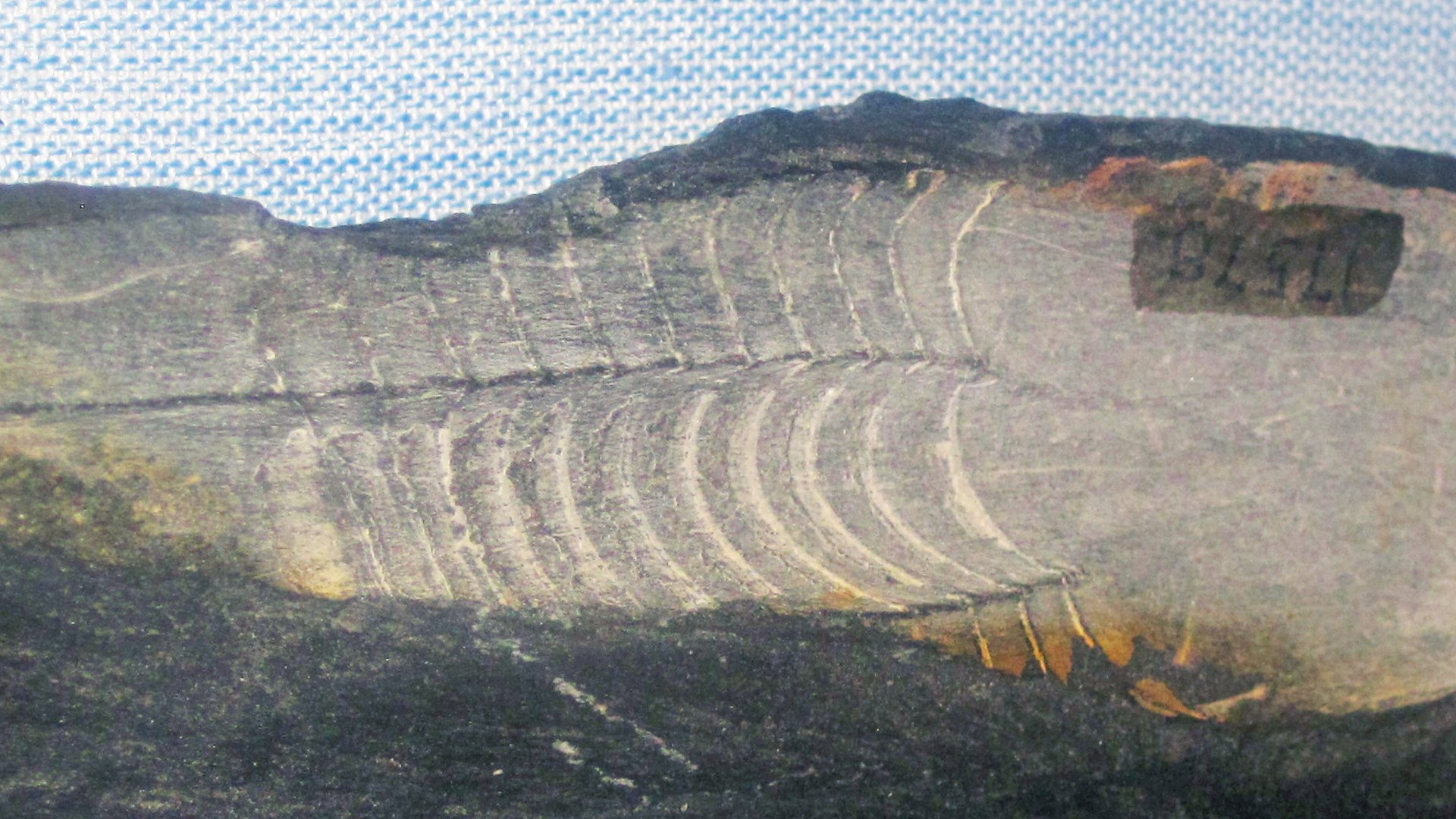
15. The 475-Million-Year-Old Trilobite (2014)
Geologists at the University of Tennessee confirmed the rock held a 475-million-year-old marine arthropod from the Paleozoic Era. Finding a complete trilobite rather than shed shell fragments is exceptionally rare and helped researchers map ancient Appalachian seabeds.
©Wikimedia / James St. John
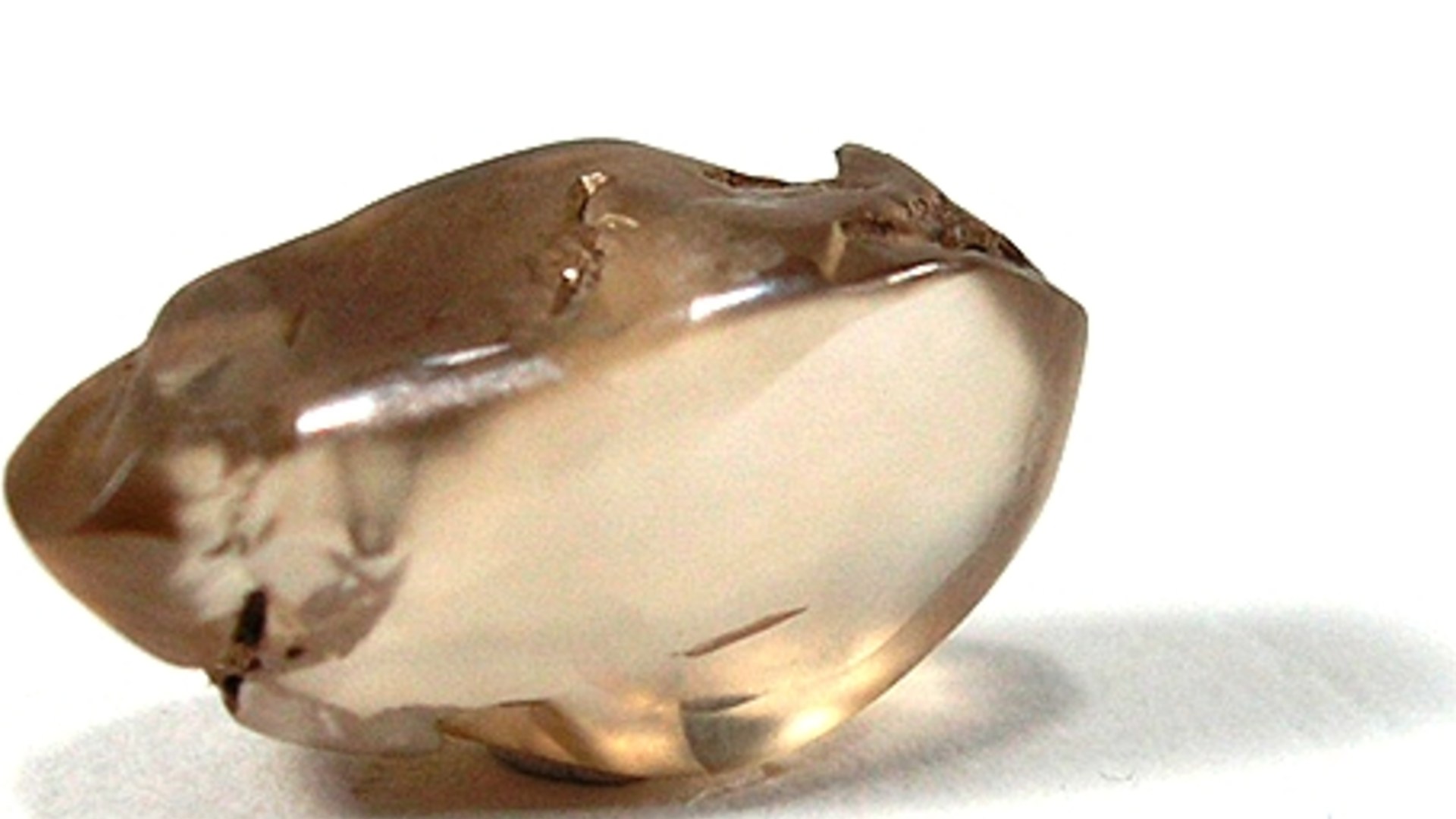
14. The 3.2-Carat Arkansas Diamond (2015)
Resting right next to a small creek after heavy rain, the pinto-bean-sized gem caught the teenager's eye with its metallic luster. Because the Arkansas park operates under a finders-keepers policy, Kalel got to take home the seventh-largest brown diamond found there.
©Wikimedia / Robert M. Lavinsky
Advertisement
Swipe or tap ▶ to resume the countdown.
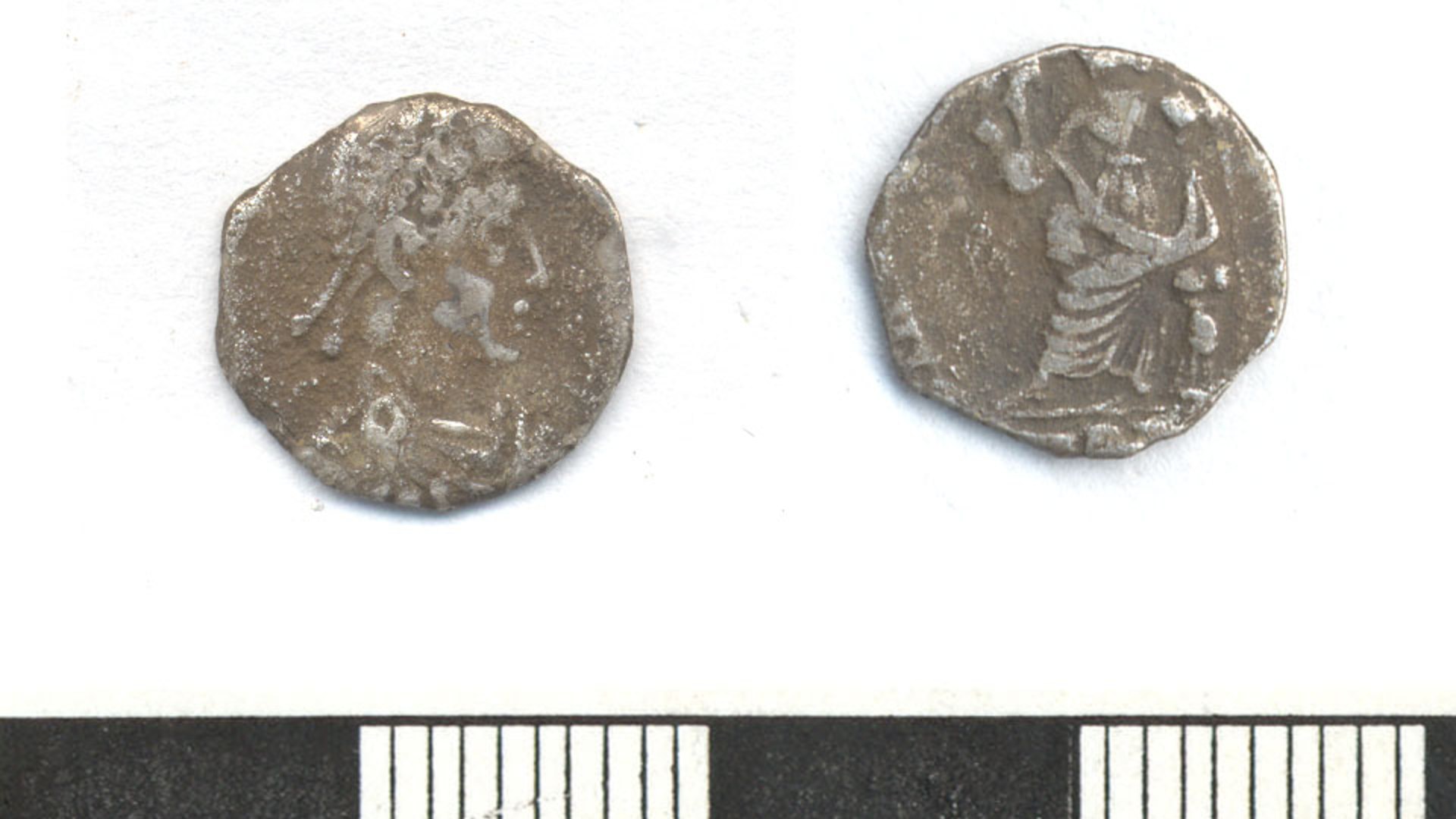
13. The Hoxne Hoard (1992)
Rather than prying the treasure out with a shovel, the finders halted digging immediately and called local archaeologists in Suffolk. That textbook decision preserved the fourth-century Roman hoard intact in its soil block, making it the largest Roman treasure found in Britain.
©Wikimedia / British Museum
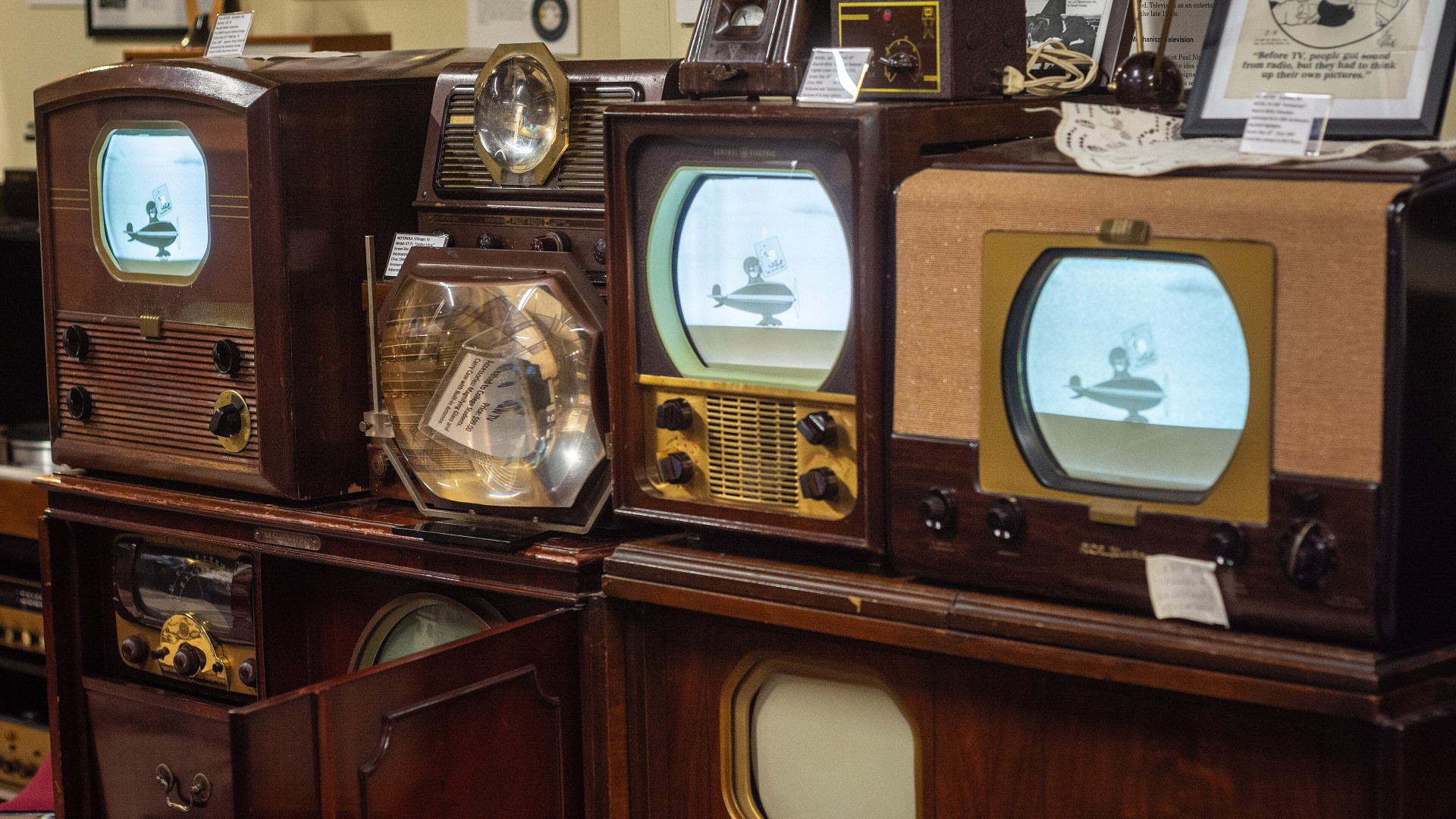
12. Electronic Television (1922)
Mechanical spinning-disk televisions were too slow to create sharp pictures, so the Idaho farm boy envisioned scanning light back and forth with a beam of electrons just like furrows in soil. He sketched the image dissector tube on his high school chalkboard at age 15.
©Wikimedia / Ethan Long
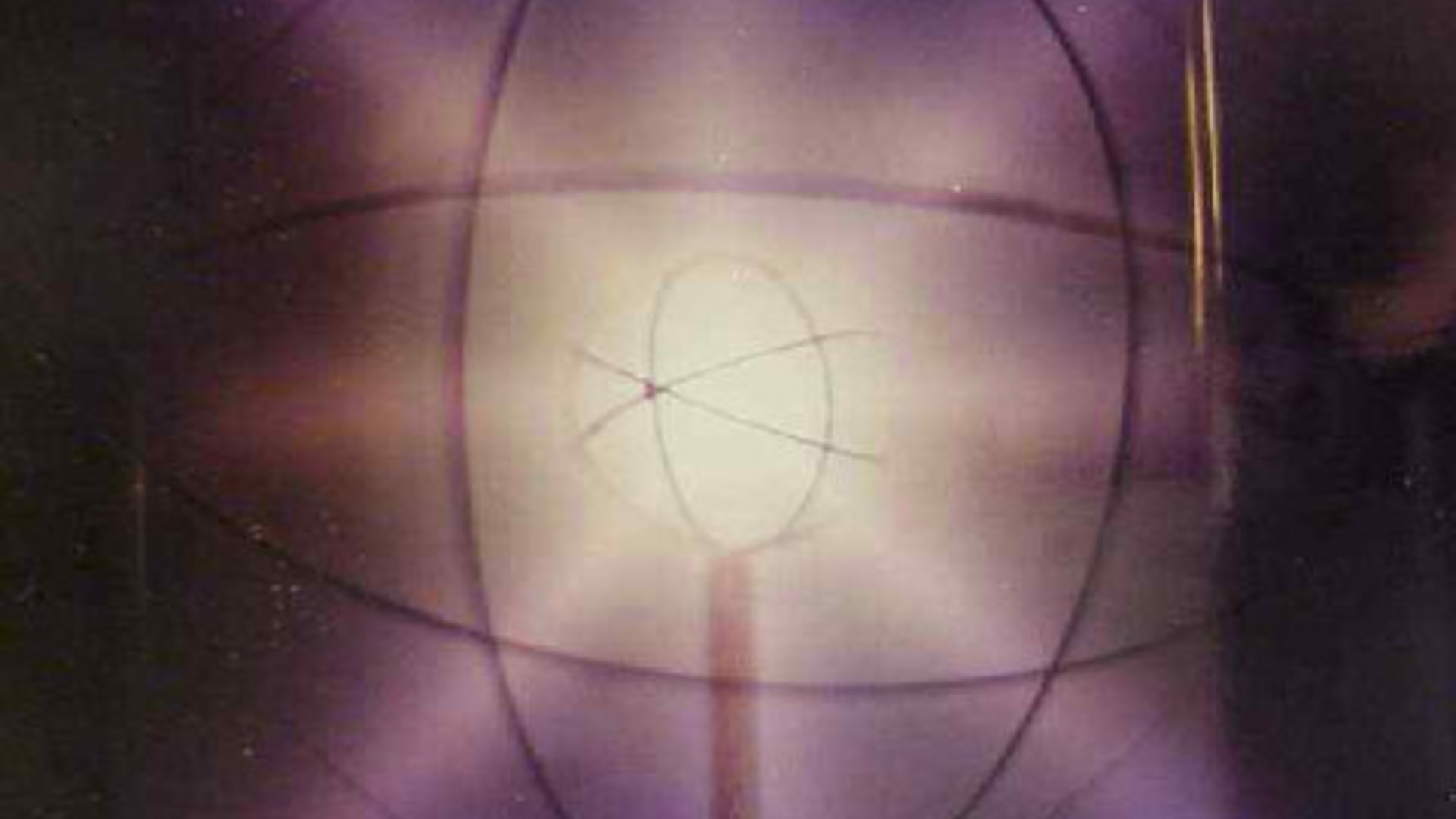
11. Nuclear Fusion In A Garage (2008)
Obsessed with nuclear physics since age 10, Wilson built an inertial electrostatic confinement fusor that smashed deuterium atoms together at millions of degrees. He became the youngest person in history to achieve nuclear fusion and later designed radiation detectors.
©Wikimedia / Maury Markowitz
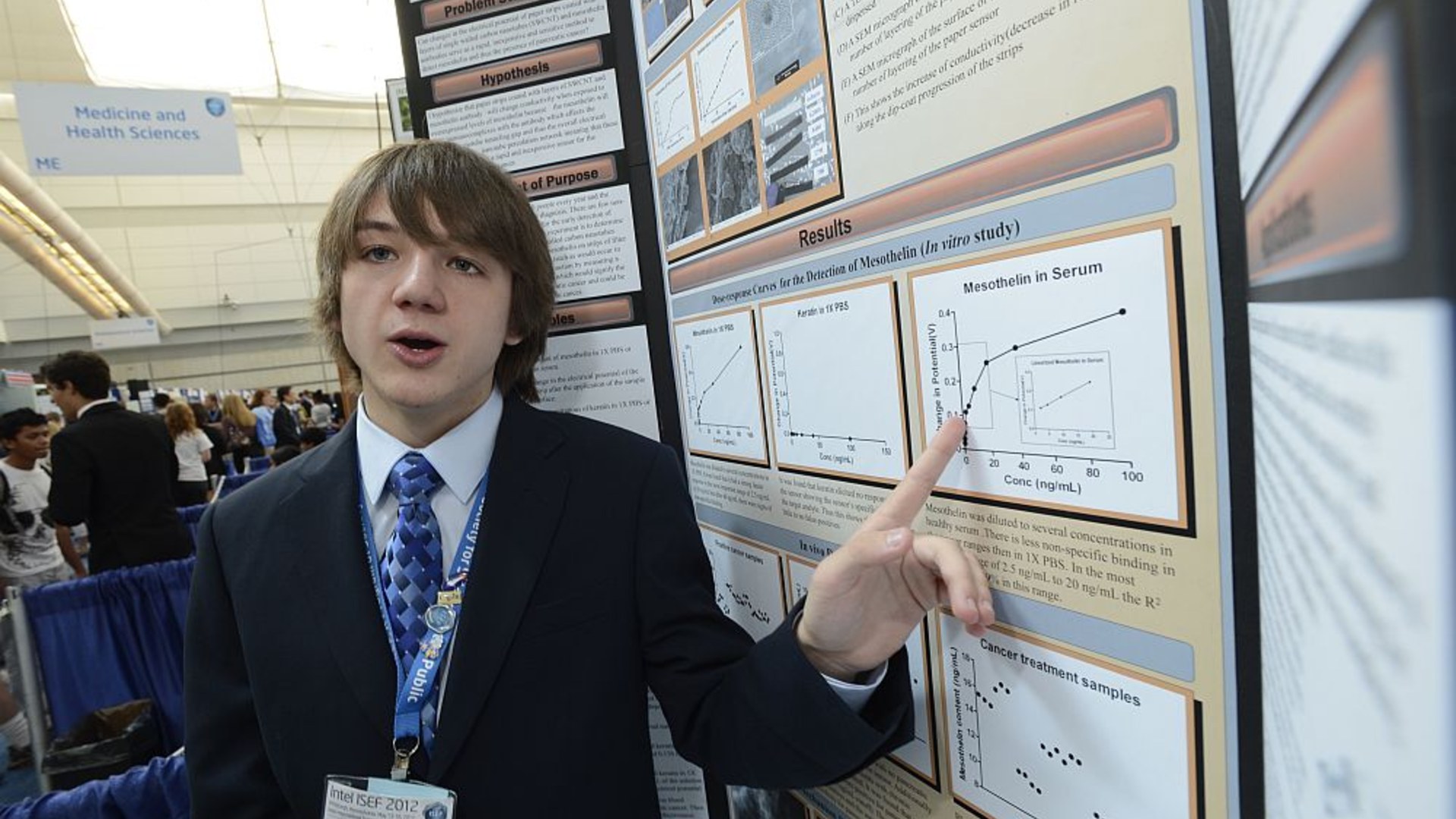
10. Early Pancreatic Cancer Test (2012)
After losing a close family friend to pancreatic cancer, the Maryland high schooler wrote to 200 researchers until Johns Hopkins University gave him lab space. His paper-strip prototype detected mesothelin biomarkers in minutes for pennies per test, winning top honours at ISEF.
©Wikimedia / Intel Free Press
Advertisement
Swipe or tap ▶ to resume the countdown.
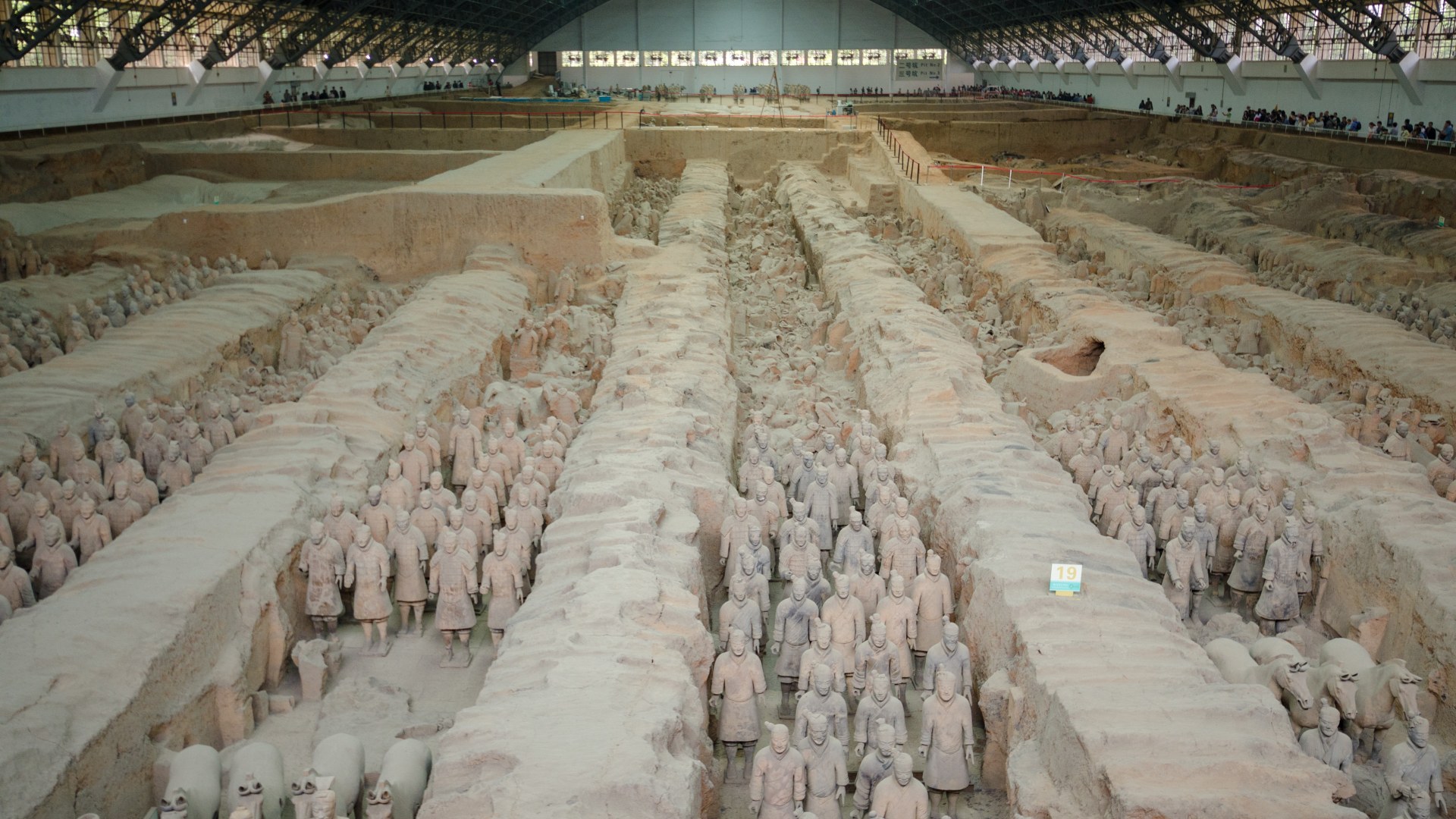
9. The Terracotta Army (1974)
Yang Zhifa and his young neighbors expected to hit water five meters down, but instead uncovered a subterranean necropolis built for China's first emperor, Qin Shi Huang. Excavations eventually revealed over 8,000 life-sized terracotta soldiers, horses, and chariots.
©Wikimedia / Terracotta Army
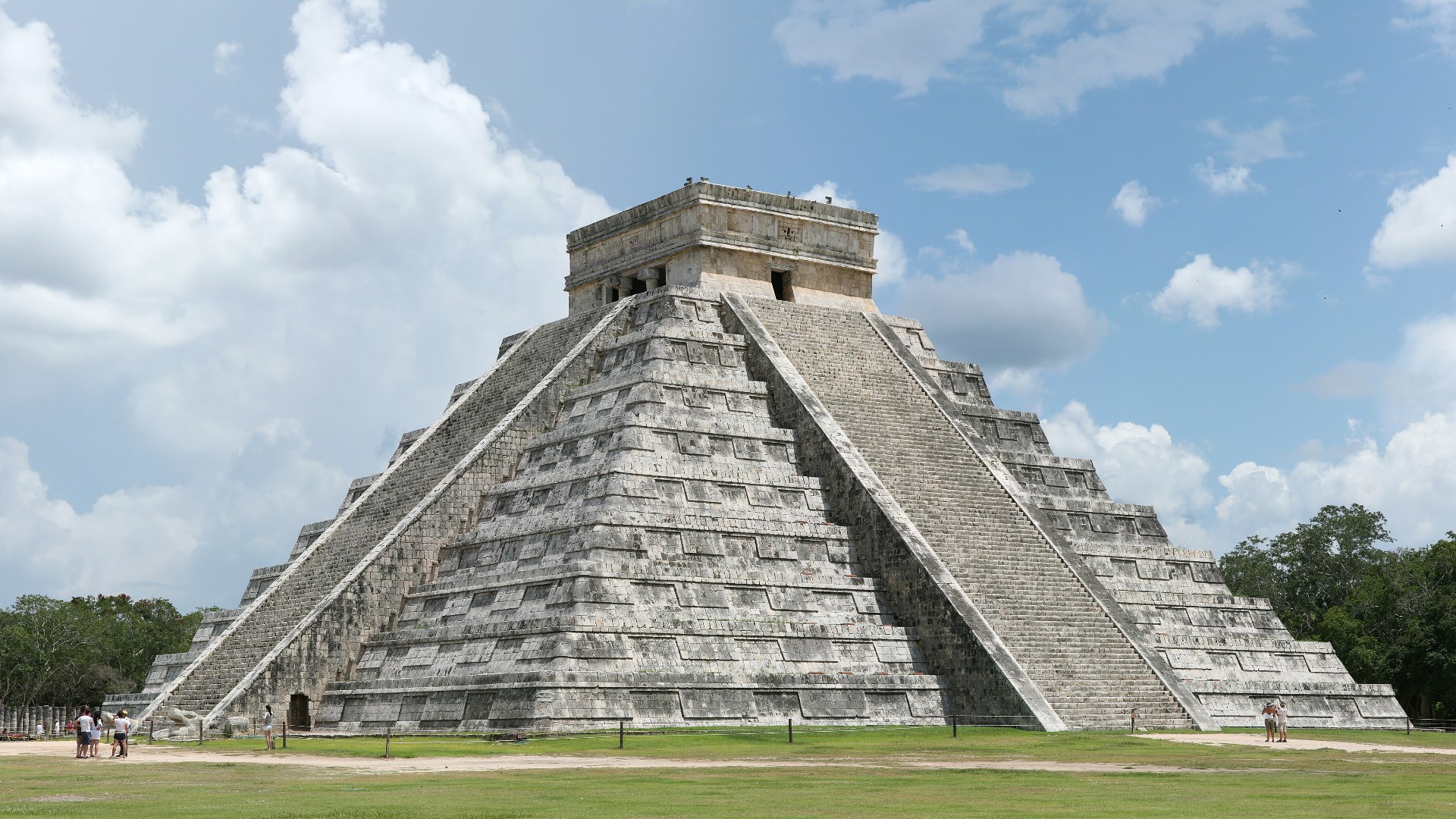
8. A New Mayan City (2016)
Working from his bedroom in Quebec, the Canadian teen noticed that major Mayan cities lined up with constellations in the Madrid Codex. When a missing star pointed to an unexplored stretch of Mexican jungle, space agency radar images revealed man-made features beneath the canopy.
©Wikimedia / Daniel Schwen
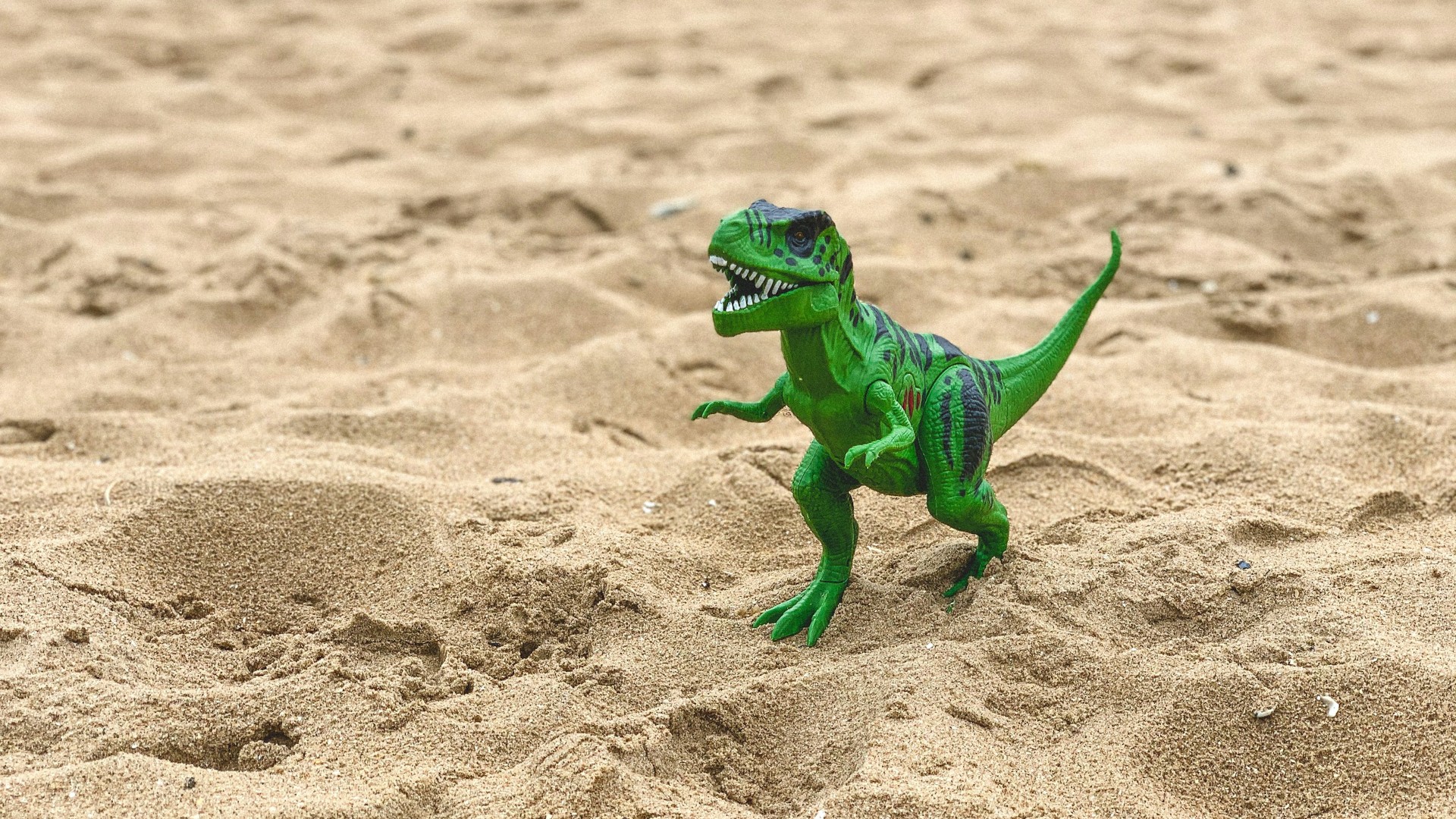
7. The Baby Tyrannosaur (1998)
While paleontologists worked nearby, the first-grader wandered off and found the fossilized jawbone of a juvenile Tyrannosaurus rex. The specimen helped scientists study how the apex predator grew from a slender, fast hunter into a bone-crushing giant.
© Photo by Hannah Pemberton on Unsplash
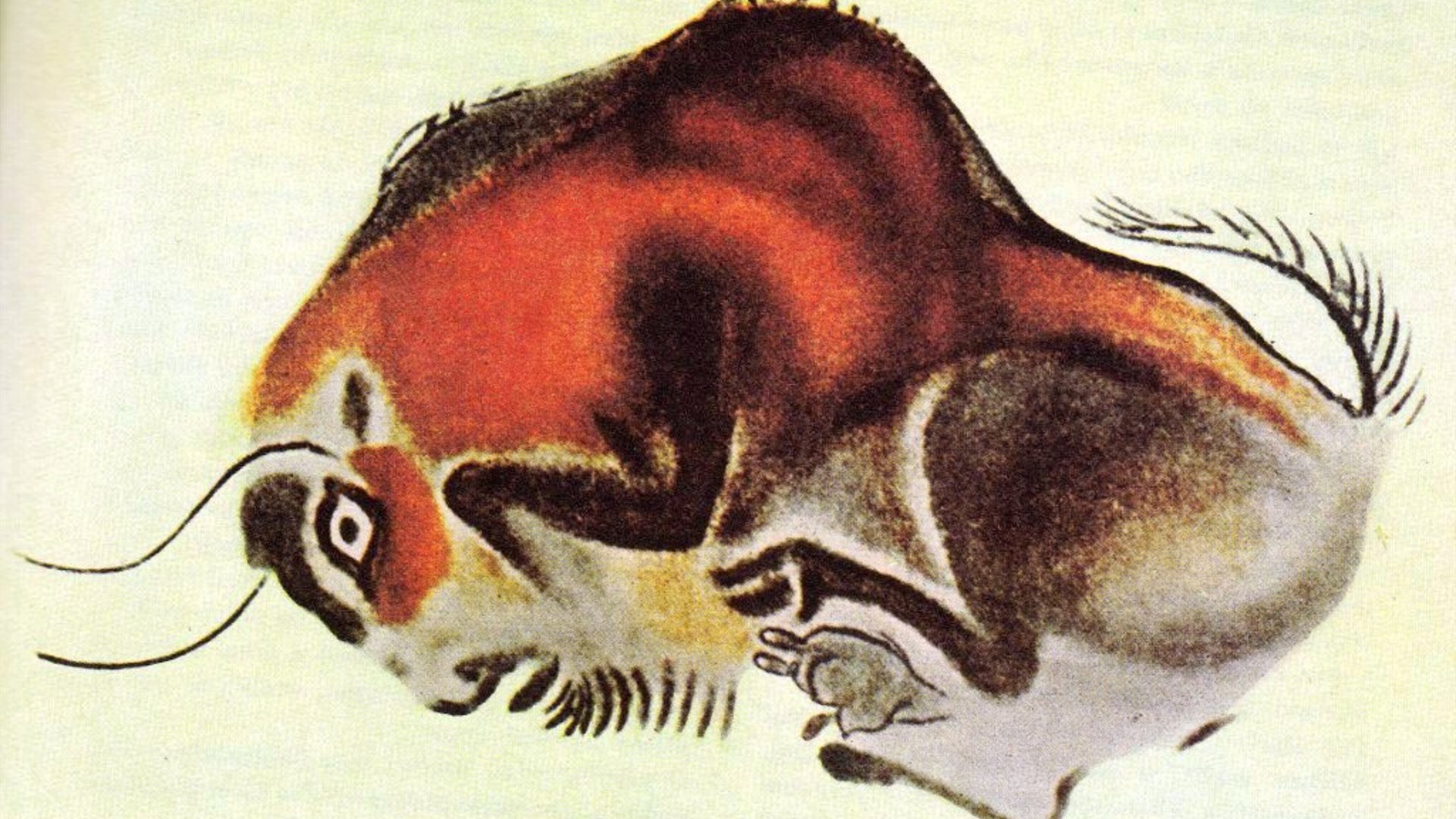
6. The Altamira Cave Paintings (1879)
While her archaeologist father searched the floor of Altamira Cave for flint tools, young Maria wandered into a side chamber with a lantern. She became the first modern human to lay eyes on Paleolithic cave art, though experts doubted their authenticity for decades.
©Wikimedia / Altamira
Advertisement
Swipe or tap ▶ to resume the countdown.
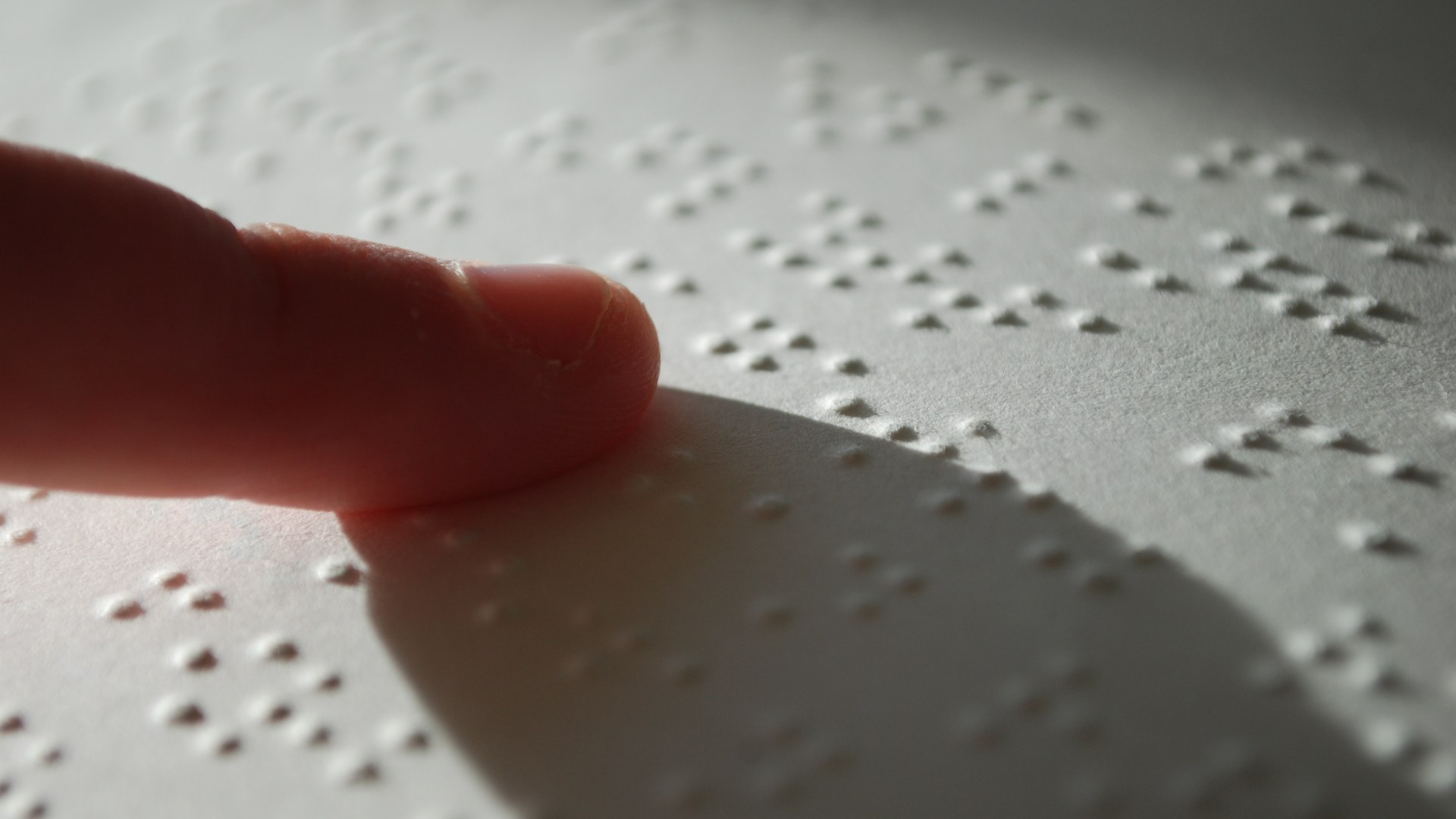
5. Braille (1824)
Frustrated by a clumsy 12-dot military night-writing system, the French teen simplified each letter into a compact six-dot cell that a single fingertip could read instantly. Two centuries later, Braille remains the universal standard for blind literacy across the globe.
©Wikimedia / Braille
4. The First Ichthyosaur Skeleton (1811)
Joseph spotted the four-foot skull along Lyme Regis and 12-year-old Mary spent months painstakingly excavating the full skeleton. The first complete ichthyosaur known to science forced 19th-century scholars to confront extinction and launched modern paleontology.
©Wikimedia / Everard Home
3. Deciphering The Rosetta Stone (1800s)
A linguistic prodigy, Champollion mastered Coptic, Arabic, Hebrew, and Sanskrit during his teenage years. By age 16 he was already presenting papers on ancient Egypt, laying the essential groundwork for his 1822 breakthrough that finally unlocked Egyptian hieroglyphs.
©Wikimedia / Gary Todd
2. The Lascaux Cave Paintings (1940)
Marcel Ravidat, Jacques Marsal, Georges Agnel, and Simon Coencas followed Ravidat's dog Robot into a hidden cavern in southwestern France. Their flashlights revealed hundreds of vivid prehistoric horses, stags, and bulls painted across the stone walls, proving early humans were master artists.
©Wikimedia / Lascaux
Advertisement
Swipe or tap ▶ to resume the countdown.
1. The Dead Sea Scrolls (1947)
Inside the shattered clay vessels lay the Dead Sea Scrolls, millennia-old Jewish religious manuscripts hidden in the Qumran caves. The teenager's accidental discovery remains the most important archaeological find of the 20th century, transforming our view of biblical history.
©Wikimedia / Hoshvilim
Advertisement
You've reached the end of the story. Thanks for reading!

22 Most Secret World War II Aircraft Tested Behind Closed Doors
Between 1939 and 1945, Allied and Axis engineers built jets, flying wings and rocket interceptors in deep wartime secrecy. Ranked from 22 to 1 by historical secrecy and technical leap, this countdown draws on archival records from the Smithsonian, U.S. Air Force Museum, RAF Museum and German Federal Archives.
All 20 Entries in this Story
20. Supernova SN 2010lt (2011)
Sitting with her amateur astronomer father in New Brunswick, Canada, Kathryn compared fresh telescope images against older star charts on a computer screen. The bright point of light she flagged was an exploding white dwarf star located 240 million light-years away.

19. The Trampoline (1930)
Working in his parents' Cedar Rapids garage with his tumbling coach, the Iowa teen replaced stiff straps with coiled steel springs to create a true rebounding rig. Nissen named the invention after the Spanish word trampolin and turned rebounding into an Olympic sport.

18. The Popsicle (1905)
The next morning in San Francisco, the boy pulled the frozen fruit block out of the glass by its wooden handle and shared the treat with school friends. He later patented the confection as the Epsicle before his own children renamed it the Popsicle.

17. Modern Earmuffs (1873)
Allergic to wool scarves in bitterly cold Farmington winters, Greenwood patented his hinged Champion Ear Protectors at age 19. His hometown factory soon supplied hundreds of thousands of earmuffs to soldiers during World War I and made Farmington the Earmuff Capital.

16. Australopithecus Sediba (2008)
Chasing his dog Tau near the Malapa fossil site, Matthew called over his paleoecologist father Lee Berger to inspect the rock. The find revealed Australopithecus sediba, a nearly two-million-year-old hominin species bridging ancient apes and early humans.

15. The 475-Million-Year-Old Trilobite (2014)
Geologists at the University of Tennessee confirmed the rock held a 475-million-year-old marine arthropod from the Paleozoic Era. Finding a complete trilobite rather than shed shell fragments is exceptionally rare and helped researchers map ancient Appalachian seabeds.

14. The 3.2-Carat Arkansas Diamond (2015)
Resting right next to a small creek after heavy rain, the pinto-bean-sized gem caught the teenager's eye with its metallic luster. Because the Arkansas park operates under a finders-keepers policy, Kalel got to take home the seventh-largest brown diamond found there.

13. The Hoxne Hoard (1992)
Rather than prying the treasure out with a shovel, the finders halted digging immediately and called local archaeologists in Suffolk. That textbook decision preserved the fourth-century Roman hoard intact in its soil block, making it the largest Roman treasure found in Britain.

12. Electronic Television (1922)
Mechanical spinning-disk televisions were too slow to create sharp pictures, so the Idaho farm boy envisioned scanning light back and forth with a beam of electrons just like furrows in soil. He sketched the image dissector tube on his high school chalkboard at age 15.

11. Nuclear Fusion In A Garage (2008)
Obsessed with nuclear physics since age 10, Wilson built an inertial electrostatic confinement fusor that smashed deuterium atoms together at millions of degrees. He became the youngest person in history to achieve nuclear fusion and later designed radiation detectors.

10. Early Pancreatic Cancer Test (2012)
After losing a close family friend to pancreatic cancer, the Maryland high schooler wrote to 200 researchers until Johns Hopkins University gave him lab space. His paper-strip prototype detected mesothelin biomarkers in minutes for pennies per test, winning top honours at ISEF.

9. The Terracotta Army (1974)
Yang Zhifa and his young neighbors expected to hit water five meters down, but instead uncovered a subterranean necropolis built for China's first emperor, Qin Shi Huang. Excavations eventually revealed over 8,000 life-sized terracotta soldiers, horses, and chariots.

8. A New Mayan City (2016)
Working from his bedroom in Quebec, the Canadian teen noticed that major Mayan cities lined up with constellations in the Madrid Codex. When a missing star pointed to an unexplored stretch of Mexican jungle, space agency radar images revealed man-made features beneath the canopy.

7. The Baby Tyrannosaur (1998)
While paleontologists worked nearby, the first-grader wandered off and found the fossilized jawbone of a juvenile Tyrannosaurus rex. The specimen helped scientists study how the apex predator grew from a slender, fast hunter into a bone-crushing giant.

6. The Altamira Cave Paintings (1879)
While her archaeologist father searched the floor of Altamira Cave for flint tools, young Maria wandered into a side chamber with a lantern. She became the first modern human to lay eyes on Paleolithic cave art, though experts doubted their authenticity for decades.

5. Braille (1824)
Frustrated by a clumsy 12-dot military night-writing system, the French teen simplified each letter into a compact six-dot cell that a single fingertip could read instantly. Two centuries later, Braille remains the universal standard for blind literacy across the globe.

4. The First Ichthyosaur Skeleton (1811)
Joseph spotted the four-foot skull along Lyme Regis and 12-year-old Mary spent months painstakingly excavating the full skeleton. The first complete ichthyosaur known to science forced 19th-century scholars to confront extinction and launched modern paleontology.

3. Deciphering The Rosetta Stone (1800s)
A linguistic prodigy, Champollion mastered Coptic, Arabic, Hebrew, and Sanskrit during his teenage years. By age 16 he was already presenting papers on ancient Egypt, laying the essential groundwork for his 1822 breakthrough that finally unlocked Egyptian hieroglyphs.

2. The Lascaux Cave Paintings (1940)
Marcel Ravidat, Jacques Marsal, Georges Agnel, and Simon Coencas followed Ravidat's dog Robot into a hidden cavern in southwestern France. Their flashlights revealed hundreds of vivid prehistoric horses, stags, and bulls painted across the stone walls, proving early humans were master artists.

1. The Dead Sea Scrolls (1947)
Inside the shattered clay vessels lay the Dead Sea Scrolls, millennia-old Jewish religious manuscripts hidden in the Qumran caves. The teenager's accidental discovery remains the most important archaeological find of the 20th century, transforming our view of biblical history.