Slideshow · Viral
The Dark Side of Albert Einstein
Beyond the beloved portrait of a gentle, wild-haired eccentric who unlocked the secrets of the cosmos lies a deeply flawed private life. From domestic tyranny and abandoned children to secret prejudic
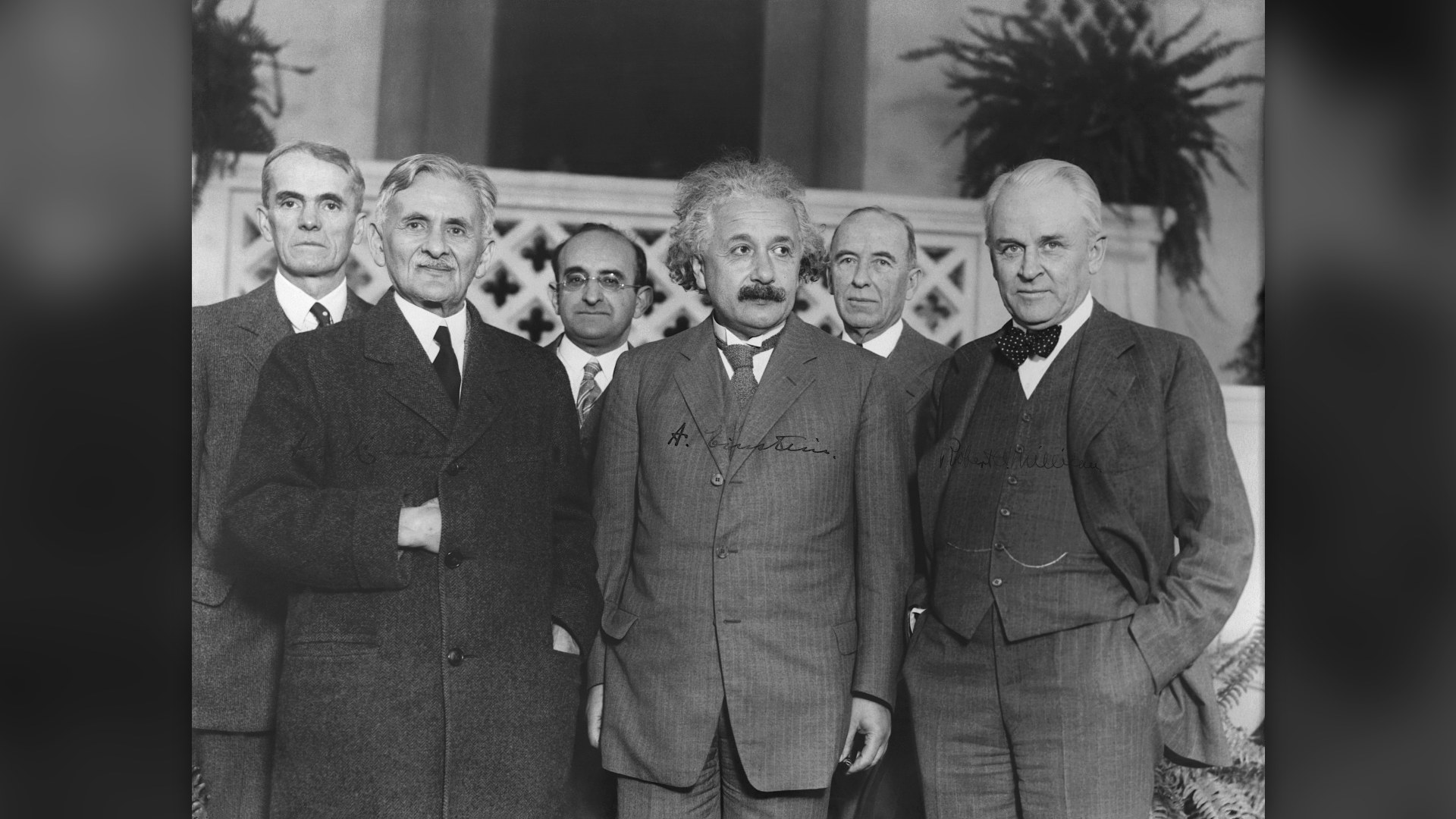
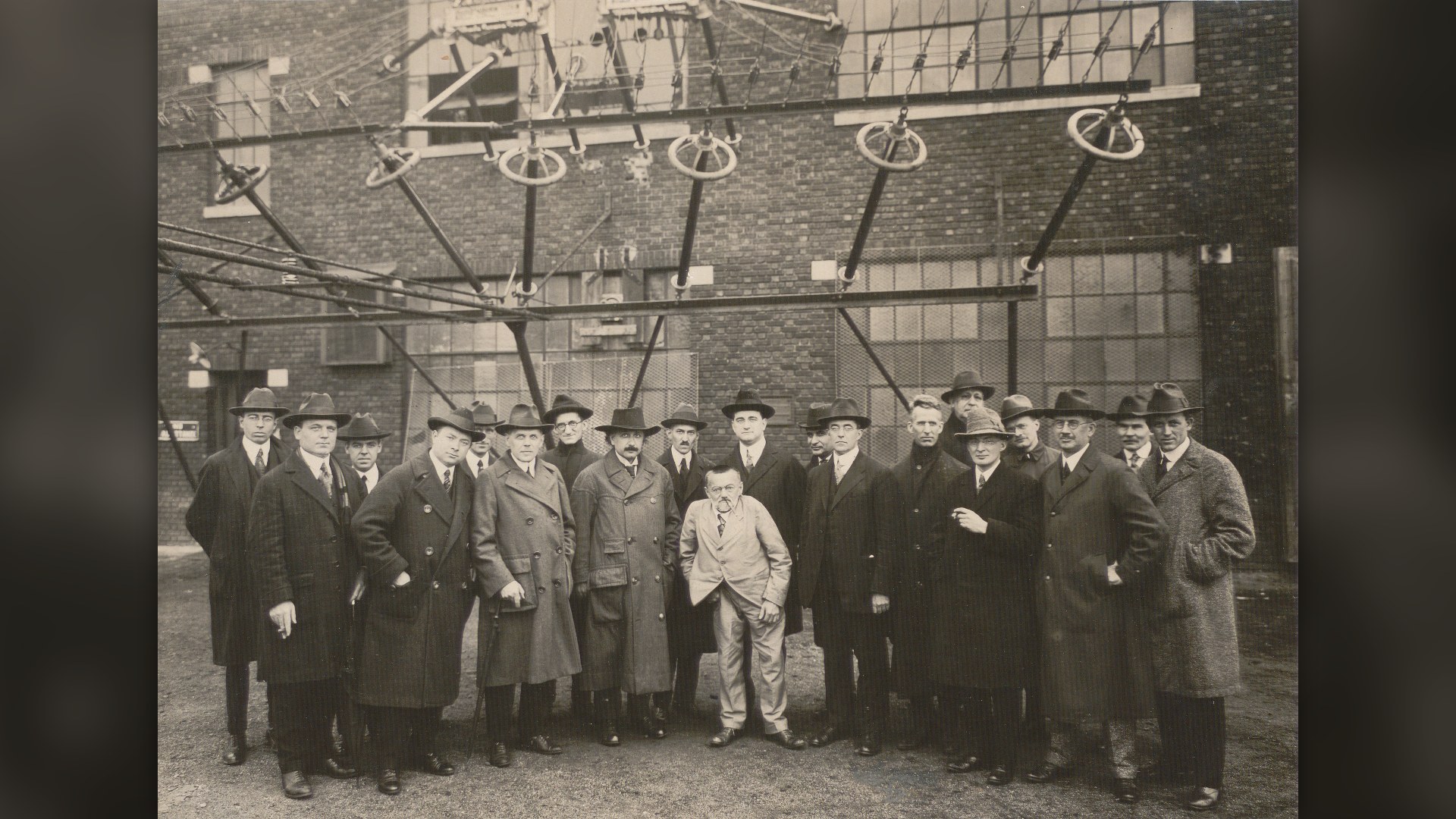
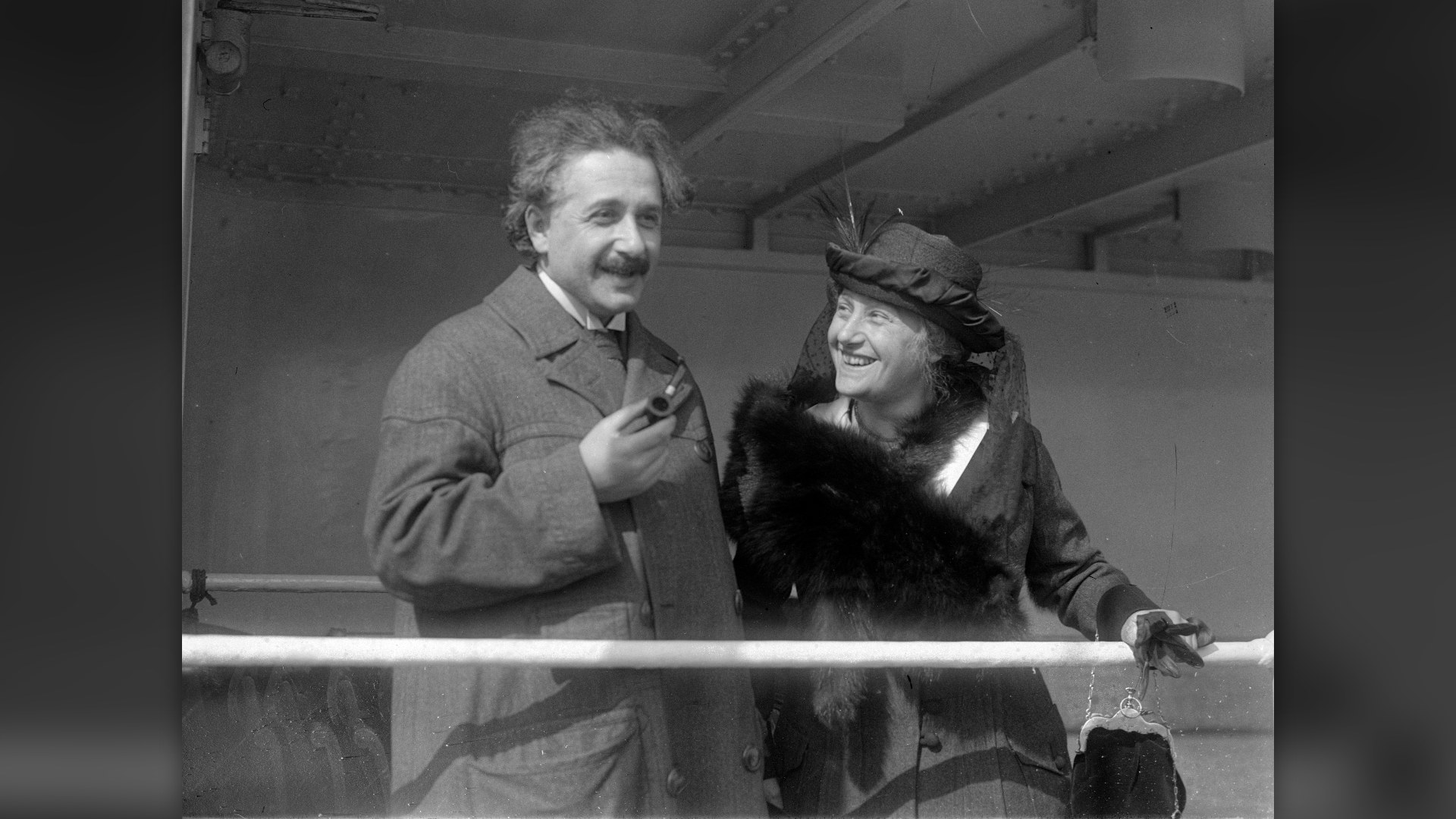
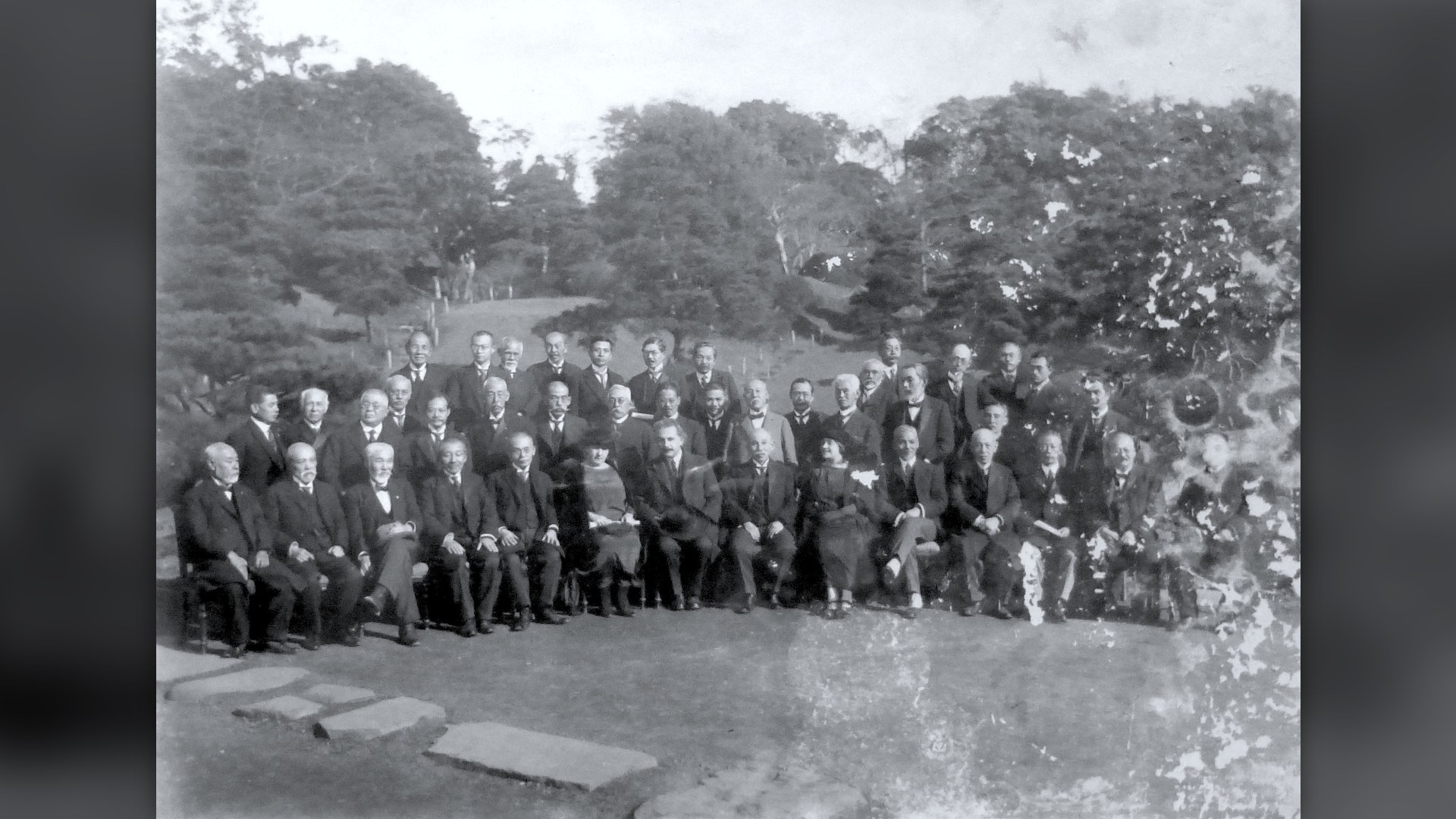
All 18 Entries in this Story
1. 1896: Renouncing German Ties And Family Duty
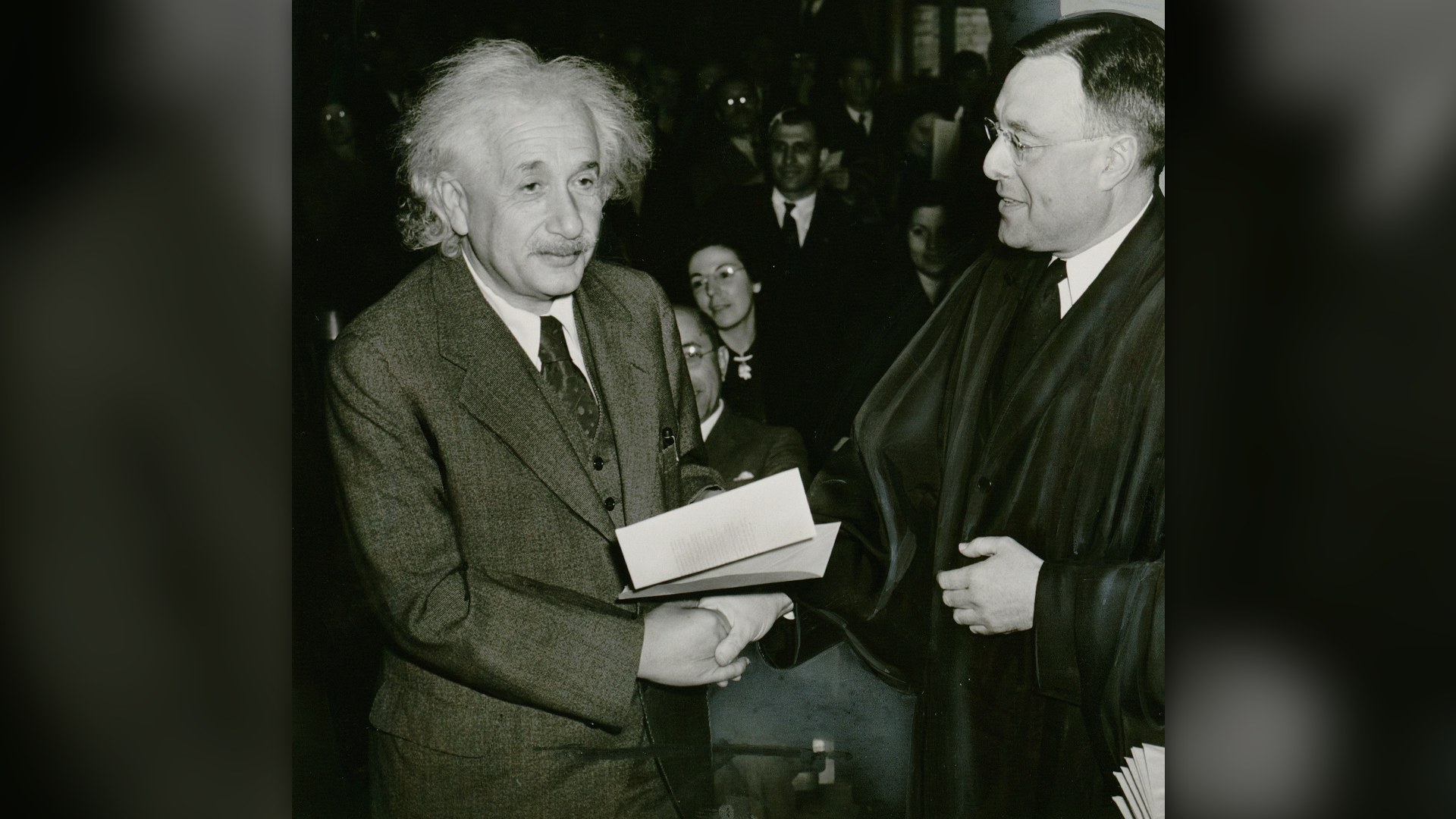
At age seventeen, Albert Einstein renounced his German citizenship to avoid military conscription, leaving him stateless for five years. The decision broke family expectations and devastated his father, Hermann, whose electrical business collapsed while Albert pursued an independent academic path.
2. 1902: The Mystery Of Lieserl: The Secret Firstborn
Before marrying Mileva Maric, the couple had an illegitimate daughter named Lieserl in Serbia. Fearing scandal would destroy his patent office job prospects, Einstein never saw the child. Historical letters suggest she either died of scarlet fever or was placed for secret adoption in 1903.
3. 1905: Erasing Mileva Maric's Mathematical Help
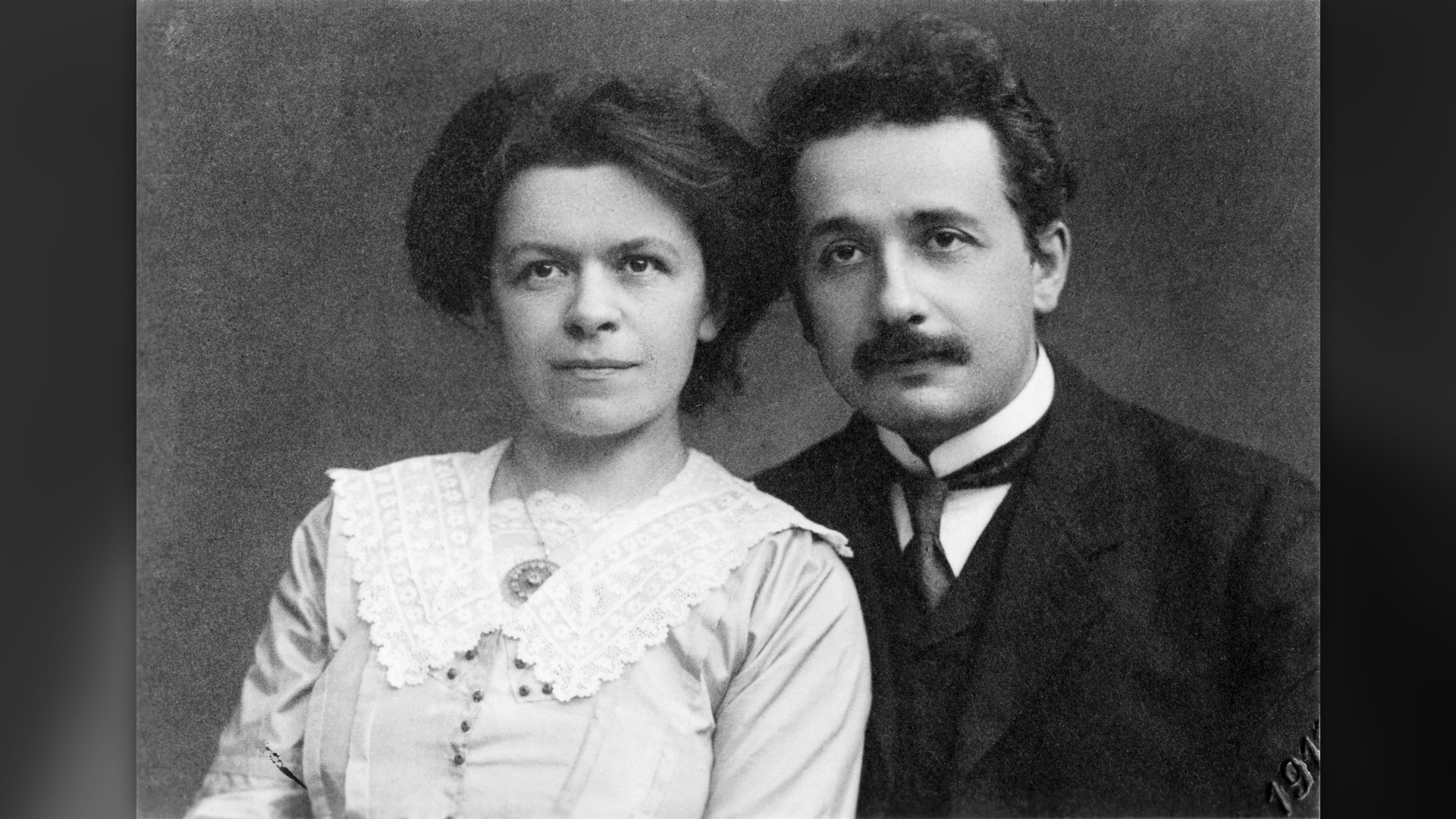
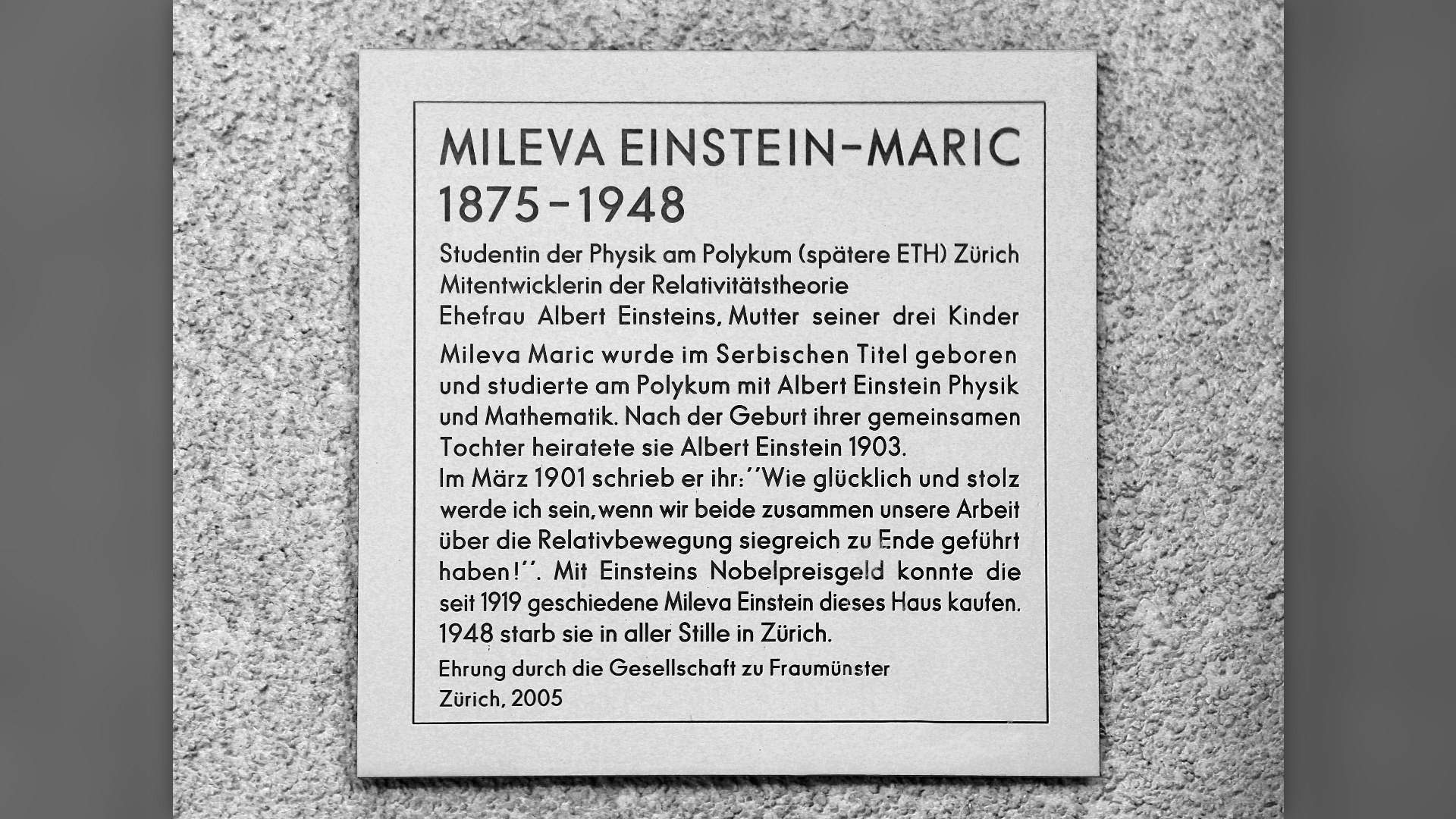
Mileva Maric was a brilliant mathematician who studied alongside Albert at Zurich Polytechnic. Early letters show Albert referring to our work on relative motion. Yet when his groundbreaking 1905 papers were published, Mileva received zero co-authorship credit or formal public acknowledgment.
4. 1914: The Infamous Domestic Conditions Contract
When their marriage deteriorated in Berlin, Einstein drew up a harsh domestic contract for Mileva. The rules required her to keep his clothes clean, serve three meals daily in his room, expect zero physical affection, and stop talking immediately whenever he commanded silence.
5. 1914: Cold Desertion Of His Young Family
Unable to endure Einstein emotional tyranny, Mileva packed their belongings and returned to Switzerland with young sons Hans Albert and Eduard. Einstein wept briefly at the Berlin train station, but within months celebrated his domestic freedom and ceased regular in-person contact.
6. 1919: The Nobel Prize Financial Divorce Bargain
Desperate to marry his cousin Elsa, Einstein offered Mileva a bold financial gamble in their 1919 divorce agreement. He promised that if he won a future Nobel Prize, all monetary proceeds would be placed in a trust for her and the boys, essentially buying his marital freedom in advance.
7. 1919: Courting His Stepdaughter Before Marrying Elsa
Before finalizing marriage to his first cousin Elsa Lowenthal, the thirty-nine-year-old physicist seriously considered marrying Elsa twenty-year-old daughter, Ilse. Ilse revealed in private letters that Albert told her she could choose between marrying him or letting him marry her mother.
8. 1922: Shocking Xenophobia In His Travel Diaries
While celebrated publicly for humanitarian ideals, Einstein private 1922 travel diaries across Asia revealed disturbing prejudices. He described Chinese populations as industrious, filthy, and obtuse, questioning whether Chinese women held any attraction and writing condescending racial observations.
9. 1923: Brazen Infidelities And Flaunting Mistresses
Einstein second marriage to Elsa was defined by serial infidelity. He openly conducted relationships with socialites including Margarete Lebach, Betty Neumann, and Toni Mendel. Einstein even demanded that Elsa allow his mistresses to visit their holiday cottage, forcing her into painful compliance.
10. 1930: The Institutionalization Of Son Eduard
Einstein younger son Eduard, a gifted pianist and medical student, suffered a severe mental breakdown at age twenty and was diagnosed with schizophrenia. After visiting Eduard once in a Zurich psychiatric clinic in 1933, Einstein emigrated to America and never saw his son again for thirty-two years.
11. 1933: Bitter Estrangement From Eldest Son Hans Albert
Einstein relationship with his eldest son, Hans Albert, was fraught with tension. When Hans Albert married Frieda Knecht in 1927 against his father wishes, Einstein boycotted the union. Though Hans Albert later became a Berkeley professor, their emotional distance persisted until death.
12. 1936: Emotional Flight During Elsa's Tragic Illness
When Elsa fell terminally ill with heart and kidney disease in 1935, Einstein struggled with emotional intimacy. Admitting he was unsuited for deep domestic grief, he fled into mathematical calculations, leaving friends and family to manage his dying wife daily bedside comfort.
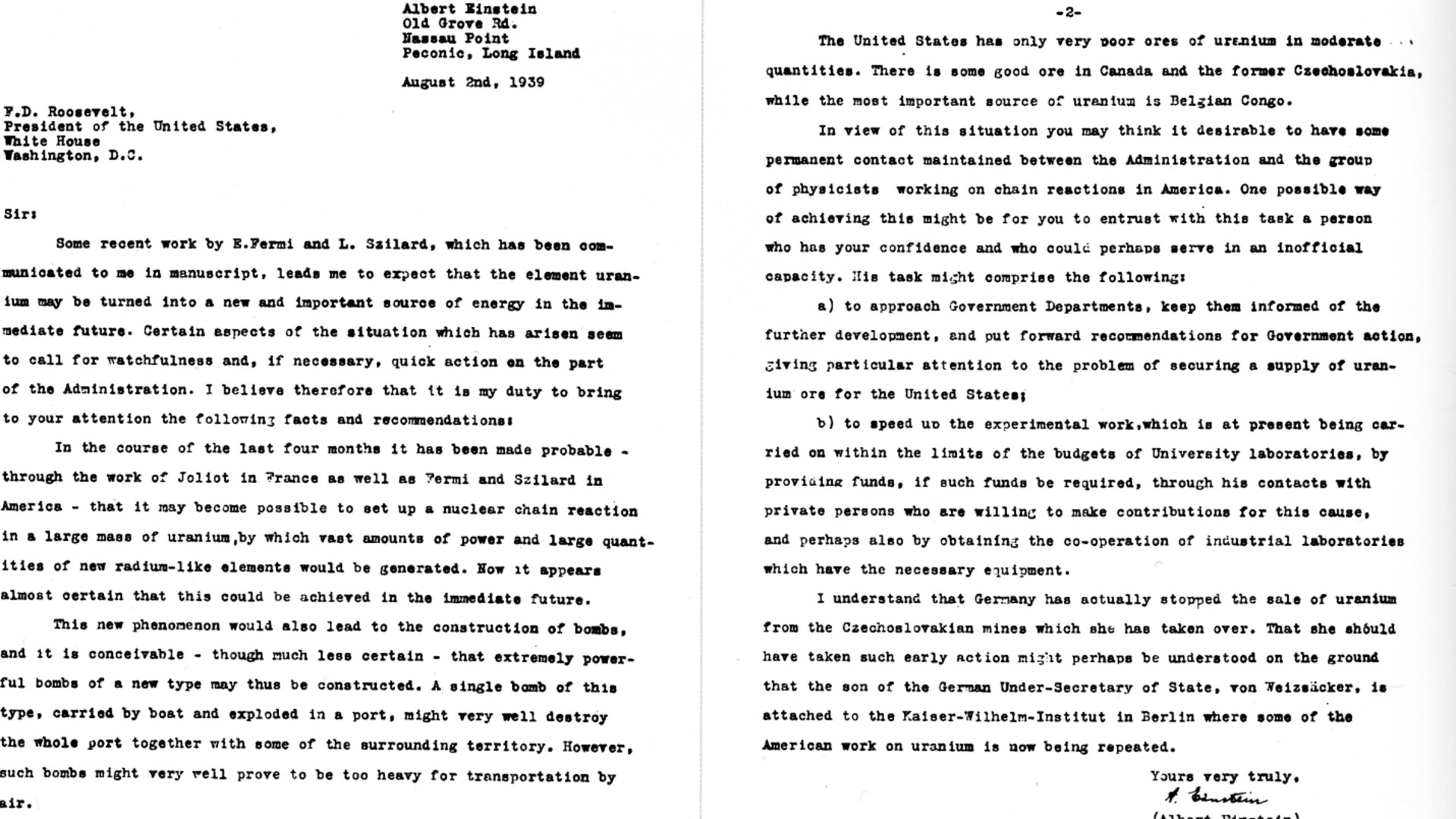
13. 1939: The FDR Letter That Ignited The Atomic Age
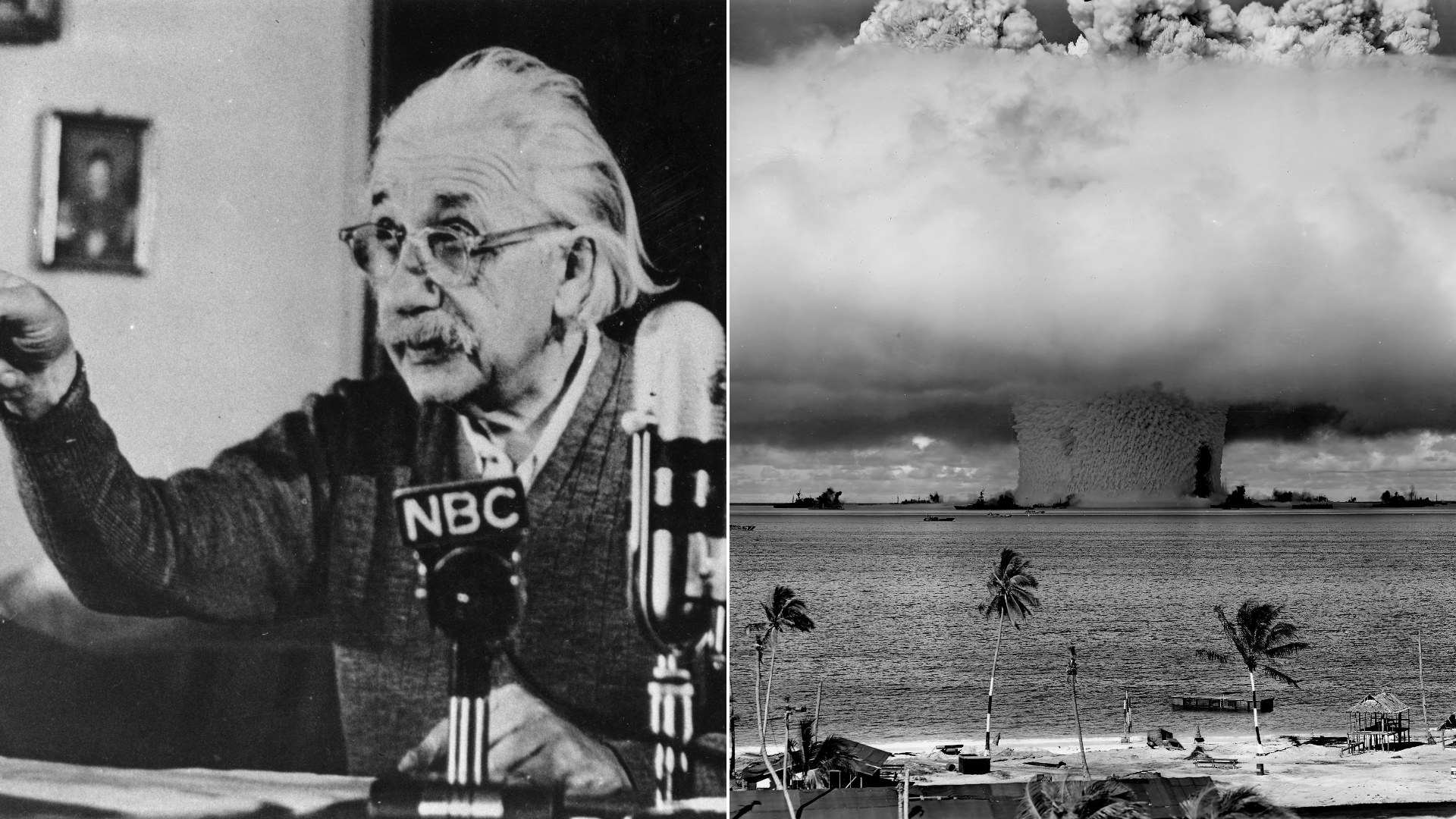
In August 1939, Einstein signed a historic letter drafted by physicist Leo Szilard urging President Franklin D. Roosevelt to accelerate nuclear research. The warning that Nazi Germany might build atomic weapons directly triggered the creation of the secret Manhattan Project.
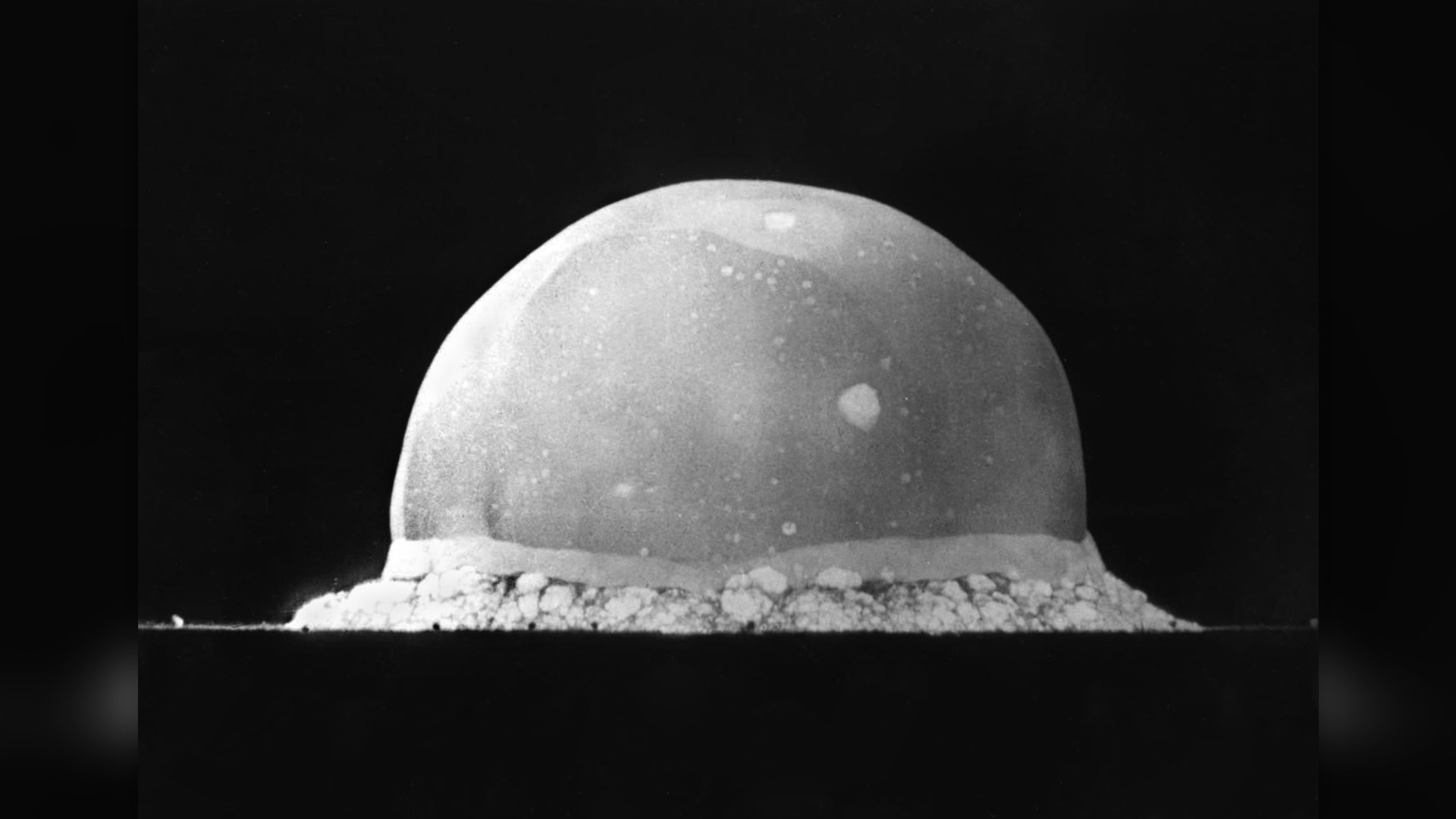
14. 1945: The Haunting Atomic Guilt Of Hiroshima
Though Einstein never worked on the secret Manhattan Project due to security clearance denials, the catastrophic devastation of Hiroshima and Nagasaki broke his spirit. He famously lamented, I could burn my fingers that I wrote that first letter to Roosevelt, dedicating his final years to peace.
15. 1948: Financial Warfare Over Son Eduard's Care
Caring for schizophrenic Eduard in Zurich required staggering psychiatric bills that bankrupted Mileva. When she sought to sell real estate purchased with Nobel funds to keep Eduard in humane private care, Einstein resisted through legal channels, creating bitter acrimony until Mileva died alone.
16. 1950: Deep Misanthropy And Disdain For Humanity
In his final decade at Princeton, Einstein grew deeply cynical about human nature. In letters to close friends, he referred to humanity as an incurable disease and expressed relief that his life was drawing to a close, feeling alienated from politics, society, and domestic connections.
17. 1953: J. Edgar Hoover's 1,400-Page Secret FBI Dossier
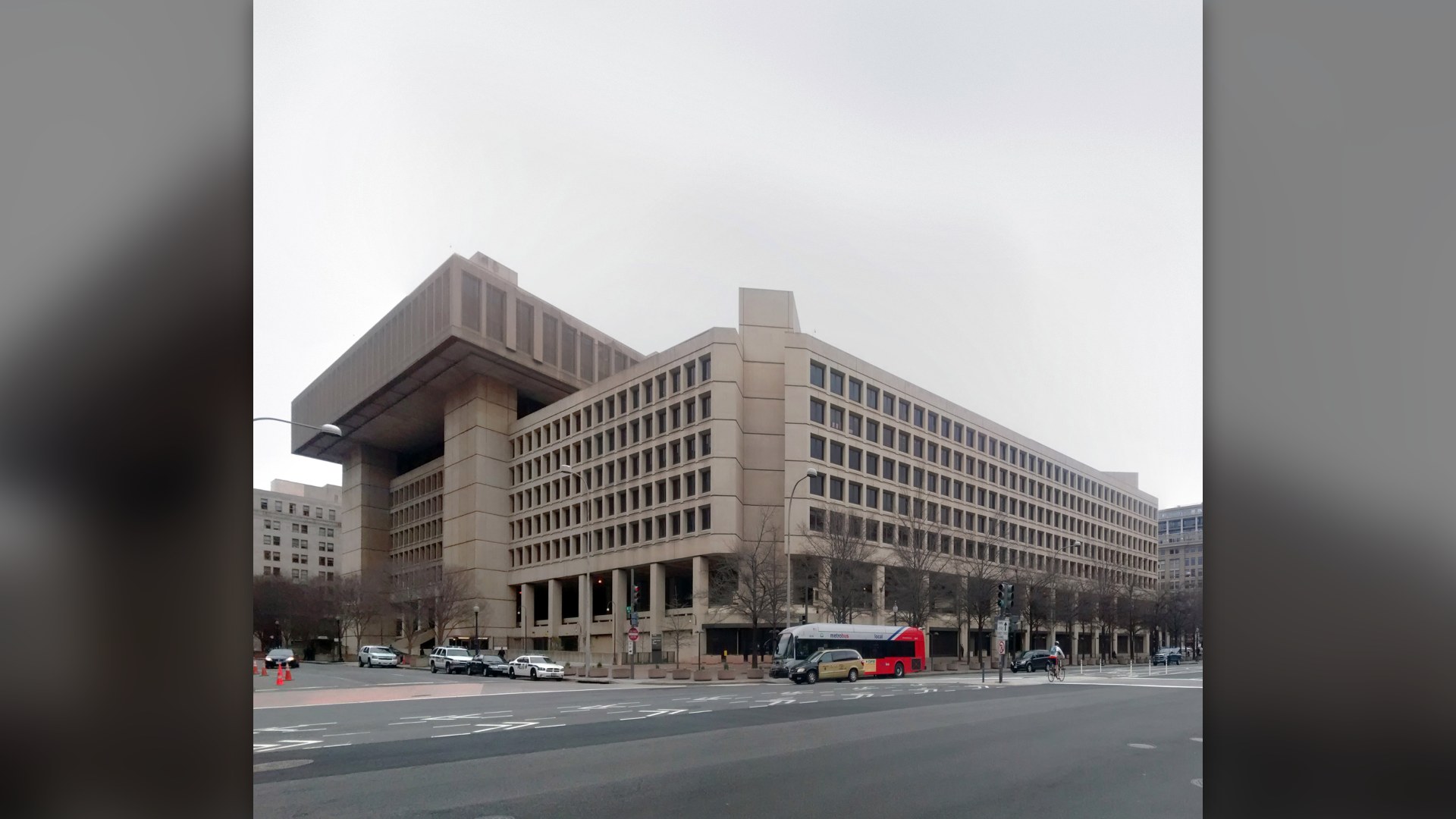
FBI Director J. Edgar Hoover suspected Einstein was an extreme radical or Soviet spy. Federal agents tapped Einstein phone, opened his personal mail, searched his garbage, and compiled a 1,427-page dossier attempting to revoke his citizenship, highlighting deep state distrust.
18. 1955: The Posthumous Theft Of His Brain
Einstein strictly requested cremation with ashes scattered secretly to prevent his grave from becoming a shrine. Hours after his death in April 1955, Princeton pathologist Thomas Harvey removed and preserved Einstein brain during autopsy without prior family consent, sparking a half-century macabre odyssey.