Slideshow · Animals
The Most Amazing Ways Animals Sleep, Ranked
From four-second penguin naps to deep-sea seal drifts and kelp-wrapped otters.
All 20 Entries in this Story
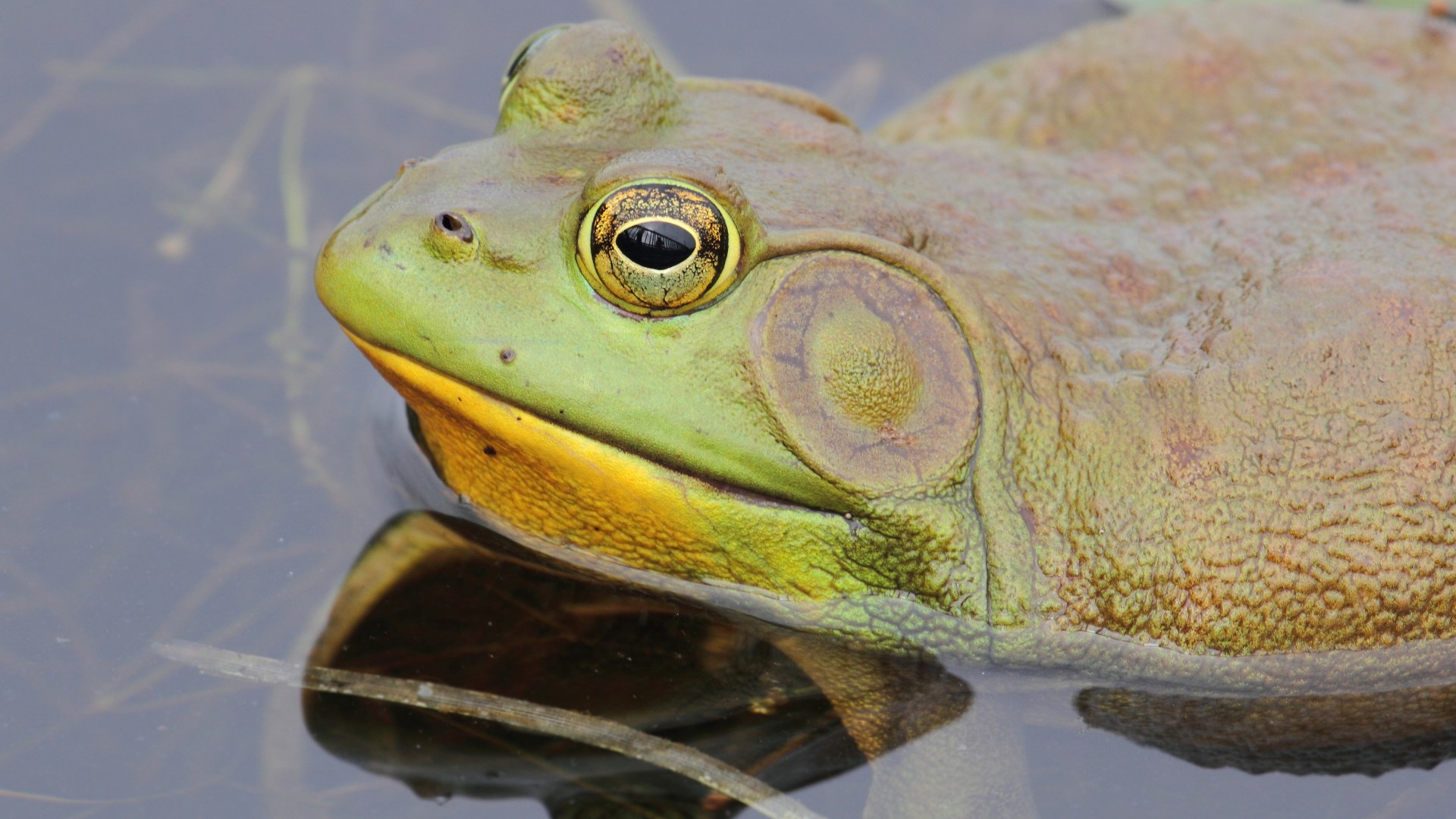
20. Bullfrogs: The Non-Sleepers
American bullfrogs go months at a time without entering true sleep during their active warm-weather seasons. Laboratory testing shows they react to stimuli identically day and night, shutting down completely only when hibernating in winter mud.
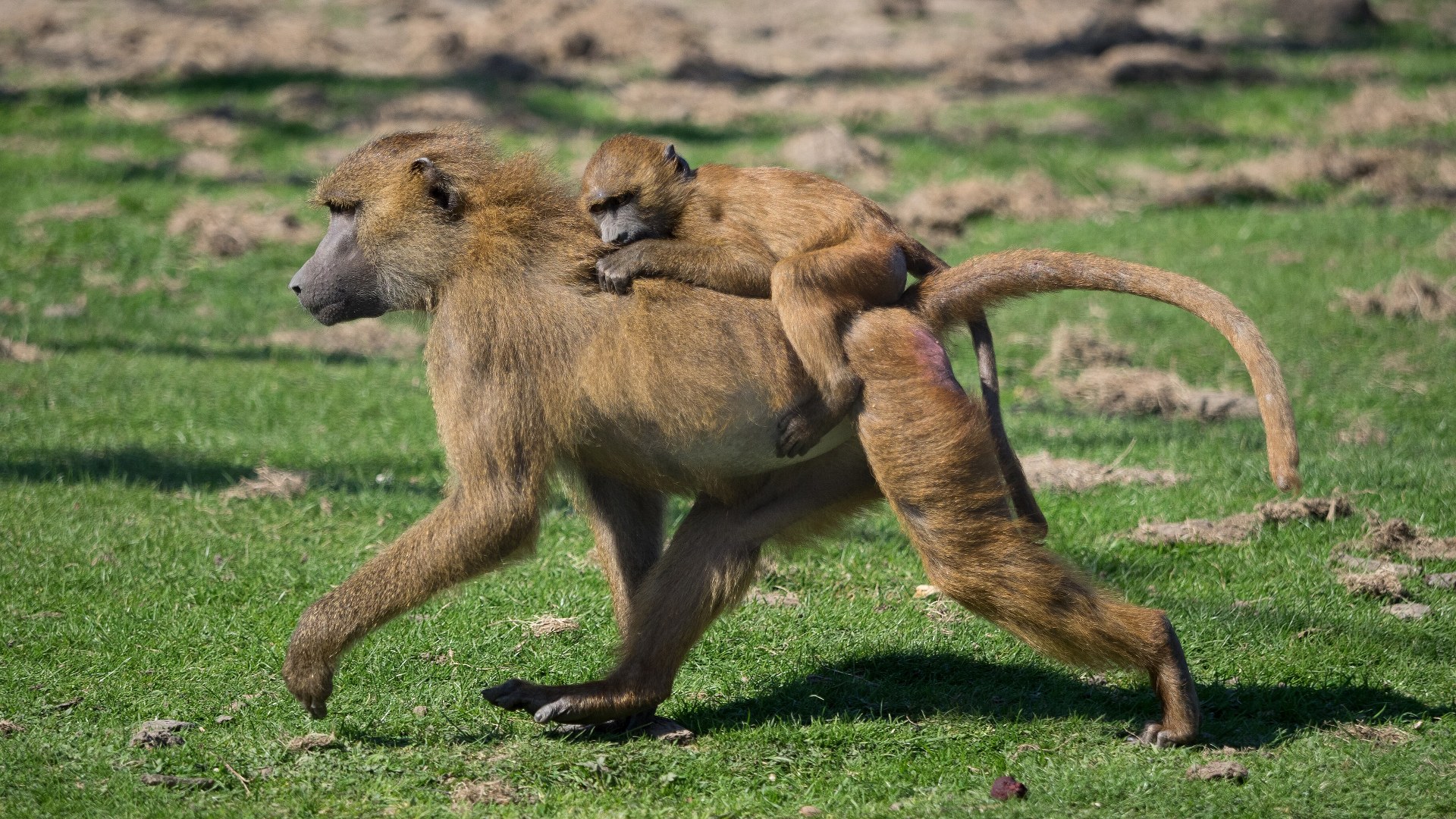
19. Guinea Baboons: The Heel Balancers
Guinea baboons sleep perched upright on their heels at the very tips of high tree branches. Rather than lying flat, they balance on tough sitting pads so the slightest sway of a branch from a climbing leopard snaps them awake immediately.
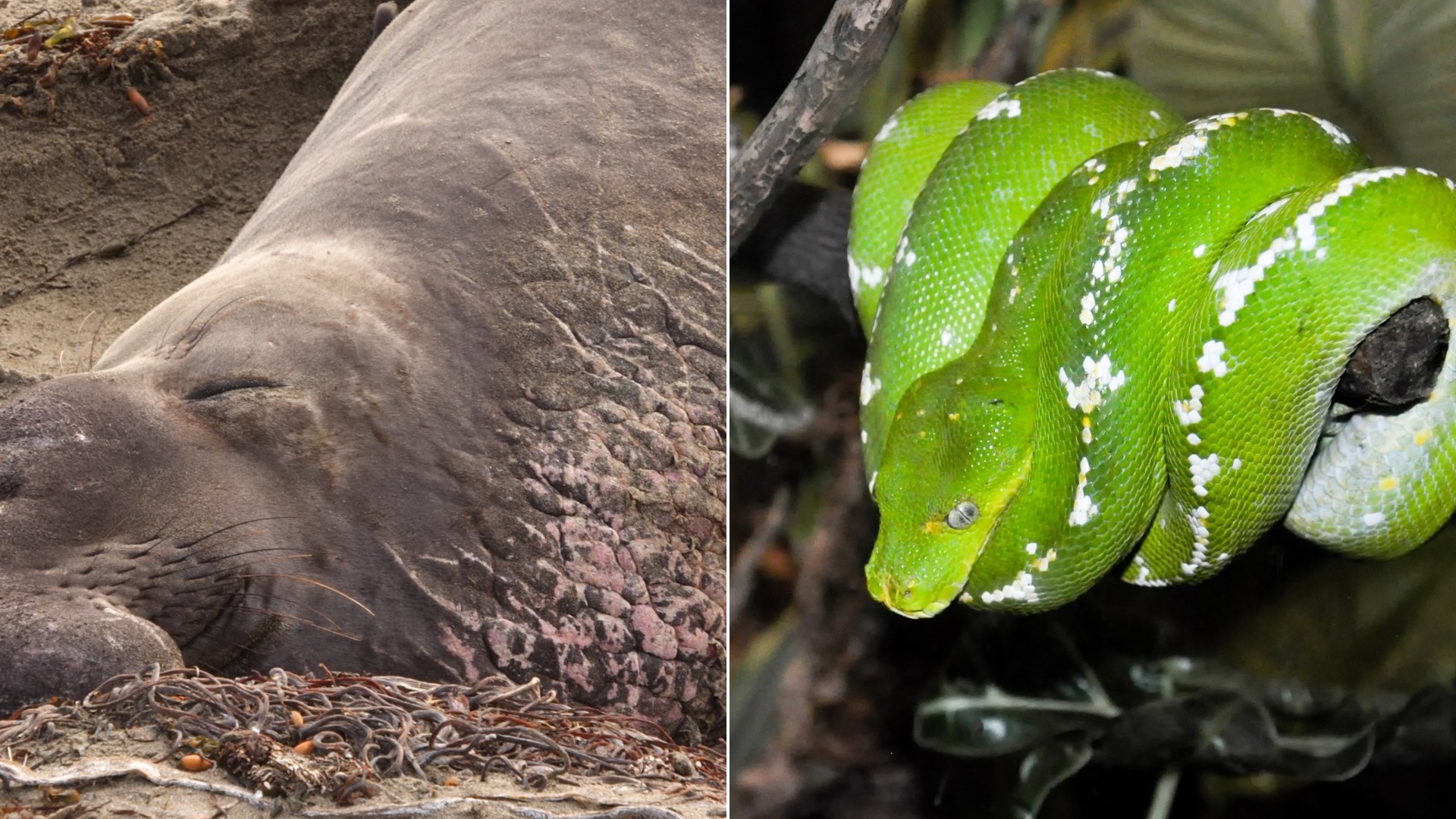
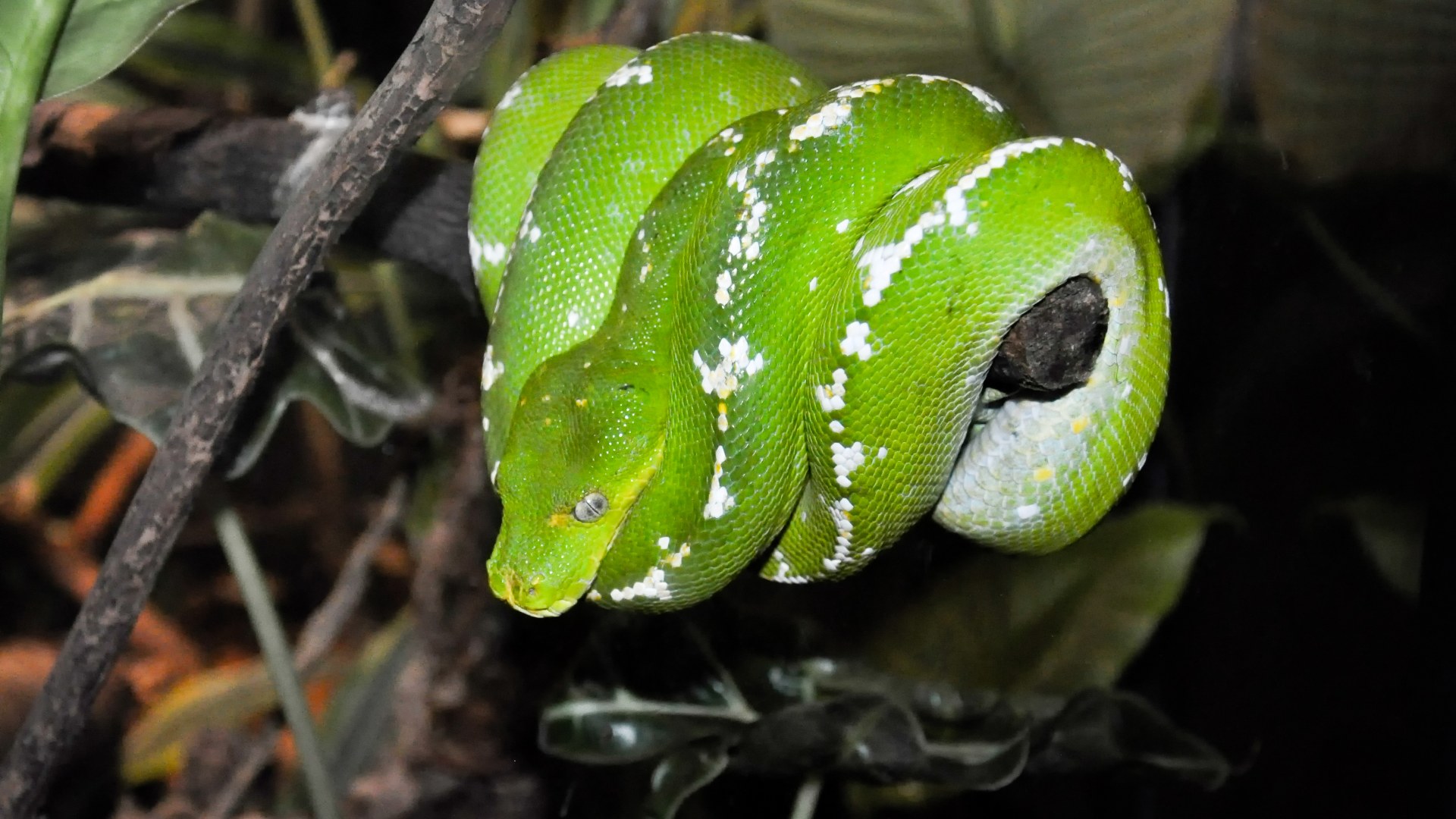
18. Snakes: The Eyelid-Less Sleepers
Snakes sleep with their eyes wide open because they physically lack movable eyelids. Instead, each eye is covered by a transparent protective scale called a spectacle, allowing the reptile to lower its brain activity while appearing wide awake.
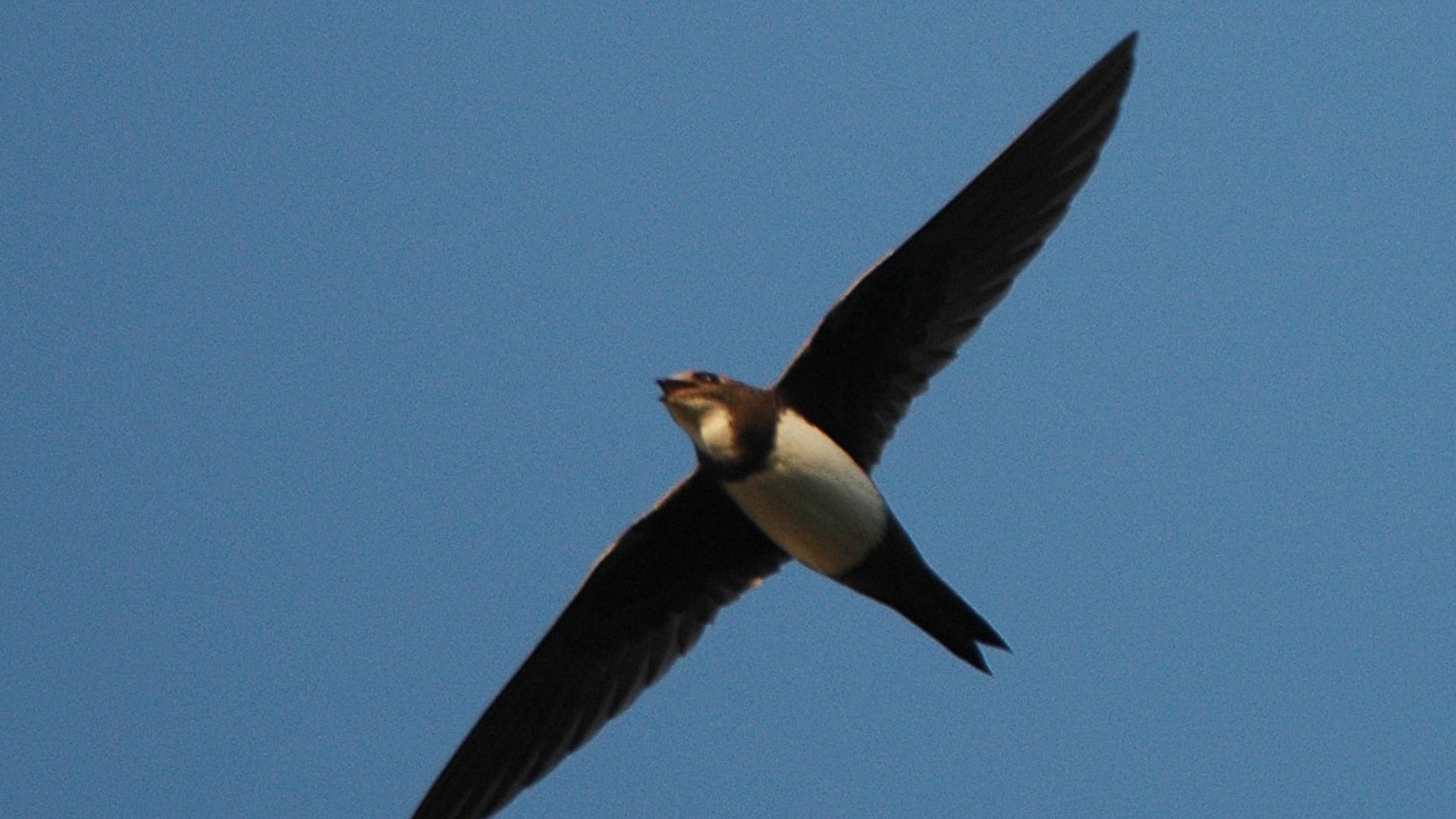
17. Alpine Swifts: The Six-Month Airborne Sleepers
Alpine swifts remain continuously airborne for more than 200 days straight during their non-breeding migration without landing once. All of their rest occurs mid-flight through continuous aerodynamic gliding paired with brief intervals of brain rest.
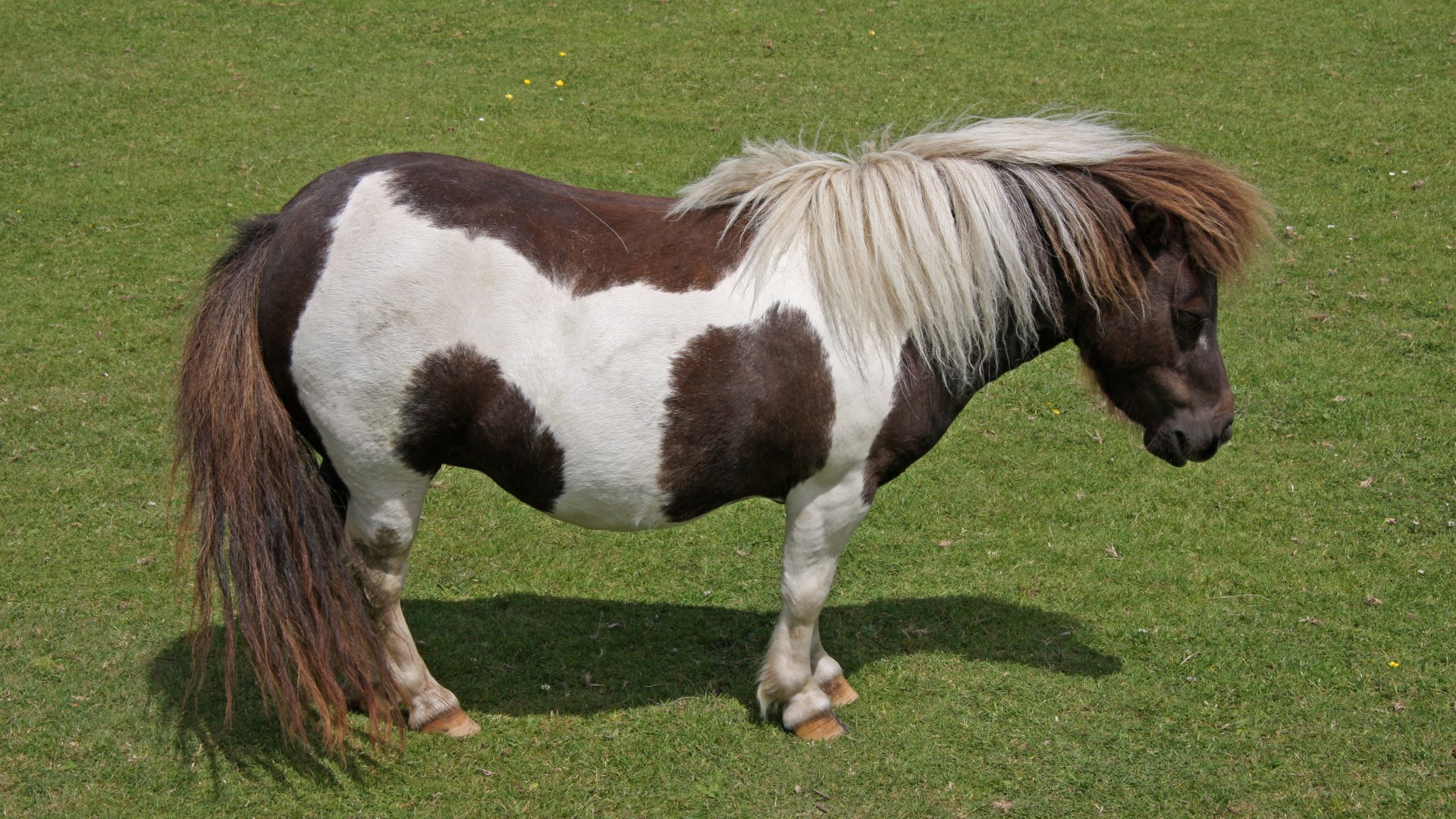
16. Horses: The Quick-Escape Standers
Horses doze standing straight up using an anatomical stay apparatus of tendons and ligaments. This locking system keeps their leg joints from buckling while relaxed so they can bolt instantly from danger, lying down only briefly for deep REM sleep.
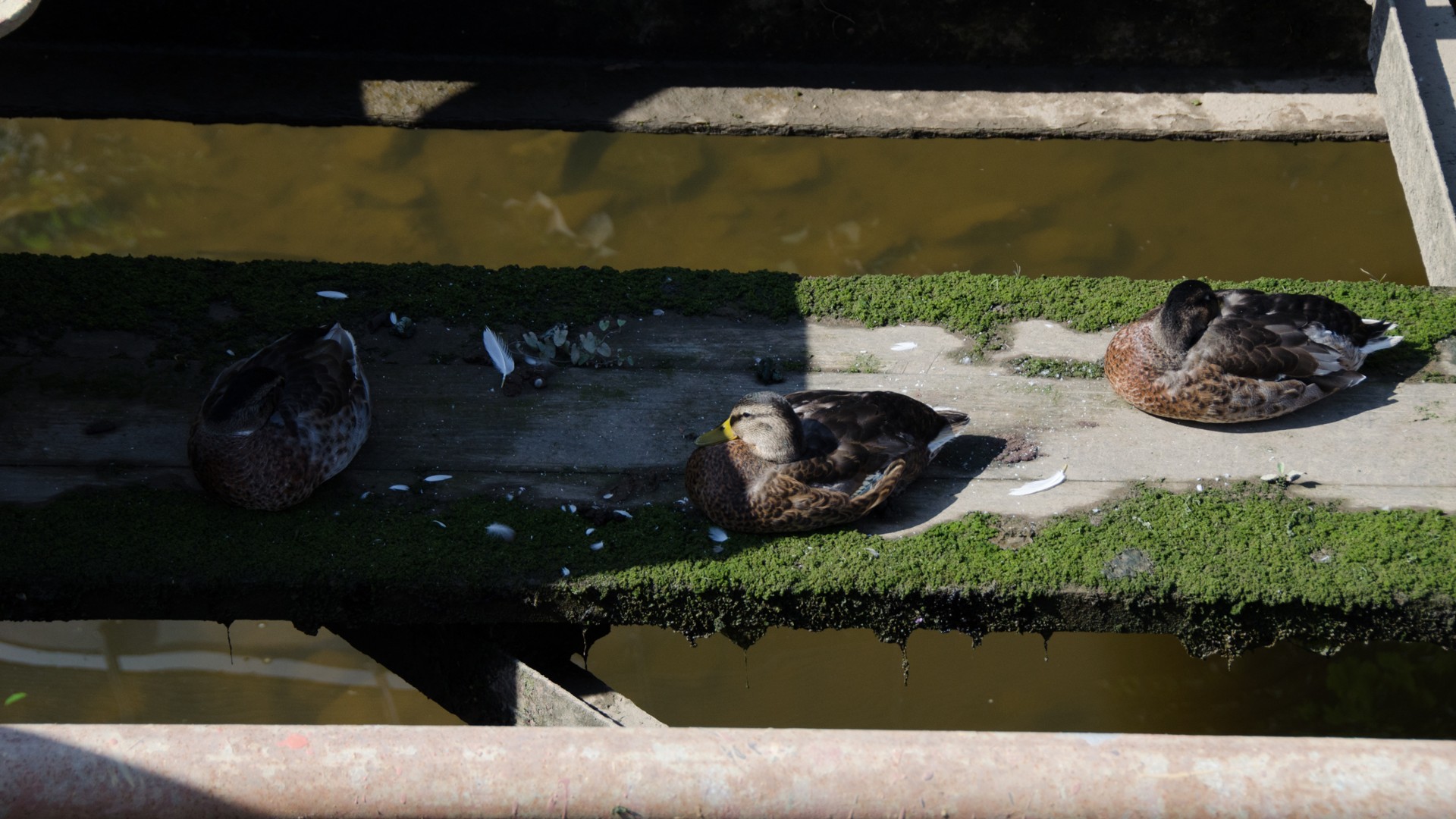
15. Mallard Ducks: The Guard Wall
Mallard ducks sleep in defensive rows where the birds positioned on the outside keep one eye open. While ducks in the center sleep deeply with both eyes shut, outer sentinels use unihemispheric sleep to watch for predators with their outward eye.
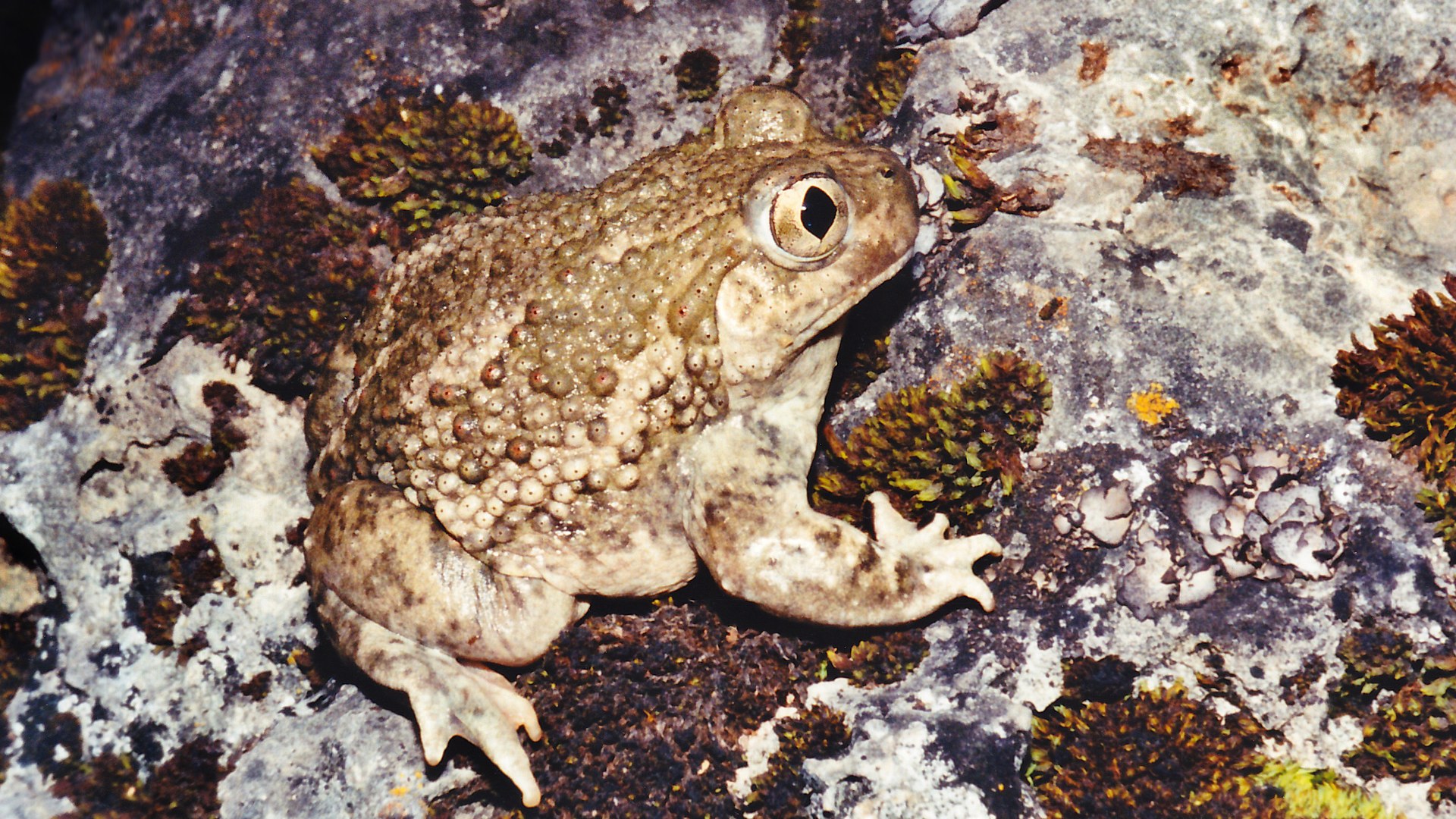
14. Desert Spadefoot Toads: The Long Snoozers
Desert spadefoot toads sleep buried underground for 10 to 11 months out of the year. To survive scorching desert heat, they dig deep into sandy soil and enter dormant aestivation, waking only when low-frequency thunder and rain vibrations shake the ground.
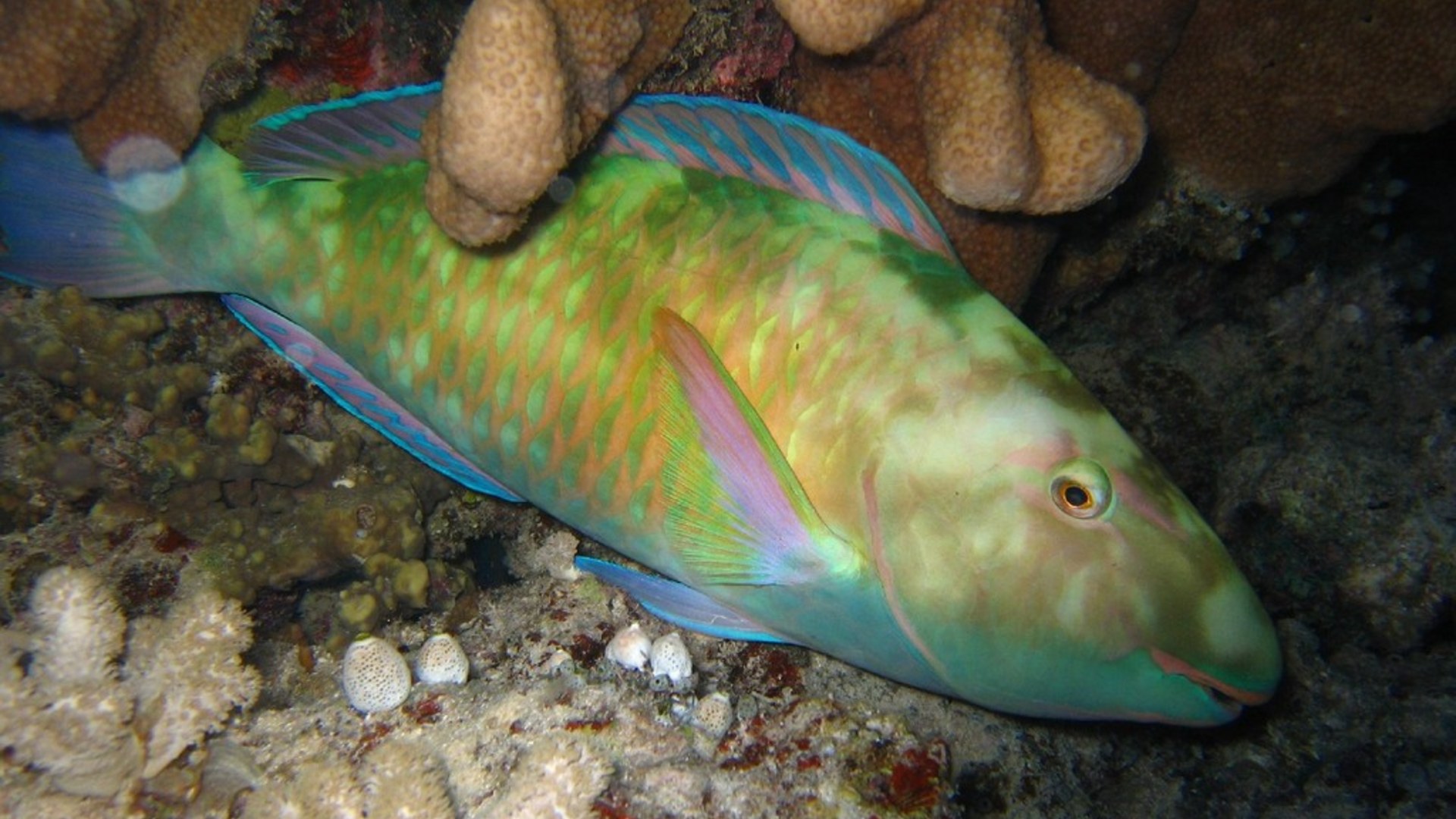
13. Parrotfish: The Slime Sleeping Bag
Before sleeping on coral reefs at night, many parrotfish blow a translucent cocoon of mucus around their bodies. This gelatinous sleeping bag masks their scent from nocturnal predators like moray eels and acts as a tactile early-warning barrier.
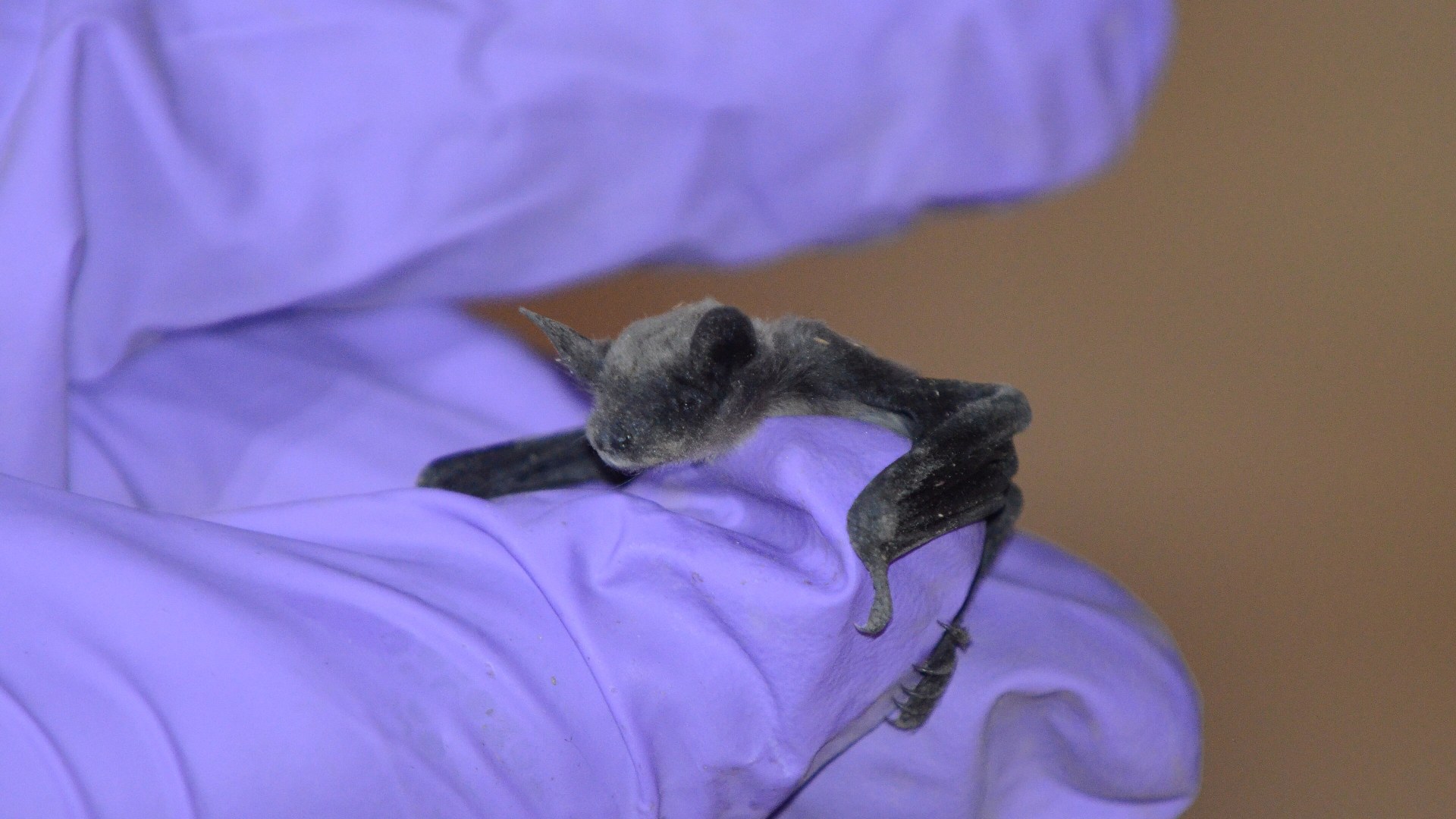
12. Little Brown Bats: The 20-Hour Hangers
Little brown bats sleep upside down in dense clusters for up to 20 hours a day. Gravity pulls on their upper body weight to snap their foot tendons shut around perches, making upside-down suspension effortless and ideal for rapid flight escapes.
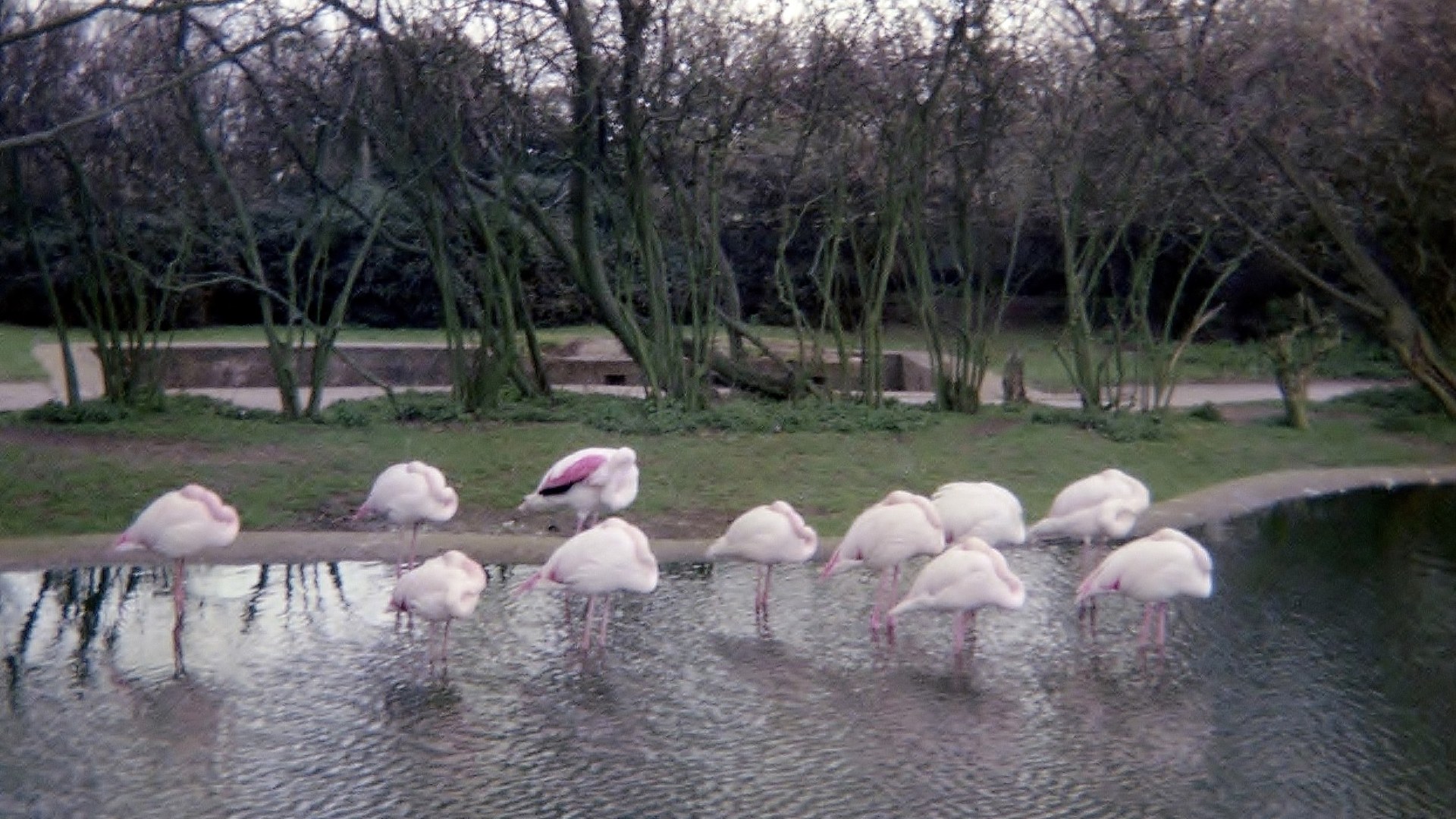
11. Greater Flamingos: The One-Legged Balancers
Greater flamingos sleep standing effortlessly on one leg in shallow water. Their leg joints and skeletal structures passively lock into position under gravity, allowing them to balance without active muscular effort while conserving body heat.
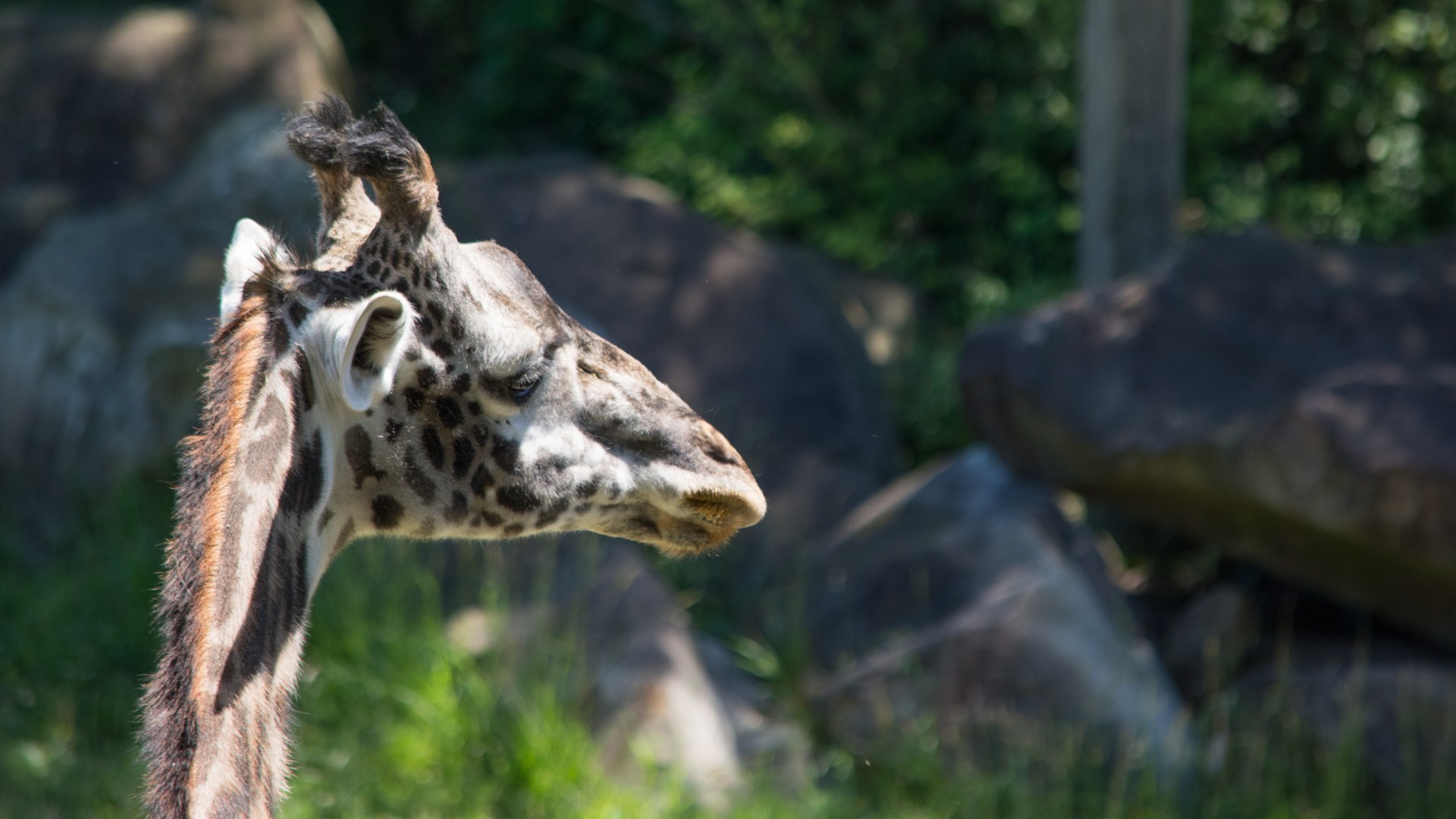
10. Giraffes: The Five-Minute Rump Pillows
As prime targets for ambush predators, giraffes rarely sleep more than two hours total per day. When entering brief five-minute bouts of deep REM sleep, they fold their legs and curl their long necks backward to rest their heads on their rumps.
9. Three-Toed Sloths: The Clamped Clingers
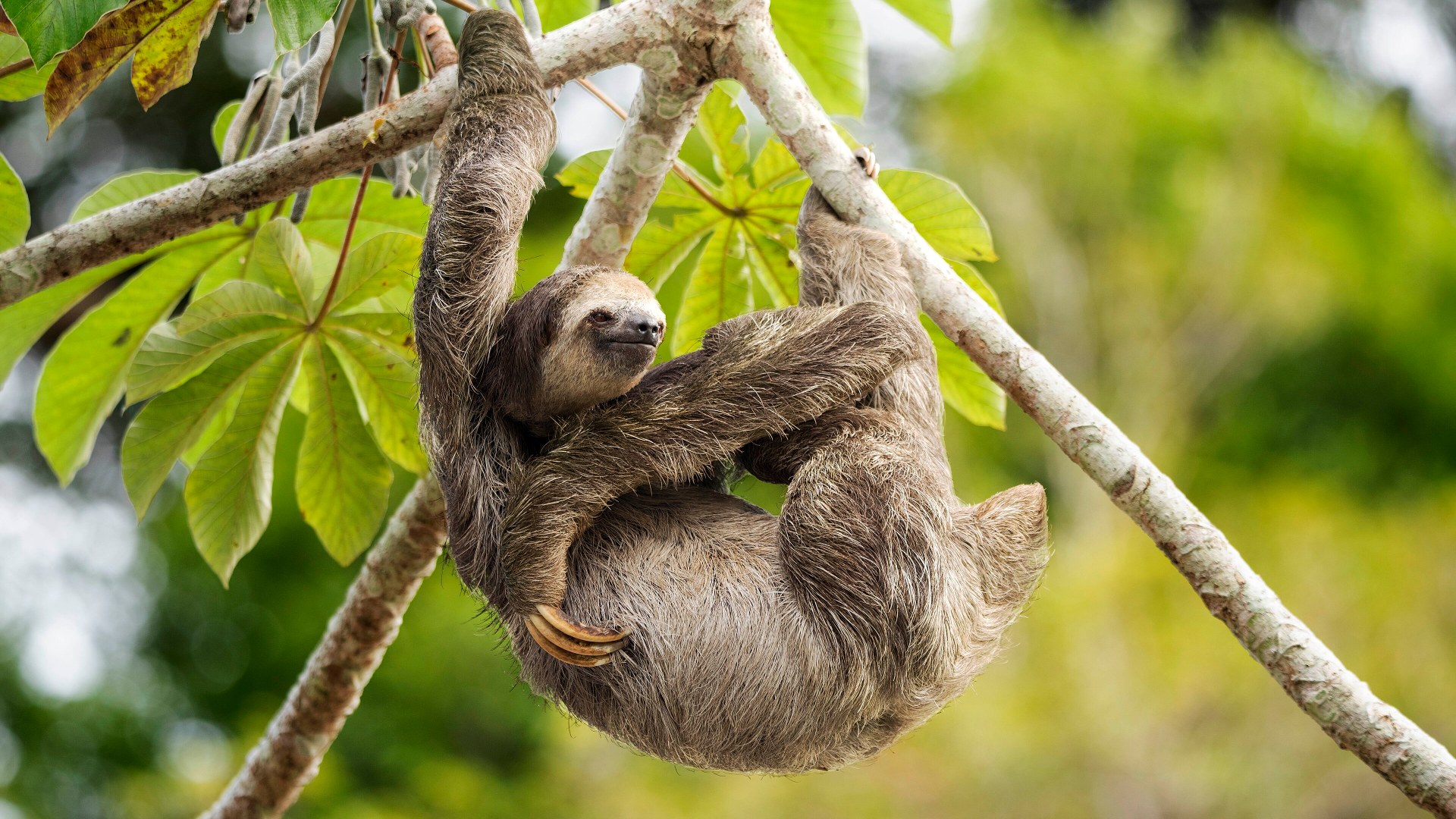
Three-toed sloths sleep for 15 to 20 hours a day while hanging upside down in the canopy. Their specialized claw tendons mechanically lock into place around tree branches, allowing them to stay suspended while expending zero muscle energy.
8. Walruses: The Inflatable Buoys
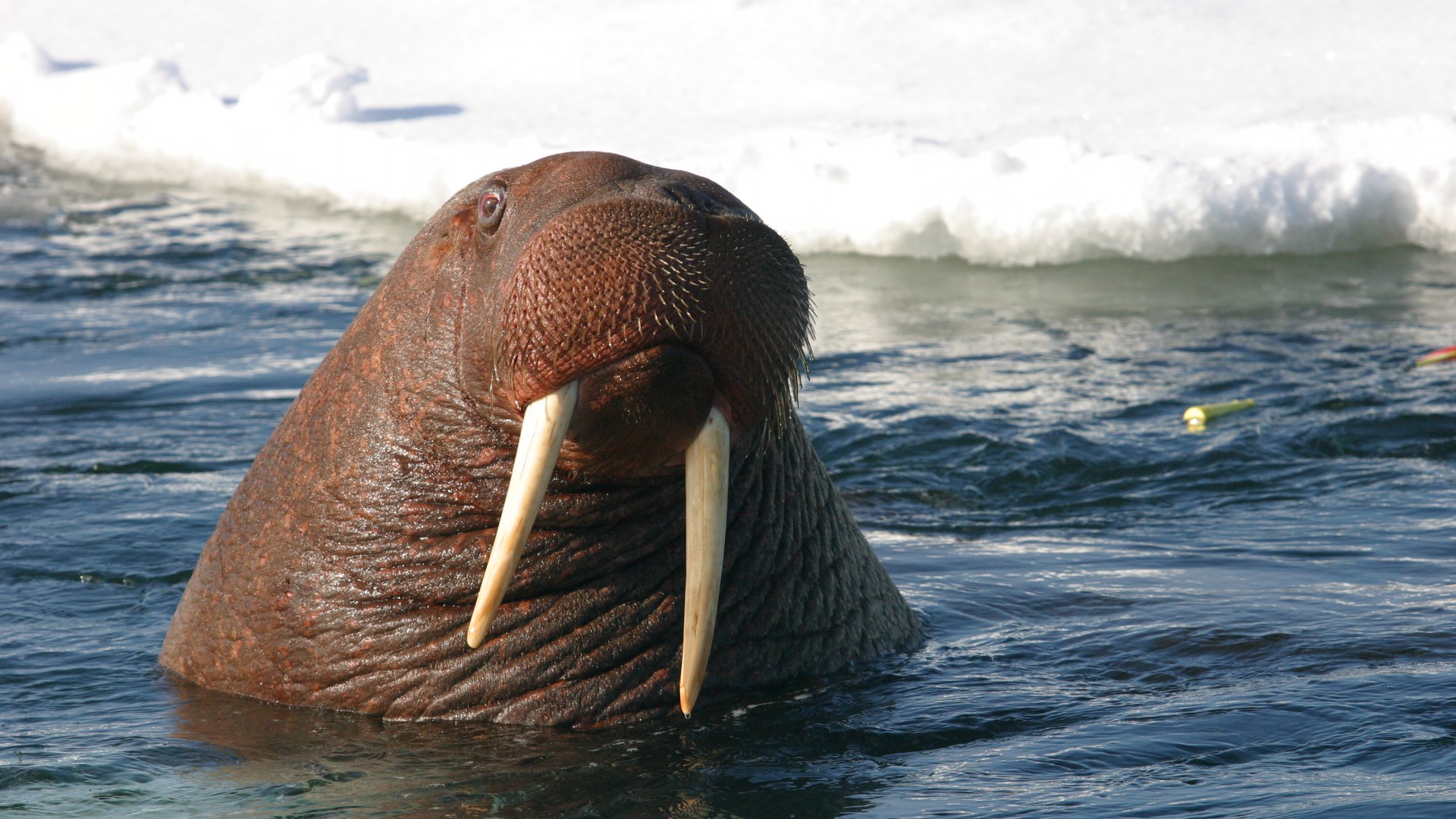
Walruses use expandable air sacs in their throats to sleep floating upright in the sea. By inflating these pharyngeal pouches beneath their skulls like biological life jackets, they can bob soundly in open water without sinking.
7. Great White Sharks: The Current Facers
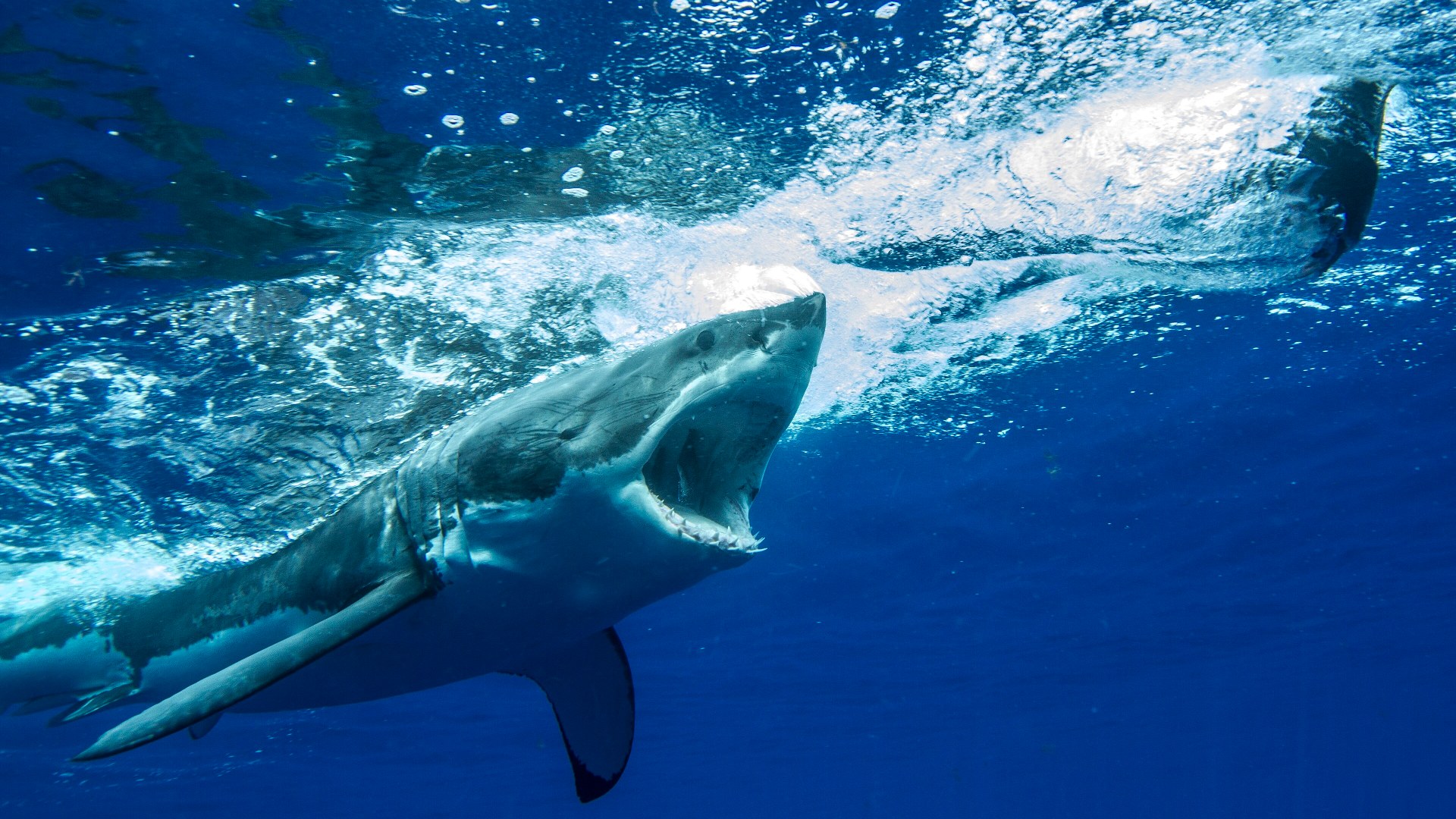
Great white sharks enter a restful state by facing directly into strong ocean currents. Because they require constant water flow over their gills to breathe, facing into a steady current acts as a natural ventilator so they can rest almost still.
6. Sea Otters: The Kelp Anchors
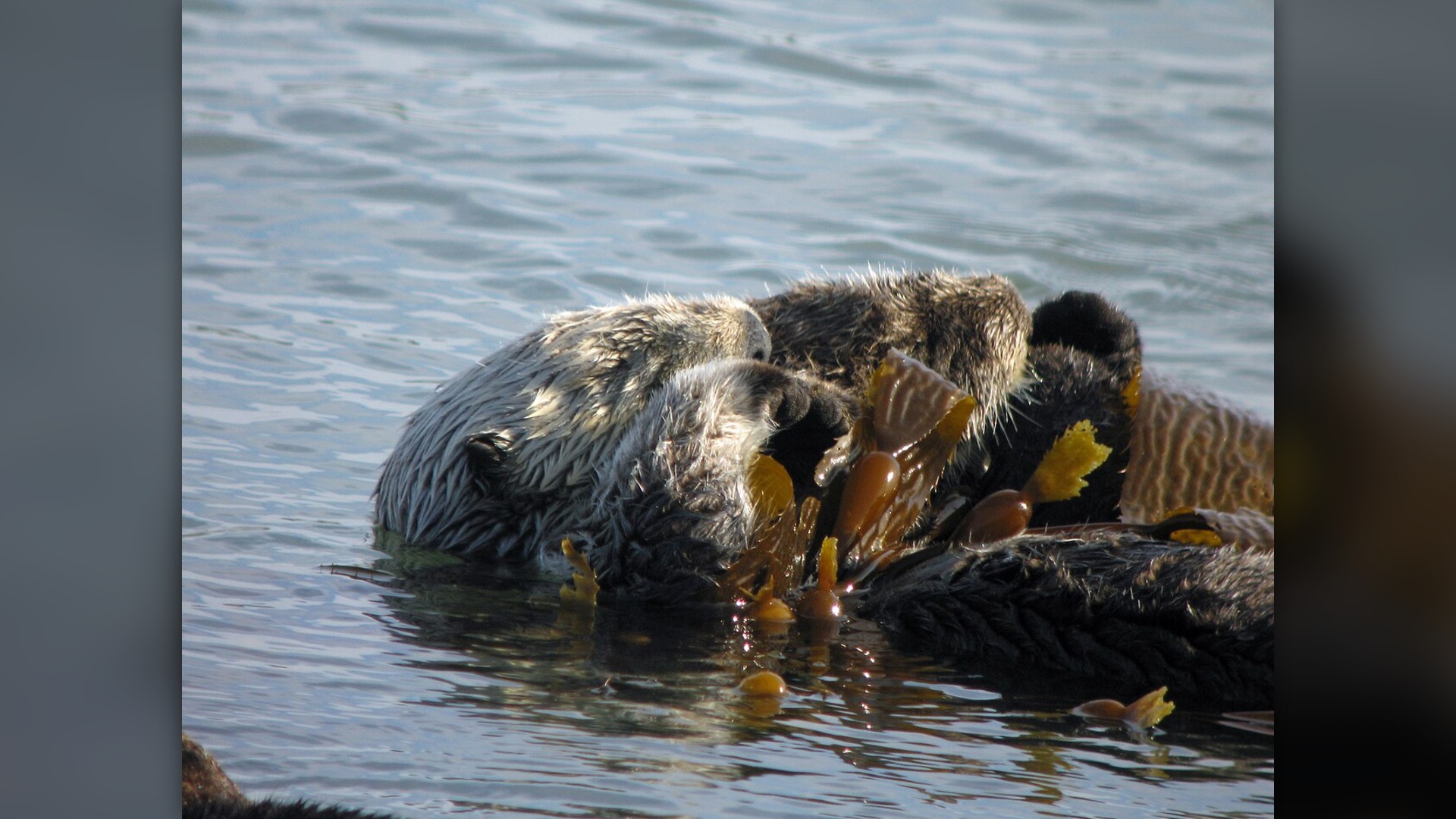
Sea otters sleep floating on their backs at the ocean surface while wrapped tightly in giant seaweed fronds. To avoid drifting out into open ocean currents or losing each other overnight, they anchor themselves in kelp forests and often hold paws.
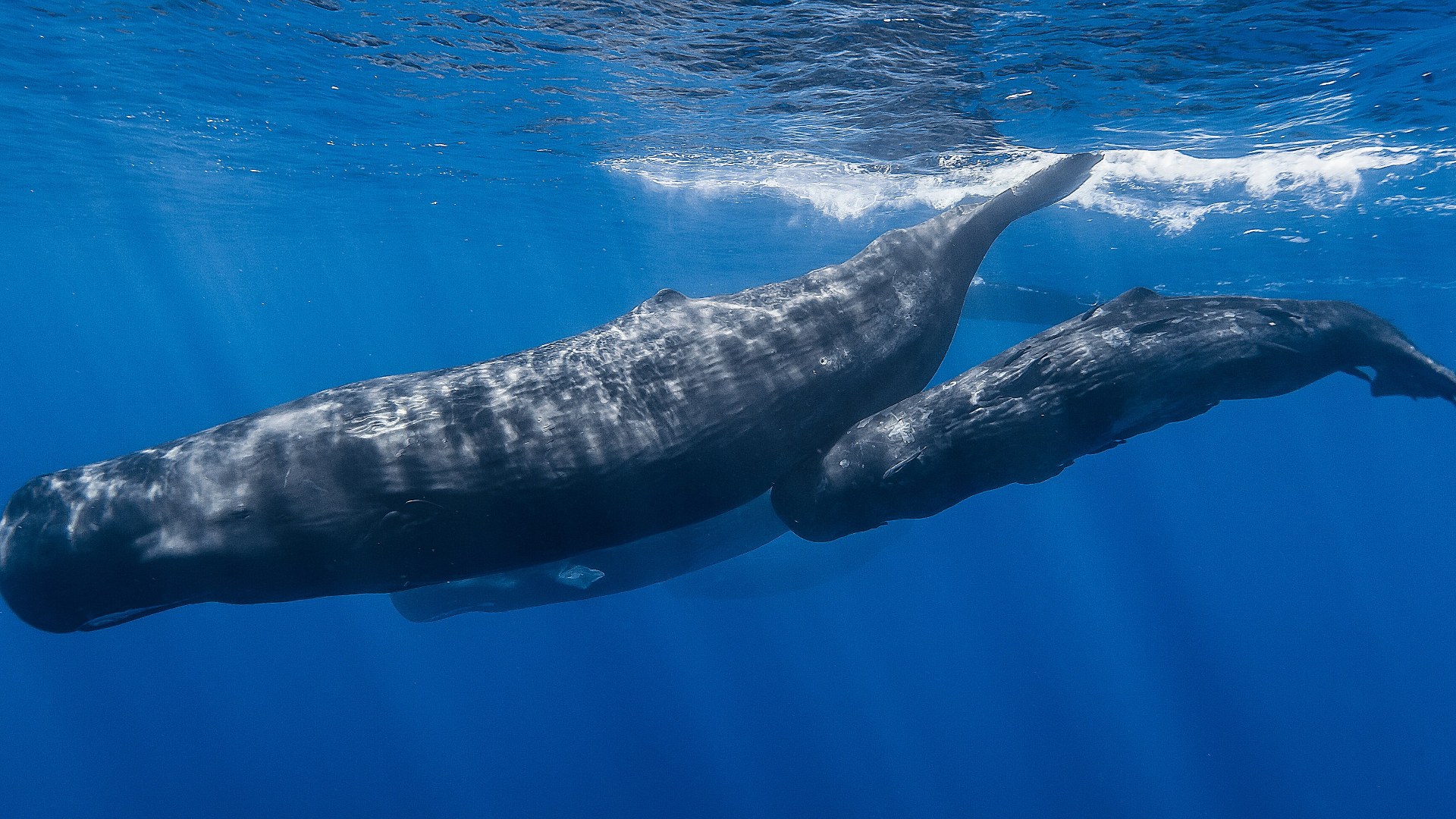
5. Sperm Whales: The Vertical Bobs
Sperm whales sleep by drifting vertically straight up and down in the water column. Entire pods gather near the surface to bob like giant floating logs for 10-to-15-minute bursts of full-brain sleep, remaining motionless without breathing.
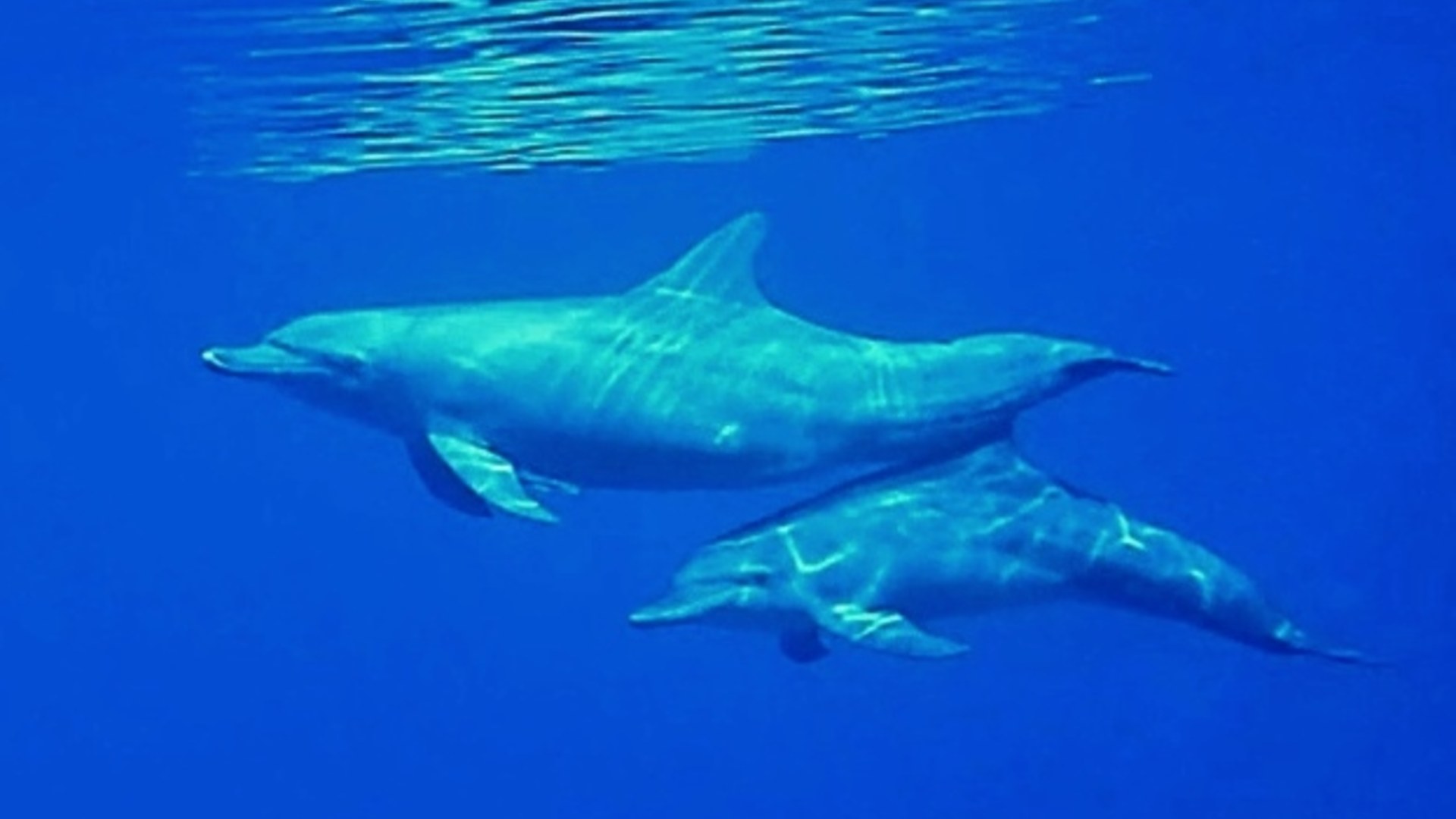
4. Bottlenose Dolphins: The Half-Awake Swimmers
Bottlenose dolphins sleep with one eye open and half their brain fully active. This keeps them moving, alert for sharks, and able to swim to the surface to breathe, while mothers nap on the move alongside newborn calves that stay awake for months.
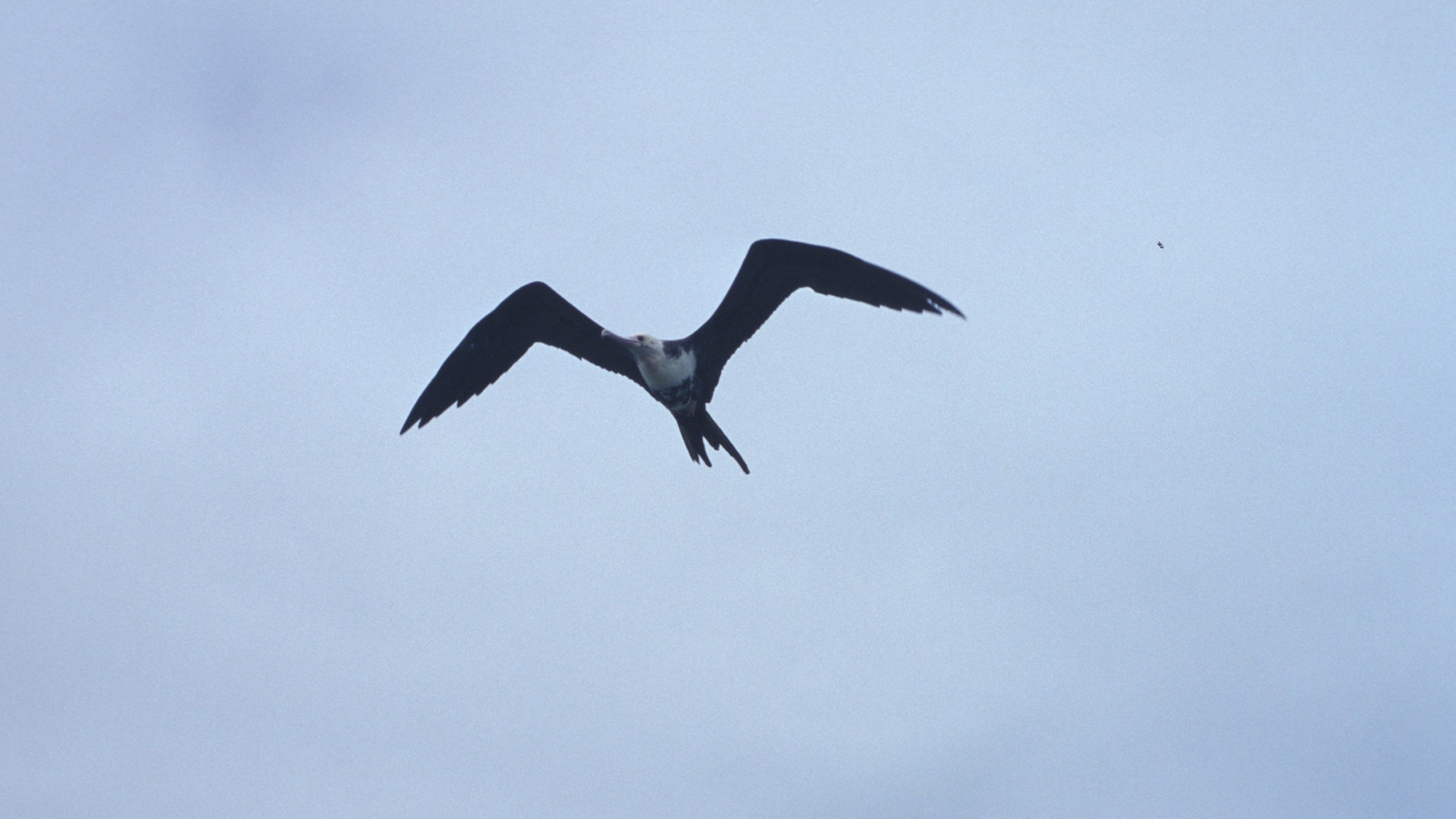
3. Frigatebirds: The Gliding Sleepers
Frigatebirds sleep while flying high above the ocean during nonstop multi-week flights. Riding rising air currents, they either shut down one half of their brain at a time through unihemispheric sleep or take brief 10-second micro-naps on the wing.
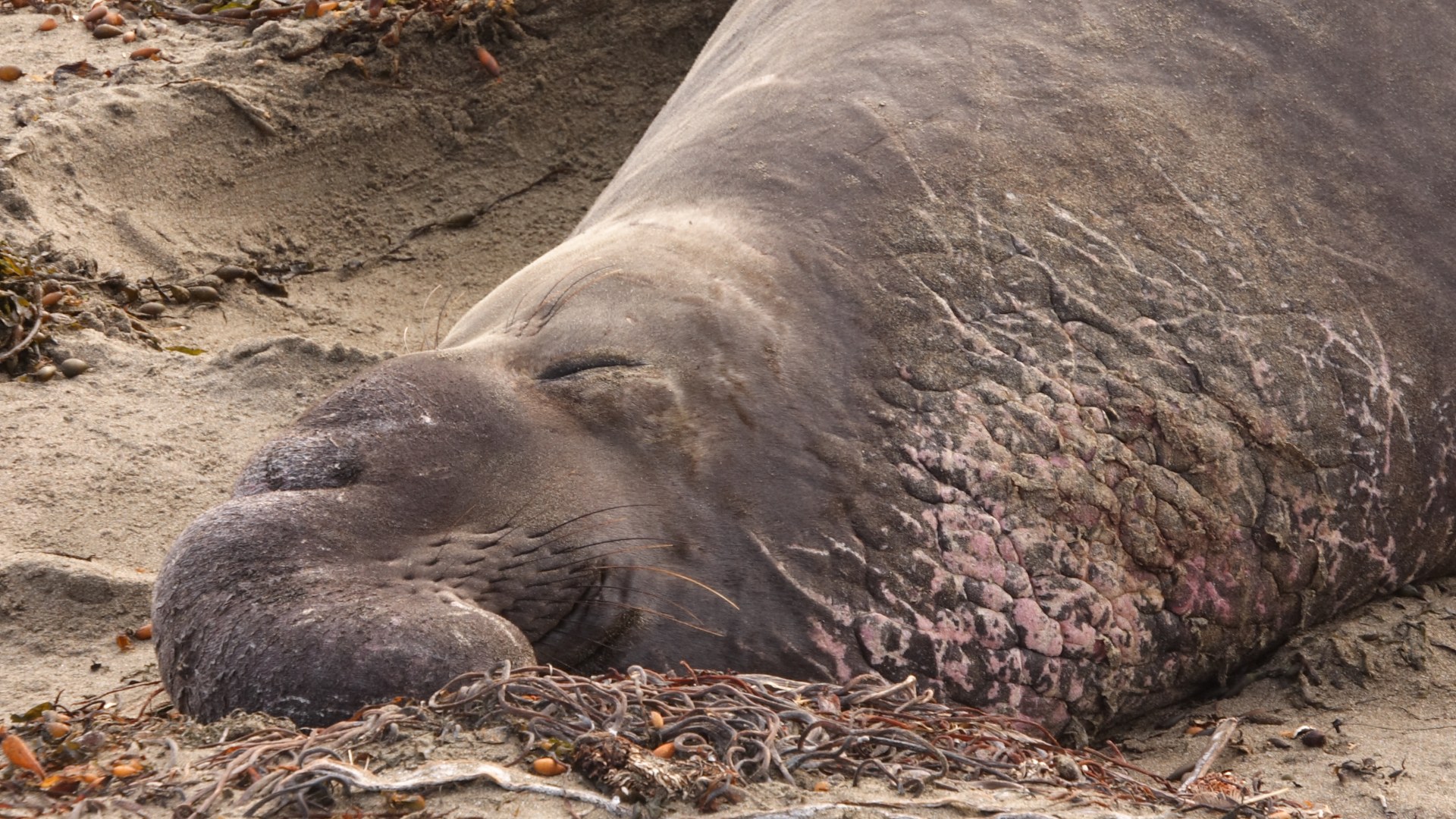
2. Elephant Seals: The Deep-Sea Drifters
During months-long foraging trips, elephant seals take 20-minute naps while sinking into the deep ocean. To avoid sharks and killer whales near the surface, they enter complete REM sleep at sea by executing a slow, spiraling drift down to safe depths.
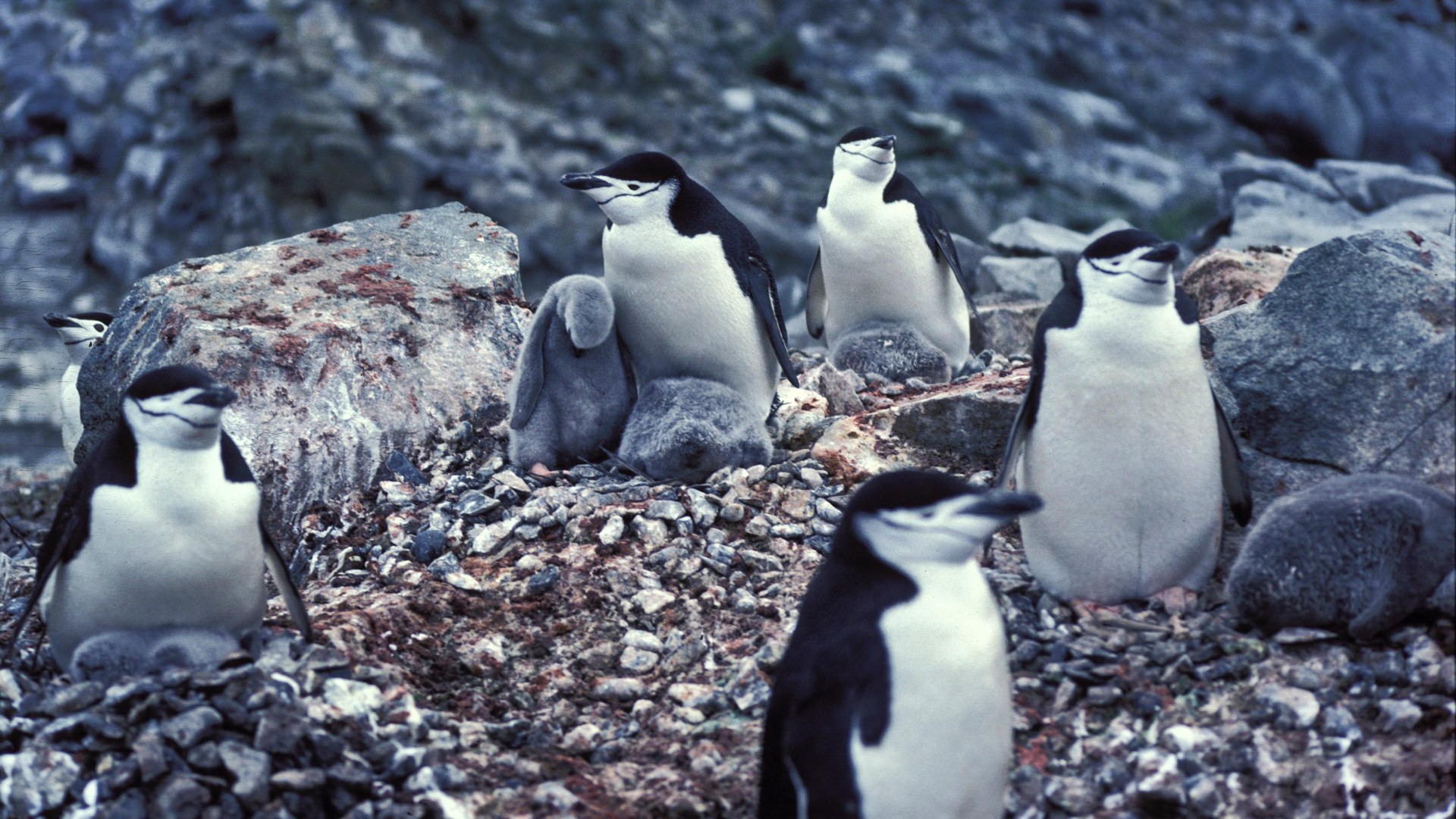
1. Chinstrap Penguins: The Ultimate Power Nappers
Chinstrap penguins fall asleep thousands of times a day for just four seconds per nap. By accumulating over 10,000 micro-naps daily, they rack up 11 hours of total sleep while constantly guarding their eggs and chicks from predators.