Slideshow · Viral
The Most Important Inventions by Teenagers, Ranked
From Louis Braille's tactile reading system and Philo Farnsworth's electronic television to modern cancer-detecting biosensors and ocean-cleaning barriers, these 17 breakthroughs prove you do not need
By Most Viral Today
29 Oct 2026

How 17 Teenagers Built Inventions That Changed Everyday Life Around the World 
17. The Pressed-Steel Toy Truck (Buddy L) 
16. Water-Skiing 
15. Earmuffs - AdvertisementSwipe or tap ▶ to continue countdown

14. The Popsicle 
13. Electric Christmas Tree Lights 
12. The Trampoline 
11. Early Digital Icon And Touchscreen Interface - AdvertisementSwipe or tap ▶ to continue countdown

10. The Low-Cost Underwater ROV Robot 
9. The Snowmobile 
8. The Flashlight That Runs On Body Heat 
7. The Orange-Peel Drought Polymer - AdvertisementSwipe or tap ▶ to continue countdown

6. The Smart Bra For Breast Cancer Detection 
5. The High-Oil Algae Biofuel Method 
4. The Ocean Cleanup System 
3. The Early Cancer Detection Sensor Strip - AdvertisementSwipe or tap ▶ to continue countdown

2. The Electronic Television System 
1. The Braille Writing System - Advertisement🔥 UP NEXT IN THIS SERIES◫ 21 Slides

20 Iconic Historical Photos and the Archive Clues Behind Them
Contact sheets, cracked glass plates, and NASA mission logs preserve the hidden steps behind 20 famous photographs. Drawing on records from the Library of Congress, the National Archives, NASA, and the Smithsonian, this countdown traces how cropping, camera setups, and double exposures shaped each frame.
From 15-year-old Louis Braille's tactile reading dots and 14-year-old Philo Farnsworth's electronic television to modern cancer-detecting biosensors and ocean-cleaning barriers, these 17 breakthroughs prove you do not need decades of lab experience to change history.
Swipe or tap ▶ to begin the countdown
©Wikimedia / XPRIZE Foundation & U.S. Department of Energy
17. The Pressed-Steel Toy Truck (Buddy L)
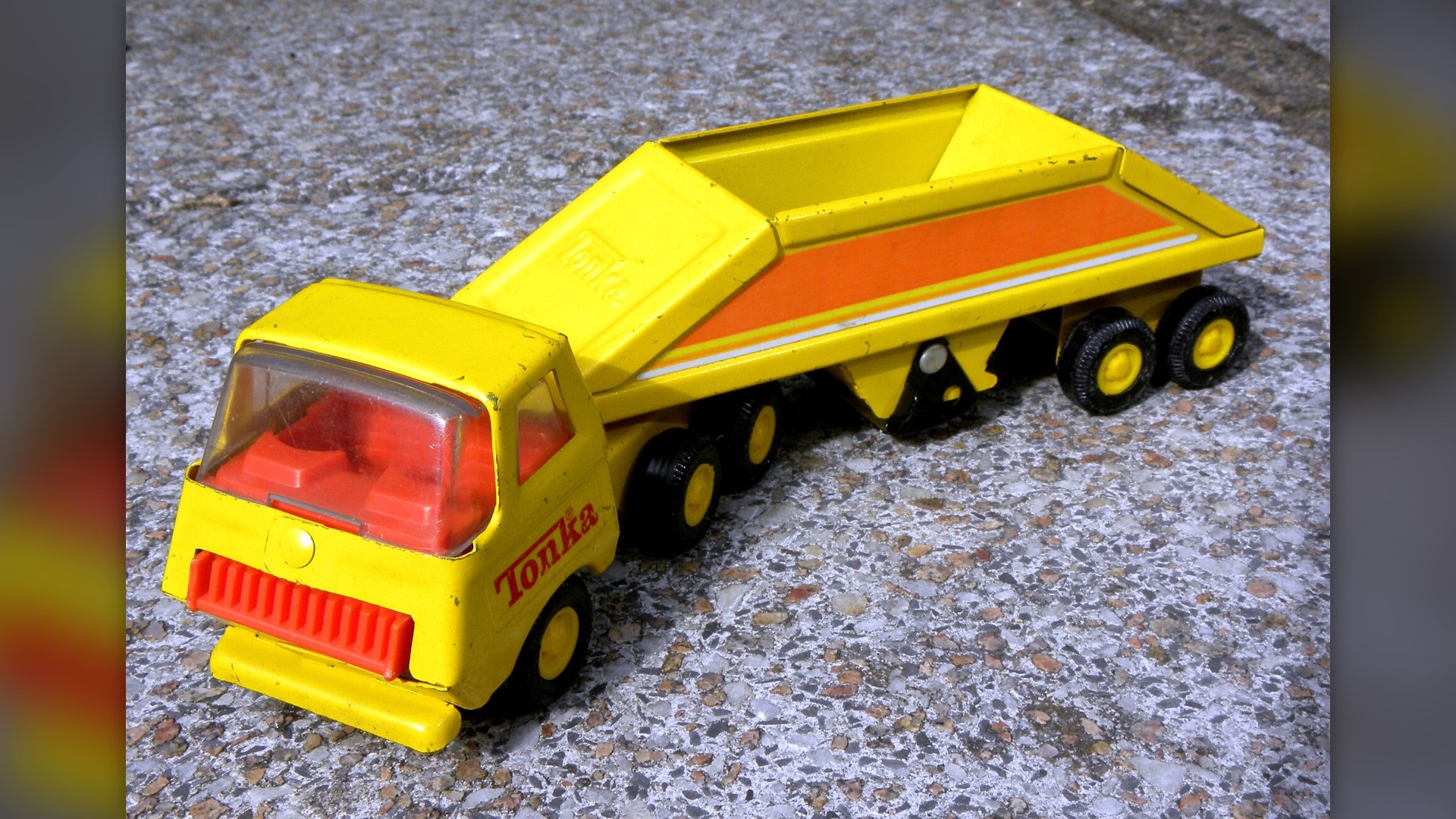
Before the 1920s, most children's toys were fragile tin or wood replicas that broke easily during outdoor play. In 1921, 17-year-old Fred Lundahl took scrap 18-gauge pressed steel from his father's automobile fender factory in Illinois to build heavy-duty Buddy L dump trucks, launching the modern steel toy industry.
©Wikimedia / Joost J. Bakker
16. Water-Skiing
Convinced that if people could ski on snow they could also ski on water, 18-year-old Ralph Samuelson experimented on Lake Pepin in Minnesota during the summer of 1922. After testing wooden barrel staves and steaming pine boards into curved tips, he successfully glided across the wake behind a motorboat.
©Wikimedia / Ted Van Pelt
15. Earmuffs
While testing a new pair of ice skates in Farmington, Maine, in 1873, 15-year-old Chester Greenwood grew tired of itchy wool scarves that failed to block the winter wind. He bent a loop of spring steel wire and asked his grandmother to sew beaver fur and velvet pads onto the ends.
©Wikimedia / HelenOnline
Advertisement
Swipe or tap ▶ to resume the countdown.
14. The Popsicle
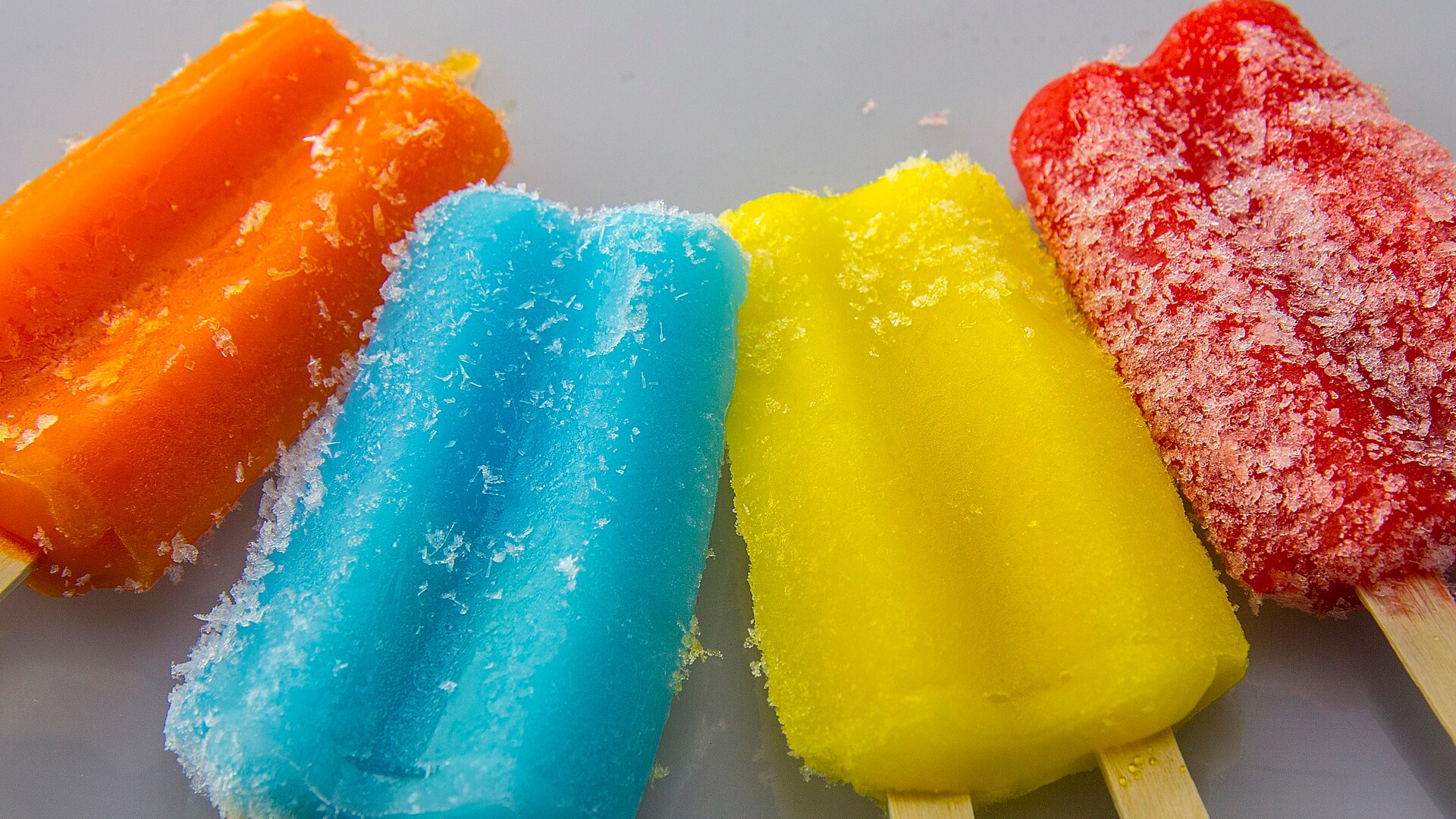
One cold San Francisco evening in 1905, 11-year-old Frank Epperson mixed powdered soda flavoring with water on his porch and left a wooden stirring stick inside the glass. After temperatures dropped below freezing overnight, he woke up to discover a frozen treat that he later patented as the Popsicle.
©Wikimedia / Sally Robertson
13. Electric Christmas Tree Lights
For generations, families decorated holiday trees with open wax candles that routinely sparked devastating house fires. In 1917, 15-year-old Albert Sadacca persuaded his family's novelty lighting company to manufacture inexpensive, brightly painted electric string lights for households.
©Wikimedia / John Brighenti
12. The Trampoline
After watching circus trapeze artists bounce off their safety nets at age 16 in 1930, Iowa gymnast George Nissen wondered if a dedicated rebounding rig could help him practice tumbling routines. Working in his parents' garage, he bolted angle iron from a junkyard together with stretched canvas and rubber inner tubes.
©Wikimedia / Martin Rulsch
11. Early Digital Icon And Touchscreen Interface
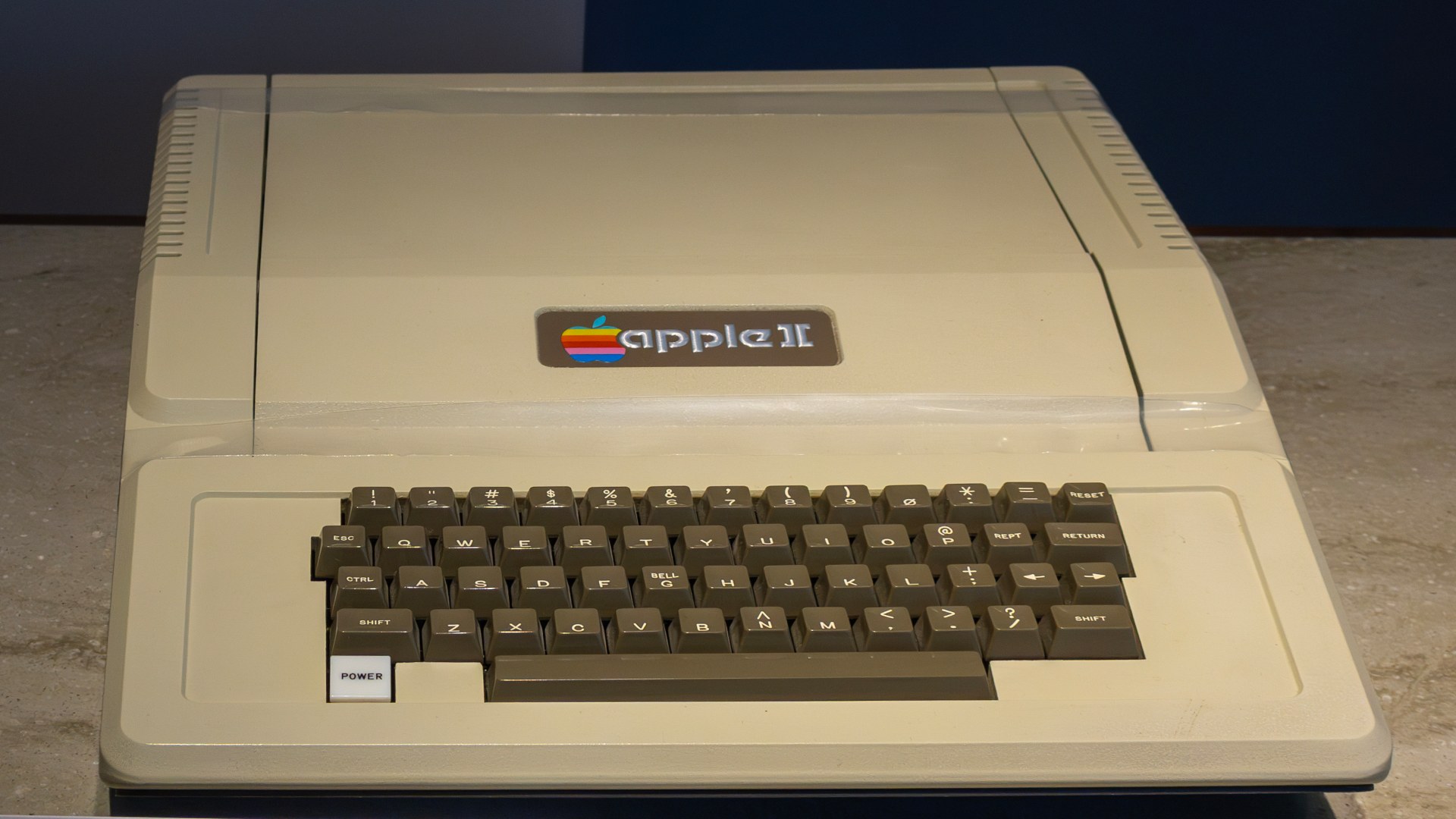
When late-1970s microcomputers required users to memorize complex text commands, 17-year-old student Wayne Green designed a visual rotary-dial icon and menu project in 1978. His intuitive interface foreshadowed the graphical menus and touchscreen navigation used across modern devices.
©Wikimedia / The wub
Advertisement
Swipe or tap ▶ to resume the countdown.
10. The Low-Cost Underwater ROV Robot
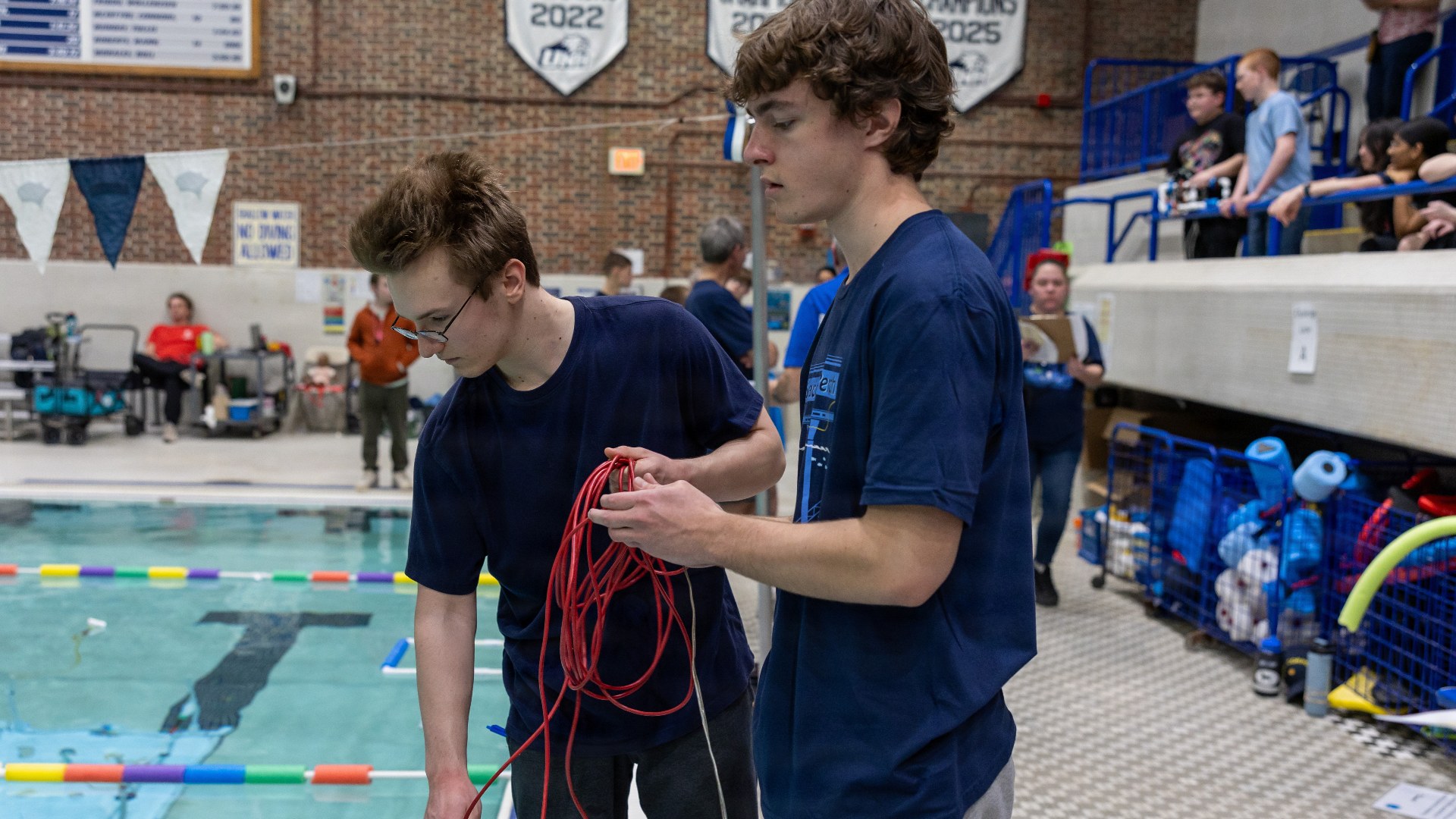
Competing in a prestigious 2004 NASA-sponsored MATE ROV Competition, a team of Carl Hayden High School students in West Phoenix led by Carlie Rodriguez and Lorenzo Santillan built a remotely operated underwater vehicle out of cheap PVC pipe, bilge pumps, and a deodorant stick, famously defeating MIT.
©DVIDS / Navy photo by Neil Boorjian
9. The Snowmobile
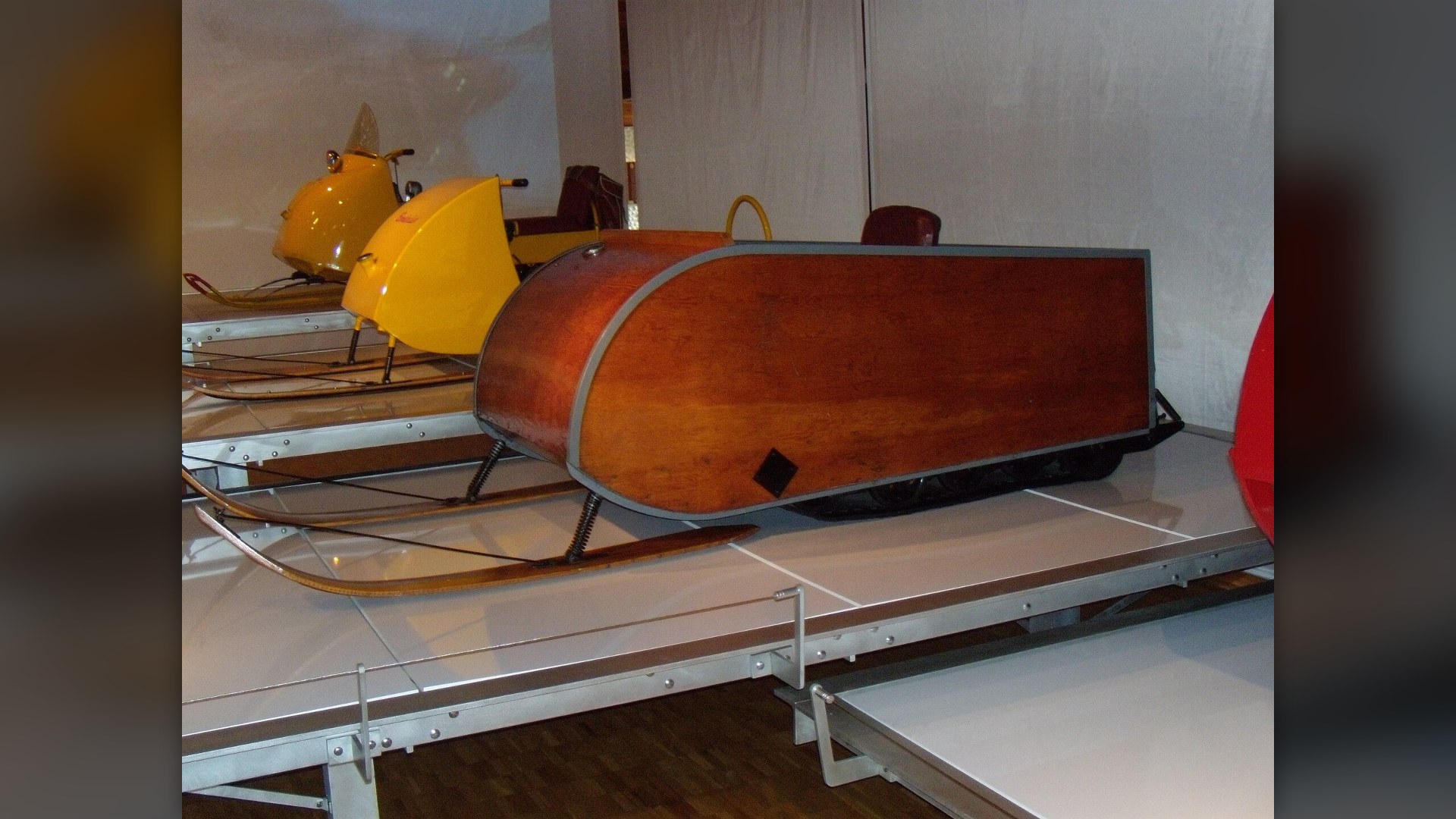
Growing up in rural Quebec where heavy blizzards isolated entire towns for months, 15-year-old Joseph-Armand Bombardier built his first motorized snow vehicle during New Year's week of 1922. He mounted a salvaged Ford Model T engine and a hand-carved wooden propeller onto two wooden sleds.
©Wikimedia / Boombardier
8. The Flashlight That Runs On Body Heat
After learning that a friend in the Philippines was failing school because her family could not afford electricity to study at night, 15-year-old Canadian student Ann Makosinski invented the Hollow Flashlight in 2013. Her battery-free design uses thermoelectric Peltier tiles to convert hand heat into light.
©Wikimedia / Ministerio de Cultura de la Nacion
7. The Orange-Peel Drought Polymer
Witnessing severe drought devastate crops across South Africa in 2016, 16-year-old Kiara Nirghin developed a low-cost, biodegradable soil polymer made entirely from waste orange peels and avocado skins. The natural pectin and oils hold hundreds of times their weight in water around plant roots.
©Wikimedia / Ivar Leidus
Advertisement
Swipe or tap ▶ to resume the countdown.
6. The Smart Bra For Breast Cancer Detection
After watching his mother battle breast cancer twice, 18-year-old Mexican student Julian Rios Cantu co-founded Higia Technologies in 2017 and developed the EVA smart bra. Equipped with roughly 200 tactile thermal biosensors, the wearable insert maps temperature and elasticity changes.
©Wikimedia / KOMUnews
5. The High-Oil Algae Biofuel Method
Working from a makeshift laboratory built underneath her bedroom loft bed in Colorado Springs, 17-year-old Sara Volz used artificial selection to breed microalgae strains with supercharged lipid production in 2013. Her method lowered the cost of renewable algae biofuel and won the Intel Science Talent Search.
©Wikimedia / U.S. Department of Energy
4. The Ocean Cleanup System
After spotting more plastic bags than fish while scuba diving in Greece at age 16 in 2011, Dutch student Boyan Slat dedicated his high school science project to marine pollution. He designed a passive floating barrier system that uses natural ocean currents to funnel and harvest plastic waste.
©Wikimedia / Ministerie van Buitenlandse Zaken
3. The Early Cancer Detection Sensor Strip
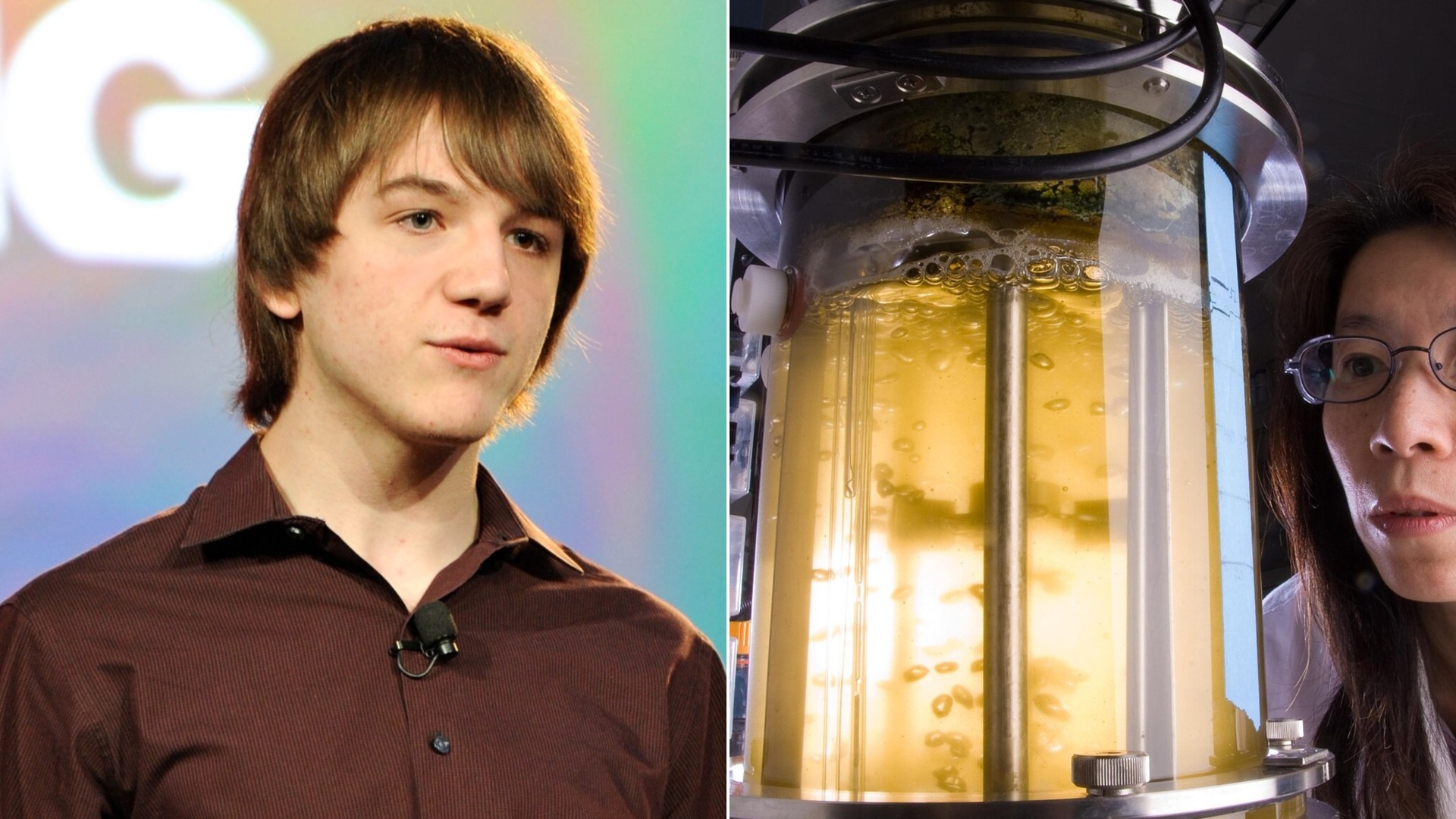
Motivated by the death of a close family friend from pancreatic cancer, 15-year-old Maryland high schooler Jack Andraka wrote to 200 researchers before Johns Hopkins University granted him lab space in 2012. He coated filter paper with carbon nanotubes and antibodies to detect mesothelin biomarkers.
©Wikimedia / XPRIZE Foundation
Advertisement
Swipe or tap ▶ to resume the countdown.
2. The Electronic Television System
While plowing back-and-forth rows across his family's potato field in Idaho in 1921, 14-year-old Philo Farnsworth realized that moving images could be scanned line by line using a beam of electrons. He sketched the blueprint for his electronic image dissector tube on his high school teacher's chalkboard.
©Wikimedia / Marcin Wichary
1. The Braille Writing System
Blinded in a childhood workshop accident in France, 15-year-old Louis Braille simplified a complex military night-writing code in 1824 into a six-dot tactile cell that a reader's fingertip could recognize in a single touch. Two centuries later, Braille remains the universal standard of literacy for blind people.

©Wikimedia / Eddau
Advertisement
You've reached the end of the story. Thanks for reading!

20 Iconic Historical Photos and the Archive Clues Behind Them
Contact sheets, cracked glass plates, and NASA mission logs preserve the hidden steps behind 20 famous photographs. Drawing on records from the Library of Congress, the National Archives, NASA, and the Smithsonian, this countdown traces how cropping, camera setups, and double exposures shaped each frame.
All 17 Entries in this Story
17. The Pressed-Steel Toy Truck (Buddy L)
Before the 1920s, most children's toys were fragile tin or wood replicas that broke easily during outdoor play. In 1921, 17-year-old Fred Lundahl took scrap 18-gauge pressed steel from his father's automobile fender factory in Illinois to build heavy-duty Buddy L dump trucks, launching the modern steel toy industry.

16. Water-Skiing
Convinced that if people could ski on snow they could also ski on water, 18-year-old Ralph Samuelson experimented on Lake Pepin in Minnesota during the summer of 1922. After testing wooden barrel staves and steaming pine boards into curved tips, he successfully glided across the wake behind a motorboat.

15. Earmuffs
While testing a new pair of ice skates in Farmington, Maine, in 1873, 15-year-old Chester Greenwood grew tired of itchy wool scarves that failed to block the winter wind. He bent a loop of spring steel wire and asked his grandmother to sew beaver fur and velvet pads onto the ends.

14. The Popsicle
One cold San Francisco evening in 1905, 11-year-old Frank Epperson mixed powdered soda flavoring with water on his porch and left a wooden stirring stick inside the glass. After temperatures dropped below freezing overnight, he woke up to discover a frozen treat that he later patented as the Popsicle.

13. Electric Christmas Tree Lights
For generations, families decorated holiday trees with open wax candles that routinely sparked devastating house fires. In 1917, 15-year-old Albert Sadacca persuaded his family's novelty lighting company to manufacture inexpensive, brightly painted electric string lights for households.

12. The Trampoline
After watching circus trapeze artists bounce off their safety nets at age 16 in 1930, Iowa gymnast George Nissen wondered if a dedicated rebounding rig could help him practice tumbling routines. Working in his parents' garage, he bolted angle iron from a junkyard together with stretched canvas and rubber inner tubes.

11. Early Digital Icon And Touchscreen Interface
When late-1970s microcomputers required users to memorize complex text commands, 17-year-old student Wayne Green designed a visual rotary-dial icon and menu project in 1978. His intuitive interface foreshadowed the graphical menus and touchscreen navigation used across modern devices.

10. The Low-Cost Underwater ROV Robot
Competing in a prestigious 2004 NASA-sponsored MATE ROV Competition, a team of Carl Hayden High School students in West Phoenix led by Carlie Rodriguez and Lorenzo Santillan built a remotely operated underwater vehicle out of cheap PVC pipe, bilge pumps, and a deodorant stick, famously defeating MIT.

9. The Snowmobile
Growing up in rural Quebec where heavy blizzards isolated entire towns for months, 15-year-old Joseph-Armand Bombardier built his first motorized snow vehicle during New Year's week of 1922. He mounted a salvaged Ford Model T engine and a hand-carved wooden propeller onto two wooden sleds.

8. The Flashlight That Runs On Body Heat
After learning that a friend in the Philippines was failing school because her family could not afford electricity to study at night, 15-year-old Canadian student Ann Makosinski invented the Hollow Flashlight in 2013. Her battery-free design uses thermoelectric Peltier tiles to convert hand heat into light.

7. The Orange-Peel Drought Polymer
Witnessing severe drought devastate crops across South Africa in 2016, 16-year-old Kiara Nirghin developed a low-cost, biodegradable soil polymer made entirely from waste orange peels and avocado skins. The natural pectin and oils hold hundreds of times their weight in water around plant roots.

6. The Smart Bra For Breast Cancer Detection
After watching his mother battle breast cancer twice, 18-year-old Mexican student Julian Rios Cantu co-founded Higia Technologies in 2017 and developed the EVA smart bra. Equipped with roughly 200 tactile thermal biosensors, the wearable insert maps temperature and elasticity changes.

5. The High-Oil Algae Biofuel Method
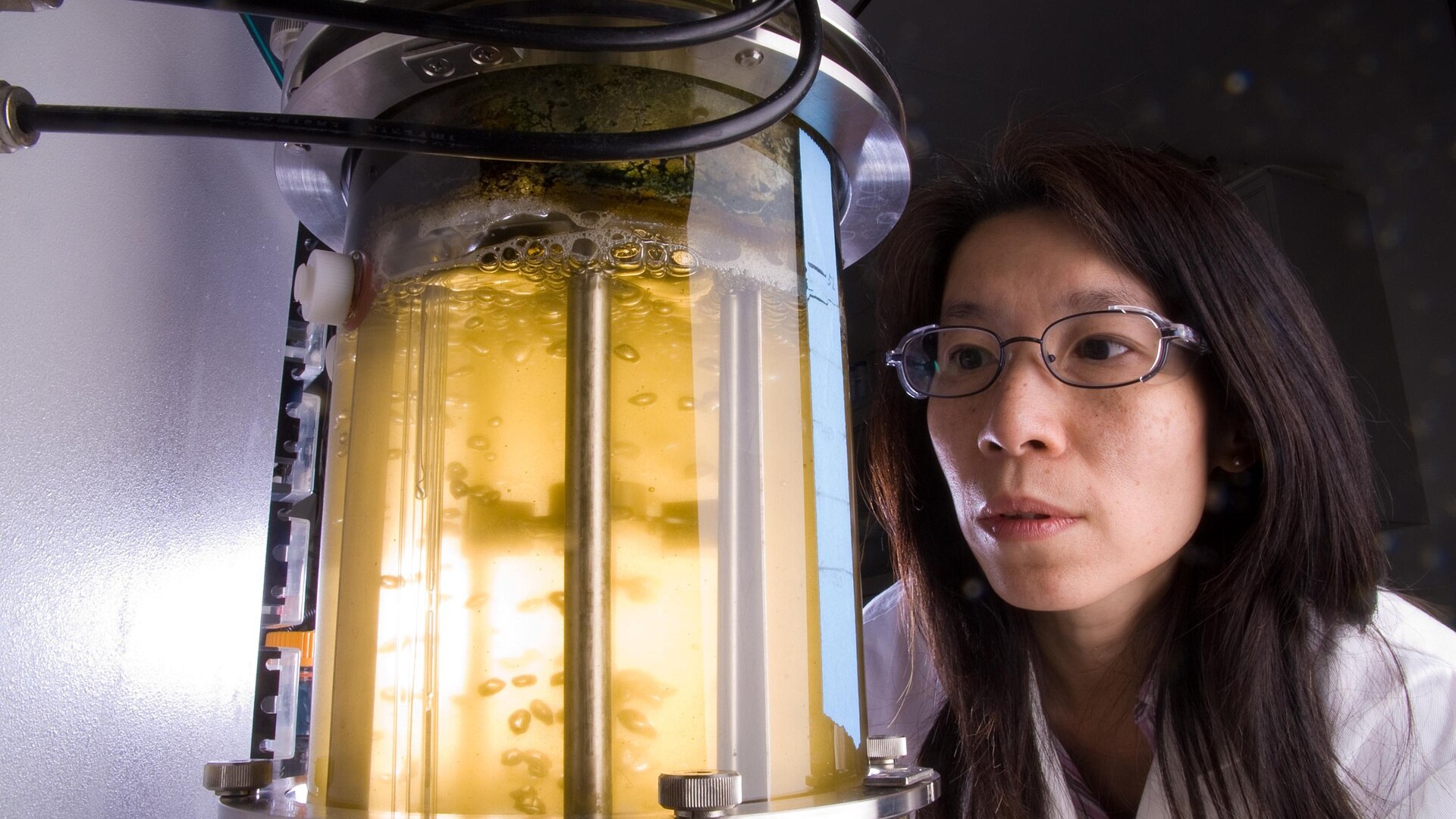
Working from a makeshift laboratory built underneath her bedroom loft bed in Colorado Springs, 17-year-old Sara Volz used artificial selection to breed microalgae strains with supercharged lipid production in 2013. Her method lowered the cost of renewable algae biofuel and won the Intel Science Talent Search.

4. The Ocean Cleanup System
After spotting more plastic bags than fish while scuba diving in Greece at age 16 in 2011, Dutch student Boyan Slat dedicated his high school science project to marine pollution. He designed a passive floating barrier system that uses natural ocean currents to funnel and harvest plastic waste.

3. The Early Cancer Detection Sensor Strip
Motivated by the death of a close family friend from pancreatic cancer, 15-year-old Maryland high schooler Jack Andraka wrote to 200 researchers before Johns Hopkins University granted him lab space in 2012. He coated filter paper with carbon nanotubes and antibodies to detect mesothelin biomarkers.

2. The Electronic Television System
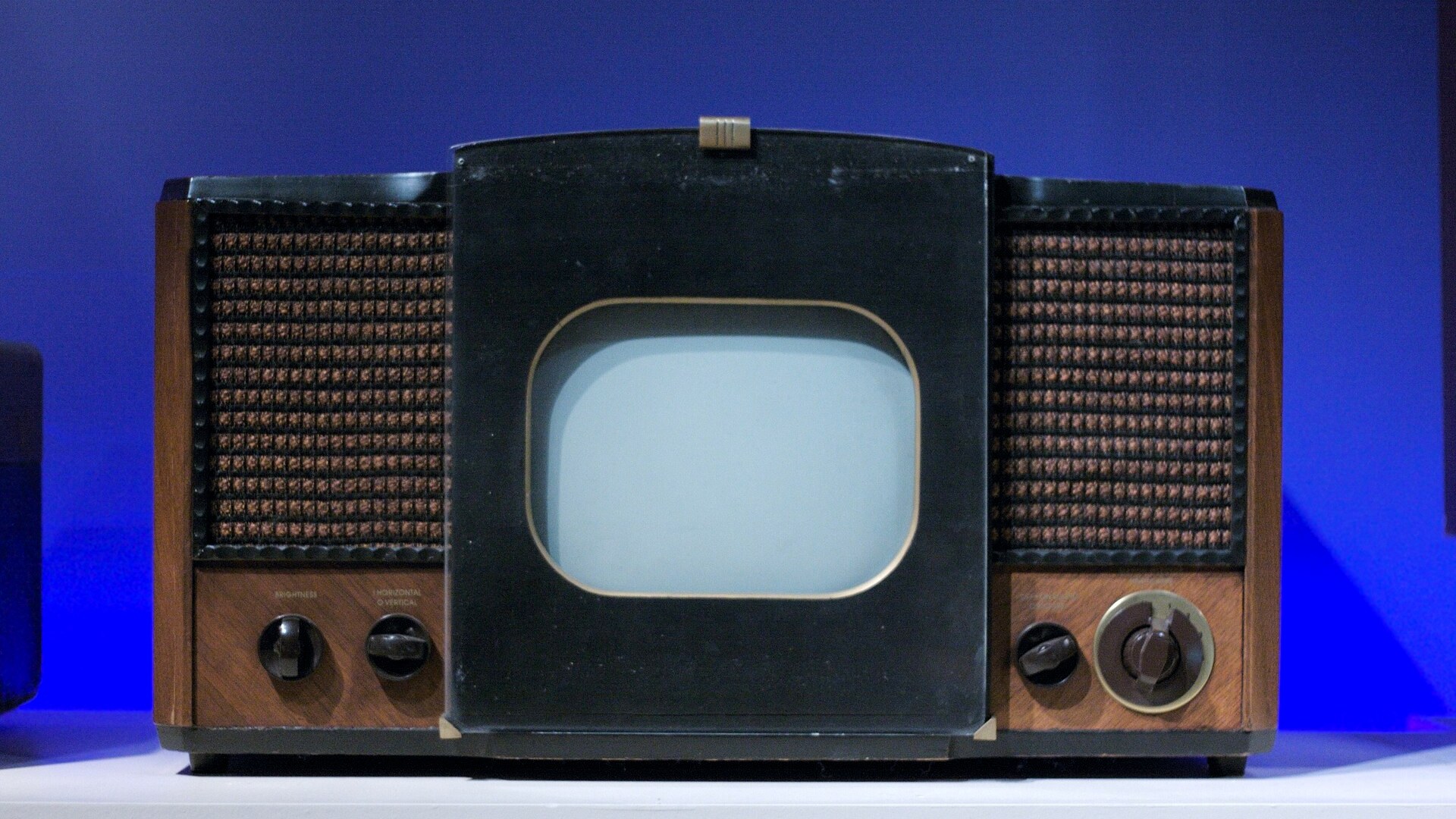
While plowing back-and-forth rows across his family's potato field in Idaho in 1921, 14-year-old Philo Farnsworth realized that moving images could be scanned line by line using a beam of electrons. He sketched the blueprint for his electronic image dissector tube on his high school teacher's chalkboard.

1. The Braille Writing System
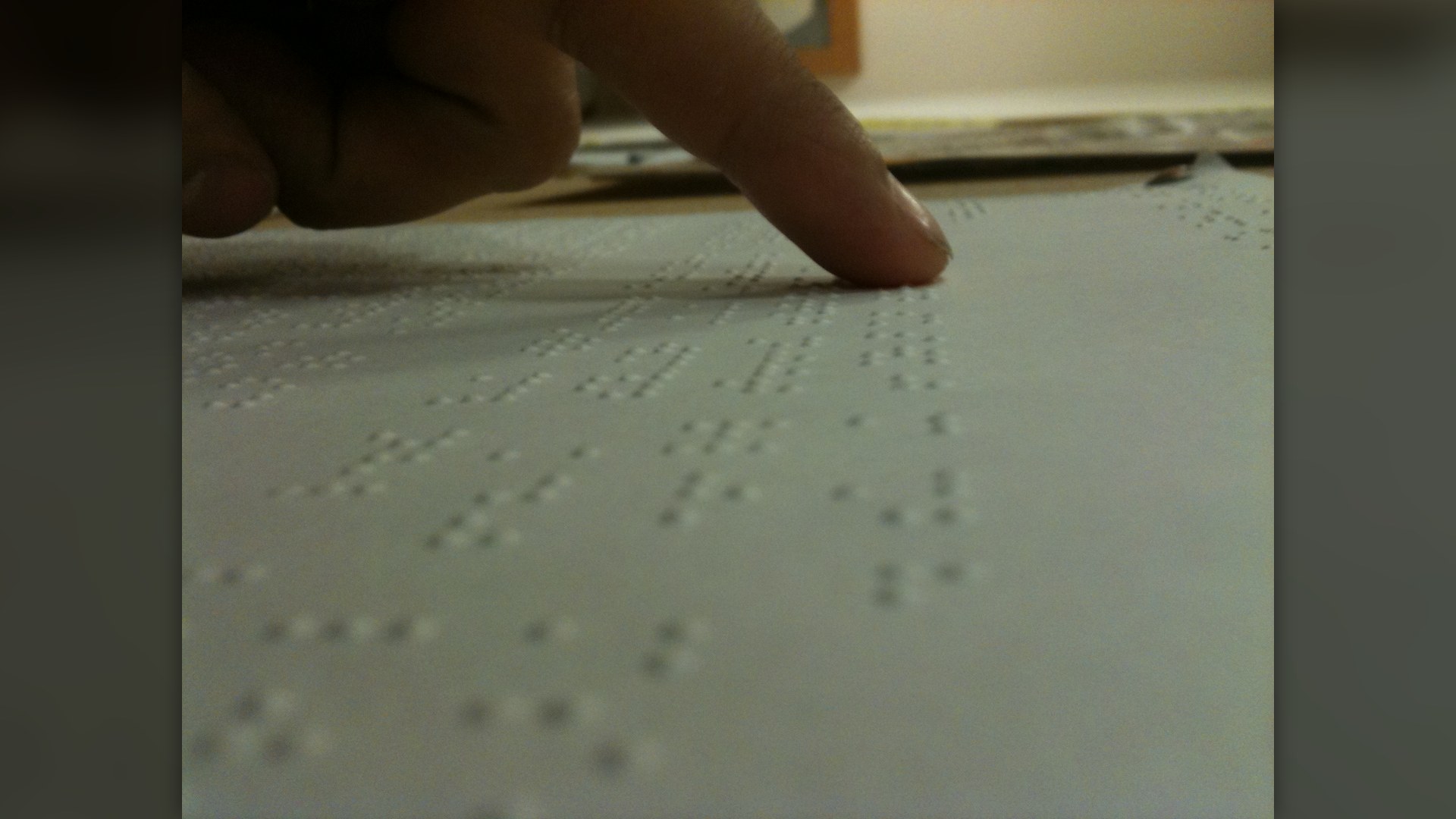
Blinded in a childhood workshop accident in France, 15-year-old Louis Braille simplified a complex military night-writing code in 1824 into a six-dot tactile cell that a reader's fingertip could recognize in a single touch. Two centuries later, Braille remains the universal standard of literacy for blind people.