Slideshow · Viral
The Most Intelligent Animals on Earth
Science ranks them by problem-solving, memory, and social complexity — and the results will surprise you.
By Most Viral Today
1 Oct 2026

The Most Intelligent Animals on Earth 
15. The Pigeon 
14. The Squirrel 
13. The Raccoon - AdvertisementSwipe or tap ▶ to continue countdown

12. The Rat 
11. The Border Collie 
10. The Pig 
9. The Crow - AdvertisementSwipe or tap ▶ to continue countdown

8. The African Grey Parrot 
7. The Orca 
6. The Elephant 
5. The Octopus - AdvertisementSwipe or tap ▶ to continue countdown

4. The Gorilla 
3. The Orangutan 
2. The Bottlenose Dolphin 
1. The Chimpanzee - Advertisement🔥 UP NEXT IN THIS SERIES◫ 21 Slides

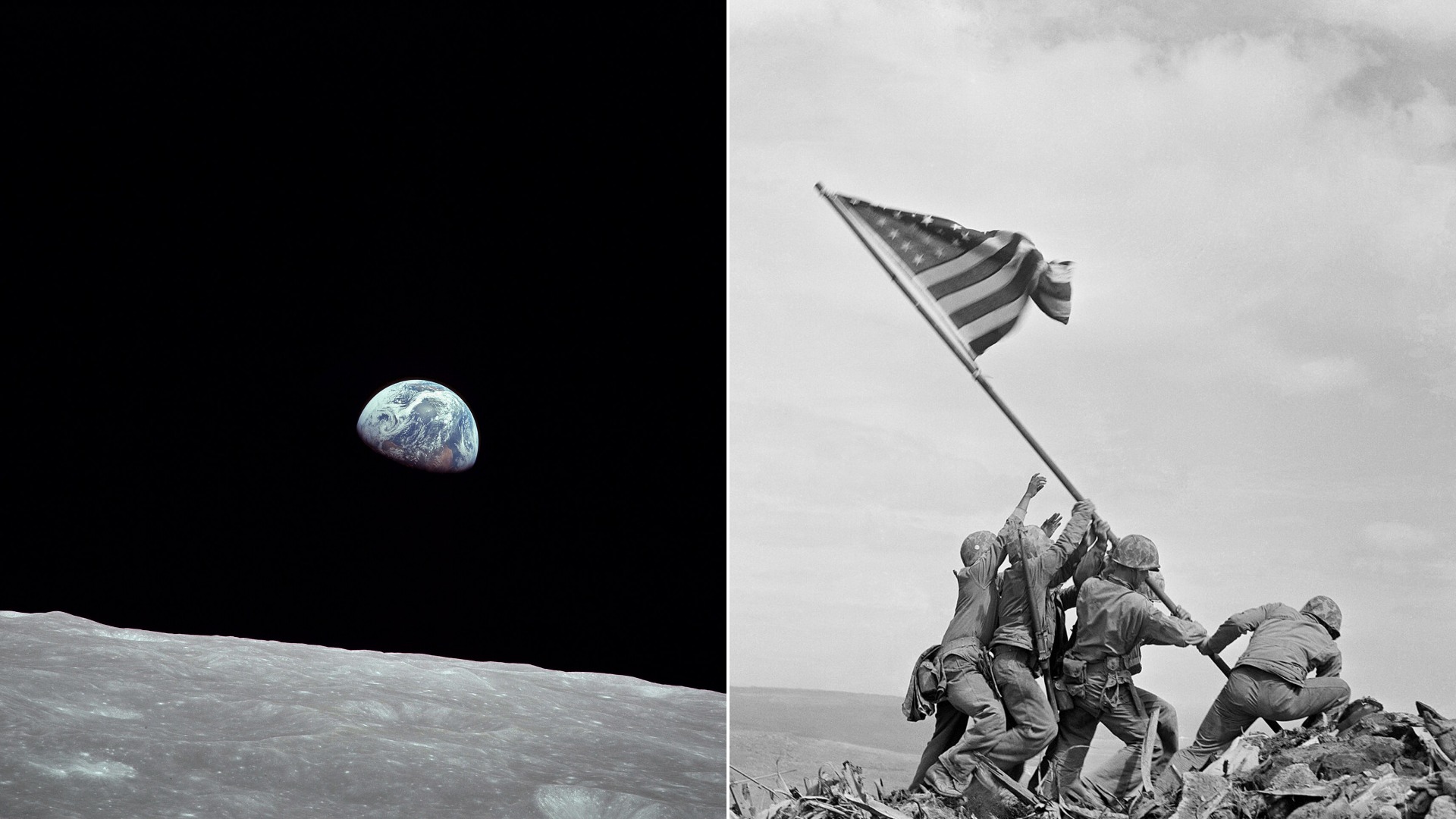
20 Iconic Historical Photos and the Archive Clues Behind Them
Contact sheets, cracked glass plates, and NASA mission logs preserve the hidden steps behind 20 famous photographs. Drawing on records from the Library of Congress, the National Archives, NASA, and the Smithsonian, this countdown traces how cropping, camera setups, and double exposures shaped each frame.
Swipe or tap ▶ to begin the countdown
©Openverse / Meneer Zjeroen + Allie_Caulfield
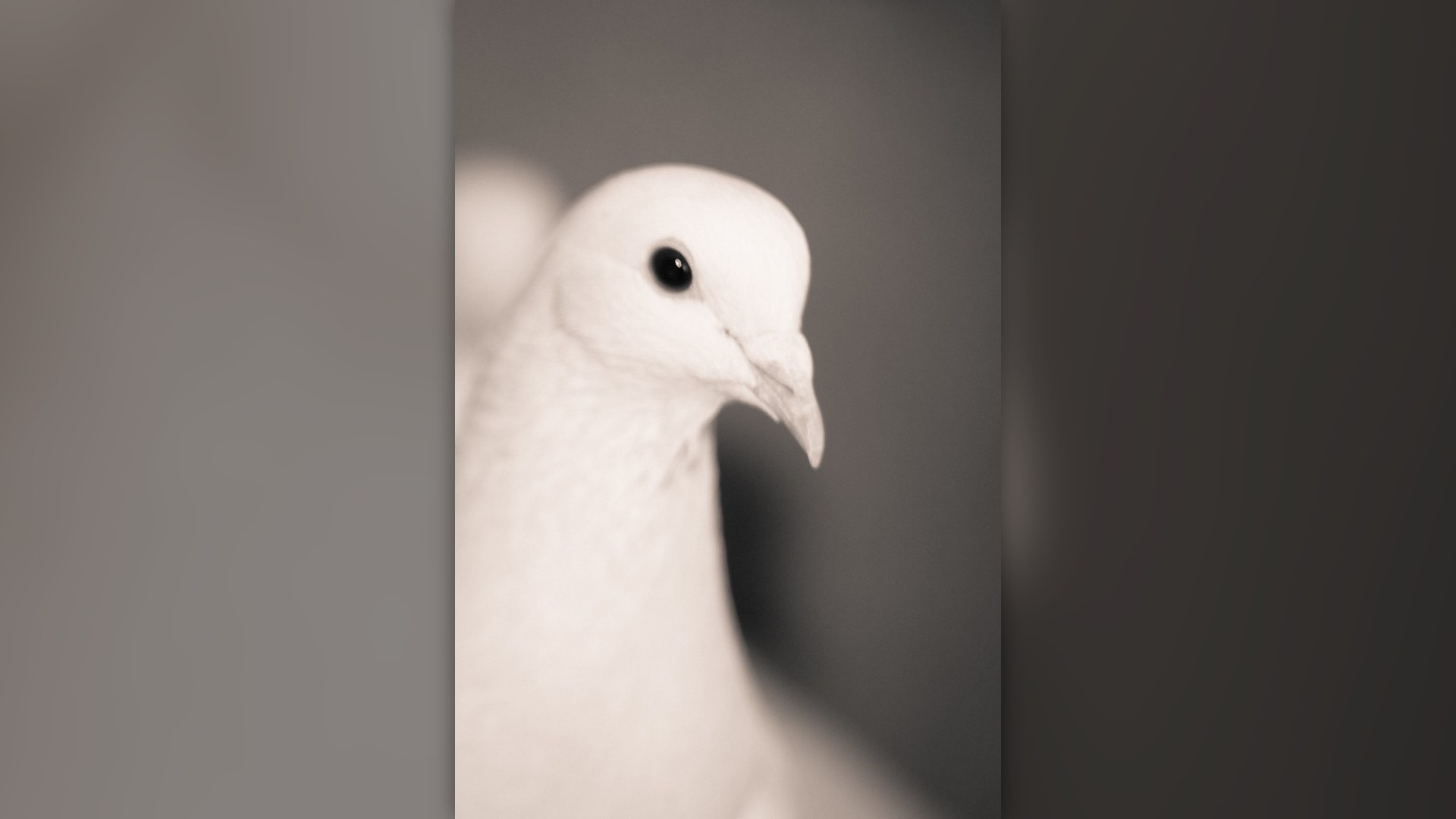
15. The Pigeon
Pigeons navigate thousands of miles using magnetic fields, landmarks, and infrasound. They recognize human faces, pass mirror self-recognition tests, and have been trained to detect cancerous tissue in medical images with 99% accuracy.
©Openverse / Anton Vakulenko
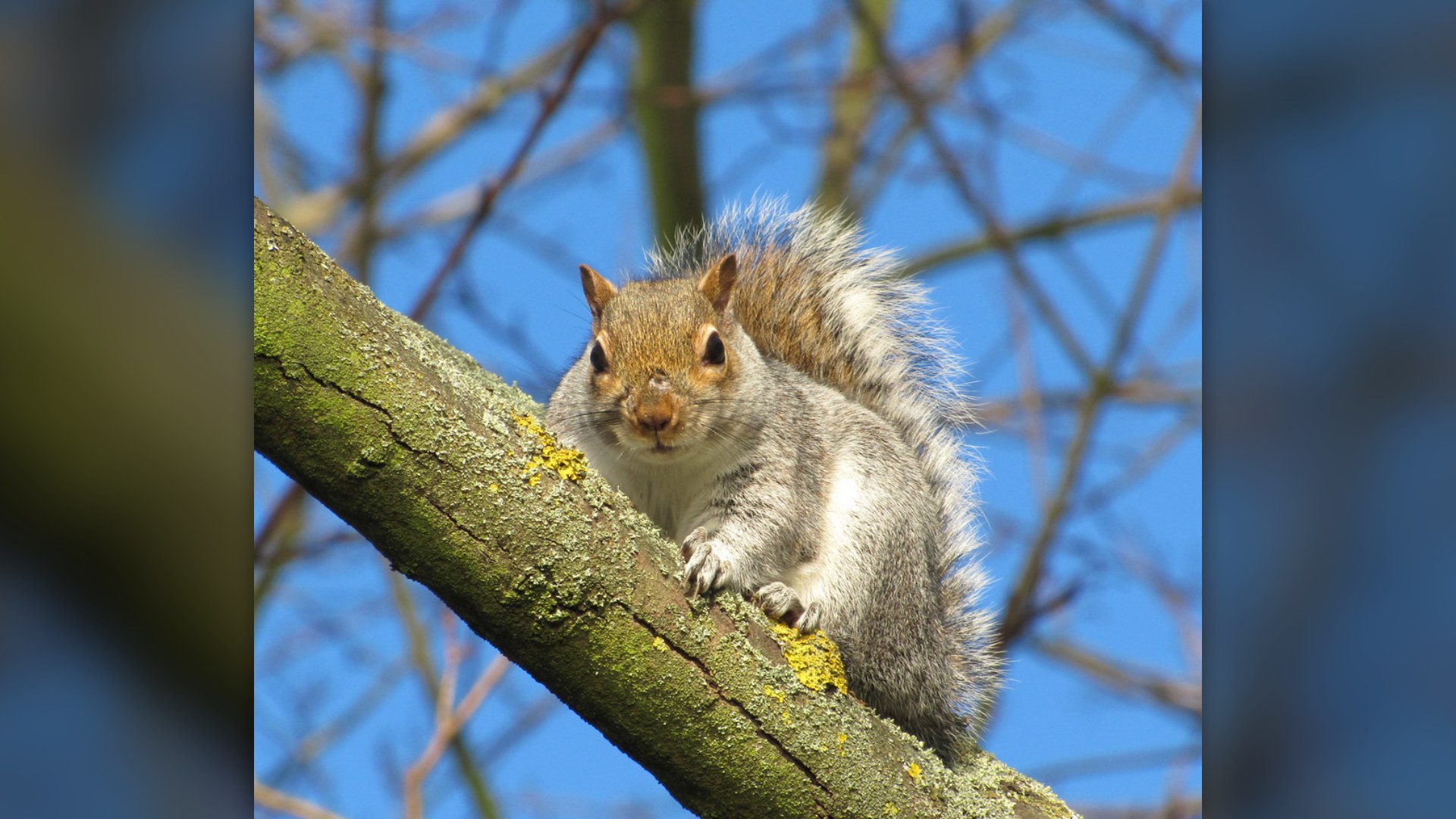
14. The Squirrel
Grey squirrels run elaborate deception campaigns against rivals - pretending to bury nuts while hiding them elsewhere. They cache up to 10,000 food items per season and recover the vast majority months later using spatial memory.
©Openverse / Mostly Dans
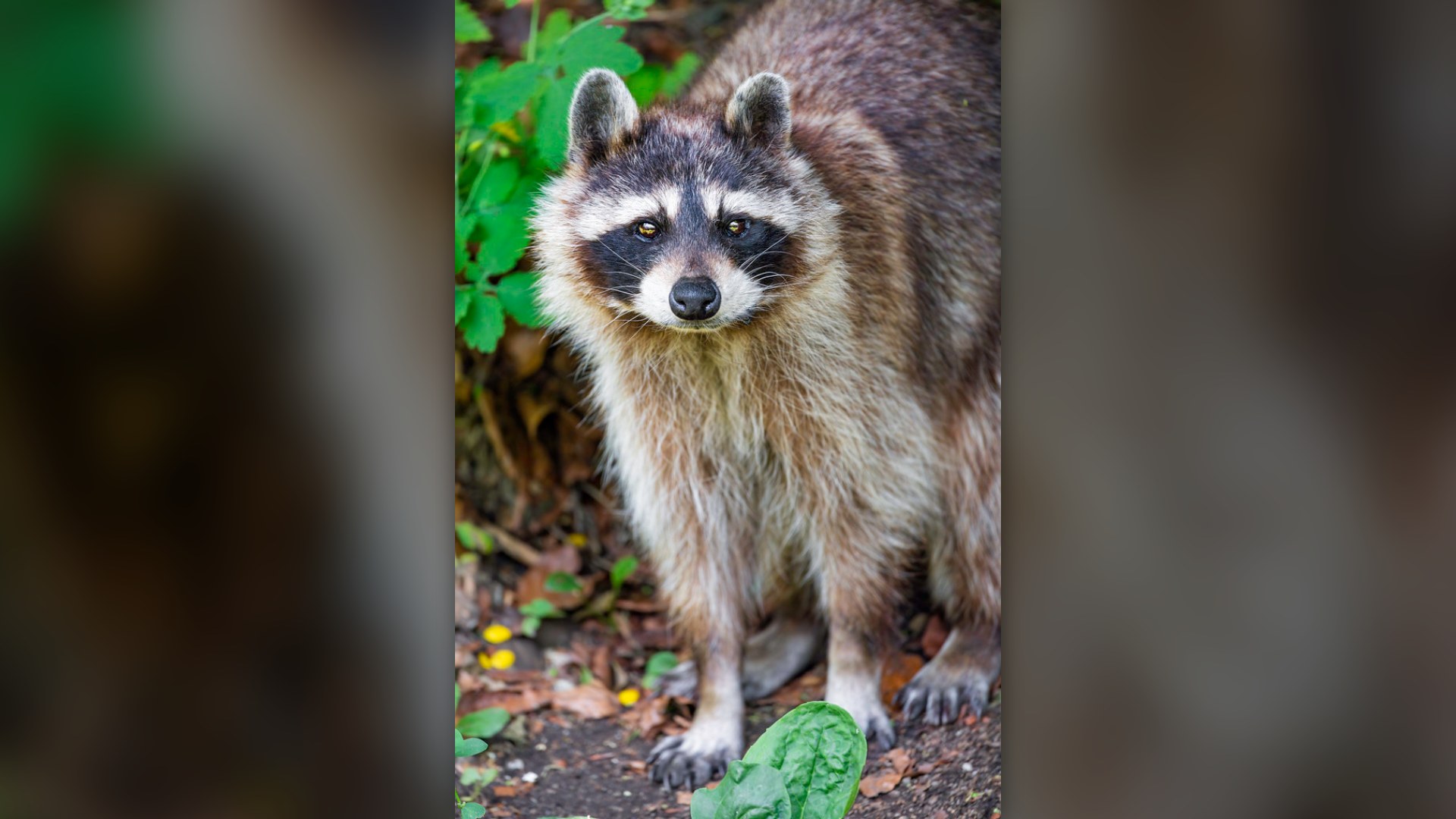
13. The Raccoon
Raccoons were the subject of legendary maze-solving experiments in the 1900s. They can open complex locks after watching a human perform the action once - and remember solutions for three years.
©Openverse / Tambako the Jaguar
Advertisement
Swipe or tap ▶ to resume the countdown.
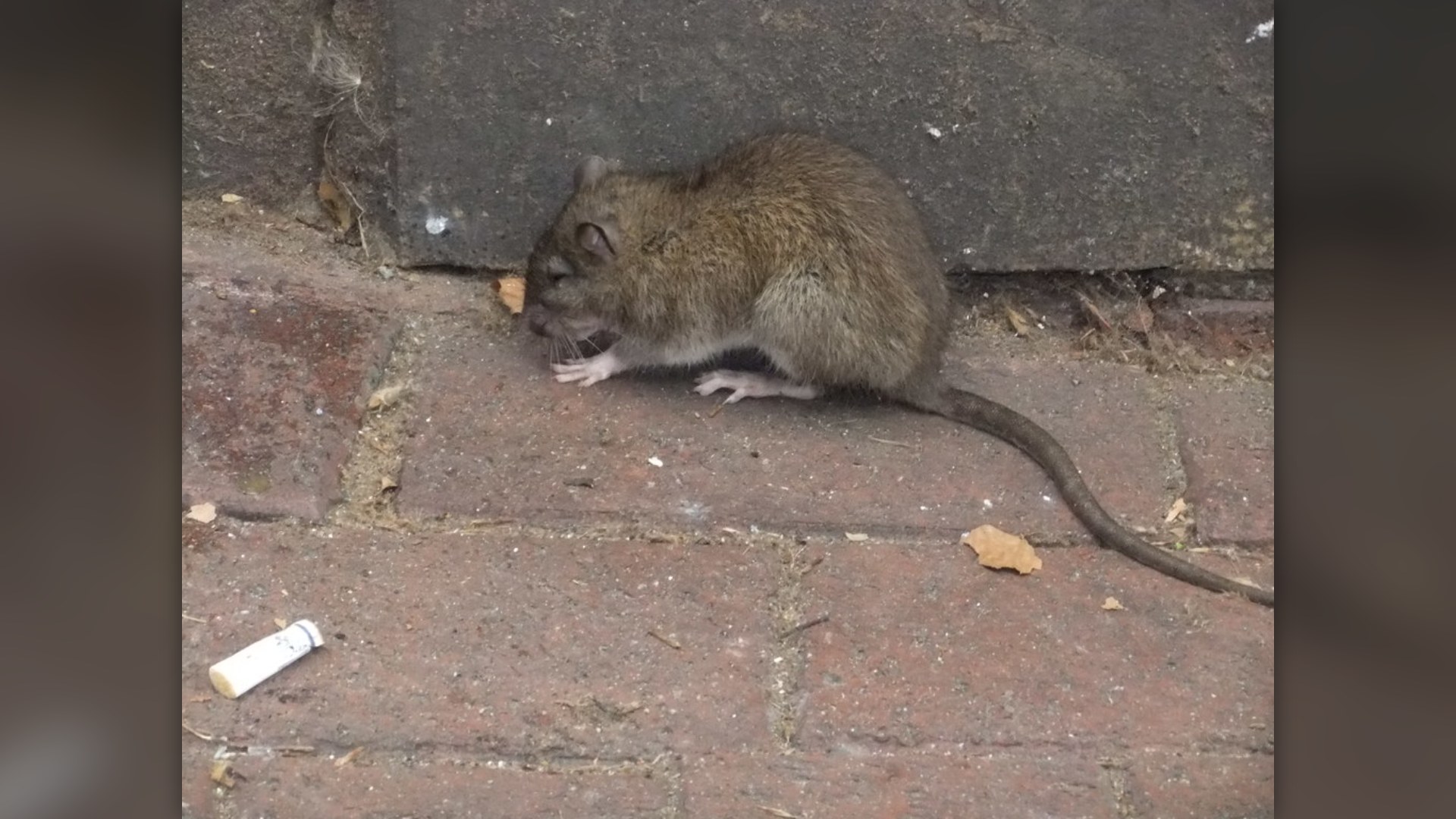
12. The Rat
Rats consistently free trapped companions even when offered chocolate as a distraction. They show regret, adjust future decisions after mistakes, and can be taught to drive tiny cars.
©Openverse / oatsy40
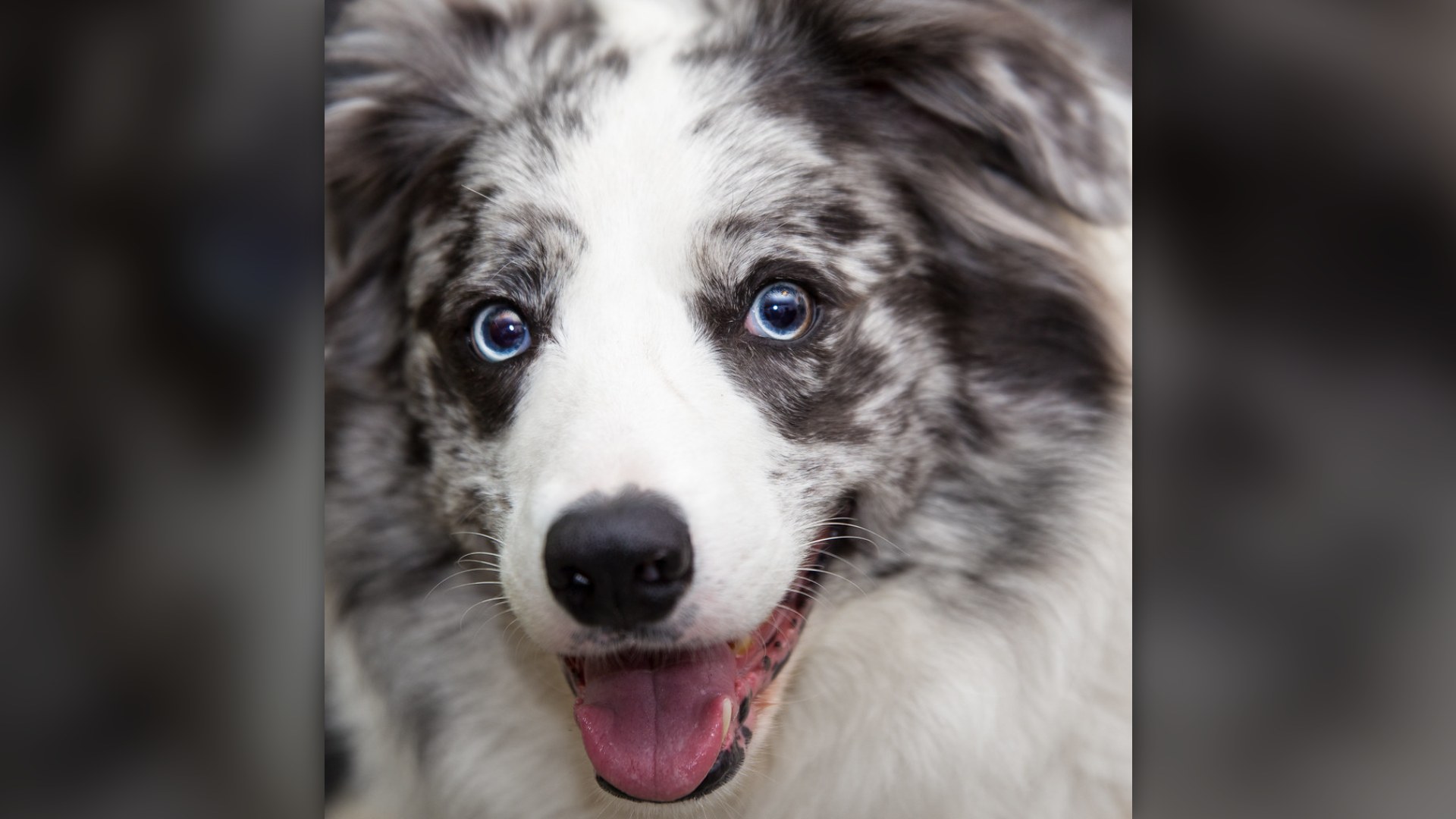
11. The Border Collie
Chaser, a Border Collie, learned the names of 1,022 objects - more than any non-human animal. Border Collies infer an object identity through logical exclusion, a skill once thought uniquely human.
©Openverse / GunnerVV
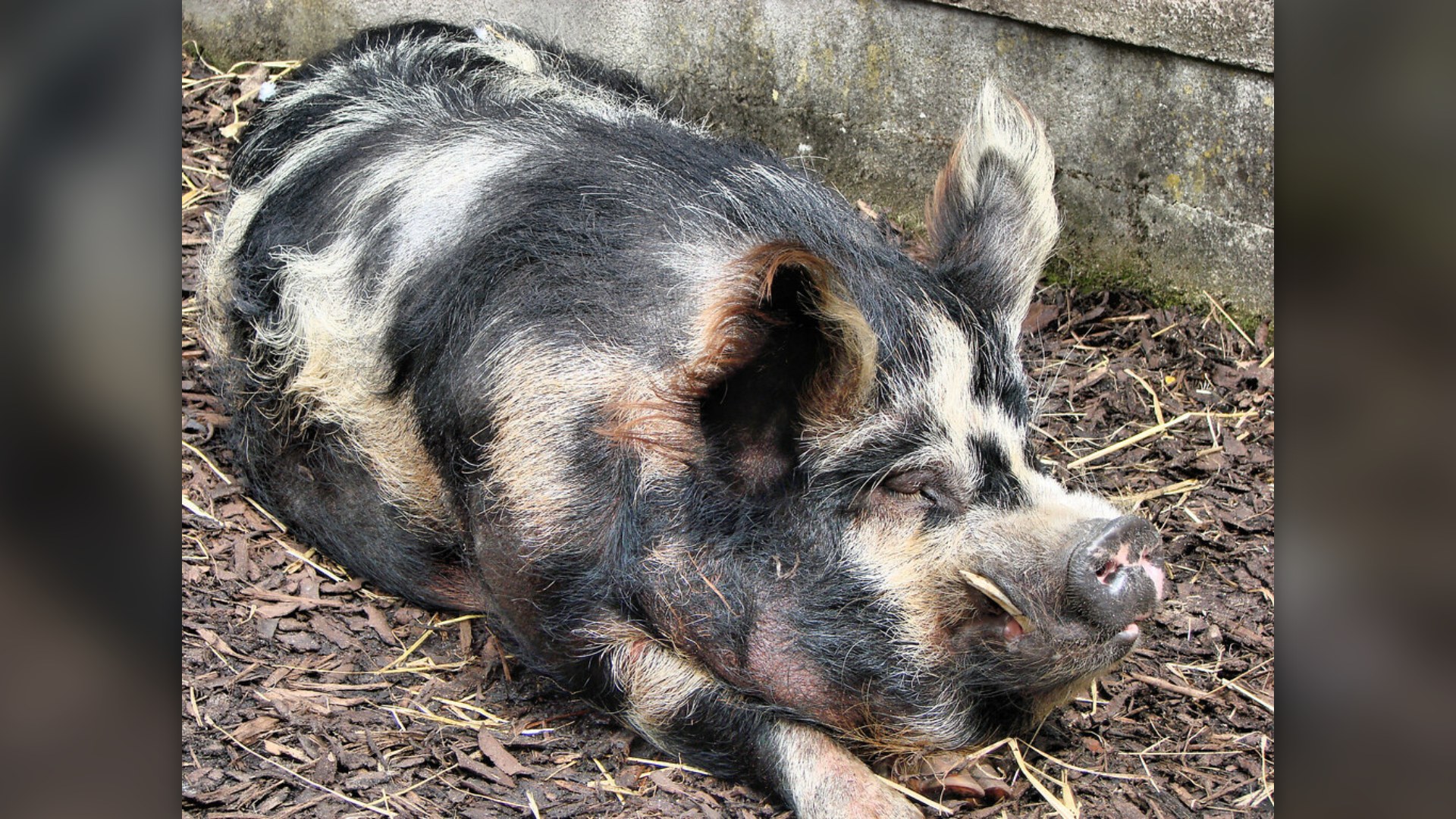
10. The Pig
Pigs beat dogs, chimpanzees, and three-year-old children on joystick-controlled video game tasks. They understand mirrors, show metacognition, and respond to their own names within hours of birth.
©Openverse / Daragh Burns
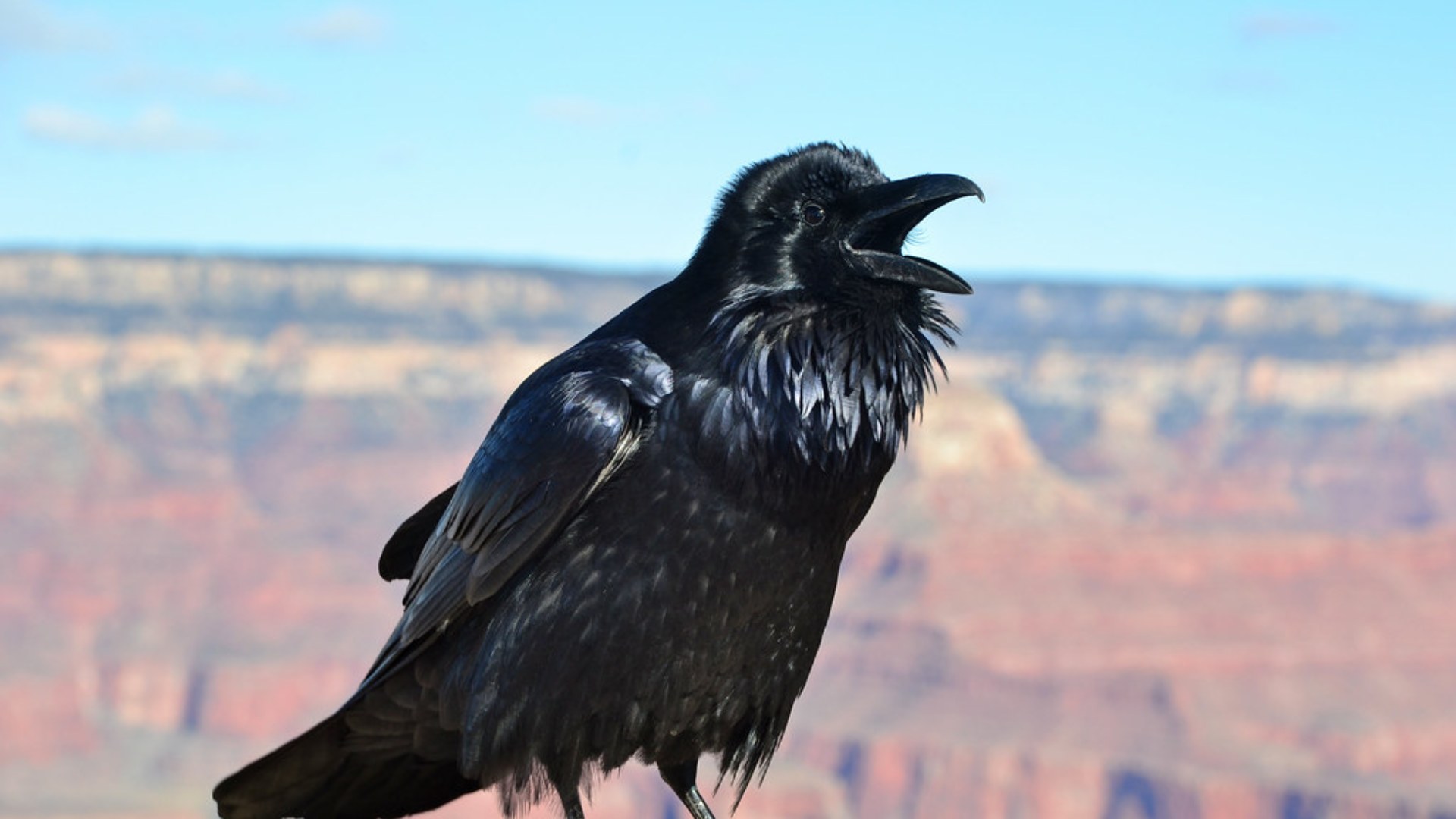
9. The Crow
New Caledonian crows bend wire into hooks and craft multi-step tools from raw materials to extract food. They solve 8-step sequential reasoning puzzles - a level of planning previously unseen outside primates.
©Openverse / Grand Canyon NPS
Advertisement
Swipe or tap ▶ to resume the countdown.
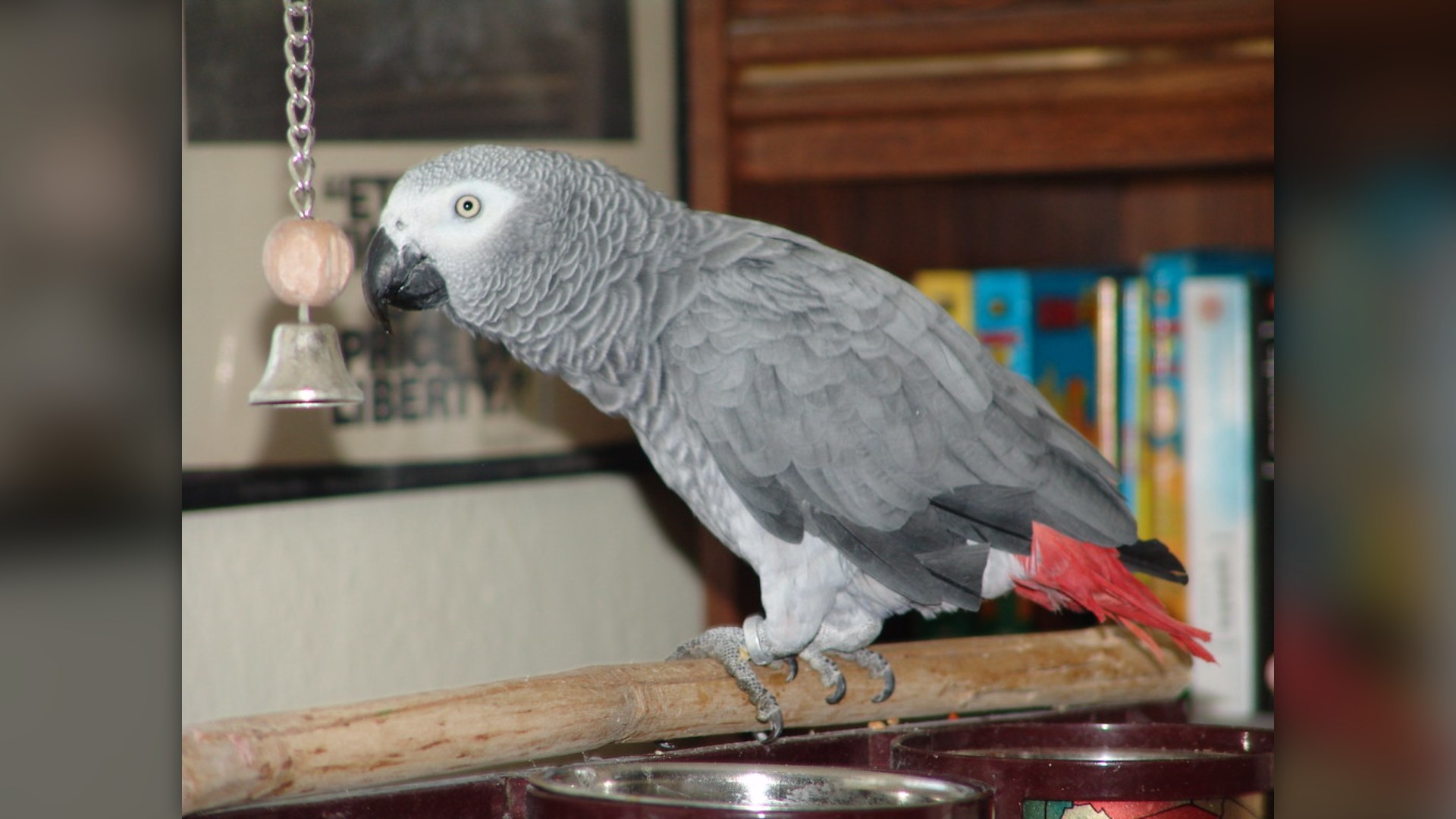
8. The African Grey Parrot
Dr. Irene Pepperberg African grey parrot Alex could identify colours, shapes, materials, and quantities. He grasped the concept of zero and asked existential questions - including what colour he was.
©Openverse / Drew Avery
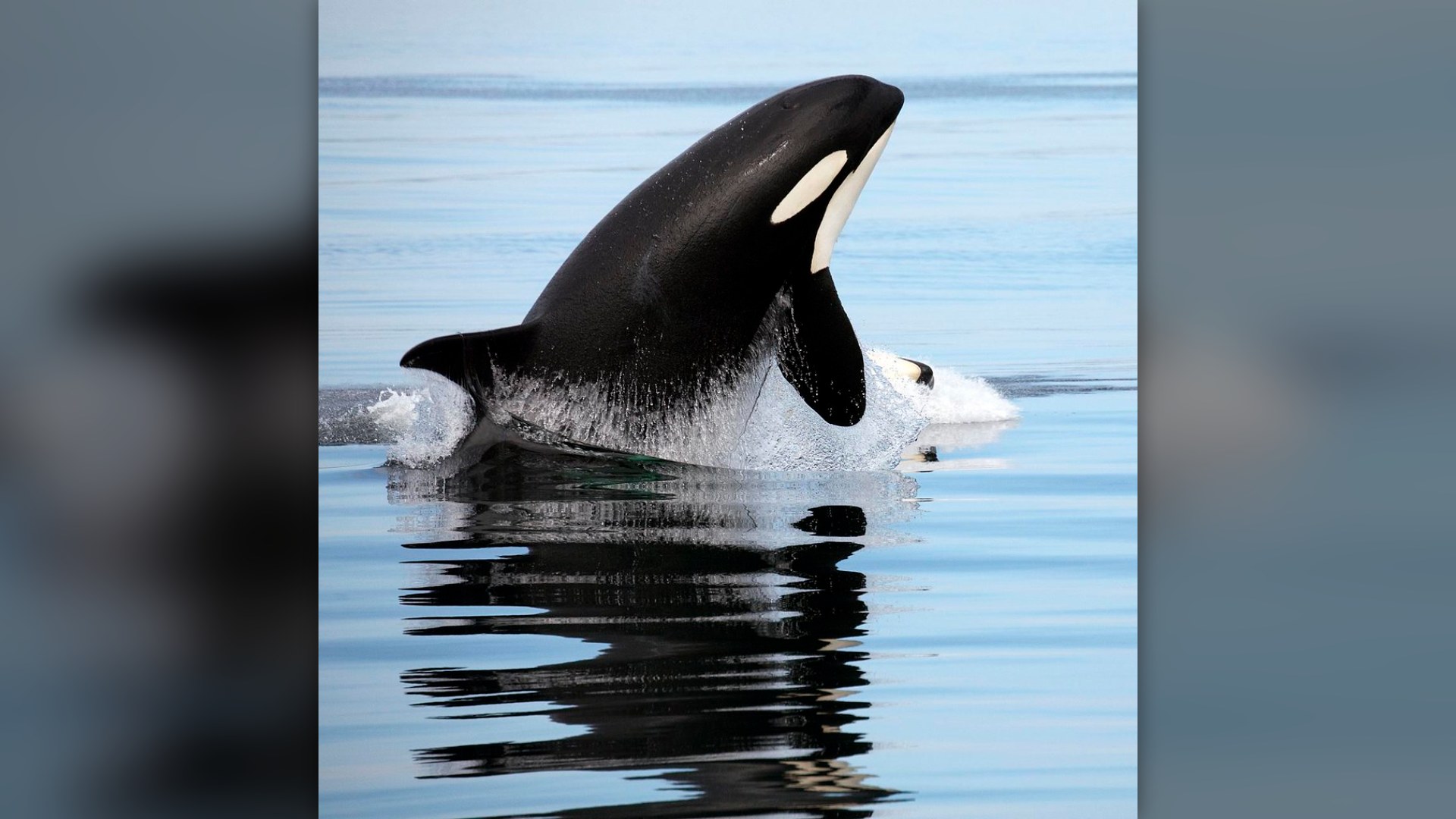
7. The Orca
Different orca pods have distinct dialects, hunting strategies and social traditions passed between generations. They show altruism, protecting other species from predators.
©Openverse / Christopher Michel
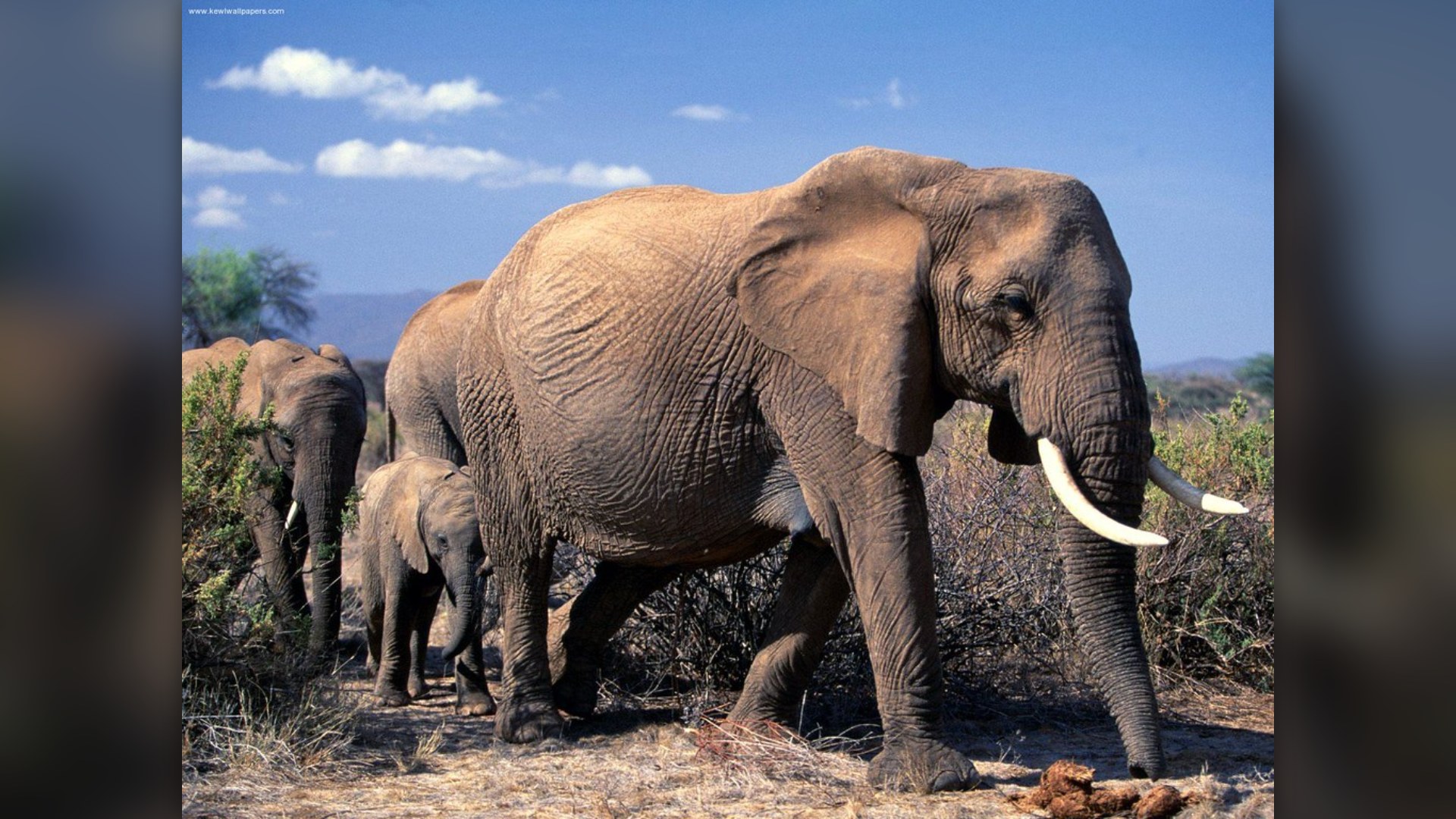
6. The Elephant
Elephants bury their dead, revisit grave sites and grieve for years. They recognise 200+ individuals by sound alone, collaborate strategically with strangers and use branches as fly swatters.
©Openverse / flickrfavorites
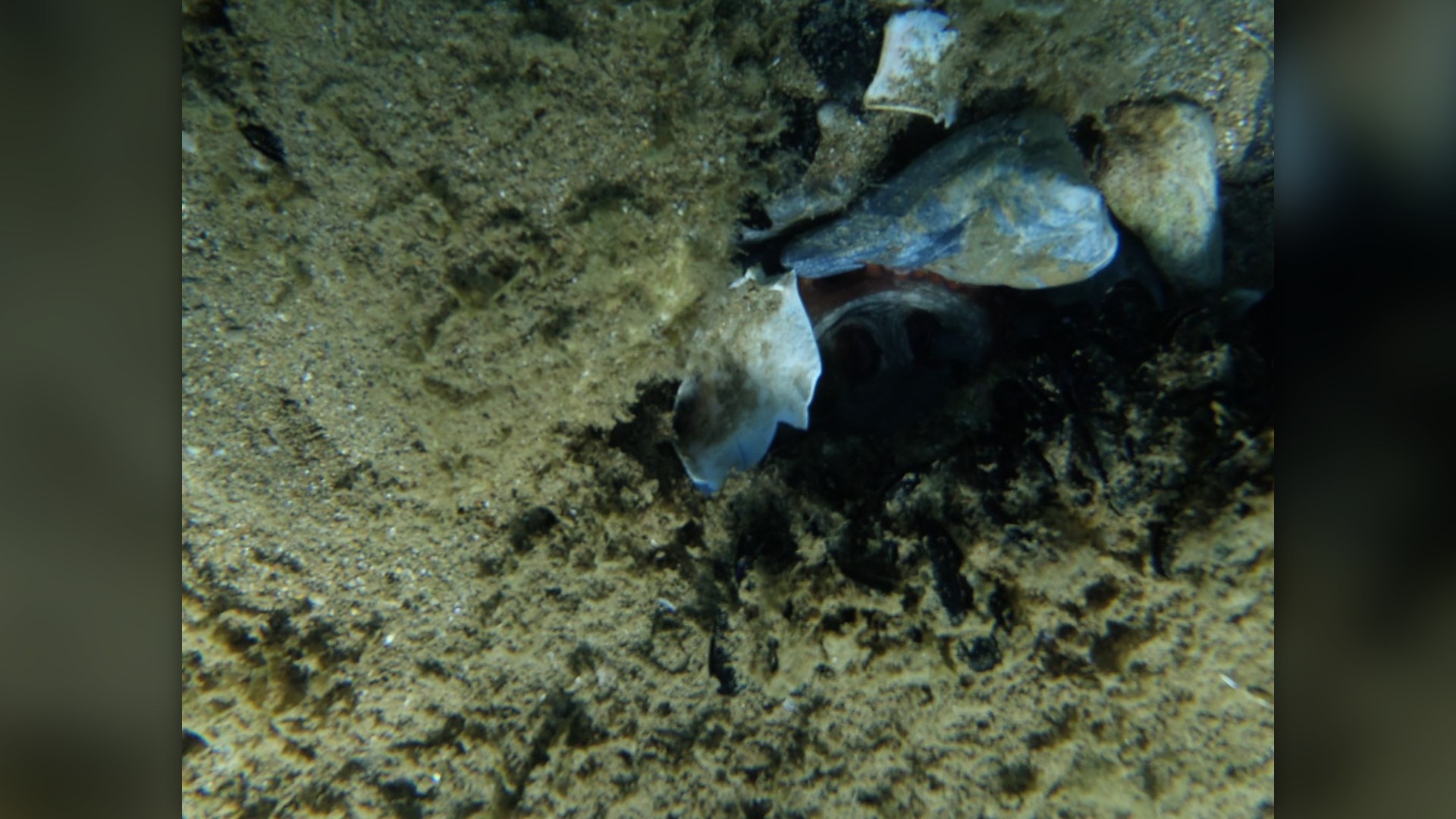
5. The Octopus
With two-thirds of neurons in their arms, octopuses solve problems decentrally. Each arm can taste, touch and act autonomously. They escape tanks, navigate mazes and disguise themselves as other species.
©Openverse / dimsis
Advertisement
Swipe or tap ▶ to resume the countdown.
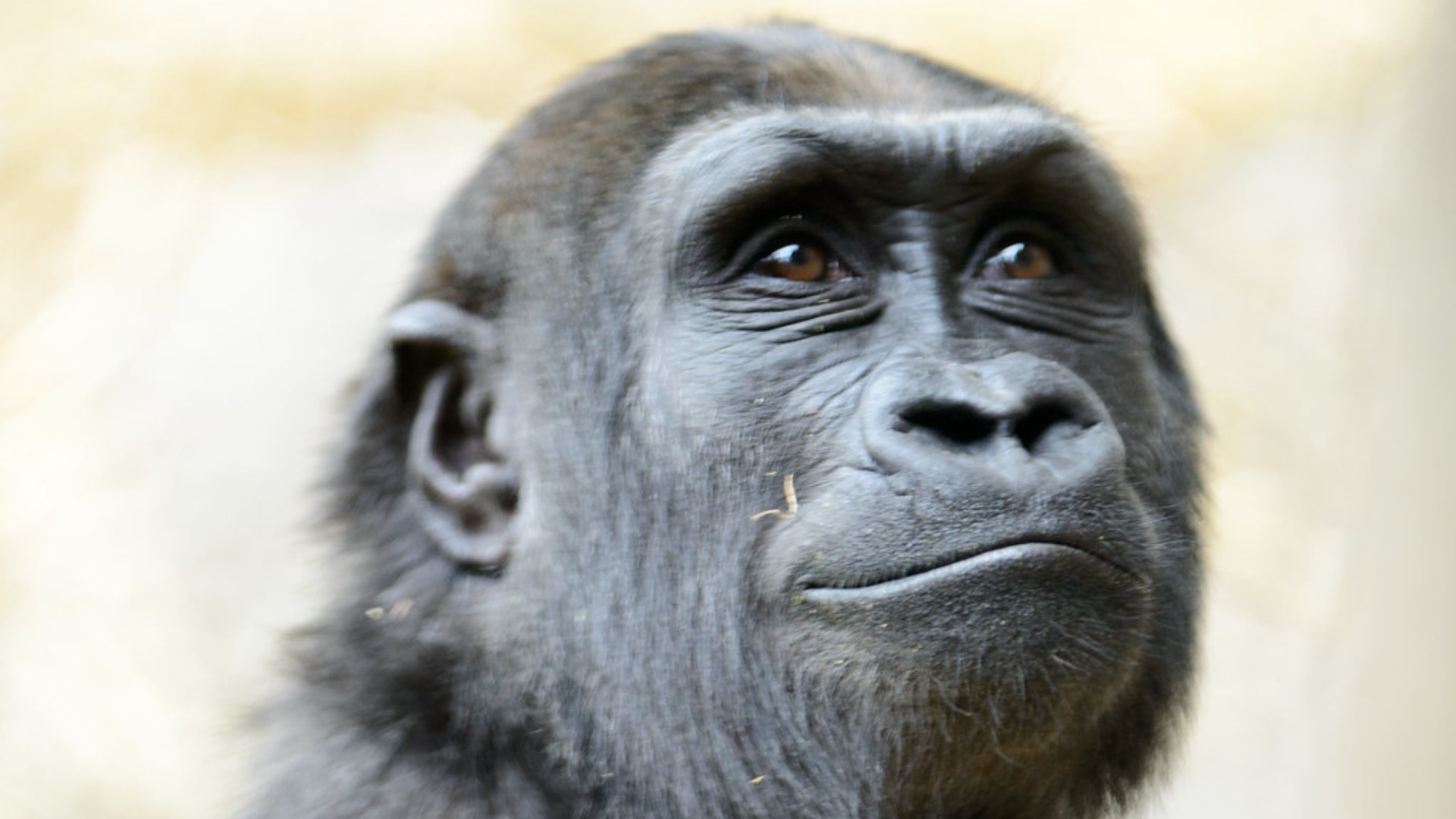
4. The Gorilla
Koko the gorilla learned over 1,000 signs and conveyed complex emotions including grief. Wild gorillas use sticks to gauge water depth and create tools to avoid nettles.
©Openverse / Eric Kilby
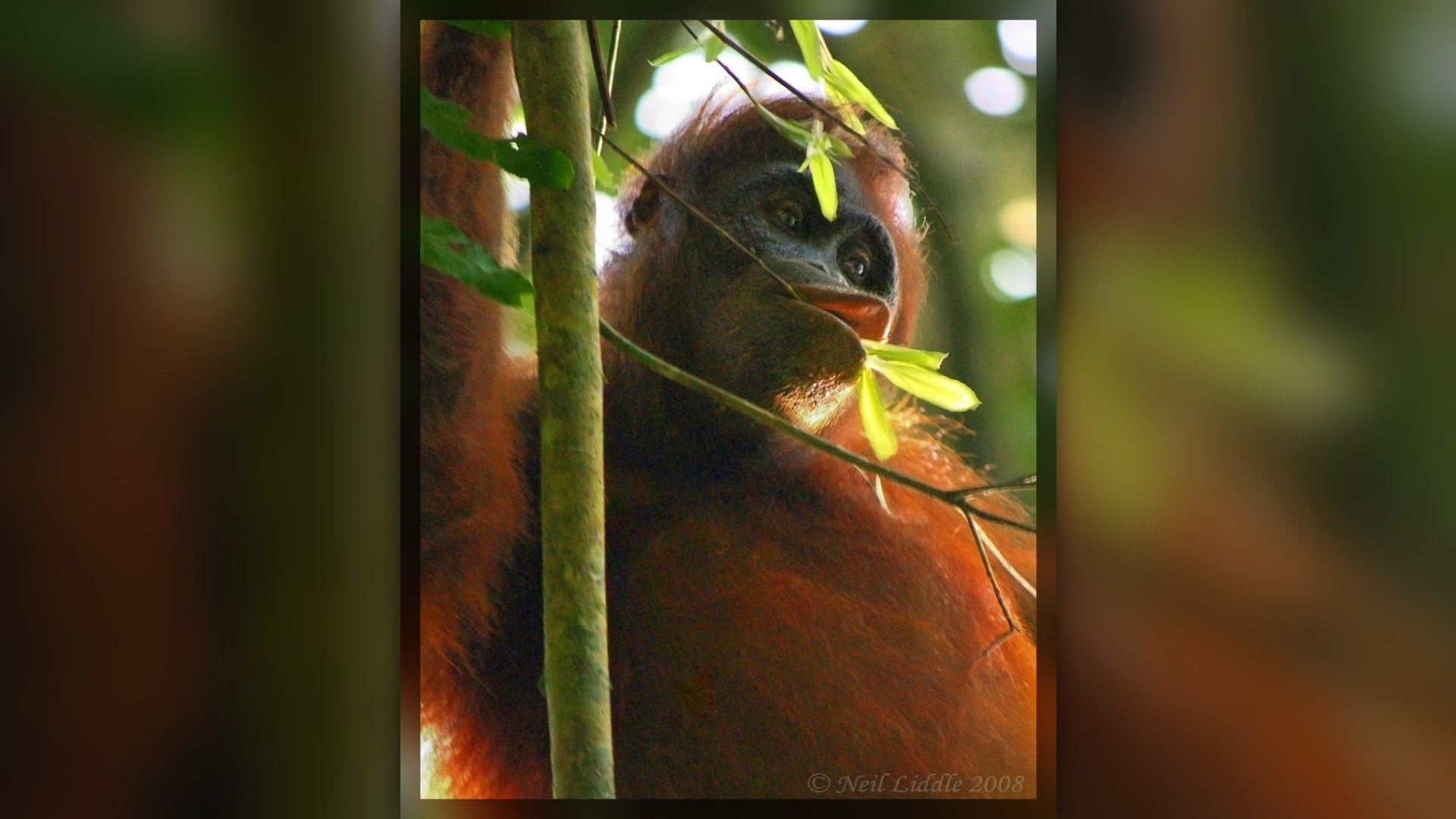
3. The Orangutan
Orangutans make umbrellas from broad leaves and craft whistles to deceive predators. They plan routes up to a day in advance, communicating tomorrow's plans to others the night before.
©Openverse / NeilsPhotography
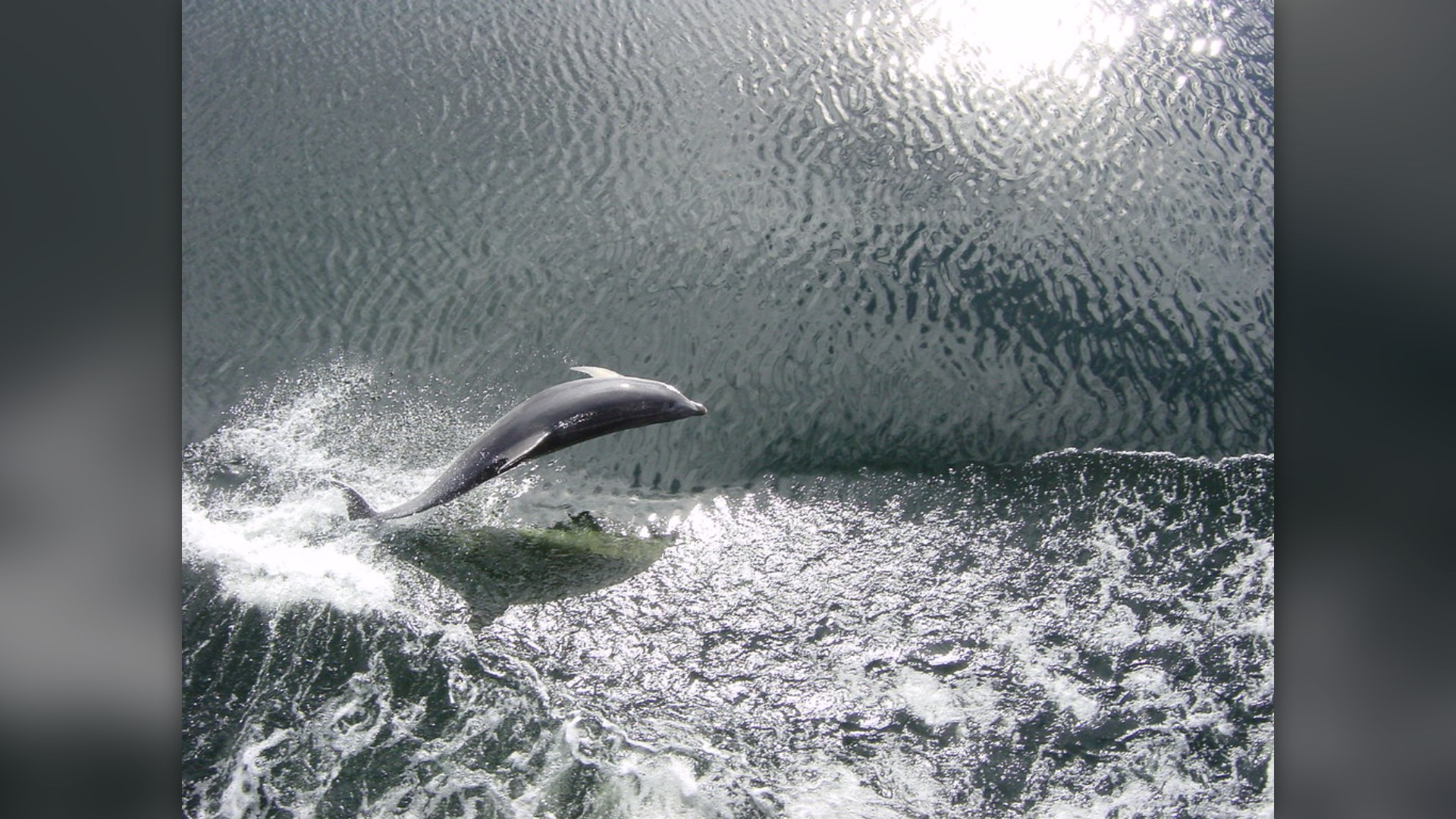
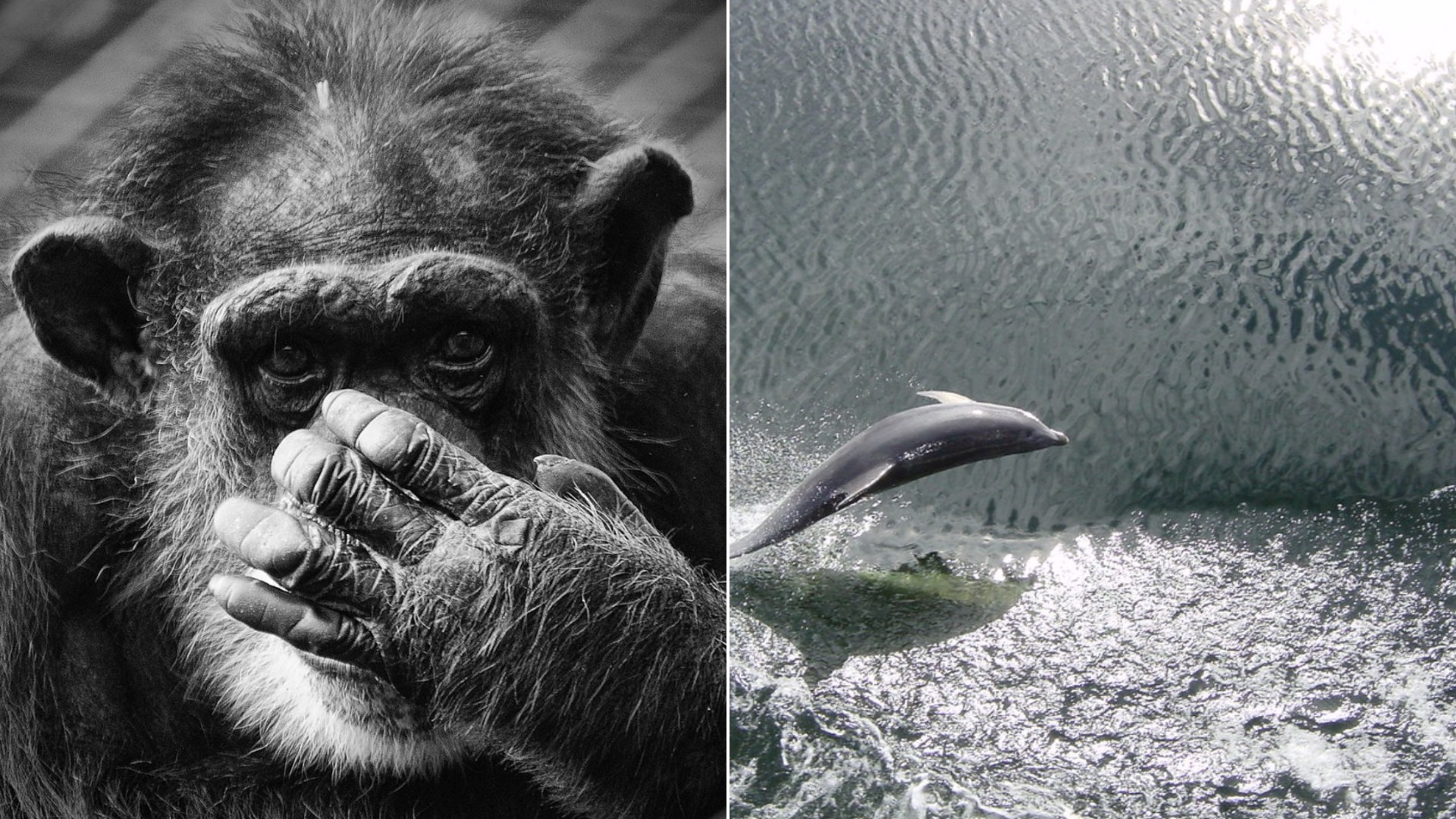
2. The Bottlenose Dolphin
Bottlenose dolphins develop unique signature whistles and use them to address each other directly. They recognise themselves in mirrors and demonstrate cultural transmission of tool use.
©Openverse / Allie_Caulfield
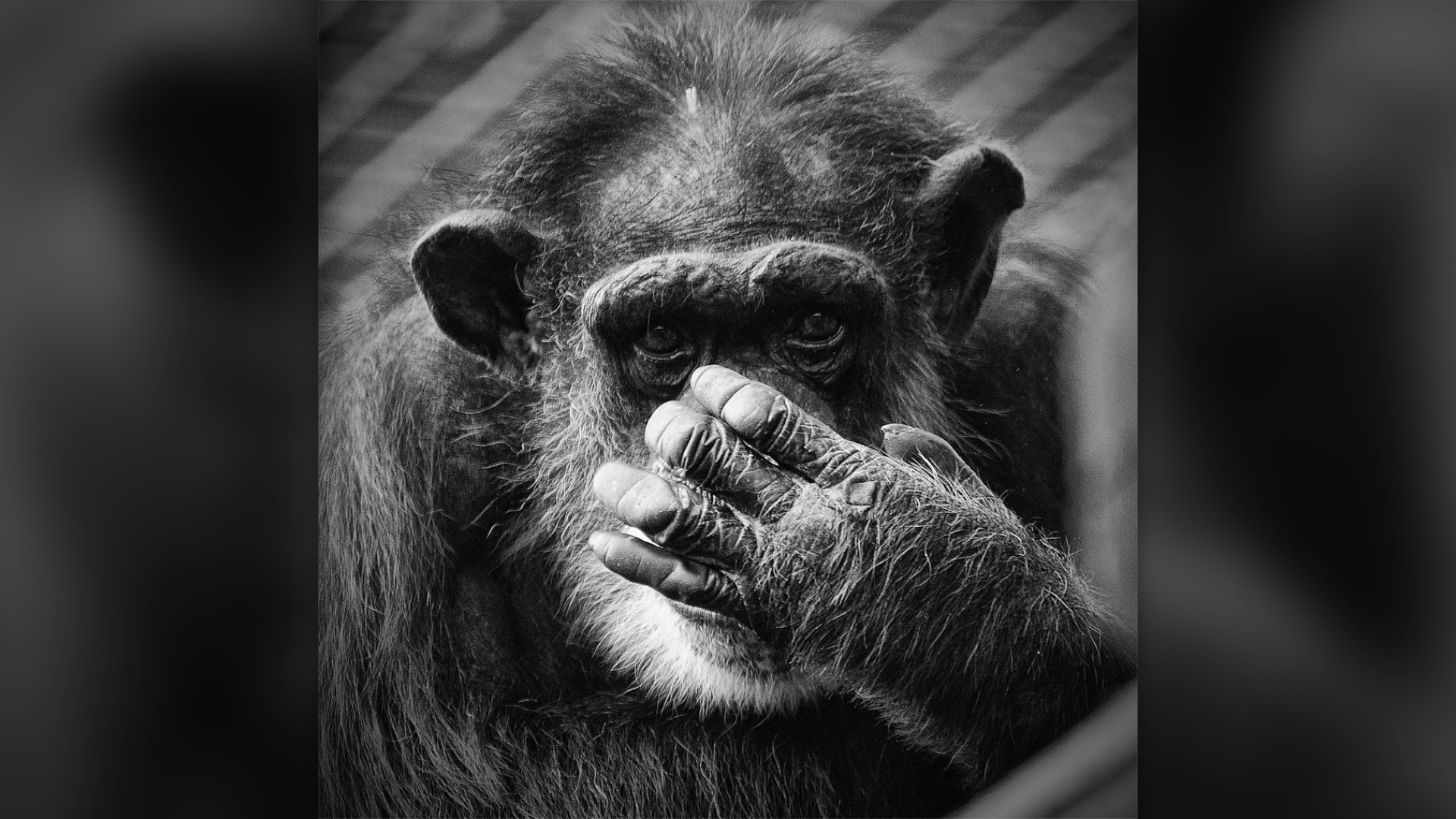
1. The Chimpanzee
Chimpanzees outperform humans in short-term photographic memory tasks. They use over 300 tools in the wild, hunt cooperatively, and teach skills across generations. They share 98.7% of our genome.

©Openverse / Meneer Zjeroen
Advertisement
You've reached the end of the story. Thanks for reading!

20 Iconic Historical Photos and the Archive Clues Behind Them
Contact sheets, cracked glass plates, and NASA mission logs preserve the hidden steps behind 20 famous photographs. Drawing on records from the Library of Congress, the National Archives, NASA, and the Smithsonian, this countdown traces how cropping, camera setups, and double exposures shaped each frame.
All 15 Entries in this Story
#15. The Pigeon
Pigeons navigate thousands of miles using magnetic fields, landmarks, and infrasound. They recognize human faces, pass mirror self-recognition tests, and have been trained to detect cancerous tissue in medical images with 99% accuracy.

#14. The Squirrel
Grey squirrels run elaborate deception campaigns against rivals - pretending to bury nuts while hiding them elsewhere. They cache up to 10,000 food items per season and recover the vast majority months later using spatial memory.

#13. The Raccoon
Raccoons were the subject of legendary maze-solving experiments in the 1900s. They can open complex locks after watching a human perform the action once - and remember solutions for three years.

#12. The Rat
Rats consistently free trapped companions even when offered chocolate as a distraction. They show regret, adjust future decisions after mistakes, and can be taught to drive tiny cars.

#11. The Border Collie
Chaser, a Border Collie, learned the names of 1,022 objects - more than any non-human animal. Border Collies infer an object identity through logical exclusion, a skill once thought uniquely human.

#10. The Pig
Pigs beat dogs, chimpanzees, and three-year-old children on joystick-controlled video game tasks. They understand mirrors, show metacognition, and respond to their own names within hours of birth.

#9. The Crow
New Caledonian crows bend wire into hooks and craft multi-step tools from raw materials to extract food. They solve 8-step sequential reasoning puzzles - a level of planning previously unseen outside primates.

#8. The African Grey Parrot
Dr. Irene Pepperberg African grey parrot Alex could identify colours, shapes, materials, and quantities. He grasped the concept of zero and asked existential questions - including what colour he was.

#7. The Orca
Different orca pods have distinct dialects, hunting strategies and social traditions passed between generations. They show altruism, protecting other species from predators.

#6. The Elephant
Elephants bury their dead, revisit grave sites and grieve for years. They recognise 200+ individuals by sound alone, collaborate strategically with strangers and use branches as fly swatters.

#5. The Octopus
With two-thirds of neurons in their arms, octopuses solve problems decentrally. Each arm can taste, touch and act autonomously. They escape tanks, navigate mazes and disguise themselves as other species.

#4. The Gorilla
Koko the gorilla learned over 1,000 signs and conveyed complex emotions including grief. Wild gorillas use sticks to gauge water depth and create tools to avoid nettles.

#3. The Orangutan
Orangutans make umbrellas from broad leaves and craft whistles to deceive predators. They plan routes up to a day in advance, communicating tomorrow's plans to others the night before.

#2. The Bottlenose Dolphin
Bottlenose dolphins develop unique signature whistles and use them to address each other directly. They recognise themselves in mirrors and demonstrate cultural transmission of tool use.

#1. The Chimpanzee
Chimpanzees outperform humans in short-term photographic memory tasks. They use over 300 tools in the wild, hunt cooperatively, and teach skills across generations. They share 98.7% of our genome.