Slideshow · Animals
Do You Truly Speak Dog? Discover 14 Subtle Signals Your Pup Is Sending You!
From subtle head tilts and soft-eye gazes to play bows, uncover the hidden canine language your dog uses every day.
By Most Viral Today
22 Oct 2026

Do You Truly Speak Dog? Discover 14 Subtle Signals Your Pup Is Sending You! 
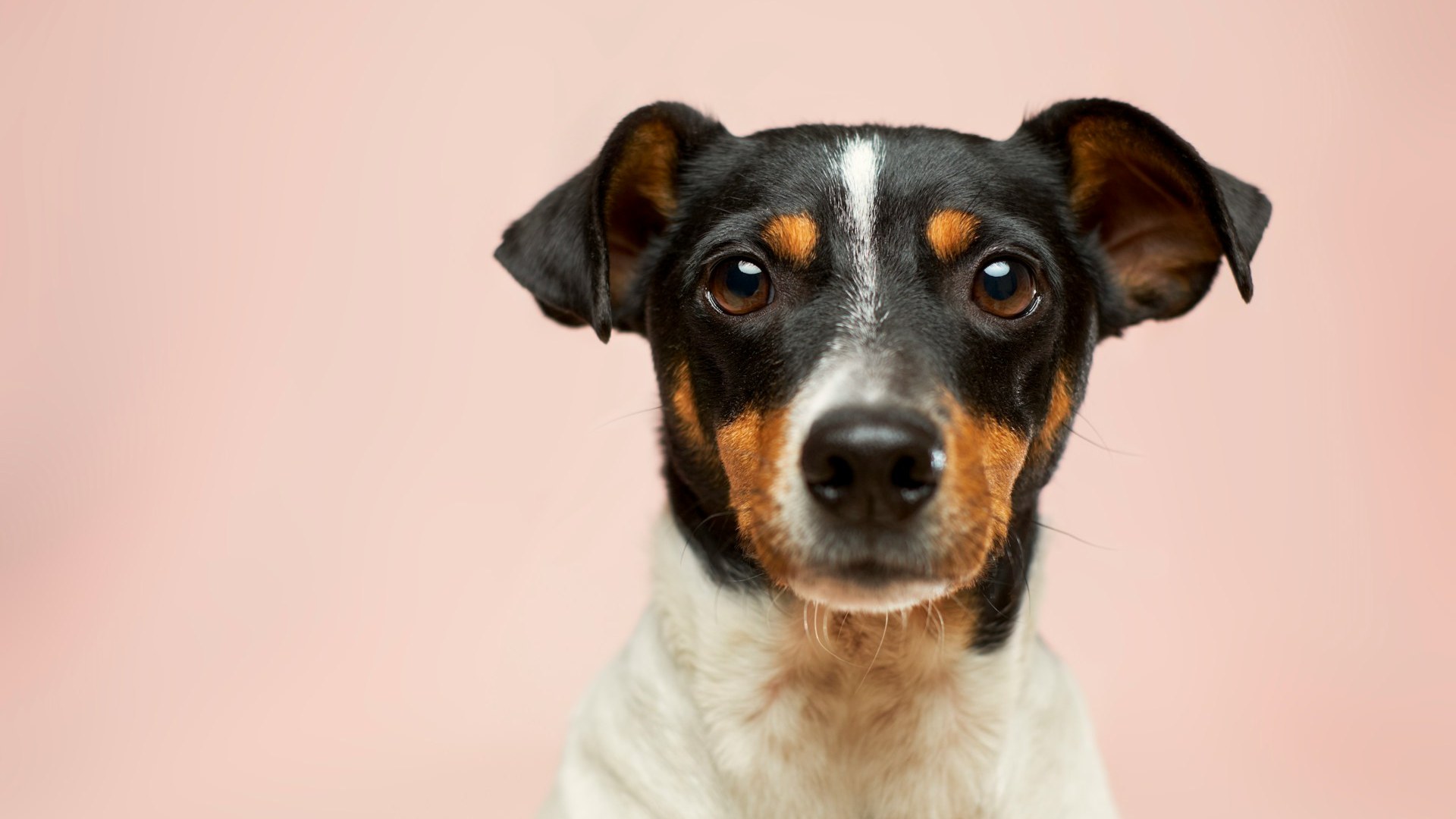
14. The Curious Head Tilt 
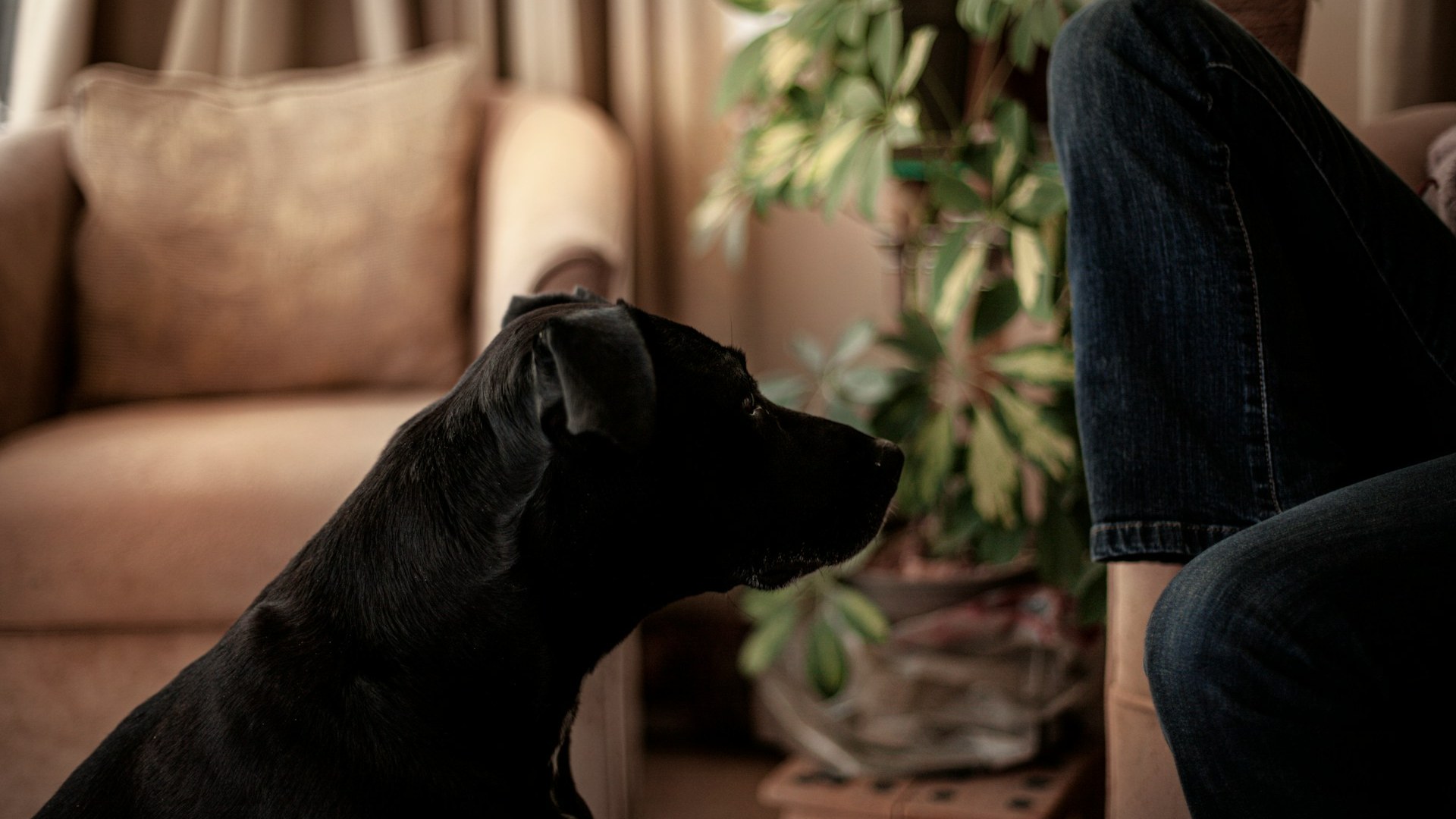
13. The Loving Soft-Eye Gaze 
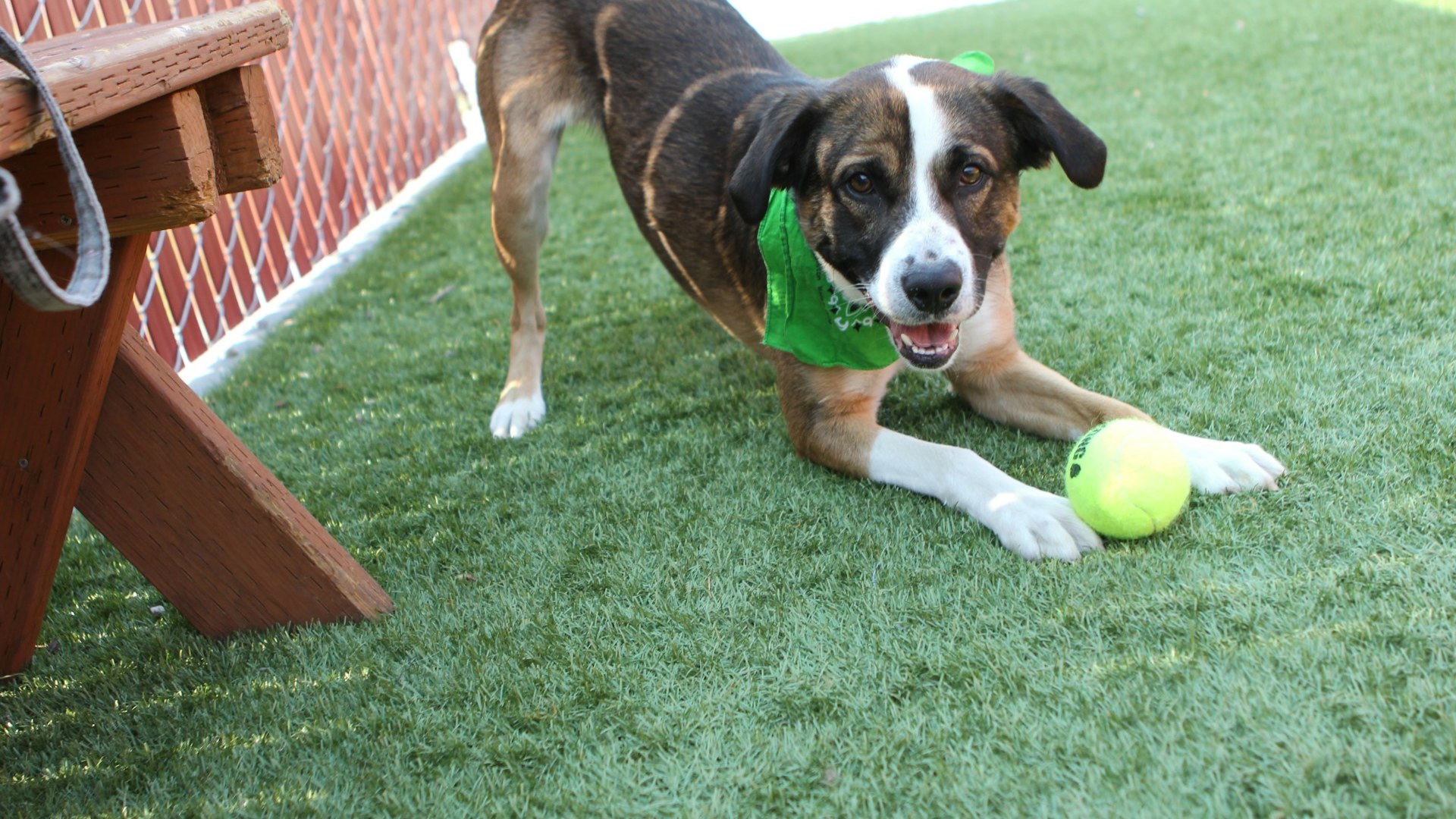
12. The Classic Play Bow - AdvertisementSwipe or tap ▶ to continue countdown

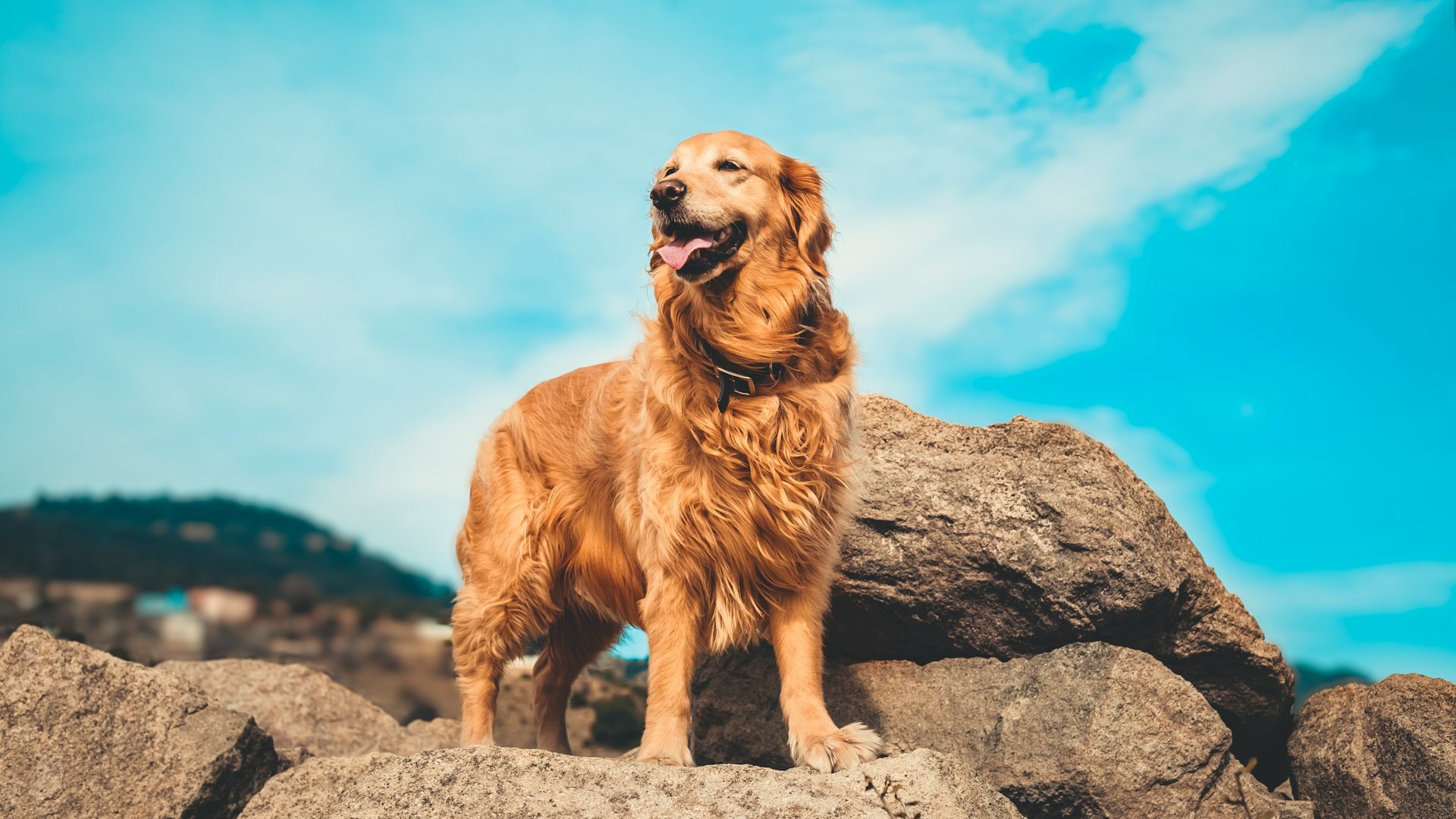
11. Right-Biased Tail Wag 
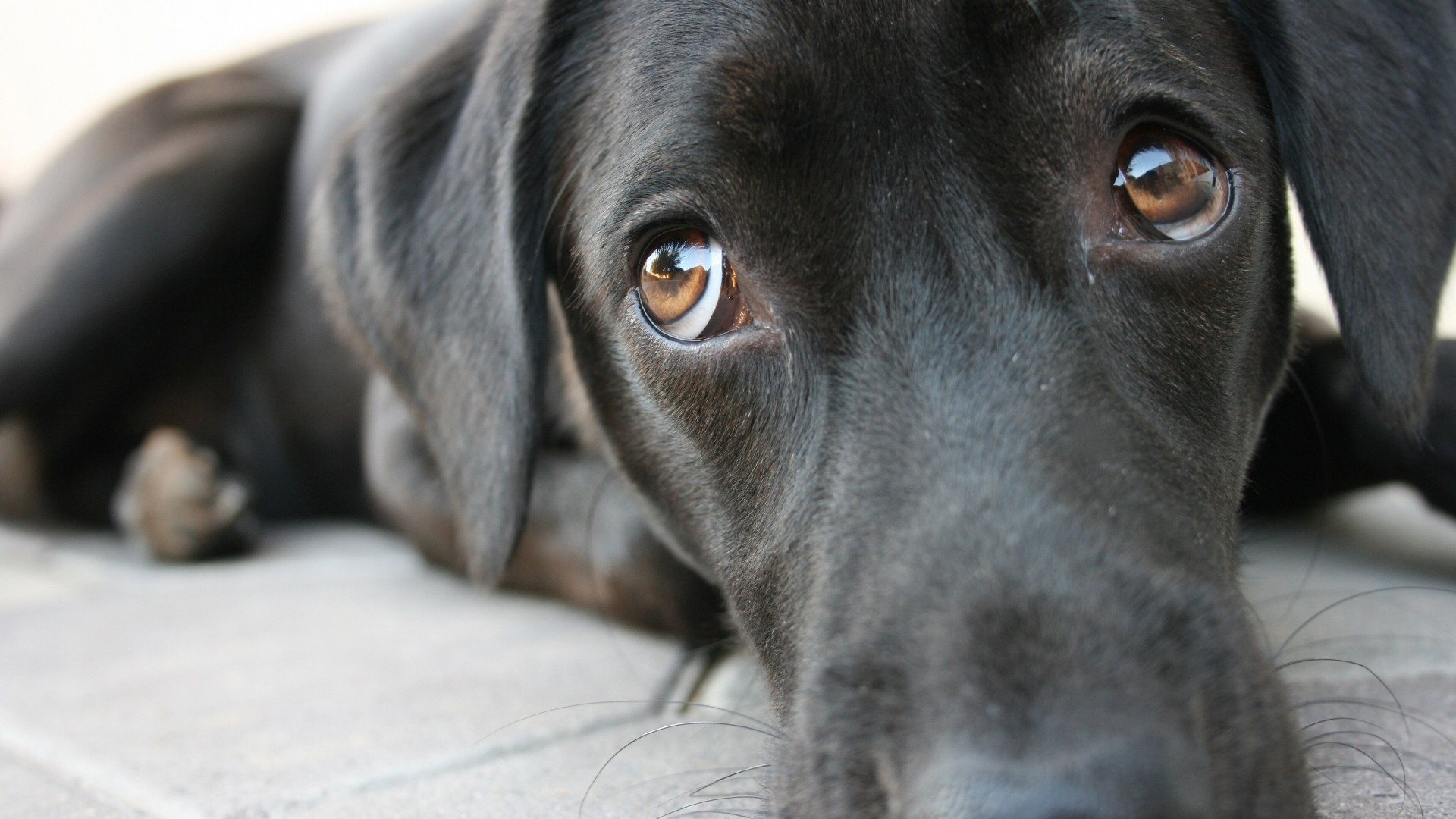
10. The Puppy Dog Eyes 
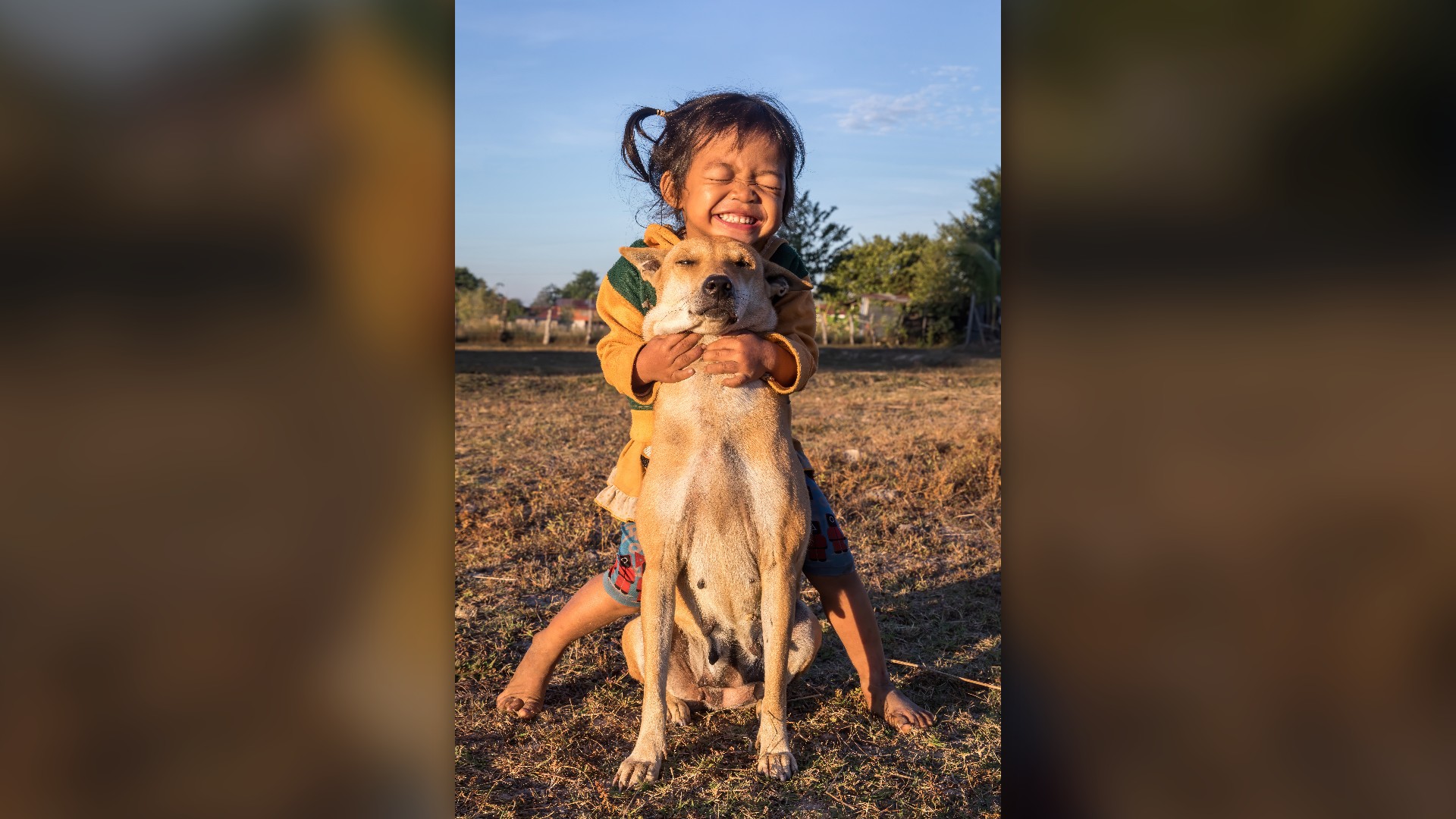
9. Leaning In For Contact 
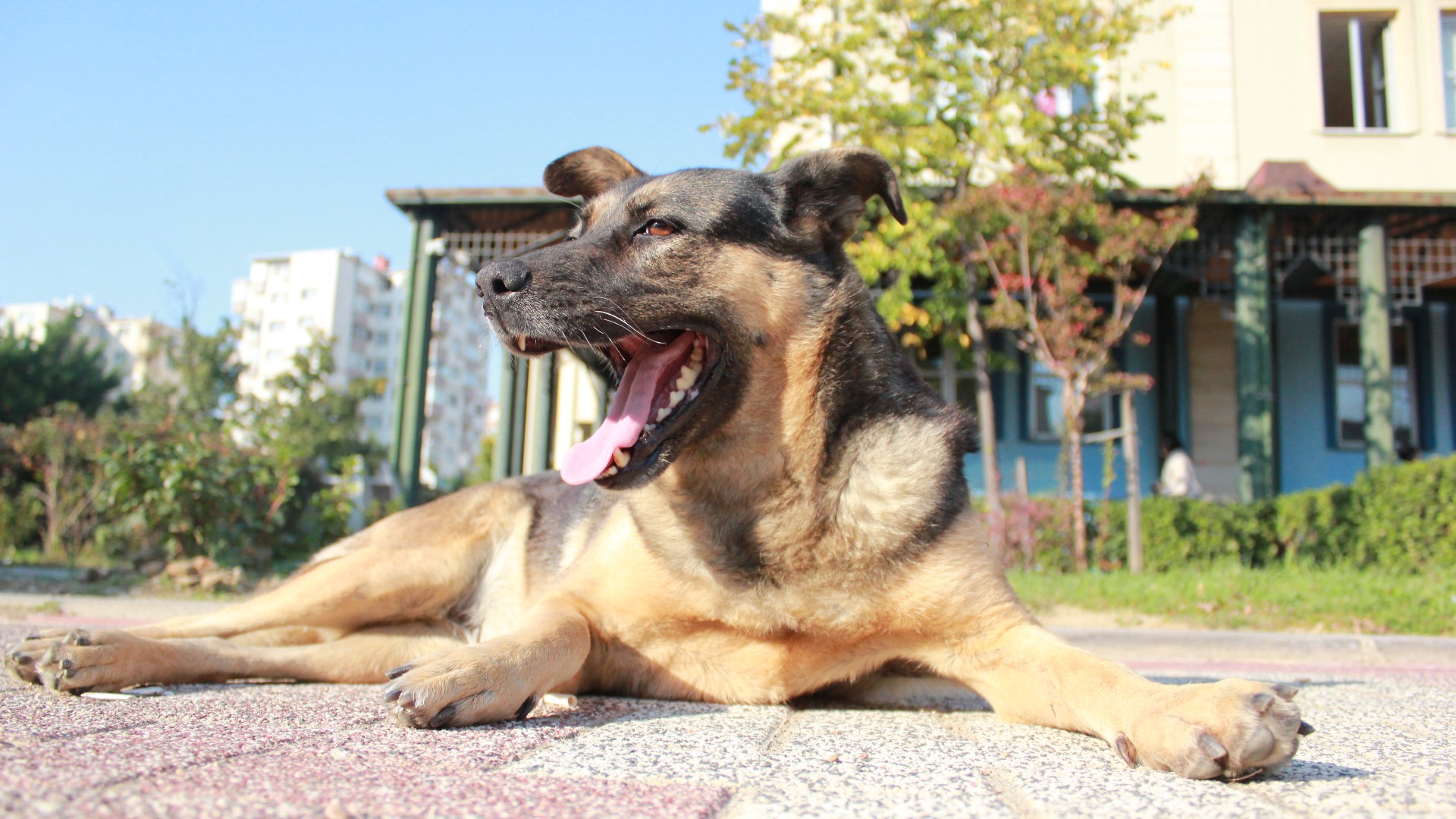
8. The Calming De-Stress Yawn - AdvertisementSwipe or tap ▶ to continue countdown

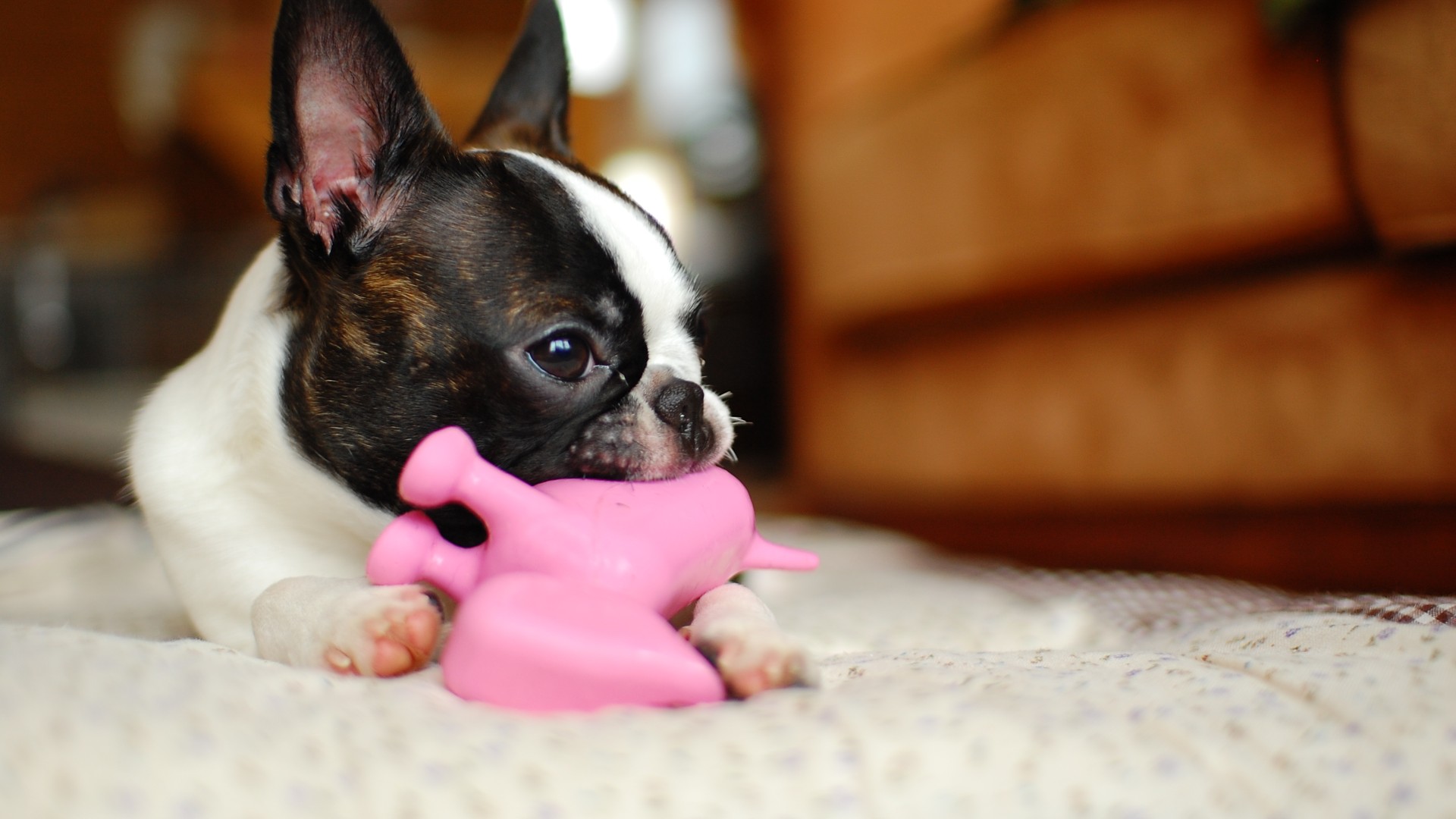
7. Bringing You Their Favorite Toy 
6. The Contented Deep Sigh 
5. The Gentle Paw Tap 
4. Rolling Onto The Back - AdvertisementSwipe or tap ▶ to continue countdown

3. The Play Sneezing Signal 
2. Sleeping Back To-Back 
1. Lip Licking & Appeasement - Advertisement🔥 UP NEXT IN THIS SERIES◫ 22 Slides

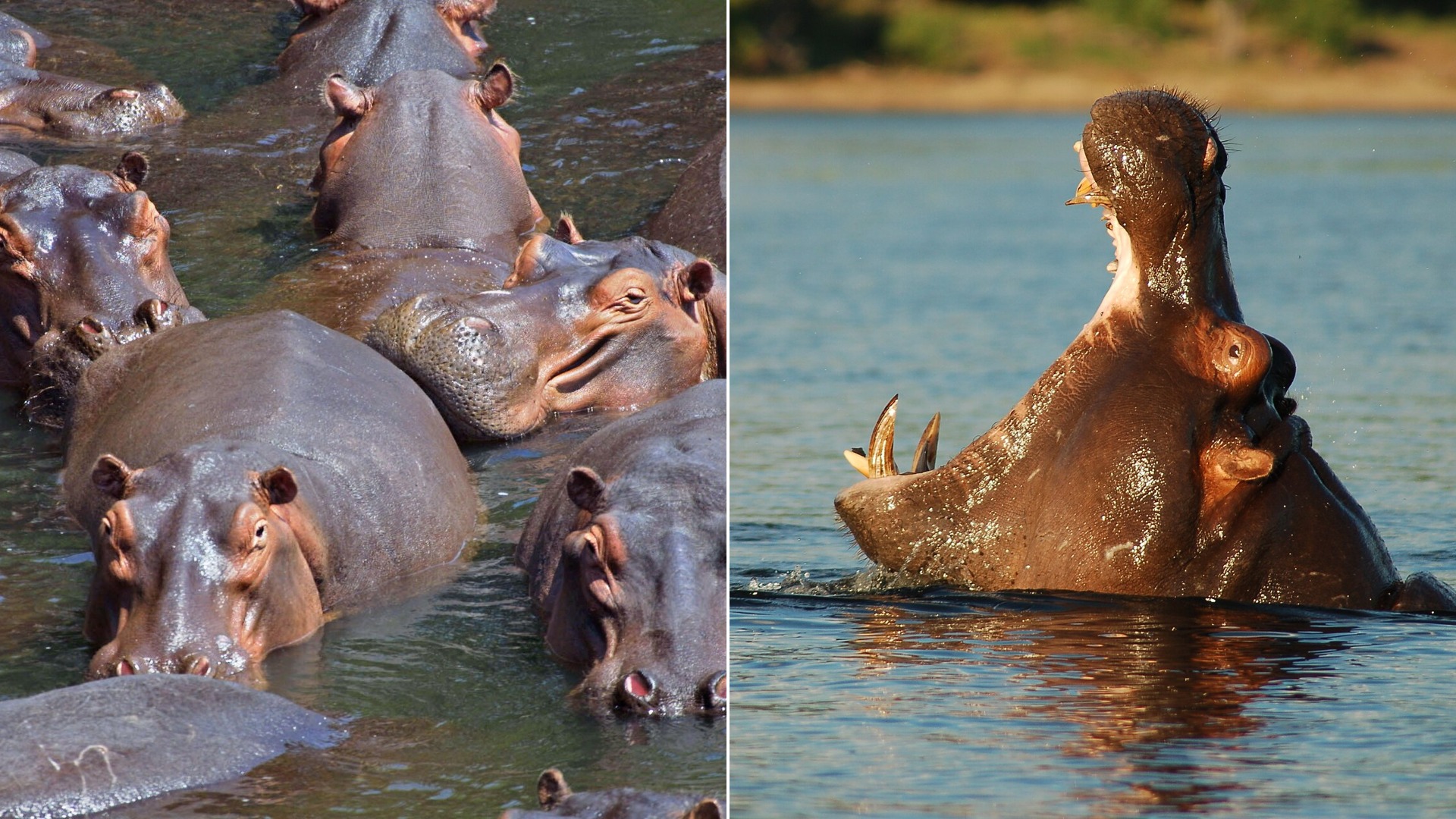
How Long Do Hippos Live? 20 Other Facts About Hippos
From sixty-year lifespans to whale cousins, discover secrets of river giants
Dogs have evolved a sophisticated vocabulary of body language and micro-expressions to bridge the communication gap with their human families.
Swipe or tap ▶ to begin the countdown
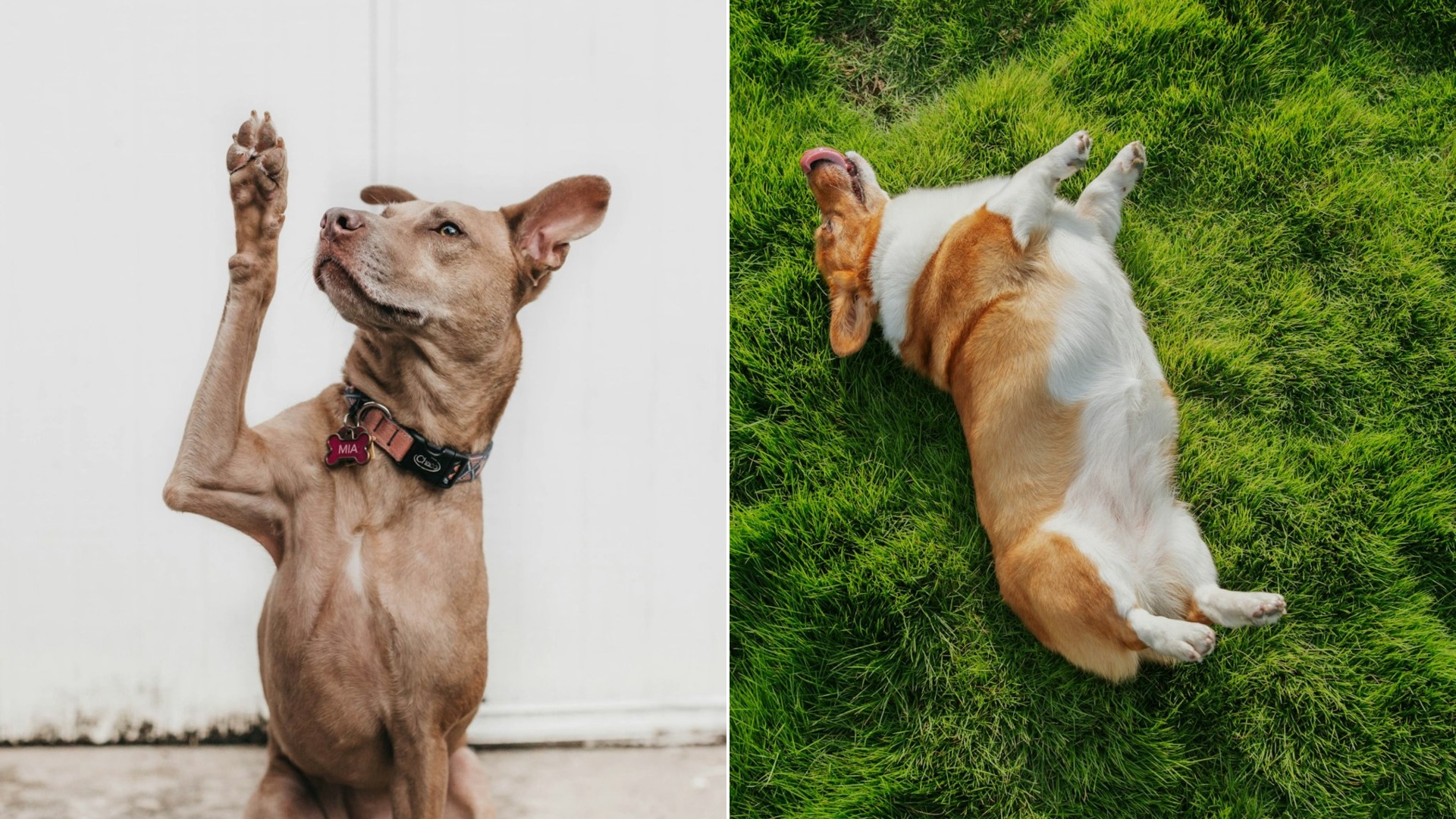
©Unsplash / Camylla Battani & Unsplash / Alvan Nee
14. The Curious Head Tilt
When dogs cock their heads, they are adjusting their outer ear flaps to precisely triangulate auditory frequencies, especially human voice inflections like 'walk' or 'treat'.
13. The Loving Soft-Eye Gaze
Unlike wolves who view direct staring as a challenge, domesticated dogs use soft, steady gazes to bond, creating a measurable surge of oxytocin in both species.
© Photo by Jonathan Cosens Photography on Unsplash
12. The Classic Play Bow
The play bow is canine punctuation. It acts as an open invitation, clarifying that any upcoming growls, chases, or rough wrestling are 100% in good fun.
© Photo by Judy Beth Morris on Unsplash
Advertisement
Swipe or tap ▶ to resume the countdown.
11. Right-Biased Tail Wag
Neuroscientists have demonstrated that dogs wag more to their right when encountering loved owners (left-brain activation), and wag to their left when hesitant or anxious.
© Photo by Enis Yavuz on Unsplash
10. The Puppy Dog Eyes
Dogs developed the levator anguli oculi medialis muscle during domestication, allowing them to make human-like infant expressions that trigger human nurturing instincts.
©Wikimedia / Anastasia Basano
9. Leaning In For Contact
Because dogs lack arms to wrap around us, leaning their entire body weight against our legs or lap is their primary physical method for giving and seeking emotional warmth.
©Wikimedia / Basile Morin
8. The Calming De-Stress Yawn
Known as a displacement behavior, an awake dog's yawn releases endorphins to self-soothe in stimulating settings and reassures surrounding animals of peaceful intentions.
©Wikimedia / Neslihan Turan
Advertisement
Swipe or tap ▶ to resume the countdown.
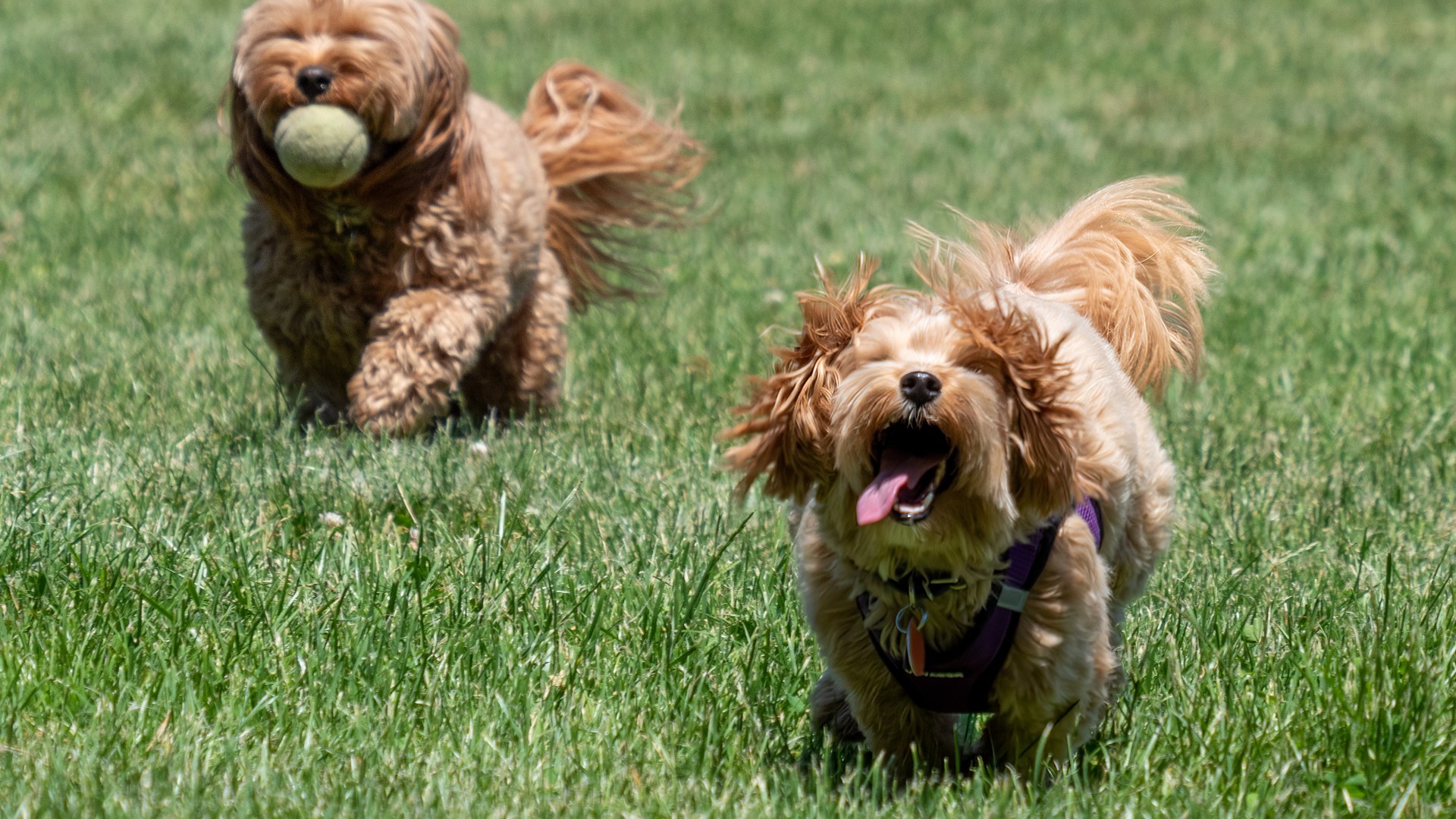
7. Bringing You Their Favorite Toy
When your dog rushes to greet you with a slobbery ball or stuffed bear, they aren't always asking to fetch; they are sharing their most treasured possession as a grand welcome gift.
©Wikimedia / Sendai Blog
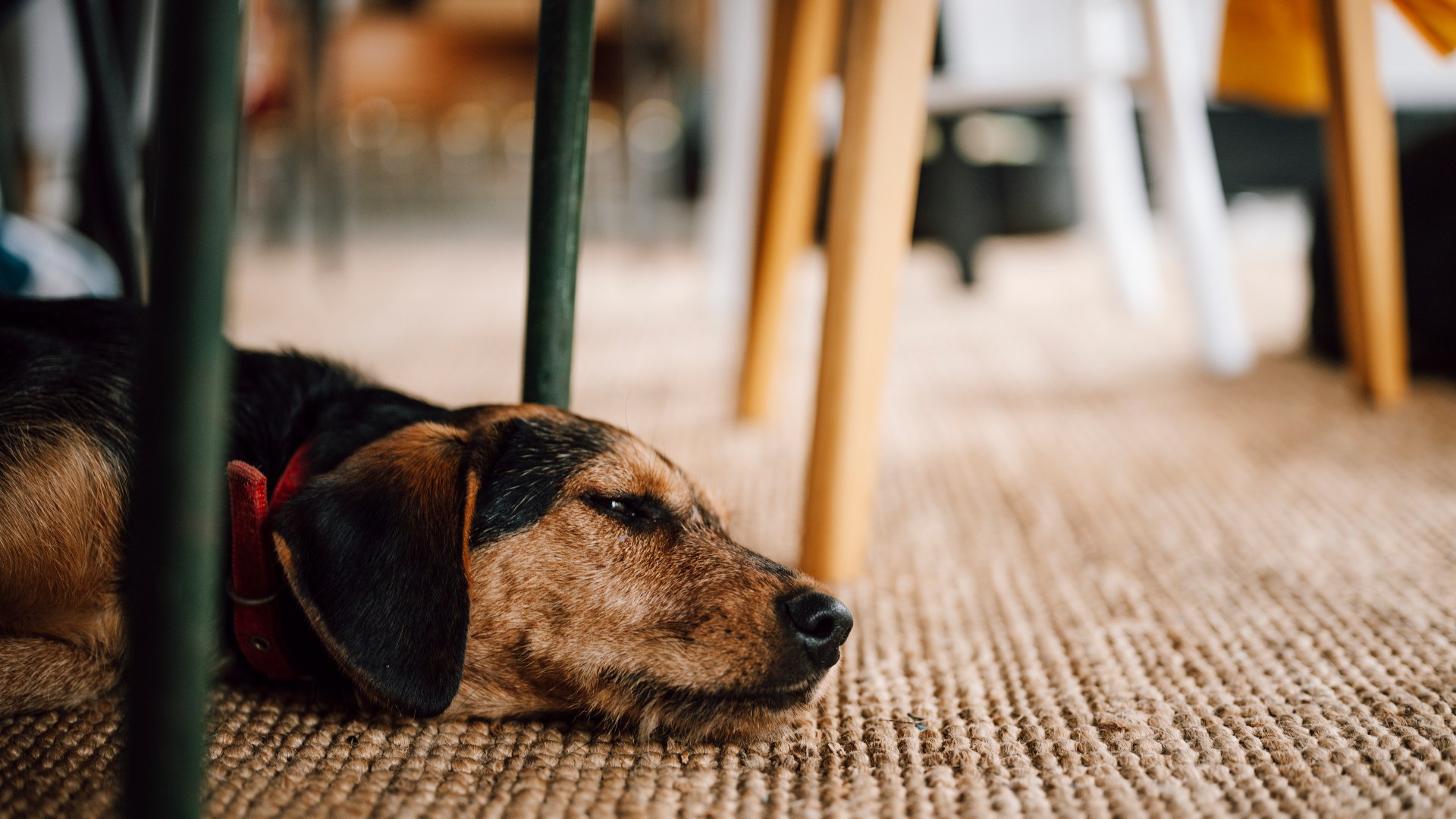
6. The Contented Deep Sigh
When a dog lies down with half-closed eyes and lets out a long, shuddering sigh, their parasympathetic nervous system is signaling total contentment and emotional safety.
©Wikimedia / Shixart1985
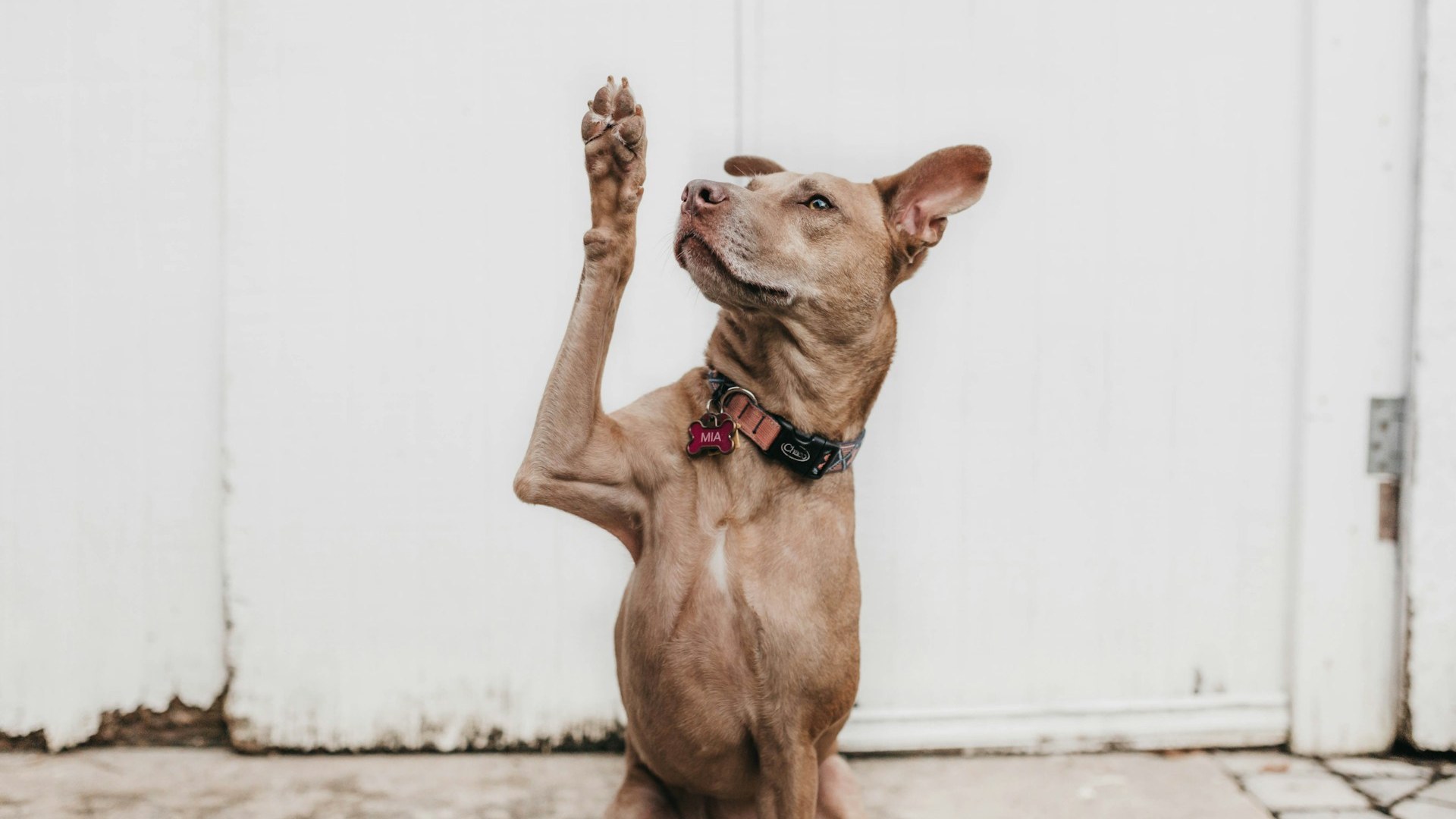
5. The Gentle Paw Tap
Dogs use pawing as a tactile reminder. If you stop petting them and feel a gentle paw land on your wrist, your dog is actively communicating: 'Please don't stop yet!'
© Photo by Camylla Battani on Unsplash
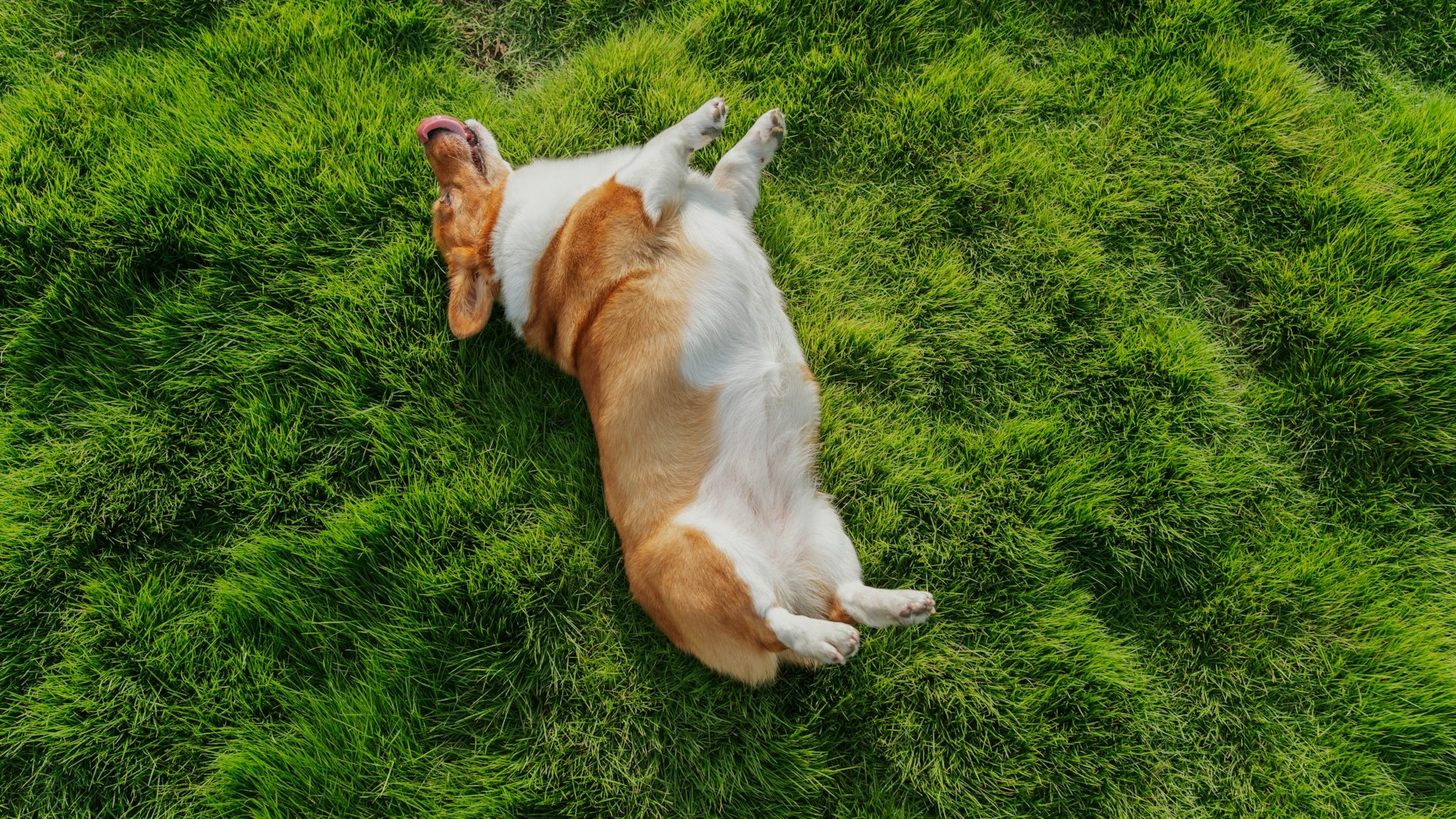
4. Rolling Onto The Back
In canine society, exposing the abdomen puts vital organs in a vulnerable position. Doing this beside you in the grass demonstrates profound trust that no harm will come.
Advertisement
Swipe or tap ▶ to resume the countdown.
3. The Play Sneezing Signal
When dogs get super hyped and wrestle with partners or owners, they emit quick, sharp sneezes. This is a reassurance cue meaning: 'I'm having fun, no real fighting here!'
©Wikimedia / Rhododendrites
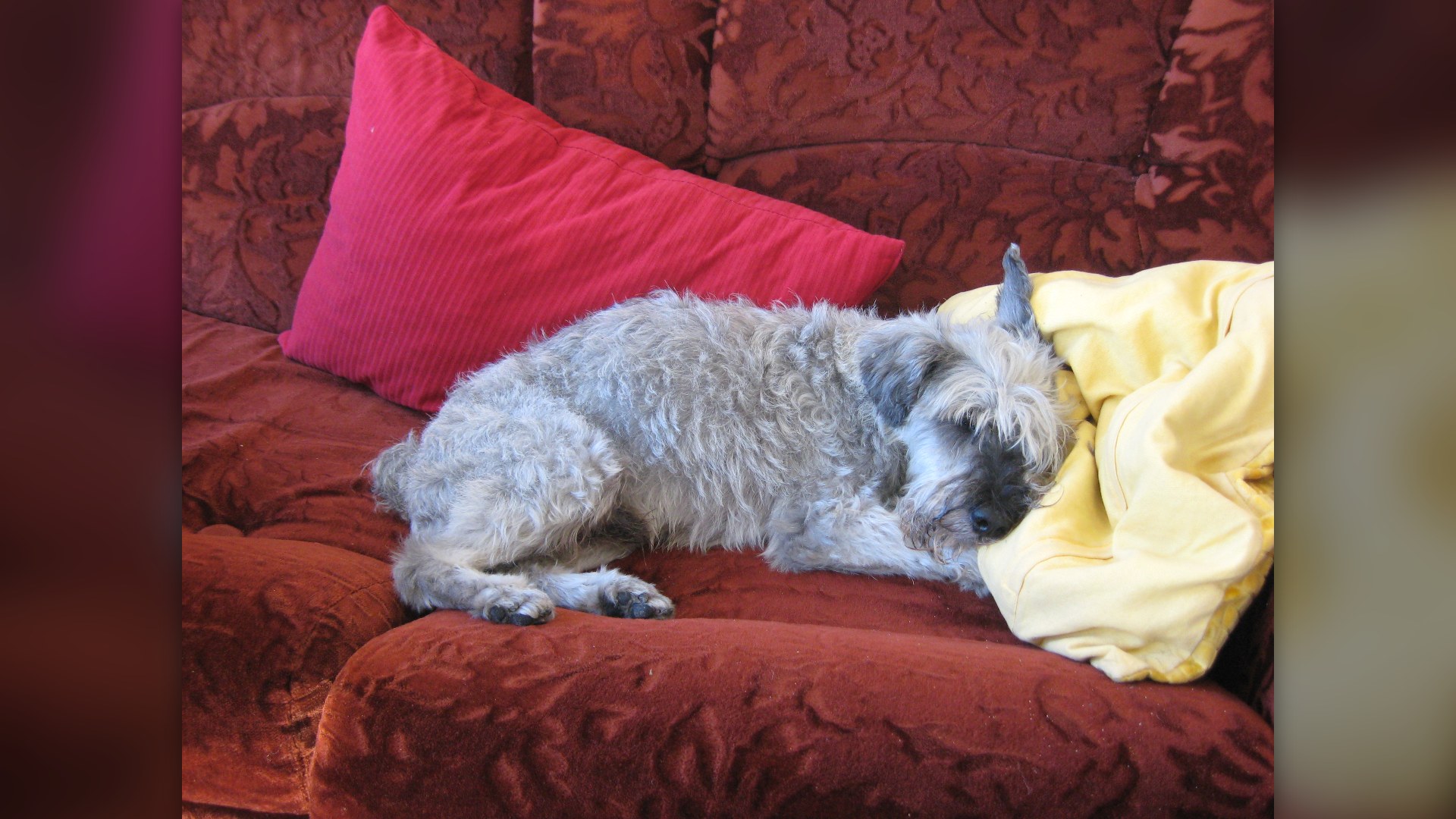
2. Sleeping Back To-Back
Wild canines sleep back-to-back so pack members protect each other's blind spots. When your dog snoozes against your spine or legs, they are considering you their bonded protector.
©Wikimedia / Gordito1869
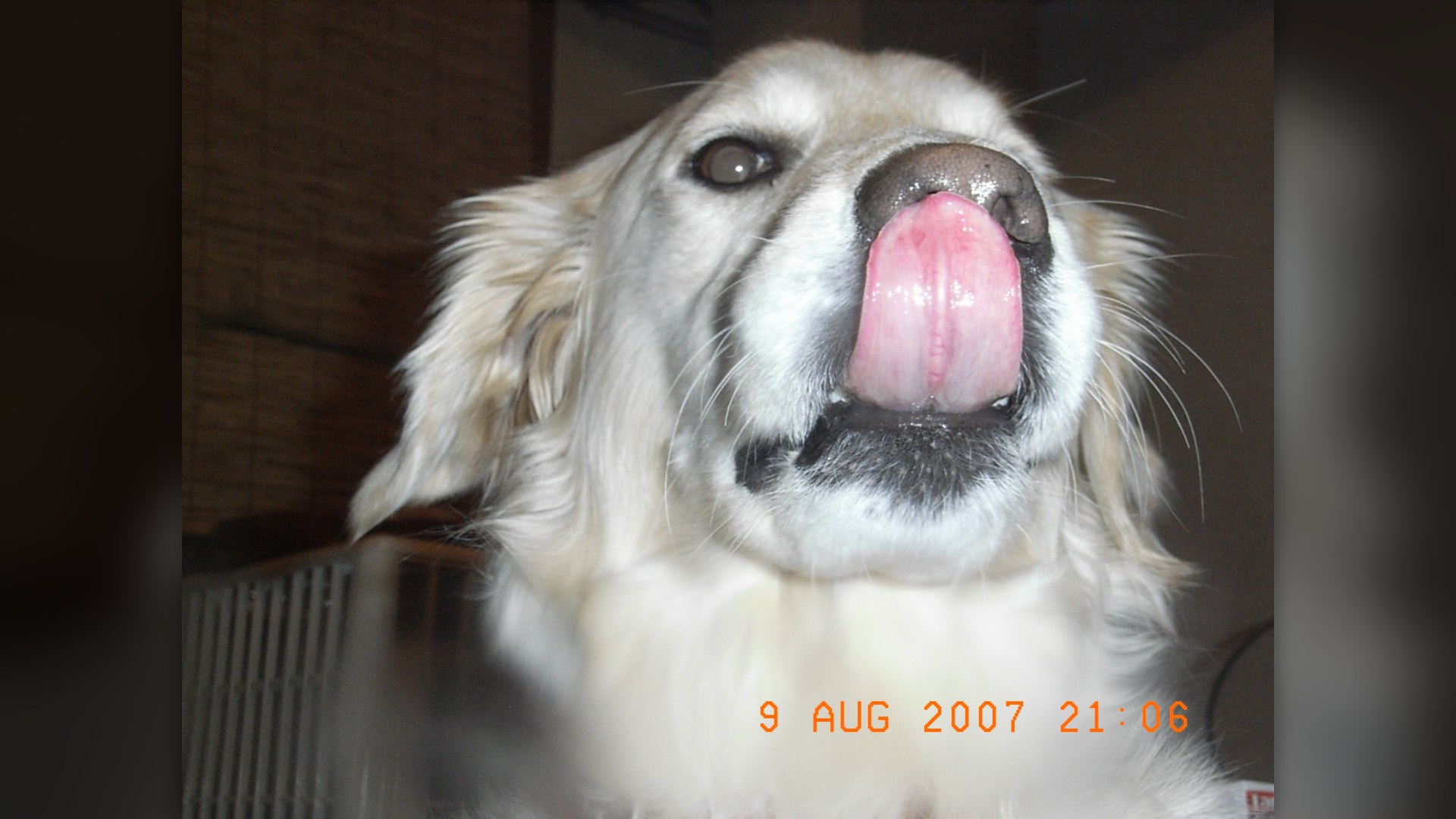
1. Lip Licking & Appeasement
Canine behaviorists classify nose-licking outside of mealtimes as a micro-calming signal, communicating mild discomfort, polite deference, or a plea for gentle interaction.

©Wikimedia / MINAMIYAMA
Advertisement
You've reached the end of the story. Thanks for reading!

How Long Do Hippos Live? 20 Other Facts About Hippos
From sixty-year lifespans to whale cousins, discover secrets of river giants
All 14 Entries in this Story
1. The Curious Head Tilt
When dogs cock their heads, they are adjusting their outer ear flaps to precisely triangulate auditory frequencies, especially human voice inflections like 'walk' or 'treat'.

2. The Loving Soft-Eye Gaze
Unlike wolves who view direct staring as a challenge, domesticated dogs use soft, steady gazes to bond, creating a measurable surge of oxytocin in both species.

3. The Classic Play Bow
The play bow is canine punctuation. It acts as an open invitation, clarifying that any upcoming growls, chases, or rough wrestling are 100% in good fun.

4. Right-Biased Tail Wag
Neuroscientists have demonstrated that dogs wag more to their right when encountering loved owners (left-brain activation), and wag to their left when hesitant or anxious.

5. The Puppy Dog Eyes
Dogs developed the levator anguli oculi medialis muscle during domestication, allowing them to make human-like infant expressions that trigger human nurturing instincts.

6. Leaning In For Contact
Because dogs lack arms to wrap around us, leaning their entire body weight against our legs or lap is their primary physical method for giving and seeking emotional warmth.

7. The Calming De-Stress Yawn
Known as a displacement behavior, an awake dog's yawn releases endorphins to self-soothe in stimulating settings and reassures surrounding animals of peaceful intentions.

8. Bringing You Their Favorite Toy
When your dog rushes to greet you with a slobbery ball or stuffed bear, they aren't always asking to fetch; they are sharing their most treasured possession as a grand welcome gift.

9. The Contented Deep Sigh
When a dog lies down with half-closed eyes and lets out a long, shuddering sigh, their parasympathetic nervous system is signaling total contentment and emotional safety.

10. The Gentle Paw Tap
Dogs use pawing as a tactile reminder. If you stop petting them and feel a gentle paw land on your wrist, your dog is actively communicating: 'Please don't stop yet!'

11. Rolling Onto The Back
In canine society, exposing the abdomen puts vital organs in a vulnerable position. Doing this beside you in the grass demonstrates profound trust that no harm will come.

12. The Play Sneezing Signal
When dogs get super hyped and wrestle with partners or owners, they emit quick, sharp sneezes. This is a reassurance cue meaning: 'I'm having fun, no real fighting here!'

13. Sleeping Back To-Back
Wild canines sleep back-to-back so pack members protect each other's blind spots. When your dog snoozes against your spine or legs, they are considering you their bonded protector.

14. Lip Licking & Appeasement
Canine behaviorists classify nose-licking outside of mealtimes as a micro-calming signal, communicating mild discomfort, polite deference, or a plea for gentle interaction.