Slideshow · Viral
The Strangest Phobias People Actually Have, Ranked From Everyday To Bizarre
While millions of people fear heights, spiders, or tight spaces, clinical psychology documents hundreds of rare phobias tied to ordinary objects. From the terror of losing mobile phone service to an o

By Most Viral Today
29 Oct 2026

The Strangest Phobias People Actually Have, Ranked 
20. Nomophobia 
19. Phobophobia 
18. Ablutophobia - AdvertisementSwipe or tap ▶ to continue countdown

17. Sesquipedalophobia 
16. Pogonophobia 
15. Plutophobia 
14. Linonophobia - AdvertisementSwipe or tap ▶ to continue countdown

13. Chaetophobia 
12. Ostraconophobia 
11. Ergophobia 
10. Geliophobia - AdvertisementSwipe or tap ▶ to continue countdown

9. Vestiphobia 
8. Deipnophobia 
7. Hippopotomonstrosesquippedaliophobia 
6. Xanthophobia - AdvertisementSwipe or tap ▶ to continue countdown

5. Globophobia 
4. Turophobia 
3. Omphalophobia 
2. Somniphobia - AdvertisementSwipe or tap ▶ to continue countdown

1. Panophobia - Advertisement🔥 UP NEXT IN THIS SERIES◫ 21 Slides

20 Iconic Historical Photos and the Archive Clues Behind Them
Contact sheets, cracked glass plates, and NASA mission logs preserve the hidden steps behind 20 famous photographs. Drawing on records from the Library of Congress, the National Archives, NASA, and the Smithsonian, this countdown traces how cropping, camera setups, and double exposures shaped each frame.
While millions of people fear heights, spiders, or tight spaces, clinical psychology documents hundreds of rare phobias tied to ordinary objects. From the terror of losing mobile phone service to an o

Swipe or tap ▶ to begin the countdown
©Pixabay / PublicDomainPictures & Pexels
20. Nomophobia
Coined during a 2008 British postal study, nomophobia is short for no-mobile-phone phobia. Sufferers experience racing heartbeats and acute panic when their battery dies, cellular signal drops, or they misplace their handset. Researchers rank it among the fastest-growing anxieties today.
© Photo by Jonas Leupe on Unsplash
19. Phobophobia
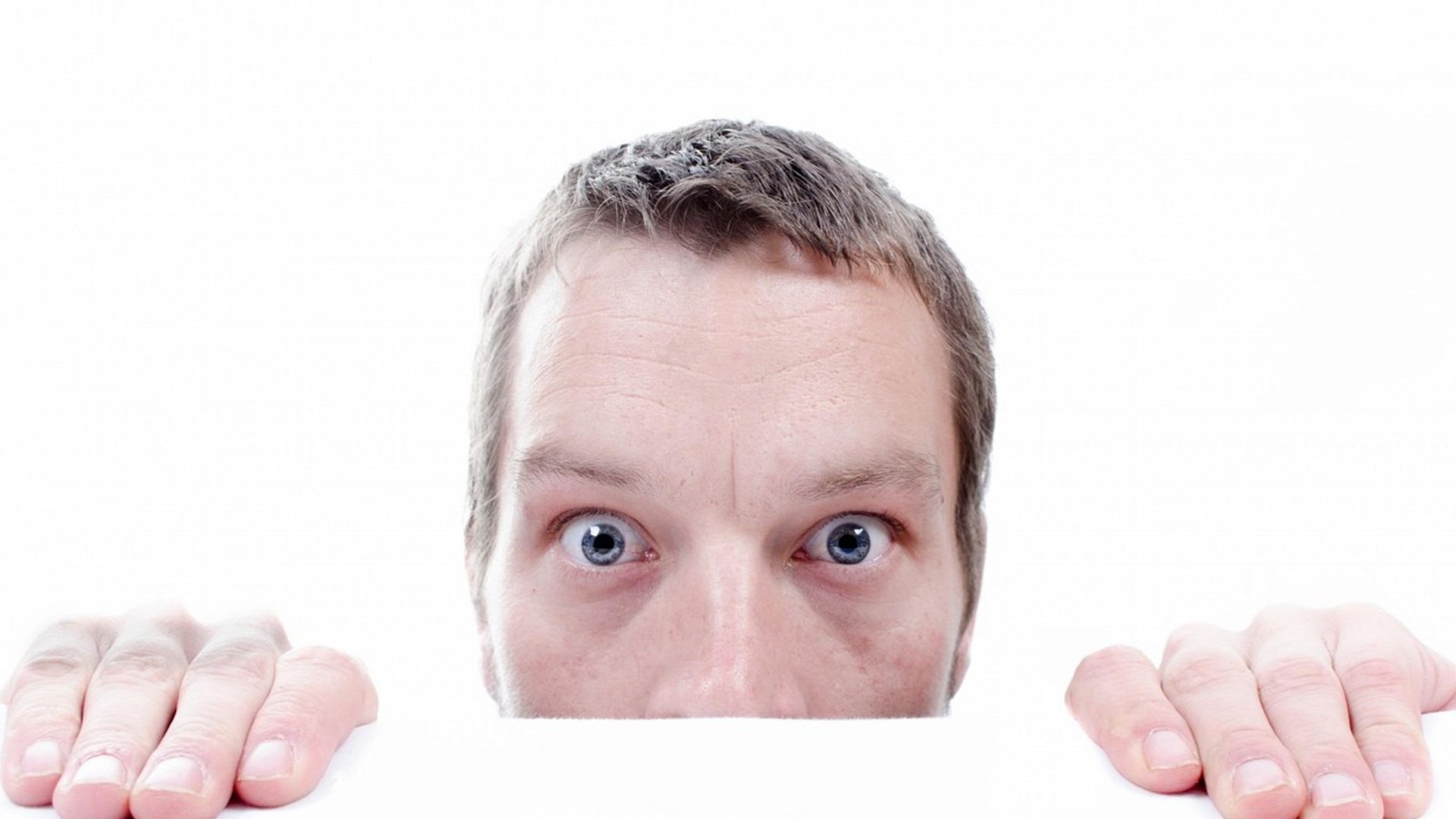
Rather than fearing a physical object, people with phobophobia dread the internal sensations of terror itself. They become trapped in a loop where worrying about a panic attack triggers the exact adrenaline rush they want to avoid. Psychologists often treat it alongside generalized anxiety.
©Pixabay / PublicDomainPictures
18. Ablutophobia
Ablutophobia is an overwhelming clinical fear of bathing, showering, or cleaning oneself. While many children resist bath time temporarily, true ablutophobia persists into adulthood and often stems from past water-related trauma. Leaving it untreated can disrupt daily routines and social confidence.
©Pixabay / jeanvdmeulen
Advertisement
Swipe or tap ▶ to resume the countdown.
17. Sesquipedalophobia
Derived from a Latin phrase meaning a foot and a half long, sesquipedalophobia describes the fear of encountering multisyllabic words. Sufferers often trace their anxiety back to childhood embarrassment while reading aloud in class. Seeing dense academic text can immediately spark shortness of breath.
©Pixabay / InTellIGentFan
16. Pogonophobia
Used since the 1850s from the Greek word pogon for beard, pogonophobia causes extreme unease around facial hair. For some individuals, thick beards subconsciously register as a mask hiding a stranger's true facial expressions or hygiene. Even seeing a close-up portrait of a heavily bearded man can prompt avoidance.
©Pixabay / Pexels Archive
15. Plutophobia
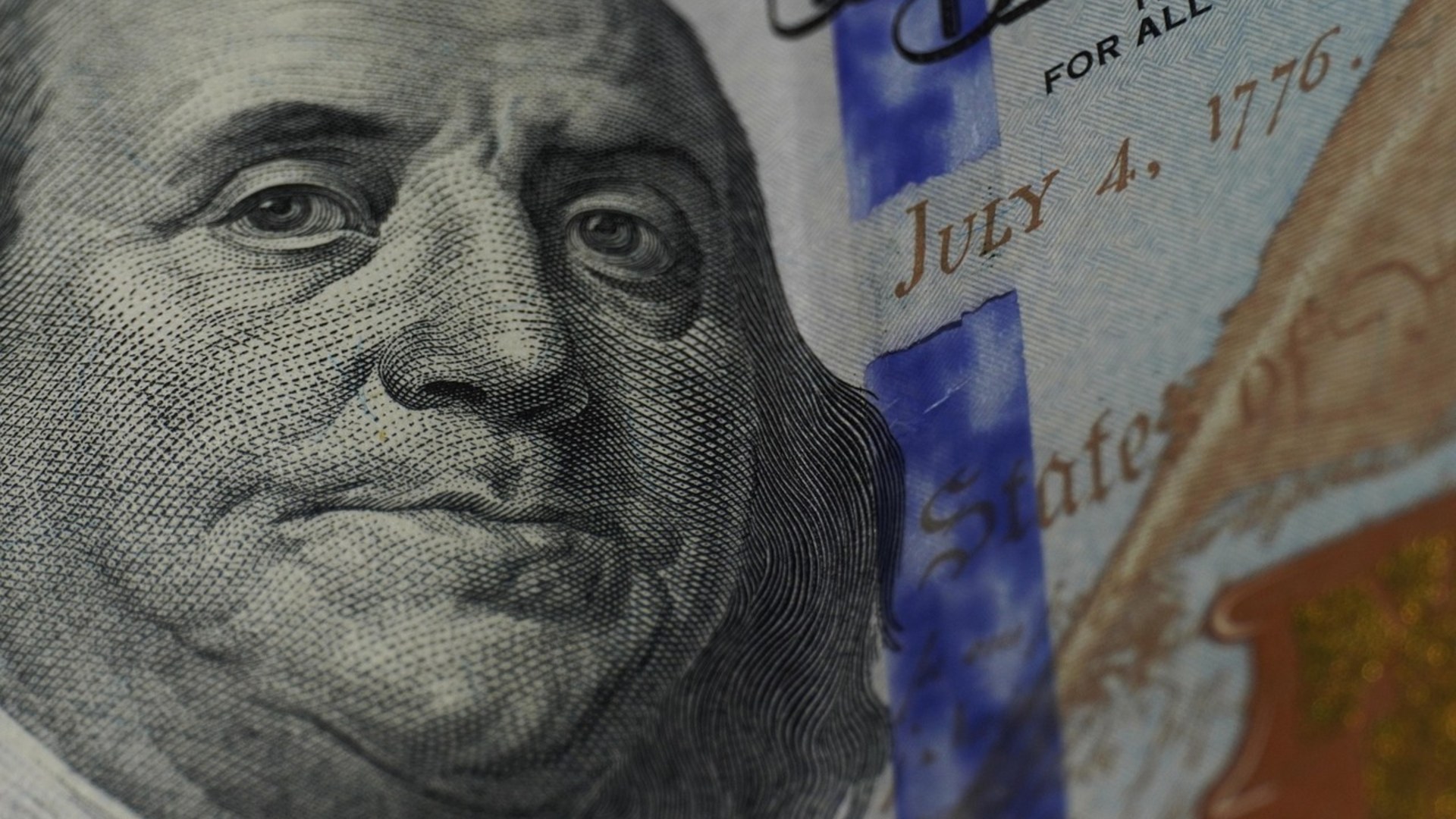
Named after Plutus, the ancient Greek god of wealth, plutophobia is an intense fear of money or financial success. People with this condition often dread the heavy responsibility, greed, or social envy that accompanies fortune. Some sufferers unconsciously sabotage their own career promotions or savings.
©Pixabay / amrothman
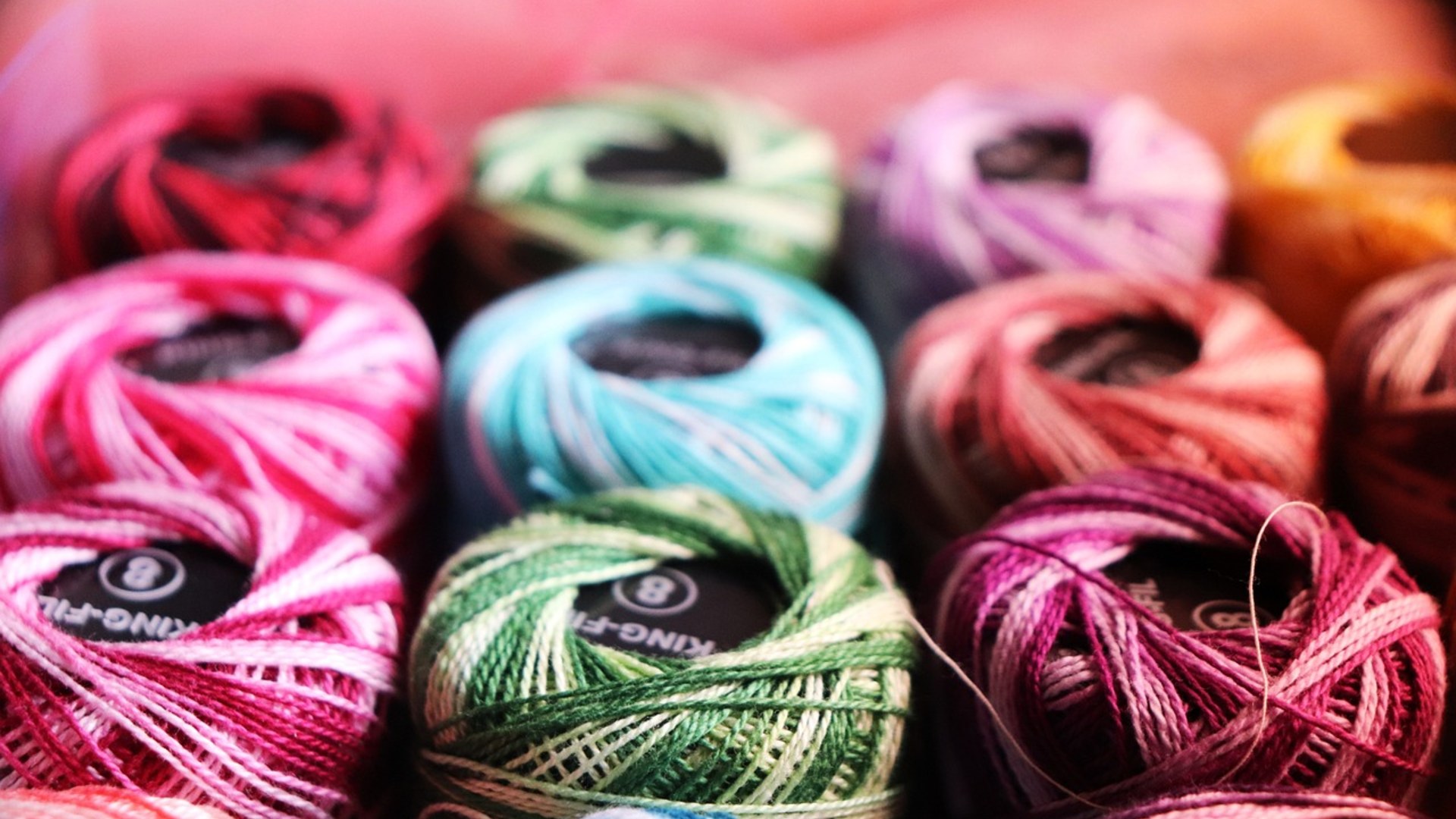
14. Linonophobia
Linonophobia is an uncommon specific phobia centered on string, sewing thread, twine, or tangled yarn. Psychologists note that the condition is frequently linked to deep anxieties about being tied up or losing physical freedom. Severe sufferers avoid sewing kits, shoelaces, and tied packages altogether.
©Pixabay / Van3ssa_
Advertisement
Swipe or tap ▶ to resume the countdown.
13. Chaetophobia
While many people dislike finding a stray strand in their soup, chaetophobia elevates that revulsion into full-blown terror. Sufferers may panic at the sight of loose hair on a bathroom sink, a hairbrush, or even another person's head. Some cases also extend to dense animal fur and salon visits.
©Pixabay / RondellMelling
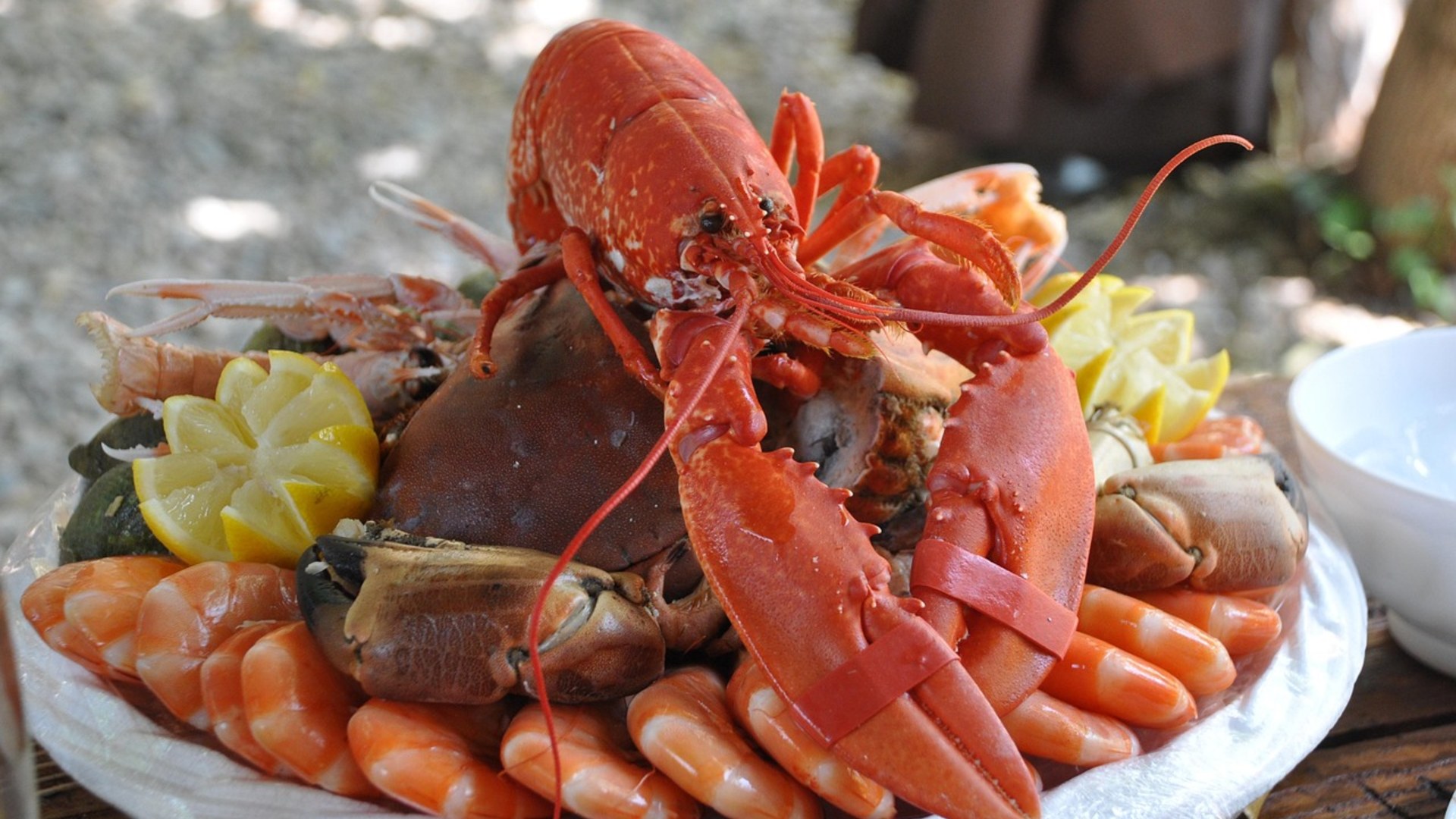
12. Ostraconophobia
Going beyond a simple seafood allergy, ostraconophobia is a visceral fear of crabs, lobsters, shrimp, and oysters. The segmented shells, antennae, and claws of crustaceans trigger the same evolutionary alarm as large insects or spiders. Many sufferers refuse to enter restaurants displaying live lobsters.
©Pixabay / NadineDoerle
11. Ergophobia
Unlike ordinary Monday morning fatigue, ergophobia is a clinically recognized dread of workplace environments and job tasks. It combines severe performance anxiety, social phobia, and fear of public failure in front of managers. Sufferers often feel nausea and chest tightness before entering an office.
©Pixabay / andreas160578
10. Geliophobia
Derived from Gelos, the Greek spirit of laughter, geliophobia makes the sound of chuckling or giggling feel deeply threatening. It is closely tied to gelotophobia, the paralyzing conviction that strangers are mocking you behind your back. Even benign party laughter can spark acute panic.
© Photo by OurWhisky Foundation on Unsplash
Advertisement
Swipe or tap ▶ to resume the countdown.
9. Vestiphobia
Vestiphobia is an intense fear of wearing clothing, often triggered by specific fabrics, heavy coats, or tight collars. In many clinical cases, it overlaps with claustrophobia, making a buttoned shirt feel like a physical trap. Severe cases can push people into isolation to avoid dressing up.
©Pixabay / Pexels Archive
8. Deipnophobia
Sitting down for a formal meal with acquaintances is a nightmare for anyone living with deipnophobia. This social phobia revolves around the pressure of making small talk while eating and following strict table etiquette. Sufferers routinely invent excuses to skip banquets and holiday dinners.
©Pixabay / Fill1970
7. Hippopotomonstrosesquippedaliophobia
Stretching across 36 letters, hippopotomonstrosesquippedaliophobia is the famously ironic name for the fear of long words. Wordbuilders padded the clinical term sesquipedalophobia with prefixes evoking a monstrous hippopotamus. Simply trying to spell the diagnosis can rattle anyone with reading anxiety.
©Pixabay / WOKANDAPIX
6. Xanthophobia
From the Greek word xanthos for yellow, xanthophobia is an acute aversion to anything bearing a golden or lemon hue. School buses, sunflowers, egg yolks, and bright traffic signs can all set off immediate fight-or-flight reactions. In the most extreme instances, sufferers even avoid hearing or reading the word yellow.
©Pixabay / Bru-nO
Advertisement
Swipe or tap ▶ to resume the countdown.
5. Globophobia
Birthday parties and carnivals become minefields for people who suffer from globophobia, the intense fear of balloons. The anxiety usually centers on the unpredictable, gunshot-like bang of latex rupturing without warning. Even the squeaky sound of rubbing an inflated balloon can trigger a cold sweat.
©Pixabay / Pexels Archive
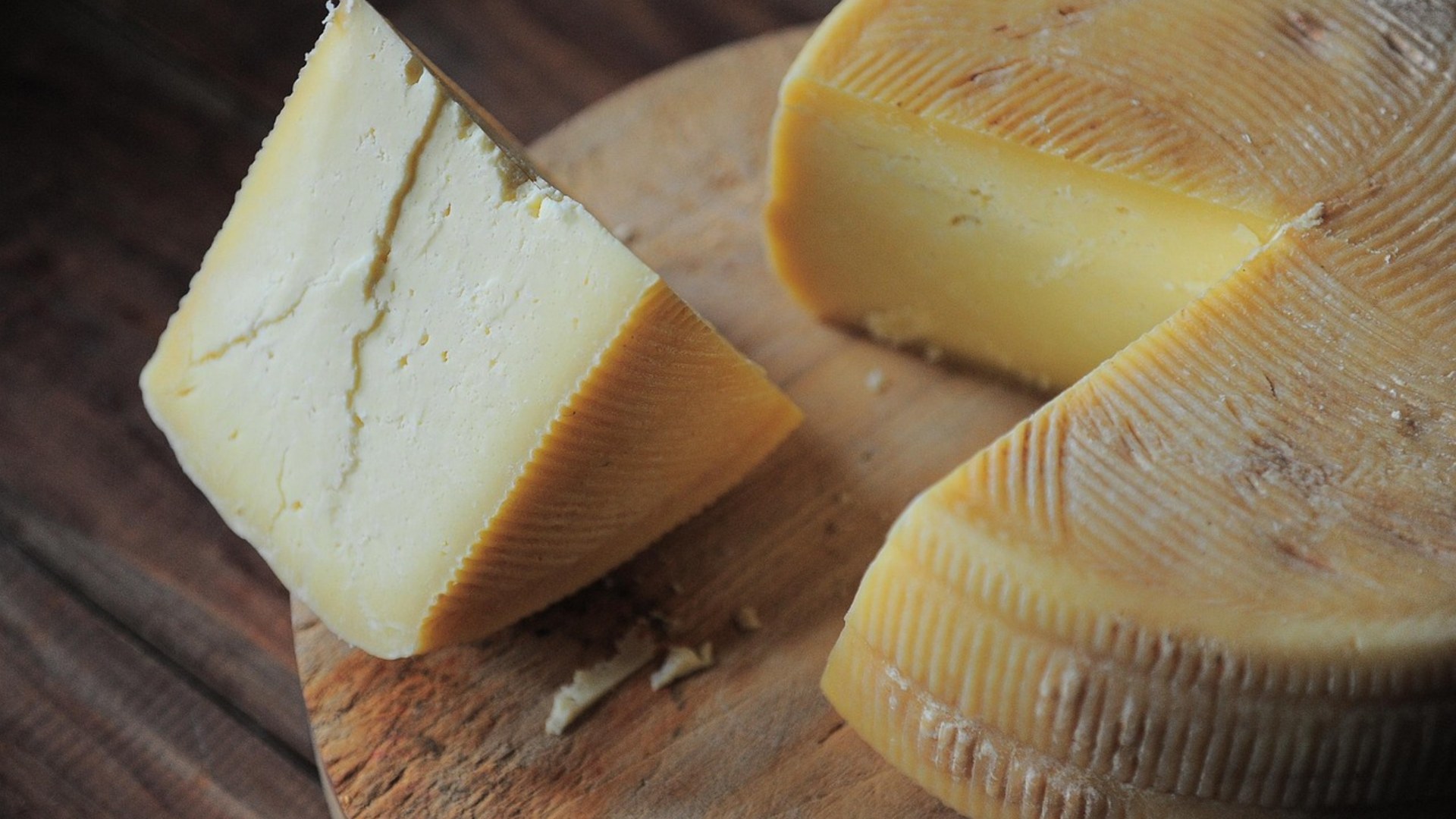
4. Turophobia
While cheese is a beloved comfort food for millions, people with turophobia cannot bear to look at or smell it. Whether facing a slice of cheddar or an aged wheel of brie, sufferers associate the texture and odor with spoilage. Many cannot walk past a supermarket dairy aisle without feeling nauseated.
©Pixabay / AlexKlen
3. Omphalophobia
Omphalophobia is the bizarre yet surprisingly common fear of navels, whether on oneself or on other people. Sufferers often feel a phantom sensation that touching a belly button will somehow untie or perforate their abdomen. Many cover their midsection during showers and avoid beaches or swimming pools entirely.
©Pixabay / PublicDomainPictures
2. Somniphobia
Also known as hypnophobia, somniphobia causes people to dread closing their eyes and drifting into unconsciousness. It is frequently rooted in recurring nightmares, sleep paralysis episodes, or a terrifying fear of dying in bed. The resulting sleep deprivation heightens daytime panic and exhaustion.
©Pixabay / DieterRobbins
Advertisement
Swipe or tap ▶ to resume the countdown.
1. Panophobia
First described by French psychologist Theodule-Armand Ribot in 1911, panophobia is a state of ever-present dread toward everything. Rather than focusing on a single trigger, sufferers feel haunted by the expectation that an unknown catastrophe is about to strike. Psychiatrists view it as free-floating anxiety.

©Pixabay / Darkmoon_Art
Advertisement
You've reached the end of the story. Thanks for reading!

20 Iconic Historical Photos and the Archive Clues Behind Them
Contact sheets, cracked glass plates, and NASA mission logs preserve the hidden steps behind 20 famous photographs. Drawing on records from the Library of Congress, the National Archives, NASA, and the Smithsonian, this countdown traces how cropping, camera setups, and double exposures shaped each frame.
All 20 Entries in this Story
1. Nomophobia
Coined during a 2008 British postal study, nomophobia is short for no-mobile-phone phobia. Sufferers experience racing heartbeats and acute panic when their battery dies, cellular signal drops, or they misplace their handset. Researchers rank it among the fastest-growing anxieties today.

2. Phobophobia
Rather than fearing a physical object, people with phobophobia dread the internal sensations of terror itself. They become trapped in a loop where worrying about a panic attack triggers the exact adrenaline rush they want to avoid. Psychologists often treat it alongside generalized anxiety.

3. Ablutophobia
Ablutophobia is an overwhelming clinical fear of bathing, showering, or cleaning oneself. While many children resist bath time temporarily, true ablutophobia persists into adulthood and often stems from past water-related trauma. Leaving it untreated can disrupt daily routines and social confidence.

4. Sesquipedalophobia
Derived from a Latin phrase meaning a foot and a half long, sesquipedalophobia describes the fear of encountering multisyllabic words. Sufferers often trace their anxiety back to childhood embarrassment while reading aloud in class. Seeing dense academic text can immediately spark shortness of breath.

5. Pogonophobia
Used since the 1850s from the Greek word pogon for beard, pogonophobia causes extreme unease around facial hair. For some individuals, thick beards subconsciously register as a mask hiding a stranger's true facial expressions or hygiene. Even seeing a close-up portrait of a heavily bearded man can prompt avoidance.

6. Plutophobia
Named after Plutus, the ancient Greek god of wealth, plutophobia is an intense fear of money or financial success. People with this condition often dread the heavy responsibility, greed, or social envy that accompanies fortune. Some sufferers unconsciously sabotage their own career promotions or savings.

7. Linonophobia
Linonophobia is an uncommon specific phobia centered on string, sewing thread, twine, or tangled yarn. Psychologists note that the condition is frequently linked to deep anxieties about being tied up or losing physical freedom. Severe sufferers avoid sewing kits, shoelaces, and tied packages altogether.

8. Chaetophobia
While many people dislike finding a stray strand in their soup, chaetophobia elevates that revulsion into full-blown terror. Sufferers may panic at the sight of loose hair on a bathroom sink, a hairbrush, or even another person's head. Some cases also extend to dense animal fur and salon visits.

9. Ostraconophobia
Going beyond a simple seafood allergy, ostraconophobia is a visceral fear of crabs, lobsters, shrimp, and oysters. The segmented shells, antennae, and claws of crustaceans trigger the same evolutionary alarm as large insects or spiders. Many sufferers refuse to enter restaurants displaying live lobsters.

10. Ergophobia
Unlike ordinary Monday morning fatigue, ergophobia is a clinically recognized dread of workplace environments and job tasks. It combines severe performance anxiety, social phobia, and fear of public failure in front of managers. Sufferers often feel nausea and chest tightness before entering an office.

11. Geliophobia
Derived from Gelos, the Greek spirit of laughter, geliophobia makes the sound of chuckling or giggling feel deeply threatening. It is closely tied to gelotophobia, the paralyzing conviction that strangers are mocking you behind your back. Even benign party laughter can spark acute panic.

12. Vestiphobia
Vestiphobia is an intense fear of wearing clothing, often triggered by specific fabrics, heavy coats, or tight collars. In many clinical cases, it overlaps with claustrophobia, making a buttoned shirt feel like a physical trap. Severe cases can push people into isolation to avoid dressing up.

13. Deipnophobia
Sitting down for a formal meal with acquaintances is a nightmare for anyone living with deipnophobia. This social phobia revolves around the pressure of making small talk while eating and following strict table etiquette. Sufferers routinely invent excuses to skip banquets and holiday dinners.

14. Hippopotomonstrosesquippedaliophobia
Stretching across 36 letters, hippopotomonstrosesquippedaliophobia is the famously ironic name for the fear of long words. Wordbuilders padded the clinical term sesquipedalophobia with prefixes evoking a monstrous hippopotamus. Simply trying to spell the diagnosis can rattle anyone with reading anxiety.

15. Xanthophobia
From the Greek word xanthos for yellow, xanthophobia is an acute aversion to anything bearing a golden or lemon hue. School buses, sunflowers, egg yolks, and bright traffic signs can all set off immediate fight-or-flight reactions. In the most extreme instances, sufferers even avoid hearing or reading the word yellow.

16. Globophobia
Birthday parties and carnivals become minefields for people who suffer from globophobia, the intense fear of balloons. The anxiety usually centers on the unpredictable, gunshot-like bang of latex rupturing without warning. Even the squeaky sound of rubbing an inflated balloon can trigger a cold sweat.

17. Turophobia
While cheese is a beloved comfort food for millions, people with turophobia cannot bear to look at or smell it. Whether facing a slice of cheddar or an aged wheel of brie, sufferers associate the texture and odor with spoilage. Many cannot walk past a supermarket dairy aisle without feeling nauseated.

18. Omphalophobia
Omphalophobia is the bizarre yet surprisingly common fear of navels, whether on oneself or on other people. Sufferers often feel a phantom sensation that touching a belly button will somehow untie or perforate their abdomen. Many cover their midsection during showers and avoid beaches or swimming pools entirely.

19. Somniphobia
Also known as hypnophobia, somniphobia causes people to dread closing their eyes and drifting into unconsciousness. It is frequently rooted in recurring nightmares, sleep paralysis episodes, or a terrifying fear of dying in bed. The resulting sleep deprivation heightens daytime panic and exhaustion.

20. Panophobia
First described by French psychologist Theodule-Armand Ribot in 1911, panophobia is a state of ever-present dread toward everything. Rather than focusing on a single trigger, sufferers feel haunted by the expectation that an unknown catastrophe is about to strike. Psychiatrists view it as free-floating anxiety.