Slideshow · Viral
The World's Tiniest Cars — Ranked From Small to Micro
From 1950s aircraft-bubble runabouts to micro-EVs, discover the mind-bogglingly compact vehicles that challenged automotive convention.
By Most Viral Today
5 Oct 2026

The World's Tiniest Cars — Ranked From Small to Micro 
10. Smart Fortwo 
9. Messerschmitt KR200 
8. Bond Bug - AdvertisementSwipe or tap ▶ to continue countdown

7. Heinkel Kabine 
6. BMW Isetta 300 
5. Fuldamobil N2 
4. Peel Trident - AdvertisementSwipe or tap ▶ to continue countdown

3. Sinclair C5 
2. Brütsch Mopetta 
1. Peel P50 - Advertisement🔥 UP NEXT IN THIS SERIES◫ 21 Slides

20 Iconic Historical Photos and the Archive Clues Behind Them
Contact sheets, cracked glass plates, and NASA mission logs preserve the hidden steps behind 20 famous photographs. Drawing on records from the Library of Congress, the National Archives, NASA, and the Smithsonian, this countdown traces how cropping, camera setups, and double exposures shaped each frame.
From 1950s aircraft-bubble runabouts to micro-EVs, discover the mind-bogglingly compact vehicles that challenged automotive convention.
Swipe or tap ▶ to begin the countdown
©Openverse / andreboeni · Wikimedia / Philip Kromer
10. Smart Fortwo
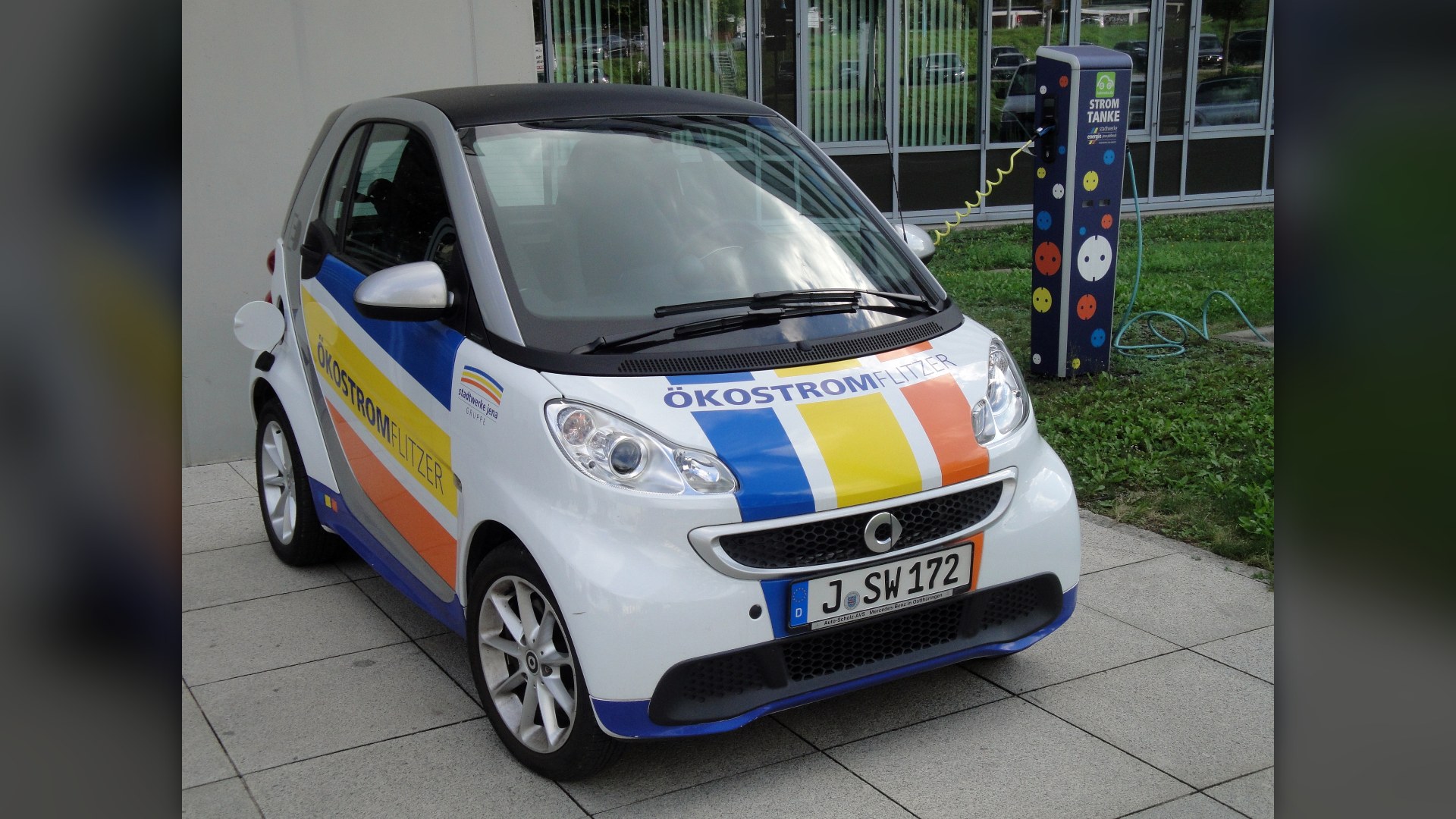
Measuring 2,695 mm (8 ft 10 in), the Smart Fortwo revolutionized European city centers in 1998 with its patented Tridion safety cell. In many cities, drivers could famously park it perpendicular to the curb, fitting where regular sedans couldn't dream of squeezing.
©Wikimedia / Reise Reise
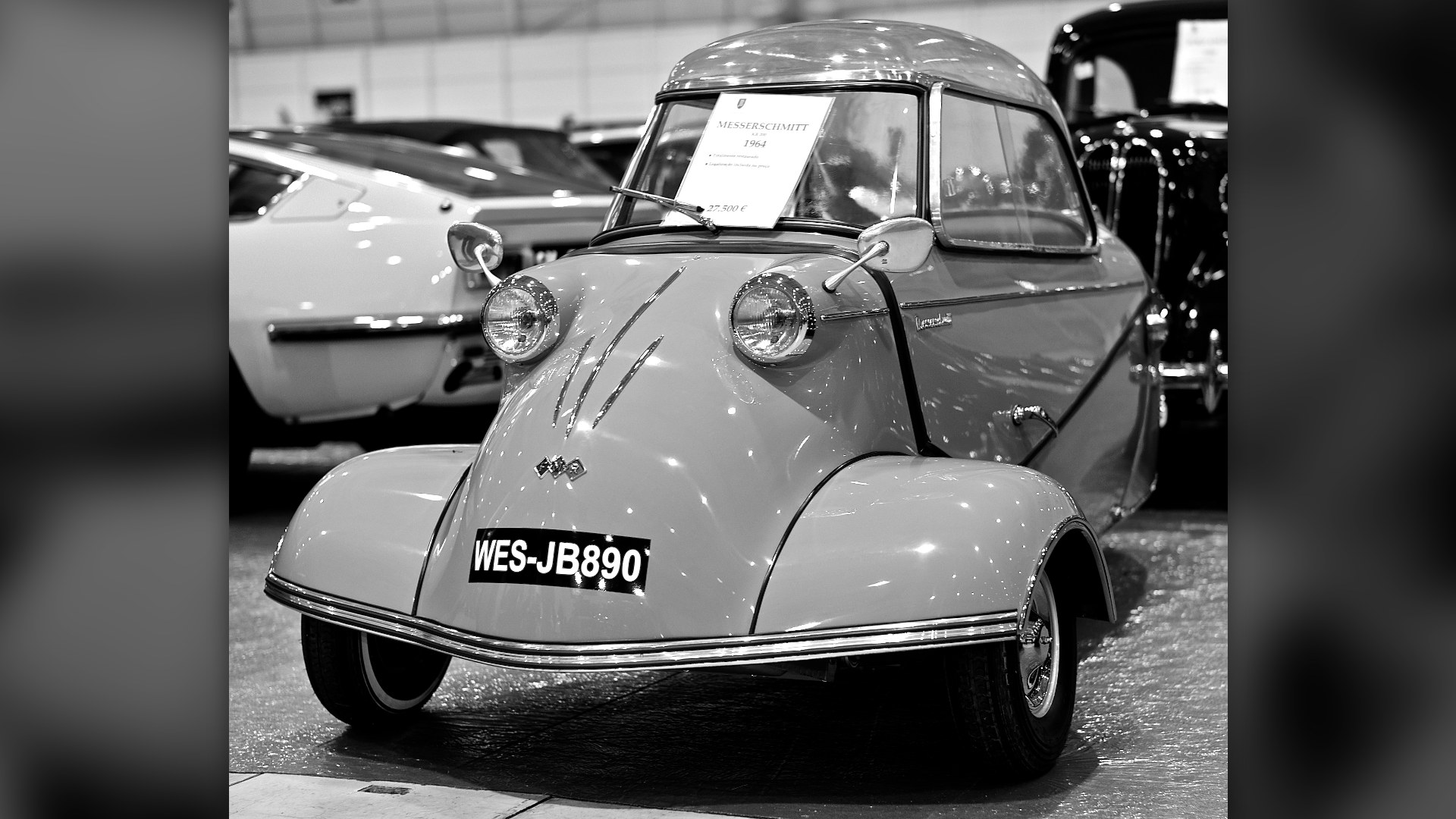
9. Messerschmitt KR200
Built by aircraft maker Messerschmitt when banned from aviation after WWII, the 1955 Kabinenroller seated occupants in tandem. At 2,820 mm long and just 1,220 mm (48 in) wide, its side-hinged perspex dome resembled a fighter aircraft on wheels.
©Wikimedia / Pedro Ribeiro Simões
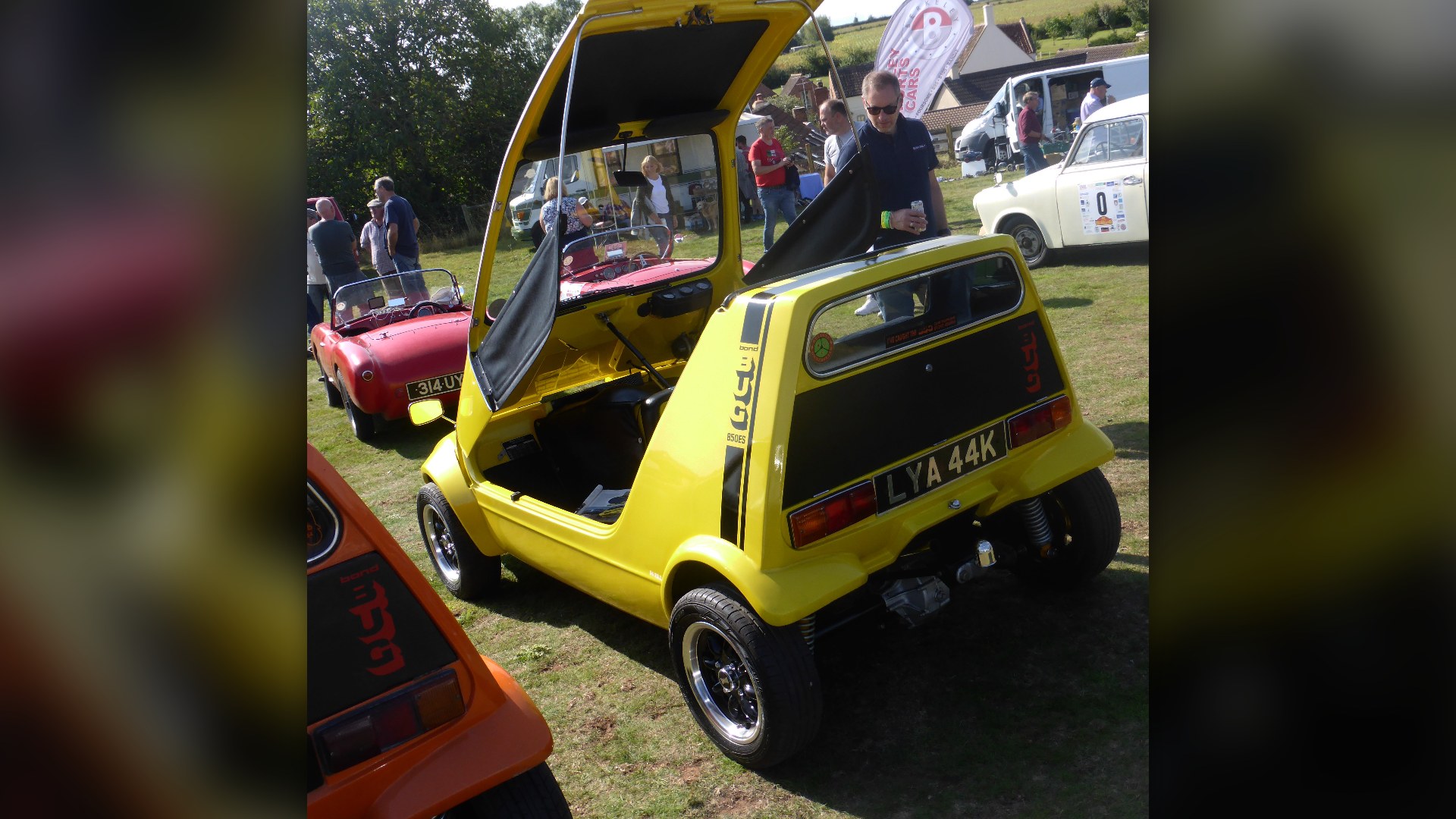
8. Bond Bug
Designed by Tom Karen and built by Reliant, the 1970 Bond Bug spanned 2,794 mm (9 ft 2 in). Instead of standard doors, the entire fiberglass upper canopy lifted forward on gas struts, making entry a head-turning retro-futuristic event.
©Wikimedia / andreboeni
Advertisement
Swipe or tap ▶ to resume the countdown.
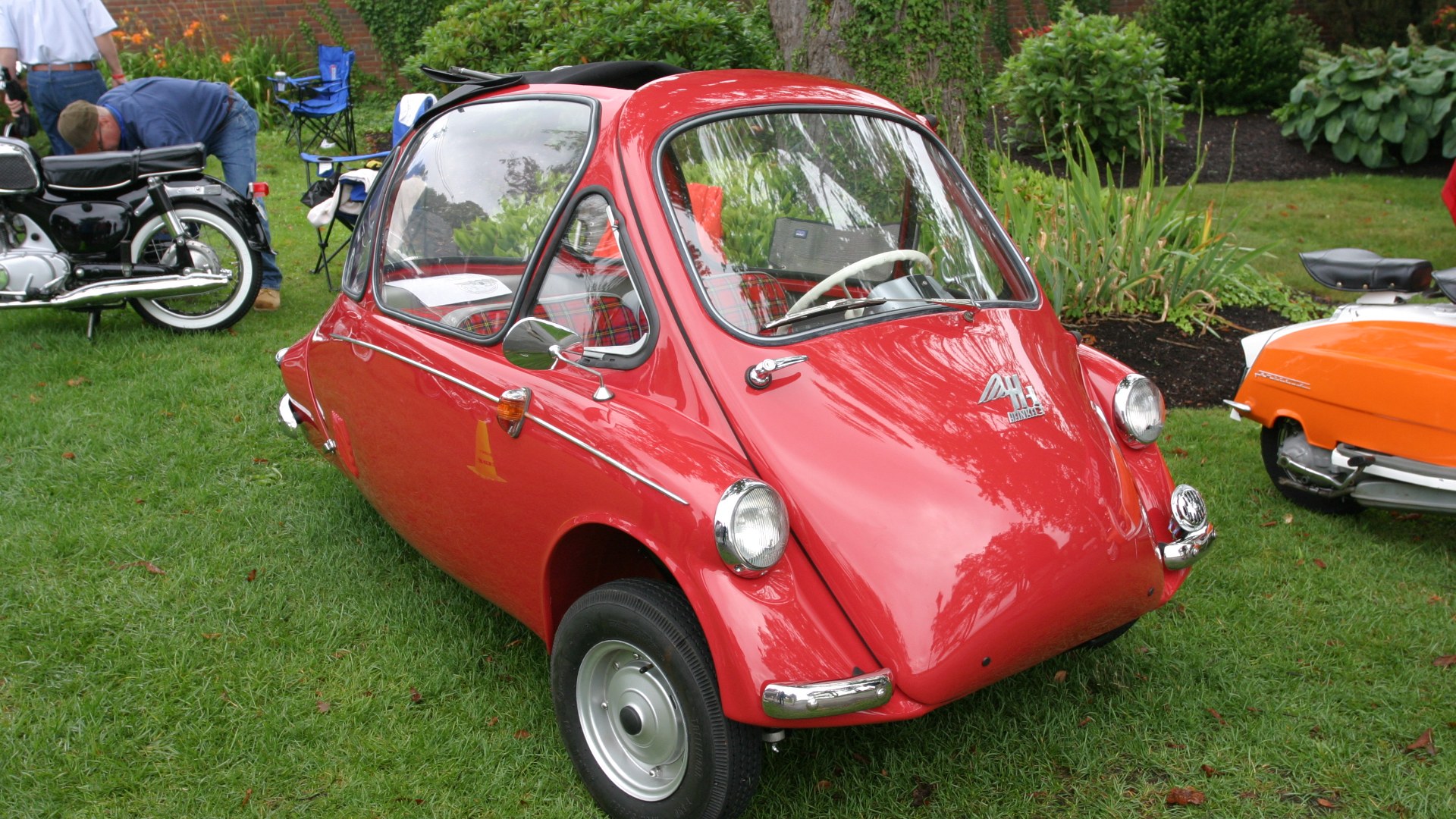
7. Heinkel Kabine
Built by aircraft designer Ernst Heinkel between 1956 and 1958, the Kabine measured just 2,550 mm (8 ft 4 in). Weighing under 250 kg with a four-stroke 174cc engine delivering over 80 mpg, it brought affordable post-war motoring to families across Europe.
©Wikimedia / ColinMB
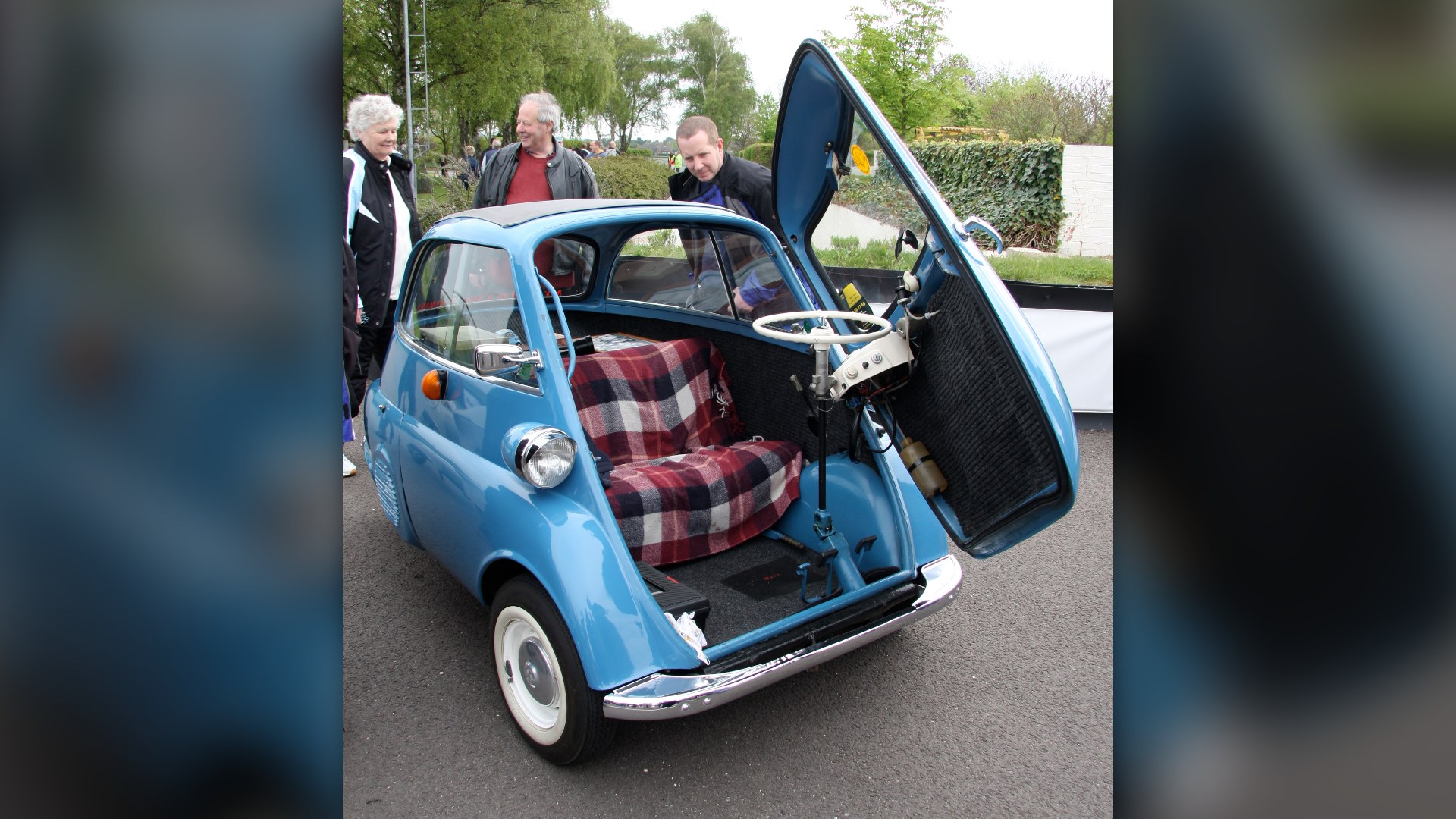
6. BMW Isetta 300
At 2,285 mm (7 ft 6 in), the 1955 BMW Isetta became the best-selling single-cylinder car in automotive history with 161,000+ sold. Its entire front panel swung open as a single door, allowing occupants to step directly out onto the sidewalk curb.
©Wikimedia / Brian Snelson
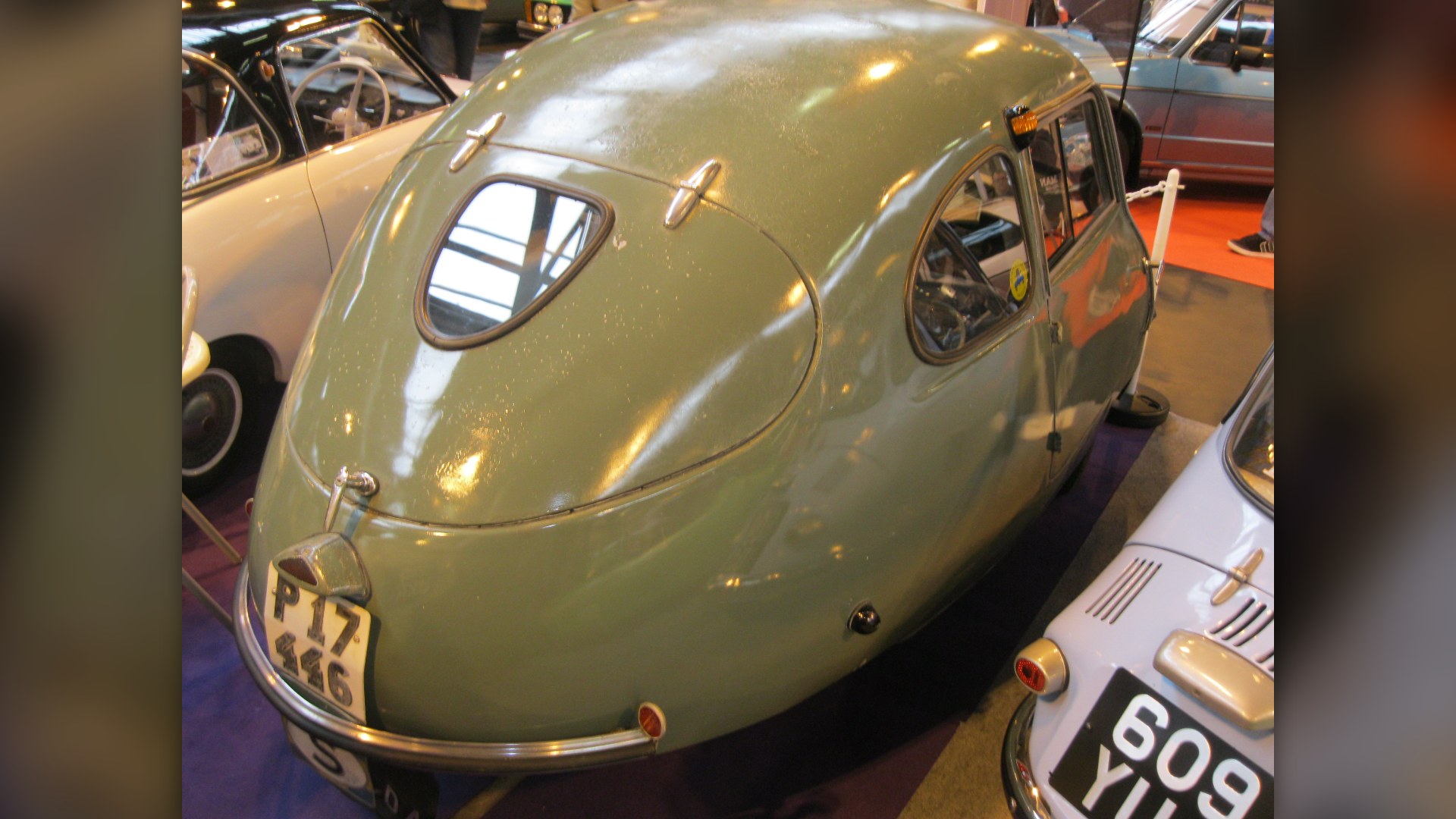
5. Fuldamobil N2
Designed by Norbert Stevenson and introduced in 1950, the Fuldamobil measured 2,100 mm (6 ft 11 in). Its simple teardrop body used aircraft-style hammered aluminum over a wooden frame, creating one of the earliest successful German microcars.
©Wikimedia / Andrew Bone
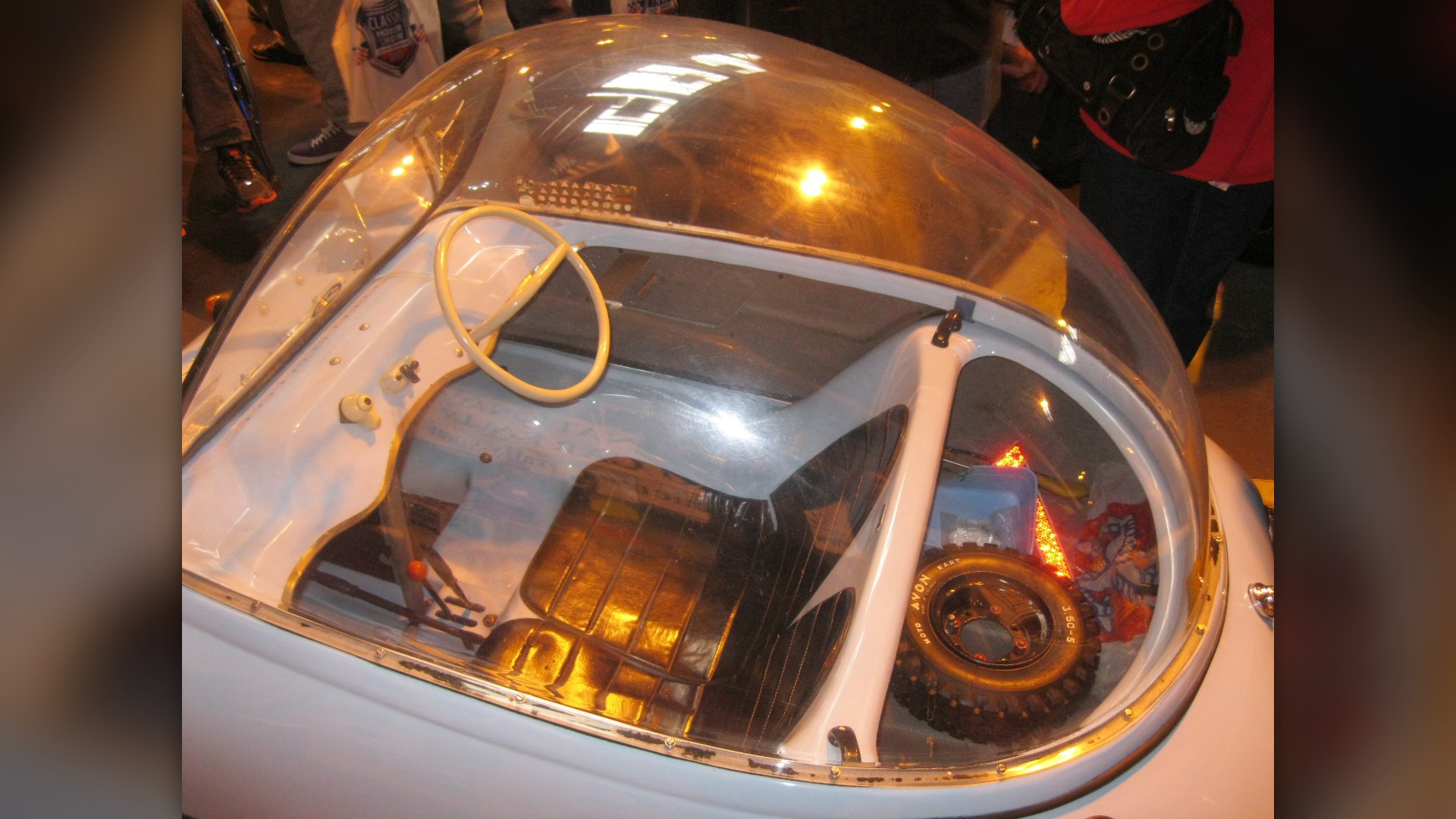
4. Peel Trident
Built on the Isle of Man in 1965, the Peel Trident stretched just 1,829 mm (6 ft 0 in) and weighed only 90 kg. Nicknamed the terrestrial flying saucer, its clear flip-top perspex dome seated two adults side-by-side while offering extraordinary panoramic views.
©Wikimedia / Andrew Bone
Advertisement
Swipe or tap ▶ to resume the countdown.
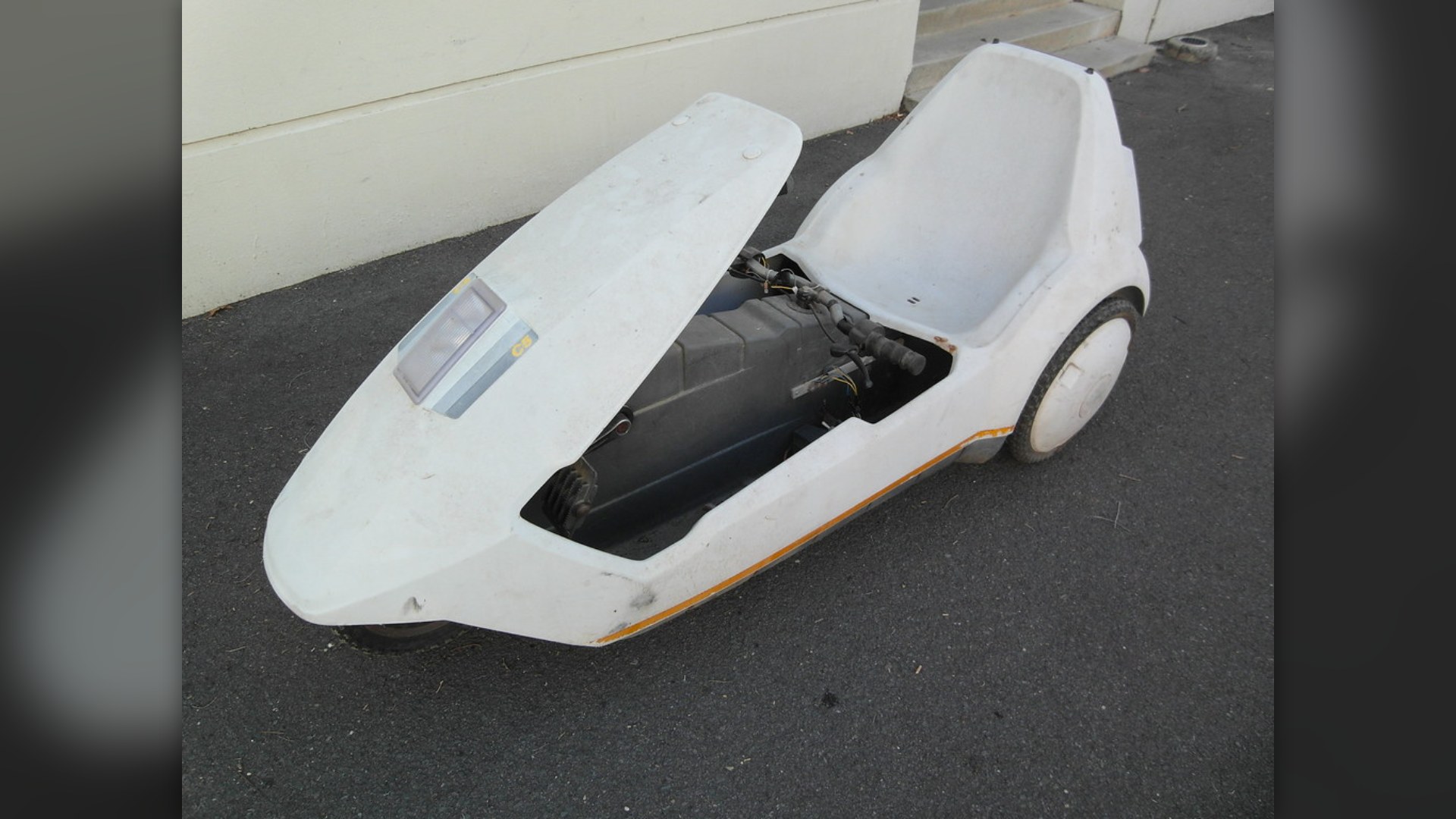
3. Sinclair C5
Unveiled by British computing pioneer Sir Clive Sinclair in 1985, the C5 measured just 1,744 mm (5 ft 8 in). Combining battery electric power with bicycle-style pedal assist, this futuristic recumbent trike presaged modern urban micro-mobility by decades.
©Openverse / eevblog
2. Brütsch Mopetta
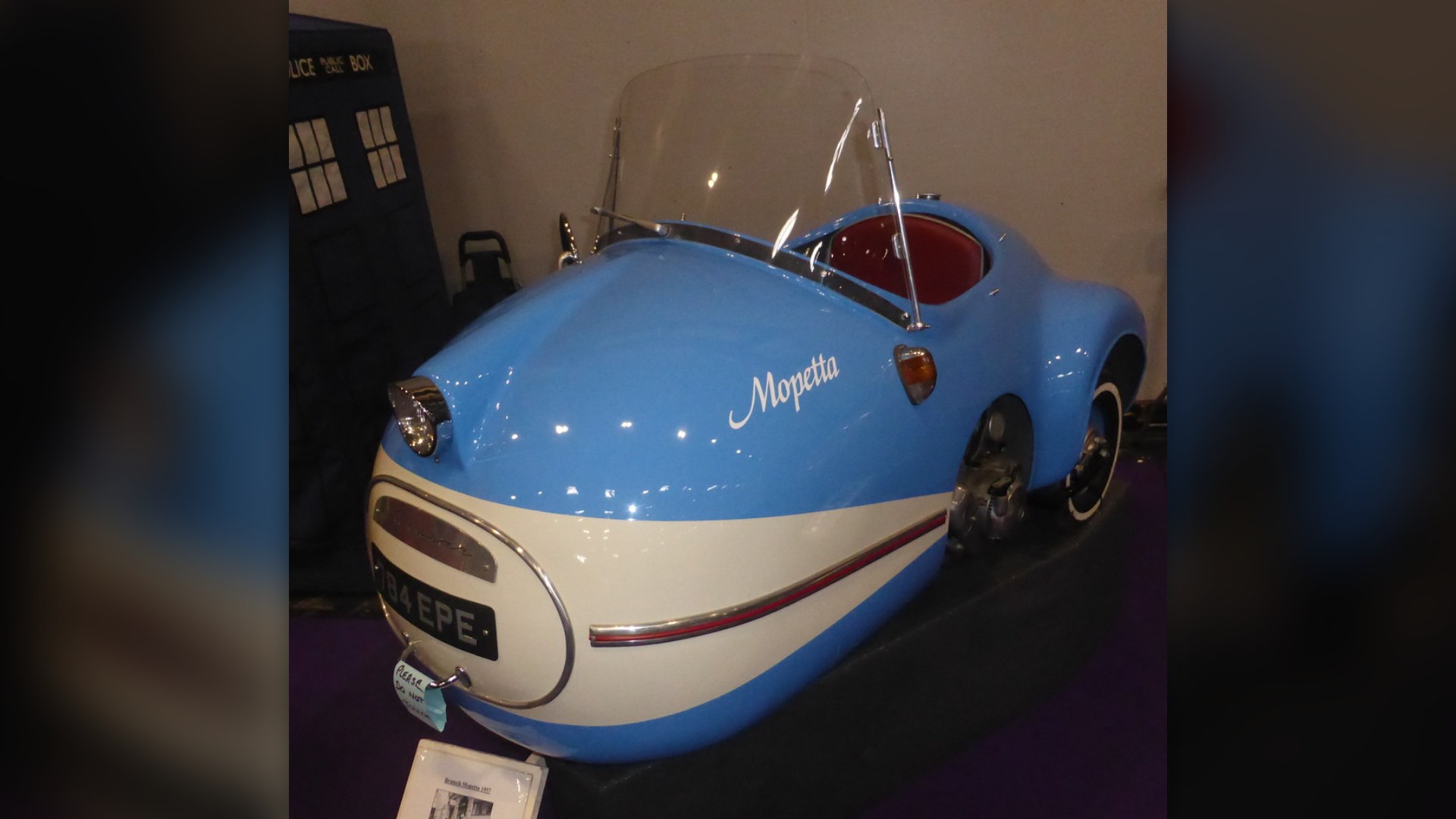
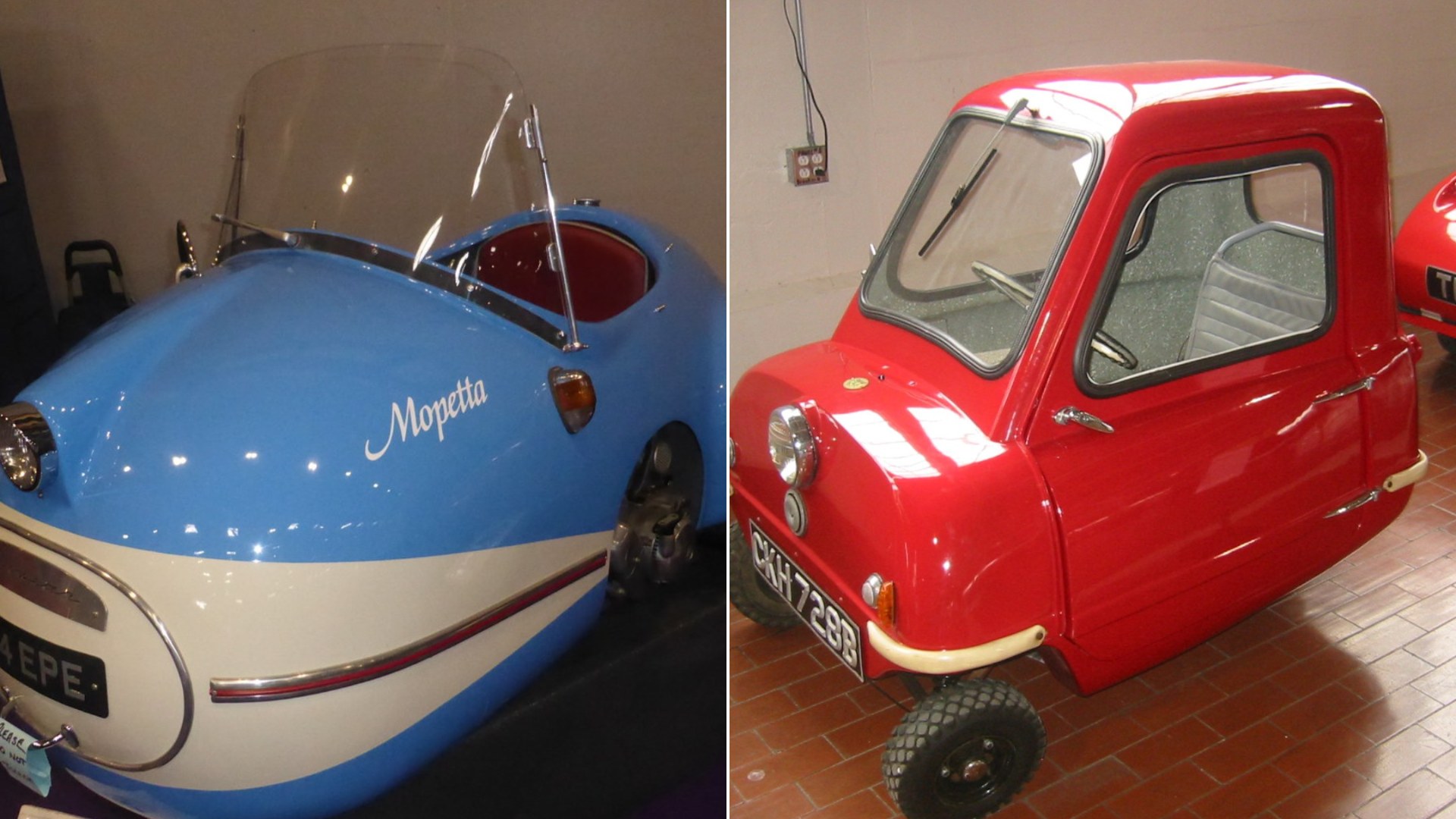
Crafted in 1956 by German racer Egon Brütsch, the Mopetta was an aerodynamic single-seat micro-runabout measuring only 1,700 mm (5 ft 7 in). Weighing just 78 kg, it featured a tiny 50cc ILO two-stroke engine and was even demonstrated driving into water.
©Openverse / andreboeni
1. Peel P50
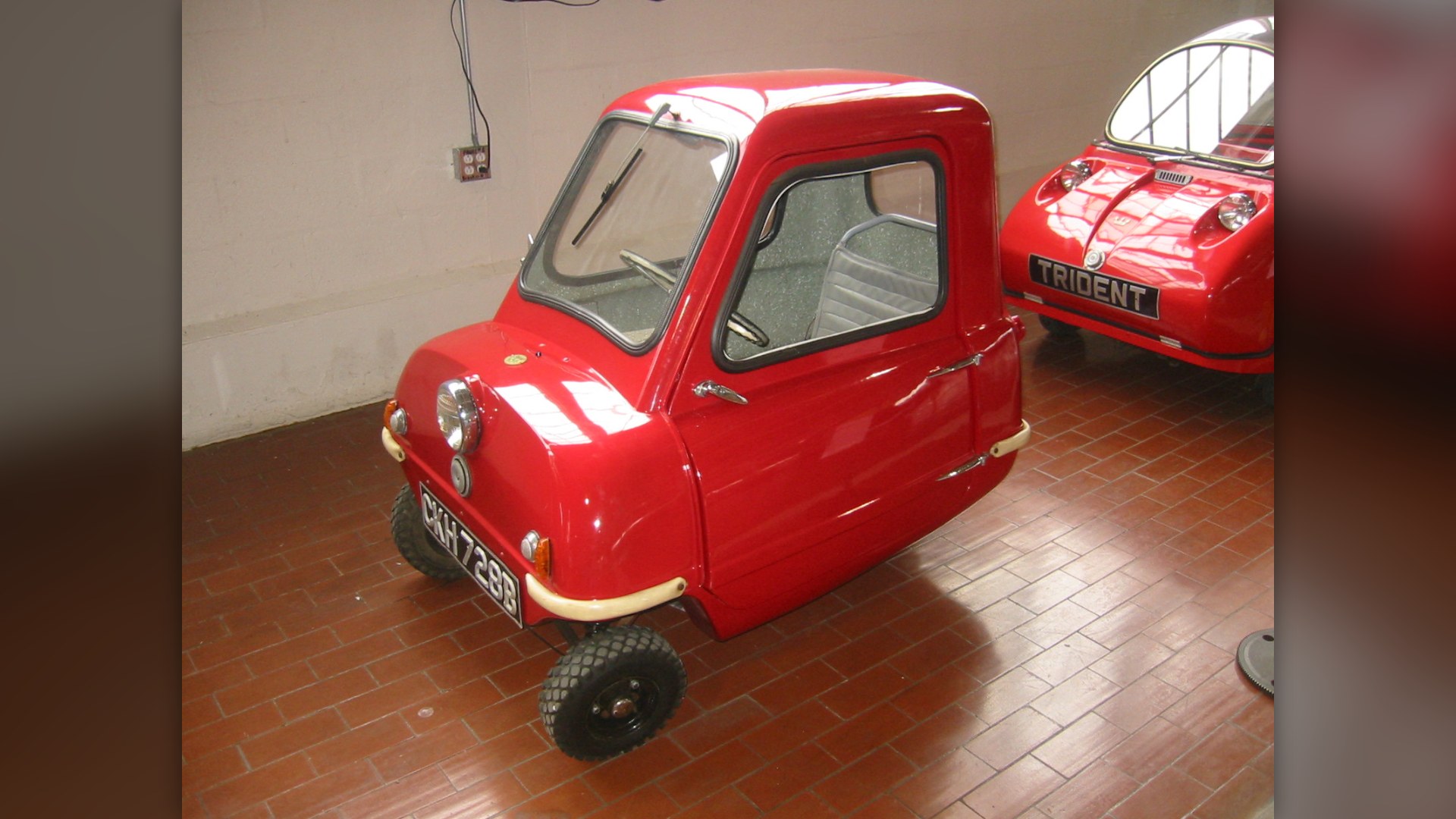
Measuring just 1,372 mm (54 in) long and 991 mm wide, the 1962 Peel P50 holds the Guinness World Record for smallest production car. Weighing 59 kg (130 lbs), it had no reverse gear—drivers simply grabbed a rear chrome handle and pulled it like a wheeled suitcase.

©Wikimedia / Philip Kromer
Advertisement
You've reached the end of the story. Thanks for reading!

20 Iconic Historical Photos and the Archive Clues Behind Them
Contact sheets, cracked glass plates, and NASA mission logs preserve the hidden steps behind 20 famous photographs. Drawing on records from the Library of Congress, the National Archives, NASA, and the Smithsonian, this countdown traces how cropping, camera setups, and double exposures shaped each frame.
All 10 Entries in this Story
10. Smart Fortwo
Measuring 2,695 mm (8 ft 10 in), the Smart Fortwo revolutionized European city centers in 1998 with its patented Tridion safety cell. In many cities, drivers could famously park it perpendicular to the curb, fitting where regular sedans couldn't dream of squeezing.

9. Messerschmitt KR200
Built by aircraft maker Messerschmitt when banned from aviation after WWII, the 1955 Kabinenroller seated occupants in tandem. At 2,820 mm long and just 1,220 mm (48 in) wide, its side-hinged perspex dome resembled a fighter aircraft on wheels.

8. Bond Bug
Designed by Tom Karen and built by Reliant, the 1970 Bond Bug spanned 2,794 mm (9 ft 2 in). Instead of standard doors, the entire fiberglass upper canopy lifted forward on gas struts, making entry a head-turning retro-futuristic event.

7. Heinkel Kabine
Built by aircraft designer Ernst Heinkel between 1956 and 1958, the Kabine measured just 2,550 mm (8 ft 4 in). Weighing under 250 kg with a four-stroke 174cc engine delivering over 80 mpg, it brought affordable post-war motoring to families across Europe.

6. BMW Isetta 300
At 2,285 mm (7 ft 6 in), the 1955 BMW Isetta became the best-selling single-cylinder car in automotive history with 161,000+ sold. Its entire front panel swung open as a single door, allowing occupants to step directly out onto the sidewalk curb.

5. Fuldamobil N2
Designed by Norbert Stevenson and introduced in 1950, the Fuldamobil measured 2,100 mm (6 ft 11 in). Its simple teardrop body used aircraft-style hammered aluminum over a wooden frame, creating one of the earliest successful German microcars.

4. Peel Trident
Built on the Isle of Man in 1965, the Peel Trident stretched just 1,829 mm (6 ft 0 in) and weighed only 90 kg. Nicknamed the terrestrial flying saucer, its clear flip-top perspex dome seated two adults side-by-side while offering extraordinary panoramic views.

3. Sinclair C5
Unveiled by British computing pioneer Sir Clive Sinclair in 1985, the C5 measured just 1,744 mm (5 ft 8 in). Combining battery electric power with bicycle-style pedal assist, this futuristic recumbent trike presaged modern urban micro-mobility by decades.

2. Brütsch Mopetta
Crafted in 1956 by German racer Egon Brütsch, the Mopetta was an aerodynamic single-seat micro-runabout measuring only 1,700 mm (5 ft 7 in). Weighing just 78 kg, it featured a tiny 50cc ILO two-stroke engine and was even demonstrated driving into water.

1. Peel P50
Measuring just 1,372 mm (54 in) long and 991 mm wide, the 1962 Peel P50 holds the Guinness World Record for smallest production car. Weighing 59 kg (130 lbs), it had no reverse gear—drivers simply grabbed a rear chrome handle and pulled it like a wheeled suitcase.