Slideshow · Viral
Tiny Daily Habits That Transform Your Mental Health Forever
Stressed? Overwhelmed? You don't need a total life overhaul to find peace. These 17 science-backed daily micro-habits take less than 10 minutes—and rewiring your brain starts today.

By Most Viral Today
25 Oct 2026

Tiny Daily Habits That Transform Your Mental Health Forever 
17. Soaking In 10 Minutes Of Early Morning Sunlight 
16. Splashing Cold Water On Your Face To Reset Heart Rate 
15. Writing Five Minutes In A Morning Journal - AdvertisementSwipe or tap ▶ to continue countdown

14. Practicing A Five-Minute Mindful Body Scan On A Yoga Mat 
13. Drinking A Tall Glass Of Fresh Water Before Coffee 
12. Walking 15 Minutes Along A Lush Forest Trail 
11. Taking Deep Mindful Breaths In Nature With Eyes Closed - AdvertisementSwipe or tap ▶ to continue countdown

10. Decluttering One Workspace Desk Surface Daily 
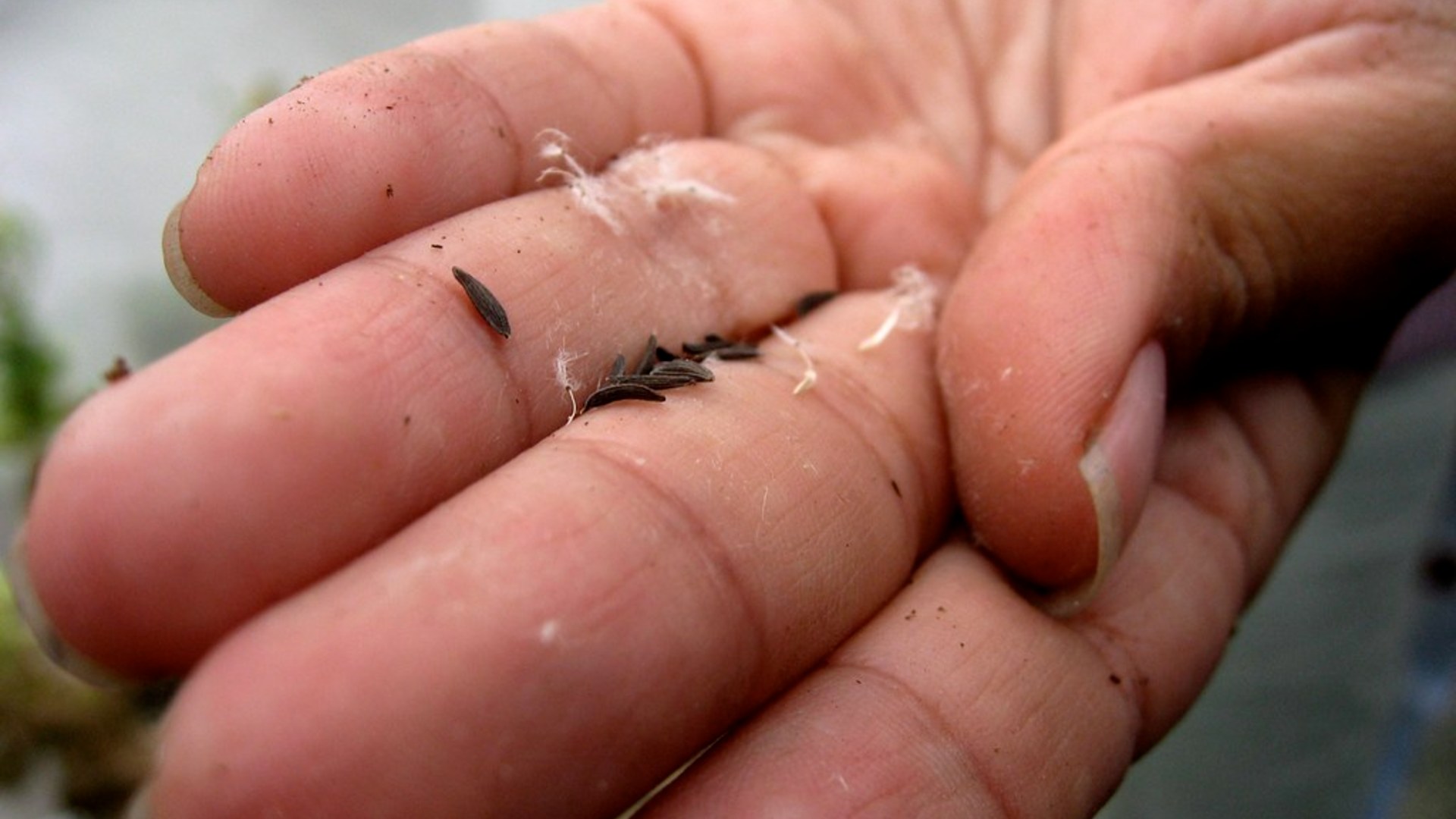
9. Planting Seedlings In Soil For Tactile Flow State 
8. Stepping Away From Screens To Gaze Out A Sunlit Window 
7. Listening To Calming Music Through Over-Ear Headphones - AdvertisementSwipe or tap ▶ to continue countdown

6. Walking And Bonding With A Dog Outdoors In Nature 
5. Savoring A Warm Cup Of Freshly Brewed Tea In Stillness 
4. Chopping Fresh Colorful Vegetables For A Whole-Food Meal 
3. Outdoor Morning Jogging And Stretching In The Park - AdvertisementSwipe or tap ▶ to continue countdown

2. Reading A Paper Book Relaxed On The Sofa Before Bed 
1. Writing Three Evening Gratitudes In A Bedside Notebook - Advertisement🔥 UP NEXT IN THIS SERIES◫ 21 Slides

20 Iconic Historical Photos and the Archive Clues Behind Them
Contact sheets, cracked glass plates, and NASA mission logs preserve the hidden steps behind 20 famous photographs. Drawing on records from the Library of Congress, the National Archives, NASA, and the Smithsonian, this countdown traces how cropping, camera setups, and double exposures shaped each frame.
Modern life bombards us with chronic stress. But clinical neuroscience shows real mental peace doesn't require exhausting lifestyle overhauls—it is built through tiny, daily micro-habits. Here are 17 science-backed rituals taking under 10 minutes to reset stress, boost dopamine, and rewire your brain.
Swipe or tap ▶ to begin the countdown
©Openverse / rwkvisual
17. Soaking In 10 Minutes Of Early Morning Sunlight
Getting direct, outdoor sunlight into your eyes within 60 minutes of waking triggers a natural morning cortisol spike that sets your circadian rhythm. This promotes daytime alertness while setting an internal biological timer that stimulates melatonin release twelve hours later for deeper, restorative sleep.
©Openverse / Liga_Eglite
16. Splashing Cold Water On Your Face To Reset Heart Rate
When ice-cold water contacts the trigeminal facial nerve around your eyes and temples, it activates the ancient mammalian dive reflex. Your heart rate instantly drops by 10 to 25 percent and your parasympathetic nervous system engages, immediately stopping acute anxiety in its tracks.
©Wikimedia / Shixart1985
15. Writing Five Minutes In A Morning Journal
Jotting down raw, unfiltered thoughts for just five minutes in the morning clears cognitive clutter from your working memory. Neuroimaging studies demonstrate that naming and externalizing emotions dampens amygdala reactivity, halting intrusive spiral thinking before your workday even starts.
©Openverse / Kristin Hardwick
Advertisement
Swipe or tap ▶ to resume the countdown.
14. Practicing A Five-Minute Mindful Body Scan On A Yoga Mat
Chronic stress causes subconscious somatic bracing—tight jaws, raised shoulders, and shallow chest breathing. Systematically directing mindful attention from your crown to your toes signals to your central nervous system that you are physically safe, allowing tense muscles to release.
©Openverse / nenad53
13. Drinking A Tall Glass Of Fresh Water Before Coffee
After seven to eight hours without fluids, mild cellular dehydration manifests as sluggishness, headaches, and heightened irritability. Drinking 16 ounces of cool water immediately rehydrates brain tissues and supports cellular metabolism before caffeine triggers adrenal stimulation.
©Wikimedia / Shixart1985
12. Walking 15 Minutes Along A Lush Forest Trail
Immersing yourself in green space for just 15 minutes exposes you to airborne antimicrobial plant compounds called phytoncides. Clinical studies in environmental medicine prove that forest bathing measurably lowers blood pressure, decreases salivary cortisol, and enhances immune function.
©Wikimedia / Olympic National Park
11. Taking Deep Mindful Breaths In Nature With Eyes Closed
The 4-7-8 breathing cadence—inhaling deeply for four counts, holding for seven, and exhaling slowly for eight—mechanically stimulates the vagus nerve. The extended exhalation signals your heart to slow down, directly overriding sympathetic fight-or-flight arousal.
©Openverse / Homedust
Advertisement
Swipe or tap ▶ to resume the countdown.
10. Decluttering One Workspace Desk Surface Daily
Neuroscientists at Princeton discovered that visual clutter constantly competes for neural resources in your visual cortex, elevating cortisol and fragmenting focus. Clearing just one dedicated workspace creates an immediate island of visual order that restores calm mental agency.
©Openverse / WizGeneratorImages
9. Planting Seedlings In Soil For Tactile Flow State
Direct tactile engagement with damp soil stimulates harmless soil bacteria, Mycobacterium vaccae, shown in clinical trials to stimulate serotonin release. Repetitive hand movements simultaneously shift brainwave patterns from anxious beta into meditative alpha states.
©Openverse / Kyle Taylor
8. Stepping Away From Screens To Gaze Out A Sunlit Window
Prolonged focal fixation on flat, illuminated screens keeps your visual system in narrow spotlight mode, which unconsciously primes your stress circuitry. Expanding your visual field to a distant horizon engages panoramic vision, a proven physiological cue that relaxes the brain.
©Openverse / Muffet
7. Listening To Calming Music Through Over-Ear Headphones
Ten minutes of dedicated, single-task listening to ambient or 432Hz acoustic music triggers synchronized neural firing in the auditory cortex. This auditory immersion reduces circulating stress hormones and stimulates dopamine pathways, providing a gentle neurological reset.
©Openverse / nenadstojkovicart
Advertisement
Swipe or tap ▶ to resume the countdown.
6. Walking And Bonding With A Dog Outdoors In Nature
Interacting warmly with a canine companion stimulates rapid oxytocin synthesis in both human and animal brains while downregulating baseline cortisol. The combined benefits of rhythmic outdoor walking and cross-species bonding significantly buffer against feelings of social isolation.
©Openverse / Steve Wilson
5. Savoring A Warm Cup Of Freshly Brewed Tea In Stillness
Green and herbal teas contain L-theanine, an amino acid that crosses the blood-brain barrier to enhance GABA and dopamine production. Sitting quietly without multitasking while savoring warm sips trains your brain in present-moment grounding, preventing anxiety escalation.
©Openverse / ashkyd
4. Chopping Fresh Colorful Vegetables For A Whole-Food Meal
Over 90% of your body's serotonin and 50% of its dopamine are synthesized in the gastrointestinal tract by diverse bacterial colonies. Preparing and consuming whole, fiber-rich vegetables directly feeds neuroprotective short-chain fatty acids that communicate with your brain via the vagus nerve.
©Openverse / USDAgov
3. Outdoor Morning Jogging And Stretching In The Park
Aerobic cardiovascular activity like gentle jogging or brisk walking increases brain-derived neurotrophic factor (BDNF), which stimulates neuroplasticity and hippocampal cell growth. The rhythmic movement metabolizes residual stress hormones, effectively clearing physical tension.
©Openverse / Peter Mooney
Advertisement
Swipe or tap ▶ to resume the countdown.
2. Reading A Paper Book Relaxed On The Sofa Before Bed
Eliminating digital screens 60 minutes before bedtime shields your pineal gland from blue wavelengths that block melatonin production. Reading physical printed ink allows your heart rate to settle into rest-and-digest parasympathetic mode, priming you for restorative slow-wave sleep.
©Openverse / nenad53
1. Writing Three Evening Gratitudes In A Bedside Notebook
Concluding your day by writing three specific micro-gratitudes counters the evolutionary negativity bias hardwired into your amygdala. This consistent practice trains your reticular activating system to recognize peace and opportunity rather than scanning constantly for threats.

©Openverse / Generationbass.com
Advertisement
You've reached the end of the story. Thanks for reading!

20 Iconic Historical Photos and the Archive Clues Behind Them
Contact sheets, cracked glass plates, and NASA mission logs preserve the hidden steps behind 20 famous photographs. Drawing on records from the Library of Congress, the National Archives, NASA, and the Smithsonian, this countdown traces how cropping, camera setups, and double exposures shaped each frame.
All 17 Entries in this Story
17. Soaking In 10 Minutes Of Early Morning Sunlight
Getting direct, outdoor sunlight into your eyes within 60 minutes of waking triggers a natural morning cortisol spike that sets your circadian rhythm. This promotes daytime alertness while setting an internal biological timer that stimulates melatonin release twelve hours later for deeper, restorative sleep.

16. Splashing Cold Water On Your Face To Reset Heart Rate
When ice-cold water contacts the trigeminal facial nerve around your eyes and temples, it activates the ancient mammalian dive reflex. Your heart rate instantly drops by 10 to 25 percent and your parasympathetic nervous system engages, immediately stopping acute anxiety in its tracks.

15. Writing Five Minutes In A Morning Journal
Jotting down raw, unfiltered thoughts for just five minutes in the morning clears cognitive clutter from your working memory. Neuroimaging studies demonstrate that naming and externalizing emotions dampens amygdala reactivity, halting intrusive spiral thinking before your workday even starts.

14. Practicing A Five-Minute Mindful Body Scan On A Yoga Mat
Chronic stress causes subconscious somatic bracing—tight jaws, raised shoulders, and shallow chest breathing. Systematically directing mindful attention from your crown to your toes signals to your central nervous system that you are physically safe, allowing tense muscles to release.

13. Drinking A Tall Glass Of Fresh Water Before Coffee
After seven to eight hours without fluids, mild cellular dehydration manifests as sluggishness, headaches, and heightened irritability. Drinking 16 ounces of cool water immediately rehydrates brain tissues and supports cellular metabolism before caffeine triggers adrenal stimulation.

12. Walking 15 Minutes Along A Lush Forest Trail
Immersing yourself in green space for just 15 minutes exposes you to airborne antimicrobial plant compounds called phytoncides. Clinical studies in environmental medicine prove that forest bathing measurably lowers blood pressure, decreases salivary cortisol, and enhances immune function.

11. Taking Deep Mindful Breaths In Nature With Eyes Closed
The 4-7-8 breathing cadence—inhaling deeply for four counts, holding for seven, and exhaling slowly for eight—mechanically stimulates the vagus nerve. The extended exhalation signals your heart to slow down, directly overriding sympathetic fight-or-flight arousal.

10. Decluttering One Workspace Desk Surface Daily
Neuroscientists at Princeton discovered that visual clutter constantly competes for neural resources in your visual cortex, elevating cortisol and fragmenting focus. Clearing just one dedicated workspace creates an immediate island of visual order that restores calm mental agency.

9. Planting Seedlings In Soil For Tactile Flow State
Direct tactile engagement with damp soil stimulates harmless soil bacteria, Mycobacterium vaccae, shown in clinical trials to stimulate serotonin release. Repetitive hand movements simultaneously shift brainwave patterns from anxious beta into meditative alpha states.

8. Stepping Away From Screens To Gaze Out A Sunlit Window
Prolonged focal fixation on flat, illuminated screens keeps your visual system in narrow spotlight mode, which unconsciously primes your stress circuitry. Expanding your visual field to a distant horizon engages panoramic vision, a proven physiological cue that relaxes the brain.

7. Listening To Calming Music Through Over-Ear Headphones
Ten minutes of dedicated, single-task listening to ambient or 432Hz acoustic music triggers synchronized neural firing in the auditory cortex. This auditory immersion reduces circulating stress hormones and stimulates dopamine pathways, providing a gentle neurological reset.

6. Walking And Bonding With A Dog Outdoors In Nature
Interacting warmly with a canine companion stimulates rapid oxytocin synthesis in both human and animal brains while downregulating baseline cortisol. The combined benefits of rhythmic outdoor walking and cross-species bonding significantly buffer against feelings of social isolation.

5. Savoring A Warm Cup Of Freshly Brewed Tea In Stillness
Green and herbal teas contain L-theanine, an amino acid that crosses the blood-brain barrier to enhance GABA and dopamine production. Sitting quietly without multitasking while savoring warm sips trains your brain in present-moment grounding, preventing anxiety escalation.

4. Chopping Fresh Colorful Vegetables For A Whole-Food Meal
Over 90% of your body's serotonin and 50% of its dopamine are synthesized in the gastrointestinal tract by diverse bacterial colonies. Preparing and consuming whole, fiber-rich vegetables directly feeds neuroprotective short-chain fatty acids that communicate with your brain via the vagus nerve.

3. Outdoor Morning Jogging And Stretching In The Park
Aerobic cardiovascular activity like gentle jogging or brisk walking increases brain-derived neurotrophic factor (BDNF), which stimulates neuroplasticity and hippocampal cell growth. The rhythmic movement metabolizes residual stress hormones, effectively clearing physical tension.

2. Reading A Paper Book Relaxed On The Sofa Before Bed
Eliminating digital screens 60 minutes before bedtime shields your pineal gland from blue wavelengths that block melatonin production. Reading physical printed ink allows your heart rate to settle into rest-and-digest parasympathetic mode, priming you for restorative slow-wave sleep.

1. Writing Three Evening Gratitudes In A Bedside Notebook
Concluding your day by writing three specific micro-gratitudes counters the evolutionary negativity bias hardwired into your amygdala. This consistent practice trains your reticular activating system to recognize peace and opportunity rather than scanning constantly for threats.