Slideshow · Viral
Top 10 Fascinating Facts About Greenland, Ranked
From secret subglacial canyons to centuries-old sharks that swam during the Renaissance, the world's largest island conceals some of the planet's most extraordinary geological and natural wonders.
By Most Viral Today
19 Sept 2026

Top 10 Fascinating Facts About Greenland, Ranked: Explore the Full Countdown 
10. Zero Connecting Roads 
9. Color-Coded Wooden Houses 
8. The World's Largest National Park - AdvertisementSwipe or tap ▶ to continue countdown

7. Ancient Four-Century Sharks 
6. Polar Night And Midnight Sun 
5. Vanished Norse Colonies 
4. The World's Iceberg Factory - AdvertisementSwipe or tap ▶ to continue countdown

3. The Hidden Subglacial Canyon 
2. The Colossal Ice Sheet 
1. The World's Largest Island - Advertisement🔥 UP NEXT IN THIS SERIES◫ 21 Slides

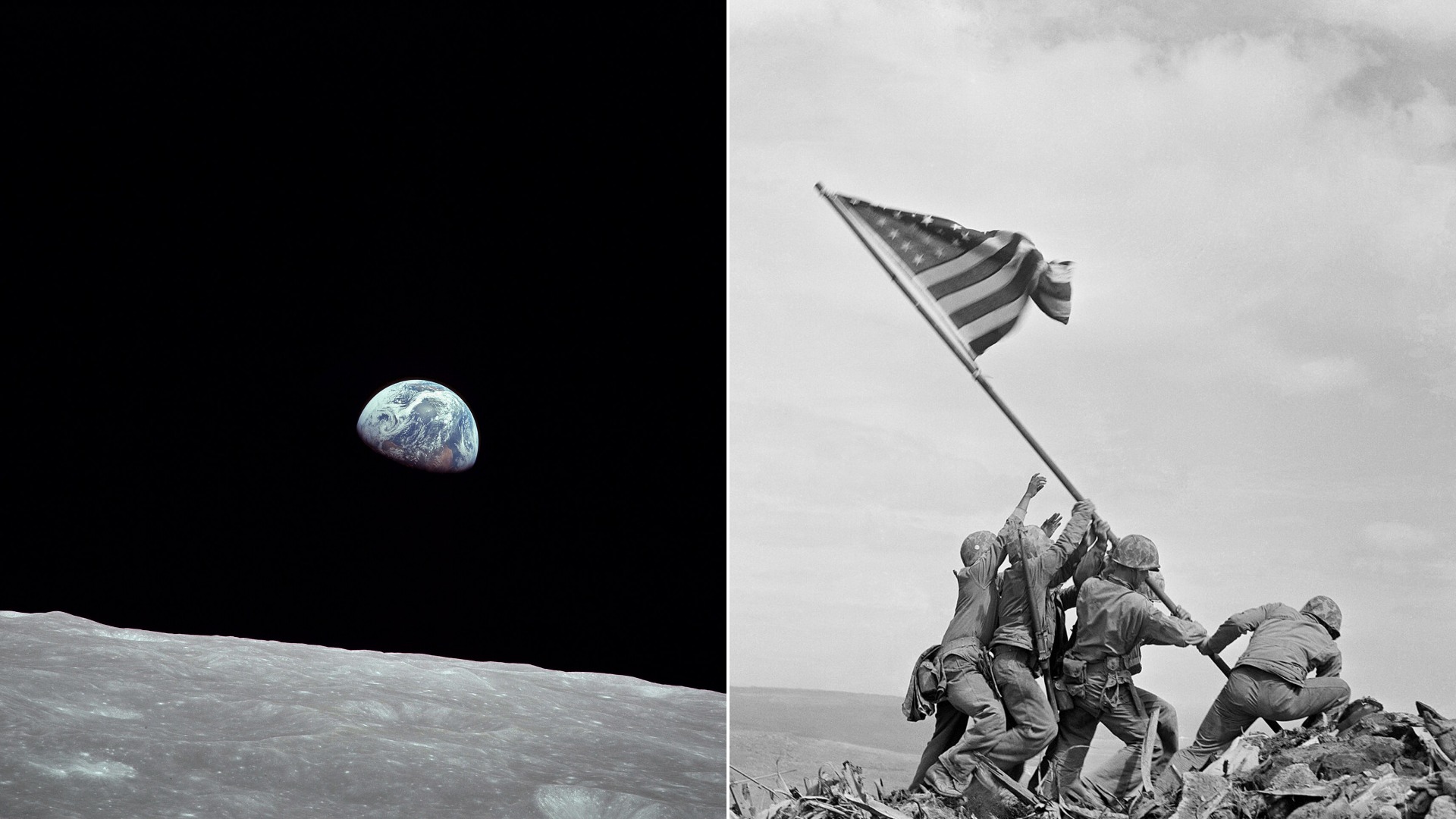
20 Iconic Historical Photos and the Archive Clues Behind Them
Contact sheets, cracked glass plates, and NASA mission logs preserve the hidden steps behind 20 famous photographs. Drawing on records from the Library of Congress, the National Archives, NASA, and the Smithsonian, this countdown traces how cropping, camera setups, and double exposures shaped each frame.
From secret subglacial canyons to centuries-old sharks that swam during the Renaissance, the world's largest island conceals some of the planet's most extraordinary geological and natural wonders.
Swipe or tap ▶ to begin the countdown
©Wikimedia / Justin
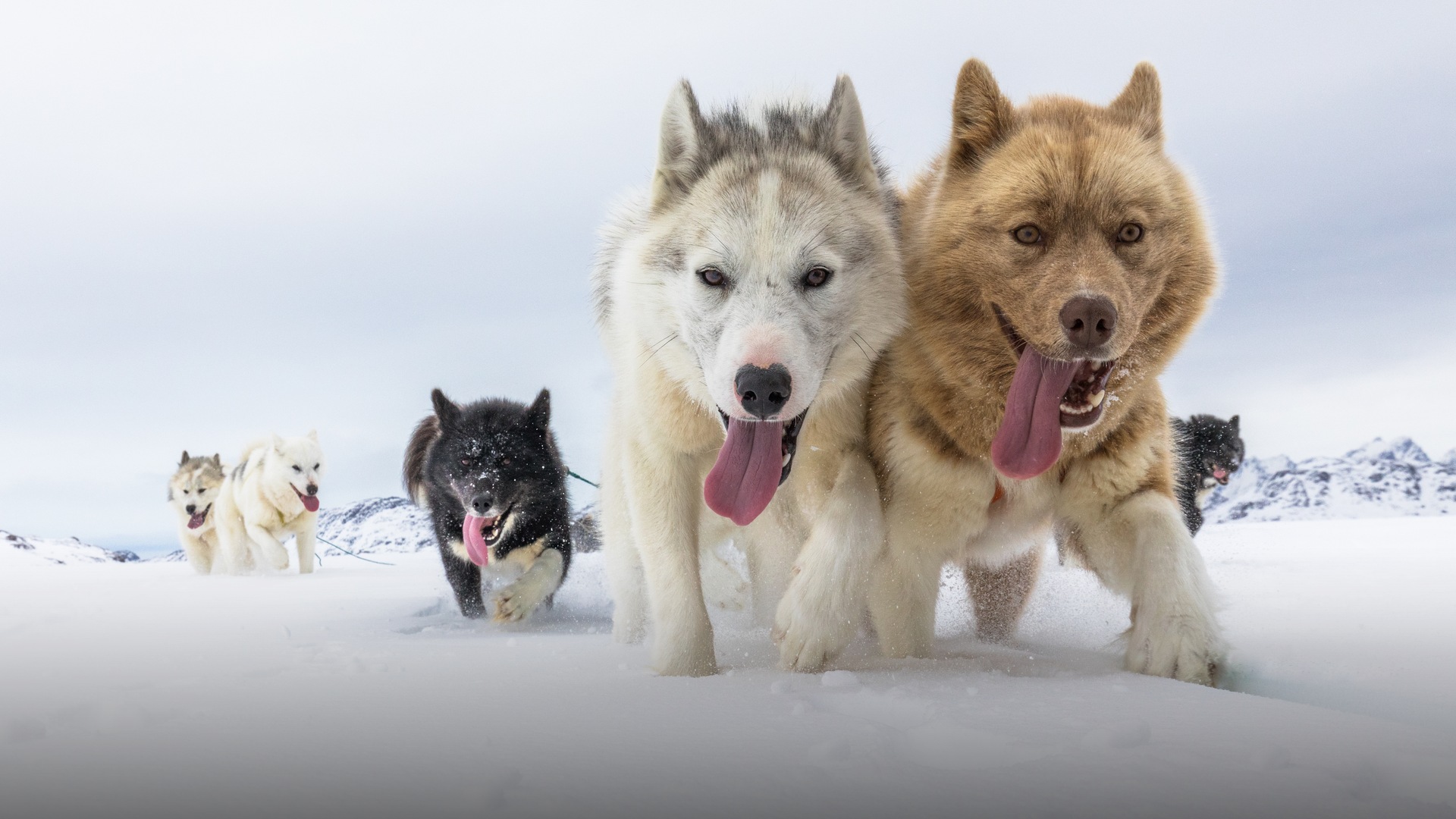
10. Zero Connecting Roads
There are no roads or railways linking Greenland’s towns and settlements. Locals travel strictly by boat, coastal ferry, helicopter, small plane, or traditional dog sleds across sea ice in winter.
©Flickr / Christine Zenino
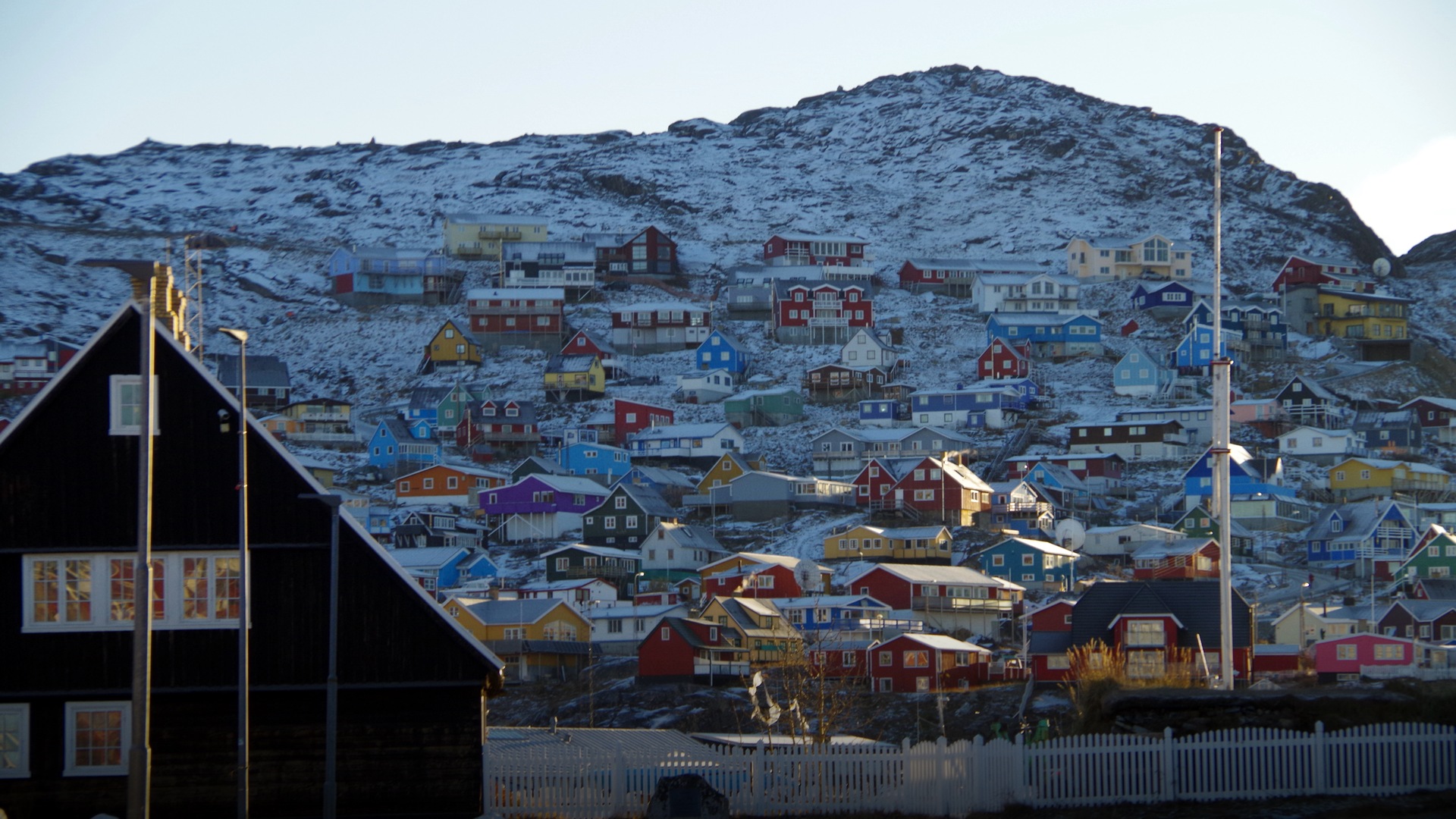
9. Color-Coded Wooden Houses
Greenland's iconic brightly painted houses trace back to Danish colonial times. Colors designated function: red for churches and stores, yellow for medical staff, blue for fish factories, and green for communications.
©Wikimedia / A.Savin
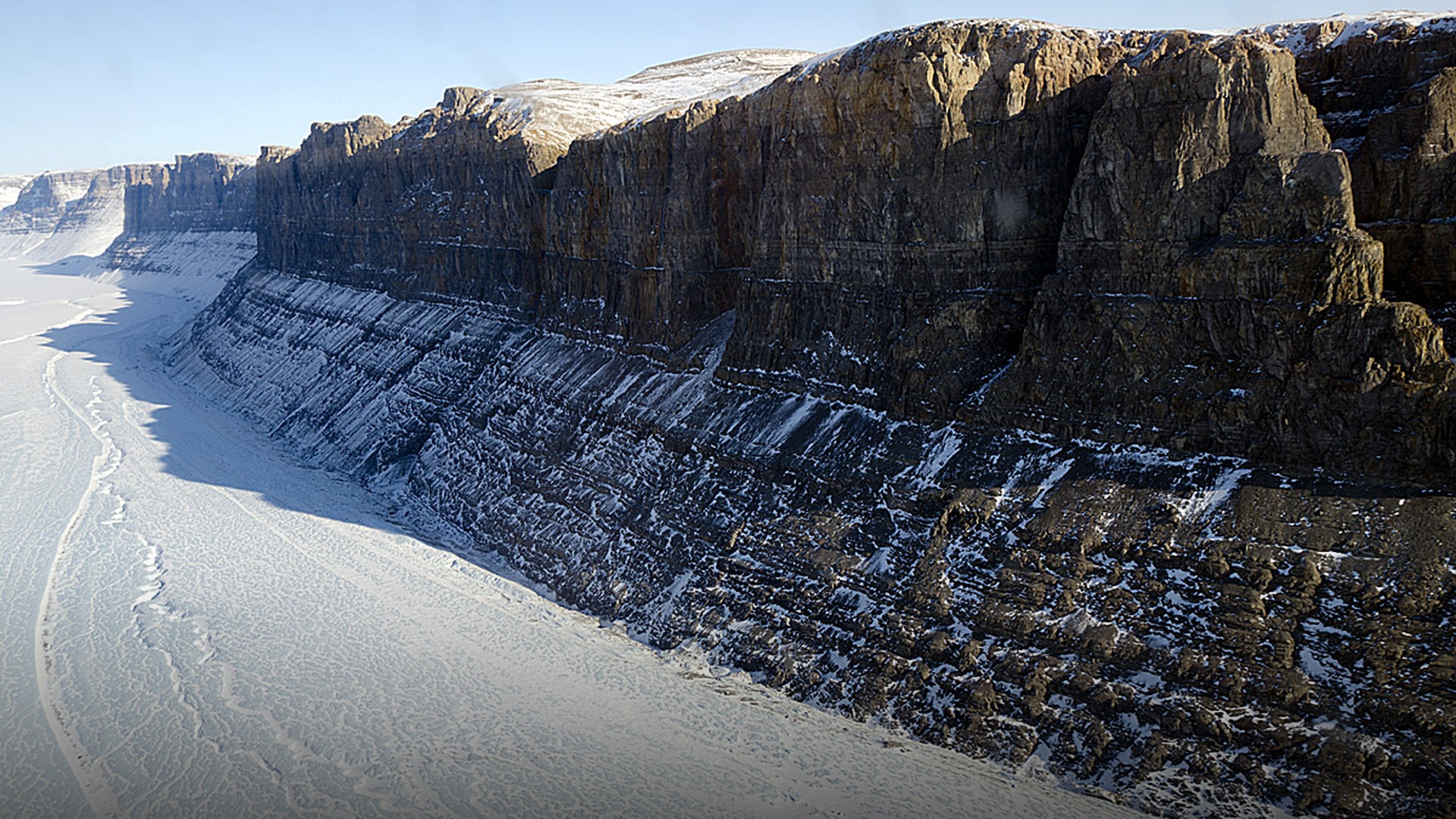
8. The World's Largest National Park
Covering 972,000 square kilometers, Northeast Greenland National Park is the largest in the world—bigger than France and Spain combined. It has no permanent human population except military patrol teams and Arctic wildlife.
©Wikimedia / Jerzy Strzelecki
Advertisement
Swipe or tap ▶ to resume the countdown.
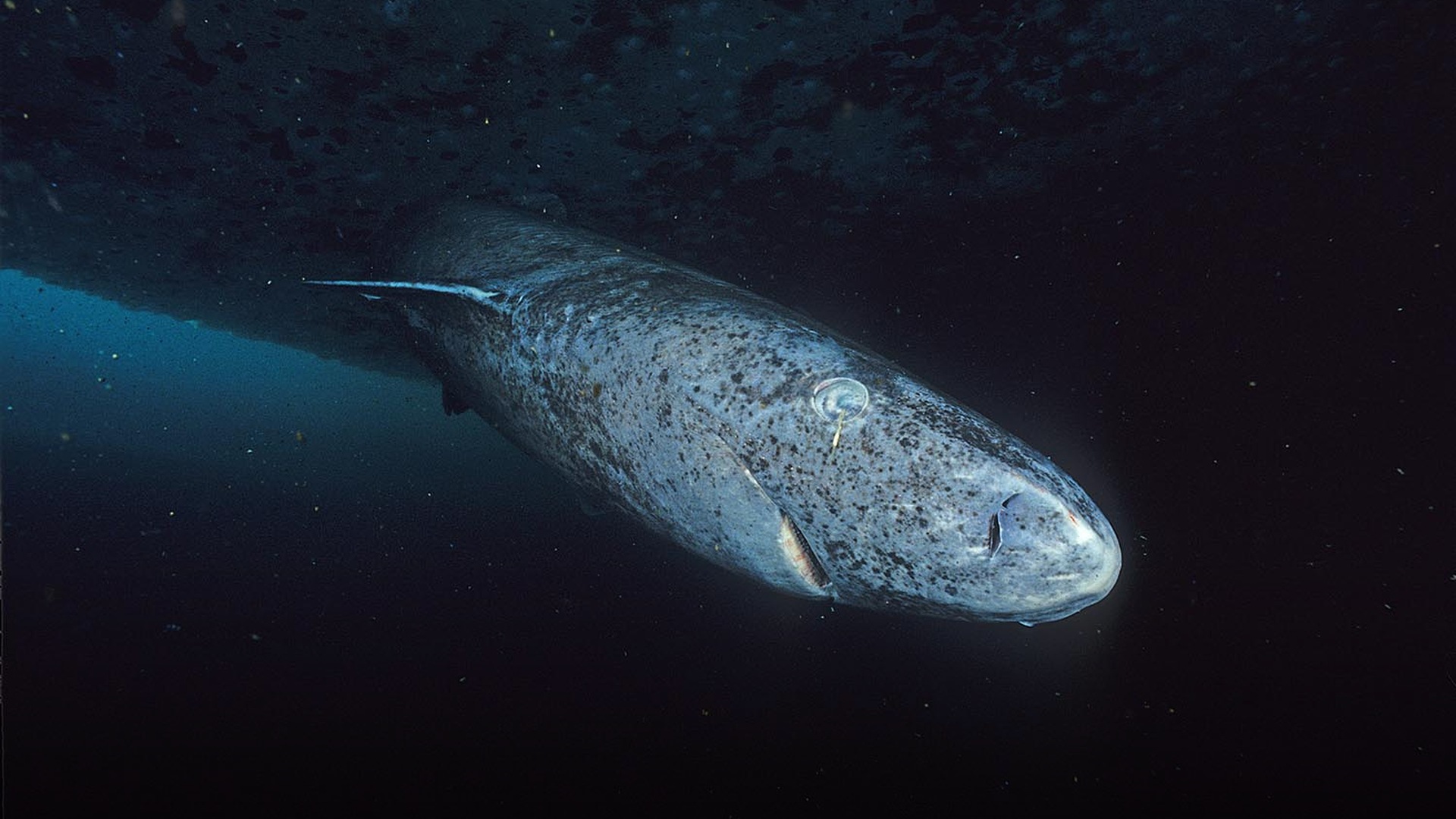
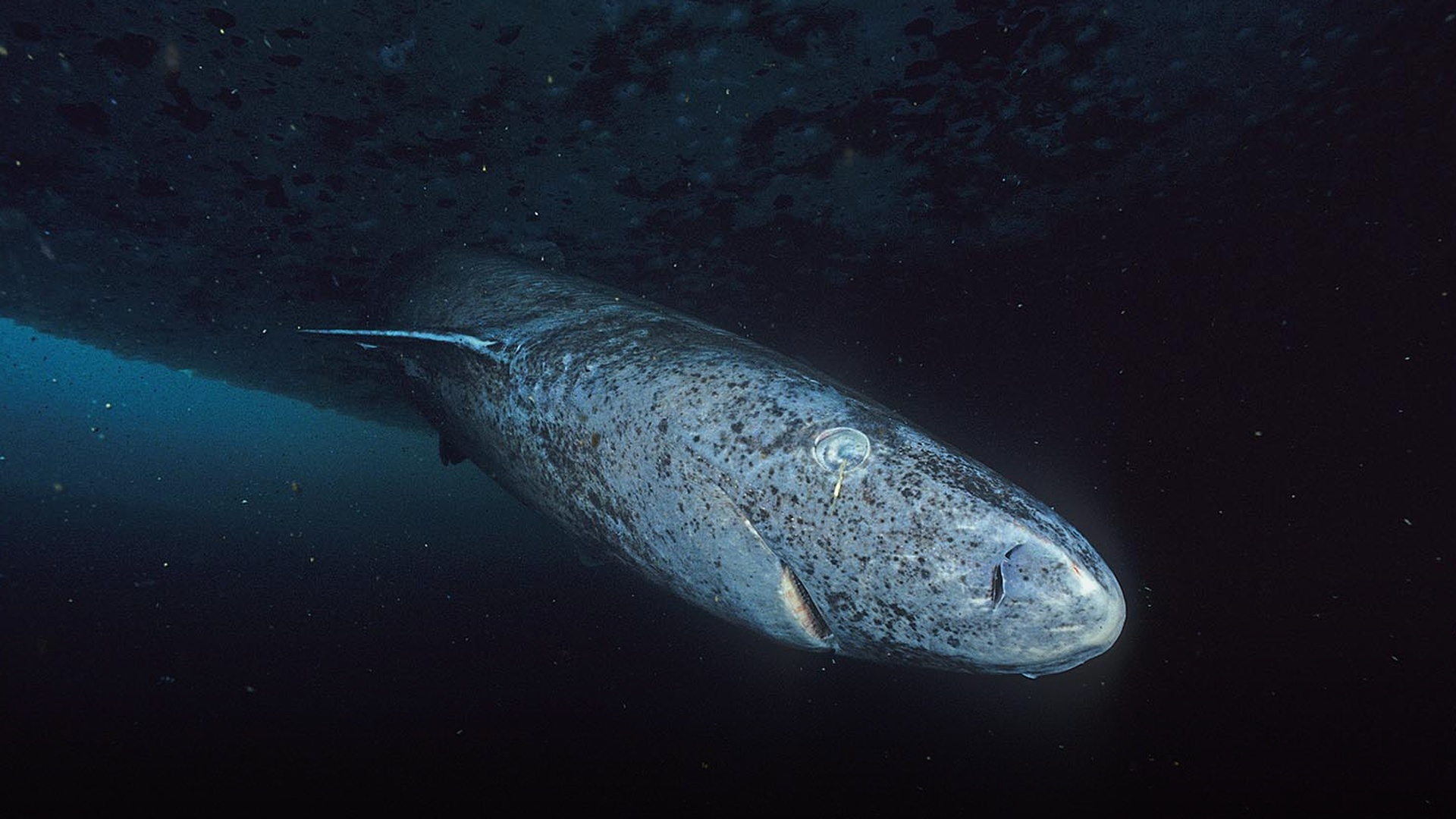
7. Ancient Four-Century Sharks
The Greenland shark is the longest-living vertebrate on Earth, with lifespans estimated between 250 and 500 years. Swimming in sub-zero Arctic depths, some living today were swimming during the Renaissance.
©Wikimedia / Justin
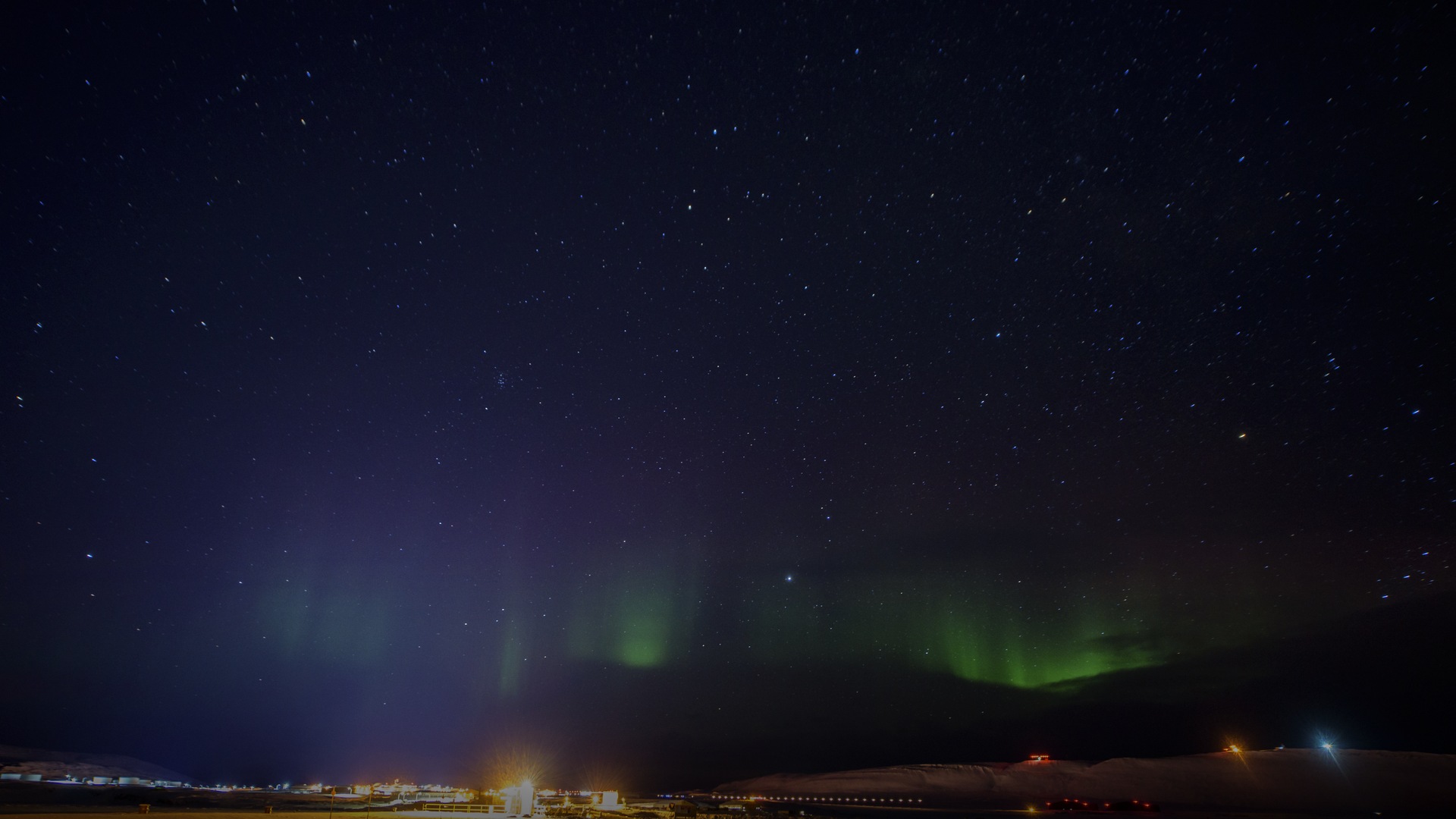
6. Polar Night And Midnight Sun
In northern towns like Qaanaaq, the midnight sun stays above the horizon for over three months in summer. In winter, weeks of complete polar darkness give way to some of the brightest auroras on the planet.
©U.S. Air Force / David V. Blanchet
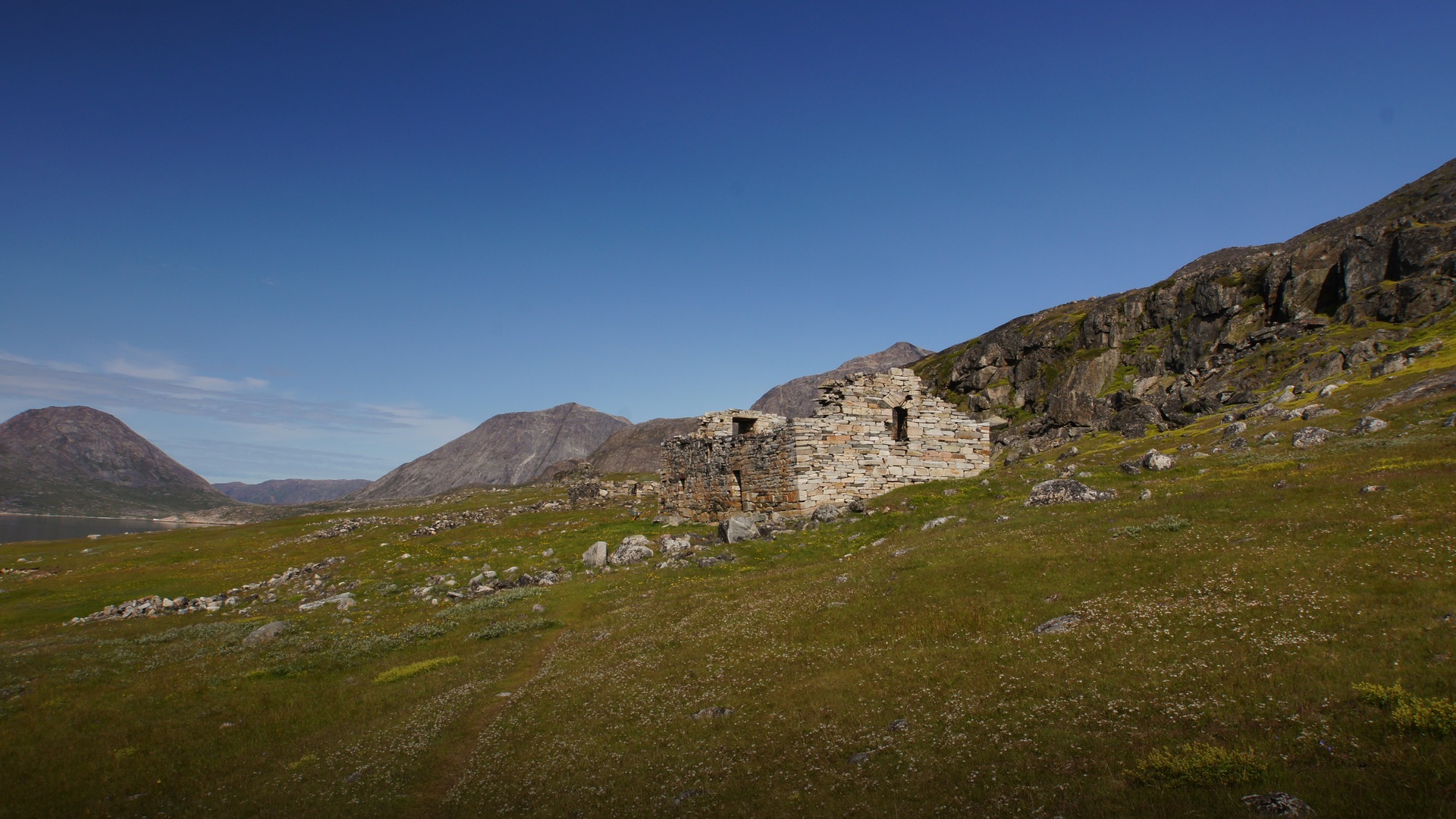
5. Vanished Norse Colonies
Norse settlers led by Erik the Red colonized southern Greenland in 985 AD and survived for nearly 500 years. By the early 1400s, their communities abruptly vanished, leaving behind haunting stone churches.
©Wikimedia / Chmee2
4. The World's Iceberg Factory
The Sermeq Kujalleq glacier at the UNESCO-listed Ilulissat Icefjord calves over 35 billion tonnes of icebergs annually. It is widely believed that the iceberg that sank the Titanic originated from this very fjord.
©NASA / Maria-Jose Vinas
Advertisement
Swipe or tap ▶ to resume the countdown.
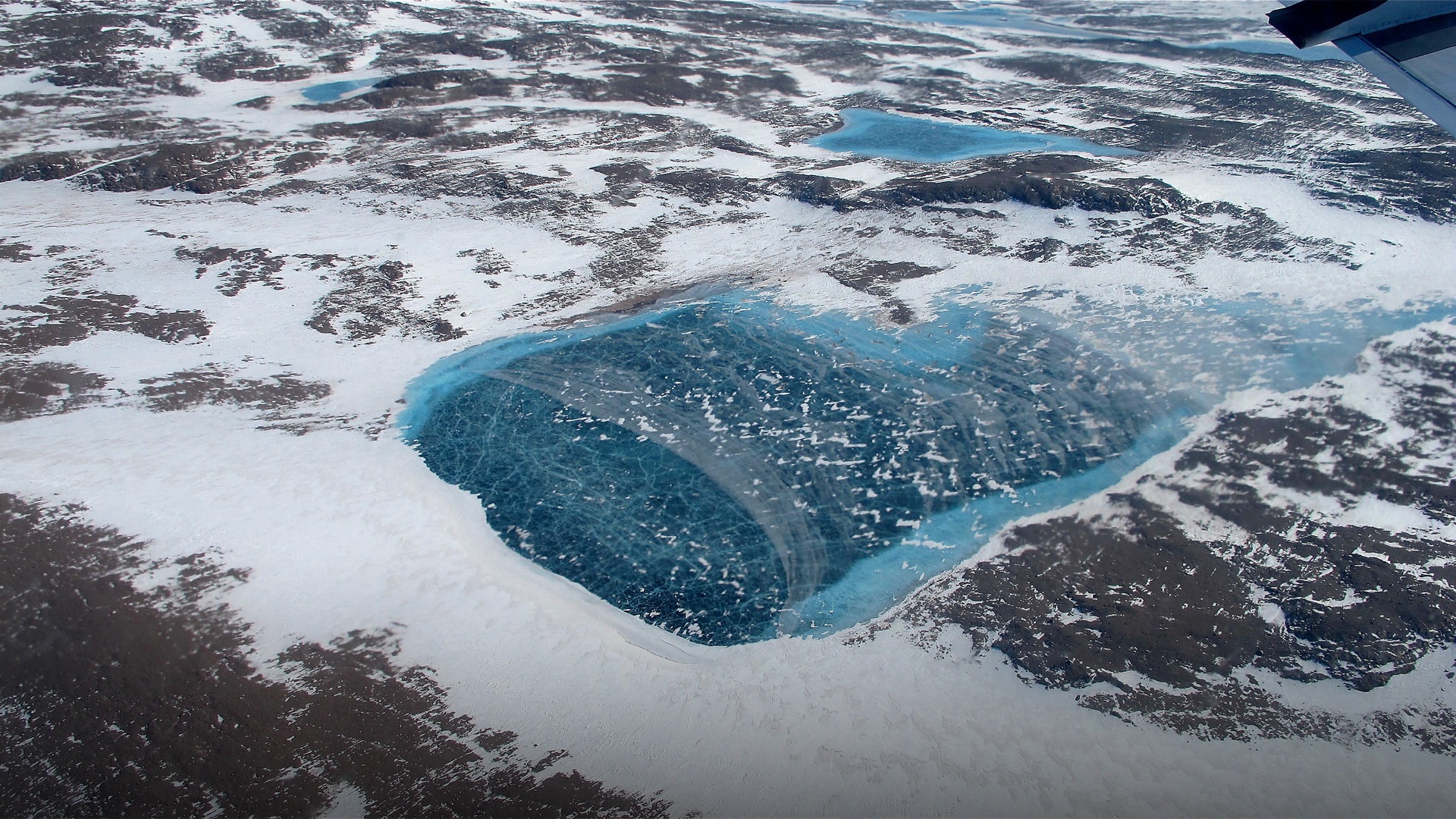
3. The Hidden Subglacial Canyon
In 2013, NASA radar data revealed a massive canyon 750 kilometers long and up to 800 meters deep hidden under the ice sheet. It is twice the length of Arizona's Grand Canyon and predates the ice itself.
©NASA / GSFC
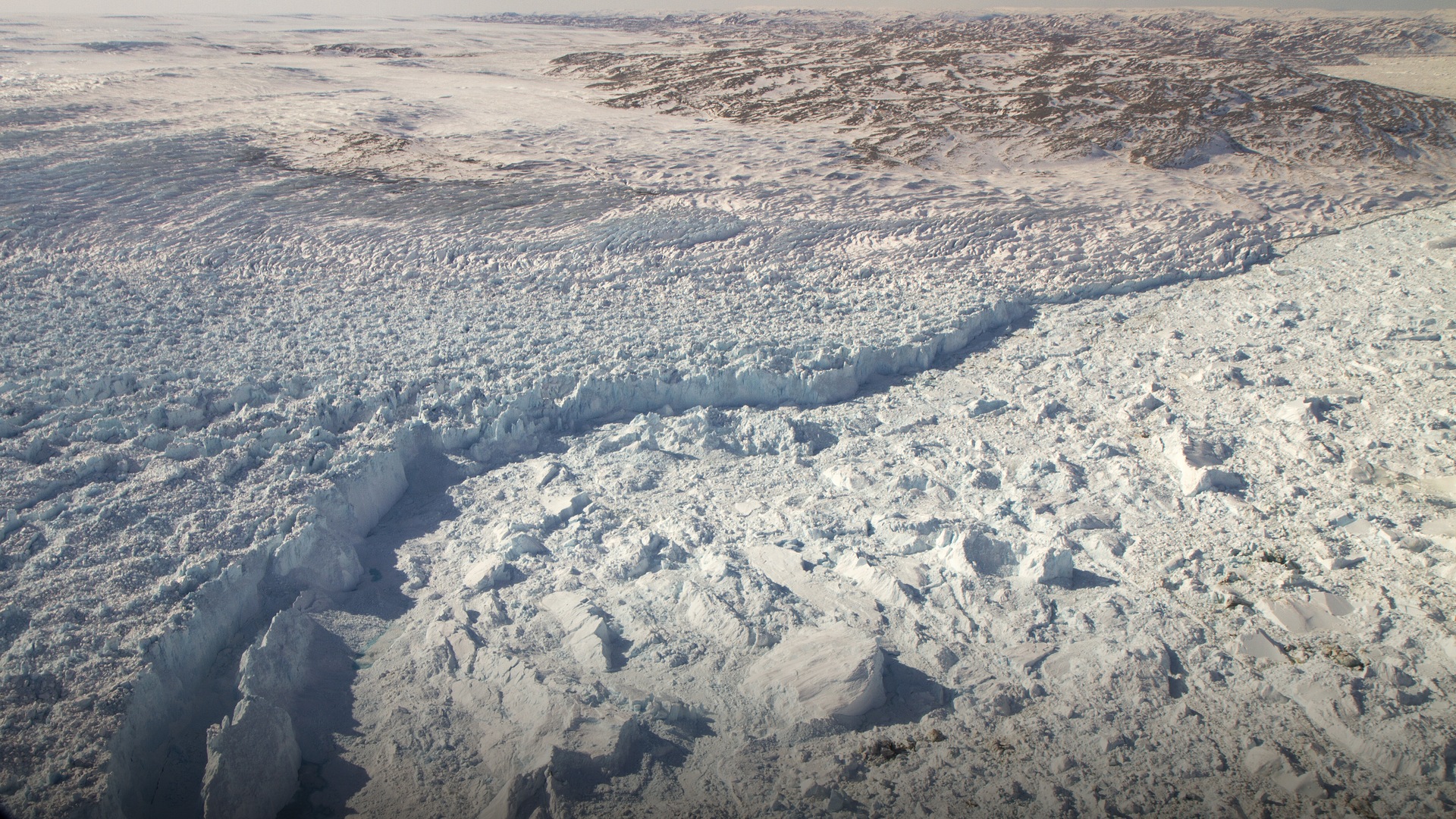
2. The Colossal Ice Sheet
Greenland's ice sheet spans 1.7 million square kilometers and reaches over 3 kilometers in thickness. If the entire sheet were to melt, global sea levels would rise by approximately 7.4 meters (24 feet).
©NASA / Michael Studinger
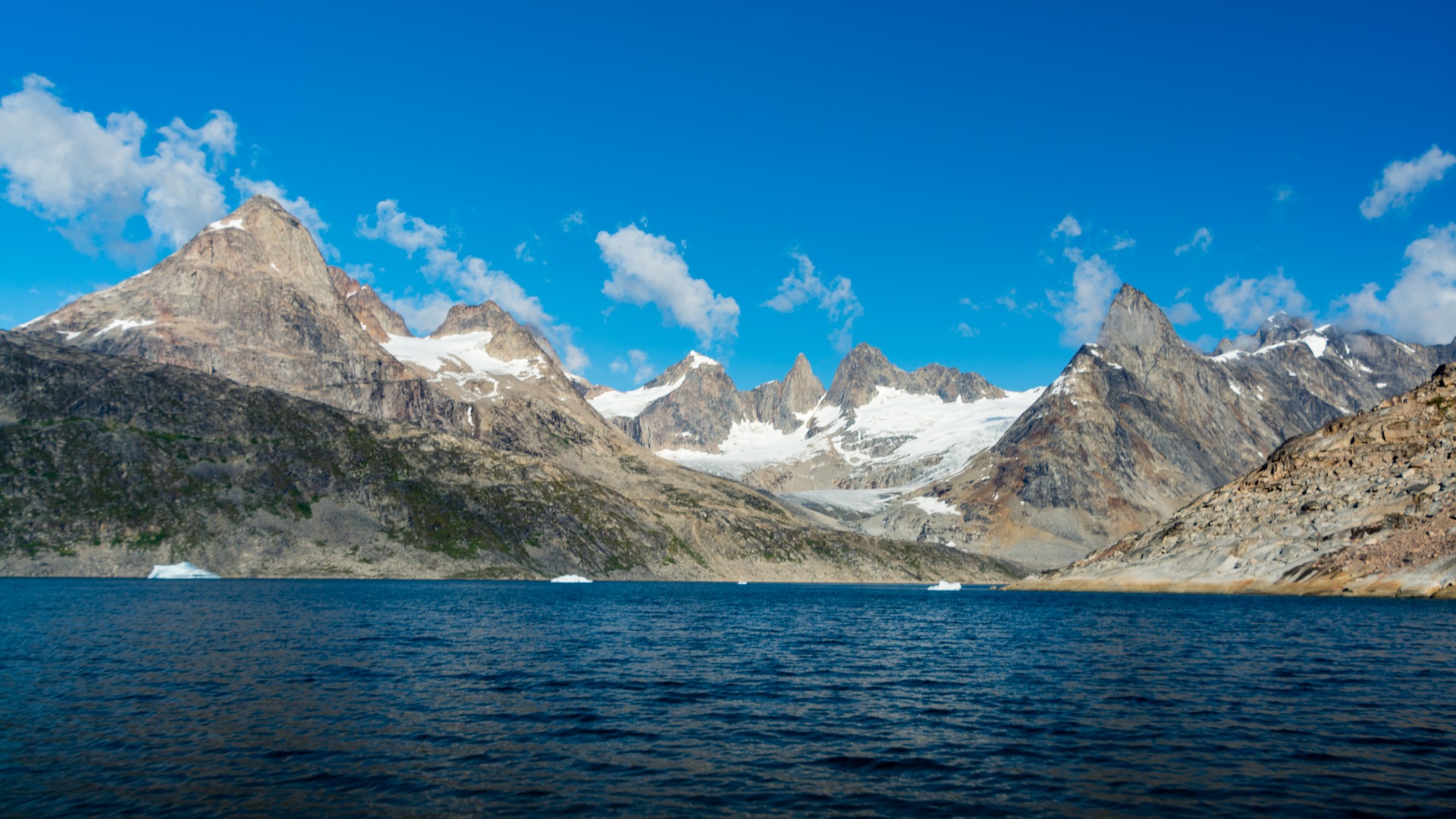
1. The World's Largest Island
Despite its continental scale of 2.16 million square kilometers, Greenland is officially the largest non-continental island on Earth. Over 80% is permanently glaciated, with 56,000 residents living along ice-free coasts.

©Flickr / Ville Miettinen
Advertisement
You've reached the end of the story. Thanks for reading!

20 Iconic Historical Photos and the Archive Clues Behind Them
Contact sheets, cracked glass plates, and NASA mission logs preserve the hidden steps behind 20 famous photographs. Drawing on records from the Library of Congress, the National Archives, NASA, and the Smithsonian, this countdown traces how cropping, camera setups, and double exposures shaped each frame.
All 10 Entries in this Story
10. Zero Connecting Roads
There are no roads or railways linking Greenland’s towns and settlements. Locals travel strictly by boat, coastal ferry, helicopter, small plane, or traditional dog sleds across sea ice in winter.

9. Color-Coded Wooden Houses
Greenland's iconic brightly painted houses trace back to Danish colonial times. Colors designated function: red for churches and stores, yellow for medical staff, blue for fish factories, and green for communications.

8. The World's Largest National Park
Covering 972,000 square kilometers, Northeast Greenland National Park is the largest in the world—bigger than France and Spain combined. It has no permanent human population except military patrol teams and Arctic wildlife.

7. Ancient Four-Century Sharks
The Greenland shark is the longest-living vertebrate on Earth, with lifespans estimated between 250 and 500 years. Swimming in sub-zero Arctic depths, some living today were swimming during the Renaissance.

6. Polar Night And Midnight Sun
In northern towns like Qaanaaq, the midnight sun stays above the horizon for over three months in summer. In winter, weeks of complete polar darkness give way to some of the brightest auroras on the planet.

5. Vanished Norse Colonies
Norse settlers led by Erik the Red colonized southern Greenland in 985 AD and survived for nearly 500 years. By the early 1400s, their communities abruptly vanished, leaving behind haunting stone churches.

4. The World's Iceberg Factory
The Sermeq Kujalleq glacier at the UNESCO-listed Ilulissat Icefjord calves over 35 billion tonnes of icebergs annually. It is widely believed that the iceberg that sank the Titanic originated from this very fjord.

3. The Hidden Subglacial Canyon
In 2013, NASA radar data revealed a massive canyon 750 kilometers long and up to 800 meters deep hidden under the ice sheet. It is twice the length of Arizona's Grand Canyon and predates the ice itself.

2. The Colossal Ice Sheet
Greenland's ice sheet spans 1.7 million square kilometers and reaches over 3 kilometers in thickness. If the entire sheet were to melt, global sea levels would rise by approximately 7.4 meters (24 feet).

1. The World's Largest Island
Despite its continental scale of 2.16 million square kilometers, Greenland is officially the largest non-continental island on Earth. Over 80% is permanently glaciated, with 56,000 residents living along ice-free coasts.