Slideshow · Viral
What Actually Happens If You Forget Airplane Mode
While your phone won't cause a plane to fall from the sky, leaving cellular active triggers rapid battery drain, ground network chaos, and subtle cockpit radio interference.
By Most Viral Today
23 Sept 2026

What Actually Happens If You Forget Airplane Mode 
10. Aggressive Battery Drain And Overheating 
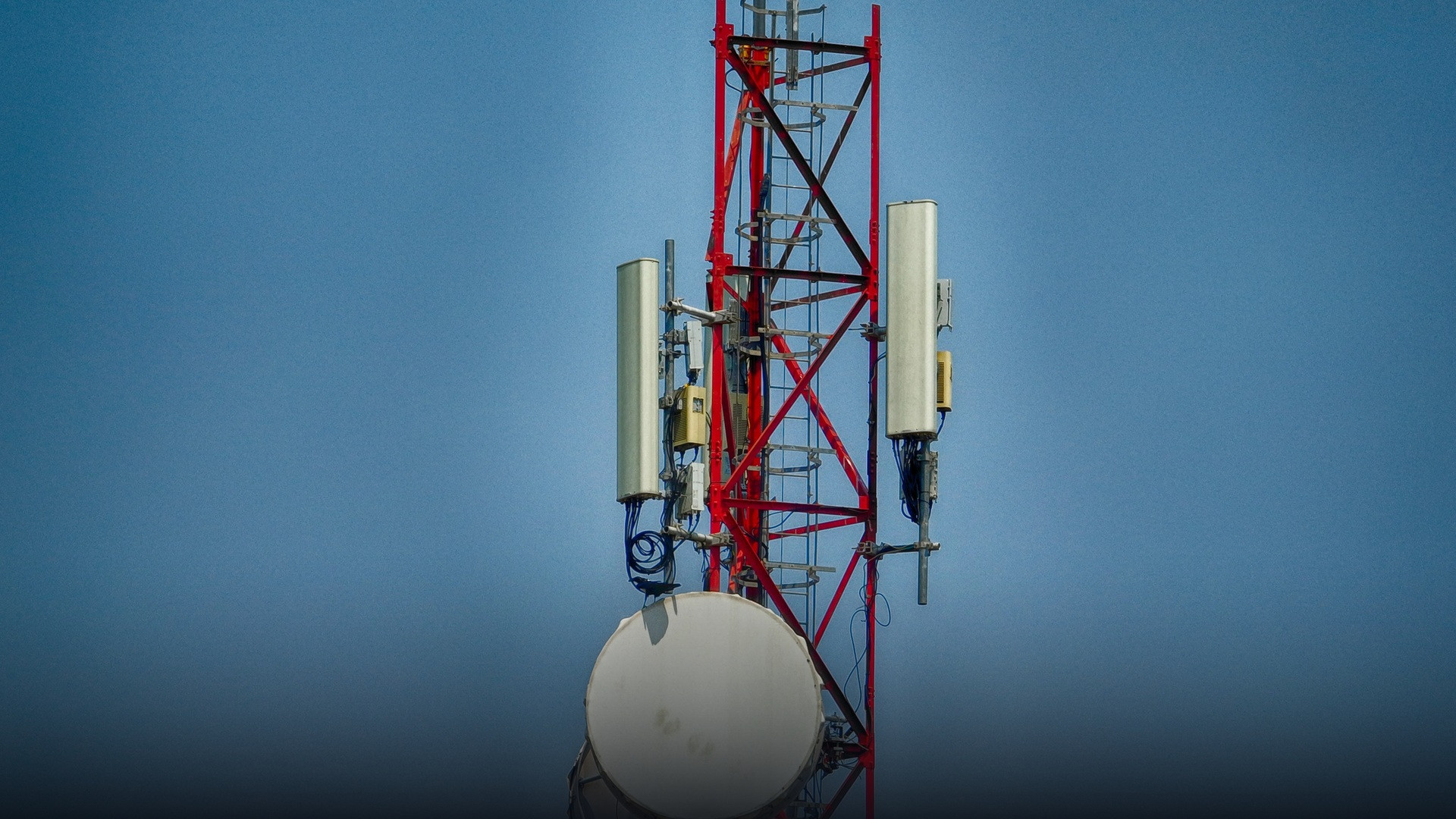
9. Ground Cell Tower Congestion 
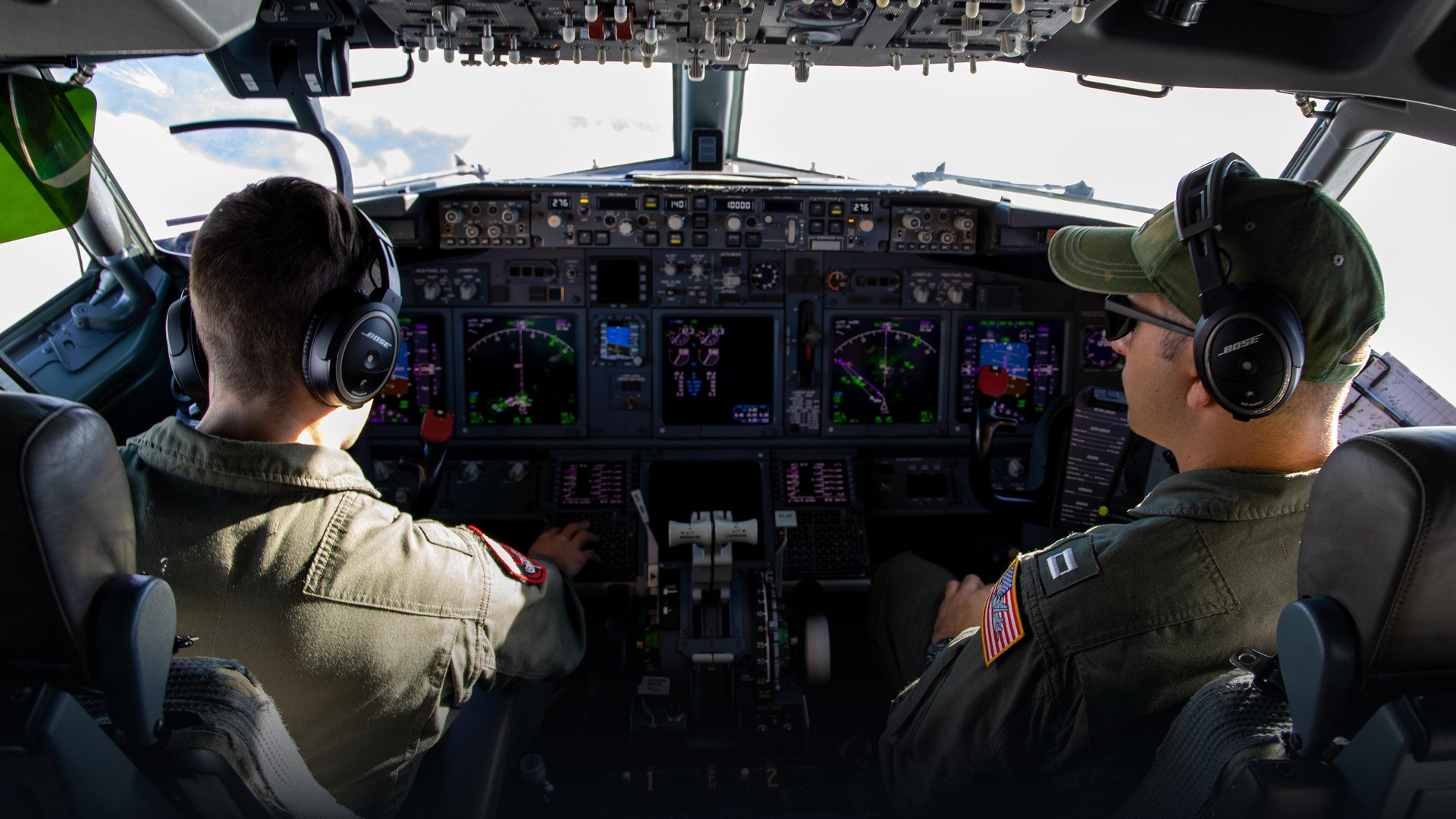
8. Pilot Intercom Audio Clicking - AdvertisementSwipe or tap ▶ to continue countdown

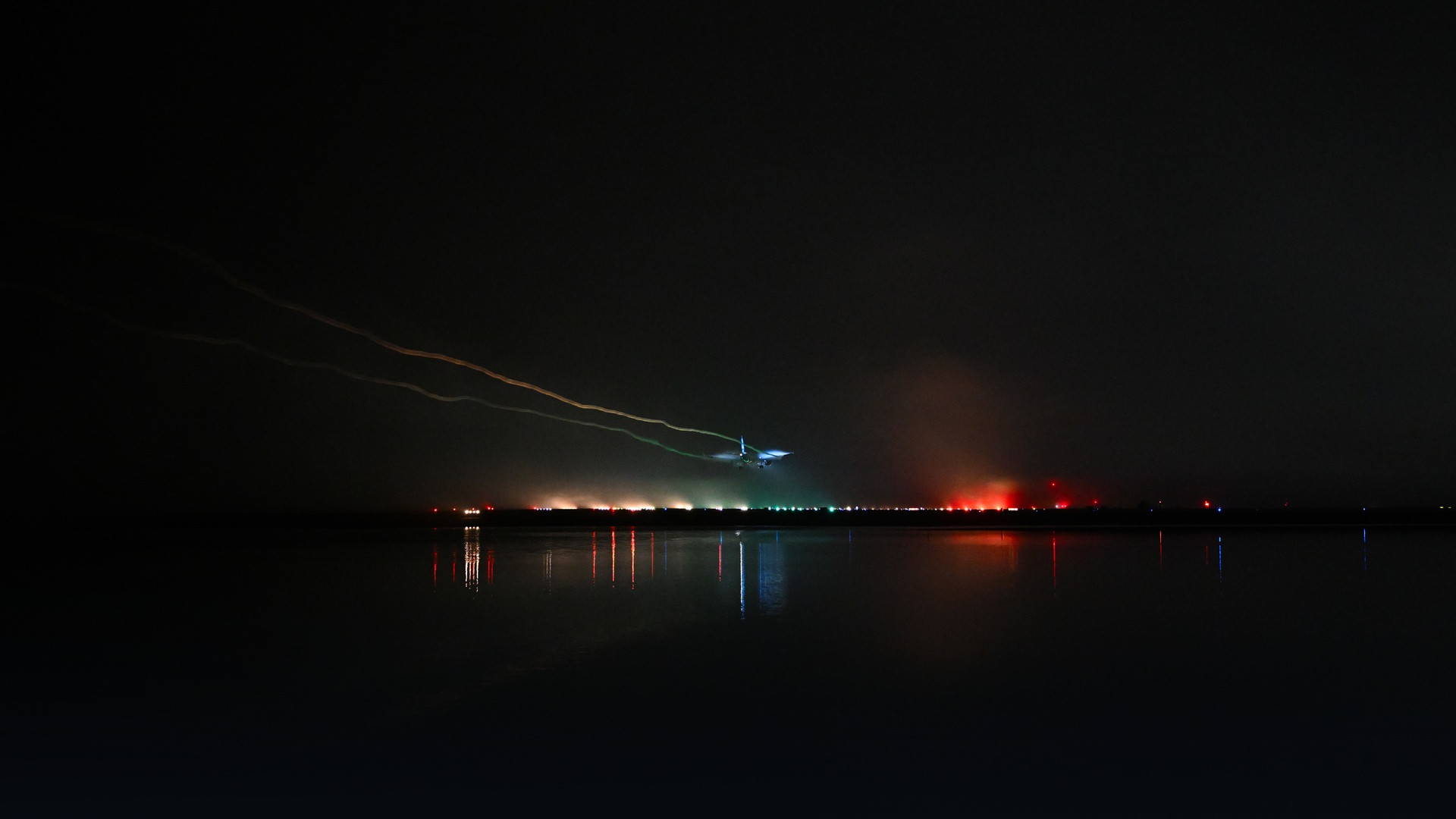
7. Critical Low-Visibility Landing Risks 
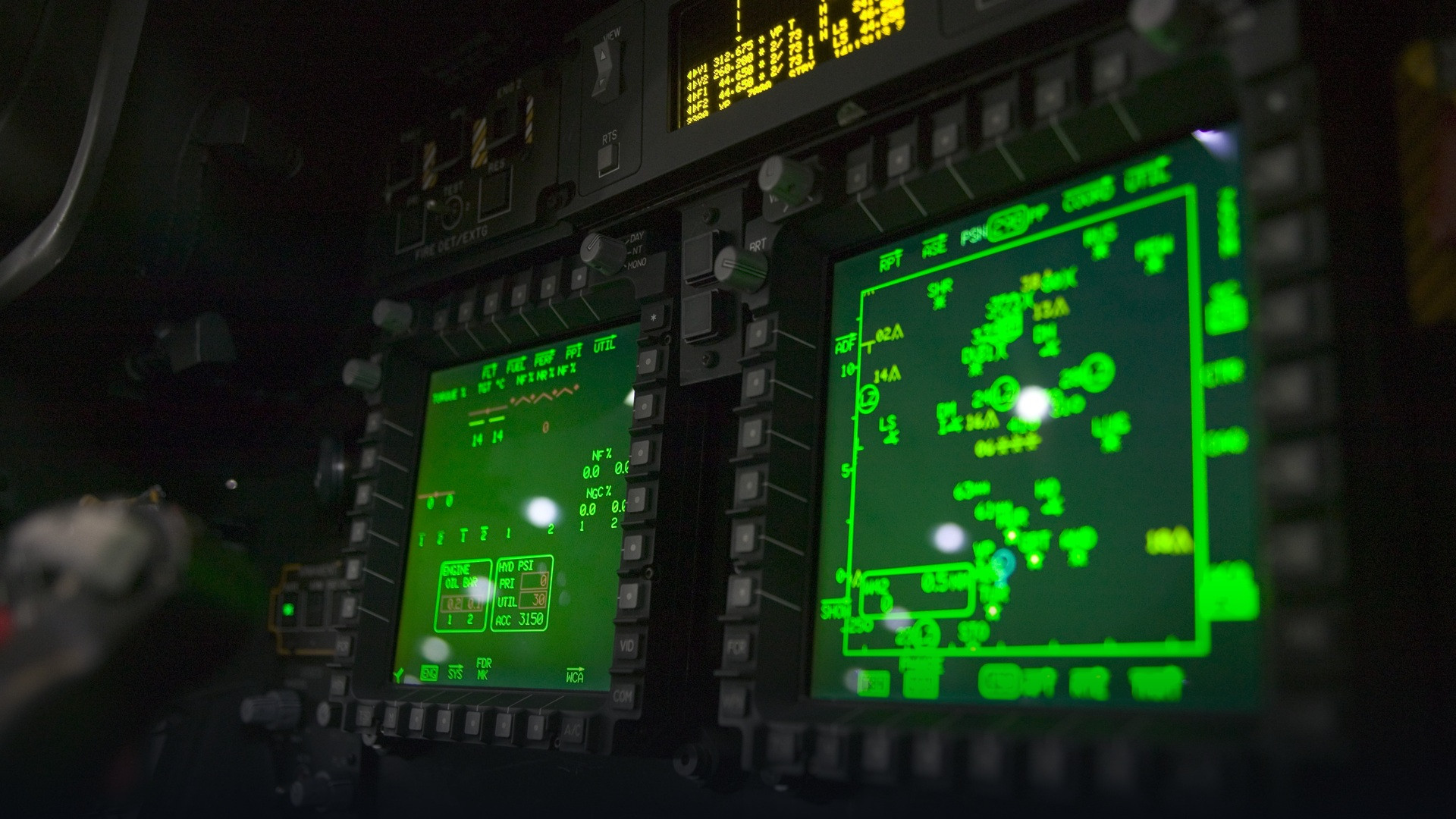
6. Modern Commercial Avionics Shielding 
5. Dedicated In-Flight Satellite Wi-Fi 
4. 5G C-Band And Radar Altimeter Guardbands - AdvertisementSwipe or tap ▶ to continue countdown

3. European In-Flight Picocell Networks 
2. Strict Federal Aviation Regulations 
1. The Zero-Tolerance Aviation Principle - Advertisement🔥 UP NEXT IN THIS SERIES◫ 21 Slides

20 Iconic Historical Photos and the Archive Clues Behind Them
Contact sheets, cracked glass plates, and NASA mission logs preserve the hidden steps behind 20 famous photographs. Drawing on records from the Library of Congress, the National Archives, NASA, and the Smithsonian, this countdown traces how cropping, camera setups, and double exposures shaped each frame.
While your phone won't cause a plane to fall from the sky, leaving cellular active triggers rapid battery drain, ground network chaos, and subtle cockpit radio interference.
Swipe or tap ▶ to begin the countdown
©Wikimedia / MD Shafiur Rahman Bablu
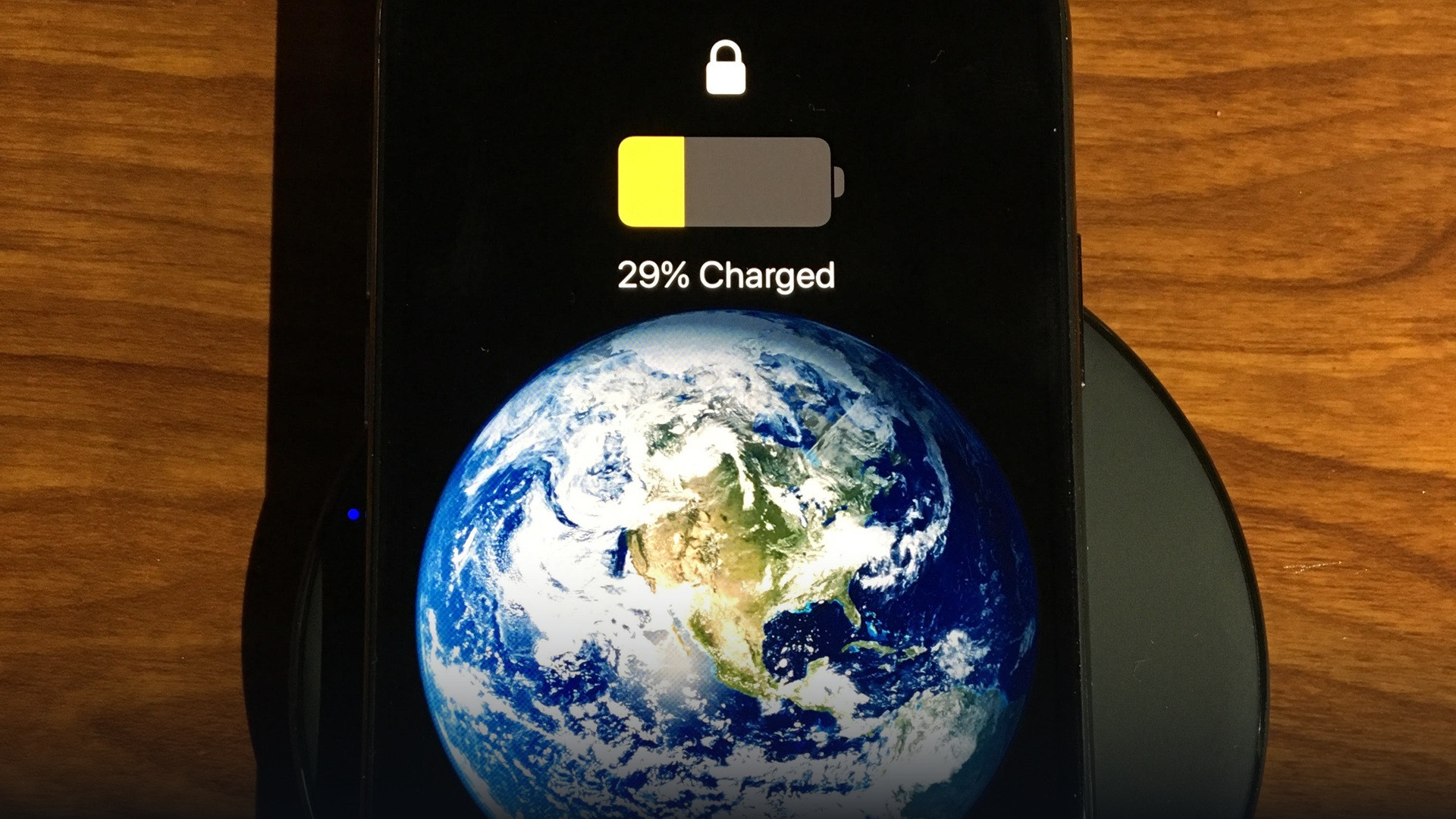
10. Aggressive Battery Drain And Overheating
Cruising at 35,000 feet, your phone constantly ramps its transmitter to maximum wattage attempting to reach distant base stations, rapidly draining battery life and warming your pocket.
©Wikimedia / CC BY-SA 4.0
9. Ground Cell Tower Congestion
At cruising altitude, phones have an unobstructed line of sight to dozens of cellular towers simultaneously, overwhelming ground cell routing with erratic connection handoffs.
©Wikimedia / Kernow Skies
8. Pilot Intercom Audio Clicking
Transmitting phones can induce rhythmic audio clicks—the classic "dit-dit-dit" electromagnetic noise—directly inside the sensitive intercom headsets worn by pilots.
©Wikimedia / U.S. Navy
Advertisement
Swipe or tap ▶ to resume the countdown.
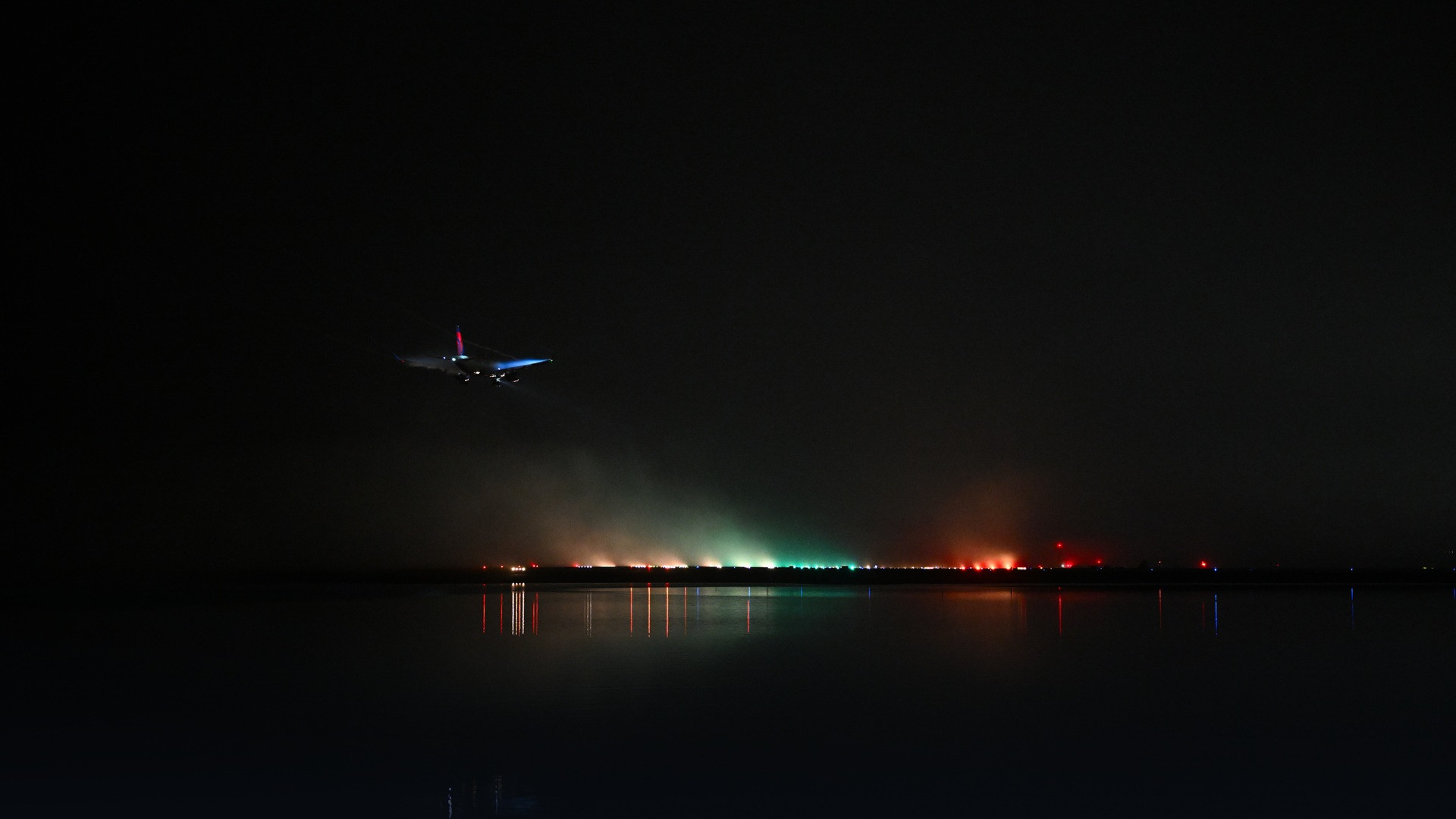
7. Critical Low-Visibility Landing Risks
Aviation authorities enforce maximum radio silence during descent and landing, when automated Instrument Landing Systems (ILS) steer aircraft through dense fog to the tarmac.
©Wikimedia / formulanone
6. Modern Commercial Avionics Shielding
Commercial Boeing and Airbus airframes feature heavy shielding around critical avionics, meaning isolated phone signals cannot compromise fly-by-wire flight control computers.
©Wikimedia / UK MOD
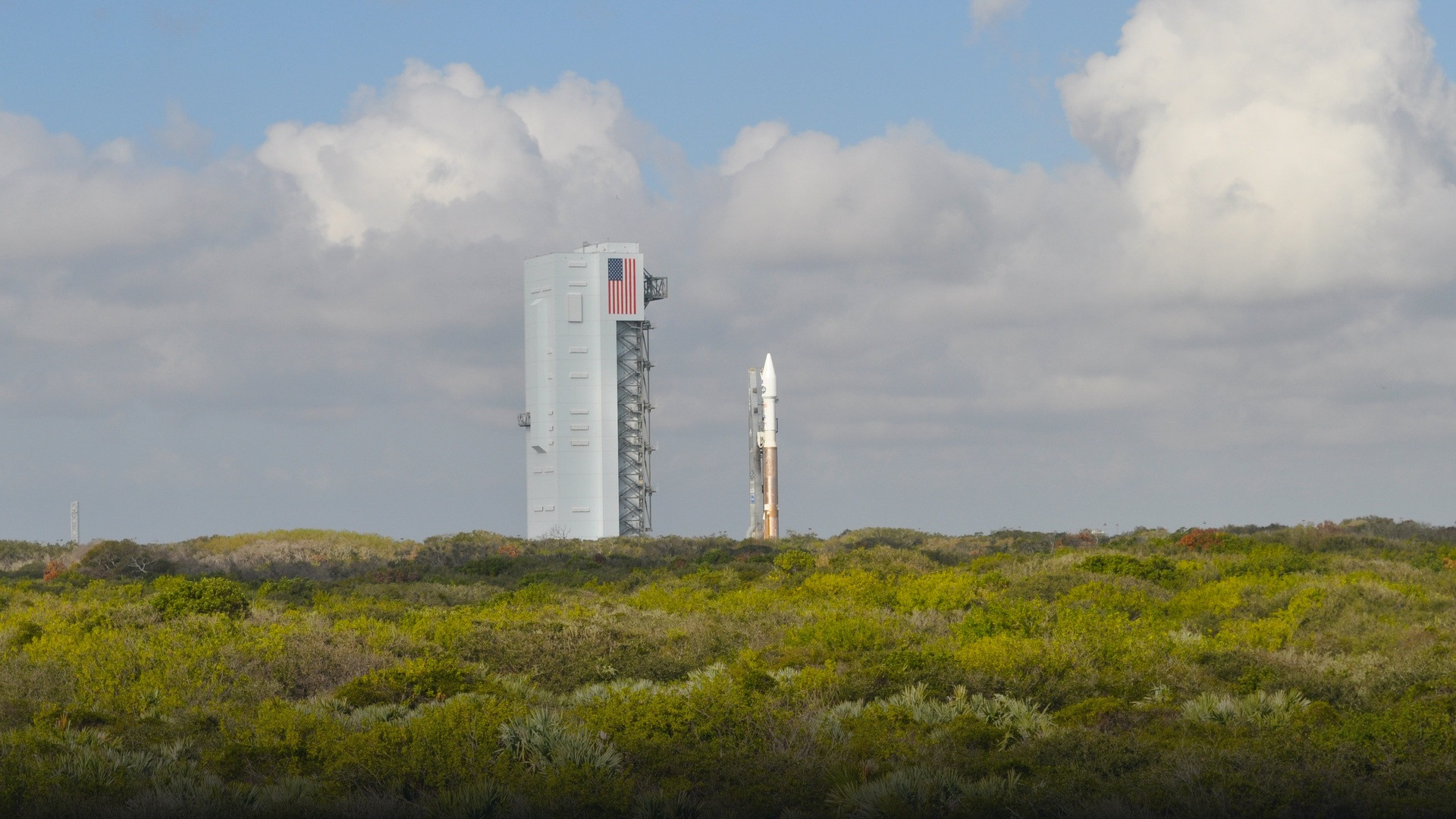
5. Dedicated In-Flight Satellite Wi-Fi
In-flight Wi-Fi is permitted because it operates on certified, isolated satellite transceivers (Ku and Ka bands) that never cross frequencies with aircraft flight controls.
©NASA / Kennedy Space Center
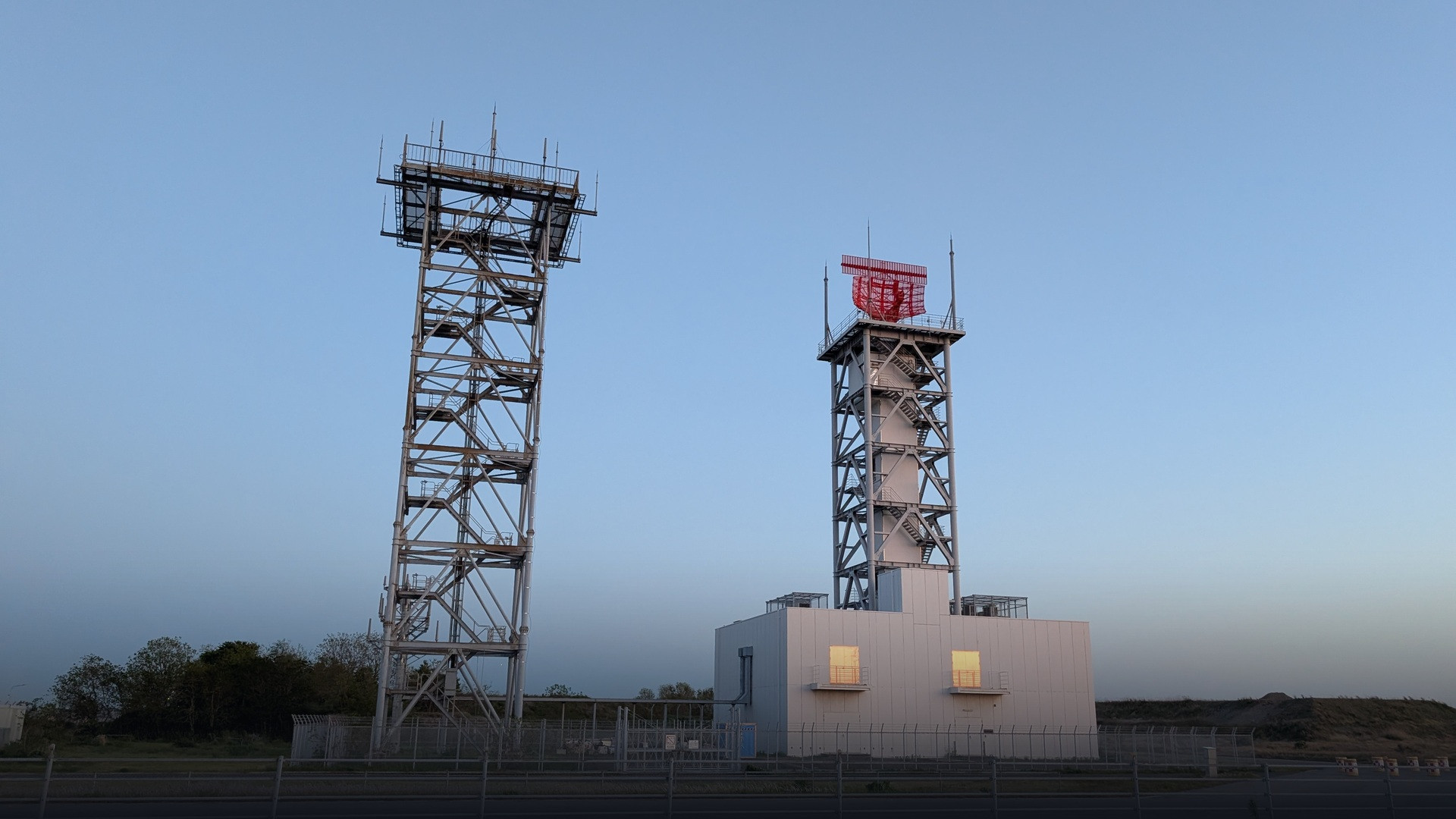
4. 5G C-Band And Radar Altimeter Guardbands
Aviation regulators instituted safety buffer zones around airports because 5G C-Band cellular frequencies operate very close to the radar altimeters that measure terrain clearance.
©Wikimedia / Morio
Advertisement
Swipe or tap ▶ to resume the countdown.
3. European In-Flight Picocell Networks
The EU allows airlines to install onboard picocells—mini base stations that capture cabin phone signals at ultra-low power and relay calls safely via satellite networks.
©Wikimedia / formulanone
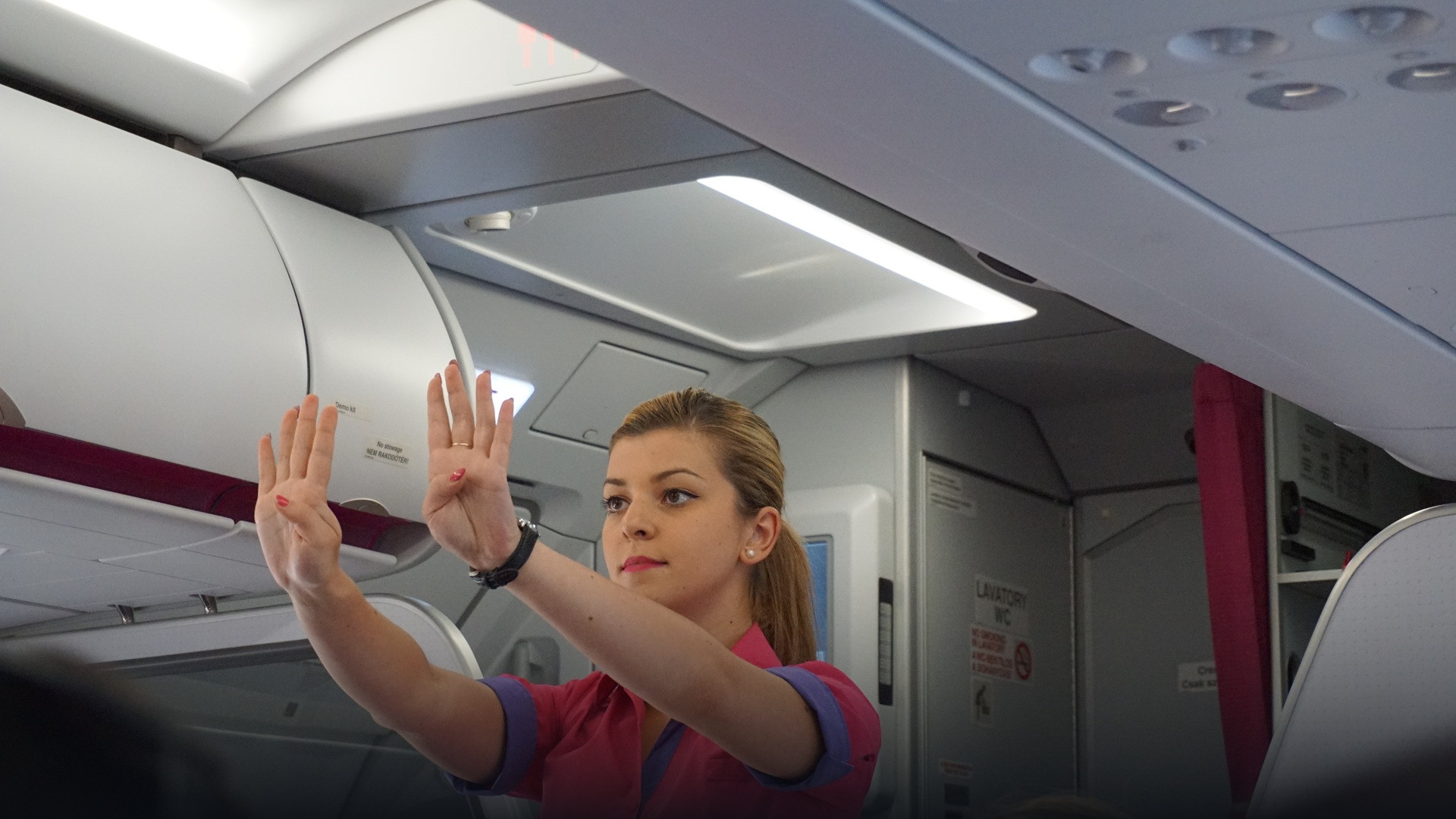
2. Strict Federal Aviation Regulations
Ignoring crew instructions to switch devices to airplane mode violates federal aviation law, exposing defiant passengers to substantial FAA fines and airline flight bans.
©Wikimedia / CC BY-SA 2.0
1. The Zero-Tolerance Aviation Principle
Commercial aviation's gold standard of safety relies on zero-risk engineering: even an infinitesimal risk of cockpit distraction or navigational static is systematically eliminated.

©Wikimedia / postpic
Advertisement
You've reached the end of the story. Thanks for reading!

20 Iconic Historical Photos and the Archive Clues Behind Them
Contact sheets, cracked glass plates, and NASA mission logs preserve the hidden steps behind 20 famous photographs. Drawing on records from the Library of Congress, the National Archives, NASA, and the Smithsonian, this countdown traces how cropping, camera setups, and double exposures shaped each frame.
All 10 Entries in this Story
10. Aggressive Battery Drain And Overheating
Cruising at 35,000 feet, your phone constantly ramps its transmitter to maximum wattage attempting to reach distant base stations, rapidly draining battery life and warming your pocket.

9. Ground Cell Tower Congestion
At cruising altitude, phones have an unobstructed line of sight to dozens of cellular towers simultaneously, overwhelming ground cell routing with erratic connection handoffs.

8. Pilot Intercom Audio Clicking
Transmitting phones can induce rhythmic audio clicks—the classic "dit-dit-dit" electromagnetic noise—directly inside the sensitive intercom headsets worn by pilots.

7. Critical Low-Visibility Landing Risks
Aviation authorities enforce maximum radio silence during descent and landing, when automated Instrument Landing Systems (ILS) steer aircraft through dense fog to the tarmac.

6. Modern Commercial Avionics Shielding
Commercial Boeing and Airbus airframes feature heavy shielding around critical avionics, meaning isolated phone signals cannot compromise fly-by-wire flight control computers.

5. Dedicated In-Flight Satellite Wi-Fi
In-flight Wi-Fi is permitted because it operates on certified, isolated satellite transceivers (Ku and Ka bands) that never cross frequencies with aircraft flight controls.

4. 5G C-Band And Radar Altimeter Guardbands
Aviation regulators instituted safety buffer zones around airports because 5G C-Band cellular frequencies operate very close to the radar altimeters that measure terrain clearance.

3. European In-Flight Picocell Networks
The EU allows airlines to install onboard picocells—mini base stations that capture cabin phone signals at ultra-low power and relay calls safely via satellite networks.

2. Strict Federal Aviation Regulations
Ignoring crew instructions to switch devices to airplane mode violates federal aviation law, exposing defiant passengers to substantial FAA fines and airline flight bans.

1. The Zero-Tolerance Aviation Principle
Commercial aviation's gold standard of safety relies on zero-risk engineering: even an infinitesimal risk of cockpit distraction or navigational static is systematically eliminated.